Culture Culture 3 min read

I want to believe

Did you fall for any of these 11 famous hoaxes?

Image: Hartono Creative Studio

The fact that not every little thing in our world can yet be explained makes life a bit more interesting for many of us. And that urge to believe in certain things has fostered many myths and hoaxes that continue to fool people to this day. How many of the following 11 do you know?

1
The Cardiff Giant
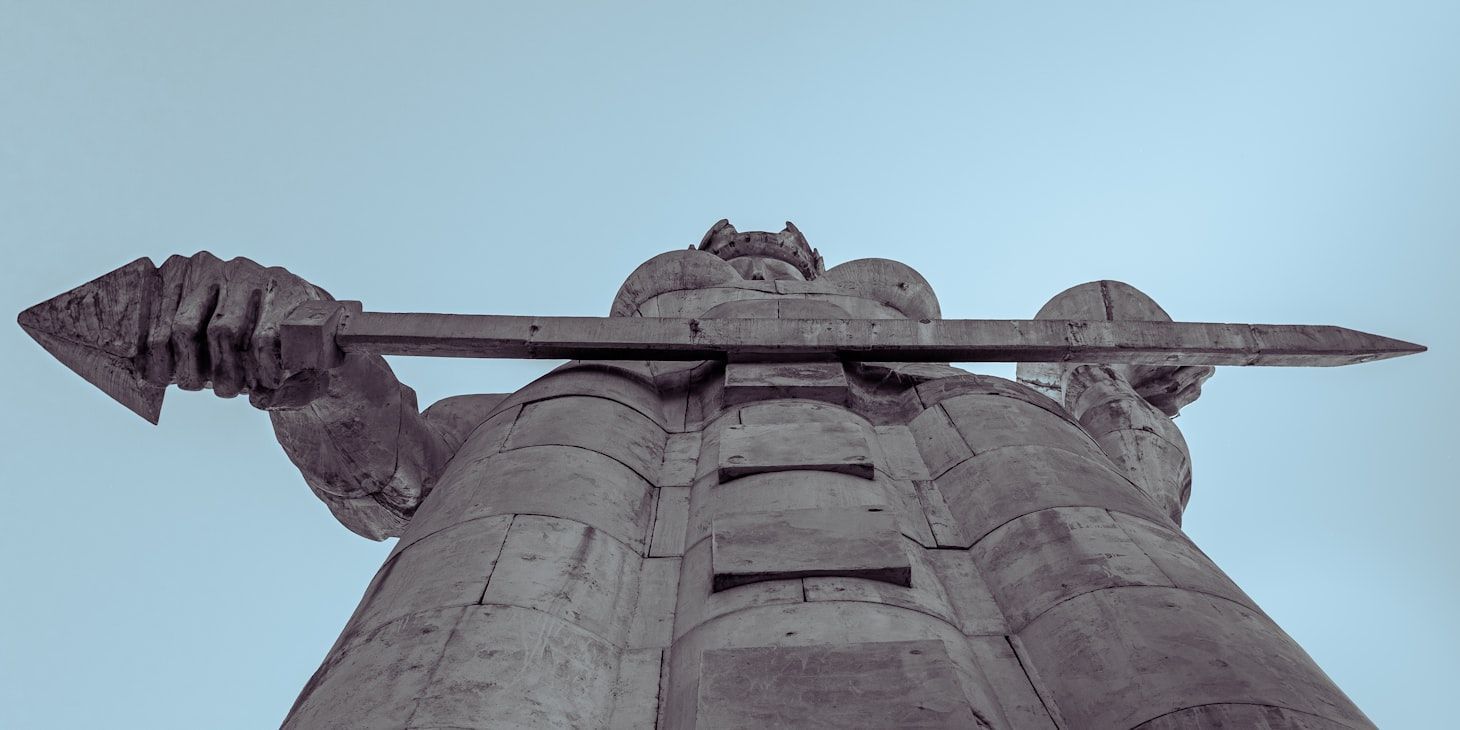
Image: Anton Ivanov

In 1869, workers digging a well in Cardiff, New York, uncovered what appeared to be a 10-foot-tall petrified man. Locals rushed to see the "giant," paying admission to witness history in the soil.

But, as it turned out, it wasn’t ancient at all. A man named George Hull had buried the statue as a prank and made some quick money from the curious crowd.

2
War of the Worlds Broadcast
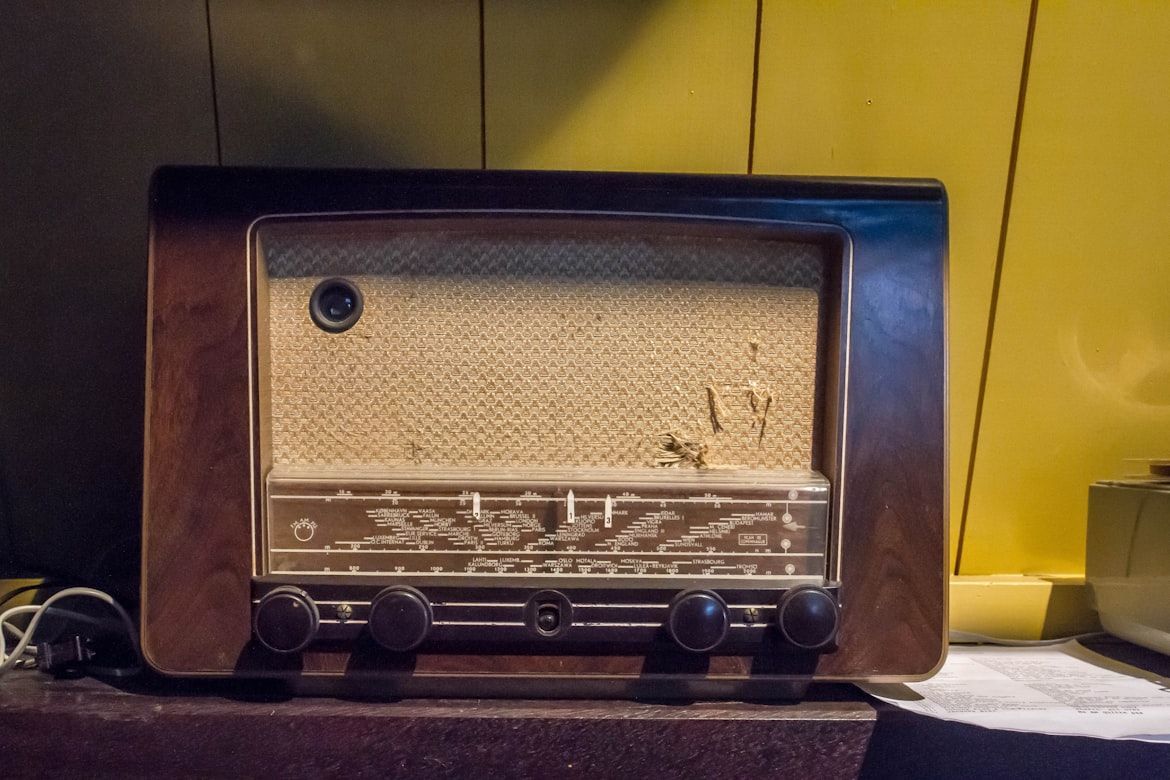
Image: Michal Balog

This very famous hoax took place on the eve of Halloween 1938. Orson Welles’s radio adaptation of The War of the Worlds aired as if it were breaking news . Many listeners tuning in late thought Martians had really landed in New Jersey.

Some packed up their cars or called the police in panic. Though no invasion occurred, the broadcast became a legend in media history.

3
The Balloon Boy

Image: Ankush Minda

In 2009, Americans watched live TV coverage of a silver balloon drifting across the skies of Colorado , fearing that a six-year-old boy was trapped inside . The story gripped the nation for hours.

When the balloon finally landed empty, police discovered the child hiding safely at home. His parents later admitted it was a publicity stunt gone wrong.

4
The Feejee Mermaid

Image: Nsey Benajah

In 1842, showman P. T. Barnum unveiled a marvel: a preserved "mermaid" supposedly from the South Seas . Crowds lined up to see the half-fish, half-woman curiosity.

The truth was stranger still. It was the upper body of a monkey sewn onto a fish tail and covered in papier-mâché.

5
The Great Moon Hoax
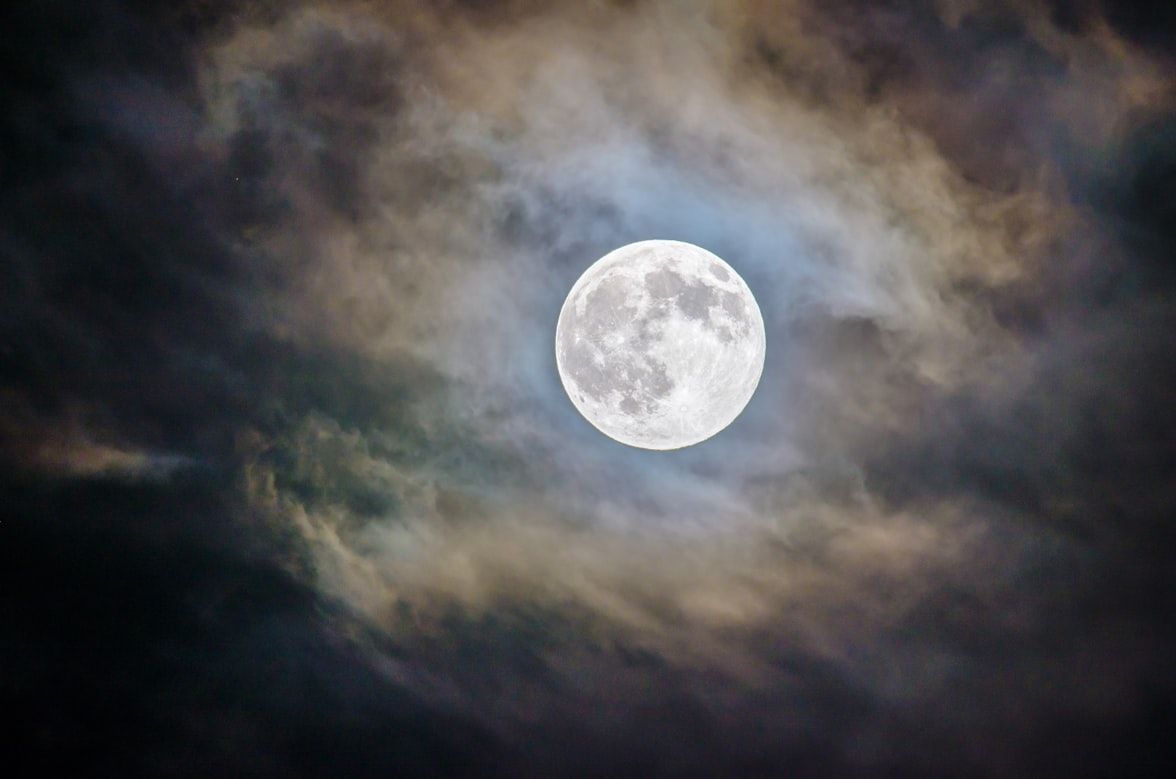
Image: Ganapathy Kumar

6

Readers of The New York Sun in 1835 were astonished by reports claiming that scientists had spotted bat-like people and crystal palaces on the Moon through a powerful new telescope.

The story was pure invention, but circulation went up. By the time the truth came out, the paper’s readership had reportedly increased dramatically.

7
The Crop Circles Craze
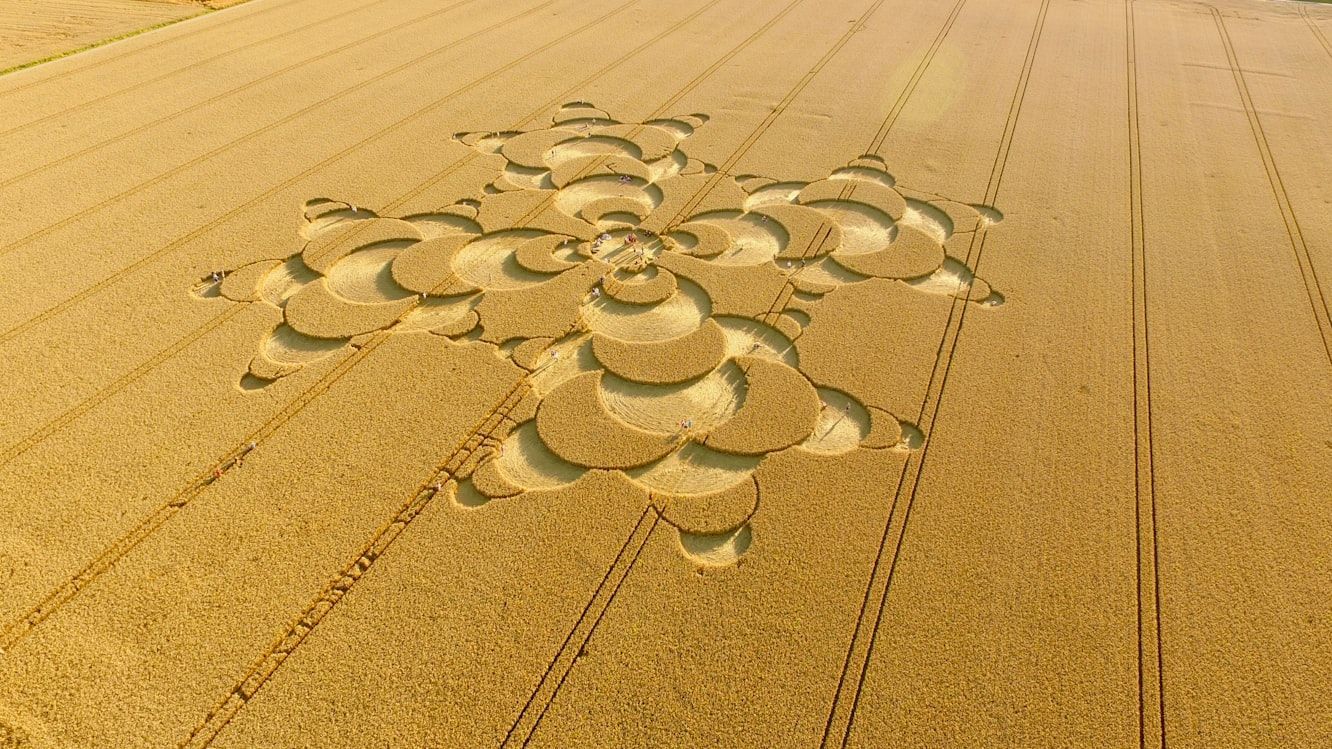
Image: Agent J

When perfect circles began appearing overnight in wheat fields , people talked about UFO landings. The shapes seemed too precise to have been made by human hands.

But, in 1991, two Englishmen confessed they’d used boards and ropes to flatten the crops. While this revelation explained many of the formations, the mystery lives on in popular imagination.

8
Alien Autopsy Film
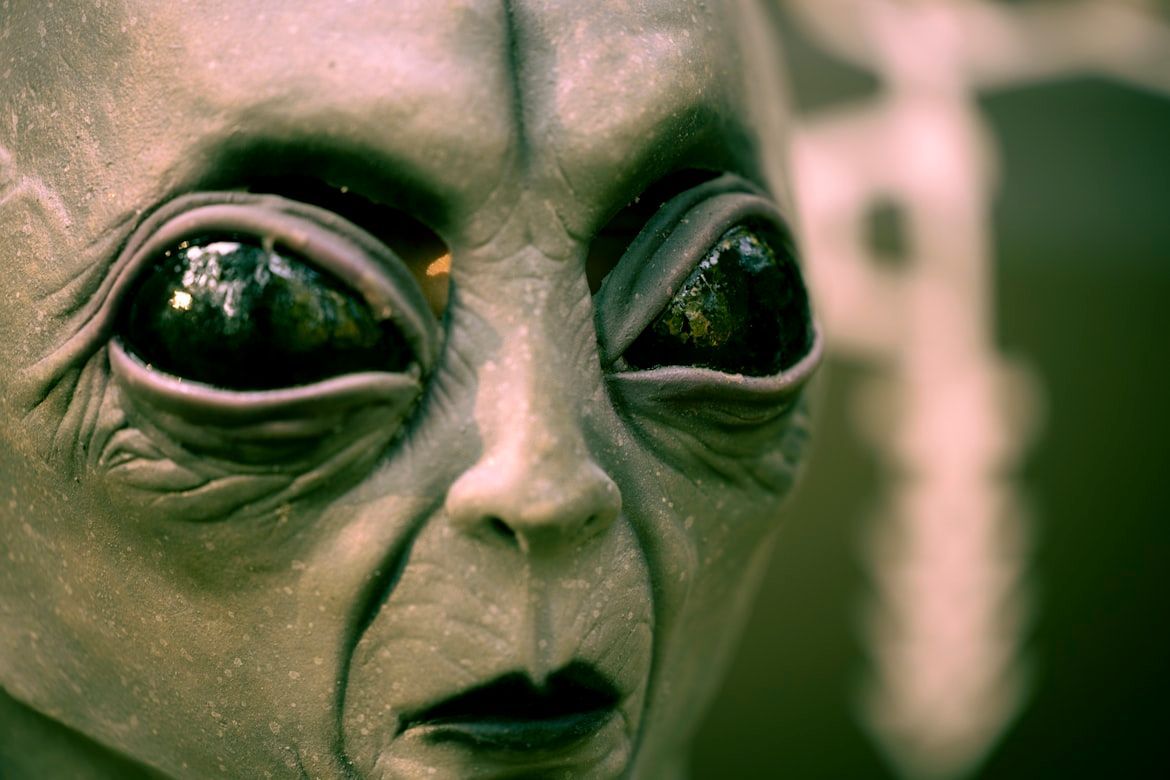
Image: Leo_Visions

In 1995, a grainy black-and-white video surfaced, showing doctors dissecting what seemed to be an alien recovered from the 1947 Roswell crash. The footage spread quickly worldwide.

Years later, the filmmaker admitted that the film was staged, using latex models and fake organs.

9
The Manti Te’o girlfriend hoax

Image: Kaleb Becker

Notre Dame football star Manti Te’o captured hearts when he revealed that his girlfriend had died of leukemia . Sports fans wept over the tragic love story.

But reporters later learned that the woman never existed. It was an elaborate online catfishing scheme.

10
The Patterson–Gimlin Bigfoot film
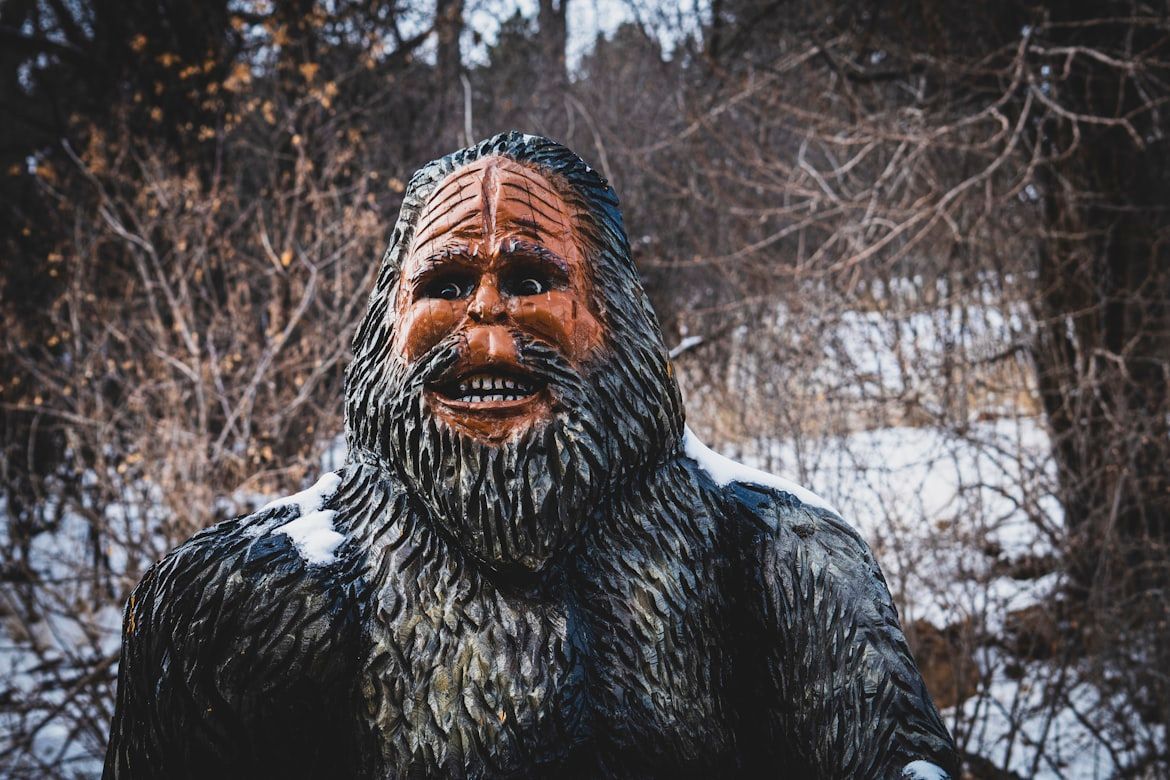
Image: Jon Sailer

In 1967, a short film shot in California showed a large, hairy creature striding through the woods . Many viewers thought this was real proof of Bigfoot´s existence.

Decades later, one participant claimed it was a man in a gorilla suit, but that claim failed to convince many people who prefer to believe in the existence of this creature.

11
The Drake’s Plate of Brass
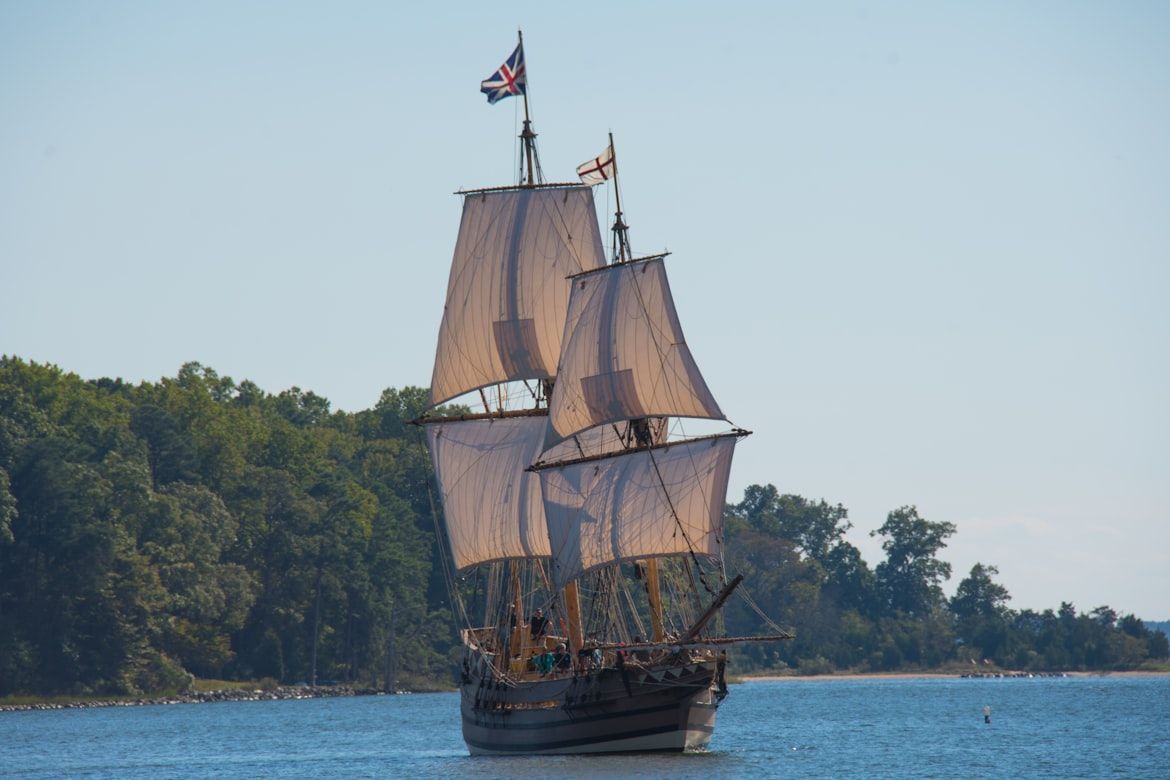
Image: David Dibert

12

In 1936, a shiny brass plate found in California seemed to confirm that explorer Sir Francis Drake had landed there in 1579. Historians called it a priceless relic.

For decades, the plate was displayed proudly, until metallurgical tests in 1977 proved it was modern . It had been made as a practical joke among historians that went too far.

13
Paul Is Dead
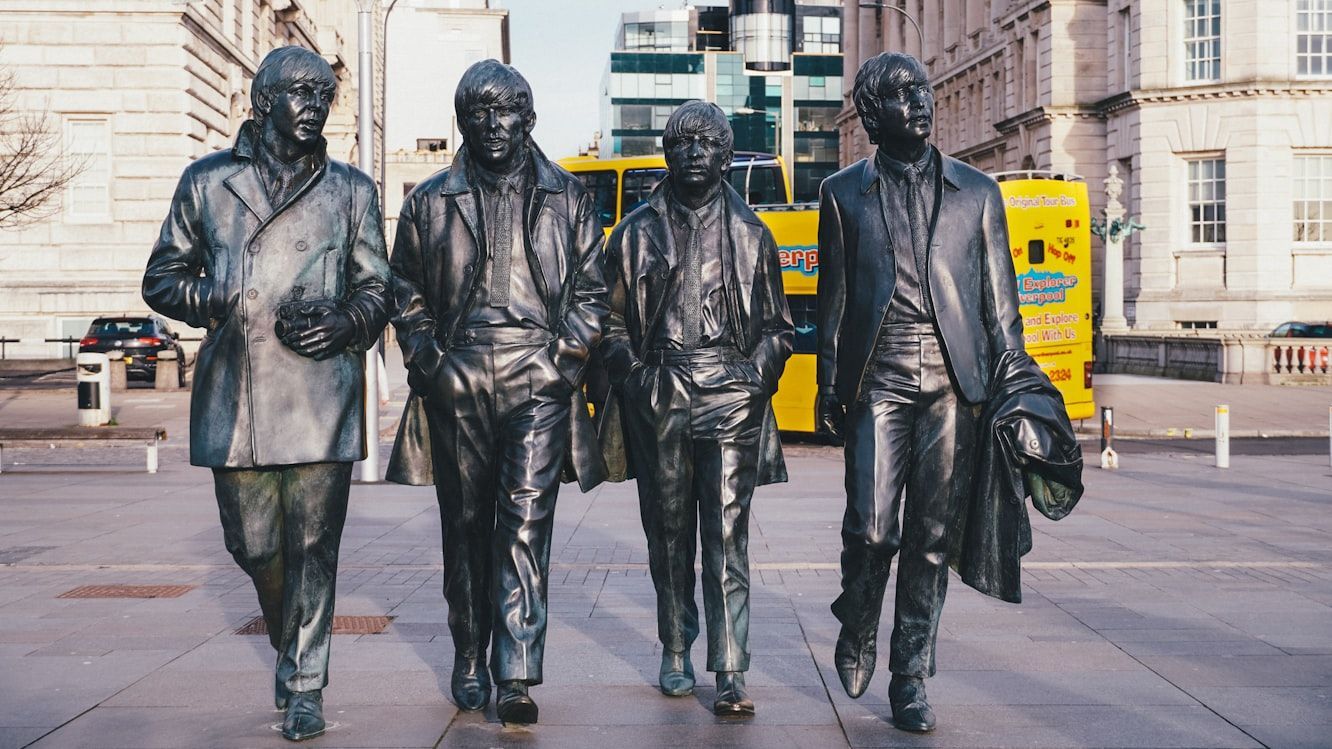
Image: Jiamin Huang

The final entry on our list might not be American per se, but it drew much attention on these shores. In 1969, rumors spread that Beatle Paul McCartney had died and been secretly replaced by a double . Fans scoured album covers for "clues" like hidden messages and backward songs.

Paul, very much alive, later joked about it. The bizarre theory became a lasting pop-culture phenomenon.

General General 6 min read

Extraordinary winged friends

From Bald Eagles to Mockingbirds: Fun facts about North American birds

Image: Siegfried Poepperl

The animal kingdom is full of peculiar species, but undoubtedly, birds are one of the most interesting. North America is home to more than 1,100 marvelous bird species that have captured our hearts and minds. From their striking colors and pleasant tunes to their unique behaviors, birds are endlessly fascinating. These cute little flying creatures hold countless curiosities—so many that it would be impossible to gather them all in one article. Nevertheless, here is a small selection of some very interesting facts about 10 of the most compelling North American birds. Are you ready to be amazed?

1
Woodpecker

Image: Jaime Dantas

Surely, we could all recognize Woody Woodpecker's famous laugh anywhere, but have you ever wondered why this type of bird knocks on wood? Woodpeckers have larger and stronger bills than other birds. They use their beaks not only to dig holes in trees for nesting but also to drum on resonant objects like hollow logs and branches to communicate to other woodpeckers, about their territory and their availability to mate.

But is it true that they hammer away at wood at an incredible speed, as seen in the beloved cartoon? Yes! For example, the Red-headed Woodpecker, found in temperate North America, has the highest g-force (force of acceleration) experienced by a bird. When pecking wood, they hit trees with an impact force of 1,200 g’s. By comparison, astronauts on space shuttles experience 3.5 g's during takeoff, while a force of 60-100 g’s can cause a human concussion.

2
Northern Cardinal

Image: Joshua J. Cotten

Did you know most female songbirds in North America usually don't sing? Fortunately, both male and female Northern Cardinals break this trend with their beautiful songs . As a matter of fact, sometimes they even perform duets! Mated pairs usually sing back and forth to each other, sharing information about food sources and nest activity.

Another cool fact about Northern Cardinals is their tendency to fight their own reflections in windows and vehicle mirrors. Experts claim they see their image as a competing bird and attack it to defend their territory. This behavior can go on for days, even months.

Nevertheless, despite this somewhat aggressive attitude, Northern Cardinals are one of America's favorite birds. They hold the distinction of being the state bird of seven states: Illinois, Indiana, Kentucky, North Carolina, Ohio, Virginia, and West Virginia.

3
Brown Thrasher

Image: Joshua J. Cotten

The Brown Thrasher may be an elusive, hard-to-see bird but it certainly doesn't go unnoticed. The state bird of Georgia, found throughout the eastern and central United States and southern and central Canada, is well known for its remarkable songs.

In fact, this big, foxy-red bird is not only a prolific singer but also an expert mimic, with an impressive repertoire of more than 1,100 tunes! And thrashers are so good at keeping the natural world entertained that they will repeat each phrase of a song twice before singing the next one.

4
Northern Mockingbird

Image: Patrice Bouchard

The Northern Mockingbird is another remarkable mimic. This bird listens to the songs of nearby species and learns to replicate their tunes. In fact, a male may learn around 200 songs throughout its life. The mockingbird, however, can be a bit more monotonous than the Brown Thrasher: it repeats phrases up to six times before moving on to the next one. Have you ever had one in your backyard?

Apart from its musical abilities, the Northern Mockingbird, very common in towns and cities, especially in the South, is one of the most influential birds in American culture. It serves as the state bird for five states : Arkansas, Florida, Mississippi, Tennessee, and Texas. It also appears in many books, TV shows, folk songs, and lullabies.

5
Marsh Wren

Image: Alexis LOURS

Marsh Wrens are songbirds too, but in their case, it’s all about impressing the ladies! The Marsh Wren, a tiny brown bird found all around North America, learns songs from other males and sings them nearly identically. With a repertoire of more than 100 melodies, males often engage in musical duels and sing back and forth to each other to impress the females with their musical abilities.

But singing isn’t their only strategy for winning over a mate. Male Marsh Wrens build up to 20 dummy nests made from cattails for prospective females to evaluate. The female then chooses which one she prefers to lay her eggs in. Unused nests are left as is to confuse predators or are used by adult birds to sleep during nonmating seasons.

6
Black-capped Chickadee

Image: Margaret Strickland

The Black-capped Chickadee, the state bird of both Massachusetts and Maine, is a very popular bird across the northern United States. This small black, white, and tan bird, roughly the size of a sparrow, is well known for its vocalizations and for its ability to conserve energy during the winter months.

In extremely cold weather, Black-capped Chickadees enter a state of dormancy known as torpor. At night, the birds seek shelter and become inactive, causing their core body temperature to drop slightly. As they alternate shivering with staying still, the heart rate decreases. When they reach a full state of torpor, they lose consciousness. Toward morning, the birds start shivering again to regain temperature. This way, the Black-capped Chickadee starts the day afresh, using the precious fat it saved during the night as energy.

7
Ruby-throated Hummingbird

Image: Skyler Ewing

They might be tiny but the myth that Ruby-throated Hummingbirds migrate on the backs of Canada Geese is totally false. Ruby-throated Hummingbirds, the most common hummingbirds in eastern North America, migrate south at the end of summer, traveling to temperate climates in Central and South America entirely on their own.

This iridescent red and green bird is so small that it makes the most minuscule nests. The nest of a Ruby-throated Hummingbird is around the size of half of a walnut shell—only 1½ inches wide! Also, the smaller the bird, the fewer the feathers. The Ruby-throated Hummingbird is a record holder for the fewest feathers in a bird, less than 1,000 in total. For reference, a Whistling Swan, the record holder for the most feathers, boasts about 20,000 individual feathers.

8
Owls

Image: Keith Lazarus

Owls are both cherished and mysterious creatures. In North America, there are 19 different species, each with its own curious characteristics. For example, the Elf Owl, found in the Southwestern United States and Mexico, is special because it’s the smallest owl in the world —measuring just 5 inches tall!

Night-hunting owls present in North America, such as Barn Owls, Long-eared Owls, and Boreal Owls, have the best hearing in the bird world. Many of these nocturnal owls have asymmetrical ear openings, one opening higher and one larger. This unique adaptation allows sound to enter their ears at slightly different times, helping them to accurately triangulate the position of their prey. Also, Barn Owls have a specialized middle claw called pectinate claws. This special feature is a serrated edge that serves as a built-in comb to get rid of debris or parasites.

9
Snow Goose

Image: David Dibert

Isn't it great when we get to spot those amazing V-shaped migration formations in the sky? Did you know that most of North America’s small birds don’t fly in formations? They travel alone or alongside other birds that happen to be heading in the same direction. The Snow Goose, however, is an exception, often flying in huge V formations or single-angled lines.

During migration, Snow Geese, native to North America, form some of the largest flocks in the bird world. Flocks of more than 100,000 Snow Geese are a common sight during their northward spring migration. In some areas, such as Nebraska, there are even records of flocks with millions of geese. Flying in formations allows Snow Geese to save energy during flight.

10
Bald Eagle

Image: Pixabay

If you thought that, since it’s the national symbol of the United States of America, you knew all about the Bald Eagle, these facts will probably blow your mind! Did you know that young Bald Eagles are born with brown eyes, which eventually turn yellow? And what about the fact that they have talons that can grow up to 2 inches long , helping them grasp prey tightly for a quick kill?

Furthermore, Bald Eagles make the largest nests of any bird species. The largest Bald Eagle nest ever recorded measured more than 9 feet wide and 20 feet deep and was found in St. Petersburg, Florida. What's even more impressive is that they reuse their nests for many years—sometimes even decades. A Bald Eagle nest in Vermilion, Ohio, was used for 35 years in a row—mortgage-free! Can you imagine?

General General 3 min read

Complicated words, simple meanings

What is a caucus? 12 electoral terms explained!

Image: Sora Shimazaki

Whether legislative or presidential, every two years, Americans go through an election. During this time, they are flooded with political terms that TV commentators throw around without much explanation of what they mean. The following are 12 such terms. Did you know any of them?

1
Approval voting

Image: Element5 Digital

The approval voting system is an electoral mechanism in which each voter may select any number of candidates, and the winner is the candidate approved by the largest number of voters .

This differs from plurality voting, in which a voter may choose only one option from several, and the option with the most votes wins.

2
Ballot fatigue

Image: Phil Hearing

If you have ever looked at a ballot and felt overwhelmed by the long list of races and issues further down, you have experienced ballot fatigue . This occurs when voters choose not to vote on lower-ballot races or issues.

3
Blanket primary

Image: Mick Haupt

A blanket primary is an election in which voters can select candidates from any party , regardless of their own or the candidates' political affiliation. This contrasts with a closed primary, where only registered party members can vote

4
Canvass

Image: Ernie Journeys

This term has two possible meanings. On the one hand, canvassing refers to the process of aggregating and verifying all valid ballots cast , which includes absentee, early voting, Election Day, provisional, challenged, military, and overseas citizens.

The second definition of this word, in the context of elections, canvassing also refers to the act of soliciting votes .

5
Caucus

Image: Arnaud Jaegers

A caucus can refer to a closed meeting of members of the same political party or faction, typically held to select candidates or decide on policy. It can also mean a group of people united to promote a shared cause . Similar, perhaps, but not the same.

6
Electoral college

Image: Joshua Woroniecki

An electoral college is a body of people known as presidential electors , formed every four years to represent U.S. states, who formally cast votes for the election of the president and vice president .

7
Mixed ticket

Image: Tiffany Tertipes

A concept somewhat similar to the previously mentioned blanket primary, a mixed ticket is a ballot where voters may select candidates of their choice regardless of party affiliation up to the maximum allowed for each race.

8
Dark money

Image: Mathieu Turle

In the context of elections, dark money refers to funds that are donated to a political candidate during an election campaign from organizations that are not required to disclose their donor’s identities . As expected, this money is often used to influence elections.

9
Gerrymandering

Image: Element5 Digital

This unusual word describes the process of manipulating electoral district boundaries to favor one party or candidate over another. Wayne Dawkins, a professor at Morgan State University, explains it as "politicians picking their voters instead of voters picking their politicians."

10
Super PAC

Image: Mockup Free

A Super PAC (Political Action Committee) does not contribute to candidates or parties but makes independent expenditures in federal races , such as running ads, sending mail, or communicating other messages that specifically advocate for the election or defeat of a particular candidate.

11
Air gap

Image: Andrew Neel

Put in simple terms, an air gap is a physical separation between systems that requires data to be transferred manually, using methods like a disc, flash drive, or other portable media.

Election systems use air gaps intentionally to prevent or control access . The election system cannot be connected to the internet at any time.

12
Undervote

Image: Glen Carrie

As the name suggests, an undervote occurs when a voter selects fewer choices than allowed in a contest . Similarly, an overvote happens when a voter selects more choices than permitted.

Explore more American facts

Choose your favorite category!

General
General

As American as apple pie—the very best America has to offer!

Culture
Culture

Delve into the astounding richness of American lore.

Geography
Geography

Hop in and explore vast and diverse American landscapes.

History
History

Discover the key moments that shaped the United States.