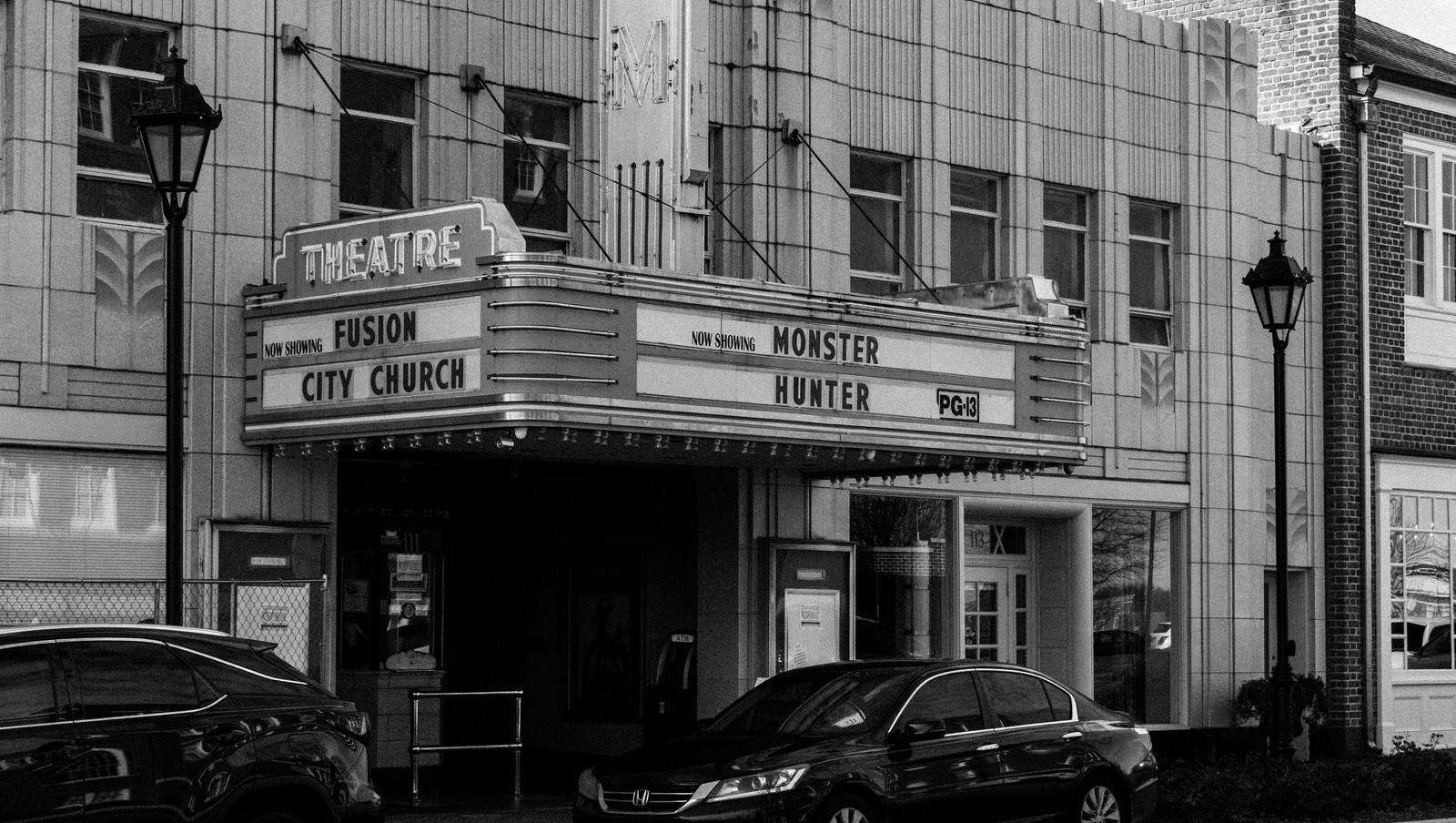
General General 4 min read

Little-known stories

Which movie star annoyed customers at drive-thrus? Stories of food brands
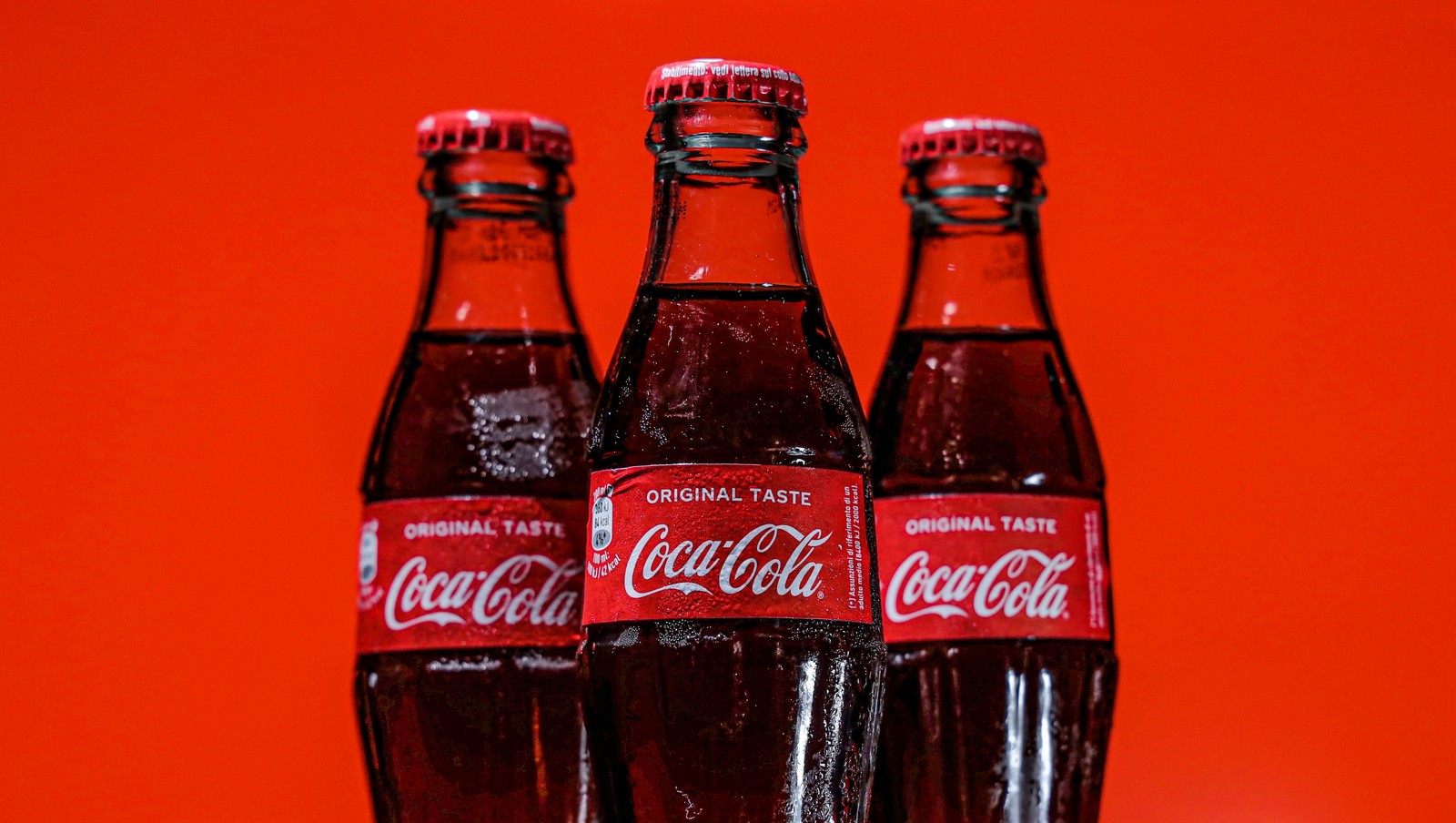
Image: Alessandro D’Antonio

American food brands have some gifted storytellers behind them. So, naturally, many of us are familiar with the fabled facts about Coca-Cola’s secret recipe or the success story of Colonel Sanders. But do you remember stories about pizza delivered to outer space , a fictional spokesperson, or a rebranded National Monument? We’re here to explore some of the lesser-known facts behind our favorite food brands!

1

2
Jack In The Box
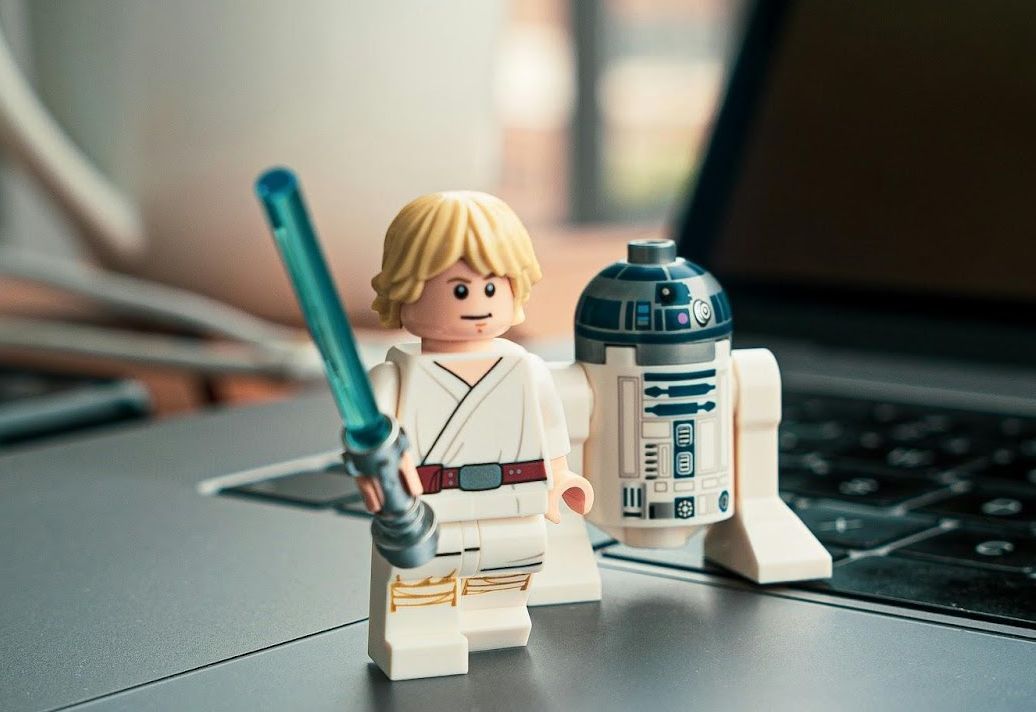
Image: Studbee

And speaking of outer space… Before Mark Hamill became Luke Skywalker in Star Wars, he once worked the drive-thru at Jack in the Box. He was quickly fired, though. Customers complained after he spoke to them using a clown-like voice.

Decades later, in 2022, Hamill reunited with the brand in a comeback ad promoting two revived fan favorites: Spicy Chicken Strips and French Toast Sticks.

3
Taco Bell
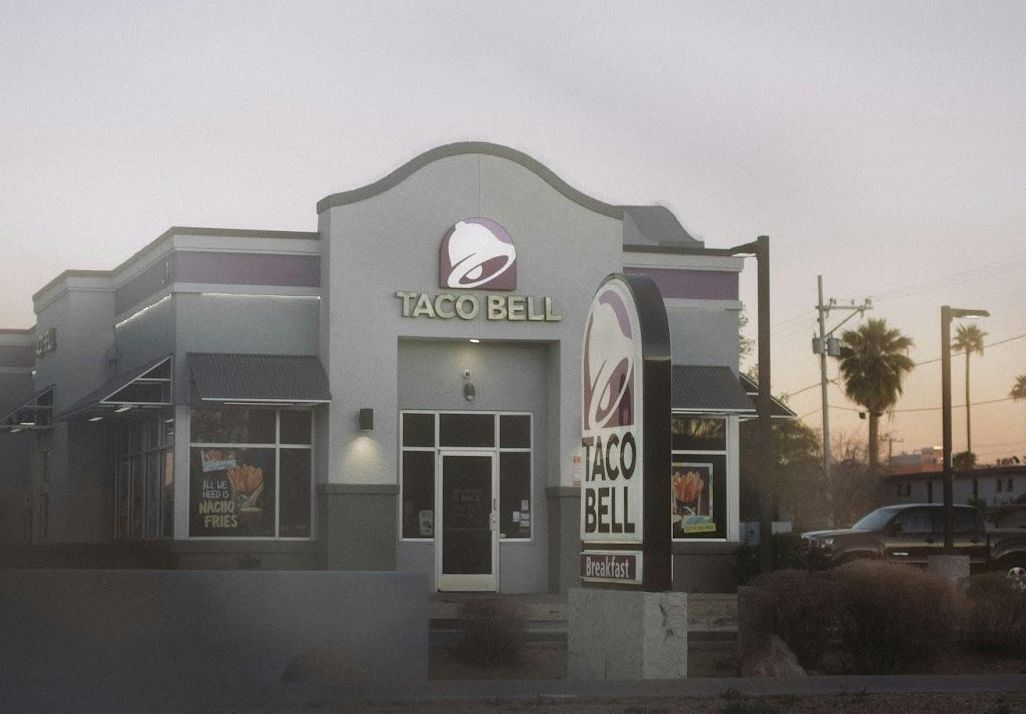
Image: PJ Gal-Szabo

The company has pulled off some interesting marketing pranks over the years, but none as unforgettable as its 1996 April Fool’s joke announcing that it had purchased the Liberty Bell.

A full-page ad ran in major newspapers announcing the purchase of the historic bell to help reduce the national debt. The "Taco Liberty Bell" joke did not land well. It caused thousands of complaints; people contacted Taco Bell and the National Park Service demanding answers. Later that day, the company confirmed the story was a hoax, and the stunt went down as one of the most memorable marketing pranks of all time.

4
Domino’s Pizza
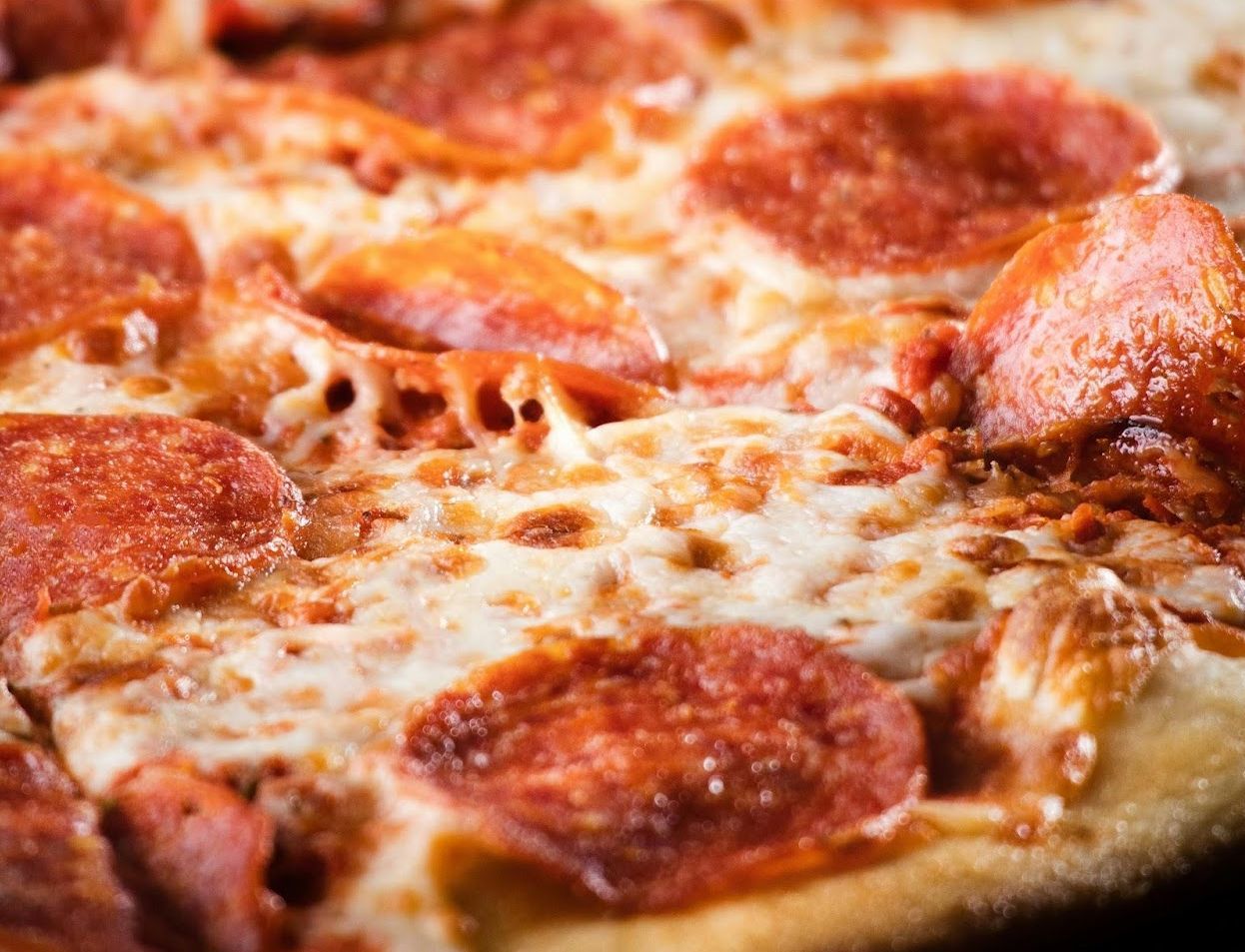
Image: Erick Galván

Back in the ’80s, when Domino’s expanded into Japan, the company ran into a problem: there was no Japanese word for "pepperoni." And, since it was the best-selling topping in the US, they could not risk leaving that pizza out of the menu! So, the brand had to coin a Japanese word for pepperoni. They went for ペパロニ (pronounced "peparoni").

5
Pizza Hut
Image: Joshua Hoehne

Pizza Hut has always been known for some memorable marketing stunts. When Back to the Future Part II hit theaters in 1989, the chain handed out "futuristic" sunglasses with every pie. In 1995, they recruited Donald Trump and Ivana Trump to introduce their first stuffed-crust pizza.

And who could forget the time, in 2001, when they delivered the first pizza ever sent into space, straight to the International Space Station (ISS)?

6
Starbucks
Image: Gema Saputera

Starbucks is such an iconic franchise that its presence can signal rising real-estate values. Studies show that neighborhoods with a new Starbucks often experience property-price increases above the usual rate.

Another interesting tidbit about the brand: inside its stores, employees are required to avoid wearing perfume, cologne, or other strong fragrances to prevent interfering with the aroma and taste of the coffee.

7
Coca-Cola
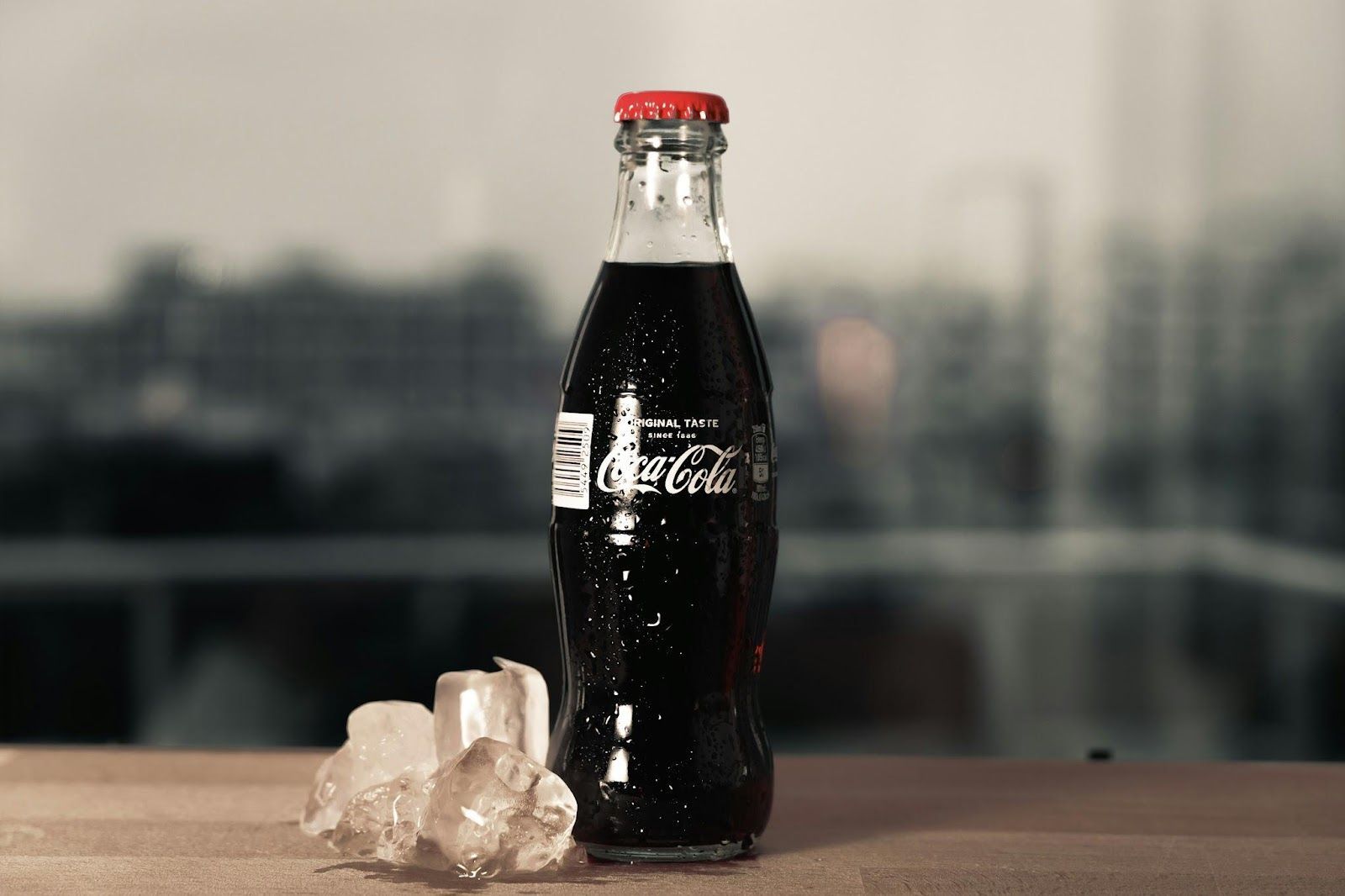
Image: Samuel Bryngelsson

From 1886 until 1959 (over seventy years!), a 6.5-oz glass or bottle of Coca-Cola cost exactly 5 cents. The company had strategic reasons for keeping the price so low and stable.

At the time, it was easier to get customers to insert a single nickel into vending machines rather than require multiple coins. The 5-cent price helped make Coca-Cola a simple, affordable choice.

8
McDonald’s
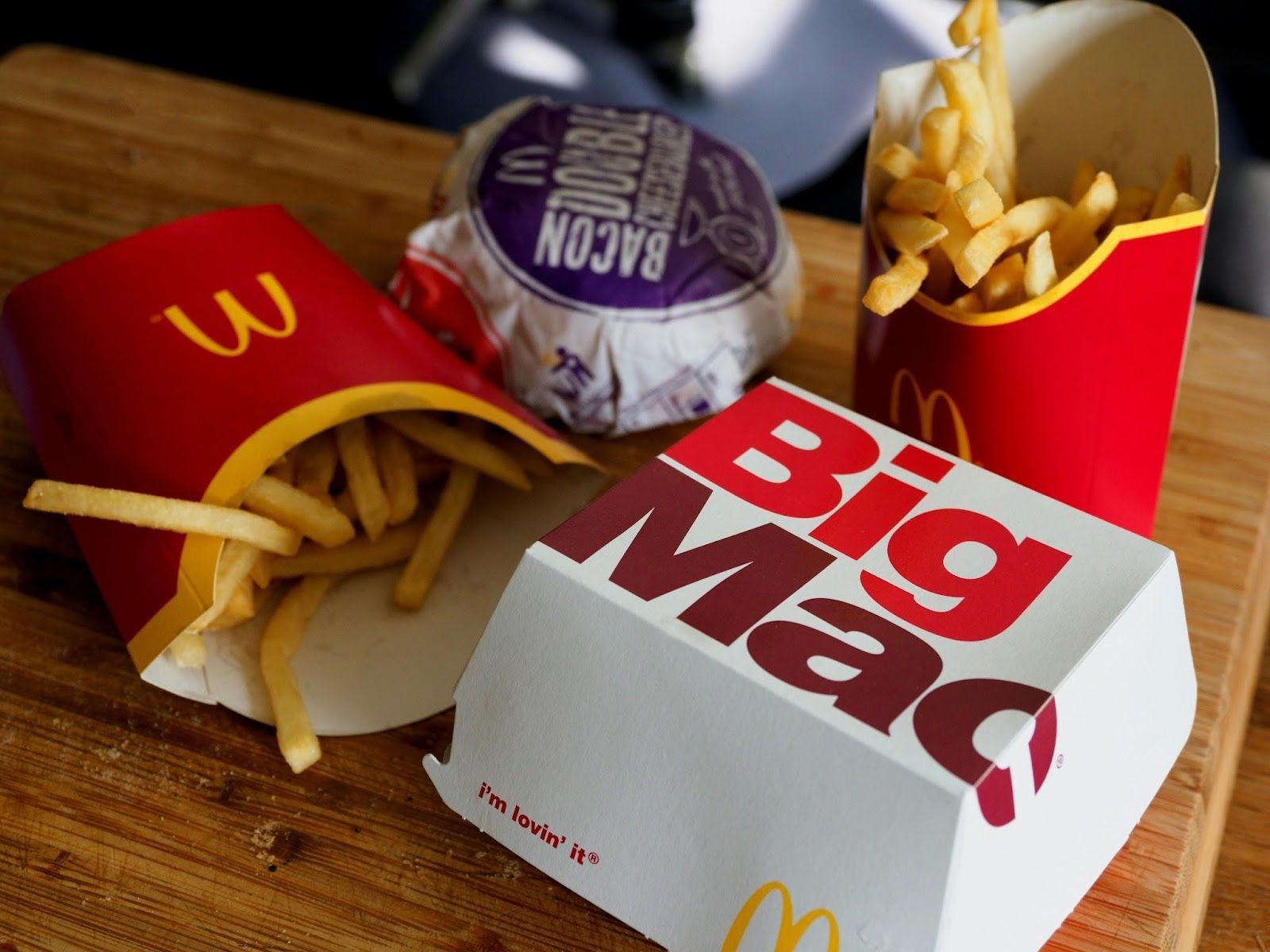
Image: Brett Jordan

The Golden Arches giant has had a long, sometimes on-, sometimes off-, relationship with Disney. McDonald’s began doing Happy Meal tie-ins with Disney characters in 1987 to promote Disney films.

For about ten years, the partnership was exclusive, but it fell off because Disney wanted to work with other food brands, and McDonald’s with other movie studios! Today, they still share a non-exclusive alliance.

9
Wendy’s
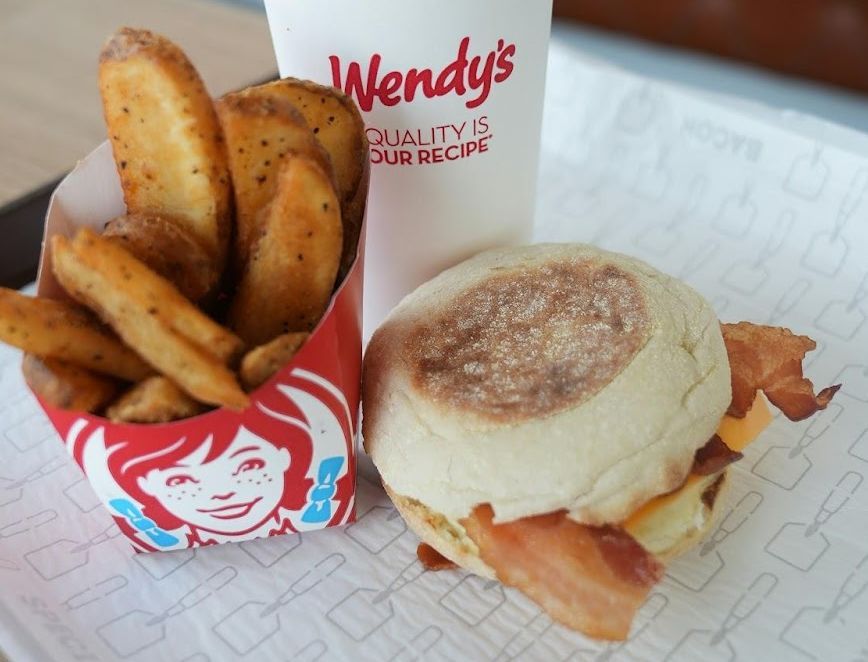
Image: Brian J. Tromp

Wendy’s square hamburger patties weren’t an accident; the idea reportedly came from a chain called Kewpee Hamburgers, a Kalamazoo favorite known for its square-shaped burgers. Founder Dave Thomas has said that as a child, he often ate at a Kewpee, and that those square patties inspired the look and feel of Wendy’s burgers.

Thomas had always loved those because corners poking out of the bun created the impression of a larger burger and made the meat easier to see.

10
KFC
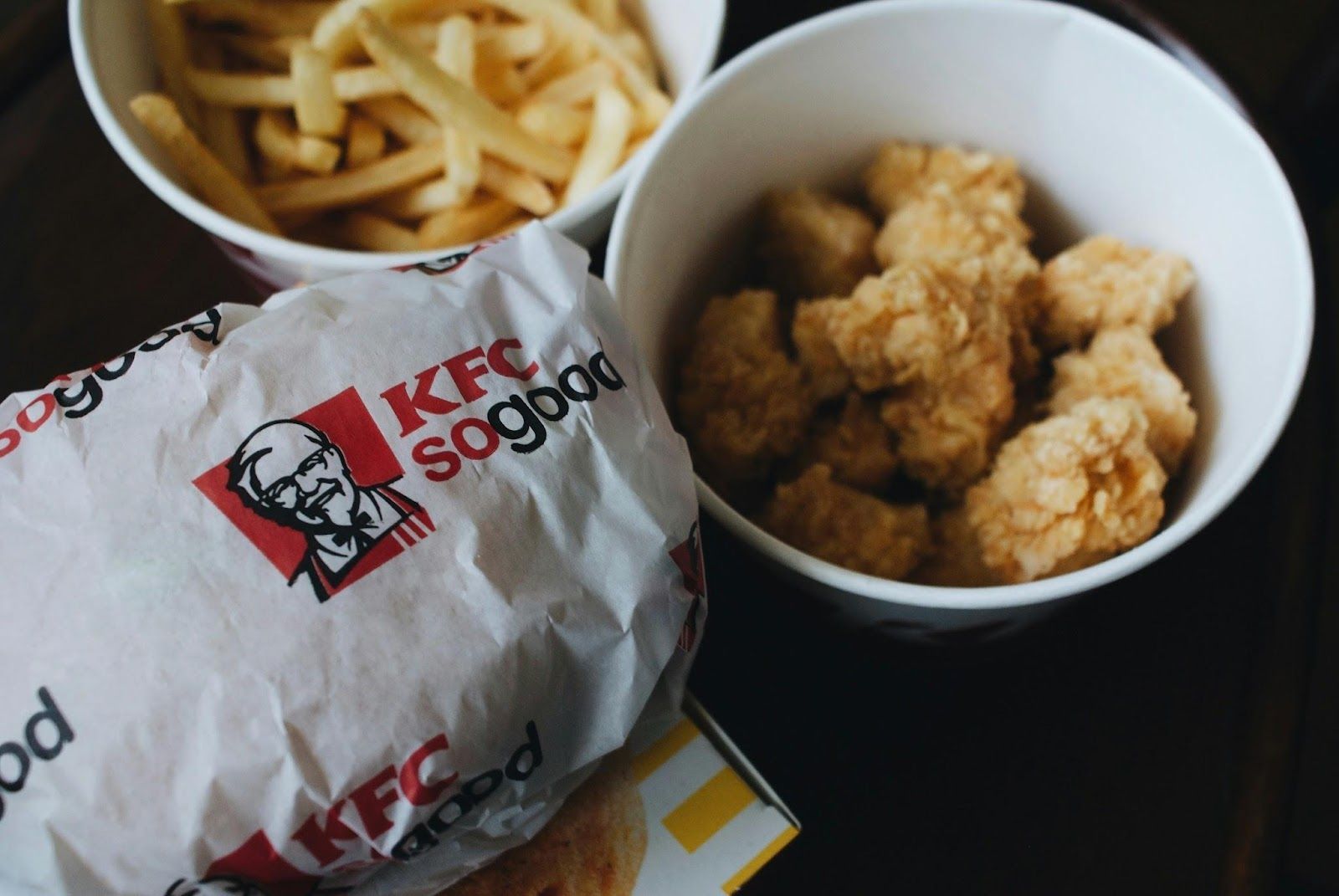
Image: Aleks Dorohovich

KFC’s legendary "11 herbs & spices" recipe is kept under tight lock and key; the company splits the production of the spice mix between different suppliers so that no single person outside knows the full formula.

However, there was a time when Colonel Sanders offered that recipe at a very affordable price: he would license the recipe to restaurant owners for just 4 to 5 cents per chicken piece sold, giving them the right to cook and sell his secret-recipe chicken themselves.

11
Betty Crocker
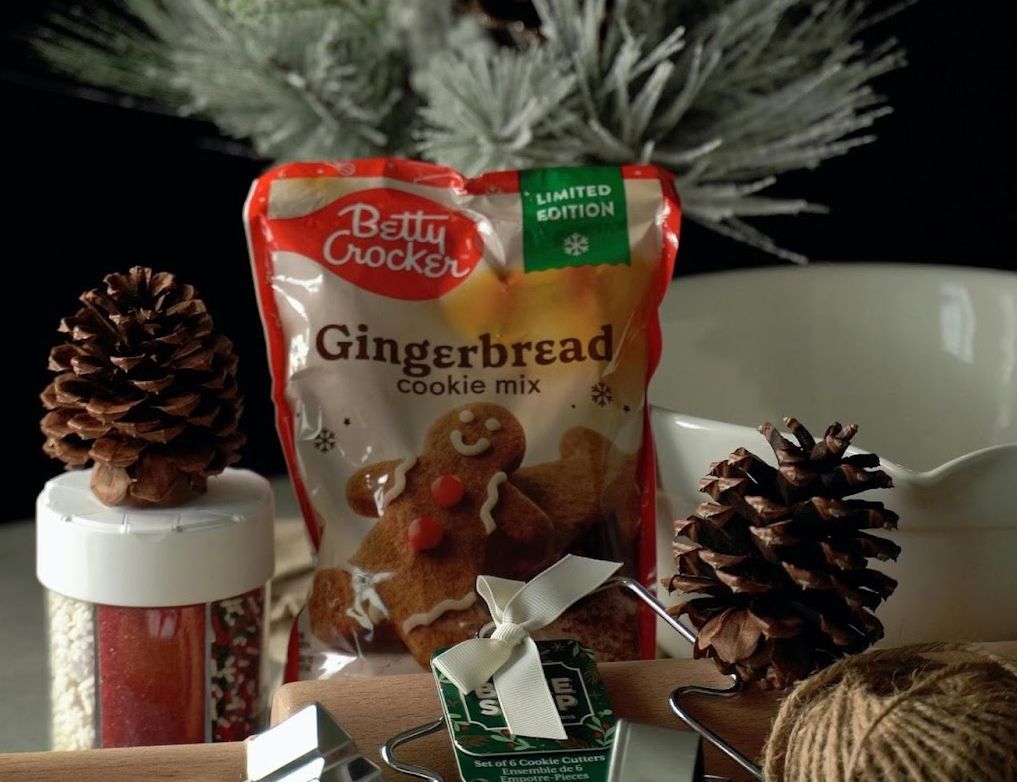
Image: Lalada .

Betty Crocker was never a real person. Did you know? She was invented in 1921 by the Washburn-Crosby Company as a friendly, approachable name to respond to consumer letters.

Even though she was fictional, by 1945, Fortune magazine named "Betty Crocker" the second most famous woman in America, second only to Eleanor Roosevelt.

12
M&M
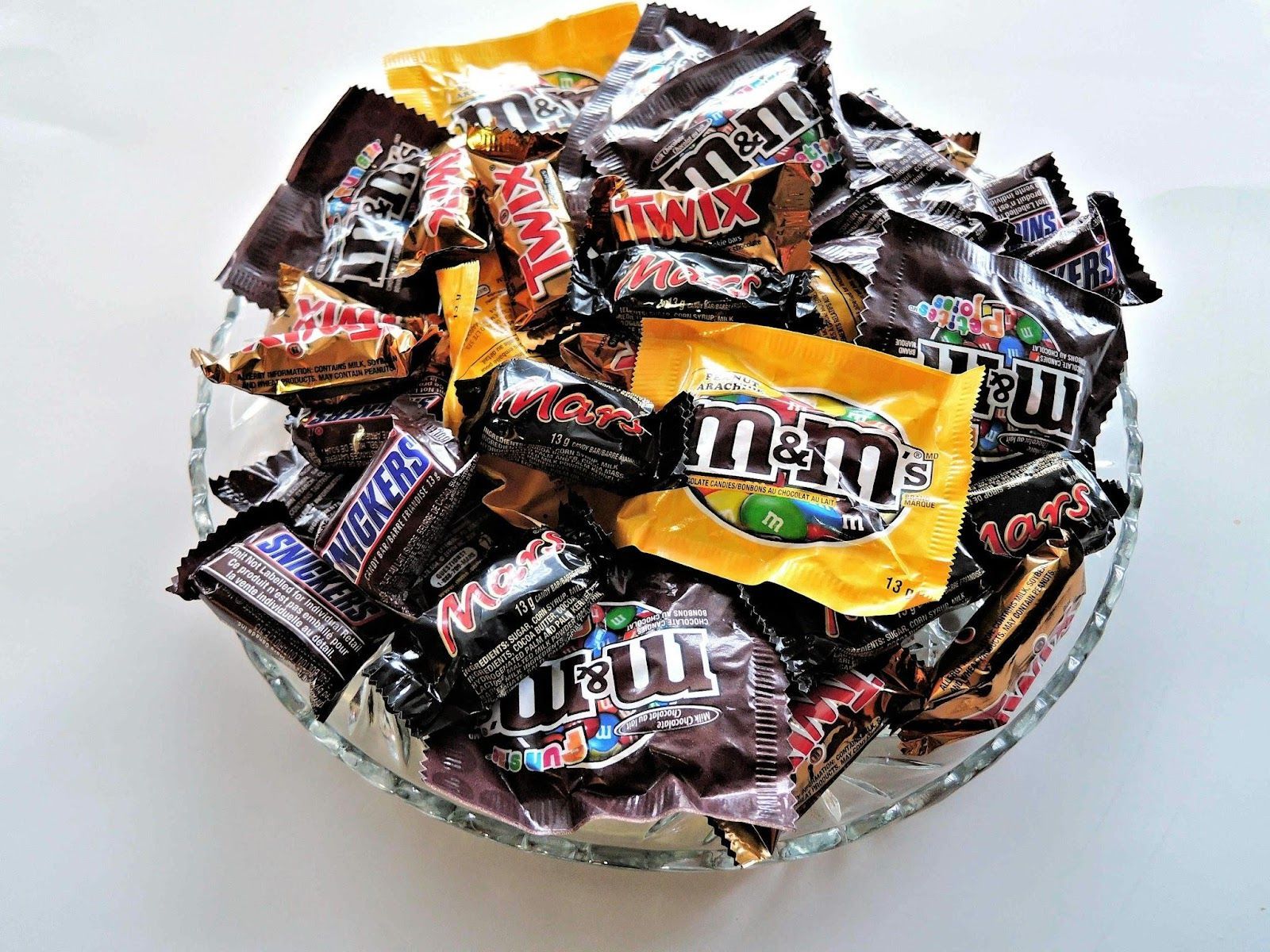
Image: Pixabay

There’s a long-standing debate about America’s favorite chocolate nuggets: Do different colors of M&M’s actually taste different? While many fans swear their favorite color has a distinct flavor, the brand consistently states that the only difference between colors is their dye; all other ingredients remain the same.

That said, some people claim that mini M&M’s taste sweeter than the regular ones. Some analyses suggest that mini M&M’s have a higher candy-shell-to-chocolate ratio, which could make them taste sweeter.

13
Heinz
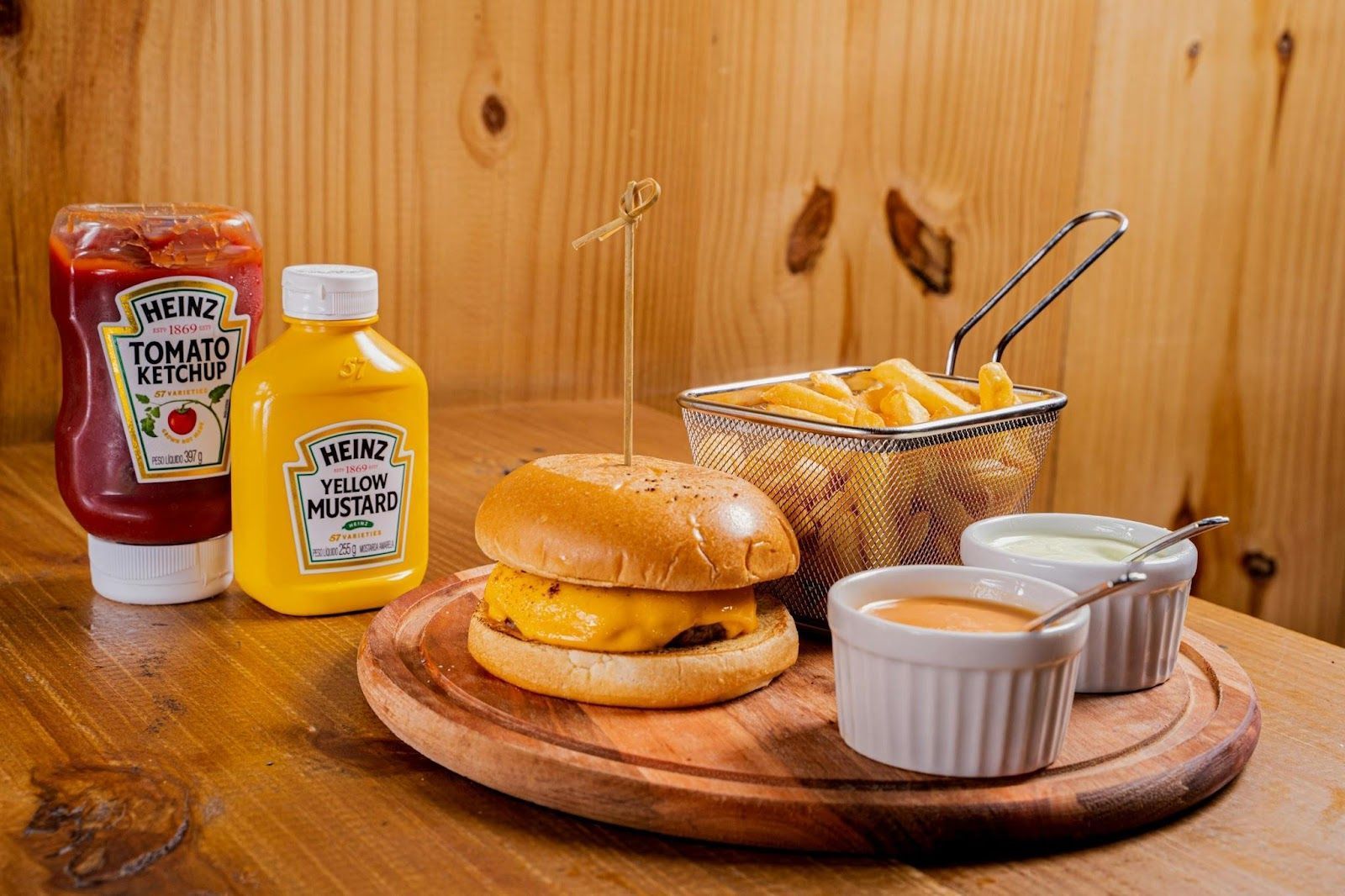
Image: JEFERSON GOMES

Though ketchup is by far Heinz's flagship product, that was not the first one Henry J. Heinz sold. You probably could never guess what it was that he personally started selling back in 1869!

Horseradish! The first thing he ever sold, out of his house, under his name, was horseradish and other pickled goods like vinegar, sauerkraut, and pickles. This early business laid the groundwork for the now-famous condiments empire.

General General 4 min read

Zzzzz…

A better rest makes for a better life: 12 simple tips for a great sleep

Image: Deconovo

We spend a third of our lives sleeping, and the quality of our sleep determines the quality of the time we spend awake. Thankfully, there are a handful of simple things that we can do to improve our resting hours. Do you follow any of these?

1
Sleep routine

Image: Tina Witherspoon

Your body is a routine animal. If you eat at a certain time, you’ll probably feel hungry around that same time the next day. If you go to sleep at a certain hour, you’ll likely feel sleepy at that same hour the next day.

Use this to your advantage by sticking to a consistent sleep schedule , both for going to bed and for waking up. If you do this consistently, your body will embrace this routine, and it will start to come naturally.

2
Food and drinks

Image: Kelsey Chance

Avoid going to bed shortly after a large meal. Your digestive system will stay active for a long period of time potentially keeping you awake until it finishes processing the food and drink you've consumed.

The same goes for alcohol: while it might make you feel drowsy at first, it can disrupt your sleep later in the night.

3
Create a good sleeping environment

Image: Ainur Iman

A dark, quiet, and cool bedroom makes for a good sleeping environment . Your senses will continue capturing and processing any light or sound present in your bedroom, which is why it is important to minimize these distractions as much as possible.

4
Avoid long naps

Image: Tânia Mousinho

This one is quite straightforward: your body only requires a certain amount of sleep , and if you use up a large portion of it during the day, you may find yourself staying awake longer at night. While a short, 20-minute nap during the day can help restore your energy, a longer rest period will subtract from your nighttime sleep.

5
Physical activity

Image: Chander R

Regular physical activity and spending time outside every day are great ways to promote better sleep at night. However, it’s important to avoid physical exercise if you are too close to your bedtime to avoid overstimulation.

6
Avoid going to bed with worries

Image: Yohann LIBOT

Whatever worries you may have in your life, try to avoid thinking about them while you're trying to sleep. Stressful thoughts can delay sleep and create anxiety , leading to less-than-optimal rest. Instead, write down any issues you need to deal with and save them for the next day.

7
Light exposure

Image: Gabe

Spending time in natural sunlight or bright light during the day can help keep your circadian rhythm healthy and, in turn, improve your daytime energy and enhance the quality and duration of your sleep at night.

In contrast, avoid exposure to screens for at least half an hour before going to bed. Nighttime light exposure can have the opposite effect from daytime exposure because it reduces your levels of melatonin, which helps you relax and get deep sleep.

8
No alcohol before bedtime

Image: Vinicius amnx Amano

As mentioned earlier, drinking alcohol before bedtime is not recommended . Alcohol can cause or worsen symptoms of sleep apnea, increase snoring, and disrupt normal sleep patterns. It also alters nighttime melatonin production, which plays a key role in regulating your body’s circadian rhythm.

9
A good bed and pillow

Image: Andrew Neel

Poor-quality bedding can lead to increased lower back pain , making it harder to sleep well. Firm and medium-firm mattresses are available at different price ranges and can be a good choice for comfort and to avoid back pain.

Pillows should not cause neck pain, either. Find a pillow that isn’t too high and offers comfort for your sleep style. It will make for a better rest, and your body will thank you in the morning.

10
No liquids right before bed

Image: Steve Johnson

There’s nothing wrong with being hydrated during your sleep time, but having to get up in the middle of the night to go to the bathroom is not great. If this happens repeatedly, it can negatively affect your sleep quality and daytime energy.

To minimize interruptions, try reducing your fluid intake in the last hour before bed . This can help lower the chances of waking up during the night.

11
Good sleeping temperature

Image: Vin Jack

One way to guarantee uncomfortable sleep is a bedroom that’s either too cold or too hot . The ideal temperature can vary based on the individual, but most research suggests that sleeping in a cooler room—around 65 to 68 degrees—is optimal.

12
At least seven hours of sleep

Image: sq lim

Each age group requires a different amount of sleep each night, but for most people, seven hours is the bare minimum to ensure proper rest. If you have a specific wake-up time, calculate a target bedtime that allows for at least seven hours of sleep . Give yourself extra time before bed to wind down and prepare for sleep whenever possible.

History History 4 min read

What were they thinking?

You won’t believe these 10 not-so-great brand names are real

Image: kelisa Bernard

A name is like a business card, and as such, it should be carefully considered. A good brand name is easy to pronounce and remember, clearly communicates what the product or service represents, does not offend, is not an easy target for puns, and sounds appealing. All of these points may seem obvious, but as it turns out, there are always people who think otherwise, throw caution to the wind, and choose names that are bizarre, inadequate, weird, or worse. Listed below, you will find ten examples that fit the bill. Some of these names work. And some don’t. Which ones do you like?

1
Sam and Ella’s

Image: Jason Leung

We get it—you and your significant other built a restaurant and decided to name it after yourselves. Good for you. But if, by any chance, your combined names sound like a food poisoning illness , that might not be the best choice for a restaurant.

The restaurant could have easily been named Ella and Sam’s, to avoid this issue. But maybe, and just maybe, the couple had a twisted sense of humor and decided to go with it and see how it would turn out.

2
ChubbyBrain

Image: Jakub Żerdzicki

What does this name bring to mind? The image of a chubby brain is probably not an appealing one, and it certainly doesn’t convey the idea of a venture capitalist database. Yet, that’s exactly what ChubbyBrain is.

If your business needs funding, this company will analyze its database of venture capitalists, grant providers, and investors and match you up with those who would be most sympathetic to your cause , thus maximizing your chance of successful fundraising. A valuable service, hidden behind a weird name, indeed.

3
Wesabe

Image: Andre Taissin

A word that sounds similar to a Japanese sushi condiment was chosen as the name for this company, founded in 2005 to help users track their spending habits. The idea was a noble one: assist people in getting out of debt and learning how to make wise financial decisions.

But, alas, the company was not able to attract an audience. The name Wesabe was likely intended as a play on "We Save," but it didn’t translate that easily and it ended up being a nonsensical name for a good idea.

4
Cuil

Image: Growtika

There was a time when search engines were more diverse and prevalent than they are today, at least for the general public. Before Google became the giant it is now, Altavista, AskJeeves, Lycos, Yahoo!, and others were the go-to sites for browsing the web.

Cuil was one of those search engines, it boasted the largest search index and the fastest queries . But, for some reason, it shut down in 2010. The name might have played a part in that, as it had no connection to searching and its pronunciation was unclear. Granted, many search engines had equally odd names and still made it. But it certainly didn’t help in Cuil’s case.

5
Boring Business Systems

Image: Rodeo Project Management Software

If your name is also a word, with a meaning attached to it, then it would be wise to consider if associating it with a product or service is a good idea, or not. Named after one of its original executives, Allan D. Boring, this network services and IT support company is unashamed of its namesake. In fact, it embraces it, assuring outsiders that there is "nothing boring" about its features and services.

6
Xobni

Image: Solen Feyissa

One would be hard-pressed to link this name to a product or service, that is, unless you were looking at it reflected in a mirror because Xobni is "Inbox" spelled backward. Yes, this company made email-related products , until it shut down in 2014.

Besides the unoriginal idea of simply spelling your product name backward, it doesn’t help if the resulting word sounds odd and unrelatable.

7
Lawdingo

Image: Tingey Injury Law Firm

The idea of having a Saul Goodman-type lawyer might be appealing to some, but for the most part, people believe that the law is serious business and should be treated as such. Lawdingo is a web service that provides affordable legal advice for both individuals and businesses.

While the idea behind it seems great, the word "dingo" can hardly be associated with the kind of characteristics one searches for in a law firm, like quality and professionalism.

8
Qwikster

Image: Phil Hearing

When choosing a literal brand name, it’s generally a good practice to select one that clearly associates with the product or service offered. Qwikster was a company launched by Netflix in 2011 to focus on the DVD-by-mail service branch of the business.

According to the people in charge, the name Qwikster was chosen because it referred to quick delivery. Or at least that is what they thought. While the name does have a rhythmic quality, it doesn’t really connect to the service it was meant to represent.

9
AmericInn Hotel

Image: Marten Bjork

Some brands thrive despite having less-than-ideal names. AmericInn Hotel is a mid-priced hotel franchise consisting of 240 locations across the U.S. While AmericInn has done arguably well for itself, one can only wonder how much better it might have performed with a different name.

The problem isn't the name itself, but its awkward spelling. Any brand thinking about purposefully misspelling common words, should proceed with extreme caution and only use this resource if it truly makes business sense.

10
Backrub

Image: Greg Bulla

As strange as Google might have sounded at first, BackRub would have sounded even weirder had it gained the same level of recognition. Founders Larry Page and Sergey Brin named their first search engine BackRub in 1996. A year later, BackRub became too large to operate on the Stanford University servers that hosted the website, prompting them to register the now-familiar domain name Google.com.

While using the expression "rub it" in the same way we use "google it" today might have been a possibility, it certainly does not have the same ring to it.

Explore more American facts

Choose your favorite category!

General
General

As American as apple pie—the very best America has to offer!

Culture
Culture

Delve into the astounding richness of American lore.

Geography
Geography

Hop in and explore vast and diverse American landscapes.

History
History

Discover the key moments that shaped the United States.