Culture Culture 7 min read

Uncover the King

He wasn't born with that black hair: Elvis Presley's hidden secrets
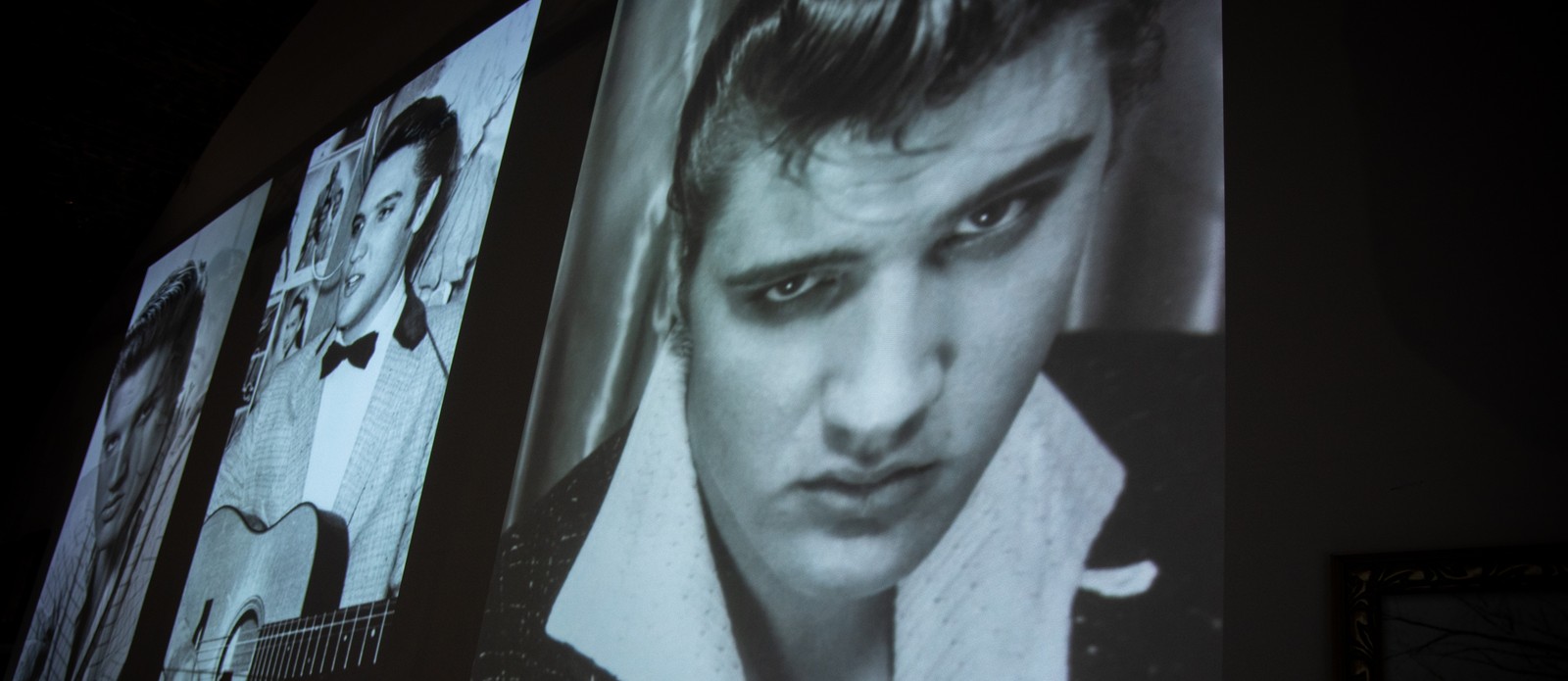
Image: Loredana Sangiuliano

You've seen his jet-black hair in every photo, but did you know Elvis Presley was born blond? That's just the beginning. He carried his own silverware to restaurants, earned an eighth-degree black belt, and even modeled his whole look after a comic book hero. From a secret library at Graceland to a shocking meeting with President Nixon, the King kept more surprises than anyone imagined. Get ready to see the real Elvis behind the legend with these 20 little-known facts about him.

1
He never learned to read music
Image: Jeppe Gustafsson

Elvis Presley recorded hundreds of songs across rock, blues, country, and gospel, yet he never learned to read a single note of sheet music. In the studio, musicians would run through an arrangement, and Elvis would listen, absorb the melody, and memorize it entirely by ear.

He leaned on instinct and repetition rather than notation, catching every pause, key change, and harmony simply by listening closely and trying it himself. Producers and session players who worked with him often talked about how quickly he could pick up a complex arrangement without ever glancing at a chart the way trained musicians did. It never held him back. If anything, it forced him to feel each song rather than read it, which explains why his performances always sounded personal.

2
He was a natural blond
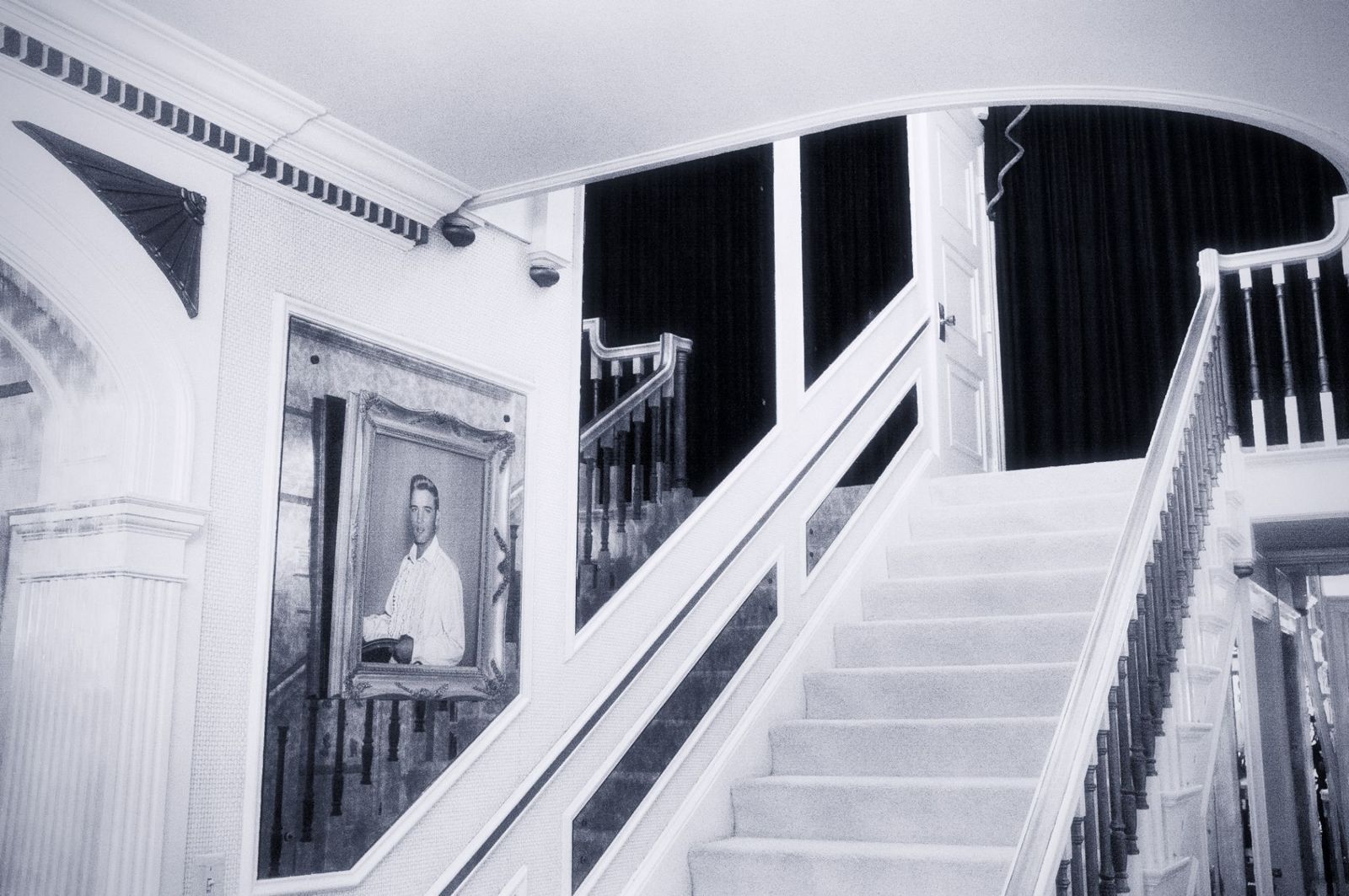
Image: DARREN ST0NE, CC BY-SA 2.0, via Wikimedia Commons

When you think of Elvis, you think of iconic pitch-black hair with sideburns. But Elvis’s hair wasn’t originally black; he was actually born a blond.

As Elvis grew up, his hair turned darker, but the darkest it got was simply a light brown. Trying to mimic the idols of the time, Marlon Brando and Tony Curtis, he started dyeing his hair dark. Now, here’s the twist: In Presley's household, money was tight, so he used black shoe polish instead. The more dramatic look came along with hit songs and money that allowed him to afford real dye, keeping the pitch-black tone which complimented his blue eyes. During his army years in Germany, dye wasn’t allowed, and his natural sandy color quietly returned. A single portrait from that era still hangs at Graceland in Memphis.

3
He had a huge badge collection, which led to a meeting with Nixon
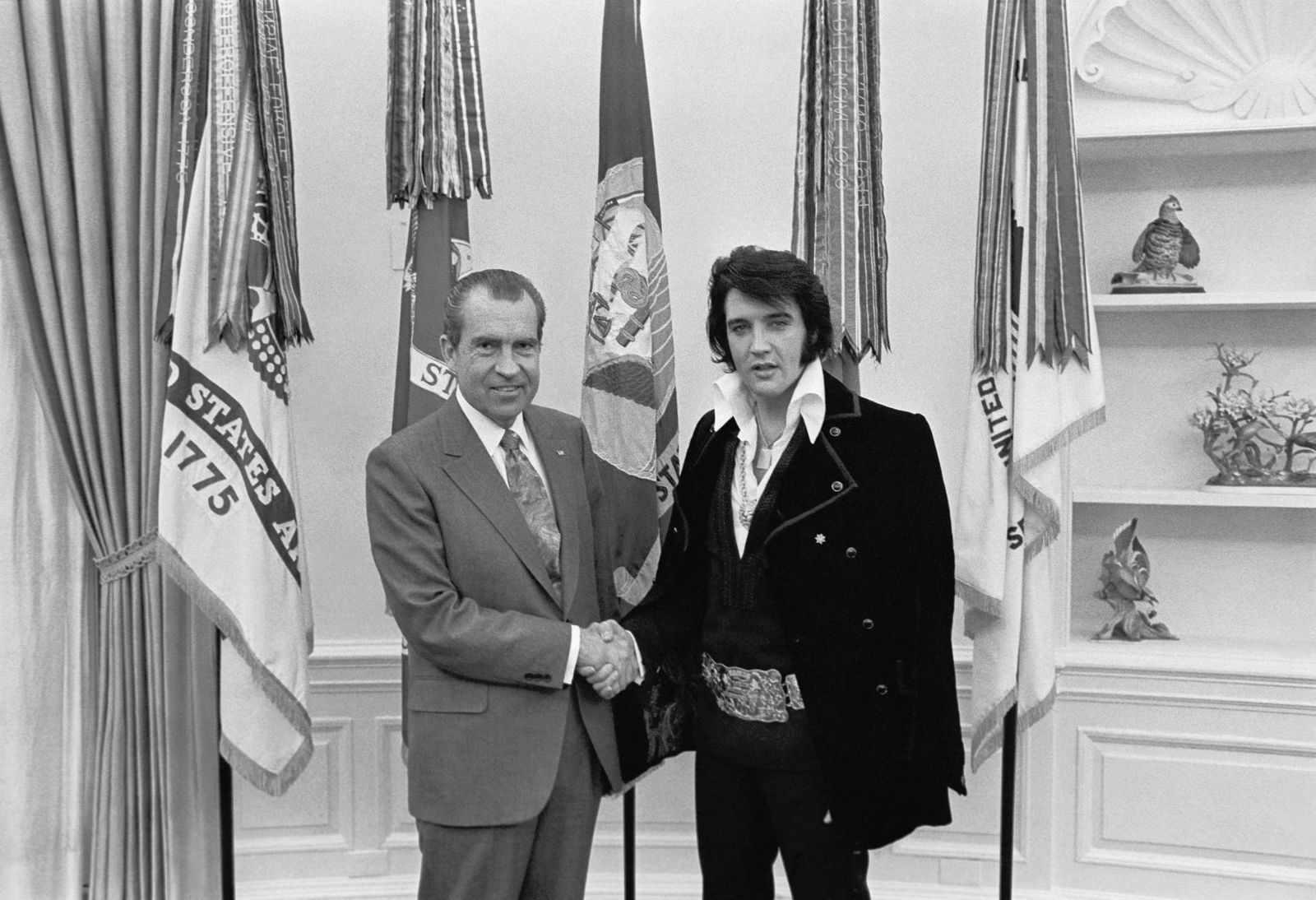
Elvis had a genuine fascination with law enforcement, and over the years he built up a personal collection of honorary badges from police departments across the country. What he really wanted, though, was a federal badge from the Bureau of Narcotics and Dangerous Drugs, and officials kept turning him down.

In December 1970, Elvis flew to Washington, D.C., and wrote President Richard Nixon a letter on the plane , offering his services in the fight against drug culture. He hand-delivered it to the White House gates before dawn. By that afternoon, Elvis stood in the Oval Office showing Nixon his badge collection while a photographer captured what became one of the most surreal photos in presidential history. Nixon agreed, and Elvis walked out with the badge his collection had been missing.

4
He auditioned for a gospel quartet and was rejected
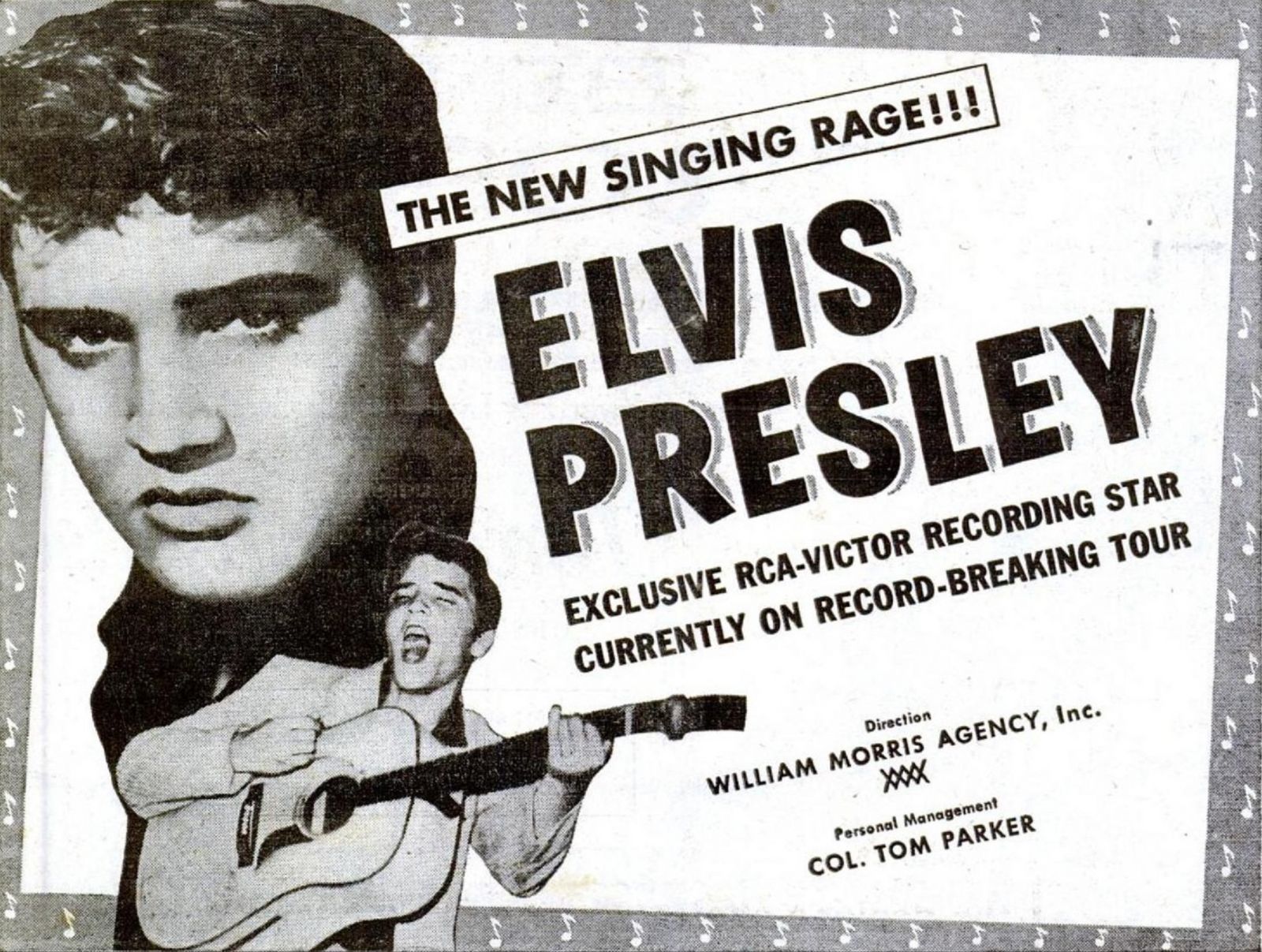
Image: RCA Victor, Public domain, via Wikimedia Commons

In the summer of 1954, a 19-year-old Elvis Presley tried out for the Songfellows, a Memphis gospel quartet connected to the well-known Blackwood Brothers. Elvis had grown up loving gospel music and dreamed of singing in a group like this one.

The audition did not go his way. Group member Jim Hamill later said Elvis couldn't hold his own on harmony parts at the time, and the Songfellows turned him down. Elvis went home and told his father the group said he couldn't sing. Just months later, in July 1954, he walked into Sun Records and cut his first single. Ironically, the Songfellows soon had a change of heart and invited him to join after all, but by then his solo career was already taking off, leaving gospel harmony as a road not taken.

5
His comic book hero inspired his signature look
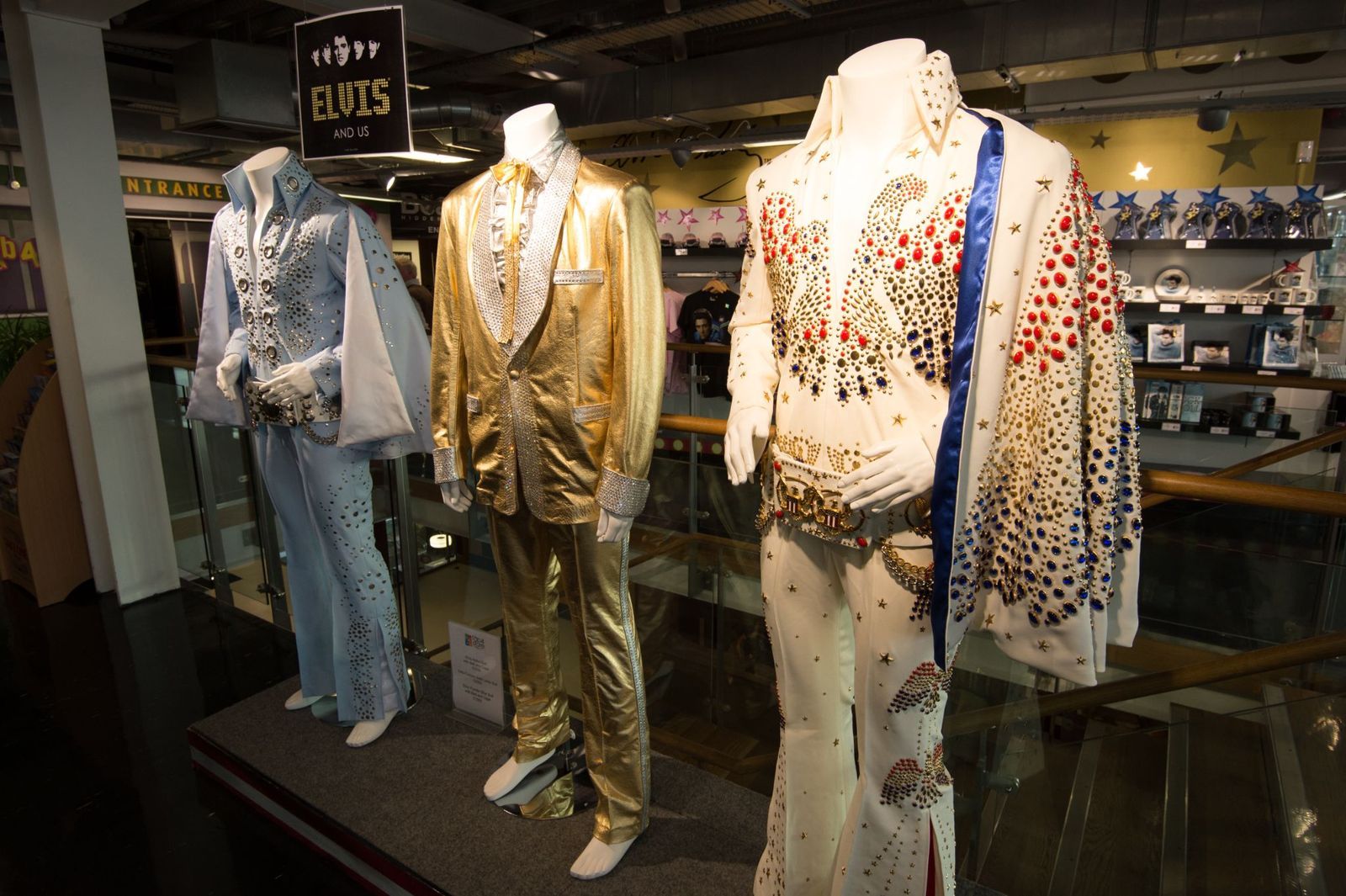
Image: Takashi Hososhima, CC BY-SA 2.0, via Wikimedia Commons

Long before Elvis designed a single jumpsuit, he was a kid in Tupelo who loved comic books, especially Captain Marvel Jr. The teenage superhero had jet-black hair with a dramatic curl, a half cape, and a lightning bolt blazing across his chest. Elvis held onto that image for the rest of his life.

His famous pompadour with its curled front piece echoes Captain Marvel Jr.'s hairstyle almost exactly. His stage capes in the 1970s mirror the hero's costume. Even his personal logo, TCB for "Taking Care of Business," built around a lightning bolt, traces back to those pages he read as a poor kid dreaming of something bigger. Graceland still keeps a box of his childhood comics in the attic, proof his whole look grew from a boyhood hero.

6
He owned a presidential yacht
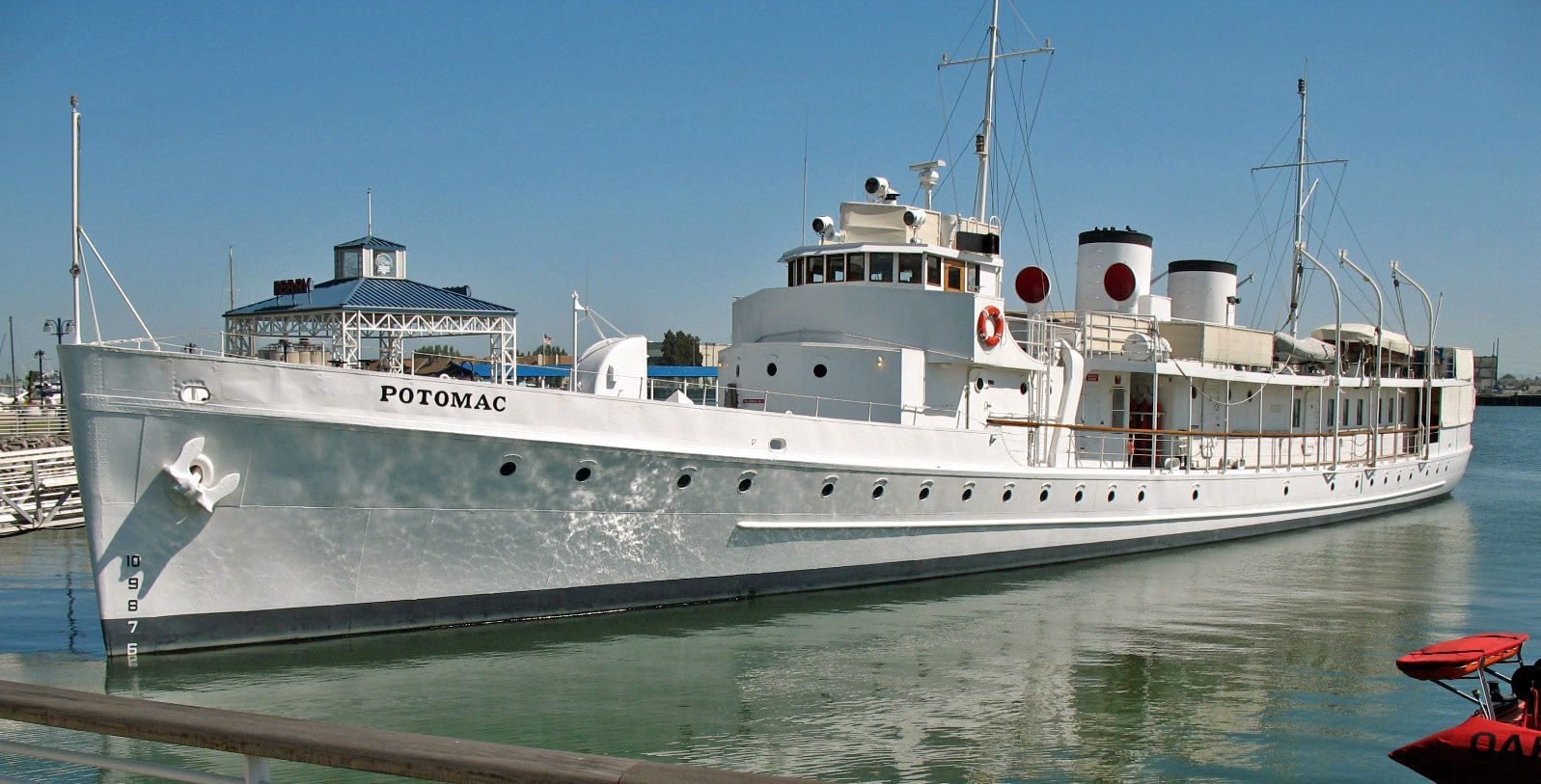
Image: Sanfranman59, CC BY-SA 3.0, via Wikimedia Commons

In January 1964, Elvis Presley's manager Colonel Tom Parker bought a yacht at auction in his client's name for $55,000, which would be roughly over $500,000 today. It wasn't just any yacht.

It was the USS Potomac, the vessel President Franklin D. Roosevelt had used as his floating White House throughout the 1930s and early 1940s. Elvis owned it for barely two weeks. On Valentine's Day, February 14, 1964, he handed over the deed to entertainer Danny Thomas in a public ceremony in Long Beach, California, donating the historic yacht to Thomas's new St. Jude Children's Research Hospital in Memphis. The Potomac was sold that same year to a private buyer for $65,000, every cent going straight to the hospital —one of Elvis's most generous, and least remembered, acts of charity.

7
He brought his own cutlery to restaurants

Image: New Africa

Elvis loved dining out, but he had one rule most fans never noticed. He rarely touched silverware that wasn’t his own. That’s because he took his own cutlery.

From his rise to fame in the mid-1950s through his Las Vegas years, Elvis carried his own set of forks, knives, and spoons whenever he ate somewhere new. People who traveled with him often described this as a lifelong habit, closely tied to a persistent germaphobia. While the rest of the table used whatever the restaurant provided, Elvis unpacked his own utensils and ate with those instead.

8
He held an eighth-degree black belt in karate

Image: PeopleImages

Elvis first tried karate in 1958 while stationed with the Army in Germany, training under a local instructor named Juergen Seydel, who taught Elvis at his off-base housing in Nauheim.

He kept at it for years, and later studied under American Kenpo pioneer Ed Parker in California. But it was in Memphis, between 1970 and 1974, training under Grandmaster Kang Rhee at a small dojo on Summer Avenue , that Elvis went all in. He trained alongside regular students under the nickname Tiger and took the same tests everyone faced. On September 16, 1974, Master Rhee awarded him an eighth-degree black belt in a low-key ceremony in front of fellow students and their families. That same year, Elvis opened his own school, the Tennessee Karate Institute, and worked karate moves right into his stage shows.

9
He rented entire amusement parks and movie theaters overnight
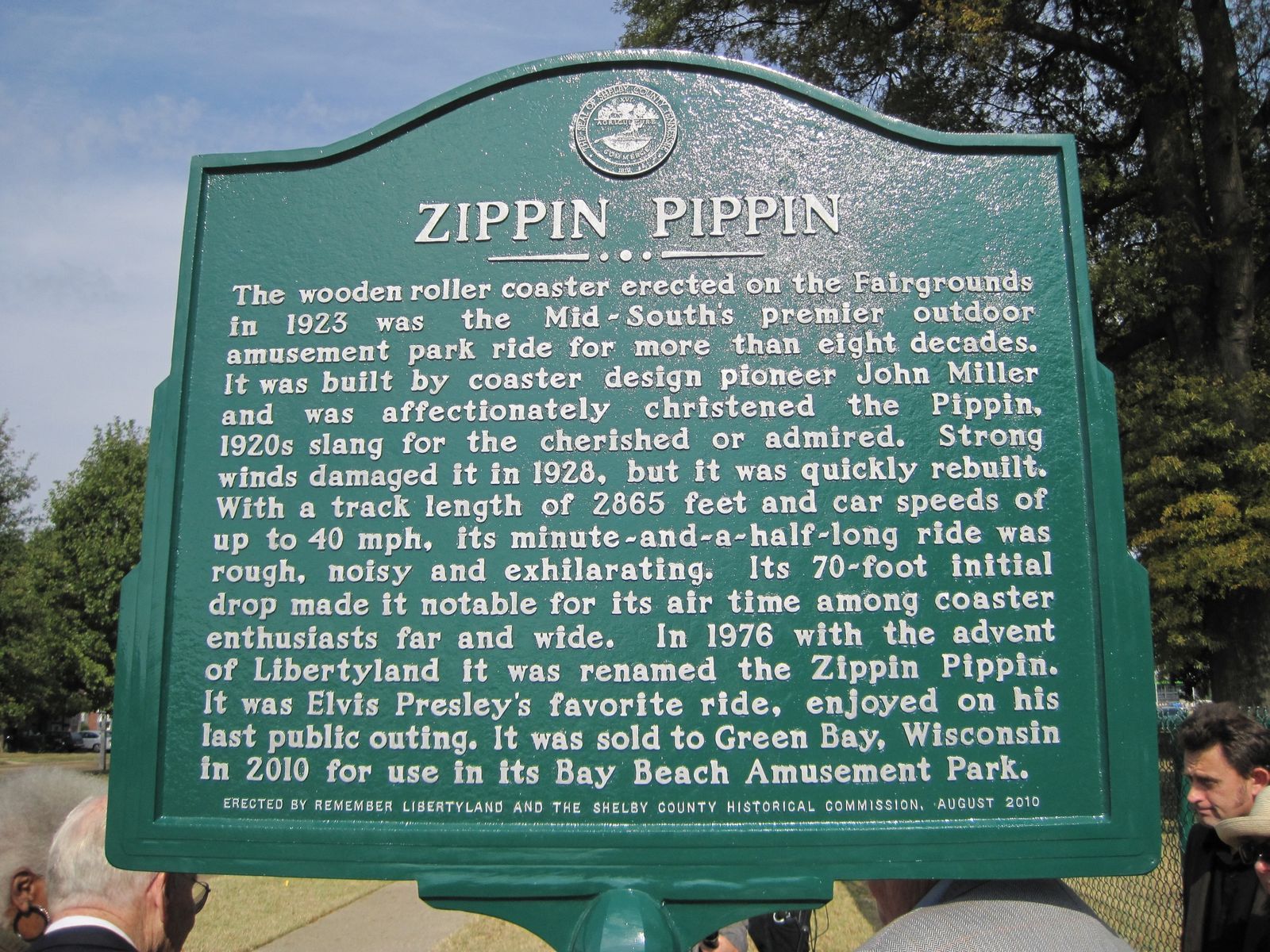
Image: Thomas R Machnitzki, CC BY 3.0, via Wikimedia Commons

Elvis loved movies and the fairground, but he hated crowds pressing in on him wherever he went. His solution was simple if you had his kind of money.

In Memphis, he r egularly rented out the entire Memphian Theater from midnight until dawn, filling the seats with friends and family to watch newly released films with nobody else around. He did something similar at the Memphis fairgrounds, later known as Libertyland, booking the whole park overnight so he could ride his favorite wooden roller coaster, the Zippin Pippin, again and again without a single stranger in line. He loved that ride so much he rode it into the early hours with his daughter Lisa Marie beside him in August 1977 — just eight days before he died at age 42.

10
He kept a huge collection of books

Image: AlexeiLogvinovich

The public saw a swaggering rock and roll star in tight jumpsuits, but behind closed doors at Graceland, Elvis Presley was something of a bookworm .

He kept a personal library that grew into the hundreds, later estimated at over a thousand titles, covering philosophy, world religions, anatomy, and numerology. His hairstylist and close friend Larry Geller became his main source for these books. Geller curated, recommended, and bought the books for Elvis, and the two spent hours discussing what he read. He underlined passages, scribbled notes in the margins, and carried a rotating stack with him on tour, sometimes hundreds of books packed into trunks. Auction houses have sold some of his personally annotated copies over the years, filled with handwriting beside ideas he clearly found worth wrestling with.

General General 3 min read

They have rules too

The president can’t buy an iPhone: 10 presidential restrictions

Image: Fine Photographics

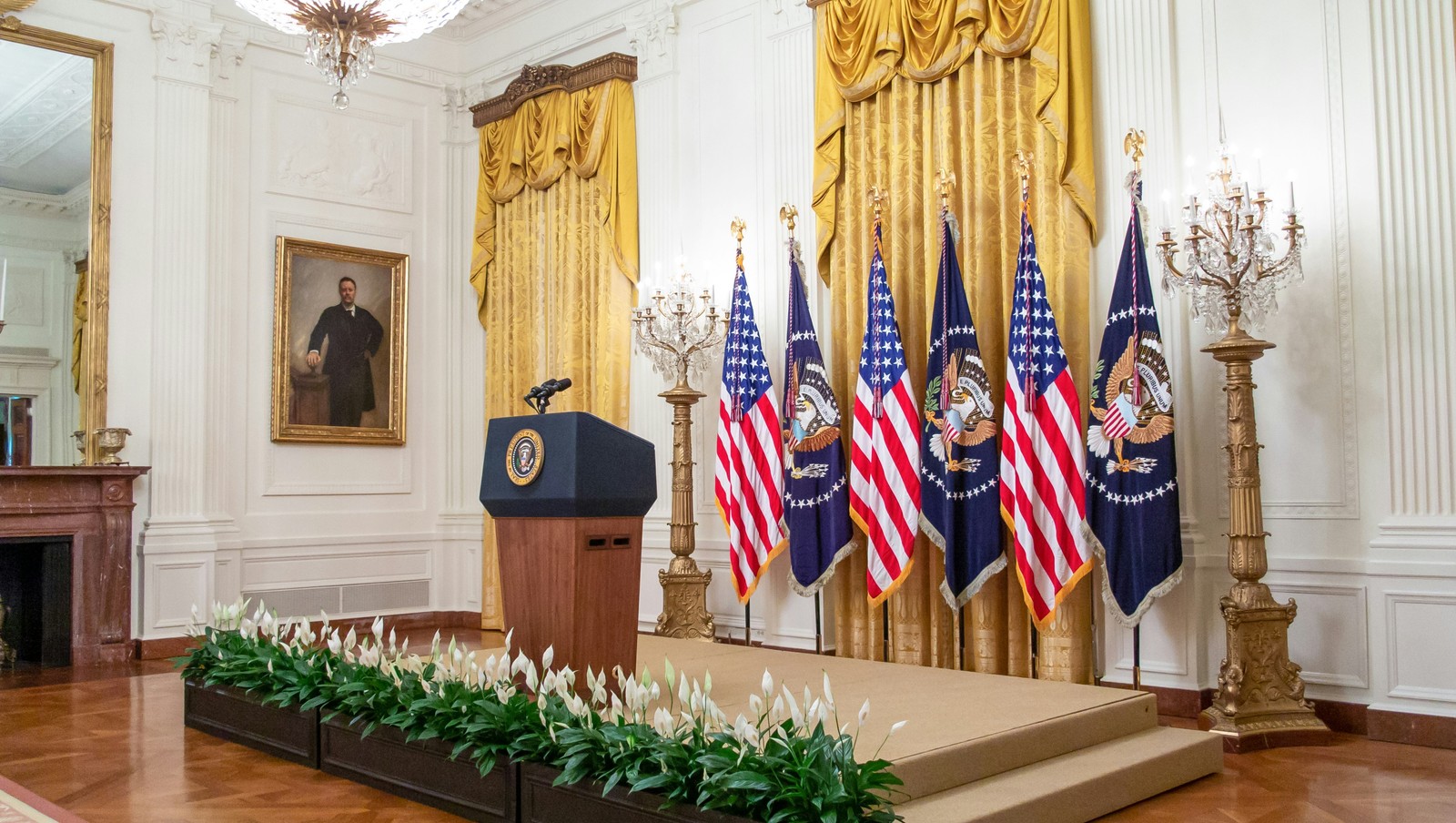
Being the president of a nation might seem glamorous, and while it comes with a couple of nice benefits, the role is also full of obligations, strict protocols, and surprising restrictions . From accepting luxurious gifts to buying a smartphone or taking a simple walk, here are all the "don’ts" of being a US president!

1
Open the windows

Image: Braden Burson

Yes, you read that right. A sitting US president can’t just get up and open the windows of the White House to enjoy a beautiful day. While there’s no law against it, the protocols state that any action that could pose a security risk to the commander-in-chief must be carefully reviewed and approved by the staff.

2
Go to the cinema

Image: Krists Luhaers

Going to the movies is one of life’s simple pleasures. Unfortunately, if you’re the president, it’s not one of your options. While it’s not officially forbidden, crowded and dark spaces like movie theaters represent serious security risks. Luckily, the White House has its own private screening room, so the president and his family can still enjoy movie night at home.

3
Attend their children’s events

Image: Sincerely Media

You’ll rarely see a president at their kids’ school plays or sporting events. And it’s not because they’re bad parents; it’s because regulations discourage them from attending. With so many people, children, and things happening at the same time, keeping the commander-in-chief safe in those settings is nearly impossible.

4
Buy their own tech devices

Image: appshunter.io

When a new iPhone hits the market, many rush to buy it, but presidents can’t make this decision on their own. Any electronic device, like a smartphone or tablet, could be vulnerable to hacking or espionage. So while presidents can use cell phones, theirs must be secure, vetted, and government-approved.

5
Block people on social media

Image: Julian

And that isn’t the only restriction on cell phones. Presidents who use their social media accounts for official communications are advised not to block people in their official POTUS account, since doing so could be seen as suppressing free speech. On the other hand, they can block users on personal accounts.

6
Go out alone

Image: Warren K. Leffler, Public domain, via Wikimedia Commons

The US president can’t just grab the keys and head out for a walk. Sure, strolls around the White House gardens are fine, but stepping beyond the gates is a different story. Anytime the president leaves the White House, even for a quick walk around the block, the Secret Service must secure the area, plan the route, and provide constant protection. Sounds a little overwhelming, right? But when you’re the commander in chief, safety always comes first!

7
Drive

Image: Jerry Kavan

Ever felt the urge to hop in your car and drive somewhere spontaneously? Well, if you’re the President of the United States, that’s off-limits. Security measures strongly recommend that presidents must always travel in a secure vehicle with a driver and a full security detail. In fact, the last president known to drive alone on the open road was Lyndon B. Johnson (1963-1969).

8
Fly on commercial airlines

Image: The White House, Public domain, via Wikimedia Commons

Just as security protocols strongly discourage the president from driving alone on open roads, flying on commercial airlines is also off-limits. Imagine being hundreds of feet in the air, locked in with strangers; it could be extremely unsafe when you’re the president of the United States. Implementing proper security measures would be too complicated, and with a large presidential staff, there might not even be enough seats for everyone.

9
Accept expensive gifts

Image: Ayana Ames

Presidents receive many, many letters and gifts from the public, but not all of them can be accepted. The US Constitution and federal law require presidents to decline overly expensive gifts, whether they come from foreign leaders or everyday citizens, to prevent any appearance of conflict of interest or corruption.

10
Discard official mail

Image: Wolfgang Vrede

Although it may seem like a harmless, ordinary task, the president can’t just start cleaning out their office or email inbox. All presidential correspondence, physical or digital (even spam!), is considered official government property. It must be processed or archived according to federal records regulations, and discarding anything requires a strict review process.

Culture Culture 6 min read

ALL-TIME CLASSICS

Are you looking for the Great American Novel? Explore 10 contenders

Image: Laura Chouette

American literature is rich in stories and authors. Its best examples capture life in the big cities, luxury, and glamour, but also the small rural American towns, diving into their roots and history. Books like Francis Scott Fitzgerald's The Great Gatsby or John Steinbeck's The Grapes of Wrath are classics that have left a lasting mark on generations of readers . Today we have put together a bookshelf with 10 of the best American novels of the 20th century. This list will surely fall short, but we hope you enjoy our selection!

1
The Great Gatsby , F. Scott Fitzgerald (1925)

Image: Girl with red hat

Written by F. Scott Fitzgerald, one of the most iconic authors of the so-called "Lost Generation", The Great Gatsby portrays the dark side of the American dream . The protagonist, the mysterious and apparently frivolous millionaire Jay Gatsby, is obsessed with winning back a woman he loved in his youth. Set in the Jazz Age, Fitzgerald’s book raises the contradictions between the power of money and the most intimate individual aspirations.

Published in 1925, The Great Gatsby is one of the greatest masterpieces of American fiction . Since then, it has sold millions of copies all over the world, has had numerous theatrical and film adaptations, and was chosen as the best American novel of the 20th century on several occasions.

2
The Sound and the Fury , William Faulkner (1929)

Image: Brandi Redd

Published in 1929, The Sound and the Fury is William Faulkner's fourth novel and is considered the greatest opus of this Nobel Laureate . It chronicles the decadence of the Compsons, an aristocratic family in the American South, their secrets, and the relationships of love and hate that sustain and destroy them.

The Sound and the Fury is a profound and heartbreaking exploration of decay, despair, and loss . Faulkner's innovative narrative technique, while challenging, allows for an intimate and visceral portrayal of the characters. The novel also addresses issues of race, gender, and class with admirable narrative prowess.

3
The Old Man and the Sea , Ernest Hemingway (1952)

Image: MonicaVolpin

The Old Man and the Sea was the last novel published by Ernest Hemingway during his lifetime. For it, he won the Pulitzer Prize for Fiction in 1953 and it undoubtedly contributed to the Nobel Prize for Literature he was awarded in 1954.

The novel tells the story of Santiago, an old and experienced fisherman who embarks on a grueling three-day battle when he finally manages to catch a huge marlin. The Old Man and the Sea is considered one of the masterpieces of universal literature that has captivated readers around the world for decades . Its message about perseverance, dignity, and the search for life’s meaning is still relevant today. The novel is a must-read for anyone interested in literature and human nature.

4
In Cold Blood , Truman Capote (1965)

Image: Brandi Redd

On November 15, 1959, in a small Kansas town called Holcomb, the four members of the Clutter family, a married couple and their two teenage children, were savagely murdered by Dick Hickcock and Perry Smith.

Based on these gruesome events, the American novelist Truman Capote managed to turn around his career as a storyteller by writing In Cold Blood , the novel that definitively established him as one of the great authors of twentieth-century American literature. This book catapulted him as the pioneer of the New Journalism literary movement , a non-fiction genre that became popular in the 1960s for narrating stories based on real events.

5
The Catcher in the Rye , J. D. Salinger (1951)

Image: Gratisography

The Catcher in the Rye , written by the great J. D. Salinger, is a contemporary novel that has become a classic of modern literature. At the time of its publication in 1951, it provoked numerous controversies for its provocative language and its unabashed portrayal of teenage struggles, such as sexuality, the loss of innocence, and the transition to adulthood.

The Catcher in the Rye could be framed within the Bildungsroman —a literary genre that focuses on the psychological and moral growth of the protagonist. It follows Holden Caulfield, a teenager who, after being expelled from school, gets lost in New York trying to find his way in the world. The novel is rich in symbolism and themes , and the literary style and narrative technique are unique and exceptional.

6
American Pastoral , Philip Roth (1997)

Image: Arno Senoner

Published in 1997, American Pastoral is the novel that earned Philip Roth the Pulitzer Prize and is the first in the well-known "American Trilogy", a series of novels narrated by Nathan Zuckerman, the author's alter ego. With the Vietnam War as a backdrop, this book is a lucid tale that questions American values during the end of the happy sixties.

In American Pastoral we find Roth at his best: deep, intense, incisive, magnificent . His ability to build a universe of complex characters and dig into their psychologies is astounding and overwhelming. Few writers have managed to capture the contradictions of American society as he has done.

7
Beloved , Toni Morrison (1987)

Image: Artis Kančs

Beloved , published in 1987 by Nobel Prize winner Toni Morrison, takes place in the aftermath of the American Civil War . The novel tells the story of an African-American slave, Margaret Garner, who escapes from Kentucky to Ohio, a free state.

Magic realism runs throughout the entire book and manifests through the ghostly presence of Beloved's character. Morrison uses this technique to explore collective memory and the persistence of the past . The novel is considered a masterpiece of contemporary literature and has been acclaimed for its innovative writing style and its exploration of sensitive subjects such as slavery, freedom, identity, and memory.

8
On the Road , Jack Kerouac (1957)

Image: Daria Kraplak

On the Road is a semi-autobiographical novel in which Jack Kerouac recounts a series of trips he made across the United States and Mexico with his friend Neal Cassady. Inspired by his passion for jazz, Kerouac developed the idea of a book that would be a great improvised prose solo . He wrote it on his typewriter on a long, single roll of paper in just three weeks.

A cornerstone of the so-called "Beat Generation," On the Road was published in September 1957, after 6 years of delay due to the publisher's reservations about the explicit contents. At the time, this emblematic book had a major impact, especially on the younger readers of the 60s. Today, On the Road is still considered one of the great American novels of the 20th century for capturing the rebellious spirit of an entire generation.

9
The Heart is a Lonely Hunter , Carson McCullers (1940)

Image: Faith Enck

The Heart is a Lonely Hunter is a literary masterpiece that continues to resonate in the hearts of readers, even though it was published more than 60 years ago. Set in a small southern town, it tells the story of a group of people who have in common the rejection of a society that ignores them.

This is Carson McCullers' first novel, written when she was only twenty-three years old. She masterfully captures the essence of loneliness and the search for human connection in a way that transcends time. With a moving narrative and unforgettable characters, the novel has received critical acclaim and has earned a prominent place in literary history.

10
The Grapes of Wrath , John Steinbeck (1939)

Image: Sonder Quest

We couldn't leave The Grapes of Wrath, 1940 Pulitzer Prize winner , out of this list. In this harrowing book, Nobel laureate John Steinbeck narrates the difficult journey of a family of farmers who, beset by hunger and misery, leave the fields of Oklahoma to reach the golden shores of California, the promised land.

First published in 1939, The Grapes of Wrath is a seminal work in American literature that explores the conflict between the rich and the poor and reflects the horrors of the Great Depression with sensitivity and sharp insight. Steinbeck's chronicle of the shameful mistreatment of 1930s families is perhaps the most "American" of all American classics.

Explore more American facts

Choose your favorite category!

General
General

As American as apple pie—the very best America has to offer!

Culture
Culture

Delve into the astounding richness of American lore.

Geography
Geography

Hop in and explore vast and diverse American landscapes.

History
History

Discover the key moments that shaped the United States.