History History 5 min read

Achieving the unachievable, one step at a time

Did you know these 10 legendary American athletic feats?

Image: Renith R

Humans are capable of extraordinary deeds in the physical world, and quite a few of them have taken place in public. From an individual who decided to run 50 marathons in 50 consecutive days to another who climbed a rock wall 3,000 feet high with no ropes or safety equipment of any kind, history is filled with amazing feats accomplished by remarkable people. And, as it happens, quite a few of them are American citizens. Do you know these ten?

1
2008 Beijing Olympic Games - Michael Phelps

Image: Thomas Park

Winning a gold medal in the Olympic Games is, by itself, a huge achievement and a dream come true for any elite athlete. Repeating this feat is something that very few have achieved, and doing so has elevated these individuals to legendary status.

Now, imagine winning not one, not two, but eight gold medals in a single edition of the Olympic Games . This unimaginable feat was accomplished by the now-famous swimmer Michael Phelps. This remains the greatest individual achievement in one edition of the Olympic Games by any Team USA athlete.

2
1936 Munich Olympic Games - Jesse Owens

Image: Braden Collum

Another legendary Olympic moment took place many years before Michael Phelps was even born, when Jesse Owens, a Black athlete, won four gold medals in the 1936 Munich Olympic Games.

Despite competing on very controversial ground at the time, Owens blazed his way to Olympic glory and secured his place in the pantheon of the greatest American athletes.

3
Cuba to Florida Swim - Diana Nyad

Image: Matt Hardy

If you see the distance between Miami and Havana on a map, it doesn’t seem all that far. That is until you start approaching and realize that there are 110 miles between these two places. Believe it or not, this journey has been swum three times. The first two crossings involved a shark cage and several short rests.

The third person to achieve this milestone was Diana Nyad, who completed the swim on her fifth attempt at age 64 in 2013 . Nyad used a protective jellyfish suit, shark divers, and electronic shark-repellent devices to achieve an "unassisted" swim.

4
50 Marathons in 50 Days

Image: Pietro Rampazzo

Running a marathon is an impressive feat of endurance and strength for almost any human being. Running two marathons in two consecutive days is nearly impossible for anyone. Now, imagine running 50 marathons across 50 American states in 50 consecutive days.

That incredible accomplishment was achieved by Los Angeles native Dean Karnazes , beginning with the Lewis and Clark Marathon in St. Louis on September 17, 2006 , and finishing with the New York City Marathon on November 5 . A bit too much, maybe?

5
1968 Mexico City Olympic Games - Bob Beamon

Image: Gabriel Sanchez

On the rarest of occasions, humans are capable of physical achievements that defy what the human body is capable of doing. During the 1968 Summer Olympics in Mexico City, Bob Beamon broke the world record for men’slong jump with an incredible jump of 29 feet, 2.25 inches . Yes, that is almost 30 feet.

There was a delay in posting the distance, and Beamon didn’t know what the metric figure that finally appeared on the board equated to in feet and inches. When a teammate told him he had jumped over 29 feet, he collapsed on the track from the realization of what he had accomplished.

6
2017 Australian US Open - Serena Williams

Image: Kelly Sikkema

Winning a world tennis championship is a significant achievement for any tennis player. That is, unless you are a tennis player so accomplished that winning these tournaments is as regular as anything. The list of people who do that is very short, and the names on it are all very well known.

One of those names is, without a doubt, Serena Williams. Possibly the greatest female tennis player ever, she won the 2017 Australian Open . This fact alone may not seem out of place for such an athlete. But what sets it apart is the fact that she did so while pregnant .

7
17 minutes without breathing - David Blaine

Image: Jakob Owens

How long can you hold your breath underwater? Trained individuals can achieve very impressive results in this field, but one feat that stands out is the one accomplished by American illusionist David Blaine, who, on September 8, 2008, set a world record for static apnoea, by holding his breath underwater inside a tank for 17 minutes and 4.5 seconds.

Blaine is best known for his high-profile feats of endurance and has set and broken several world records. These include standing for 35 hours on a 100-foot-high pillar only 22 inches wide in 2002 and sitting in a clear Perspex box for 44 days in 2003 without eating and drinking only water.

8
900 spin - Tony Hawk

Image: Devin Avery

In the world of skating, a 360 is the name given to a stunt performed by executing a mid-air spin on the board. This is a complicated trick, achieved only by very experienced skaters. A 720 is a stunt performed by doing not one, but two mid-air spins on the board. As one can imagine, this is exponentially more difficult than a 360, and very few people can pull off this stunt.

Now, if we mention a 900, you might guess where we are going. This involves not one, not two, but two and a half mid-air spins on the board. This insanely difficult stunt was first performed (at least publicly) by Tony Hawk, the skateboard champion, at the 1999 X Games, cementing his status as a skateboarding legend.

9
2008 U.S. Open - Tiger Woods

Image: Will Porada

Tiger Woods is a familiar name in the sports world. He has won 14 major golf championships and achieved a level of superstardom seldom seen in the game. However, the one we are choosing to highlight today displays an extraordinary amount of tolerance to pain in the face of competition.

During the 2008 U.S. Open, he played a total of 91 holes with a torn ACL and double stress fractures in his left leg . With a course set up to give players the toughest test of golf imaginable, the U.S. Open is hard enough as it is. Add in debilitating leg injuries, plus 19 extra holes (thanks to a playoff with Rocco Mediate), and you have one of the greatest showings of pain tolerance in the history of tournament golf.

10
El Capitan Free Solo Climb - Alex Honnold

Image: Jessica Tuttle

Imagine climbing a huge stone wall approximately 3,000 feet high in less than four hours. Now imagine doing that, without any kind of ropes or safety equipment. That is exactly what Alex Honnold did on June 3, 2017, when he made the first-ever free solo ascent of El Capitan by completing Alex Huber's 2,900-foot big wall route, Freerider, in 3 hours and 56 minutes.

The climb, described as "one of the great athletic feats of any kind, ever," was documented by climber and photographer Jimmy Chin and documentary filmmaker E. Chai Vasarhelyi, as the subject of the documentary Free Solo which, among other awards, won the Academy Award for Best Documentary Feature in 2018.

Geography Geography 5 min read

Let’s go on a sightseeing tour

Wander the streets of these 10 iconic American neighborhoods!

Image: Breno Assis

America is truly a wonderful place to live. Take a stroll through any of our busy and vibrant cities, and you’ll come across streets buzzing with culture, breathtaking architecture, and, perhaps most importantly, delightful people. After all, a huge part of what makes our country so great is the generations of Americans who helped build it. In making their homes a better and safer place for the generations to come, these Americans gave our neighborhoods an identity and culture that truly make them unique. With that in mind, we have selected 10 of the most iconic and beautiful neighborhoods in America for you to discover. Enjoy!

1
The French Quarter - New Orleans

Image: João Francisco

We’ll begin this article with a Southern jewel. New Orleans’ French Quarter is the oldest neighborhood in the city, and for a while, it was the central square around which the city was built. In fact, its French name, Vieux Carré ("Old Square") describes its status as an essential location.

Nowadays, the French Quarter serves as a quaint and charming time machine. Millions of tourists visit it for its delightful architecture, delectable restaurants, and buzzing jazz scene. Other attractions include Jackson Square, a public park dedicated to Andrew Jackson, and Bourbon Street, filled with picturesque bars and taverns.

2
Little Havana - Miami

Image: Kian Lem

This neighborhood proves that good things come in small packages. Little Havana got its name in the 1960s after a substantial number of Cuban immigrants moved into the area. With them came the vibrant and colorful culture that has defined this neighborhood for over 60 years.

If you only have time for a quick visit, we recommend taking a stroll through the neighborhood's main street, the world-famous Calle 8 . This strip is filled with stores and restaurants offering traditional (and delicious) Cuban food. You might also visit one of the many live music venues and dance the night away!

3
Chinatown - San Francisco

Image: Madeleine Maguire

We could have taken our pick from the many amazing neighborhoods called "Chinatown" across America, but we ultimately settled on the oldest one in the country. Centered on Grant Avenue and Stockton Street, San Francisco’s Chinatown is instantly recognizable, made famous by amazing movies like The Maltese Falcon or The Pursuit of Happyness .

This neighborhood is also considered largely responsible for popularizing Chinese cuisine in America, and for creating new Chinese-American dishes like chop suey. San Francisco’s Chinatown is also world-known for its spectacular Chinese New Year celebrations, perhaps the biggest of its kind in America.

4
Beverly Hills

Image: David Vives

Since it was incorporated as an American city in 1914, Beverly Hills is technically not a neighborhood. However, because it is completely enveloped by the city of Los Angeles, it is considered a suburb. So, for the sake of argument, we’ll include "90210" on this list, if only because it gives us a chance to talk about the quintessential home of the rich and famous.

Beverly Hills got its name from "Beverly Farms" located in Beverly, Massachusetts, after the landowners realized there was no oil to be found in it and decided to develop it into a town. Nowadays, it is mostly known for its lush scenery, luxury shopping, and, of course, its connection to Hollywood stars. Literally, too many movies and shows feature this city, so we’ll just name a few off the top of our heads: The Beverly Hillbillies , Beverly Hills Cop, and Beverly Hills 90210 .

5
Brooklyn - New York City

Image: Víctor Martín

What is a borough if not a big neighborhood? I know many New Yorkers will disagree with this statement, especially those lucky enough to reside in Brooklyn . After all, many consider Brooklyn to be a separate entity—an independent (albeit small) city. And when you consider all the amazing things this borough has to offer, can you really blame them?

Brooklyn is comprised of over 70 different neighborhoods. If it were a standalone American city, it would rank as the fourth largest in the entire country. However, the sole reason we included it on this list is that the entire borough feels like one massive neighborhood, instantly recognizable by its distinct identity and culture.

6
Haight-Ashbury - San Francisco

Image: Burak Ceviz

San Francisco is world-famous for many reasons: Its slanted streets, cable cars, and the Golden Gate Bridge make it instantly recognizable. Architecture buffs also adore "the City" (as it's known by locals) for a very specific reason: its abundance of "Painted Ladies," the nickname given to the gorgeous Victorian houses built in the 1800s. In that sense, while many of San Francisco’s neighborhoods boast these houses, our top pick goes to those in the Haight-Ashbury neighborhood.

In truth, Haight-Ashbury has so much more to offer than these lovely houses. For starters, this neighborhood was the center of the 1960s counterculture; many claim that the "Hippie" movement began here. Several stores in the area pay tribute to that era, particularly record stores and boutiques.

7
Little Italy - New York City

Image: Alex Haney

Just like with our nation’s Chinatowns, we could have easily picked from a number of locations known as "Little Italy." In fact, New York City houses several of them, from the Morris Park neighborhood in the Bronx to the section formerly known as "Italian Harlem." Ultimately, we decided to focus on what is probably the most famous of them all: the Little Italy neighborhood in Manhattan.

While this area was made famous by Francis Ford Coppola’s legendary Godfather trilogy, the truth is that Little Italy’s charm can’t fully be described by any art form. From its history to its amazing culture and proud heritage, this neighborhood is truly a sight to behold.

8
Pike Place - Seattle

Image: Ben Dutton

We know what you’re thinking: Pike Place is not a neighborhood. And while it’s true that this name is most heavily associated with Seattle’s iconic public market, the area surrounding Pike Place is now considered a neighborhood in its own right—and a gorgeous one at that.

Although small, the Pike Place district is filled to the brim with spectacular landmarks and fantastic gastronomic offers. You can visit the very first Starbucks location, wander around the many offerings in the farmer’s market, or take a stroll through Waterfront Park.

9
The Loop - Chicago

Image: Anthony Fomin

Standing in the heart of "the Windy City" there’s a neighborhood blessed with a unique name: The Loop is Chicago’s commercial district and the true center of the city. It’s named after the central train station located in the neighborhood, where all the city’s train lines meet and form a "loop."

Millions of tourists visit this neighborhood every year, as it is conveniently located near several of Chicago’s main attractions. Anyone staying in the Loop is within walking distance of Millennium Park, the Art Institute of Chicago, and the "Cloud Gate" sculpture, perhaps best known by its nickname, "The Bean."

10
Beacon Hill - Boston

Image: Vanessa Sezini

We’ll end this article with a wonderful historic neighborhood. Beacon Hill ’s name is delightfully straightforward: it refers to a former beacon placed on top of the highest hill in central Boston. As you might have guessed, the function of this beacon was to alert residents to any invasions, which is a true statement of the history of this iconic neighborhood.

Beacon Hill is perhaps Boston’s most famous neighborhood, characterized by its lovely rowhouses, gas-lit streets, and brick sidewalks. It has been home to both the Massachusetts State House and many notable Americans, including author Louisa May Alcott and poet laureate Robert Frost.

General General 4 min read

The trains that changed what time it was & more incredible true stories

Image: Erman Gunes

Did you play with toy trains when you were little? Do you love a good scenic train ride? If either is the case, you’re in luck: get ready to uncover 10 surprising train stories that shaped the country . From wartime transportation to presidential campaigns, these moments in train-related history changed America forever.

1
The trains that changed what time it was

Image: Sergii Figurnyi

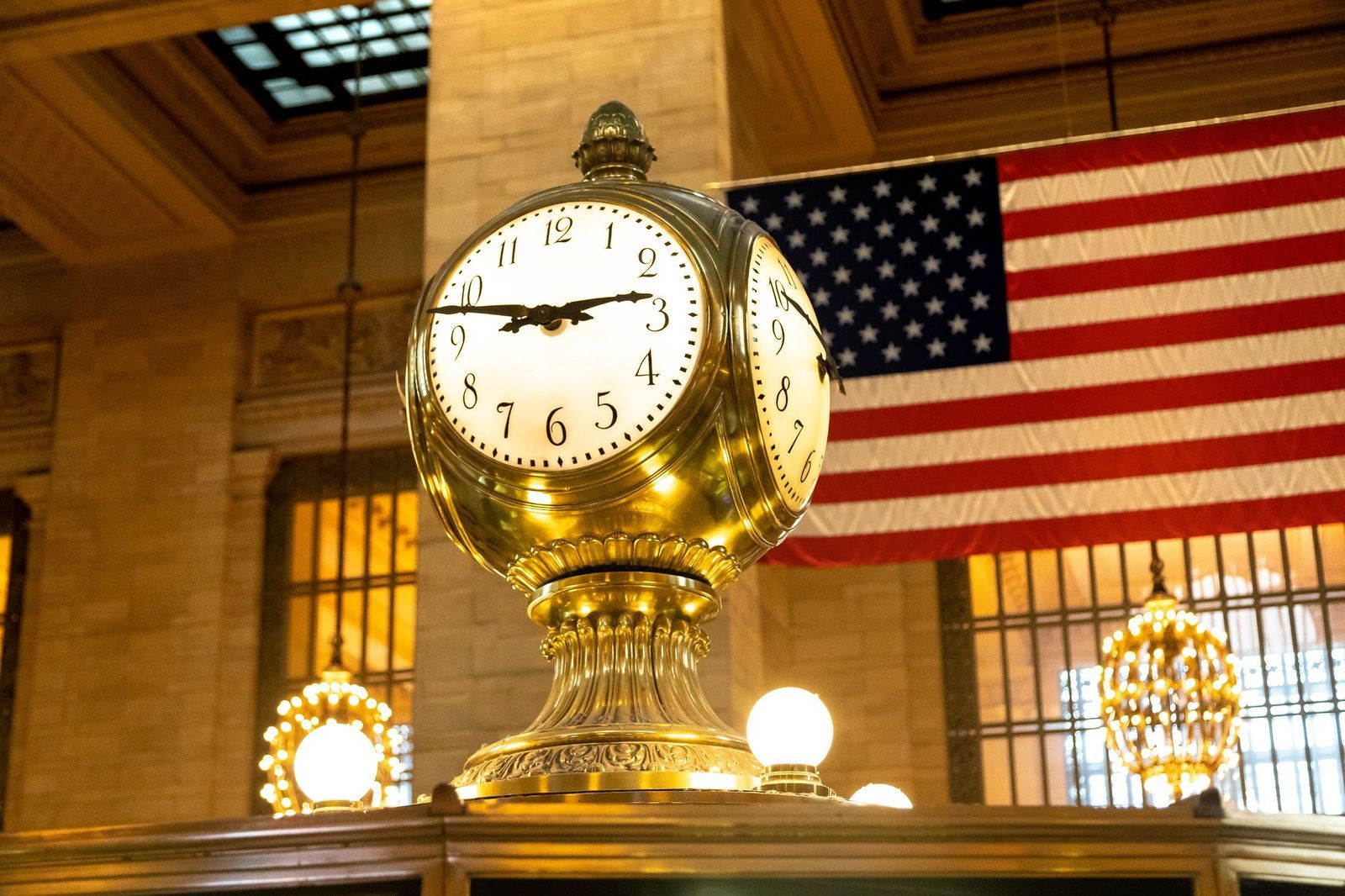
The railroads helped establish standardized time zones, ending the mayhem of thousands of local times. On November 18, 1883 (dubbed "The Day of Two Noons" ), U.S. and Canadian railroads adopted a system of standard time zones to coordinate railroad schedules.

This private initiative greatly reduced the chaos caused by hundreds of local, sun-based times and helped make railroad travel safer. Congress would not formally establish standard time nationwide until 1918.

2
The mailmen who sorted letters at full speed

Image: Ritu Manoj Jethani

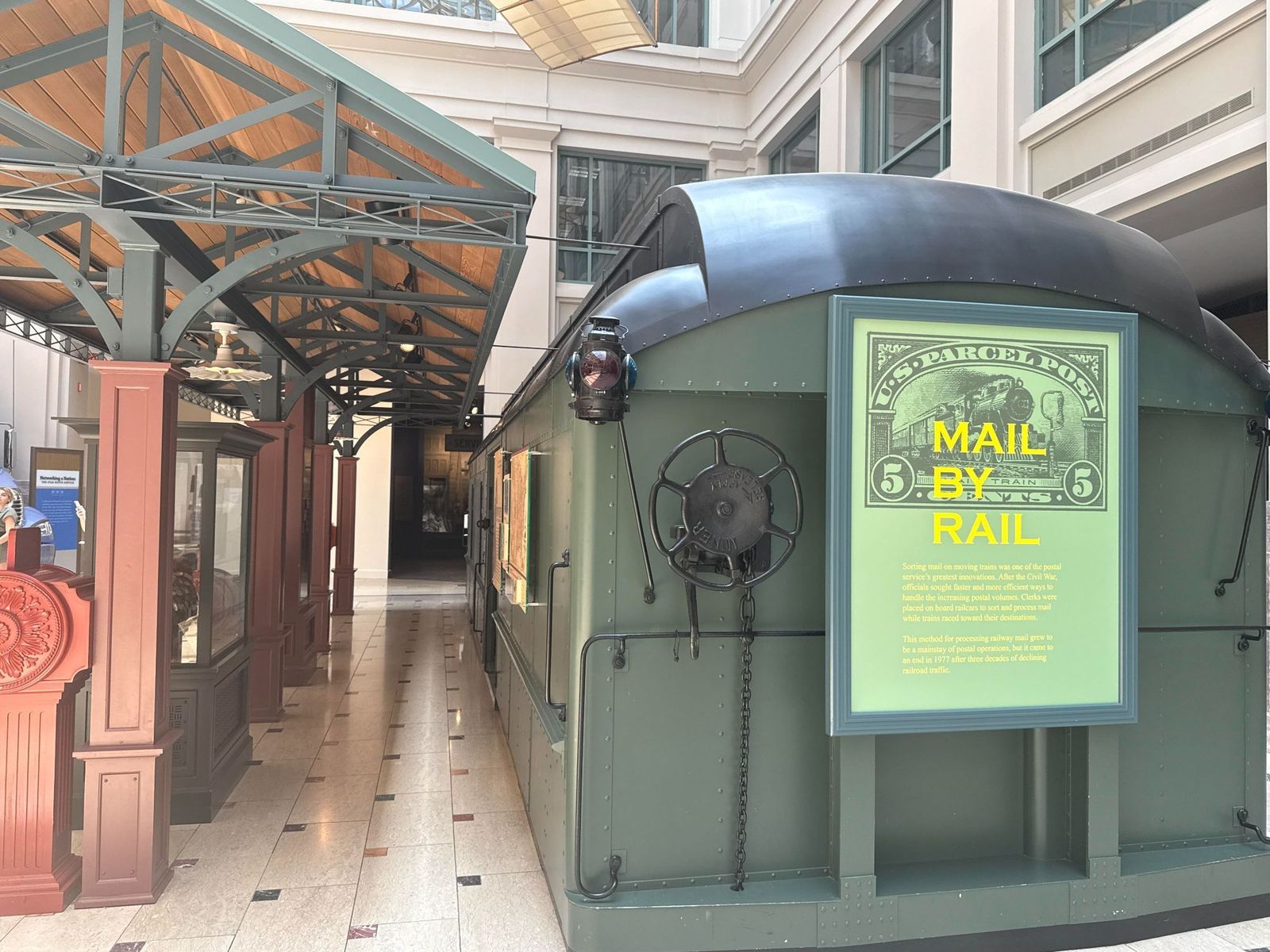
The U.S. Railway Mail Service (1860s—1970s) operated Railway Post Office (RPO) cars, where specially trained clerks sorted non-local mail on moving trains. Using a system called "mail on the fly" , clerks sometimes exchanged mail pouches without the train stopping. At its peak, the service handled 93% of the nation's non-local mail.

They would memorize complex routing diagrams to toss letters into narrow pigeonholes while on the move. A trackside crane held an incoming pouch while a steel catcher arm on the moving train snatched it in milliseconds. This continued until June 30, 1977, when the service finally ended.

3
The train that became Truman's campaign headquarters

Image: Primakov

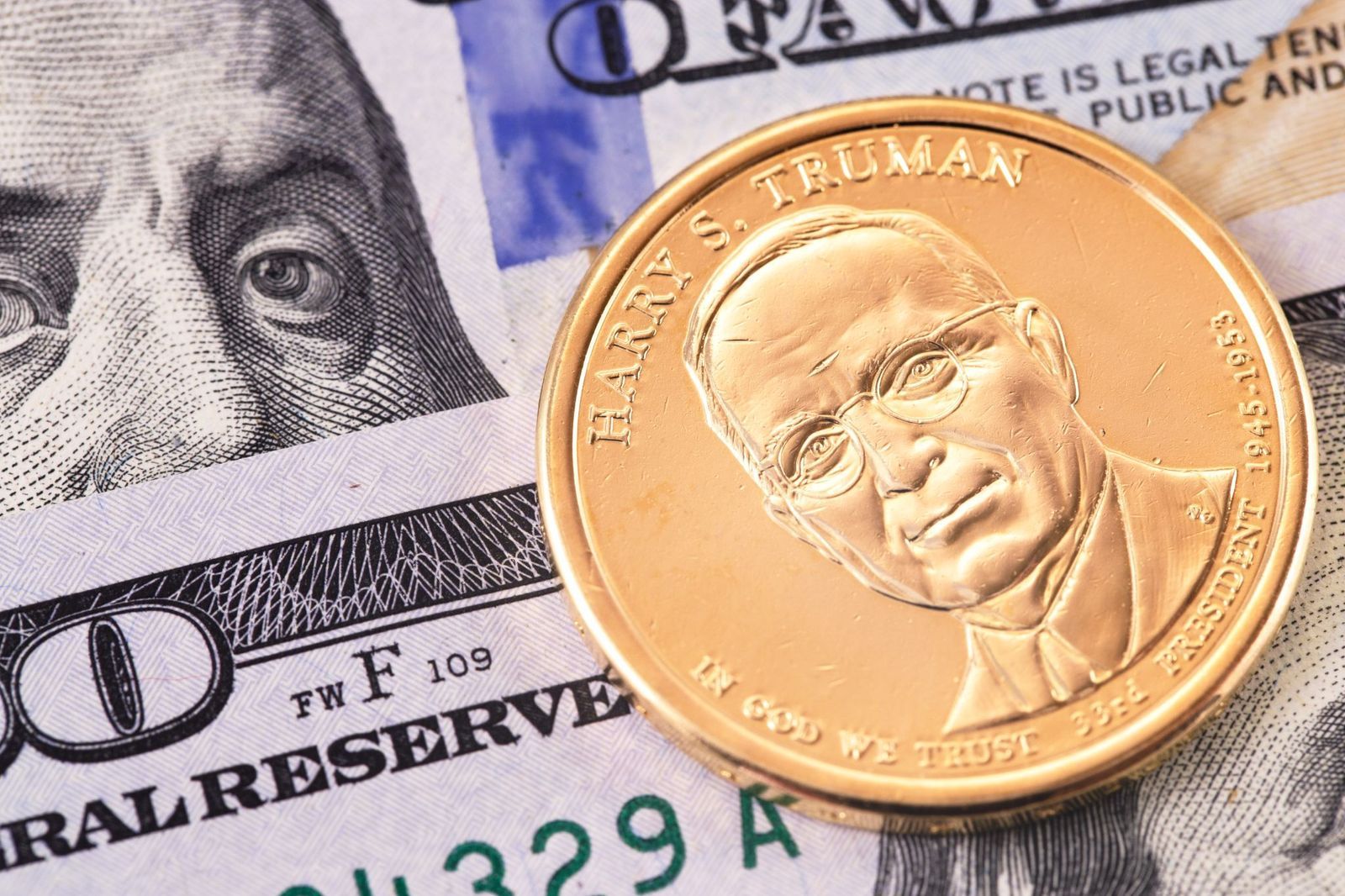
Harry Truman’s 1948 whistle-stop presidential campaign was a massive train journey that helped produce one of the most shocking results in U.S. election history. It included thousands of miles of travel across the country, during which Truman gave hundreds of fiery speeches from the rear platform of the Ferdinand Magellan, a heavily armored presidential railcar originally built in 1928. It is said he delivered 356 speeches during the 35-day tour .

4
The four-minute mistake that changed railroad watches

Image: Everett Collection

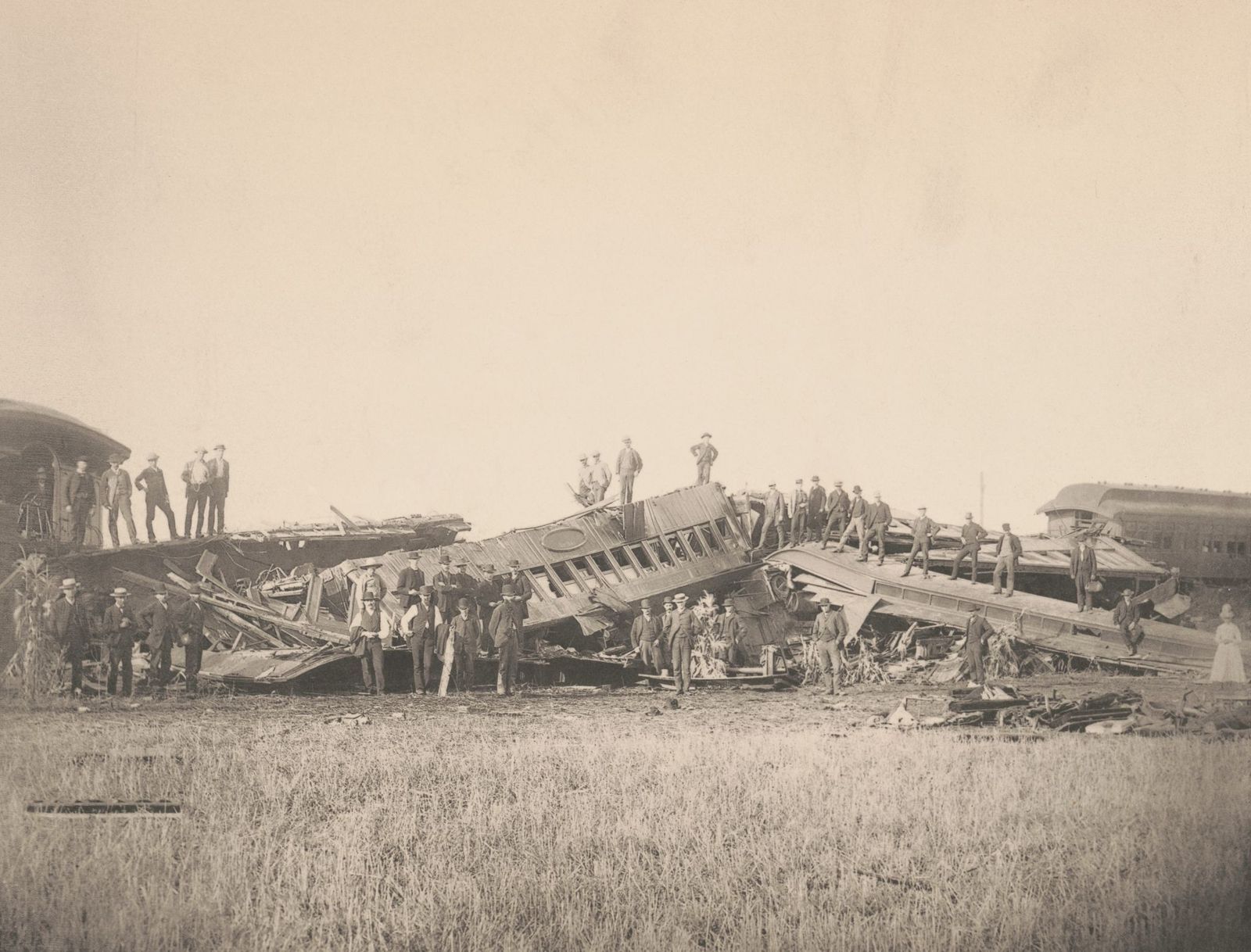
What’s generally known as the 1893 Great Kipton Train Wreck actually occurred in 1891 and led to stricter timekeeping rules, including standardized railroad watches to prevent collisions.

Here’s what happened: a conductor’s pocket watch stopped for four minutes and restarted, contributing to a fatal head-on collision between two trains. This disaster led to the appointment of jeweler Webb C. Ball as Chief Time Inspector. He subsequently developed strict standards for railroad watches and regular inspections.

5
The sleeper cars that changed travel forever

Image: Heather Shimmin

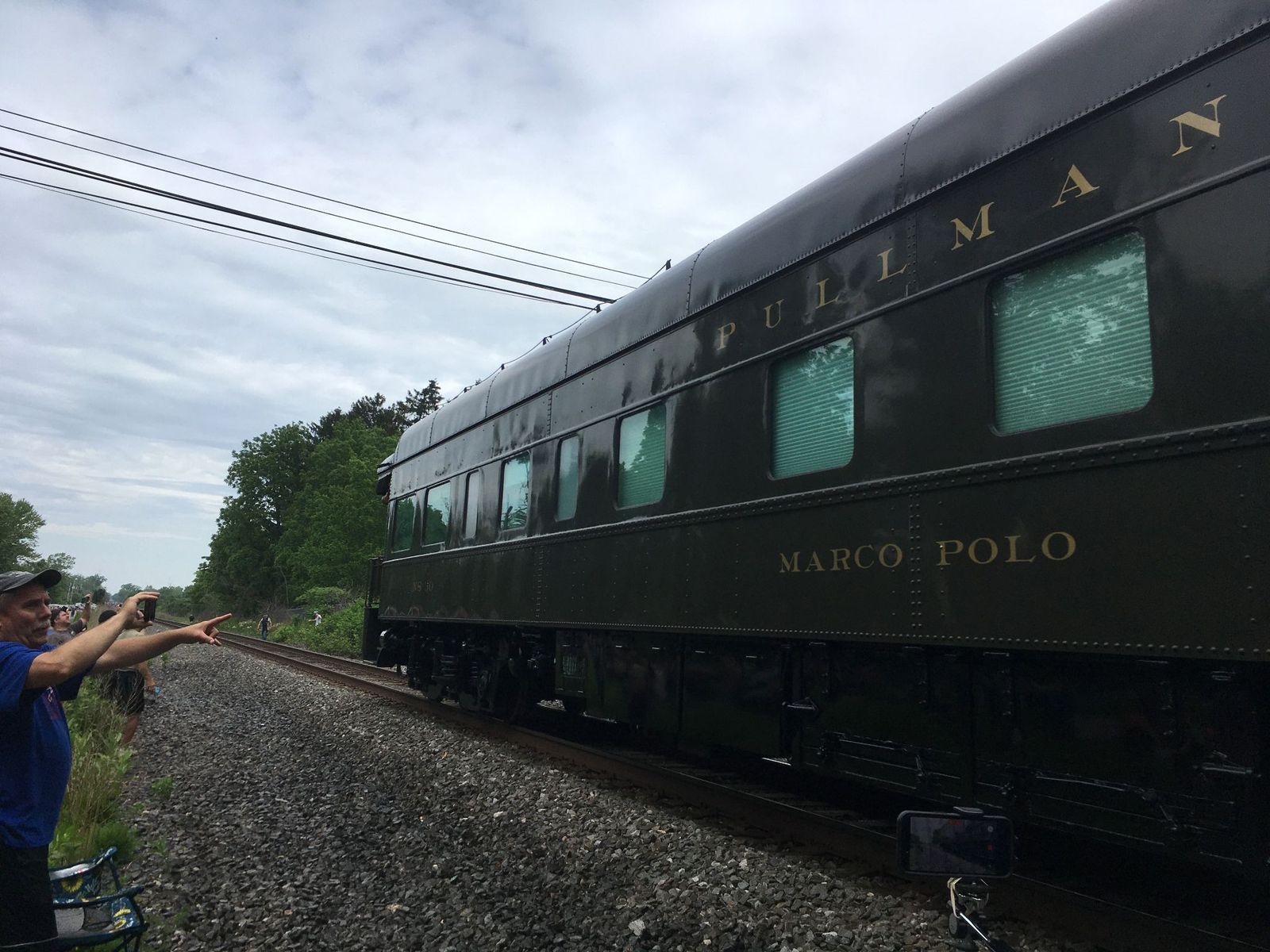
Pullman sleeper cars were created by George Pullman in the 1860s, revolutionizing long-distance travel with onboard beds and luxury service , including his first model, the 1864 Pioneer.

This comfort fueled rapid national expansion, but also sparked major labor and social shifts across the United States.

6
The railroad that turned America into one nation

Image: Lefteris Papaulakis

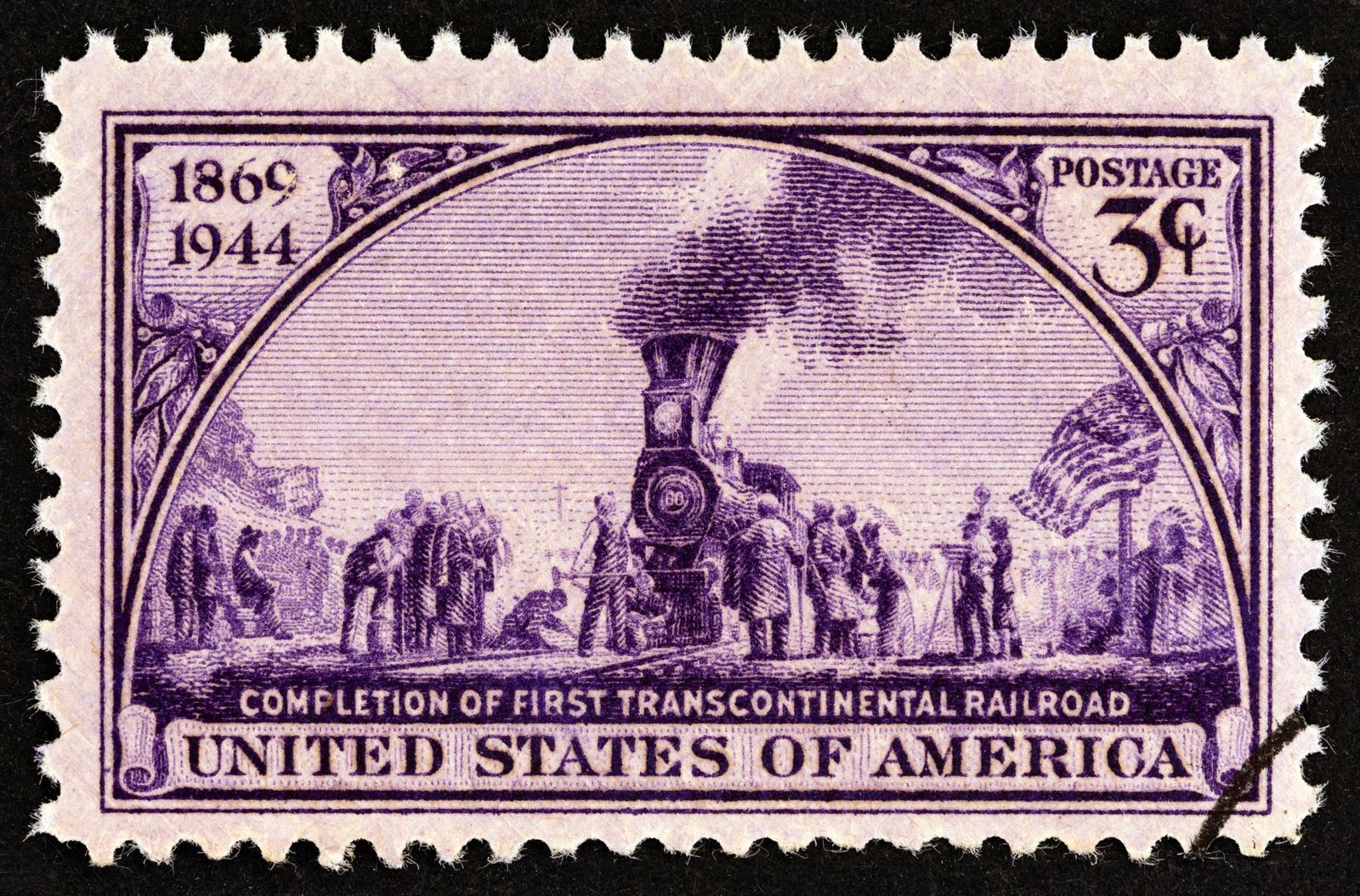
The Transcontinental Railroad was completed in 1869 and relied heavily on Chinese and Irish immigrant labor, which often involved dangerous working conditions. Workers blasted through rocks and mountainsides , carved paths across difficult terrain, and endured brutal weather as they laid tracks across the country.

This massive project changed travel and trade forever, cutting cross-country travel to roughly a week and helping transform the nation’s economy by connecting the Atlantic and Pacific coasts.

7
The Civil War trains that carried wounded soldiers to safety

Image: Khairil Azhar Junos

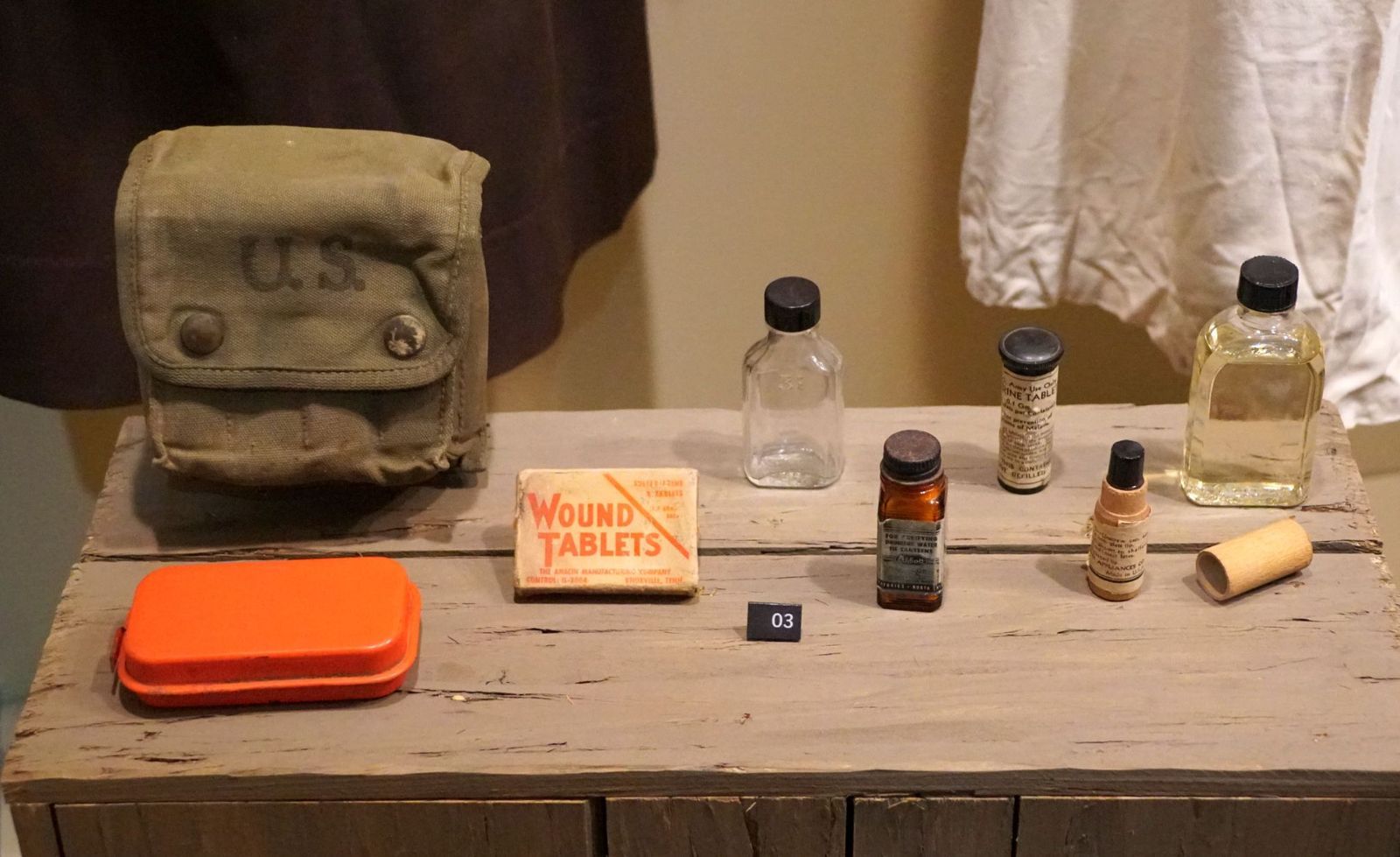
Civil War hospital trains helped transform how wounded soldiers were evacuated and treated . Early hospital trains were often converted freight or passenger cars, but they gradually became specially outfitted with stretcher racks, medical personnel, kitchens, and other equipment.

By 1864, purpose-designed hospital cars were being used by Union forces to transport wounded soldiers from battlefields to larger hospitals.

8
The trains that kept America’s war effort moving

Image: Shiva Photo

During World War II, the U.S. railroads played a crucial role. They carried vast quantities of military freight and personnel, making the railroads a crucial lifeline of the domestic war effort .

Gasoline and rubber shortages at the time also forced more of the car-driving public onto trains, pushing passenger traffic to historic peaks. Unlike in World War I, the federal government left daily operations under private rail control while coordinating closely through the Association of American Railroads.

9
The women who kept America’s railroads running

Image: Everett Collection

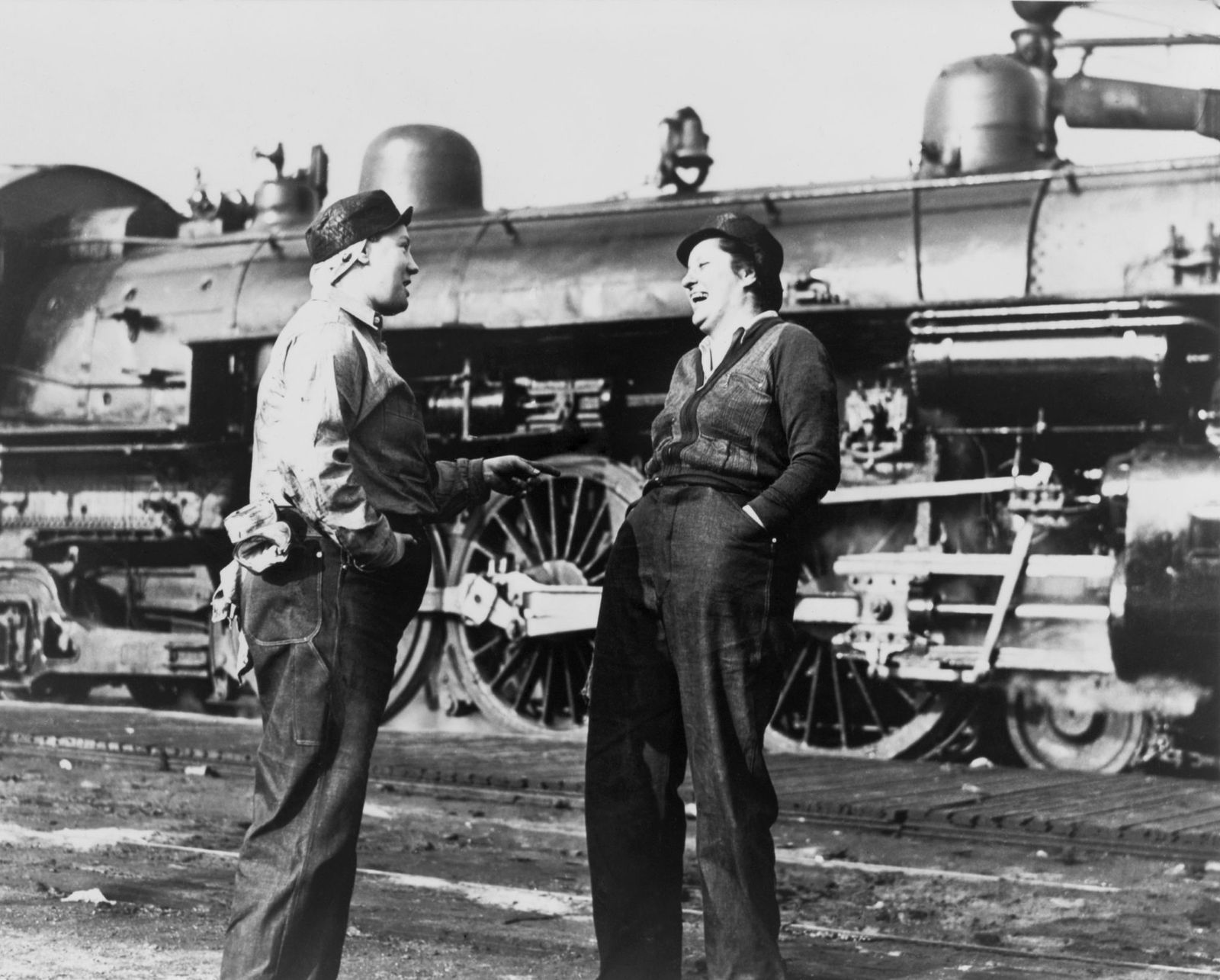
During World War II, women took on a much greater role in railroad work across the country, covering diverse occupations such as telegraphers, station agents, and workers who maintained and cleaned massive steel locomotives.

They replaced men who had entered the military service and helped keep the nation’s rail system running.

10
The Gold Rush that helped put the West on the rails

Image: telesniuk

The California Gold Rush of 1849 ignited a massive, never-before-seen western migration, but coast-to-coast travel still took months via dangerous sea routes or wagon trains.

That changed dramatically on May 10, 1869, when the previously mentioned First Transcontinental Railroad was completed at Promontory Summit in Utah. The railroad made it far easier to move people, goods, and valuable cargo between the coasts, although the Gold Rush itself had begun long before the railroad existed.

Explore more American facts

Choose your favorite category!

General
General

As American as apple pie—the very best America has to offer!

Culture
Culture

Delve into the astounding richness of American lore.

Geography
Geography

Hop in and explore vast and diverse American landscapes.

History
History

Discover the key moments that shaped the United States.