General General 3 min read

Unveiling the truth

Believe it or not? A stroll through some conspiracy theories
Image: Cottonbro Studio

Let’s face it, America has always loved a good mystery, right? Whether it's whispers about aliens or oddball internet chatter, conspiracy theories have a way of capturing our imagination. Some make us chuckle, others make us scratch our heads, and a few might even make us wonder, "What if?" So pour yourself a cup of coffee, and let’s take a lighthearted tour through some of the most talked-about conspiracies.

1
The moon landing: staged in Arizona?
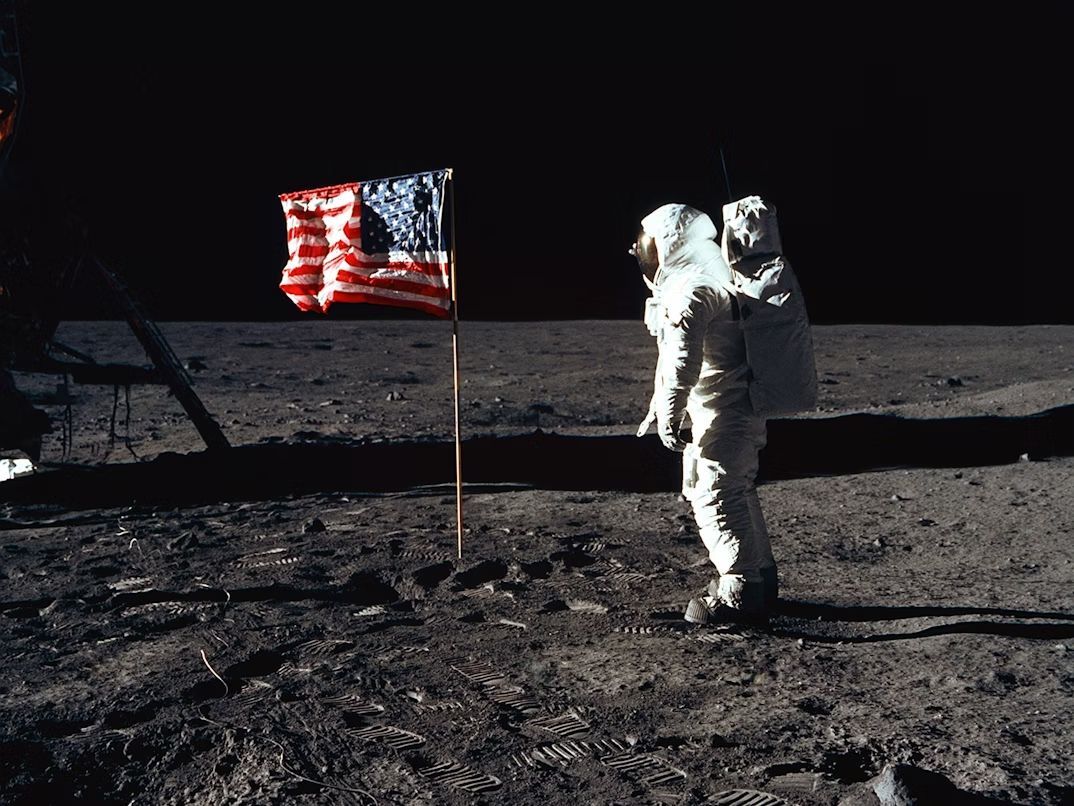
Image: NASA

Back in 1969, Americans watched Neil Armstrong take one small step for man on TV. But not long after, rumors started floating around that it was all filmed on a Hollywood-style set somewhere in the desert. Books and even a movie helped the idea spread. Still, with hundreds of pounds of moon rocks and decades of scientific study to back it up, it seems pretty clear the only thing fake was the rumor itself.

2
The dead internet theory: bots gone wild
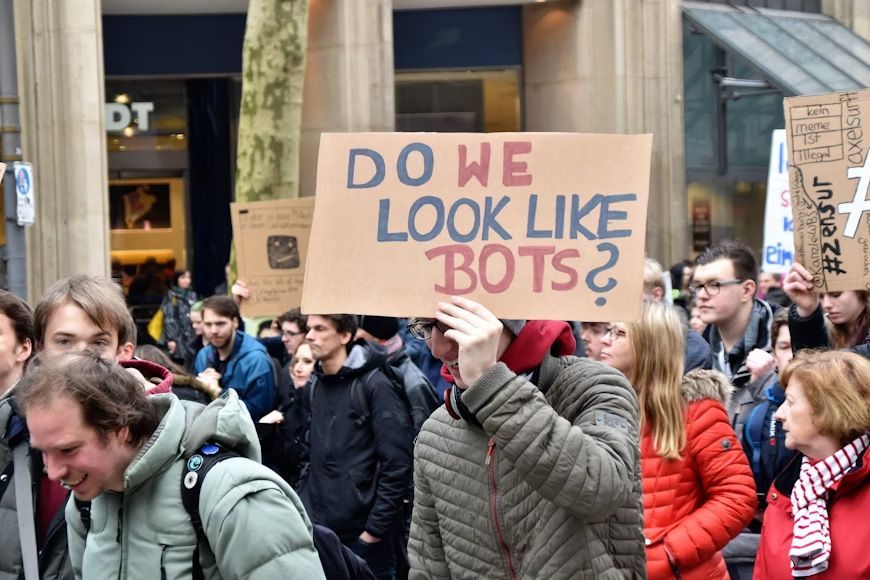
Image: Waldemar

According to this theory, you might be talking to a wall online. The idea is that most of the internet isn’t run by people at all but by bots—that is, automated programs pretending to be humans. They supposedly post, reply, and argue, all to keep clicks coming. Even if bots are increasingly popular on some sites and apps, it’s evident that this is nothing but a crazy conspiracy theory!

3
Subliminal advertising: blink and you’ll miss it

Image: Wojtek Witkowski

Remember when people thought ads were sneaking messages into our brains? Some authors were convinced that companies were hiding secret images in movies and commercials to mess with our minds. This theory hit headlines in the ’70s, but most of those claims didn’t hold up under scrutiny. Marketing and advertising do know some tricks around our minds, but your sudden craving for popcorn probably has more to do with the smell than secret mind control.

4
Paul is (not) dead

Image: IJ Portwine

Back in the swinging ’60s, a bizarre rumor began circulating: Paul McCartney had supposedly died and been replaced by a lookalike. Fans claimed to find hidden clues in Beatles albums, like barefoot walks and cryptic lyrics. The theory quickly crossed borders and spread worldwide. But don’t worry, Paul was (and still is) very much alive, touring, and giving interviews.

5
Roswell: crash course in confusion
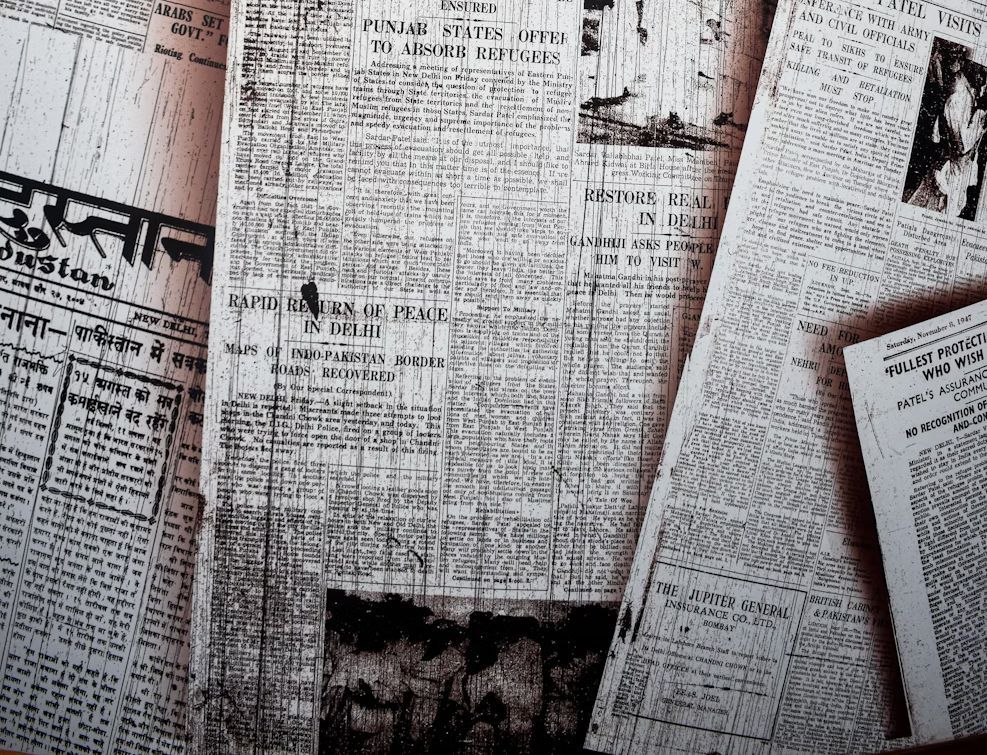
Image: Rishabh Sharma

Something definitely fell near Roswell, New Mexico, in 1947—remember that? The question is, what was it? The government first hinted at flying saucers , then changed the story to a weather balloon. That was all it took for conspiracy theories about aliens to bloom. Years later, it turned out the object was actually a Cold War–era military balloon from a classified program. No aliens—just some top-secret tech.

6
Chemtrails: clouds of confusion

Image: Val Vesa

Those streaks behind planes? They’re called contrails, and they’re mostly made of water vapor. But some believe they’re really "chemtrails" (chemical agents sprayed into the sky). Theories range from weather control to population mind games. Scientists have tested the air and found nothing unusual, but some folks still keep looking up and wondering. What do you think?

7
COVID and 5G: a confusing combo

Image: Shiwa ID

When the pandemic hit, it brought more than just a virus. With so much uncertainty, conspiracy theories spread just as fast. One unusual claim linked COVID-19 to 5G technology, even suggesting that vaccines contained tracking chips. Researchers and doctors around the world quickly debunked it all, but it just goes to show how fear and confusion can breed some pretty wild ideas.

8
Birds aren’t real... or are they?

Image: Gareth Davies

This one takes the cake. A satirical movement claims that birds are actually government surveillance drones . What started as a joke by a college student quickly went viral, billboards and all. While some people mistook it for a real conspiracy theory, it’s actually a commentary on how misinformation spreads.

9
Flat Earth: going against the grain
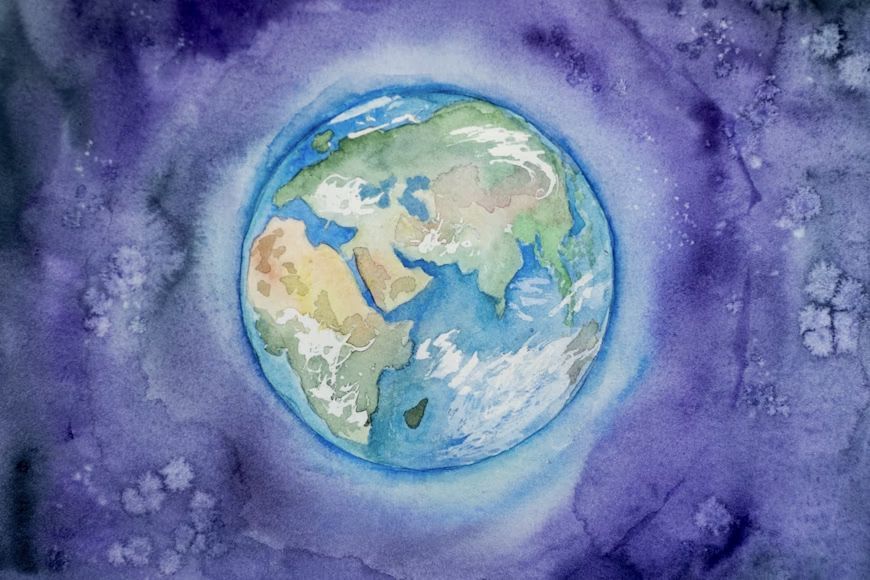
Image: Elena Mozhvilo

Despite centuries of science and countless space photos, some people still believe the Earth is flat . They point to the horizon, question gravity, and invent creative explanations for eclipses and orbits. It’s a belief often fueled by mistrust or ideology, but the round Earth, seen from space, keeps on spinning just the same.

10
Denver Airport: baggage and bunkers

Image: Rocker Sta

Denver’s airport has some… interesting décor. Murals of chaos, red-eyed horses, and creepy gargoyles have sparked rumors that it’s hiding secret bunkers for the Illuminati. While the truth is less exciting (just over-budget construction and bold public art), the place does have a weird vibe that fuels the fun of imagining a secret space beneath the baggage claim. If only!

General General 4 min read

Do you agree with these 10 absurd rules still in existence in the U.S.?

Image: Tara Winstead

America is famous for its love of freedom, yet a few peculiar and oddly specific rules survived in dusty town codes and old state books. Some were written to solve long-forgotten problems; others simply remained by accident. What they all have in common is that they are a reflection of our quirks and contradictions. From outlawed snowballs to forbidden confetti, these 10 real bans prove that, in the land of the free, common sense sometimes just goes and take a coffee break.

1
Snowball fights

Image: Arina Krasnikova

It may sound like the premise for a coming-of-age comedy film, but it’s absolutely true: in Wausau, Wisconsin, throwing a snowball is technically against the law. The city once grouped snowballs in the same category as "stones and missiles," as if every kid with a pair of mittens were a potential threat to public safety. Of course, local police don’t patrol sledding hills looking for offenders anymore. The rule mostly lives on as a charming reminder that even winter fun can end up in the law books.

2
Camel hunting

Image: Shaun Danny

Camels in Arizona? Well, technically. Back in the mid-1800s, t he U.S. Army brought camels to the Southwest, hoping their strength and stamina would make them the perfect means for desert transport. The experiment didn’t last—soldiers preferred their mules—but the camels did, wandering off into the wild. To protect the survivors, the State of Arizona outlawed camel hunting, a law that still stands today. So if you ever spot one, grab your camera, not your hunting license!

3
Texting while walking

Image: Elizabeth Woolner

Crossing the street with your eyes glued to your phone is the 21st century’s twist on jaywalking. In Honolulu, Hawaii, that nasty habit can cost you up to $99, thanks to a local ordinance meant to curb "distracted walking." Officials say it’s about protecting pedestrians from accidents; residents jokingly call it "the eyes-up law." Whether you see it as common sense or overreach, the rule makes one thing clear: the text, meme, or emoji can wait until you’re safely on the other side.

4
Apple pie must come with ice cream

Image: Patrick Fore

Here’s a rule everyone can get behind. Vermont, proud home of rolling orchards and autumn harvests, officially crowned apple pie as its state dessert. But lawmakers didn’t stop there; they added a charming twist, recommending that each slice be served "in good faith" with a scoop of vanilla ice cream, a piece of sharp cheddar, or a glass of cold milk. It’s less a regulation and more a warm invitation to enjoy a simple American treat. Yes, the law can sometimes be fun and downright delicious!

5
Bear wrestling

Image: Florian Schindler

Believe it or not, there was a time when people thought wrestling a bear was a good idea. Traveling shows and roadside attractions once featured men squaring off against hulking bruins for cheers and pocket change. Eventually, Alabama decided it was a spectacle best to leave it in the past. In 1996, the state officially banned bear wrestling, making it illegal to train, promote, or even sell tickets to such events. Today, the law stands as a small but noble victory for animal welfare. As for the bears? They walked away undefeated, every single one of them.

6
Password sharing

Image: cottonbro studio

Before Netflix made it official, Tennessee was already ahead of the curve. Back in 2011, the state passed a law making it illegal to share passwords for paid streaming services. The rule was originally meant to stop hackers from selling stolen logins, but it ended up being a cautionary tale for the streaming wars to come. Technically, lending your password to a friend could cost you $2,500 and even land you a year in jail. What once seemed overcautious now feels oddly prophetic, almost like Tennessee read the fine print of the future.

7
Dueling

Image: Leon Kohle

If you’ve ever challenged someone to a duel—yes, the kind with pistols and a handshake at dawn—you can forget about running for office in West Virginia. The state’s constitution, written in the 1800s, includes a clause that permanently bars any duelist from holding public office. The idea was to keep gentlemen of "honor" from turning government into a shooting gallery. More than a century later, the law remains untouched, a relic of a time when reputations were defended at ten paces.

8
Roller-skating

Image: Harrison Haines

Can you imagine roller-skating being banned in your town? Back in the 1930s in Biddeford, Maine, sidewalks were sacred ground for Sunday strolls, not racetracks for daredevils on wheels. So, the city downright prohibited skating and biking on sidewalks. Believe it or not, the rule, established in a slower era when the biggest traffic hazard downtown wasn’t a speeding car, but a kid on skates, still lingers in the city code today.

9
Fishing with your hands

Image: Patti Black

Think you’re tough enough to catch a catfish with your bare hands? In Indiana, that risky stunt—known as "noodling"—will earn you more than bragging rights; it could get you fined. The practice involves reaching into murky holes and hoping the fish bites, but lawmakers decided it was safer for everyone if they didn’t. The ban protects catfish during breeding season and probably saves a few bold fishermen’s lives. So, if you’re visiting Indiana and are feeling adventurous, bring a rod instead!

10
Confetti

Image: jameson wu

Mardi Gras in Mobile, Alabama, bursts with color, music, and flying beads, but there’s one thing you won’t see floating in the air: confetti or silly string. The city banned both to keep its historic streets clean after the celebrations. The rule might sound like a party pooper, but locals don’t mind. They’ve turned cleanup into an art form, celebrating with floats, jazz bands, and smiles instead of streamers. After all, the joy of Mardi Gras isn’t in what you toss but in the rhythm, the laughter, and the sparkle that doesn’t need sweeping up.

General General 4 min read

Your wallet will thank you

Everybody should know these 10 tips before buying something these days

Image: Avery Evans

It’s no secret that spending more money than planned is easy when shopping. Businesses use a myriad of methods to lure you into buying things you don’t really intend to—and paying the highest possible price in the process. Luckily for us, technology comes to our aid, offering many tools to help us save money, make better decisions, and secure our wallets. Take a look at the following tips and see if you can adopt one in your daily life.

1
Check the reviews

Image: Sergey Zolkin

When considering a purchase, browse the internet for reviews from other buyers. Simply type the item’s name followed by the word "reviews" in a search engine , and you’ll likely be flooded with websites that compile consumer opinions on the stuff they buy.

While fake reviews exist, they’re usually easy to spot. Focus on the negative reviews, as you probably already know the positive aspects of the product you’re researching.

2
Compare prices

Image: Aaron Lefler

Comparing prices has never been easier since the advent of the World Wide Web. (In fact, most of the items on this list have become significantly simpler thanks to the Internet!) Best of all, anyone can do it in multiple ways.

Many specialized websites compare prices for specific items , such as smartphones, but you can also check different retailers yourself to find the best deal. Always compare prices, even if an item is "on sale"—you might still find it cheaper elsewhere.

3
Check the details

Image: Nick Morrison

This one’s a no-brainer: always read the full description of products sold online carefully . Make sure the size, materials, and user guide align with the purpose you’re buying it for.

It’s not uncommon for people to purchase an item without checking the fine print, only to realize later that the product doesn’t fit the purpose it was intended for.

4
Beware of scams

Image: Zanyar Ibrahim

A downside of the online world is the proliferation of scams everywhere. Be extremely cautious when sharing personal or financial information online, especially if the website isn’t well-known or reputable. Scam websites and phishing emails often contain odd phrasing, spelling mistakes, or poor translations.

5
New is not necessarily better

Image: Suansita K

While some things are best bought new, many products can be purchased used, allowing you to save money without sacrificing quality—sometimes, it’s even the better option. Consider buying a used item from a local seller, a friend, or even a friend of a friend .

Manufacturers also sell refurbished products directly to consumers. These items have been repaired by the manufacturer and, in most cases, come with a product warranty. Be sure to ask all necessary questions and only buy if you’re certain everything is in order—the product should be complete and in perfect working condition.

6
Don’t give in to pressure

Image: Ivan Aleksic

Don’t let high-pressure sales tactics bully you into buying something you’re not completely sure about buying. It’s okay to say no and walk away . If it’s over the phone, you can interrupt at any time, say you’re not interested, and hang up.

Take your time making a decision, especially if it involves a significant amount of money. Think it through, research, consider alternatives, and check your budget before making a purchase.

7
If an offer is too good to be true, it probably is

Image: Afif Ramdhasuma

Another low-hanging fruit in the consumer tips section is this one. Offers that promise unusually high returns always come with a catch. If the price seems too good to be true or too low , there’s likely an issue somewhere .

A demand for an immediate decision is a red flag. Don’t risk your hard-earned money on shady deals—you’ll regret it in the end.

8
Don’t buy things you don’t need. Even if they are on sale

Image: Jess Bailey

9

Just because something is on sale or has a great price doesn’t mean you need it . It’s easy to be tempted into buying things we don’t actually use just because they’re discounted. In reality, bargain-bin finds often end up forgotten, collecting dust in our cabinets. That money would be better spent on something you truly need.

10
Pay by card

Image: Blake Wisz

It’s always best to use a debit or credit card when shopping online. This allows you to request a chargeback if your order doesn’t arrive or is incorrect. Before entering your payment details , check that the website is secure . Look for a small padlock symbol near the address bar and ensure the URL starts with "https" (the "s" stands for secure) rather than just "http" or "www."

Take a screenshot of your completed order or save a copy of the order confirmation in case something goes wrong. Monitor your bank statements regularly, and if you notice anything unusual—such as duplicate charges—contact your bank immediately.

11
Keep receipts

Image: Carli Jeen

Last but not least, always take a photo of your purchase receipts and save them on your phone in case you need proof of purchase later. Most of the time, you won’t need them—but every once in a while, they can be a lifesaver. It costs nothing and could potentially save you a lot of money.

Explore more American facts

Choose your favorite category!

General
General

As American as apple pie—the very best America has to offer!

Culture
Culture

Delve into the astounding richness of American lore.

Geography
Geography

Hop in and explore vast and diverse American landscapes.

History
History

Discover the key moments that shaped the United States.