General General 5 min read

10 most nostalgic sounds we grew up hearing — but don't hear anymore
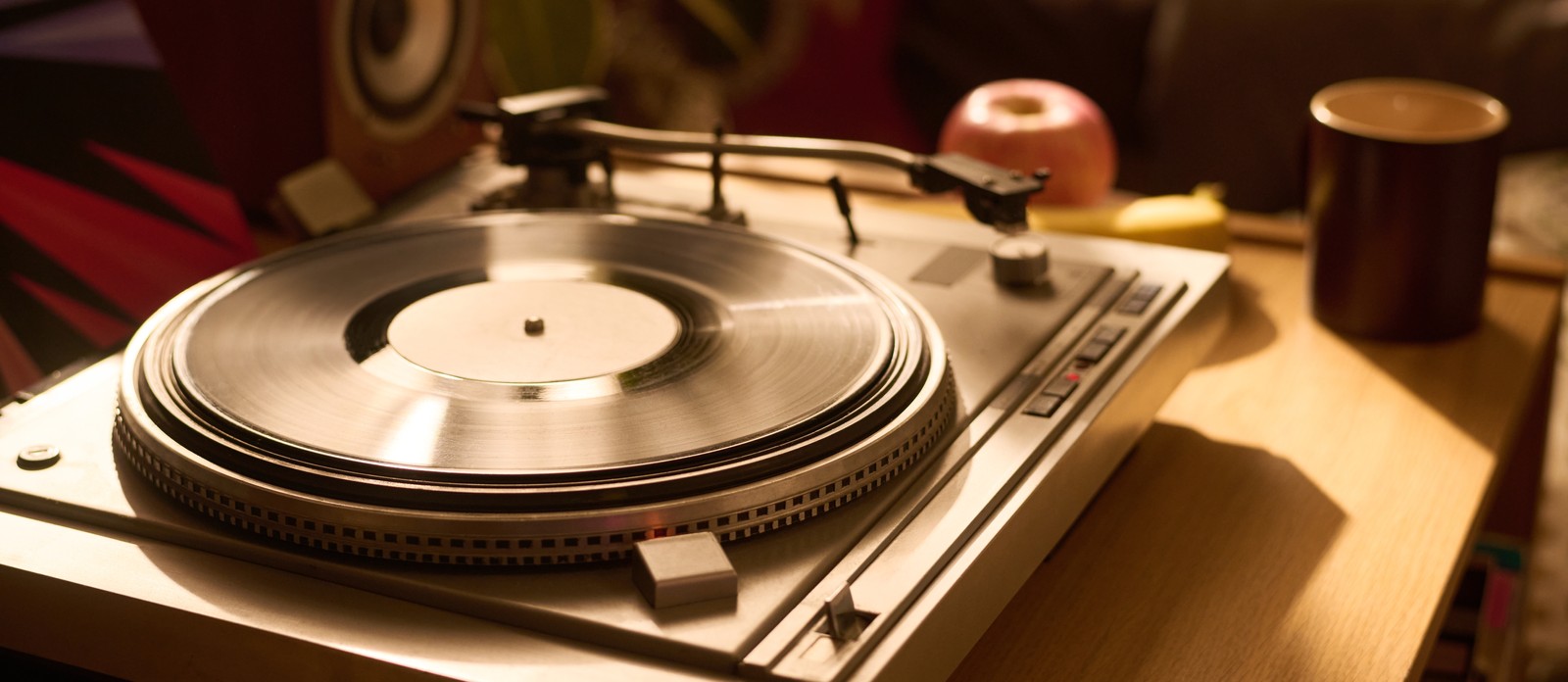
Image: Pressmaster

Few things can trigger nostalgia as much as a sound. The bell of the ice cream truck coming around the corner or the long-gone ringing and dialing of a rotary phone can bring childhood rushing back. Technology wasn’t nearly as advanced, so we had other doodads that filled our everyday lives with their chimes and beeps. Here are 10 sounds etched into our memory that we rarely hear these days — or at all.

1
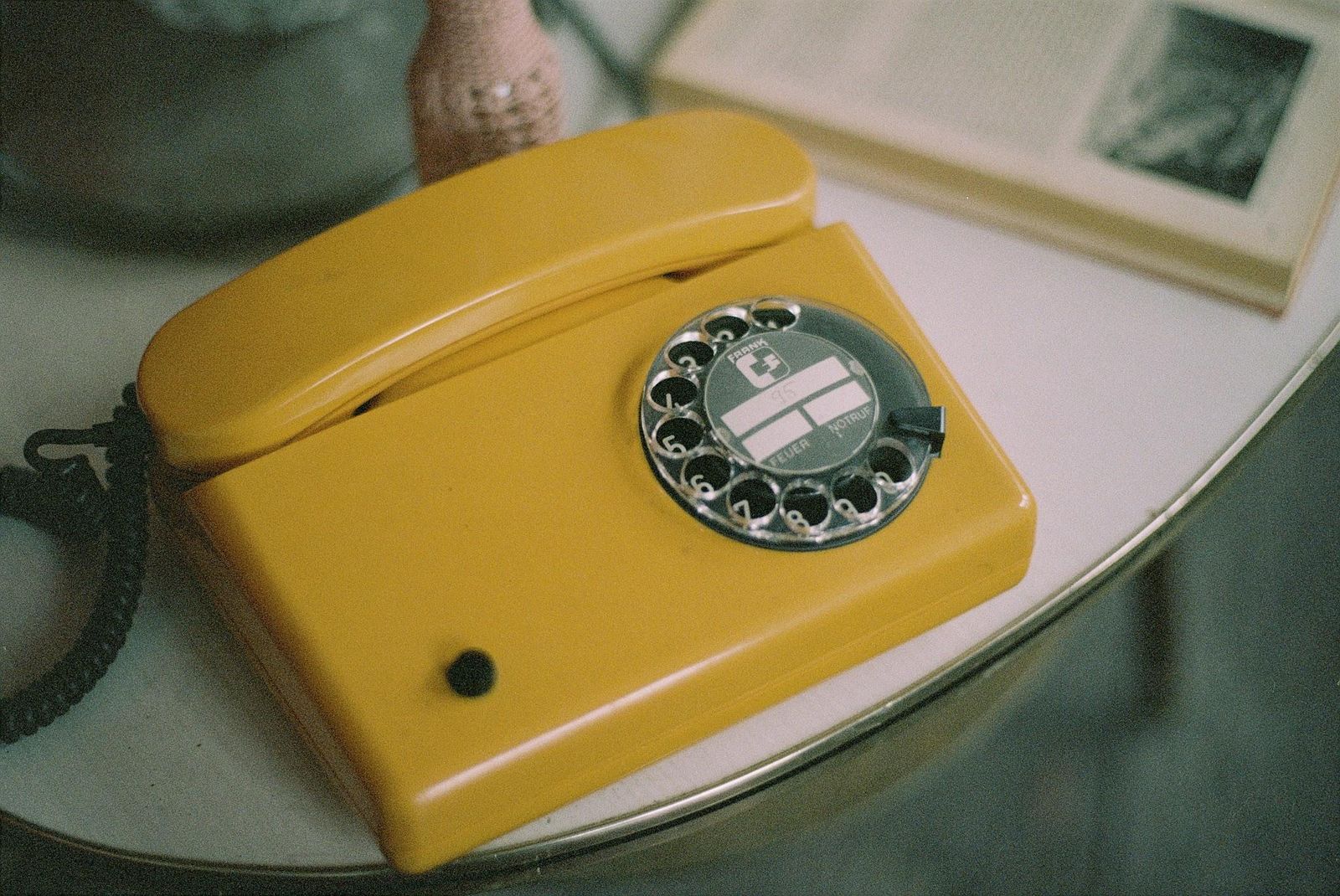
The rotary phone ring and dialing
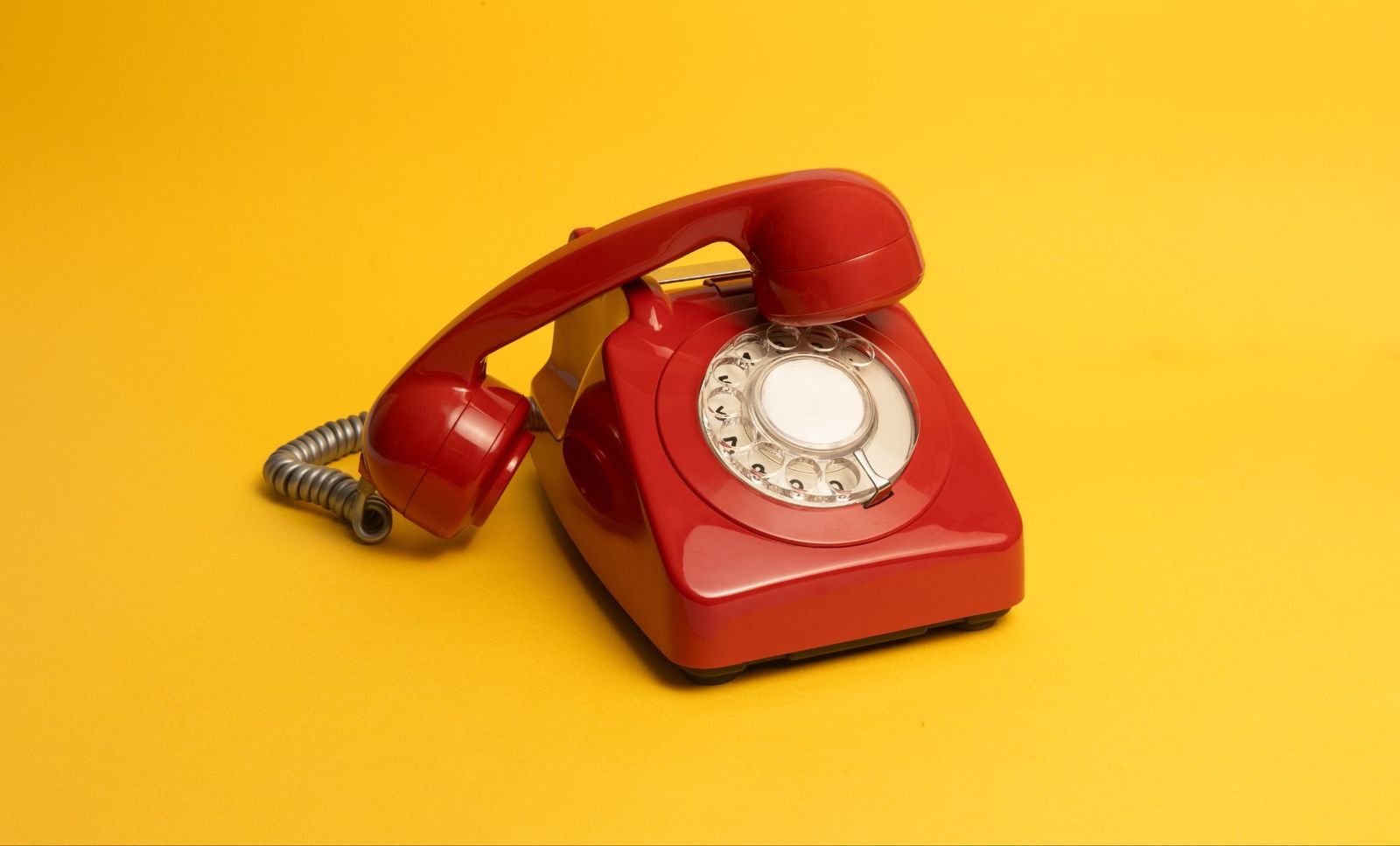
Image: C-R-V

For much of the 20th century, rotary phones were a common sight in homes. Anyone who had one can probably still remember the unmistakable loud "_BRRING_… _BRRING_…" sound of the mechanical ringer inside the phone. And the clicking of the rotary dial snapping back into place was another sound you’d hear in just about every household. Calling someone was definitely a whole different experience from the smooth, easy calls we make today.

2
The NBC chimes
Image: ChicagoPhotographer

Three simple notes (G-E-C) could tell an entire generation that they were tuned to NBC. The NBC Chimes are an audio trademark already ingrained in the collective imagination, and you knew an announcement or some other important cue was coming. Interestingly, NBC actually trademarked the three-note sequence in 1950.

The chimes were originally used by the staff to communicate with each other, and the audience could hear them around 16 times a day, though they’re now used purely as a branding audio logo and are not nearly as frequent.

3
The ice cream truck bell
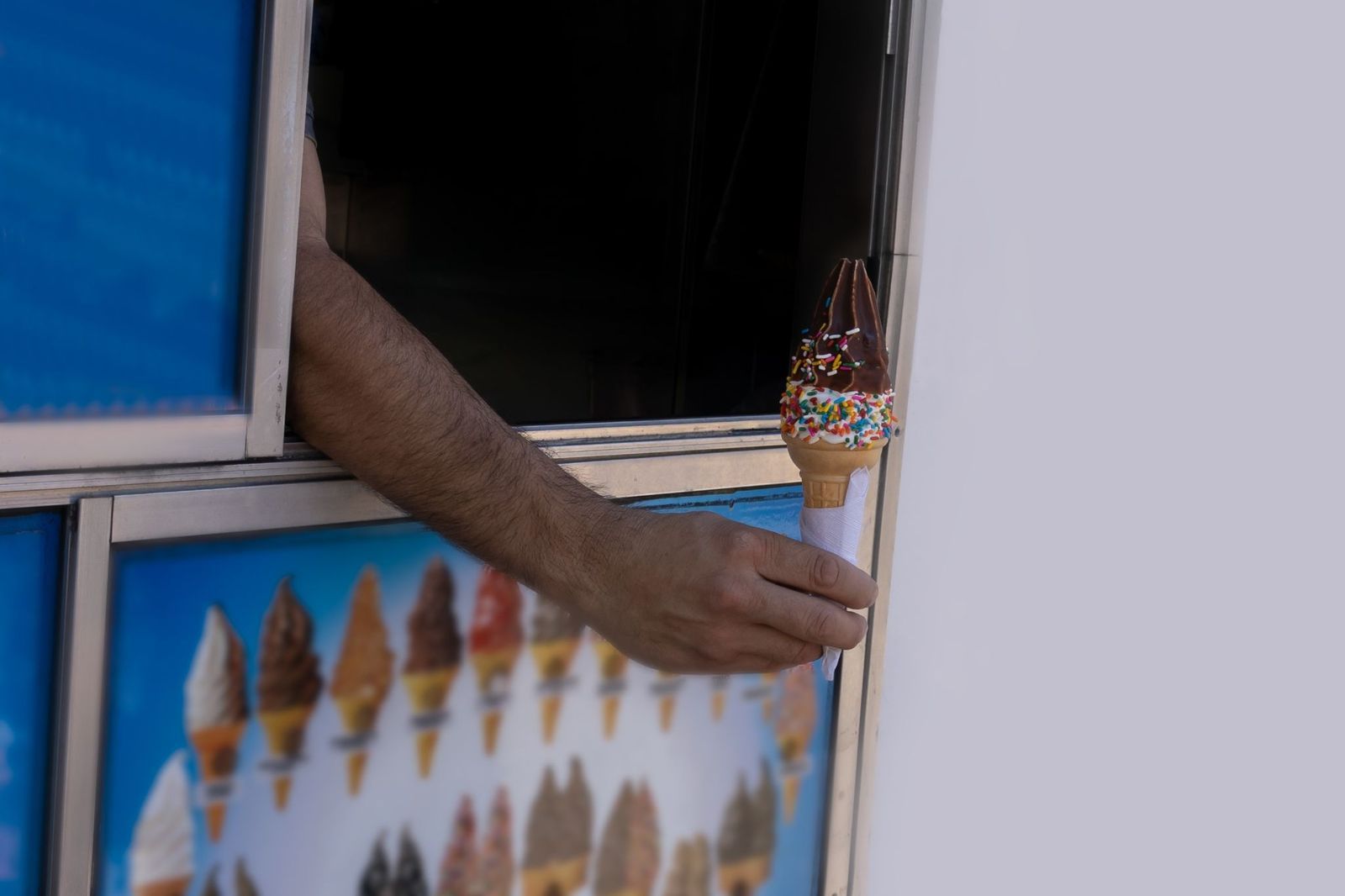
Image: Kirkam

As a kid, the ice cream truck bell was the sound of happiness. It didn’t matter what we were up to; we’d rush toward it the second we heard the bell and beg our parents to "please, please" buy us an ice cream. It was during the 1950s and ‘60s that ice cream trucks became a familiar sight in neighborhoods and later evolved into a tradition of American summer life . Ice cream trucks still maintain a strong presence in places like NYC, Chicago, and Los Angeles, but they’re not as common as they used to be.

4
The school bell
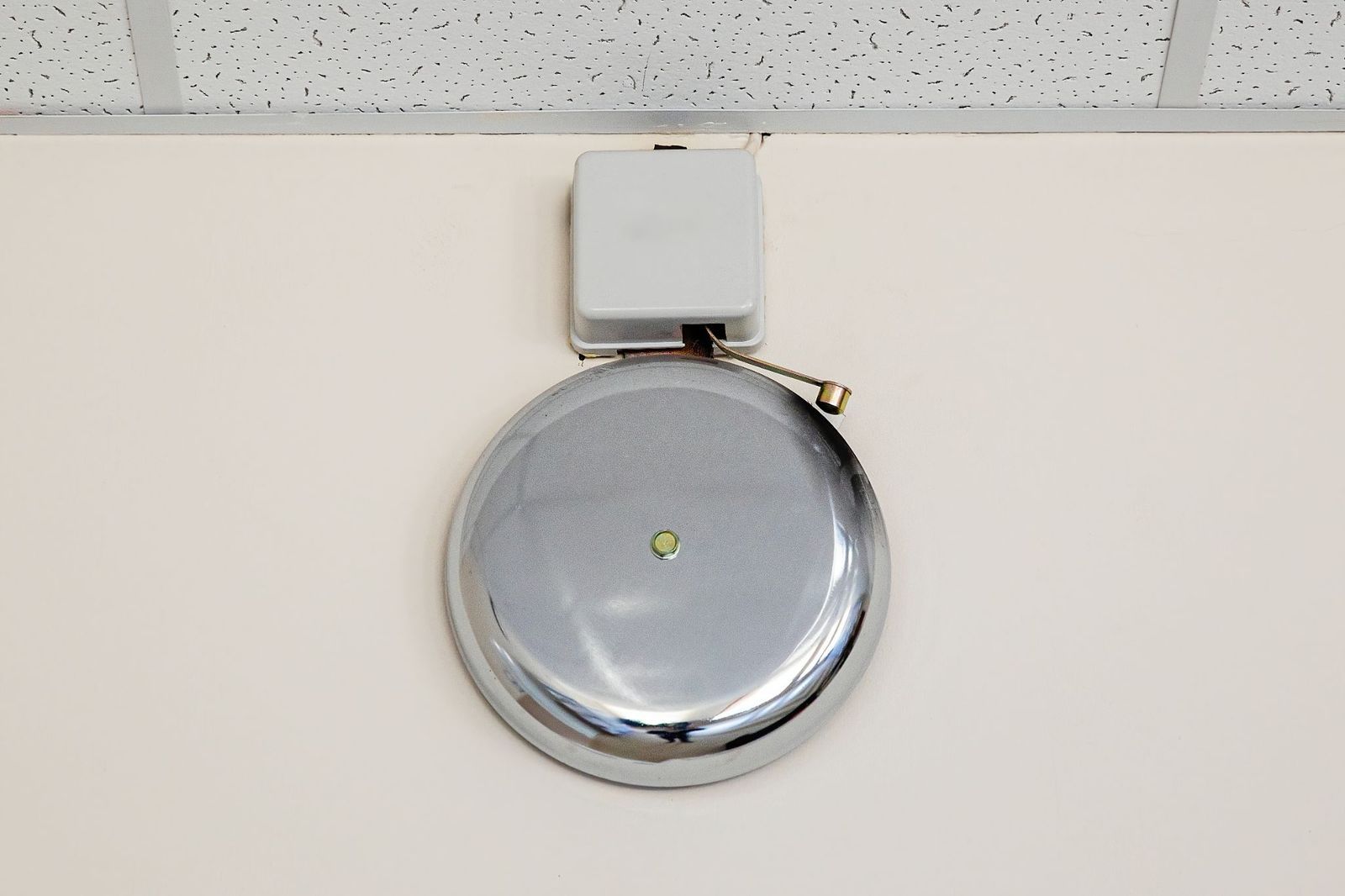
Image: studiomiracle

How could the exact same sound mean excitement or disappointment? The loud metal bell basically ran our entire school day: whether it was classes, lunch, recess, or the end of the school day, we’d hear that jarring "brrriiinnnggg " cut through the hallway, and we knew immediately what we had to do.

School bells have stuck around, but those old mechanical bells we grew up with have mostly given way to electronic bells or buzzers.

5
The dial-up modem
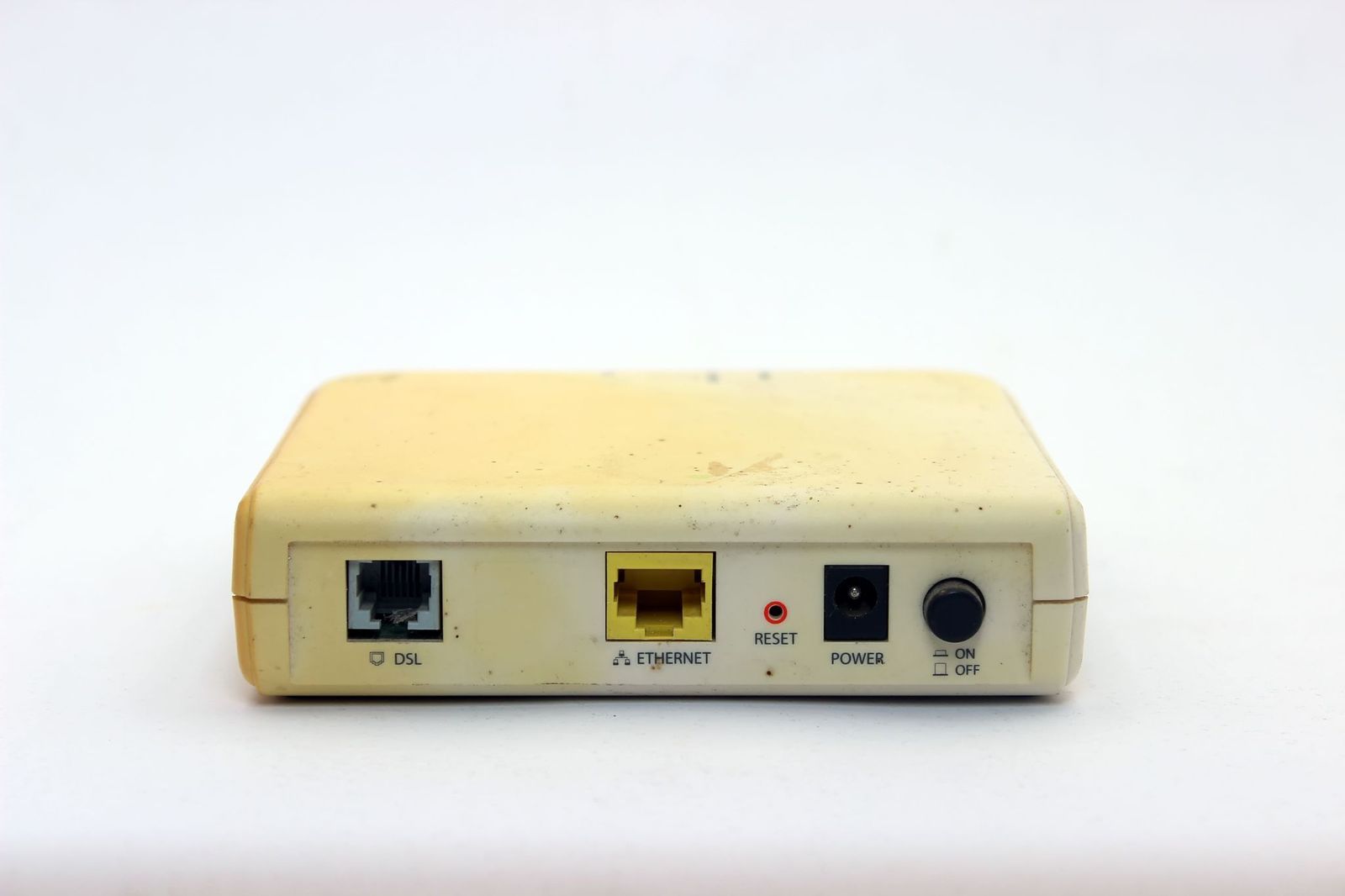
Image: StanR Studio

The early days of home internet are pretty funny to explain to younger generations. In the 1990s and early 2000s, before broadband became a common thing, if you wanted to use the internet, of course, you had to give up your phone line. But the real kicker was the sequence of beeps, screeches, clicks, and static-like sounds the modem made to connect to the internet.

The modem wasn’t constantly connected to the internet ; it connected only for those brief moments when you needed to use it for things like sending emails and basic web browsing.

6
The typewriter clacking
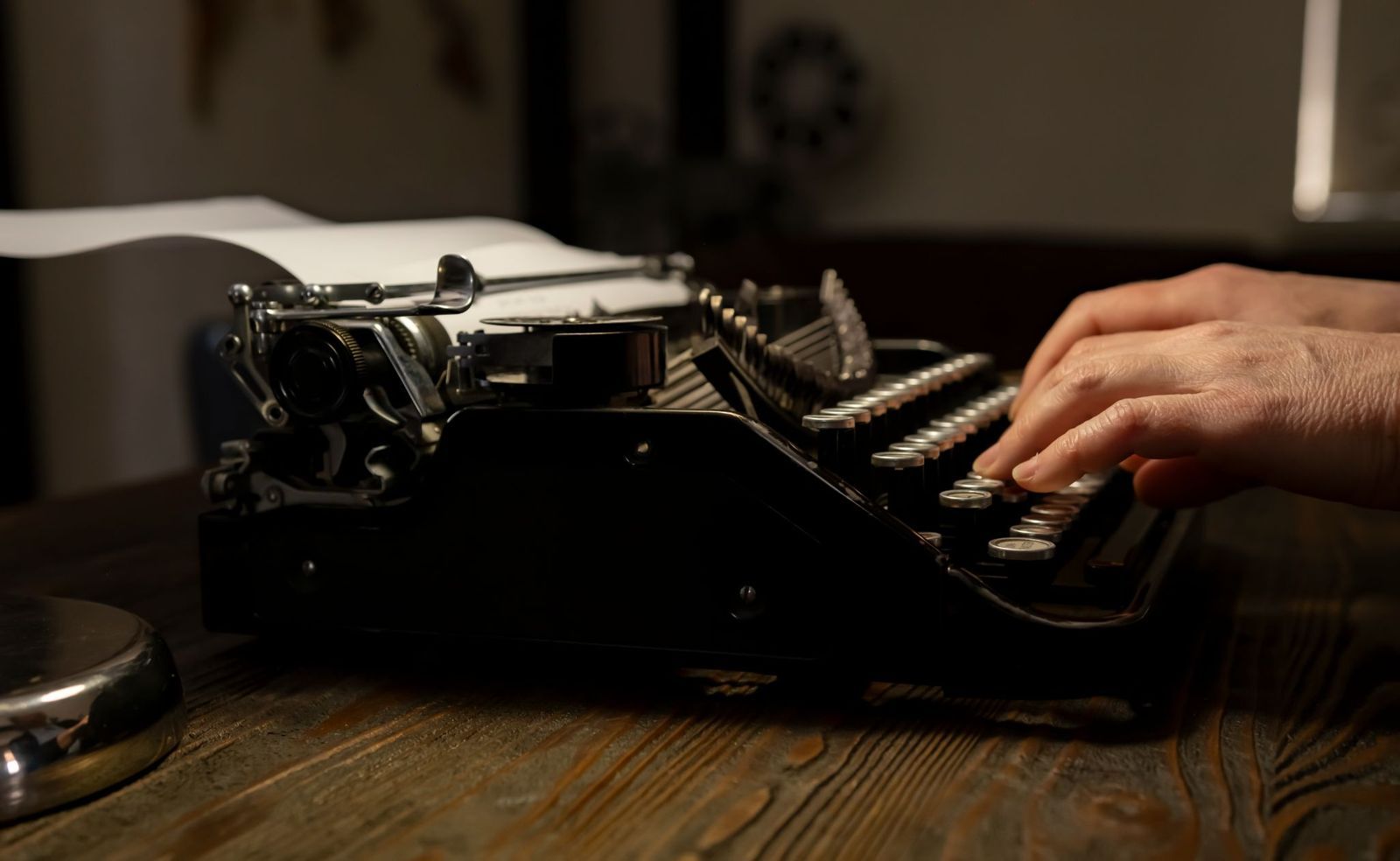
Image: Denis Klimov 3000

Computer keyboards do make noise, but it’s nothing compared to the clacking and dinging of typewriters. For most of the 20th century, typewriters were the norm: iconic novels and other works were written on one of these, and the " clack, clack, clack… ding !" could be heard in every office across the country.

Almost everything you did with a typewriter made noise: typing, returning the carriage, and even correcting mistakes made a series of sounds.

7
The record needle dropping
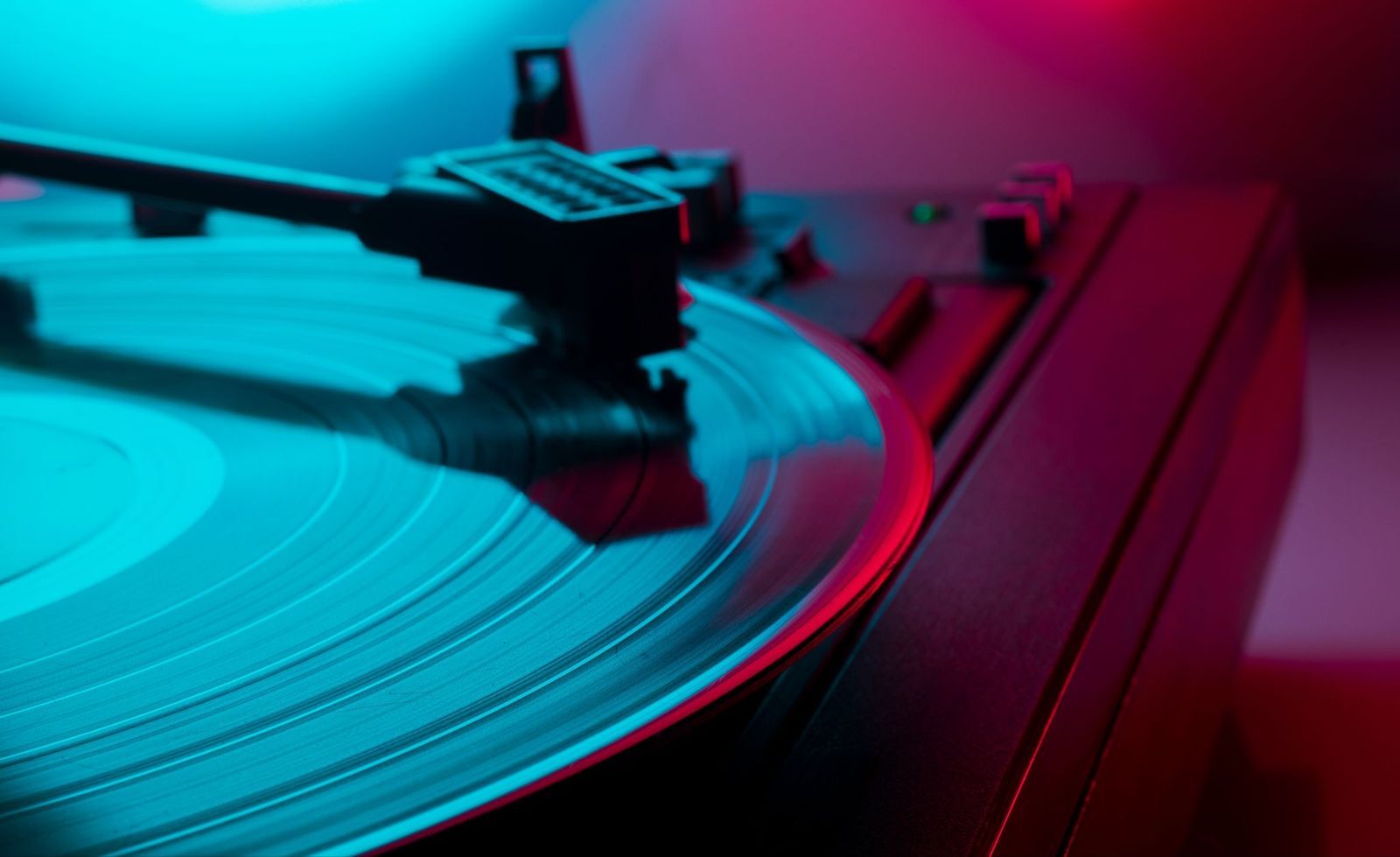
Image: Serhii Yushkov

How can something as simple as the sound of a needle hitting a record inspire a nostalgic smile? The brief, scratchy hiss and crackle it made before the music started is so memorable that it became a staple of an era — a fundamental part of the experience of listening to music at home.

Before streaming platforms like Spotify and Apple Music, vinyl records ruled the mid-20th century through the 1980s and then slowly gave way to cassettes and CDs. A time when listening to music meant taking the record out of its sleeve, placing it on the turntable, and lowering the tonearm for the magic to happen. Interestingly, vinyl record sales have made a comeback over the last two decades, growing from less than a million units in 2006 to over 48 million units in 2025.

8
The car horn from the driveway

Image: PeopleImages

Nowadays, you’d likely get a text message from your friend letting you know he’s outside to pick you up or an alert on your phone telling you the Uber is waiting for you. But not so long ago, that was the car horn’s job.

Today you can even share your live location with someone, and they can know exactly when you are arriving. But in the past, you had to listen for that short beep that meant " I’m here ."

9
The cash register "ka-ching"
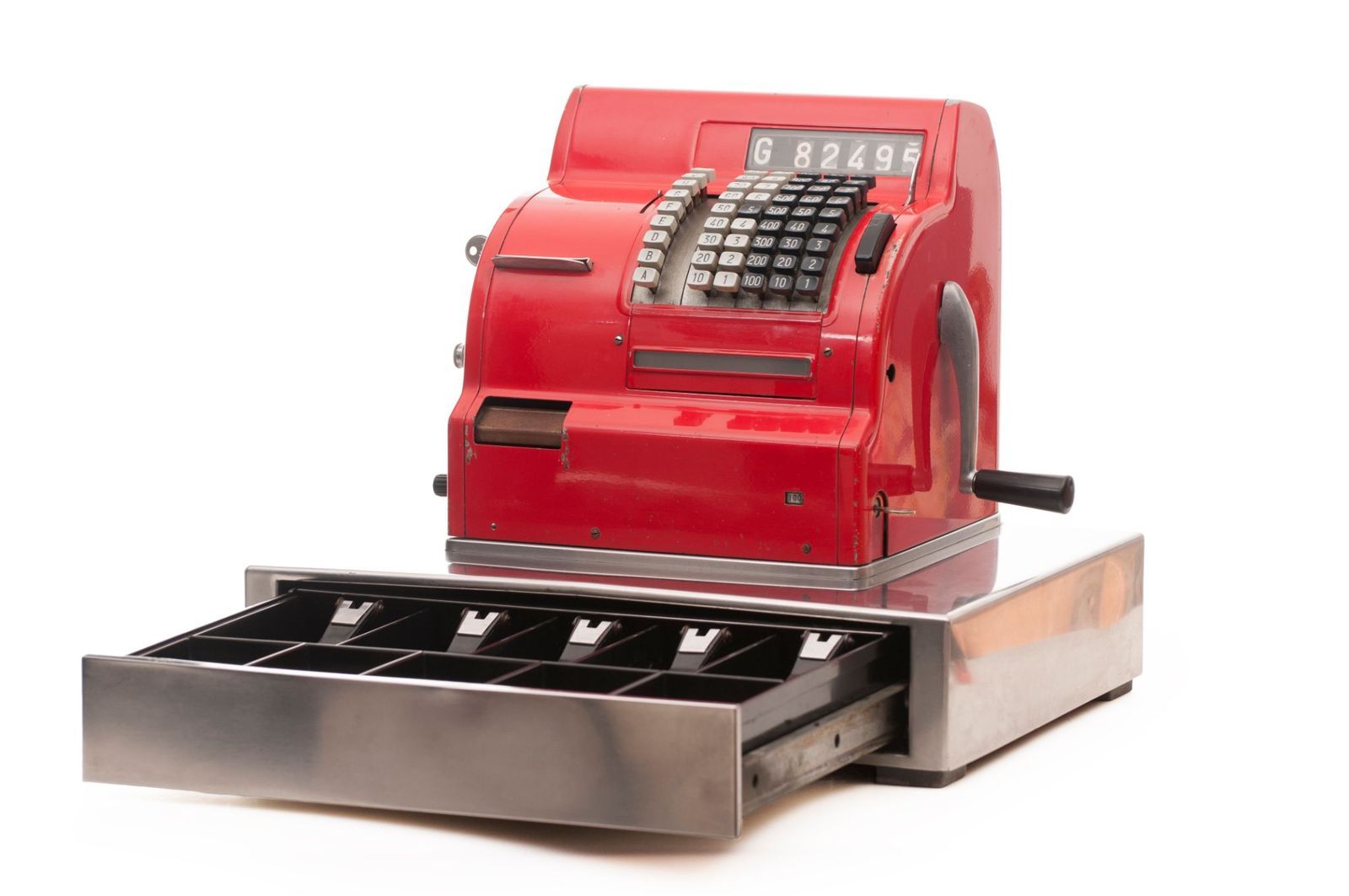
Image: OsiecK

These days, when the only sound you may hear is the chime of your Apple Pay or the POS terminal processing the payment, the classic " ka-ching" of the cash register is long gone. But almost every store you went to had one of these mechanical registers for much of the 20th century.

It was a symphony of noises: keys clicking, a drawer opening, and the bell-like "ding" that meant the sale was completed. The term " ka-ching " became slang to imitate the sound of money being made.

10
The TV going off the air
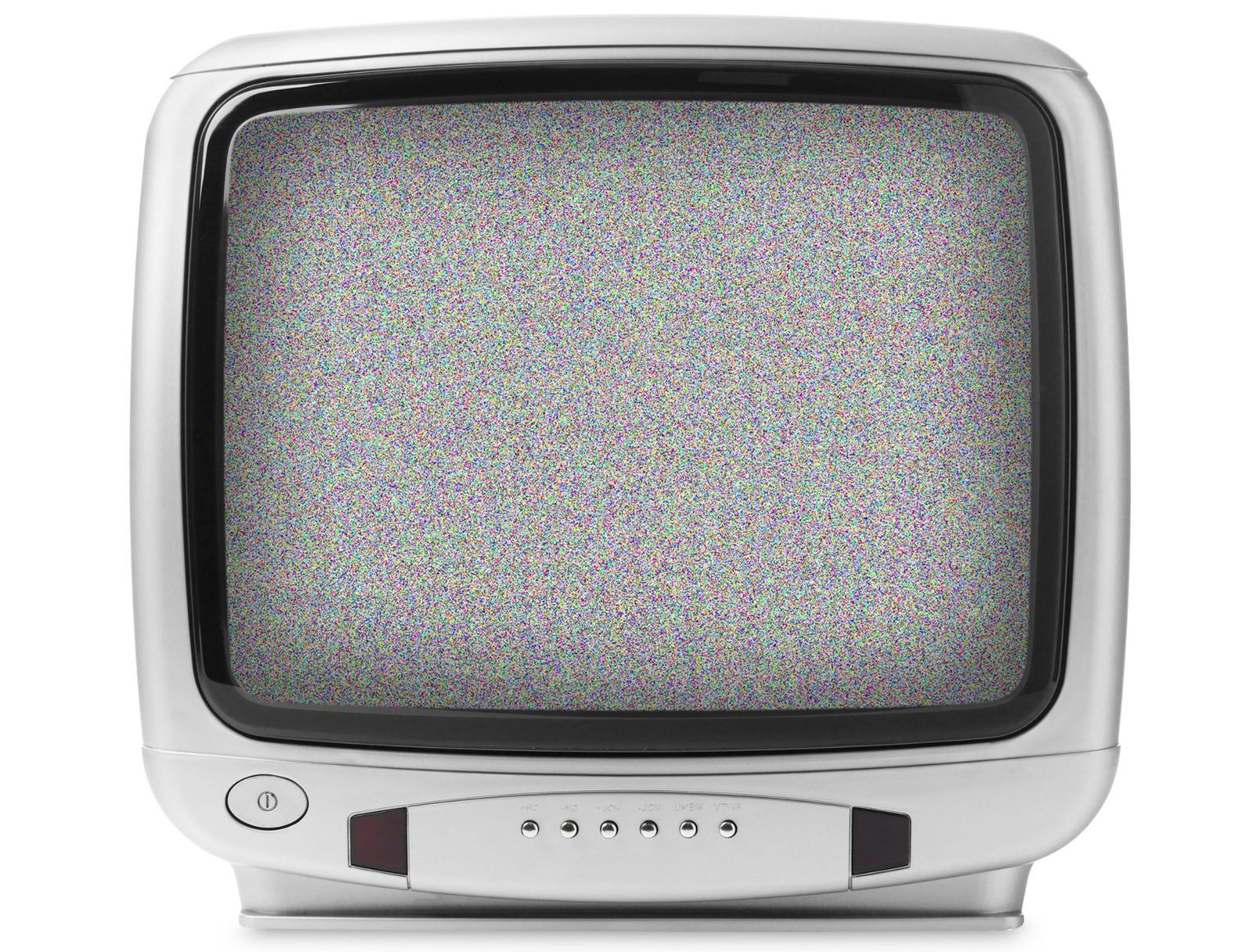
Image: New Africa

Television didn’t always have 24-hour transmissions. There was a time when a station would sign off for the night after a closing announcement, and you’d be left with a test pattern or static on the screen until it resumed broadcasting the next day. As crazy as it may sound today, television had a beginning and an end, and this sound told you it was time to go to bed.

Starting in the 1980s, especially with the advent of cable TV, many stations began 24-hour broadcasting, and the sign-off slowly became rarer to see.
History History 3 min read

Post history

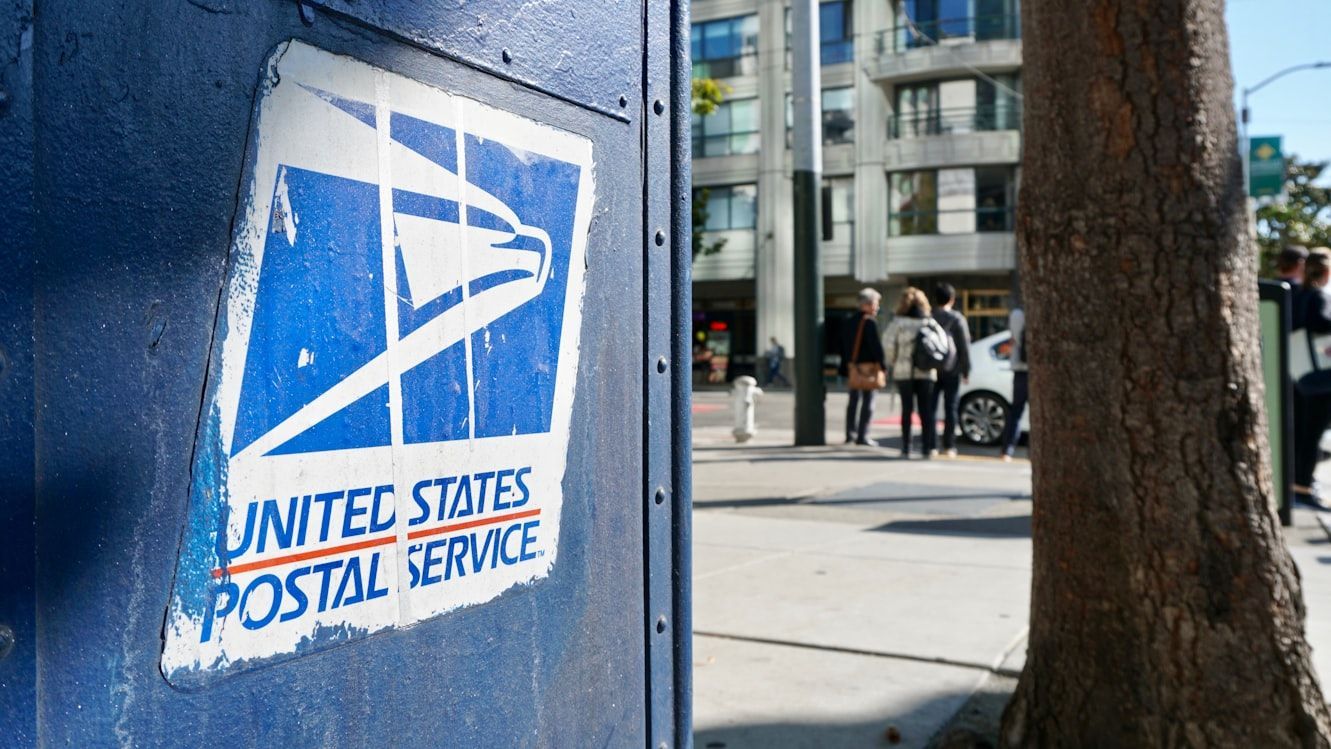
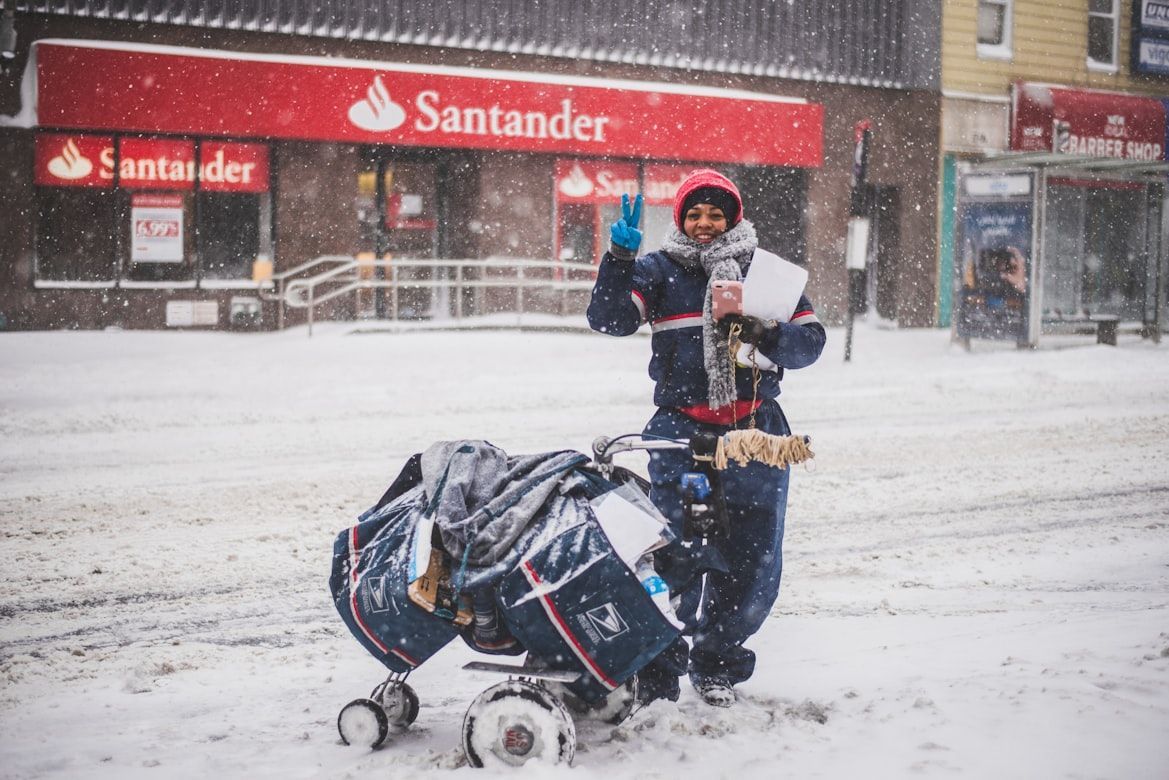
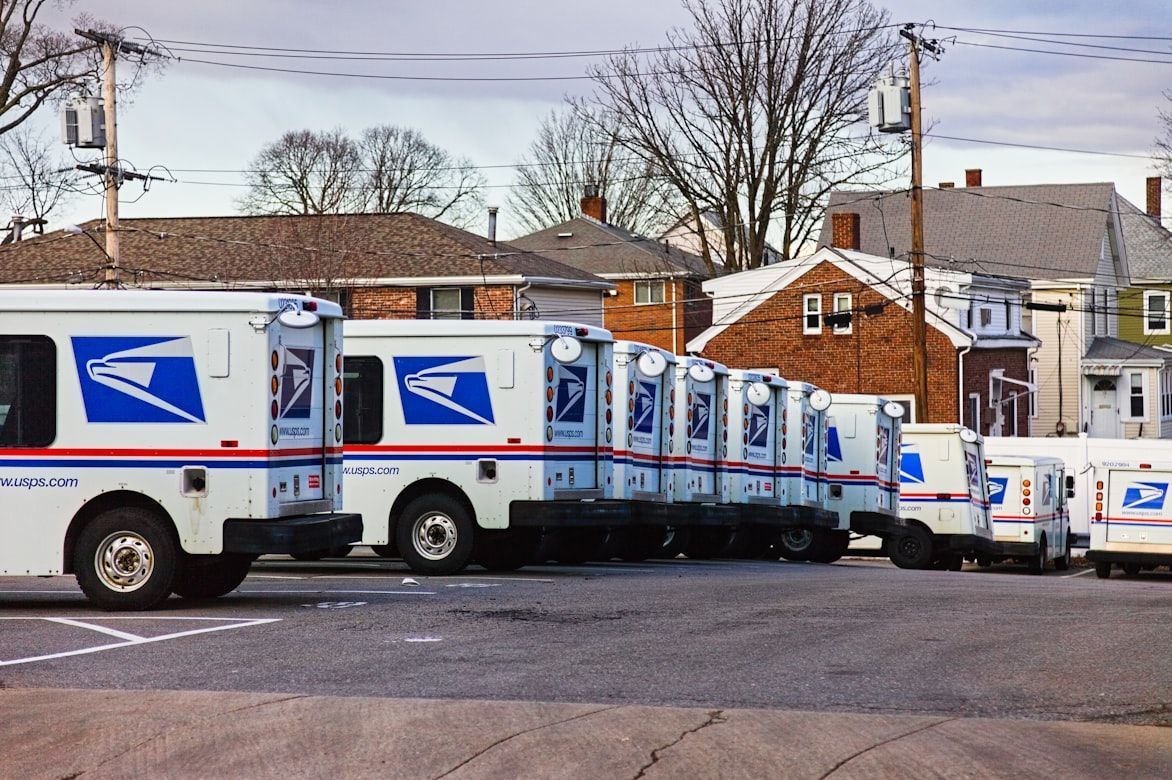
11 shocking facts about the U.S. Postal Service

Image: Ekaterina Belinskaya

If you think that the U.S. Postal Service is just about delivering mail and selling stamps, you’ve got another thing coming. Over its long history, the USPS has encountered some unusual occurrences, like the time someone mailed a child, or how it has a whole department just to decode messy handwriting. Prepare to be surprised by these 11 incredible facts about our postal service!

1
Postal "Army" (of Sorts)

Image: Emily Powers

The U.S. Postal Inspection Service (USPIS), founded in 1775, is the nation’s oldest federal law enforcement agency . It protects the USPS, its employees, and its customers from crimes such as mail fraud, theft, and identity theft.

USPIS agents investigate mail-related crimes, provide security at postal facilities, and work to stop illegal drugs from being transported through the mail system.

2
Zip codes

Image: Tareq Ismail

ZIP codes were introduced by the USPS in 1963 to improve mail sorting and delivery. The five-digit code, short for Zone Improvement Plan, pinpoints specific geographic areas.

The digits represent a region, a city or county, and a local delivery zone . Today, ZIP codes are also used to study demographics and help businesses target mailings to particular areas.

3
The Postal Anthem

Image: Keagan Henman

The "United States Postal Service Anthem," composed by Jack Stamp (yes, that is his real name), honors the USPS and its long-standing service to the nation. It’s a musical tribute to the dedication of postal workers and the agency’s role in American life.

The lyrics highlight the USPS’s core values: honesty, integrity, and reliability, while celebrating its impact on U.S. history and everyday citizens.

‍

4
Guaranteed delivery

Image: Victória Kubiaki

The USPS is legally required to deliver to every U.S. address, no matter how remote . This includes over 153 million addresses, even in hard-to-reach areas.

To meet this huge challenge, USPS uses curbside mailboxes, local post offices, and partnerships with community centers. Virtual mailbox services, such as Stable, also help remote residents access and manage their mail online.

5
A lot of mail

Image: Sam LaRussa

Every day, the USPS handles over 400 million pieces of mail, including 162 million First-Class items. It delivers worldwide to more than 180 countries through its Global Express Guaranteed service and processes approximately 44% of the world’s mail . That is a lot of mail, by any standard.

To manage this massive volume, USPS uses advanced automation tools and operates over 34,000 retail locations, keeping its system fast, efficient, and reliable.

6
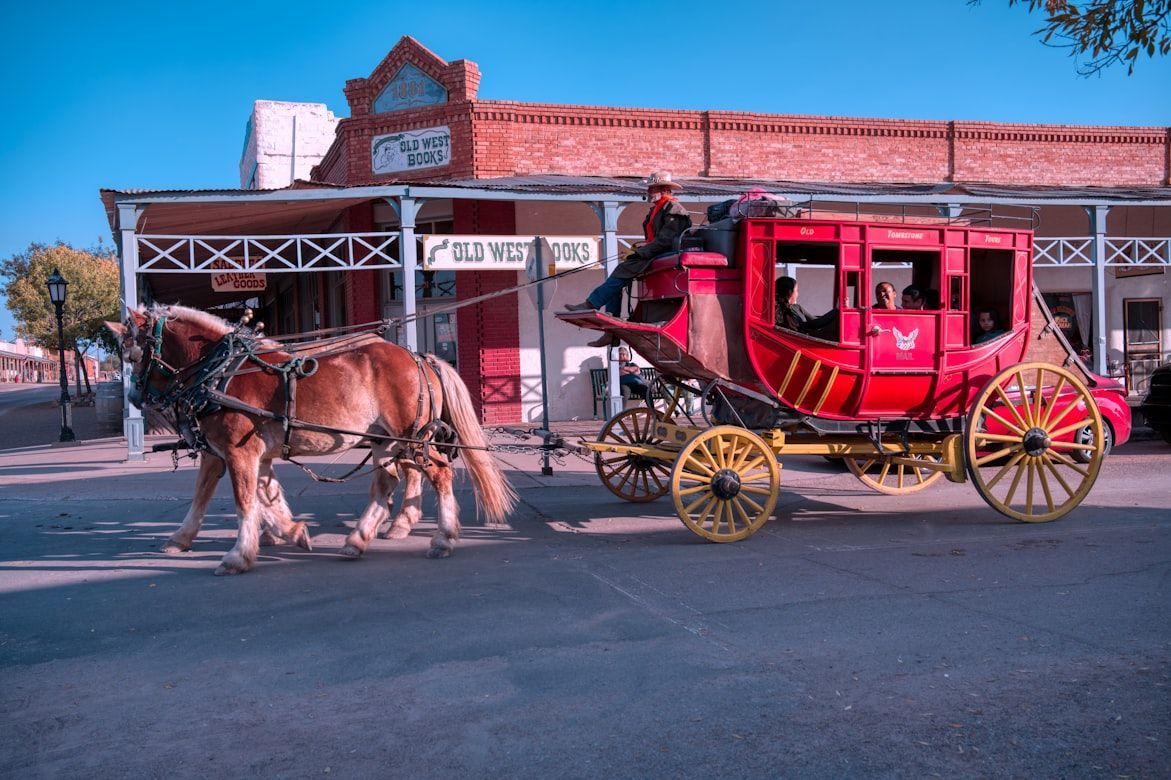
Going out West

Image: Jim Strasma

In the 19th century, the USPS played a vital role in developing the American West, providing new settlements with access to mail, supplies, and communication. Post offices and mail routes connected remote areas to the rest of the country.

This network helped settlers stay in touch with loved ones, receive news, and trade goods. Without the USPS, much of the frontier would have remained isolated.

7
Post office in a tavern

Image: Kevin Snow

‍ The first USPS office was established in Boston in 1775, inside a tavern associated with Benjamin Franklin , who served as the first Postmaster General. Franklin viewed mail delivery as key to America’s independence and began developing a postal network.

The office supported routes to Philadelphia and New York, and by 1789, post offices existed in all 13 colonies.

8
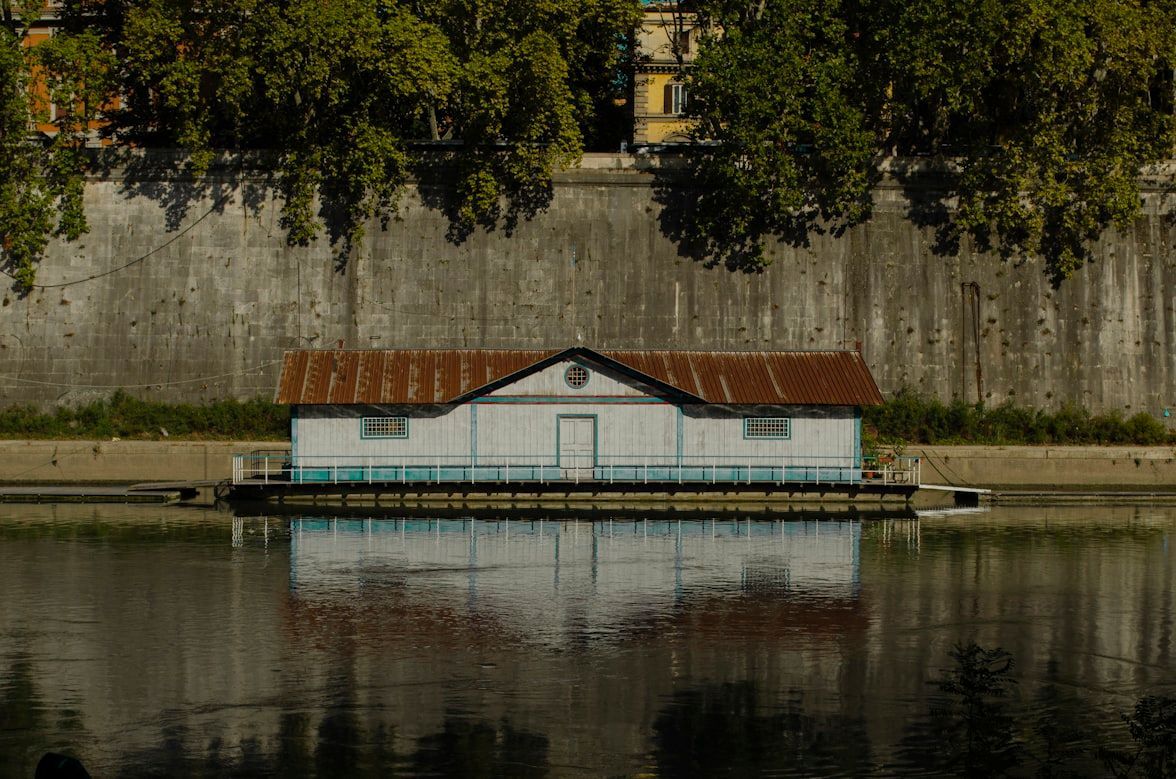
A floating post office

Image: Alessio Billeci

The Halibut Cove Post Office in Homer, Alaska (ZIP code 99603, in case you are interested), is unlike any other: it floats on water!

This tiny post office operates from a houseboat that’s permanently docked , serving the local community right from the harbor.

9
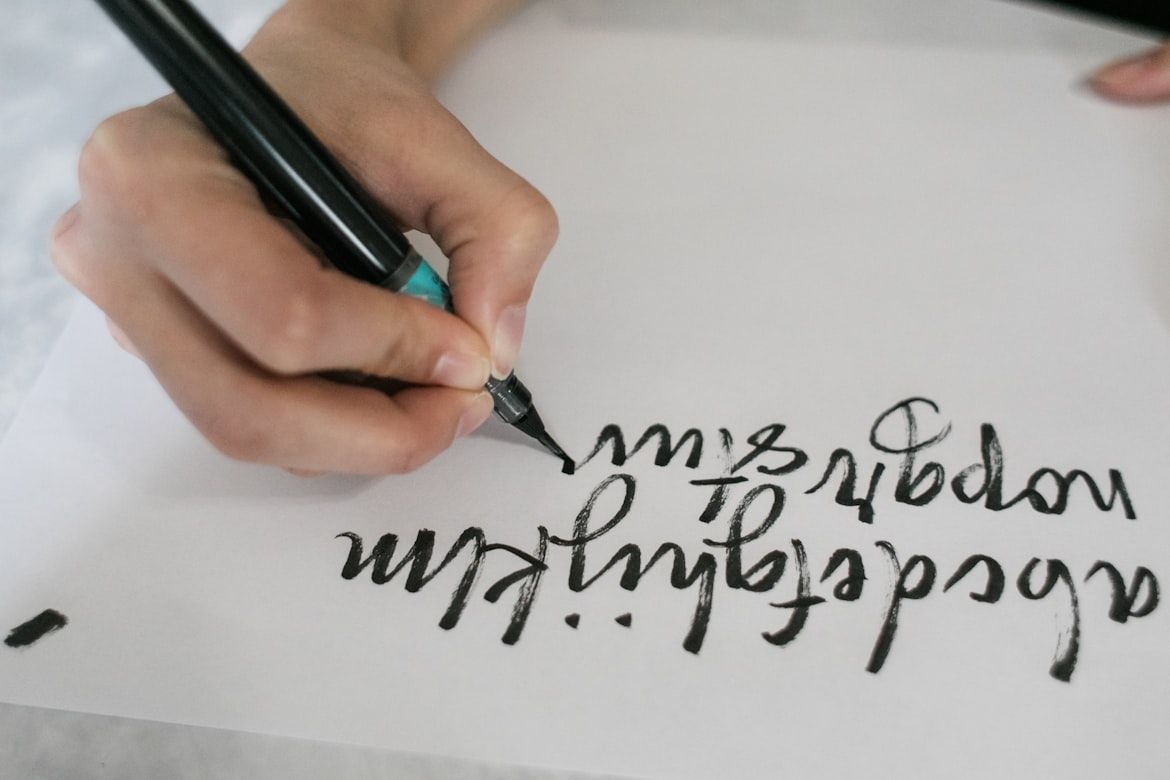
Bad handwriting department

Image: Kit (formerly ConvertKit)

We are not sure as to how often this happens, but it must be often. When automated equipment at a USPS processing plant cannot read a piece of letter mail, an image of the mail is captured and sent to the Remote Encoding Center (REC). At the REC, employees review the image and manually enter the address information .

The information is matched up with a valid address, the data is transmitted back to the equipment at the plant, and a barcode is printed on the letter, which can be read by the processing machines.

10
Mail a brick

Image: Math

Yes, you can mail a brick through the U.S. Postal Service. Just write the recipient’s address and return information directly on the brick with a permanent marker .

Once it’s weighed and stamped with the correct postage, your brick is ready to ship.

11
Someone mailed a kid

Image: Jonathan Borba

In 1913, shortly after the Parcel Post service began, some parents mailed their children to relatives. One baby in Ohio was sent to his grandmother just a few miles away .

The child arrived safely, but the incident led to new rules banning people from being sent through the mail.

Culture Culture 3 min read

Unforgettable quotes

Famous movie quotes that give the titles away: Can you guess them all?

Image: charlesdeluvio

Some movie lines live rent-free in our heads. And some other lines we recognize but can’t immediately place the film title, or the actor delivering it… or can we? That’s the game! Below, you’ll find some of the most iconic lines in cinema history . Read the line, take a second to guess, and then scroll to see if you got it right. Game on!

1
"Phone home"

Image: Markus Spiske

Who wants to phone home…? That’s E.T., of course! In E.T. the Extra-Terrestrial (1982) , an iconic Steven Spielberg masterpiece, Elliott (Henry Thomas) and his siblings help the sweetest alien in cinematic history contact his own kind, who accidentally left him behind.

Pat Welsh was the actress who lent her voice to the character. And "E.T… phone home" is the unforgettable line the little guy manages to utter.

2
"I’m gonna make him an offer he can’t refuse"

Image: Carlos Quintero

You can imagine the line in a whisper, for better context. But you probably don’t need it. Most viewers will remember this legendary threat, which belongs to The Godfather (1972), directed by Francis Ford Coppola and anchored by Marlon Brando’s unforgettable turn as Vito Corleone.

3
"I see dead people"

Image: the blowup

A movie no one could watch only once! This line, permanently etched into pop culture, comes from the chilling The Sixth Sense , written and directed by M. Night Shyamalan, and delivered with eerie calm by Haley Joel Osment to his costar Bruce Willis.

4
"Life is like a box of chocolates"

Image: Igor Lifar

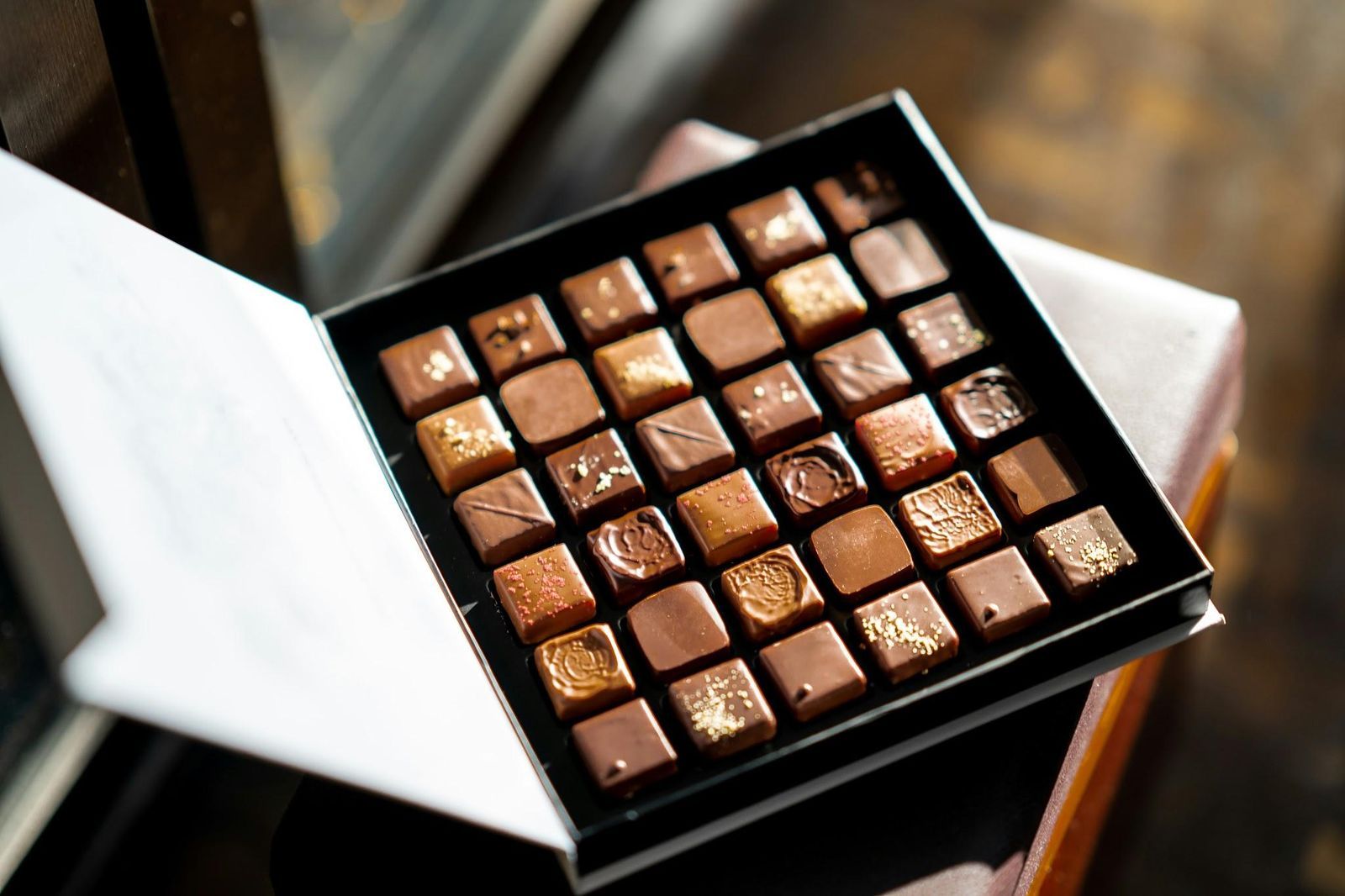
Whose mama always said that life was "like a box of chocolates: you never know what you’re gonna get?" It was Forrest Gump’s, of course!

The unforgettable 1994 movie was directed by Robert Zemeckis and carried by Tom Hanks’ Oscar-winning performance. Spoken on a park bench, the quote summarizes the film’s philosophy: life is unpredictable, but somehow that’s okay.

5
"I’ll have what she’s having"

Image: Patrick Tomasso

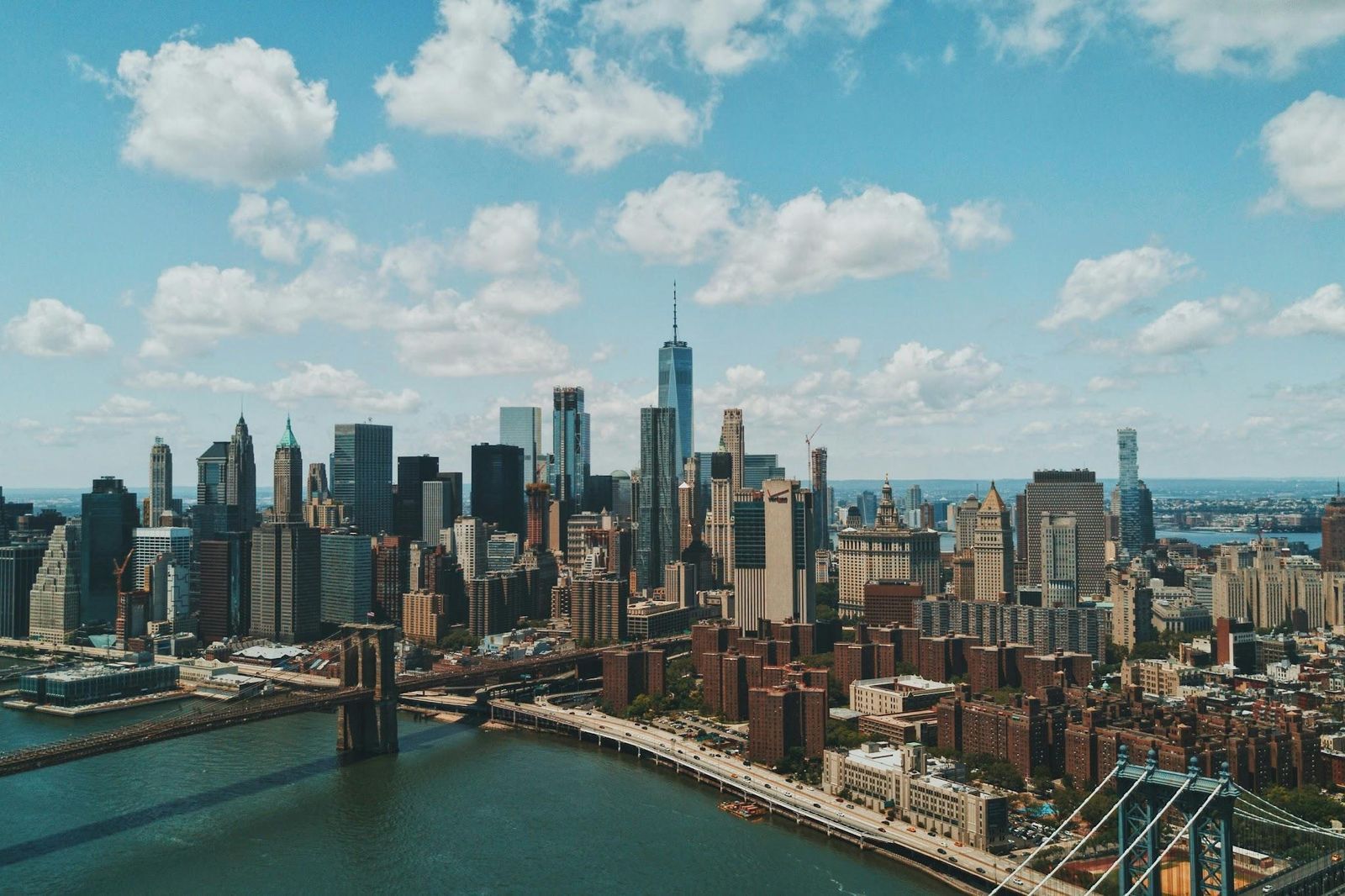
A little clue: This line is delivered inside a deli. Katz’s Delicatessen, on the Lower East Side of New York, to be specific. But you probably don’t need the clue if you’re a fan of classic rom-coms –or if you’ve watched the infamous scene endlessly shared on the internet.

It is taken, of course, from When Harry Met Sally , directed by Rob Reiner and written by Nora Ephron. And, did you know? The lady who says the legendary line was played by none other than Estelle Reiner, Rob’s mom, after Sally (Meg Ryan) fakes an orgasm to prove a point to her pal Harry (Billy Crystal).

6
"Frankly, my dear, I don’t give a damn"

Image: Kaylee Stepkoski

Few lines have ever closed a film with such perfect indifference. This famously unapologetic farewell comes from 1939’s Gone with the Wind , delivered by Clark Gable as Rhett Butler opposite Vivien Leigh’s unforgettable Scarlett O’Hara.

7
"Are you not entertained?"

Image: Craig Zdanowicz

A booming challenge, roared from a scene filled with blood and sand… Of course, it belongs to none other than Ridley Scott’s Gladiator (2000), starring Russell Crowe in his Oscar-winning performance as Maximus.

8
"You’re going to need a bigger boat"

Image: Giga Khurtsilava

Dun-dun… This line comes from 1975’s Jaws , Steven Spielberg’s classic, a masterclass in suspense and suggestion. Spoken by Roy Scheider’s police chief Brody, the quote arrives at the exact moment the audience finally sees what’s been stalking them.

9
"I’m the king of the world!"

Image: Patty Zavala

And speaking of boats… Can you figure out which film this line is from? Kudos if you guessed it: It’s the signature line Leonardo DiCaprio yells from the bow of the Titanic . That’s in the first third of the 1997 movie, while things are still looking sunny and, well, optimistic, for everyone.

10
"I’ll be back"

Image: Giannis Skarlatos

Threatening, short, and flat. This line comes from 1984’s The Terminator , directed by James Cameron and delivered with robotic calm by Arnold Schwarzenegger in the role that defined his career. And yes, he did come back. Many times. Hollywood made sure of it.

11
"It was Beauty killed the Beast"

Image: Josh Connor

This is a closing line from a classic. Have you guessed it? It’s from 1933’s King Kong , directed by Merian C. Cooper and Ernest B. Schoedsack. The film gave audiences groundbreaking special effects, a towering ape with unexpected vulnerability, and a surprisingly heartbreaking ending.

That’s a wrap! How many of the movies could you identify? Did you get a perfect score?

Explore more American facts

Choose your favorite category!

General
General

As American as apple pie—the very best America has to offer!

Culture
Culture

Delve into the astounding richness of American lore.

Geography
Geography

Hop in and explore vast and diverse American landscapes.

History
History

Discover the key moments that shaped the United States.