General General 4 min read

Americans did what?

Guinness goes local: Hilarious records from across the US
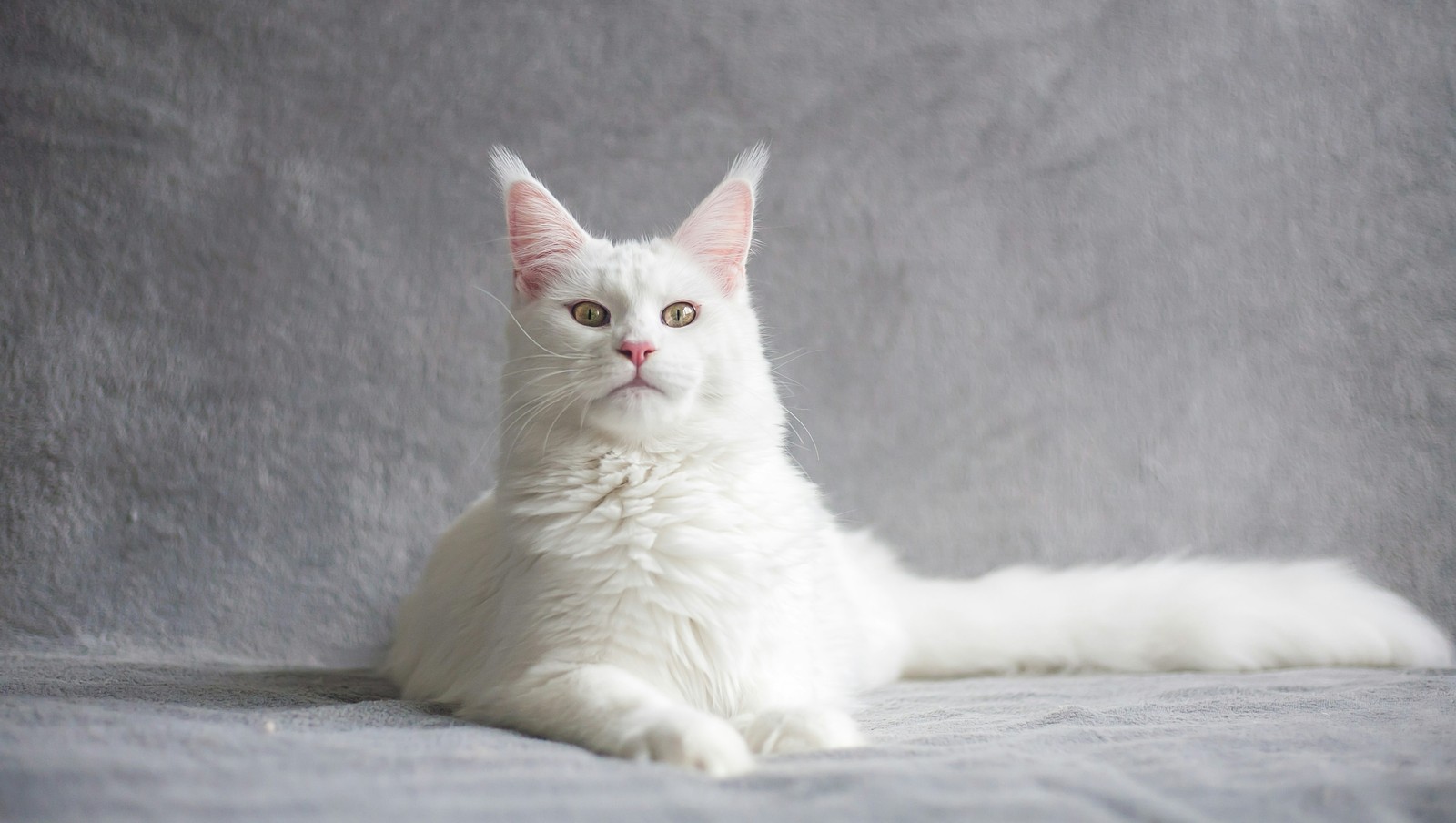
Image: Kanashi

Yes, we’ve heard about the tallest and the shortest person, and we’ve even seen them side by side! And however crazy that was, that’s just the tip of the iceberg in the Guinness World Records Book. America is nothing short of contributions, so we’ve gathered some record-breaking examples from each state to amaze you!

1
Florida: The American Dream car
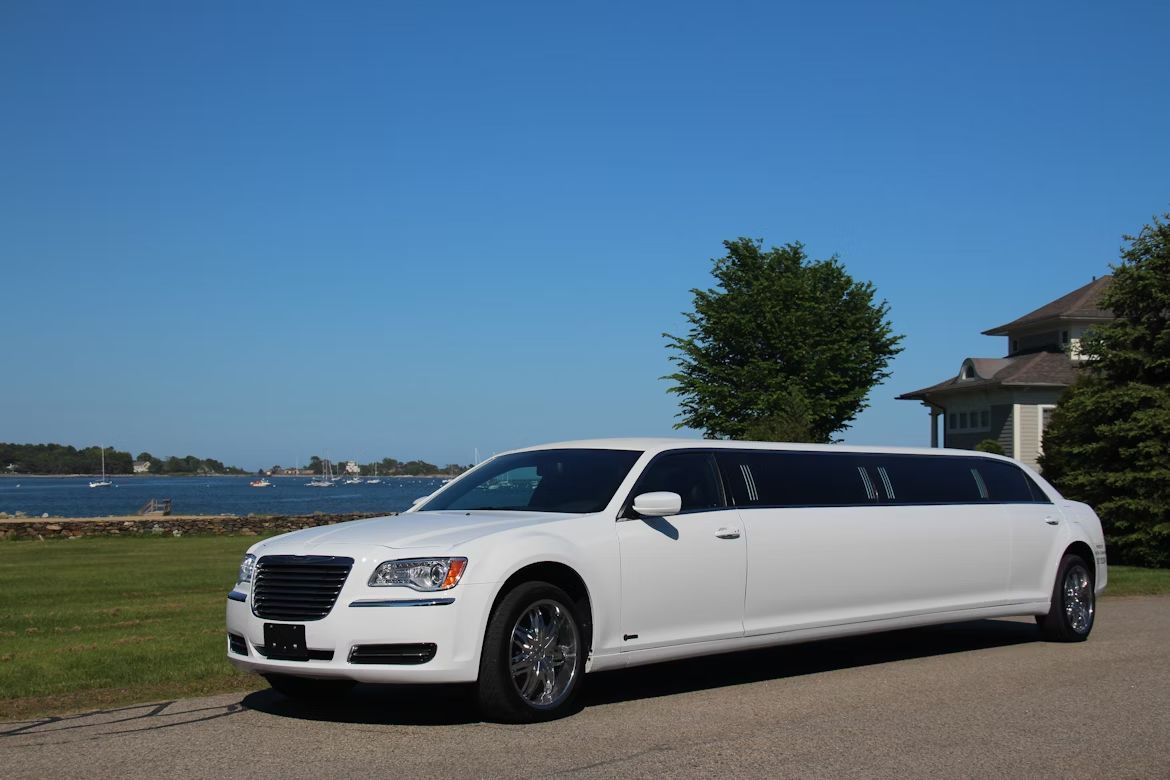
Image: Richard R

Florida holds the record for the longest car in the world. Measuring a jaw-dropping 100 feet and 1.5 inches, this beast of a limousine stretches longer than a basketball court. Michael Dezer made it official at Dezerland Action Park in Orlando on March 1, 2022. It was rebuilt using parts from the original record-holding car. Wanna take a ride in it?

2
California: A dog on wheels—and on fire
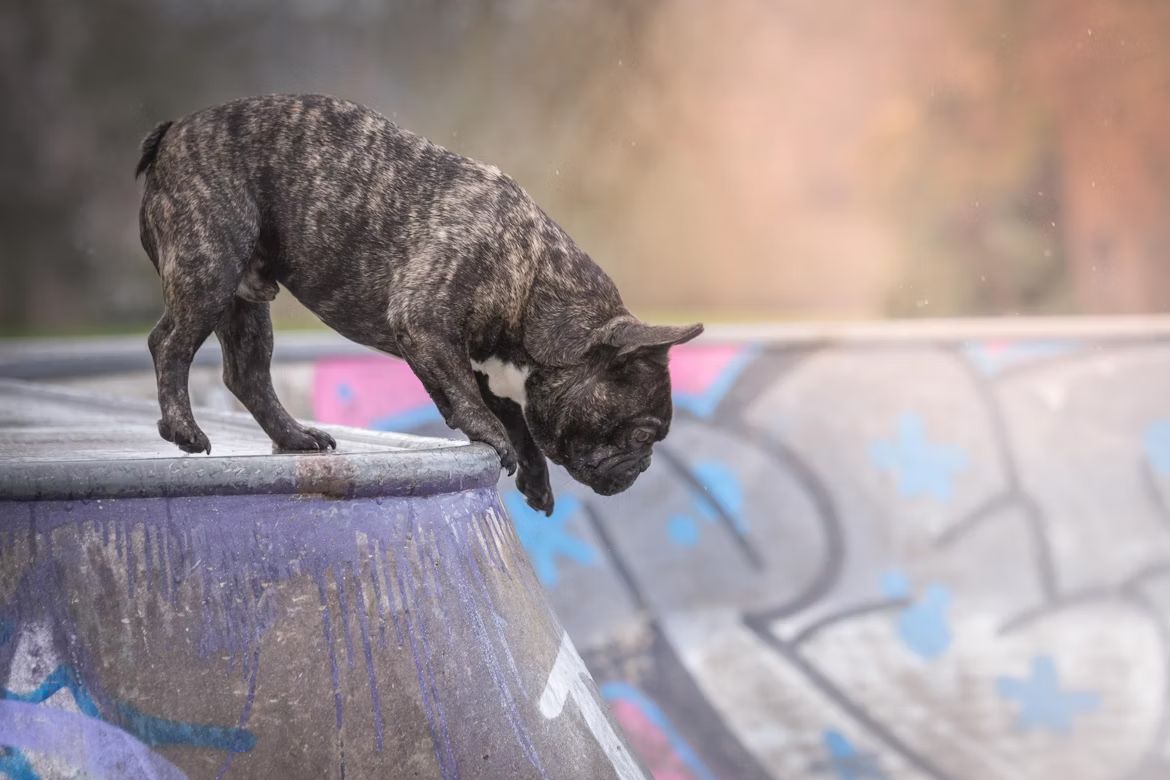
Image: Ben Hanson

California isn’t just home to movie stars; it’s also where a dog named Tillman made record-breaking history. In 2009, Tillman flew across 330 feet on a skateboard in just 19.67 seconds. No, that’s not a typo; it took him less than 20 seconds. No motor, just pure doggy determination.

3
California: Pedaling across America at 67
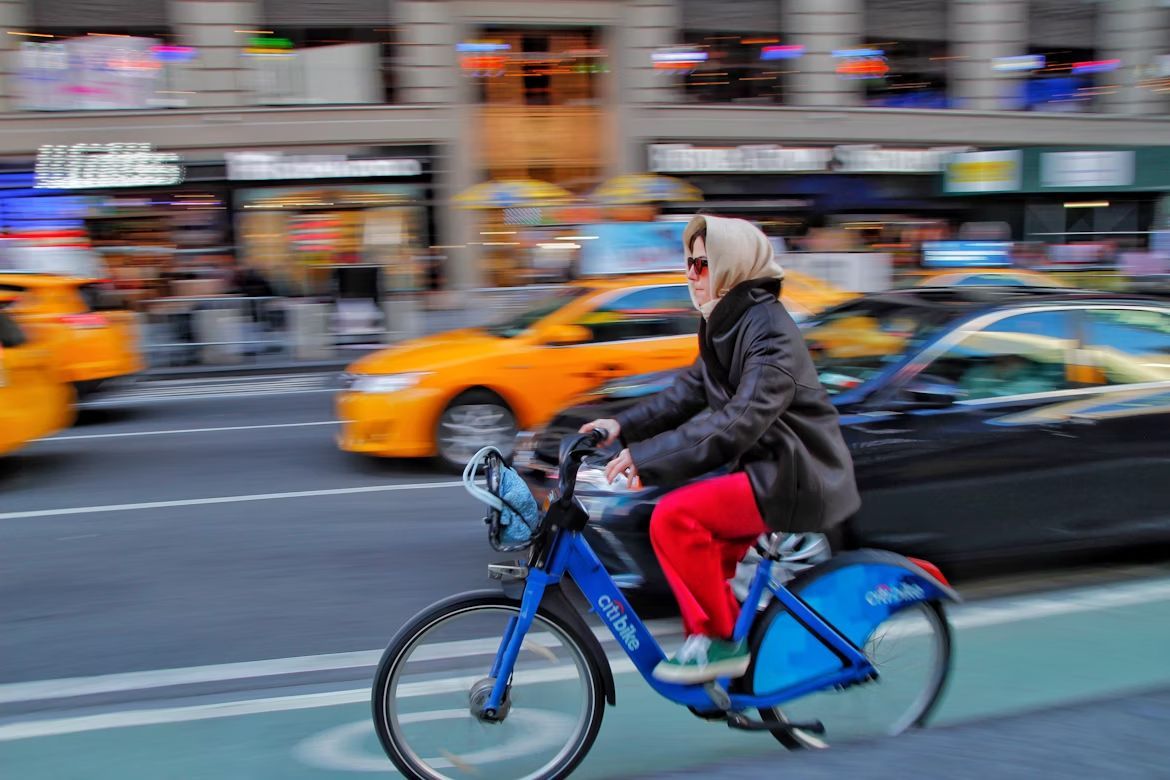
Image: Tom Dillon

Lynnea C. Salvo, a retired teacher, didn’t let age slow her down. At the age of 66, she hopped on a bicycle and rode all the way, completing the first transcontinental bike ride. That’s 3,163 miles of grit, sunburn, and serious calf muscles. She wrapped up her journey on October 18, 2021, landing her a spot in the record books and in our article.

4
West Virginia: Flamingos, flamingos everywhere
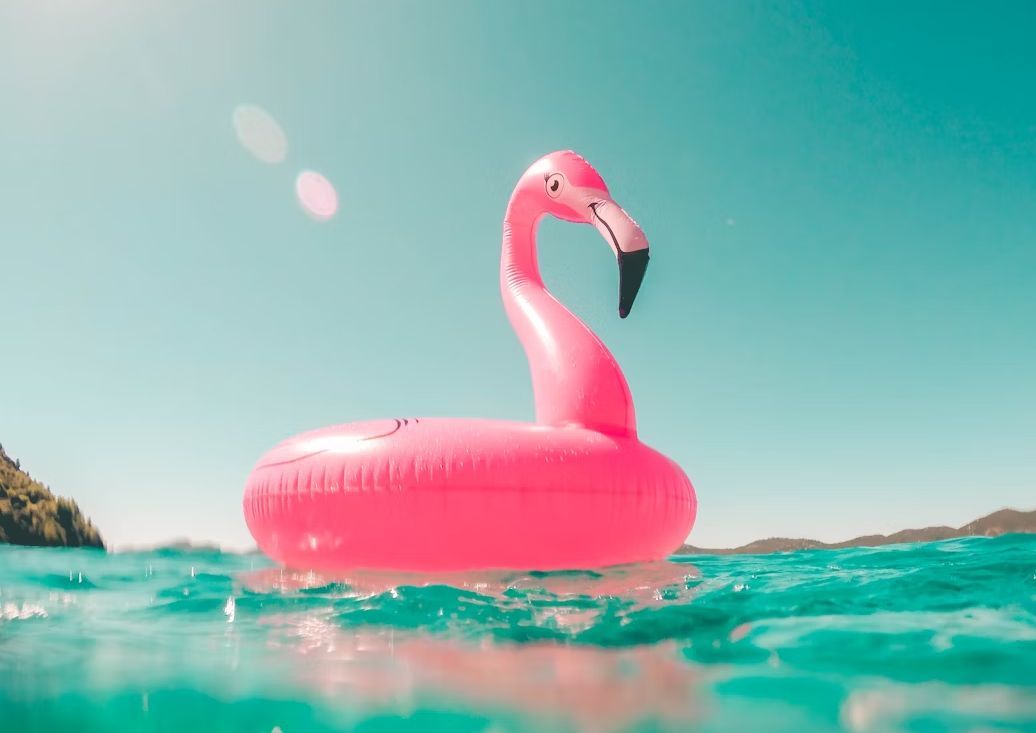
Image: Vicko Mozara

If you’ve ever thought you liked flamingos, prepare to be humbled. Deborah Buscher Leck of Kearneysville, West Virginia, owns 2,595 flamingo-related items, making her the proud record-holder for the largest flamingo collection on Earth. It's pink, it's proud, and totally amazing!

5
Georgia: So many tiny chairs, so little time
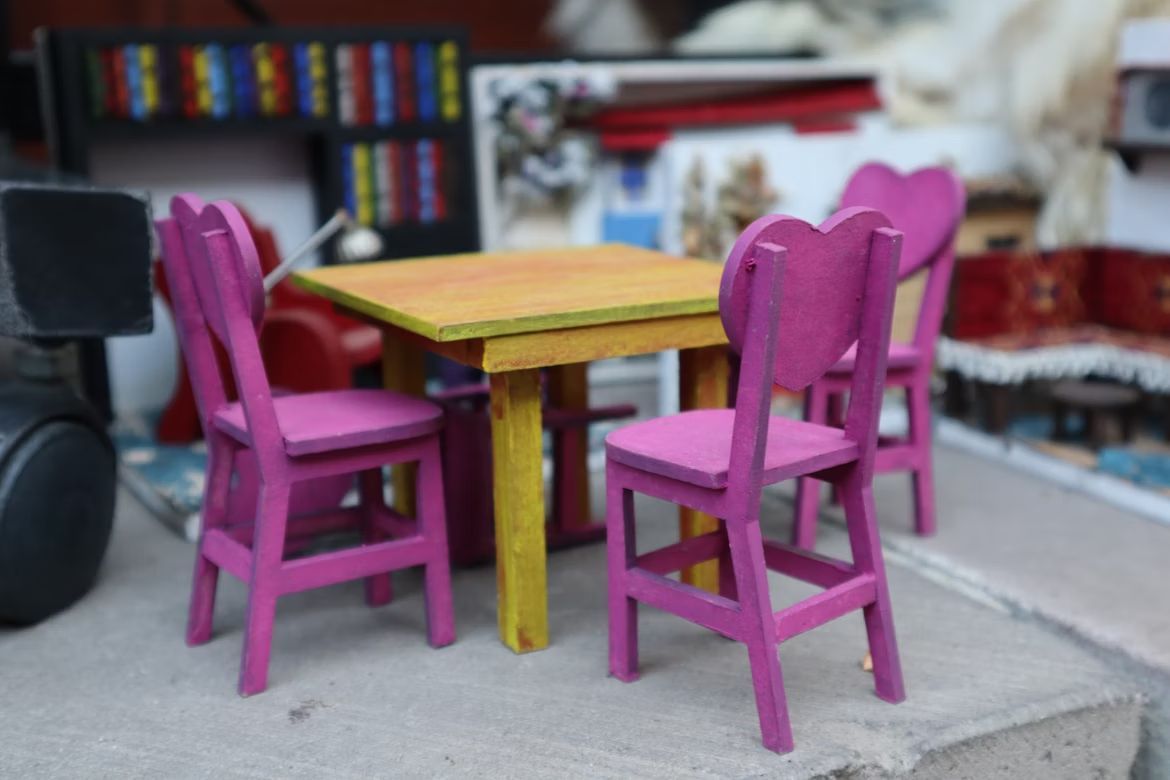
Image: Haneen Alqatanani

Barbara Hartsfield of Ellenwood, Georgia, has a thing for chairs, but only the miniature kind. She’s collected 3,000 of them, each unique and meticulously displayed. It took her more than a decade to round them up. Her collection might be tiny in size, but it’s huge in charm. Who knew a chair that fits in your hand could still have so much to give you?

6
Idaho: Hula-hooping like a champ—in the pool
Image: Thomas Park

David Rush of Boise doesn’t just swim—he balances a hula hoop on his head while swimming. And not just for a few seconds. He kept that hoop steady for 16 minutes and 13 seconds, setting a Guinness World Record in 2017. If multitasking were an Olympic sport, David would be bringing home the gold, you know?

7
Iowa: The beard that wouldn't quit
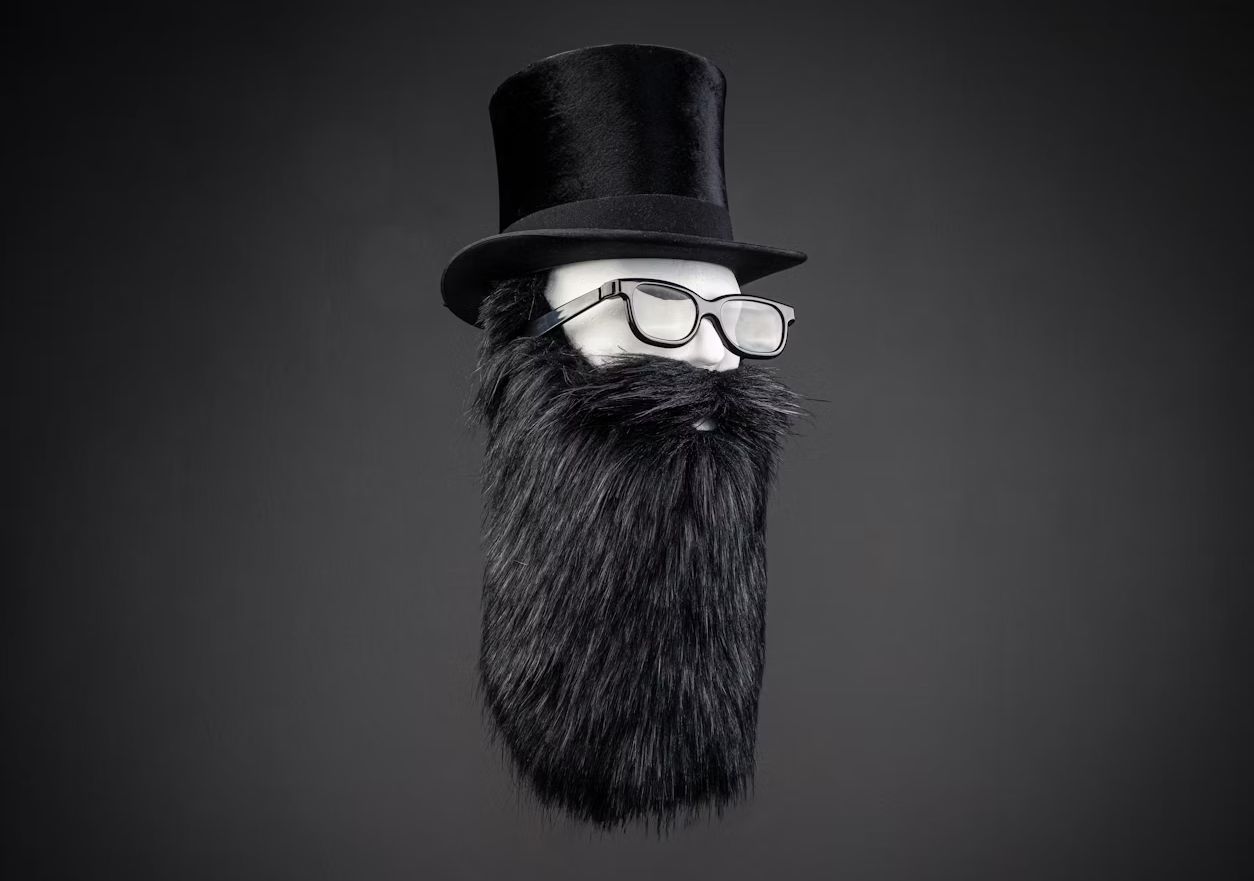
Image: Multi Awesome Studio

Hans N. Langseth's beard was so legendary that it got its own posthumous world record. When he passed away in Kensett, Iowa, in 1927, his beard measured a whopping 17 feet and 6 inches long. That’s longer than most cars. His epic facial hair now lives on at the Smithsonian, preserved for curious beard fans and history buffs alike.

8
Kansas: Earsplitting basketball fans
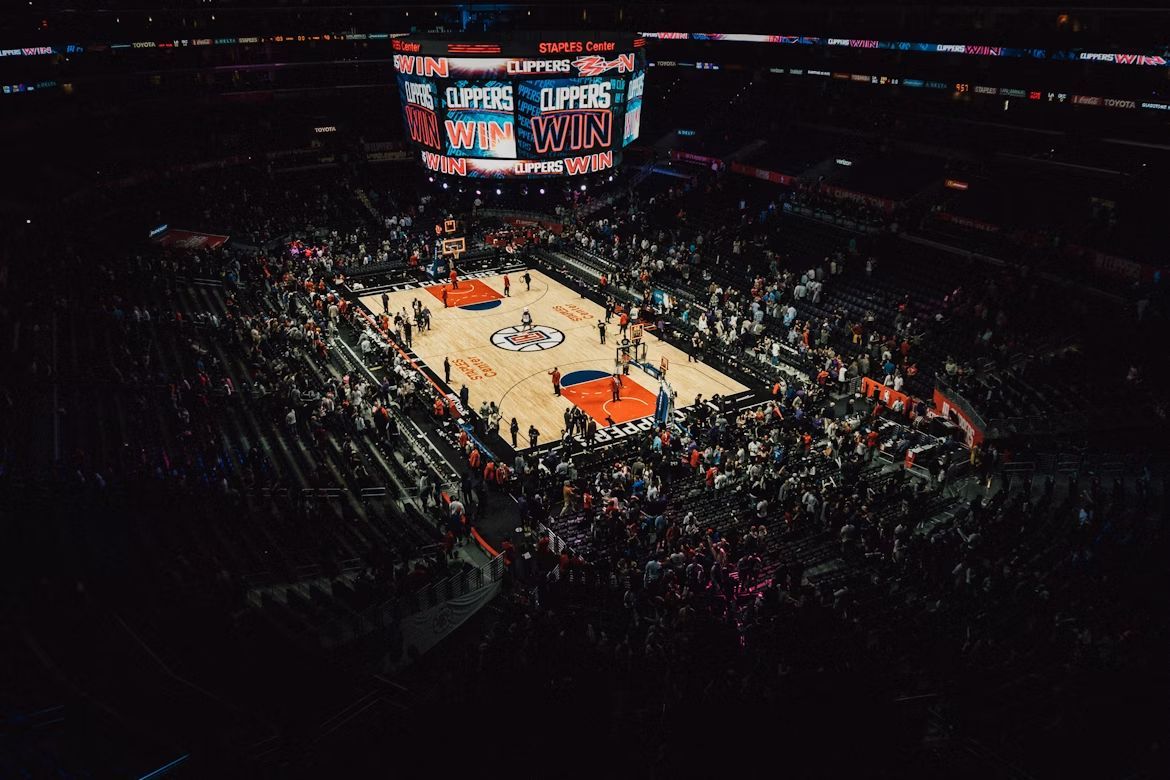
Image: Marius Christensen

On February 13, 2017, the University of Kansas basketball fans did something no other crowd had managed before: They screamed their heads off to hit 130.4 decibels. That’s louder than a jackhammer. That way, the Jayhawks turned Allen Fieldhouse into the loudest indoor sports arena ever recorded.

9
Kentucky: The tape ball to end all tape balls
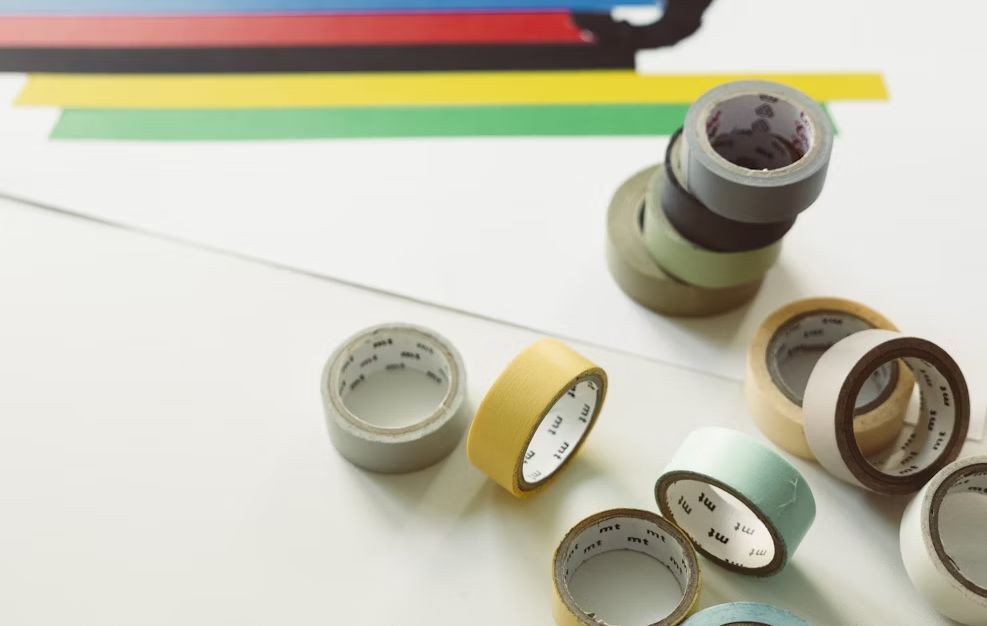
Image: Markus Spiske

Over in Louisville, the Portland Promise Center didn’t just toss out their tape; they rolled with it. They created a monstrous tape ball weighing 2,000 pounds and stretching 12 feet 9 inches around. It’s made of duct tape, packing tape, masking tape… You name it. Just don’t get too close, who knows what could happen?

10
Maryland: Crab cake heaven

Image: Andrey Stakhovskiy

Maryland takes its crab cakes seriously. How serious? Well, on September 1, 2012, Handy International in Timonium whipped up a 300-pound crab cake. That’s the size of a vending machine, but way tastier. It’s safe to say no one left that event hungry.

11
Minnesota: The fluffiest tail in town
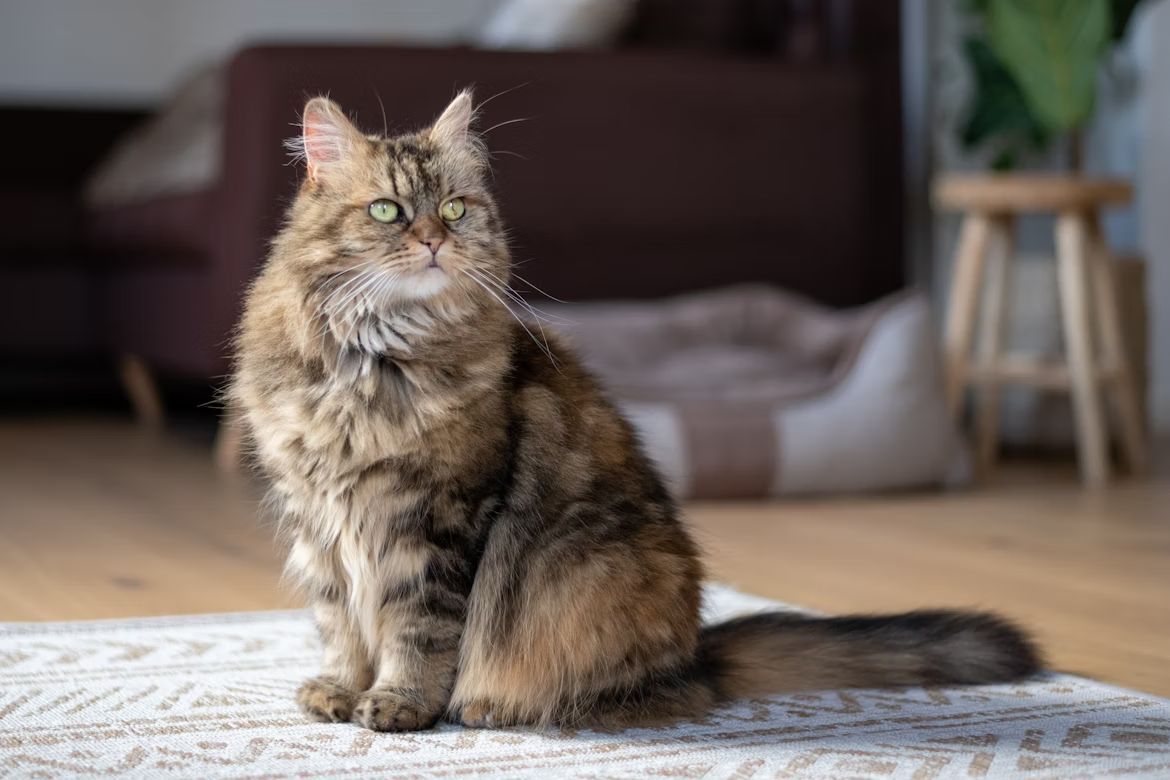
Image: Daniel Zopf

Mr. Pugsley Addams, a silver Maine Coon from Mound, has a tail that stole the show—and the record. Measuring 18.5 inches, his tail was officially the longest on a domestic cat. That’s one unforgettable feline, don’t you think?

12
Mississippi: Cowbells ringing in unison
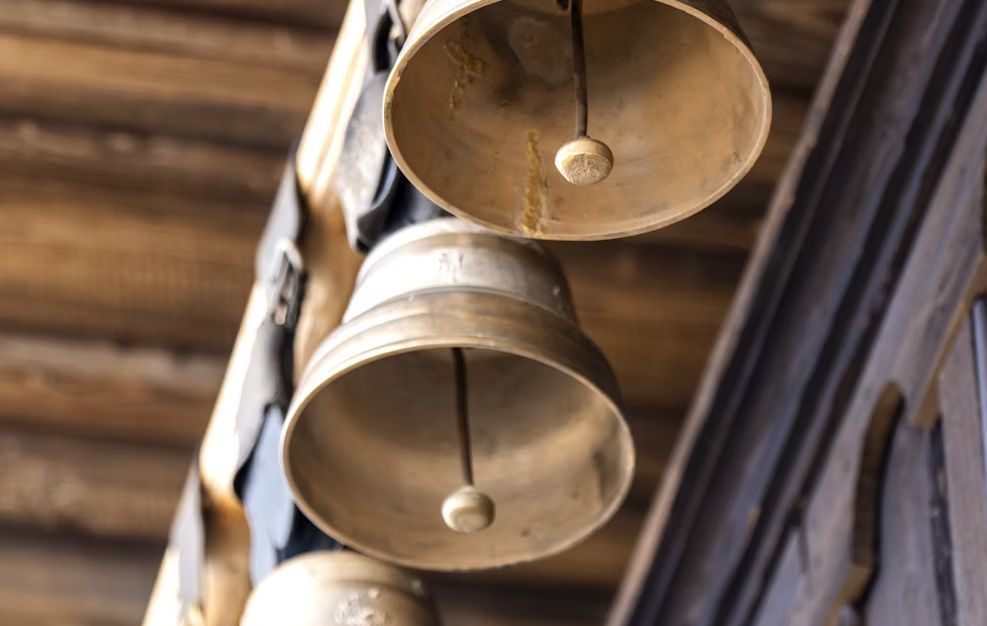
Image: Jamie Street

On September 10, 2015, the Mississippi State University Student Association gathered 5,748 people to ring cowbells at the same time. The result? A thunderous clanging that set a world record and probably made a few ears ring for days.

13
Alaska: Cabbage the size of a small car

Image: Arnaldo Aldana

Up in Alaska, where summer days seem to last forever, the vegetables grow big. Like, really big. Scott A. Robb set a jaw-dropping record at the Alaska State Fair with a cabbage that tipped the scales at 138.25 pounds. Scott’s no stranger to giant greens; he’s also grown record-holding turnips. There must be something in that Alaskan soil (or perhaps just a lot of fertilizer).


History History 3 min read

The many faces of the flag

Our flag has changed 27 times: Explore its evolution

Image: Joshua Hoehne

The Stars and Stripes are now recognized around the world, but the US flag didn’t always look the way it does today. While the red, white, and blue colors have been there from the beginning, the design has changed about 27 times! And so have the rules for handling it. If you want to see what our flag looked like in the past, or learn more about the protocols and traditions surrounding it, keep reading!

1
1776

Image: Bureau of Engraving and Printing., Public domain, via Wikimedia Commons

During the American Revolution, the Grand Union Flag, also called the Continental Colors, was created to represent the colonies. It featured 13 alternating red and white stripes (symbolizing the original colonies), but instead of stars in the upper left corner like we see today, it displayed the Union Jack.

2
1777

Image: Bureau of Engraving and Printing., Public domain, via Wikimedia Commons

In 1777, following the Declaration of Independence, the Continental Congress adopted the first official flag of the United States. It featured 13 alternating red and white stripes, which still honor the original colonies today. Replacing the Union Jack, it introduced a new element that would be key for the rest of its history: 13 white stars set in a blue field, or canton, arranged in a circle to symbolize equality and unity among the states.

3
1795

Image: Nyttend, Public domain, via Wikimedia Commons

It wasn’t until 1795 that the flag changed again, when two more stars and two additional stripes were added to represent the recently admitted states of Vermont (1791) and Kentucky (1792). This version was the only US flag to feature more than 13 stripes and later became known as "The Star-Spangled Banner", since it was the very flag that inspired Francis Scott Key to write the poem that would later be the lyrics of the national anthem.

4
1818

Image: Michael Rivera, CC BY-SA 4.0 <https://creativecommons.org/licenses/by-sa/4.0>, via Wikimedia Commons

In 1818, the flag’s design changed once again. The 15 stripes were reduced back to 13 to permanently honor the original colonies. Five new states had joined the Union, bringing the total number of stars to 20. These stars were sometimes arranged in straight rows and other times in the shape of a large star, which earned this version the nickname "The Great Star Flag."

5
1912

Image: This image is a work by Wikipedia and Wikimedia Commons user Aktron.When reusing, please credit me as: Aktron / Wikimedia Commons. I would appreciate being notified if you use my work outside Wikimedia.More of my work can be found in my personal gallery.csen+/−csenmkplsr+/−, CC BY-SA 3.0 <https://creativecommons.org/licenses/by-sa/3.0>, via Wikimedia Commons

Each new state joining the Union meant one more star on the flag. In 1912, when New Mexico and Arizona were added, the number of states reached 48, so their stars also took their place. That year, President Taft issued an executive order setting the official proportions of the flag and specifying that the stars should be arranged in six horizontal rows of eight.

6
1960

Image: chris robert

The most recent design change came in 1960. After Alaska and Hawaii joined the Union in 1959, two more stars were added, bringing the total to 50. They were arranged in nine alternating rows of six and five stars, like the official flags you see displayed across the country today.

7
Flag time

Image: Jon Sailer

Beyond its official design, the US flag follows a set of protocols established over the years. One key rule specifies the time to display it: generally, the flag should be flown from sunrise to sunset. If displayed at night, it must be properly illuminated.

8
Weather conditions

Image: Anandu Vinod

The flag code doesn’t just set the time of day; it also indicates the proper weather conditions for display. According to the protocol, the flag should not be flown in bad weather, such as rain, snow, or storms, unless it’s an all-weather flag designed for such conditions.

9
Position

Image: Roger Starnes Sr

Of course, the flag must always have the blue canton in the upper left corner. But there are more rules for its position. When flown with other symbols, such as state flags, the national flag must be in the center and slightly higher. Additionally, if it needs to be lowered from the flagpole, the flag must never touch the ground.

10
Don'ts

Image: Alex Martinez

If you need to handle the flag, it’s important to know the proper way. But it's also crucial to know what not to do. Some of the key "don'ts" include never letting it touch the ground, avoiding creasing it, not writing or drawing on it, and one that might surprise many: don’t use it as clothing or decoration.

General General 4 min read

What is your city known for?

There's a Toilet Paper Capital of the World (here in the USA)?

Image: Alexas_Fotos

From toilet paper to corn cob pipes to farm toys, all across the U.S., many small towns have long taken pride in being the "world capital" of something—sometimes expected, sometimes completely surprising. Whether it’s about local history, a booming industry, or just a clever marketing move, each one has its own story. Let’s take a tour of 12 of the most memorable "capitals" around.

1
Toilet paper capital of the world

Image: Erik Mclean

It may sound like a peculiar thing to be proud of, but if the first splinter-free toilet paper in the world had been created in your town, chances are you would be just as delighted by this local achievement.

Until the early 1900s, cheap mail-order publications were the economical wipe of choice. But in 1935, a Green Bay paper producer developed a method of "linenizing" paper, which made toilet paper both softer and "splinter-free."

2
Leap year capital of the world

Image: Waldemar

While it might seem like a good reason, the twin towns of Anthony, New Mexico, and Anthony, Texas, were not actually founded on February 29.

In 1988, a member of the local Chamber of Commerce who had a February 29 birthday proposed a community festival on that date . Since then, the celebration has grown each year to include events and a popular parade.

3
Earmuff capital of the world

Image: Jad M.

Earmuffs are essential in cold climates, and the citizens of Farmington, Maine, are well aware of this. That’s why the town celebrates Chester Greenwood Day every first Saturday in December, honoring the local inventor of the handy device.

4
Lost luggage capital of the world

Image: Marija Zaric

Did you know that all lost and unclaimed luggage from U.S. airlines ends up in a single location? Scottsboro, Alabama, is home to the Unclaimed Baggage Center , which, since 1970, has sold, donated, or recycled these items for the public, making it the only lost-luggage retailer of its kind in the country.

5
Speed capital of the world

Image: Marc-Olivier Jodoin

If speed is the measure by which a place is judged, being called the "world capital of speed" might not be such an unreasonable claim. Northwestern Utah is home to a massive, 30,000-acre expanse of barren salt flats where the Bonneville Speedway is located.

This stretch is used for extreme motorsports, and several land speed records have been set here, earning the area its famous title.

6
Shark attack capital of the world

Image: Wai Siew

This infamous title goes to New Smyrna Beach, Florida. According to the International Shark Attack File—a scientifically verified database of global shark attacks—this town is indeed the Shark Attack Capital of the World, and anyone who has swum here has likely been within 10 feet of a shark.

Fortunately, shark attacks along this central Florida coastline rarely prove fatal, and the number of incidents has declined in recent years, likely due to changing migration patterns of the blacktip shark.

7
Barbed wire capital of the world

Image: Daniel Eledut

Barbed wire was not invented in La Crosse, Kansas, but it certainly plays a significant role in the town’s history. Much of this product passed through the midwestern town after its invention in the late 1800s, becoming an important part of La Crosse’s settlement and agricultural development.

By the 1960s, La Crosse had become a major hub for barbed wire collectors , leading to the establishment of the Kansas Barbed Wire Museum .

8
Corn cob pipe capital of the world

Image: Daniel Gregoire

While pipes may not be as ubiquitous as they once were, corn cob pipes are even rarer these days. But in Washington, Missouri, these corncob products are still a popular item.

In 1869, a local woodworker invented the pipe , and its success led to a whole roster of corn cob pipe manufacturers. Today, the only factory in the world still solely dedicated to making these pipes is located in Washington, Missouri.

9
Decoy capital of the world

Image: Susan Weber

It took a lot of wooden ducks to earn this town the title of Decoy Capital of the World. At one point, more wooden ducks and geese were carved here than anywhere else on Earth.

Originally used strictly to lure waterfowl for hunters, these decoys have since become collectors’ items and treasured works of art. In 1986, the Havre de Grace Decoy Museum opened to preserve the town’s historical and cultural legacy.

10
Carpet capital of the world

Image: Juli Kosolapova

If you think most carpets are still made in the Middle East, think again. Approximately 90% of the world’s carpet comes from the city of Dalton, Georgia . More than 30,000 people are employed in its massive carpet industry—impressive considering the city’s population is just under 35,000.

11
Cow chip throwing capital of the world

Image: Jonas Koel

If tossing a piece of dried cow manure like a Frisbee sounds like your idea of fun, Beaver, Oklahoma, is the place to be. Every April, the town hosts the world’s largest cow chip throwing competition.

12
Farm toy capital of the world

Image: tommao wang

Farm toys may disappear once there are no kids in the house—but not in Dyersville, Iowa, the Farm Toy Capital of the World. This town is home to the National Farm Toy Museum , which houses the largest collection of its kind and attracts approximately 30,000 visitors each year.

Explore more American facts

Choose your favorite category!

General
General

As American as apple pie—the very best America has to offer!

Culture
Culture

Delve into the astounding richness of American lore.

Geography
Geography

Hop in and explore vast and diverse American landscapes.

History
History

Discover the key moments that shaped the United States.