Culture Culture 4 min read

Primetime treasures

From "Frasier" to "I Love Lucy" here are 11 of the best American sitcoms!
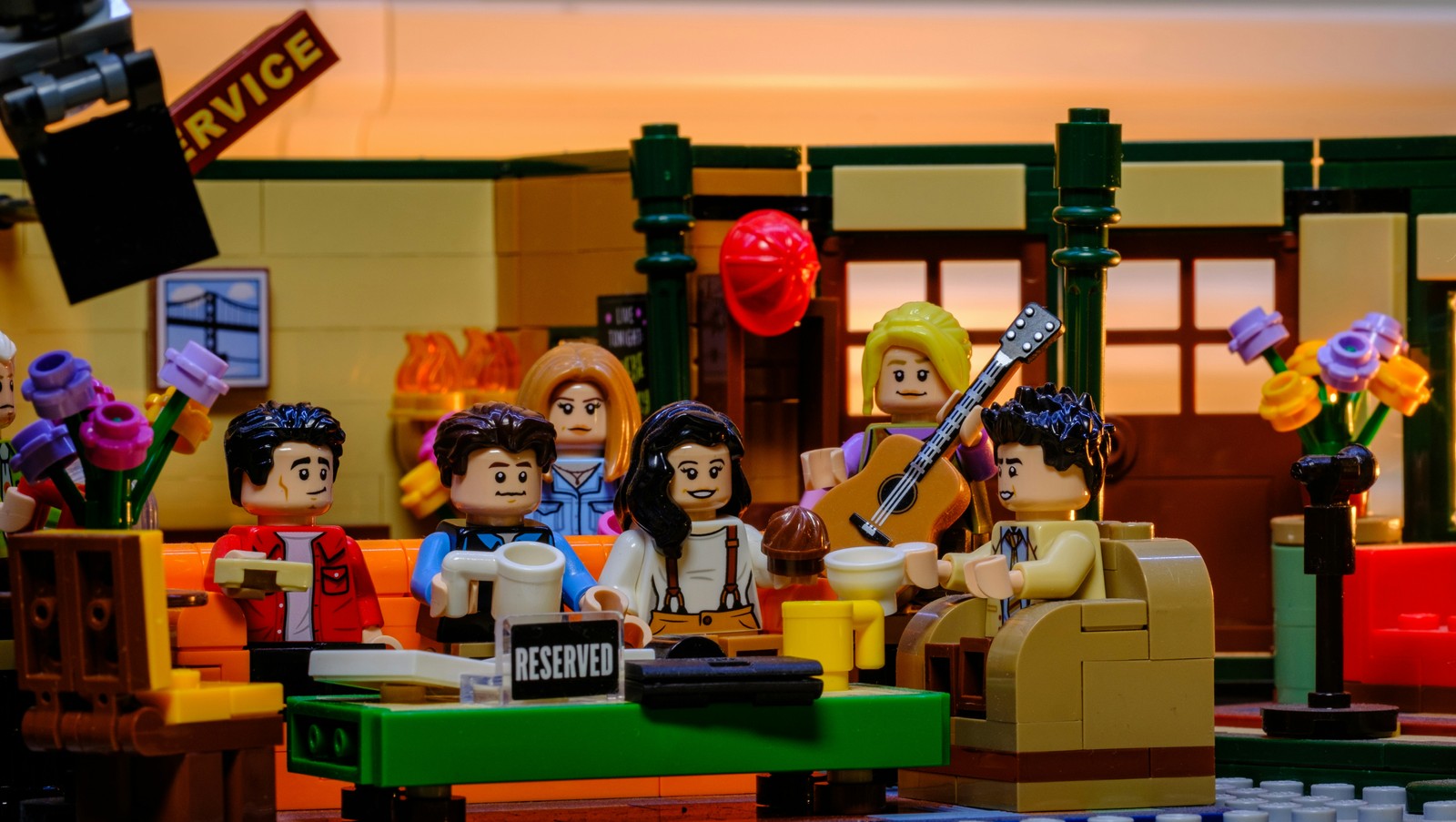
Image: Haberdoedas II

Sitcoms hold a special place in the hearts of TV viewers everywhere. They are not only funny and comforting, but they also occasionally tackle heavy subjects. American TV has produced a myriad of endearing and unforgettable characters who have provided us with countless laughs throughout the history of the medium. With that in mind, we have selected some of the most iconic American sitcoms from every decade, hoping to pay tribute to the shows that made TV time a little more special. Enjoy!

1
Friends
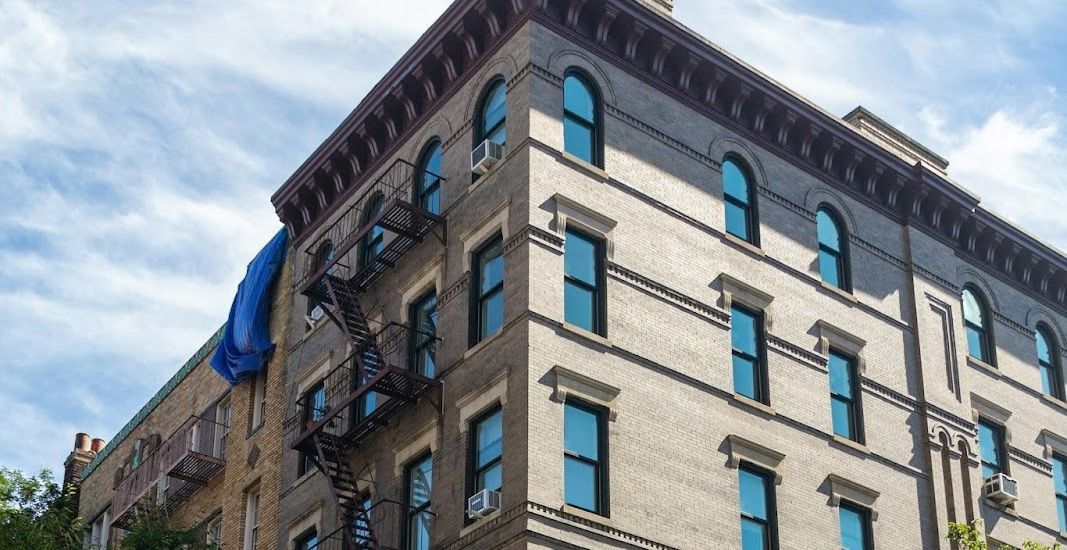
Image: David Vives

We’ll start with what many consider to be the quintessential sitcom. Debuting in 1994, Friends followed the varied and whimsical lives of six New Yorkers —Chandler, Joey, Ross, Monica, Rachel, and Phoebe—and the everyday adventures they found themselves in. Throughout its 10-year run, Friends received acclaim from both critics and viewers alike and is now considered one of the most successful and highest-grossing television shows of all time.

2
Seinfeld

Image: photo by Alan Light, CC BY 2.0

You might think that a sitcom describing itself as " a show about nothing " wouldn’t be particularly successful—let alone one of the most iconic shows of all time. And yet, Seinfeld remains one of the most influential shows in history, praised for its sharp writing and incredibly talented cast. The series follows comedian Jerry Seinfeld and his three eccentric friends—Elaine, George, and Kramer—as they navigate the often absurd minutiae of daily life.

3
Mad About You
Image: Mandy von Stahl

While sitcom settings may vary greatly, most tend to revolve around subjects that resonate with audiences—love, the workplace, or family life, for example. In that sense, the 1992 sitcom Mad About You seemed to embrace the phrase "if it ain’t broke, don’t fix it" as its mantra. The show centered on a young married couple (played by Paul Reiser and Helen Hunt) living in New York City. As simple as the premise might sound, the series’ stellar performances and insightful writing earned it numerous awards, including 12 Emmys and 4 Golden Globes.

4
The Big Bang Theory
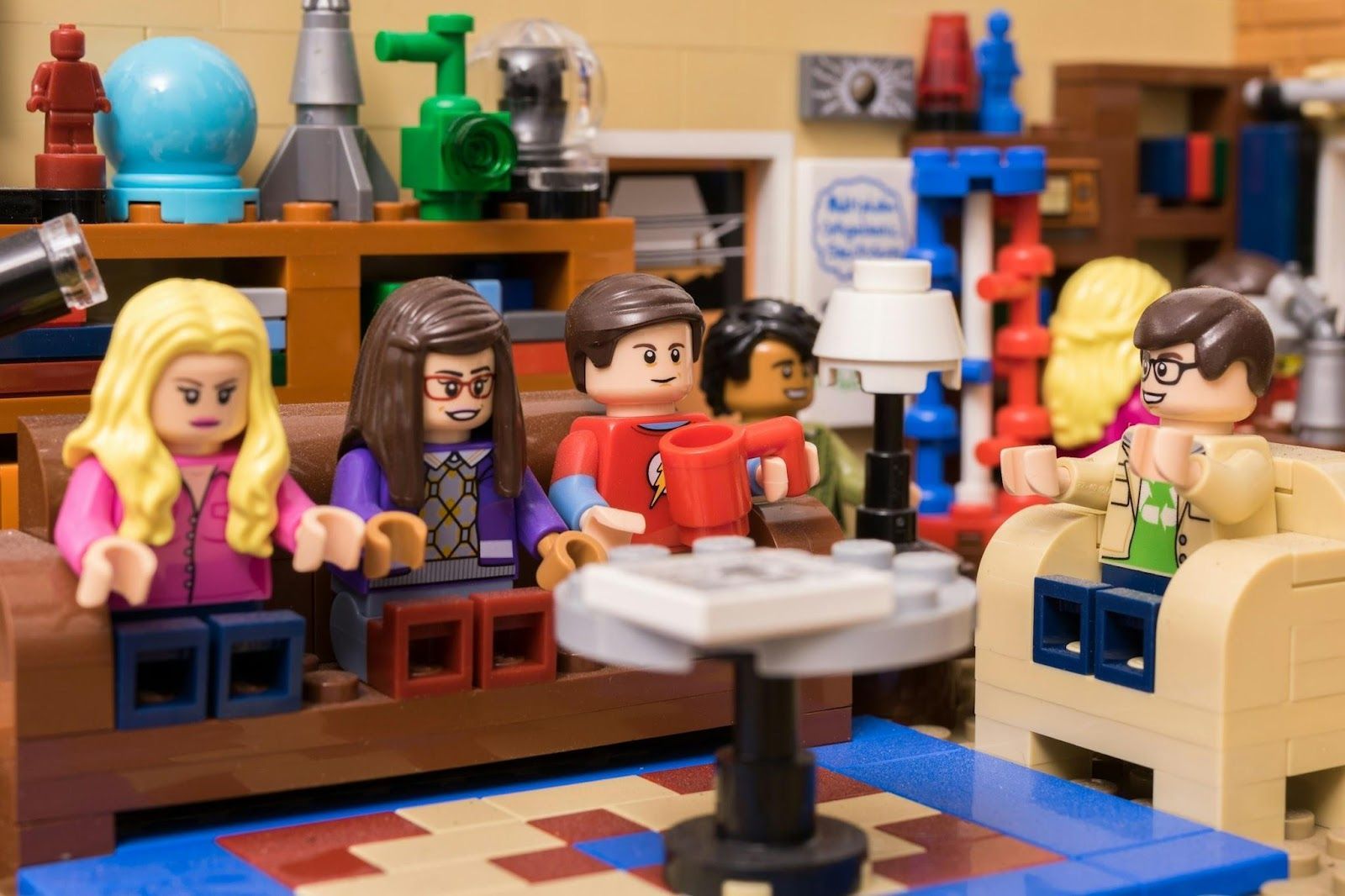
Image: Ben Griffiths

The Big Bang Theory faced the difficult task of making the world of science fun and accessible . Luckily, it had an extremely lovable and talented cast that rose to the occasion. The first episode introduces us to Leonard and Sheldon, two physicists whose lives take an unexpected turn when they meet their new next-door neighbor, Penny.

5
Modern Family
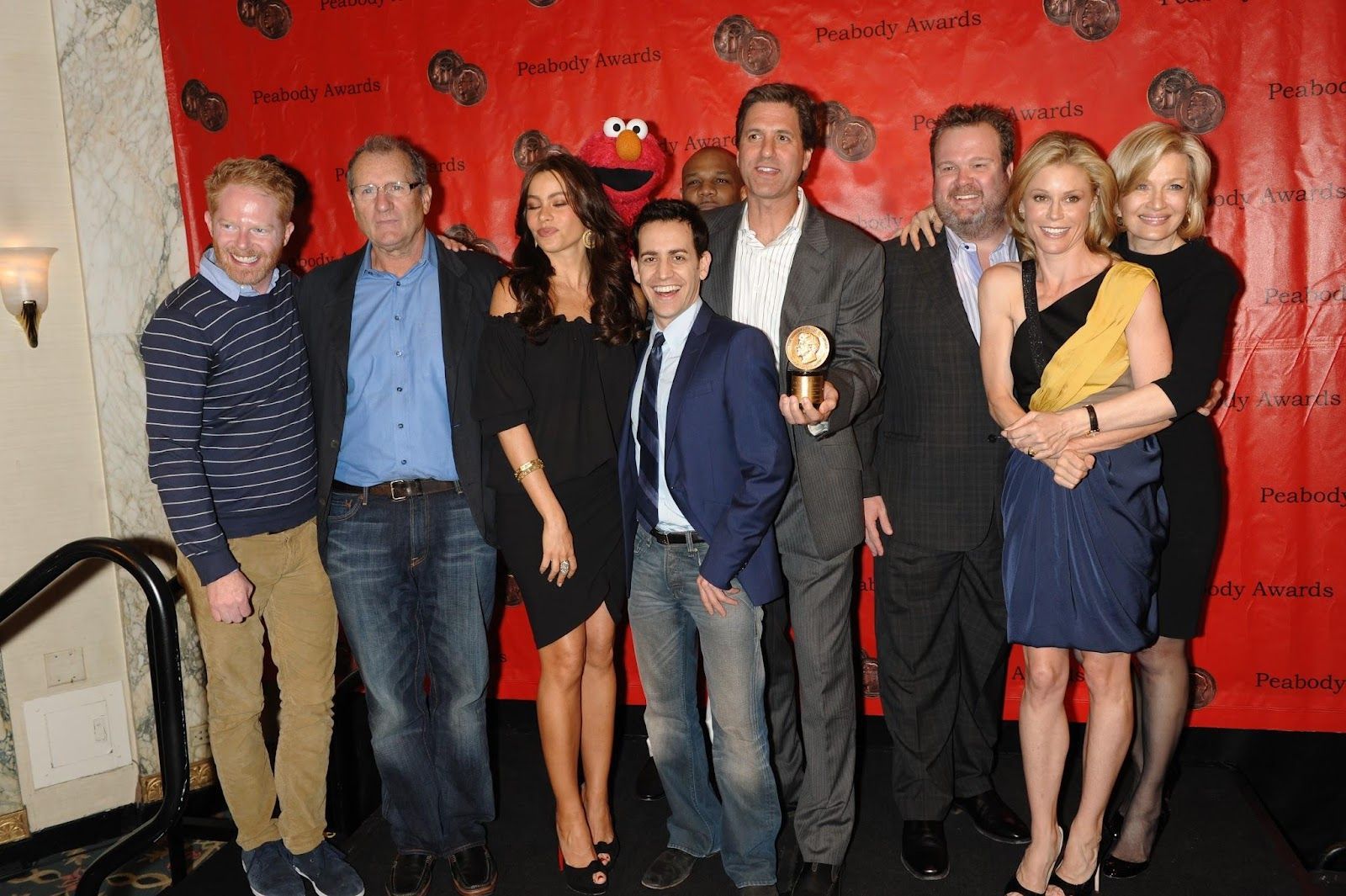
Image: Peabody Awards, CC BY 2.0

As we mentioned earlier, family life is a recurring theme in many sitcoms. However, the 2009 show Modern Family put a fresh spin on this concept by focusing on three separate yet interconnected families. The series not only featured an exceptionally talented cast but also placed its many characters in both hilarious and heartfelt situations.

6
The Honeymooners
Image: Lauren Richmond

First aired in 1955, The Honeymooners revolves around New York City bus driver Ralph Kramden and his wife, Alice (wonderfully portrayed by Jackie Gleason and Audrey Meadows). Gleason’s quick wit, combined with the show’s many catchphrases ("Bang, zoom, straight to the Moon!" and "Homina, homina!", to name a few), quickly cemented the series in American pop culture. Not only that, many timeless shows, such as The Flintstones , were inspired by The Honeymooners .

7
Cheers
Image: Yutacar

Like many Americans, you might frequent a local "watering hole"—a small bar or tavern where you can unwind and enjoy a drink or two with friends. In that sense, the 1982 sitcom Cheers perfectly captured that feeling from the very start, with its iconic theme song praising a magical place " where everybody knows your name ." The sitcom was so successful that it inspired Frasier , a spin-off centered around one of Cheers’ most popular characters.

8
Community

Image: Unseen Studio

In case you didn’t know, the term "sitcom" is short for "situational comedy." As you might expect, the setting in which these situations unfold is an essential component. With that in mind, showrunner Dan Harmon devised a unique premise for his 2009 show Community . Inspired by the community college he attended in his youth, he created a series centered around a group of quirky misfits studying Spanish at the fictional Greendale Community College.

9
Full House
Image: Ross Joyner

For such a lighthearted sitcom , Full House had a surprisingly somber premise : a recently widowed father (played by Bob Saget) enlists the help of his best friend and brother-in-law to raise his three daughters. Nevertheless, the show quickly became a beloved classic, running for eight seasons and earning several awards along the way.

10
All in the Family
Image: Simon Berger

Few names command as much respect and admiration in comedy writing circles as Norman Lear . This legendary screenwriter and producer was responsible for some of the most iconic shows in television history, including The Jeffersons , Sanford and Son , and One Day at a Time . With that in mind, choosing his best show is no easy task, but we believe All in the Family is the strongest contender. Not only was this 1971 sitcom hilarious and sharp-witted , but it also tackled major issues such as religion and the Vietnam War.

11
I Love Lucy

Image: Mayur Gala

We’ll end this article with what many consider to be the sitcom that started it all . Starring Lucille Ball and her husband, Desi Arnaz, the 1951 show I Love Lucy follows Lucy Ricardo, a New York City housewife determined to break into show business. Soon after its premiere, it became the most-watched show in the United States and went on to win five Emmy Awards. To this day, it remains one of the most influential television shows in history.
Culture Culture 5 min read

Heroines of the American Revolution

Discover 10 amazing Founding Mothers who often get forgotten

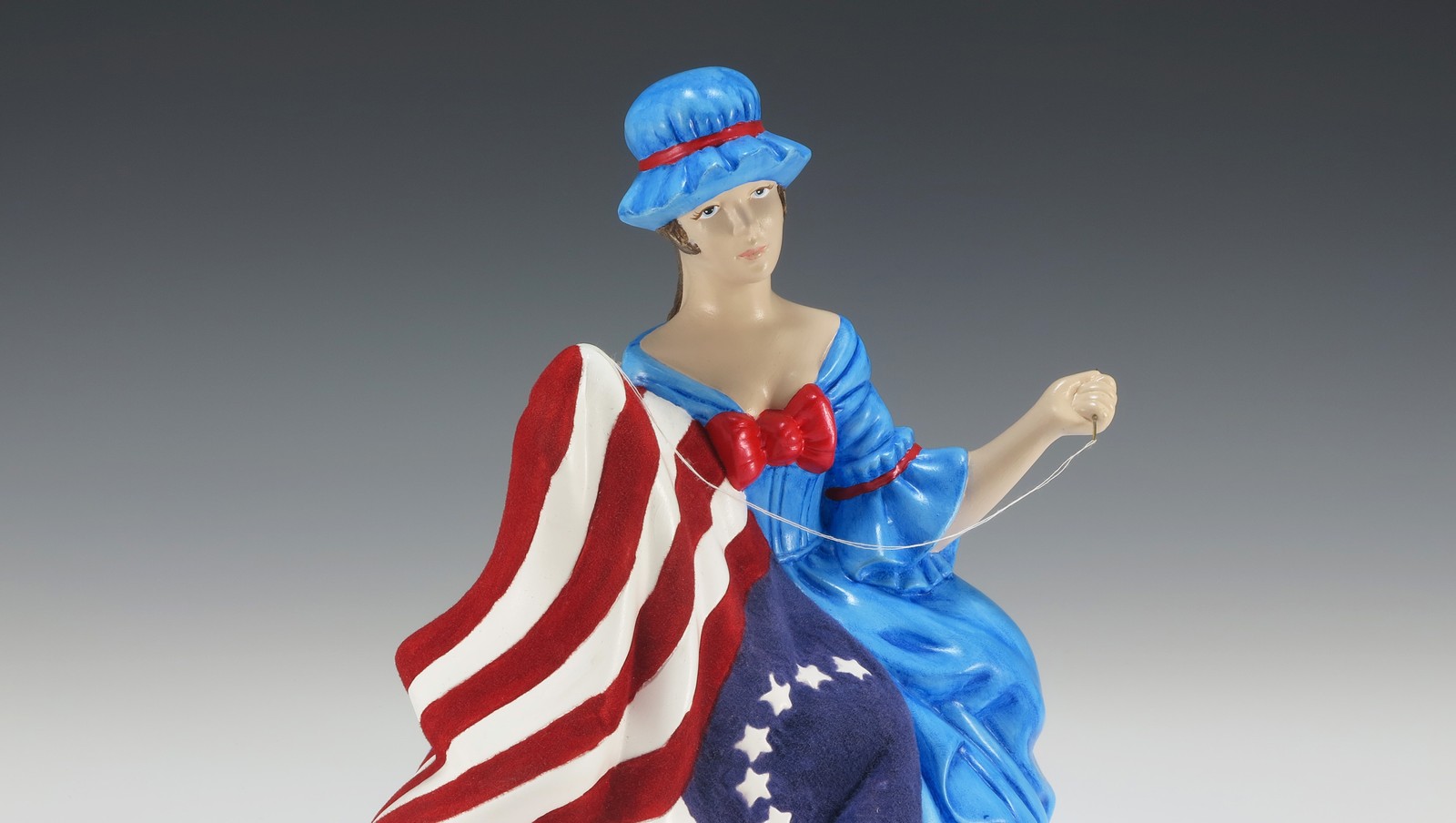
Image: Gerald R. Ford Presidential Museum, Public domain, via Wikimedia Commons

Stories about the American Revolution are usually about battles, generals, and soldiers. Since most women did not fight in battles, they are often left out of this period in history. But they did contribute to the struggle for American freedom, just in less conventional ways. From influential politicians' wives to journalists, artists, and spies, this article about revolutionary heroines is a reminder that women's patriotism and bravery also helped to win American independence.

1
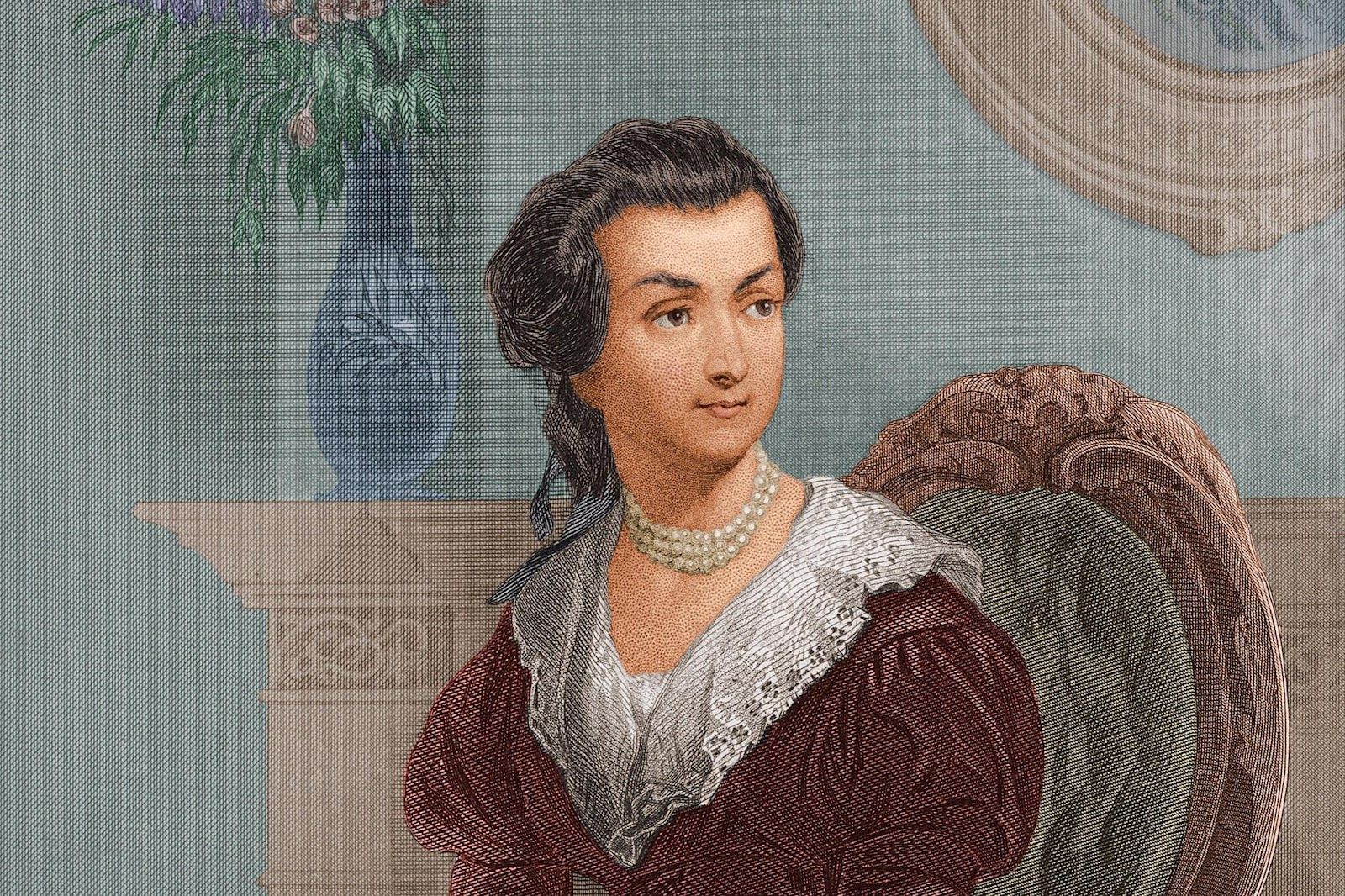
Abigail Adams

Image: Christian Schussele, Public domain, via Wikimedia Commons

Women in the 1770s were not supposed to be concerned about politics. But Abigail Adams, wife of the second president of the United States, talked and wrote about politics with extraordinary insight. She was one of the earliest supporters of independence, and her ideas influenced the Founding Fathers.

Often ill as a child, Abigail educated herself in her father’s library. Her studies prepared her for a life of public service in which she fought for freedom from England and women’s rights, and stood firmly against slavery. She even wrote the famous "Remember the ladies" letter 150 years before women were allowed to vote. Abigail’s influence over John Adams was so great that some rival politicians nicknamed her "Mrs. President."

2
Mary Katherine Goddard

Image: Thomas Jefferson, Public domain, via Wikimedia Commons

Mary Katherine Goddard was the director of the Baltimore Post Office and one of the world's first female publishers. Her greatest contribution to the Revolution, however, was the printing of the first copy of the Declaration of Independence that included the names of all signatories.

During the war, she ran the Providence Gazette and Maryland Journal , two newspapers that actively supported the American patriots' efforts. Despite the challenges she faced as a woman trying to make her way in a male-dominated society, Mary Katherine Goddard left an invaluable legacy as a pioneering woman in journalism and federal government work.

3
​​Martha Washington

Image: Billy Hathorn, CC0, via Wikimedia Commons

During her lifetime, she was known as Lady Washington, but Martha Dandridge Custis Washington will always be remembered as the first in a long line of first ladies of the United States. Martha married George Washington in 1759 and would be by his side in private and public life, even joining him on the battlefield.

While Washington was in office, Martha was in charge of the Presidential galas held to entertain members of the administration and foreign dignitaries. Although at that time she had no official duties or title, her warm temperament and classy poise laid the foundations for a key role that continues to this day.

4
Esther de Berdt Reed

Image: National Portrait Gallery, Public domain, via Wikimedia Commons

Even though Esther was born and raised in England, she sided with her husband, an aide to General Washington, in the American fight for independence. Five years into the war, Esther felt it was time for women to support the Continental troops in a more active way.

Esther's group, the Philadelphia Association, went door to door to ask for contributions. They ended up raising a large sum of money, which they used to supply soldiers in desperate need of provisions. Eventually, they stitched over 2,000 shirts by hand. Esther's vision and the group's dedicated efforts helped remind the men fighting the American Revolutionary War how much they were appreciated.

5
Elizabeth Schuyler Hamilton

Image: Ralph Earl, Public domain, via Wikimedia Commons

Elizabeth Hamilton, sometimes called "Eliza" or "Betsey," was the daughter of one of New York State's wealthiest and most politically influential families. In 1780, Eliza married Founding Father Alexander Hamilton. During their more than 20 years of marriage, she helped Hamilton write his letters and newspaper contributions and accompanied him on numerous historic events.

Strong-willed but caring, Eliza would devote her long widowhood to charity, helping to found New York's first private orphanage. In addition, she worked tirelessly to spread her husband's legacy and ensure that Hamilton had the place he deserved in American history.

6
Patience Lovell Wright

Image: William Faden, Public domain, via Wikimedia Commons

Did you know that during the American Revolutionary War, the Patriots had an American spy in the heart of King George's court? More interestingly, it was a woman! Famous for molding incredible wax sculptures, Patience Lovell Wright had to move to England after her New York studio caught fire.

Her friend, Benjamin Franklin, introduced her to London society. Soon enough, word of her talent reached King George III, who invited her to Buckingham Palace. But she remained loyal to her "dear America," as she called it, and when trouble started back home, Patience decided she could help America's fight for independence by providing decisive information her prominent clients revealed while posing for her.

7
Mercy Otis Warren

Image: John Singleton Copley, Public domain, via Wikimedia Commons

At a time when women were expected not to air their views on political issues, Mercy Otis Warren was a poet, playwright, and activist.

During the American Revolution, Warren not only maintained a close relationship with leading political figures such as George Washington, Thomas Jefferson, and John Adams, but she also became a historian and outspoken commentator, as well as the leading female intellectual of the early republic.

8
Penelope Barker

Image: Attributed to Philip Dawe, Public domain, via Wikimedia Commons

In the 18th century, women had no public outlet to express their convictions or to take a stand. Rebellion was considered men's business. Yet, the courageous Penelope Barker proved to everyone that women could contribute a great deal to the efforts for independence.

In 1774, in Edenton, North Carolina, a group of fifty-one women signed a declaration by Penelope, stating they would not drink tea or wear clothes made in England. The British press called it the "Edenton Tea Party" and ridiculed them. But soon enough, women all over the colonies were boycotting British products. Thanks to Penelope Barker's declaration, every woman in America discovered a smart and original way to rebel against the colonists.

9
Mary Norris Dickinson

Image: Prateek Katyal

The daughter of wealthy Pennsylvania Quakers, Mary Norris Dickinson was well-educated and owned one of the largest libraries in the colonies. She believed in a life without violence and in equal rights for men and women, ideas that she did not shy away from voicing in public to the dismay of some more conservative individuals.

For her fundamental role in political thought, influence on other women, and involvement in events related to the Constitutional Convention, the wife of Founding Father John Dickinson definitely deserves her place in history.

10
Phillis Wheatley

Image: Phillis Wheatley, CC0, via Wikimedia Commons

Brought to America as a slave, Phillis Wheatley became the first African-American author. Her poems celebrated learning and virtue and described a yearning for freedom. She also wrote a number of patriotic verses on subjects like the peace treaty of 1783 that ended the American Revolutionary War.

Her most famous piece was a poem to George Washington, in which she refers to him as "first in peace." The poem was published several times during the war to promote the Patriot cause, and Washington liked it so much that he asked to meet her. A true patriot and later a symbol for the abolition of slavery, Phillis Wheatley will always be known as a key contributor to freedom.

General General 4 min read

Not all fun and games

Who were the least-liked presidents in the history of the US?

Image: Sora Shimazaki

Becoming President of the United States is a tremendous honor, but it's not always a bed of roses. For one reason or another, quite a few who made it to the Oval Office weren't exactly well-liked or left office with reputations that are, at best, debatable. Historians haven’t overlooked Herbert Hoover’s inaction during the Great Depression, just as the public hasn't forgotten Nixon's role in the Watergate scandal. Join us as we take a look at 10 presidents often considered among the least popular in American history!

1
Richard Nixon (1969–1974)

Image: History in HD

One of the most controversial presidents in US history, Richard Nixon, led the country from 1969 to 1974. Although it's true that Nixon was indeed popular for his foreign policy achievements before the Watergate scandal, his involvement in that unforgettable episode forced him to resign, making him the first and only US president to step down from office.

2
Herbert Hoover (1929–1933)

Image: Tomasz Zielonka

Judging a president goes beyond assessing their decisions: a lack of empathy for the people they serve can be just as damaging. Herbert Hoover was president when the Great Depression began, following the stock market crash of October 1929. He maintained a largely hands-off approach that was harshly criticized as inadequate and led many to see the president as out of touch with the suffering of Americans.

3
Ulysses S. Grant (1869–1877)

Image: Library of Congress

Ulysses S. Grant, the 18th US President, was a polarizing figure. As a Union general, he played a crucial role in securing victory during the Civil War. However, during his presidency, there were several scandals related to corruption that affected his image negatively, both during his time in office and for many years afterward.

4
Andrew Johnson (1865-1869)

Image: Library of Congress

After Abraham Lincoln's assassination, Andrew Johnson served as the US president from 1865 to 1869, just six weeks after becoming Lincoln's vice president. It was a critical period in American history, and he is remembered for opposing many Reconstruction efforts . He even vetoed several key congressional initiatives, including the Civil Rights Act of 1866, though Congress overrode many of his vetoes. In 1868, Johnson became the first US president to be impeached.

5
James Buchanan (1857-1861)

Image: Library of Congress

Often ranked among the least popular presidents, James Buchanan led the nation during a period of deep internal division, just before Abraham Lincoln took office. Despite the growing tensions, he chose to stay out of the conflict. He's most often criticized for his inaction as Southern states began seceding from the Union and making only minimal efforts to prevent the Civil War.

6
Chester A. Arthur (1881–1885)

Image: Library of Congress

Some presidents aren't necessarily considered unpopular because of any specific scandal or failure, but rather they simply went unnoticed. One such figure is Chester A. Arthur, who served as president from 1881 to 1885 after the assassination of James A. Garfield. Although many historians view him as a capable and reform-minded leader, Arthur remains one of the most overlooked presidents in US history.

7
Warren G. Harding (1921–1923)

Image: Library of Congress

Warren G. Harding, the 29th President of the United States, is often regarded by historians as an ineffective leader. Although Harding himself wasn't directly involved, corruption scandals implicating members of his administration – along with his inaction in response to them–did the most damage to his reputation and legacy.

8
Millard Fillmore (1850–1853)

Image: Pixabay

Millard Fillmore, who served as US president from 1850 to 1853, is widely criticized for decisions that deepened national divisions , most notably his signing of the Fugitive Slave Act. The law inflamed tensions in an already fractured nation, pushing the country even closer to civil conflict.

9
John Tyler (1841–1845)

Image: Joanna Kosinska

In 1841, John Tyler became the first vice president to assume the presidency following the death of a sitting president. His assumption of office was unexpected – even for himself–and his frequent clashes with Whig Party leaders didn't help his image among voters. In fact, he was expelled from the party while still in office. To make matters worse, years after his presidency, Tyler sided with the Confederacy during the Civil War.

10
Zachary Taylor (1849–1850)

Image: Library of Congress

Zachary Taylor became the 12th President of the United States in 1849, but his sudden death in July 1850 meant his time in office lasted only 16 months. While he isn't necessarily disliked, he's less remembered, partly because of his short time in office.

Explore more American facts

Choose your favorite category!

General
General

As American as apple pie—the very best America has to offer!

Culture
Culture

Delve into the astounding richness of American lore.

Geography
Geography

Hop in and explore vast and diverse American landscapes.

History
History

Discover the key moments that shaped the United States.