Our online lives
Google was born from a spelling mistake, or was it?
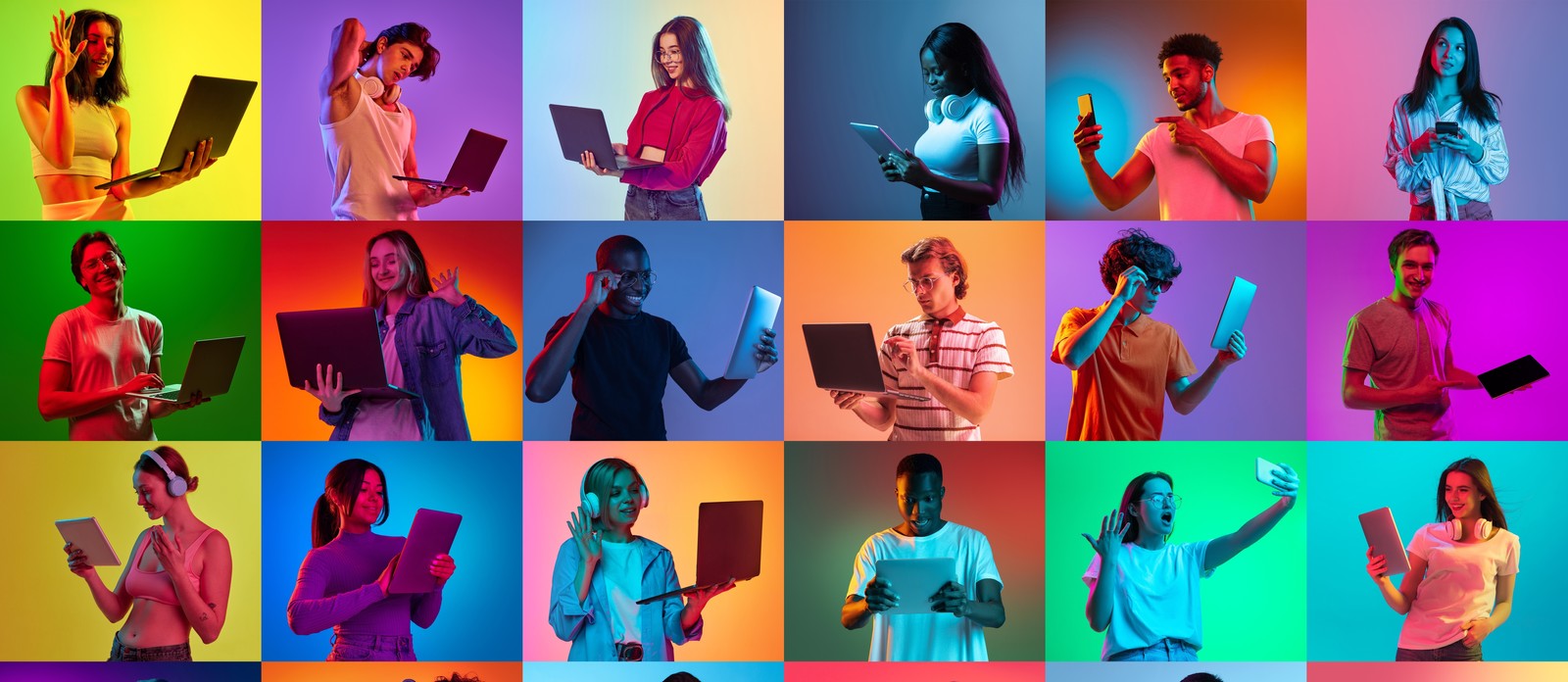
Image: Anton Vierietin
Do you remember your first Google search? The first friend you added on Facebook? Or the very first thing you ordered on eBay? At the time, we didn’t realize that they were all firsts that would change so many of our daily decisions forever. Let’s uncover 10 massive tech turning points.
1
Amazon: From books to everything
You might remember ordering a book via Amazon as one of the first transactions in our online lives. Amazon was just a modest virtual bookstore when it launched in 1994. In fact, Jeff Bezos allegedly named his company after the South American rainforest because he wanted it to be the biggest bookstore in the entire world.
Over time, it evolved into a global e-commerce and technology powerhouse that fundamentally changed consumer behavior and logistics. Amazon popularized one-click ordering, introduced personalized product recommendations, and pioneered fast home delivery, turning long weekly waits into a one-day or same-day process.
2
eBay: The auction that went global
eBay officially started in 1995 when founder Pierre Omidyar sold a broken laser pointer for $14.83 to a collector on his experimental auction site, showcasing that practically anything could be sold. It then revolutionized global commerce by turning the internet into a giant, peer-to-peer garage sale where ordinary people could buy and sell unique items from anywhere in the world.
Before eBay, selling goods to a mass audience required a physical storefront or a large wholesale budget, but eBay let anyone list household items, collectibles, or crafts directly from a home computer. To reassure the skeptics, it also pioneered a mutual feedback and rating system that held buyers and sellers accountable, proving that strangers could safely trade goods online.
3
Google: The search that changed everything
We wonder what navigating the internet would even be like without the famous Google search. Even though its name has to do with a mistake (it's the misspelled version of "googol," which is the number one followed by 100 zeros), since its launch in 1998, it's transformed the internet from a chaotic library into an organized system — fundamentally changing how humanity finds information , navigates the physical world, and handles daily tasks.
Google replaced slow directory browsing and keyword-stuffed portals with a clean, minimalist homepage. Its targeted advertising networks reshaped how businesses find customers and how digital content is funded online. Google Maps (launched in 2005) replaced static paper maps and slow early web tools with a fluid "slippy map," changing how we travel and get anywhere, forever.
4
Spotify: The moment music became endless
Spotify was founded in Sweden in 2006 and launched in 2008. It officially entered the American market in 2011, revolutionizing the music industry forever. The years between its founding and U.S. launch included extensive licensing negotiations with music rights holders.
When it arrived, it offered its signature "freemium" model, helping disrupt the paid-download era dominated by Apple’s iTunes Store, with streaming becoming the new blueprint for music consumption . This transition shifted how recorded music generates revenue, with many artists increasingly relying on multiple income streams, including touring, merchandise, vinyl and other physical products, and unique experiences. Getting a song placed in a commercial or video game can provide another source of income, with synchronization deals offering upfront fees and, in some cases, additional royalties.
5
Facebook: When friends went online
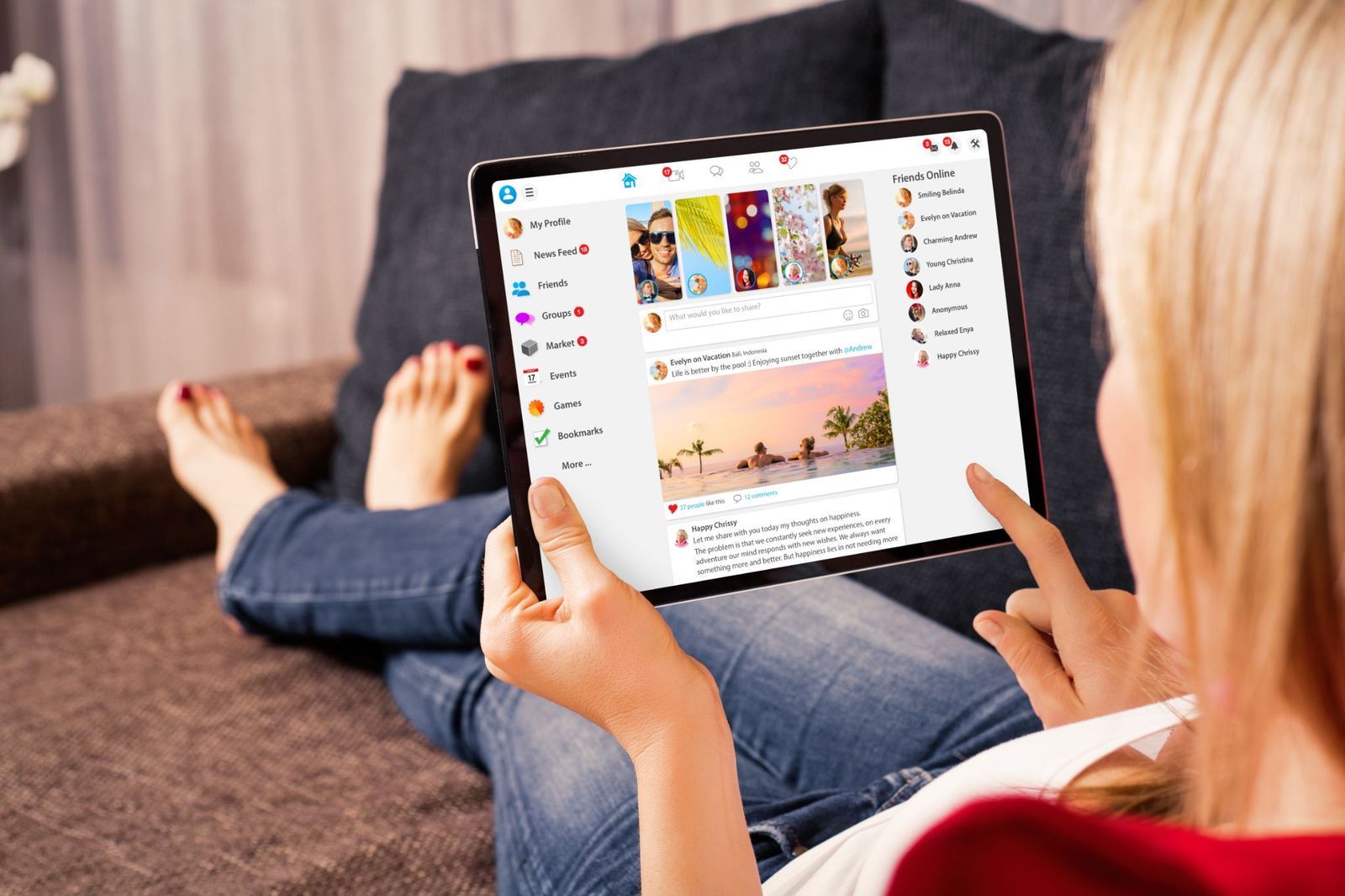
Chances are you have a Facebook account and possibly even reconnected with a long-lost friend (or love) on the platform. There’s no doubting it: Facebook revolutionized the way we live by turning personal relationships, daily communication, and digital identity into a massive global network since its launch in 2004.
It replaced many habits: physical letters, landline calls, and basic emails gave way to instant messages, wall posts, and digital timelines. The need to use our real names and photos when creating our profiles helped people build a single, permanent online identity to stay connected across different life stages. After introducing features such as the News Feed, Like button, and Facebook Ads, the platform surpassed 3 billion monthly active users in 2023, changing how we connect, communicate, and consume information online.
6
YouTube: When everyone became a broadcaster
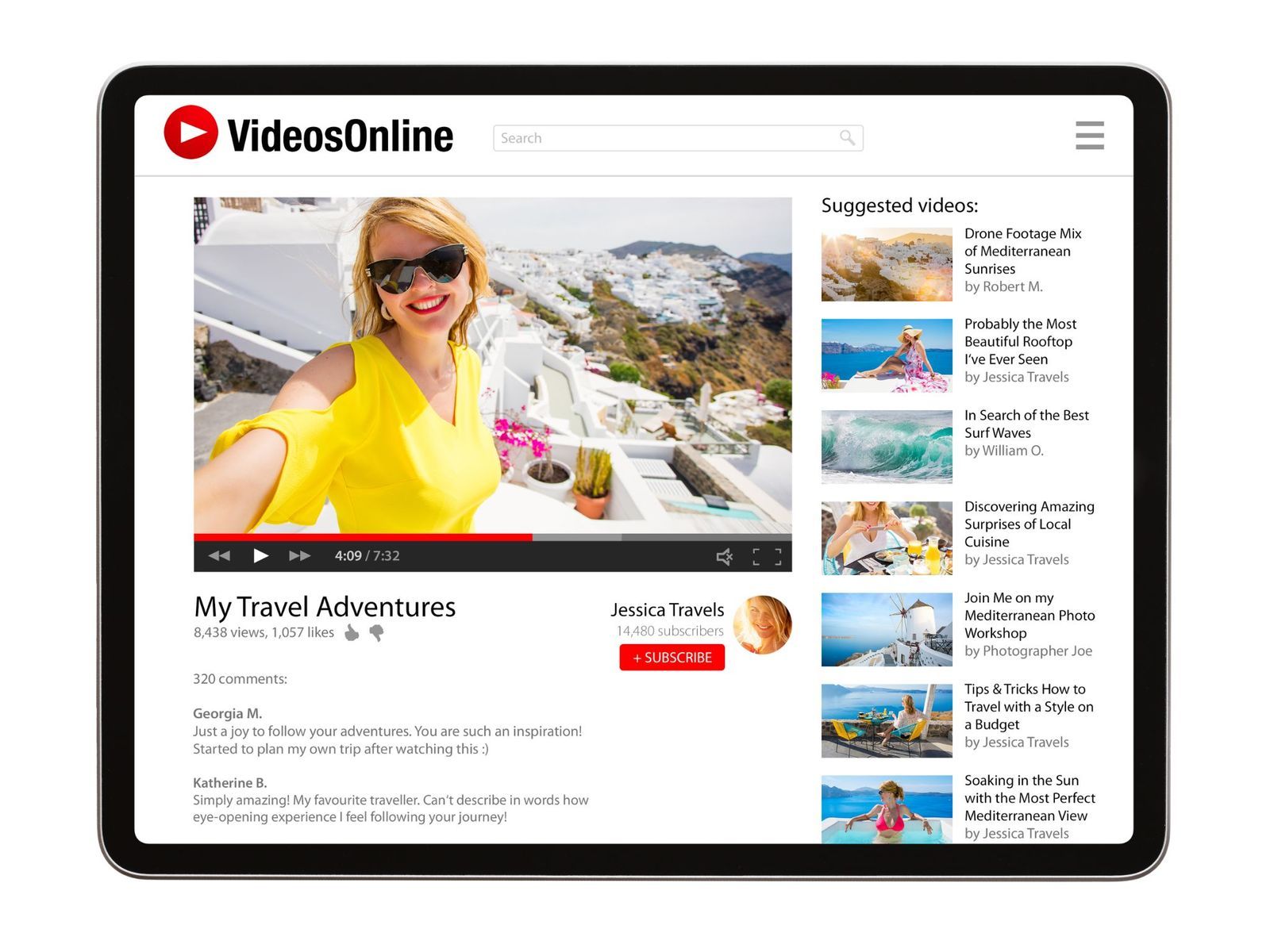
Do you remember the first video you ever watched on YouTube? Incredibly, the platform was originally conceived as a video-dating site with the idea of singles filming what they wanted in a partner, alongside the slogan "Tune In, Hook Up," before becoming something else entirely by democratizing broadcasting.
Before YouTube, traditional media and television networks controlled video distribution and production. Now, anyone with an internet connection and a basic camera could instantly share their voice, art, or daily life with a global audience. The platform created the profession of "YouTubers," allowing independent creators to build direct relationships and careers outside of mainstream media. From cat videos to cooking lessons , YouTube has not only changed what we watch, but also who gets to be seen.
7
Netflix: Goodbye, "next week at 9"
What show are you watching? Anything you’d recommend? Netflix has made these questions commonplace by changing how the world watches entertainment, replacing fixed TV schedules with its iconic DVD-by-mail rental service beginning in 1998, and its instant, on-demand service beginning in 2007. Viewers gained the freedom to watch movies and shows anytime, and suddenly traditional weekly TV schedules and cable bundles began to lose their grip on daily routines, making "next week at 9" a thing of the past .
In addition, releasing entire seasons at once popularized "binge-watching." Shows like House of Cards and Orange Is the New Black helped prove that original online content could rival traditional networks.
8
Instagram: When photos took over
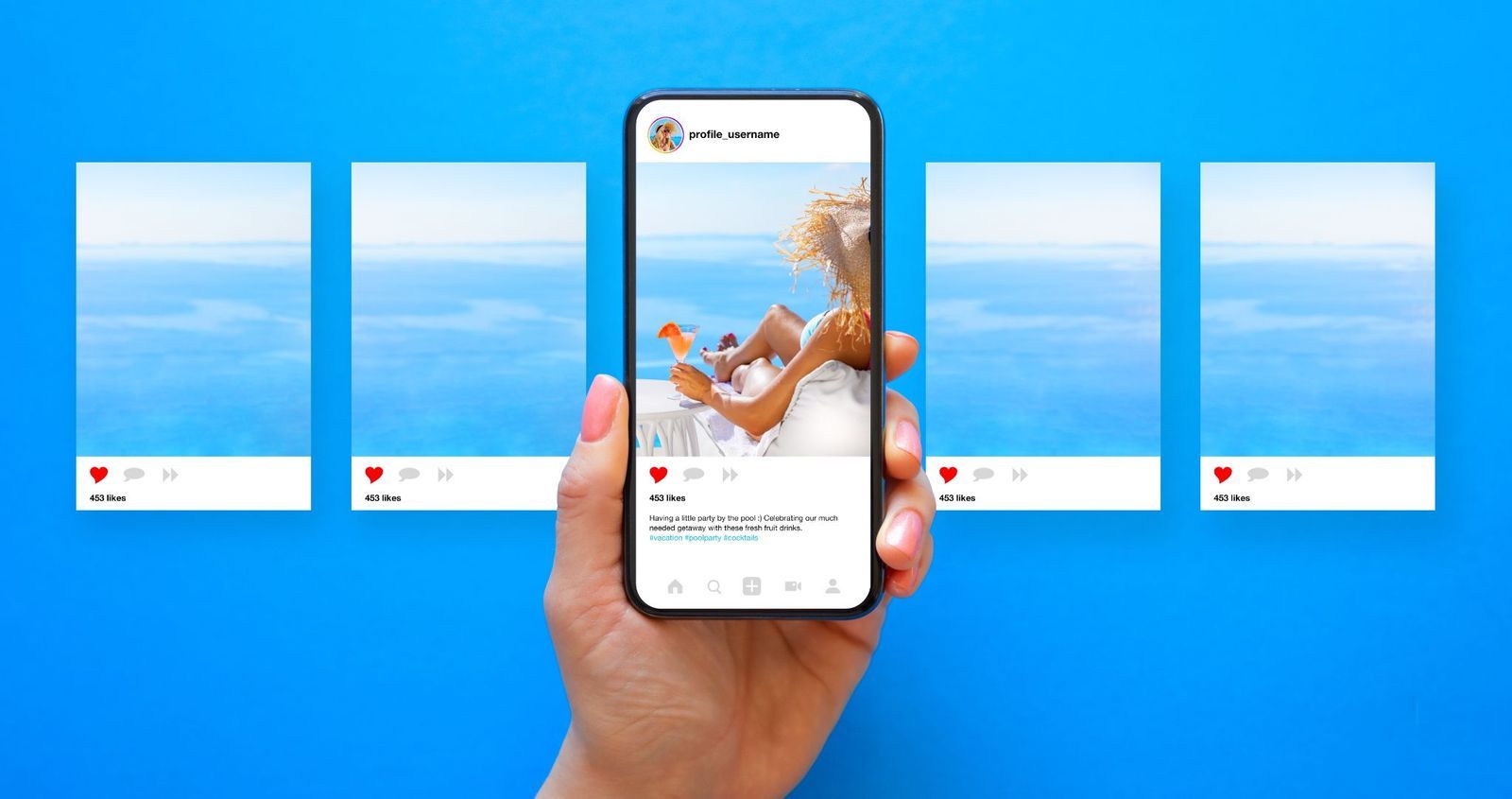
For those of us who started using it from the beginning, we might still have a favorite filter. Instagram changed the way we live by turning everyday visual sharing into a global culture . Launched in October 2010, the app transformed quiet photo albums into public, fast-paced feeds (where one could say everything tends to be quite perfect, too).
Among the key areas it’s impacted are travel, where photos of scenic views and trendy cafes can now influence our vacation choices and hotel selections; going out to eat, since meals are styled for cameras before anyone takes a bite; and modern selfie culture, including the push for an idealized personal brand and the rise of "influencers."
9
Zoom: Created before video calls became unavoidable
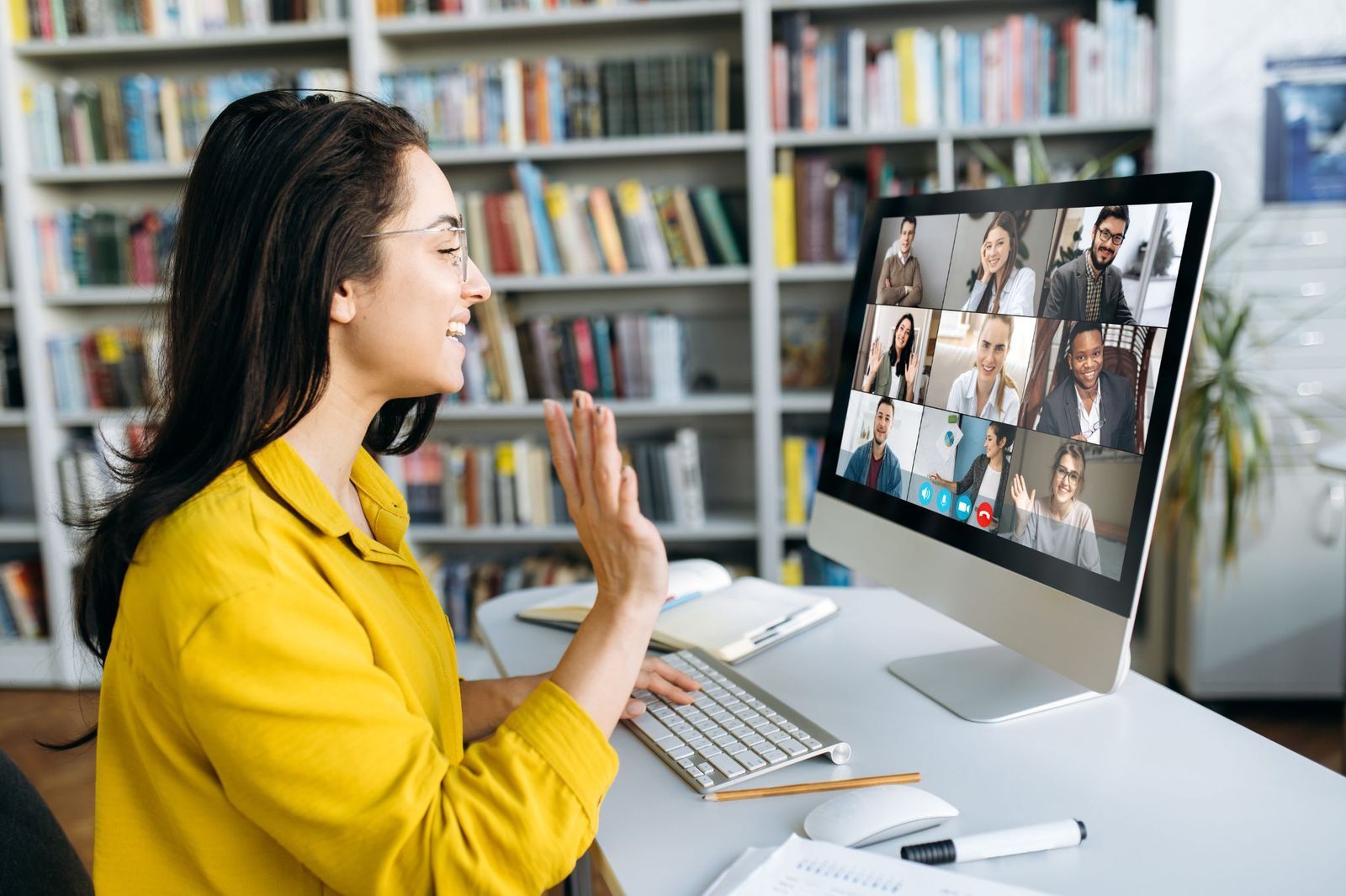
The idea of video calls existed long before Zoom, but Zoom’s launch in 2013 helped transform video conferencing into a global lifeline for work, education, and socializing during the COVID-19 pandemic and beyond.
Daily meeting participants rose from 10 million in December 2019 to 300 million by April 2020. Since then, many offices have moved into living rooms, schools have replaced homework with virtual rooms, and "Zooming" has become a standard verb for happy hours, family gatherings, and even weddings, keeping people close during lockdowns or long-distance, and transforming the way we communicate ever since.
10
TikTok: When strangers became the feed
You’ve heard of "TikTok challenges" or maybe even filmed one or two. Although TikTok is another social media platform, it has helped change social media by putting a greater emphasis on its "For You" feed, where an algorithm serves up highly personalized content rather than simply showing posts from the accounts you follow.
In other words, the app shows content from strangers based on users’ behavior; its endless, easy-to-navigate feed keeps them engaged with rapid, bite-sized videos; and competitors like Instagram Reels and YouTube Shorts have adopted similar short-form video formats. It has become especially popular among younger users and highly influential in music discovery, trends, and brand marketing. Talk about a revolution, one TikTok at a time.