General General 5 min read

Have you visited any?

10 American food festivals worth traveling for
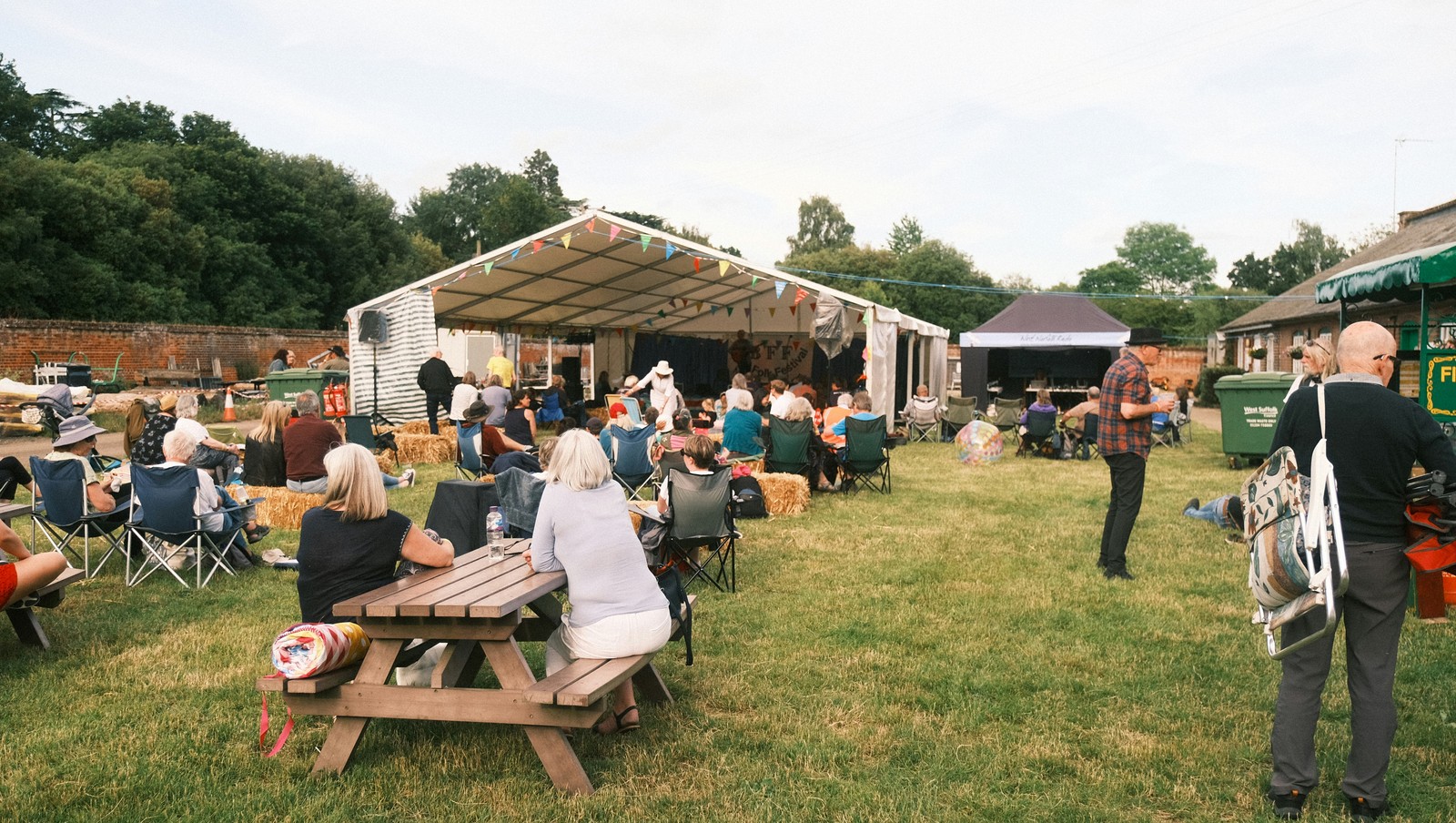
Image: Ashley Owen

From seafood extravaganzas to chocolate wonderlands, America knows how to throw a party around food . These festivals aren't just about eating, they're about celebrating regional flavors, quirky traditions, and the kind of community spirit that only emerges when thousands of people gather to worship their favorite ingredient.

1
Gilroy Garlic Festival - Gilroy, California
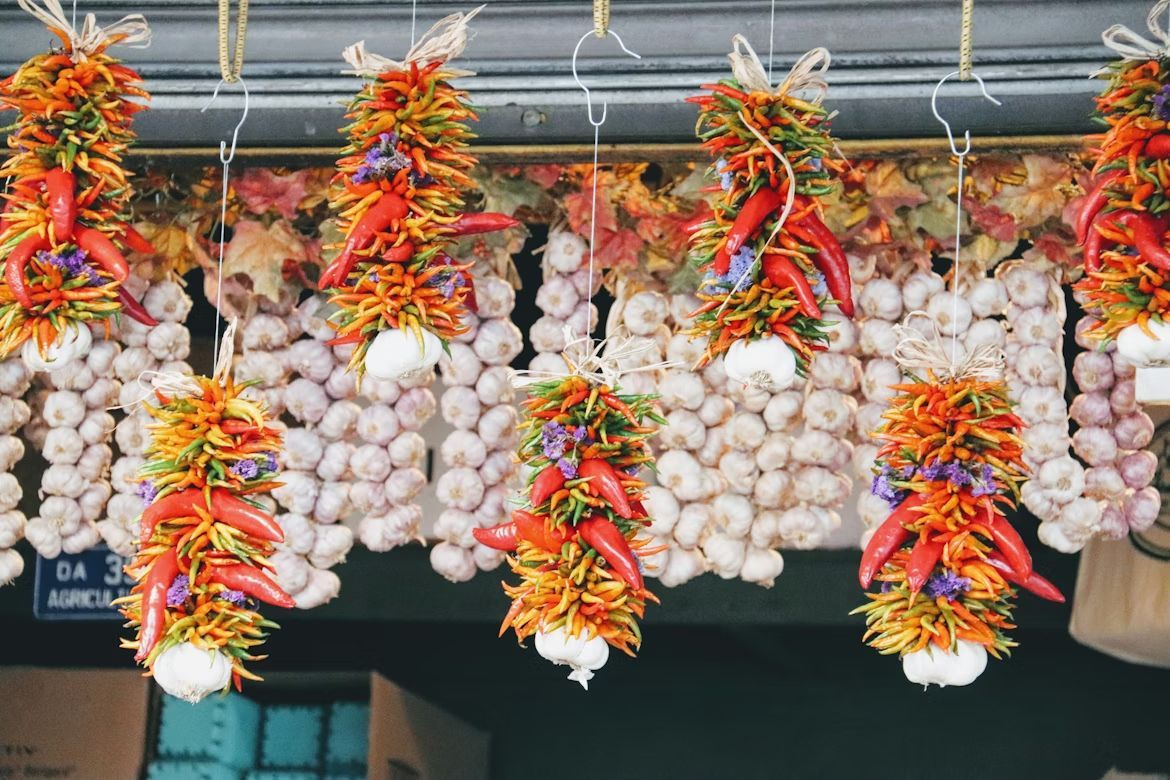
Image: Mitch Hodiondo

This July festival has been going strong since 1979, serving up everything from garlic fries to garlic-infused desserts that'll make you question everything you thought you knew about sweetness. The festival draws over 80,000 garlic enthusiasts who aren't afraid of a little breath situation.

Beyond the obvious eating opportunities, you'll find cook-offs, live entertainment, and enough garlic braids to decorate every kitchen in America. The Miss Gilroy Garlic Festival Queen pageant is a real thing, and yes, contestants probably smell amazing.

2
Maine Lobster Festival - Rockland, Maine
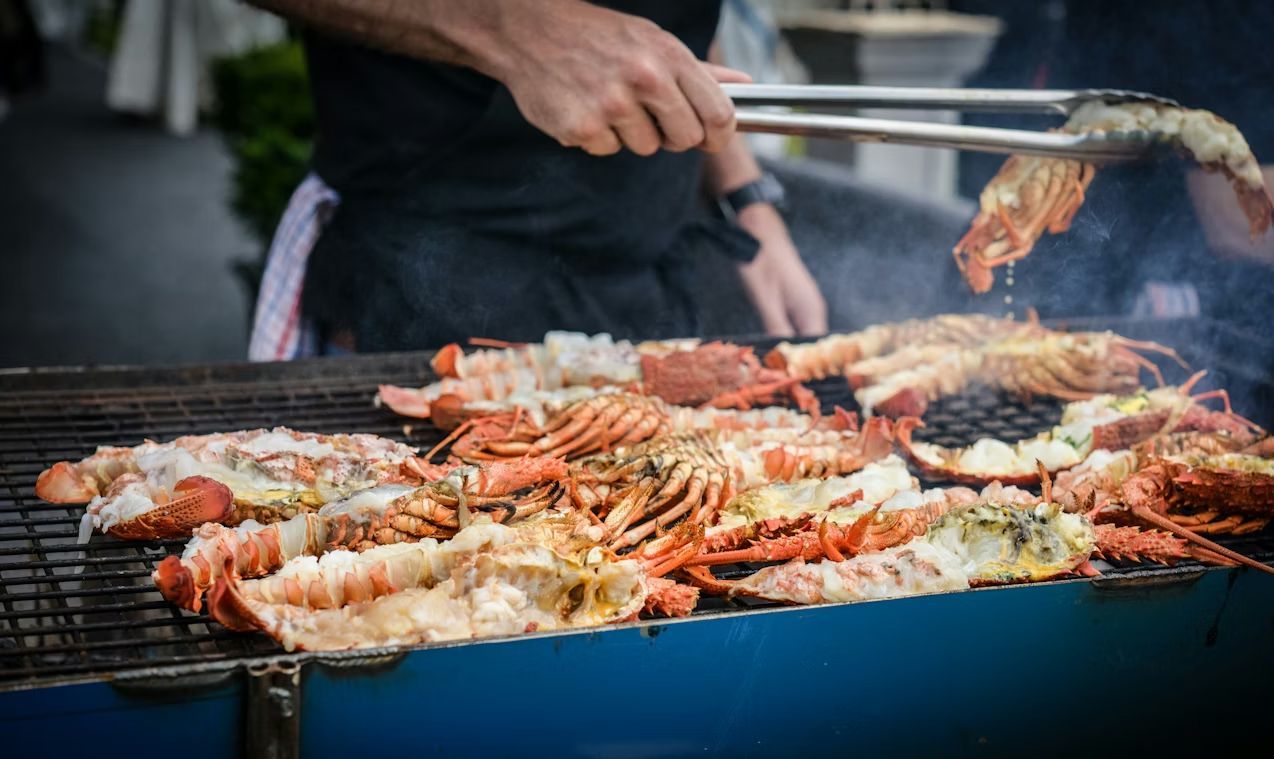
Image: Michelle Tsang

Every August, this coastal town transforms into lobster paradise, where over 20,000 pounds of the crustaceans meet their delicious destiny in a five-day celebration of all things clawed and buttery. The festival serves lobster every way imaginable: boiled, in rolls, and in bisque.

Between lobster courses, you can watch the Maine Sea Goddess Coronation, browse hundreds of arts and crafts vendors, or catch big-name musical acts on the harbor stage. The parade is a charming small-town affair that reminds you why these festivals beat fancy restaurants every time.

3
National Cherry Festival - Traverse City, Michigan
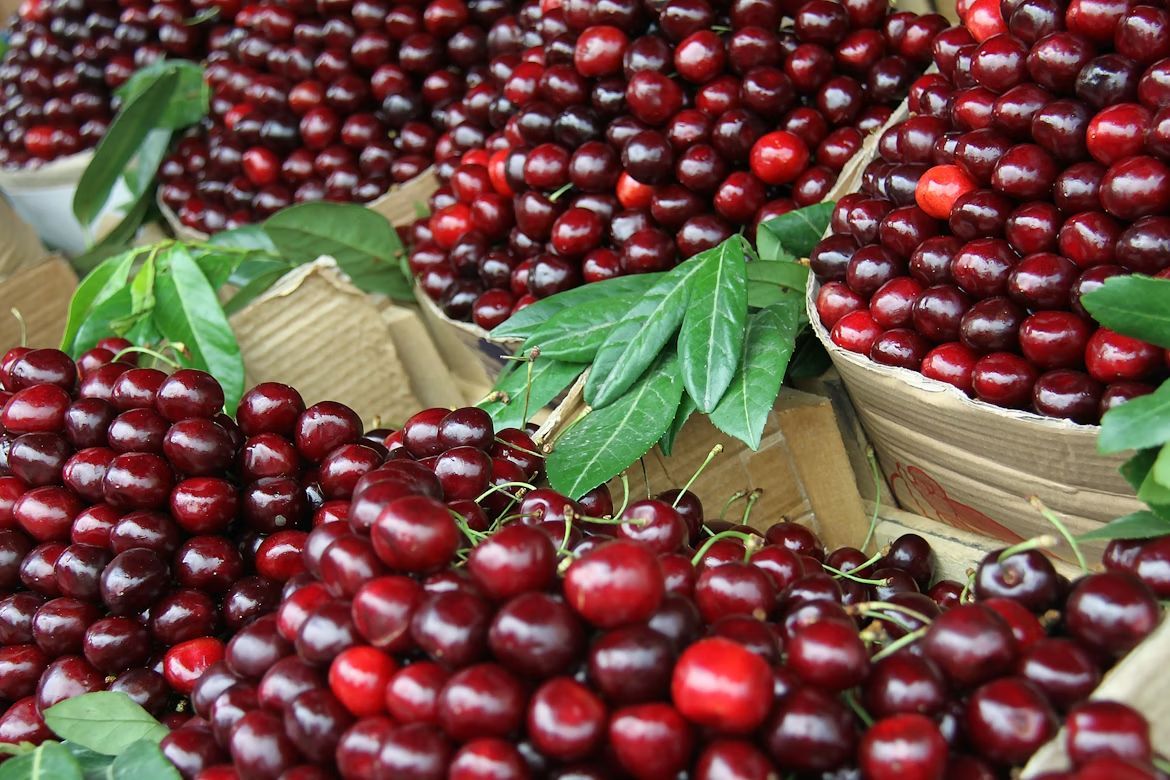
Image: Reza Yaghoobian

Michigan's cherry country goes absolutely bonkers every July with eight days of cherry-flavored everything in one of the prettiest settings you'll ever see. We're talking cherry pie-eating contests, cherry pancake breakfasts, cherry salsa, and enough cherry wine to make you wonder why you ever drank grape-based beverages.

The festival isn't just about cherries: there are air shows, parades, live concerts, and a sand sculpture contest that'll make you feel inadequate about your beach castle skills. You can even participate in the Very Cherry 5K if you want to pretend you're being healthy before eating your weight in cherry pie.

4
New Orleans Wine & Food Experience - New Orleans, Louisiana
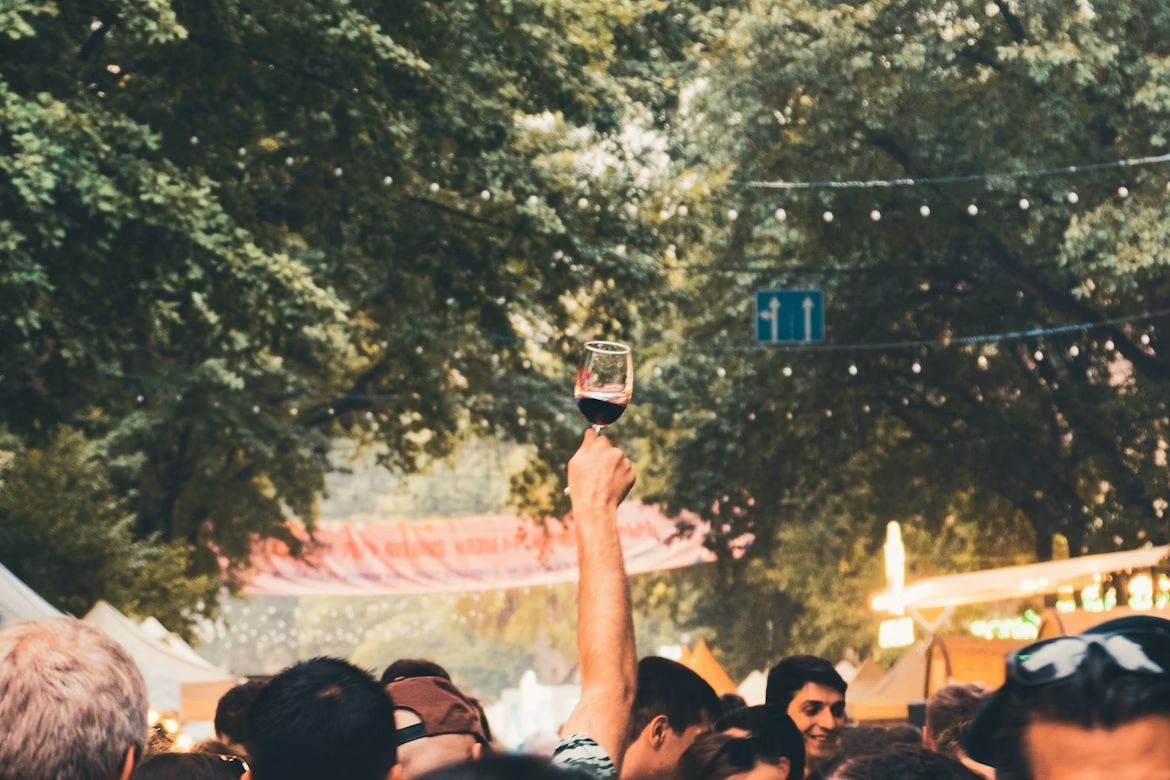
Image: Yuri Krupenin

Every May, this city throws a five-day celebration that combines world-class wine with Creole and Cajun cuisine. This is a sophisticated affair with celebrity chef dinners, wine seminars, and events in stunning French Quarter locations that make you feel fancy even with hot sauce on your shirt.

The Royal Street Stroll is the main event, where you can sample dishes from over 50 restaurants while sipping wine and listening to jazz, because New Orleans doesn't do anything halfway. This festival showcases why New Orleans is considered one of America's greatest food cities.

5
Taste of Chicago - Chicago, Illinois
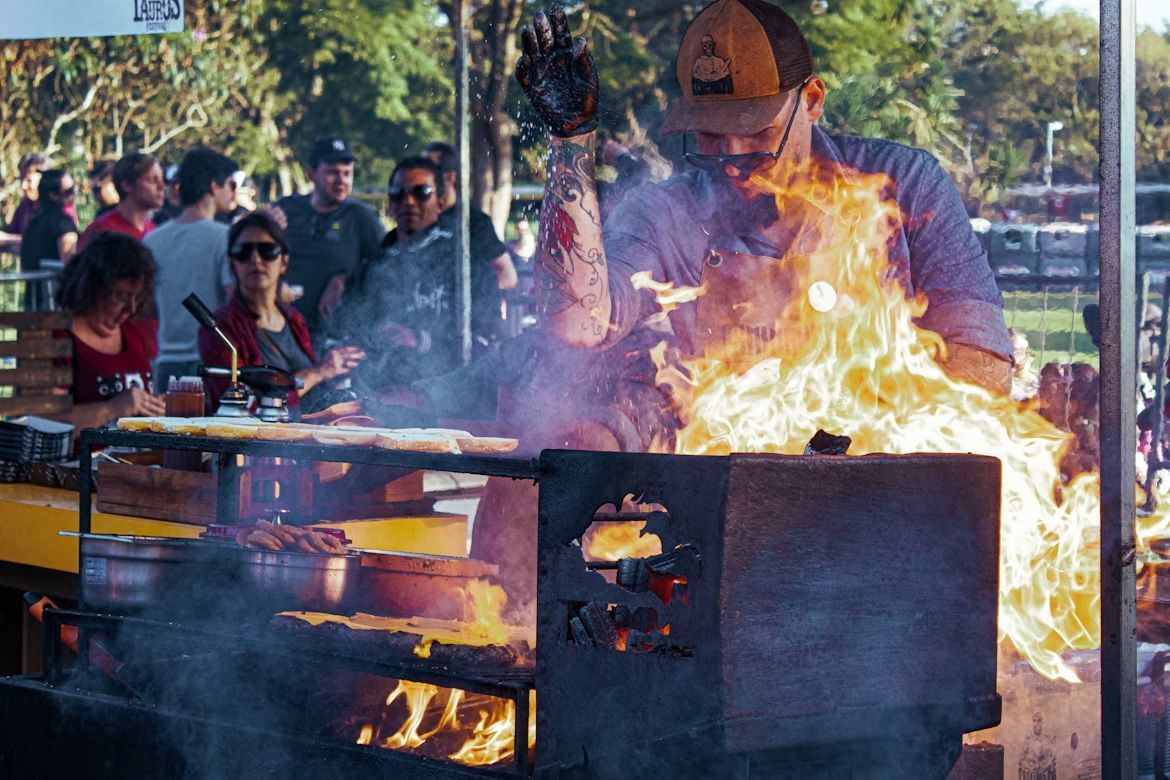
Image: Stéfano Girardelli

The Windy City hosts one of the world's largest food festivals every July, transforming Grant Park into a massive outdoor dining room where deep-dish pizza competes with Italian beef sandwiches for your affection. Since 1980, this free-admission festival has been drawing millions of visitors who want to sample Chicago's legendary food scene without the hassle of restaurant reservations.

With over 300 menu items from dozens of local restaurant s, you can eat your way through Chicago's diverse neighborhoods without leaving the park. There are cooking demonstrations from celebrity chefs, live music on multiple stages, and enough food vendors to ensure you'll need a nap by 2 PM.

6
Hatch Chile Festival - Hatch, New Mexico
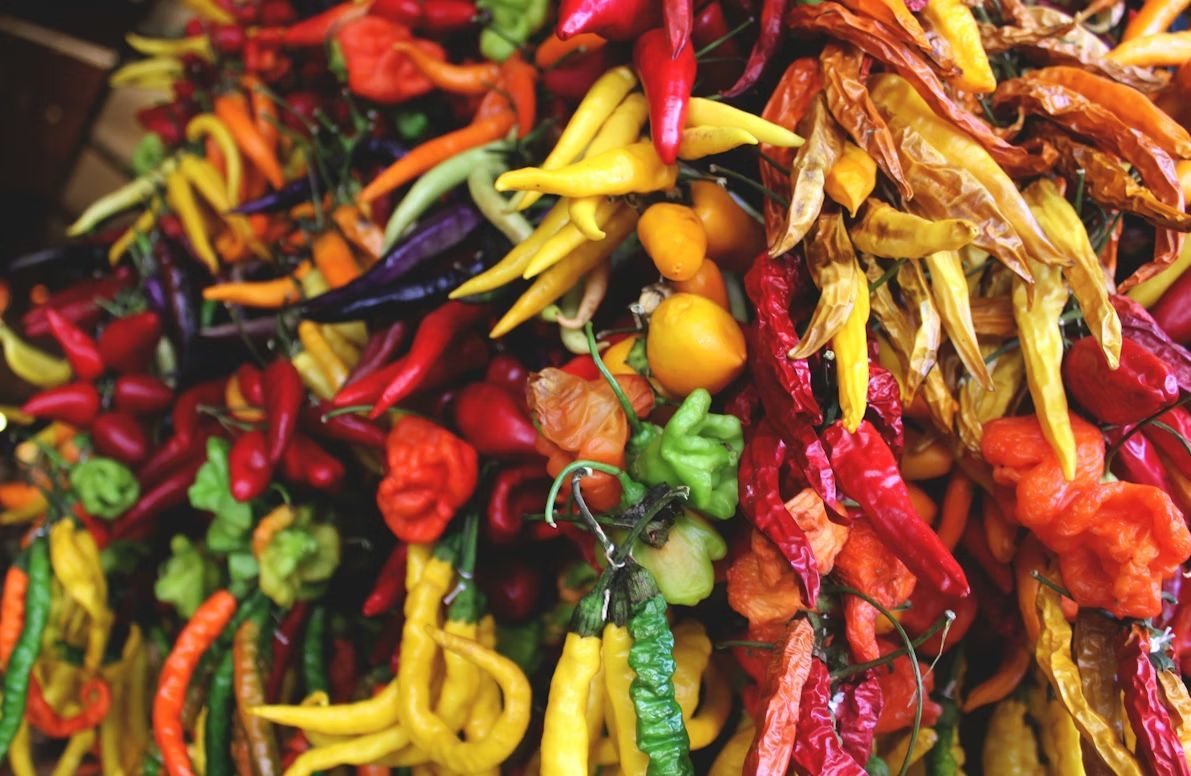
Image: L'Odyssée Belle

Every Labor Day weekend, this tiny town of 1,600 people swells to over 30,000 as chile pepper fanatics make their annual pilgrimage to the "Chile Capital of the World." The Hatch chile is famous for its unique flavor—earthy, smoky, and just spicy enough to make things interesting without requiring a fire extinguisher. You'll find them roasted, stuffed, turned into salsa, baked into bread , and mixed into ice cream for the adventurous.

The festival is wonderfully unpretentious, with a parade featuring the Chile Queen, live music, arts and crafts, and the kind of small-town charm that makes you want to move to New Mexico. Watching massive roasters tumble thousands of fresh chiles while their aroma fills the air is oddly mesmerizing.

7
Pebble Beach Food & Wine - Pebble Beach, California
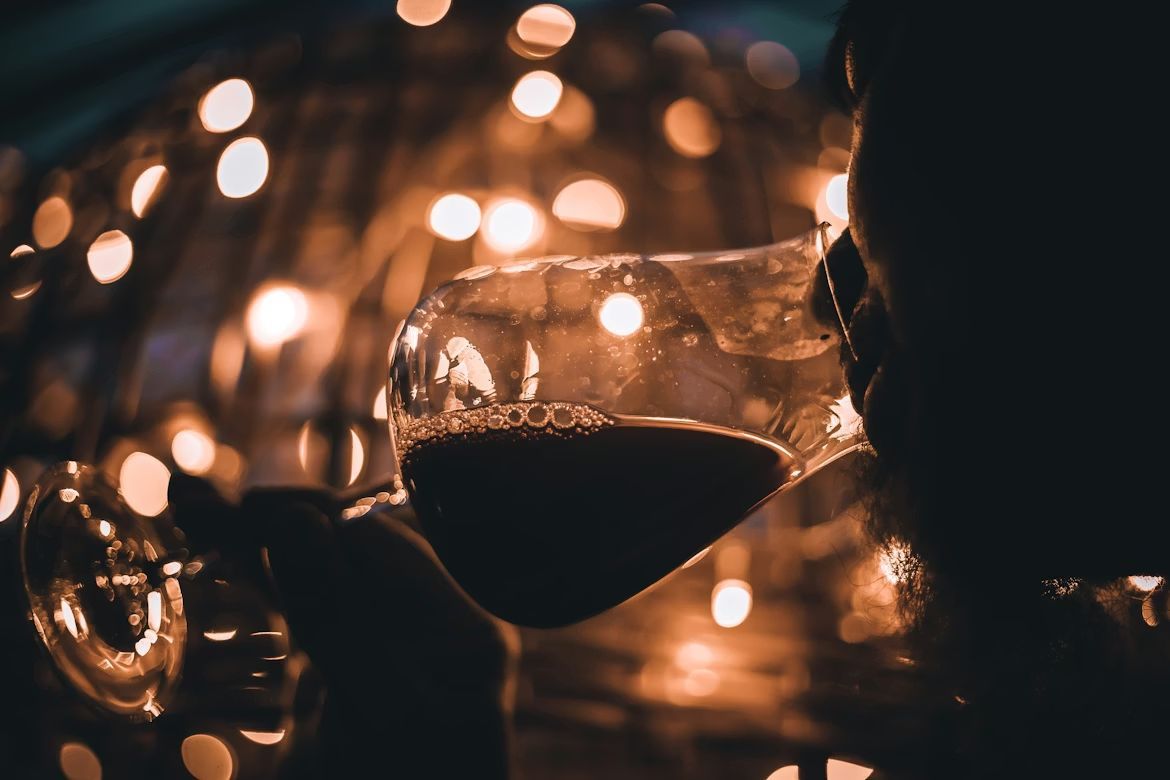
Image: Phakphoom Srinorajan

This April event on the stunning Monterey Peninsula is where celebrity chefs, renowned winemakers, and beautiful people gather to celebrate the finer things in life. Set against the backdrop of Pebble Beach's legendary golf courses and dramatic coastline, this is food festival luxury at its finest, with Grand Tasting pavilions, intimate chef dinners, and wine seminars.

You might spot a celebrity chef or two wandering around, and the event attracts serious food lovers willing to splurge for unforgettable culinary experiences. From fresh seafood to innovative cuisine that looks too pretty to eat, this festival proves that California knows how to combine stunning scenery with exceptional food.

8
Vermont Cheesemakers Festival - Shelburne, Vermont
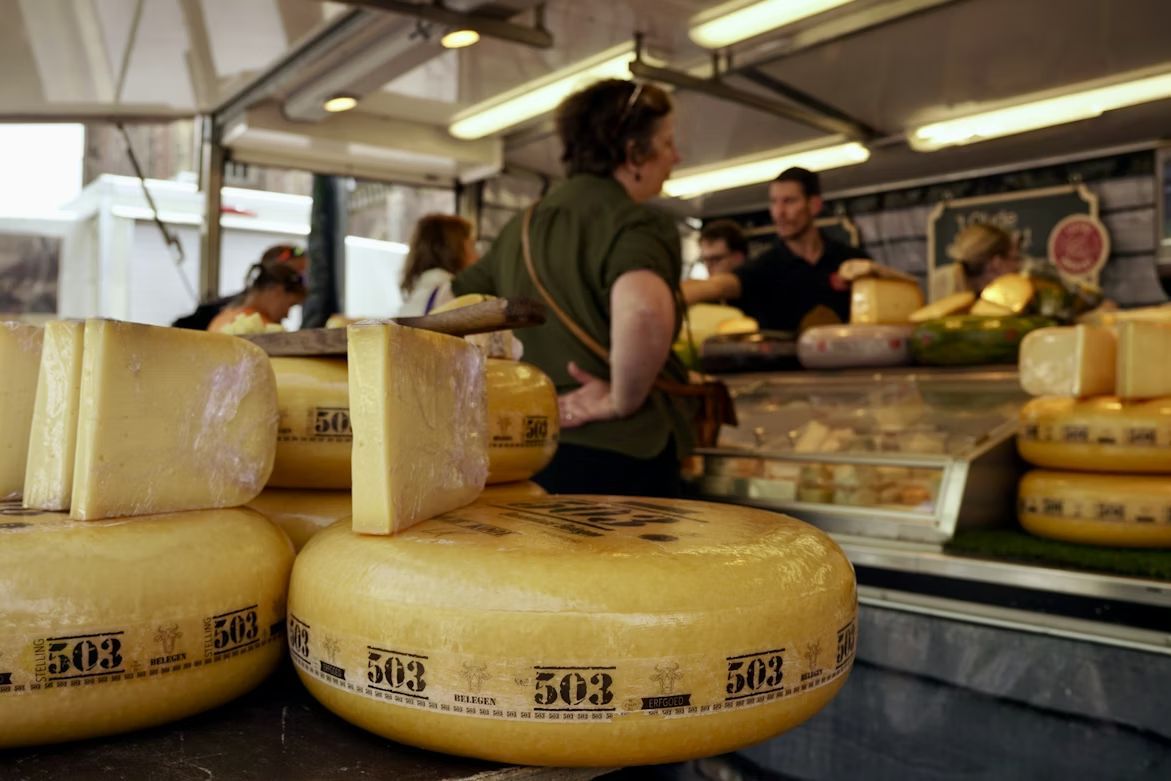
Image: Luba Glazunova

Every August, cheese lovers gather at Shelburne Farms, a stunning 1,400-acre estate overlooking Lake Champlain, for what might be the most civilized food festival in America. We're talking award-winning artisan cheeses from over 40 local cheesemakers, paired with local beers, ciders, and wines in a setting so picturesque you'll think you've wandered onto a movie set.

The festival celebrates Vermont's thriving cheese culture with tastings, demonstrations, and plenty of opportunities to chat with the actual cheesemakers who'll explain why their cheddar is superior to everyone else's (they're all correct, somehow). Live music, children's activities, and farm tours round out the experience, making it perfect for the whole family.

9
Epcot International Food & Wine Festival - Orlando, Florida
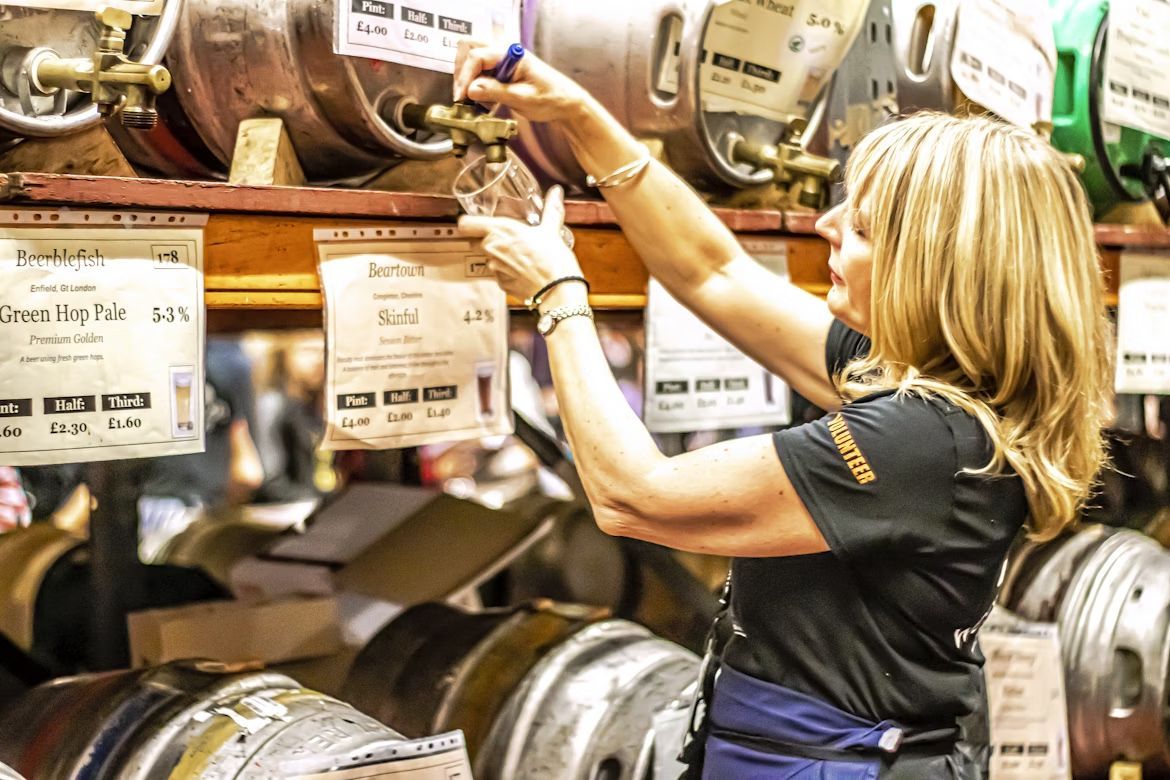
Image: Paul Lievens

Disney World's Epcot park transforms every fall into a global food court, with over 30 international marketplaces serving small plates from around the world. Running from late August through November, this is the longest food festival on our list, giving you plenty of chances to "drink around the world" while pretending you're culturally enriching yourself. From French wine to German beer to Canadian pretzel bread, you can passport-stamp your palate without airport security.

Sure, it's touristy, but it's also surprisingly delicious and incredibly convenient—where else can you eat in Morocco, drink in Italy, and catch fireworks over a lagoon all in one afternoon? Celebrity chef demonstrations, beverage seminars, and live concerts (included with park admission) make this festival a surprising value despite Disney's reputation for expensive hot dogs.

10
Boudin, Bourbon & Beer Festival - New Iberia, Louisiana
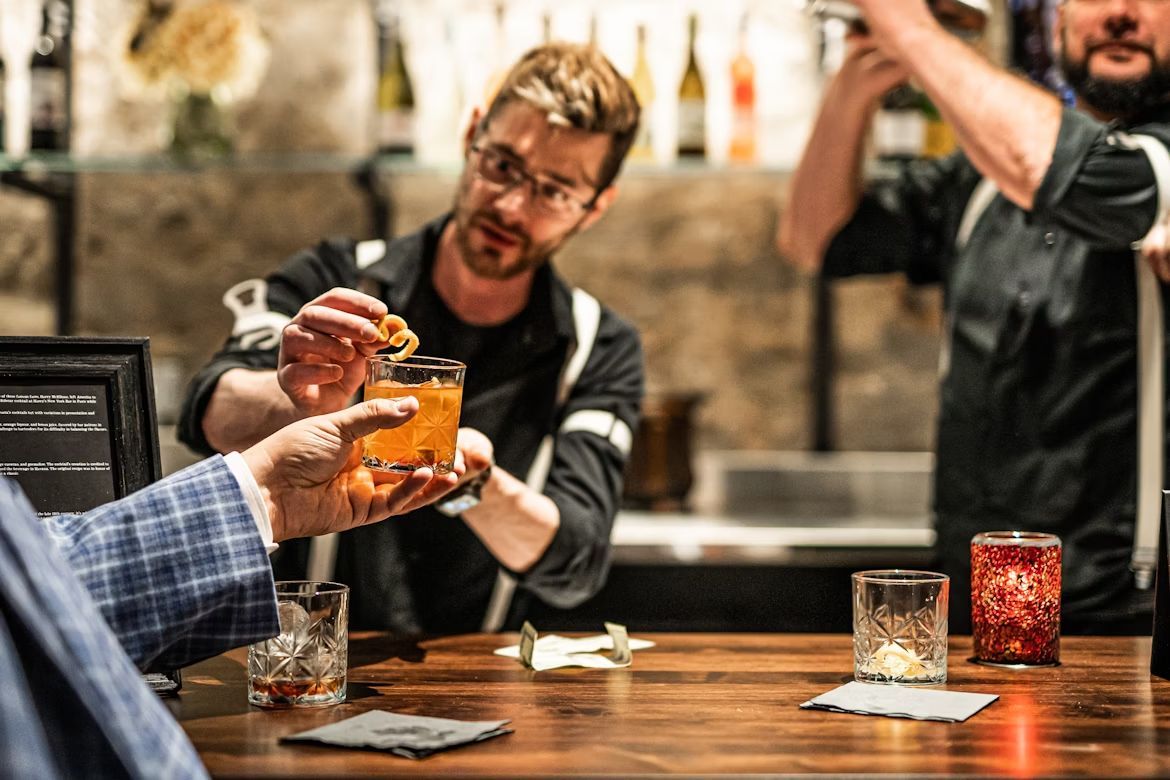
Image: Hybrid Storytellers

In October festival celebrates the holy trinity of Louisiana living: boudin sausage, bourbon, and beer. Held in the charming downtown district, this relatively new festival has quickly become a favorite for anyone who wants to experience authentic Cajun culture .

Local restaurants compete for the best boudin recipe while musicians play zydeco and Cajun music that'll have you dancing whether you know how or not. The bourbon and beer selections showcase both Louisiana craft beverages and national favorites, creating pairing opportunities you never knew you needed.

History History 4 min read

AMERICANA FLASHBACKS

From Rock’n Roll to Suburbia: 10 defining moments of 1950s America

Image: Brett Jordan

The 1950s was a turning point in American history. A decade marked by innovation and prosperity, this era witnessed major societal shifts, ranging from technological advancements to the emergence of iconic brands and cultural phenomena like rock 'n' roll. It also saw the rise of the civil rights movement and the beginning of the Cold War, kickstarting a new global era. As Americans dreamed of space exploration and new technologies, they suddenly gained access to unprecedented comforts. Here are 10 hallmarks of this remarkable time.

1
Rock 'n' Roll Revolution

Image: Provincial Archives of Alberta

The 1950s marked the explosive rise of rock 'n' roll, with artists like Elvis Presley, Chuck Berry, and Little Richard leading the charge. This novel genre blended rhythm and blues with country, creating an energetic and rebellious sound that resonated with the youth.

Rock 'n' roll quickly became a cultural phenomenon, challenging traditional norms and promoting a new sense of freedom and expression. But the genre's influence extended way beyond music, as it impacted fashion, dance, and even social attitudes. As a symbol of teenage rebellion, it is now considered a catalyst for the social revolutions of the 1960s.

2
Space Race Begins

Image: Brian McGowan

The Space Race, ignited by the Soviet Union's launch of Sputnik in 1957, became a key aspect of the Cold War rivalry between the United States and the USSR. In response, the U.S. accelerated its space program, leading to the creation of NASA in 1958.

The race to space was not just a technological competition but also an ideological battleground. It captured the American imagination, inspiring dreams of exploration and boundless innovation. This era laid the groundwork for major achievements, including the Apollo moon landing, forever cementing the United States’ place in the history of space exploration.

3
Television Takes Over

Image: Randy Jacob

The 1950s also saw television become the dominant medium of entertainment and information in American households. With the widespread adoption of TV sets, shows like I Love Lucy and The Ed Sullivan Show brought families together and became cultural touchstones, influencing fashion, language, and social norms.

Simultaneously, television's ability to massively broadcast news and live events made it a powerful tool for shaping public opinion. As the number of channels and programs grew, television became a central part of American life, affecting politics, advertising, and culture in general.

4
Fast Food Frenzy

Image: Alora Griffiths

The fast food industry boomed in this decade, revolutionizing the American dining experience. Chains like McDonald's, founded in 1955, popularized the concept of quick and affordable meals. This phenomenon was also closely tied to the emerging car culture, as drive-thru restaurants became commonplace.

This convenience appealed to the growing suburban population and busy families, making fast food synonymous with modernity, speed, and the American lifestyle.

5
Iconic Cars

Image: Photo Person

A golden age for American automobiles, the 1950s saw the emergence of iconic models like the Chevrolet Bel Air, Cadillac Eldorado, and Ford Thunderbird . These streamlined machines were not only more affordable than ever but also captured the public's imagination with their enhanced comfort and sophistication.

Cars soon evolved from mere transportation to symbols of status, freedom, and identity. Their innovative designs, characterized by chrome, tailfins, and vibrant colors, reflected the themes of the Space Age and the technological optimism of the era.

6
The Birth of Teenagers

Image: Fern M. Lomibao

While today we think of adolescence as a normal stage of life, the concept of the teenager as a distinct demographic didn’t truly emerge until the 1950s. With increased disposable income, young people soon became a powerful consumer group, influencing fashion, music, and entertainment.

They flocked to new cultural phenomena like rock 'n' roll, drive-ins, and soda fountains. By challenging traditional authority, this generation of teenagers pushed for freedom and independence, in many ways setting the stage for the social changes that would unfold in the subsequent decades.

7
Modern Design

Image: Matt Briney

Characterized by clean lines, organic shapes, and an emphasis on functionality, mid-century modern design was forged during this decade. Designers like Charles and Ray Eames, Eero Saarinen, and George Nelson became iconic figures, creating furniture, architecture, and household items that seamlessly blended form and function.

Technological advancements and the introduction of new materials, such as molded plywood, fiberglass, and plastics, enabled innovative and affordable designs. To this day, futuristic design remains closely associated with mid-century modern aesthetics.

8
Consumer Culture

Image: Jaxon Gee-Dub

This era marked the rise of consumer culture in America, with the proliferation of advertising and the introduction of new products. Brands like Coca-Cola, Pepsi, General Electric, and RCA became household names, and synonymous with the abundance and convenience of modern American life.

Shopping emerged as a popular pastime, with the expansion of department stores and the advent of shopping malls, which consolidated a variety of stores under one roof. As a result, for many, the pursuit of happiness became increasingly intertwined with the acquisition of material goods.

9
The Cold War Era

Image: Marie Rouilly

The Cold War shaped the tense geopolitical landscape of the 1950s, with the United States and the Soviet Union locked in a prolonged ideological struggle. Policies such as the "Marshall Plan" aimed to counter Soviet influence globally, while massive investments in defense and aerospace industries spurred significant technological advancements.

Fears of nuclear conflict and espionage permeated the era, influencing American culture and reflecting in movies and television. Despite these anxieties, the Cold War also fostered a strong sense of unity and patriotism as Americans rallied against a common adversary.

10
Suburban Boom

Image: Nikola Knezevic

The post-World War II era saw a massive migration to the suburbs, spurred by economic prosperity, supportive legislation such as the GI Bill, and a desire for affordable housing. Suburban developments like Levittown offered uniform, mass-produced homes that were accessible to middle-class families.

This suburban expansion reshaped American society, fostering a culture centered around family life, homeownership, and car-centric lifestyles. The move to the suburbs also led to the growth of shopping malls, schools, and community organizations, creating a distinct suburban culture that came to define the American Dream.

History History 5 min read

Marketing experts!

Can you see the arrow in the logo? 12 American brands' logos decoded!

Image: KelvinStuttard

Logos are everywhere: on billboards, coffee cups, your favorite gadgets—you name it! But how much attention do we really pay to the stories behind them? For example, did you know about the hidden arrow in the FedEx logo? And what about Tesla—is it just a T, or is there more to it? Big brands, big logos, big backstories —of course! Let’s take a fun dive into 12 iconic American brand logos and the hidden tales they tell.

1
Disney: A signature of magic

Image: Gui Avelar

Some logos inspire happiness at first glance, don’t you think? Walt Disney’s logo is a perfect example for us. It’s playful and inviting, and that’s because it’s modeled after Walt Disney’s very own signature, or at least an artistic version of it.

The truth is that Walt’s actual handwriting looked pretty different from the logo we know today because he changed his signature frequently, making it nearly impossible to determine if this version was ever truly his. In any case, it was very successful, and if you ask us, this logo screams "happily ever after."

2
McDonald’s: Golden arches or hidden symbol?

Image: Janet Ganbold

The moment you see a golden "M," your mouth starts watering, doesn’t it? However, the famous Golden Arches weren’t always part of McDonald’s logo history.

Back in the 1950s, they were part of the restaurant’s architecture, we mean actual arches on either side of the building!

When designing a logo, the company leaned into that imagery to create something unforgettable. Well, they definitely did it! And we’re lovin’ it!

3
Coca-Cola: Scripted for success

Image: Efekan Akyüz

That classic Coca-Cola logo has remained surprisingly consistent since 1887. The secret? A font called Spencerian Script, which was highly fashionable back in the late 19th century.

The smooth, flowing letters give it a friendly, approachable feel, it’s like an invitation to "have a Coke and a smile."

Over the years, the brand played with design elements (remember the old glass bottles?), but the logo’s handwritten charm never wavered. The old-school way truly is the best way in some cases.

4
Dove: A symbol of softness

Image: Akshay Bandre

Some logos are so powerful, that you can almost taste them. In this case, you can smell and feel it at the same time. Have you ever noticed the graceful bird on Dove products? That dove isn’t just for show, it represents peace, gentleness, and care , which is exactly what the brand aims to evoke.

When Dove first launched in 1955, its messaging was all about moisturizing and being kind to your skin. The logo, paired with the brand’s soothing colors, reinforces that sense of softness. It’s one of those designs that just feels good, even before you try the products.

5
Amazon: The smile that points the way

Image: Christian Wiediger

The story behind the name is quite fascinating, but let’s focus on the logo. Amazon’s logo isn’t just a smile—it’s a smile with a purpose. Look closely, and you’ll notice the arrow stretches from "A" to "Z," symbolizing the company’s goal to offer everything you could ever need.

And that curved arrow? It’s designed to look like a grin, giving the brand a friendly, customer-first vibe. With a logo this clever, it’s no surprise they’ve grown into an online shopping powerhouse. This is the kind of logo we like—what about you?

6
Google: The colors of curiosity

Image: sarah b

At first glance, one might think Google just put together the letters, chose random colors, and launched the site. But that’s definitely not the case—this logo is packed with meaning.

To begin with, they are not random colors, they are primary colors, chosen to represent creativity and approachability .

As for the unexpected green "L," it’s a nod to the idea that Google likes to break the rules (in a good way, of course). Over the years, the company has refreshed the logo’s font and shading, but the vibe remains the same. And let’s not forget about the festive Doodles—they’re genius!

7
Starbucks: From the sea to your cup

Image: Athar Khan

That green mermaid on your Starbucks cup? She’s actually a two-tailed siren, inspired by an old Norse woodcut. Why a siren, you may ask? Well, the brand wanted to evoke the allure of coffee as something irresistible —like a siren’s call.

Over time, the logo has evolved, losing the "Starbucks Coffee" text to let the siren shine on her own. Curious enough, the first design included the name of the company on the outer part of the circle, but they decided to eliminate that and let the siren do all the luring work on her own!

8
FedEx: The arrow you didn’t see

Image: Jan Rosolino

FedEx has one of the sneakiest logos in the business world. Between the "E" and the "X," there’s a hidden arrow that represents speed and precision . And once you see it, you can’t unsee it!

This wasn’t the original version, though. Designed in 1994, the logo is a masterclass in subtlety and clever branding, much like Amazon’s. It’s a perfect fit for a company that prides itself on delivering packages quickly and efficiently.

9
Domino’s: Three dots, infinite pizza

Image: Miroslav Denkov

Speaking of logos you can taste, right? Domino’s logo features three dots, which represent the first three locations of the pizza chain .

Originally, the company planned to add a new dot for every store they opened. Can you imagine if they had kept that idea? They quickly realized that wouldn’t work with their explosive growth.

Paired with the iconic red and blue colors, the logo is as comforting as a fresh box of pizza. And let’s be real—who doesn’t love their pizza?

10
Tesla: An electric secret

Image: Tesla Fans Schweiz

Tesla’s sleek, futuristic logo isn’t just a fancy "T"; it’s actually a nod to the company’s cutting-edge tech. The "T" is designed to resemble a cross-section of an electric motor, tying into Tesla’s mission of revolutionizing transportation .

Pair that with its clean lines and modern vibe, and you’ll see that the logo feels as innovative as the cars themselves. It’s a perfect example of branding that matches the product: bold, forward-thinking, and undeniably cool. What do you think?

11
Levi’s: A stitch in time

Image: Mnz

Few pieces of clothing are as iconic as a pair of Levi’s, right? That’s because both the item and the logo are equally simple, bold, and instantly recognizable .

The classic red tab is the result of eight redesigns. The first version of the logo included two horses pulling in opposite directions of a pair of jeans, trying to rip them—and failing, of course! But that was just the beginning.

The logo we know today was introduced by the same designer who worked on Coca-Cola’s script and the inspiration was the stitching on the back pocket of the jeans. The rest, as they say, is comfortable and durable history!

12
Pepsi: A logo full of energy

Image: Ja San Miguel

This article comes to an end with a classic brand. Pepsi’s logo has gone through dozens of iterations, but the current design—a red, white, and blue globe—is packed with meaning.

The wavy lines represent energy and dynamism, while the patriotic colors nod to its American roots, naturally. And if you were doubtful that it represents our country, you can read the 27-page redesign manifesto from 2008, which reportedly cost millions and came with a full explanation of its symbolism!

Explore more American facts

Choose your favorite category!

General
General

As American as apple pie—the very best America has to offer!

Culture
Culture

Delve into the astounding richness of American lore.

Geography
Geography

Hop in and explore vast and diverse American landscapes.

History
History

Discover the key moments that shaped the United States.