Geography Geography 4 min read

Sights for snapping

From Wrigley Field to Cinderella's Castle, 12 photo spots tourists love

Image: Younho Choo / Leonardo Miranda

Since social media allows people to tag the locations of their photos, it’s pretty simple to determine the most photographed spots in each city—or even each state! Some are easy to guess, like Central Park or the Grand Canyon. But we hope some of the spots on this list will surprise you. Read on to find out if you already have selfies with any of these backdrops!

1
Grand Canyon

Image: Tim Hart

The Grand Canyon: Every angle seems worthy of a picture! This Arizona landmark is truly awe-inspiring, and very few would be able to visit without wanting to take home endless photos of it.

Whether you capture shots from the rim, hike to the bottom, or take a mule ride, the views are simply unforgettable. Hoover Dam is the second most photographed spot in Nevada—a worthy opponent!

2
Central Park

Image: Jermaine Ee

Not only is New York’s gem the most filmed park, but it’s also the most photographed in the state!

A stroll through the oasis that is Central Park always merits a picture or two. Scenic green spaces, bike and boat rides, flower gardens, and even a zoo—there’s no shortage of photo-worthy spots. That’s enough to surpass the number of pictures taken from the Empire State Building and even Niagara Falls upstate.

3
Hilton Hawaiian Village Waikiki Beach Resort

Image: Nico Smit

Picture this: you, a Mai Tai, and the sparkling Pacific Ocean. That’s the vibe at the Hilton Hawaiian Village Waikiki Beach Resort, the most photographed spot in the Aloha State.

A paradise on Oahu’s famous Waikiki Beach, this resort—featuring its iconic Rainbow Tower, lush gardens, and multiple pools—certainly has no shortage of social-media-worthy corners.

4
Mount Rushmore National Memorial

Image: Connor Gan

This one wasn’t hard to guess. South Dakota’s most photographed spot is Mount Rushmore National Memorial, a truly awe-inspiring sight: the 60-foot faces of Presidents Washington, Jefferson, Roosevelt, and Lincoln carved into the granite mountainside.

Did you know it took 14 years to complete and involved over 400 workers? Arguably, it deserves all the attention it still gets.

5
Disney's Magic Kingdom

Image: Brian McGowan

Another easy guess: the most magical place on Earth! Disney’s Magic Kingdom in Florida is undoubtedly one of the most popular spots for tourists—and that’s in a state known for its paradisiacal beaches, like those in Miami and Key West!

It seems that castles, parades, fireworks, and timeless characters are enough to win the hearts of most Florida visitors.

6
Red Rocks Amphitheatre

Image: https://images.unsplash.com/photo-1701919747996-1e9531dde0a9?

A one-of-a-kind outdoor venue, Red Rocks Amphitheatre in Colorado undoubtedly takes home the prize. Nestled among stunning red rock formations, this dramatic landscape looks even more breathtaking at sunrise.

Imagine an epic rock concert there—or simply the joy of standing at its center and hearing your voice naturally amplified.

7
Wrigley Field

Image: Blake Guidry

Whether you're a Chicago fan or not, the unwritten rule for tourists is simple: if you walk by Wrigley Field, you snap a picture. It’s a baseball lover’s dream and a must-see for any visitor to the Windy City.

Home to the Chicago Cubs, this historic ballpark has witnessed its share of legendary moments, from Babe Ruth’s called shot to the Cubs’ unforgettable 2016 World Series win. It even appears in more pictures than The Bean or Navy Pier!

8
Philadelphia Museum of Art

Image: Chang Ye

Is the movie Rocky to blame? Maybe. The Philadelphia Museum of Art houses an impressive collection of masterpieces from around the world. But let's be honest—most people just want to photograph or film themselves conquering the "Rocky Steps."

In the famous movie, the protagonist climbs those stairs daily as part of his training before his big triumph. His fists-up gesture is so famous that they even added a statue of him nearby! After your triumphant run and snapshots, take some time to explore the museum’s galleries and admire its stunning architecture.

9
Virginia Beach Oceanfront

Image: Daniel Halseth

Sun, sand, and surf! Virginia Beach Oceanfront is the perfect destination for a classic beach getaway.

A scenic boardwalk, fresh seafood, and a towering 12-foot bronze statue of King Neptune are all frequent subjects of photos taken in this area. Even the occasional seagull makes for a popular portrait choice!

10
Brown University

Image: Keming Tan

Several universities rank among the most photographed spots in their states, and Brown University is no exception! This Rhode Island Ivy League school boasts a beautiful historic campus, complete with Gothic architecture and an intellectual atmosphere that captivates visitors.

Brown’s campus is so popular and charming that online tours are available for people to explore from the comfort of their own computers!

11
Disneyland

Image: Brandi Alexandra

Did you see it coming? Another Disney win! The original theme park, located in Anaheim, California, appears in more photos than the Santa Monica Pier, Golden Gate Park, or Hollywood’s Universal Studios. Walt Disney, who personally oversaw the park’s construction, would surely be proud!
Culture Culture 7 min read

Uncover the King

He wasn't born with that black hair: Elvis Presley's hidden secrets

Image: Loredana Sangiuliano

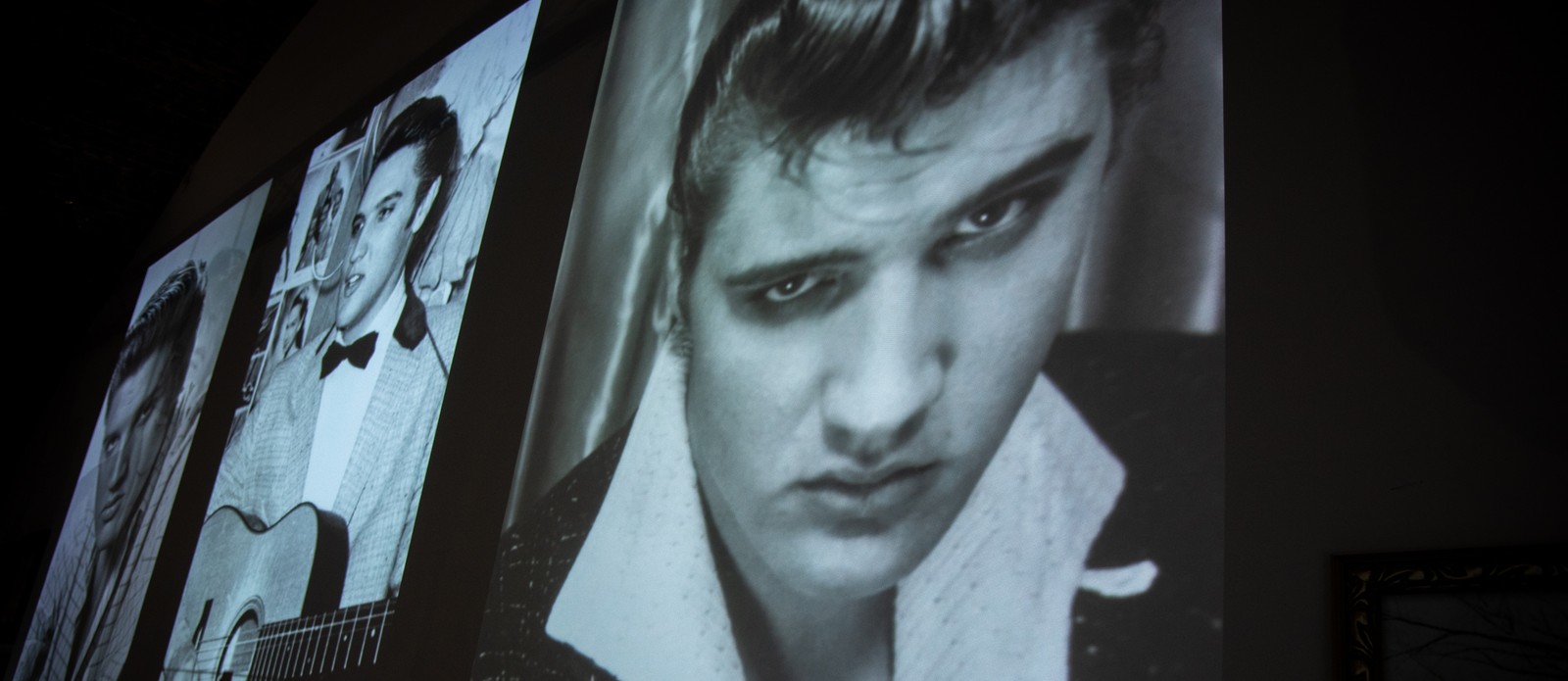
You've seen his jet-black hair in every photo, but did you know Elvis Presley was born blond? That's just the beginning. He carried his own silverware to restaurants, earned an eighth-degree black belt, and even modeled his whole look after a comic book hero. From a secret library at Graceland to a shocking meeting with President Nixon, the King kept more surprises than anyone imagined. Get ready to see the real Elvis behind the legend with these 20 little-known facts about him.

1
He never learned to read music

Image: Jeppe Gustafsson

Elvis Presley recorded hundreds of songs across rock, blues, country, and gospel, yet he never learned to read a single note of sheet music. In the studio, musicians would run through an arrangement, and Elvis would listen, absorb the melody, and memorize it entirely by ear.

He leaned on instinct and repetition rather than notation, catching every pause, key change, and harmony simply by listening closely and trying it himself. Producers and session players who worked with him often talked about how quickly he could pick up a complex arrangement without ever glancing at a chart the way trained musicians did. It never held him back. If anything, it forced him to feel each song rather than read it, which explains why his performances always sounded personal.

2
He was a natural blond

Image: DARREN ST0NE, CC BY-SA 2.0, via Wikimedia Commons

When you think of Elvis, you think of iconic pitch-black hair with sideburns. But Elvis’s hair wasn’t originally black; he was actually born a blond.

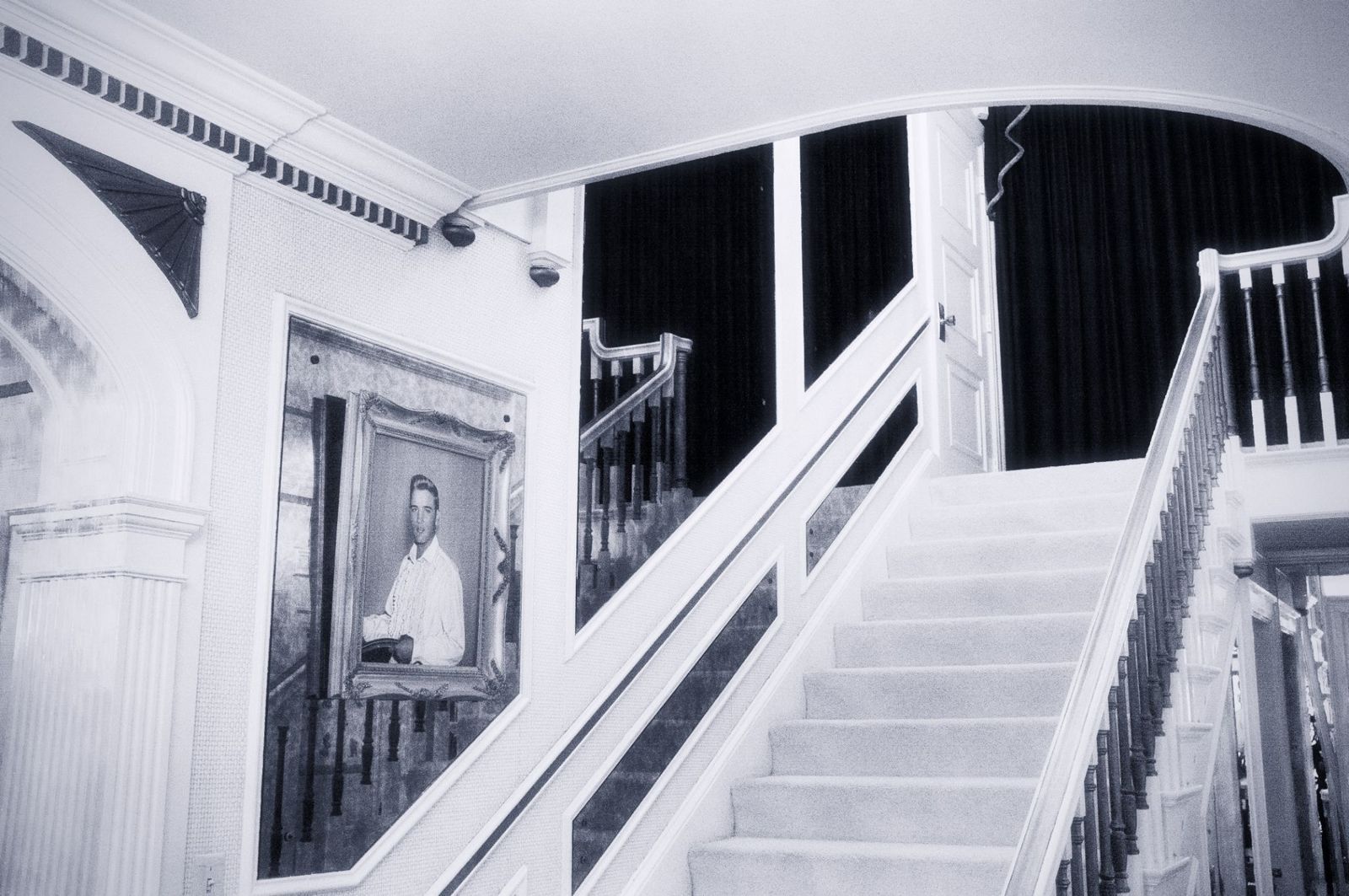
As Elvis grew up, his hair turned darker, but the darkest it got was simply a light brown. Trying to mimic the idols of the time, Marlon Brando and Tony Curtis, he started dyeing his hair dark. Now, here’s the twist: In Presley's household, money was tight, so he used black shoe polish instead. The more dramatic look came along with hit songs and money that allowed him to afford real dye, keeping the pitch-black tone which complimented his blue eyes. During his army years in Germany, dye wasn’t allowed, and his natural sandy color quietly returned. A single portrait from that era still hangs at Graceland in Memphis.

3
He had a huge badge collection, which led to a meeting with Nixon

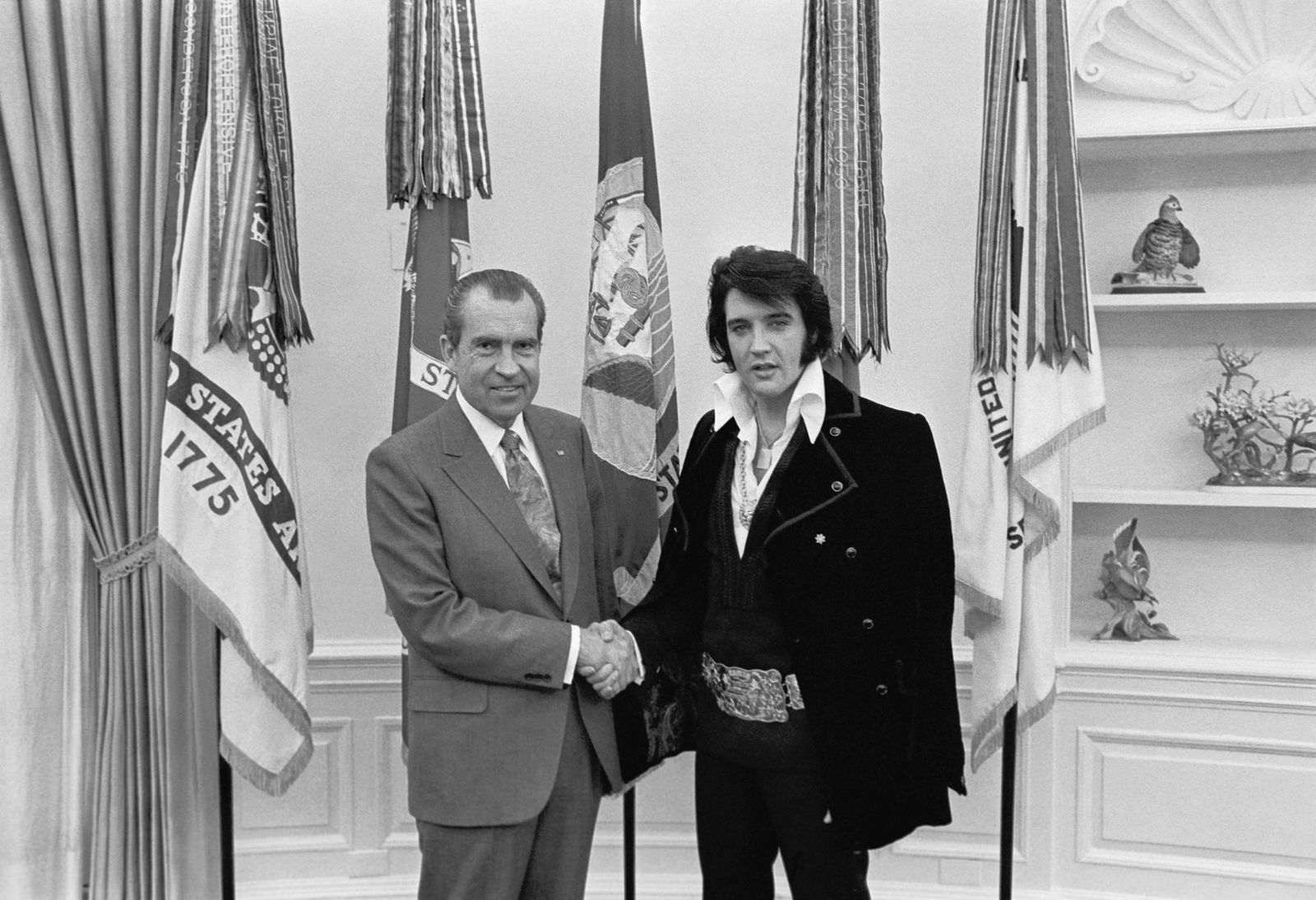
Elvis had a genuine fascination with law enforcement, and over the years he built up a personal collection of honorary badges from police departments across the country. What he really wanted, though, was a federal badge from the Bureau of Narcotics and Dangerous Drugs, and officials kept turning him down.

In December 1970, Elvis flew to Washington, D.C., and wrote President Richard Nixon a letter on the plane , offering his services in the fight against drug culture. He hand-delivered it to the White House gates before dawn. By that afternoon, Elvis stood in the Oval Office showing Nixon his badge collection while a photographer captured what became one of the most surreal photos in presidential history. Nixon agreed, and Elvis walked out with the badge his collection had been missing.

4
He auditioned for a gospel quartet and was rejected

Image: RCA Victor, Public domain, via Wikimedia Commons

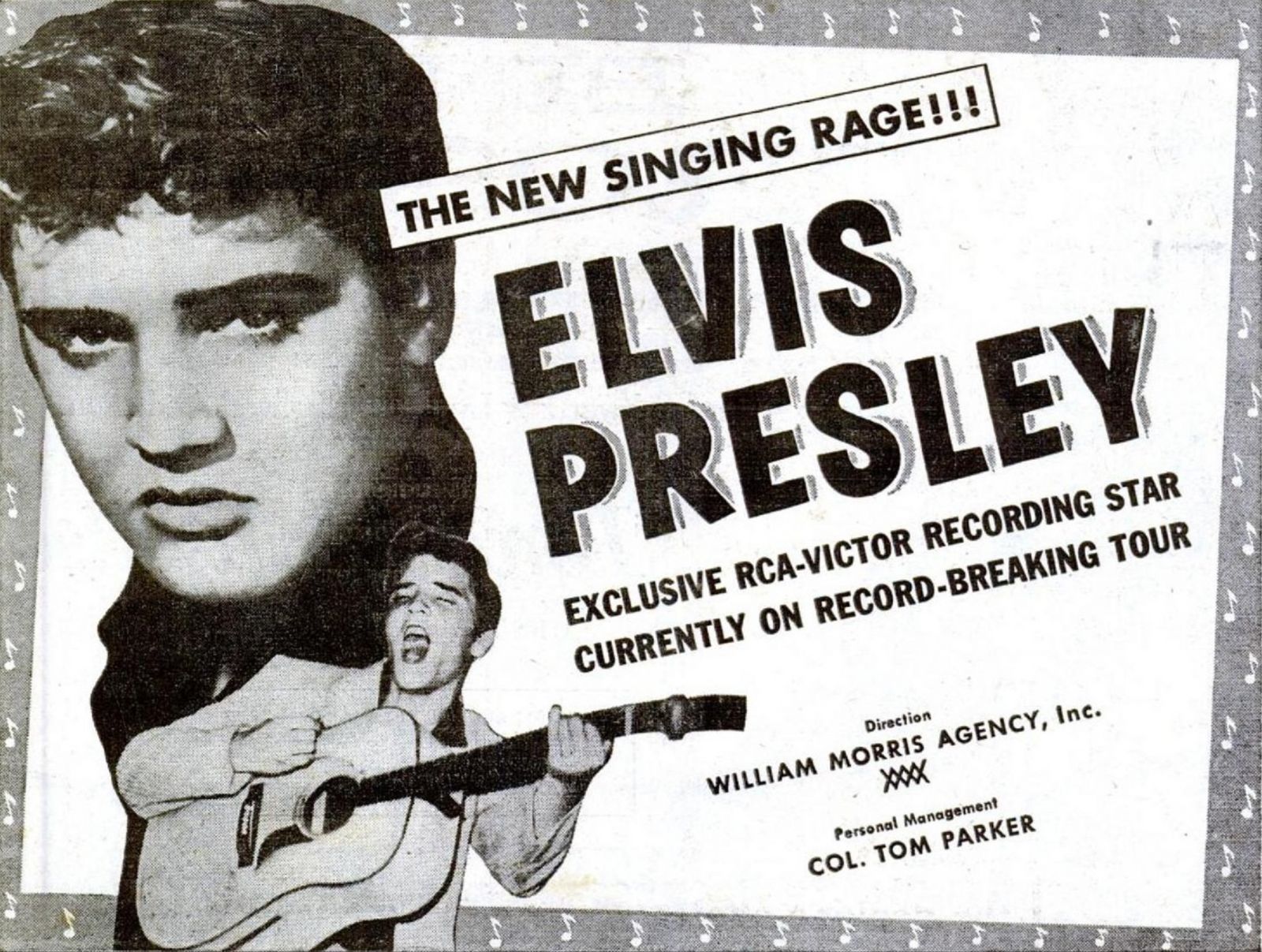
In the summer of 1954, a 19-year-old Elvis Presley tried out for the Songfellows, a Memphis gospel quartet connected to the well-known Blackwood Brothers. Elvis had grown up loving gospel music and dreamed of singing in a group like this one.

The audition did not go his way. Group member Jim Hamill later said Elvis couldn't hold his own on harmony parts at the time, and the Songfellows turned him down. Elvis went home and told his father the group said he couldn't sing. Just months later, in July 1954, he walked into Sun Records and cut his first single. Ironically, the Songfellows soon had a change of heart and invited him to join after all, but by then his solo career was already taking off, leaving gospel harmony as a road not taken.

5
His comic book hero inspired his signature look

Image: Takashi Hososhima, CC BY-SA 2.0, via Wikimedia Commons

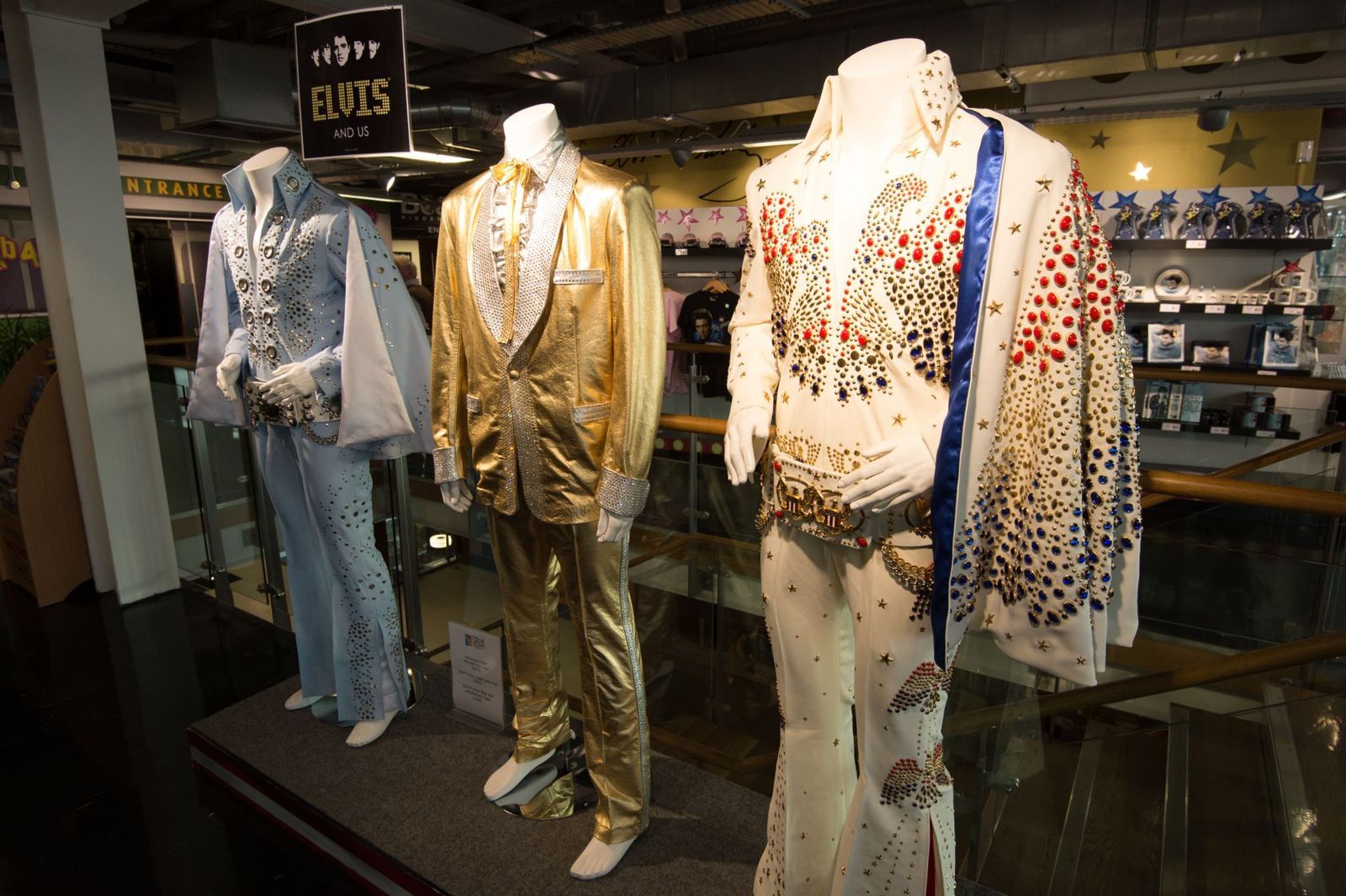
Long before Elvis designed a single jumpsuit, he was a kid in Tupelo who loved comic books, especially Captain Marvel Jr. The teenage superhero had jet-black hair with a dramatic curl, a half cape, and a lightning bolt blazing across his chest. Elvis held onto that image for the rest of his life.

His famous pompadour with its curled front piece echoes Captain Marvel Jr.'s hairstyle almost exactly. His stage capes in the 1970s mirror the hero's costume. Even his personal logo, TCB for "Taking Care of Business," built around a lightning bolt, traces back to those pages he read as a poor kid dreaming of something bigger. Graceland still keeps a box of his childhood comics in the attic, proof his whole look grew from a boyhood hero.

6
He owned a presidential yacht

Image: Sanfranman59, CC BY-SA 3.0, via Wikimedia Commons

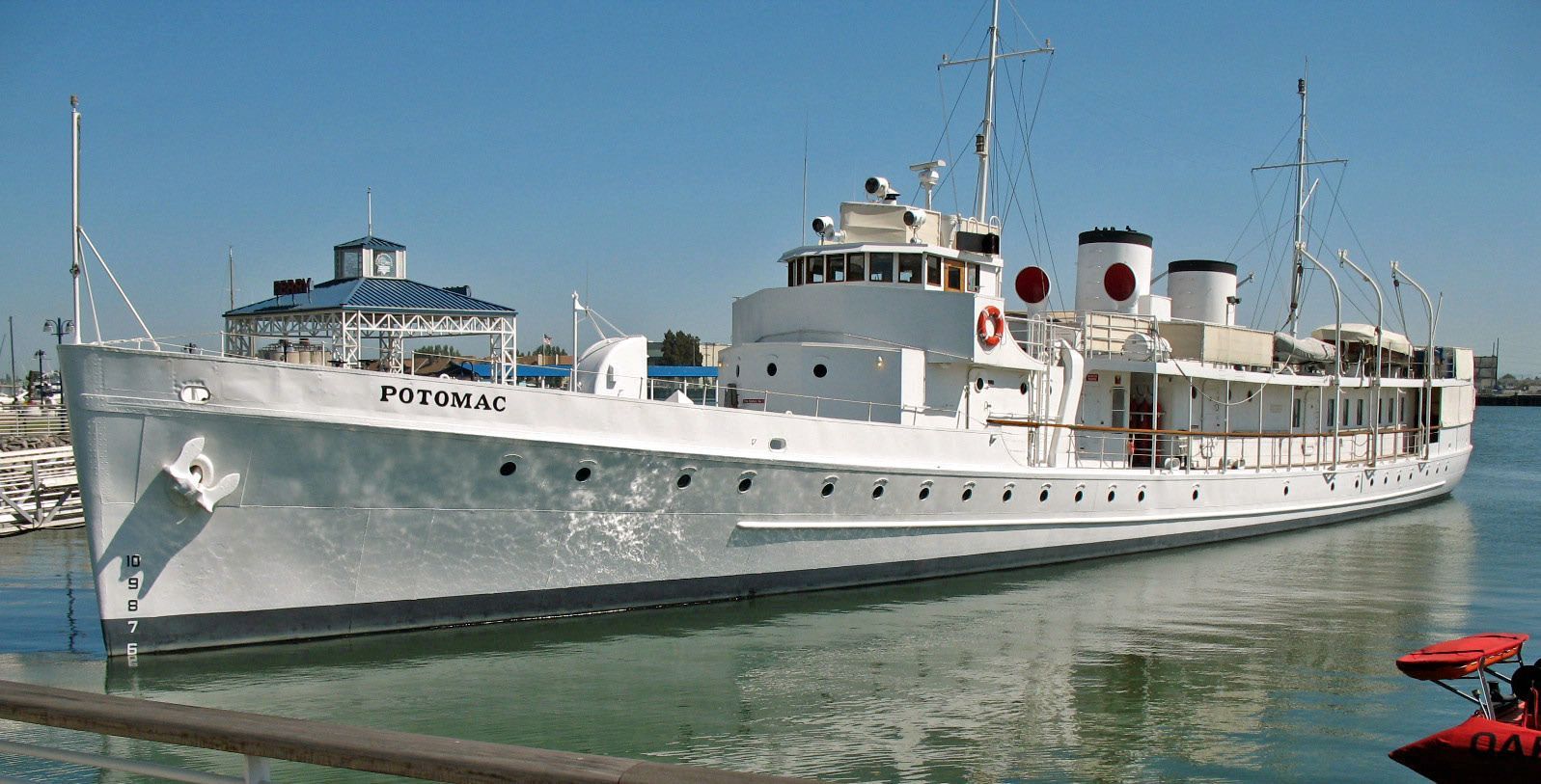
In January 1964, Elvis Presley's manager Colonel Tom Parker bought a yacht at auction in his client's name for $55,000, which would be roughly over $500,000 today. It wasn't just any yacht.

It was the USS Potomac, the vessel President Franklin D. Roosevelt had used as his floating White House throughout the 1930s and early 1940s. Elvis owned it for barely two weeks. On Valentine's Day, February 14, 1964, he handed over the deed to entertainer Danny Thomas in a public ceremony in Long Beach, California, donating the historic yacht to Thomas's new St. Jude Children's Research Hospital in Memphis. The Potomac was sold that same year to a private buyer for $65,000, every cent going straight to the hospital —one of Elvis's most generous, and least remembered, acts of charity.

7
He brought his own cutlery to restaurants

Image: New Africa

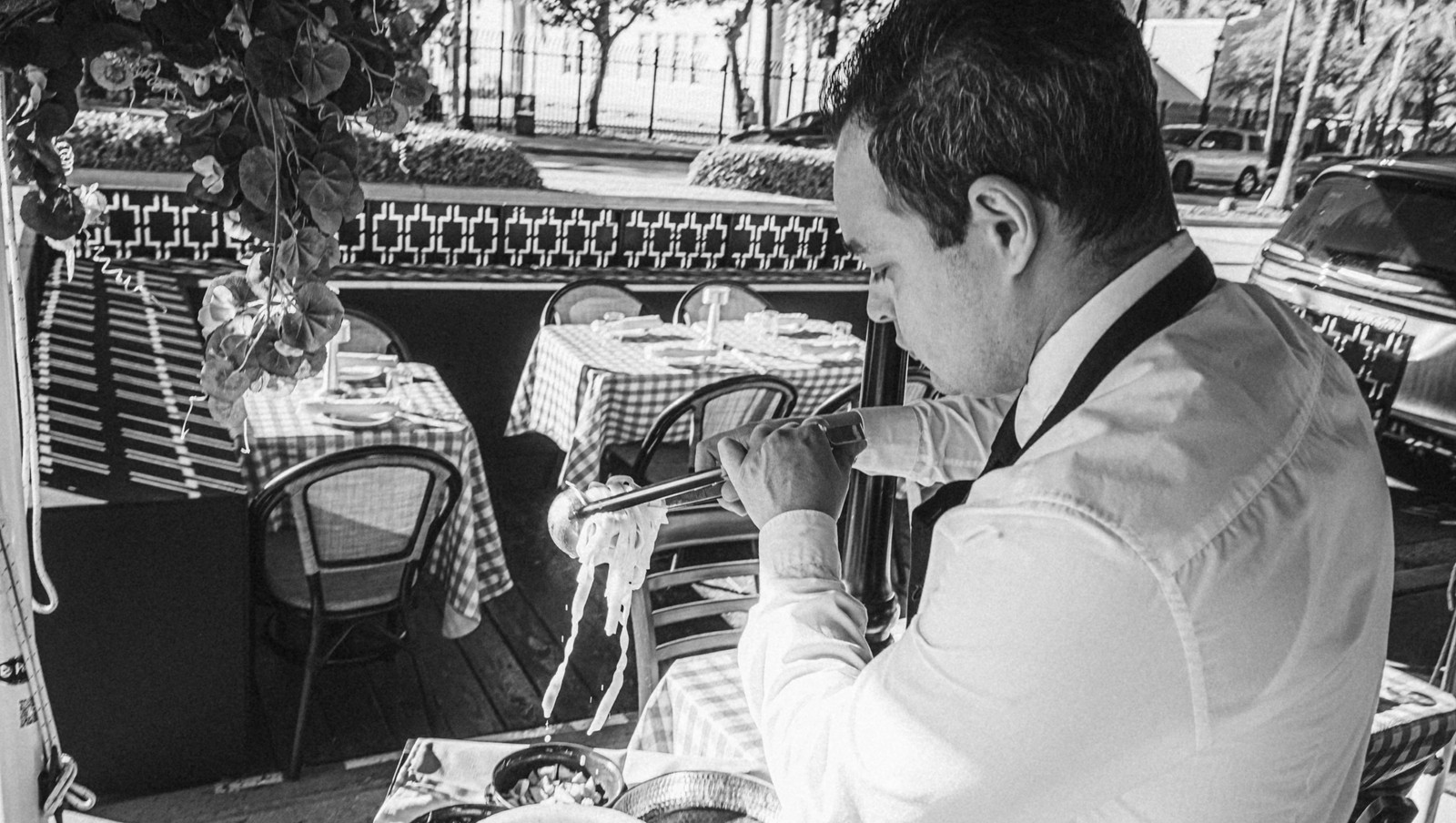
Elvis loved dining out, but he had one rule most fans never noticed. He rarely touched silverware that wasn’t his own. That’s because he took his own cutlery.

From his rise to fame in the mid-1950s through his Las Vegas years, Elvis carried his own set of forks, knives, and spoons whenever he ate somewhere new. People who traveled with him often described this as a lifelong habit, closely tied to a persistent germaphobia. While the rest of the table used whatever the restaurant provided, Elvis unpacked his own utensils and ate with those instead.

8
He held an eighth-degree black belt in karate

Image: PeopleImages

Elvis first tried karate in 1958 while stationed with the Army in Germany, training under a local instructor named Juergen Seydel, who taught Elvis at his off-base housing in Nauheim.

He kept at it for years, and later studied under American Kenpo pioneer Ed Parker in California. But it was in Memphis, between 1970 and 1974, training under Grandmaster Kang Rhee at a small dojo on Summer Avenue , that Elvis went all in. He trained alongside regular students under the nickname Tiger and took the same tests everyone faced. On September 16, 1974, Master Rhee awarded him an eighth-degree black belt in a low-key ceremony in front of fellow students and their families. That same year, Elvis opened his own school, the Tennessee Karate Institute, and worked karate moves right into his stage shows.

9
He rented entire amusement parks and movie theaters overnight

Image: Thomas R Machnitzki, CC BY 3.0, via Wikimedia Commons

Elvis loved movies and the fairground, but he hated crowds pressing in on him wherever he went. His solution was simple if you had his kind of money.

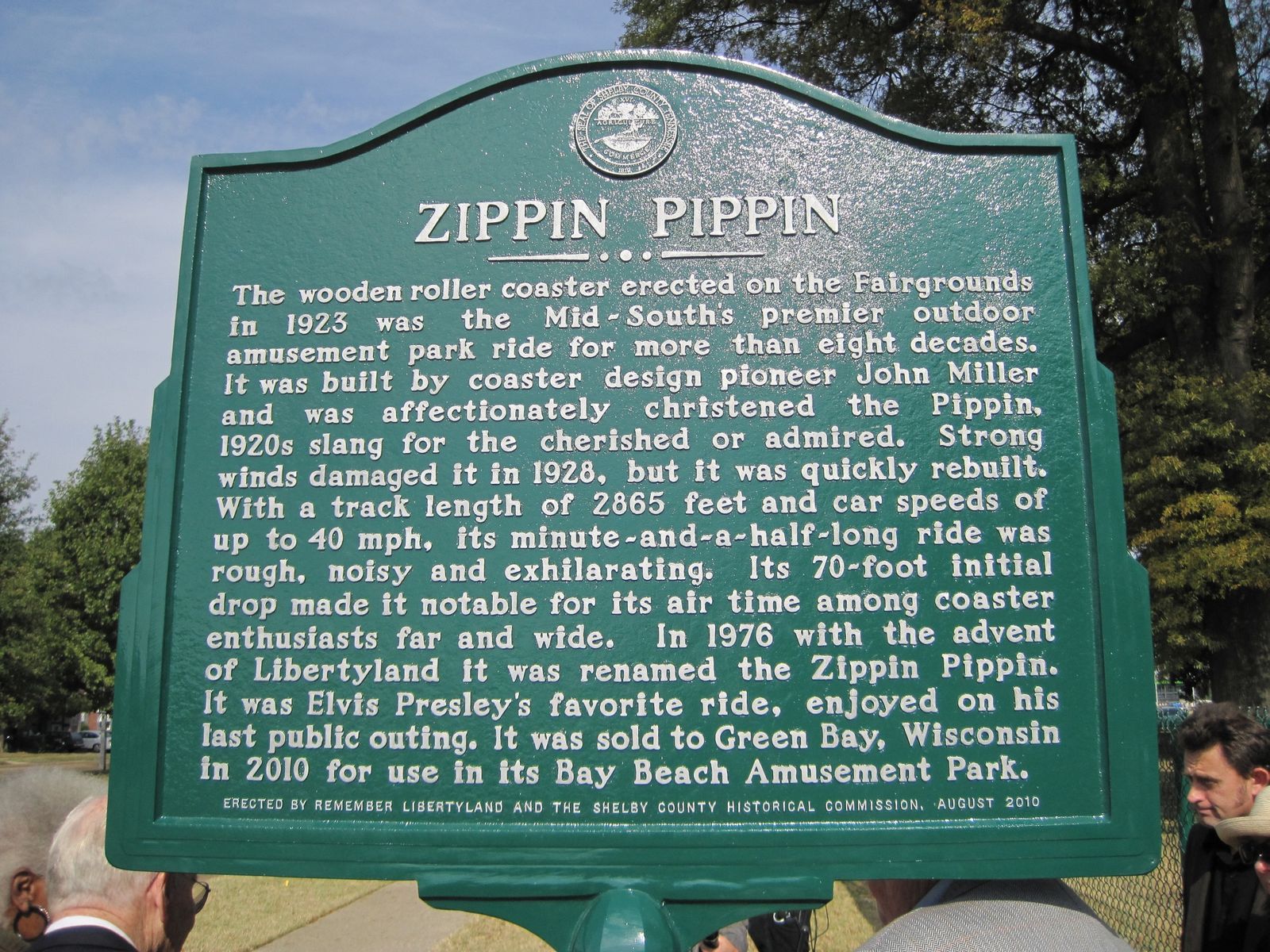
In Memphis, he r egularly rented out the entire Memphian Theater from midnight until dawn, filling the seats with friends and family to watch newly released films with nobody else around. He did something similar at the Memphis fairgrounds, later known as Libertyland, booking the whole park overnight so he could ride his favorite wooden roller coaster, the Zippin Pippin, again and again without a single stranger in line. He loved that ride so much he rode it into the early hours with his daughter Lisa Marie beside him in August 1977 — just eight days before he died at age 42.

10
He kept a huge collection of books

Image: AlexeiLogvinovich

The public saw a swaggering rock and roll star in tight jumpsuits, but behind closed doors at Graceland, Elvis Presley was something of a bookworm .

He kept a personal library that grew into the hundreds, later estimated at over a thousand titles, covering philosophy, world religions, anatomy, and numerology. His hairstylist and close friend Larry Geller became his main source for these books. Geller curated, recommended, and bought the books for Elvis, and the two spent hours discussing what he read. He underlined passages, scribbled notes in the margins, and carried a rotating stack with him on tour, sometimes hundreds of books packed into trunks. Auction houses have sold some of his personally annotated copies over the years, filled with handwriting beside ideas he clearly found worth wrestling with.

General General 3 min read

Folklore files

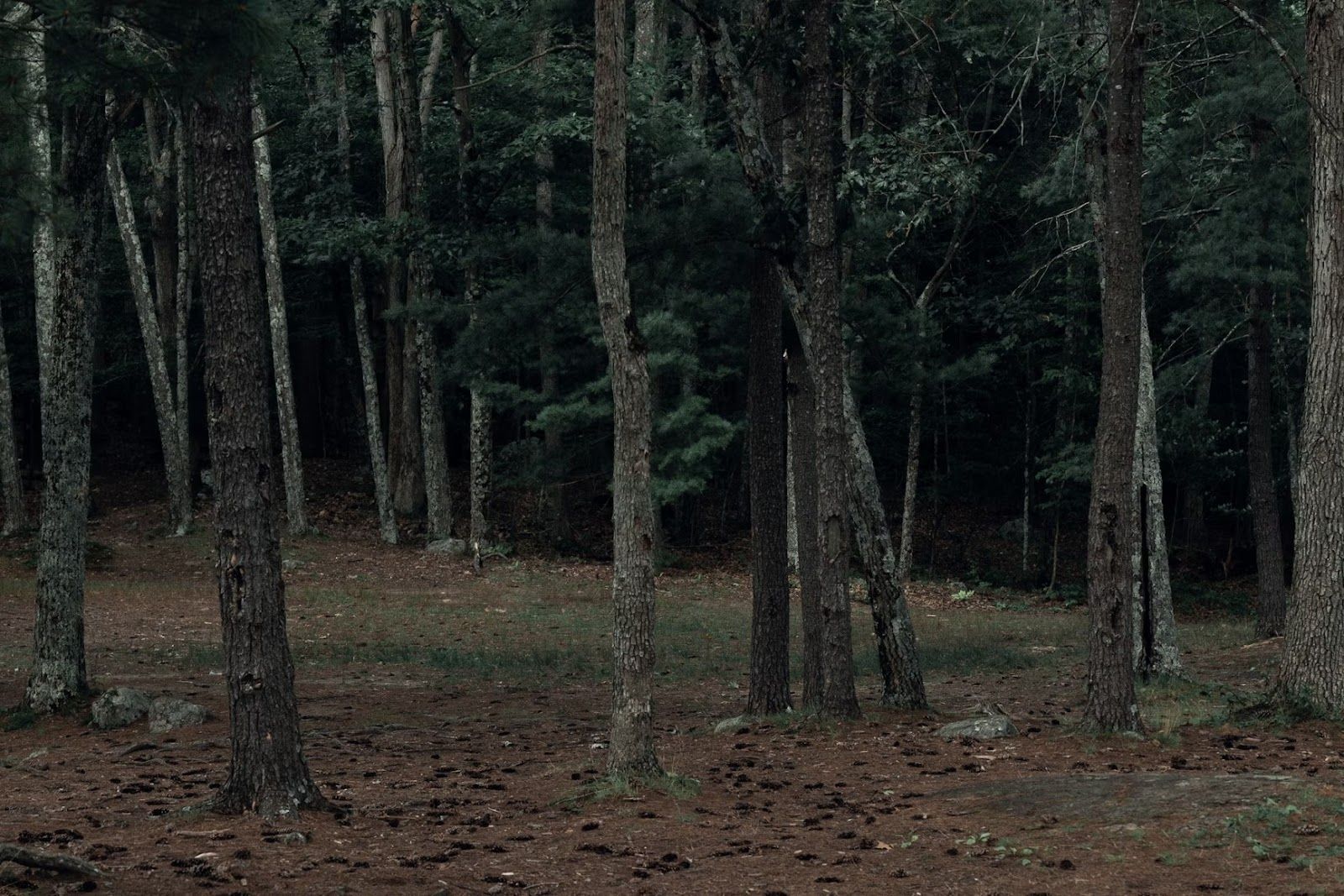
Think you’re tough? Try reading these hometown legends at night!

Image: Justin Ziadeh

Every town has at least one story that makes folks lower their voices and lean in a little closer. Across the country, these tales have grown legs and wandered far beyond the places where they started. Here are ten of America’s most talked-about urban legends, the ones that keep popping up in conversations, road trips, and campfire chats.

1
Bigfoot in the Pacific Northwest

Image: Jon Sailer

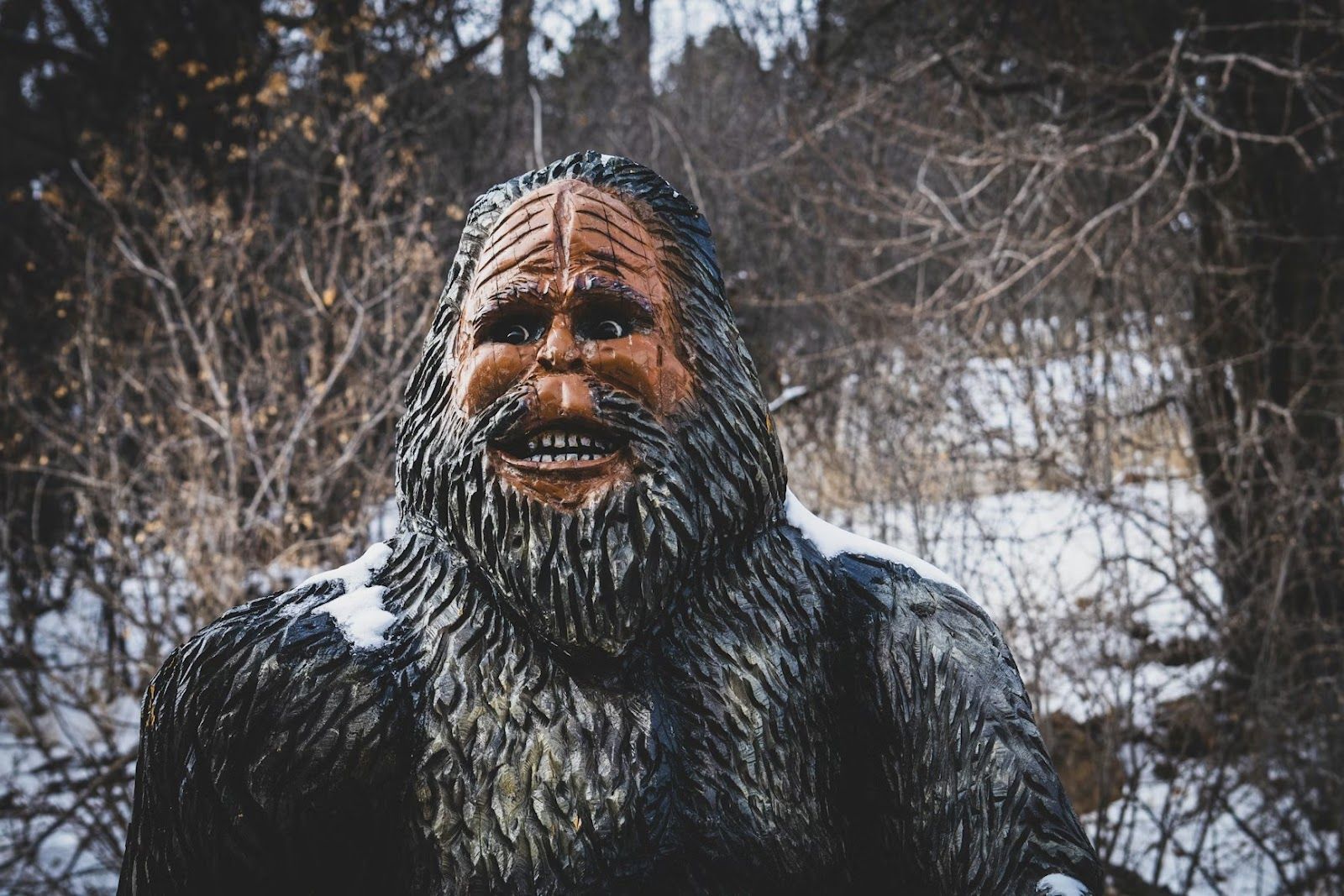
The forests of Oregon and Washington have been a treasure trove of Bigfoot sightings for decades. Hikers, campers, and loggers all have their own take, from gentle encounters to hair-raising escapes. Whether he’s a shy forest neighbor or just a legendary wanderer, the mystery has inspired countless hunts, tales, and devoted believers who swear the creature is still out there.

2
West Virginia’s winged visitor

Image: Bhong Bahala

Point Pleasant had quite a moment in the 1960s, when locals reported seeing a tall figure with glowing eyes sweeping through the sky. Newspapers named it the Mothman, and soon the stories were everywhere. Some people thought it was a bird, others guessed something stranger. The sightings even lined up with a real bridge collapse, which only added to the town’s long-lasting fascination.

3
Minnesota’s winter monster

Image: Anoushka Puri

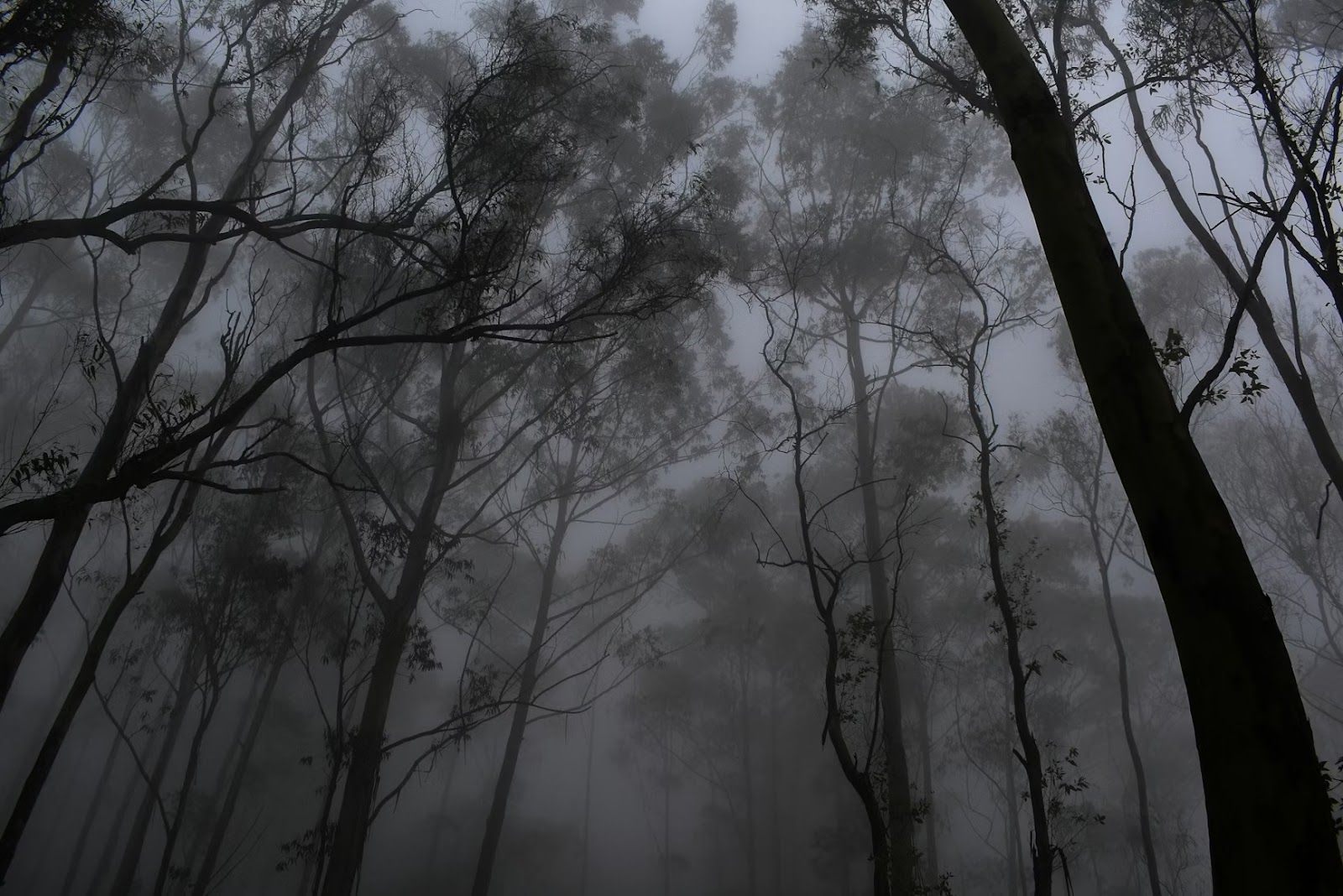
Northern tribes have long shared stories about the Wendigo, a creature tied to greed, hunger, and the frozen wilderness. Descriptions vary, but all versions paint a picture of something you wouldn’t want to cross paths with on a snowy night. Whether seen as a physical creature or a spirit, the tale has survived because it taps into those deep winter fears we all understand, right?

4
The Jersey Devil in New Jersey

Image: Donovan Reeves

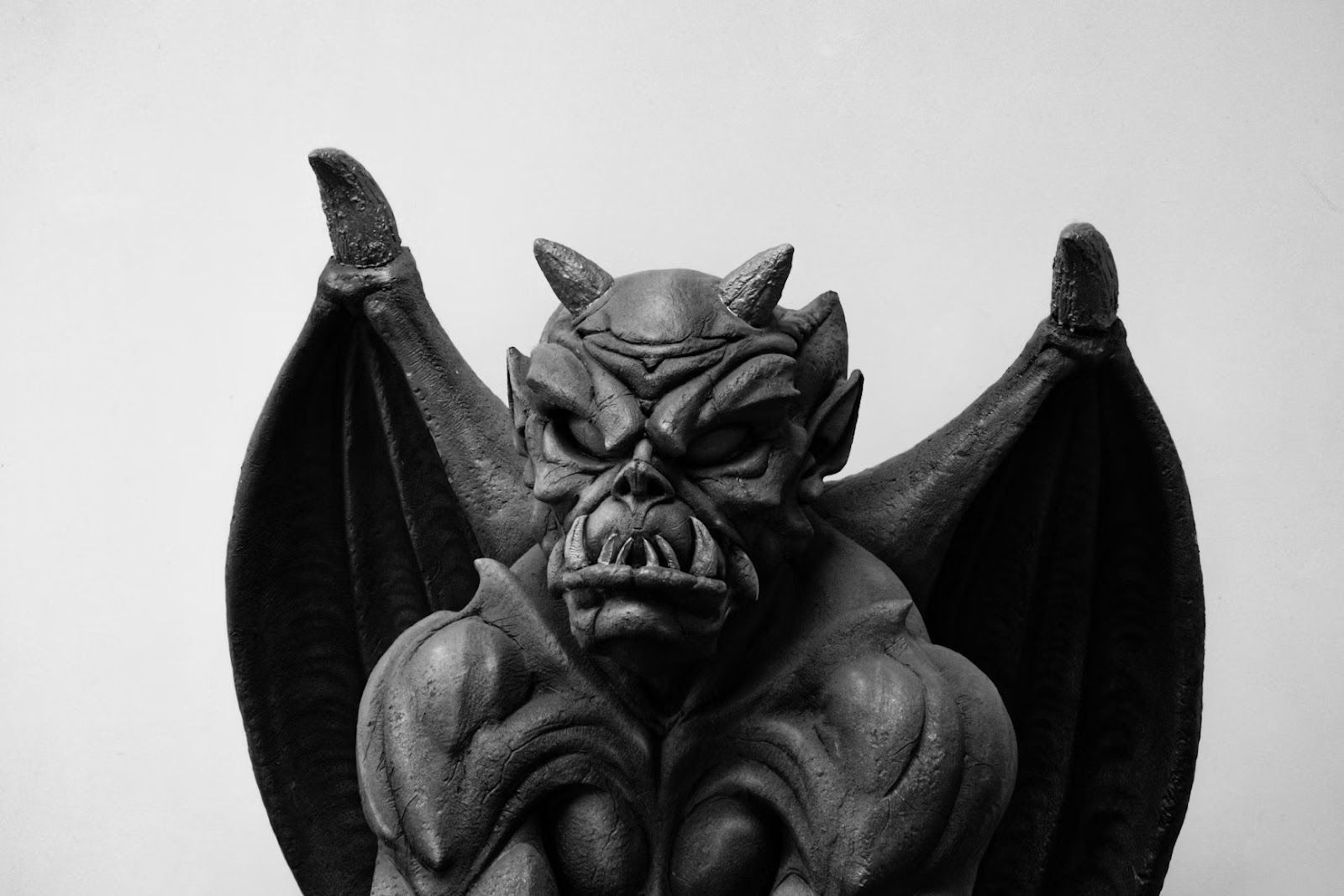
The Pine Barrens have been home to strange stories since colonial days. One of the oldest is about Mother Leeds, who supposedly cursed her thirteenth child. Folks say the baby flew off into the forest and took on a life of its own, complete with wings and hooves. Sightings pop up every so often, especially during the wave of excitement in 1909, when everyone was looking over their shoulder.

5
Riverdale Road in Colorado

Image: Dennis Schmidt

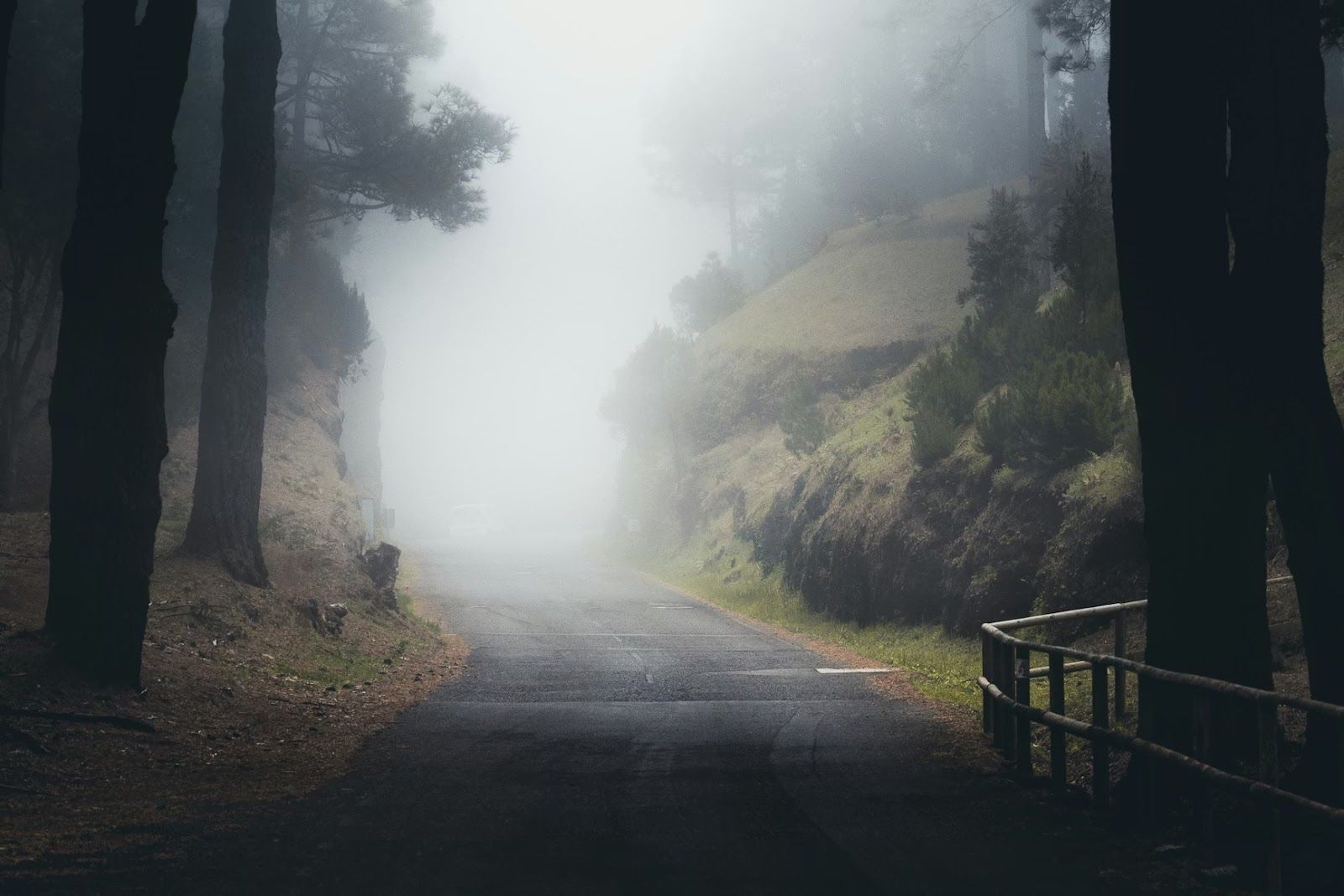
This quiet stretch of pavement near Thornton has earned quite a reputation. People love to talk about its old gates, said to be the ruins of a long-gone mansion, where a ghostly woman in white sometimes steals the spotlight. Drivers also swap stories about a phantom jogger keeping pace with them.

6
The Shaman’s Portal in Oklahoma

Image: Daniëlle Eibrink Jansen

Out in Beaver Dunes Park, people have been whispering for centuries about strange lights flickering across the sand. Early explorers were warned to steer clear, and some stories claim travelers simply vanished after a flash of eerie green. Modern visitors usually come for ATV rides, but the legend of an otherworldly doorway tucked into the dunes still gives the place a curious chill.

7
Hell’s Gate Bridge in Alabama

Image: The New York Public Library

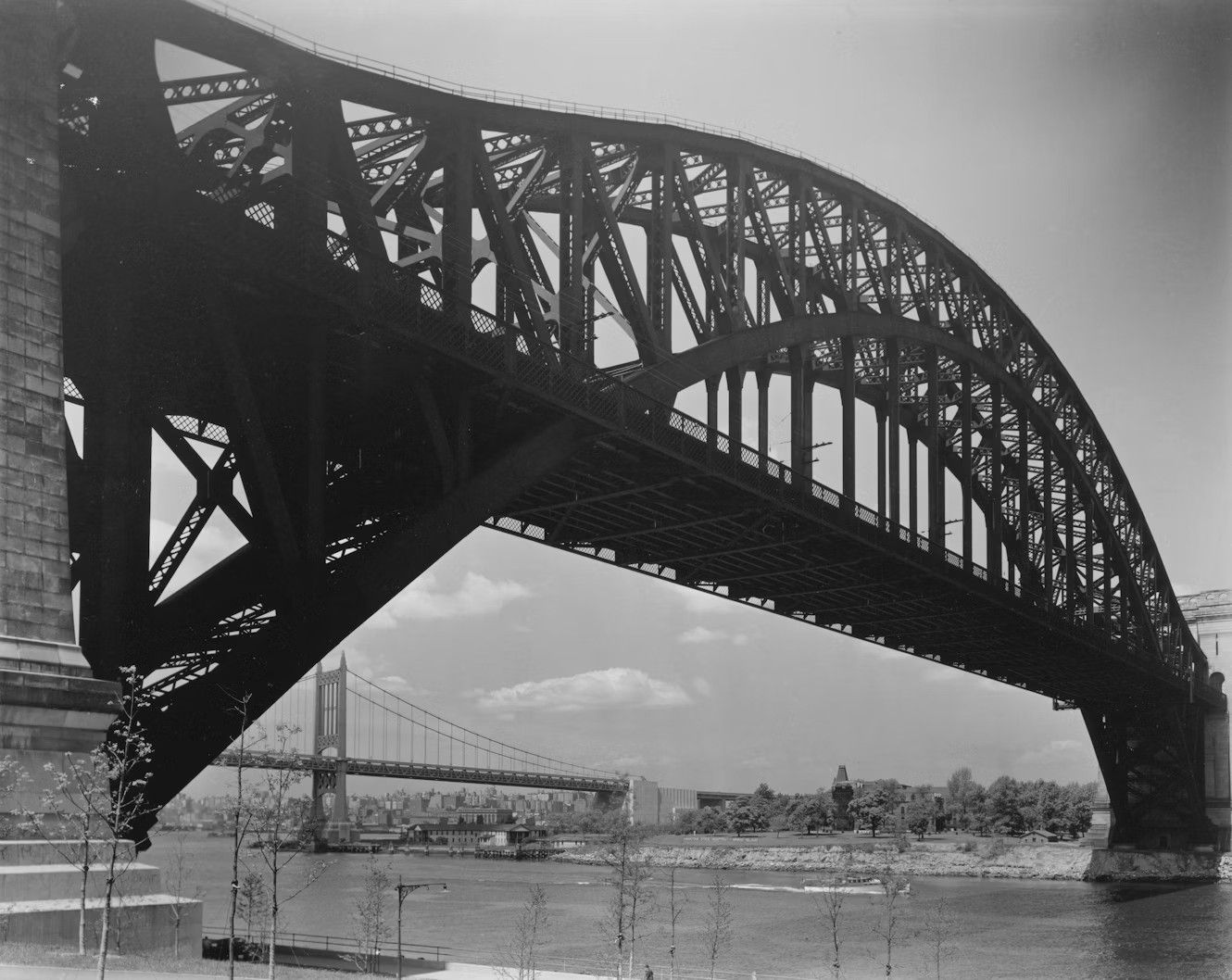
Locals tell an old tale about a young couple whose late-night drive ended in tragedy. The story took on a life of its own, with people claiming that if you sit on the bridge in the dark, you might spot the couple. Everyone knows it’s just a slice of local lore, but it hasn’t stopped anyone from swapping stories.

8
Utah’s petrified forest curse

Image: Adrian Hernandez

Escalante Petrified Forest is a beautiful destination, but visitors hear one warning loud and clear: leave the wood where it lies. Rangers say they get packages every year with pieces of petrified wood sent back by people who swear they had nothing but bad luck after taking a souvenir. Whether you believe in curses or just want a peaceful trip, it’s safer to enjoy the scenery with your hands empty.

9
The Cropsey tale in New York

Image: Mahdi Bafande

Growing up in New York, plenty of kids heard a version of Cropsey. Sometimes he was a runaway patient, other times a shadowy presence lurking near camps or tunnels. The unsettling part is that a real criminal case in the 1980s made the stories feel even closer to home. Over time, the legend inspired scary movies, bedtime warnings, and a whole generation of whispered fears.

10
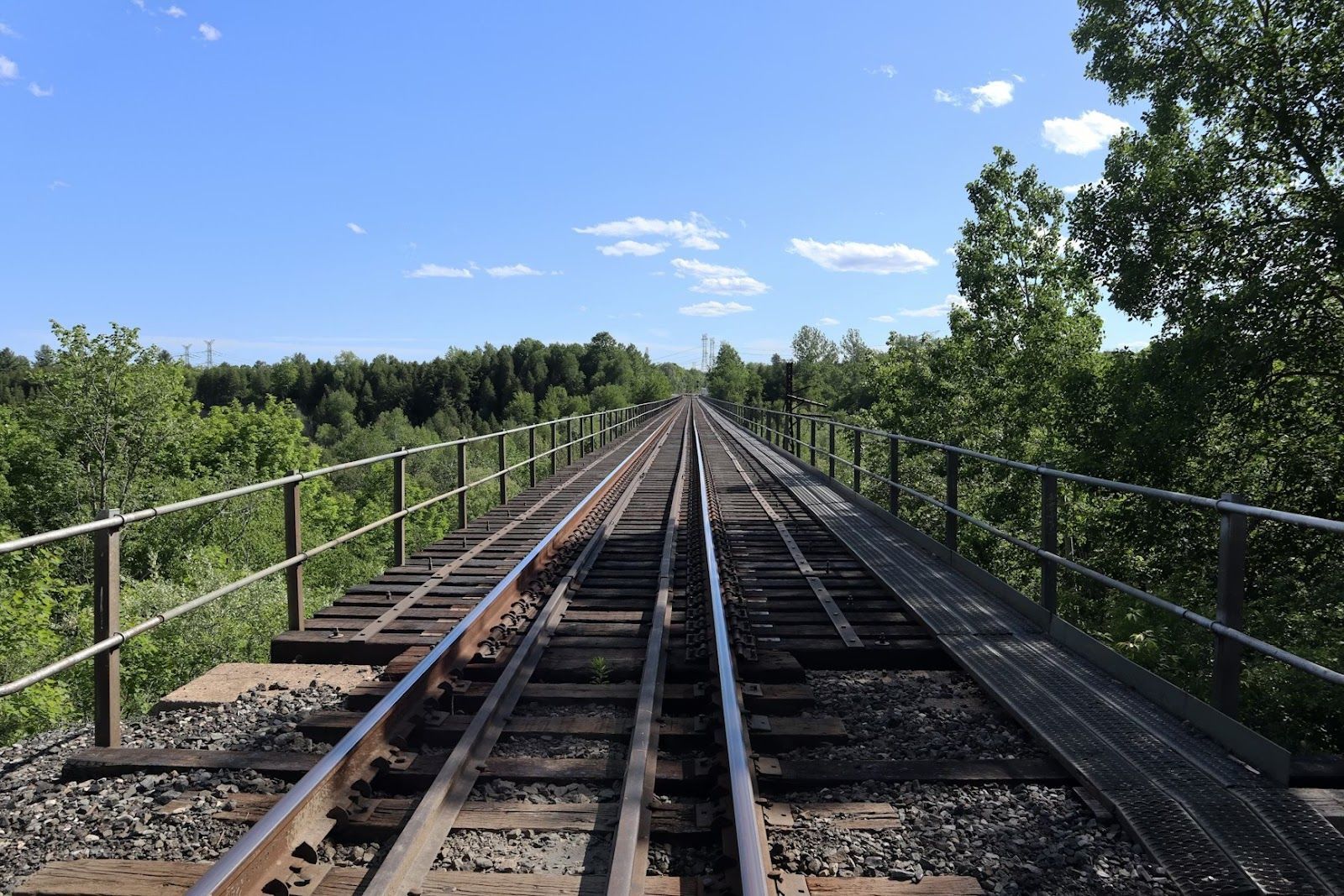
Virginia’s Bunnyman

Image: Justin Ziadeh

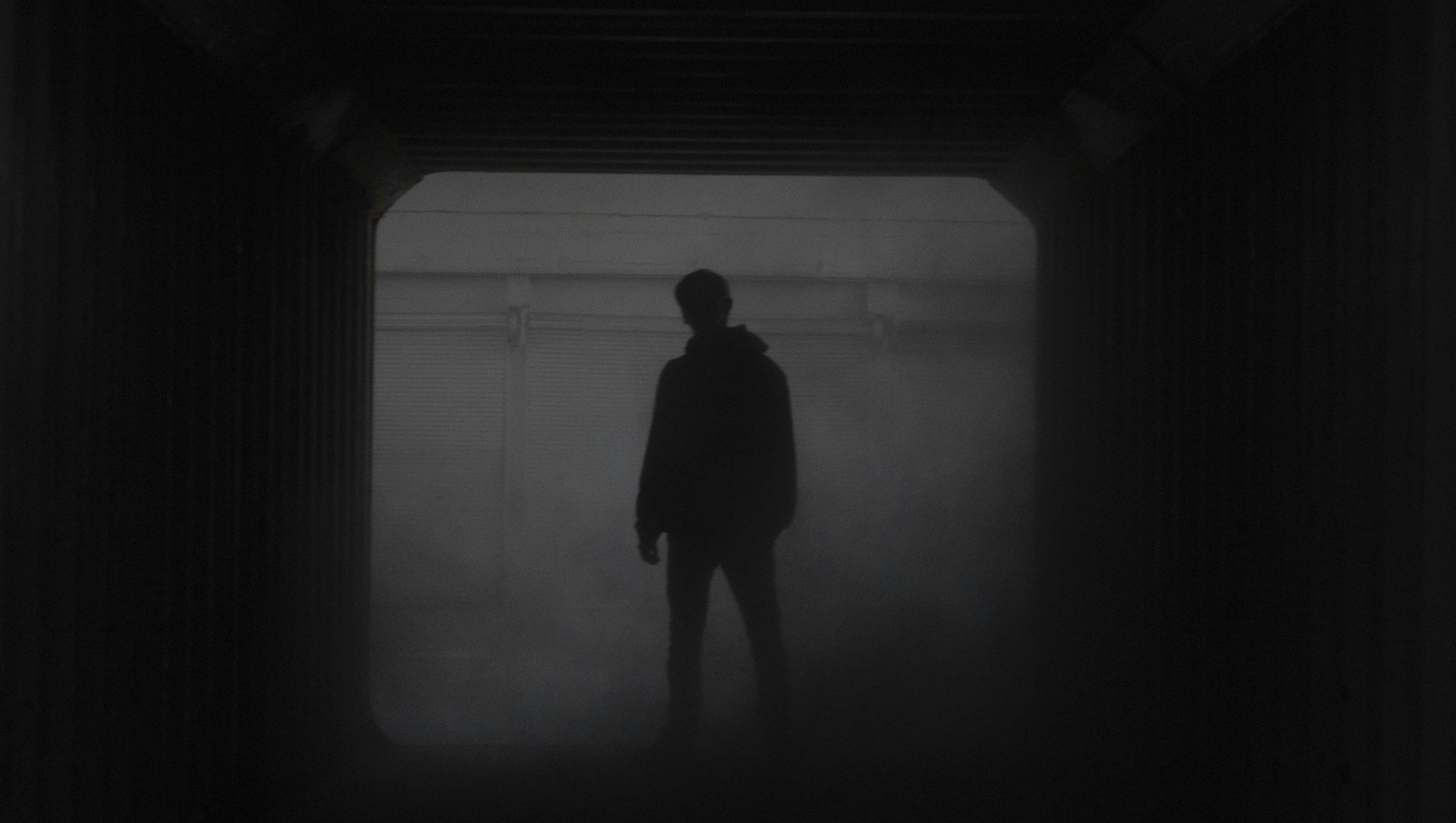
Clifton has a little train bridge that looks simple enough in the daytime. But the Halloween story tied to it turned it into a local fixture. Some say a dangerous fugitive patient once hid there. Others remember a real-life incident from the 1970s involving a hatchet and a mysterious figure. The tale grew in the retelling, and before long, the Bunnyman hopped right into regional folklore.

Explore more American facts

Choose your favorite category!

General
General

As American as apple pie—the very best America has to offer!

Culture
Culture

Delve into the astounding richness of American lore.

Geography
Geography

Hop in and explore vast and diverse American landscapes.

History
History

Discover the key moments that shaped the United States.