Geography Geography 3 min read

A deep look at the map

From Philly to Miami: These U.S. place names don't mean what you think!

Image: Mackenzie Cruz

Every place name has a story— especially in America ! While some come from Indigenous languages, others trace their origins to European tongues or ancient legends. These names are more than just labels; they offer glimpses into our past , revealing the diverse cultures and pivotal events that have shaped the nation. From Greek influences to names that predate European conquest, we've gathered 12 of the most fascinating origins behind America's place names.

1
Miami

Image: Avi Werde

Miami’s name comes from the Mayaimi people, who lived around Lake Okeechobee. The name itself is thought to refer to the "big water" of the lake, a defining feature for the region's Indigenous inhabitants.

2
Chicago

Image: Neal Kharawala

The name "Chicago" comes from the Potawatomi word shikaakwa, meaning "wild onion" or "wild garlic." These plants were once abundant along the banks of the Chicago River, and early French explorers who heard this term adapted it into the city's name.

3
Philadelphia

Image: Chris Murray

The name "Philadelphia" comes from the Greek words philos (love) and adelphos (brother). Founded in 1682 by William Penn, the city was intended to be a haven for religious freedom and peaceful coexistence—hence its name.

4
Cincinnati

Image: Matt Koffel

Cincinnati's name comes from the Society of the Cincinnati, a patriotic organization formed in 1783 to honor officers of the Continental Army. The society itself was named after Lucius Quinctius Cincinnatus, a legendary hero of the Roman Republic.

5
California

Image: Vital Sinkevich

The name "California" comes from Las Sergas de Esplandián, a 16th-century Spanish novel by Garci Rodríguez de Montalvo. The book describes a mythical island where gold could be found in great quantities. When Spanish explorers reached the Baja Peninsula, they mistakenly believed it was an island and, inspired by the novel, named it after the fictional paradise.

6
Boise

Image: Attorney Sluice

The name "Boise" comes from the French word boisé, meaning "wooded" or "forest." French fur traders were some of the earliest European explorers in the region, and they named the Boise River after observing the thick forests that lined its banks.

7
Albuquerque

Image: Raychel Sanner

Albuquerque was named by the Spanish in the 18th century, but its origins trace back to the Latin words albus (white) and quercus (oak), referring to the white oak trees that are found in the area.

8
Mississippi River

Image: Mathew Benoit

The Mississippi River gets its name from the Ojibwe word Misi-ziibi, meaning "Great River." Certainly a fitting name, given the river’s key role in the development of American trade and transportation, a vital route for settlers and Indigenous people alike.

9
Yellowstone National Park
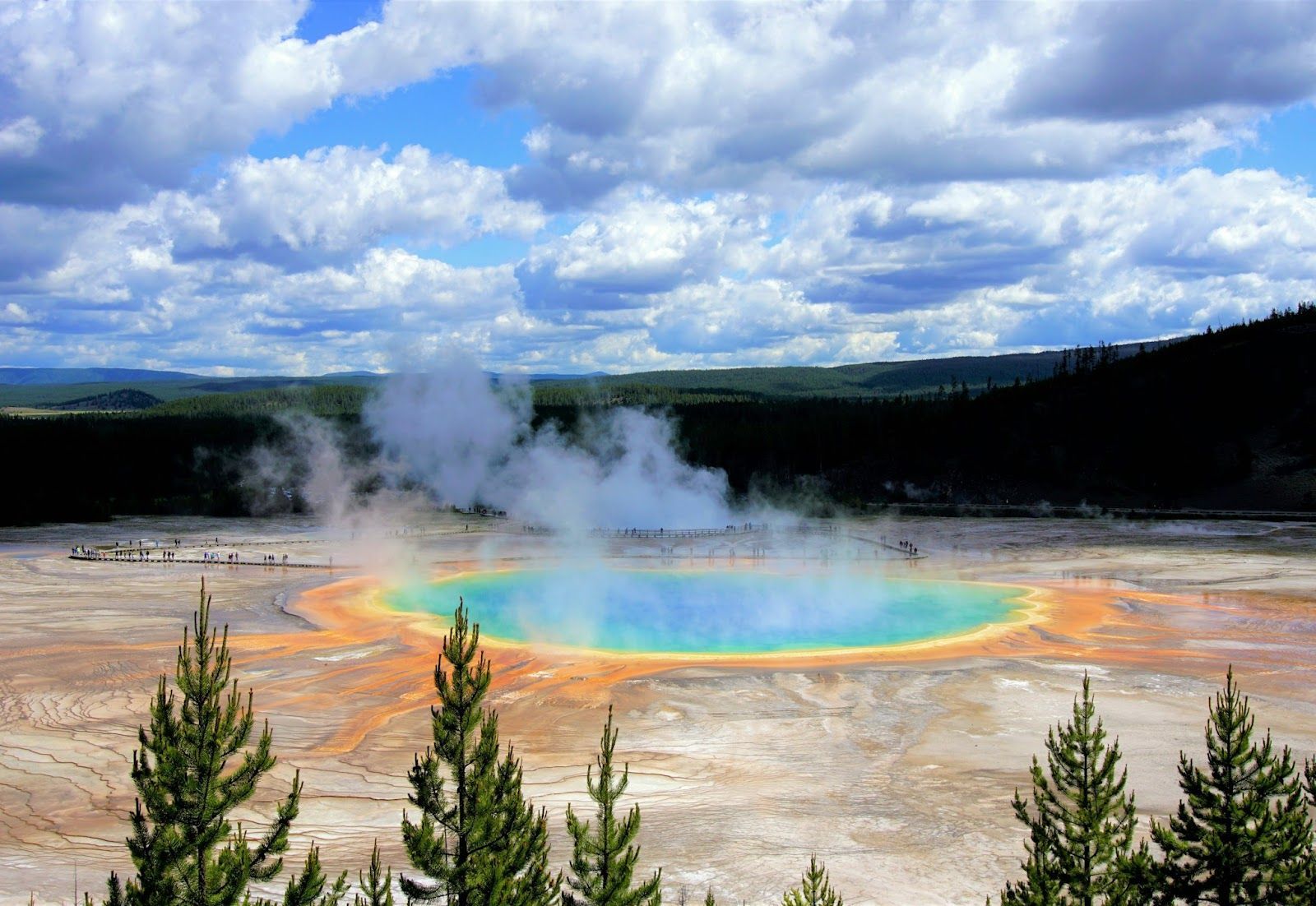
Image: Meina Yin

Yellowstone National Park takes its name from the Yellowstone River, which was in turn named by fur trappers who used the word "yellow" to describe the river’s striking sandstone cliffs . Established in 1872, Yellowstone became the first national park in the U.S., preserving its unique geological and natural wonders.

10
Appalachian Mountains

Image: Elijah Mears

The Appalachian Mountains, among the oldest in the world, take their name from Apalachee , a term used by the Spanish to refer to a Native American tribe in northwestern Florida . Interestingly, the name was later applied to the distant mountain range, despite no direct connection between the two—perhaps they had run out of names?

11
Niagara Falls

Image: Sergey Pesterev

Niagara Falls takes its name from the nearby Niagara River, which derives from the Iroquois word Onguiaahra , meaning "the strait" or "narrow water." Unsurprisingly, given their breathtaking beauty, the falls have long been a significant natural landmark for both Indigenous peoples and European explorers.

12
Adirondack Mountains

Image: Ty Finck

The Adirondack Mountains in New York are believed to take their name from the Algonquin word adirondacks , meaning "they eat trees" or "bark eaters." This name likely referred to another group of Indigenous inhabitants who relied on the region’s lush forests for food and shelter.

Geography Geography 5 min read

Let’s go on a sightseeing tour

Wander the streets of these 10 iconic American neighborhoods!

Image: Breno Assis

America is truly a wonderful place to live. Take a stroll through any of our busy and vibrant cities, and you’ll come across streets buzzing with culture, breathtaking architecture, and, perhaps most importantly, delightful people. After all, a huge part of what makes our country so great is the generations of Americans who helped build it. In making their homes a better and safer place for the generations to come, these Americans gave our neighborhoods an identity and culture that truly make them unique. With that in mind, we have selected 10 of the most iconic and beautiful neighborhoods in America for you to discover. Enjoy!

1
The French Quarter - New Orleans

Image: João Francisco

We’ll begin this article with a Southern jewel. New Orleans’ French Quarter is the oldest neighborhood in the city, and for a while, it was the central square around which the city was built. In fact, its French name, Vieux Carré ("Old Square") describes its status as an essential location.

Nowadays, the French Quarter serves as a quaint and charming time machine. Millions of tourists visit it for its delightful architecture, delectable restaurants, and buzzing jazz scene. Other attractions include Jackson Square, a public park dedicated to Andrew Jackson, and Bourbon Street, filled with picturesque bars and taverns.

2
Little Havana - Miami

Image: Kian Lem

This neighborhood proves that good things come in small packages. Little Havana got its name in the 1960s after a substantial number of Cuban immigrants moved into the area. With them came the vibrant and colorful culture that has defined this neighborhood for over 60 years.

If you only have time for a quick visit, we recommend taking a stroll through the neighborhood's main street, the world-famous Calle 8 . This strip is filled with stores and restaurants offering traditional (and delicious) Cuban food. You might also visit one of the many live music venues and dance the night away!

3
Chinatown - San Francisco

Image: Madeleine Maguire

We could have taken our pick from the many amazing neighborhoods called "Chinatown" across America, but we ultimately settled on the oldest one in the country. Centered on Grant Avenue and Stockton Street, San Francisco’s Chinatown is instantly recognizable, made famous by amazing movies like The Maltese Falcon or The Pursuit of Happyness .

This neighborhood is also considered largely responsible for popularizing Chinese cuisine in America, and for creating new Chinese-American dishes like chop suey. San Francisco’s Chinatown is also world-known for its spectacular Chinese New Year celebrations, perhaps the biggest of its kind in America.

4
Beverly Hills

Image: David Vives

Since it was incorporated as an American city in 1914, Beverly Hills is technically not a neighborhood. However, because it is completely enveloped by the city of Los Angeles, it is considered a suburb. So, for the sake of argument, we’ll include "90210" on this list, if only because it gives us a chance to talk about the quintessential home of the rich and famous.

Beverly Hills got its name from "Beverly Farms" located in Beverly, Massachusetts, after the landowners realized there was no oil to be found in it and decided to develop it into a town. Nowadays, it is mostly known for its lush scenery, luxury shopping, and, of course, its connection to Hollywood stars. Literally, too many movies and shows feature this city, so we’ll just name a few off the top of our heads: The Beverly Hillbillies , Beverly Hills Cop, and Beverly Hills 90210 .

5
Brooklyn - New York City

Image: Víctor Martín

What is a borough if not a big neighborhood? I know many New Yorkers will disagree with this statement, especially those lucky enough to reside in Brooklyn . After all, many consider Brooklyn to be a separate entity—an independent (albeit small) city. And when you consider all the amazing things this borough has to offer, can you really blame them?

Brooklyn is comprised of over 70 different neighborhoods. If it were a standalone American city, it would rank as the fourth largest in the entire country. However, the sole reason we included it on this list is that the entire borough feels like one massive neighborhood, instantly recognizable by its distinct identity and culture.

6
Haight-Ashbury - San Francisco

Image: Burak Ceviz

San Francisco is world-famous for many reasons: Its slanted streets, cable cars, and the Golden Gate Bridge make it instantly recognizable. Architecture buffs also adore "the City" (as it's known by locals) for a very specific reason: its abundance of "Painted Ladies," the nickname given to the gorgeous Victorian houses built in the 1800s. In that sense, while many of San Francisco’s neighborhoods boast these houses, our top pick goes to those in the Haight-Ashbury neighborhood.

In truth, Haight-Ashbury has so much more to offer than these lovely houses. For starters, this neighborhood was the center of the 1960s counterculture; many claim that the "Hippie" movement began here. Several stores in the area pay tribute to that era, particularly record stores and boutiques.

7
Little Italy - New York City

Image: Alex Haney

Just like with our nation’s Chinatowns, we could have easily picked from a number of locations known as "Little Italy." In fact, New York City houses several of them, from the Morris Park neighborhood in the Bronx to the section formerly known as "Italian Harlem." Ultimately, we decided to focus on what is probably the most famous of them all: the Little Italy neighborhood in Manhattan.

While this area was made famous by Francis Ford Coppola’s legendary Godfather trilogy, the truth is that Little Italy’s charm can’t fully be described by any art form. From its history to its amazing culture and proud heritage, this neighborhood is truly a sight to behold.

8
Pike Place - Seattle

Image: Ben Dutton

We know what you’re thinking: Pike Place is not a neighborhood. And while it’s true that this name is most heavily associated with Seattle’s iconic public market, the area surrounding Pike Place is now considered a neighborhood in its own right—and a gorgeous one at that.

Although small, the Pike Place district is filled to the brim with spectacular landmarks and fantastic gastronomic offers. You can visit the very first Starbucks location, wander around the many offerings in the farmer’s market, or take a stroll through Waterfront Park.

9
The Loop - Chicago

Image: Anthony Fomin

Standing in the heart of "the Windy City" there’s a neighborhood blessed with a unique name: The Loop is Chicago’s commercial district and the true center of the city. It’s named after the central train station located in the neighborhood, where all the city’s train lines meet and form a "loop."

Millions of tourists visit this neighborhood every year, as it is conveniently located near several of Chicago’s main attractions. Anyone staying in the Loop is within walking distance of Millennium Park, the Art Institute of Chicago, and the "Cloud Gate" sculpture, perhaps best known by its nickname, "The Bean."

10
Beacon Hill - Boston

Image: Vanessa Sezini

We’ll end this article with a wonderful historic neighborhood. Beacon Hill ’s name is delightfully straightforward: it refers to a former beacon placed on top of the highest hill in central Boston. As you might have guessed, the function of this beacon was to alert residents to any invasions, which is a true statement of the history of this iconic neighborhood.

Beacon Hill is perhaps Boston’s most famous neighborhood, characterized by its lovely rowhouses, gas-lit streets, and brick sidewalks. It has been home to both the Massachusetts State House and many notable Americans, including author Louisa May Alcott and poet laureate Robert Frost.

Culture Culture 5 min read

"To be true to ourselves, we must be true to others."

Presidential goals: The 12 moments that defined Jimmy Carter

Image: National Archives and Records Administration, Public domain, via Wikimedia Commons

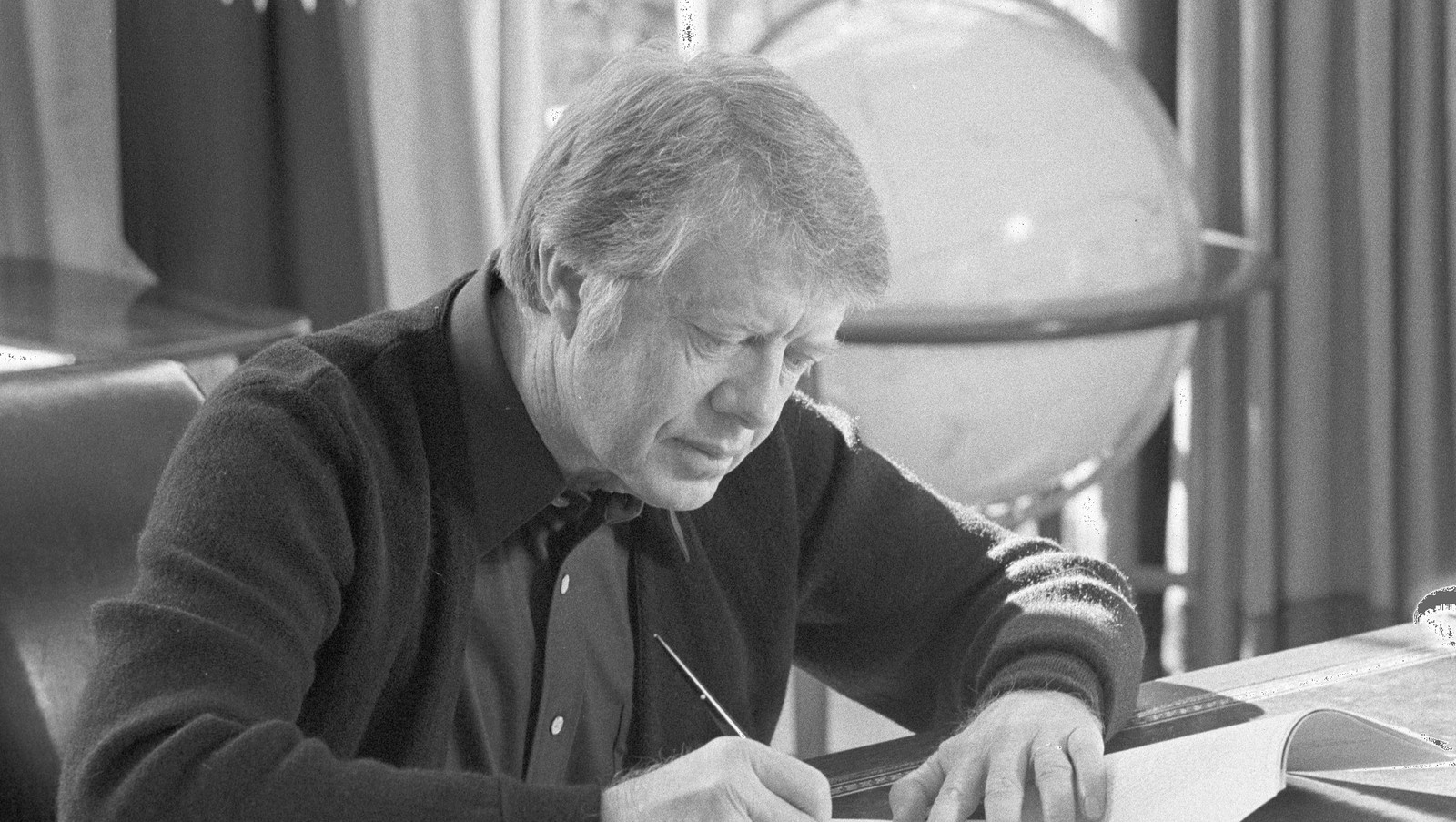
Long before he set foot in the Oval Office—and for decades afterward—Jimmy Carter built a life filled with unexpected achievements and heartwarming stories that showed his true character. From growing up in the small town of Plains, Georgia, to working side by side with volunteers well into his later years, Carter’s journey has been as remarkable as it has been relatable. These 12 moments offer a closer look at the farmer, the naval officer, the peacemaker, and the neighbor next door who happened to become the 39th President of the United States.

1
A farm boy from Georgia

Image: Pezibear

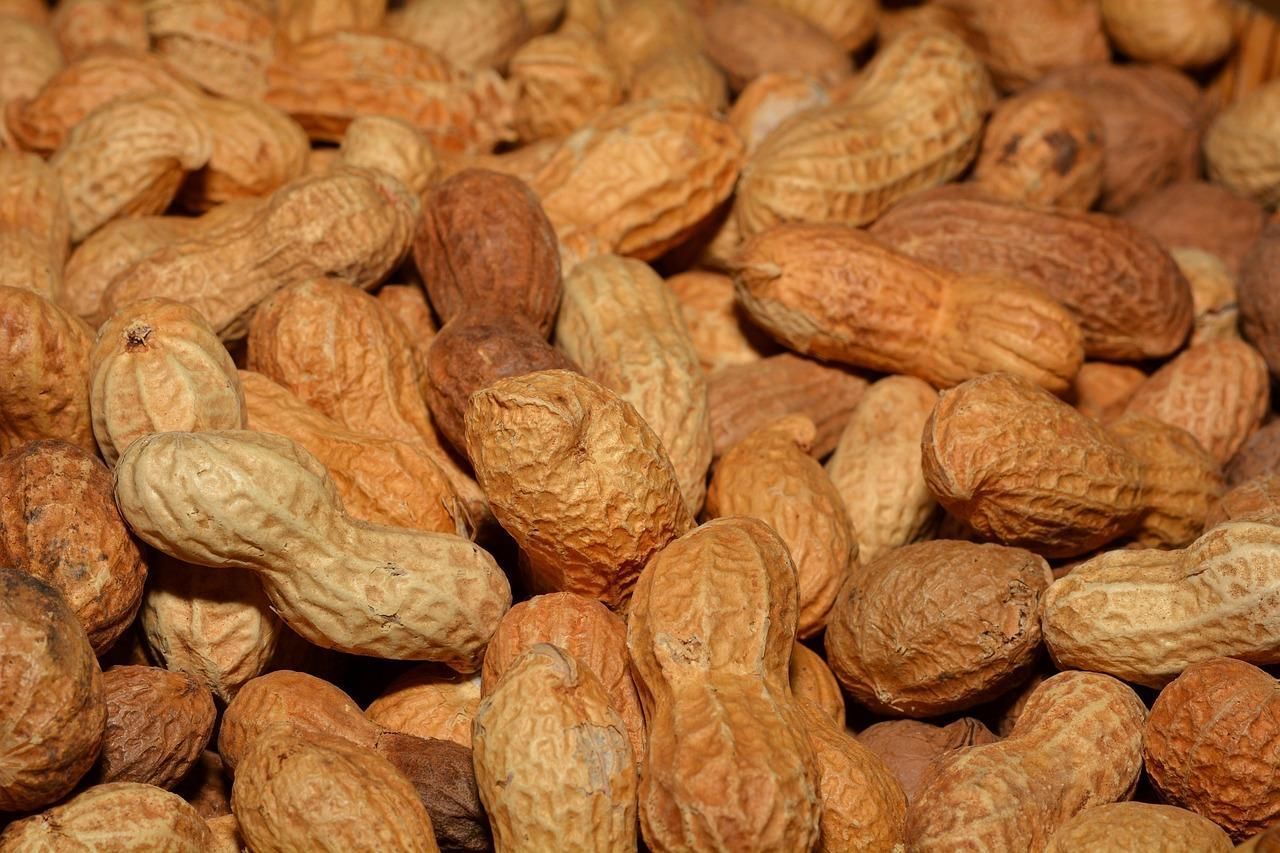
Before Jimmy Carter became a household name, he was a small-town boy with dusty feet and big skies overhead. Life on his family’s peanut farm in Plains, Georgia, was all about early mornings and honest work —milking cows before breakfast, hauling feed, and tending rows of peanuts under the hot Southern sun. There were no shortcuts, just neighbors lending a hand, Sunday suppers, and the comfort of familiar faces. Those long, simple days gave Carter a lasting respect for hard work, humility, and the quiet rewards of a life well lived.

2
Graduating from the Naval Academy

Image: Guy Kawasaki

In the spring of 1946, Jimmy Carter proudly accepted his diploma from the U.S. Naval Academy in Annapolis, Maryland. It was the result of years of study, drills, and determination. From the moment he first stepped onto campus, the call of the sea seemed to be in his blood. The Navy offered him adventure, discipline, and the chance to serve his country aboard vessels that carried him far beyond the red clay fields of Georgia.

3
Training in nuclear engineering

Image: Daniil Zameshaev

Long before campaign trails and speeches, Jimmy Carter was studying the technology that powered the Navy’s most advanced submarines. The training was intense: every calculation had to be precise, every decision double-checked. There was no room for guesswork, only methodical thinking and steady hands. Those long hours in classrooms and labs didn’t just prepare him for service at sea; they built a mindset grounded in patience, careful planning, and practical problem-solving that he carried into every chapter of his life, including his presidency.

4
Running the family peanut business

Image: Ivan Bandura

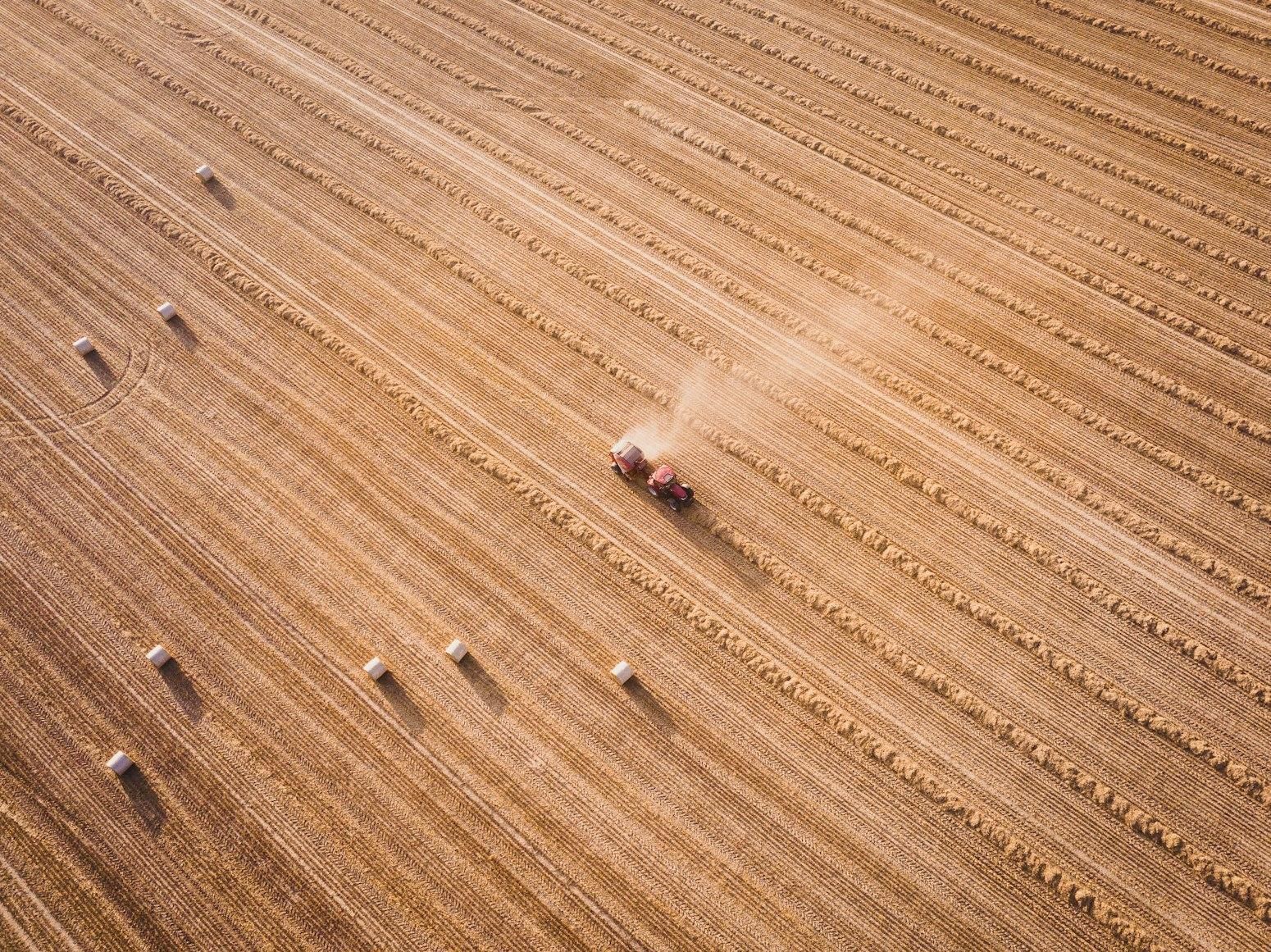
Once his naval service came to an end, Jimmy Carter headed back to Georgia, ready to take the reins of the family peanut farm. But he wasn’t comfortable with just preserving the status quo. Carter rolled up his sleeves and introduced fresh ideas and more modern farming practices to the fields. Thanks to his hard work and smart management, the farm grew into one of the top operations in the area. He knew every inch of those acres, not just as farmland, but as the foundation of his family’s legacy.

5
Governor of Georgia

Image: Mick Haupt

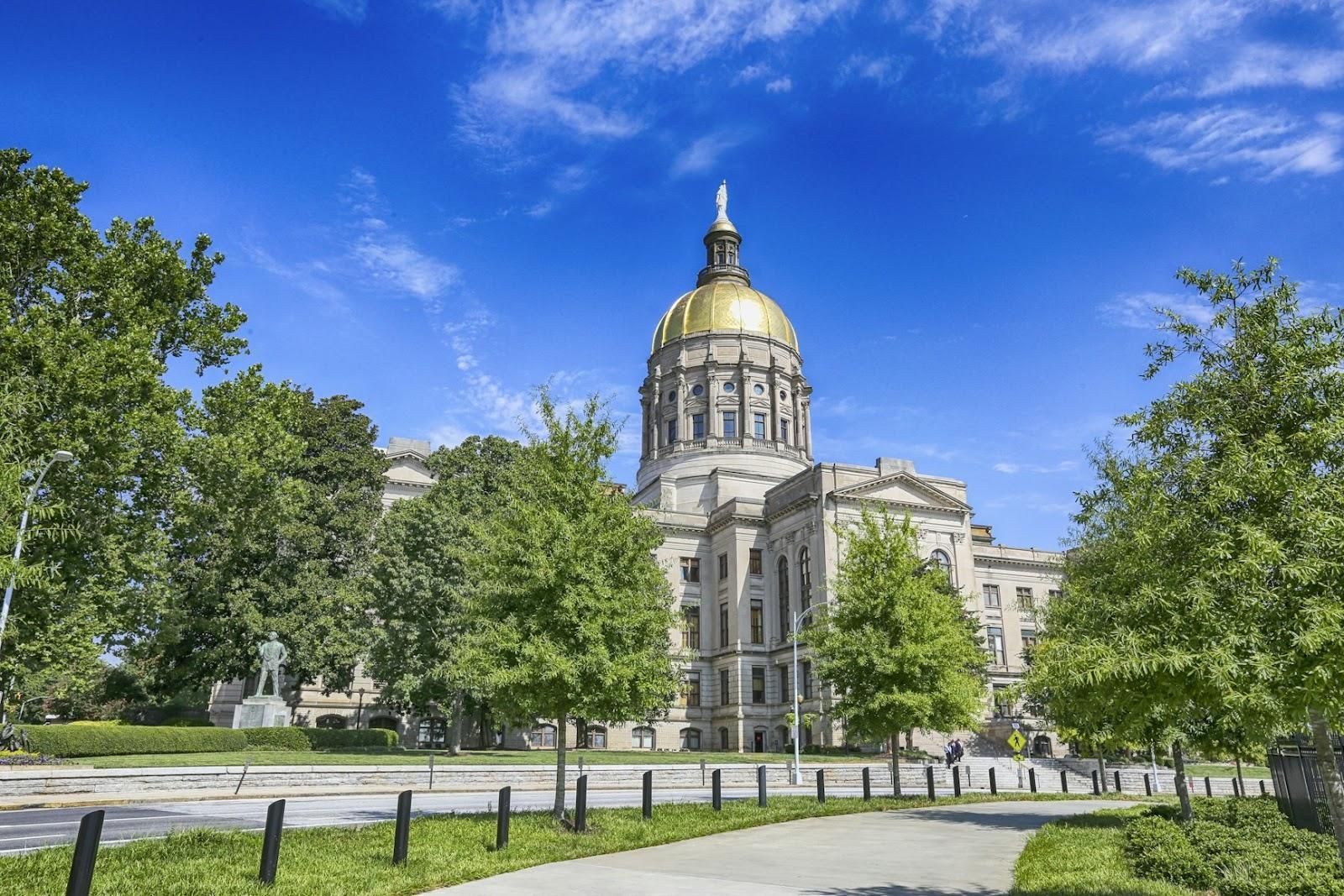
When Jimmy Carter became governor of Georgia in 1971, he brought a refreshing promise: honest leadership with open doors. People appreciated how down-to-earth he was, whether chatting with them at the state capitol or sharing a meal at a local diner. His style was all about being accessible and straightforward. Over time, Carter built a reputation as a hardworking leader who stayed close to everyday people, earning their respect by listening carefully and delivering results.

6
The President with a warm smile

Image: National Archives and Records Administration, Public domain, via Wikimedia Commons

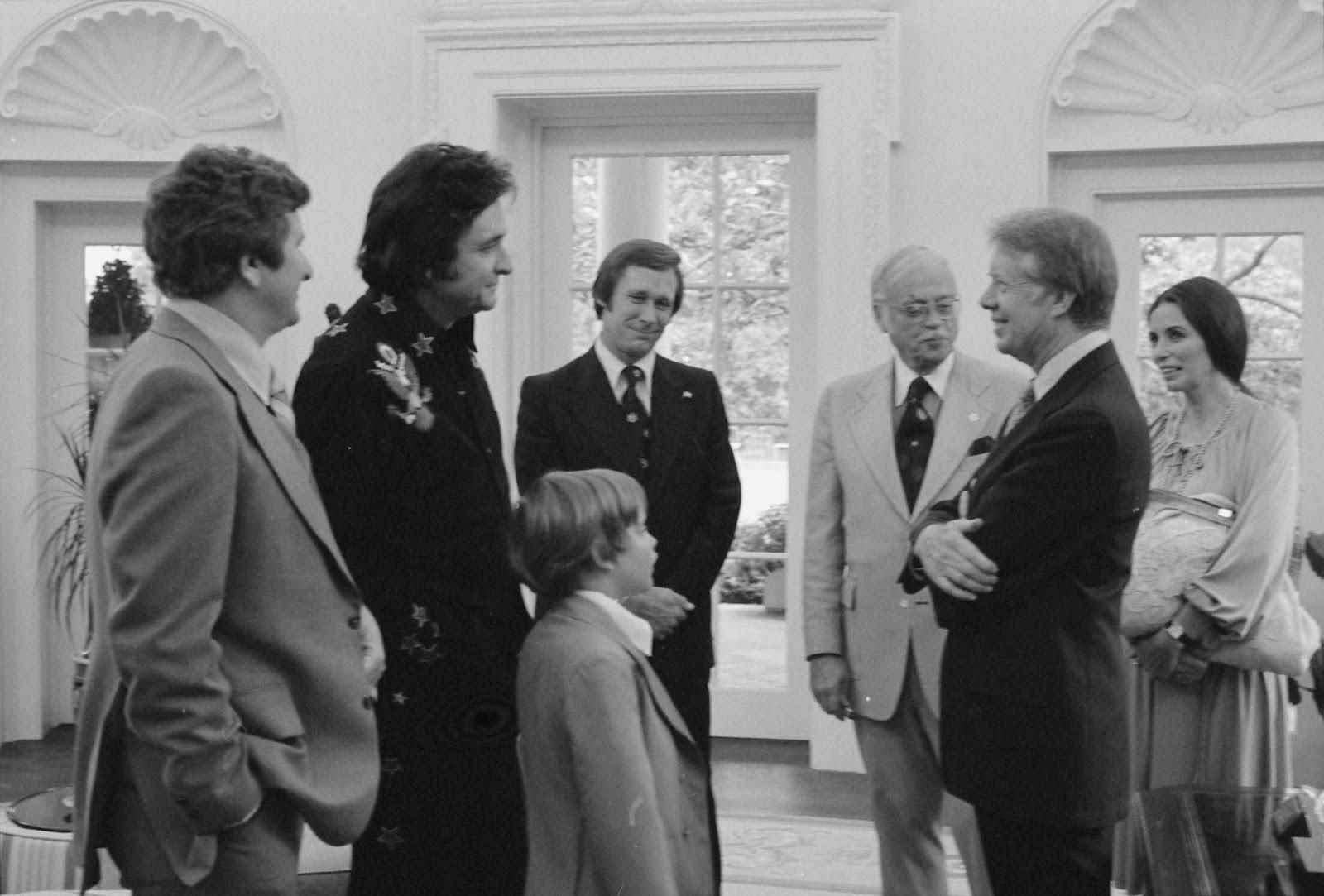
In 1977, Jimmy Carter stepped into the role of the 39th President of the United States. He wasn’t one for stuffy ceremonies or rigid protocols; instead, he valued a friendly handshake, a sincere smile, and honest conversations in which people felt genuinely listened to. With Carter around, the atmosphere at the White House became a bit more casual and welcoming, reflecting his easygoing and approachable nature.

7
The Camp David peace talks

Image: Central Intelligence Agency from Washington, D.C., Public domain, via Wikimedia Commons

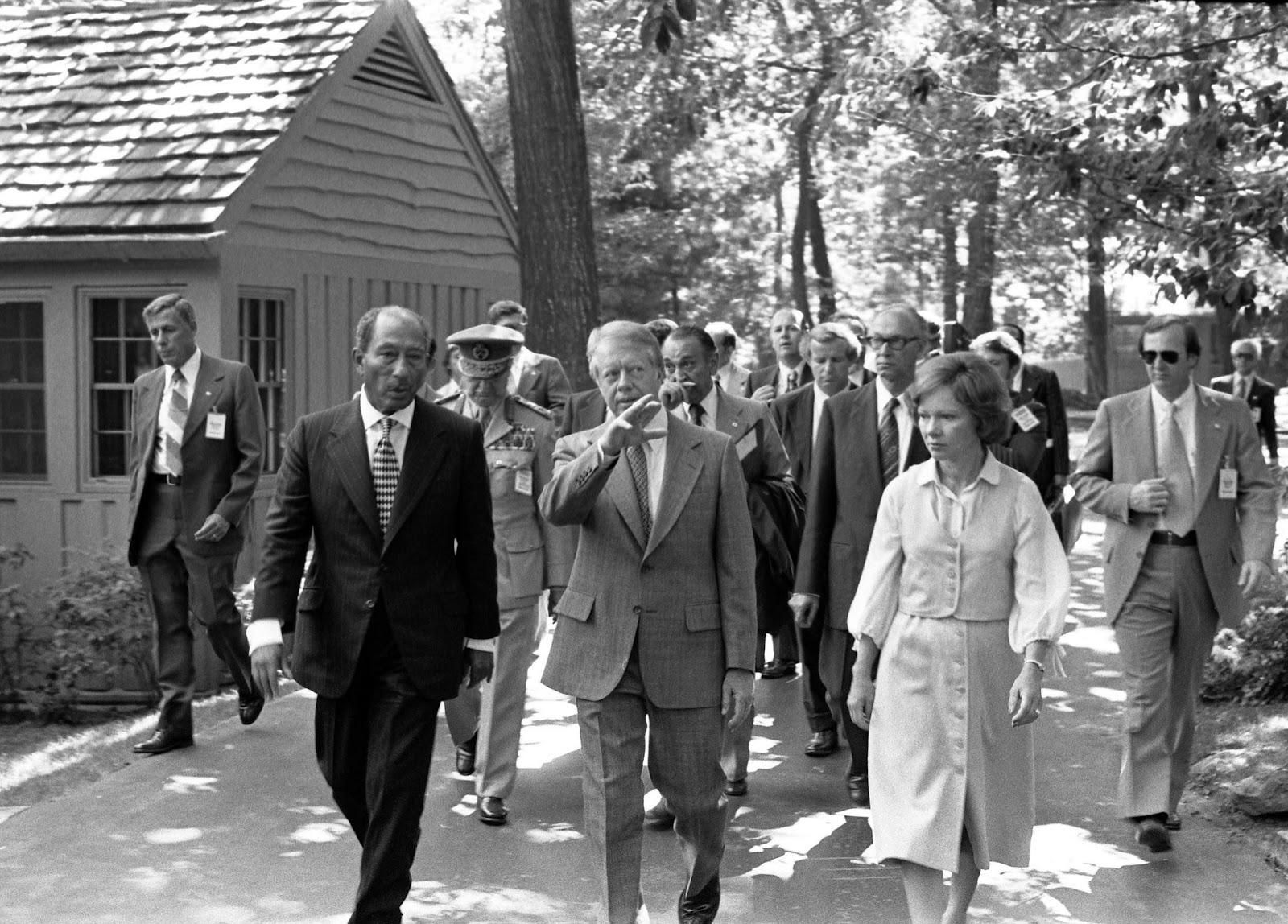
During the first year of his presidency, Jimmy Carter welcomed the leaders of Egypt and Israel to Camp David. For nearly two weeks, he played the roles of attentive listener, skillful negotiator, and steady encourager. His calm and determined approach helped bring both sides together, resulting in the Camp David Accords, a historic agreement that still stands as a powerful example of Carter’s dedication and perseverance.

8
A love for fishing

Image: National Archives and Records Administration, Public domain, via Wikimedia Commons

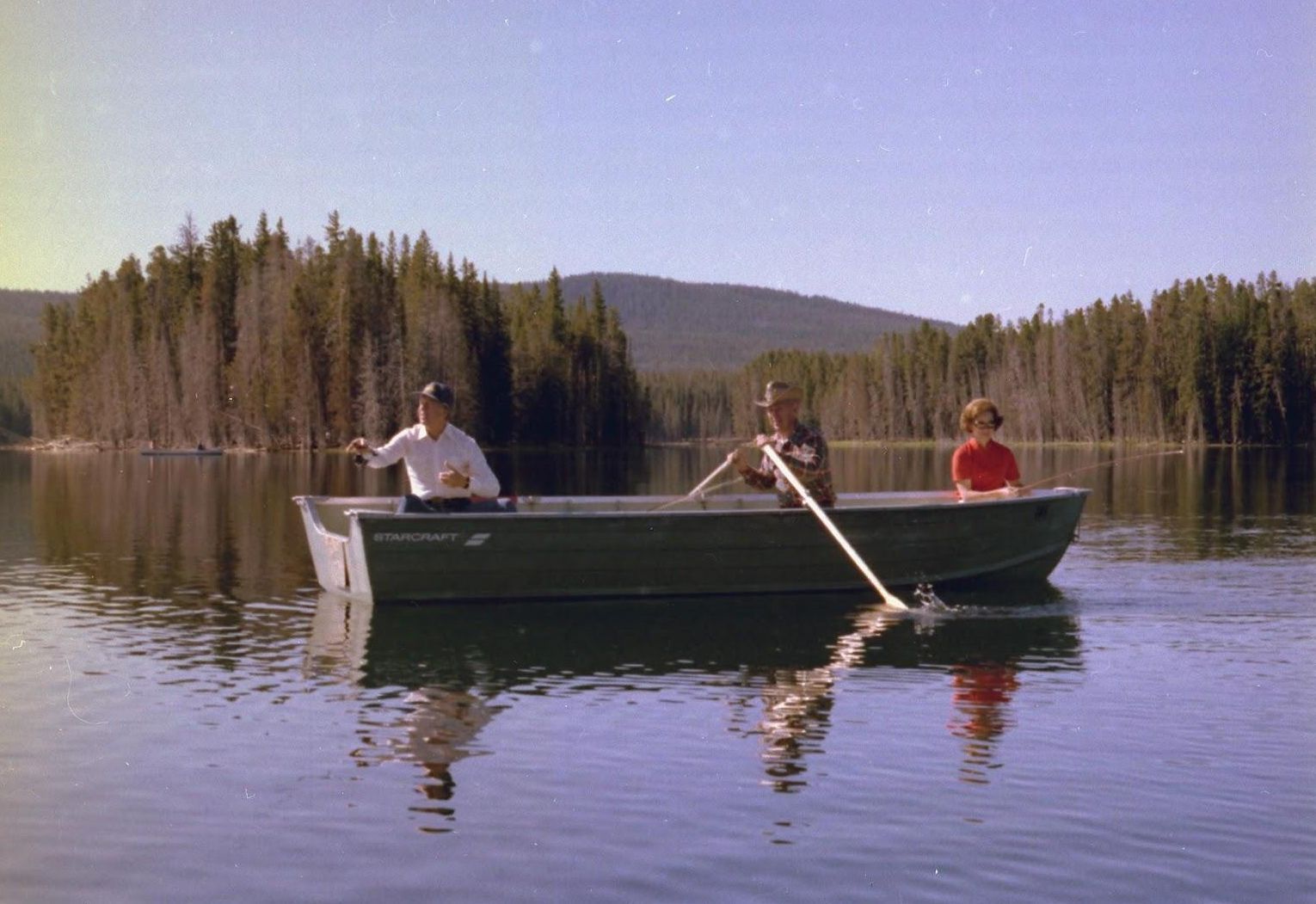
Carter’s passion for the outdoors remained strong throughout his life. Whether he was wading knee-deep in a cool river or casting a line from a modest boat, fishing offered him a respite from his demanding duties as president. With a rod in hand, he found time to think, connect with nature, and recall the easygoing rhythm of his childhood days in rural Georgia.

9
Energy-saving sweaters

Image: Jimmy Carter's Presidential Photographs, Collection: White House Staff Photographers Collection, Public domain, via Wikimedia Commons

At a time when energy was in short supply, Carter didn’t just give speeches about saving power; he led by example. On national television, he appeared wearing a cozy cardigan sweater, encouraging Americans to lower their home thermostats and put on a warm layer instead. That small, relatable act sent a clear message: Carter wasn’t just asking people to conserve energy; he was doing it himself, showing that simple changes could make a big difference.

10
Nobel Peace Prize

Image: [null Courtesy], Public domain, via Wikimedia Commons

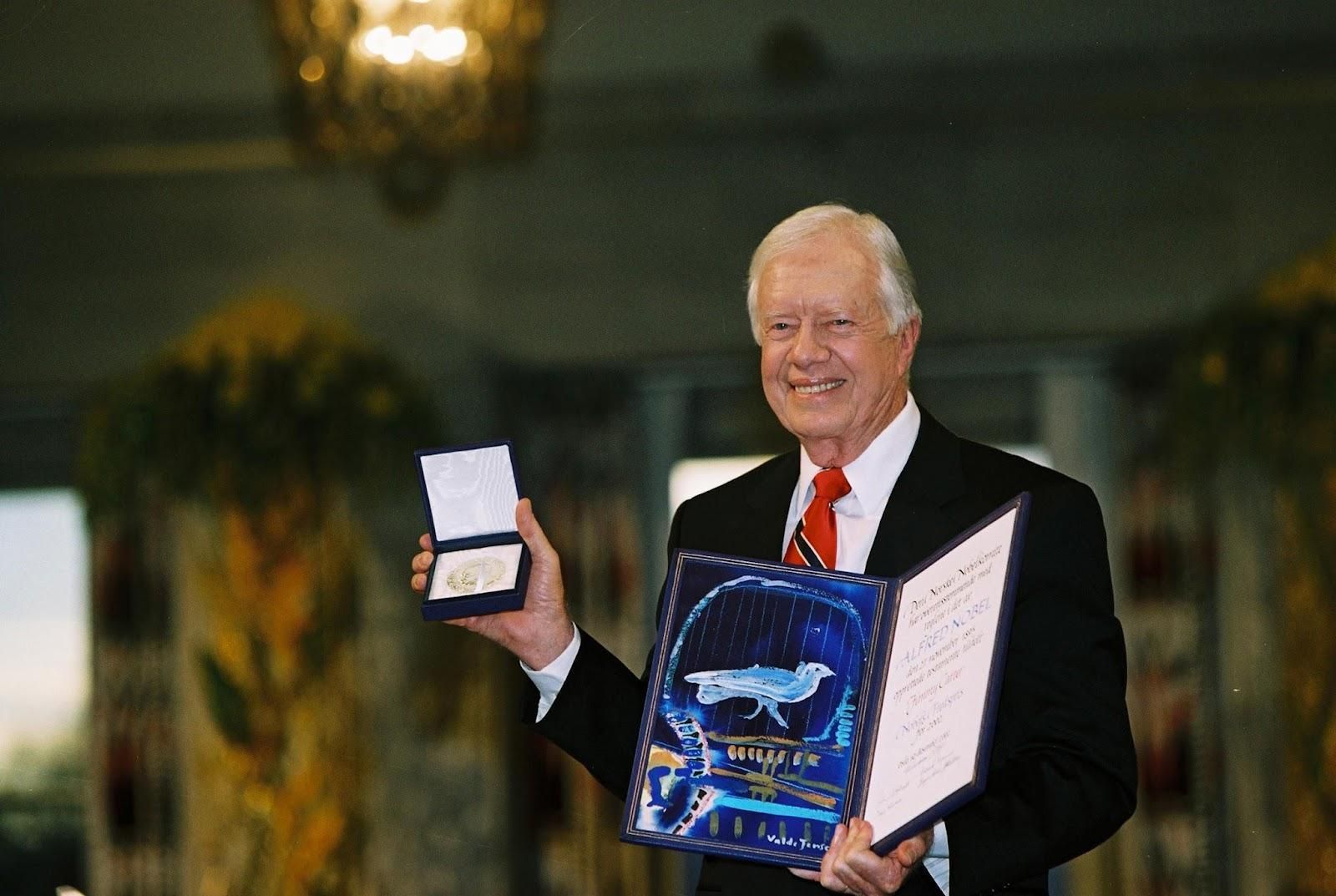
In 2002, Jimmy Carter received the Nobel Peace Prize, honoring his decades-long commitment to promoting peace and defending human rights around the world. This award wasn’t about politics or prestige; it celebrated a lifetime devoted to bridging divides and working toward understanding among people of different nations, cultures, and beliefs.

11
Building homes

Image: Photo by Chris Wingard. – U.S. Department of Energy from United States, Public domain, via Wikimedia Commons

Long after leaving the White House, Jimmy Carter showed he wasn’t one to shy away from hard work. Through Habitat for Humanity , he picked up a hammer and rolled up his sleeves, helping to build homes for families in need. It was hands-on, honest labor, the same kind of hard work he’d been familiar with since his childhood on the Georgia farm.

12
The farmer who wrote books

Image: National Archives and Records Administration, Public domain, via Wikimedia Commons

From heartfelt memoirs to thoughtful poetry, Jimmy Carter has authored more than 30 books over the course of his life. Writing became his way of sharing experiences, wisdom, and dreams for a better world. Much like tending his farm or casting a line in a quiet river, Carter approached writing with patience, care, and a personal warmth that will surely connect with readers for decades to come.

Explore more American facts

Choose your favorite category!

General
General

As American as apple pie—the very best America has to offer!

Culture
Culture

Delve into the astounding richness of American lore.

Geography
Geography

Hop in and explore vast and diverse American landscapes.

History
History

Discover the key moments that shaped the United States.