General General 4 min read

People’s early favorites

Every American remembers at least one of these children's books

Image: Josh Applegate

Do you remember the books you read as a kid? When we open those colorful pages at an impressionable age, the characters jump out and become our friends. Ducklings, wild things, and hungry caterpillars are still very much alive both in bookshelves and in our memories. Let’s explore some of the dearest children’s books in the US —we hope you find your favorite among them!

1
"The Very Hungry Caterpillar" by Eric Carle

Image: rbu1249

A must to start off this list: The visuals of The Very Hungry Caterpillar are ingrained in the upbringing of millions of kids throughout the country —and the world!

Eric Carle wrote and illustrated the story of a bug eating through several foods before transforming into a butterfly. Who could forget the tactile experience of finding different holes in the pages?

2
"Corduroy" by Don Freeman

Image: Susanne Jutzeler, suju-foto

In the world of children’s literature, Corduroy is a tear-jerker. A teddy bear sits on a store shelf hoping a kid will pick him. Little Lisa spots him but can’t afford him, and leaves. So the bear embarks on a quest to fix his missing button, hoping this will make him more likable.

In the end, Lisa comes back and buys him as he is —because, of course, he was always enough . Is there a sweeter story to teach kids about self-acceptance and love?

3
"Make Way for Ducklings" by Robert McCloskey

Image: David Trinks

A row of bronze statues in Boston’s Public Garden celebrates Make Way for Ducklings, the sweet book by illustrator and author Robert McCloskey.

He got the idea for this story when he observed ducks causing traffic issues on Beacon Street. The book follows Mr. and Mrs. Mallard as they search for the perfect place to raise their family —ducklings Jack, Kack, Lack, Mack, Nack, Ouack, Pack, and Quack. They finally settle, of course, in the lagoon of the Boston Public Garden.

4
"Charlotte's Web" by E.B. White

Image: Annie Spratt

Author E.B. White had a farm in Maine, and his daily observations of barnyard animals gave him an idea: What if a pig and a spider became best friends?

In the book, the spider weaves messages to convince humans that Wilbur is an extraordinary pig and should not be slaughtered. Charlotte’s Web brushes on themes like mortality and loss —certainly bold for a children’s book. Nonetheless, it became a timeless classic.

5
"The Cat in the Hat" by Dr. Seuss

Image: Franco Monsalvo

"Thing One" and "Thing Two" have to be among the longest-standing Halloween costumes in use. They were born thanks to Dr. Seuss’ famous The Cat in the Hat in the 50s, and every kid still seems to know its iconic characters.

The story shows a day in the life of two kids left home alone when a whimsical magical cat shows up to unleash some fun chaos. The author said that he wrote the book as a response to an article in Life Magazine that lamented the dullness of children’s primers.

6
"Frog and Toad Are Friends" by Arnold Lobel

Image: Jared Evans

Images of Frog and Toad still abound on the internet, which proves how beloved and timeless the pair became. Frog and Toad Are Friends was published in 1970 as the first in Arnold Lobel's famous series.

The wholesome dialogue, tender narratives, and classic illustrations left a lasting mark on generations of readers. Who could forget the simplicity of these two loyal friends riding a bike, flying a kite, or fishing from a boat?

7
"Goodnight Moon" by Margaret Wise Brown

Image: David_Miram

We couldn’t leave Goodnight Moon out of this list! Margaret Wise Brown wrote over 100 children’s books, but this one won the hearts of little readers and their parents.

It’s a bedtime story about a young bunny saying goodnight to everything around him , from "the great green room" to "the quiet old lady whispering ‘hush’." It shows an appeasing and sweet ritual that taught kids about routines through soothing rhymes.

8
"Where the Wild Things Are" by Maurice Sendak

Image: Adnan Uddin

In Where the Wild Things Are, mischievous young Max escapes into a vivid fantasy world after being sent to his room without dinner. There, he crosses a land of endearing monsters whom he leads as their king.

Maurice Sendak’s story and iconic illustrations captivated many generations of readers. The text was adapted into short films, a live-action film, and even an opera!

9
"Brown Bear, Brown Bear, What Do You See?" by Bill Martin Jr. and Eric Carle

Image: Daniel Diesenreither

Remember Eric Carle, author of The Very Hungry Caterpillar ? Before that big hit, he had been the illustrator for another unforgettable kid’s book: Brown Bear, Brown Bear, What Do You See?

This one was written by Bill Martin Jr. The rhyming question-response structure introduces readers to a series of animals described by their vibrant colors : a brown bear, a red bird, a yellow duck, and so on.

10
"The Phantom Tollbooth" by Norton Juster

Image: Jon Tyson

Maurice Sendak, the author of Where the Wild Things Are​ , said that The Phantom Tollbooth was a masterpiece.

This 1960s book by Norton Juster follows Milo, a bored young boy who unexpectedly receives a mysterious tollbooth that allows him to travel through fantastical lands. Juster said that the idea for this book was sparked from a random encounter with a curious child asking about infinity.
General General 4 min read

Beyond the law

Wait… that's not illegal? 11 ‘crimes’ you didn't know are legal

Image: Jan van der Wolf

Sometimes we’re so accustomed to doing things a certain way that doing anything different feels illegal. But not every bit of "common sense" is backed by an actual law. Many widely accepted practices are merely norms or policies—not legislation. From driving barefoot to owning a flamethrower, here are 11 things you might think are illegal… but actually aren’t.

1
Driving barefoot

Image: Ashley Byrd

No federal or state law in the U.S. bans driving barefoot. Though sometimes discouraged for safety reasons, driving barefoot is legal in all 50 states (and in most countries worldwide as well).

While police might ask you to put your shoes on during a traffic stop, it’s merely a suggestion, not a legal requirement. In most modern cars, driving barefoot presents no significant safety risks, but it could affect insurance claims. If you’re involved in an accident while barefoot, you might face increased scrutiny from insurers.

2
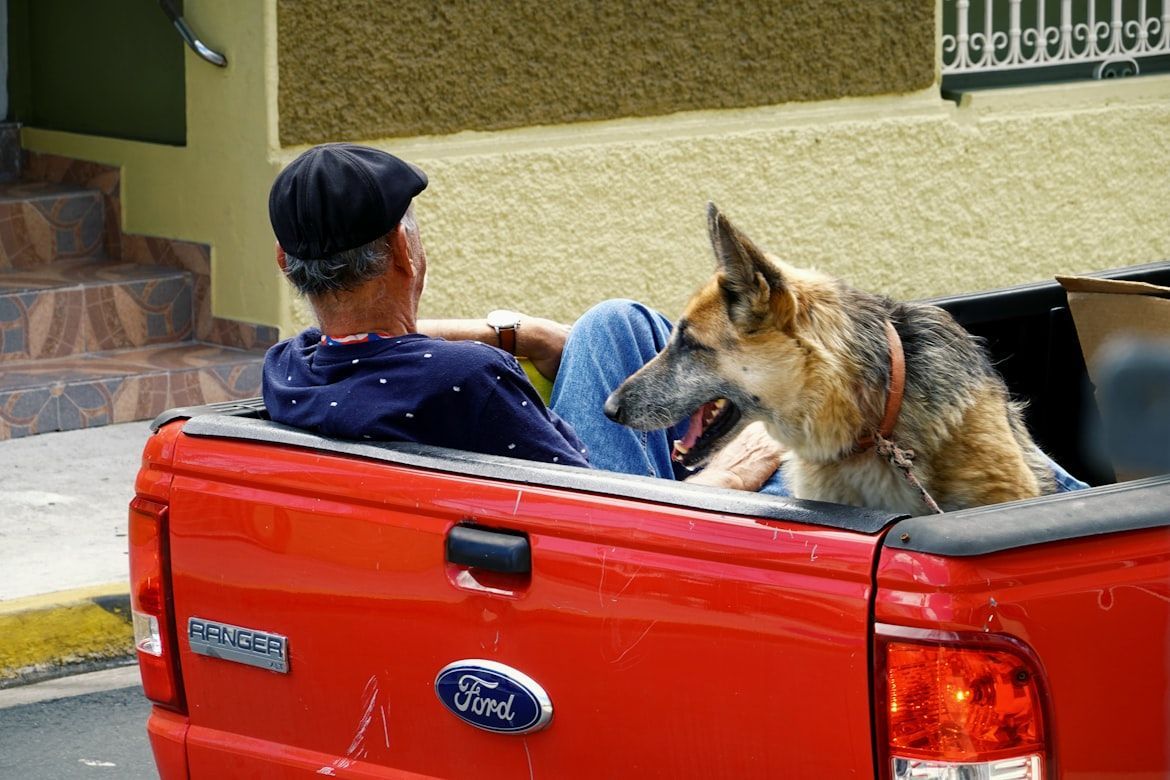
Riding in the back of a pickup truck

Image: Richard Lu

This is a bit of a gray area. There is no federal law regulating the practice, but some states or local jurisdictions may impose restrictions, often including age limits.

In rural areas, most people won’t bat an eye if you ride in the bed. However, it can be considered a safety risk and may serve as an aggravating factor if you’re stopped for speeding or other traffic violations.

3
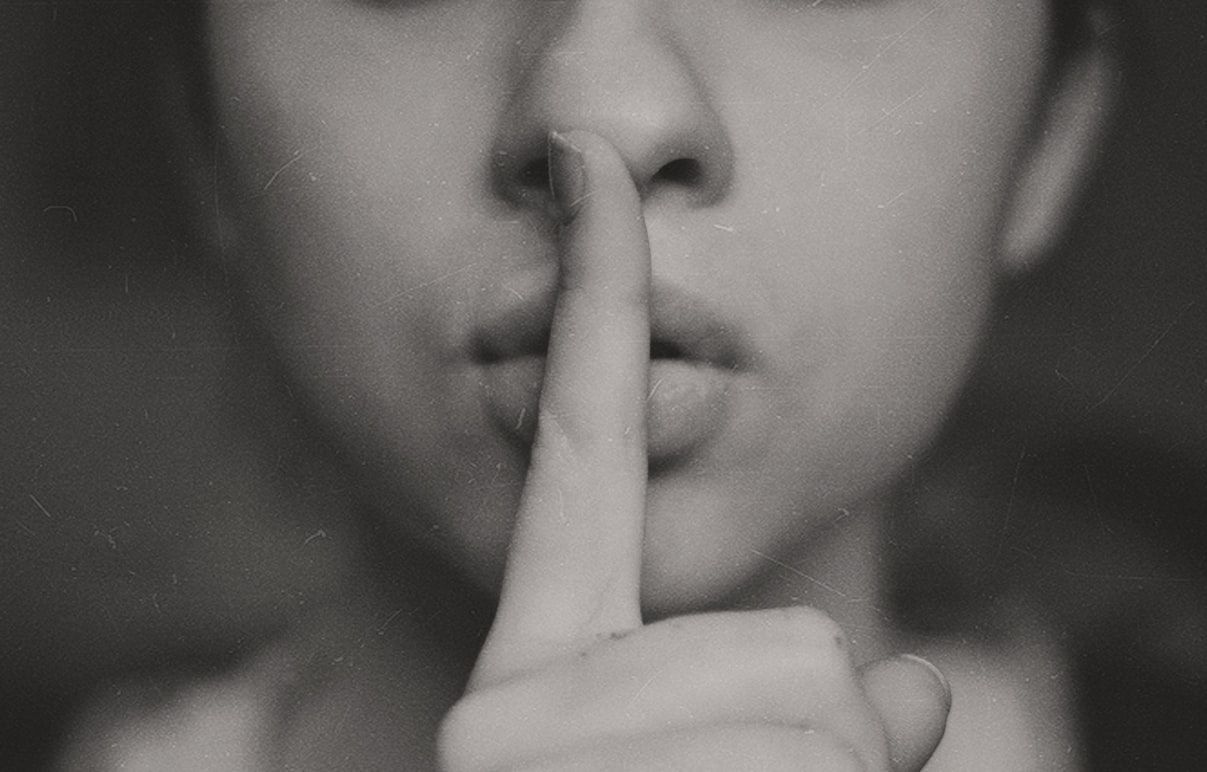
Cursing in public

Image: Kristina Flour

While it’s common courtesy not to go around hurling insults and profanity, the truth is no one can legally require you to stop if you are so inclined.

This is because profanity is generally protected speech. However, "generally" is doing some heavy lifting here, as depending on the context, it could be considered provocation or incitement to violence.

4
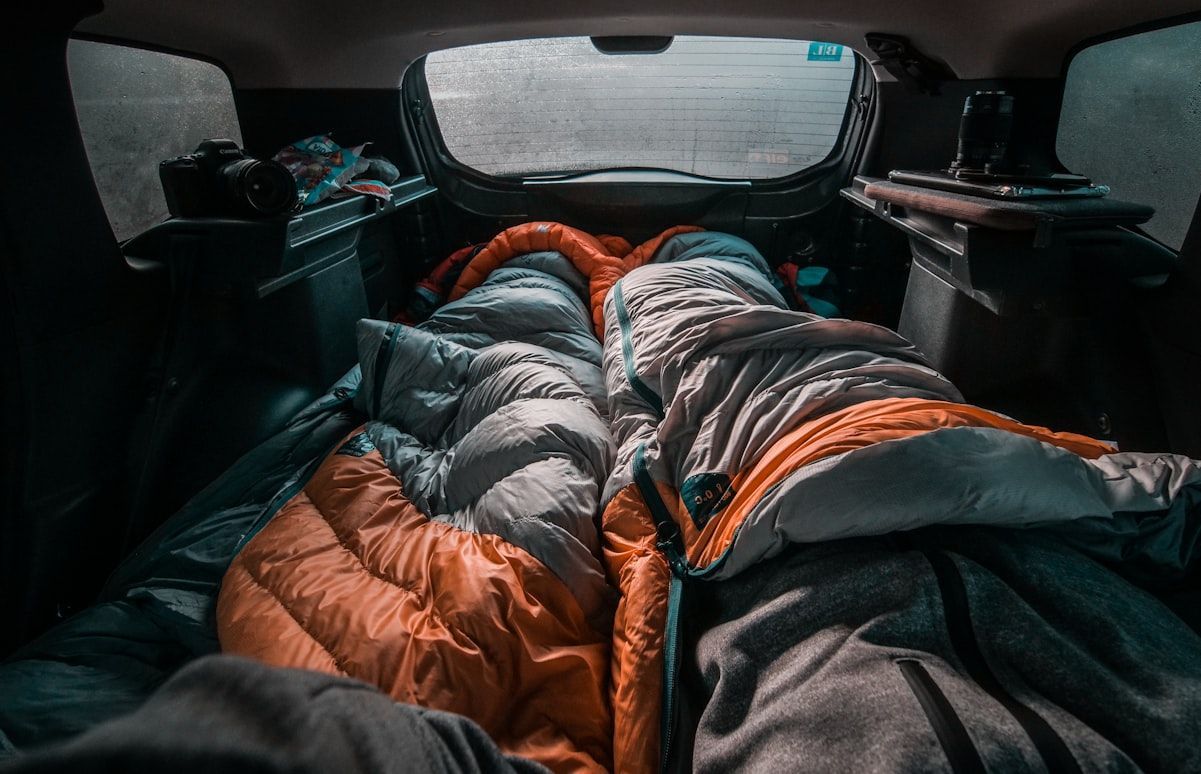
Sleeping in your car

Image: lucas Favre

It’s not illegal to sleep in your car unless local ordinances specifically prohibit it in certain areas, such as city streets or commercial lots.

Often, it has nothing to do with sleeping whatsoever, as in some places, all overnight parking at rest stops is prohibited or limited to just a few hours. Some Walmart lots might allow it, but that’s a private policy—not a law—and you should check with the local manager to be sure.

5
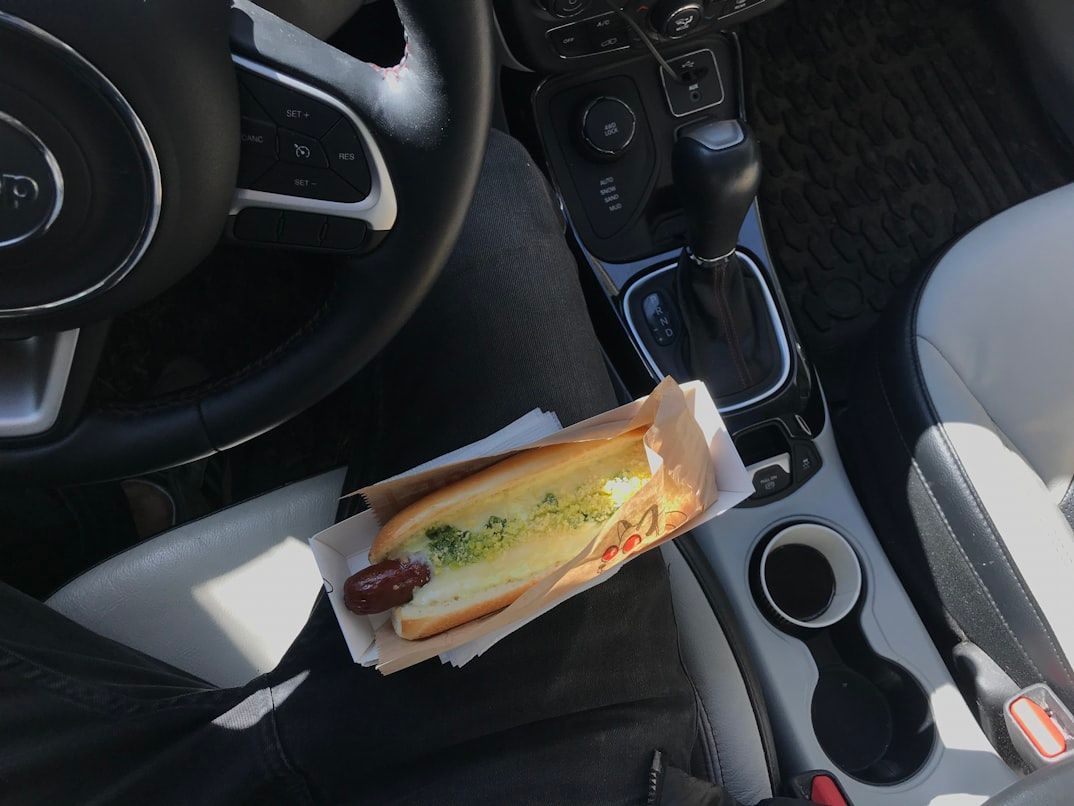
Eating while driving

Image: Dmitriy Frantsev

There’s no blanket law against eating while driving, though it can be considered a distraction. If it leads to unsafe driving, you could be cited.

Washington State’s distracted driving law bans holding electronic devices and allows extra fines for erratic driving caused by distractions , including eating or drinking . Some states, such as New Jersey, have considered banning it entirely, but most proposed laws are too vague to be enforced clearly.

6
Owning a flamethrower

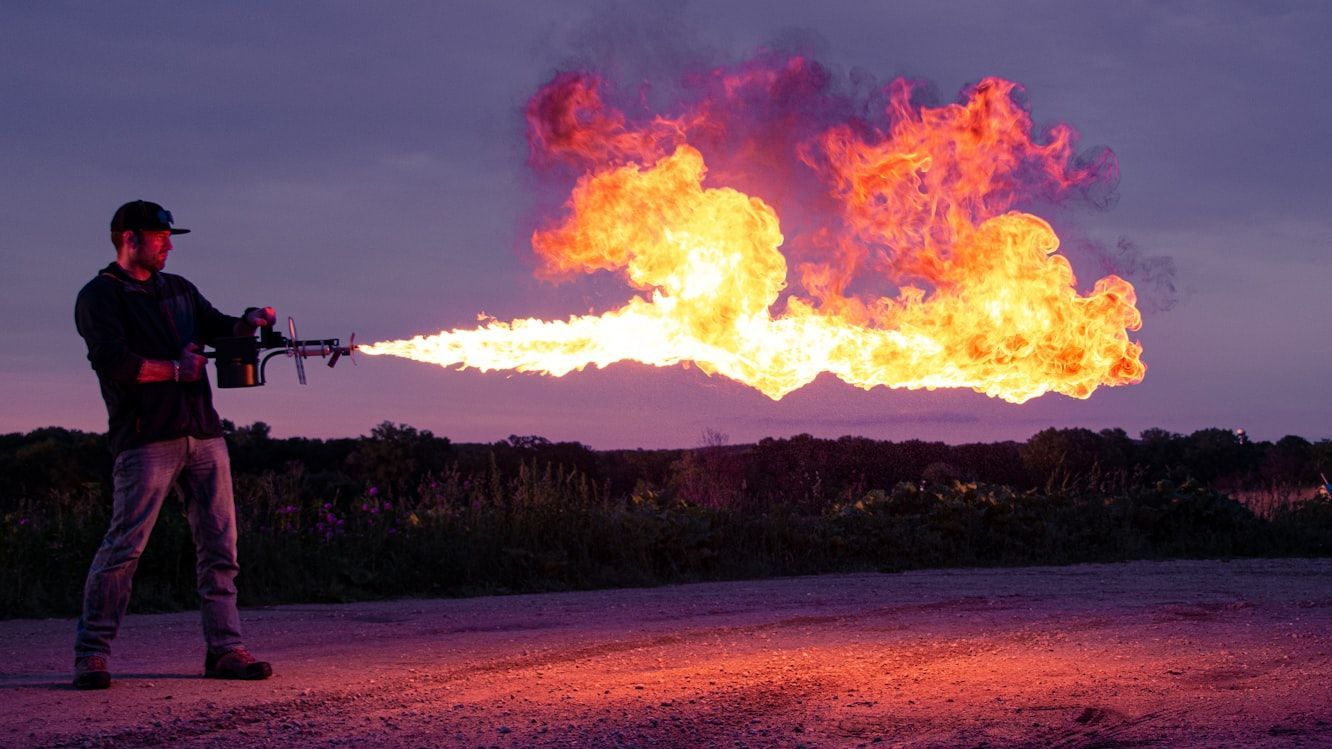
Image: Tali Despins

Surprisingly, there’s no federal law in the U.S. that bans civilian flamethrower ownership. However, a few states do impose restrictions; California and Maryland have strict laws prohibiting or regulating them.

Some companies even market flamethrowers for agricultural use, like controlled burns or weed clearing. But misuse of a flamethrower can lead to serious legal charges—for instance, arson, reckless endangerment, or other criminal or civil liabilities.

7
Ignoring someone knocking at your door

Image: Aaron Burden

No law requires you to open your door to anyone, including police, unless they have a warrant.

If you're pulled over while driving or stopped on the street, you’re generally required to comply with police instructions. But if you're inside your home with the door closed—and ideally locked—you’re under no obligation to respond at all.

8
Selling homemade food without a license

Image: Museums of History New South Wales

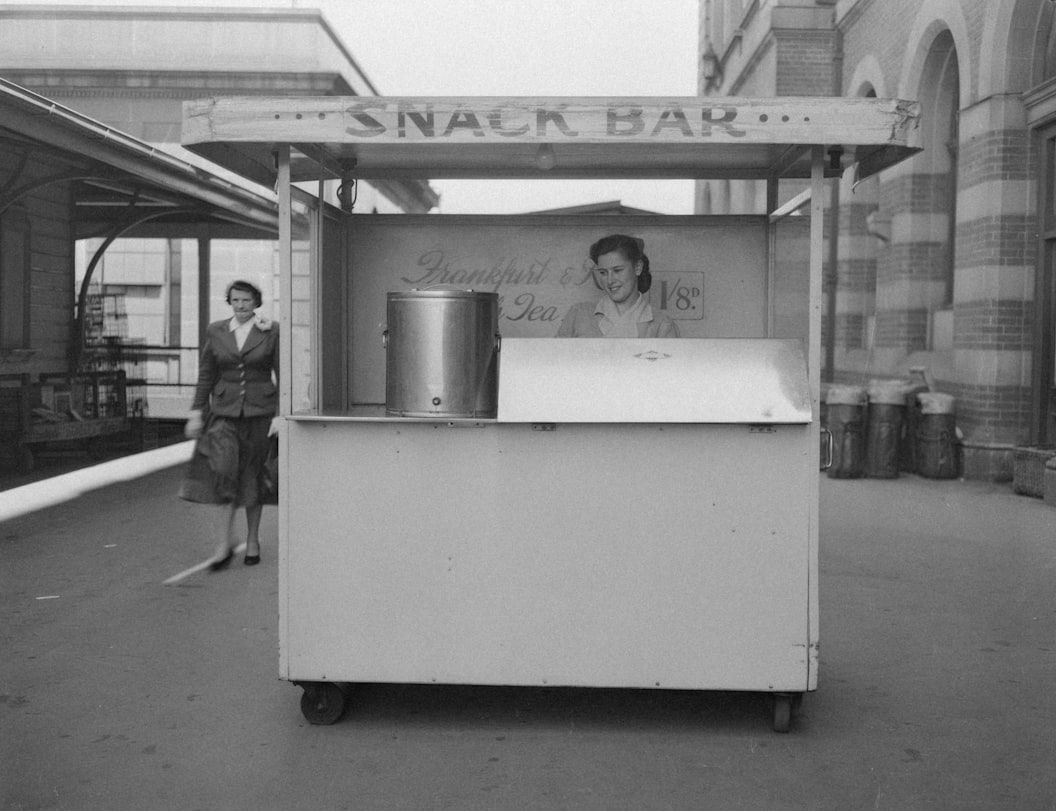
Most states require permits or inspections to sell food commercially. However, many states have "cottage food laws" that allow limited sales of certain homemade goods without a license.

But if you scale up beyond small-batch home production, you’ll likely face a citation—and a hefty fine—from the authorities.

9
Backyard burials

Image: Jennifer Grismer

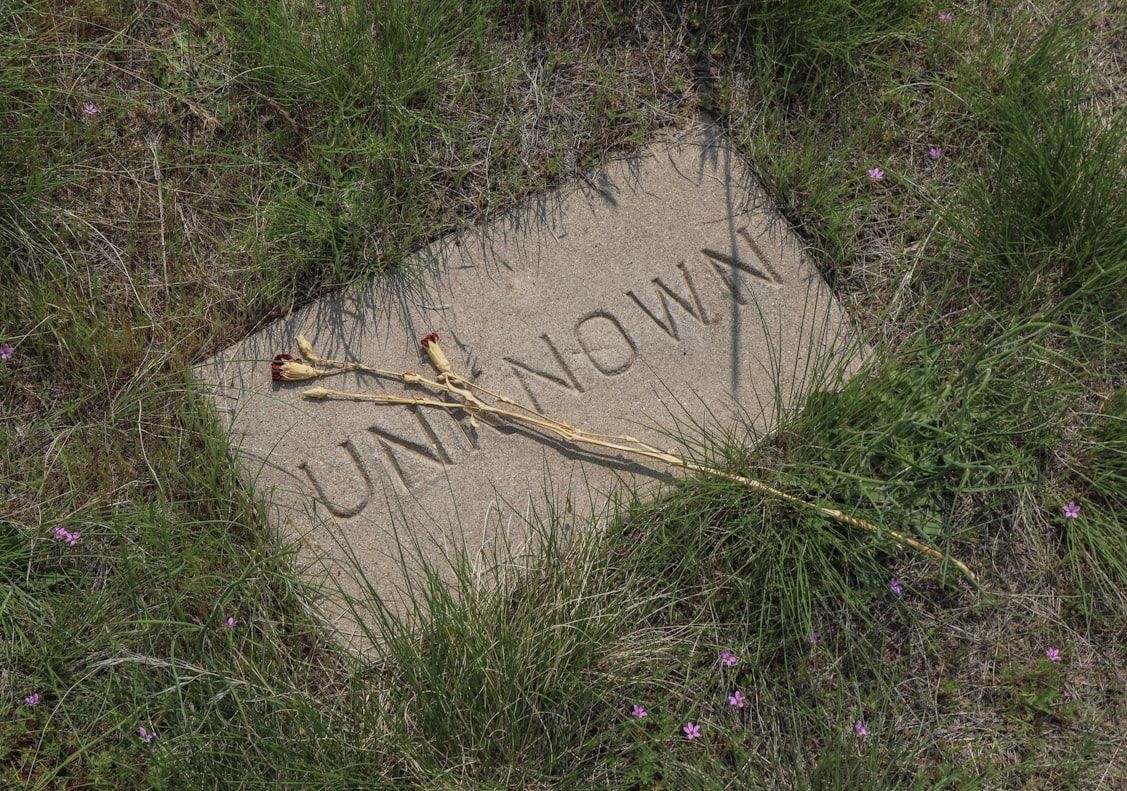
Believe it or not, there’s no federal law against burying human remains on private property. Many states allow it, provided you have the proper paperwork, such as a death certificate and burial permit. Local zoning laws may regulate factors like location, depth, and proximity to water sources or property lines.

Similarly, pet burials are generally permitted, but local ordinances can vary —so it’s important to check them first.

10
Using a fake name online

Image: Sander Sammy

Unless it’s used for fraud or to impersonate a real person, using an alias on social media or online forums isn’t a crime.

Some platforms may prohibit it in their terms of service, but that’s a civil matter—not a criminal one. Legal issues generally arise only if the alias is used to cause harm, deceive others, or commit financial fraud.

11
Flying the U.S. flag at night without lighting

Image: Shelley Pauls

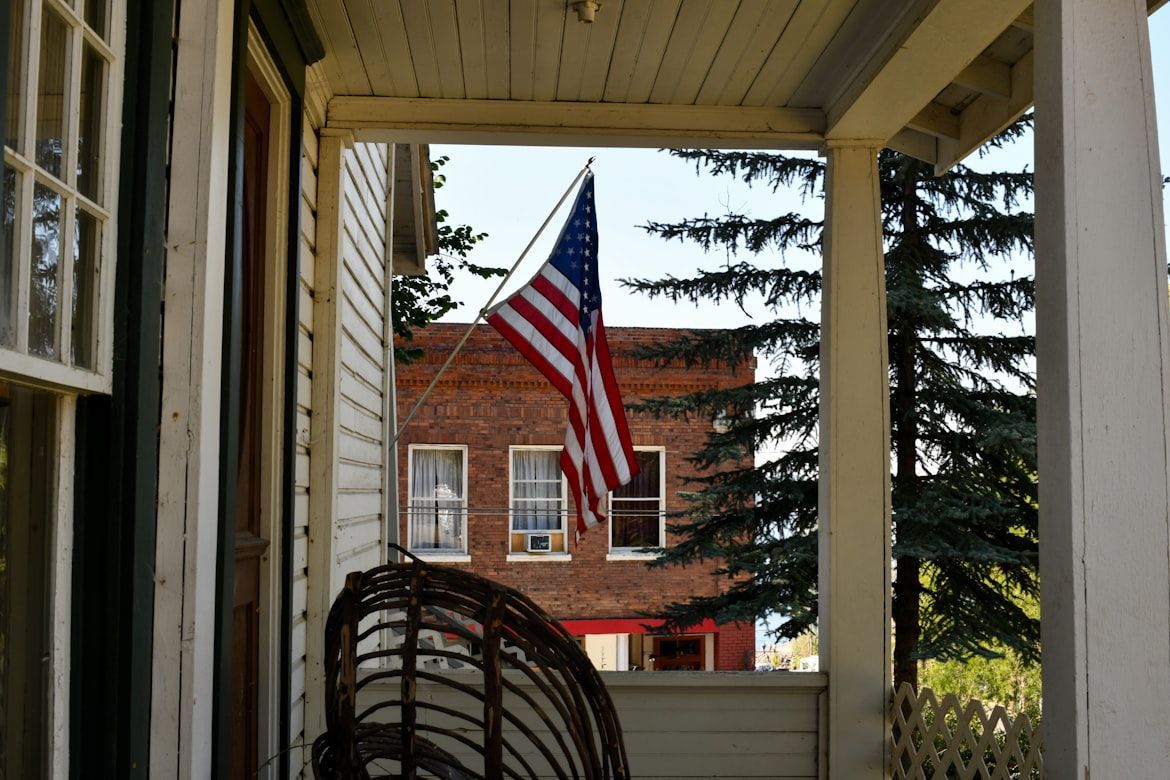
The U.S. Flag Code suggests that the flag should be illuminated if flown at night, but this is just a general guideline, not a legally enforceable law.

Stricter requirements may apply to government buildings, but for private citizens, the code is purely advisory and symbolic.

General General 3 min read

Money matters

In cash we trust: The hidden history of American money

Image: engin akyurt

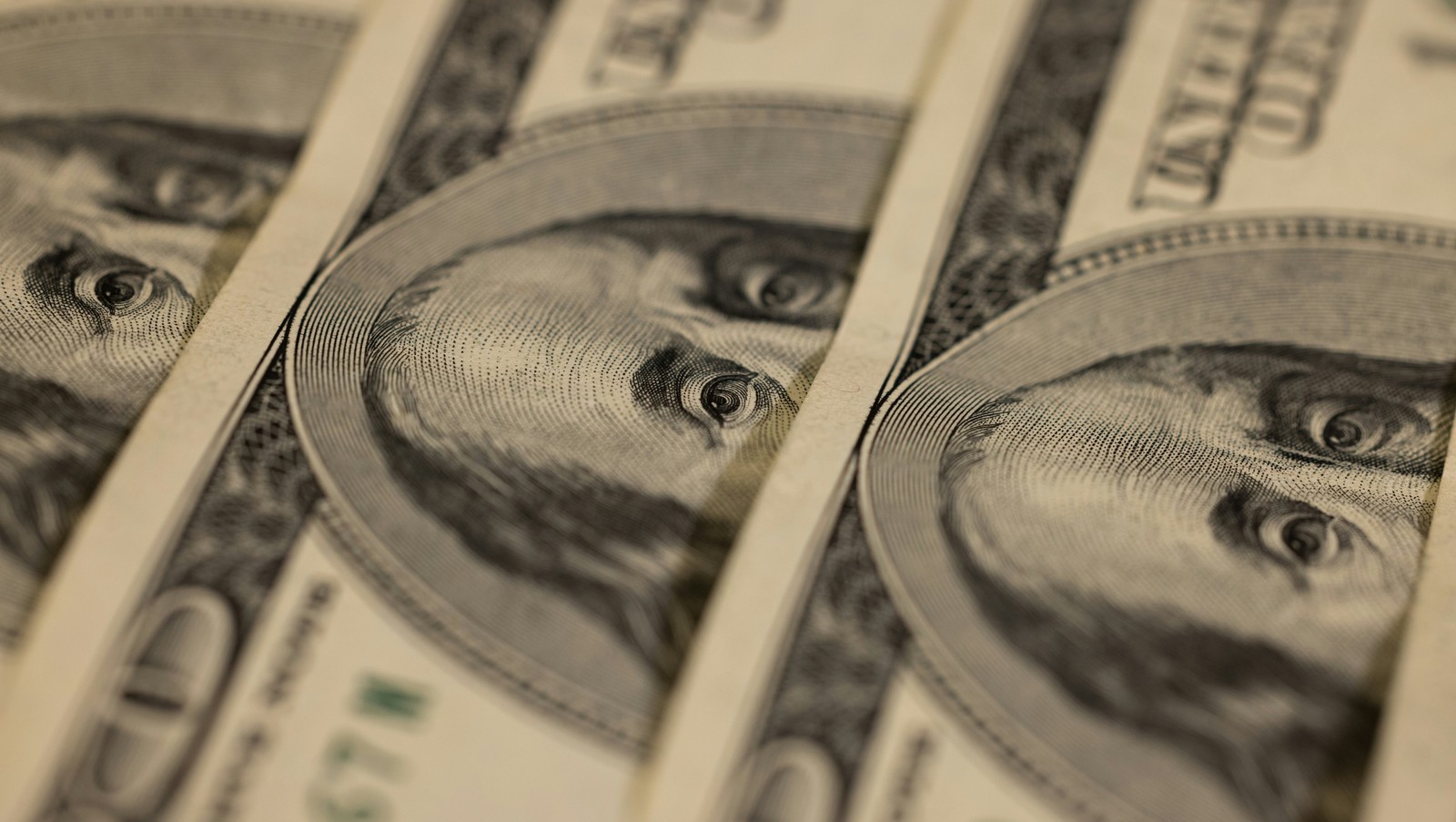
We handle money every day but rarely stop to think about where it all came from. Every coin and bill in your wallet has a story to tell . Some are serious, some are funny, and some are just plain surprising. From hidden symbols to sky-high denominations, here are ten true stories about US currency that might make you look at your wallet a little differently.

1
In God we trust

Image: Kelly Sikkema

The famous phrase "In God We Trust" hasn’t always been part of our money. It first showed up on some coins during the Civil War , when the country was looking for hope in tough times. It didn’t become standard on all bills and coins until 1955, during another period of strong religious feeling. Today, it’s part of our national identity and one of the most recognized mottos in the world.

2
The all-seeing eye on the dollar

Image: Thought Catalog

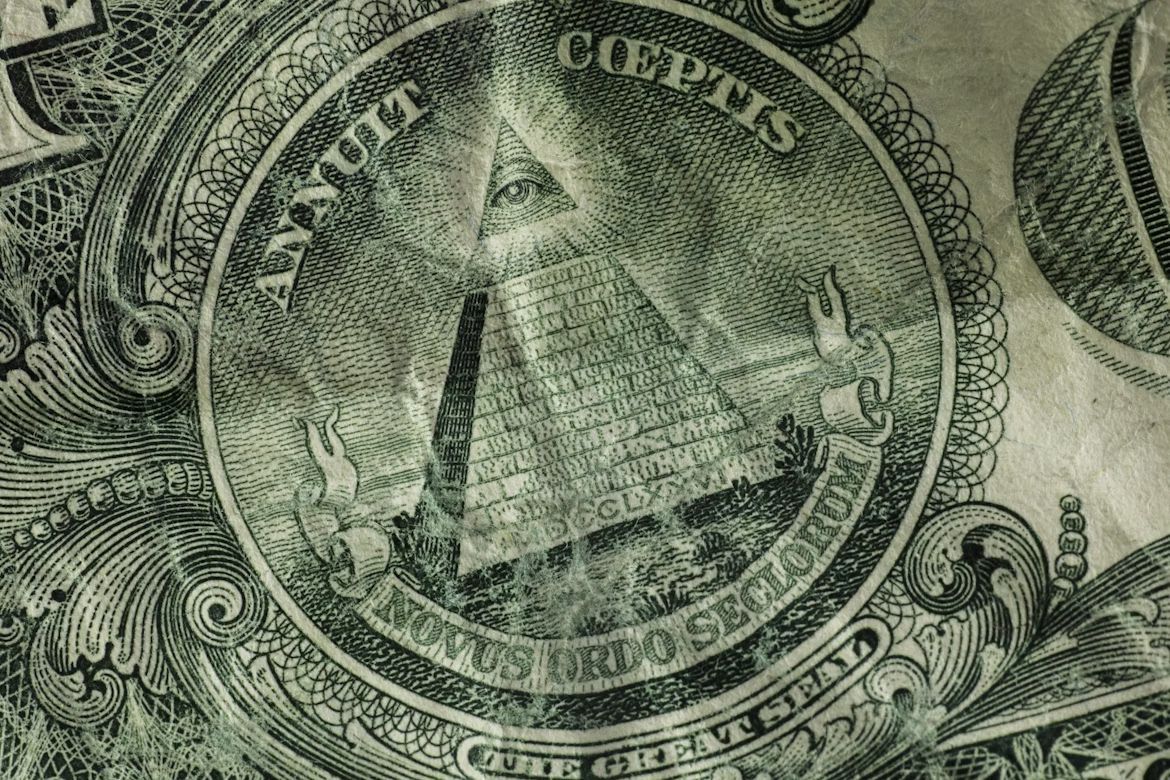
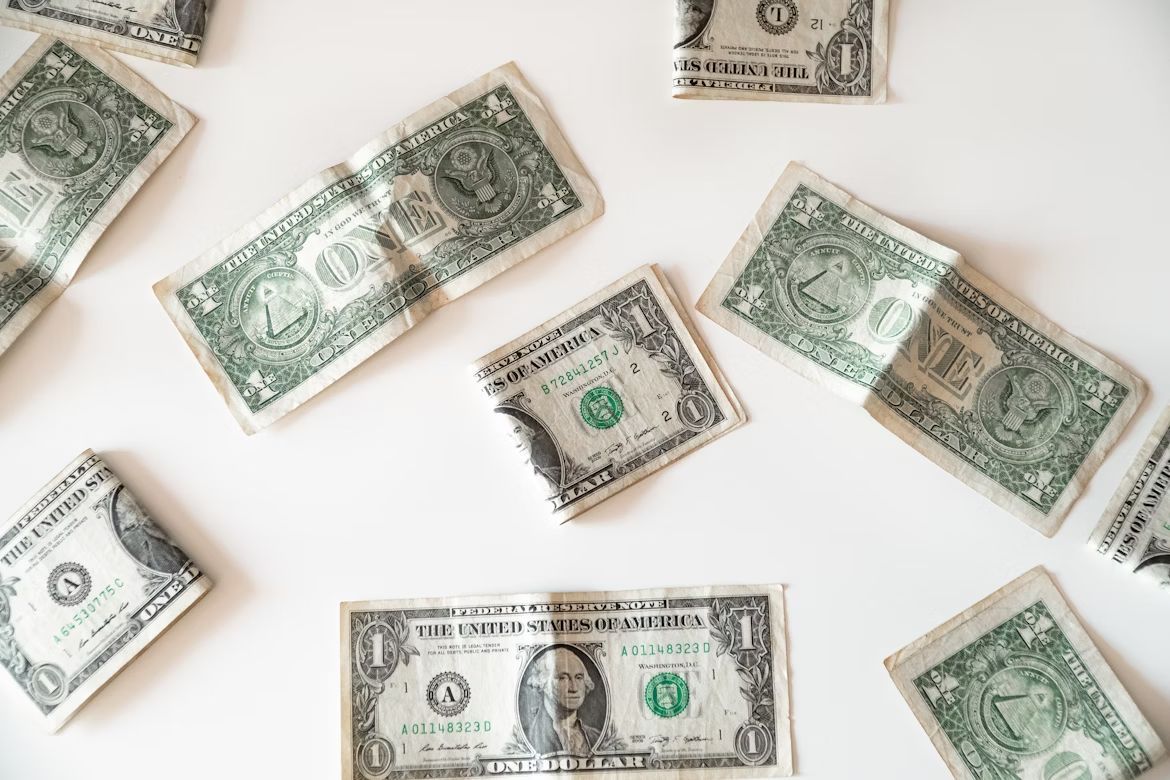
That little pyramid with an eye floating above it on the one-dollar bill has sparked plenty of wild theories, but the truth is rooted in history. Known as the "Eye of Providence," it represents divine guidance and watchfulness . The Founding Fathers saw it as a symbol of wisdom and protection.

3
The Secret Service started with cash, not presidents

Image: Collin

When the Secret Service was created in 1865, it had nothing to do with protecting the president. Its original job was to fight counterfeit currency , which had become a huge problem during the Civil War. Back then, nearly one in three bills was fake! The agency did its job so well that it built the foundation for the secure money system we have today.

4
The $10,000 bill that once roamed the banks

Image: Artem Beliaikin

Yes, there really was a $10,000 bill, and it carried the face of Salmon P. Chase, who served as Lincoln’s Treasury Secretary . It was never meant for everyday use at the store, of course. Banks used it for large transfers between Federal Reserve branches. Although it’s been out of circulation for decades, collectors still love to get their hands on one.

5
Fighting fakes with science

Image: Alexander Grey

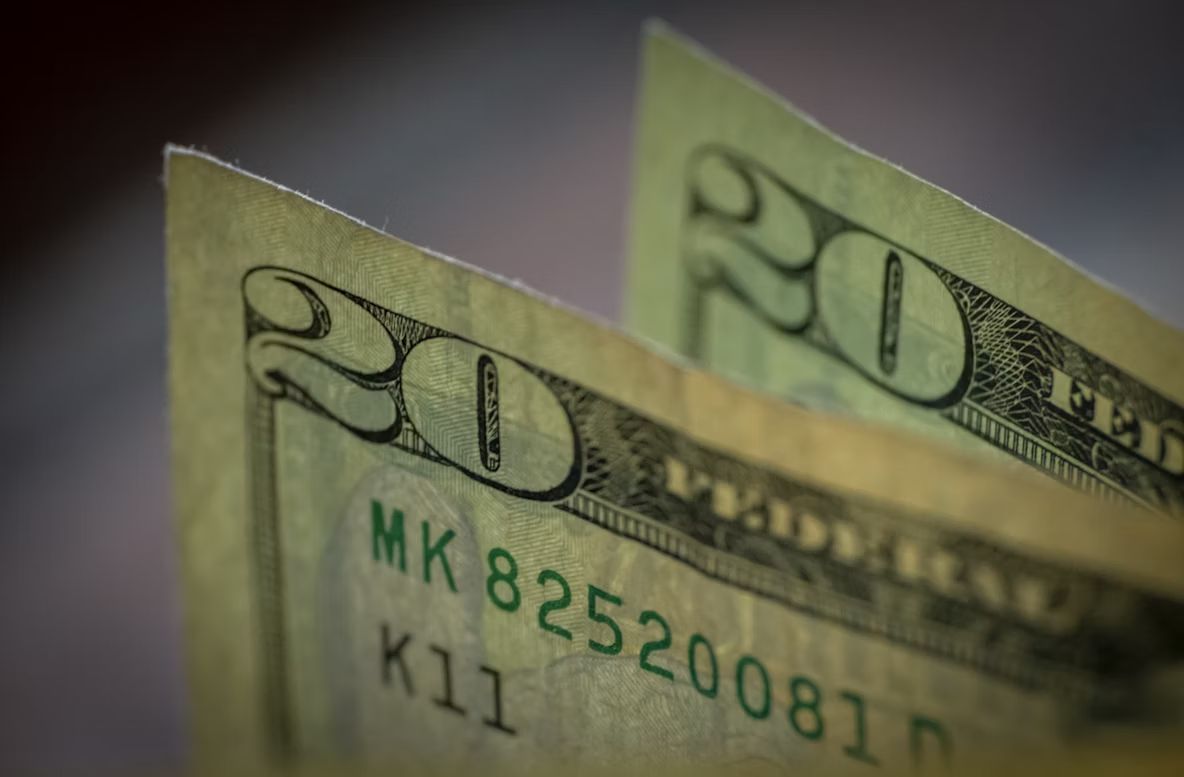
Counterfeiting has been a problem since the first coins were made, but modern bills are loaded with clever security tricks . Watermarks, color-shifting ink, and hidden security threads help stop fake money before it spreads. If you tilt a newer bill in the light, you’ll see colors shift and patterns appear. It’s not just decoration, it’s actually protection.

6
Paper money doesn’t live forever

Image: Emilio Takas

Every bill has a limited lifespan. A $1 bill lasts about five years before it wears out, while higher denominations tend to last longer since people handle them less often. When a bill becomes too soft or torn, the Federal Reserve removes it from circulation and replaces it with a new one. Check your wallet and see if any of your bills need changing!

7
Tiny text with a big job

Image: Pete Alexopoulos

If you look very closely at your bills, you might spot lines of tiny printed words around the portraits and borders. That’s called microprinting. It’s so small that it’s nearly impossible to copy accurately. Most people never notice it, but it’s one of the details that protects the money from being easily counterfeited.

8
The penny paradox

Image: Annie Spratt

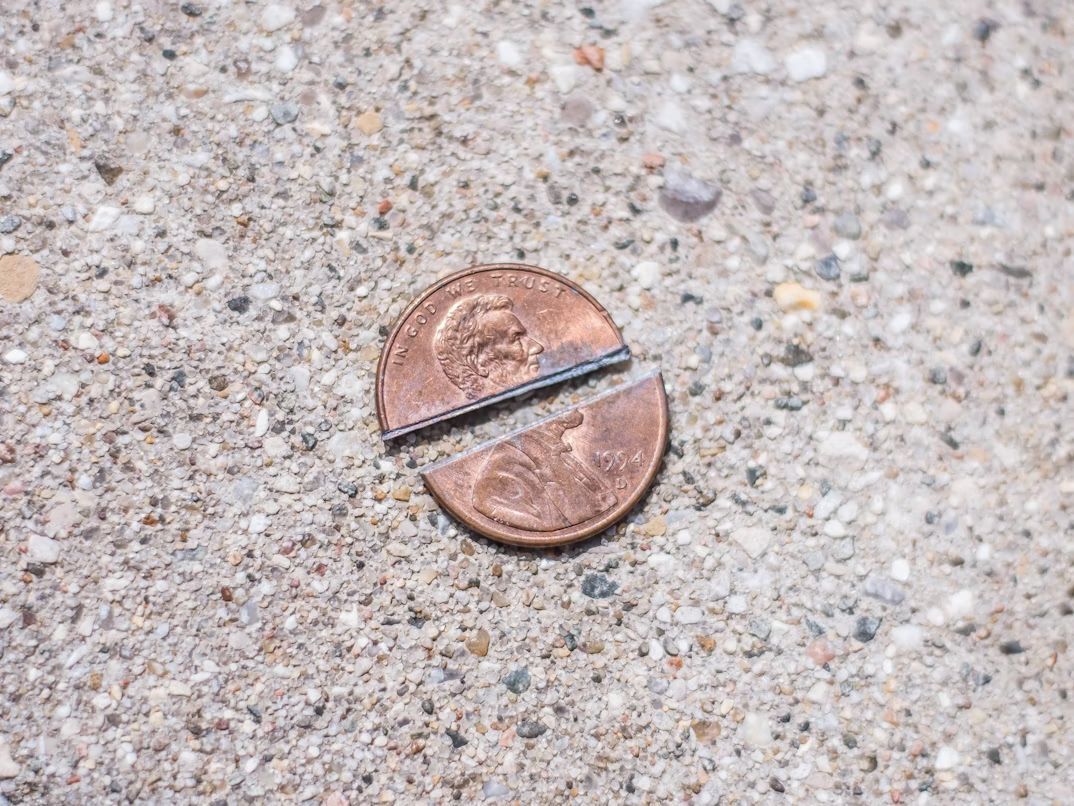
It’s funny to think about, but a single penny costs more than one cent to make. The mix of copper and zinc isn’t cheap , and that’s been true for years. Some even say it’s time to retire the penny, while others can’t imagine America without it. Maybe it’s more than money. Maybe it’s nostalgia that keeps Lincoln’s little coin alive. What do you think?

9
When spare change becomes treasure

Image: Gio Bartlett

Sometimes a coin is worth far more than its face value. The 1913 Liberty Head nickel is one of the best examples. Only five of them exist, and one sold for over four million dollars! Collectors spend years searching for coins like that. It’s part history lesson, part treasure hunt. It may look like an ordinary coin, but it’s really priceless!

10
A woman’s face finally gets her due

Image: Kirt Morris

For most of our history, only men appeared on our currency. However, that’s changing. There are renewed efforts to redesign the twenty-dollar bill and feature Harriet Tubman in it, the fearless leader of the Underground Railroad. Even if it’s not official yet, it’s an important step toward showing the full story of America.

Explore more American facts

Choose your favorite category!

General
General

As American as apple pie—the very best America has to offer!

Culture
Culture

Delve into the astounding richness of American lore.

Geography
Geography

Hop in and explore vast and diverse American landscapes.

History
History

Discover the key moments that shaped the United States.