AMERICANA FLASHBACKS
From Rock’n Roll to Suburbia: 10 defining moments of 1950s America

Image: Brett Jordan
The 1950s was a turning point in American history. A decade marked by innovation and prosperity, this era witnessed major societal shifts, ranging from technological advancements to the emergence of iconic brands and cultural phenomena like rock 'n' roll. It also saw the rise of the civil rights movement and the beginning of the Cold War, kickstarting a new global era. As Americans dreamed of space exploration and new technologies, they suddenly gained access to unprecedented comforts. Here are 10 hallmarks of this remarkable time.
1
Rock 'n' Roll Revolution

Image: Provincial Archives of Alberta
The 1950s marked the explosive rise of rock 'n' roll, with artists like Elvis Presley, Chuck Berry, and Little Richard leading the charge. This novel genre blended rhythm and blues with country, creating an energetic and rebellious sound that resonated with the youth.
Rock 'n' roll quickly became a cultural phenomenon, challenging traditional norms and promoting a new sense of freedom and expression. But the genre's influence extended way beyond music, as it impacted fashion, dance, and even social attitudes. As a symbol of teenage rebellion, it is now considered a catalyst for the social revolutions of the 1960s.
2
Space Race Begins

Image: Brian McGowan
The Space Race, ignited by the Soviet Union's launch of Sputnik in 1957, became a key aspect of the Cold War rivalry between the United States and the USSR. In response, the U.S. accelerated its space program, leading to the creation of NASA in 1958.
The race to space was not just a technological competition but also an ideological battleground. It captured the American imagination, inspiring dreams of exploration and boundless innovation. This era laid the groundwork for major achievements, including the Apollo moon landing, forever cementing the United States’ place in the history of space exploration.
3
Television Takes Over

Image: Randy Jacob
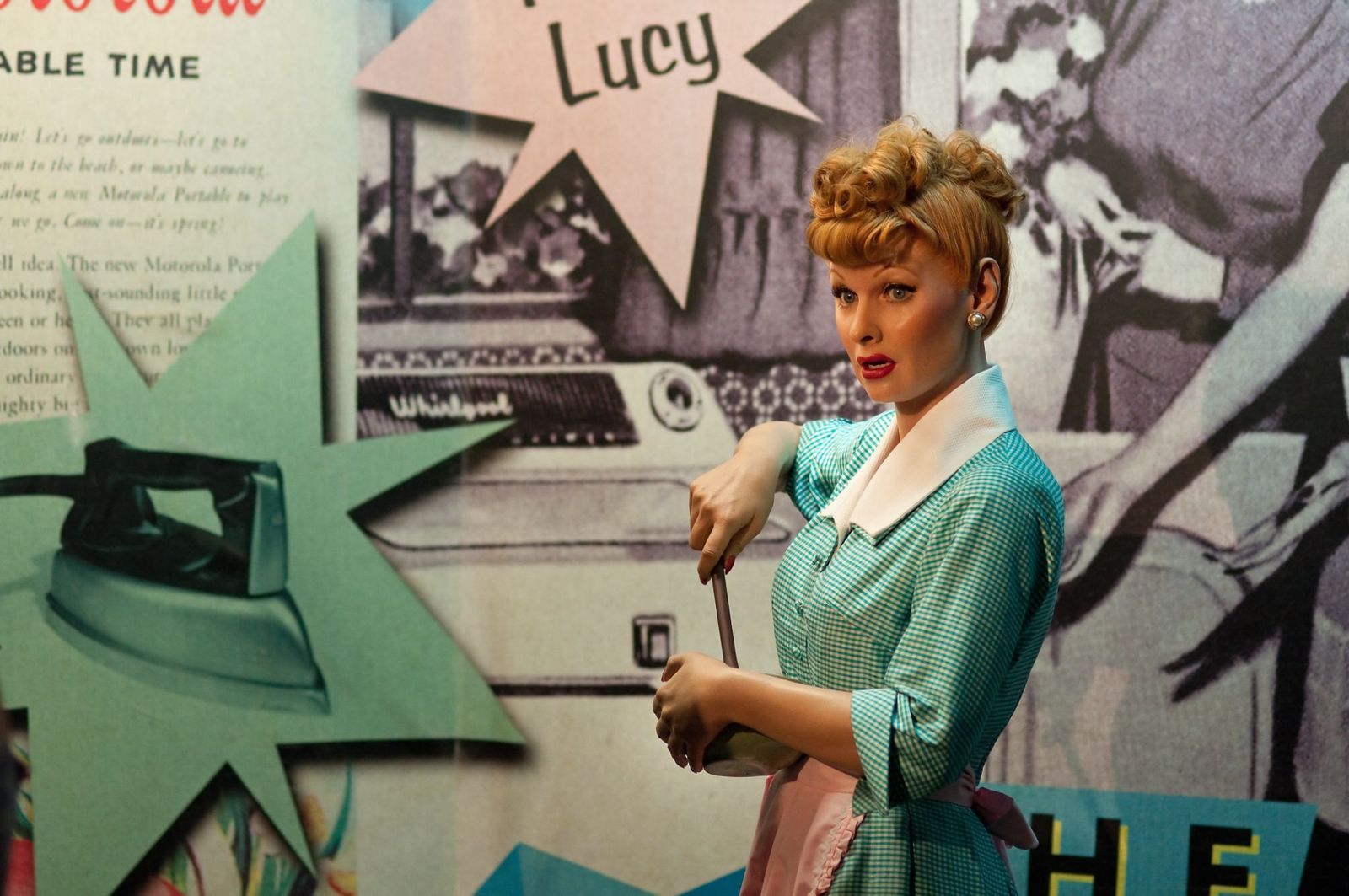
The 1950s also saw television become the dominant medium of entertainment and information in American households. With the widespread adoption of TV sets, shows like I Love Lucy and The Ed Sullivan Show brought families together and became cultural touchstones, influencing fashion, language, and social norms.
Simultaneously, television's ability to massively broadcast news and live events made it a powerful tool for shaping public opinion. As the number of channels and programs grew, television became a central part of American life, affecting politics, advertising, and culture in general.
4
Fast Food Frenzy

Image: Alora Griffiths
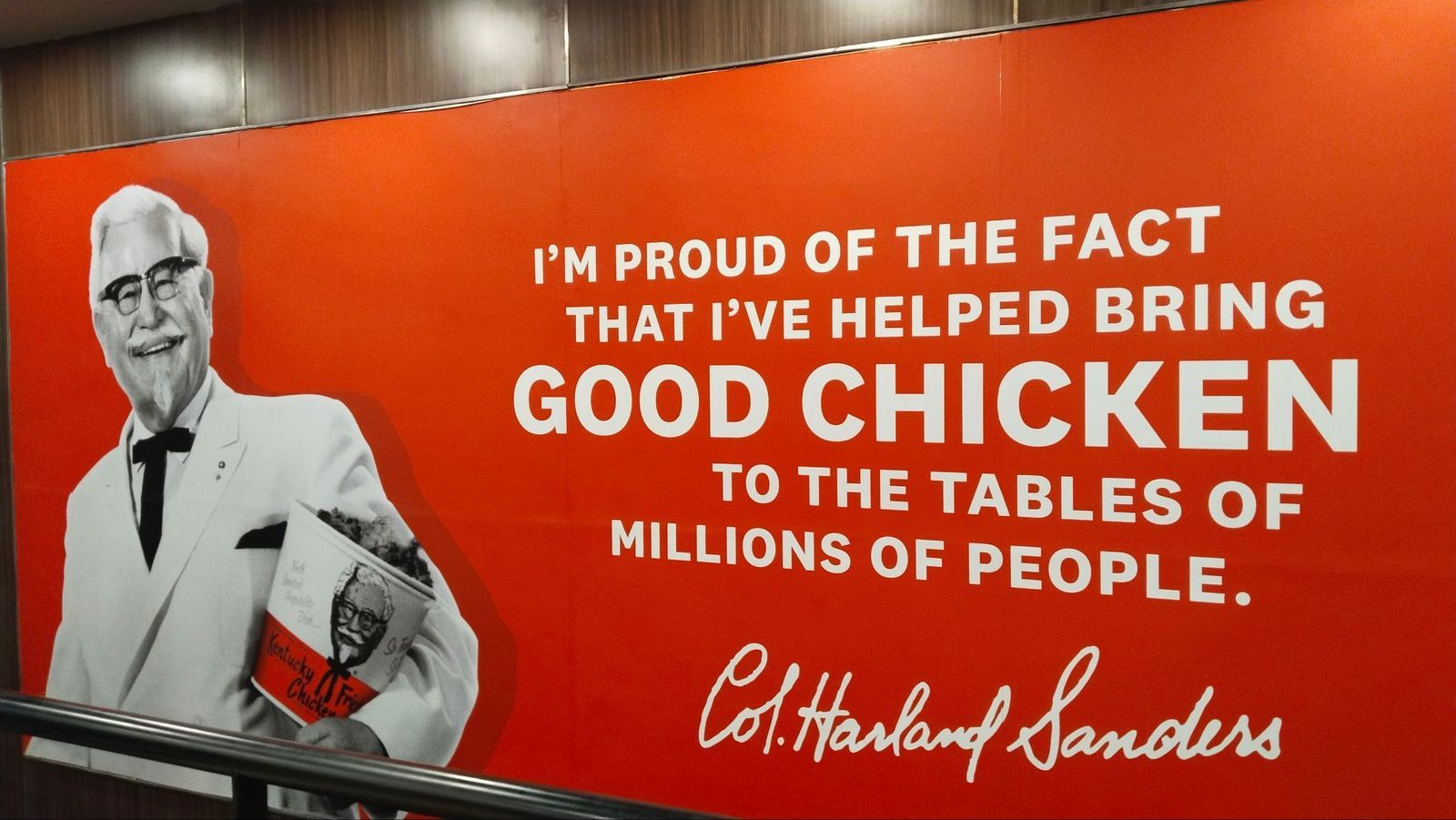
The fast food industry boomed in this decade, revolutionizing the American dining experience. Chains like McDonald's, founded in 1955, popularized the concept of quick and affordable meals. This phenomenon was also closely tied to the emerging car culture, as drive-thru restaurants became commonplace.
This convenience appealed to the growing suburban population and busy families, making fast food synonymous with modernity, speed, and the American lifestyle.
5
Iconic Cars

Image: Photo Person
A golden age for American automobiles, the 1950s saw the emergence of iconic models like the Chevrolet Bel Air, Cadillac Eldorado, and Ford Thunderbird . These streamlined machines were not only more affordable than ever but also captured the public's imagination with their enhanced comfort and sophistication.
Cars soon evolved from mere transportation to symbols of status, freedom, and identity. Their innovative designs, characterized by chrome, tailfins, and vibrant colors, reflected the themes of the Space Age and the technological optimism of the era.
6
The Birth of Teenagers

Image: Fern M. Lomibao
While today we think of adolescence as a normal stage of life, the concept of the teenager as a distinct demographic didn’t truly emerge until the 1950s. With increased disposable income, young people soon became a powerful consumer group, influencing fashion, music, and entertainment.
They flocked to new cultural phenomena like rock 'n' roll, drive-ins, and soda fountains. By challenging traditional authority, this generation of teenagers pushed for freedom and independence, in many ways setting the stage for the social changes that would unfold in the subsequent decades.
7
Modern Design

Image: Matt Briney
Characterized by clean lines, organic shapes, and an emphasis on functionality, mid-century modern design was forged during this decade. Designers like Charles and Ray Eames, Eero Saarinen, and George Nelson became iconic figures, creating furniture, architecture, and household items that seamlessly blended form and function.
Technological advancements and the introduction of new materials, such as molded plywood, fiberglass, and plastics, enabled innovative and affordable designs. To this day, futuristic design remains closely associated with mid-century modern aesthetics.
8
Consumer Culture

Image: Jaxon Gee-Dub
This era marked the rise of consumer culture in America, with the proliferation of advertising and the introduction of new products. Brands like Coca-Cola, Pepsi, General Electric, and RCA became household names, and synonymous with the abundance and convenience of modern American life.
Shopping emerged as a popular pastime, with the expansion of department stores and the advent of shopping malls, which consolidated a variety of stores under one roof. As a result, for many, the pursuit of happiness became increasingly intertwined with the acquisition of material goods.
9
The Cold War Era

Image: Marie Rouilly
The Cold War shaped the tense geopolitical landscape of the 1950s, with the United States and the Soviet Union locked in a prolonged ideological struggle. Policies such as the "Marshall Plan" aimed to counter Soviet influence globally, while massive investments in defense and aerospace industries spurred significant technological advancements.
Fears of nuclear conflict and espionage permeated the era, influencing American culture and reflecting in movies and television. Despite these anxieties, the Cold War also fostered a strong sense of unity and patriotism as Americans rallied against a common adversary.
10
Suburban Boom

Image: Nikola Knezevic
The post-World War II era saw a massive migration to the suburbs, spurred by economic prosperity, supportive legislation such as the GI Bill, and a desire for affordable housing. Suburban developments like Levittown offered uniform, mass-produced homes that were accessible to middle-class families.
This suburban expansion reshaped American society, fostering a culture centered around family life, homeownership, and car-centric lifestyles. The move to the suburbs also led to the growth of shopping malls, schools, and community organizations, creating a distinct suburban culture that came to define the American Dream.