History History 4 min read

What they didn't teach you at school

From Lincoln to Kennedy, here are some fun facts about US presidents
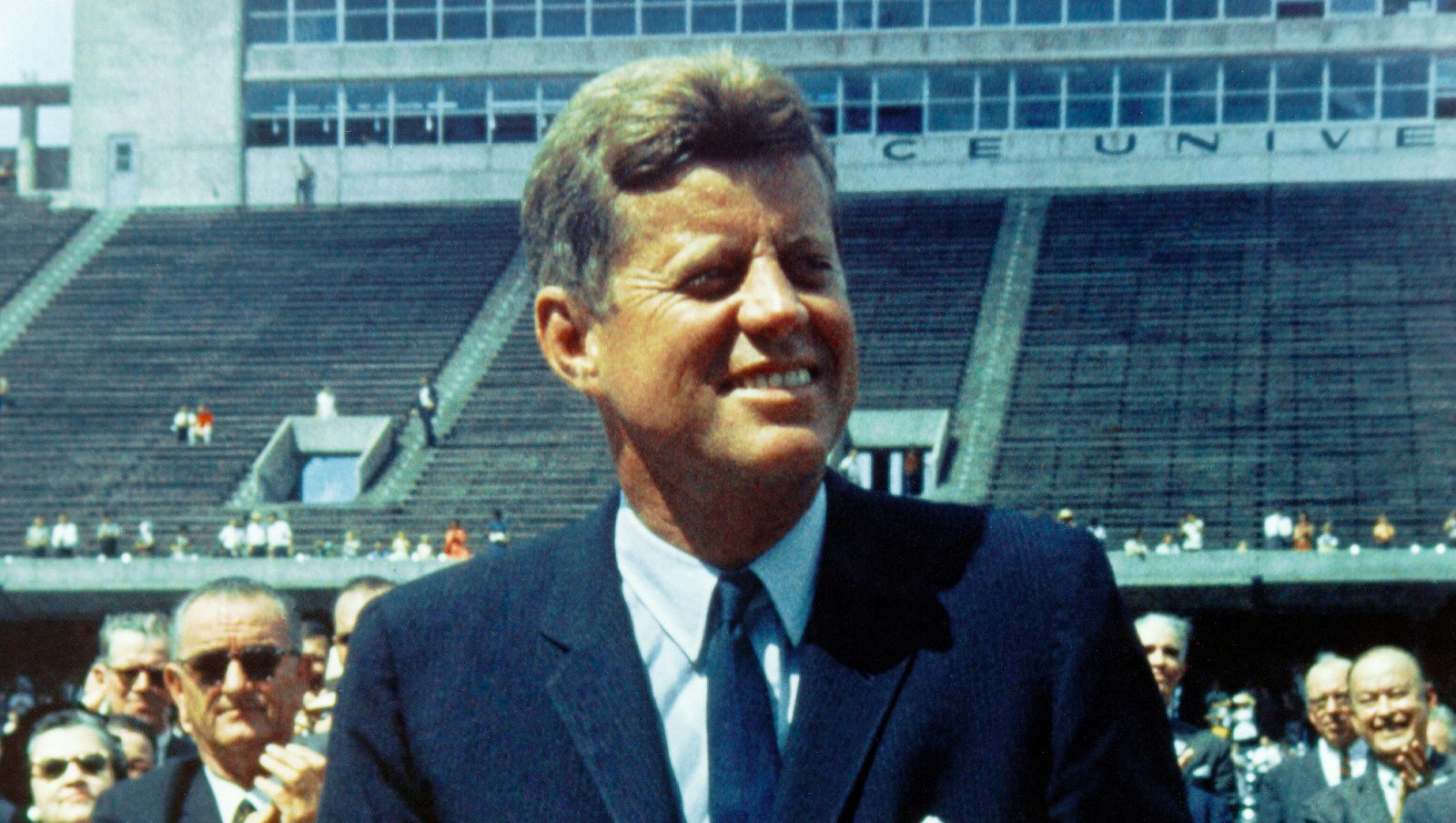
Image: History in HD

There’s so much more to history than dates, battles, treaties, and alliances—and our national past is no exception. The presidents who helped shape the United States led fascinating lives, filled with surprising and little-known moments. Read on to discover 10 crazy facts you probably didn't know about the lives of these American presidents!

1
John F. Kennedy’s favorite

Image: Florida Memory

We all have our favorite movie or book, and JFK was no exception. America’s 35th president had a clear literary favorite : Ian Fleming’s James Bond series .

In fact, some credit President Kennedy with boosting Fleming’s popularity in the American market. Shortly after taking office, JFK hosted a dinner with several notable figures—including the creator of Bond. Following that meeting, sales of Fleming’s books skyrocketed in the US, eventually leading to the famous film adaptations!

2
Jefferson and speeches

Image: J. Amill Santiago

Thomas Jefferson was one of the great political figures who helped shape this country. And with such talent—along with his political and diplomatic skills—you might not expect that the Sage of Monticello had a hard time speaking in public. But it’s true! According to historical records, Jefferson preferred writing, as public speaking made him uneasy—even panicky at times. So much so that he delivered only two public speeches during his time in office!

3
Adams and Jefferson's caper
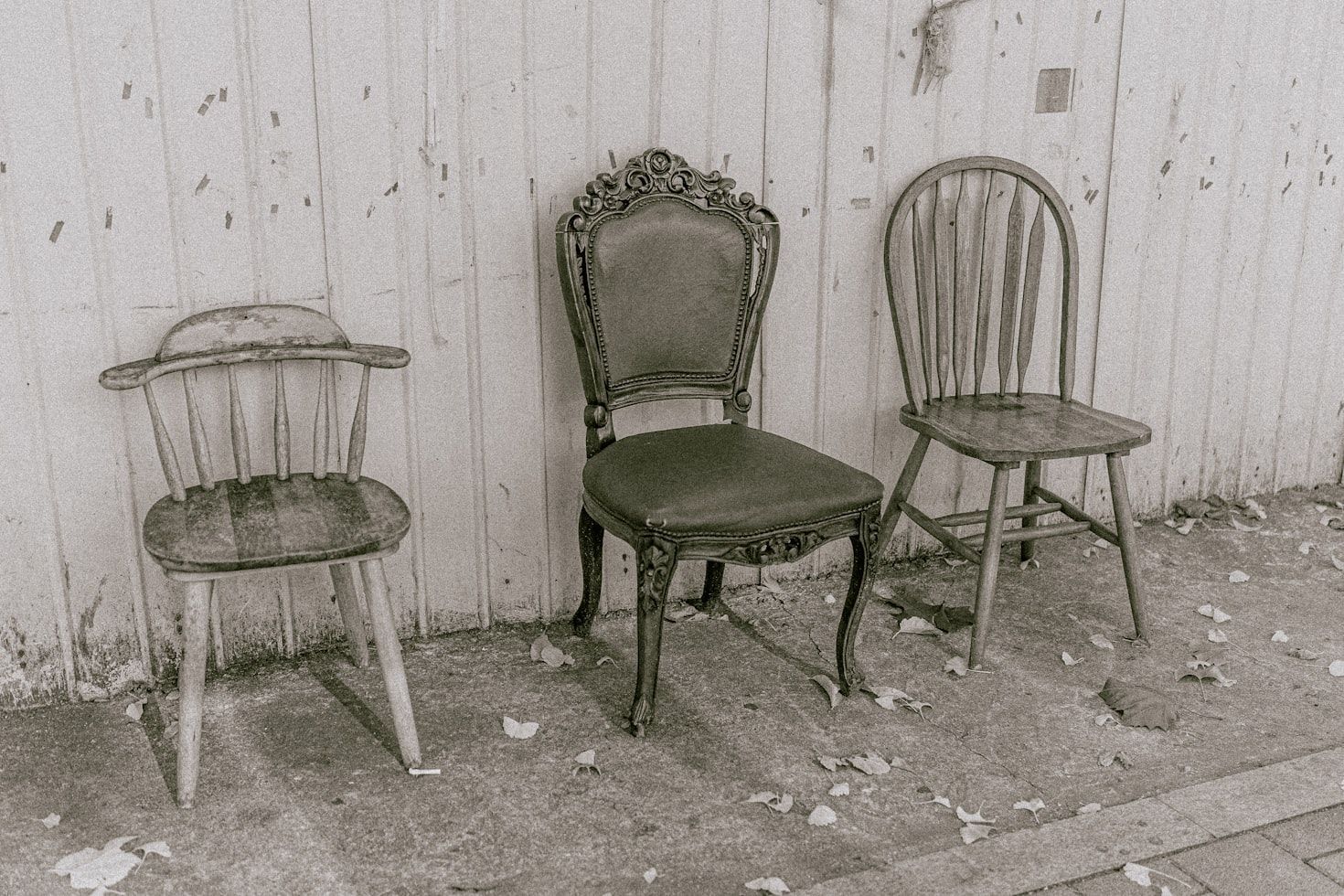
Image: sq lim

Before becoming rivals, John Adams and Thomas Jefferson were very good friends. In fact, they shared not only political ideals but also everyday adventures. In 1786, while traveling in England, the two—both devoted fans of Shakespeare —visited the house where the playwright was born. Legend has it that before they left, they decided to take a souvenir: a small piece of the wooden chair said to be where Shakespeare once sat while writing!

4
William McKinley's lucky charm
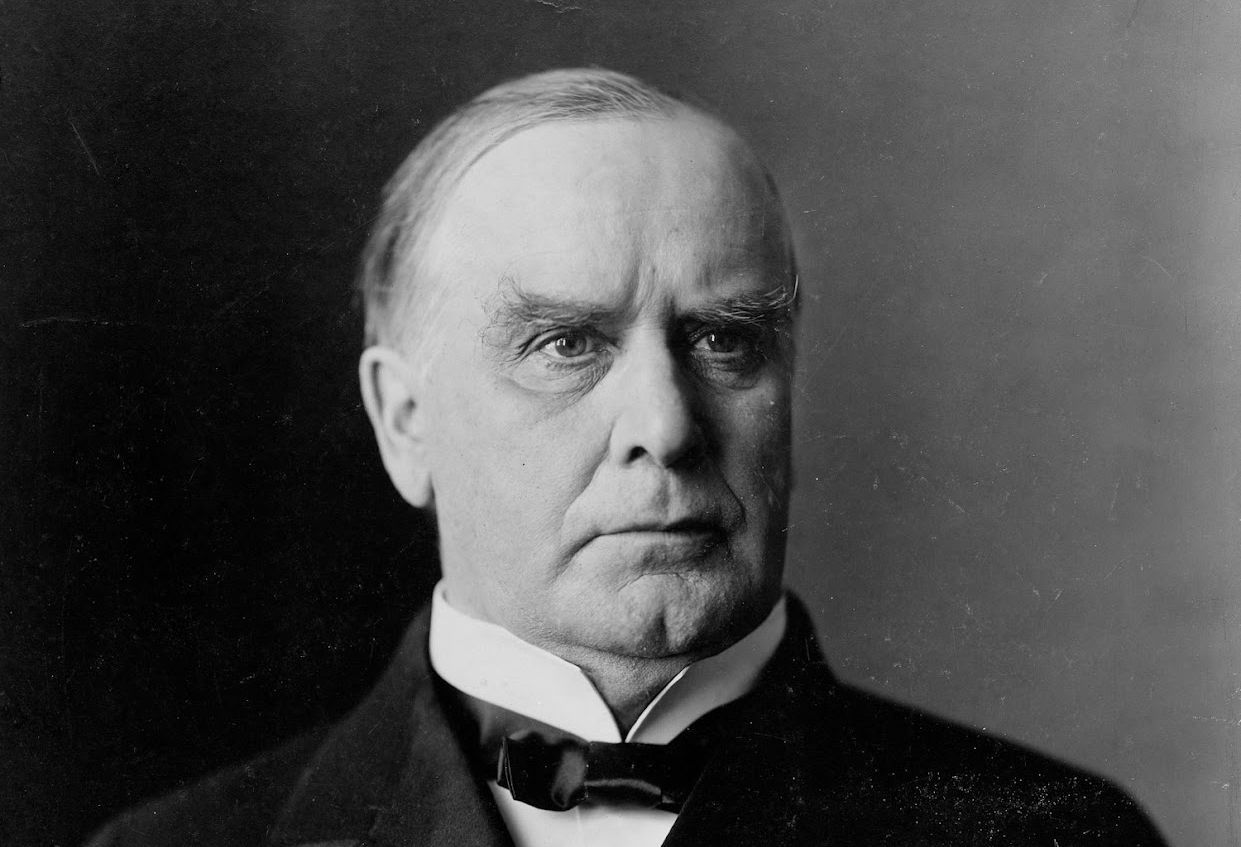
Image: Library of Congress

President William McKinley was known for the red carnation he often wore in his suit lapel—a flower many said he considered a good luck charm . Once, during the 1901 Pan-American Exposition in Buffalo, New York, a little girl approached him to say hello, and the president handed her his signature flower. Strangely, just moments later, he was shot by a man in the crowd. McKinley died eight days later from his wounds.

5
Andrew Jackson's temper

Image: Giorgio Trovato

President Andrew Jackson was famously a hot-tempered man. It's believed that the 7th president fought in more than 100 duels!

According to a well-known story, in 1806, Jackson challenged a man to a duel after the man insulted his wife, Rachel. The opponent fired first and struck Jackson in the chest. But the bullet didn’t stop him —Jackson stood his ground and returned fire, mortally wounding the man. Though he survived, the bullet seriously injured Jackson, and some say it remained lodged in his chest for the rest of his life.

6
Ulysses S. Grant's last-minute decision
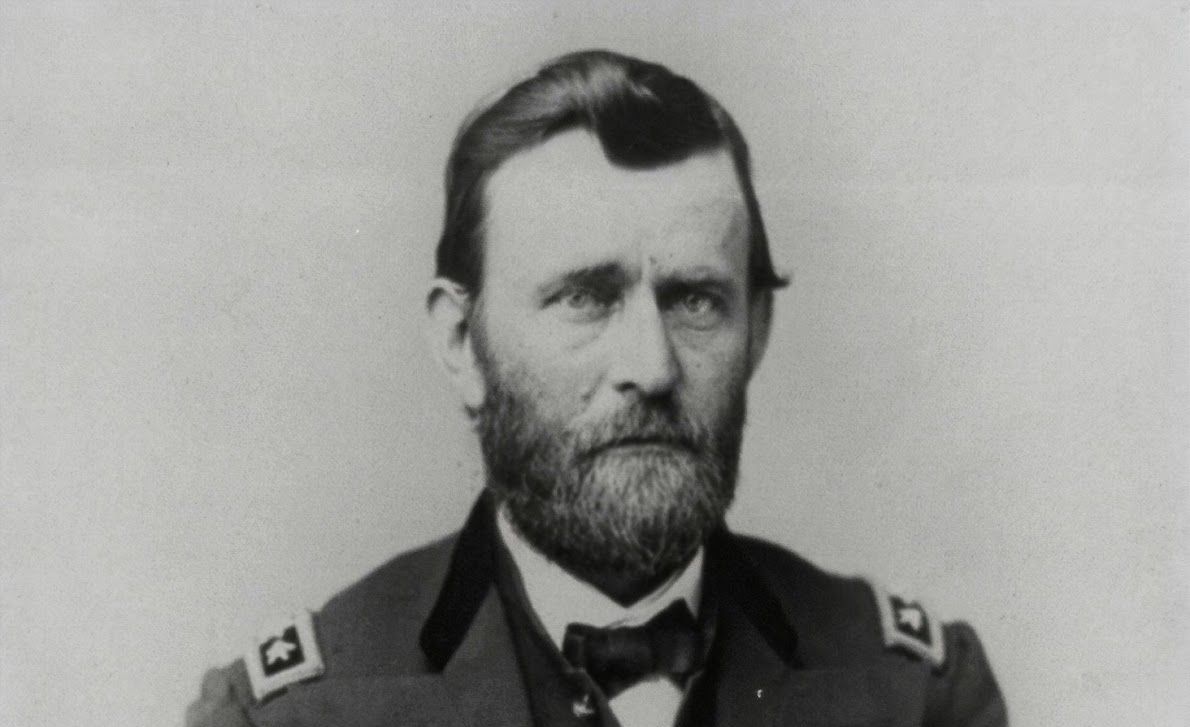
Image: Library of Congress

Ulysses S. Grant, commanding general of the Union Army during the Civil War and later the 18th president, was also invited to attend Ford’s Theatre with President Abraham Lincoln on the night of Lincoln's assassination. But at the last minute, Grant declined the invitation in order to visit his grandchildren. That decision may very well have saved his life.

7
Washington's teeth
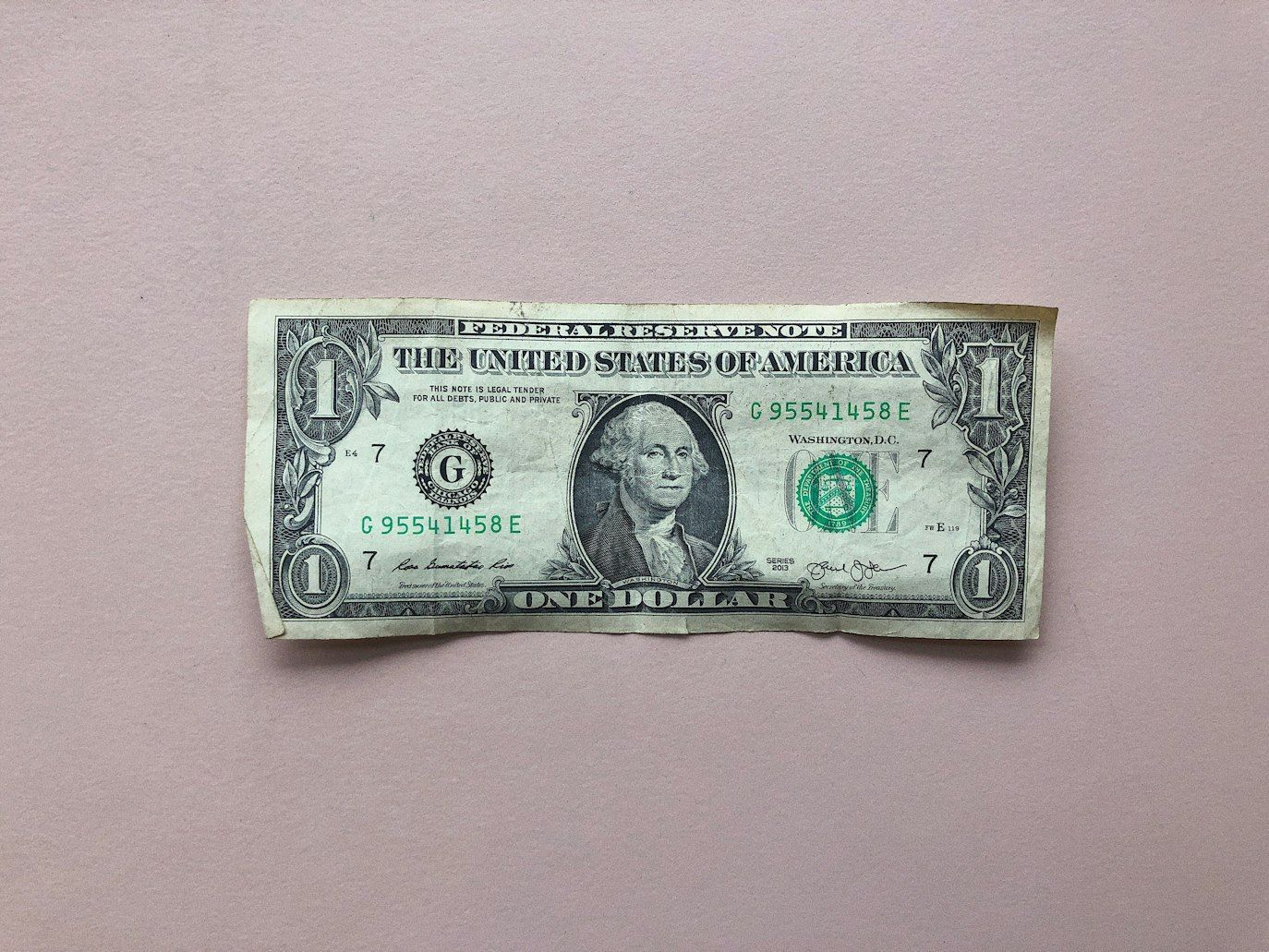
Image: Ryan Quintal

Contrary to the popular myth, our first president’s teeth were not made of wood. However, it’s true that George Washington suffered from serious dental problems . In fact, he began losing his teeth before the age of 30. While his dentures weren’t wooden, they were made from a mix of materials—including ivory, copper, silver, and even animal and human teeth!

8
James A. Garfield's skills

Image: Sean Foster

President James A. Garfield was well known for his impressive oratory and writing abilities. But his talents didn’t stop with English—he was also fluent in Greek and Latin. In addition, Garfield was reportedly ambidextrous: he could write with both hands , even simultaneously. Surprisingly, he allegedly could write in two different languages at the same time—one with each hand! Hats off to him.

9
Andrew Johnson's childhood
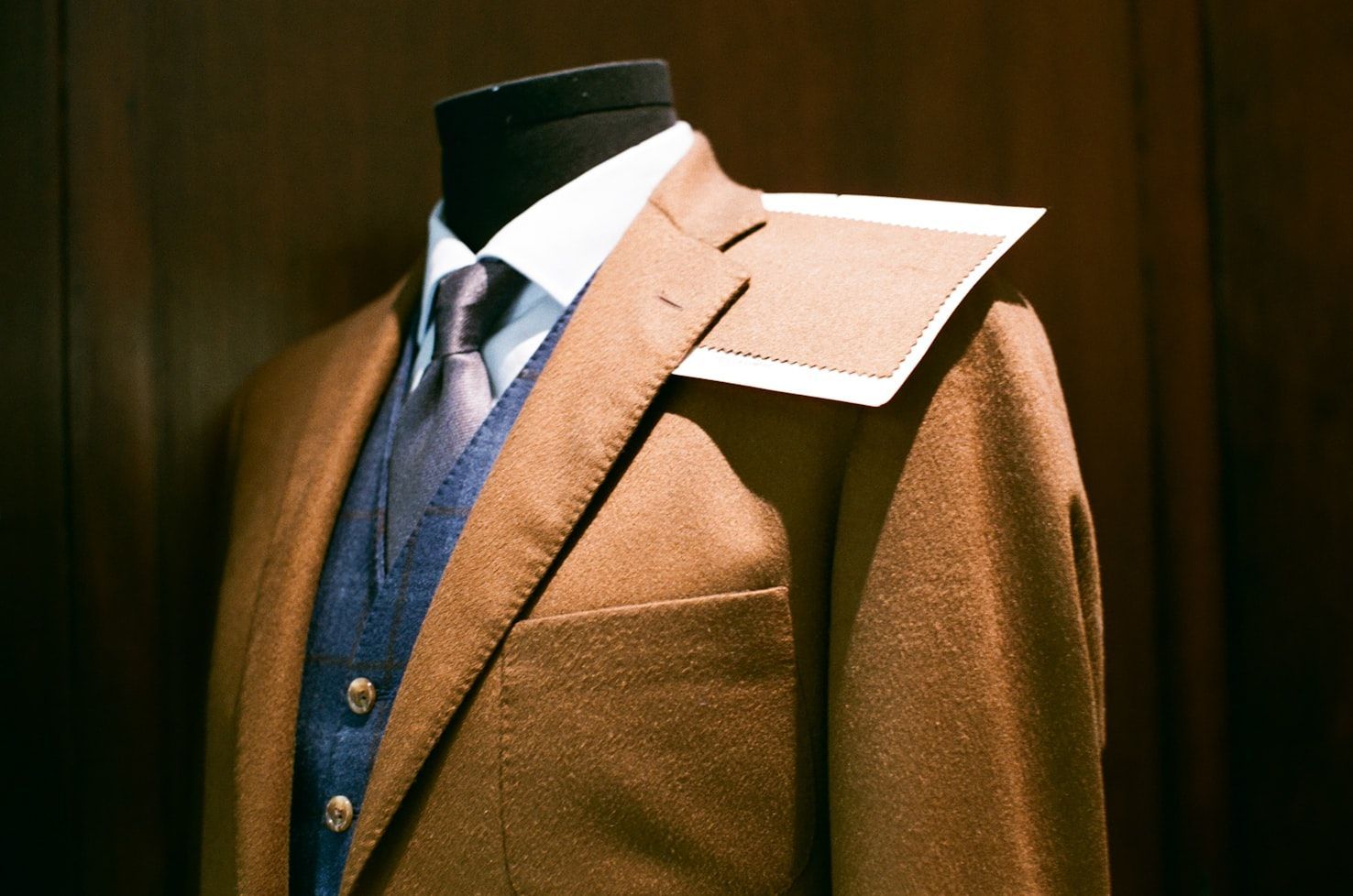
Image: Yasamine June

Andrew Johnson didn't have an easy childhood. In fact, he started working at a very young age —when he was just 10 years old, his mother sent him and his brother to apprentice as tailors. They ran away two years later, but Johnson’s skill with fabrics stayed with him well into adulthood. It’s said he designed and sewed his own suits while in office.

10
Abraham Lincoln's hobbies

Image: Jacob Thorson

Abraham Lincoln wasn't just the leader who guided the country through the Civil War and became the 16th president—he was also a regular person, just like us, with a wide range of passions and hobbies (many, many hobbies!).

President Lincoln had a curious mind and surprisingly varied interests. He loved reading (especially Shakespeare), exploring logic and mathematics, playing chess and the violin, caring for animals (especially cats), and even had a talent for mimicking voices. In addition, he was a skilled wrestler in his youth, reportedly competing in around 300 matches and losing only once!
History History 4 min read

Face the history!

Did you know there’s a secret room within Mount Rushmore?

Image: Josh Miller

Mount Rushmore isn’t just a stunning piece of rock, it’s a piece of American history carved into the Black Hills of South Dakota. If you’ve visited or it’s on your travel list, you might be surprised by how much more there is to know. From secret rooms to explosive carving methods, this national memorial has quite a story. Below, we’ll dig into the lesser-known facts behind those four famous faces. Keep reading!

1
A mountaintop with a maintenance plan

Image: Sebastian Enriqu

Each year, around two million visitors make their way to see the monument. But keeping the presidential faces looking sharp takes serious work. Park Service staff actually rappel down the mountain to inspect for cracks. They use silicone sealant to block out moisture and keep the granite from breaking apart in the cold. This isn’t a quick job, it’s a regular, careful operation. The mountain's top sits 5,725 feet above sea level, so it’s not for the faint of heart.

2
One historian’s tourism dream

Image: Engin Yapici

Back in 1923, South Dakota historian Doane Robinson had an idea to attract visitors to the Black Hills. Now, what was his original plan? Carve Western legends like Buffalo Bill and Native American leaders into the rock. The vision then shifted to feature US presidents for broader national appeal.

President Calvin Coolidge helped land the funding, even during tough economic times. The carving began in 1927 and stretched on until 1941. Sculptor Gutzon Borglum died before finishing, and his son Lincoln carried the torch to completion.

3
Four presidents, four chapters

Image: Jeromey Balderrama

Each face on the mountain stands for a key period in our nation’s story. Can you imagine what they are?

Washington symbolizes the birth of the country, while Jefferson represents growth and expansion. Lincoln stands for unity and the preservation of the nation during the Civil War. Roosevelt brought development and the rise of the US on the world stage. Together, they tell a chronological story in stone. The idea was to highlight leadership through the ages, not just popular figures.

4
A presidential switch

Image: Andrew Ling

Originally, Thomas Jefferson was supposed to be on Washington’s left. But during the carving, the rock proved too unstable. So they scrapped the partially finished face and started over, this time on the right side.

It was a major do-over that cost time and money, a lot of it! But ultimately, it worked out for the best, structurally speaking. Today, most visitors never realize Jefferson had a false start.

5
Dynamite and a dream

Image: Takefreebies

It’s easy to forget that Mount Rushmore wasn’t sculpted with tiny chisels: It was blasted into shape. Most of the work was done with dynamite, followed by finer detailing with jackhammers and drills.

From 1927 to 1941, about 400 workers shaped the mountain. Amazingly, no lives were lost during the entire project. Many of the workers were former miners, used to rough terrain and heavy tools. It wasn’t easy, but it was efficient.

6
The presidents were supposed to have torsos

Image: Thomas Fields

The original vision for the monument wasn’t just heads, it included bodies from the waist up! Imagine that! Like many grand ideas, it ran into budget troubles. Funding dried up, and with time running out, the project was scaled back.

What we see today is actually an unfinished version of Borglum’s full plan. Still, the heads alone have become iconic. Imagine how much more impressive it would’ve been with shoulders and coats.

7
Secrets behind Lincoln’s head

Image: Rosanne Rapata

There’s a hidden room carved into the mountain, did you know that? Called the Hall of Records, it was Borglum’s idea to store important American documents and artifacts.

While the grand plans for a museum inside the mountain were never fully realized, a titanium vault was placed there. It contains copies of key US documents, including the Constitution and the Declaration of Independence. Located behind Lincoln’s head, it’s not open to the public. Still, it adds an air of mystery to the site. It makes you wanna visit, right?

8
Step off the beaten path

Image: Nils Huenerfuerst

Most visitors snap their photos from the Grand View Terrace, and it’s lovely. But for those willing to take a short walk, the President’s Trail offers even better views.

This loop takes you closer to the monument and into nature. You might spot local wildlife like mountain goats or deer along the way. The trail includes about 422 stairs, so make sure you’re wearing comfy shoes. It’s a quieter, more personal way to experience the monument.

9
Entablature

Image: Tommy Bond

Gutzon Borglum didn’t just want Mount Rushmore to be a visual tribute, he wanted it to tell the story of America, too. His idea was to chisel a brief summary history, covering events from 1776 to 1906, right into the rock face.

This massive engraving, called "Entablature," was to be etched into an 80-by-120-foot depiction of the Louisiana Purchase. President Calvin Coolidge even agreed to write it, but when Borglum edited Coolidge’s draft without permission, the president was so annoyed he refused to try again. Despite the grand vision, the project was eventually scrapped, partly because the lettering wouldn’t have been visible from a distance, and partly because the budget ran dry.

10
Don’t expect a fifth face anytime soon

Image: Ronda Darby

Over the years, people have suggested adding more figures to the mountain. Names like Susan B. Anthony, FDR, JFK, Reagan, Obama, and Trump have all come up. But the National Park Service has said a firm "no." Structurally, there’s just no safe place to add another carving. Plus, the monument is considered complete in its message. So, while the debate pops up now and then, don’t hold your breath. The original four are here to stay.

General General 3 min read

Open your wallet

Loose change and dollar secrets: Fun facts about US currency

Image: Viacheslav Bublyk

You use money every single day, but you might be surprised after learning some details about it! From presidents facing the "wrong" way to secret symbols hiding in plain sight, U.S. coins and bills are packed with quirky details and curious history. Whether you're flipping a penny or eyeing a $100 bill, there’s more going on than meets the wallet. Let’s dig into some of the strangest, sneakiest, and most surprising facts about American currency.

1
The $2 bill is real and still legal

Image: Alicia Razuri

Yep, that mysterious $2 bill featuring Thomas Jefferson isn’t a collector’s fantasy. It’s still produced today (though rarely), and the reverse shows the Signing of the Declaration of Independence. People tend to save them, thinking they’re rare, but you can spend them just like any other bill.

2
The penny used to be made of pure copper

Image: Adam Nir

During WWII, copper was needed for ammo, so in 1943, pennies were made from steel and coated in zinc. They looked silver and rusted easily, some even stuck to magnets! Today, most pennies are actually 97.5% zinc with just a thin copper coating.

3
George Washington didn’t appear on the first $1 bill.

Image: Jonathan Borba

The very first $1 bill (from 1862) featured Salmon P. Chase, the Secretary of the Treasury at the time. Washington didn't show up until 1869, and Chase had a not-so-humble role in placing his own face there.

4
There’s a tiny owl hidden on the $1 bill

Image: rc.xyz NFT gallery

Take a magnifying glass to the upper-right corner of the "1" on a dollar bill. Some people swear there’s a tiny owl or spider hidden in the pattern, said to symbolize wisdom or surveillance. Officially, it's just part of the ornate design, but still a fun little mystery!

5
The $100,000 bill actually existed

Image: Dmytro Glazunov

No, you can’t use it at Target. Printed in 1934 and featuring Woodrow Wilson, this gold certificate was used only for transactions between Federal Reserve Banks. It was never meant for public use, and owning one today is illegal!

6
Lincoln faces the other way for a reason

Image: JustStartInvesting

On most bills, presidents face to the right. But on the penny, Lincoln faces left. One theory is that the designer used a portrait that happened to face left, but it also makes Lincoln the only president looking "inward" when coins are lined up in value order.

7
"In God We Trust" wasn’t always on our money

Image: Jonathan Borba

That phrase didn’t become mandatory on U.S. currency until 1955 during the Cold War. It first appeared on coins in 1864, but the push to include it everywhere came as a nod to America’s spiritual identity in contrast to atheistic communism.

8
Coins last way longer than bills

Image: Barry A

Your average dollar bill survives about 6.6 years in circulation. Coins? They can keep going for 30 years or more! That’s why coins are still a budget-friendly way for the government to make money — and we mean that literally!

9
The buildings on the back aren’t random

Image: Ryan Quintal

Each bill’s reverse side typically features a building related to the person on the front. For instance, the Lincoln Memorial is on the back of the $5 bill (with Lincoln on the front), and the White House appears behind Andrew Jackson on the $20 bill. The choice of course had to do with government history itself! Which building do you think is missing?

10
There are secret codes on every bill

Image: Andrew Dawes

Look closely and you’ll spot tiny letters and numbers that identify which printing plate was used and where the bill was made. Ever see a tiny "F6" on a $1? That means it was printed in Atlanta, Georgia.

11
A dollar is technically made of cloth

Image: Live Richer

Despite calling it "paper money," U.S. bills are actually made of 75% cotton and 25% linen. That’s why they feel so distinct, and don’t shred like regular paper when they get wet (though they still don’t love laundry day).

Explore more American facts

Choose your favorite category!

General
General

As American as apple pie—the very best America has to offer!

Culture
Culture

Delve into the astounding richness of American lore.

Geography
Geography

Hop in and explore vast and diverse American landscapes.

History
History

Discover the key moments that shaped the United States.