Culture Culture 3 min read

Talent has no age

From Drew Barrymore to Kurt Russell: 11 stars who started young

Image: Annie Spratt

Some of Hollywood’s biggest names got their start long before they could drive. From intense early roles to chart-topping hits, stars like Christian Bale, Stevie Wonder, and Jodie Foster grew up in the spotlight. Here’s a look at how these famous faces leapt from child prodigies to enduring icons.

1
Christian Bale

Image: Avel Chuklanov

Christian Bale began acting at a young age, landing a role in a TV miniseries when he was ten. This led to his big break at age 13, starring in Steven Spielberg’s Empire of the Sun .

Known for his intense dedication, Bale earned critical praise early on and later won an Academy Award in 2011 for his performance in The Fighter , solidifying his status as one of the top actors of his generation.

2
Michael Jackson
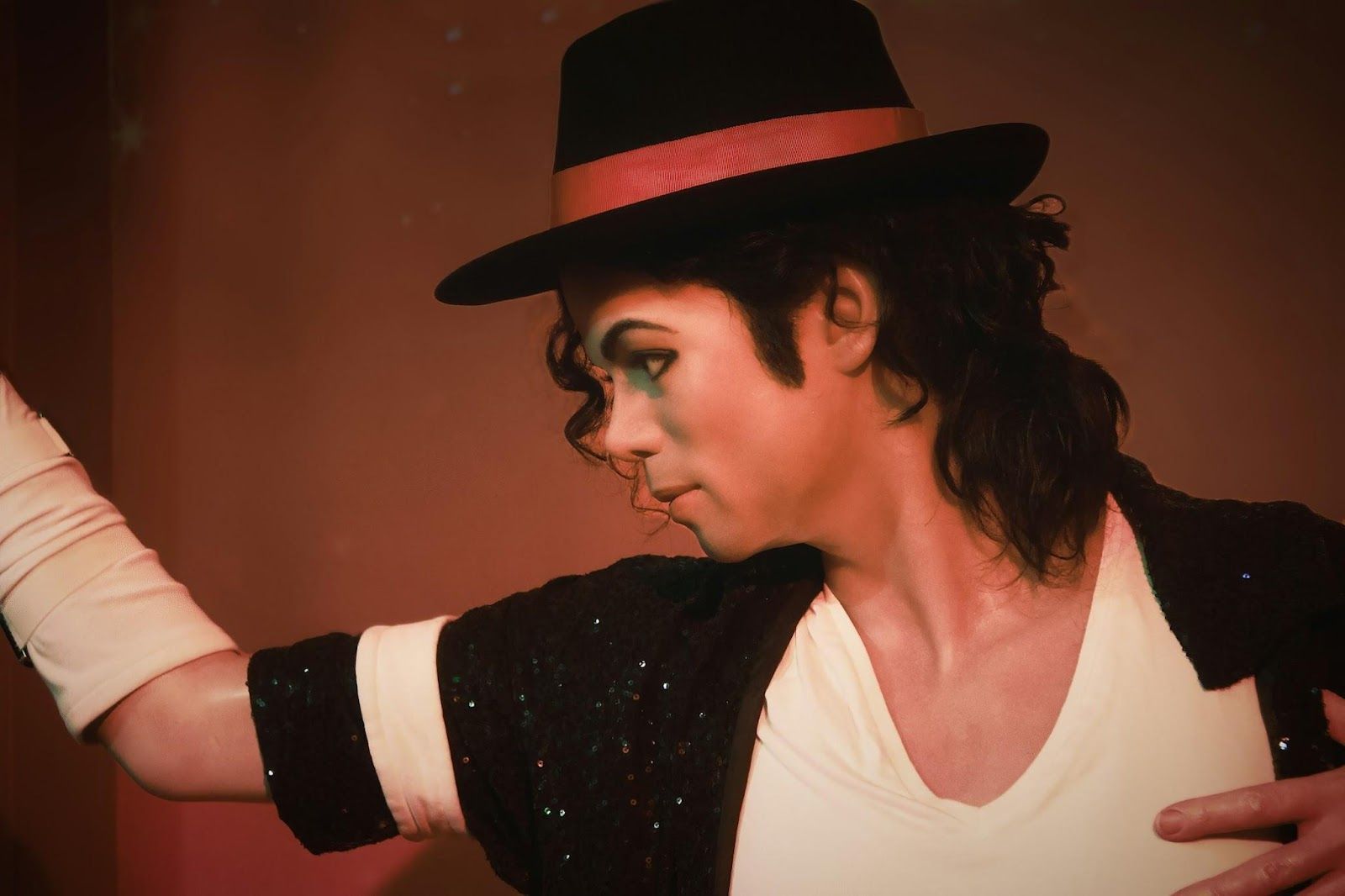
Image: Mathew Browne

Michael Jackson rose to fame in the 1960s as the lead singer of the Jackson 5 , performing with his brothers and gaining significant TV exposure by the age of 11 .

By the age of 14, he had launched a solo career, and his talent and charisma quickly made him a global icon, leaving a lasting impact that extended far beyond his childhood success.

3
Drew Barrymore

Image: Rick L

Drew Barrymore rose to fame as a child star in E.T. the Extra-Terrestrial in 1982 . As a member of the legendary Barrymore acting family, she quickly became a household name.

Over the years, she has earned a Golden Globe, received multiple Emmy nominations, and in 2023, was named one of TIME ’s 100 most influential people.

4
Britney Spears
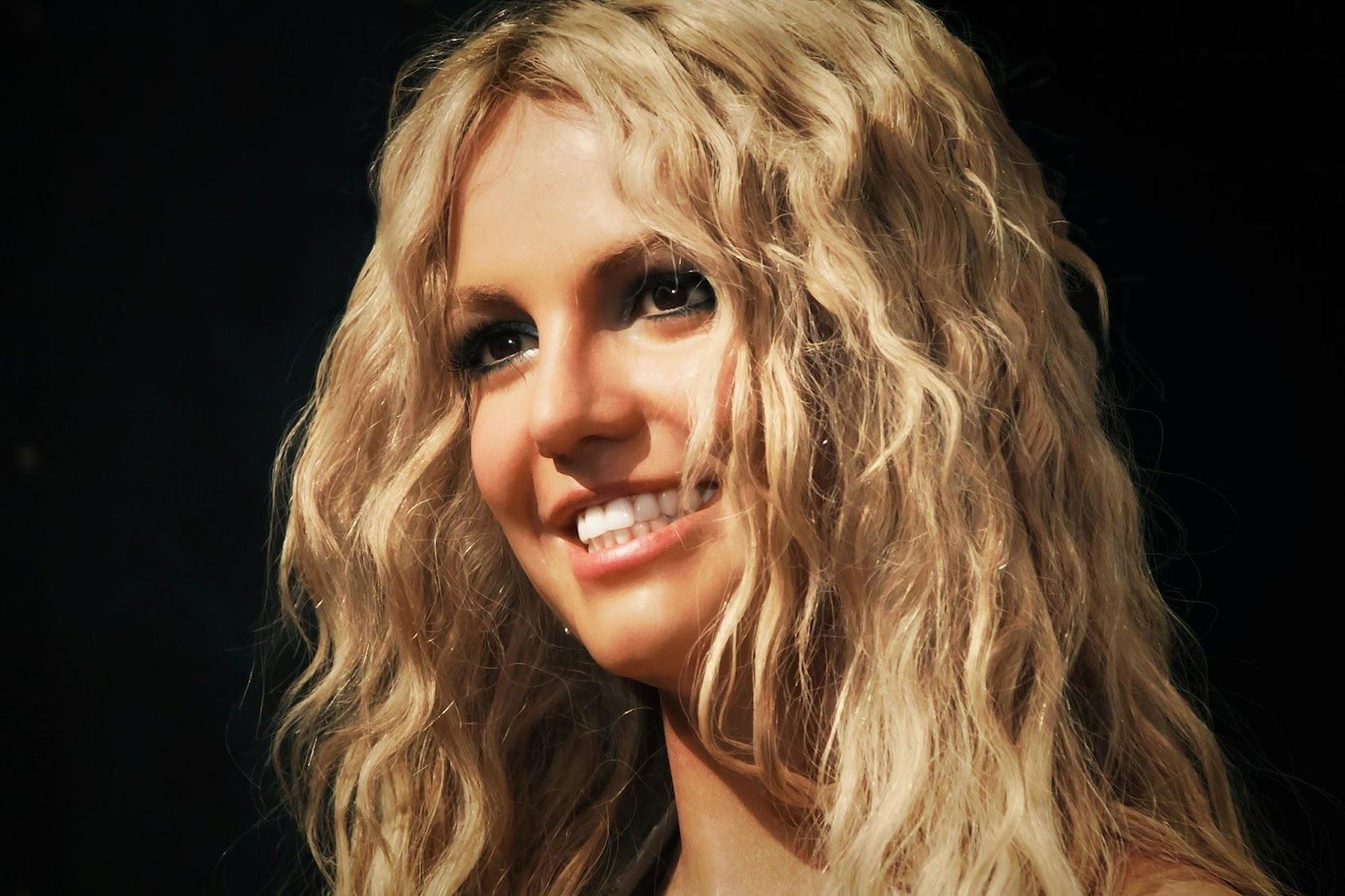
Image: Mathew Browne

Before topping charts at 17 with ...Baby One More Time , Britney Spears had already starred on The All-New Mickey Mouse Club at age 11 .

After the show ended, she signed with Jive Records and quickly rose to fame, winning big at the 1999 Billboard Music Awards, where she claimed multiple honors, including Top New Artist and Top Female Artist. She became a defining figure in the teen-pop wave, alongside fellow MMC alumni.

5
Elijah Wood

Image: Thomas Schweighofer

Elijah Wood got his start in film with a small part in Back to the Future Part II and became a familiar face in ‘90s films like The Good Son and Flipper .

His biggest role came when he portrayed Frodo Baggins in The Lord of the Rings trilogy. Since then, he has taken on a variety of unique roles, particularly in horror and indie films.

6
Miley Cyrus

Image: Masoud Razeghi

Miley Cyrus shot to fame as Hannah Montana from 2006 to 2011 , becoming a teen favorite on the Disney Channel.

She later broke out of her Disney image and built a music career following in her father’s footsteps, Billy Ray Cyrus. In 2024, she won her first Grammy Award for her hit song "Flowers."

7
Jodie Foster

Image: Jakob Owens

Jodie Foster began acting at age 3 , first in commercials and then on television shows such as Mayberry R.F.D.

She rose to fame with standout roles in Taxi Driver and Bugsy Malone , both released in 1976. Foster later built a long and successful career in both film and television.

8
Kirsten Dunst

Image: William Bayreuther

Kirsten Dunst landed her first film role in Bonfire of the Vanities at just 8 years old . Before she even finished high school, she had already built an impressive résumé with standout roles in films like Little Women , Jumanji , The Virgin Suicides , and Bring It On .

9
Stevie Wonder

Image: Gabriel Gurrola

Born in 1950 in Michigan, Stevie Wonder was blind from infancy and showed remarkable musical talent early on, joining a church choir in Detroit.

By age 11, he’d mastered several instruments and signed with Motown as "Little Stevie Wonder." He went on to become one of the most celebrated musicians in history, earning 25 Grammy Awards over his career.

10
Christina Ricci

Image: JOHN BEARBY IMAGES

Christina Ricci made her film debut at age 9 in Mermaids , but it was her role as Wednesday Addams in The Addams Family that made her a star.

She continued her success with family favorites like Casper and Now and Then before transitioning into acclaimed mature roles in films such as Buffalo ’66 and The Opposite of Sex .

11
Kurt Russell

Image: Julia Vivcharyk

Kurt Russell began acting in the early 1960s , with roles in Dennis the Menace and It Happened at the World’s Fair . By the mid-1960s, he was a Disney star under a ten-year contract.

After a brief baseball stint, he returned to acting, landing major roles in films such as The Thing , Escape from New York , and Overboard . He has appeared in over 100 films and TV shows, including Guardians of the Galaxy Vol. 2 .


General General 3 min read

Eat your greens!

Debunking 12 common myths about healthy eating habits

Image: Anh Nguyen

Dieting is not a perfect science with ideal outcomes or easily traceable numbers. As such, it is prone to false claims, myths, and fads that have been repeated enough to be deemed as right by many people. Take a look at these 12 myths about healthy eating and dieting. Which ones have you heard?

1
Give up your favorite food to lose weight

Image: amirali mirhashemian

Small amounts of your favorite high-calorie foods can be included in a weight-loss plan . Just remember to keep track of your total calorie intake. To lose weight, you must burn more calories than you consume.

2
Avoid bread, pasta, and rice

Image: Eaters Collective

Grains themselves aren’t necessarily bad or unhealthy. Consuming whole grains—such as brown rice, whole-wheat bread, cereal, and pasta—as part of a healthy eating plan is a good idea because whole grains provide iron, fiber, and other important nutrients .

3
Choose gluten-free foods

Image: mohamed hassouna

Gluten-free foods are not necessarily healthier if you don’t have celiac disease or a gluten sensitivity. Gluten is a protein found in wheat, barley, and rye grains. If you don’t have these health issues but avoid gluten anyway, you may miss out on important vitamins, fiber, and minerals.

4
Avoid all fats

Image: Kelly Sikkema

Despite all the bad press, not all fats are bad. Fat provides essential nutrients and should be an important part of a healthy eating plan. However, because fats have more calories per gram than protein or carbohydrates (or "carbs"), it is important to limit fat intake to avoid consuming extra calories.

5
Avoid dairy products

Image: Kenny Eliason

Dairy products are an important food group because they provide proteins needed to build muscles and support organ function , as well as calcium to strengthen bones.

Most dairy products, such as milk and some yogurts, have added vitamin D to help the body absorb calcium, since many Americans don’t get enough of these nutrients.

6
Go vegetarian to lose weight

Image: Anna Pelzer

Embracing a fully vegetarian diet only leads to weight loss if you reduce your total calorie intake . As often happens, some vegetarians may make food choices that could lead to weight gain, such as eating large amounts of foods high in sugar, fat, and calories.

Eating small amounts of lean meats can also be part of a healthy plan to lose or maintain weight.

7
Don’t snack between meals

Image: Shreyak Singh

There is nothing wrong with snacking. It can help prevent overeating at meals , provided the snacks are healthy —like apples, peanut butter, low-fat cheese, or whole-grain crackers.

8
Healthy eating is expensive

Image: Louis Hansel

Healthy eating can be expensive, but it doesn’t have to be. With a little planning and smart shopping , you can enjoy a much healthier diet on a budget . Many people think produce is too costly, but there are plenty of examples that prove otherwise. For instance, a large bag of lettuce is affordable and lasts a long time.

9
Avoid late-night snacks

Image: nrd

Late snacking isn’t inherently a problem. The real issue is when your late-night snacks are unhealthy . The time of day is not as important as what you eat. If you’re eating ice cream or chips and dip, you’ll gain weight—no matter what time it is.

10
Diet soda is better than regular soda

Image: Kenny Eliason

Multiple studies have linked diet soda to an increased risk of diabetes , metabolic syndrome, and obesity, though causation is still debated. Nonetheless, if you’re looking for a healthier soda alternative, try flavored water, sparkling water, or unsweetened tea.

11
Non-nutritive sweeteners are healthy

Image: Towfiqu barbhuiya

The increasing demand for low-calorie, low-carb, sugar-free foods has led to a larger portion of products containing non-nutritive sweeteners (NNS).

While it’s clear that a diet high in added sugar increases disease risk, intake of NNS may also raise the risk of type 2 diabetes by causing negative changes in gut bacteria and promoting blood sugar dysregulation.

12
White potatoes are unhealthy

Image: Lars Blankers

Delicious potatoes are often labeled as "unhealthy" because they are frequently eaten in unhealthy ways. However, these starchy vegetables are highly nutritious , providing potassium, vitamin C, and fiber , and can be included as part of a healthy diet. The key is to cook or bake potatoes, but never fry them.

General General 3 min read

Pets for the adventurous

Sloths, kangaroos, and other exotic pets that you could have in the U.S.

Image: Ashish Upadhyay

When looking for a pet, people usually decide on a cat, a dog, a rabbit, or, if they are feeling adventurous, maybe a lizard. But some might want to push the boundaries of what is considered a "normal" pet and choose something more exotic.

However, not all exotic pets are created equal, and not all states allow you to own the pet of your choosing. Here are some unusual pets you might be able to have, depending on which state you live in.

1
Sloth

Image: Zorawar Bhangoo

Two-toed sloths are the species most commonly allowed as pets in the U.S. However, they require special care, a suitable environment, and—since they can live up to 30 years—a committed owner. Alabama, Indiana, Iowa, Kansas, Minnesota, Michigan, Mississippi, Montana, New York, Nevada, North Carolina, Oregon, and Texas allow ownership of two-toed sloths without a permit. Other states may require a license.

2
Caiman

Image: Gaetano Cessati

One would think that Caiman Central (commonly known as Florida) might allow its residents to own caimans as pets, but it’s actually the contrary: they are considered invasive and dangerous, so depending on the species, they are either illegal to own or require a permit. However, the state of Tennessee allows ownership of dwarf caimans without a permit.

3
Elk

Image: Meredith Fontana

The United States has a large elk population across many states, both wild and domesticated, and many states will allow you to own them as livestock with a proper license. If you’ve always dreamed of having a pet elk, there’s good news: in Alaska, you can legally own a domesticated elk, as long as it was not captured from the wild.

4
Bison

Image: Jonathan Mast

Bison can be found across all 50 states, either in the wild or raised as livestock on ranches. However, not all states permit private ownership of them. In most states, some sort of permit is required to raise bison as cattle, with varying degrees of difficulty. Once again, Alaska offers a solution for bison enthusiasts: like elk, bison can be kept as pets, provided they are domesticated and not captured from the wild.

5
Sugar Glider

Image: Henry Lai

These small possums make good pets because they are social, playful, cuddly, and form strong bonds with their owners. However, they are exotic pets and require specialized care, a specific diet, and proper maintenance. Most states allow sugar gliders to be owned without a permit, but Georgia, New Mexico, and parts of New York require a license. In Hawaii, California, and Alaska, owning a sugar glider is illegal.

6
Kangaroo

Image: Anthony Rae

Surprisingly, many states allow kangaroos and wallabies as pets. Some states may require a license, but Arizona, Colorado, Oklahoma, and Oregon classify them as "uncontrolled" exotics, so no permit is needed. Kangaroos and wallabies are completely banned as pets in Connecticut, Georgia, Maine, and New Hampshire.

7
Fennec Fox

Image: Fei zhou

Native to North African deserts, fennec foxes are the smallest fox species, characterized by their large ears. You can legally own them without a permit in Arkansas, Illinois, Indiana, Louisiana, Michigan, Mississippi, Nebraska, Ohio, Oklahoma, Tennessee, and New York (though not in New York City). The rest of the states either require a permit or deem it illegal.

8
Kinkajou

Image: Aramburu Carlos, CC0, via Wikimedia Commons

These adorable mammals, also known as honey bears, are related to raccoons and coatis. There are no federal laws restricting kinkajou ownership, but several states either prohibit them or require a permit. States that allow ownership without a permit include Arizona, Kansas, Michigan, Nevada, New York, North Carolina, Oregon, Texas, and Virginia.

9
Python

Image: sipa

When it comes to permits, not all snakes are treated the same. Regulations depend on how dangerous a species might be and the potential impact on local ecosystems if released. Following this logic, not all pythons are equally restricted: species such as the Burmese or Indian python are illegal in many states, while others, like the Ball python, are legal without a permit in Arizona, Arkansas, Illinois, Massachusetts, Montana, Oregon, Rhode Island, and Vermont.

10
Tarantula

Image: Thomas Oldenburger

Tarantulas are not banned in any state, but some species might be restricted and require a special permit, in particular those considered an endangered species or potentially invasive. So, if you dream of having a pet spider, check your state laws first to ensure your desired species will not cause you legal problems in the future.

Explore more American facts

Choose your favorite category!

General
General

As American as apple pie—the very best America has to offer!

Culture
Culture

Delve into the astounding richness of American lore.

Geography
Geography

Hop in and explore vast and diverse American landscapes.

History
History

Discover the key moments that shaped the United States.