Geography Geography 5 min read

LIVING HISTORY

Check Out 10 Of The Oldest Houses in America And Their Stories

In the U.S. territory, there are some buildings and edifications that have really passed the test of time, standing as witnesses to the strength and durability that human creations can have. Many of them still retain traits of those who built or inhabited them, even after standing for 400 years or more. If you want to discover more about them, join us as we tell you the origin and stories of 10 of the oldest buildings in America!

1
Palace of the Governors (New Mexico, 1610)

Image: Donald Giannatti

This is one of the oldest continuously occupied public buildings in the United States. Built in 1610 , it served as the seat of the Spanish, Mexican, and, finally, American government.

Some experts claim that the key to its longevity is the material of which it is composed. Adobe has always worked very well as a building material in areas that, like New Mexico, have a major thermal amplitude. This is because adobe works as a thermal insulator.

Besides all the historical artifacts this building holds, it also has many stories to tell. In 1862, during the Civil War, Abraham Lincoln gave a famous speech from the Palace's balcony.

2
Fairbanks House (Massachusetts, 1637)

Image: Lampos Aritonang

Built around 1637 by English immigrant Jonathan Fairbanks in what is now Dedham, Massachusetts, many sources claim that the Fairbanks House is the oldest timber-frame house in America.

With so many years of existence and so many people who must have passed through it, can you imagine the stories that could be told from inside those wooden walls? For 8 generations, Jonathan's descendants inhabited this place, and today, it functions as a museum for all of us to visit.

This 380 -year-old house was built with oak wood, straw, animal fur, and other materials of the time. Just imagine how cold it must have been inside during winter!

3
C.A. Nothnagle Log House (New Jersey, 1638-1643)

Image: Joshua Michaels

Can you imagine holding an object from the 1590s in your own hands? Well, that's what you could do at the C. A. Nothnagle Log House in New Jersey.

The Finns and the Swedish left testimonies of their building techniques in our territory with this log cabin built between 1638 and 1643, one of the oldest still extant in the country. The many inhabitants of this house never had to worry about winter; the interior features a large, centrally located stone and brick chimney that provides even heat for the entire place.

With so many years of history, it's not unusual for visitors to experience strange episodes at the C. A. Nothnagle Log House. Some have reported hearing footsteps and soft murmuring, while others affirm to have seen a specter of a woman dressed in colonial-era clothing.

4
Richard Sparrow House (Massachusetts, 1640)

Image: James Kovin

Richard Sparrow, surveyor and early settler of Plymouth, Massachusetts, built this historic house in 1640, making it the oldest surviving house in Plymouth.

With its timber frame, this house is an example of typical colonial architecture, demonstrating the durability of this type of construction. Despite the restorations necessary to keep it standing, the house keeps most of its original materials and still looks much as it did in the 17th century , making it an interesting source of education about the period.

5
House of the Seven Gables (Massachusetts, 1668)

Image: Joseph Corl

The Fairbanks House is not the only historic house in Massachusetts.

Considered a colonial mansion, the Turner-Ingersoll Mansion was built in 1668 for Captain John Turner and stayed with his family for three generations. The place became famous in 1851 for its appearance in Nathaniel Hawthorne's Gothic novel "The House of the Seven Gables," which also gave it its characteristic nickname.

While the dark stories Hawthorne wrote about are fictional, some visitors claim to have felt a scary feeling and strange vibes inside the house. Would you like to visit the museum?

6
Paul Revere House (Massachusetts, 1680)

Image: Timur M

As the name implies, this historic house was the home of patriot Paul Revere.

Built in 1638 , it is not only one of the oldest houses in the country, but it is also the oldest standing building in downtown Boston, and represents a fine example of classic Colonial American architecture.

The building originally belonged to another owner, and Paul Revere acquired it around 1770 . If you visit the house, you can see objects and artifacts that actually belonged to the Revere family! You won't be the first, though, as an estimated 300,000 people visit the house annually.

7
Shirley Plantation (Virginia, 1723)

Image: Belia Koziak

Shirley Plantation is undoubtedly one of the oldest and most famous plantations in America.

While the plantation was founded in 1613, construction of its main house began in 1723, designed in the Georgian architectural style.

Additionally, visitors can find artifacts, tools, and weapons from the Civil War era, making it a truly valuable experience. As another detail, Shirley Plantation also has the oldest known plantation portrait in America: it features Elizabeth Hill and John Carter, whose marriage united the Hill and Carter families. These families have owned the place since 1738 to this day!

8
Wright's Ferry Mansion (Pennsylvania, 1738)

Image: Marie Martin

Susanna Wright was a pioneer Quaker woman from Philadelphia, who decided to live in Wright's Ferry (what is now Columbia) in the early 18th century. Wright was active in poetry, science, and local politics and business.

In 1738, she built Wright's Ferry Mansion, which served not only as her family home but also as a business center. With its classic proportions and elegant style, the mansion is today one of the oldest in the country. It was preserved to keep its original appearance, remaining a fine example of early 18th-century architecture in the country.

Legend has it that the house is haunted by the spirit of its original owner, with several visitors claiming to have seen her, or heard murmurs and loud footsteps inside the house.

9
Mount Vernon (Virginia, 1734-1750s)

Image: Matt Briney

We can't overlook the iconic Mount Vernon. Built in Fairfax County, Virginia, it’s one of the most famous homes in the country. And you know why: it was the home of our first president, George Washington.

The original house was built in 1734 by George Washington's father, Augustine Washington, and then expanded by his son into the building we see today. Washington influenced American architecture with the design of this building. In fact, it is said that the design of the "New Room" in Mount Vernon inspired the White House's Oval Office!

While the exterior is made of wood, it was sanded and beveled to mimic stone for a classic, elegant style. The house also has Martha Washington's famous "Blue Room," one of the most beautiful and best-decorated spaces, which still preserves its appearance. Have you already visited it?

10
Drayton Hall (South Carolina, 1747-1752)

Image: Peter Herrmann

Charleston, South Carolina, was the site where the historic Drayton Hall was built between 1747 and 1752.

This 18th-century plantation is considered to be one of the best-preserved examples of Georgian architecture. In addition, it is also claimed to be the only plantation house on the Ashley River that survived the Revolutionary and Civil Wars, not without some damage.

With nearly 300 years of history, it's undeniable that this house was the scene of many stories and events. Some visitors have claimed that the house is haunted , reporting sightings of apparitions and hearing mysterious noises. Spooky, isn't it?

History History 3 min read

America’s past

Grab a root and learn some interesting Civil War Lingo!

Image: Erika Wittlieb

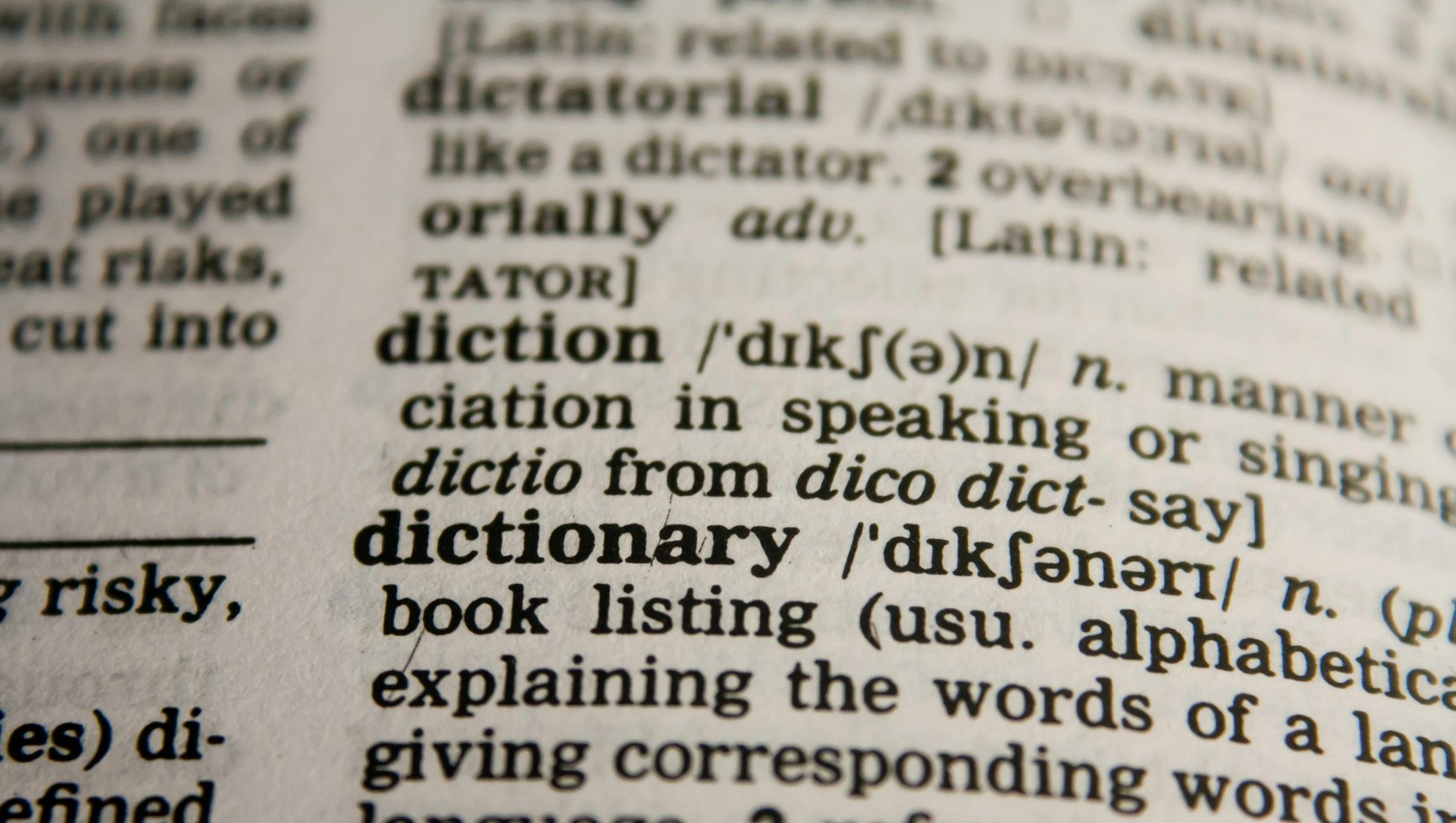
The Civil War wasn’t just cannons and cavalry. It was also a time when soldiers invented a whole dictionary. Some terms were funny, some grim, and others quite practical. Today, we’ll peek into the soldier’s vocabulary , from "fresh fish" rookies to the itchy reality of "graybacks." So pull up a chair, maybe grab a root, and let’s take a trip through the words that marched alongside history.

1
Fresh fish

Image: Chris Chow

If you were new to the army , you were "fresh fish." Veterans spotted them a mile away, wide-eyed, uniforms still smelling like the depot, and not yet hardened by camp life. They got teased, trained, and sometimes tricked. Of course, every seasoned soldier once wore the "fresh fish" badge, so the teasing came with a knowing grin.

2
Grab a root

Image: Lars Blankers

Dinner time in camp could mean beans, hardtack, or, if you were lucky, a potato. Asking someone to "grab a root" was soldier shorthand for "let’s eat." Potatoes were cheap, filling, and easy to cook over a campfire.

3
Sawbones

Image: Piron Guillaume

Medical science in the 1860s wasn’t exactly what we call gentle. Army surgeons were nicknamed "sawbones," partly for their skill with amputations, a normal procedure during wartime. It wasn’t always fair, since many doctors were dedicated and resourceful, but the name stuck.

4
Graybacks

Image: Scott Umstattd

Ask a soldier about "graybacks" and you might get two very different answers. One was lice, the pest that thrived in crowded camps. The other was a nickname Union troops used for Confederate soldiers . Either way, it wasn’t a compliment.

5
Bonnie Blue Flag

This was the hit song of the Confederacy , praising the states that left the Union. The "Bonnie Blue Flag" itself showed a single white star on a blue field, the first banner of the Confederacy. The song’s lively chorus made it a favorite at rallies, campfires, and any place soldiers needed a boost of spirit.

6
Furlough

Image: Stijn Swinnen

A furlough was a soldier’s golden ticket home , even if only for a short while. The paperwork described the soldier’s looks, regiment, and exact return date, plus a stern warning about being labeled a deserter if he didn’t show up on time.

7
Housewife

Image: Annie Spratt

Every soldier carried a "housewife," though it wasn’t a person; it was a sewing kit . Packed with needles, thread, and spare buttons, it kept uniforms in one piece. With supply lines stretched thin, a quick stitch could mean the difference between looking like a soldier or a scarecrow.

8
Insult

Image: Aleksey Kashmar

On a Civil War battlefield, an "insult" wasn’t words, it was a sudden attack on a fortified position. The idea was to strike before the defenders could react. Success could turn the tide of a fight, but failure usually meant heavy losses. It was risky and brutal.

9
Kepi

Image: Jen Theodore

The kepi was the go-to cap for Union soldiers, with a flat circular top and short visor . It was light, practical, and easy to make, so it became part of the classic Civil War look. Confederate soldiers sometimes wore them too, but it was a Union signature item.

10
Ordnance

Image: Rick Lobs

If it was in any way designed to make the enemy’s day worse, it was "ordnance." This covered everything from muskets to cannonballs . Armies guarded their ordnance like gold, since running low meant fighting at a disadvantage.

11
Skirmish

Image: Carol Highsmith's America

Not every fight was a massive battle. A "skirmish" was a smaller clash , often between scouting parties or outposts. Quick, unpredictable, and sometimes over in minutes, skirmishes kept soldiers on edge and commanders guessing what the enemy was really up to.

General General 2 min read

Which one is your favorite?

People voted the best sandwich in each state: Can you guess these 10?

Image: Mae Mu

Visiting another state is always an invitation to try its culinary goods! Based on that principle, online conversations have long been debating which sandwich is a must-have in their city or state. From fried seafood to cheese-filled burgers, a variety of staple foods have made it to the list. How many of these would you try, and which one would you call your favorite?

1
Wild Alaskan salmon sandwich

Image: Thomas Mertens

In Alaska, the sandwich of choice comes straight from its icy waters . The wild Alaskan salmon sandwich features freshly caught salmon, often grilled or lightly smoked, served on hearty bread with crisp lettuce, tomato, and a tangy dill sauce.

2
Frybread "Navajo Taco"

Image: Bob LaCour

Tacos with a twist: Arizona’s beloved frybread "Navajo taco" is a sort of open-faced sandwich. A variety of taco fillings served on pillowy frybread ; golden and crisp on the outside, soft inside.

It’s generously topped with seasoned ground beef or shredded meat, beans, lettuce, cheese, and sometimes salsa or sour cream.

3
Deep-Fried catfish sandwich

Image: Jonathan Borba

In Arkansas, a true taste of home often comes between two buttered buns. The deep-fried catfish sandwich features flaky catfish fillets, breaded in cornmeal and fried to a golden crisp. It usually contains a smear of tartar sauce, a few pickles, and maybe some shredded lettuce.

4
Italian Beef Sandwich

Image: Yoad Shejtman

Chicagoans take their beef seriously, and nothing embodies the city’s flavor like the Italian beef sandwich. Thinly sliced roast beef is simmered in its own seasoned jus, piled high on an Italian-style roll, and often topped with giardiniera or sweet peppers.

5
Pork Tenderloin Sandwich

Image: Jacinto Diego

Indiana’s pride comes between two buns: the legendary pork tenderloin sandwich. This oversized, breaded, and deep-fried pork cutlet, often wider than the bun itself, is served with classic toppings like lettuce, tomato, and pickles.

6
Hot Brown

Image: Natalia Gusakova

The Hot Brown is Louisville’s indulgent favorite. This open-faced marvel layers roasted turkey and crisp bacon atop toasted bread , smothered in creamy Mornay sauce, and baked until golden. It was created in 1926 at the Brown Hotel, designed as a late-night supper for hotel guests.

7
Jucy Lucy

Image: Juan Santos

Burgers count! Minneapolis is home to a burger with a deliciously molten secret: the Jucy Lucy. This cheese-stuffed masterpiece hides gooey American cheese inside two patties of seasoned beef. Today, it’s a must-try for any visitor seeking a twist on a classic American burger.

8
Pastrami Sandwich

Image: Akhil Pawar

Few sandwiches are as iconic as New York’s pastrami on rye, and Katz’s Delicatessen is the reigning champion. Brined, smoked, and expertly sliced pastrami piled high on fresh rye bread , often with mustard, has been a favorite since the deli opened in 1888.

9
The Elvis Sandwich

Image: Dexter McQueen

Tennessee claims a sweet-and-savory creation forever linked to its most famous son: Elvis Presley. The Elvis sandwich combines peanut butter, banana, and crispy bacon . Would you like to try it?

10
Lobster Roll

Image: Jesse

This one was an easy choice: no Maine culinary list is complete without the lobster roll. Bursting with fresh, tender lobster meat lightly dressed in butter or mayo and nestled into a soft, toasted roll, this sandwich is a staple of seaside shacks .

Explore more American facts

Choose your favorite category!

General
General

As American as apple pie—the very best America has to offer!

Culture
Culture

Delve into the astounding richness of American lore.

Geography
Geography

Hop in and explore vast and diverse American landscapes.

History
History

Discover the key moments that shaped the United States.