Culture Culture 3 min read

Unforgettable quotes

Famous movie quotes that give the titles away: Can you guess them all?

Image: charlesdeluvio

Some movie lines live rent-free in our heads. And some other lines we recognize but can’t immediately place the film title, or the actor delivering it… or can we? That’s the game! Below, you’ll find some of the most iconic lines in cinema history . Read the line, take a second to guess, and then scroll to see if you got it right. Game on!

1
"Phone home"

Image: Markus Spiske

Who wants to phone home…? That’s E.T., of course! In E.T. the Extra-Terrestrial (1982) , an iconic Steven Spielberg masterpiece, Elliott (Henry Thomas) and his siblings help the sweetest alien in cinematic history contact his own kind, who accidentally left him behind.

Pat Welsh was the actress who lent her voice to the character. And "E.T… phone home" is the unforgettable line the little guy manages to utter.

2
"I’m gonna make him an offer he can’t refuse"

Image: Carlos Quintero

You can imagine the line in a whisper, for better context. But you probably don’t need it. Most viewers will remember this legendary threat, which belongs to The Godfather (1972), directed by Francis Ford Coppola and anchored by Marlon Brando’s unforgettable turn as Vito Corleone.

3
"I see dead people"

Image: the blowup

A movie no one could watch only once! This line, permanently etched into pop culture, comes from the chilling The Sixth Sense , written and directed by M. Night Shyamalan, and delivered with eerie calm by Haley Joel Osment to his costar Bruce Willis.

4
"Life is like a box of chocolates"

Image: Igor Lifar

Whose mama always said that life was "like a box of chocolates: you never know what you’re gonna get?" It was Forrest Gump’s, of course!

The unforgettable 1994 movie was directed by Robert Zemeckis and carried by Tom Hanks’ Oscar-winning performance. Spoken on a park bench, the quote summarizes the film’s philosophy: life is unpredictable, but somehow that’s okay.

5
"I’ll have what she’s having"
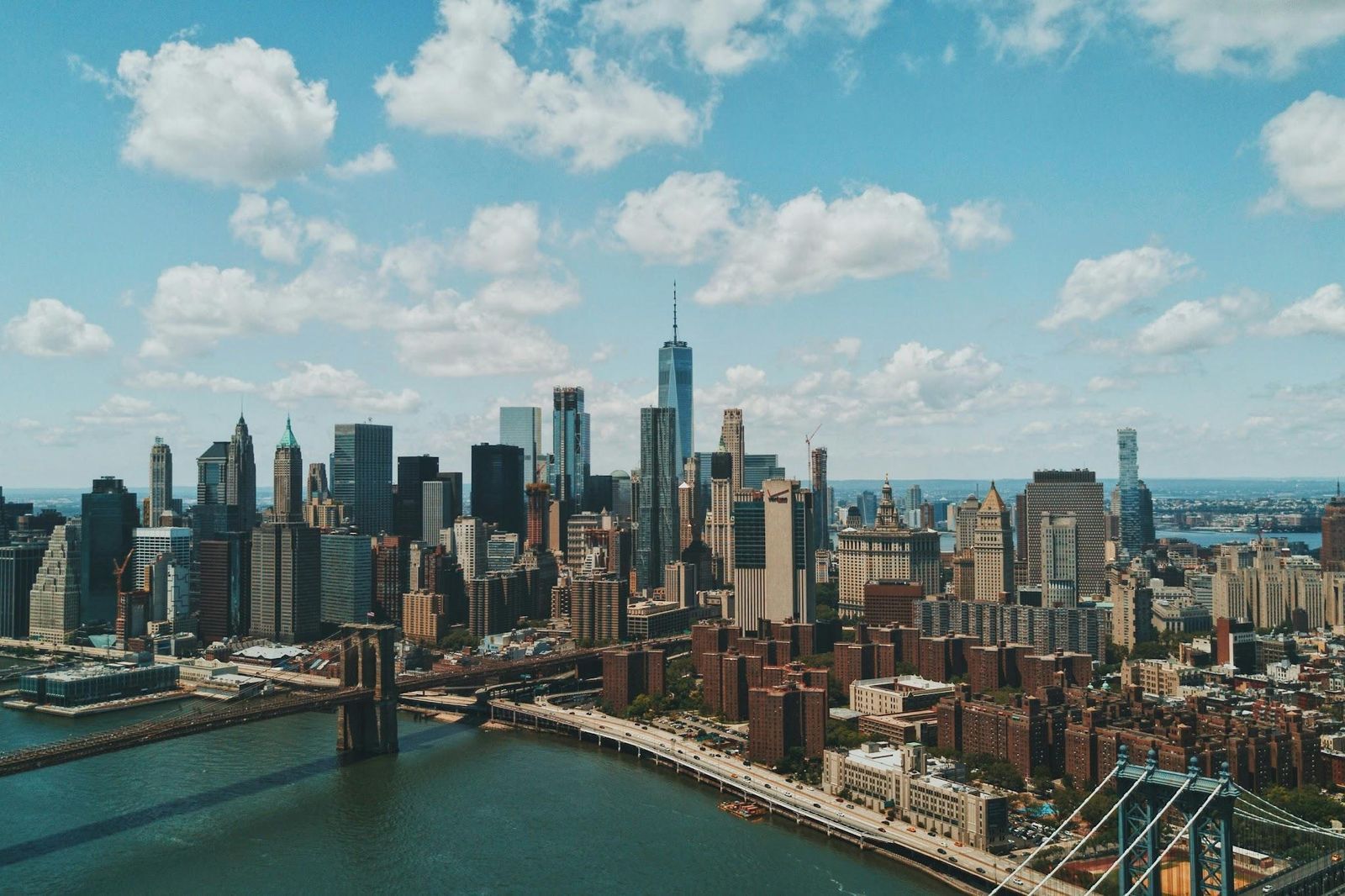
Image: Patrick Tomasso

A little clue: This line is delivered inside a deli. Katz’s Delicatessen, on the Lower East Side of New York, to be specific. But you probably don’t need the clue if you’re a fan of classic rom-coms –or if you’ve watched the infamous scene endlessly shared on the internet.

It is taken, of course, from When Harry Met Sally , directed by Rob Reiner and written by Nora Ephron. And, did you know? The lady who says the legendary line was played by none other than Estelle Reiner, Rob’s mom, after Sally (Meg Ryan) fakes an orgasm to prove a point to her pal Harry (Billy Crystal).

6
"Frankly, my dear, I don’t give a damn"
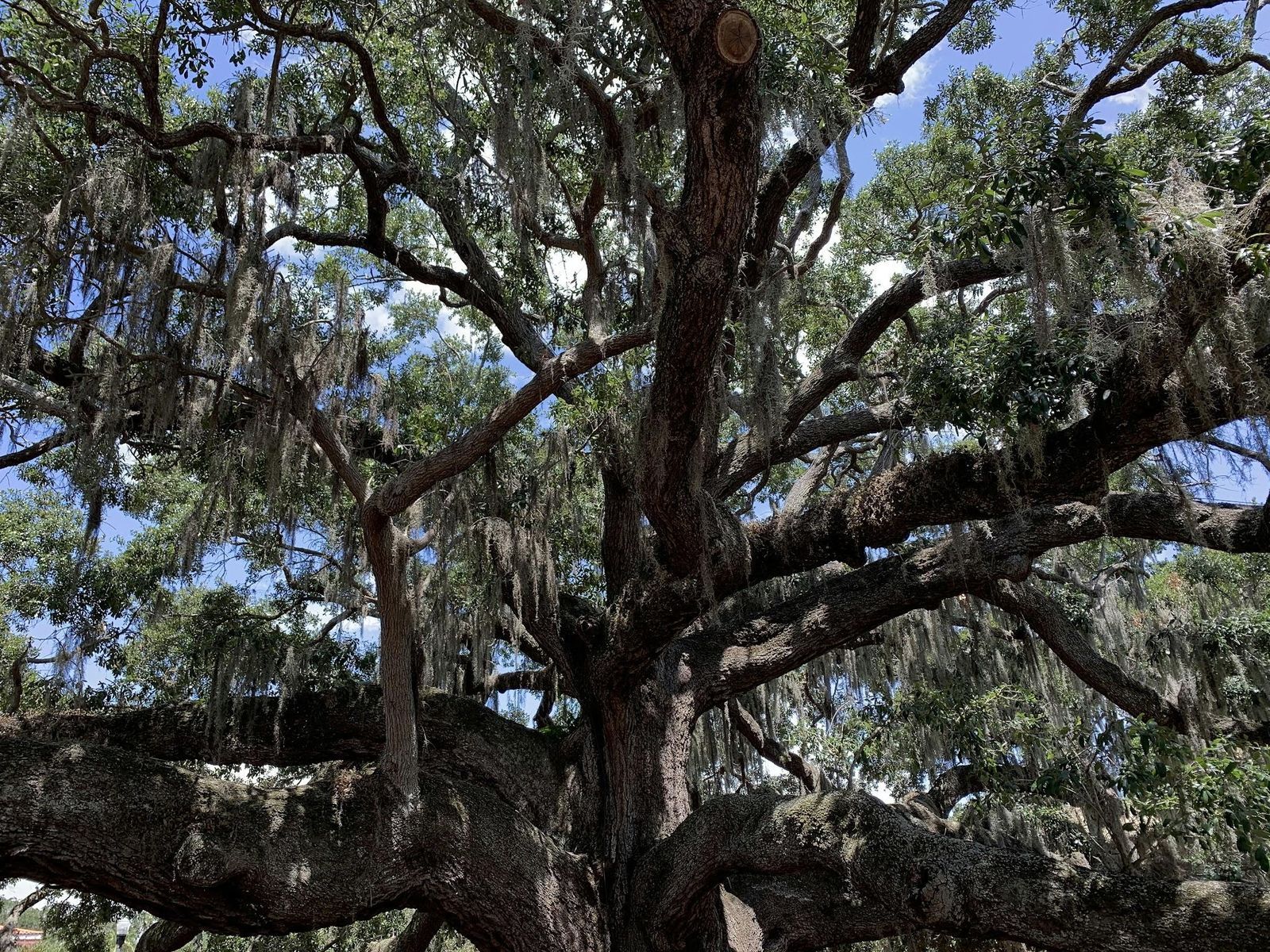
Image: Kaylee Stepkoski

Few lines have ever closed a film with such perfect indifference. This famously unapologetic farewell comes from 1939’s Gone with the Wind , delivered by Clark Gable as Rhett Butler opposite Vivien Leigh’s unforgettable Scarlett O’Hara.

7
"Are you not entertained?"
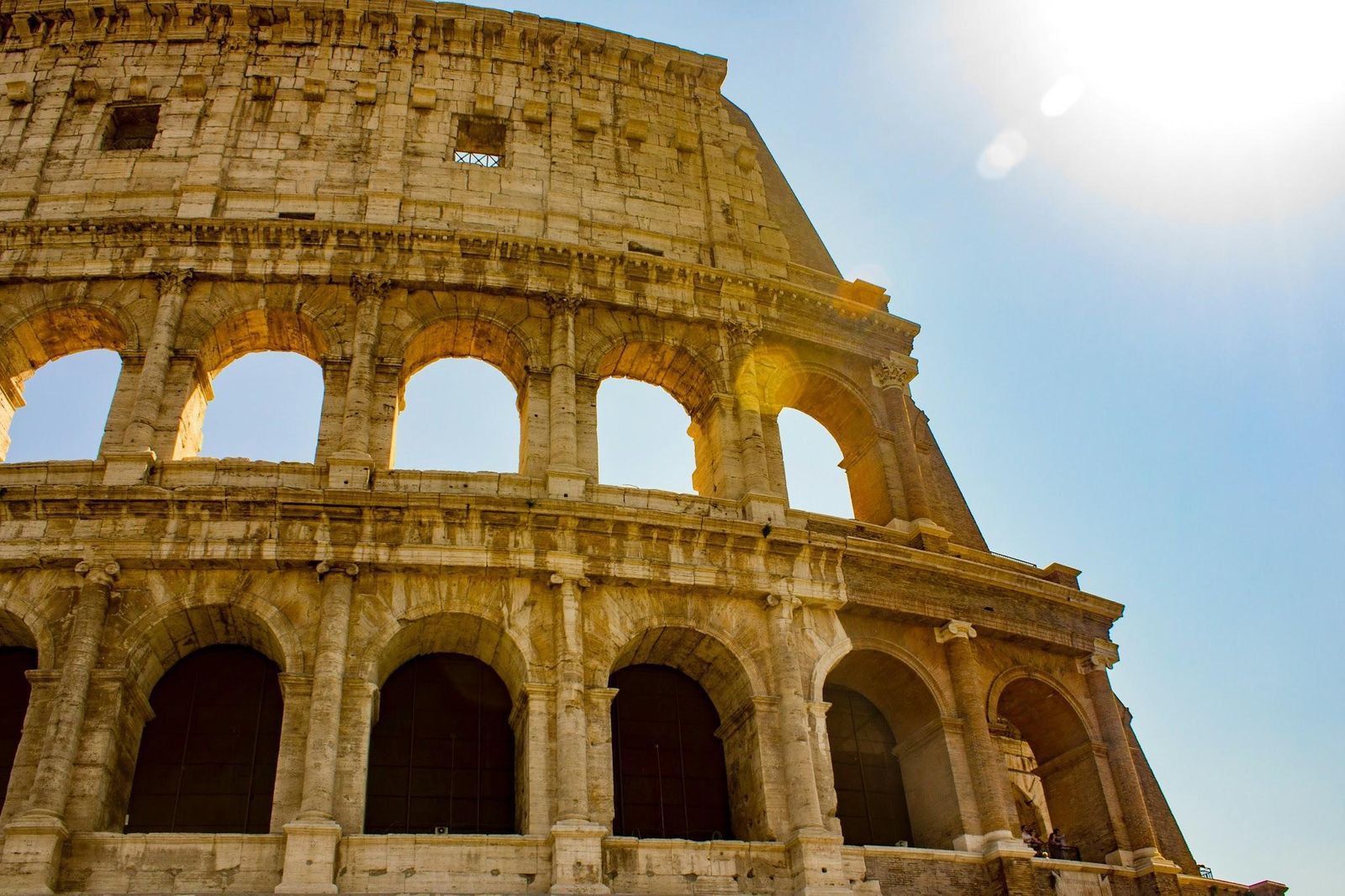
Image: Craig Zdanowicz

A booming challenge, roared from a scene filled with blood and sand… Of course, it belongs to none other than Ridley Scott’s Gladiator (2000), starring Russell Crowe in his Oscar-winning performance as Maximus.

8
"You’re going to need a bigger boat"

Image: Giga Khurtsilava

Dun-dun… This line comes from 1975’s Jaws , Steven Spielberg’s classic, a masterclass in suspense and suggestion. Spoken by Roy Scheider’s police chief Brody, the quote arrives at the exact moment the audience finally sees what’s been stalking them.

9
"I’m the king of the world!"

Image: Patty Zavala

And speaking of boats… Can you figure out which film this line is from? Kudos if you guessed it: It’s the signature line Leonardo DiCaprio yells from the bow of the Titanic . That’s in the first third of the 1997 movie, while things are still looking sunny and, well, optimistic, for everyone.

10
"I’ll be back"

Image: Giannis Skarlatos

Threatening, short, and flat. This line comes from 1984’s The Terminator , directed by James Cameron and delivered with robotic calm by Arnold Schwarzenegger in the role that defined his career. And yes, he did come back. Many times. Hollywood made sure of it.

11
"It was Beauty killed the Beast"
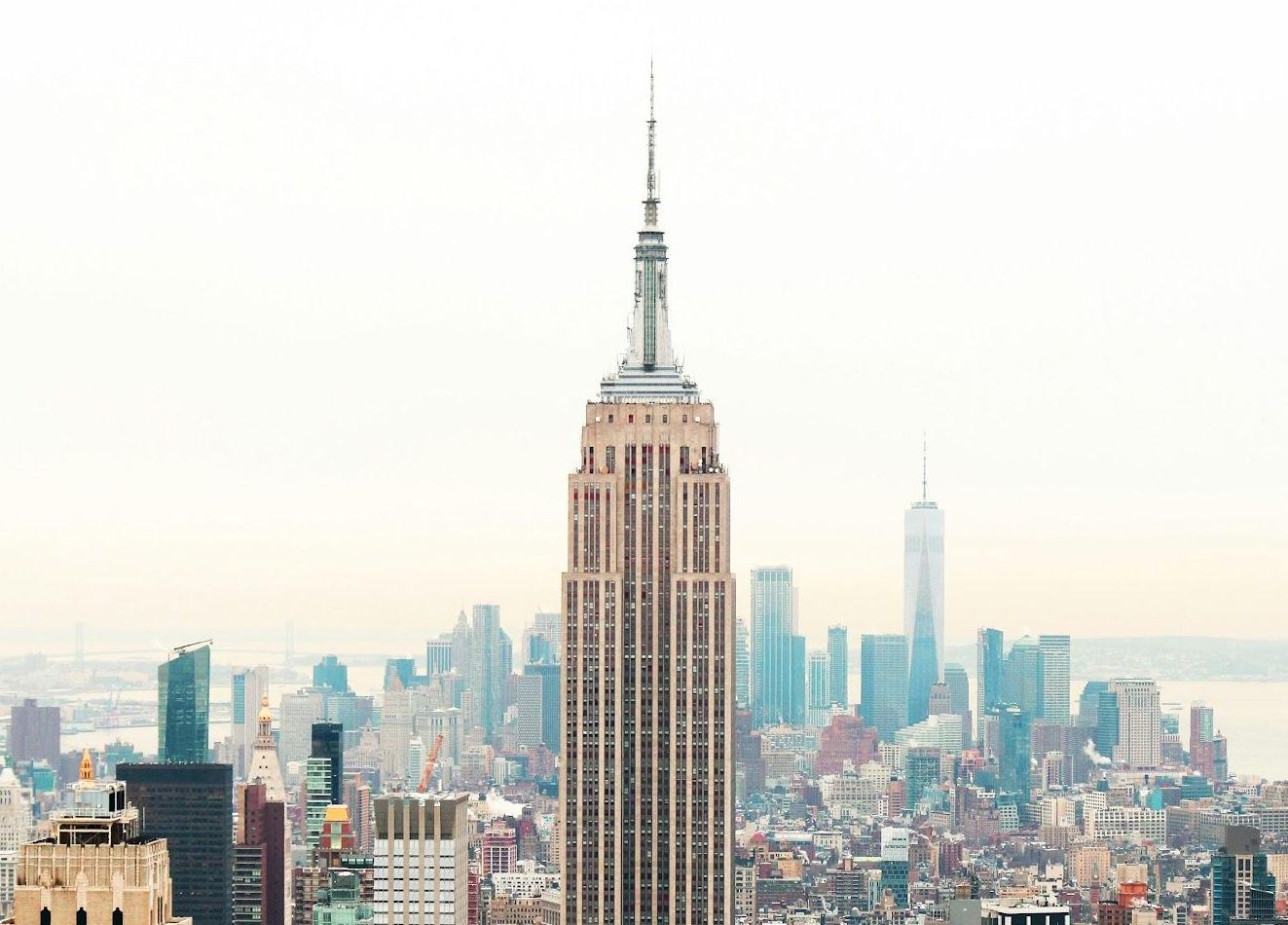
Image: Josh Connor

This is a closing line from a classic. Have you guessed it? It’s from 1933’s King Kong , directed by Merian C. Cooper and Ernest B. Schoedsack. The film gave audiences groundbreaking special effects, a towering ape with unexpected vulnerability, and a surprisingly heartbreaking ending.

That’s a wrap! How many of the movies could you identify? Did you get a perfect score?
History History 4 min read

After the golden spike

The driving force that built America: 12 milestones in railroad history

Image: jean52Photosstock

Today, we often take trains for granted, but that wasn’t always the case! The history of railroads is deeply intertwined with American history, shaping the nation’s growth every step of the way. Rail lines helped modern cities blossom, boosted trade across the country, and allowed Americans to explore even the most remote corners of the nation . From the first tracks to today’s massive freight industry, join us as we journey through 12 pivotal moments that defined America’s railroad legacy.

1
First tracks laid

Image: Tim Wildsmith

Date: 1827

The Baltimore and Ohio Railroad (B&O), chartered in 1827, became America’s first common carrier railroad. Construction began the following year, introducing horse-drawn carriages on iron rails. While rail lines existed before, most were privately owned or served specific industries.

2
Tom Thumb’s race

Image: K. Mitch Hodge

Date: 1830

Shortly after the establishment of the B&O’s chartered line, American industrialist and inventor Peter Cooper designed the first American steam locomotive, Tom Thumb , to convince the railroad’s owners to adopt steam power. To prove the technology’s potential, a race was organized between the locomotive and a horse. Although the horse won after Tom Thumb suffered a mechanical failure, the demonstration successfully proved the superiority of steam engines, marking a turning point in railroad history.

3
The railroad boom

Image: Museums Victoria

Date: 1840s to 1850s

With the rise of steam locomotives, railroads expanded rapidly, connecting major cities and driving unprecedented economic growth. By 1850, the U.S. had built 9,000 miles of railroad tracks . These rail lines played a crucial role in transporting goods—particularly agricultural products—to markets, revolutionizing commerce and travel across the country.

4
First transcontinental charter

Image: Alex Boyd

Date: 1862

The Pacific Railroad Act, signed by Abraham Lincoln in 1862, authorized the construction of the first transcontinental railroad, connecting the East and West coasts. The legislation empowered the Union Pacific and Central Pacific Railroads to undertake this monumental task, offering land grants and bonds to support the project. Beyond its technological significance, the act also demonstrated the federal government’s commitment to uniting the nation, fostering economic growth, and solidifying the country’s infrastructure.

5
Driving the Golden Spike

Image: Matt Benson

Date: 1869

On May 10, 1869, the Union Pacific and Central Pacific Railroads met at Promontory Summit, Utah, completing the first transcontinental railroad. During the ceremony, a 17.6-karat golden spike was ceremonially driven in —then promptly removed to prevent theft. This historic achievement connected the nation like never before, reducing cross-country travel time from months to days and forever transforming America's transportation landscape.

6
Standardized time zones

Image: Igor Savelev

Date: 1883

Another transformative effect of railroad expansion and faster travel times was the need for standardized timekeeping. To address the confusion caused by varying local times, the system of time zones was introduced. This not only revolutionized rail scheduling but also transformed travel and commerce across the country, helping synchronize operations nationwide and ensuring greater efficiency and coordination.

7
The Pullman revolution

Image: Jennifer Latuperisa-Andresen

Date: 1867

In 1867, George Pullman introduced the first luxury sleeper cars, offering passengers unmatched comfort on long-distance journeys. Pullman cars featured plush seating, fine dining, and exceptional on-board service, elevating the railroad experience to new heights. These innovations set a standard for first-class travel that extended far beyond railroads.

8
Connecting the South

Image: Oxana Melis

Date: 1870s

During the American Civil War, railroads were a strategic asset, enabling the swift movement of troops and supplies. After the war, Southern rail development played a key role in integrating the South into the broader U.S. economy, facilitating trade and mobility in the Reconstruction era. The Southern rail network expanded from 11,000 miles in 1870 to 29,000 miles by 1890, breaking the region's isolation and fostering economic growth.

9
Electric rail debuts

Image: Museums of History New South Wales

Date: 1888

Richmond, Virginia, became the site of America’s first electric streetcar system, forever revolutionizing urban transit. The system had a significant impact on the emerging electric trolley industry, with its design serving as a model adopted by many other cities. This shift marked the beginning of modern public transportation, transforming urban landscapes and mobility for generations to come.

10
The Golden Age

Image: Marco De Luca

Date: Early 20th Century

From 1900 to 1930, railroads dominated American transportation, carrying nearly all freight and passengers . During this period, innovations in track systems, signaling, and luxury amenities reinforced their status as the nation’s lifeblood. The industry thrived unchallenged until the rise of automobiles and airplanes reshaped the transportation landscape.

11
Amtrak takes over

Image: Jan Canty

Date: 1971

During the post-World War II economic boom, airlines and Interstate highways pushed many railroads out of business . As passenger rail declined, the U.S. government created Amtrak to sustain intercity travel, consolidating struggling private lines into a national service. While freight rail remained strong, Amtrak preserved passenger trains’ legacy, ensuring their continued role in America’s transportation system.

12
Modern freight titans

Image: Akshay Nanavati

Date: Present Day

Finally, we've reached the last station on our railroad journey! While the railroad landscape has drastically changed since its golden era, trains remain a vital backbone of the country’s economy. Freight railroads now dominate the industry, transporting over 1.7 billion tons of goods annually. The U.S. boasts one of the world’s largest and most efficient freight rail systems , transporting everything from coal to electronics and continuing to drive commerce and industry.

Culture Culture 4 min read

Echoes from History

Who said, "I'm losing"? Discover the last words of American figures!

Image: WikiImages

Some icons in our history stood out for their wisdom or wit, even in their final moments. And their clever, wise, profound, funny, or unexpected last words are proof of that. Read on to discover the final words of American figures that will definitely leave you thinking!

1
Frank Sinatra

Image: Dushawn Jovic

Frank Sinatra was one of America’s—and the world’s—most recognized artists, and even today, his name remains an unmistakable icon. We’ll never forget hits like "New York, New York," "My Way," "Fly Me to the Moon," and many others. And his last words were no less poetic than his life: "I'm losing," he allegedly said.

2
Groucho Marx

Image: Alan Hardman

They say humor follows comedians in all aspects of their lives—even to the very end. This was true for the great Groucho Marx, who passed away in 1977 at the age of 86 after bringing laughter to millions during his lifetime. As for his last words, there are two versions of the story, and both are funny! One version claims he said, " Die, my dear? That’s the last thing I’ll do! " while the other has him exclaiming, "This is no way to live!"

3
Buddy Rich

Image: Katherine Hanlon

Bernard "Buddy" Rich was a legendary American drummer renowned for his unique improvisational ability. He passed away at age 69 after brain surgery. Reportedly, his last words were a witty response to a nurse who asked if he was allergic to anything: "Yeah, country music," he said.

4
Donald O'Connor

Image: Nikko Balanial

Some artists never separate themselves from their work. Perhaps that’s what was going through the mind of dancer, singer, and actor Donald O’Connor—famous for his role in Singin’ in the Rain —when heart failure caused his death. His last words were, "I'd like to thank the Academy for my lifetime achievement award that I will eventually get." He still hasn’t received one.

5
George Washington

Image: Priscilla Gyamfi

George Washington will always be remembered as the Father of his Country, who led the Continental Army to victory in the Revolutionary War and served as the first president of the United States. In 1799, George Washington fell ill with respiratory infections that grew more severe over time. He passed away that year at the age of 67 at his Mount Vernon estate. According to historical accounts, his last words were an expression of acceptance: "Tis well."

6
T.S. Eliot

Image: anotherxlife

T.S. Eliot, the famous Missouri-born writer known for works such as The Waste Land and Four Quartets, passed away on January 4, 1965, at the age of 76. It's said that, in his last moments, the poet was reflective and serene, and his last word was the name of his love: "Valerie."

7
Joan Crawford

Image: Noom Peerapong

The great American actress Joan Crawford was much more than a pretty face. Her talent and complex personality were evident throughout her fruitful career, which was crowned with films such as Mildred Pierce . She died in 1977 of a heart attack. According to a biography, while a nurse was praying at her bedside, the actress exclaimed her last words: "Don't you dare ask God to help me!"

8
Humphrey Bogart

Image: JOSHUA COLEMAN

Say Casablanca, The Treasure of the Sierra Madre, and The Maltese Falcon, and one face automatically comes to mind: the iconic Humphrey Bogart. He was 57 years old when he died of cancer in 1957. According to sources, his wife, Laura, was leaving the hospital to pick up their children from school when he uttered his last words: "Goodbye, kid. Hurry back."

9
Eugene O'Neill

Image: Gwen King

Eugene O'Neill, the celebrated American playwright, faced numerous health issues throughout his life, which worsened in his later years. He passed away in 1953 at the age of 65. As one might expect from a talented playwright, his dramatic last words were full of intensity: "I knew it, I knew it! Born in a goddamn hotel room and dying in a hotel room."

10
Emily Dickinson

Image: Gülfer ERGİN

The famous poet Emily Dickinson is one of our country’s literary prides, known for beautiful works such as "Because I could not stop for Death" and "Hope is the thing with feathers." She was born in 1830 and died in 1886 in Massachusetts. Her last words were as poetic as her life: "I must go in, the fog is rising."

Explore more American facts

Choose your favorite category!

General
General

As American as apple pie—the very best America has to offer!

Culture
Culture

Delve into the astounding richness of American lore.

Geography
Geography

Hop in and explore vast and diverse American landscapes.

History
History

Discover the key moments that shaped the United States.