History History 5 min read

America’s front porch

Ellis Island: From execution site to America's main immigration station
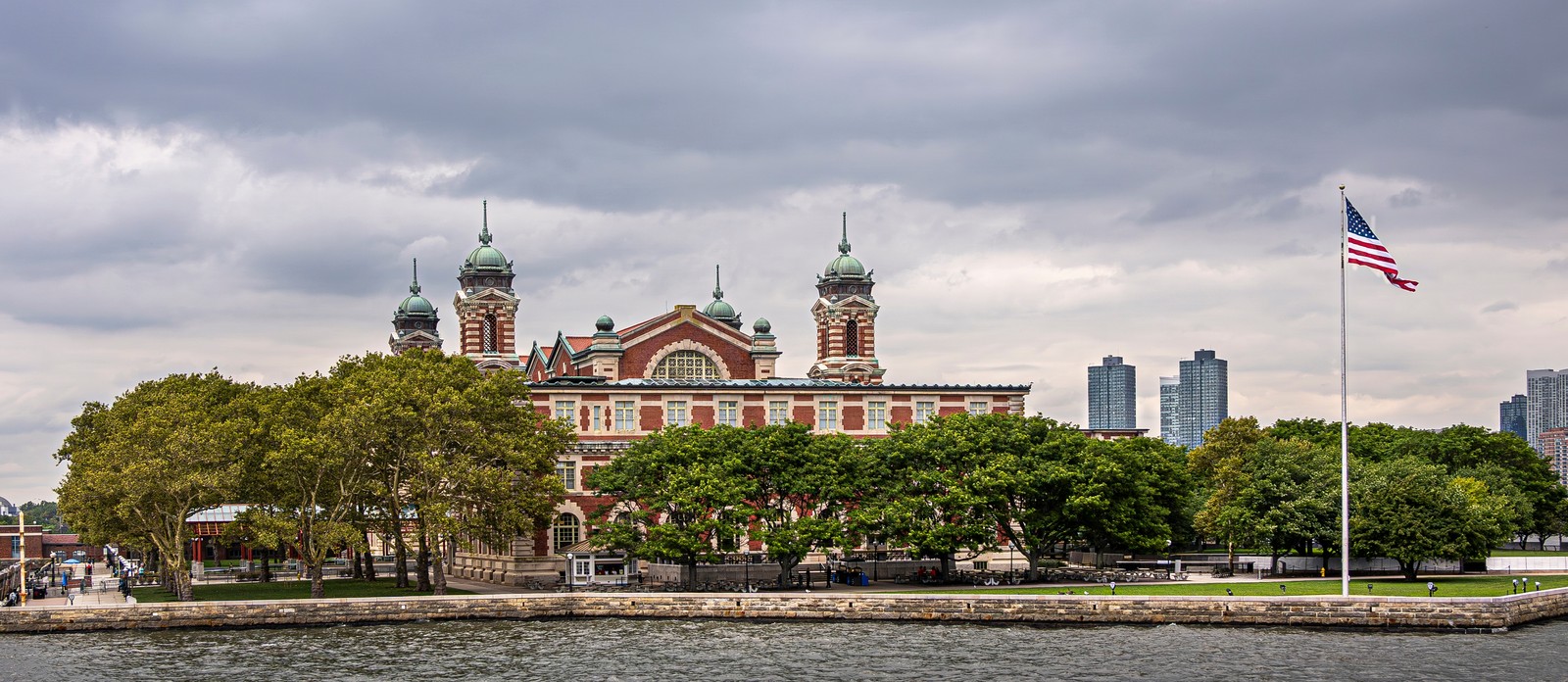
Image: Claudine Van Massenhove

Since its founding, America was regarded as the "land of opportunity", but the number of immigrants who came in search of a better life increased dramatically in the 19th century, and most of them entered the country through the Ellis Island immigration station. When did the station open its gates? Is it still operational today? Let’s explore the history of the Isle of Hope and Tears.

1
A grim past
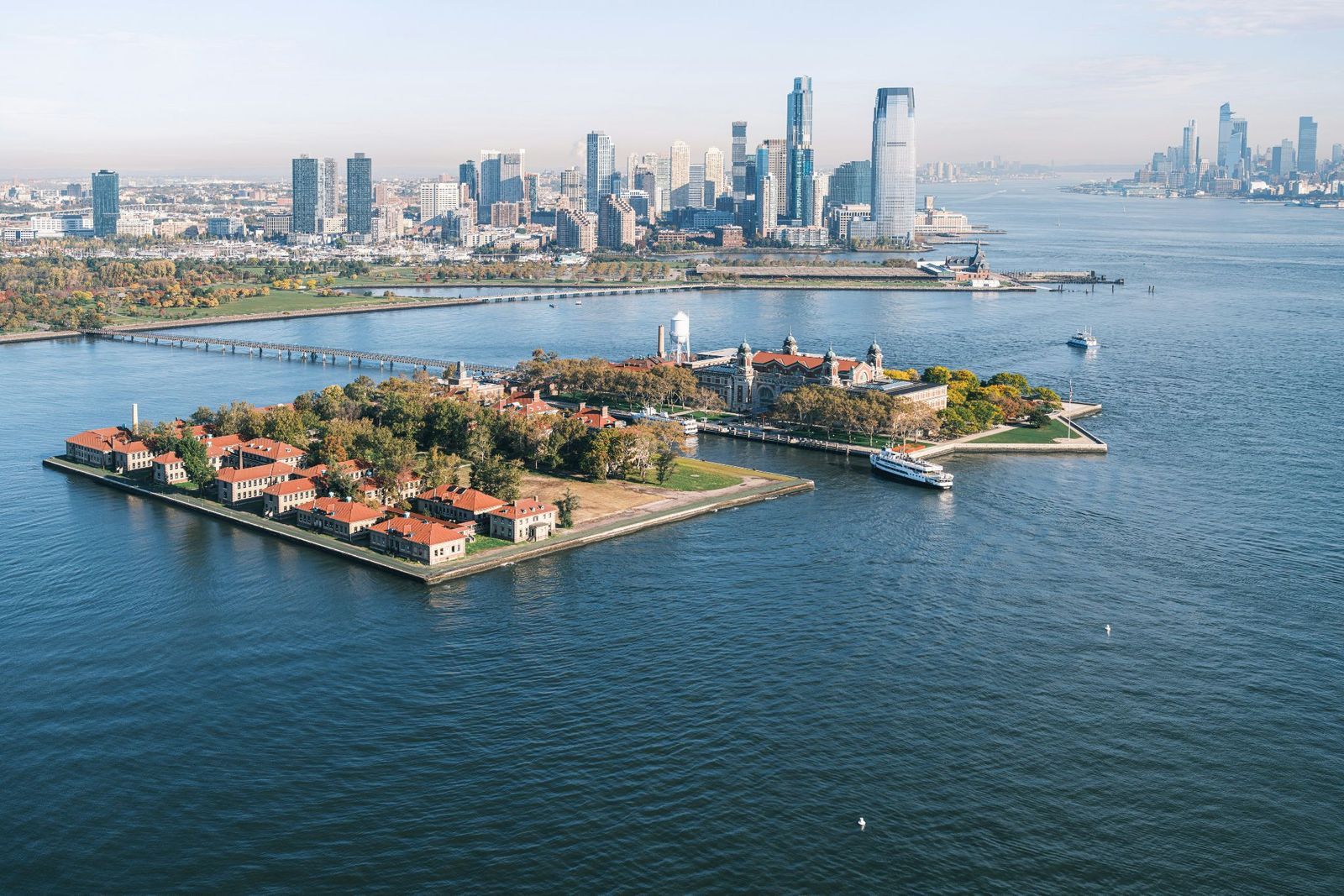
Image: Lumin Osity

One of the three "Oyster Islands" in Upper New York Bay—along with Liberty Island and the now-submerged Black Tom Island— Ellis Island changed hands many times during the Dutch and British colonial periods. Initially known as Little Oyster Island, it was often used as an execution site for pirates. In 1774, Welsh merchant Samuel Ellis acquired the island, renamed it after himself, and, in the early 19th century, the government bought it to build a fortress.

2
Why Ellis Island?
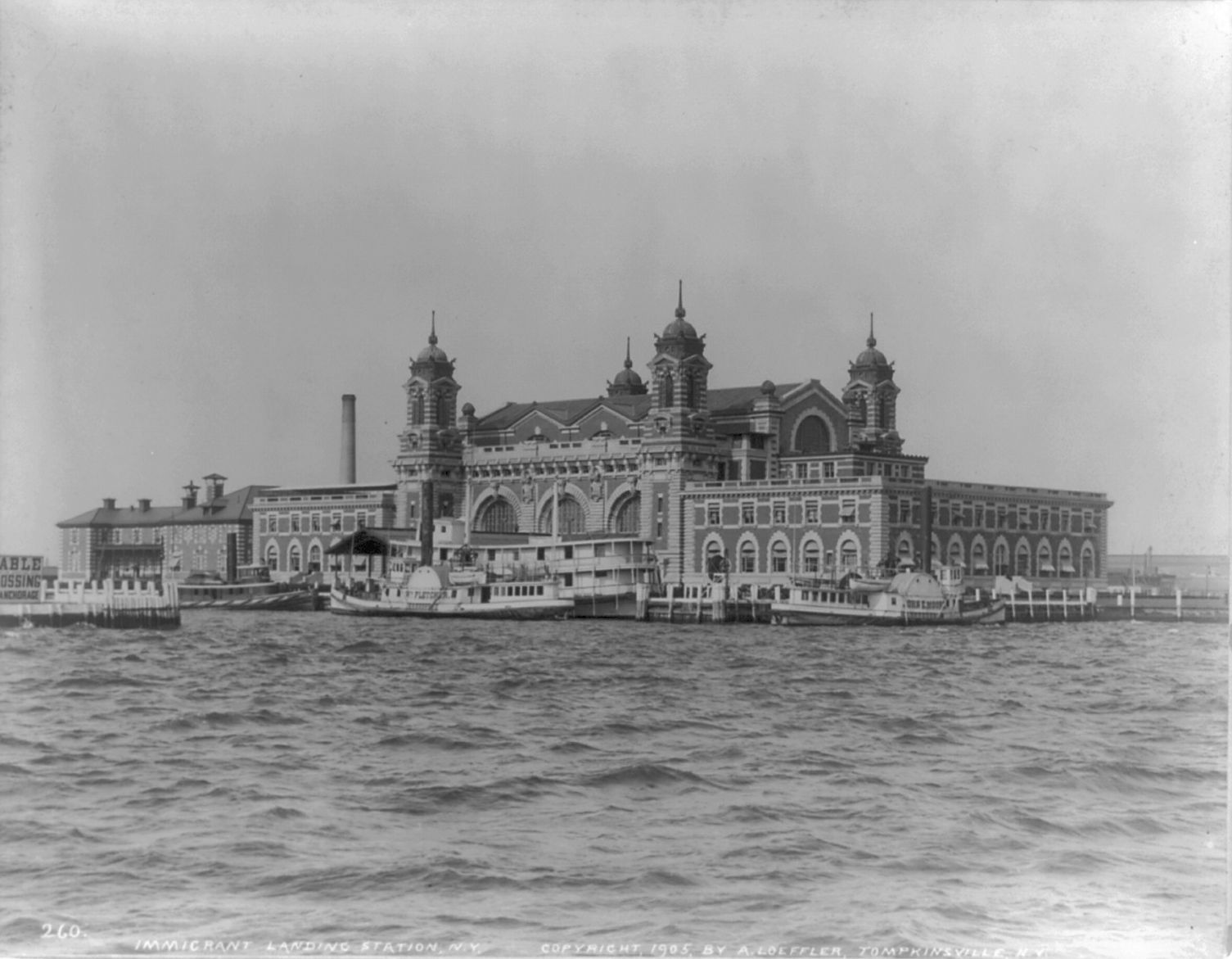
Image: A. Coeffler, Public domain, via Wikimedia Commons

In 1890, the American government decided to shut down the Castle Clinton immigration station on the southern tip of Manhattan due to mismanagement and immigrant abuse. After surveying several locations, Ellis Island was chosen as the site for the new station , and in two years, offices, an immigrant hotel, a hospital, a detention building, a laundry building, and a utility plant were built.

3
A growing island
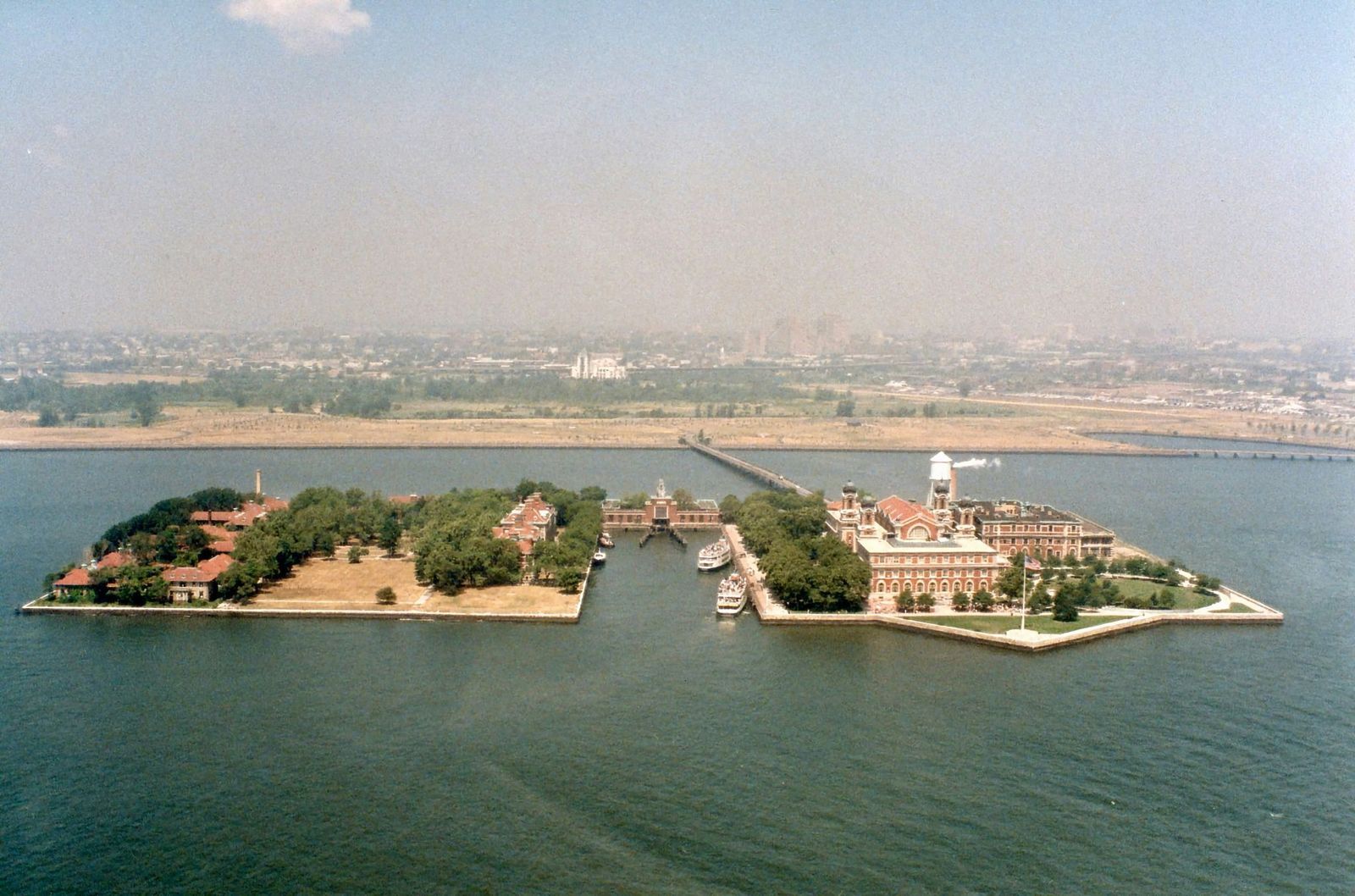
Image: Tomas Martinez

Did you know that Ellis Island used to be much smaller? As construction of the station started, the island was expanded through the creation of three artificial islands, which were then connected to the original land , and much of the dirt and rock used was sourced from the excavation of early New York City subway tunnels. In the end, the island’s original 3.3 acres were expanded to 27.5 acres, meaning that nearly 90% of Ellis Island is manmade.

4
The gateway to America

Image: Luis Santos

On January 1, 1892, Ellis Island station opened its doors, and the first to come through them were three children. 17-year-old Annie Moore and her two younger brothers had travelled alone from Cork, Ireland, to meet with their parents , who had migrated a few years earlier. Today, a statue depicting the Moore siblings stands on Ellis Island as a tribute to all those who came to America through the station. From its opening in 1892 to its closure in 1954, the station processed more than 12 million immigrants from all over the world.

5
A connection with nearly half of America
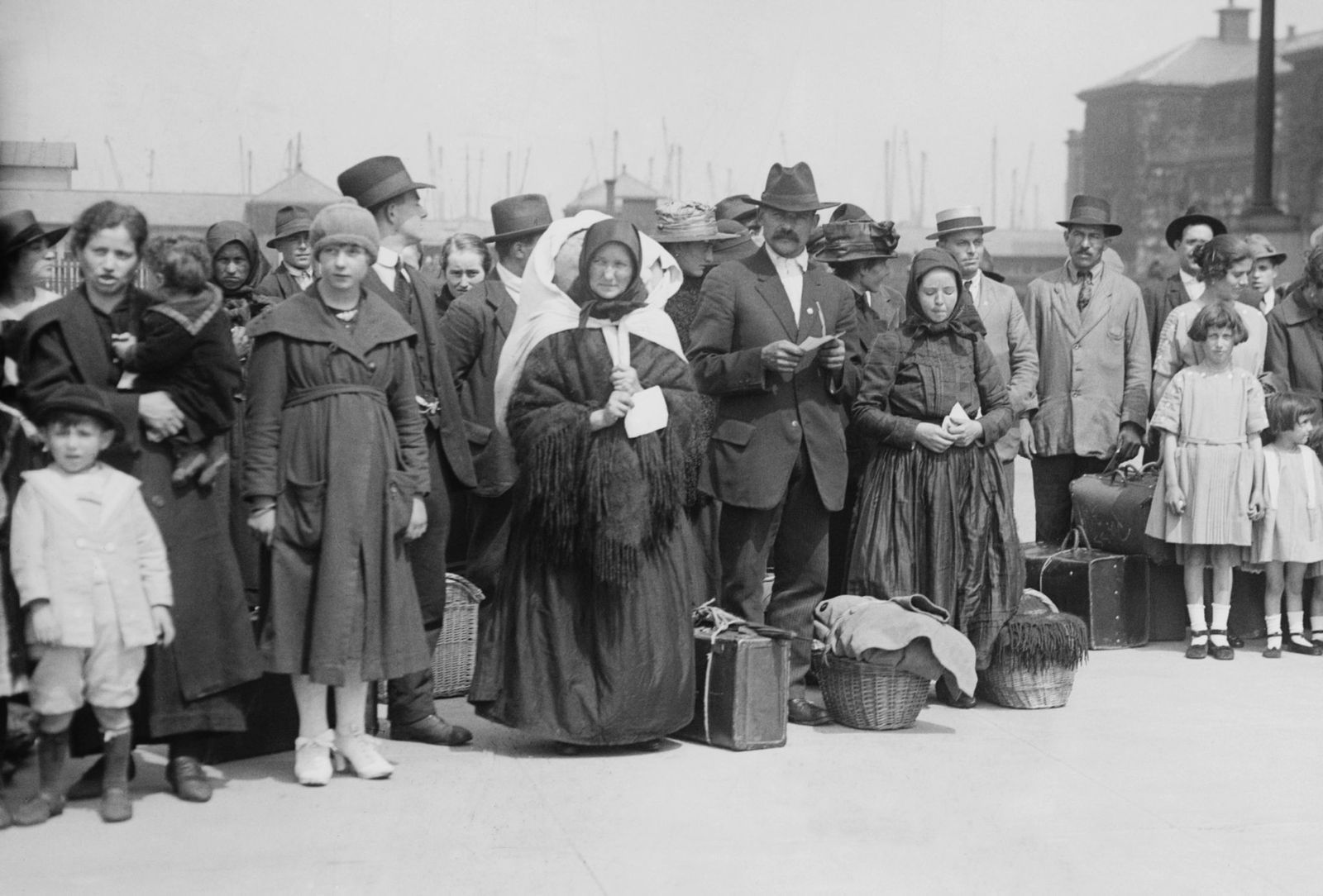
Image: Everett Collection

While Ellis Island was not the only immigrant station in America, it was definitely the busiest. It is estimated that around 33 to 40% of living Americans (more than 100 million people) can trace their ancestry back to an Ellis Island immigrant. Today, the station’s records are available online, allowing anyone wanting to explore their family’s past to find their ancestors’ immigration records.

6
Isle of tears
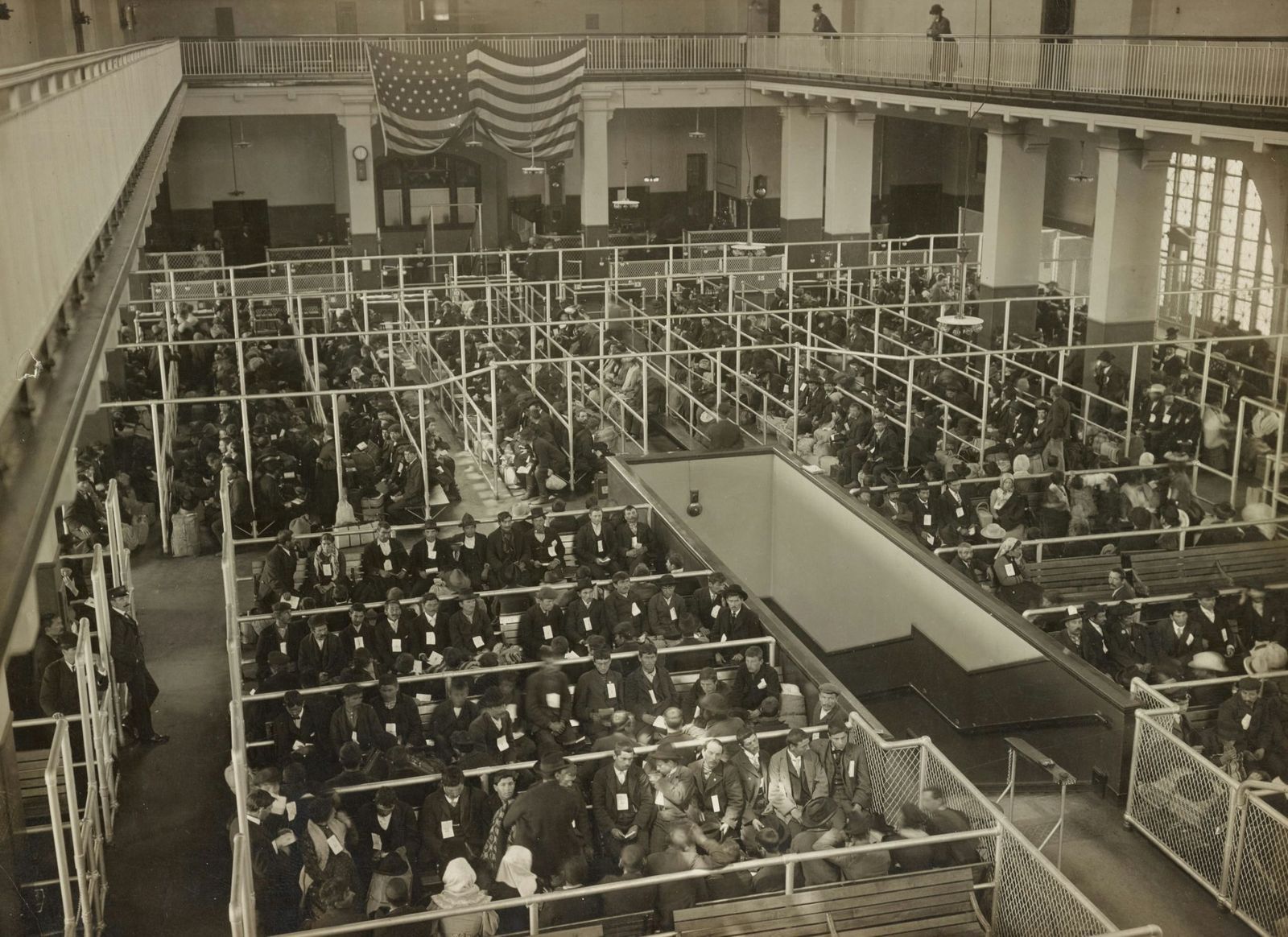
Image: The New York Public Library

While the popular myth about immigrants having to wait for days to be processed is not true, the inspection process at the station was long and thorough, usually completed in 3 to 5 hours. A medical inspection to rule out physical ailments and infectious diseases was done first, and suspicious cases were sent out to a different area of the station for further testing. Afterwards, a legal questioning about the immigrant’s origin, story, profession, final destination, and economic means was conducted by officers. Those who failed one or both inspections had the chance of a formal hearing before facing deportation, and it is estimated that only 2% of total arrivals were denied entry.

7
Restrictions
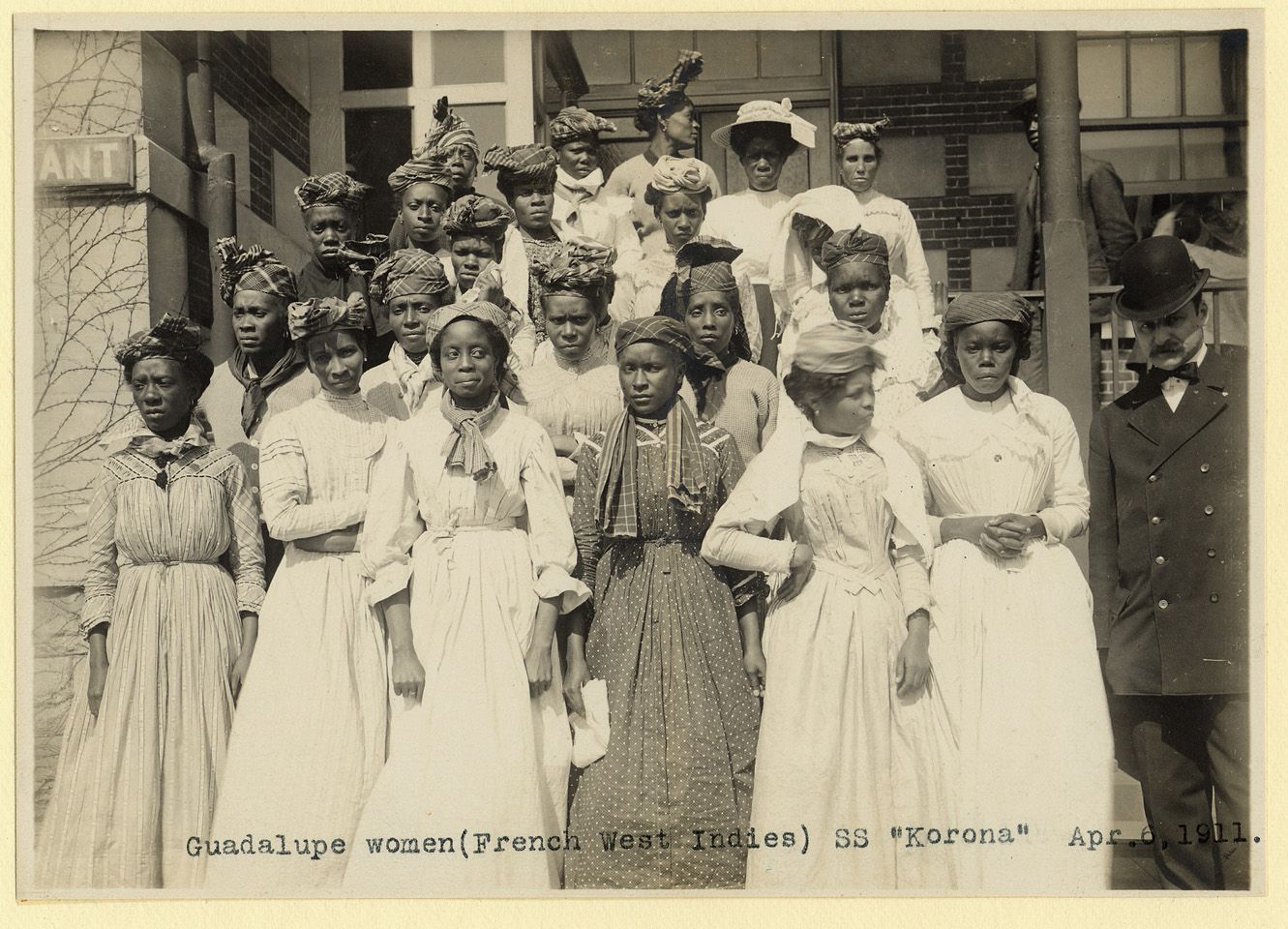
Image: English: NPS Photo, Public domain, via Wikimedia Commons

In the early 1920s, immigration quotas based on past censuses were enforced. In 1921, the immigration cap per nationality was restricted to 3% of the U.S. population of that origin represented in the 1910 census, a decision that heavily favored northern and western European immigrants. Three years later, the quota was reduced to 2% of the 1890 census, which further restricted immigration from southern and eastern Europe, as well as from Asia and Africa . In 1924, a new migration policy required migrants to secure a visa before the journey, which drastically reduced the number of people going through the station.

8
The detention center
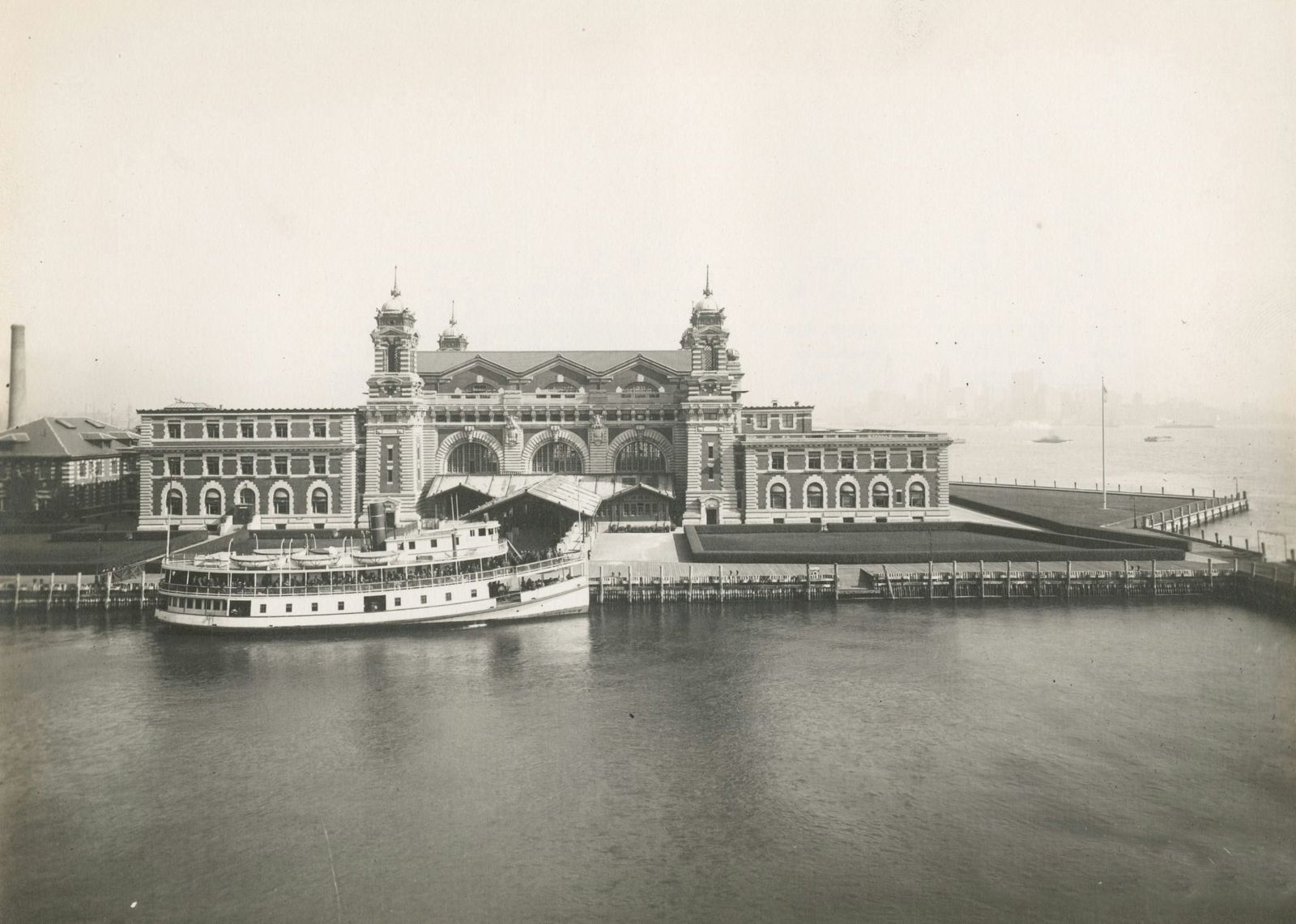
Image: The New York Public Library

As the flow of immigrants coming through Ellis Island diminished, part of the facilities were repurposed as a detention and deportation center, with the station temporarily closed during WWI, doubling as a jail and a treatment center for wounded soldiers. By the 1930s, the station mainly served as a holding place for individuals detained for illegal entry, overstayed visas, or medical reasons. Unlike other stations, such as Angel Island on the West Coast, Ellis Island was not used as a detention camp for Japanese Americans during WWII, but it was one of the main detention centers for Axis nationals in the New York Area , and later for alleged communist sympathizers during the Red Scare.

9
Who owns Ellis Island?
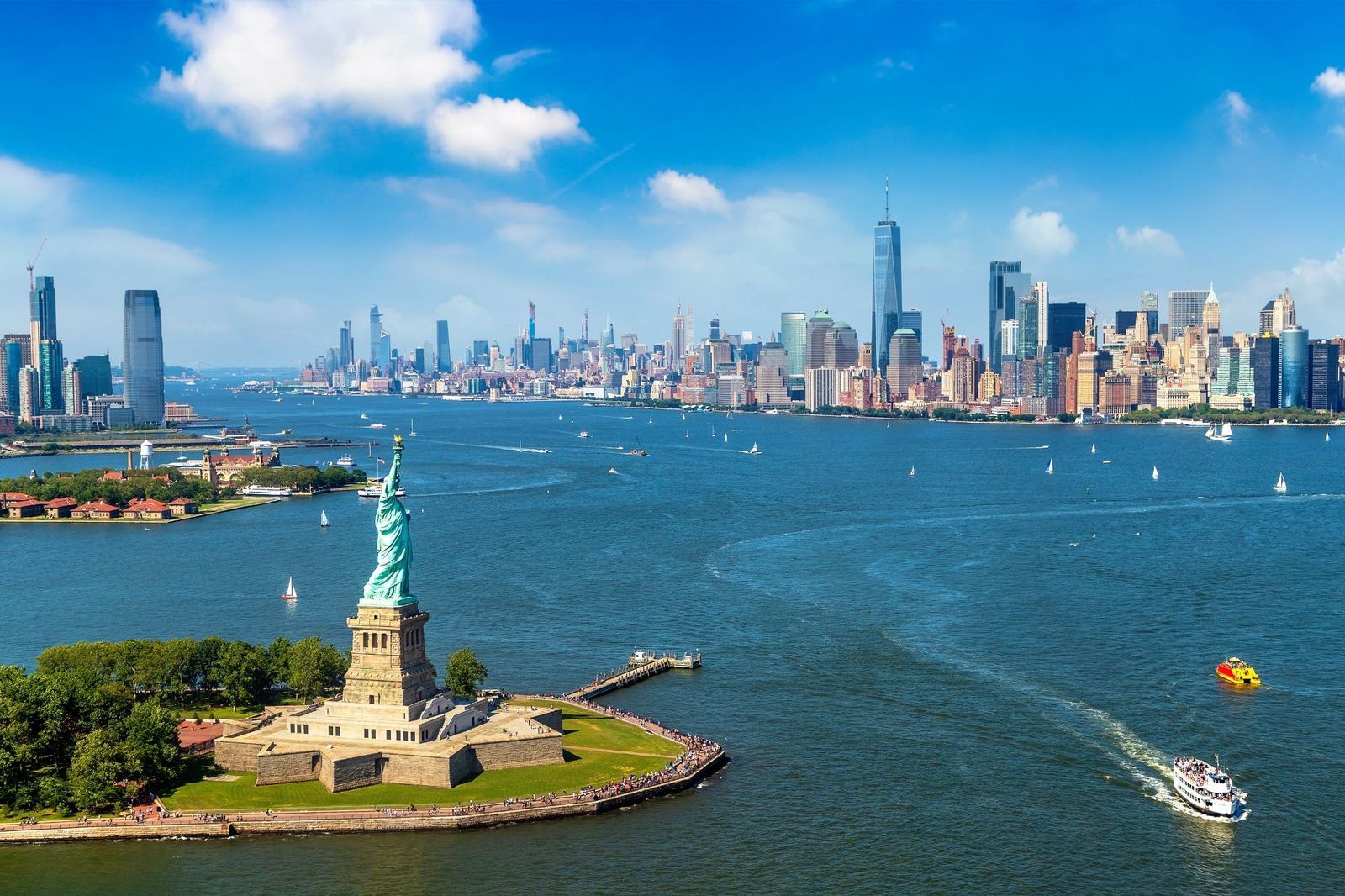
Image: Sergii Figurnyi

Several islands in New York Harbor have been a point of contention between the States of New York and New Jersey, including Ellis Island. In 1834, the U.S. Supreme Court ruled that the above-water land of Ellis Island belonged to New York, while the surrounding submerged land was part of New Jersey, but the matter was not resolved. In 1993, New Jersey contended that, when the island was artificially expanded to make room for the immigration station, it had been done on the submerged land, and therefore, it was part of New Jersey . In 1998, the Supreme Court ruled in favor of New Jersey, stating that New York only had sovereignty over the original 3.3 acres

10
Ellis Island today
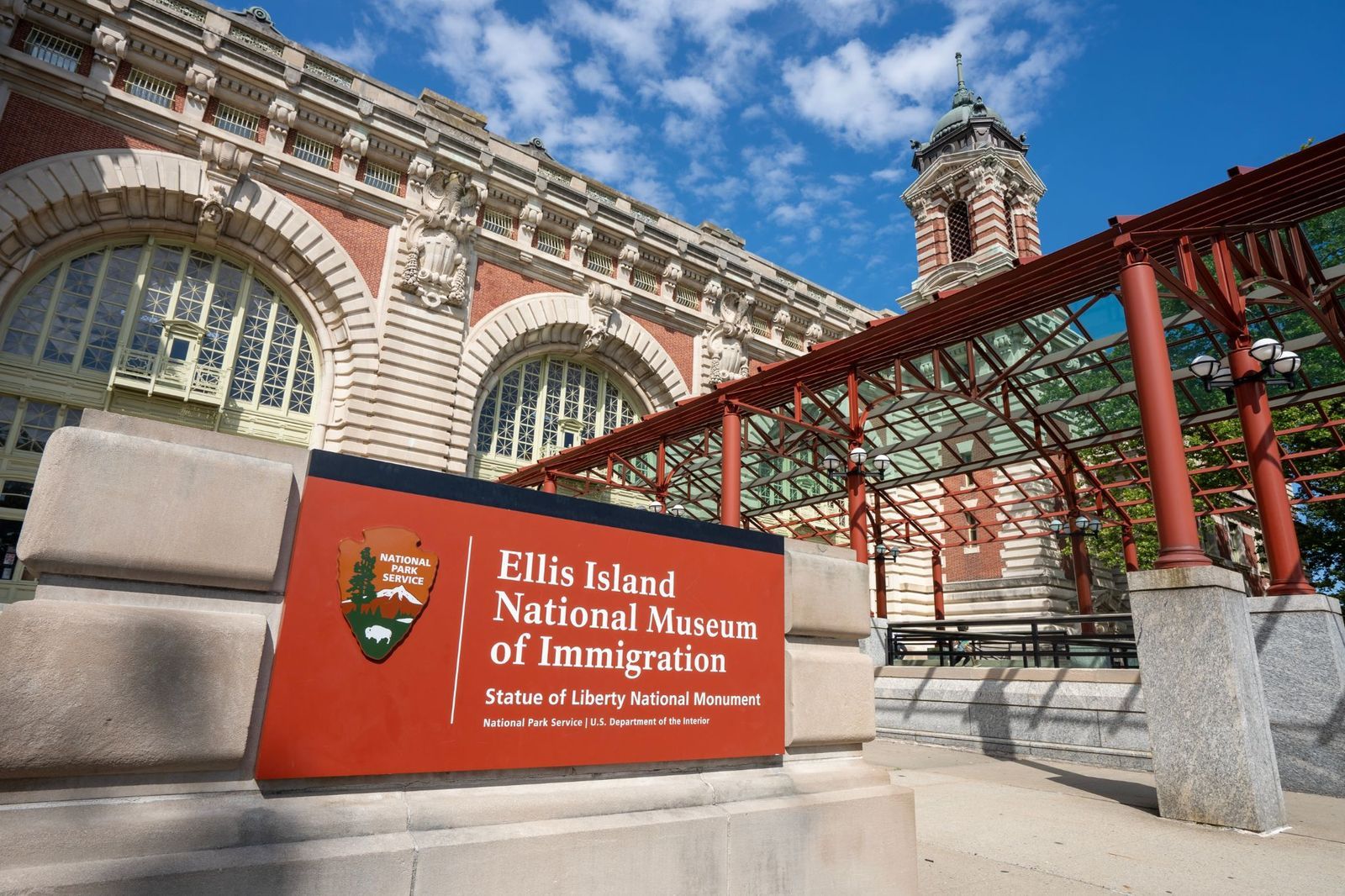
Image: Tada Images

In 1965, Ellis Island was designated as part of the Statue of Liberty National Monument, and its restoration process started in 1984, opening as a museum in 1990. Accessible only by ferry from Battery Park in Manhattan or Liberty State Park in New Jersey , the complex offers guided tours through the installations and access to passenger records. Museum access is free for all visitors, but they need to purchase a ticket for the official ferry.

Culture Culture 6 min read

LAUGHING THROUGH DECADES

Have You Watched These 10 American Sitcoms That Changed TV Forever?

Today, we have the freedom to choose what to watch, when to watch it, and at what pace; the offer is practically endless. However, the contents we enjoy today owe their existence to the pioneering shows that came to TV to change everything! A favorite of many Americans, these sitcoms were TV milestones that not only reached success in their day but knew how to leave their mark and influence new content. Anyone who has ever turned on the screen in their living room will undoubtedly recognize these 10 American shows that transformed the way we watch TV !

1
I Love Lucy

Image: Nick Fewings

Airing from October 15, 1951 , to May 6, 1957, I Love Lucy was undoubtedly a pioneering sitcom that marked the way people produce and watch TV. This show was one of the first to be filmed using a multi-camera setup and in front of a live studio audience!

Lucy Ricardo , portrayed by Lucille Ball, was the protagonist who won the hearts of many Americans with her enthusiastic and funny personality. In addition, her ambition to reach stardom inspired many women to fight for their dreams beyond the diverse impediments that society put in their way.

2
All In The Family

Image: Lucrezia Carnelos

All in the Family , which first aired in 1971 , was among the first shows to bring to television the controversial social, cultural, and political issues that were central during the 1960s.

With a humorous tone, All in the Family put on the screen some topics that other sitcoms didn’t dare to handle, with characters that embodied different ideas very well.

Thus, this sitcom marked American TV, influencing other shows that came later, including some spin-offs of the series itself, such as the iconic The Jeffersons.

3
Barney Miller

Image: Pavan Trikutam

While there are many series and shows about police departments and detectives today, in 1975, TV gave us Barney Miller , one of the sitcoms that would pioneer the genre.

Set in New York City, the show focuses on the lives of detectives Barney Miller (Hal Linden), Philip K. Fish (Abe Vigoda), Stan "Wojo" Wojciehowicz (Max Gail), Ron Harris (Ron Glass), and Nick Yemana (Jack Soo); characters with personalities as varied as they are funny.

What made Barney Miller stand out was the realistic way it narrated the lives of the different detectives, all influenced by their peculiar jobs.

4
The Mary Tyler Moore Show

Image: Senad Palic

The 70s were years of premieres. And one of them was The Mary Tyler Moore Show , a sitcom that came to revolutionize television.

With an independent , smart, career-focused, and single woman as the main character, this show stood out in those days. This aspect led the sitcom to win several Emmys and Golden Globes for its acting, writing, and impact on TV and society.

Mary interacted in the show with funny, witty, and adorable characters, such as Rhoda and Murray.

5
The Golden Girls

Image: Lance Asper

Airing for seven years, The Golden Girls is undoubtedly one of those sitcoms that all Americans remember. Four grown women sharing a house in Miami is enough premise to create countless scenes and comedic situations. Among them, the legendary Betty White fills the screen with sweetness and grace, playing "Rose."

The Golden Girls drew attention at the time for being one of the first sitcoms to show women of their age living different aspects of life like any other adult, without restrictions of any kind. If you haven't seen it yet, run to the TV and turn on an episode!

6
Cheers

Image: Edgar Chaparro

Boston, Massachusetts, is the setting of Cheers , the sitcom that ran for more than ten years, from 1982 to 1993.

"Cheers" is the name of the bar where the main characters work: Sam, Diane, Carla, Coach Ernie (later replaced by Woody Boyd), Cliff, and Norm. All kinds of stories, encounters, misunderstandings, and much more unfold there, all highlighted by a witty script and hilarious performances.

Winner of several Emmys, the series marked an era, leaving jokes that were repeated on TV throughout the decades that followed.

7
Seinfeld

Image: Patrick Tomasso

Larry David and Jerry Seinfeld together created one of the funniest sitcoms this country has ever seen.

First aired in 1989 , Seinfeld was humorously described as "a show about nothing," as it portrayed the daily lives of four friends in New York. However, the characters were enough of a driving force to make things happen. Jerry Seinfeld, a stand-up comedian, and his three friends -George, Elaine, and Kramer- brought to life a series of hilarious situations, each character more eccentric than the last.

Seinfeld stood out because it focused more on each comic situation than on the long-term development of its characters. In addition to that, the show consistently used an ironic tone to critique social norms and stereotypes !

8
Friends

Image: Ilse Orsel

One of the sitcoms influenced by Seinfeld was the iconic Friends , which aired for ten years, from 1994 to 2004.

Which was your favorite character: Ross, Rachel, Monica, Chandler, Phoebe, or Joey? Each of these quirky guys living in New York had a huge fan base in the 90s when the series aired on NBC. The success of Friends was undeniable, and its actors went on to earn sums of money that few comedy actors had ever earned before.

Although it has been criticized in recent years for its lack of diversity, there is no denying that this sitcom has given us a good dose of laughs and touched the hearts of many Americans over the years!

9
The Office

Image: Adolfo Félix

You'd think a run-of-the-mill office wouldn't have much to give the viewer, right? Well, The Office appeared in 2005 to prove that's not true at all.

To achieve the success it enjoyed (and continues to enjoy), this sitcom only needed a great script, superb direction, and some seriously exceptional actors.

While the American version of this mockumentary is an adaptation of the British original, it was the American one that went around the world. That was largely thanks to actors like Steve Carell as the unusual boss Michael Scott, Rainn Wilson as the hilarious Dwight, and the talented John Krasinski as Jim. They, along with the rest of the cast, made this series a comedic masterpiece.

10
The Simpsons

Image: Stefan Grage

When it comes to iconic animated characters, The Simpsons instantly comes to mind.

Probably the most famous animated family in the world, the Simpsons have been on our screens for many years, debuting in 1989 and continuing to this day. The mastermind behind the show, Matt Groening, created characters that, while hilarious and charming from their first appearance, evolved to reveal complexity and depth over the years.

The biggest fans may say that the series is no longer what it once was. While this may be true, no one can deny that Homer , Marge, Bart , Lisa, Maggie, and other iconic characters like Flanders, Crusty, Barney, Burns, and Skinner will always be part of American culture.

General General 4 min read

From coast to coast

Did you get these 10 US geography facts wrong too?

Image: Nick Seagrave

The United States is an extensive and diverse country, full of surprising geographic facts, some of which even break records! Perhaps that's why many people, even Americans, sometimes confuse certain details about our territory. For example, did you know that Maine is the only state among the 50 that shares its border with just one other state? Get ready to be shocked by some common misconceptions! Today, we're diving into 10 geographic facts about America that people often get wrong.

1
There's only one

Image: Keith Luke

How many states share a border with just one other state? Only one! Do you know which one it is?

Correct! It's Maine. The Pine Tree State, located in the northeastern United States, shares its only state border with New Hampshire to the west. But wait! It also borders Canada (the provinces of New Brunswick and Quebec) to the north and northeast, and the Atlantic Ocean to the east.

2
Alaska's distance

Image: Hari Nandakumar

If someone asked you what the shortest distance is between Alaska and the Lower 48 states, would you know the answer? Most people wouldn't! Well, the average distance between Alaska and the contiguous US is about 500 miles. But that's not the most interesting part. Believe it or not, Alaska is actually closer to Russia than to the mainland United States! At their closest point, Alaska and Russia are separated by just 2.4 miles across the Bering Strait.

3
The US-Canada border

Image: Sergey Pesterev

You probably already know that, at 5,525 miles, the US-Canada border is the longest land border in the world. But there are still some fascinating details about it that many people haven't heard before.

The Haskell Free Library and Opera House (Derby Line, Vermont & Stanstead, Quebec) has an international border inside the building! You read that right: Americans enter through one door, Canadians through another. But be careful! International law requires that you exit through the same door you entered.

4
The largest freshwater lake

Image: Andrew Ling

The Great Lakes —Lake Superior, Lake Michigan, Lake Huron, Lake Erie, and Lake Ontario— are one of the natural wonders of North America, and they also hold a world record!

That's right! The largest freshwater lake in the world by surface area is right here in North America. We're talking about Lake Superior, which is shared by both the United States and Canada.

5
The most densely populated state

Image: Rob Curran

Since New York City is the most densely populated city in the country, many tend to believe that, as a result, New York State is the most densely populated. However, that's not the case.

The most densely populated US state is actually New Jersey! Its small size, combined with the large population in its urban areas and its proximity to New York City, has earned The Garden State this title.

6
The largest US state

Image: Jacob Vizek

Most Americans know which state is the largest by area. But outside the US, some get this fact wrong!

Many people answer "Texas" when asked which is the largest of the 50 states. But in reality, Alaska is far bigger, covering about 665,300 square miles compared to Texas's 268,600. This misconception may stem from Texas's reputation as a "large state" or from the way many maps distort Alaska's true size, making it appear much smaller than it actually is.

7
Florida's capital

Image: Meadow Marie

Miami is not only the most densely populated city in Florida but also one of its most famous, right up there with Orlando! Perhaps that's why many people mistakenly believe Miami is the capital city of the Sunshine State. However, the capital city of Florida is actually Tallahassee, which is smaller and doesn't quite receive as much attention.

8
The longest river

Image: Samantha Sheppard

Measuring the actual length of a river can be tough due to the serpentine shape that these bodies of water often take. This may be why many people are unsure about which river holds the title of the longest in the US.

Well, here's the truth: At 2,341 miles, the Missouri River is the longest river in the US, though just by a small margin. In second place is the Mississippi River, which stretches for some 2,320 miles and is often mistakenly thought to be the longest due to that small difference.

9
New York's capital

Image: Charlize Kruger

Similar to Florida, New York State's capital city is not its largest or most famous.

Contrary to what many people think, the capital of New York is not NYC, but Albany. Although Albany is smaller than NYC, it's an important economic and political hub, and it was chosen as the state capital because of its central location along the Hudson River.

10
Large population

Image: Satyan Chawla

The United States is known for having a large population, partly due to the large size of its territory. But did you know it's also one of the most populated countries in the world? In fact, it's the 3rd most populated, coming right after India and China! There sure are a lot of us, aren't there?

11

Explore more American facts

Choose your favorite category!

General
General

As American as apple pie—the very best America has to offer!

Culture
Culture

Delve into the astounding richness of American lore.

Geography
Geography

Hop in and explore vast and diverse American landscapes.

History
History

Discover the key moments that shaped the United States.