General General 4 min read

Raise a Glass

Do you choose them too? The top 10 favorite drinks in America!

Image: Alleksana

Whether at a party, an important dinner, a wedding, or on vacation, enjoying a drink can create a nice moment. And while the mixtures and types of drinks are varied, it seems that we Americans know very well what our favorites are. Join us to discover America's 10 favorite cocktails; you may be in for a surprise or two!

1
Margarita

Image: Julie Sd

Margarita is a name we all recognize. So much so that it stands out as one of the most popular drinks in America. With roots in Mexican culture, the Margarita is a well-designed drink, blending the strong flavor of tequila with fresh lime juice and triple sec.

With simple ingredients and preparation, this drink is one of the most popular among those looking for a perfect balance of flavors.

2
Martini

Image: Johann Trasch

A classic of classics, the Martini has its rightful place on this list. Not only is it one of the most famous cocktails in the world, but it's also one of Americans' favorites. We understand why: its combination of gin, dry vermouth, and an olive or lemon twist makes it hard to beat.

Born in the 19th century and rising to fame during the Prohibition Era, the Martini proves that simplicity can perfectly go hand in hand with elegance and sophistication.

3
Moscow Mule

Image: Gary Meulemans

The Moscow Mule, created in America in 1940, has since become one of the most beloved cocktails. With a perfect blend of vodka, ginger beer, and fresh lime juice, this drink offers a refreshing taste, perfect for any summer evening.

But that's not all: Its iconic copper mug not only keeps the Moscow Mule always cold but also gives it a unique look!

4
Espresso Martini

Image: Krists Luhaers

Now, let's talk about one of the surprises on the list: the Espresso Martini. Although it has gained popularity in recent years (especially among coffee and cocktail fans), the recipe for this drink has actually been around since the 1980s.

Let's be honest: its formula is genius. It blends extremely popular flavors -vodka and coffee- into one perfect drink. Often meticulously crafted and served in a chic glass, this drink definitely gets all the attention.

5
Old Fashioned

Image: Bon Vivant

The Old Fashioned teaches us that something doesn't have to be new to be on trend. In fact, this is one of the classic American drinks and is already part of the cocktail tradition in our country.

Bourbon, sugar, bitters, and a twist of citrus peel: that's all it took for this cocktail to win the hearts of many Americans and become an icon of our culture.

6
Mojito

Image: Marc Schulte

When summer arrives, there is a drink that becomes one of the stars. We're talking about the famous Mojito, which successfully mixes mint, lime, rum, sugar, and soda water. Delicious, right?

If rum isn't to your liking, you can easily substitute it with other spirits, such as vodka or gin, which makes it a versatile and adaptable option to different contexts and events. In addition, its preparation is very simple, so you don't need to leave your home and go to a bar to enjoy its refreshing taste.

7
Long Island Iced Tea

Image: sangsang pic

Some may be disappointed to learn that the popular Long Island Iced Tea has no tea in it at all. That's right, this cocktail is made with vodka, rum, gin, tequila, triple sec, sour mix, and a splash of cola. Potent, don't you think?

Perhaps it's its boldness that makes it so popular, as it ranks among the top choices for Americans. But let's be honest: this might not be the best drink if you have to be up early the next morning.

8
Spritz

Image: Miikka Luotio

If the cocktail in the previous entry seemed too much for you, the Spritz might be the perfect choice. As one of the drinks with the lowest alcohol content on the list, the Spritz stands out for its light and refreshing taste.

Plus, its preparation is incredibly simple. All you need is Prosecco, Aperol (sometimes replaced for Campari), and a splash of soda water. And as if all that weren't enough, its characteristic orange tones make it an Instagram-worthy cocktail.

9
Mimosa

Image: Briona Baker

When it comes to brunches, the Mimosa takes the spotlight. It seems to be one of the most popular drinks for celebrating special occasions during the day, thanks to its refreshing, light taste and relatively low alcohol content.

Since it is made with just two ingredients -orange juice and sparkling wine in equal parts- we can all make it at home. Simply mix the ingredients, pour into a tall champagne flute, and you're ready to enjoy!

10
Bloody Mary

Image: Nicole Honchariw

Hand in hand with the Mimosa, the Bloody Mary also stands out as a classic brunch cocktail. Its ingredients -vodka and tomato juice- pair perfectly with the dishes typically served at such gatherings. In addition, different spices, seasonings, and garnishes are often added to its two basic ingredients, making it a versatile drink that can be adapted to different tastes and preferences.

Fun fact: Although it has remained relevant over the years, this cocktail is reported to be most popular among Generation X!

Culture Culture 3 min read

Necessary troublemakers

Meet 10 of the least favorite characters on American TV: Do you agree?

Image: Piotr Cichosz

We naturally cheer for the heroes in our favorite shows, but every great story needs a villain, a schemer, a troublemaker, or just a truly hateful character. Some of these are so cunning or exasperating that they become impossible to forget. Let’s take a look back at 10 iconic TV characters we love to hate.

1
J.R. Ewing (Dallas)

Image: Toglenn, CC BY-SA 3.0 <https://creativecommons.org/licenses/by-sa/3.0>, via Wikimedia Commons

If ambition had a face, it would probably be J.R. Ewing, the slick oil tycoon from the TV show Dallas . Manipulative, calculating, cold, incredibly greedy, and even treacherous, he checks all the boxes for one of TV’s most hated—and most memorable—villains.

2
Ross Geller (Friends)

Image: Philippe Berdalle, CC BY-SA 2.0 <https://creativecommons.org/licenses/by-sa/2.0>, via Wikimedia Commons

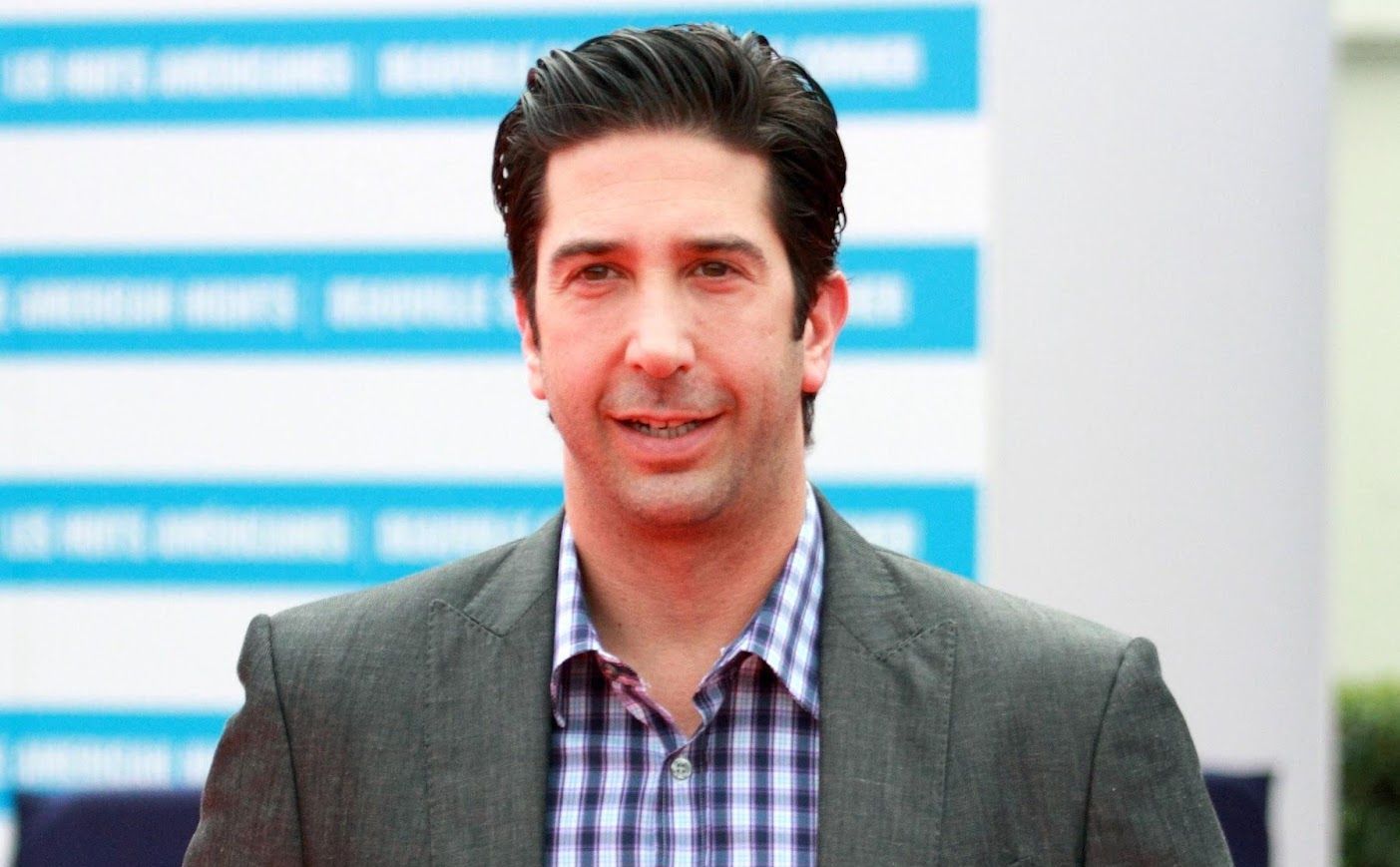
David Schwimmer brought to life one of the most memorable characters in American sitcoms. We’re talking about Ross Geller from Friends , a character who could easily land on both the "most beloved" and "most hated" lists. And that’s the charm of Ross: fans who adore him point to his generosity and intelligence, while those who can’t stand him blame his jealousy and tendency toward constant drama. Which side are you on?

3
Mr. Burns (The Simpsons)

Image: Erik Mclean

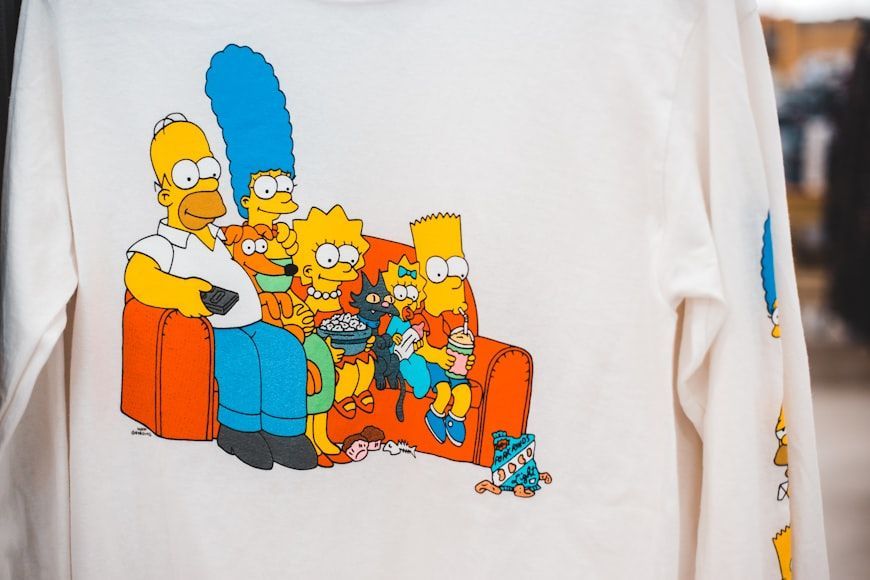
The millionaire Mr. Burns is the perfect example of a cartoon villain. And maybe it's not just his cold, calculating, and greedy nature that makes him so unlikable, but also his total inability to relate to or understand the problems of ordinary people. While it's hard to truly "hate" any character from The Simpsons , we can safely say he does not exactly inspire affection.

4
Kimmy Gibbler (Full House)

Image: Jason Leung

Kimmy Gibbler, played by Andrea Barber on Full House , is one of those characters who sparks mixed feelings. Some viewers find her loud, quirky, and intrusive behavior charming. However, for others, those same traits can be a bit too irritating. Whether you adore her or can’t stand her, no one could imagine the show without Kimmy.

5
Janice (Friends)

Image: Chester from Toronto, Canada, CC BY 2.0 <https://creativecommons.org/licenses/by/2.0>, via Wikimedia Commons

Those of us who watched Friends need just three words to remember this character: "Oh. My. God!" That’s Janice's trademark line, repeated almost every time she appears on the show. It’s not malice that gets under our skin, but her shrill voice, endless energy, and constant drama. And of course, she won’t leave Chandler alone, who does everything but be upfront about his feelings.

6
Livia Soprano (The Sopranos)

Image: HBO, CC BY 3.0 <https://creativecommons.org/licenses/by/3.0>, via Wikimedia Commons

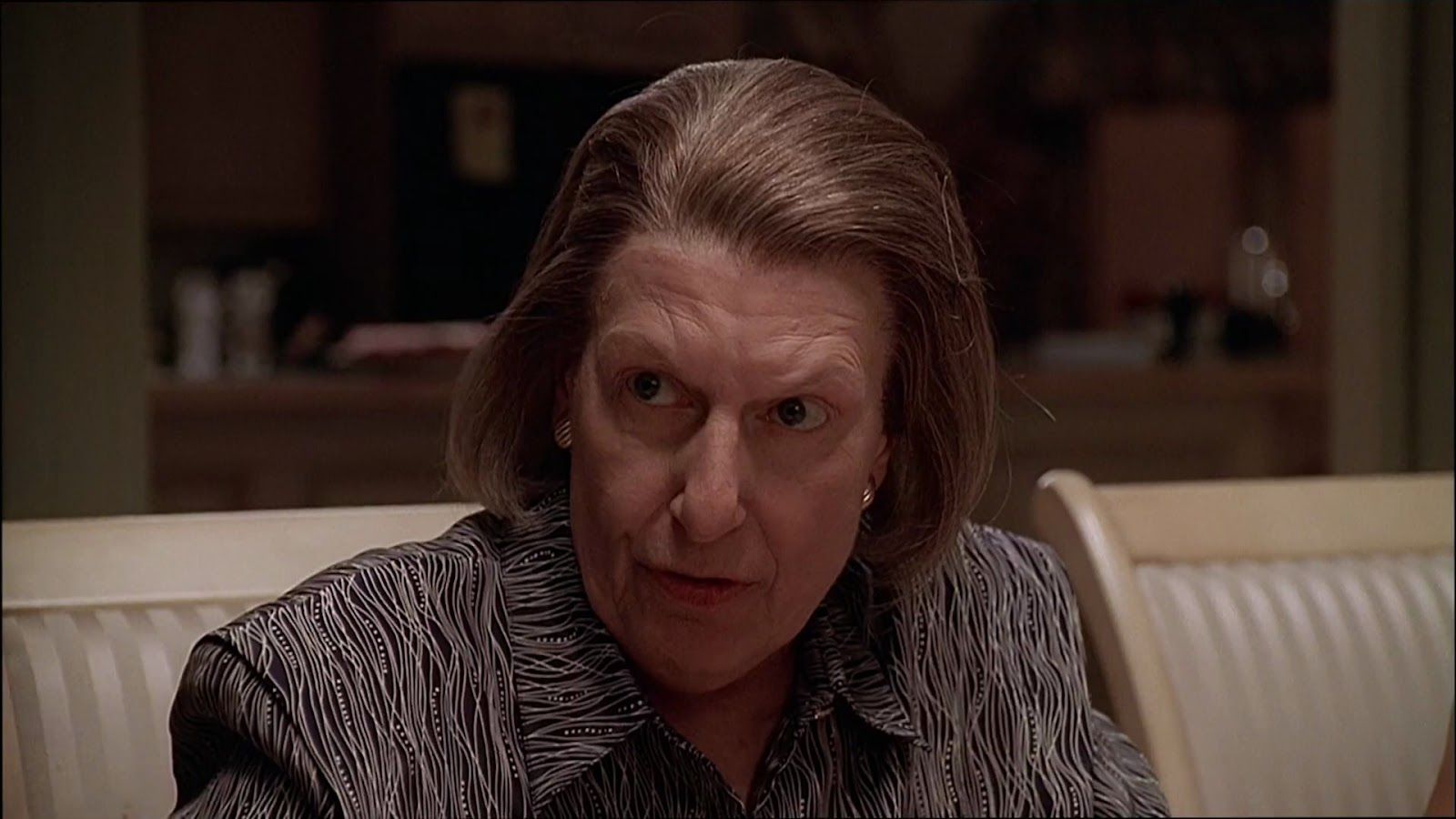
Livia Soprano, mother of none other than Tony Soprano, manages to make us hate her from the very first season, and that’s part of what makes her such a compelling character. Bitter, cold, distrustful, manipulative, and calculating, Livia helps explain much of the protagonist’s behavior; through her, we glimpse the roots of Tony’s twisted mind.

7
Pete Campbell (Mad Men)

Image: Peabody Awards, CC BY 2.0 <https://creativecommons.org/licenses/by/2.0>, via Wikimedia Commons

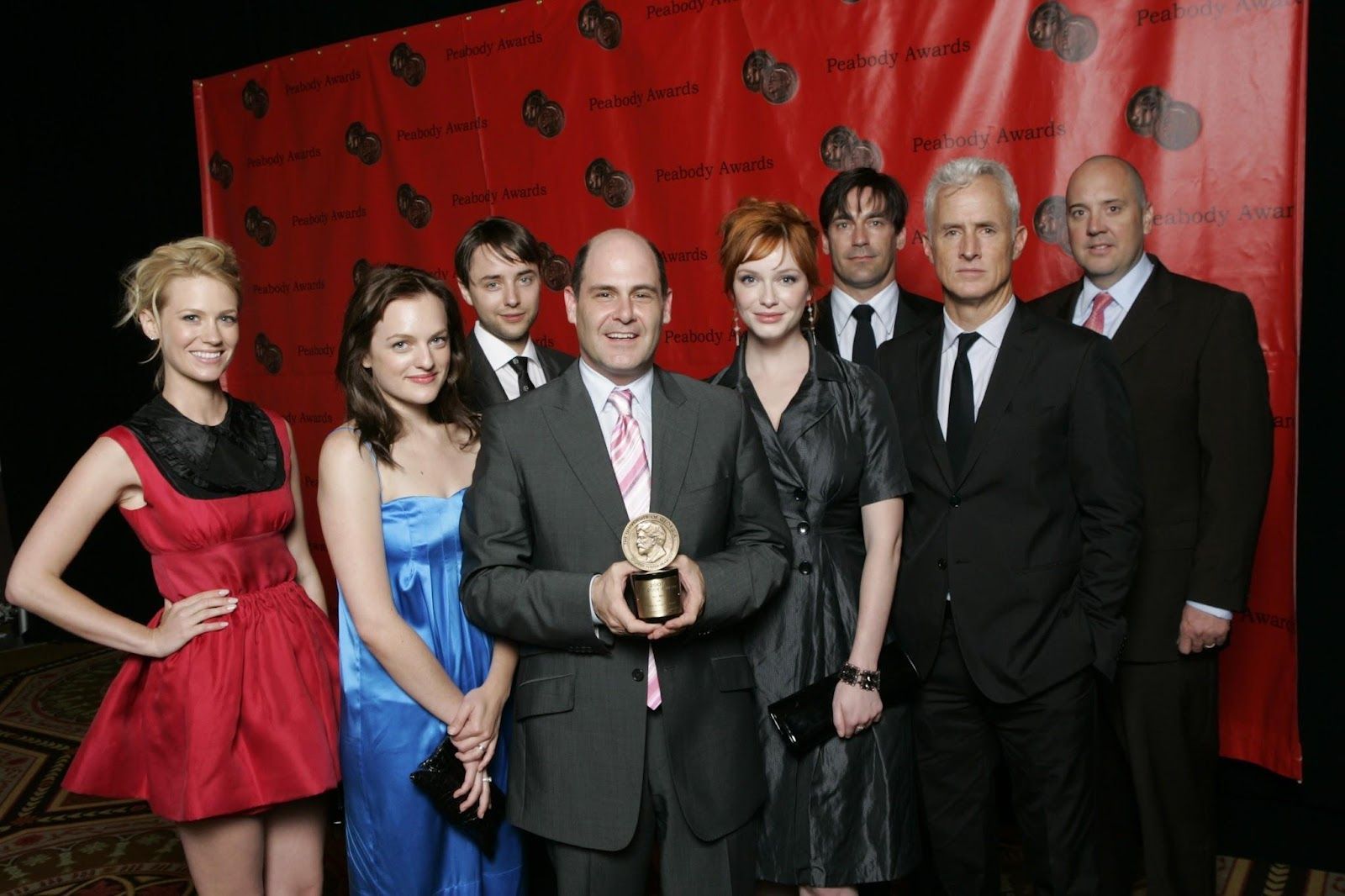
Arrogant, manipulative, and always chasing status, these traits make Pete Campbell, played by Vincent Kartheiser, one of the least favorite characters on the iconic Mad Men . His hypocrisy and relentless ambition often lead him to overlook ethics and empathy, which is exactly why he earns a spot on this list.

8
Negan (The Walking Dead)

Image: Gage Skidmore from Peoria, AZ, United States of America, CC BY-SA 2.0 <https://creativecommons.org/licenses/by-sa/2.0>, via Wikimedia Commons

A villain so terrifying that he earns the hatred of viewers definitely deserves a spot on this list. We’re talking about Negan, the ruthless leader played by Jeffrey Dean Morgan on The Walking Dead . His brutality, arrogance, and need to control everything make him one of the show’s most frightening and unforgettable antagonists.

9
Nellie Bertram (The Office)

Image: Super Festivals, CC BY 2.0 <https://creativecommons.org/licenses/by/2.0>, via Wikimedia Commons

Played by the iconic Catherine Tate, Nellie Bertram joins The Office in the finale of the seventh season, and her excessive arrogance and pushy personality quickly make her one of the most irritating characters on the show. However, we have to admit it: on The Office , even the characters who get on our nerves often manage to make us laugh out loud.

10
Connor Roy (Succession)

Image: Super Festivals, CC BY 2.0 <https://creativecommons.org/licenses/by/2.0>, via Wikimedia Commons

A mix of wealth, eccentricity, vanity, greed, and a misplaced sense of power make Connor, the eldest Roy sibling in Succession , one of the least favorite characters in the series. His habit of taking advantage of others and expecting rewards he hasn’t earned is one of the key reasons he lands on this list.

General General 4 min read

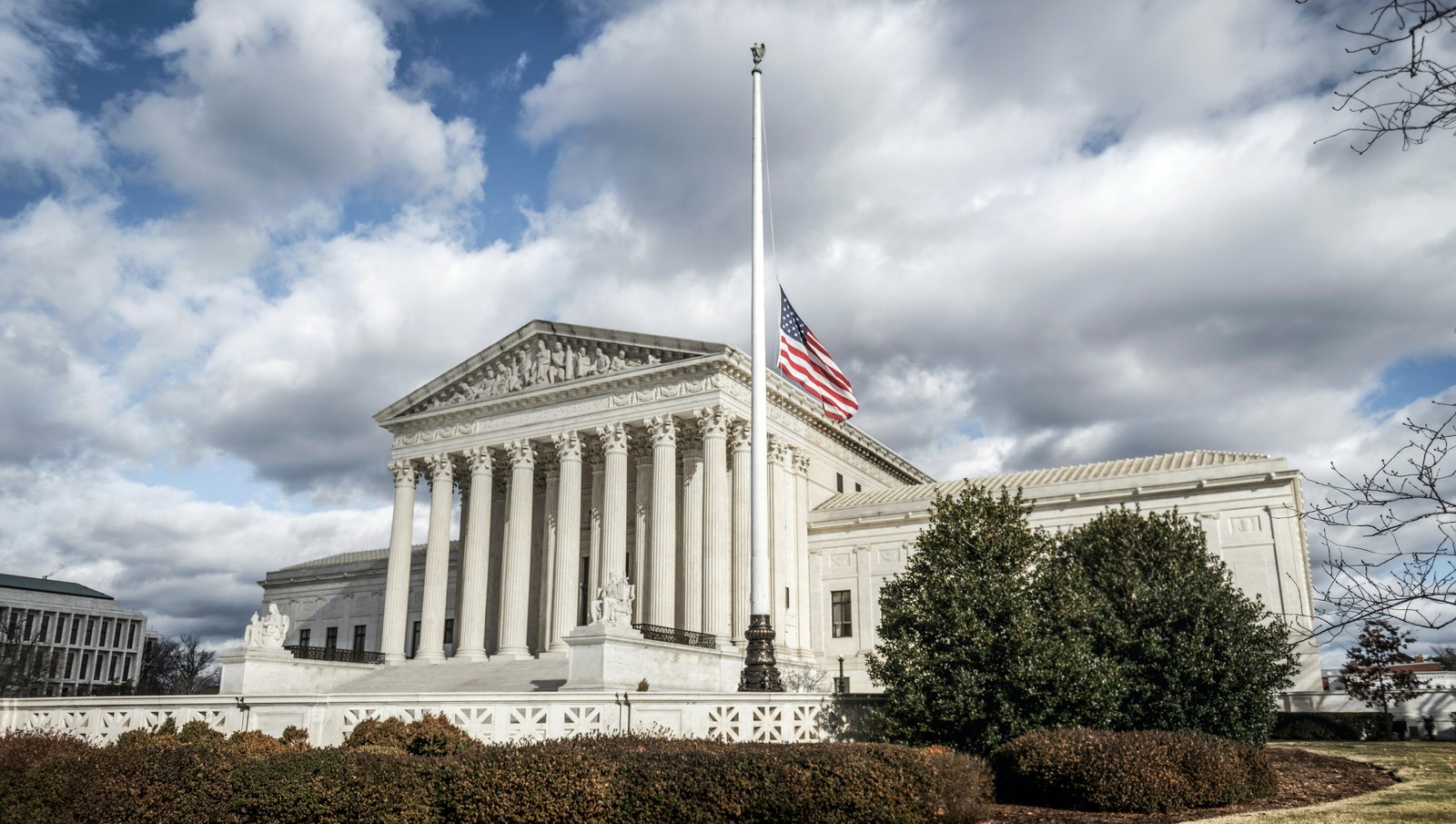
Bizarre legal disputes that reached the United States Supreme Court

A monkey sparked a copyright battle that went to federal court

Image: Tim Mossholder

The Supreme Court typically handles weighty constitutional matters, but sometimes the cases that reach our highest court are just plain bizarre . From flying chickens to psychic predictions, these ten real cases prove that truth is definitely stranger than legal fiction. Let's dive into some of the oddest disputes that actually made it all the way to the Supreme Court.

1
The case of the suicidal chickens (1932)

Image: Ben Moreland

In A.L.A. Schechter Poultry Corp. v. United States, a Brooklyn, New York poultry dealer found himself in hot water for selling "unfit chickens" and violating New Deal regulations. The case became known as "the sick chicken case" because Schechter was accused of selling diseased birds that should have been condemned .

The Supreme Court ultimately ruled in favor of the chicken seller, striking down key portions of FDR's National Industrial Recovery Act. The justices decided the federal government had overstepped its authority in regulating local businesses.

2
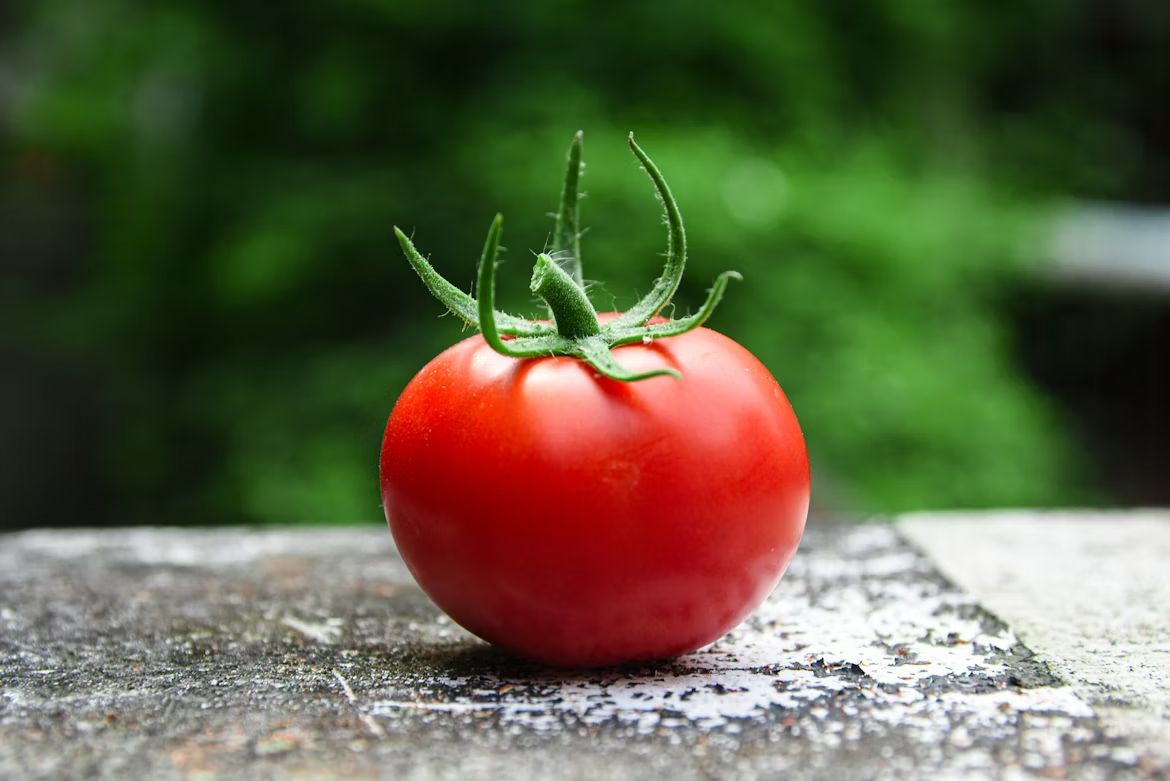
The tomato identity crisis (1893)

Image: Avin CP

Nix v. Hedden asked the Supreme Court to settle a burning question: Is a tomato a fruit or a vegetable? This wasn't just philosophical pondering—tariff laws taxed vegetables but not fruits, so there was serious money at stake for New York importers bringing tomatoes into the country.

The Court unanimously decided that tomatoes are vegetables for legal purposes, even though botanically they're fruits.

3
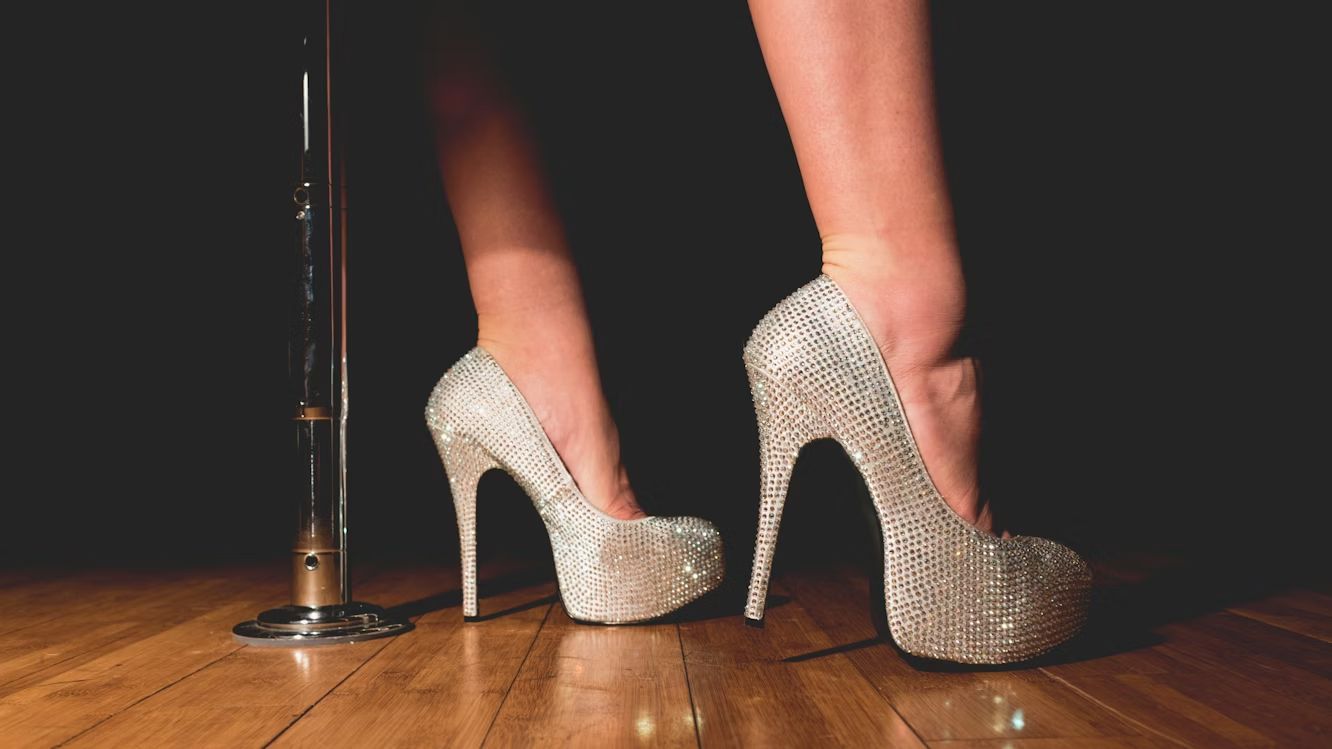
The stripper and the sales tax (1991)

Image: Eric Nopanen

In Barnes v. Glen Theatre, Inc., the Supreme Court had to decide whether nude dancing qualified as protected expression under the First Amendment . An Indiana law required dancers to wear at least pasties and a G-string, and adult entertainment establishments in South Bend challenged this as censorship.

The Court ruled 5-4 that states could require minimal clothing without violating free speech rights. Chief Justice Rehnquist argued that the law wasn't targeting expression but public nudity itself. The dissenting justices felt this was government overreach into artistic expression, making this one deeply divided decision about very little clothing.

4
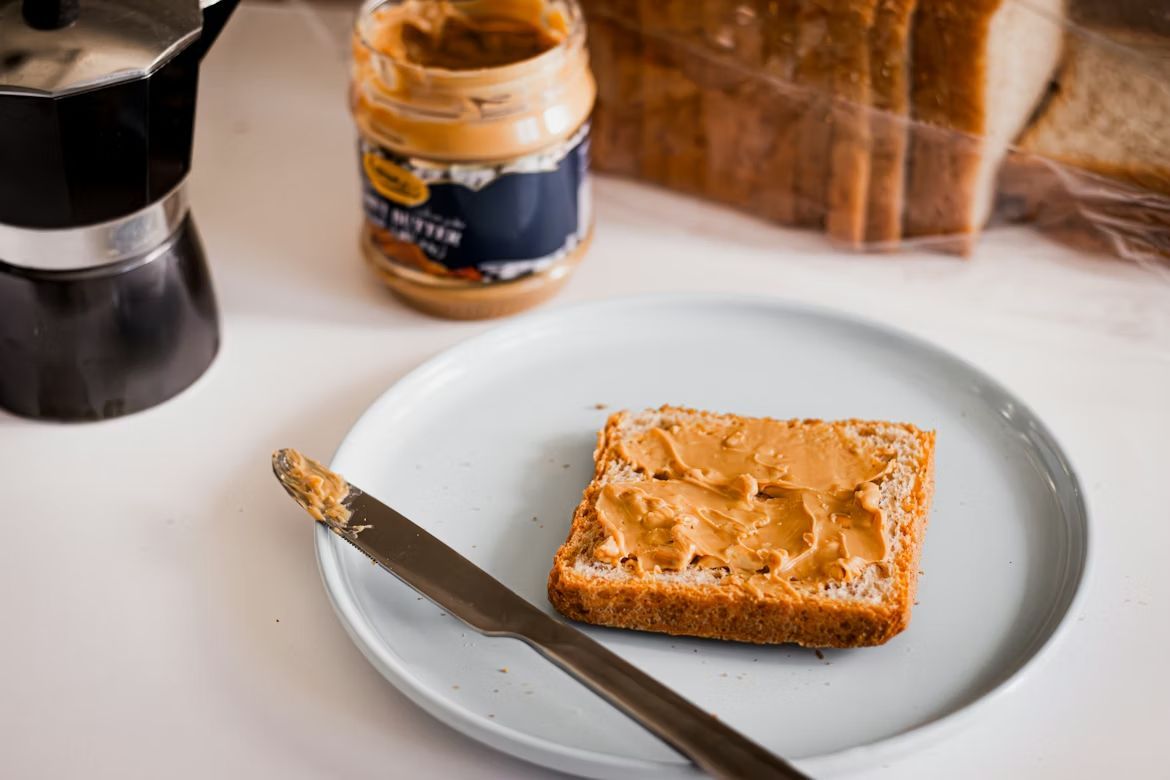
The prisoner who sued over chunky peanut butter (2011)

Image: The Design Lady

Michigan inmate Robert Procup filed a lawsuit that eventually reached consideration by the Supreme Court, claiming that being served chunky peanut butter instead of smooth violated his rights . He argued this constituted cruel and unusual punishment because he had digestive issues and his religious beliefs required smooth spreads.

The Court declined to hear the case, letting lower court rulings stand that dismissed his claims. While prisoners do have constitutional rights, the justices apparently felt that peanut butter texture preferences didn't rise to that level.

5
The monkey selfie dispute (2018)

Image: Jamie Haughton

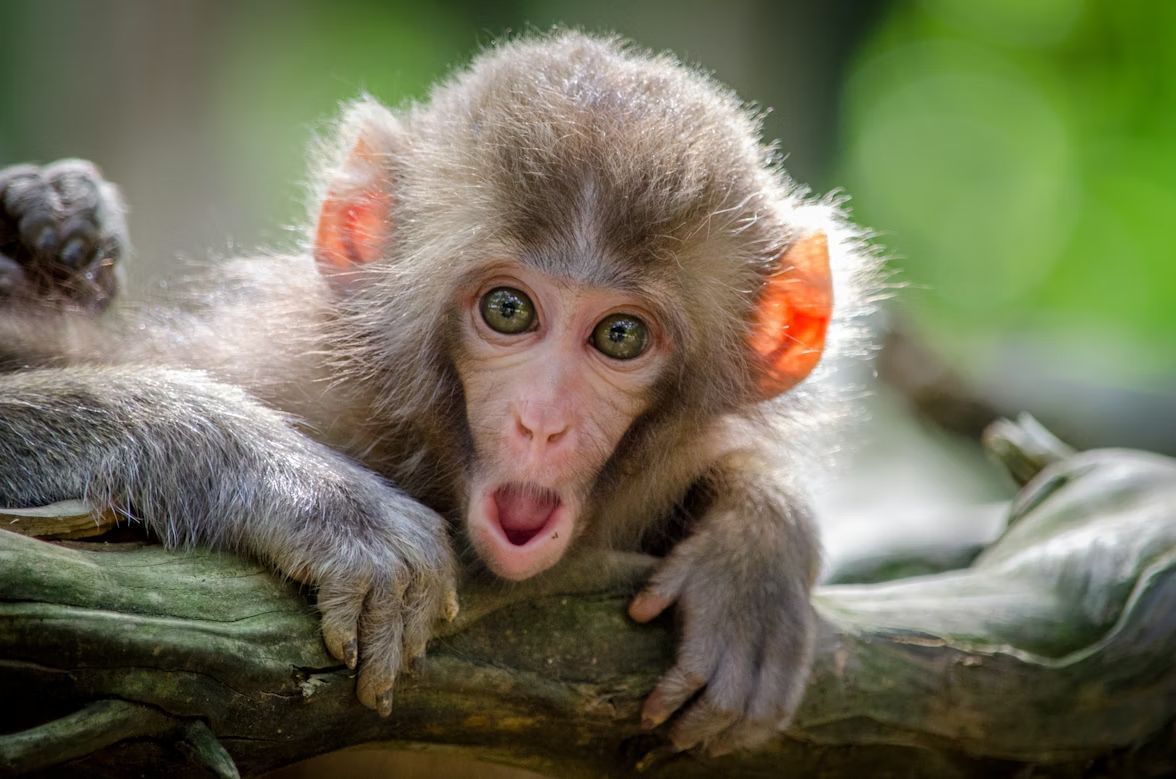
In Naruto v. Slater, a macaque monkey in Indonesia took selfies with a photographer's camera, sparking a bizarre copyright battle that reached federal courts. PETA sued on behalf of the monkey, arguing that Naruto owned the copyright to his own selfies, while California photographer David Slater claimed ownership.

The Supreme Court declined to hear the appeal, letting stand the lower court's ruling that animals cannot own copyrights under U.S. law. The case was eventually settled, but it raised fascinating questions about who owns creative works when the "creator" isn't human.

6
The psychic and the IRS (1986)

Image: Ksenia Yakovleva

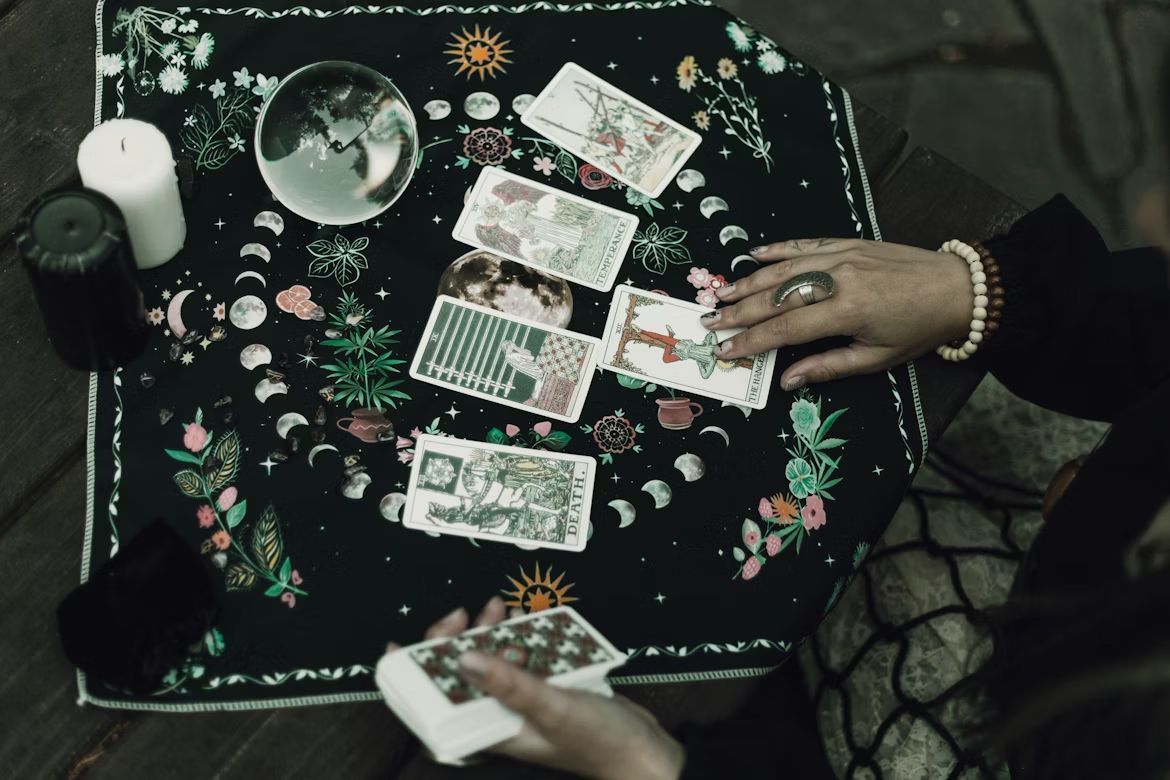
In United States v. Zolin, the case involved a psychic in California who claimed the Church of Scientology had tampered with evidence. But the real weird twist was that it raised questions about attorney-client privilege when the communication involved potential criminal activity —in this case, schemes discussed during what were supposedly confidential legal meetings.

The Court established the "crime-fraud exception" to attorney-client privilege, ruling that lawyers can't help clients plan crimes and then hide behind confidentiality.

7
The case of the stubborn mule (1842)

Image: Jeff King

Swift v. Tyson didn't actually involve a mule, but it dealt with commercial disputes in New York that were about as exciting as watching one stand still. A man bought some land using a promissory note, but the land deal turned out to be fraudulent, and he didn't want to pay.

The Supreme Court created the "Swift doctrine," which allowed federal courts to ignore state court decisions in certain commercial cases. This ruling stood for almost 100 years before being overturned .

8
The singing telegram drama (1988)

Image: Vitaly Gariev

Hustler Magazine v. Falwell stemmed from a parody ad suggesting Virginia televangelist Jerry Falwell's "first time" was with his mother in an outhouse . Falwell sued for emotional distress, arguing the fake interview was defamatory and intentionally hurtful, seeking millions in damages.

The Court ruled 8-0 that parody and satire about public figures are protected speech, even when offensive and outrageous. Chief Justice Rehnquist wrote that public figures can't recover damages for emotional distress without proving actual malice.

9
The hotel that discriminated against dogs (1964)

Image: fatty corgi

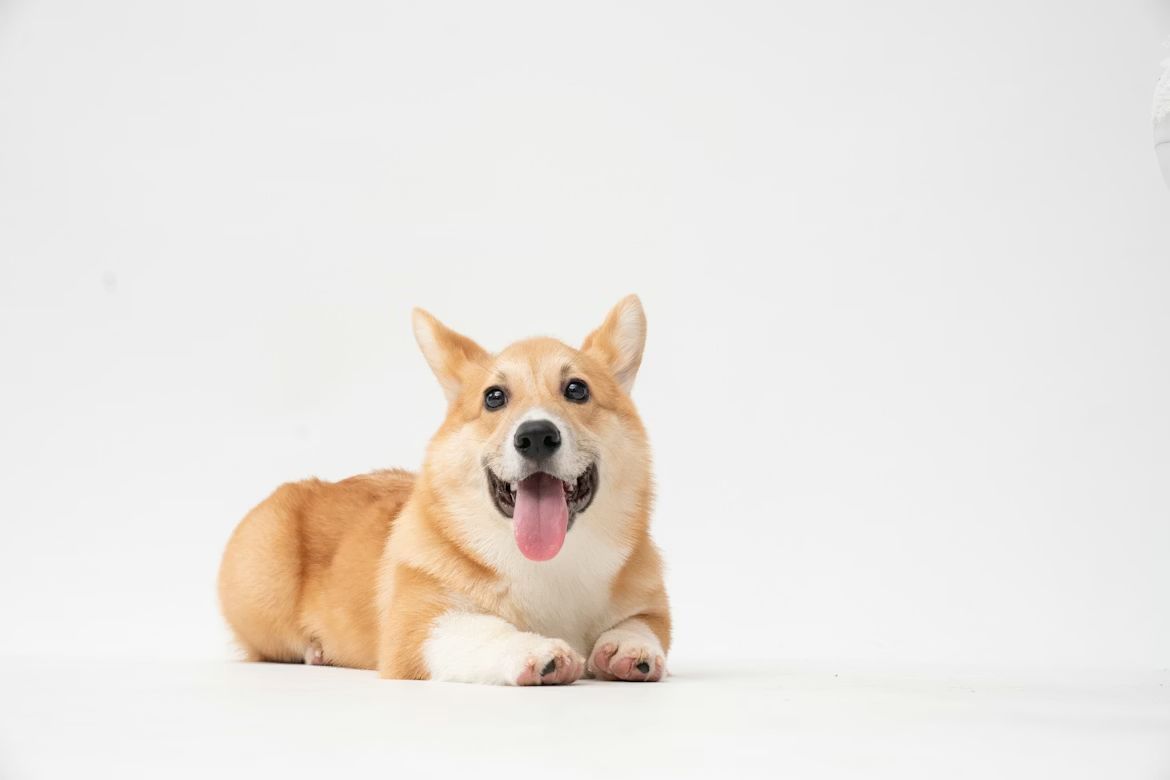
In Heart of Atlanta Motel v. United States, a Georgia motel owner challenged the Civil Rights Act, claiming the government couldn't force him to rent rooms to Black customers. While the racial discrimination was a serious issue, the owner's backup argument was truly bizarre: he claimed interstate commerce laws didn't apply because his guests' dogs didn't cross state lines .

The Supreme Court unanimously upheld the Civil Rights Act, rejecting all the motel's arguments, including the dog defense. This landmark case confirmed that businesses serving interstate travelers couldn't discriminate, regardless of where anyone's pets came from.

10
The battle over raisins (2015)

Image: Karyna Panchenko

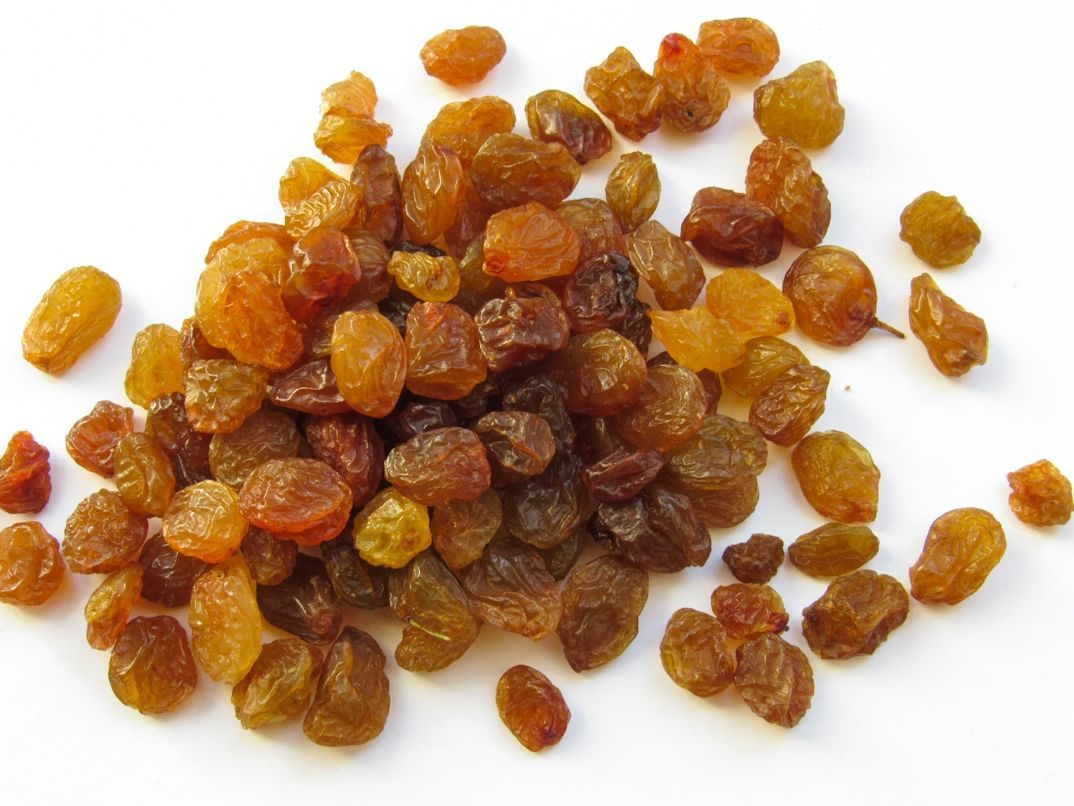
Horne v. Department of Agriculture involved California raisin farmers who refused to surrender part of their crop to a government "raisin reserve" designed to stabilize prices . The farmers argued this was an unconstitutional taking of private property without just compensation, turning dried grapes into a constitutional matter.

The Court ruled 8-1 in favor of the raisin farmers, saying the government can't just seize personal property without paying for it, even if the goal is market stabilization. This case about wrinkled grapes actually reinforced important Fifth Amendment protections. Sometimes defending your raisins means defending everyone's property rights.

Explore more American facts

Choose your favorite category!

General
General

As American as apple pie—the very best America has to offer!

Culture
Culture

Delve into the astounding richness of American lore.

Geography
Geography

Hop in and explore vast and diverse American landscapes.

History
History

Discover the key moments that shaped the United States.