Culture Culture 4 min read

Celebrity pets

Discover the exotic pets of these celebrities
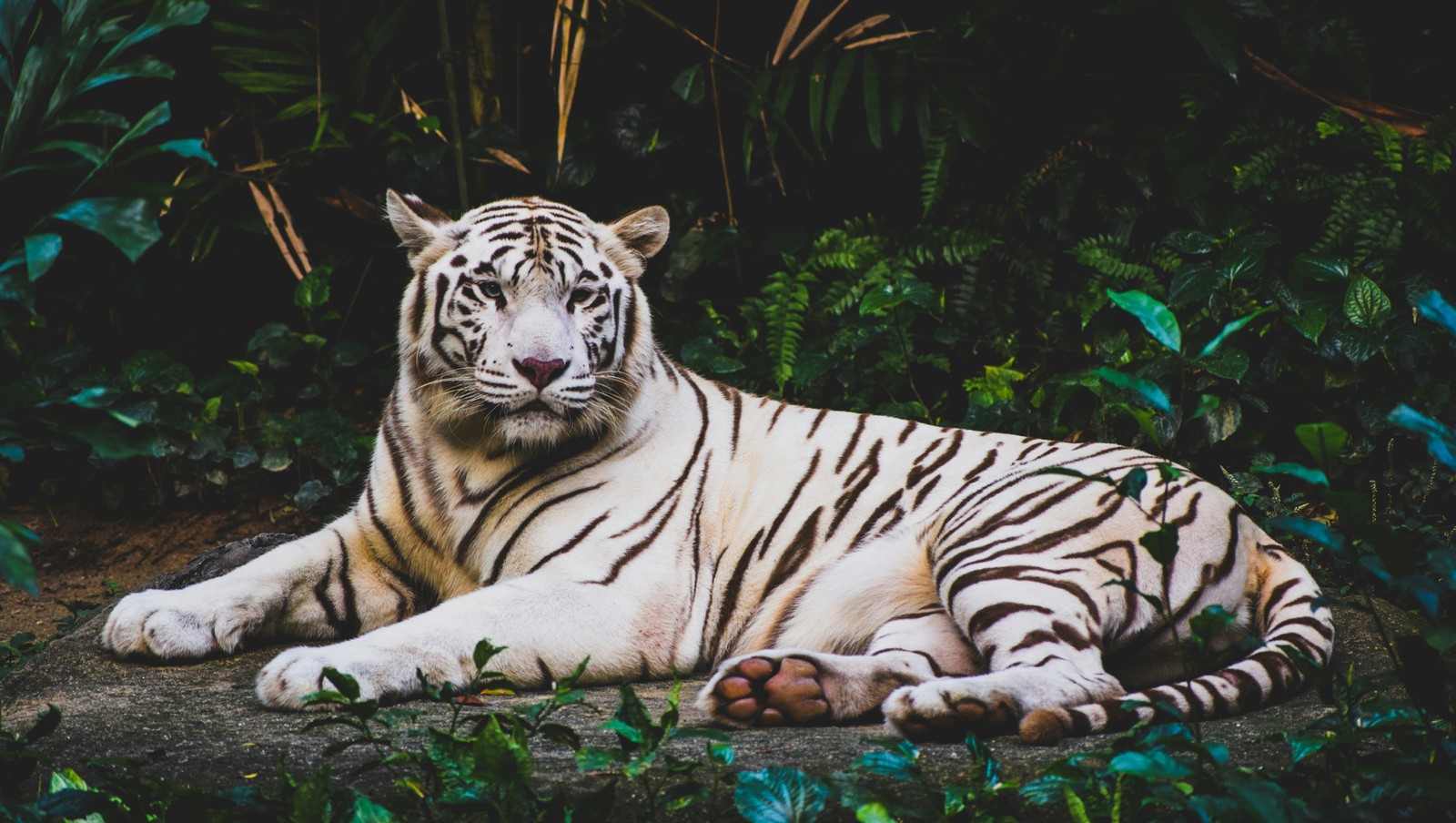
Image: Smit Patel

Most of us have a great love for animals and generally choose dogs or cats as our domestic companions. However, the eccentric rich and famous always go one step further. From chimpanzees and tigers to cobras and deer, discover the exotic pets of 10 Hollywood celebrities. Some of them you won't believe!

1
Michael Jackson’s chimpanzee
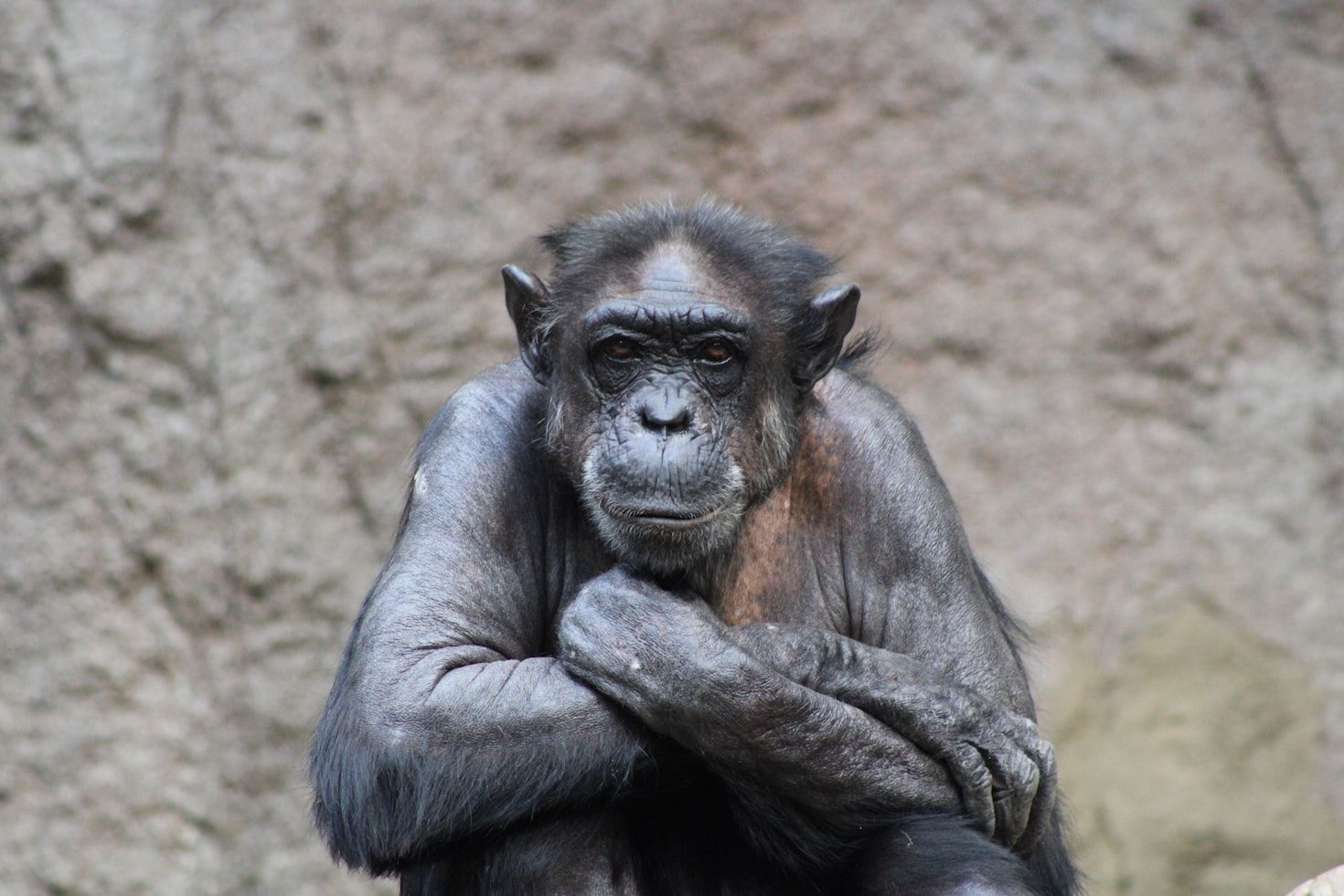
Image: MediaEcke

At his Neverland ranch, the King of Pop had his own zoo with exotic animals such as exotic birds, an albino python, two tigers named Thriller and Sabu, and even an elephant, a gift from Liz Taylor. But by far, Michael Jackson’s favorite pet was Bubbles, a chimpanzee he introduced as his son and followed him everywhere.

You‘re probably wondering what happened to Bubbles, right? Well, you'll be glad to know that the 41-year-old chimpanzee now leads a quiet and normal life. He lives at the Center for Great Apes in Wauchula, Florida, where he pursues unique hobbies such as painting. Surely, Michael would be happy to see his beloved pet living a nice retirement.

2
Audrey Hepburn’s fawn deer
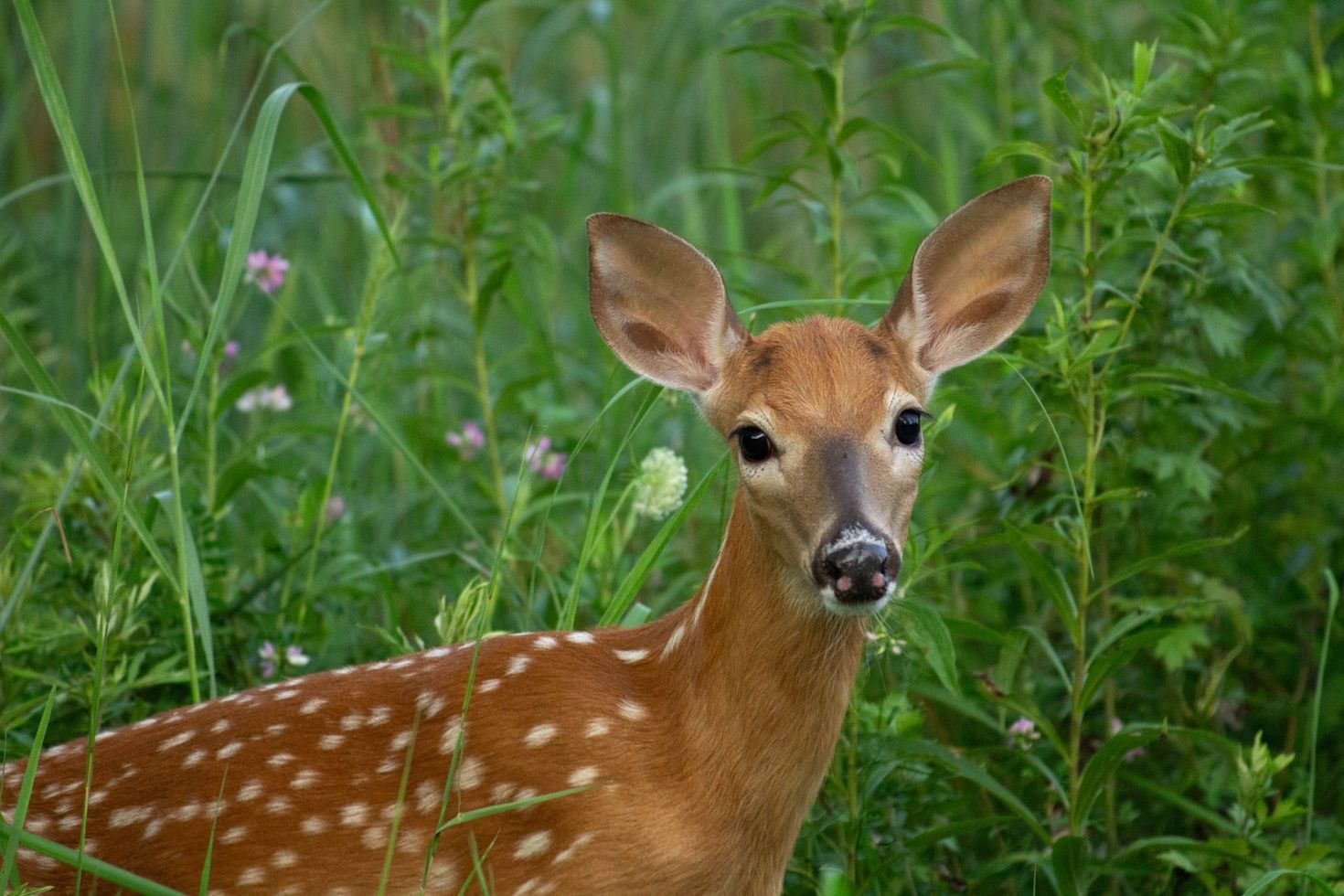
Image: Jen Dries

The mythical actress Audrey Hepburn had one of the most unique pets in Hollywood history: a baby deer named Pippin. This beautiful and gentle animal seems to match perfectly with the grace and elegance of the actress who captivated the hearts of fans around the world, don't you think?

Hepburn met Pippin in 1958 during the filming of Green Mansions and fell in love at first sight. The actress adopted the fawn and brought it to her Beverly Hills home, where it quickly made friends with Mr. Famous, the family dog.

3
Elvis Presley’s kangaroo
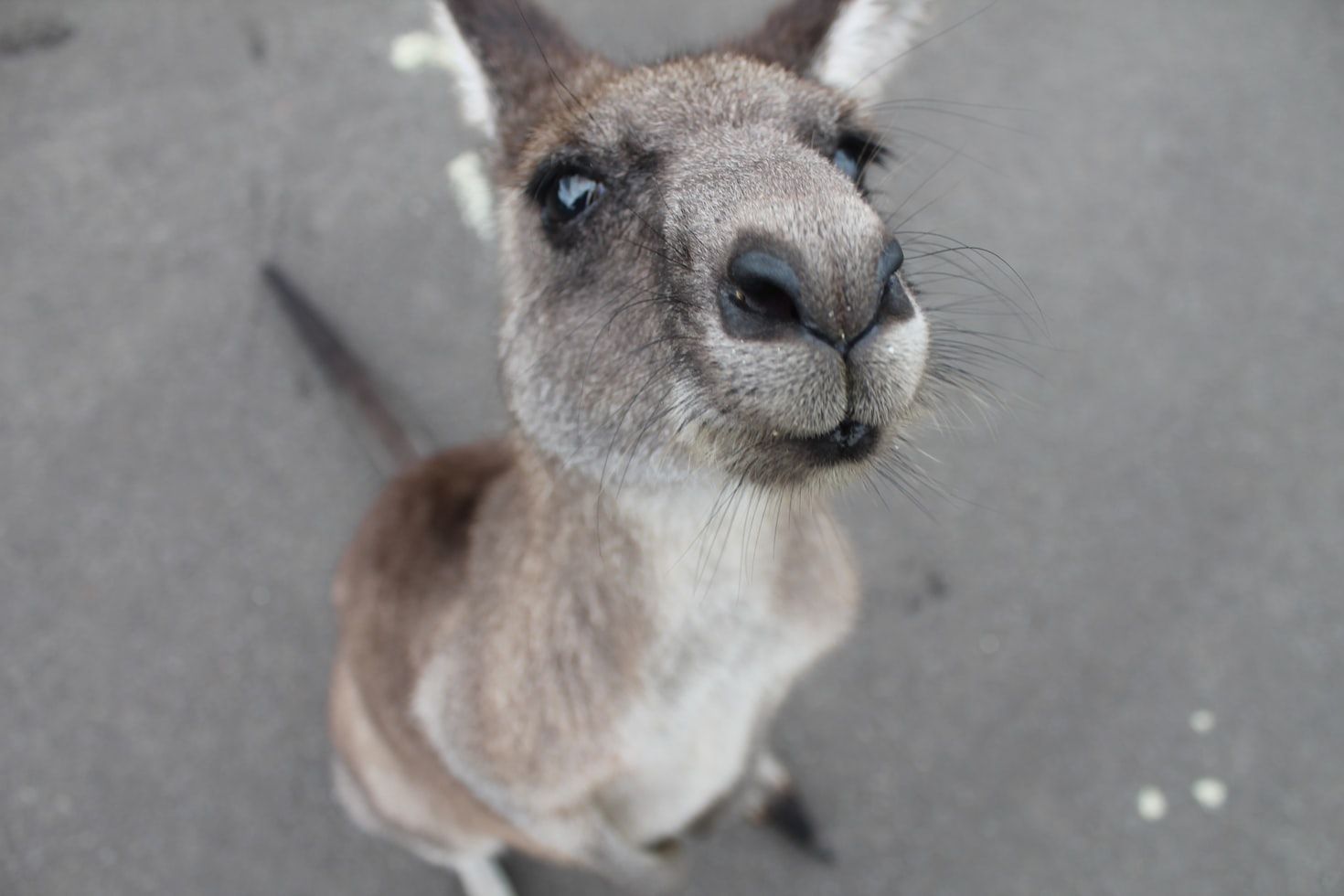
Image: Iván Lojko

Throughout his life, the King of Rock and Roll kept several pets at his beloved Graceland. But did you know one of them was a kangaroo? Yes, exactly! In addition to horses, dogs, a chimpanzee named Scatter, birds, and a squirrel monkey, Elvis had a kangaroo given to him by his agent Lee Gordon in 1957. Elvis tried to train it, but when he eventually failed, he gave it to the Memphis Zoo.

4
Melanie Griffith’s (many) lions, tigers, and cheetahs
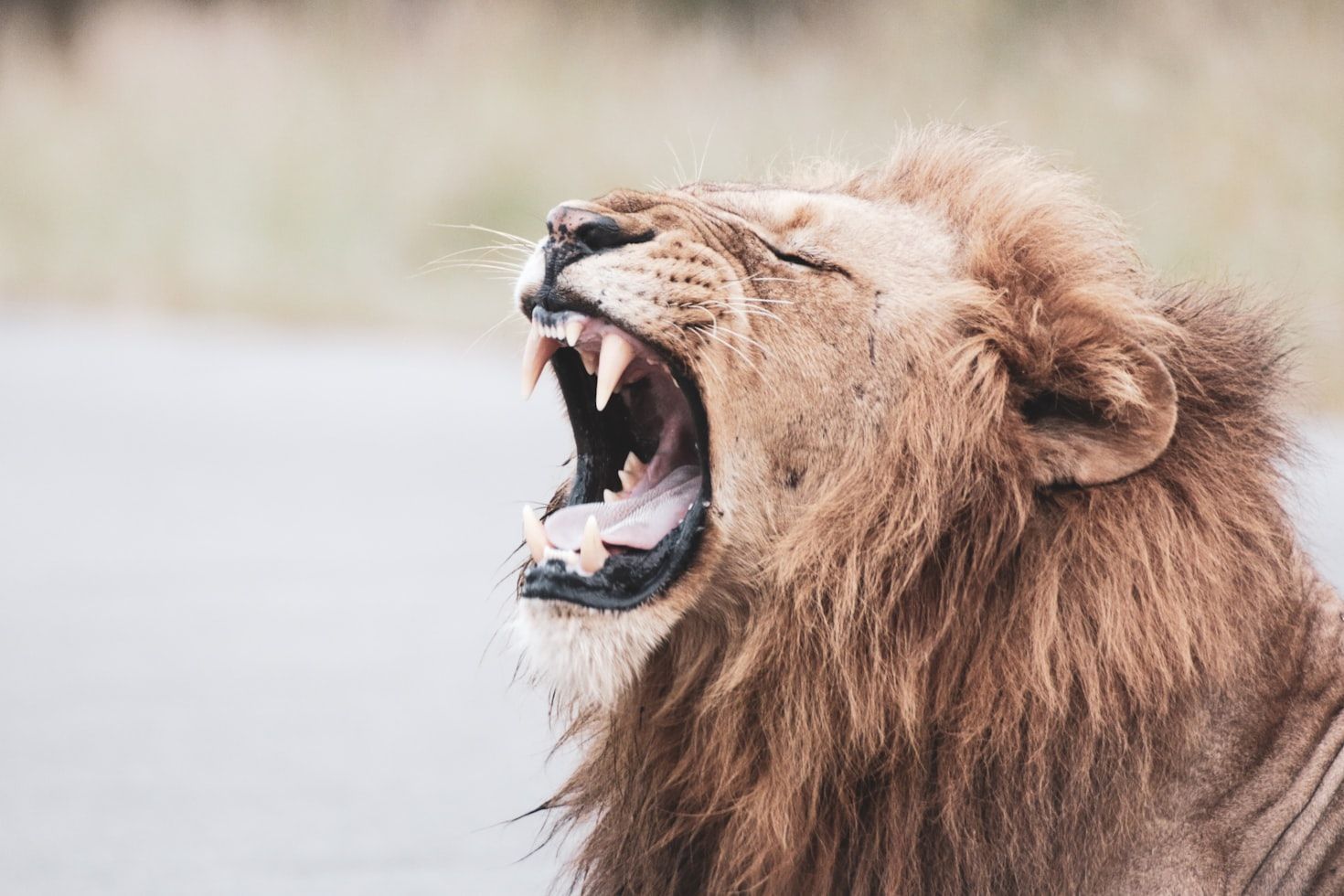
Image: Glen Carrie

When Melanie Griffith was a teenager, her mother, the famous actress Tippi Hedren, decided to make a film about endangered lions. An animal trainer warned her that if she wanted to learn more about these felines, she had to "live with them for a while".

So the whole family moved to a ranch in California and adopted cheetahs, tigers, cougars, and lions. What was supposed to be a five-week shoot turned into five years. On one occasion, Melanie was attacked by a lion, resulting in over 50 stitches and reconstructive surgery on her face. The experience was so negative that the actresses now advocate for a ban on the exotic cat trade.

5
George Clooney's Vietnamese pot-bellied pig
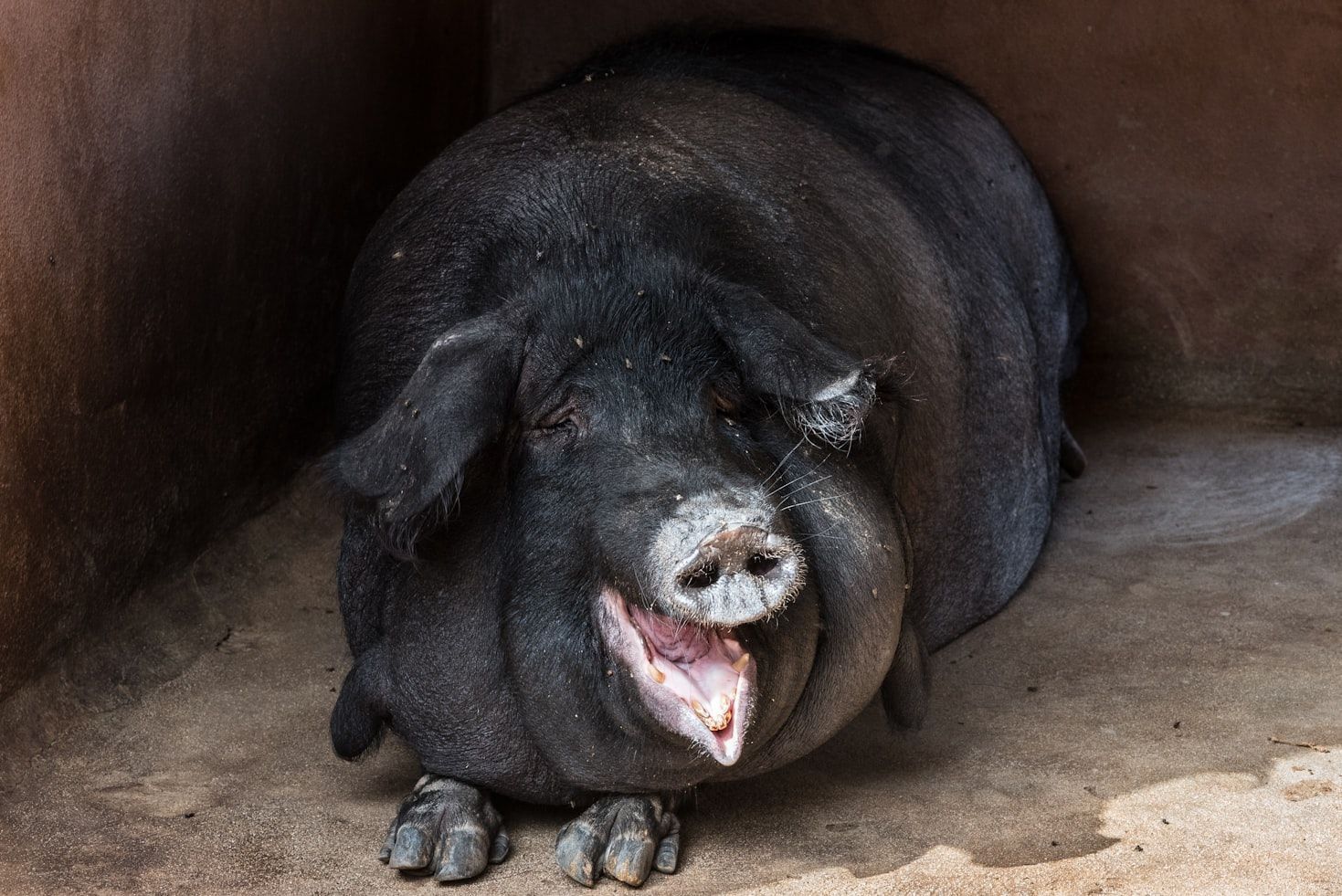
Image: Jez Timms

Did you know that George Clooney once had a pet pig? In 1988, his then-girlfriend, actress Kelly Preston, gave him a Vietnamese pot-bellied pig as a gift. The animal grew to 300 lbs and lived with the Hollywood star for 18 years.

But that's not all! In 1994, when the infamous Northridge Earthquake that caused 72 deaths, 12,000 injuries, and $25 billion in losses hit Los Angeles, Max saved his owner's life. Clooney claims he was born again that day and will be forever grateful to his furry friend.

6
Reese Witherspoon’s donkeys
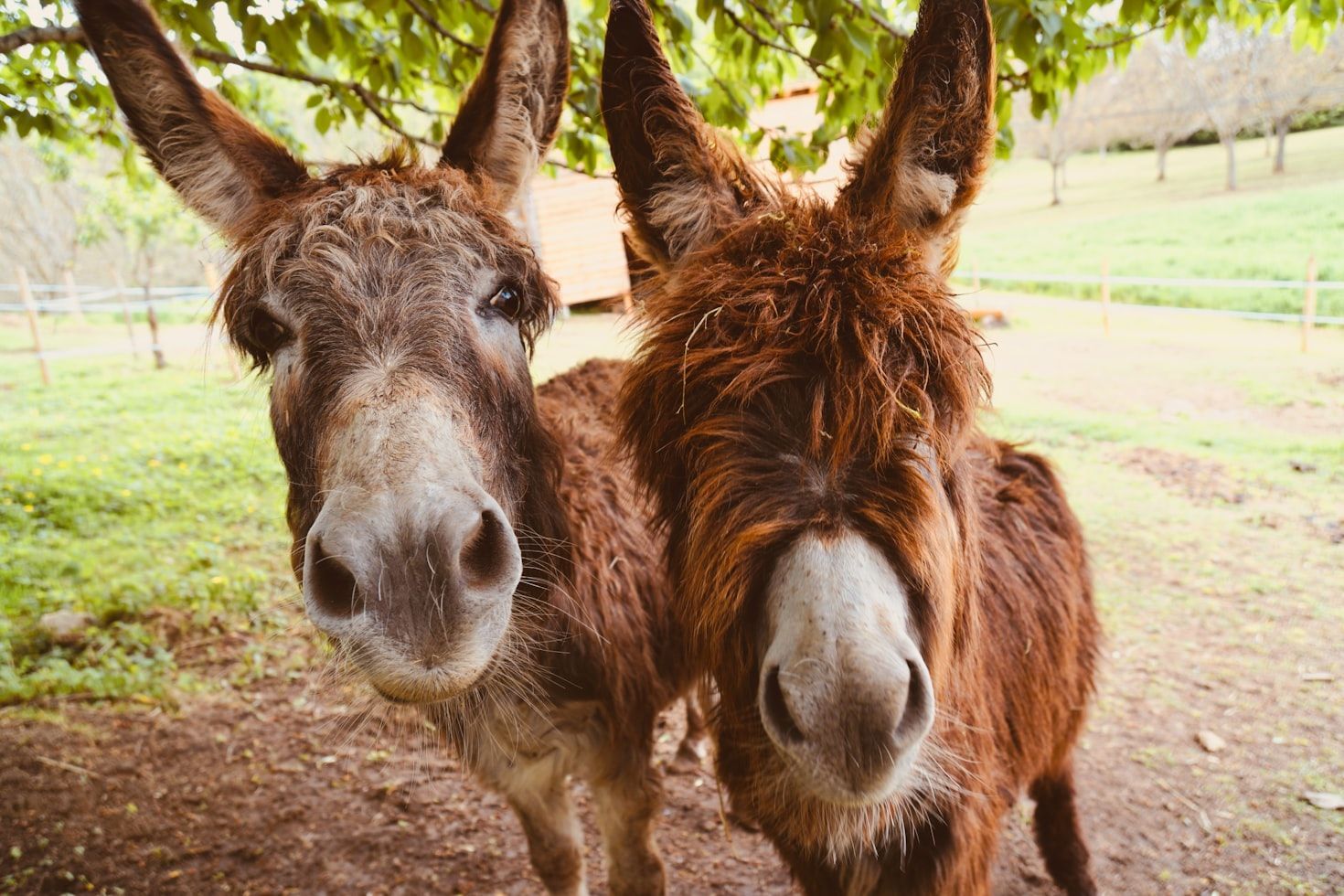
Image: Erwan Hesry

Reese Witherspoon is a big fan of animals. Owner of an entire farm, she tends to at least three dogs, two piglets, twenty chickens, three goats, and a pony.

But her most famous pets are Honky and Tonky, two incredible miniature donkeys that she and her children play with frequently.

7
Nicolas Cage’s albino cobras
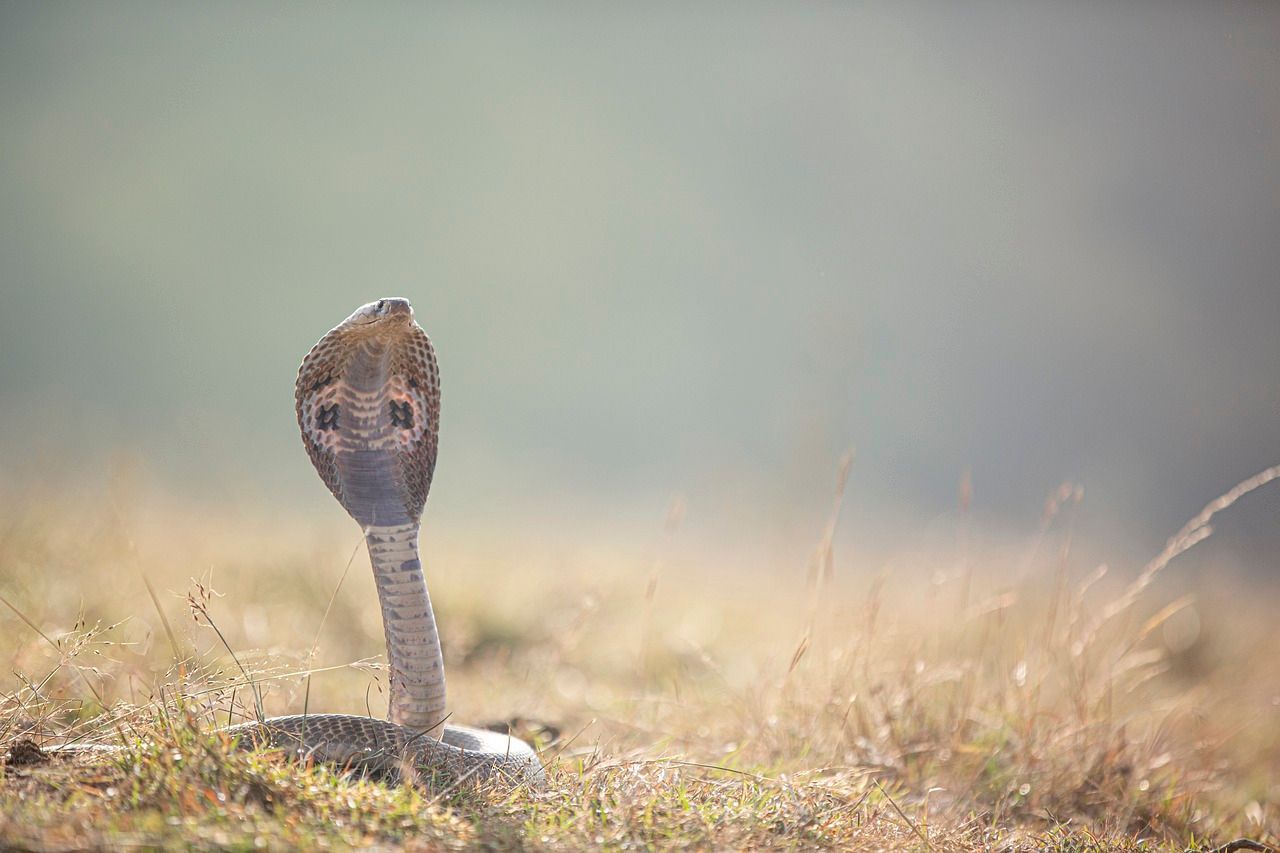
Image: Anilsharma26

Nicolas Cage is well known for his bold and eccentric personality, both on and off the screen. He has a passion for exotic animals, so it's no wonder he once adopted two albino cobras —one of the rarest and most venomous snakes in the world— as pets.

Despite spending tens of thousands of dollars on them, his love for these rare reptiles caused him major legal and safety challenges, forcing him to reconsider his decision. Ultimately, he decided to send them to a professional wildlife center, ensuring they received the best care.

8
Paris Hilton’s kinkajou
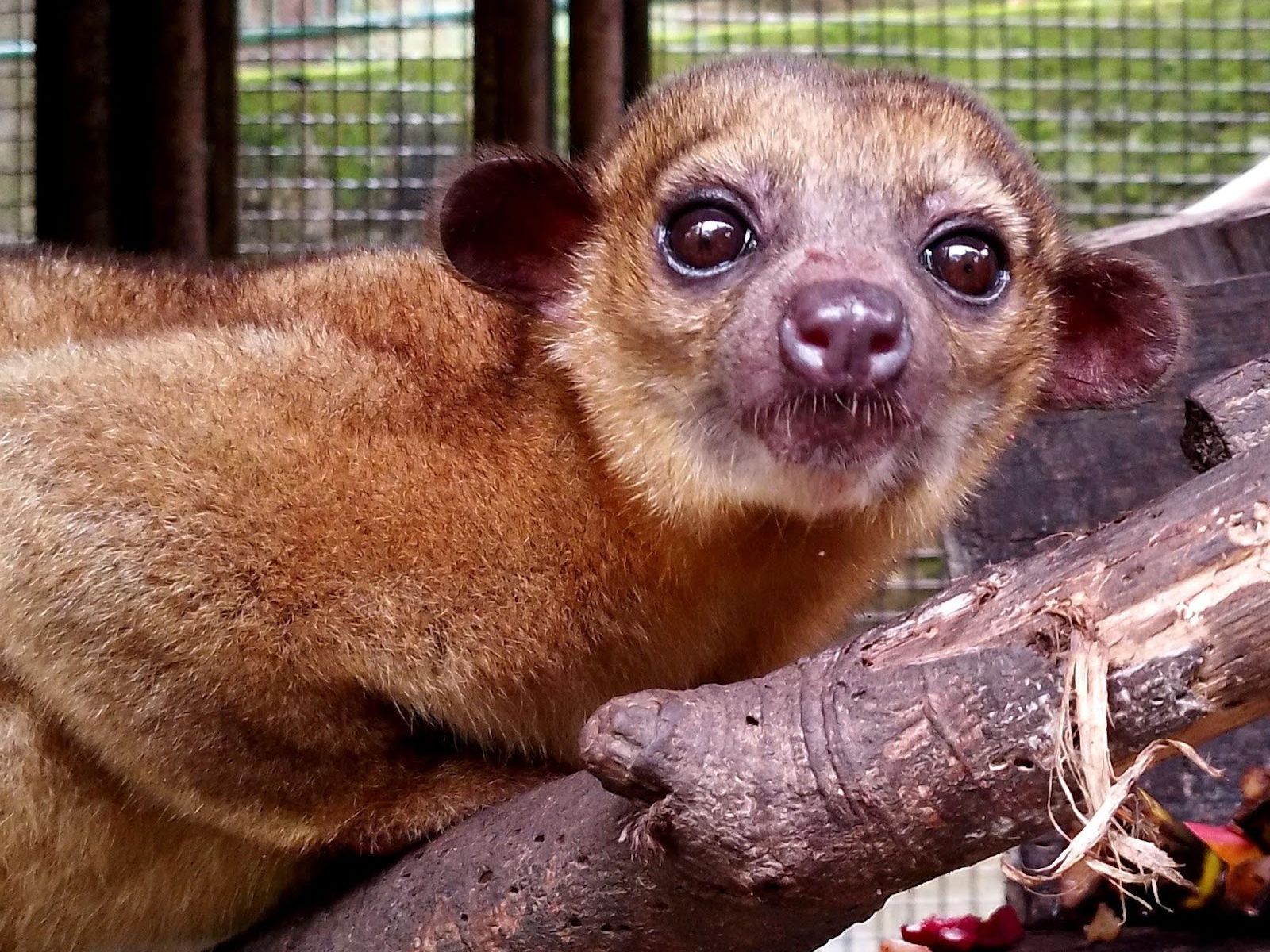
Image: Aramburu Carlos, CC0, via Wikimedia Commons

Paris Hilton is known for her extravagant lifestyle. In addition to lavish mansions, closets full of designer clothes and shoes, and expensive jewelry, the hotel heiress invests much of her fortune in pets. That's how, in 2005, she adopted a kinkajou she named Baby Luv.

You're probably wondering what a kinkajou even is. Kinkajous are wild mammals native to the rainforest, relatives of raccoons and coatis. Their large, round eyes and playful nature make them seem like ideal pets, but in reality, they shouldn't be taken out of the wild. Paris learned this the hard way: the animal bit her arm, and she had to be hospitalized. After the incident, the socialite had to relocate Baby Luv to a wildlife sanctuary.

9
Miley Cyrus’ pig
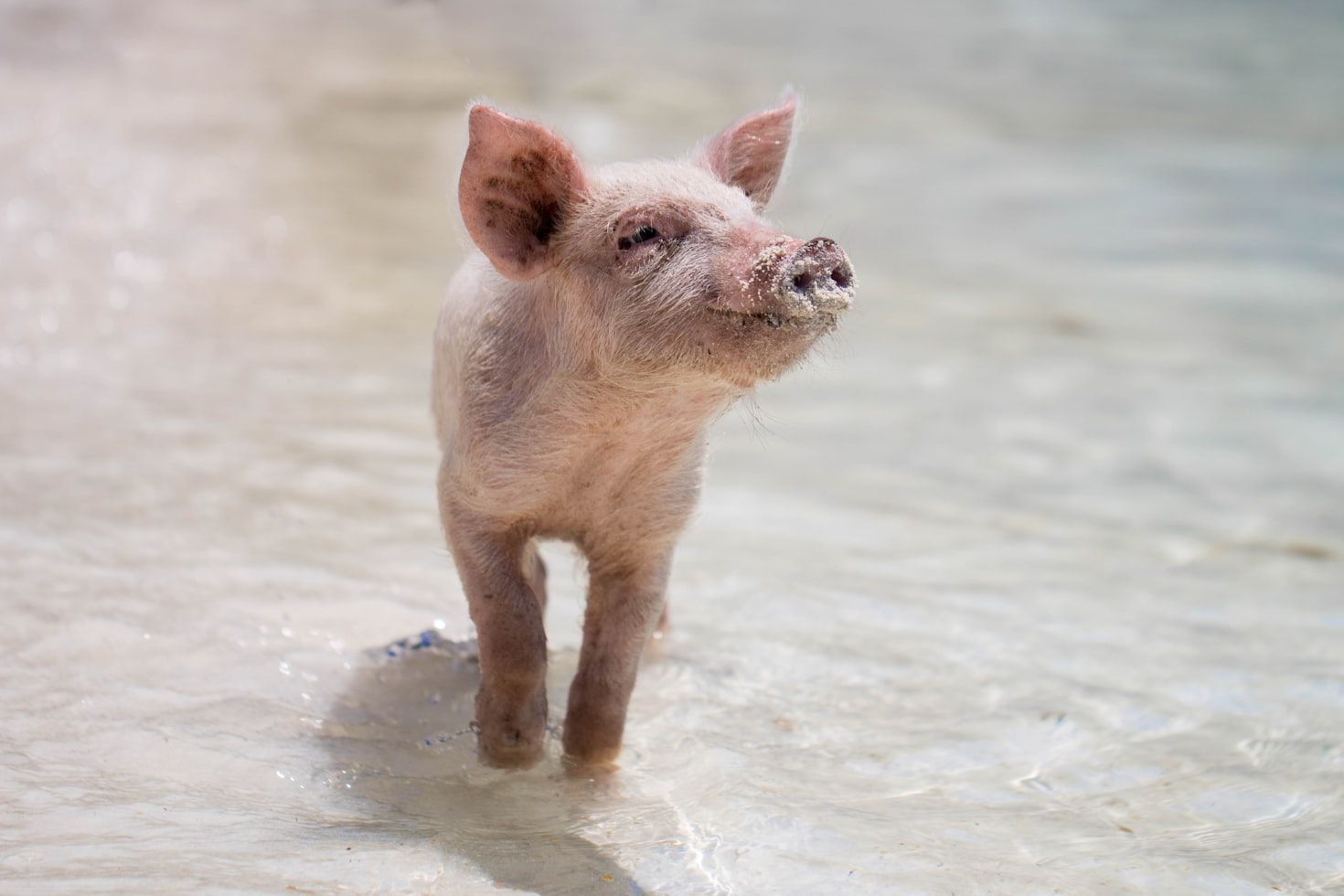
Image: Forest Simon

Miley Cyrus is a well-known animal advocate who collaborates directly with PETA. She has a home farm where she lives with seven dogs, two horses, two ponies, several cats, and until 2019, a pig.

Of all her companions, Pig Pig was the recurring star on the singer's Instagram account. Miley adopted her in August 2014 after her dog, Floyd, died. Sadly, five years later, Miley had to share some bad news with her thousands of followers: "Very sad to say... my dear friend Pig Pig has passed away," she wrote.

10
Mike Tyson’s tiger
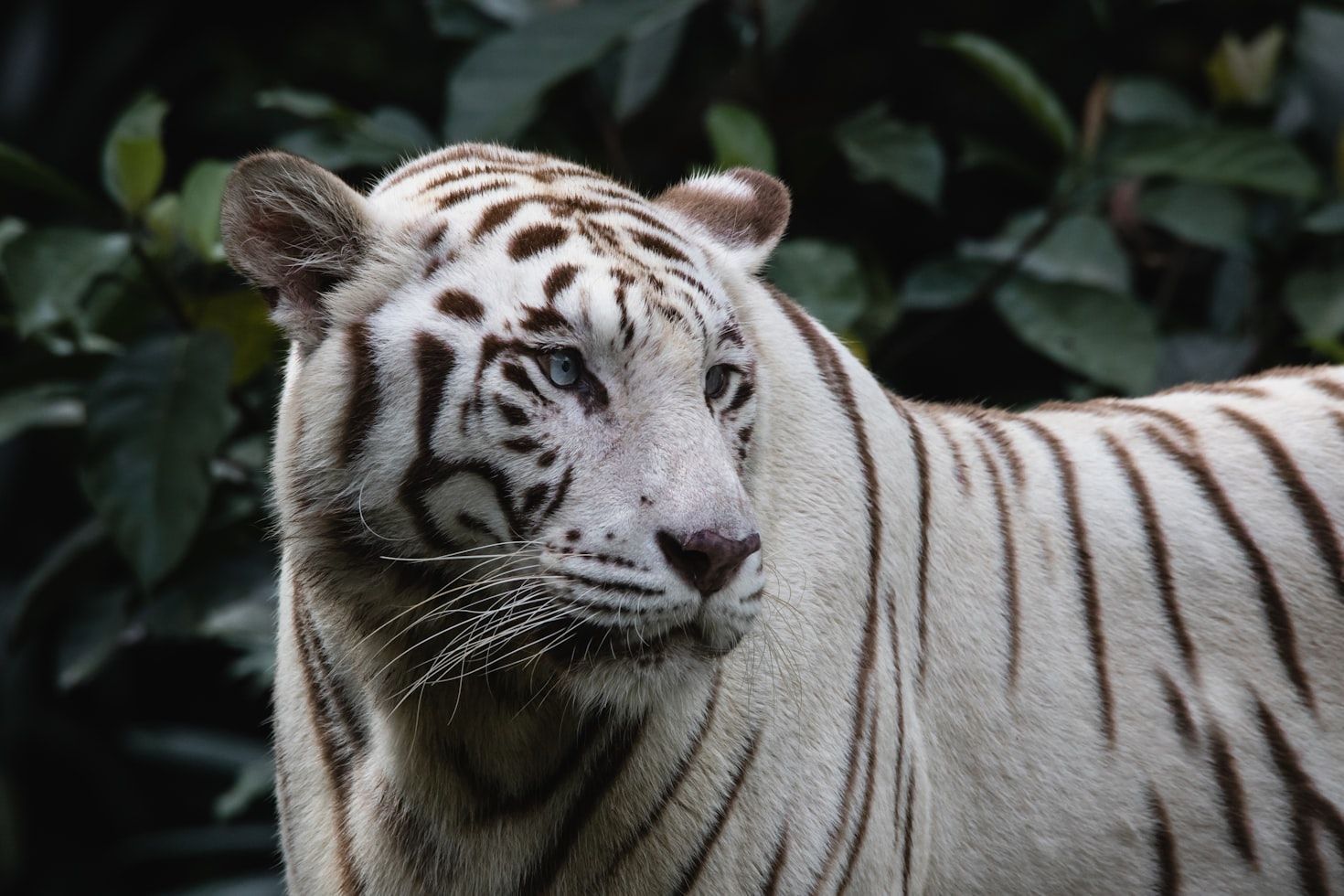
Image: Alicia Chong

The famous boxer Mike Tyson kept a considerable number of big cats as pets. But his favorite was a female Bengal tiger he named Kenya. They lived together for almost two decades, and it was amazing to see him next to the 550-pound animal. The former champion was in charge of feeding her, they walked together, and she even slept in his bed.

Tyson was never afraid of animals considered dangerous. But when the tiger began to age, it became too risky to keep her in the house. Eventually, he was forced to get rid of Kenya.

General General 4 min read

State treasures

Did you know Kool-Aid is a state symbol? You won’t believe the rest!

Image: Marek Studzinski

We all know about state birds and flowers, but have you ever wondered who comes up with those "official state symbols" we hear about from time to time? Who made jousting an official sport? How many states chose milk as their official beverage? These symbols often have fascinating histories, some going back centuries, of course. Whether they’re strange, funny, or just oddly specific, they all have a story to tell. And we’ve gathered some here!

1
Kool-Aid

Image: Aibek Skakov

Nebraska takes pride in its sweetest invention : Kool-Aid. Created in 1927 in Hastings, the fruity drink became a household favorite. In 1998, Nebraska made it the official state soft drink, much to the delight of nostalgia lovers.

Every August, Hastings hosts the Kool-Aid Days Festival, complete with giant pitchers and endless flavors. The "Kool-Aid Man" himself even made an appearance at the declaration ceremony! Despite some pushback from health advocates, the sugary drink remains an iconic American beverage.

2
Gusty the Cartoon

Image: Afif Ramdhasuma

Oklahoma’s state cartoon character is Gusty , a little weather-forecasting doodle, do you know him? Created by a Tulsa weatherman in the 1950s, Gusty reflected the day’s forecast, holding an umbrella, bracing for tornadoes, or sweating in the heat.

His hand-drawn charm lasted for decades, earning him a place in the Smithsonian. In 2005, Oklahoma made Gusty the official state cartoon character. For Oklahomans, he’s as much a part of the forecast as the storm warnings!

3
Whoopie Pie

Image: Holly Spangler

Maine takes its desserts seriously. So seriously that in 2011, the state named the whoopie pie its official treat . This fluffy confection consists of two chocolate cake rounds sandwiching a creamy white filling.

It’s been a local favorite since the 1920s, though Pennsylvania also claims to have invented it. Maine, however, celebrates its whoopie pie heritage with an annual festival featuring the world’s largest whoopie pie. The origins of the name are debated, but regardless, it’s a nostalgic, delicious bite of history. And yes, it pairs perfectly with a cup of coffee!

4
Tully Monster

Image: Jacqueline Martinez

Illinois’ state fossil sounds like something out of a sci-fi movie: the Tully Monster. This strange, ancient sea creature swam in Illinois’ prehistoric waters about 300 million years ago. Discovered in 1958, its worm-like body, stalked eyes, and pincer-like mouth left scientists scratching their heads for decades.

It wasn’t until 2016 that researchers finally identified it as a vertebrate, possibly related to lampreys, a fish. Named after its discoverer, Francis Tully, this oddball fossil became Illinois’ official state fossil in 1989. How weird is that?

5
Clogging

Image: Ahmad Odeh

Forget the square dance, North Carolina’s official folk dance is clogging , and it’s as energetic as it sounds. This fast-paced footwork evolved from Appalachian traditions and is often performed to bluegrass music.

Clog dancers wear special shoes with taps to create a percussive beat while they move. The style has roots in Irish, English, and African dance, blending cultures into a wonderful American tradition. If you ever visit a North Carolina festival, you’ll likely see folks kicking up their heels to some lively fiddle tunes.

6
Brewer’s Yeast

Image: National Institute of Allergy and Infectious Diseases

Oregon took a microscopic approach to state symbols when it named brewer’s yeast its official microbe in 2013. This tiny fungus, scientifically called Saccharomyces cerevisiae , is the secret behind beer and bread. You like it now, huh?

It ferments sugars, producing alcohol and carbon dioxide, making it essential to Oregon’s craft beer scene. The decision wasn’t just for fun; it’s also that beer contributes billions to the state’s economy. Just to follow the trend, Illinois later named a mold used in penicillin production as its own state microbe. Apparently, microbes deserve their moment in the spotlight, too!

7
Jousting

Image: Casper Johansson

In a move straight out of the Middle Ages, Maryland named jousting its official state sport in 1962. Yes, that jousting you’re thinking of, knights on horseback charging at each other with lances.

While modern jousting is more about precision than knocking opponents off their steeds, it still draws a crowd. Today’s version involves riders aiming to spear small rings while galloping at full speed. Don’t worry, in 2004, lacrosse also became the state’s official team sport, but jousting still holds its title.

8
The Teddy Bear

Image: Izabelly Marques

Mississippi’s official state toy, the teddy bear, has an adorable backstory. It all began in 1902 when President Theodore Roosevelt refused to shoot a bear during a hunting trip. A political cartoon about the event went viral (for its time), inspiring a Brooklyn couple to create "Teddy’s Bear."

The stuffed animal became a national sensation, and the name stuck. A century later, Mississippi made it official, naming the teddy bear its state toy in 2002. It’s a rare example of a state symbol with a direct presidential connection. But cute anyways!

9
Milk

Image: Anita Jankovic

Believe it or not, 22 states claim milk as their official beverage . But it has nothing to do with keeping the bones strong! This dairy dominance started in the 1980s when milk industry lobbyists pushed for recognition.

While it’s a wholesome, calcium-packed choice, it’s not the most exciting. Some states, like Rhode Island (coffee milk) and Alabama (whiskey), took a more unique approach to the state beverage. Now, whether you drink it or not, milk has certainly made its mark on state symbols. And hey, at least it pairs well with cookies!

10
Natchitoches Meat Pie

Image: Patryk Pastewski

When you think of Louisiana cuisine, you probably think of gumbo or jambalaya, but did you know the state also has an official meat pie ? The Natchitoches meat pie is a deep-fried delight filled with seasoned pork and beef.

It dates back to the late 1700s, and it was named after the local Natchitoches Indian tribe. Declared a state symbol in 2003, it’s celebrated every September at the Natchitoches Meat Pie Festival. The festival features music, cooking competitions, and, of course, a meat pie eating contest!

General General 4 min read

Which one are you?

Beatniks, hippies, yuppies, and beyond: 10 subcultures decoded

Image: Cottonbro Studio

Unlike generations, which can be easily grouped by years, social labels attached to groups of people with similar interests are not as rigid. Their boundaries blur into each other, and intersections appear. Aesthetic reasons, like music and clothing, bind some of these groups, philosophical reasons bring together others, and some, like hipsters, don’t even recognize themselves as such. Do you recognize yourself as a member of one of the following subcultures?

1
Bohemians

Image: Kinga Howard

Bohemianism, an original subculture that ended up lending its name as an adjective often used to describe other subcultures, is a social and cultural movement that embraces a way of life away from society's conventional norms and expectations . The term comes from the French bohème , and it was used to describe mid-19th-century non-traditional lifestyles, especially those of artists, writers, journalists, musicians, and actors.

Today, the term is used to describe anyone who shows disdain for money, dresses in hippie fashion (more on this later), and appreciates everything art-related.

2
Greasers

Image: Alberto Bigoni

Think John Travolta in _Grease_—yes, Grease . Think Biff Tannen in the 1950s segment of Back to the Future . Greasers emerged in the 1950s and early 1960s from predominantly working-class and lower-class teenagers and young adults in the United States and Canada.

An interest in cars, motorcycles, leather jackets, jeans, and rock music was the common theme among greasers. According to some sources, the subculture’s name was applied to its members partly because of their characteristic greased-back hair.

3
Beatniks

Image: Clem Onojeghuo

The first subculture on this list to adopt the adjective "bohemian," beatniks were a mid-20th-century social movement that embraced an anti-materialistic lifestyle, rejecting consumerism and expressing themselves through art, spirituality, drugs, and sexuality.

The term "beat" was first used by Jack Kerouac in 1948 to describe his group of friends and fellow writers, including Allen Ginsberg, William S. Burroughs, and Neal Cassady. Kerouac said that "beat" had multiple meanings, such as "beaten down," "beatific," "beat up," and "beat out." Beatniks are often stereotyped as wearing black clothing, and speaking in hip slang that incorporates words like "cool," "dig," "groovy," and "square."

4
Hippies

Image: Trevar Skillicorn-Chilver

One of the most famous countercultures of all time, hippies are deeply associated with the 1960s. The term "hippie" originally came from "hipster" (more on this later) and was used to describe the aforementioned Beatniks, who were "hip" to all things sophisticated and fashionable. In fact, early hippies adopted much of the language and values of the Beat Generation.

The festivals of Human Be-In (1967), Monterey (1967), and Woodstock (1969) popularized hippie culture, with its fashion and values influencing culture, popular music, television, film, literature, and the arts. Since the 1960s, mainstream society has assimilated many aspects of Hippie culture.

5
Mods

Image: Michael Schofield

The Mods were a group of stylish, London-based young men and women in the late 1950s, named for their preference for modern jazz. This subculture was known for its distinctive fashion, including tailor-made suits, as well as its love for music and scooters.

By the mid-1960s, their musical tastes had shifted toward rock and blues, with bands like The Who and Small Faces gaining popularity among Mods. Mod fashion was a defining element of the "Swinging London" era, and during this time, the subculture spread to other countries, becoming emblematic of the larger youth culture of the period.

6
Punks

Image: Viktor Forgacs

Another popular subculture, thanks in no small part to its striking visual component, is the punk movement, which encompasses music, fashion, ideologies, dance, film, and visual arts, among other forms of expression. Its strong anti-establishment views, stances on individual freedom, and DIY ethic make punks easy to identify.

Punk fashion includes T-shirts, leather jackets, boots, distinctive hairstyles such as brightly colored hair and spiked mohawks, as well as cosmetics, tattoos, jewelry, and even body modification.

7
Yuppies

Image: Nick Fewings

Anyone who has seen the movies Wall Street (the one with Charlie Sheen and Michael Douglas) or American Psycho knows what a yuppie is. The term stands for "young urban professional" and was coined in the early 1980s as a way to describe young professionals living in a city.

Those labeled as yuppies generally dislike the association, because this characterization often suggests a very materialistic approach to life in general and a cutthroat attitude towards the workplace environment.

8
Skaters

Image: Parker Gibbons

An offshoot of the punk subculture, skater culture rose to prominence in the 1980s when a massive drought in California left numerous empty pools, which skaters used to practice their sport. The rise of magazines like Thrasher and stars like Tony Hawk helped the movement transition from an underground scene to a mainstream sport.

Its aesthetics centered around the preferred type of clothes for skateboarding: baggy and sturdy pants, sneakers, and oversized shirts. Its music was shared by the punk and hardcore movements.

9
Straight Edge

Image: Evgeniy Smersh

Going deeper down the rabbit hole, we encounter the Straight Edge subculture, an offshoot of both skater and hardcore punk cultures. Its followers reject the excesses of the punk scene by abstaining from alcohol, tobacco, and recreational drugs . Many also refrain from casual sex, follow a vegetarian or vegan diet, and avoid caffeine or prescription drugs. The name "Straight Edge" was inspired by the 1981 song "Straight Edge" by the hardcore punk band Minor Threat.

Overall, Straight Edge culture promotes a lifestyle of self-discipline, health, and community, and it continues to evolve while maintaining its roots in the hardcore punk scene.

10
Hipsters

Image: John Fornander

The final entry on the list is dedicated to the most modern subculture in it: the hipsters. Mostly associated with perceived upper-middle-class white young adults who gentrify urban areas , hipster culture has been critiqued for lacking authenticity and focusing on consumption.

As mentioned earlier, members of this subculture typically do not self-identify as hipsters, as the term’s connotations are often unflattering. It is no coincidence that the term evokes the previously mentioned Beatniks, as that subculture can be seen as an early precursor to hipster culture.

Explore more American facts

Choose your favorite category!

General
General

As American as apple pie—the very best America has to offer!

Culture
Culture

Delve into the astounding richness of American lore.

Geography
Geography

Hop in and explore vast and diverse American landscapes.

History
History

Discover the key moments that shaped the United States.