General General 4 min read

Meet your local fauna

Did you know these animals are originally from North America?
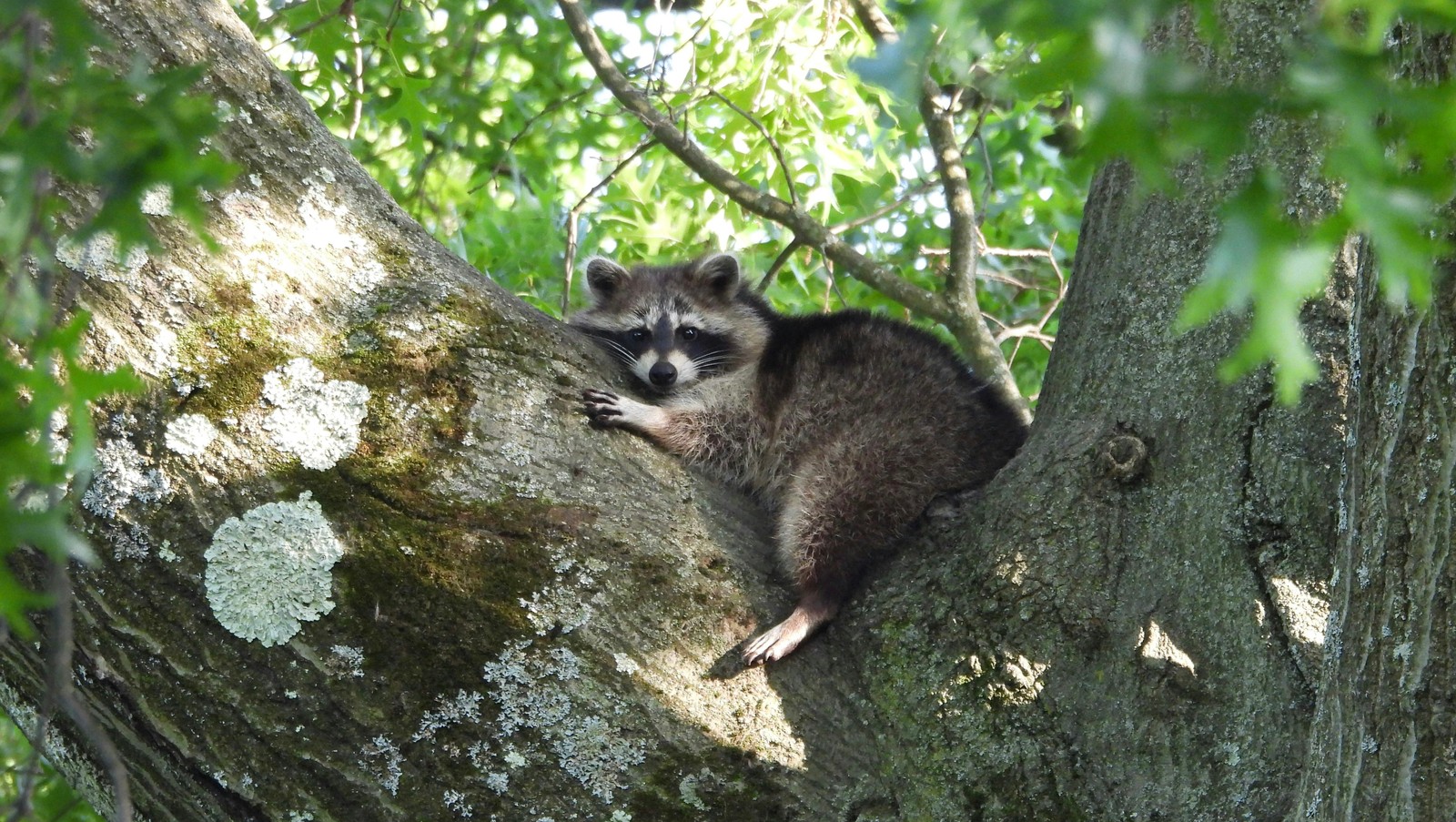
Image: Tracy Jentzsch

In today’s globalized world, we sometimes forget that many animal species are native to a specific region , despite having been introduced to other habitats. Some of these species seamlessly adapt to their new environments with minimal to no negative impact, but many become invasive, disrupting ecosystems and preying on native fauna and flora. North America’s ecosystems have their fair share of native species that have become so familiar worldwide that their origins are often overlooked. Here are 11 species that originated in North America!

1
American Alligator
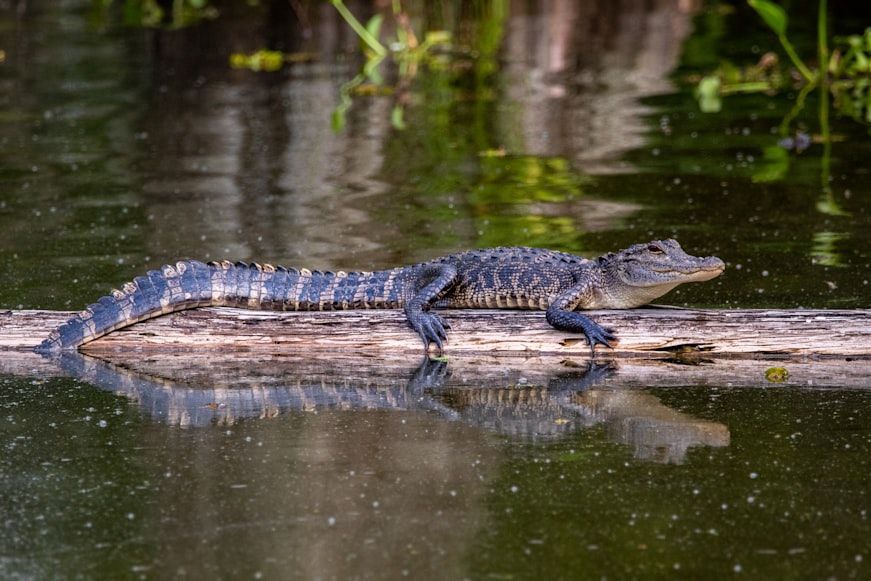
Image: Joshua J. Cotten

Did you know that American alligators are one of only two alligator species in the whole world ? China is the only other place with an alligator species, the Chinese alligator. Often confused with their relatives, the crocodiles and the caimans, alligators can be differentiated by the shape of their teeth, their round snouts, their darker color, and their preference for freshwater habitats. An inhabitant of tropical and subtropical wetlands, the American alligator can be found throughout the Southeastern U.S.

2
Nene
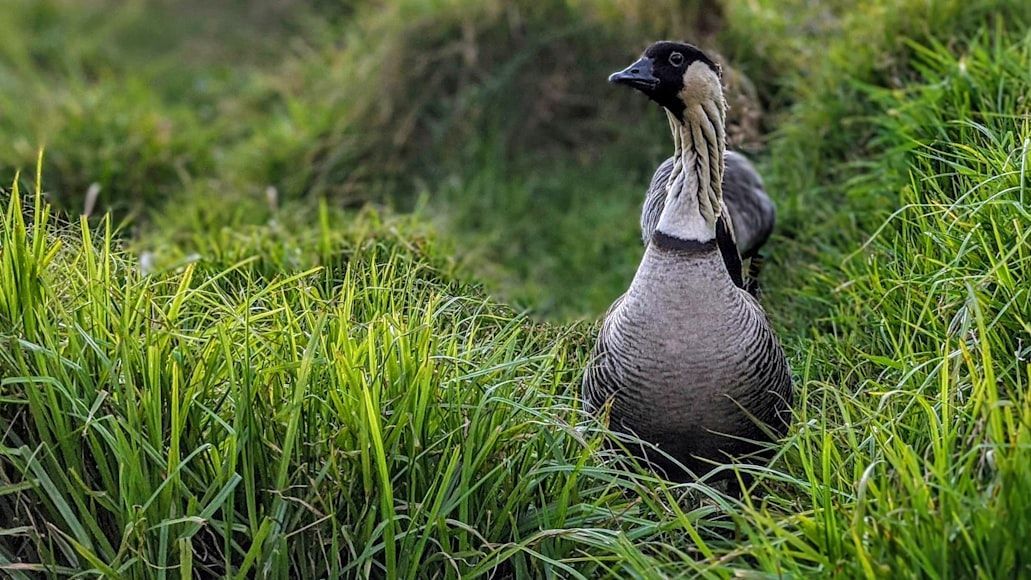
Image: Lyle Wilkinson

Also known as the Hawaiian goose, this bird can only be found in its wild state across the islands of Maui, Kauaʻi, Molokai, and Hawaiʻi . Believed to be distantly related to the Canada goose, the nēnē is considered the rarest goose species in the world and is a protected species. Thanks to successful conservation efforts, it has been reclassified from endangered to near threatened. It has also been designated as the official state bird of Hawaiʻi.

3
Common Raccoon

Image: Chris Ensminger

If you are asked to describe a raccoon, the common raccoon, native to North America, will most likely come to mind. The other two species of raccoon—also native to the Americas—present marked differences in color and size. Their name is derived from the Algonquian aroughcoune , meaning ‘he who scratches with his hands.’ The unusual shape of their thumbs, combined with their cleverness, allows them to open closed containers to access food and trash, which has earned them the nickname of "trash pandas." Due to human intervention, they have become a highly invasive species in European and Asian ecosystems.

4
Monarch Butterfly
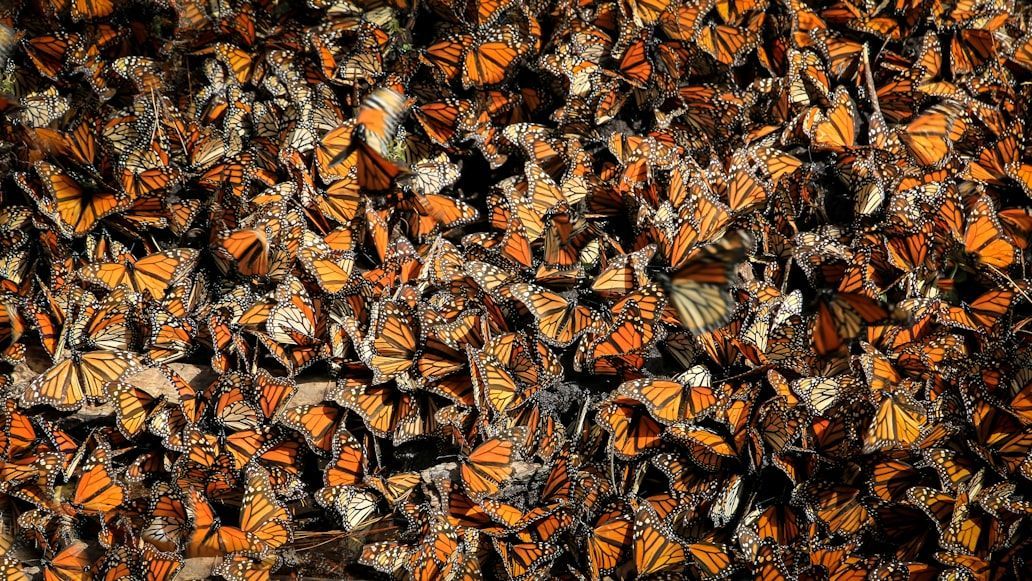
Image: Alex Guillaume

One of the most recognizable butterfly species, the Monarch can be identified by its orange and black wings with white spots . Monarch subspecies can be found across the Americas, but the North American monarch is especially known for its remarkable migratory behavior. As winter approaches, monarch butterflies in the northern United States travel thousands of miles to overwintering sites in California and central Mexico. In spring, they will return home in time for summer.

5
North American Beaver
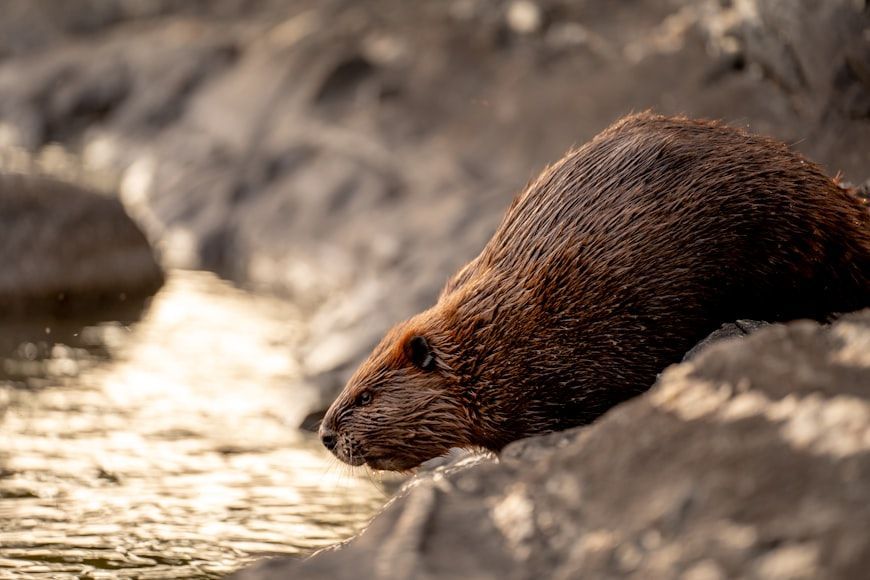
Image: Tim Umphreys

Though North American beavers are related to those found in Asia and Europe, their genetics are so different that they are unable to mix. North American beavers are generally larger and darker than their Eurasian counterparts , and they have a broader and longer tail. They are a widespread species across the Continental U.S., Canada, and northern Mexico and have been chosen as the official state mammal of Oregon and New York.

6
Bald Eagle
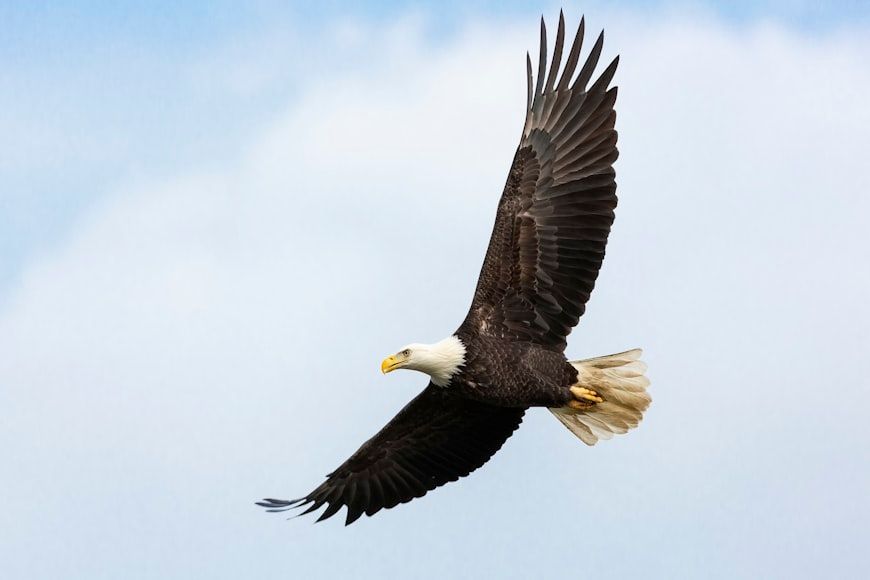
Image: Mathew Schwartz

Widely recognized as a national U.S. symbol and featured in multiple official imagery , the bald eagle came close to extinction in the late 20th century. Found across most of North America, it favors habitats near large bodies of water. Fun fact: bald eagles were named after the color of their head feathers, as the word ‘bald’ was anciently used for ‘having a white head.’

7
Alligator Snapping Turtle
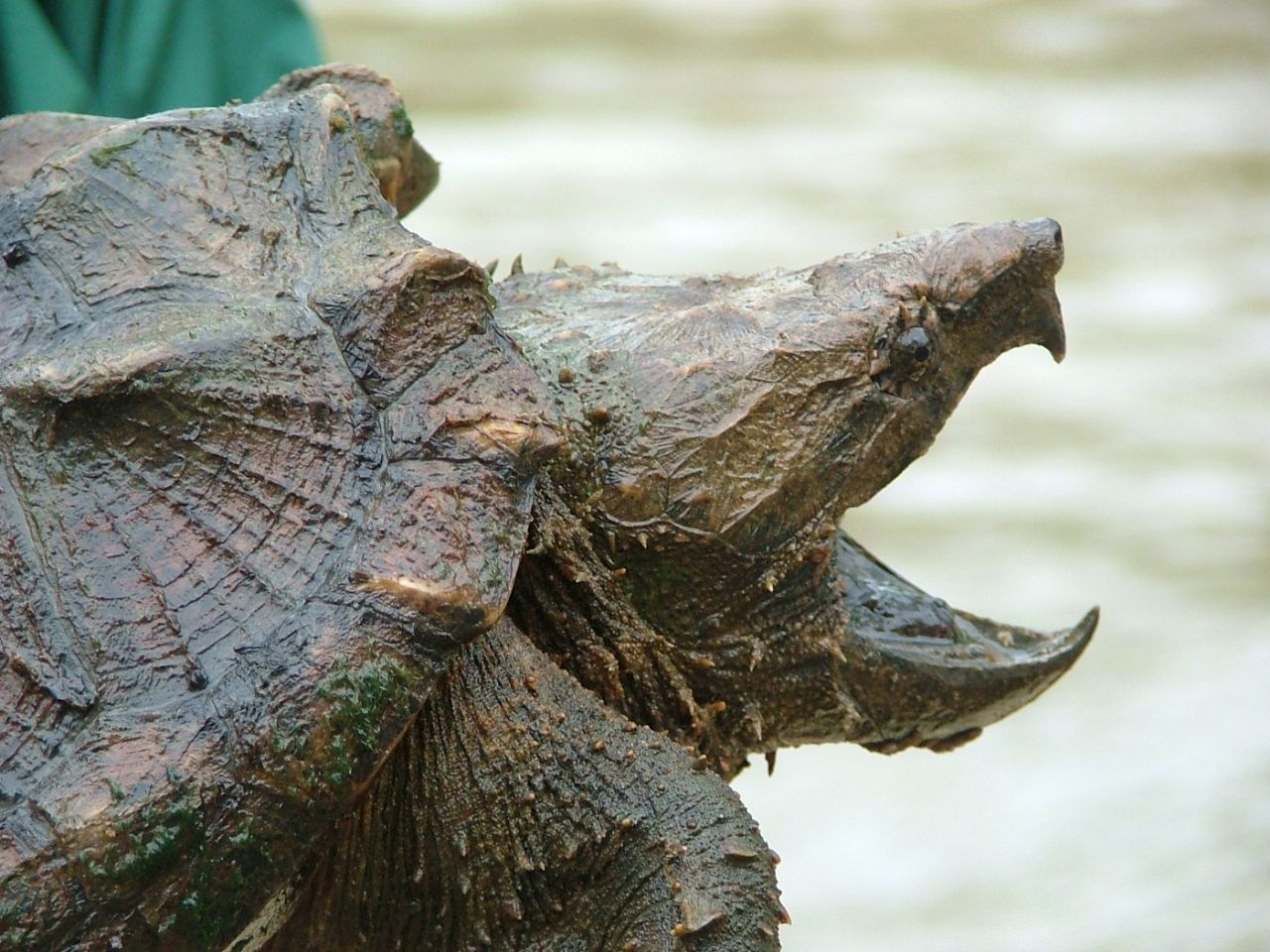
Image: U.S. Fish and Wildlife Service Southeast Region, Public domain, via Wikimedia Commons

Like the reptile it takes its name from, this pointy reptile is only found in freshwater habitats across the U.S. The spiky ridges on its shell give it an armored tank appearance, but these will flatten as the turtle ages. They have an extremely powerful bite , and they have been known for biting human fingers off, which makes them a dangerous animal that should be approached with caution.

8
Texas Blind Salamander

Image: Ryan Hagerty/USFWS, Public domain, via Wikimedia Commons

Unlike other entries on this list, this amphibian can only be found in a very specific place: San Marcos, Texas . Considered to be a critically endangered species, the Texas blind salamander lives in underground caves and streams and is highly sensitive to water pollution and droughts.

9
Coyote
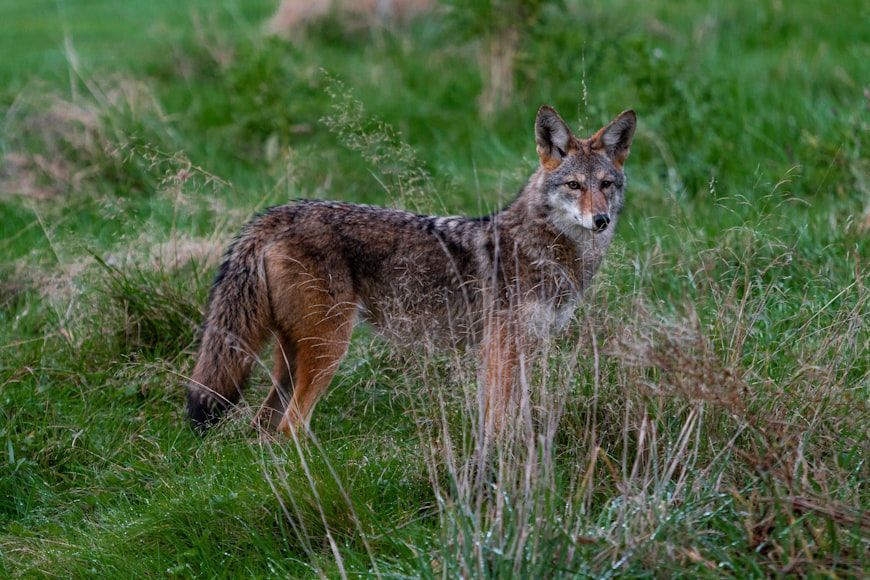
Image: Dylan Ferreira

Also known as the American jackal or prairie wolf, the coyote fulfills a key role in North American ecosystems by helping regulate the population of smaller animals and consuming carrion that could otherwise spread disease. Somewhat friendly toward humans, coyotes play an important role in Native American folklore, and there are recorded cases of domesticated coyotes.

10
Giant Kangaroo Rat
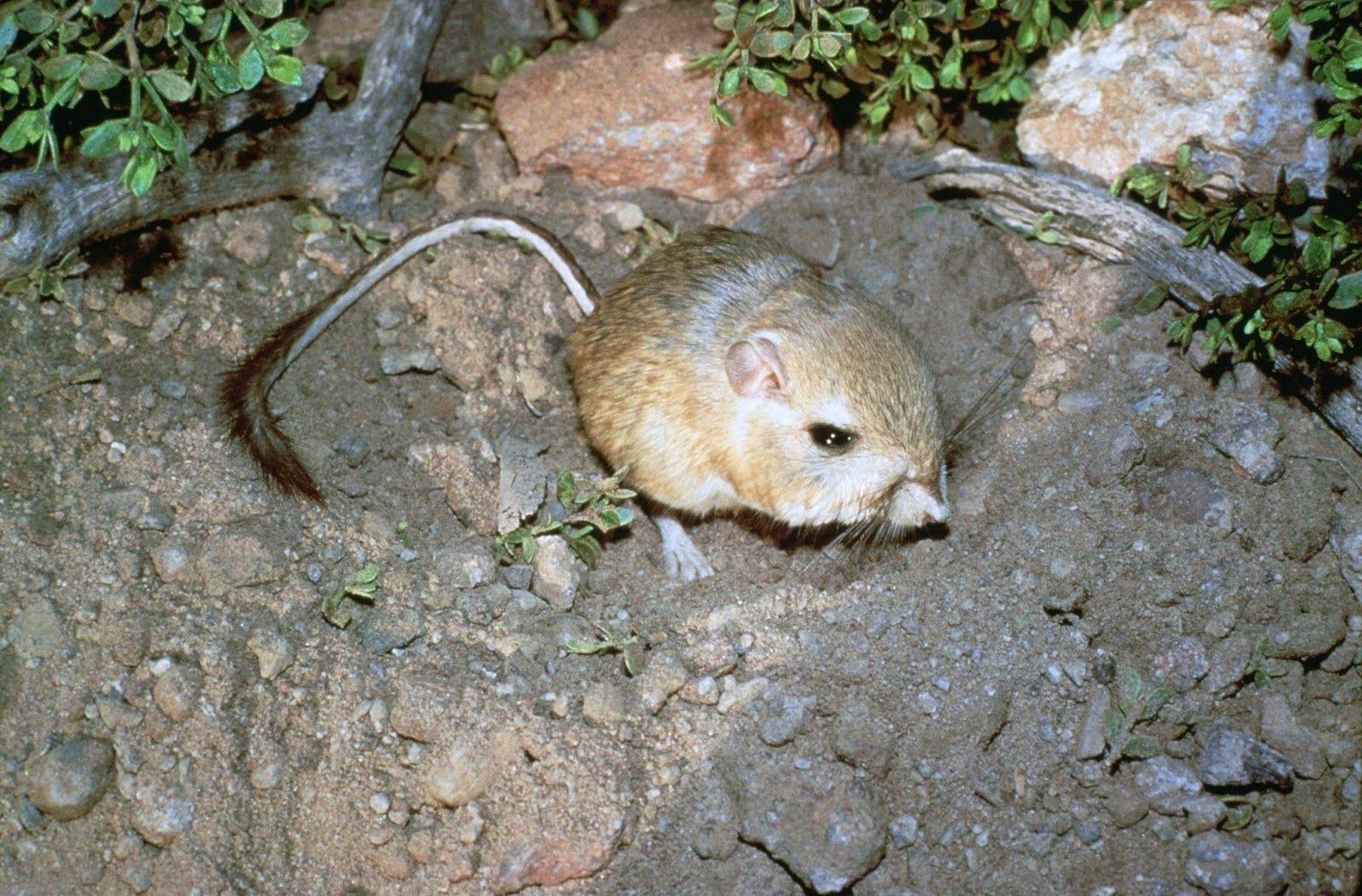
Image: Harrison, George, Public domain, via Wikimedia Commons

Although kangaroos are native to Australia, giant kangaroo rats are found only in California . Preferring dry, sandy habitats that allow them to dig burrows, these rodents are known for using foot stomps as a way of communicating. Due to habitat loss caused by agriculture, the giant kangaroo rat has been classified as an endangered species.

11
American Mink
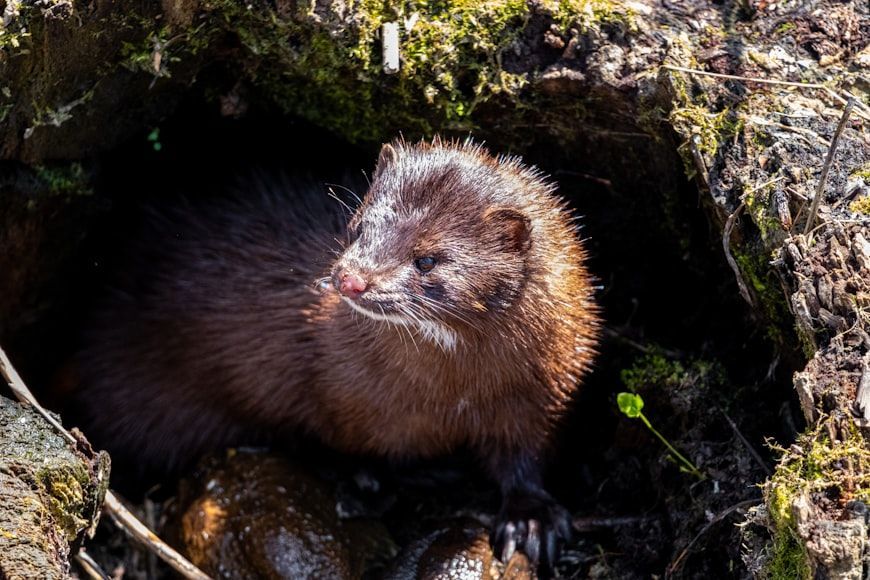
Image: Alexandre Daoust

American minks can be found across Alaska, Canada, and the northern and central United States, both in the wild and on farms. Although they are not specifically bred to be tame, they are officially considered suitable to be pets if trained from a young age. Their introduction to many parts of Europe, Asia, and South America has harmed native species, and they have been classified as invasive in many of these regions.

History History 7 min read

AMERICAN WEST LEGENDS

California Gold Rush: 10 Fascinating Facts You May Not Know

Image: Alexander Grey

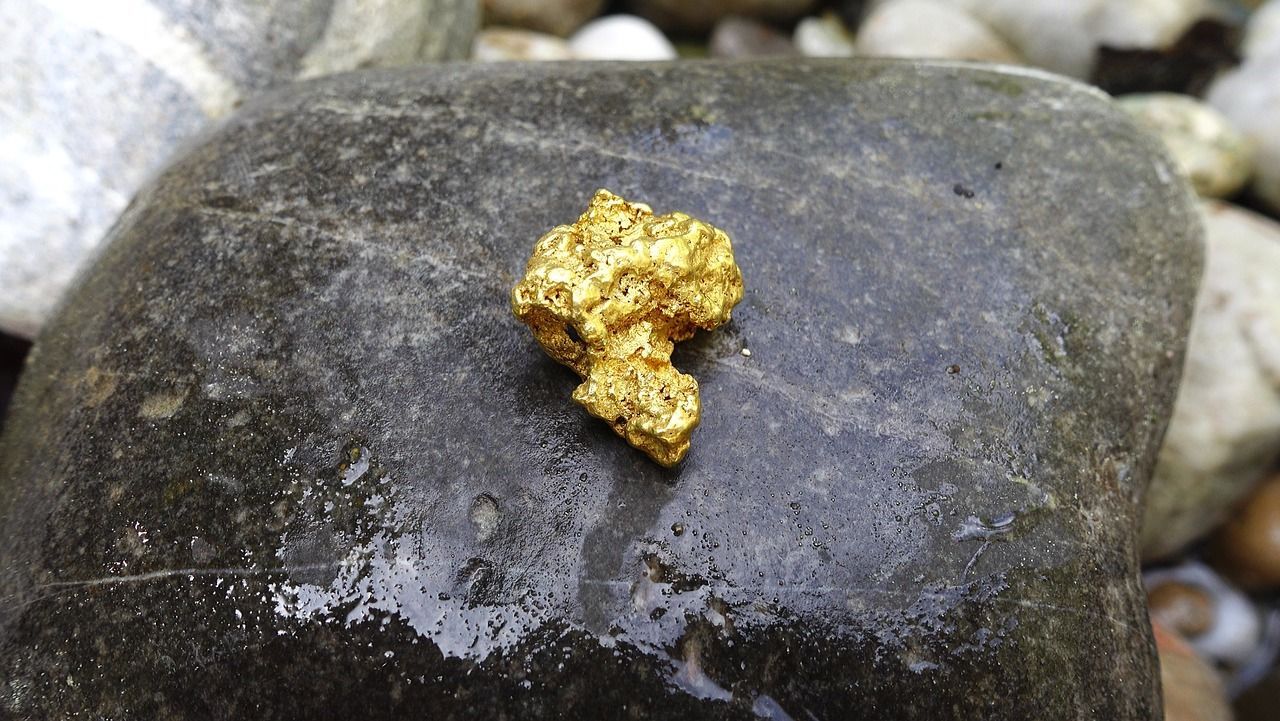
More than 150 years ago, news of a gold nugget found in a faraway land triggered a frantic rush for the precious metal around the world , bringing large waves of thousands of people to the West Coast of the United States willing to do anything to get rich. This period is considered one of the most significant of the 19th century and is full of secrets and compelling stories. Both fascinating and constitutional, it is a testament to the foundation of American society . Here are 10 surprising facts about the California Gold Rush that will leave you speechless.

1
Migratory frenzy

Image: George Henry Burgess, Public domain, via Wikimedia Commons

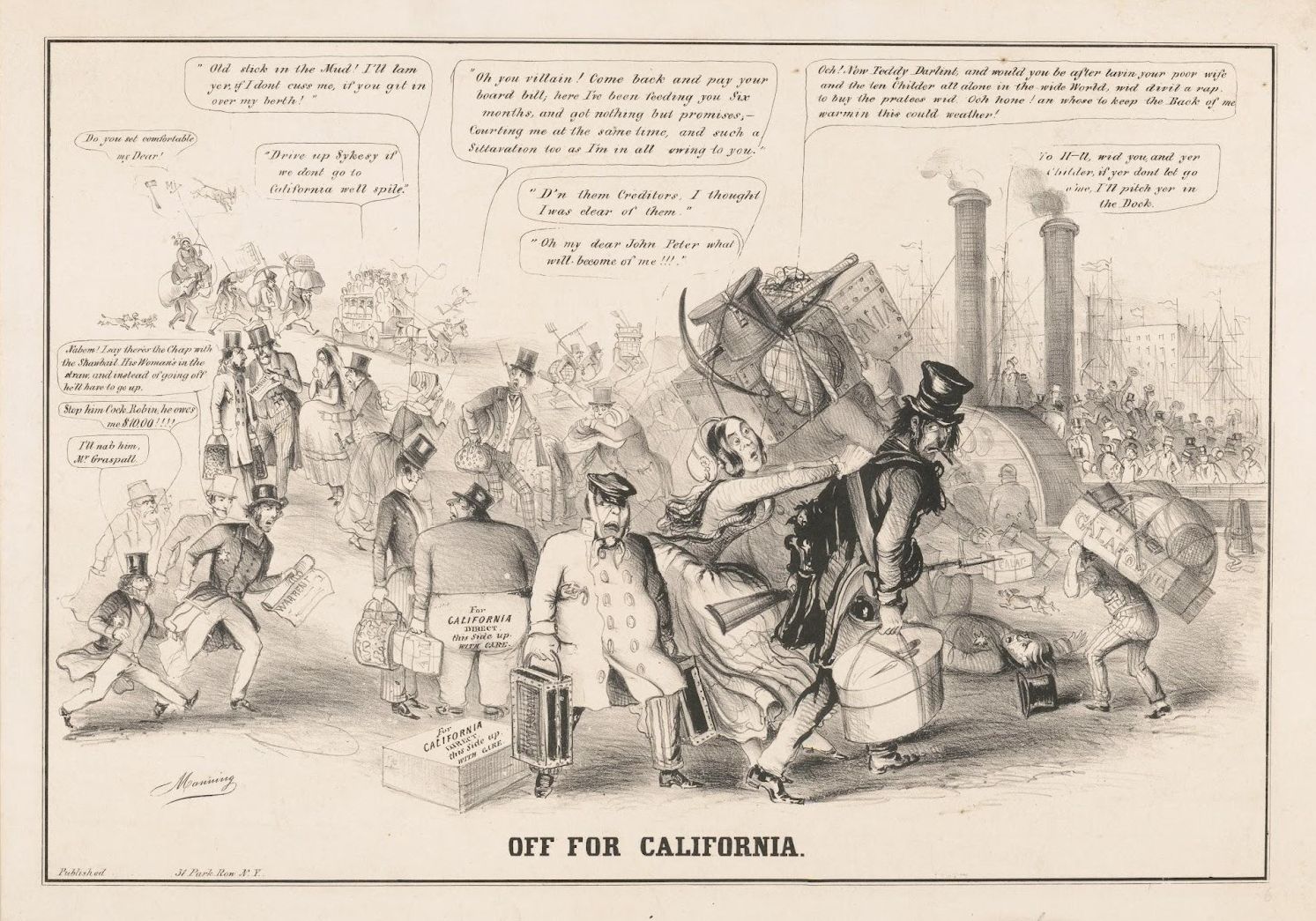
The California gold rush triggered one of the largest mass migration waves in US history, with an estimated 300,000 people moving to the West Coast in just a few years . On January 24, 1848, a carpenter called James W. Marshall found gold at a sawmill in Coloma. The news reached the East Coast in August and, in December, President James Knox Polk officially confirmed it to Congress.

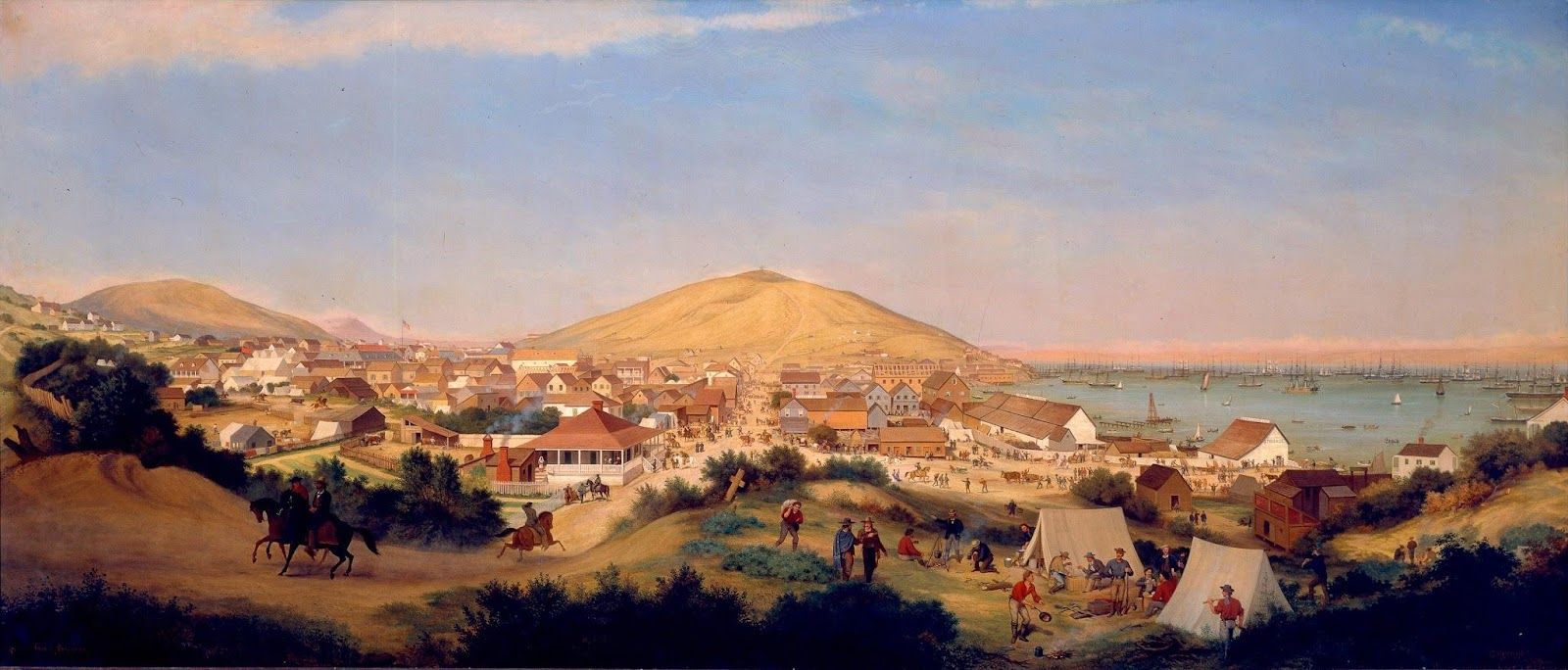
As a result, by early 1849, thousands of would-be prospectors —known as the ‘49ers’— started flooding the state every day. In January 1848, San Francisco had 800 residents; by the end of 1850 it had some 25,000 , many of them living in shacks and tents. Although most of the newly arrived were Americans, the gold rush attracted people from other parts of the world like Latin America, Europe, Australia, and Asia. Thanks to this boom, California started to grow fast, building new roads, towns, churches, schools, and hospitals.

2
No place for a lady?

Image: Popular Graphic Arts, Public domain, via Wikimedia Commons

People in the 19th century considered the California goldfields lifestyle a bit too harsh for women, so there is not much testimony of them being involved in gold-digging . Only 700 of the 40,000 people who arrived by ship to the San Francisco Bay in 1849 were women. Some came with their husbands and families, but others were just seeking adventure.

Many of the few women living in California around this time were widows. Men frequently died in mining accidents, disputes, and diseases and the women would be left alone and in need of a job. During the gold rush, women ran profitable businesses like sewing, laundry, food preparation, and boarding houses. Others would be in high demand to work in brothels and saloons, serving drinks to the hundreds of lonely gold diggers.

3
Millionaires overnight

Image: Hans

Well, not exactly overnight, but pretty quickly. Brothers John and Daniel Murphy were two adventurous early California pioneers who got into the history books for having mined about $1.5 million —around $56 million today— worth of gold in a year. Within a very short period of time, they became prosperous men and influential figures in the area.

The town of Murphys —about 140 miles East of San Francisco— is named after them and is considered one of the oldest and most important of all the Gold Rush camps in the Golden State . Nowadays, this charming little town is a must-stop for tourists on their way to the mountains looking to travel back in time.

4
Blue Jeans become popular

Image: SwellMap, Public domain, via Wikimedia Commons

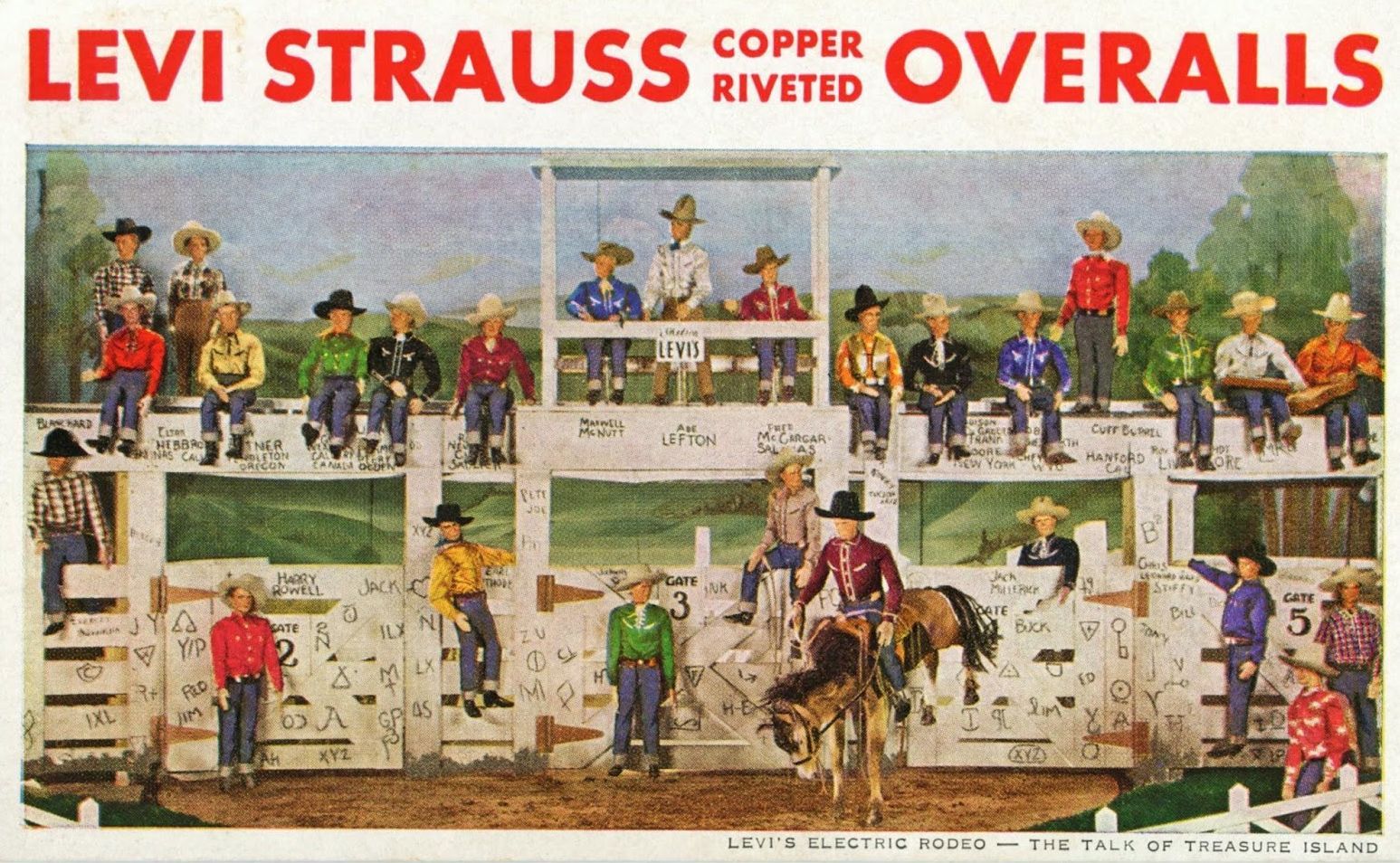
In 1853 a Jewish peddler called Levi Strauss arrived in California looking for sale opportunities derived from the Gold Rush. Does the name ring a bell? A couple of years later, with the help of a tailor called Jacob Davis, he invented the garment of choice for Forty-Niners and cowboys: the blue jeans . By the end of 1873, thousands of San Franciscans were wearing these iconic durable pants, and the name "Levi's" was registered as a trademark.

Although Levi Strauss didn't exactly get rich by mining gold, he found a way to earn a fortune from it. Blue jeans —originally called "waist-high overalls"— came to represent the untamed American West. Over the years, not only workers would adopt them: kids, women, and even Hollywood stars owned at least a pair. And now, over a century and a half later, blue jeans are still an international symbol of youth, freedom, and independence .

5
The first international financial crisis

Image: Zlaťáky.cz

In just a few years, the 1849-1855 Gold Rush radically transformed California, the United States, and the world. The influx of gold served as an accelerant for U.S. economic development and enabled massive investment in public buildings, schools, and the construction of a railroad across the country. However, by the mid-1850s the world economy was so interconnected that any event could cause an international crisis.

In 1857, a crash in British banks, the speculation on railroad stock, and the sinking of SS Central America —a ship transporting a huge amount of gold—, among other incidents, triggered the first international financial crisis, known as the "Panic of 1857" . As a result, the northern domestic economy took a significant hit. However, by 1859, the Panic began to level off, and the economy began to stabilize.

6
Mark Twain struck literary gold

Image: unattributed, Public domain, via Wikimedia Commons

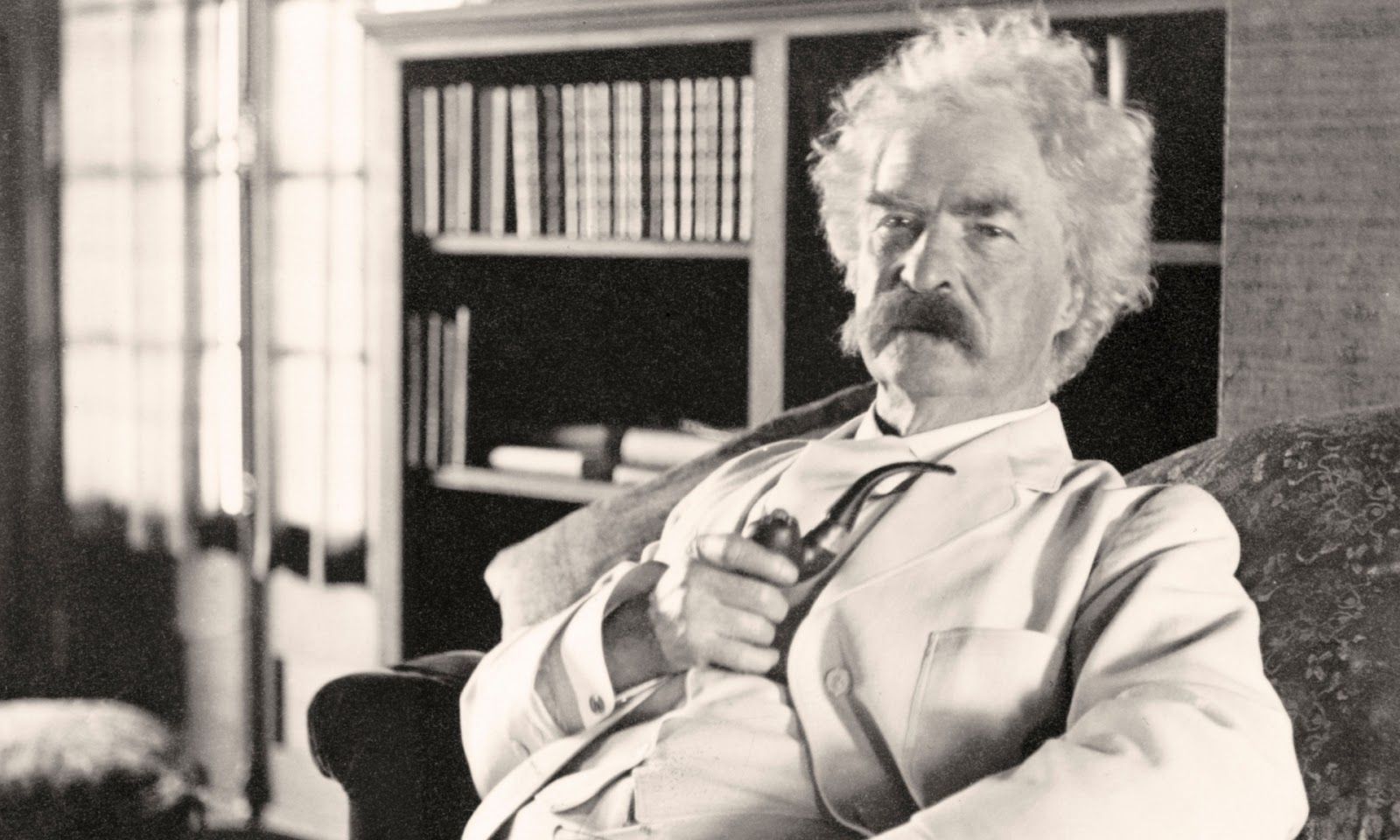
Did you know that one of the greatest American authors became a writer after failing as a gold miner? Samuel Clemens —a.k.a. Mark Twain—, was only one of the thousands of men who moved West during the Gold Rush in hopes of making a fortune . In 1861 he followed his brother Orion all the way to Virginia City, Nevada where he became a miner. Things didn’t go very well so he ended up working for the local newspaper, and started using the pen name by which he is remembered to this day.

Twain moved to San Francisco in 1864 and came in contact with other writers like Bret Harte and Artemus Ward. His experience in the American West inspired several of his works , such as The Celebrated Jumping Frog of Calaveras County (1865) —which brought him national attention— and Roughing It (1872). Although he didn’t become rich finding gold, Twain made a substantial amount of money through his writing.

7
Who really got rich?

Image: Unsplash

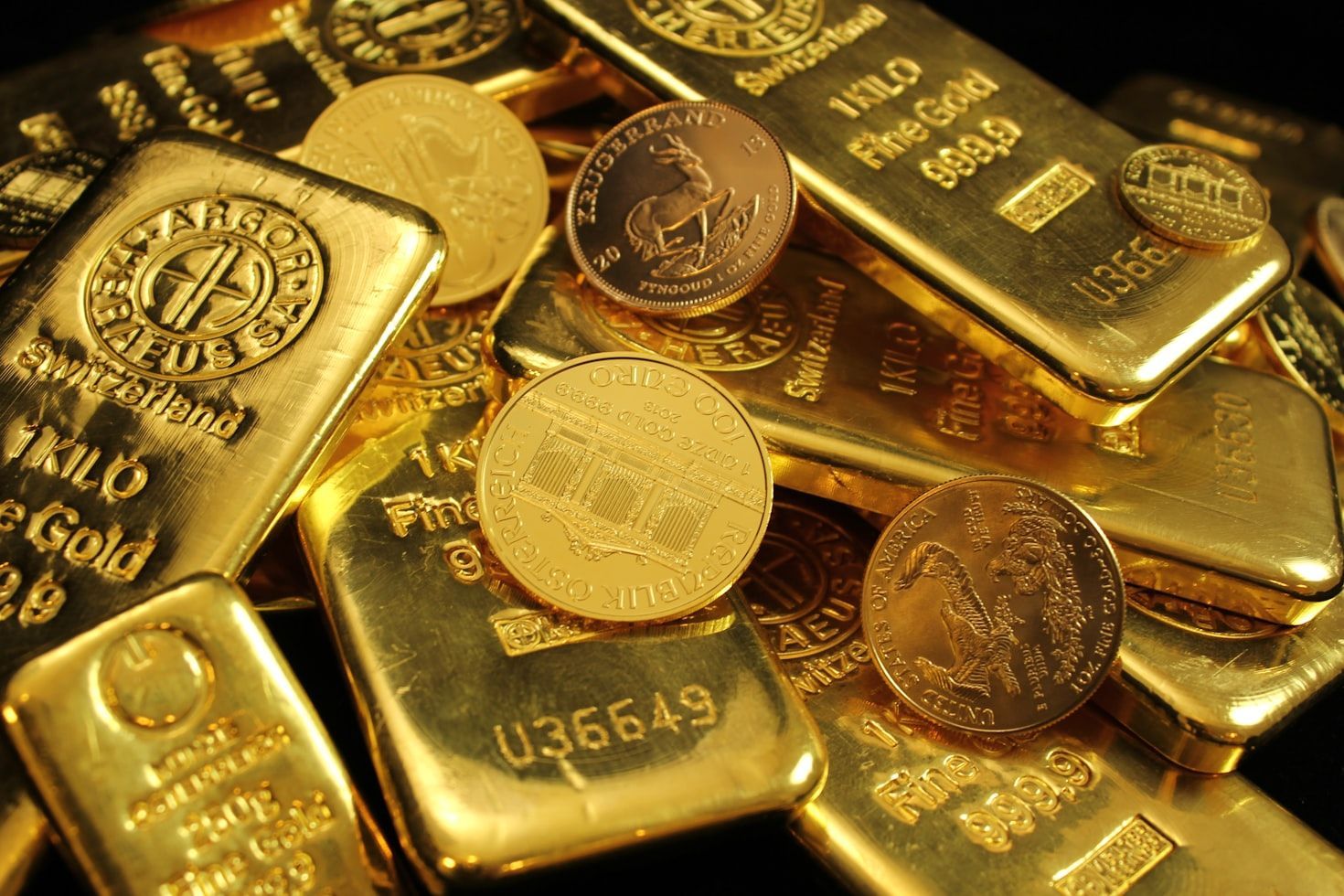
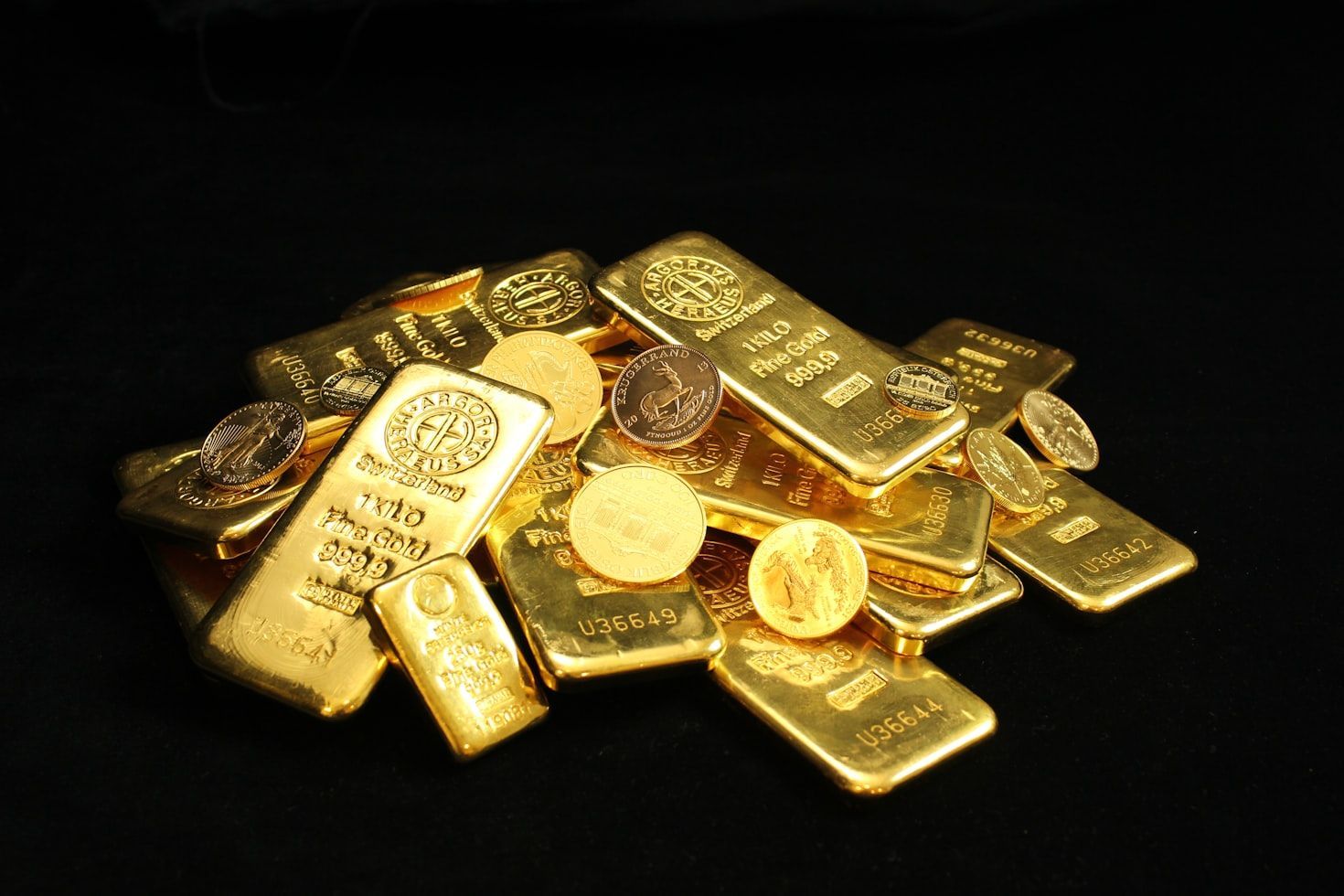
As romantic as it may sound, migrating to a new land to find gold and get rich does not necessarily mean instant success. In fact, only a few made their fortune mining gold . For most of the Forty-Niners, arriving in California during the rush was synonymous with disappointment. The lucky minority that found some gold went on expensive trips or wasted their money on poor-quality alcohol and food at the saloons of the American West, becoming broke pretty quickly.

The people who actually managed to amass some wealth during the California Gold Rush were the ones who took advantage of the opportunities surrounding the growth of cities and the financial bubble . For example, entrepreneurial merchants would open businesses to satisfy the demands of the newly arrived prospectors. America’s greatest industrialists, on the other hand, became millionaires by investing in real estate or the new railroads. Besides, in the years following the rush, mining was no longer done by adventurous individuals, but by big companies with new technology.

8
A city built out of ships

Image: G.F. Nesbitt & Co., printer, Public domain, via Wikimedia Commons

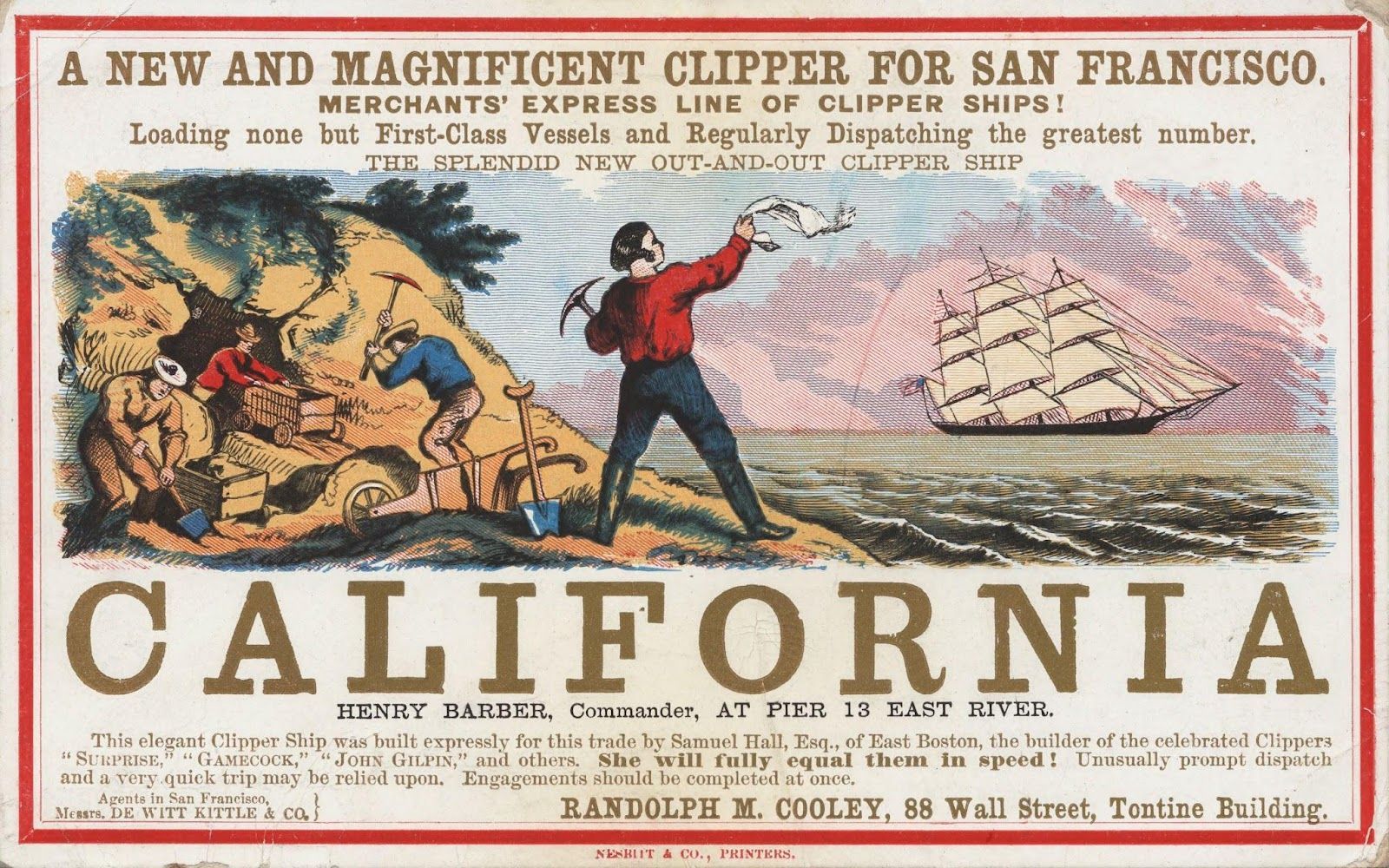
In the mid-19th century, a great number of ships arrived in California from all over the world packed with people in search of fortune. At the same time, the gold rush brought rapid growth and San Francisco soon became one of the world's great seaports, dominating shipping in the American West. These gold-seekers didn’t exactly have a return ticket, so lots of boats started to pile up on the Bay .

A few of these approximately 500 abandoned ships were sunk or buried and now can be found beneath the Embarcadero and Financial District . Others were repurposed to serve as storeships, saloons, and hotels, or their debris was used to build houses, jails, and banks. Even today, archeologists continue to discover fragments and entire ships underneath the streets of San Francisco.

9
Death Valley, a winter tragedy

Image: Marina Šurniene

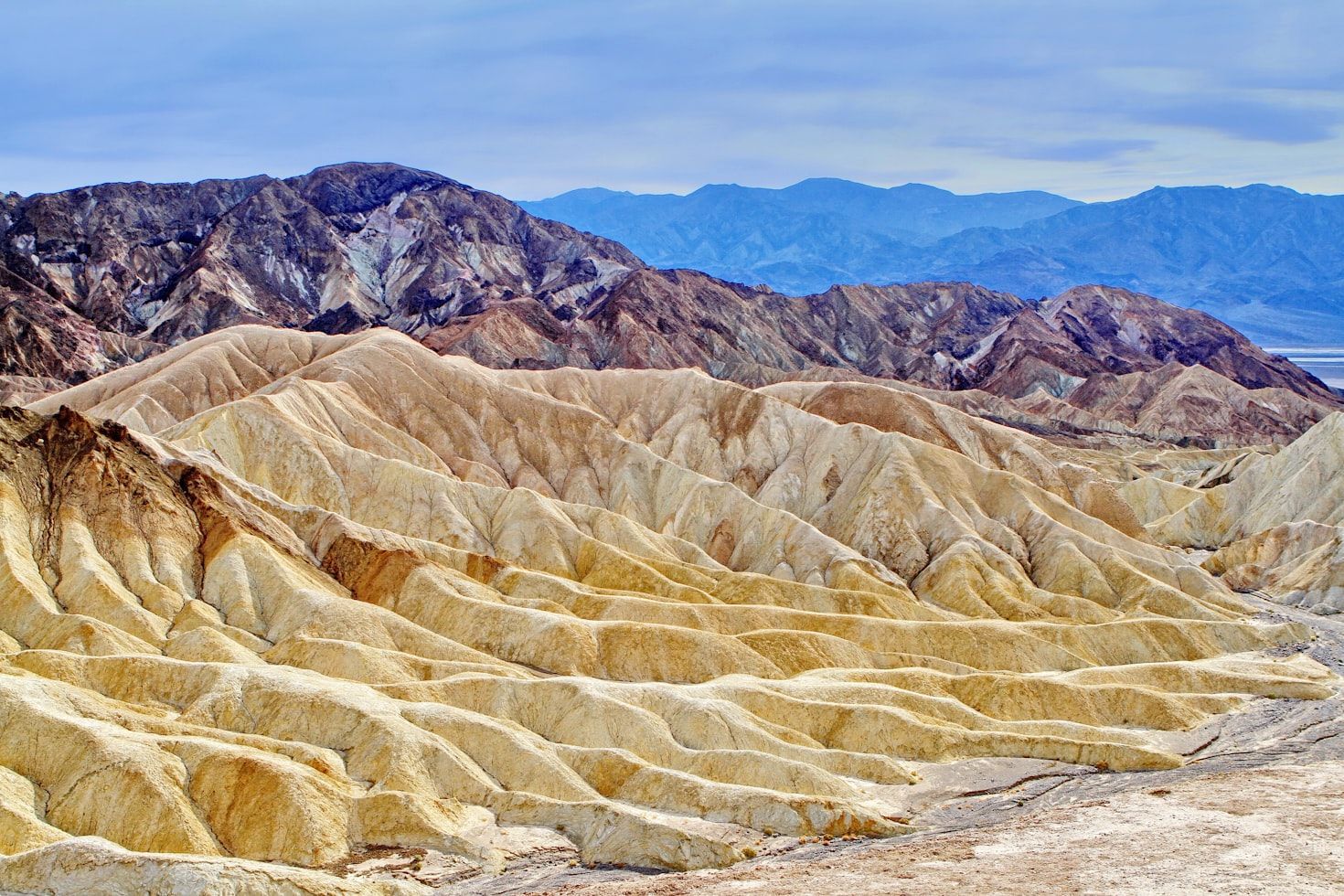
Do you know where the "Death Valley" name comes from? This desert valley in the northern Mojave Desert, in Eastern California, is thought to be the hottest place on Earth. However, it was not named after its summer temps but for a winter disaster. It was a group of prospectors who got lost looking for a shortcut to the goldfields of California in the winter of 1849-1850, that gave Death Valley its grim name.

Even before the Gold Rush, California attracted settlers searching for a new life. In 1846, a group of pioneers known as the Donner Party became snowbound and nearly half of them eventually died of starvation and exposure. A few years later, although scared and forewarned by this experience, a new group ventured across the desert. While this time around the journey was not so deadly, they suffered a few mishaps that led them to nickname the area Death Valley.

10
Found gold? Have yourself a Hangtown Fry!

Image: Ivan Shemereko

According to the legend, this famous omelet cooked with bacon and topped with fried oysters was created in El Dorado Hotel in Hangtown —today’s Placerville— after a prospector claimed to have found gold. To celebrate, he demanded to be served expensive food, so the cook put together a dish with the fanciest ingredients he had at hand: eggs were delicate and therefore very valuable; bacon was shipped from the East Coast; and oysters were brought fresh from San Francisco, over 100 miles away.

Since then, the Hangtown Fry has continued to be served at many of the local restaurants . Although now you can find versions with onions, bell peppers, and spices, this iconic dish has remained practically the same as it was during the Gold Rush more than a century and a half ago. Have you tried it?

History History 4 min read

Feel old yet?

What brand was founded when Thomas Jefferson was president?

Image: @felirbe

From Converse footwear to Colgate toothpaste to Jell-O, millions of Americans use these brands every day without realizing how old they really are. Some were around before the Titanic sailed, while others were founded before the Civil War. Despite their modern marketing, updated logos, and constant reinvention, these companies have survived it all. Take a look at 11 brands that have quietly crossed the 100-year mark.

1
Converse (1908)

Image: pure julia

Converse was founded in 1908 by Marquis Mills Converse in Maiden, Massachusetts. The company originally made rubber footwear, including galoshes and winter boots , before expanding into athletic shoes. Its famous Converse All-Star basketball shoe debuted in 1917 and would later become one of the most recognizable sneakers in history.

The brand’s biggest boost came from basketball star Chuck Taylor, who joined the company as a salesman and ambassador. His signature was added to the shoe in 1932, creating the legendary Chuck Taylor All-Star. More than a century after its founding, Converse remains a global fashion staple.

2
Whirlpool (1911)

Image: Andriy Blokhin

Whirlpool traces its roots to 1911, when Louis Upton and his uncle Emory Upton founded the Upton Machine Company in Benton Harbor, Michigan. Their goal was simple but ambitious: add electric motors to washing machines and make household chores easier .

The company eventually evolved into Whirlpool Corporation and became one of the world’s largest appliance manufacturers. Over the decades, it introduced innovations ranging from automatic washing machines to appliances used in NASA’s Gemini and Apollo-era space programs.

3
Colgate (1806)

Image: Atikah Akhtar

Colgate’s story began in 1806 when English immigrant William Colgate started a starch, soap, and candle business in New York City . At the time, toothpaste in tubes did not even exist.

During the nineteenth century, the company expanded into oral-care products and eventually became one of the most recognized names in dental hygiene. Today, many consumers think of Colgate as a modern toothpaste brand, but its origins go back more than two centuries.

4
L.L. Bean (1912)

Image: Joseph Hendrickson

In 1912, Leon Leonwood Bean launched a mail-order business from Freeport, Maine. His first product was a hunting boot designed to keep outdoorsmen comfortable in wet conditions .

The original boot became known as the Maine Hunting Shoe and helped build a company famous for quality outdoor gear. L.L.Bean remains headquartered in Maine and continues to attract customers seeking durable products inspired by the outdoors.

5
3M (1902)

Image: Dimitri Karastelev

Today, 3M is known for everything from Post-It Notes to industrial products, but it started in 1902 as the Minnesota Mining and Manufacturing Company in Two Harbors, Minnesota . Ironically, its original mining venture failed.

Rather than disappear, the company reinvented itself by producing abrasives and sandpaper. That willingness to innovate eventually led to thousands of products and more than a century of inventions used in homes, offices, hospitals, and factories all around the world.

6
Red Wing Shoes (1905)

Image: Henry Saint John

Red Wing Shoes was founded in 1905 in the Mississippi River town of Red Wing, Minnesota. The company specialized in rugged footwear for workers in demanding industries such as farming, mining, and construction .

Its reputation for durability has helped it survive dramatic changes in the American industry. More than a century later, Red Wing Boots remain popular among both workers and fashion enthusiasts who appreciate classic American craftsmanship.

7
Fruit of the Loom (1851)

Image: Lenscap Photography

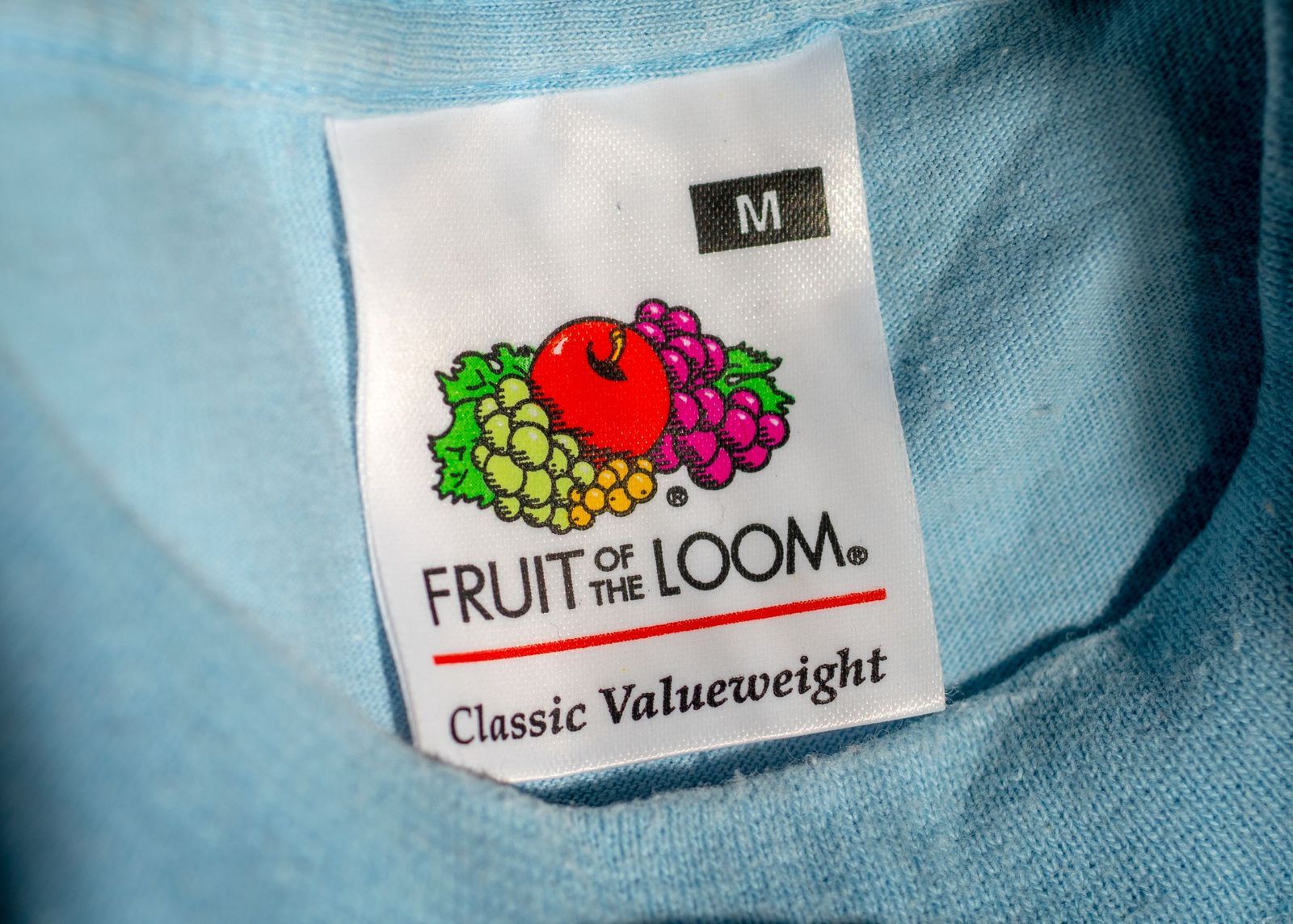
Fruit of the Loom traces its history to 1851, making it one of the oldest brands on this list. The company began as a textile manufacturer in Rhode Island during an era when the country was still expanding westward.

Its colorful fruit logo became one of the most recognizable trademarks in America. Although consumers usually associate the brand with T-shirts and underwear, its roots stretch back to the earliest days of America’s industrial manufacturing.

8
Gibson (1894)

Image: Gabriel Barletta

Founded in Kalamazoo, Michigan, in 1894 by Orville Gibson, this brand became one of the most influential guitar makers in music history. The company helped shape the sound of blues, jazz, country, and rock music .

Its instruments have been played by legendary musicians including B.B. King, Chuck Berry, Jimmy Page, and Slash, among many others. Despite being well over a century old, Gibson remains one of the most relevant and in-demand names in the guitar world.

9
Jell-O (1897)

Image: Girl with red hat

Jell-O began in 1897 when carpenter and cough-syrup manufacturer Pearle Bixby Wait developed a flavored gelatin dessert . His wife, May, suggested the catchy name that would become famous nationwide.

The dessert gained popularity through aggressive advertising and recipe campaigns in the early twentieth century. For generations, Jell-O has been a familiar part of family gatherings, school cafeterias, and holiday meals.

10
New Balance (1906)

Image: @felirbe

New Balance was founded in Boston in 1906 by William J. Riley. Interestingly, the company did not begin by making running shoes. Instead, it produced arch supports and orthopedic products designed to improve comfort and balance, hence the name .

The company later expanded into athletic footwear and became known for its emphasis on fit and performance. Today, New Balance competes with much younger sportswear giants while carrying more than a century of history behind it.

11
Stanley (1913)

Image: Shahrouz Nikpoush

Stanley was founded in 1913 when inventor William Stanley Jr. introduced an all-steel vacuum bottle . His innovation improved durability and helped popularize insulated drink containers.

For decades, Stanley products were associated with workers, campers, and outdoor enthusiasts. In recent years, the brand has experienced a surprising resurgence among younger consumers, proving that even a company founded before World War I can find new audiences.

Explore more American facts

Choose your favorite category!

General
General

As American as apple pie—the very best America has to offer!

Culture
Culture

Delve into the astounding richness of American lore.

Geography
Geography

Hop in and explore vast and diverse American landscapes.

History
History

Discover the key moments that shaped the United States.