Legendary names of our land
Did you know all these icons of American folklore?
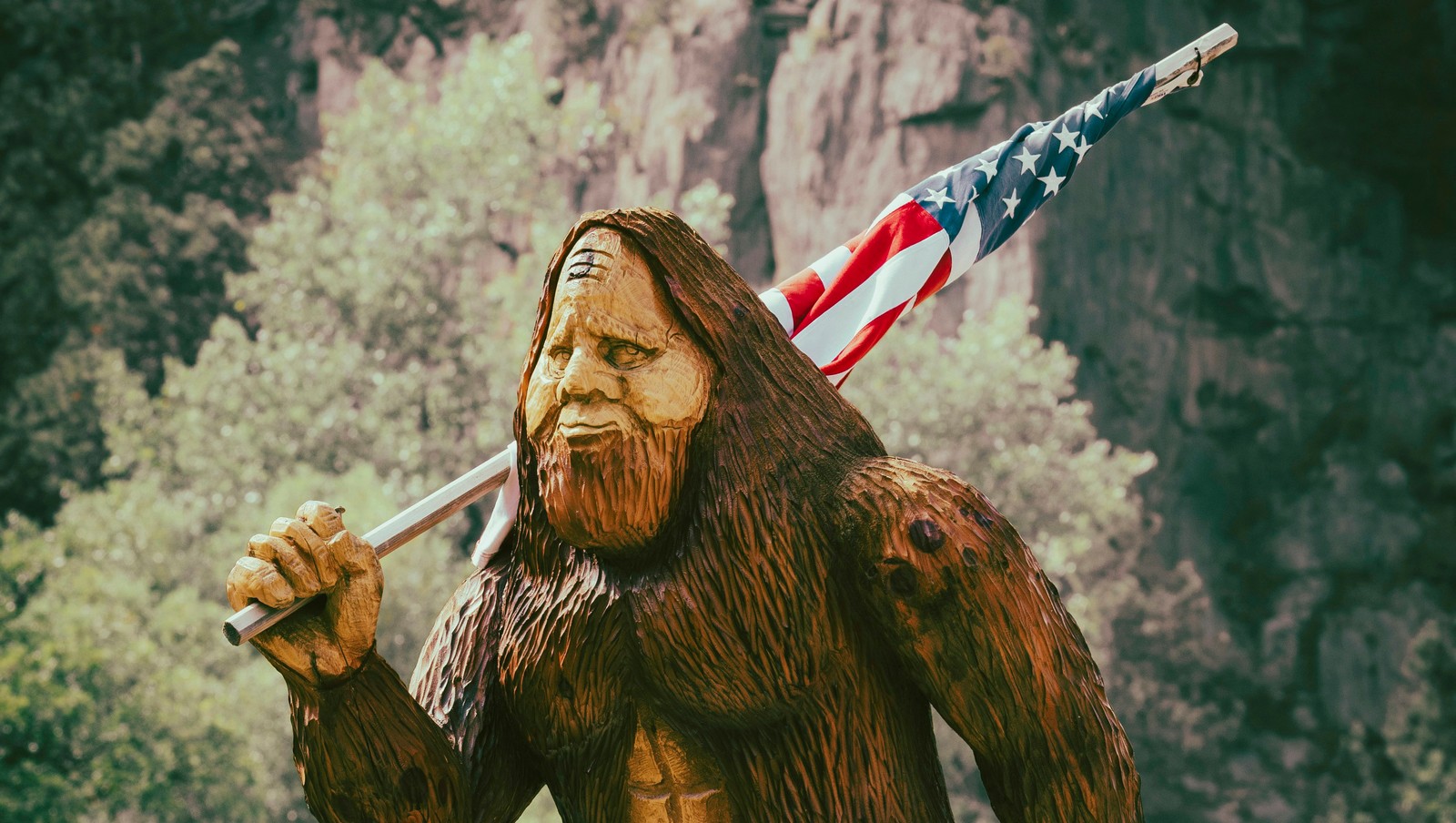
Image: Jon Sailer
America is a land of tall tales, for sure. Legendary figures that date back centuries keep coming up in stories and symbols. Some of them were born from the hardships of frontier life, others from the mysteries of the wilderness. How many of these figures are you acquainted with?
1
Paul Bunyan
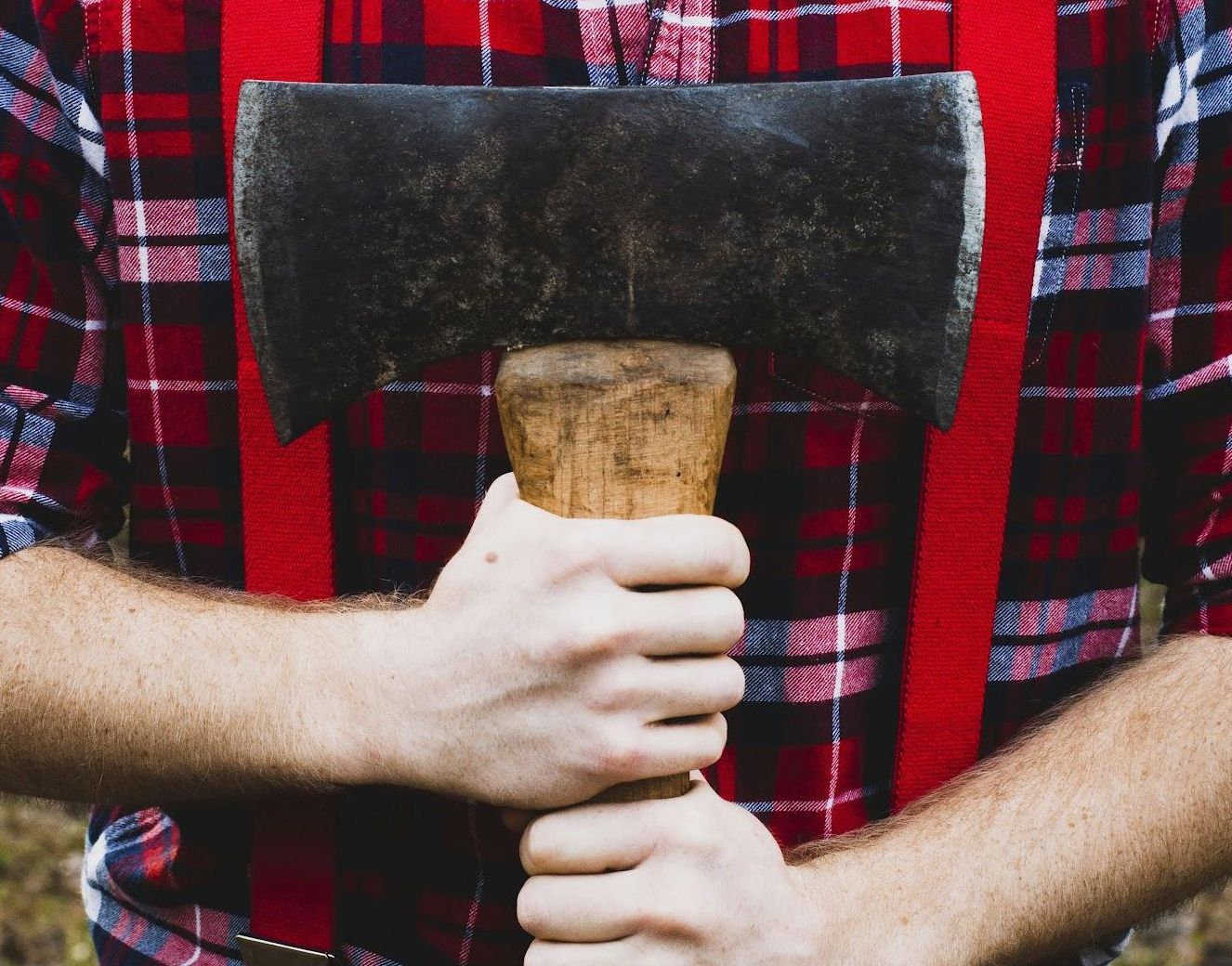
The giant Northwoods lumberjack and his blue ox, Babe, began as camp lore but became truly national once adman W.B. Laughead used him in Red River Lumber Company pamphlets. Those promotions helped standardize the tall-tale feats , like the myth that he carved all of Minnesota’s lakes with his axe or his footprints.
2
Johnny Appleseed
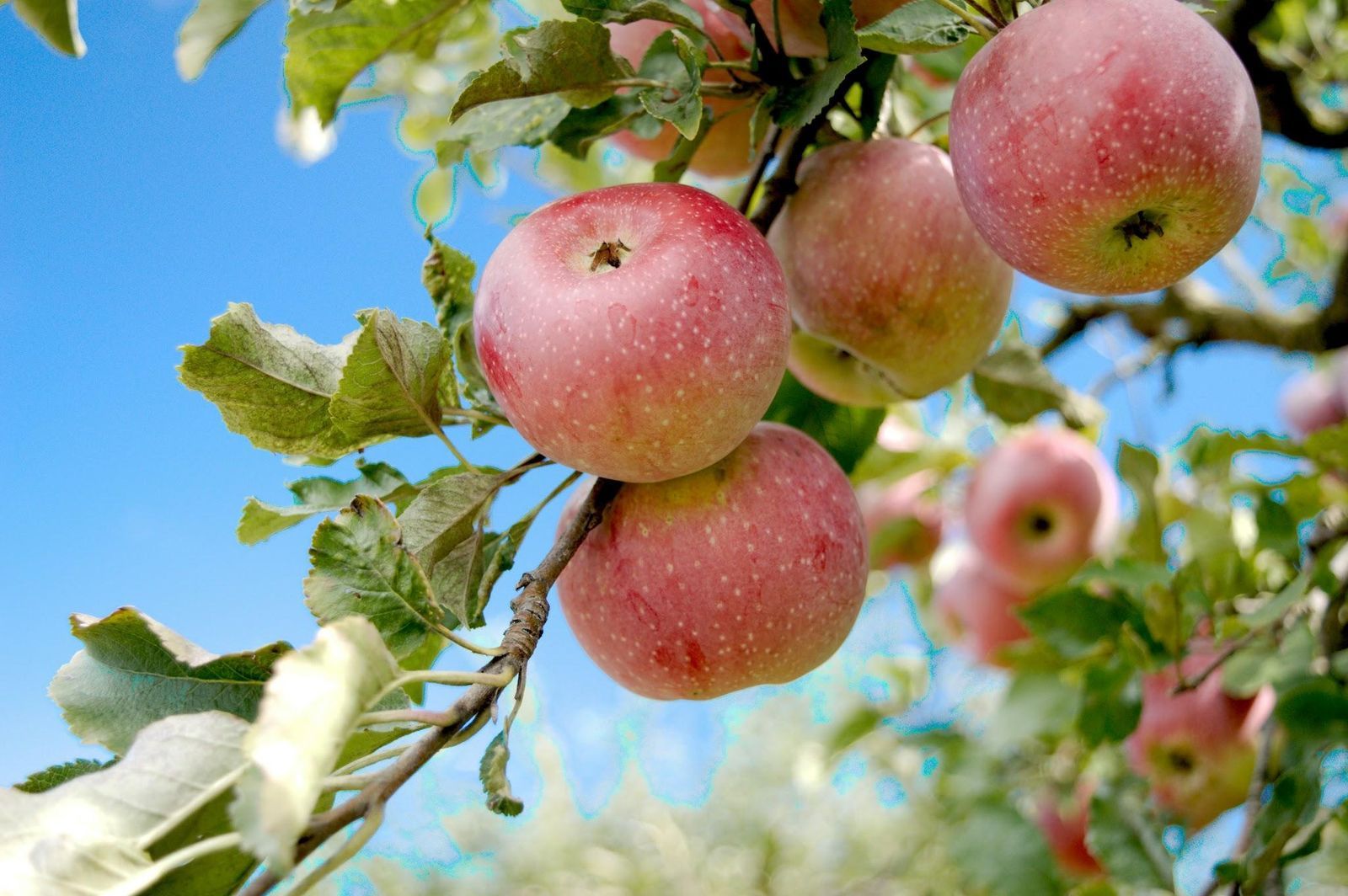
A real nurseryman turned folk saint, Johnny Appleseed (a.k.a. John Chapman) planted nurseries (not random seeds) on the frontier, selling or leasing saplings to settlers. Because cider drove apple demand, his work fit the era’s foodways and law.
Over time, he was mythologized as a barefoot, pot-hatted wanderer who "greened" the Midwest .
3
Pecos Bill
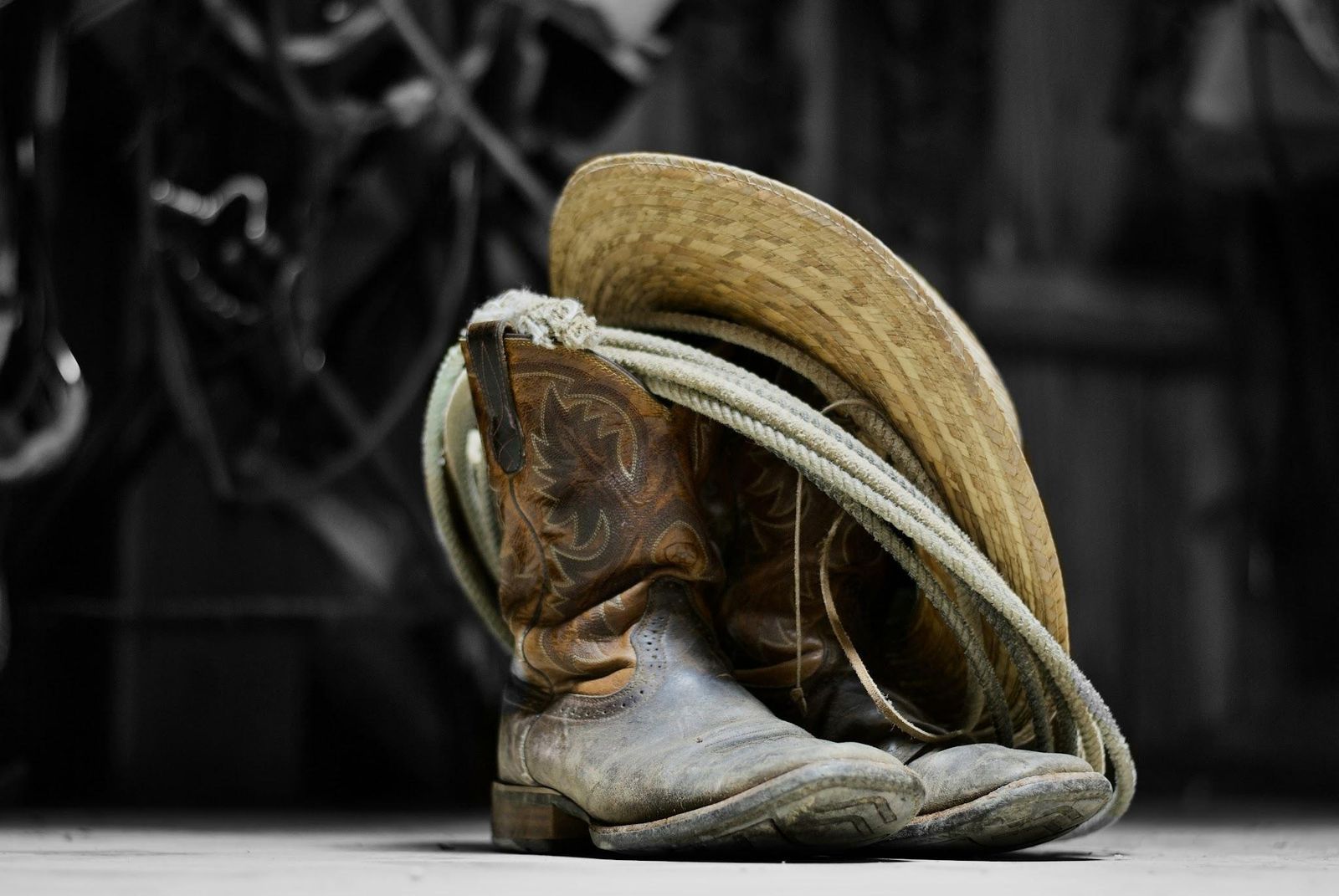
The ultimate cowboy hero who lassoes tornadoes and rides mountain lions . Though set in the mythic West, he’s a 20th-century creation: Edward O’Reilly’s 1917 stories (and later children’s retellings) created his outlandish feats.
4
John Henry
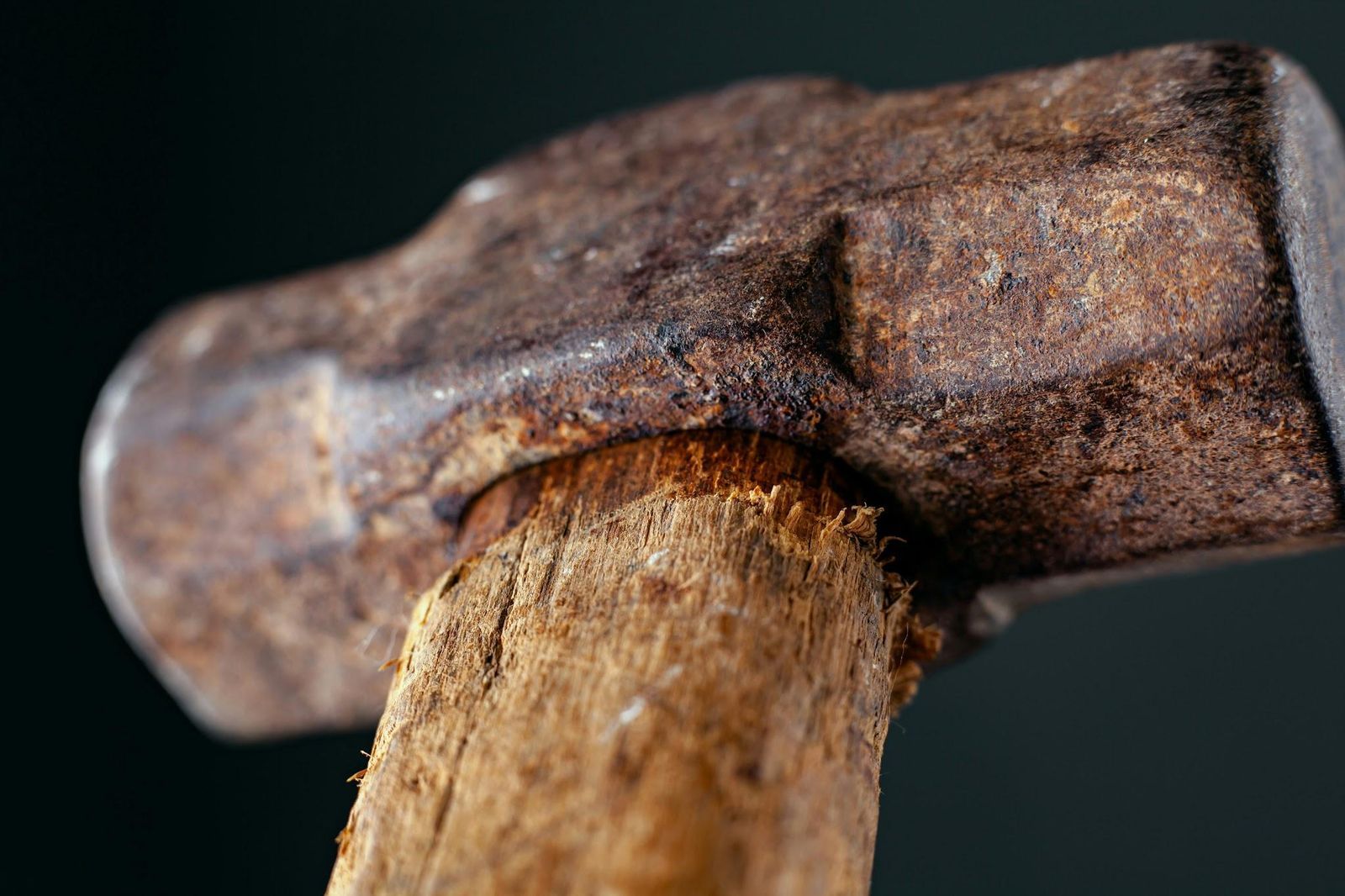
The steel-driving man who raced a steam drill and "died with a hammer in his hand" embodies labor dignity in the machine age. Ballads likely trace to late-19th-century railroad/tunnel work in the South. The story’s core made him a working-class icon and civil rights touchstone.
5
Davy Crockett
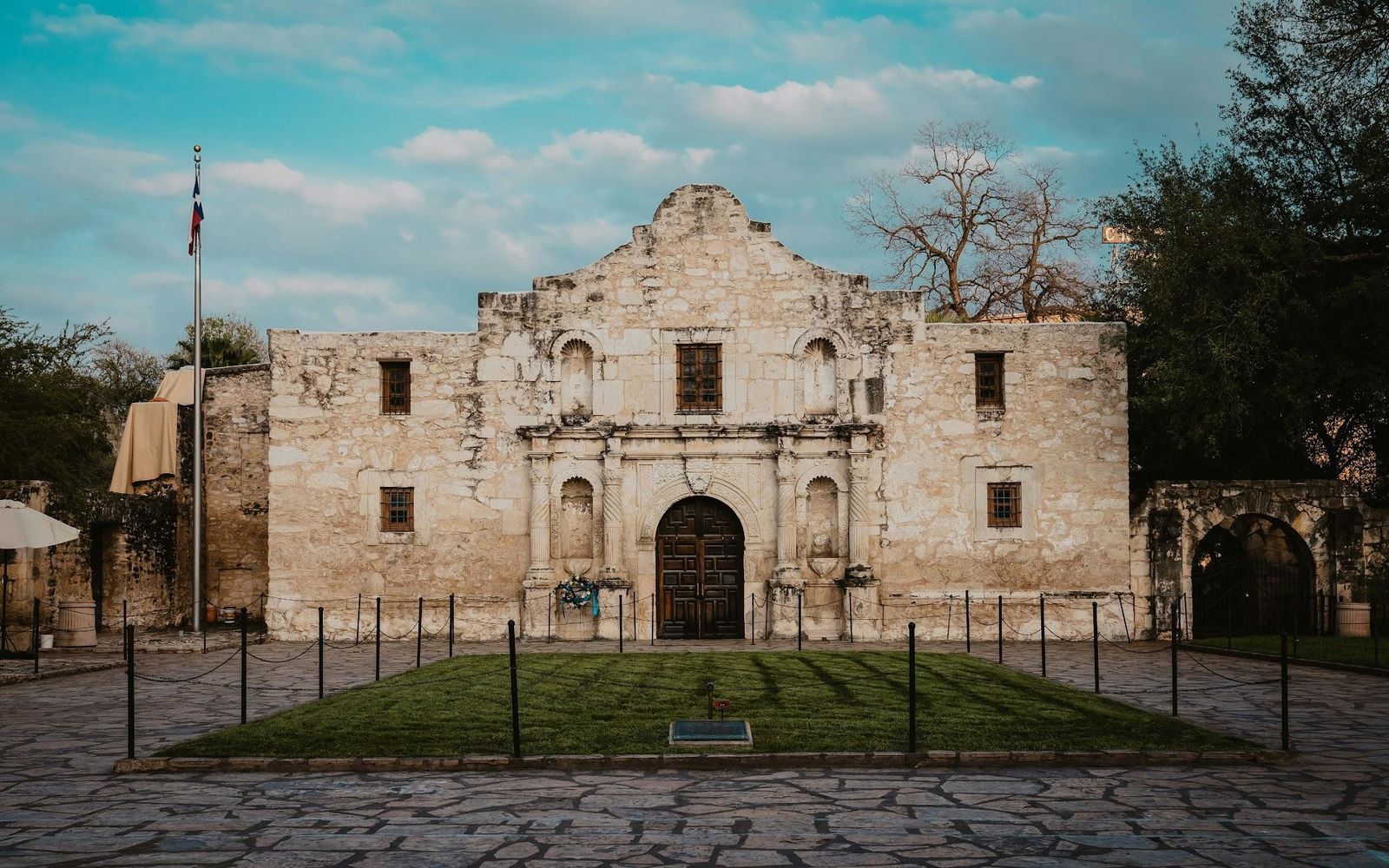
A real frontiersman and congressman whose image ballooned into legend via 1830s almanacs and later popular culture (most famously Disney’s 1950s series).
Known for the image of the coonskin cap on his head and his bear-wrestling bravado, his death at the Alamo sealed his heroic reputation.
6
Mike Fink
The "king of the keelboaters" of Ohio–Mississippi river lore, famed for marksmanship and pranks. A semi-legendary man, he eventually made it into folktales and later print stories. They all fixed him as the wild spirit of the river trade before steamboats took over.
7
Molly Pitcher

A Revolutionary War camp-follower-turned-artillery heroine in legend. She is often linked to the 1778 Battle of Monmouth. In reality, historians note that "Molly Pitcher" functions as a composite legend of different women, herself a symbol for women’s wartime labor.
8
The Headless Horseman
Washington Irving’s 1820 tale set in Sleepy Hollow cemented America’s most famous ghostly rider. The figure merges European motifs with Hudson Valley lore, and it eventually became a perennial of American Halloween culture.
9
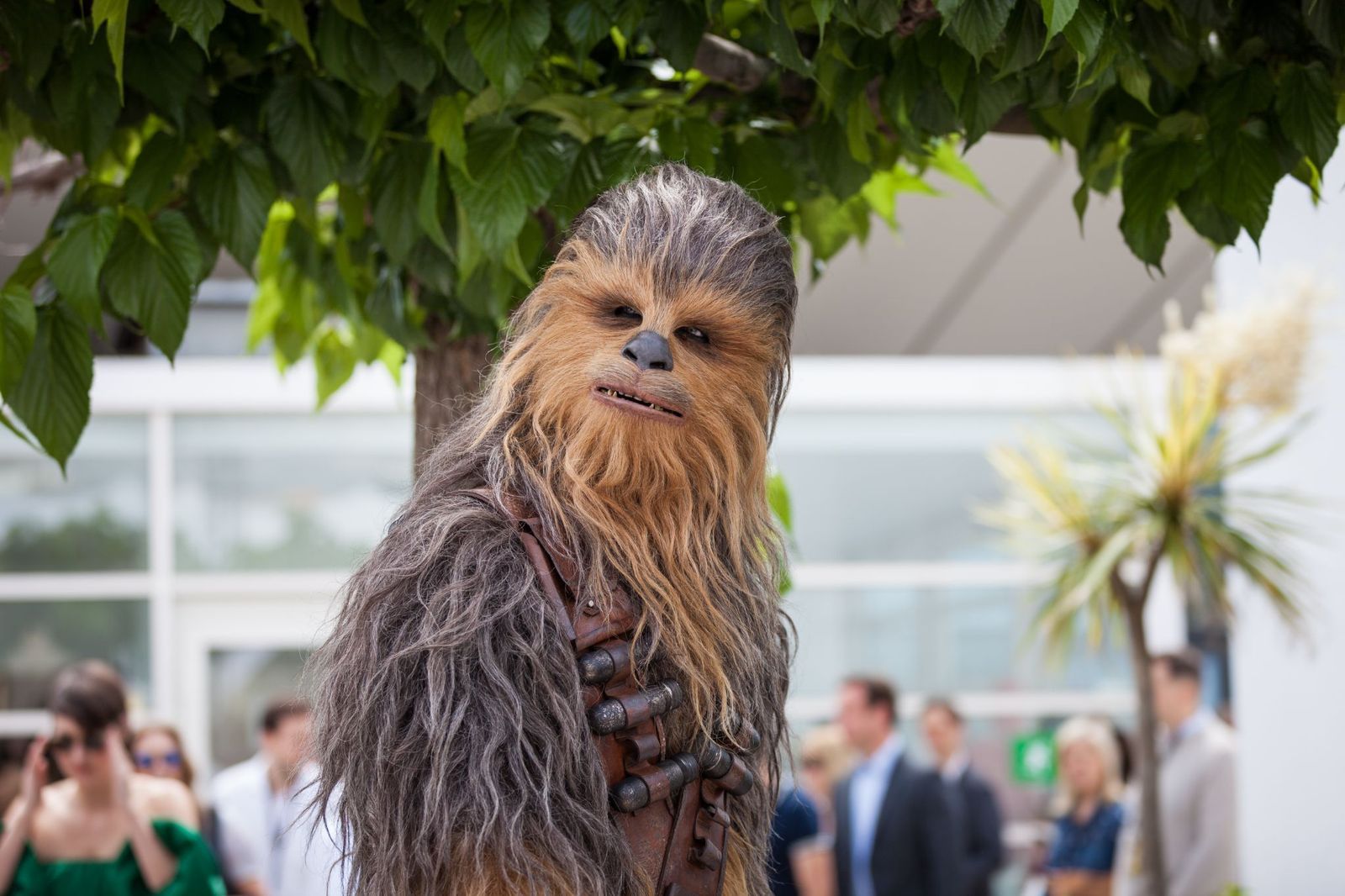
Sasquatch
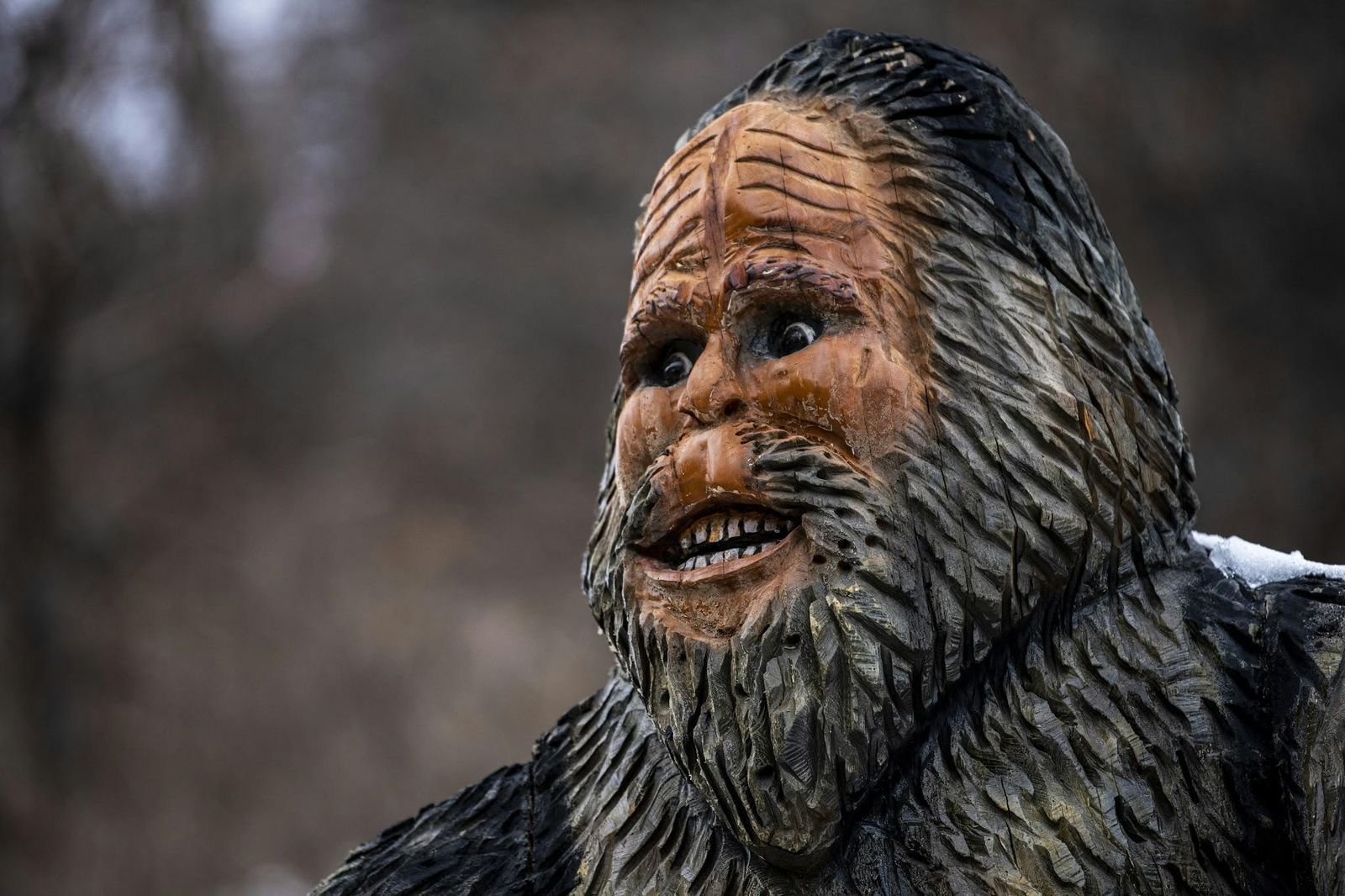
The shaggy forest giant of the Pacific Northwest has Indigenous antecedents, but the modern media phenomenon exploded after 1958 reports of enormous footprints in Northern California. Since then, " Bigfoot " has fueled tourism, legislation proposals, and endless debate.
10
The Jersey Devil
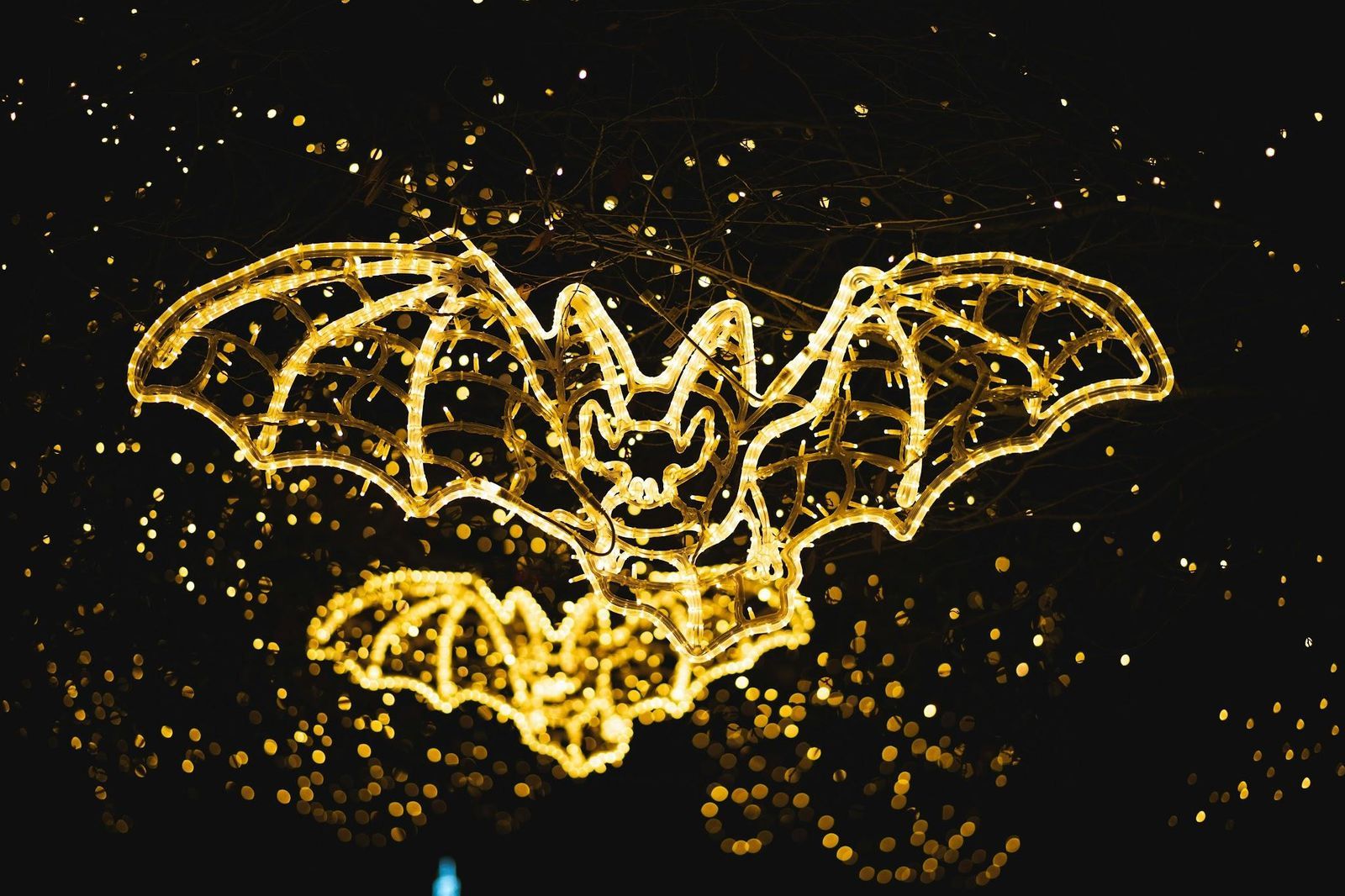
South Jersey’s Pine Barrens " state demon ," long tied to the Leeds family legend and 18th-century quarrels, became a 20th-century media sensation. Descriptions of it vary, often including a mixture of different animal parts, such as a goat-horse head, bat wings, and cloven hooves. Although not everyone agrees on what it would look like, it is definitely a regional identity badge of New Jersey.
11
Mothman
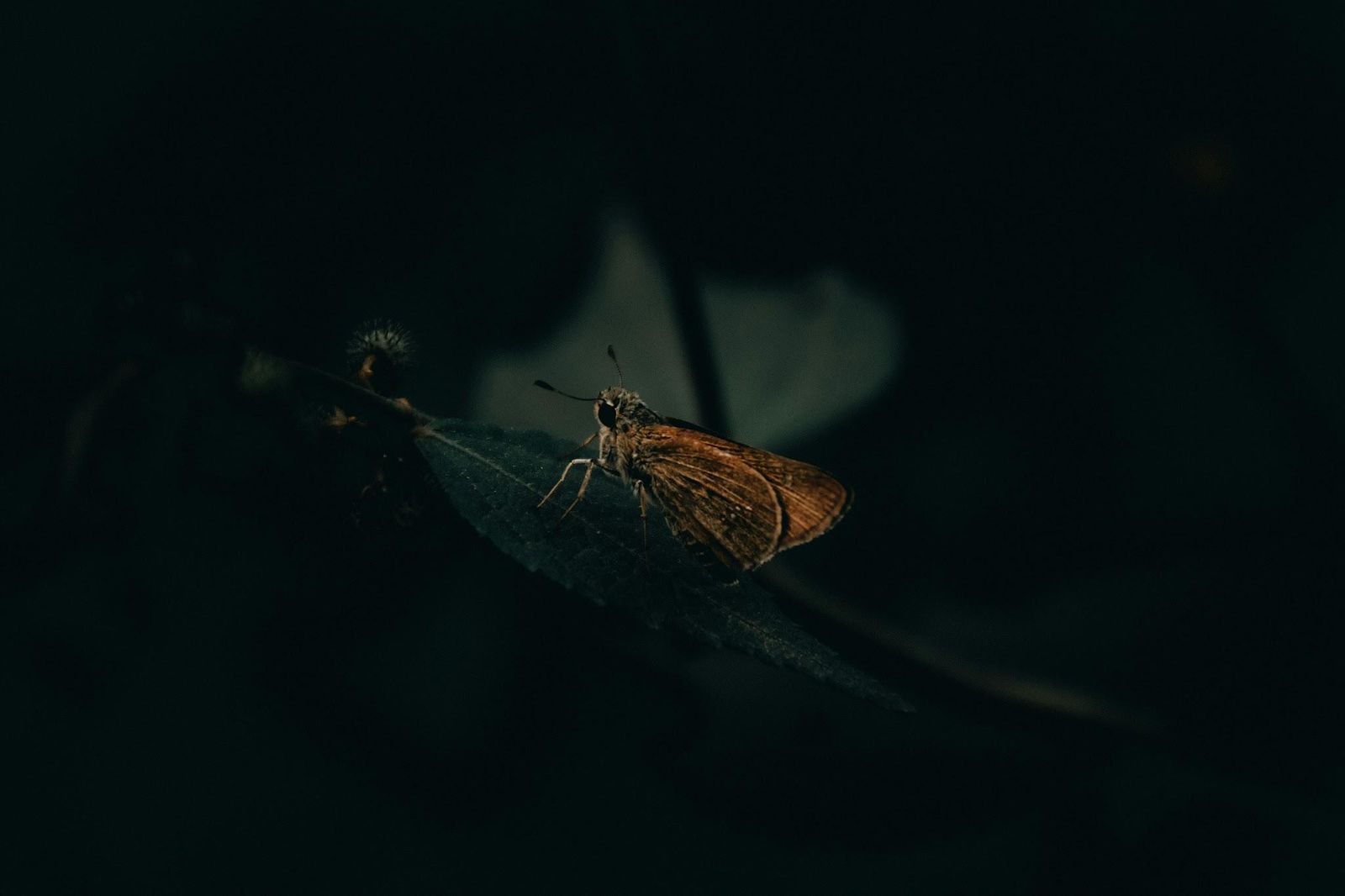
Reported around Point Pleasant, West Virginia, this is a red-eyed, winged figure who allegedly predicted disasters, something that became even more popular when the Silver Bridge tragically collapsed. The 2002 film The Mothman Prophecies embedded it in pop culture: Festivals, statues, and a museum now anchor its local mythology.