General General 3 min read

Is the customer always right?

These 11 golden rules of customer service are slowly dying, and it’s sad

Image: Frankie Cordoba

Before apps, chatbots, and self-checkout lanes, American customer service followed a quiet code. These unwritten rules shaped how stores, diners, hotels, and service counters operated for decades. Many of these rules aren’t posted on walls or included in training manuals, but customers expect them all the same. Many older Americans still remember a time when good service felt personal, patient, and proudly human.

1
Every customer deserves a warm greeting

Image: Fotos

It might sound strange these days, but there was a time when walking into a store without acknowledgment was once considered bad service . Clerks were expected to smile, make eye contact, and greet customers promptly.

That greeting also set expectations. It told customers help was available and that their presence mattered. For many Americans, being welcomed was just as important as the product itself.

2
Anticipating needs before being asked
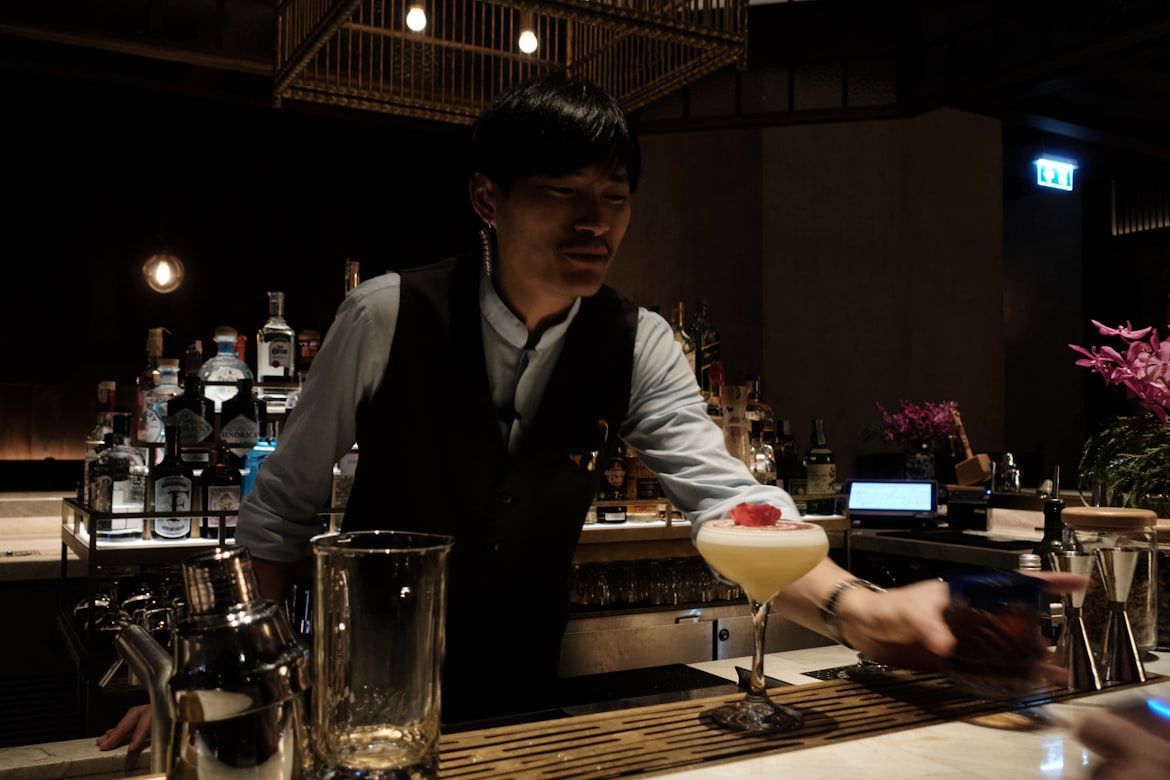
Image: SERGEI BEZZUBOV

Good service meant paying attention. A waiter refilled the water before the glasses were empty. A clerk offered assistance before confusion set in. Anticipation showed experience and pride in the job, not pushiness .

Customers noticed these small gestures. They made interactions smoother and more personal, creating the feeling that service was thoughtful rather than reactive or scripted.

3
Quick service shows respect for time
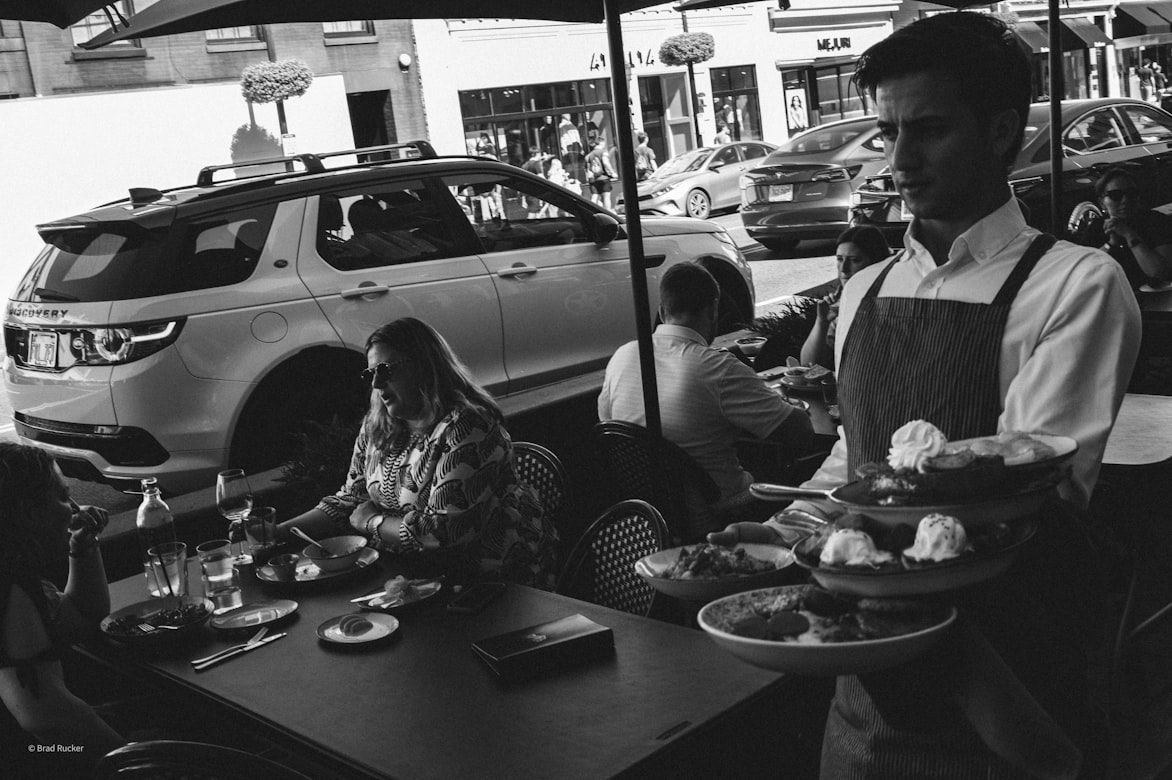
Image: Brad Rucker

Old-school service emphasized quick acknowledgement, even if immediate help wasn’t possible. Letting customers wait without explanation was considered rude . A simple "I’ll be right with you" went a long way.

Speed mattered, but calm mattered more. The goal was efficiency without rushing, making customers feel valued rather than hurried through an interaction.

4
Courtesy is non-negotiable

Image: Vitaly Gariev

"Please" and "thank you" were mandatory words in customer service. These phrases weren’t optional politeness, they were expected standards that showed mutual respect between employee and customer.

Their absence was noticeable. Courtesy made transactions feel human and cooperative, reminding customers they were being served by people and not being processed by a system.

5
Eye contact means attention

Image: Petr Sevcovic

Maintaining eye contact was a core part of service etiquette. It showed that the employee was listening and engaged , not distracted or indifferent. Customers felt acknowledged simply by being looked at.

Avoiding eye contact suggested boredom or disinterest. In traditional service culture, body language carried as much weight as spoken words.

6
Know the product by heart
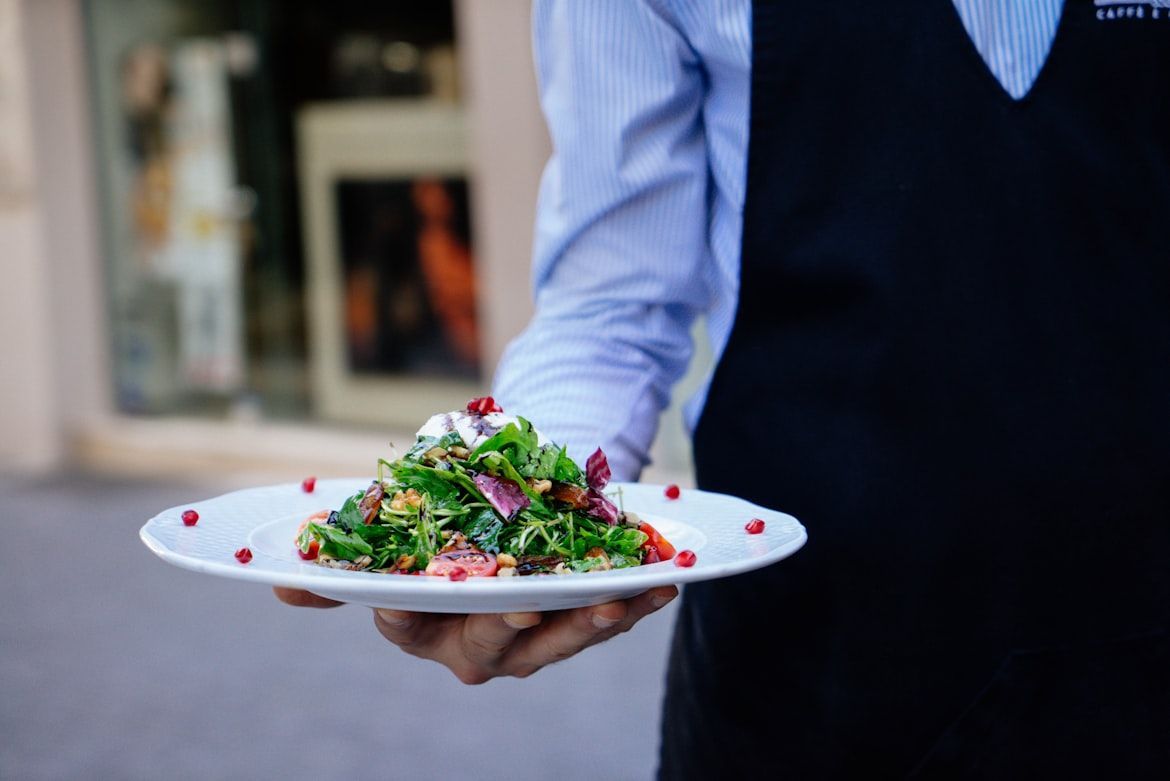
Image: Lefteris kallergis

Employees were expected to know their products or menus thoroughly. Having to constantly check references or ask others weakened customer confidence and slowed service.

Product knowledge signaled competence and pride . Customers trusted businesses more when employees spoke clearly and confidently about what they sold.

7
Personal conversations stay private

Image: Vitaly Gariev

Chatting about personal matters within earshot of customers was strongly discouraged. Service time belonged to the customer, not coworkers’ off-duty lives .

This rule reinforced focus and professionalism. Customers expected attention, not background noise that suggested distraction or disinterest.

8
Complaints are handled calmly

Image: Amir mohammad jafari

Arguing with customers was seen as a failure of service. Employees were trained to listen first, apologize when appropriate, and resolve issues without defensiveness .

Even when customers were wrong, maintaining calm preserved dignity of both sides. The goal was always resolution, never confrontation.

9
Regular customers are remembered

Image: Vitaly Gariev

Recognizing repeat customers by name or preference was common practice . It made people feel valued and turned routine visits into familiar experiences.

This personal recognition built loyalty long before reward cards existed. Customers returned because they felt known, not tracked.

10
Cleanliness is godliness

Image: Alexander Mils

A clean counter or dining area signaled care and attention. Customers assumed that if visible areas were clean, unseen operations were handled in the same manner .

Cleanliness wasn’t just decorative, it was reassuring. It quietly communicated reliability and professionalism.

11
Customer privacy is sacred
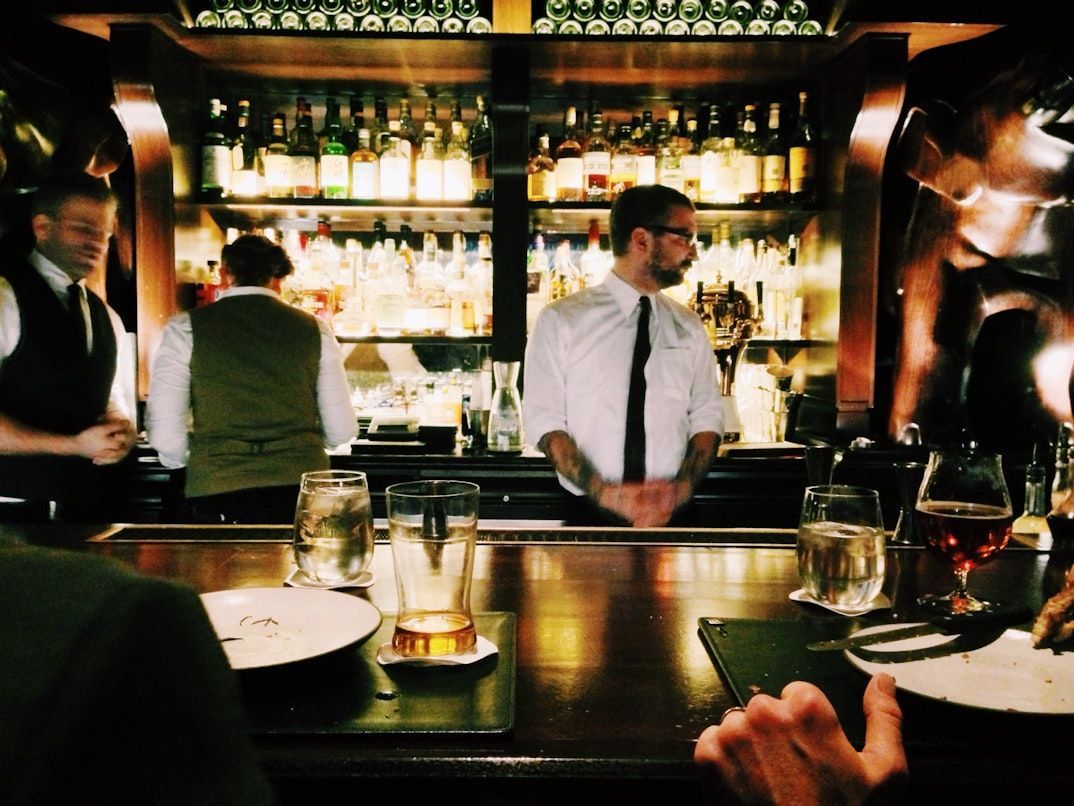
Image: Taylor Davidson

What happened during a transaction stayed there . Discussing customers outside the interaction was considered extremely unprofessional and disrespectful.

Trust was part of the service experience. Customers expected discretion, especially in smaller communities where word traveled quickly.

General General 5 min read

National monikers

Golden dreams and aloha vibes: 10 state nicknames demystified!

Image: little plant

Ever wonder why states have those quirky nicknames? They’re more than just catchy phrases—they can actually help us understand a state’s history, culture, and character. From sunny beaches to rugged mountains, these nicknames were chosen to highlight what makes each place unique. Today, we’ll take a look at 10 fascinating state monikers and discuss their origins and the stories behind them. Maybe you’re a trivia enthusiast, or maybe you just love learning something new. In any case, this fun exploration will give you a deeper appreciation for our beloved territories.

1
California: The Golden State

Image: Maarten van den Heuvel

If this name makes you instantly think about the Gold Rush , let us tell you, you would be going in the right direction because California’s nickname, "The Golden State," gleams with both historical and literal significance.

It harks back to the 1848 Gold Rush, which transformed the state into a bustling hub for fortune seekers. But beyond gold, the nickname also refers to the Golden Gate, the entrance to San Francisco Bay. Additionally, the state’s flower, the golden poppy, is another nod to this iconic moniker. The nickname is more than accurate—wherever you look, California’s golden legacy keeps sparkling.

2
Connecticut: The Nutmeg State

Image: Christopher Luther

This may be one small state, but it sure has a lot of nicknames. The official one is "The Constitution State," but you’ve likely also heard of "The Nutmeg State." So why nutmeg for Connecticut? It’s not about farming—it’s a nod to the cleverness of its residents during colonial times.

The tale goes that traders from Connecticut sold carved wooden nutmegs as a joke, showcasing their wit and entrepreneurial spirit. While historians debate the truth of the story, the nickname stuck unofficially.

Want to know the other nicknames? They are "The Blue Law State" and "The Provisions State." So if you had to pick, which one is your favorite?

3
Delaware: The Diamond State

Image: Josefina Lacroze

Delaware might be small, but its nickname, "The Diamond State," reflects its value. Similar to Connecticut, it also holds several nicknames. Now, as for the one mentioned here, the legend credits Thomas Jefferson with calling Delaware a "jewel" among states due to its strategic location and resources.

As the first state to ratify the Constitution (which earned it the nickname "The First State"), Delaware is a gem in America’s founding story. Though tiny, it punches above its weight with its rich history, tax-friendly laws, and scenic beauty. It’s proof that great things come in small packages, you know?

4
Florida: The Sunshine State

Image: Betty Subrizi

"The Sunshine State" was officially designated as Florida’s nickname in 1970, but doesn’t it feel like it’s been that way forever? If Florida’s nickname doesn’t make you want to pack your beach bag , nothing will!

Known for its abundant sunshine, the state is a top destination for snowbirds and sun-seekers alike. Its warm weather supports everything from sprawling orange groves to its famous beaches. But Florida’s not just about sunny skies—it’s also rich in diverse wildlife and cultural vibrancy. Take a swim at its beaches or explore the Everglades, whatever you choose, this state’s bright reputation is well-earned.

5
Hawaii: The Aloha State

Image: Luke McKeown

Speaking of dreamy beaches and lots of sunshine, right? Hawaii’s nickname radiates warmth, just like its famous greeting, "Aloha."

But it’s so much more than that. Aloha embodies love, peace, and a deep connection to nature. It was even defined by the legislature as the Hawaiian philosophy that focuses on the collective experiences people have.

From lush landscapes to welcoming locals, the Aloha spirit defines Hawaii’s identity. Visitors leave with more than tan lines—they carry a piece of Hawaii’s enduring kindness and hospitality. They certainly had us at Aloha !

6
Mississippi: The Magnolia State

Image: Annie Spratt

Some states choose to honor legends, some honor their place in history, but Mississippi chose to honor the one thing you can see wherever you look around the state: the Magnolia tree.

With its iconic blooms and Southern charm, "The Magnolia State" perfectly suits Mississippi. Magnolias, known for their large, fragrant flowers, thrive in the state’s warm climate and are its official state tree and flower.

Mississippi took the simple route by choosing the magnolia as a symbol, and it’s even featured in the Mississippi quarter!

7
Missouri: The Show-Me State

Image: Tianxiang Ji

Missourians are famously skeptical, and that’s what the "Show-Me State" nickname celebrates. The phrase became popular after Congressman Willard Duncan Vandiver said in 1899, "I’m from Missouri, and you’ve got to show me ." It stuck, and now it symbolizes the state’s no-nonsense, practical attitude.

Beyond the attitude, Missouri shines with its stunning Ozark mountains, historic St. Louis Arch, and rich jazz heritage. Missourians are proof that actions speak much, much louder than words.

8
New Hampshire: The Granite State

Image: Spenser Sembrat

Here’s an example of a state that chooses to honor its natural production, much like California with its gold. Granite’s strength and durability make it the perfect symbol for New Hampshire.

Its rugged mountains and quarries helped earn the nickname "The Granite State." The rock also represents the state’s independent spirit and resilient residents.

Granite was a cornerstone, quite literally, of New Hampshire’s economy, as it was used in buildings across the nation. Combine this with breathtaking fall foliage and quaint small towns, and you’ve got a state that is as solid as they come.

9
Rhode Island: The Ocean State

Image: Demure Storyteller

Remember when we mentioned that some of the smaller states above have more than one nickname? Well, despite being the smallest state, Rhode Island boasts three nicknames, but most importantly, over 400 miles of coastline, earning it the title "The Ocean State."

From sailing in Narragansett Bay to fresh seafood delights, the ocean defines its character. The nickname reflects its maritime history, including colonial shipping and today’s vibrant waterfront communities. Rhode Island addresses the elephant in the room: Life is indeed better by the sea!

10
Tennessee: The Volunteer State

Image: Susanne Alexander

Our last item in this article honors history in the best way. Tennessee’s nickname dates back to the War of 1812 when its citizens volunteered by the thousands to take an active role, especially during the Battle of New Orleans.

But that wasn’t all. The reputation continued during the Mexican-American War, solidifying its "Volunteer State" nickname. Today, Tennesseans remain proud of their volunteer spirit, as they should! From vibrant Nashville to the serene Smoky Mountains, the state offers its best to everyone who visits. That go-getter attitude is as alive as ever in this hospitable state. Go, Tennessee!

General General 3 min read

History of fashion craze

The big screen skyrocketed the sales of these items: Can you guess some?

Image: loganathan logesh / Denis Jans

How do some items go from old-and-forgotten to must-haves? Think Marilyn Monroe's white dress, James Dean's rebellious red jacket, or Jennifer Aniston's much-copied "Rachel" haircut. These were cultural icons—instantly recognizable symbols of a particular moment in time. We’ll dive into 12 iconic fashion moments that swept the nation, sparked by American celebrities and characters.

1
James Dean’s red jacket in Rebel Without a Cause

Image: visualsofdana

James Dean owned the screen in Rebel Without a Cause while wearing a red Harrington jacket . Jim Stark’s rebellious spirit resonated with a generation of teenagers, turning the jacket into a symbol of youthful defiance. That cool, casual style caught on in the ’50s and influenced menswear for years to come.

2
Tom Cruise’s aviator sunglasses in Top Gun

Image: Nitin Dhumal

When Top Gun soared into theaters in the ’80s, sales of Ray-Ban Aviators took off like a jet fighter, reportedly increasing by 40%. Tom Cruise’s confident Maverick made these shades the ultimate symbol of effortless cool .

The latest installment of the franchise once again led to a surge in sales. Worn by pilots and by pop stars, Aviators remain a classic icon of the tough-guy aesthetic.

3
Jennifer Aniston’s Rachel’s haircut in Friends

Image: Ilse Orsel

"The Rachel" wasn’t just a haircut—it was the haircut. Salons were flooded with requests for Jennifer Aniston’s bouncy, layered style .

The irony? Aniston reportedly hated it. But that didn’t stop an entire generation from chopping their locks in pursuit of sitcom-perfect hair .

4
Nancy Sinatra’s go-go boots

Image: Heriberto Jahir Medina

Nancy Sinatra’s "These Boots Are Made for Walkin’"—along with the groovy go-go dancers on "Laugh-In" —made white go-go boots the must-have footwear of the swinging ’60s.

Fun, fashionable, and full of youthful energy , they became a symbol of the era. Every mod girl needed a pair to complete her look and strut her stuff.

5
Marilyn Monroe’s white dress

Image: Stephen Leonardi

A subway grate, a gust of wind, and boom. One of the most famous dresses in movie history was born. Marilyn Monroe’s billowing white halter dress is still a summer fashion inspiration more than half a century later.

Her signature winged eyeliner, red lips, and the Chanel No. 5 she allegedly wore to bed were also picked up by women all over the world.

6
Jackie Kennedy’s pillbox hat & suits

Image: Florida Memory

Jackie Kennedy’s impeccable style captivated the nation. Her elegant suits and perfectly perched pillbox hats turned heads with every public appearance.

Women everywhere sought to emulate her sophisticated, polished look, turning the First Lady into an unexpected fashion icon.

7
Farrah Fawcett’s feathered hair in Charlie’s Angels

Image: Flybynight

An example of one poster that became one million salon appointments. Farrah Fawcett’s feathered waves became the ultimate hair trend of the 1970s, thanks to Charlie’s Angels.

Women flocked to salons, armed with cans of hairspray and dreams of achieving the perfect Farrah flip.

8
Madonna’s lace gloves & layered bracelets

Image: Paolo Sbalzer

Madonna was as much a fashion icon as she was a music sensation. During her Like a Virgin era in the ‘80s , she introduced a bold new style: layered rubber bracelets, rosary beads, lace gloves, and a rebellious attitude. Young girls everywhere embraced her edgy, playful look, making it a defining trend of the decade.

9
Run-D.M.C.’s Adidas sneakers

Image: Rahul Shah

No laces? No problem. Run-D.M.C. turned Adidas shell-toe sneakers into hip-hop royalty . Their song "My Adidas" made the brand explode, and suddenly sneakers with the three stripes were everywhere. Comfortable, stylish, and effortlessly cool—now that’s a trend anyone could get behind.

10
Reese's Pieces in E.T. the Extra-Terrestrial

Image: FlyD

Did you know that in E.T. the Extra-Terrestrial , the beloved alien was originally supposed to be obsessed with M&Ms, not Reese’s Pieces ? Luckily for the latter, Mars turned down the offer to feature their product in a Spielberg movie.

The result? After the movie’s massive success, sales of Reese’s Pieces skyrocketed by 65%. A perfect example of how sweet product placement can be.

11
Etch-a-Sketch in Toy Story

Image: Nong

Sure, Toy Story featured dozens of different toys, but one classic that had been around for decades experienced a major resurgence after the movie’s release.

The Etch A Sketch saw a spike in sales in the ’90s, thanks to its memorable cameo in the Pixar movie. Maybe kids were drawn to its simple shake-and-draw magic , or perhaps parents couldn’t resist a wave of nostalgia.

12
Kurt Cobain’s grunge look

Image: Ralph Rabago

Kurt Cobain didn’t dress for the cameras or the music industry, yet he defined an iconic style in the ’90s. His thrift-store flannels, ripped jeans , and round sunglasses became the uniform of a generation.

Ironically, the grunge aesthetic—born from a rejection of mainstream fashion—became one of the decade’s biggest trends.

Explore more American facts

Choose your favorite category!

General
General

As American as apple pie—the very best America has to offer!

Culture
Culture

Delve into the astounding richness of American lore.

Geography
Geography

Hop in and explore vast and diverse American landscapes.

History
History

Discover the key moments that shaped the United States.