General General 4 min read

State treasures

Did you know Kool-Aid is a state symbol? You won’t believe the rest!
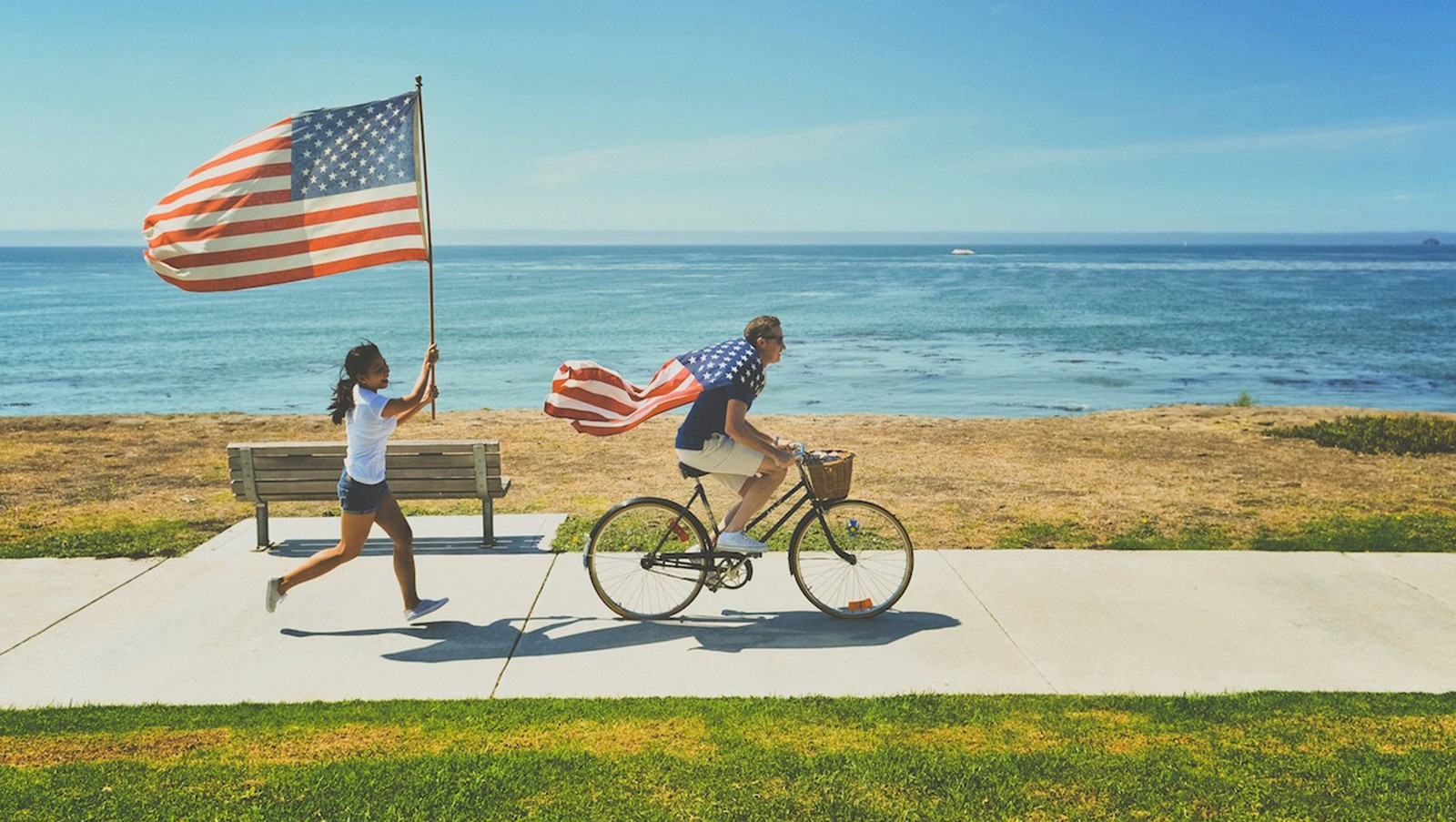
Image: Marek Studzinski

We all know about state birds and flowers, but have you ever wondered who comes up with those "official state symbols" we hear about from time to time? Who made jousting an official sport? How many states chose milk as their official beverage? These symbols often have fascinating histories, some going back centuries, of course. Whether they’re strange, funny, or just oddly specific, they all have a story to tell. And we’ve gathered some here!

1
Kool-Aid

Image: Aibek Skakov

Nebraska takes pride in its sweetest invention : Kool-Aid. Created in 1927 in Hastings, the fruity drink became a household favorite. In 1998, Nebraska made it the official state soft drink, much to the delight of nostalgia lovers.

Every August, Hastings hosts the Kool-Aid Days Festival, complete with giant pitchers and endless flavors. The "Kool-Aid Man" himself even made an appearance at the declaration ceremony! Despite some pushback from health advocates, the sugary drink remains an iconic American beverage.

2
Gusty the Cartoon
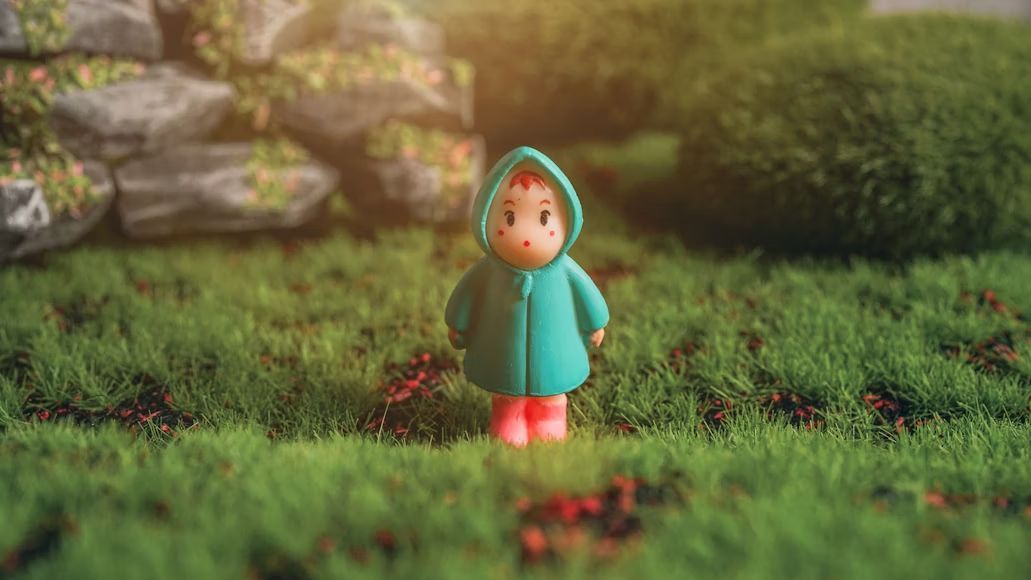
Image: Afif Ramdhasuma

Oklahoma’s state cartoon character is Gusty , a little weather-forecasting doodle, do you know him? Created by a Tulsa weatherman in the 1950s, Gusty reflected the day’s forecast, holding an umbrella, bracing for tornadoes, or sweating in the heat.

His hand-drawn charm lasted for decades, earning him a place in the Smithsonian. In 2005, Oklahoma made Gusty the official state cartoon character. For Oklahomans, he’s as much a part of the forecast as the storm warnings!

3
Whoopie Pie
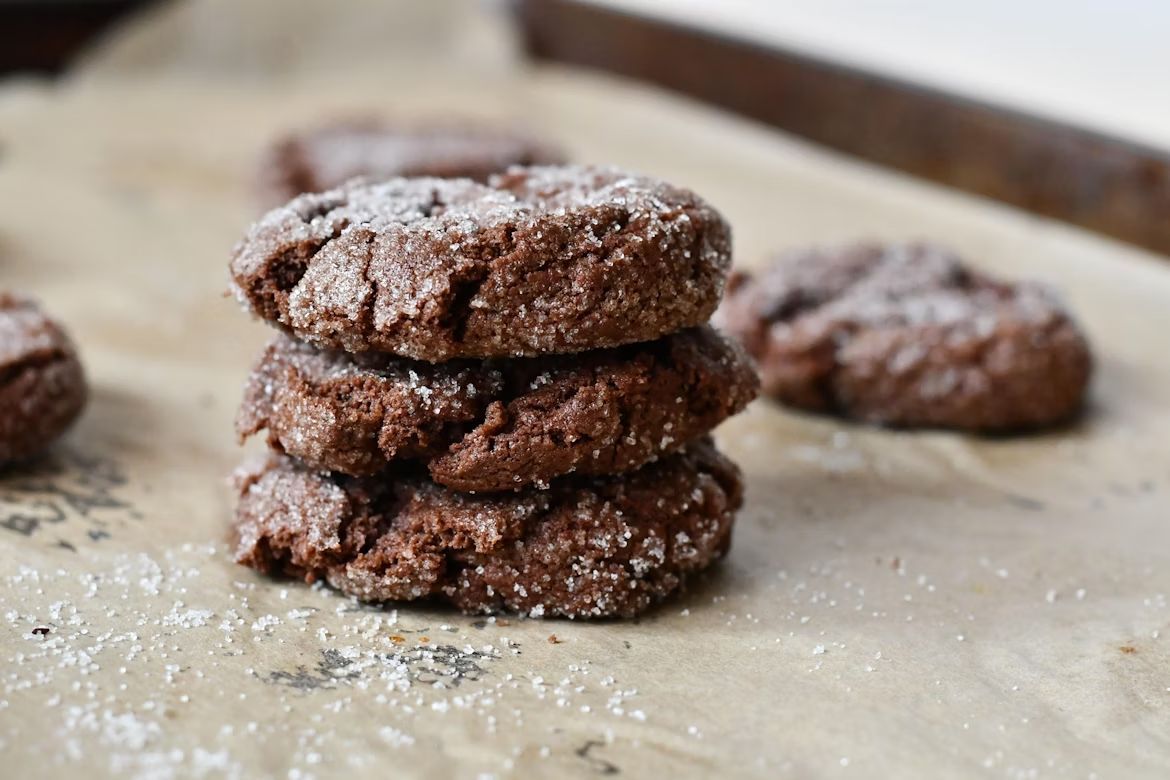
Image: Holly Spangler

Maine takes its desserts seriously. So seriously that in 2011, the state named the whoopie pie its official treat . This fluffy confection consists of two chocolate cake rounds sandwiching a creamy white filling.

It’s been a local favorite since the 1920s, though Pennsylvania also claims to have invented it. Maine, however, celebrates its whoopie pie heritage with an annual festival featuring the world’s largest whoopie pie. The origins of the name are debated, but regardless, it’s a nostalgic, delicious bite of history. And yes, it pairs perfectly with a cup of coffee!

4
Tully Monster
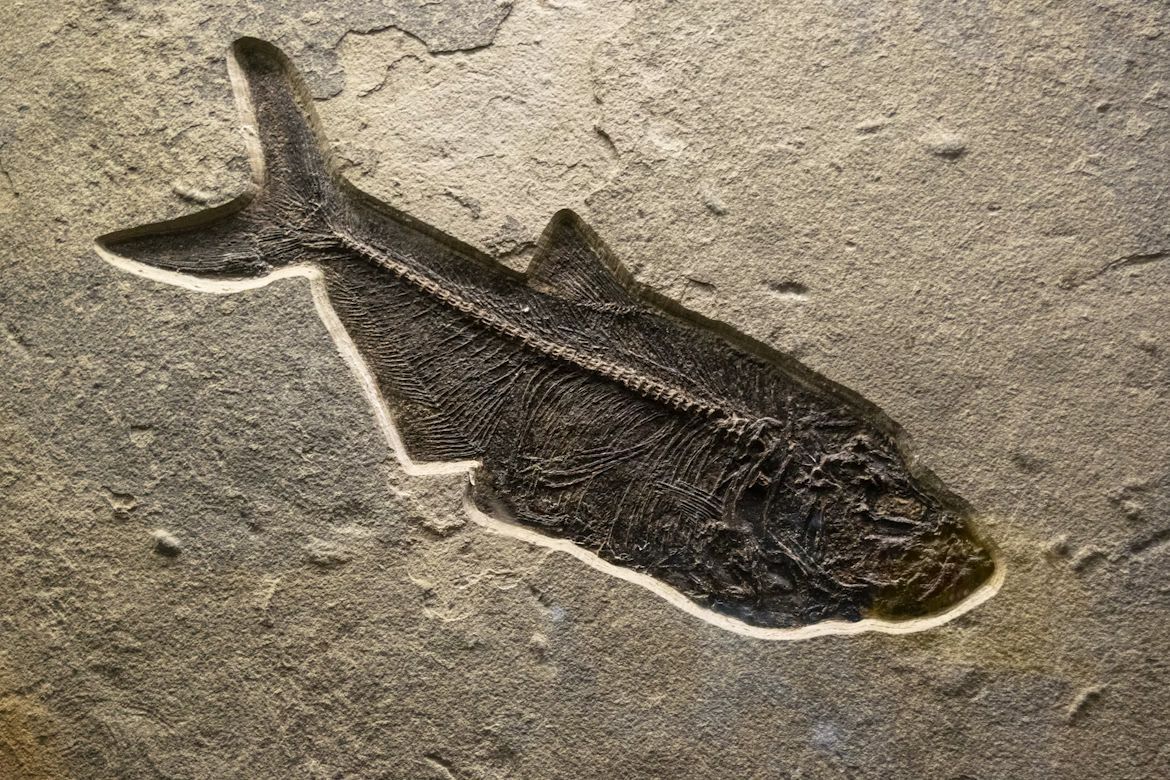
Image: Jacqueline Martinez

Illinois’ state fossil sounds like something out of a sci-fi movie: the Tully Monster. This strange, ancient sea creature swam in Illinois’ prehistoric waters about 300 million years ago. Discovered in 1958, its worm-like body, stalked eyes, and pincer-like mouth left scientists scratching their heads for decades.

It wasn’t until 2016 that researchers finally identified it as a vertebrate, possibly related to lampreys, a fish. Named after its discoverer, Francis Tully, this oddball fossil became Illinois’ official state fossil in 1989. How weird is that?

5
Clogging

Image: Ahmad Odeh

Forget the square dance, North Carolina’s official folk dance is clogging , and it’s as energetic as it sounds. This fast-paced footwork evolved from Appalachian traditions and is often performed to bluegrass music.

Clog dancers wear special shoes with taps to create a percussive beat while they move. The style has roots in Irish, English, and African dance, blending cultures into a wonderful American tradition. If you ever visit a North Carolina festival, you’ll likely see folks kicking up their heels to some lively fiddle tunes.

6
Brewer’s Yeast
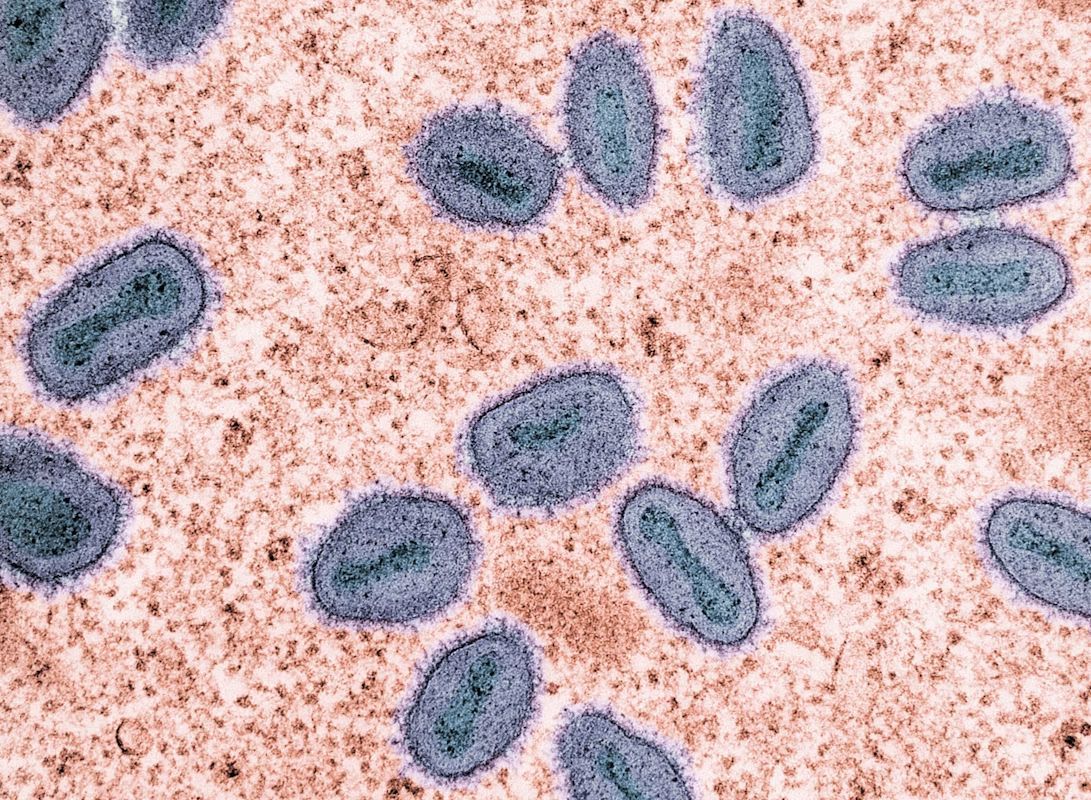
Image: National Institute of Allergy and Infectious Diseases

Oregon took a microscopic approach to state symbols when it named brewer’s yeast its official microbe in 2013. This tiny fungus, scientifically called Saccharomyces cerevisiae , is the secret behind beer and bread. You like it now, huh?

It ferments sugars, producing alcohol and carbon dioxide, making it essential to Oregon’s craft beer scene. The decision wasn’t just for fun; it’s also that beer contributes billions to the state’s economy. Just to follow the trend, Illinois later named a mold used in penicillin production as its own state microbe. Apparently, microbes deserve their moment in the spotlight, too!

7
Jousting
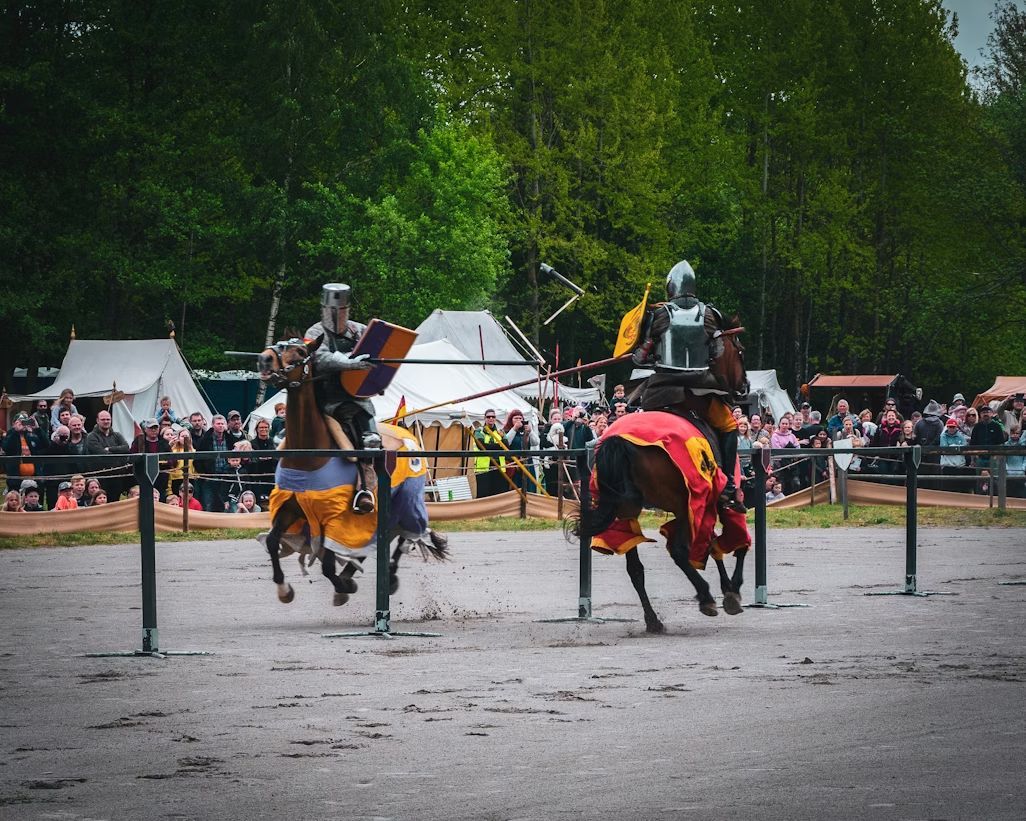
Image: Casper Johansson

In a move straight out of the Middle Ages, Maryland named jousting its official state sport in 1962. Yes, that jousting you’re thinking of, knights on horseback charging at each other with lances.

While modern jousting is more about precision than knocking opponents off their steeds, it still draws a crowd. Today’s version involves riders aiming to spear small rings while galloping at full speed. Don’t worry, in 2004, lacrosse also became the state’s official team sport, but jousting still holds its title.

8
The Teddy Bear

Image: Izabelly Marques

Mississippi’s official state toy, the teddy bear, has an adorable backstory. It all began in 1902 when President Theodore Roosevelt refused to shoot a bear during a hunting trip. A political cartoon about the event went viral (for its time), inspiring a Brooklyn couple to create "Teddy’s Bear."

The stuffed animal became a national sensation, and the name stuck. A century later, Mississippi made it official, naming the teddy bear its state toy in 2002. It’s a rare example of a state symbol with a direct presidential connection. But cute anyways!

9
Milk

Image: Anita Jankovic

Believe it or not, 22 states claim milk as their official beverage . But it has nothing to do with keeping the bones strong! This dairy dominance started in the 1980s when milk industry lobbyists pushed for recognition.

While it’s a wholesome, calcium-packed choice, it’s not the most exciting. Some states, like Rhode Island (coffee milk) and Alabama (whiskey), took a more unique approach to the state beverage. Now, whether you drink it or not, milk has certainly made its mark on state symbols. And hey, at least it pairs well with cookies!

10
Natchitoches Meat Pie
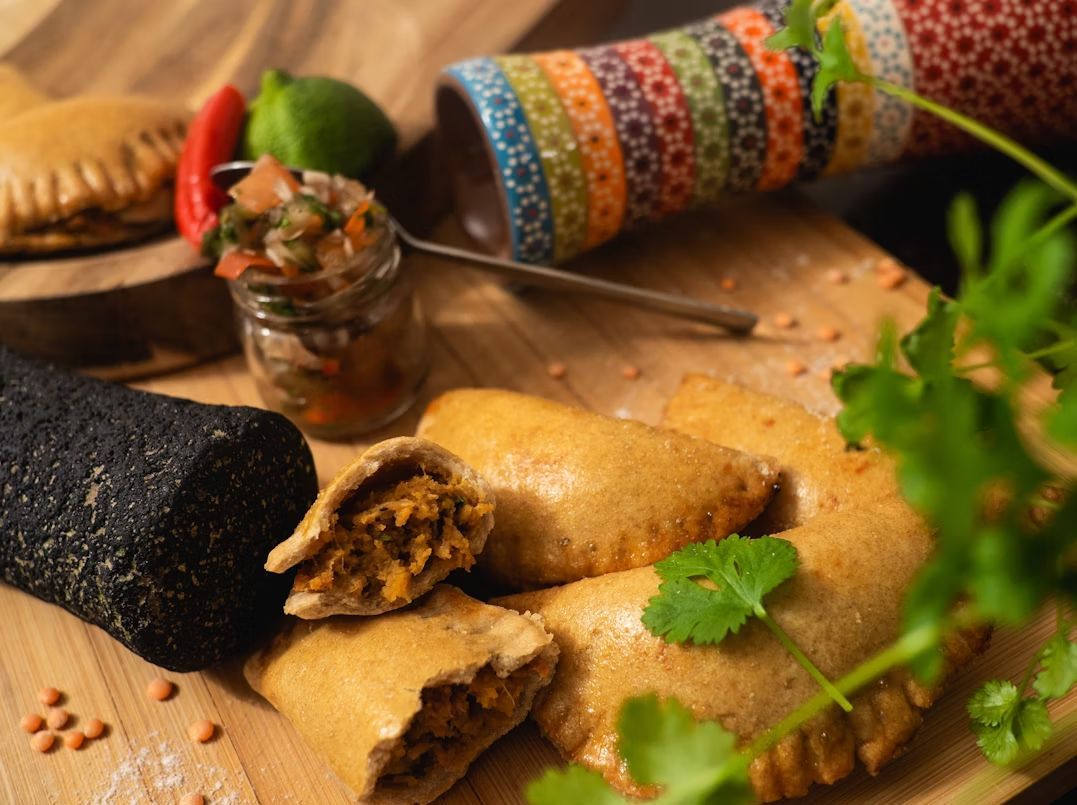
Image: Patryk Pastewski

When you think of Louisiana cuisine, you probably think of gumbo or jambalaya, but did you know the state also has an official meat pie ? The Natchitoches meat pie is a deep-fried delight filled with seasoned pork and beef.

It dates back to the late 1700s, and it was named after the local Natchitoches Indian tribe. Declared a state symbol in 2003, it’s celebrated every September at the Natchitoches Meat Pie Festival. The festival features music, cooking competitions, and, of course, a meat pie eating contest!

History History 3 min read

The many faces of the flag

Our flag has changed 27 times: Explore its evolution

Image: Joshua Hoehne

The Stars and Stripes are now recognized around the world, but the US flag didn’t always look the way it does today. While the red, white, and blue colors have been there from the beginning, the design has changed about 27 times! And so have the rules for handling it. If you want to see what our flag looked like in the past, or learn more about the protocols and traditions surrounding it, keep reading!

1
1776

Image: Bureau of Engraving and Printing., Public domain, via Wikimedia Commons

During the American Revolution, the Grand Union Flag, also called the Continental Colors, was created to represent the colonies. It featured 13 alternating red and white stripes (symbolizing the original colonies), but instead of stars in the upper left corner like we see today, it displayed the Union Jack.

2
1777

Image: Bureau of Engraving and Printing., Public domain, via Wikimedia Commons

In 1777, following the Declaration of Independence, the Continental Congress adopted the first official flag of the United States. It featured 13 alternating red and white stripes, which still honor the original colonies today. Replacing the Union Jack, it introduced a new element that would be key for the rest of its history: 13 white stars set in a blue field, or canton, arranged in a circle to symbolize equality and unity among the states.

3
1795

Image: Nyttend, Public domain, via Wikimedia Commons

It wasn’t until 1795 that the flag changed again, when two more stars and two additional stripes were added to represent the recently admitted states of Vermont (1791) and Kentucky (1792). This version was the only US flag to feature more than 13 stripes and later became known as "The Star-Spangled Banner", since it was the very flag that inspired Francis Scott Key to write the poem that would later be the lyrics of the national anthem.

4
1818

Image: Michael Rivera, CC BY-SA 4.0 <https://creativecommons.org/licenses/by-sa/4.0>, via Wikimedia Commons

In 1818, the flag’s design changed once again. The 15 stripes were reduced back to 13 to permanently honor the original colonies. Five new states had joined the Union, bringing the total number of stars to 20. These stars were sometimes arranged in straight rows and other times in the shape of a large star, which earned this version the nickname "The Great Star Flag."

5
1912

Image: This image is a work by Wikipedia and Wikimedia Commons user Aktron.When reusing, please credit me as: Aktron / Wikimedia Commons. I would appreciate being notified if you use my work outside Wikimedia.More of my work can be found in my personal gallery.csen+/−csenmkplsr+/−, CC BY-SA 3.0 <https://creativecommons.org/licenses/by-sa/3.0>, via Wikimedia Commons

Each new state joining the Union meant one more star on the flag. In 1912, when New Mexico and Arizona were added, the number of states reached 48, so their stars also took their place. That year, President Taft issued an executive order setting the official proportions of the flag and specifying that the stars should be arranged in six horizontal rows of eight.

6
1960

Image: chris robert

The most recent design change came in 1960. After Alaska and Hawaii joined the Union in 1959, two more stars were added, bringing the total to 50. They were arranged in nine alternating rows of six and five stars, like the official flags you see displayed across the country today.

7
Flag time

Image: Jon Sailer

Beyond its official design, the US flag follows a set of protocols established over the years. One key rule specifies the time to display it: generally, the flag should be flown from sunrise to sunset. If displayed at night, it must be properly illuminated.

8
Weather conditions

Image: Anandu Vinod

The flag code doesn’t just set the time of day; it also indicates the proper weather conditions for display. According to the protocol, the flag should not be flown in bad weather, such as rain, snow, or storms, unless it’s an all-weather flag designed for such conditions.

9
Position

Image: Roger Starnes Sr

Of course, the flag must always have the blue canton in the upper left corner. But there are more rules for its position. When flown with other symbols, such as state flags, the national flag must be in the center and slightly higher. Additionally, if it needs to be lowered from the flagpole, the flag must never touch the ground.

10
Don'ts

Image: Alex Martinez

If you need to handle the flag, it’s important to know the proper way. But it's also crucial to know what not to do. Some of the key "don'ts" include never letting it touch the ground, avoiding creasing it, not writing or drawing on it, and one that might surprise many: don’t use it as clothing or decoration.

Culture Culture 4 min read

Who do you miss the most?

Where are they now? 11 famous personalities who have vanished

Image: GreenCardShow

Sometimes you don’t even realize that some actresses and actors have retired or decided to slow things down a bit since their image is constantly present in films, series, and more. But they do. As glamorous and rewarding as their job might be, stars do get tired and either take a final bow from the limelight or, at the very least, choose to take it easier. The following 11 actresses and actors have either retired or decided that a calmer pace suits them better. Which one do you miss the most?

1
Mr. T

Image: Richard R

If you were watching TV in the 1980s, you knew Mr. T. Actor Laurence Tureaud rose to fame as B.A. Baracus in the hit TV series The A-Team and as boxer Clubber Lang in the 1982 film Rocky III .

In 2006, he starred in the TV Land reality show I Pity the Fool , named after his famous catchphrase.

2
Richard Dean Anderson

Image: Nipun Haldar

The man who sold a thousand Swiss Army knives— MacGyver himself, Richard Dean Anderson was a household name in the 1980s. He later became well-known to another set of fans for his role in the Stargate Atlantis series.

These days, Richard Dean Anderson occasionally appears in small roles. He also serves on the Board of Advisors for the Sea Shepherd Conservation Society, which is dedicated to protecting marine life and raising public awareness about the dangers it faces.

3
Haley Joel Osment

Image: Laercio Cavalcanti

Remember the kid who said, " I see dead people " in M. Night Shyamalan’s The Sixth Sense ? That’s him—Haley Joel Osment. He was nominated for Best Supporting Actor at just 11 years old for that unforgettable performance.

Since then, Osment has grown up and taken on smaller roles in Tusk , Silicon Valley , and Future Man .

4
Jason Priestley

Image: David Vives

One of the most recognizable faces of the 1990s, Jason Priestley rose to fame through his role in the TV series Beverly Hills, 90210 . Since then, he has taken on smaller roles and he recently starred in the Canadian TV series Private Eyes .

5
Emilio Estevez

Image: Taylor Brandon

Emilio Estevez chose to use his family’s real last name, Estevez, rather than the one adopted by his father, Martin Sheen , or his brother, Charlie Sheen . But still, people knew exactly who he was. In the 1980s and ’90s, his face was everywhere as a member of the Brat Pack, starring in The Breakfast Club , St. Elmo’s Fire , and The Outsiders .

Since then, he has taken on a few minor roles and maintained a lower profile.

6
Michael J. Fox

Image: Roger Ce

Despite stepping away from acting several years ago due to his Parkinson’s diagnosis, Michael J. Fox has remained a beloved public figure, thanks in no small part to his natural charisma and iconic role as _Back to the Future_’s Marty McFly . The Canadian star has since become a prominent advocate for Parkinson’s research and a cure.

7
Rick Moranis

Image: Erik Mclean

For a while, Rick Moranis was everywhere: Ghostbusters , Spaceballs , Little Shop of Horrors , Honey, I Shrunk the Kids , Parenthood ... But after becoming a widower in the 1990s, he shifted his focus to fatherhood and stepped away from the spotlight. Every few years, there’s talk of him making a comeback, and it appears that, finally, this may come true in the long-awaited sequel to Spaceballs . We can all hope, right?

8
Jane Fonda

Image: bruce mars

Jane Fonda rose to fame in the 1960s and ’70s through her work as an actress and model . In the 1980s, she released her first exercise video, which went on to become the most successful workout tape of all time.

Since then, she has appeared in several films and Broadway productions, while continuing her work in activism and philanthropy. In recent years, Fonda starred in the Netflix series, which ran for seven seasons, Grace and Frankie, with Lily Tomlin.

9
Talia Shire

Image: Nathz Guardia

A highly recognizable actress in the 1970s, Talia Shire played leading roles in The Godfather and Rocky , along with their sequels. Since then, she has continued acting in films, though mostly in smaller roles. In 2024, she appeared in Megalopolis , directed by her brother Francis Ford Coppola.

10
Daniel Day-Lewis

Image: Jez Timms

Daniel Day-Lewis, one of the most acclaimed actors of his generation, has won three Academy Awards for Best Actor for his roles in My Left Foot (1989), There Will Be Blood (2007), and Lincoln (2012). He announced his retirement from acting in 2017. After thanking his collaborators, he quietly left the movie business to dedicate himself to learning the craft of cobbling .

However, in October 2024, he made a notable return to acting by starring in Anemone , a film directed by his son, Ronan Day-Lewis, that has yet to be released.

11
Bridget Fonda

Image: Tore F

The second Fonda on our list is also the final entry: Bridget Fonda retired from Hollywood in 2002 to start a family with her husband, composer Danny Elfman. More than two decades later, Fonda has stated that she has no plans to return to the big screen. As she put it, "I don’t think [there’s any chance]. It’s too nice being a civilian."

Explore more American facts

Choose your favorite category!

General
General

As American as apple pie—the very best America has to offer!

Culture
Culture

Delve into the astounding richness of American lore.

Geography
Geography

Hop in and explore vast and diverse American landscapes.

History
History

Discover the key moments that shaped the United States.