Country life vs City life: What shapes who we become?
Image: hyotographics
How much does where we live influence who we are? From scenery to sounds, from neighborhoods to childhood play, there are vast differences between so-called country life and city life and how they shape our lives and identities. Here’s a roundup.
1
Childhood experiences: freedom to roam vs. structured activities
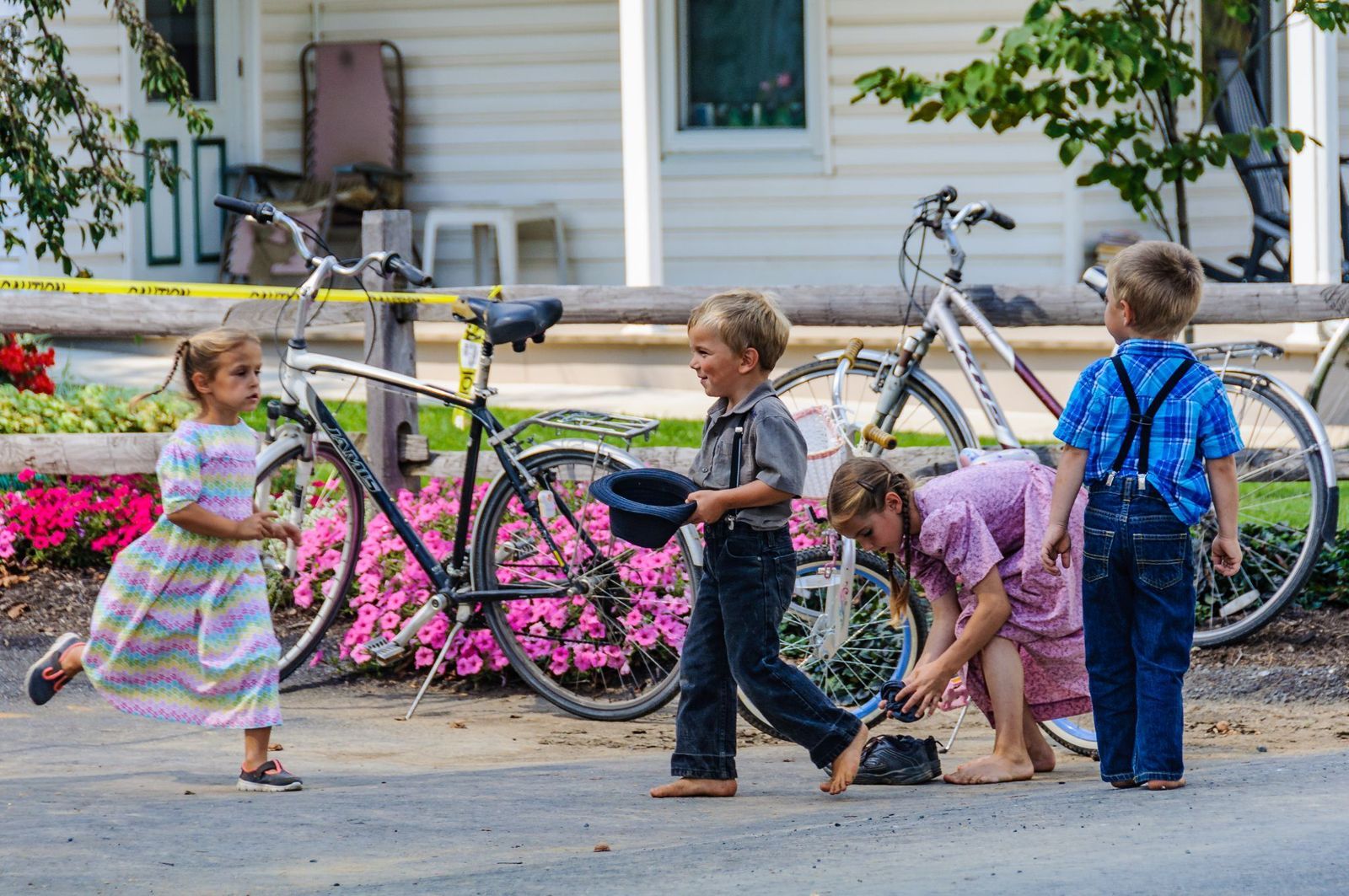
Childhood is undoubtedly one of the most impactful periods of our lives, and growing up in a rural or urban environment are two very different experiences.
Country life allows children more unstructured play and room to roam freely, either walking or on their bicycles, leading to a more independent mindset. City life, on the other hand, offers more organized activities and schedules, as well as earlier socialization, cultural awareness, and a broader worldview.
2
Sense of community: neighbors vs. anonymity

In rural towns, residents know each other by name , often spanning generations. People have deep and close-knit connections with their neighbors, resulting in an extended support system well beyond your front door. In major cities, it’s a different story.
Urban environments are privacy- and anonymity-focused , which results in more selective social circles and increased independence.
3
Pace of life: slow rhythms vs. constant motion
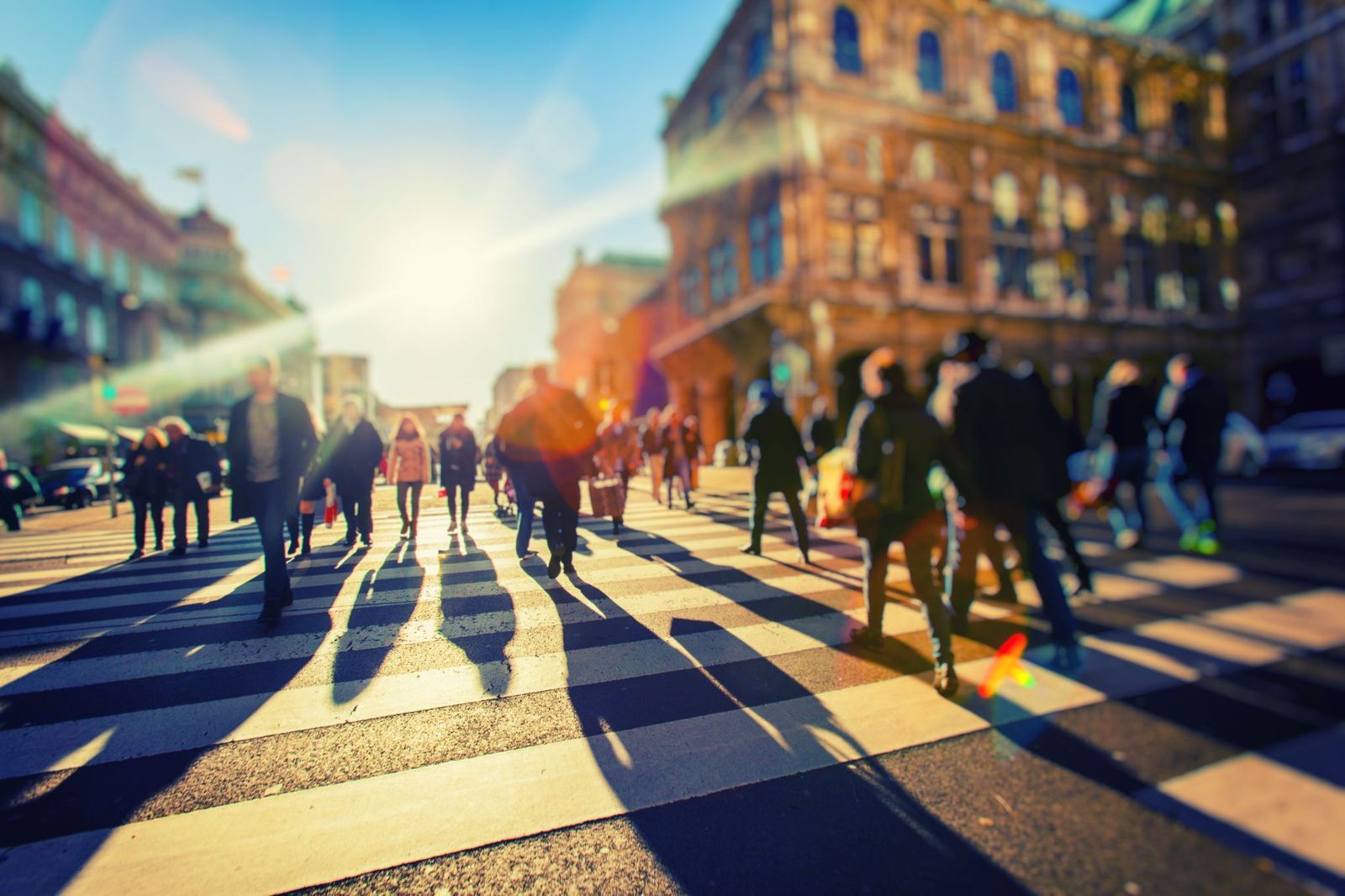
Are you a gentle starter , taking one step at a time before spending the day outside instead of at a desk? Or do you wake up fully energized , ready to grab your coffee and start your day?
Country life tends to follow a more nature-aligned rhythm, while city life tends to have constant motion and 24/7 energy.
4
Noise and silence: how sound shapes mood and thinking
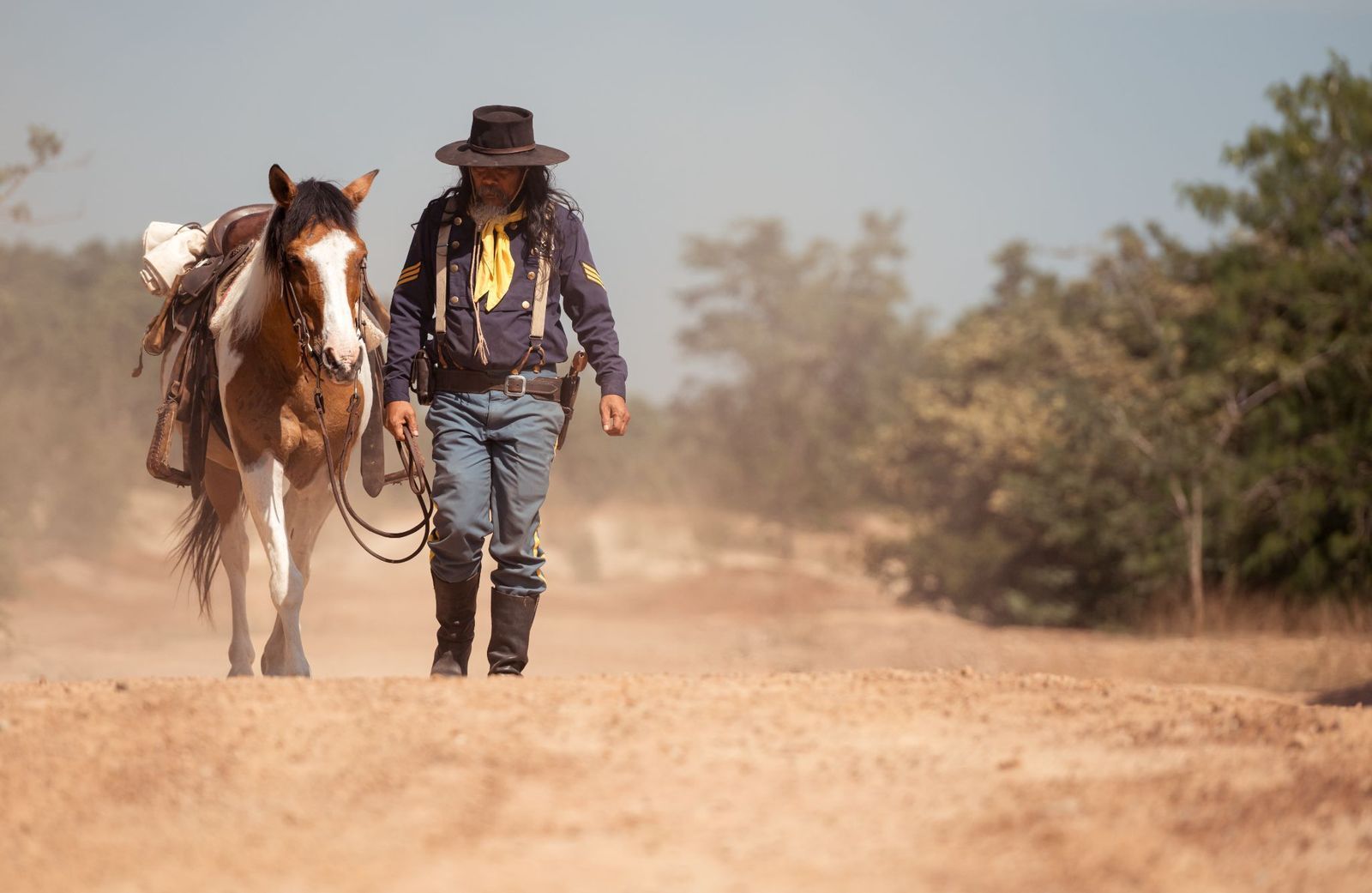
You might thrive on absolute silence or non-stop music, but inevitably what people hear affects how they feel, because sound has a deep impact on mental state, cognitive function, and emotional health .
Urban life tends to have constant, unpredictable background noise, such as traffic, construction, or sirens. This inevitably leads to higher stress levels, increased cognitive fatigue, and mental health risks. On the other hand, rural life tends to be quieter, allowing for neural recovery, enhanced concentration, and overall restoration thanks to natural soundscapes like rustling leaves, horses' hooves, or birdsong.
5
Access to nature vs. built environments
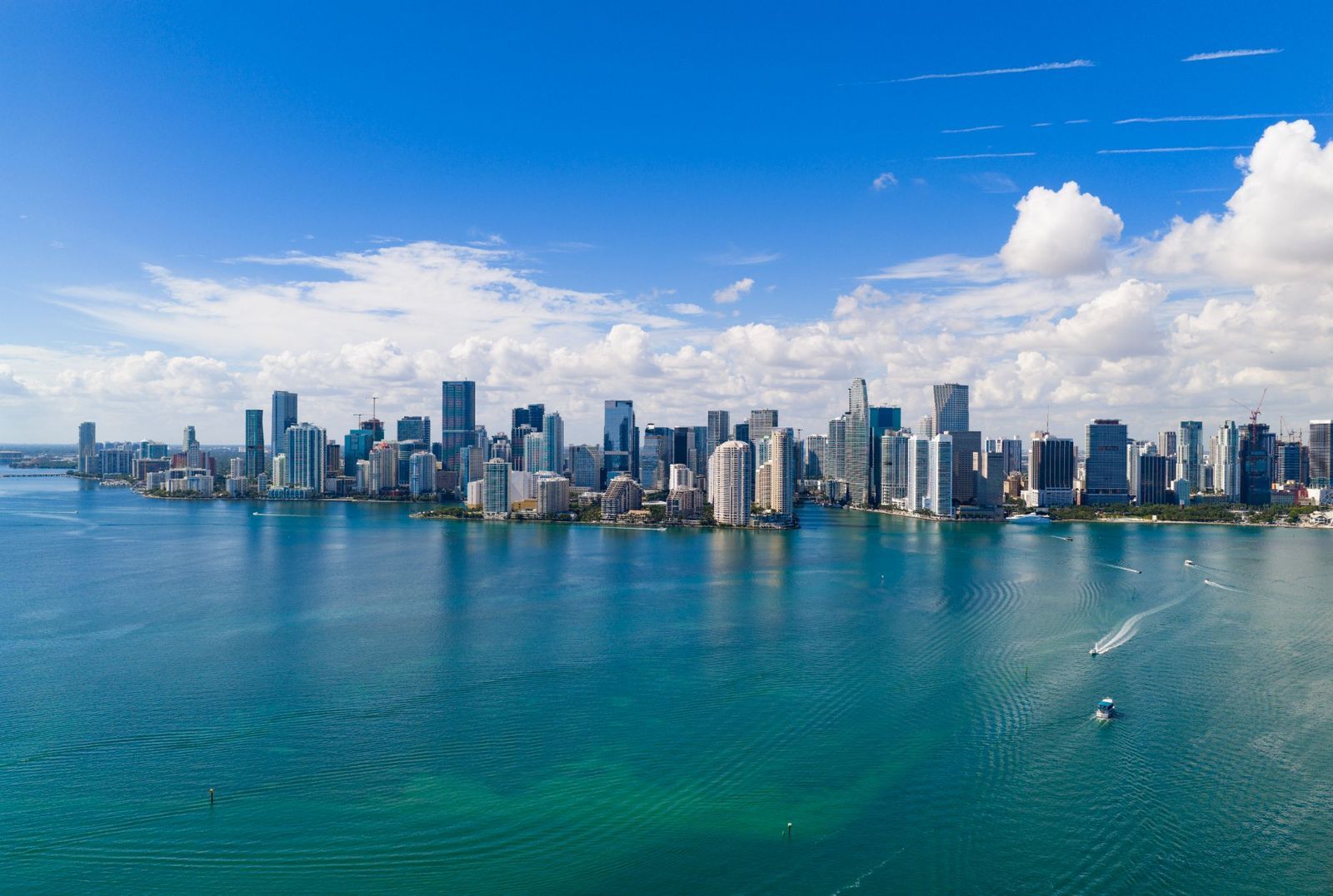
If you close your eyes and imagine where you feel your best, what do you see? Mountaintops and endless prairies? Or a skyline of buildings with lots of shops at every corner?
The country offers a more tranquil, spacious environment and an easy access to the outdoors. In contrast, big cities center around built environments, which means unparalleled convenience plus immediate access to all types of goods and services.
6
Safety perceptions and real risks

Although one would generally expect to be much safer in the countryside, actual injury from machinery, car crashes, or accidental deaths is in fact more common . In addition, access to healthcare is more limited.
On the other hand, in cities, violent crime is much higher, and public disorder is more frequent. This results in, among other things, children being on their own much less. And although access to healthcare is greater, chronic health risks related to air pollution and stress are higher .
7
Cost of living and financial priorities

Money is a fundamental factor in determining where we live (and so many other decisions). Country life typically offers more affordable housing, but also overall lower daily expenses, which frees up a great deal of disposable income.
On the other hand, city living frequently results in higher overall earnings, meaning urban dwellers often save more despite higher costs, as expenses are inevitably steeper. Ultimately, though, the right choice about where to live depends greatly on your lifestyle priorities .
8
Career paths: practicality vs. opportunity diversity

Rural areas tend to provide more practical stability ; there are fewer people, and the essential sectors that stand out, such as healthcare, education, agriculture, skilled trades, and local governments, provide much more job security.
On the other hand, urban areas offer rapid advancement and diverse networks , allowing for further career mobility, higher earning potential, and innovation.
9
Exposure to diversity (cultures, ideas, lifestyles)

Cities are global melting pots , providing daily access to varied subcultures, progressive ideas, and international cuisines.
Alternatively, small towns tend to be more culturally homogeneous , fostering deeper bonds and more consistency, but less exposure to different ethnicities, lifestyles, and global perspectives.
10
Independence: self-reliance vs. interdependence

Country living emphasizes self-reliance . This means that the maintenance of daily operations related to property, power, and food production is often handled personally.
City living is very different in this regard; on a day-to-day basis, you may be more on your own, but for all essential needs, there is a crucial synchronized interdependence , meaning that everyone's daily comfort, such as availability of food, public transit, and waste management, relies completely on others.