Culture Culture 5 min read

It’s nostalgia time!

10 things people did on Saturday nights before the internet
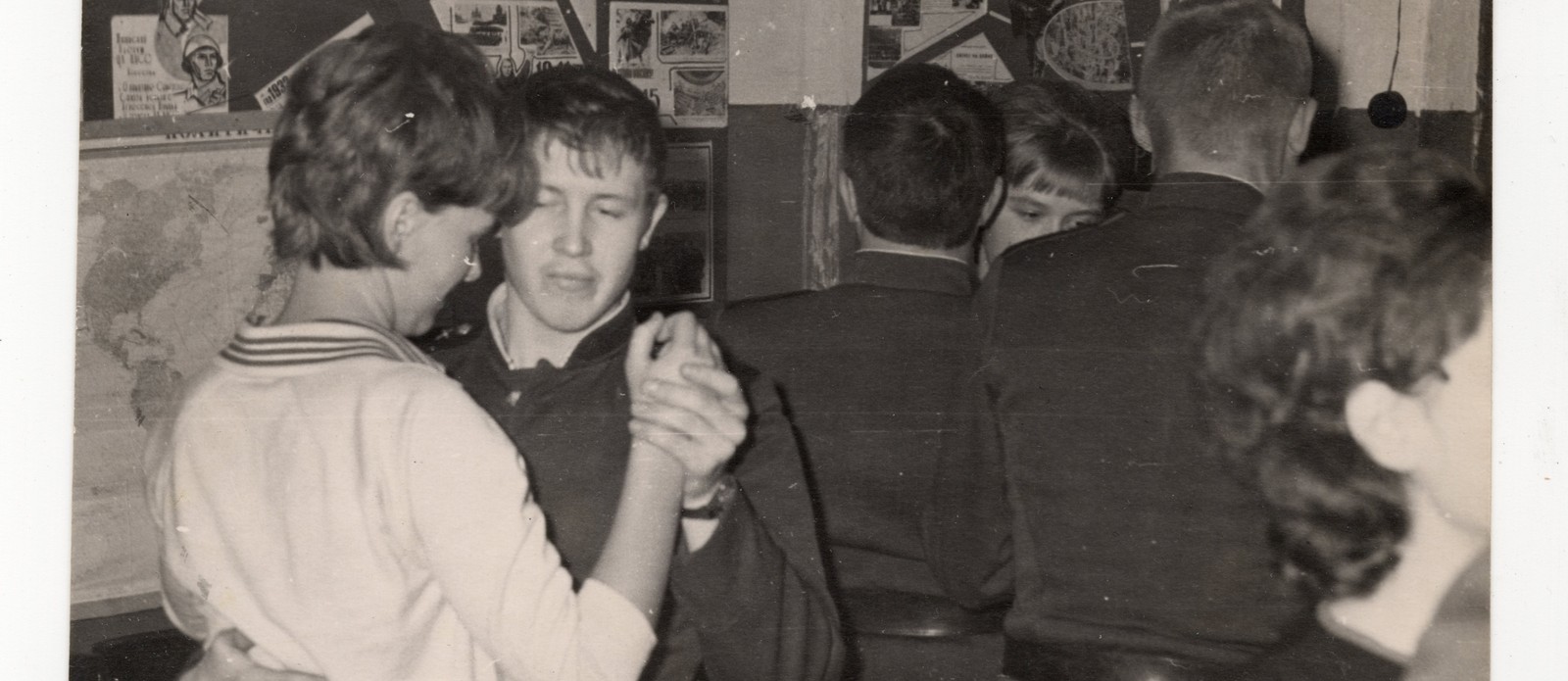
Image: fotoak

Long before scrolling, streaming, and group chats, Saturday night usually meant getting out of the house or inviting people over. Americans filled their weekends with movies, bowling, dancing, card games, records, diners, and trips down Main Street. Some of these traditions disappeared, while others simply became less central to everyday life. How many of these Saturday-night rituals do you remember?

1
A night at the drive-in
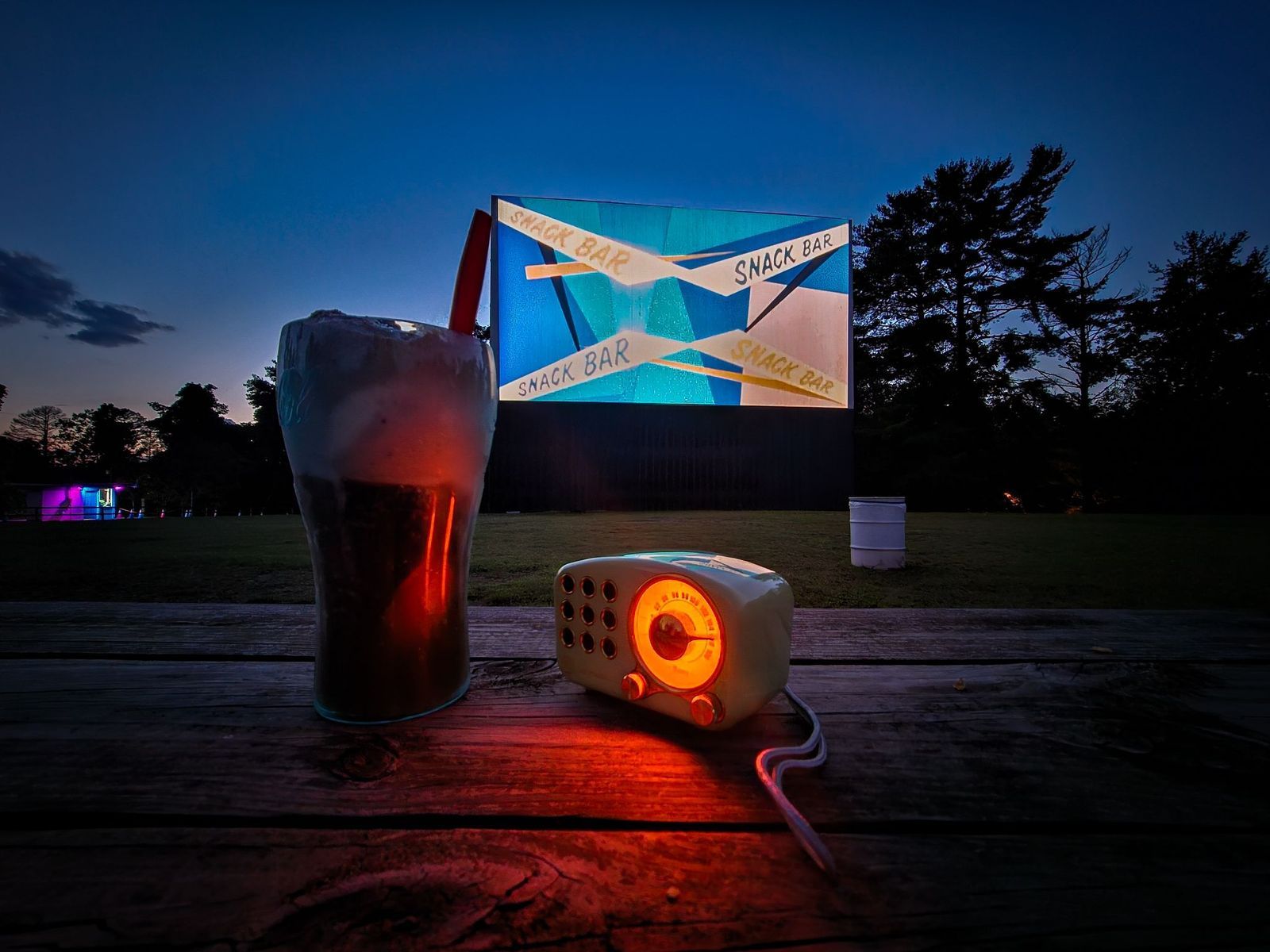
Image: AshleyGary

Going to the movies was already a Saturday-night classic when Richard Hollingshead Jr. opened the first patented drive-in theater in Camden, New Jersey, in 1933. His idea offered something indoor theaters couldn't: families and couples could watch a movie from the comfort and relative privacy of their cars .

Drive-ins boomed after World War II alongside car ownership and suburban growth, reaching more than 4,000 locations by 1958. The experience was half the attraction: a speaker clipped to the car window, trips to the concession stand, playgrounds for the kids, and often a double feature. For millions of Americans, the parking lot was part of the show.

2
Meeting friends at the bowling alley
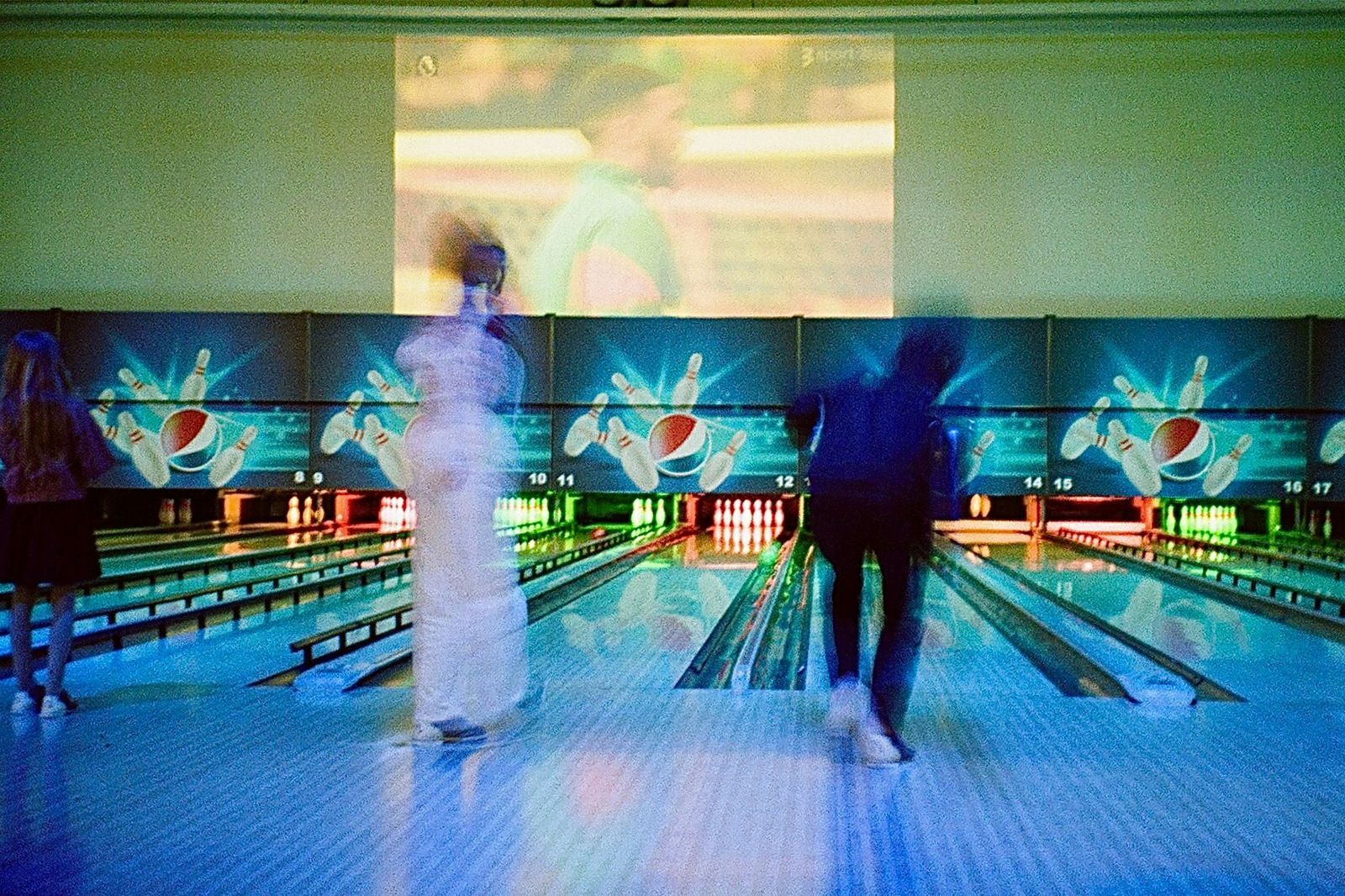
Image: Krišjānis Kazaks

Bowling alleys weren't always the polished entertainment centers people remember. Human pinboys once had to clear fallen pins and set them up again by hand. Automatic pinsetters helped change everything, and bowling exploded during the postwar years: the number of lanes in America jumped from about 65,000 in 1957 to nearly 160,000 in 1962.

New bowling centers offered hot food, bars, children's areas, and bright modern interiors designed to attract entire families . Leagues made bowling a weekly social commitment, while casual groups could spend an inexpensive Saturday night together.

3
Skating at the roller rink
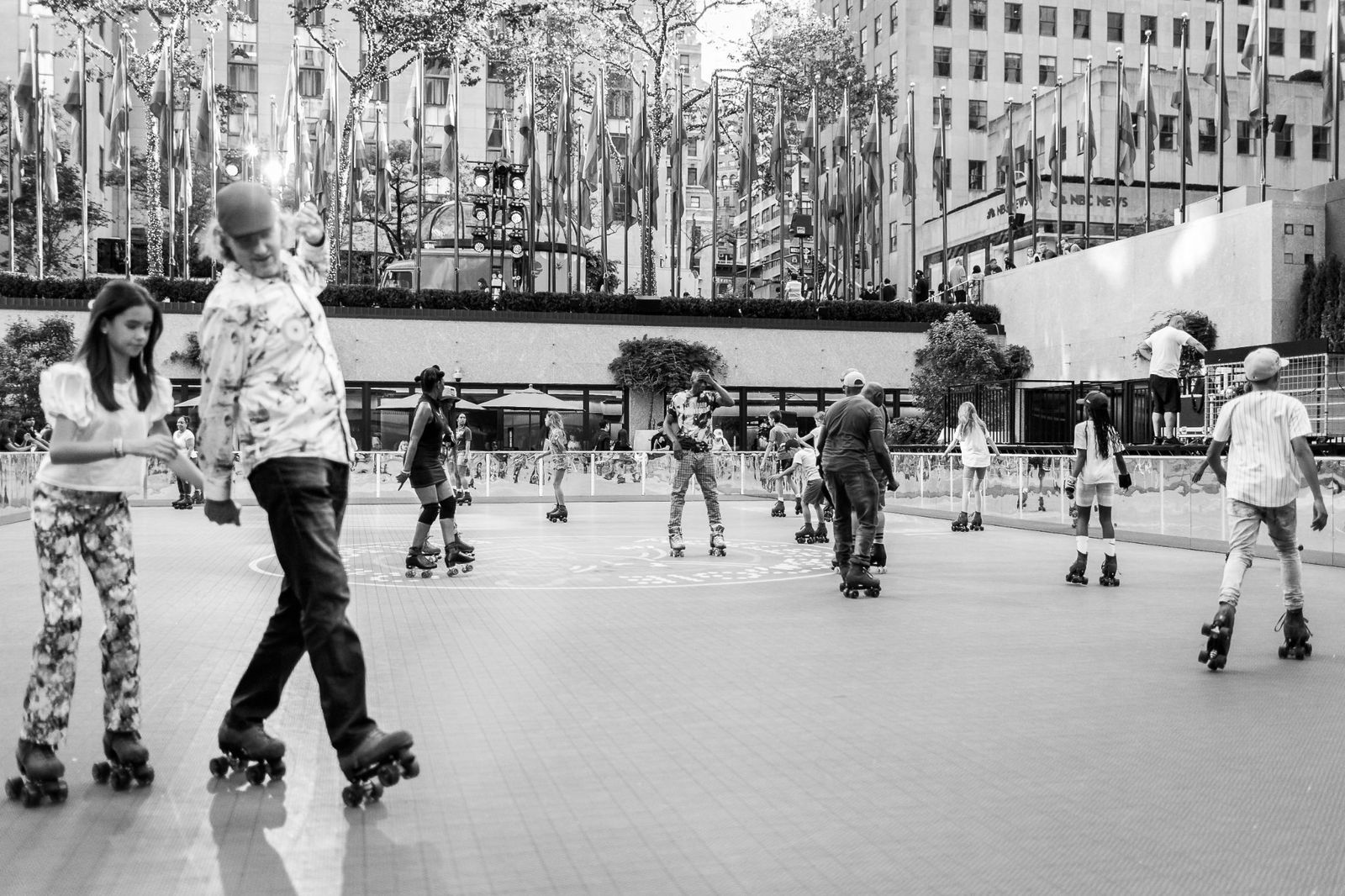
Image: Patricia Prudente

The roller rink was a Saturday-night institution for generations of Americans. In fact, skating crazes came and went long before the classic postwar rink: the Library of Congress traces one enormous boom to 1905, when new rinks appeared from New England and New Jersey all the way to communities on the Pacific Coast.

Later generations added their own soundtracks. Rinks went from organ music and couples skating to rock and pop, and eventually to the flashing lights and disco sounds of the 1970s . But the basic attraction remained remarkably similar: skate a few laps, meet your friends by the rail, show off a little, and hope the right person asked you to skate.

4
Going dancing
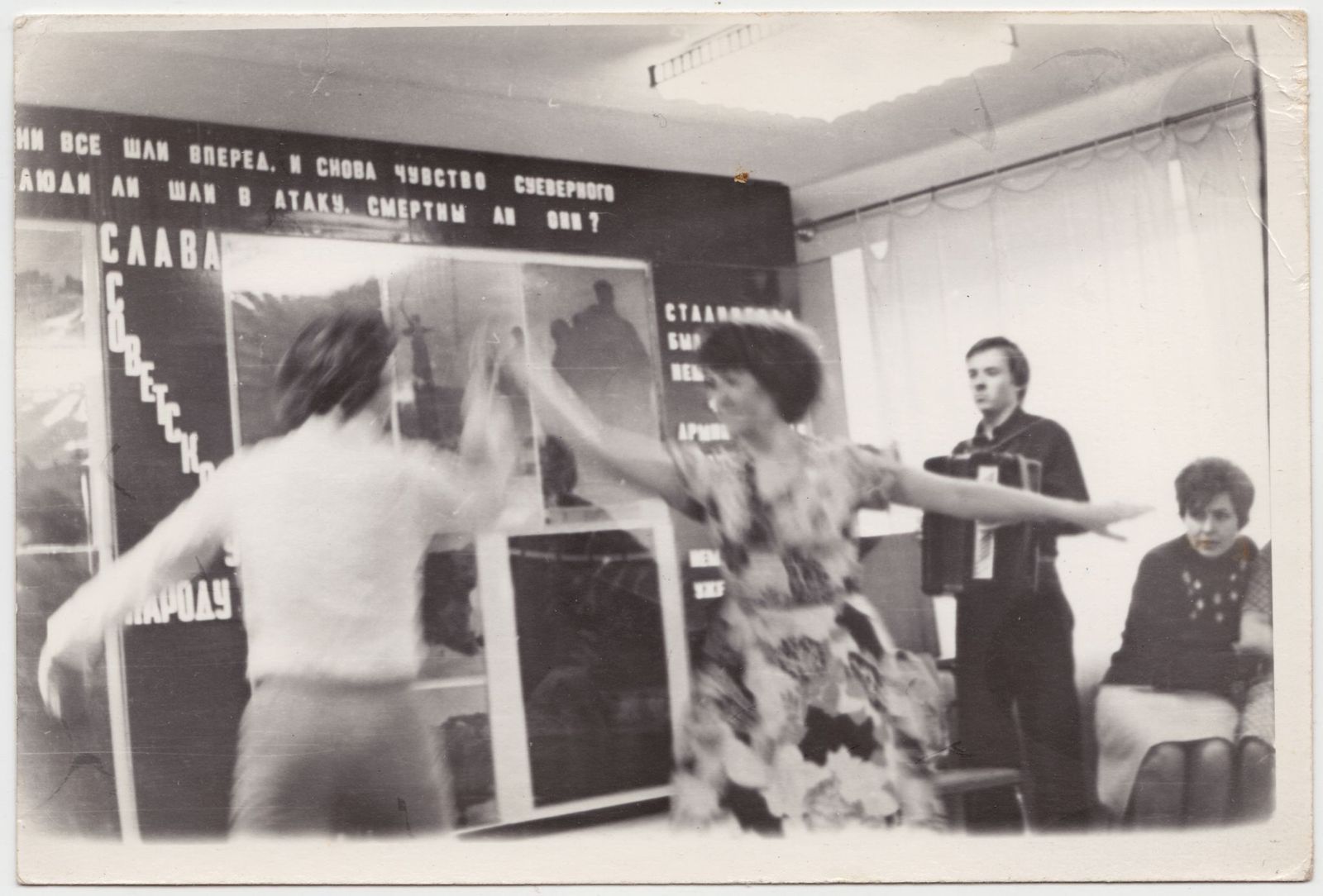
Image: fotoak

There was a time when going dancing meant literally going somewhere built for it. New York's legendary Savoy Ballroom, which opened in Harlem in 1926, stretched across nearly an entire city block. It featured two bandstands and a spring-loaded wooden dance floor, and its checkrooms alone could accommodate as many as 5,000 patrons.

The Savoy helped make the Lindy Hop famous, but America's dance-hall culture extended far beyond New York. At Maryland's Spanish Ballroom, crowds danced to Tommy Dorsey, Artie Shaw, and later Bill Haley and His Comets. Musical fashions changed from swing to rock and roll, disco, and beyond.

5
Cruising Main Street
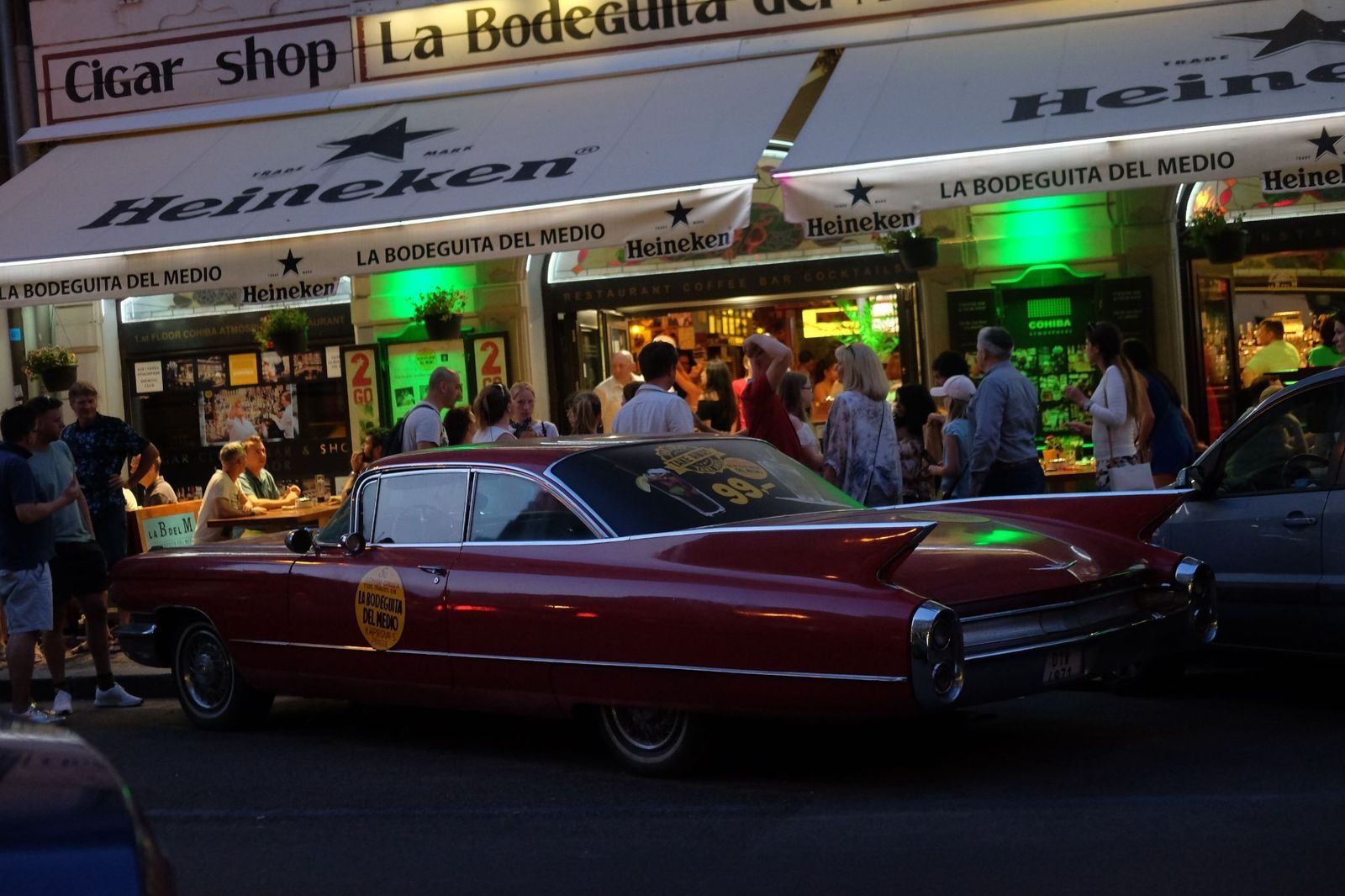
Image: Yevhen Holoborodko

Sometimes there was no destination at all. Especially after World War II, young Americans climbed into their cars and simply cruised the same streets over and over . Main Street, the local boulevard, a drive-in restaurant, or a favorite parking lot could become an unofficial meeting place once Saturday night arrived.

Part of the fun was seeing, and being seen by, everyone else. Cars themselves became expressions of personality, from hot rods to meticulously customized lowriders. You might drive past the same people several times before finally pulling over to talk. It sounds inefficient by today's standards, but efficiency was beside the point. The drive was the entertainment.

6
Playing cards
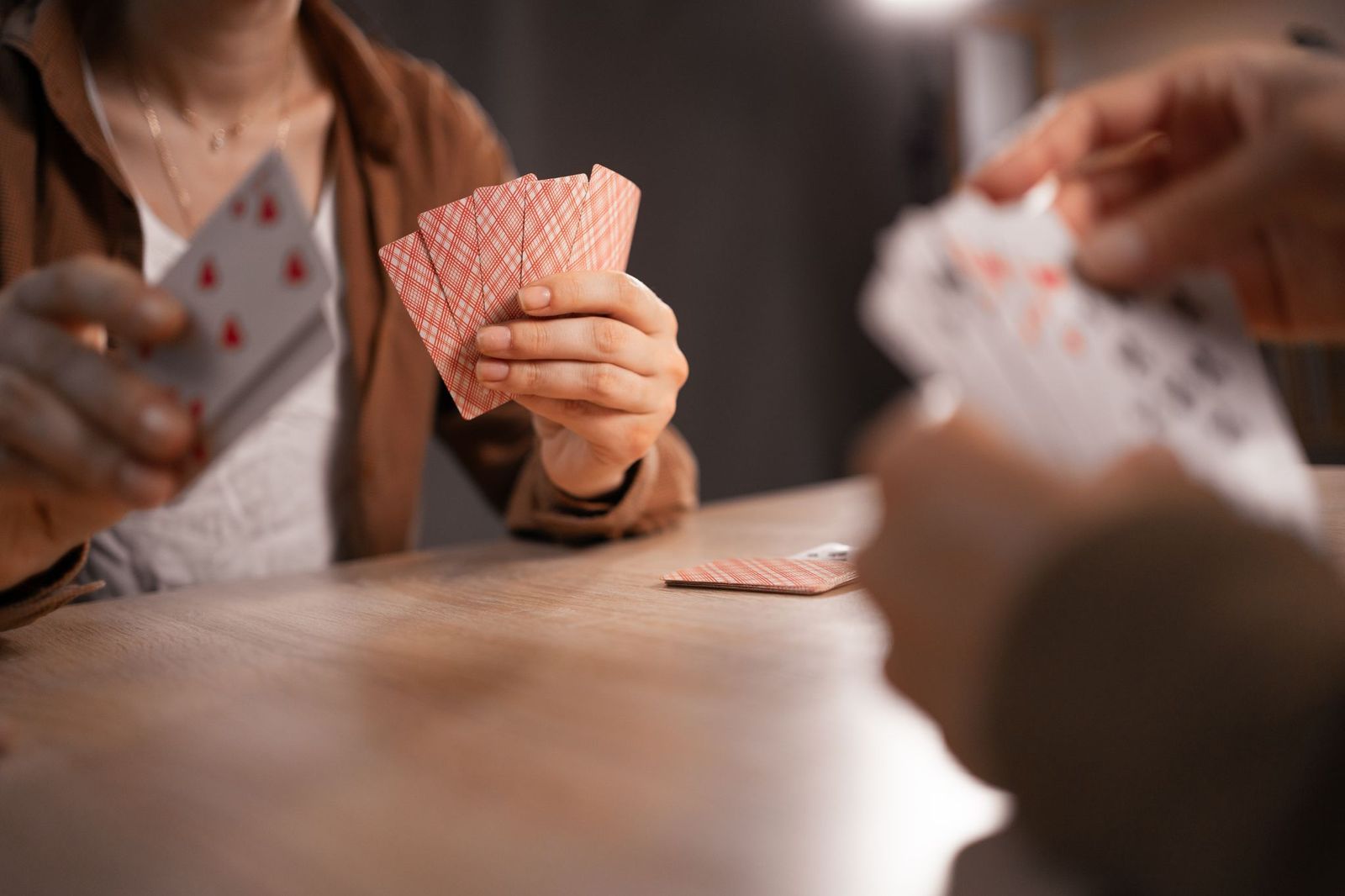
Image: Lysenko Andrii

A deck of cards could keep a Saturday-night gathering going for hours. Friends and neighbors gathered around kitchen or dining-room tables to play bridge, poker, pinochle, rummy, and whatever other game happened to be fashionable . It required no reservations, and left plenty of room for conversation between hands.

Occasionally, a new game became a national obsession. Canasta, developed in South America, swept into the U.S. around 1949 and quickly became a social phenomenon. But the particular game mattered less than the ritual: snacks on the table, coffee in the pot, perhaps an ashtray nearby, and friends.

7
Listening to records
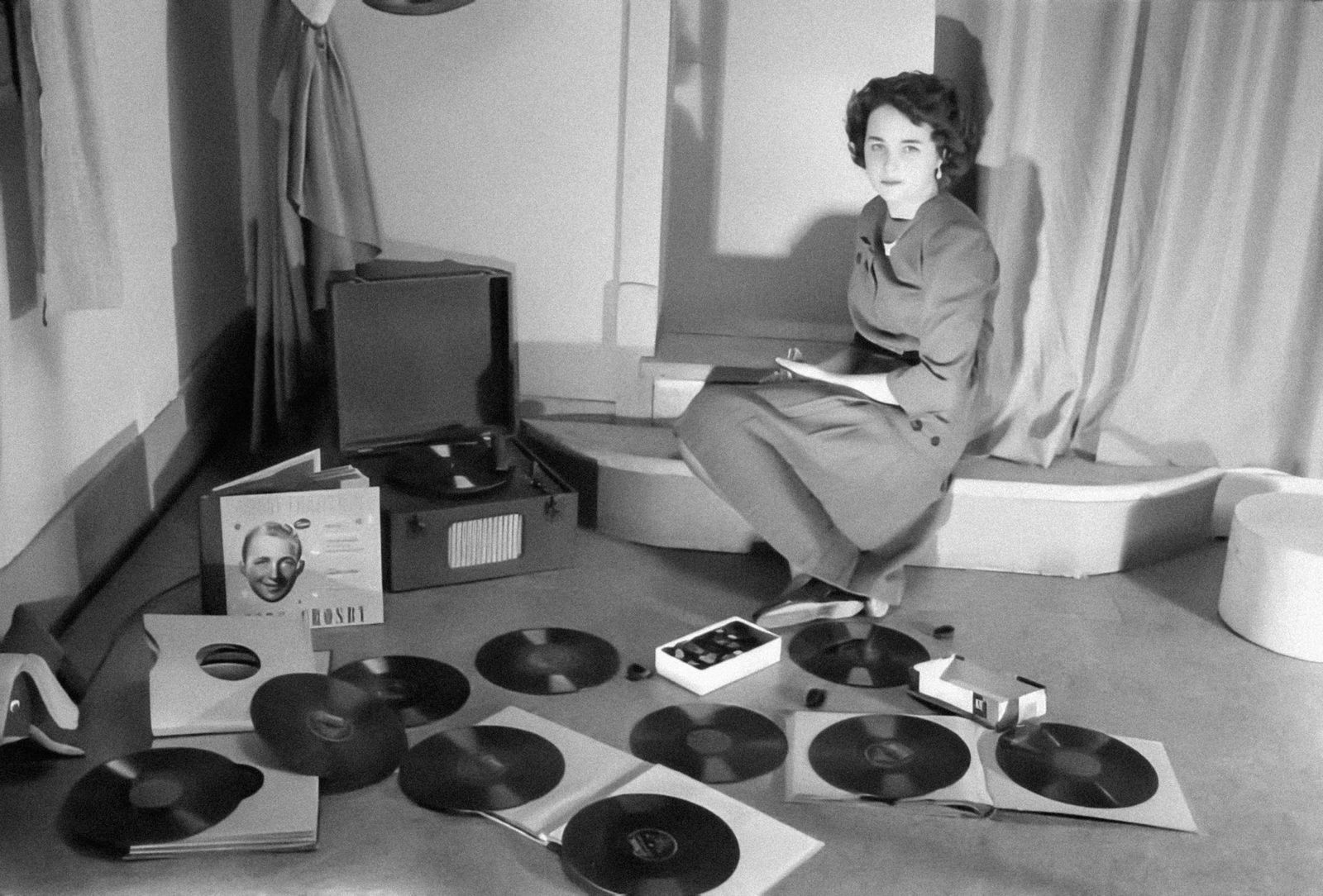
Image: Galt Museum & Archives

Before you could instantly text a song to a friend, hearing someone's new record might require visiting their house. RCA Victor introduced the 45-rpm record in 1949, and those little discs soon became fixtures of teenage life. By the 1950s, records, Top 40 radio, and shows like American Bandstand were helping define a new youth culture .

Teenagers were particularly enthusiastic buyers of singles. In fact, RCA initially considered Elvis Presley's first LP, Elvis Presley , from 1956, something of a gamble because young listeners were so accustomed to buying 45s.

8
Hanging out at the diner
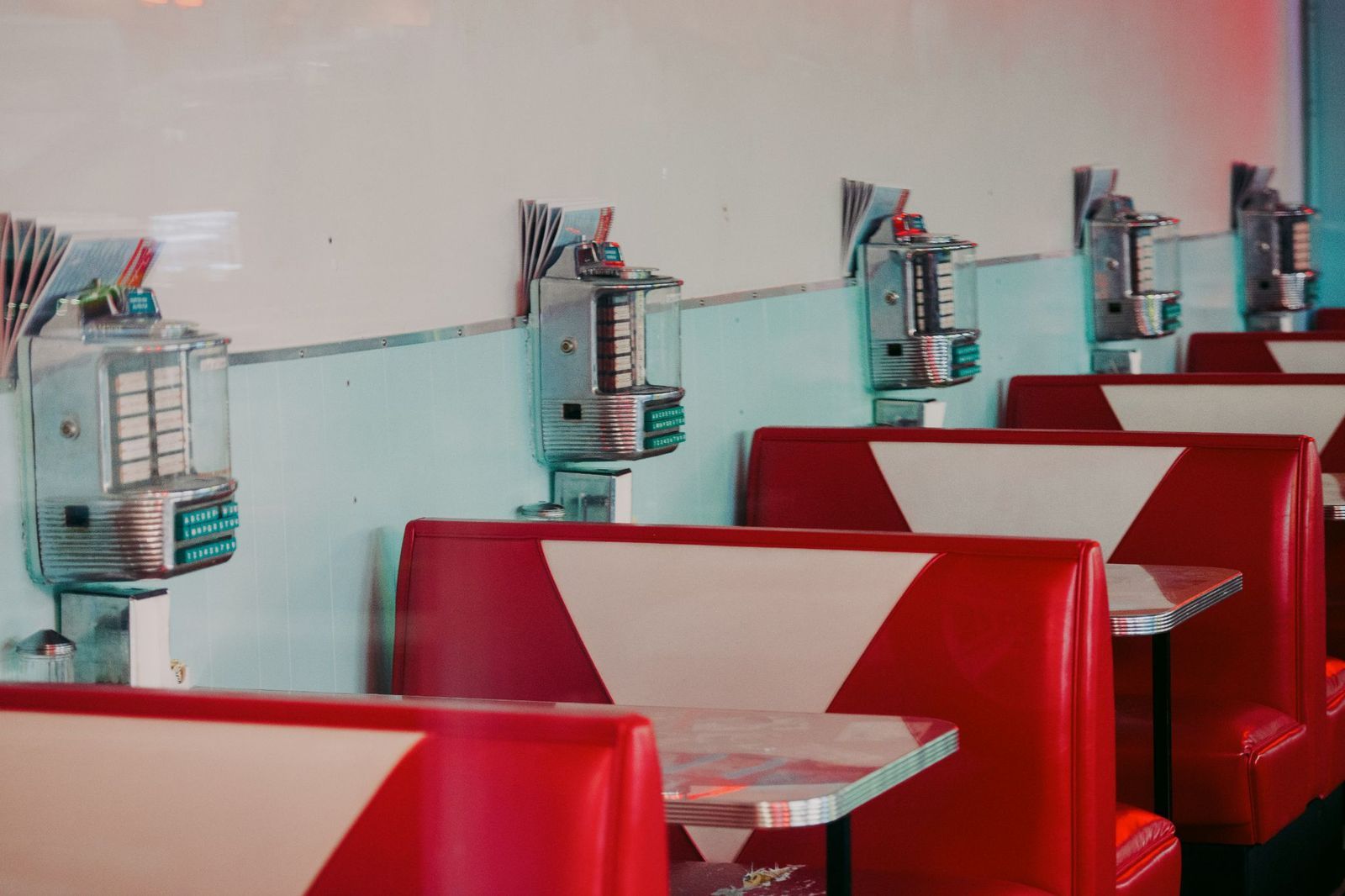
Image: Albert Stoynov

You didn't necessarily need much money to make a diner, luncheonette, or soda fountain your Saturday-night headquarters. Order a burger, fries, a milkshake, or a Coke, squeeze into a booth with your friends, and stay awhile . In some places, you didn't even have to leave the table to choose the music.

Tabletop jukebox selectors let customers drop in a coin and pick songs right from their booths . By around 1950, an estimated 400,000 jukeboxes were operating across America.

9
Theme parks
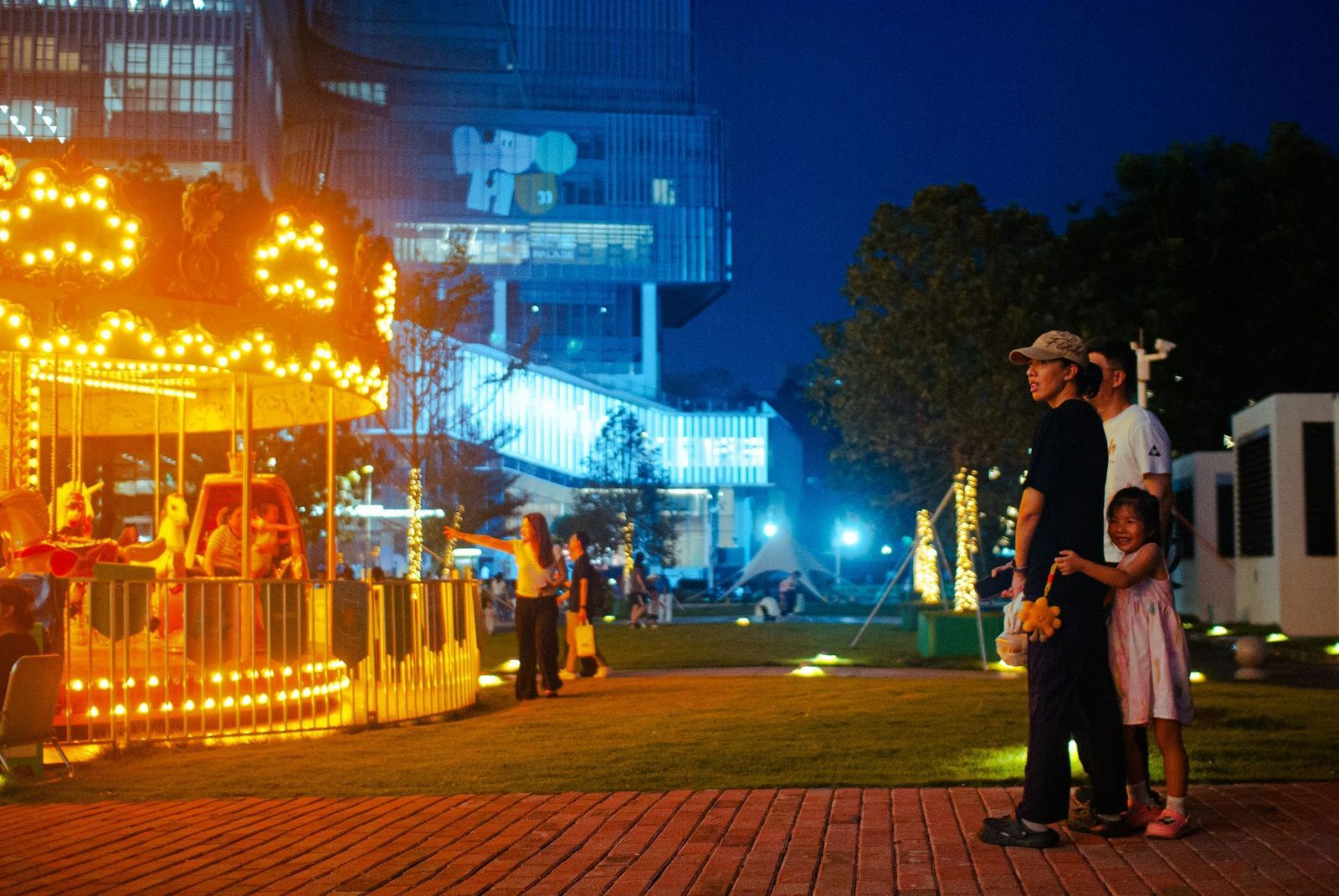
Image: blue sky

Long before families planned entire vacations around giant theme parks, many Americans had an amusement park practically in their backyard . Beginning around the turn of the 20th century, streetcar companies even built parks at the ends of their lines, giving customers a reason to buy tickets and ride somewhere on evenings and weekends.

These "trolley parks" offered carousels, roller coasters, dance pavilions, games, food stands, and other inexpensive diversions . Maryland's Glen Echo Park, for example, was developed as an amusement park after a railway company acquired it in 1911; its 1921 carousel survives today. By the 1960s, however, many smaller local parks were losing crowds to newer forms of entertainment.

10
The local community hall
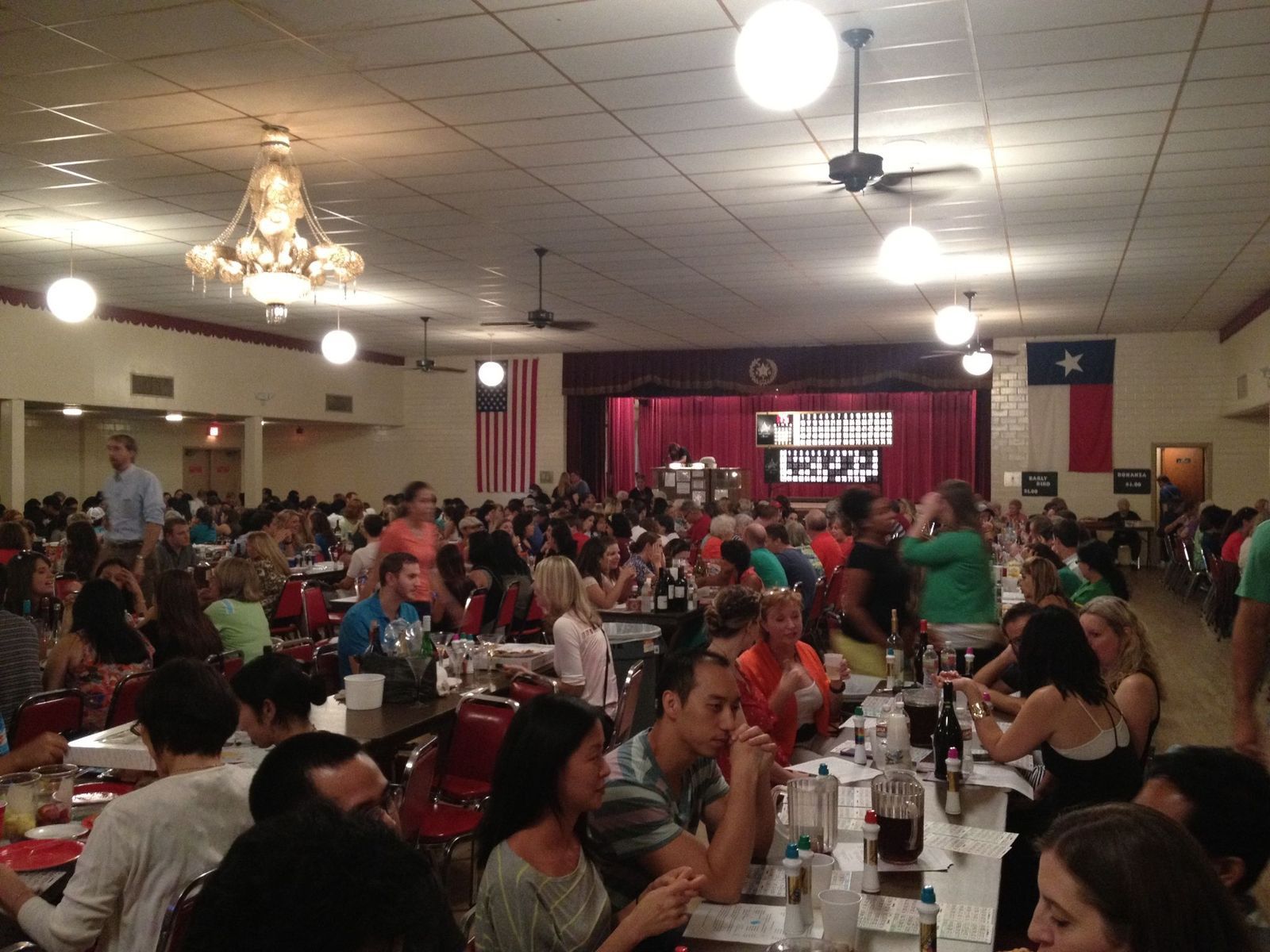
Image: Jessica Connery

Saturday-night entertainment didn't always require a commercial venue. American towns once had a dense network of Grange halls, American Legion posts, VFW halls, church halls, lodges, and community centers. Besides meetings, these buildings hosted dances, dinners, bingo games, fundraisers, holiday parties, and other events that could draw much of the neighborhood .

The gatherings were often remarkably simple. Historical accounts describe town celebrations with homemade food, games, music, and dancing , while photographs preserve dances held at VFW halls. These weren't glamorous nightspots, but that was precisely their appeal. Before social networks became digital, the local hall was one of the places where an actual social network gathered in person.
Geography Geography 6 min read

Territorial anomalies

There's a country within the US that was created to avoid double taxation

Image: Pin Adventure Map

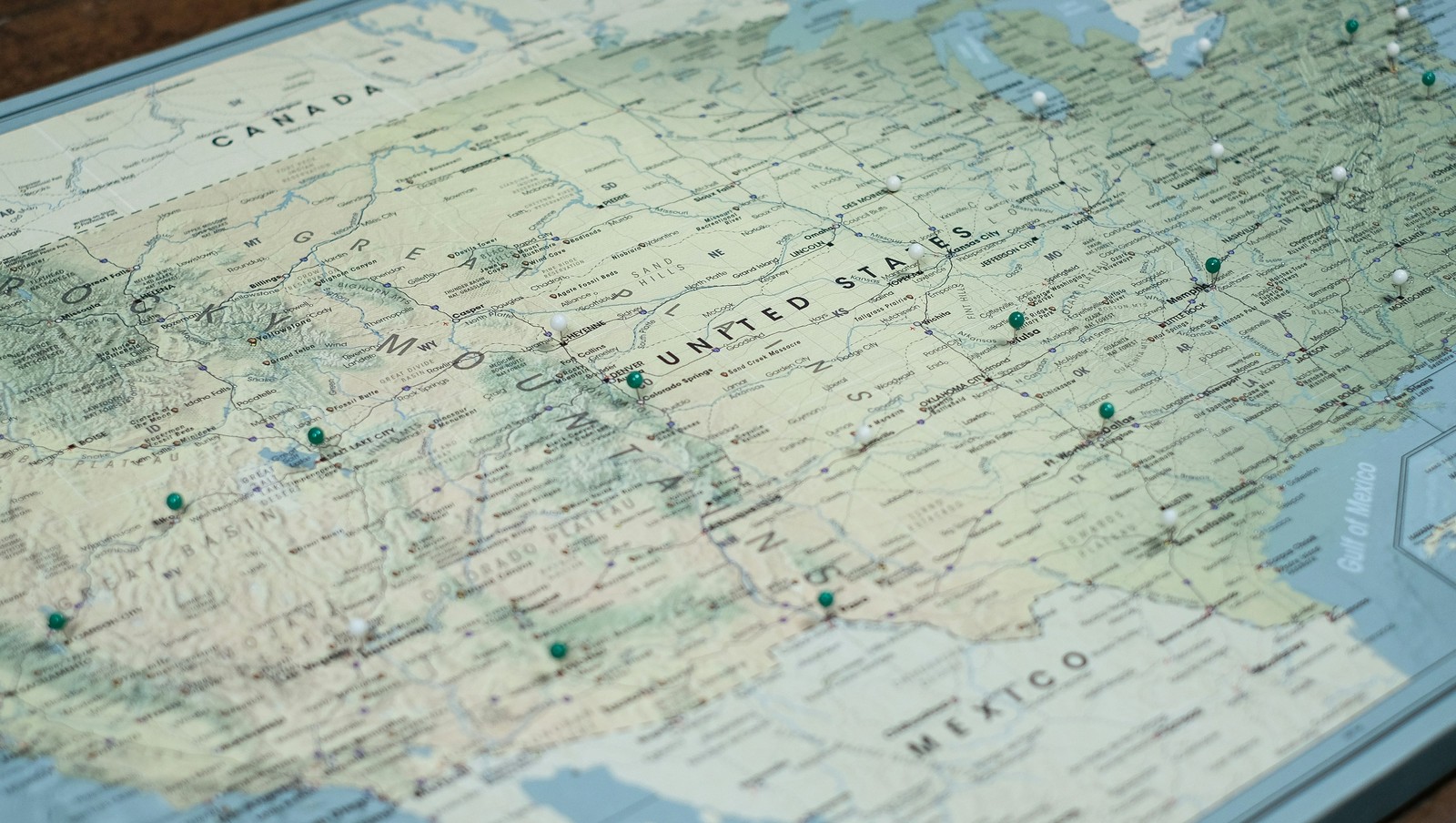
Ever thought about how the borders in our country were defined ? States that almost became official, U.S. points that are only accessible through Canada's borders, territorial feuds over taxes, and more have constructed the limits of the country we know today. Here are 10 territorial quirks you probably never knew of.

1
Point Roberts, WA: The 49th parallel accident

Image: United States Geological Survey, Public domain, via Wikimedia Commons

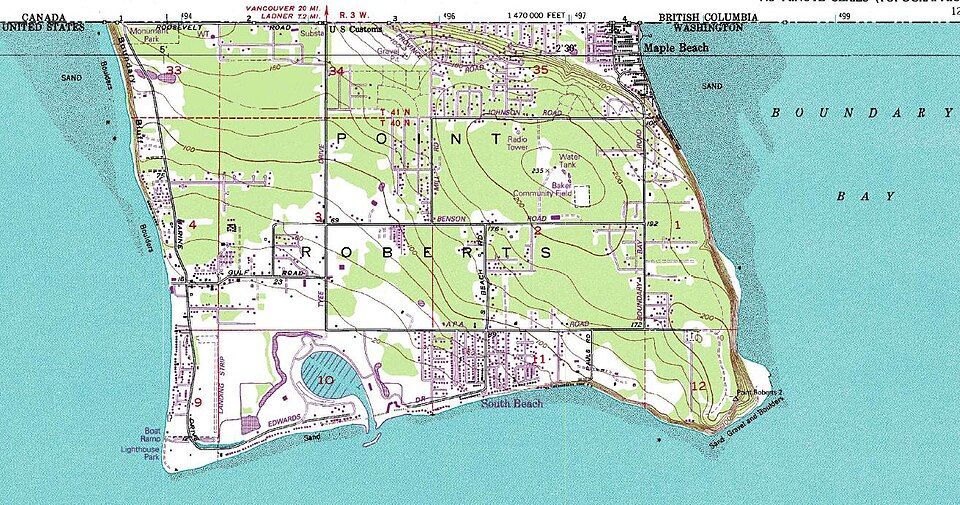
Imagine if you had to cross two borders just to get to the market for a gallon of milk. That’s actually a reality for residents of Point Roberts, Washington. That’s because, following the Anglo-American Convention of 1818, the 49th parallel divided Canada and the U.S. In 1846, the line was extended westward and then officially recognized by the International Boundary Commission in 1925.

However, a tiny tip of the Tsawwassen Peninsula poked out just below that line. Since then, the locals have lived in a boundary quirk. To get to the rest of Washington State by land, they must drive through Canada, show their passports, and do it all over again on the way back.

2
Statue of Liberty: Common misconception

Image: Mohamed Osama

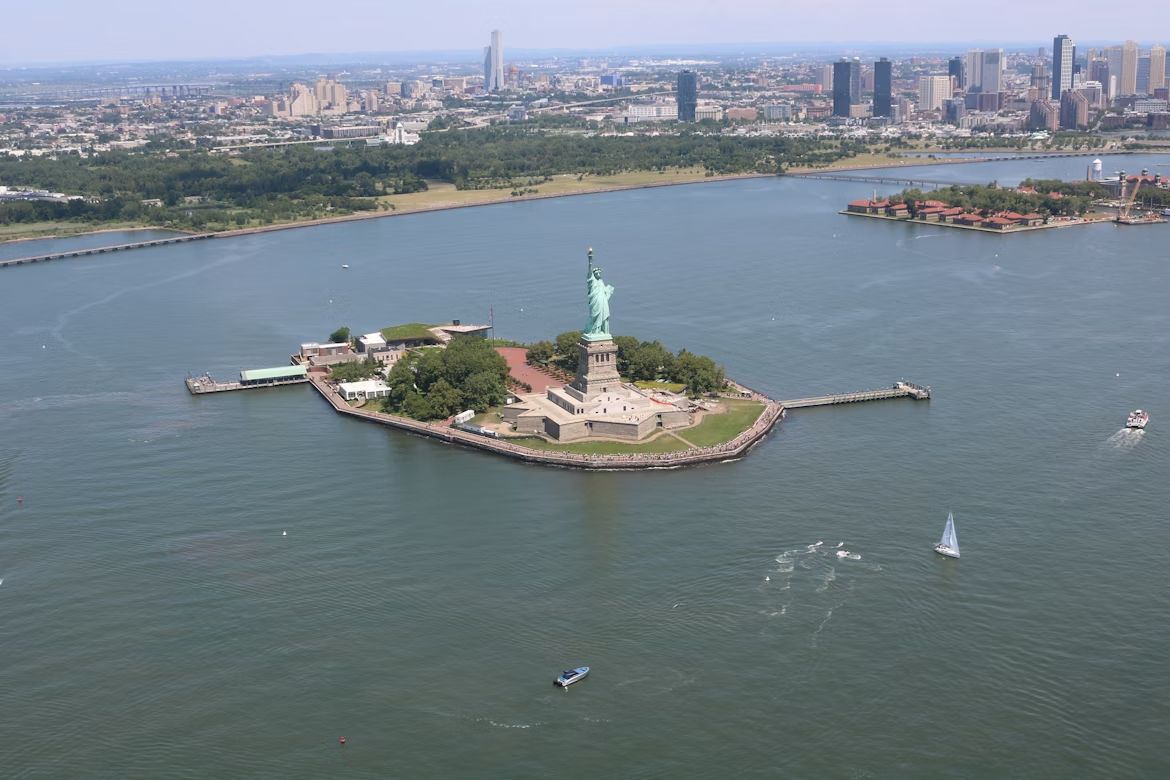
If you want to start a friendly argument at a dinner party, ask whether the Statue of Liberty lives in New York or New Jersey. The funny thing is, both answers are technically right . While the statue physically sits in the waters of the Garden State, Liberty Island is legally an exclave of New York. This dates back to a 1664 land grant by the Duke of York in a document so vague and confusing that it took a 1834 Compact between the two states to settle the deal. New Jersey gets the water and the submerged lands, but New York keeps the monument.

However, the Federal Government actually manages the site through the National Park Service (NPS), providing security and maintenance.

3
The State of Franklin: Failed 14th state

Image: Bennett1203, CC BY-SA 4.0, via Wikimedia Commons

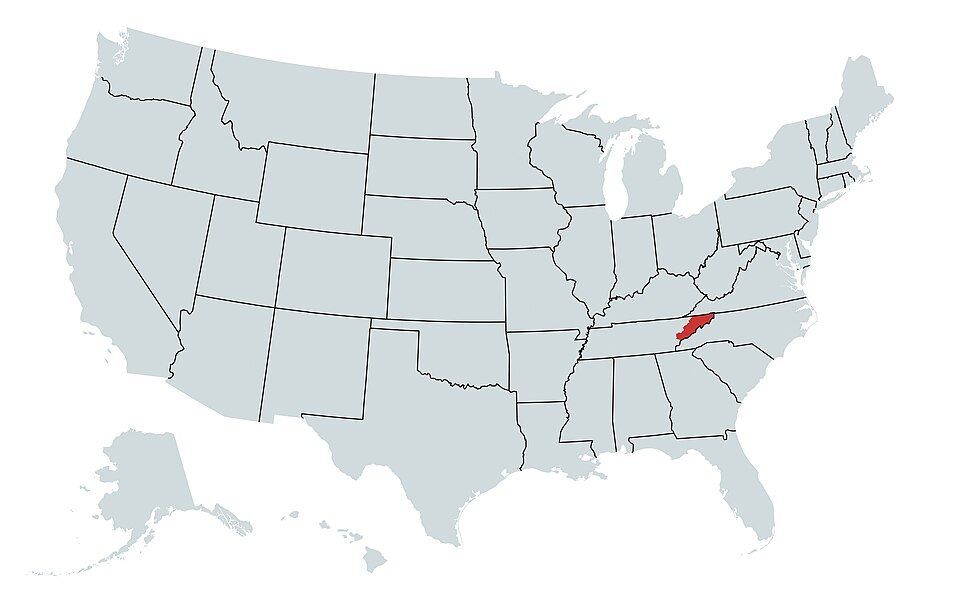
In 1784, three counties in North Carolina felt neglected by their government and decided to strike out on their own . They even elected a governor, John Sevier, and printed their own money. They came just two votes short of being recognized by Congress as a formal state.

Eventually, things got heated, and North Carolina sent troops, leading to a small civil war between the locals. By 1789, the dream of Franklin was buried, and the territory became part of Tennessee.

4
Kentucky Bend

Image: Brian Stansberry, CC BY 4.0, via Wikimedia Commons

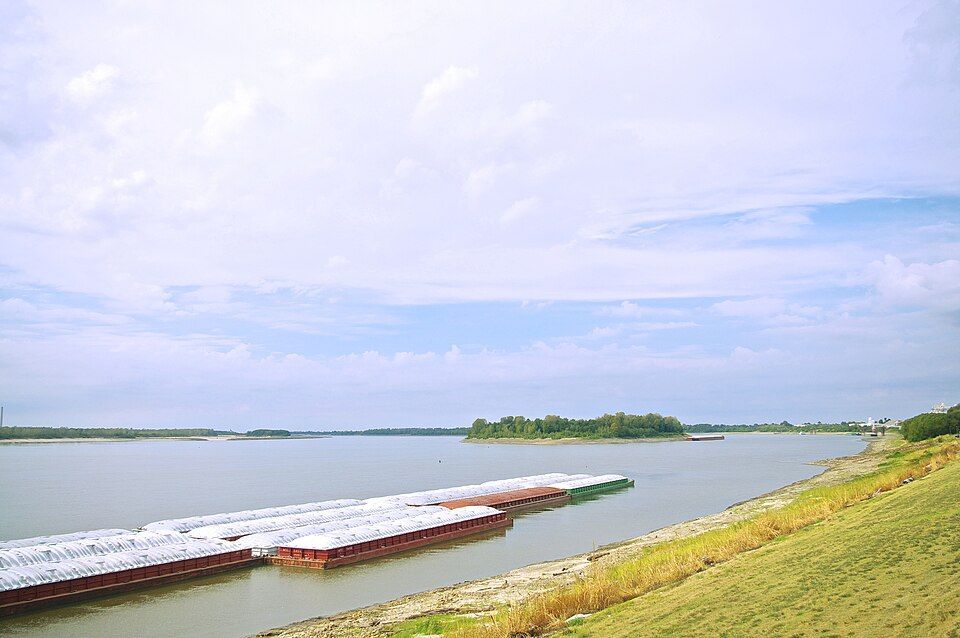
If you look closely at a map, there’s a piece of Kentucky that looks like it doesn’t belong. That’s the Kentucky Bend, also called the New Madrid Bend, a tiny peninsula in Fulton County that is almost completely separated from the rest of the Bluegrass State . The strange situation was the consequence of the massive series of earthquakes that took place in that area between 1811 and 1812, which were so violent they famously caused the Mississippi River to flow backwards for several hours. When the dust settled, the river had carved a new path that looped around this small patch of land, surrounded by Missouri and Tennessee instead of Kentucky. The 9 residents living there today go through Tennessee just to get to their home state.

5
The State of Deseret: The empire that almost was

Image: Carl Radefeld (cartographer); Joseph Meyer (publisher), Public domain, via Wikimedia Commons

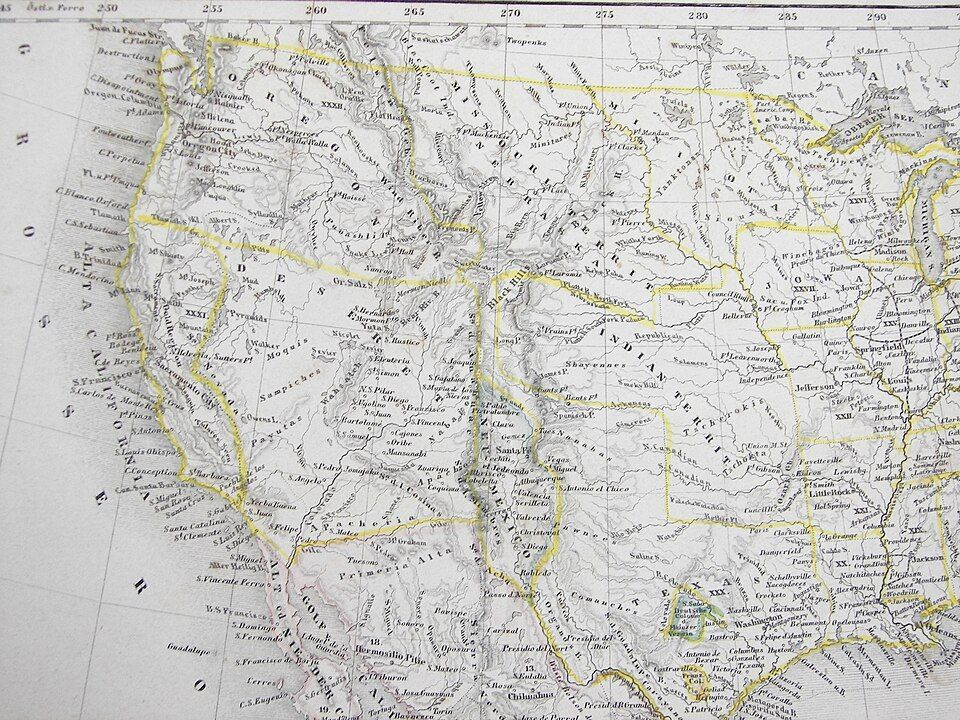
Imagine a state so big it makes Texas look tiny. That almost happened back in 1894, when Mormon pioneers proposed the State of Deseret. The territory comprised what we now know as Utah, most of Nevada, parts of Arizona and Colorado, and a massive chunk of the California coast, including San Diego.

Had it been formalized, it would have been a powerhouse with its own seaport and total control over the West. However, Washington, D.C. wasn’t so keen on one group having that much territory and power, so they whittled it down, and we ended up having the states we know today.

6
The lawless "No Man's Land"

Image: Steve Shook from Moscow, Idaho, USA, CC BY 2.0, via Wikimedia Commons

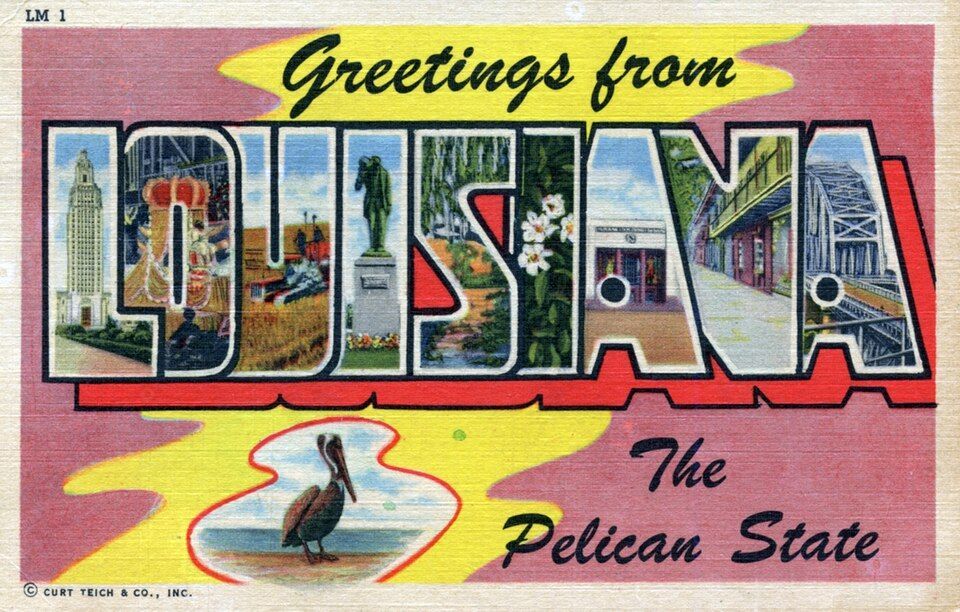
Have you ever wondered what happens when two governments simply give up on a piece of land? Between 1806 and 1821, there was a strip of land in what is now western Louisiana that was, literally, No Man’s Land. Neither the U.S. nor Spain, which owned part of the territory, could agree on the border, so they declared it "Neutral Ground" to avoid armed conflicts . The plan backfired as, with no laws to contain it, it quickly became a favorite for the outlaws in the West —meaning deserters and bandits hiding there were legally untouchable. The conflict was resolved by the 1819 Adams-Onis Treaty, which officially set the Sabine River as the legal boundary.

7
The Republic of the Indian Stream

Image: Jon Platek, CC BY-SA 3.0, via Wikimedia Commons

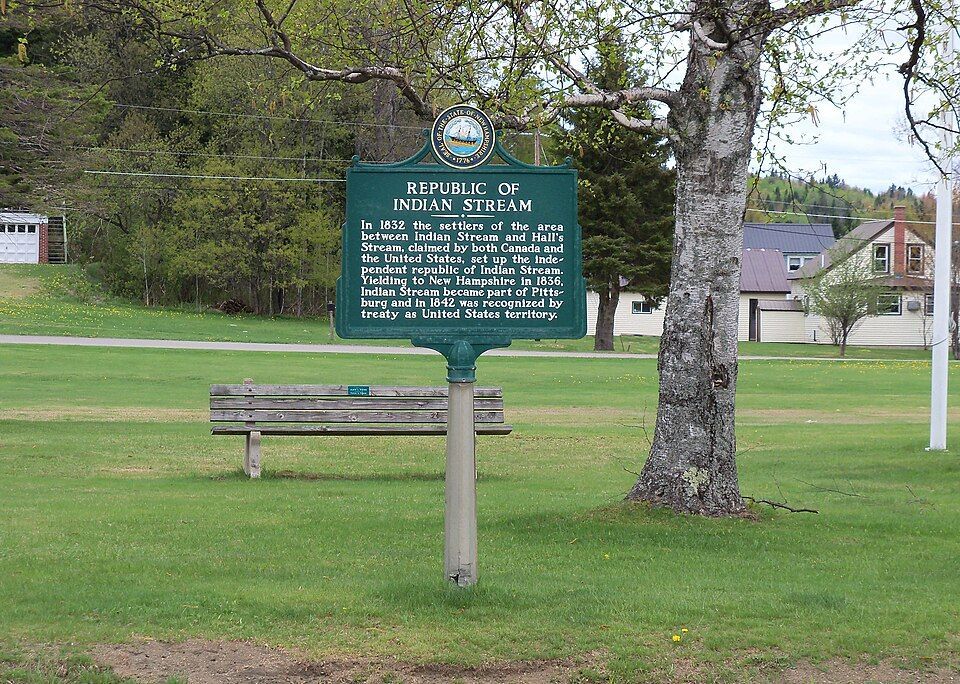
In the early 1830s, people living in a small area between New Hampshire and Quebec were fed up, and in this case, taxes were the problem. Both Canada and the US were trying to collect taxes, and nobody likes being double-billed . In 1832, the residents essentially said "neither of them can tax us" and formed their own country called the Republic of the Indian Stream. They had their own constitution and Capitol for four years, until 1836, when the militia marched on the disputed territory to reclaim the land. It wasn’t until 1842, when the land dispute and the double taxation were definitively resolved by the Webster–Ashburton Treaty, which assigned the land to New Hampshire.

8
The Northwest Angle: Mapping mistake of 1783

Image: Lorie Shaull, CC BY-SA 4.0, via Wikimedia Commons

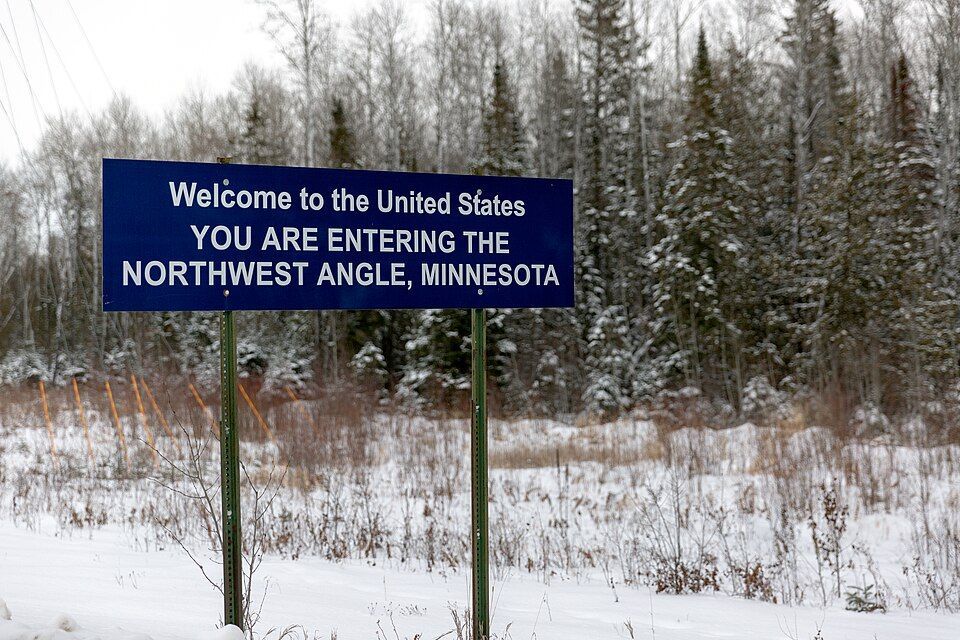
When the Treaty of Paris was signed in 1783 to end the Revolutionary War, the mapmakers used a chart that was flat-out wrong. They thought the Mississippi River started much further north than it actually did. Because of that mistake, a piece of Minnesota got cut off from the rest of the country . To this day, the "Northwest Angle" is the only place in the lower 48 states north of the 49th parallel. Much like Point Roberts, you have to cross a massive lake or drive through Canada just to visit it.

9
The District of Columbia’s "lost" corner

Image: Tim Mossholder

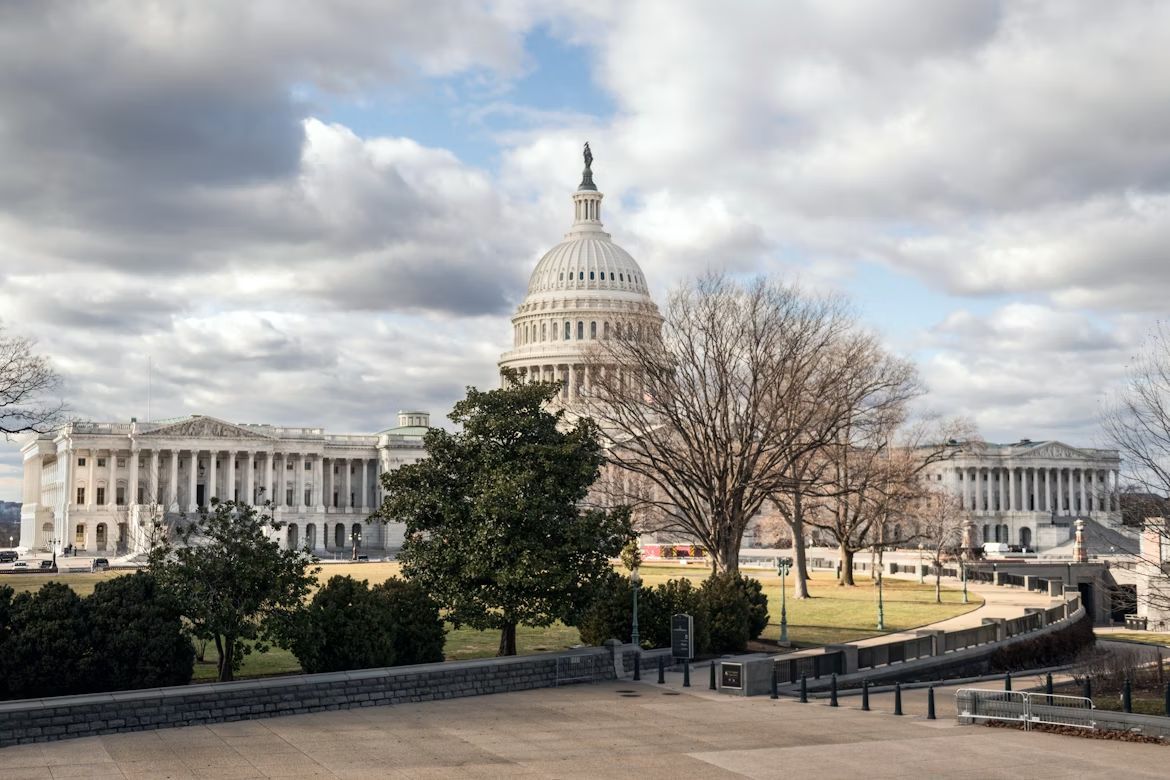
If you look at a map of D.C., you’ll notice it’s missing a chunk; it’s not a perfect square as it was originally intended. Originally, the capital was a perfect ten-mile square diamond , taking land from both Maryland and Virginia. But by 1846, things got tense. Residents in the Virginia portion, which included Alexandria and Arlington, were worried the federal government would abolish slavery in the District, which was the backbone of their economy. They successfully petitioned to have Virginia "take back" that portion of the land and subsequently changed the shape of the national capital forever.

10
UN Headquarters: International territory

Image: LPulecio-WMF, CC BY 4.0, via Wikimedia Commons

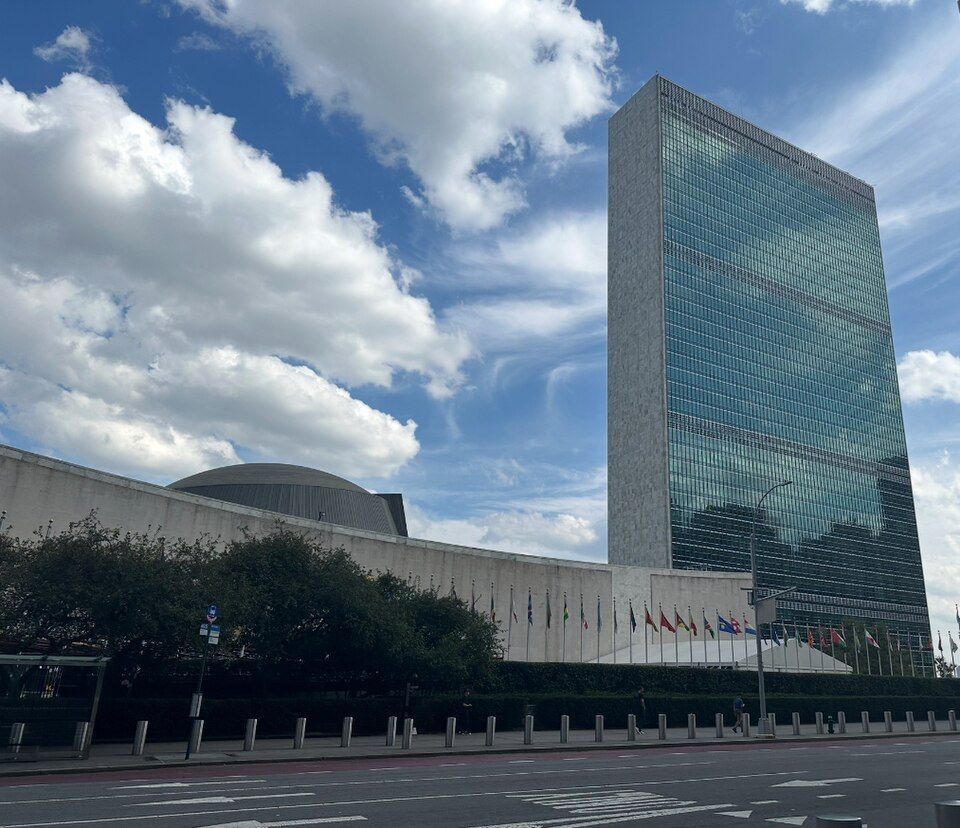
If you want to feel international, go to the United Nations Headquarters on the East River in midtown Manhattan, New York. Once you cross that gate onto the 18-acre site, you are technically leaving the United States. You don’t need to show your passport, but that’s international territory, which means it has its own laws , its own security force, and even its own postal service. It is a legal hole in the middle of New York City.

History History 3 min read

Everything has a secret to tell

Take a deep breath before reading these iconic landmarks’ untold stories

Image: Venti Views

America is filled with famous landmarks that everyone recognizes. But some of these places hold secrets known to only a few. For example, did you know that Niagara Falls can be turned off and on like a faucet? Or that a hidden social club exists inside New York’s Grand Central Station? Discover 12 of these incredible facts and impress your friends with your knowledge!

1
The Statue of Liberty’s color

Image: Pierre Blaché

We start our list with a moderately well-known fact: the Statue of Liberty’s beautiful emerald color is not original. Technically, it’s a sign of damage. While the statue's infrastructure is made of iron, its exterior is copper, which has turned green over time due to oxidation .

Fortunately, that same green coating now protects the statue from further damage and deterioration.

2
Grand Central Terminal’s hidden club

Image: David Vives

A busy train station may not seem like the ideal place for a social club, but that’s exactly the case with the Explorers Club. Operating for decades, this exclusive venue primarily serves locals, featuring a full gym, an indoor hard court, and even a smaller secondary court .

3
Gateway Arch’s time capsule

Image: Chris Hardy

This beloved St. Louis landmark holds a secret at its peak: a time capsule was placed inside the arch in 1965 , containing 762,000 signatures—many from students who attended St. Louis schools at the time.

The capsule is permanently welded inside the arch and will remain sealed for as long as the structure stands.

4
New York's High Court Building’s ball court

Image: Markus Spiske

New Yorkers seem to have a penchant for sports courts hidden on the top floors of iconic buildings—this one being the second on our list. The New York High Court Building is primarily a place for legal proceedings and bureaucratic work, but on its fifth floor, visitors will find a basketball court known as the "Highest Court in the Land."

5
The White House’s dentist

Image: Benyamin Bohlouli

It’s easy to imagine hallways and rooms filled with endless state secrets in the White House basement. But what most people won’t guess is that you can also find a dentist’s office, a carpenter’s shop, and even a bowling alley down there.

6
Niagara Falls is a huge faucet

Image: Tosab Photography

As strange as it sounds, this statement is true in a sense. The complex system of pumps and gates that administer the water of the Falls can be controlled by a central command.

In fact, part of Niagara Falls is even scheduled to be "turned off" in the coming years to replace some obsolete structures—just like a faucet.

7
Washington Monument’s Civil War graffiti

Image: Sonder Quest

Graffiti has been around all over the world, for a couple of centuries now. The Washington Monument was still under construction when the Civil War broke out, and Union soldiers stationed there carved their names and drew pictures onto the monument . These markings can still be seen today at its base.

8
Mount Rushmore’s hidden room

Image: Jéan Béller

One of America’s most famous landmarks hides a secret room known as the Hall of Records , which is filled with documents intended to preserve the nation’s history for future generations. This hidden chamber is accessed through a concealed door behind Abraham Lincoln’s ear.

9
Lincoln Memorial’s secret carvings

Image: Andy Feliciotti

Speaking of Lincoln, you’ll need a flashlight to spot this one—but it’s there. On the north wall stone of the Lincoln Memorial, the letters "EBL" can be seen carved . These initials stand for Evelyn Beatrice Longman, the artist who sculpted the memorial’s ornamental border.

10
Empire State Building’s secret floor

Image: Kit Suman

As it turns out, the Empire State Building has one more floor than the famous 102. This extra floor was originally constructed for building maintenance but now serves as an exclusive hotspot for celebrities, complete with an ultra-thin, knee-high railing separating observers from the sky surrounding them.

11
Brooklyn Bridge’s wine cellars

Image: Partha Narasimhan

Wine cellars are cold and dark places—just like the basements at the Brooklyn Bridge’s bases. This connection, now quite obvious, was made by the bridge’s engineer, Washington Roebling, who incorporated two full wine cellars into the bridge’s bases on each side and then rented the space to local businesses who needed the extra storage.

12
Disneyland’s secret members-only club

Image: Travis Gergen

If a trip to Disneyland isn’t enough of a Disney experience for you, there’s an exclusive club on the premises called Club 33 . This exclusive joint boasts an invite-only guest list, where members must pay anywhere from $25,000 to $100,000 to join, with annual membership dues ranging from $12,500 to $30,000. Do you think it’s worth it?

Explore more American facts

Choose your favorite category!

General
General

As American as apple pie—the very best America has to offer!

Culture
Culture

Delve into the astounding richness of American lore.

Geography
Geography

Hop in and explore vast and diverse American landscapes.

History
History

Discover the key moments that shaped the United States.