History History 3 min read

Tales of The Rock

Convicts wanted to stay at Alcatraz? Myths and truths about the prison
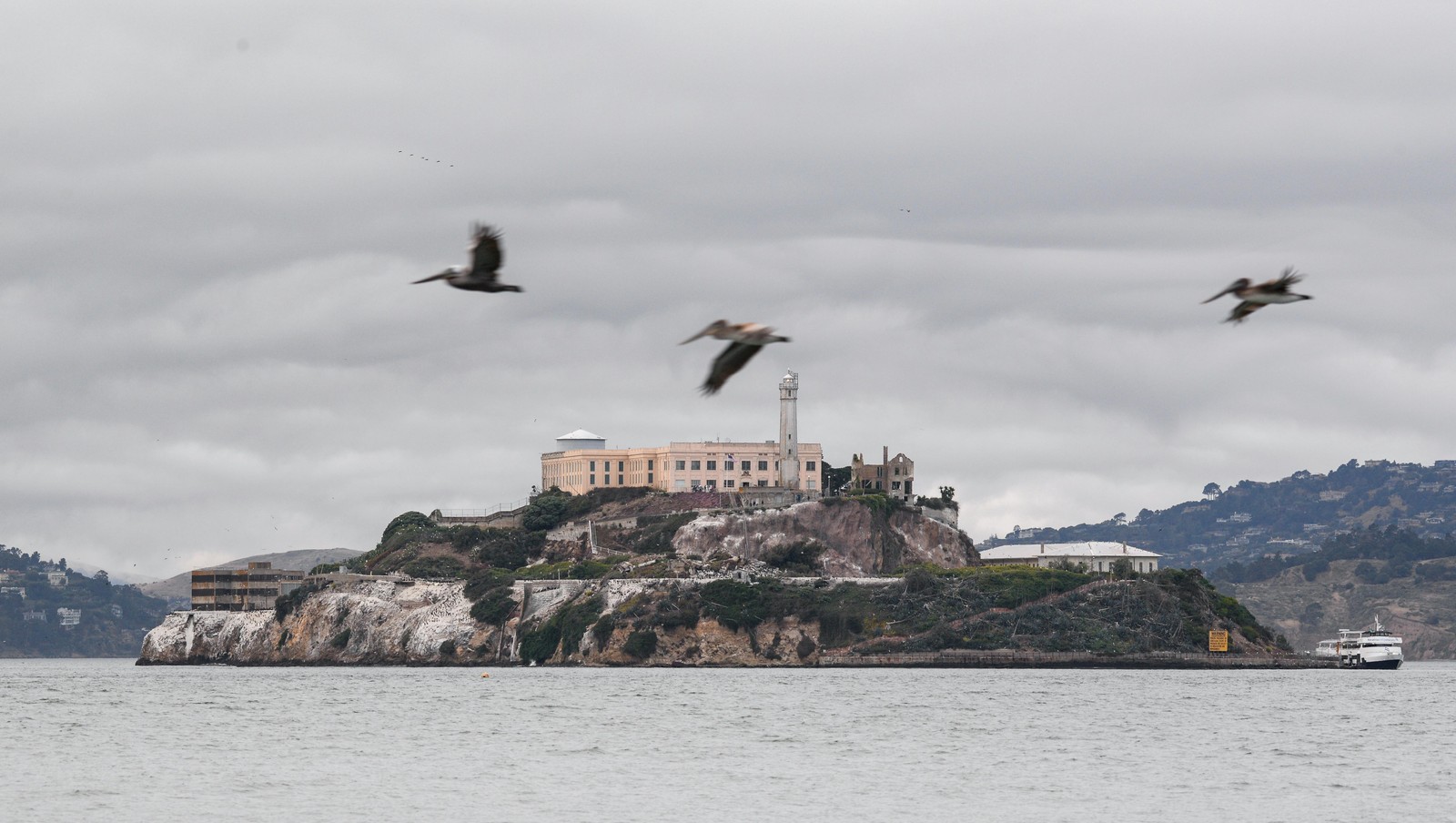
Image: Andrew Patrick Photo

For decades, Alcatraz has been sold as America’s most terrifying prison: an island no one escaped, designed to break the worst criminals alive. But, as it turns out, the true stories are stranger and far more interesting. Behind the barbed wire were hot meals, music floating across the bay, children riding bikes, and inmates who actually asked to stay. Read on to learn more historical details about the prison !

1
"No one ever escaped alive"
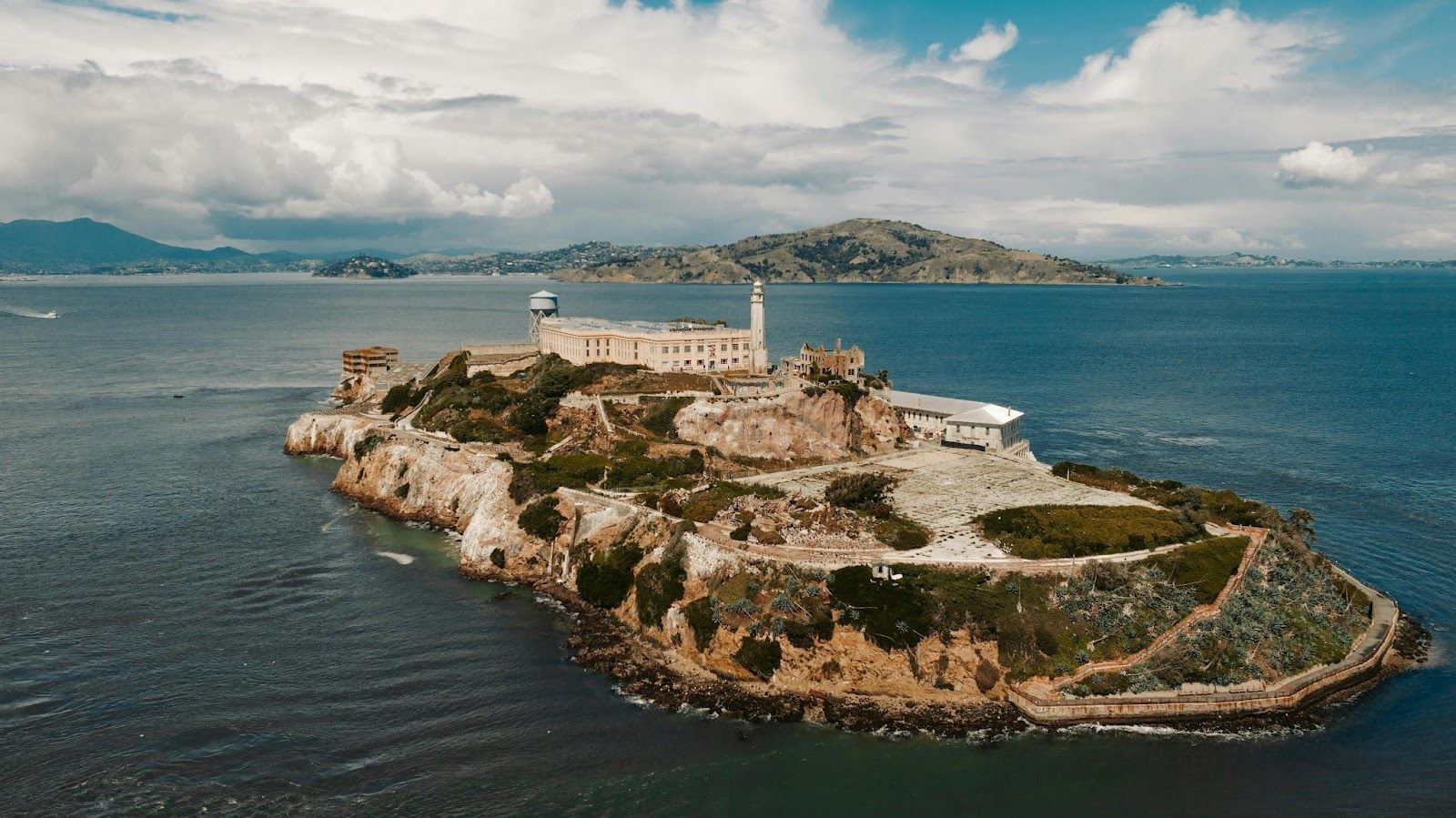
Image: Kelly

Alcatraz loved to sell itself as inescapable. According to official records, no inmate ever made it off the island alive . But the fine print matters…

Five men were not listed as dead, only as "missing and presumed drowned." No bodies were ever recovered… But, considering the cold, fast-moving waters of San Francisco Bay, drowning was a plausible explanation.

2
A 1962 escape still haunts the FBI
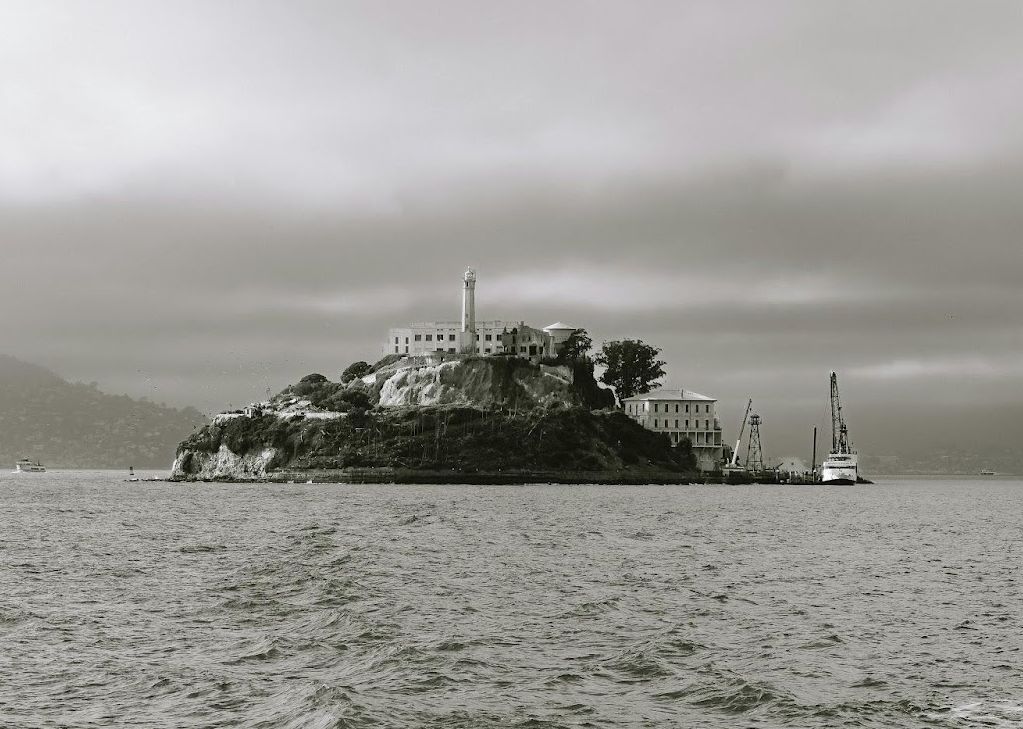
Image: Line Knipst

For example, there’s this one story. In June 1962, Frank Morris and brothers John and Clarence Anglin vanished from their cells. They left behind dummy heads made of soap, toothpaste, and toilet paper . Using spoons, they had widened ventilation holes and built a raft from raincoats.

The FBI closed the case in 1979, concluding they drowned. But decades later, new evidence and family testimony reopened the question: What if they didn’t? No bodies were ever found.

3
It was not the harshest prison in America
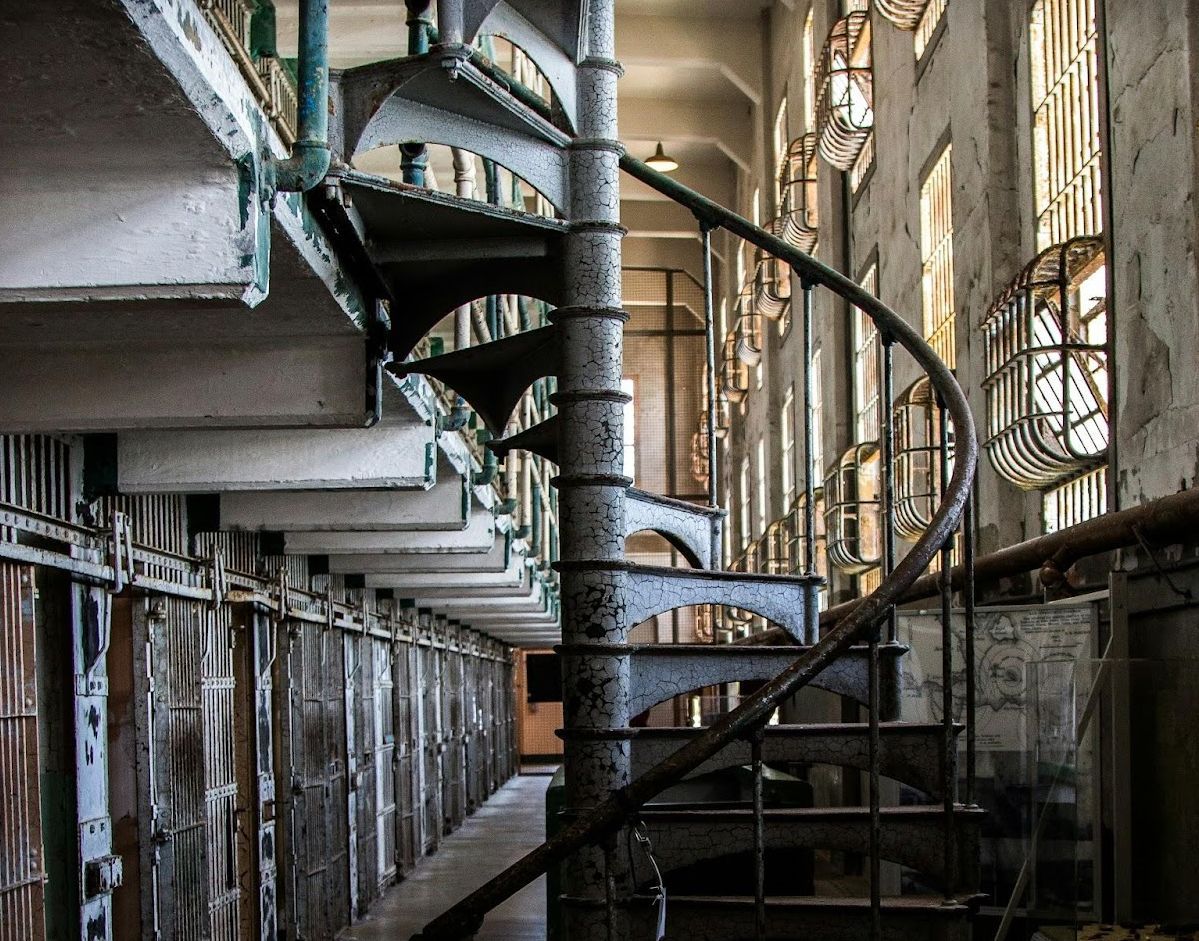
Image: Klemens Köpfle

Despite its fearsome reputation, Alcatraz was not physically brutal by prison standards of the 1930s. Inmates had single cells, decent sanitation, and regular hot meals, which was not common at the time. In fact, after transfers to other prisons, some inmates requested to return.

4
Prisoners ate shockingly well
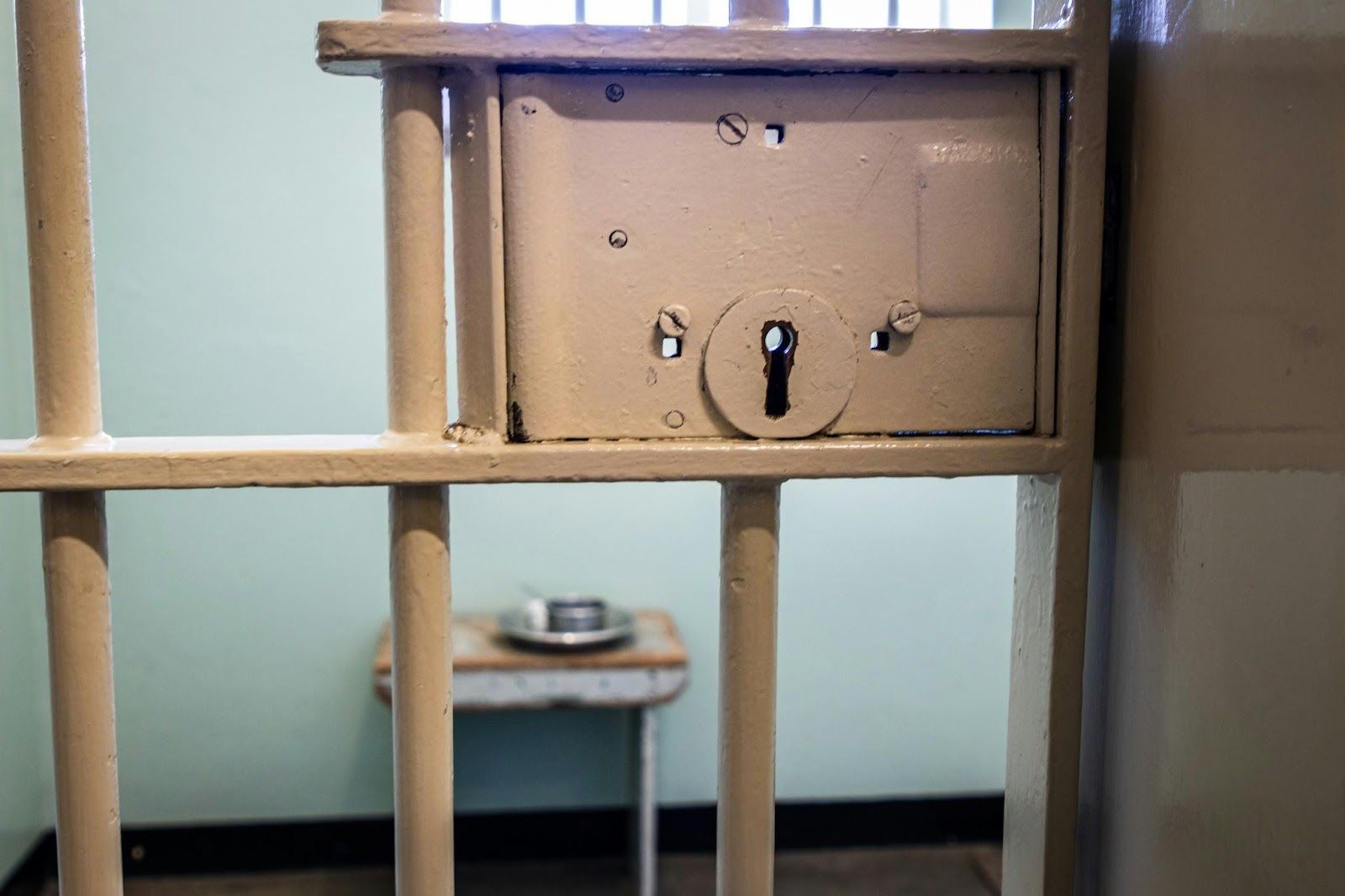
Image: Grant Durr

Alcatraz did not believe in hunger as punishment. As mentioned, inmates were served hot breakfasts, fresh bread, meat, and even desserts. The logic was simple: well-fed prisoners were calmer prisoners.

During the Great Depression, some inmates ate better on the Rock than they had on the outside.

5
Al Capone was just another prisoner
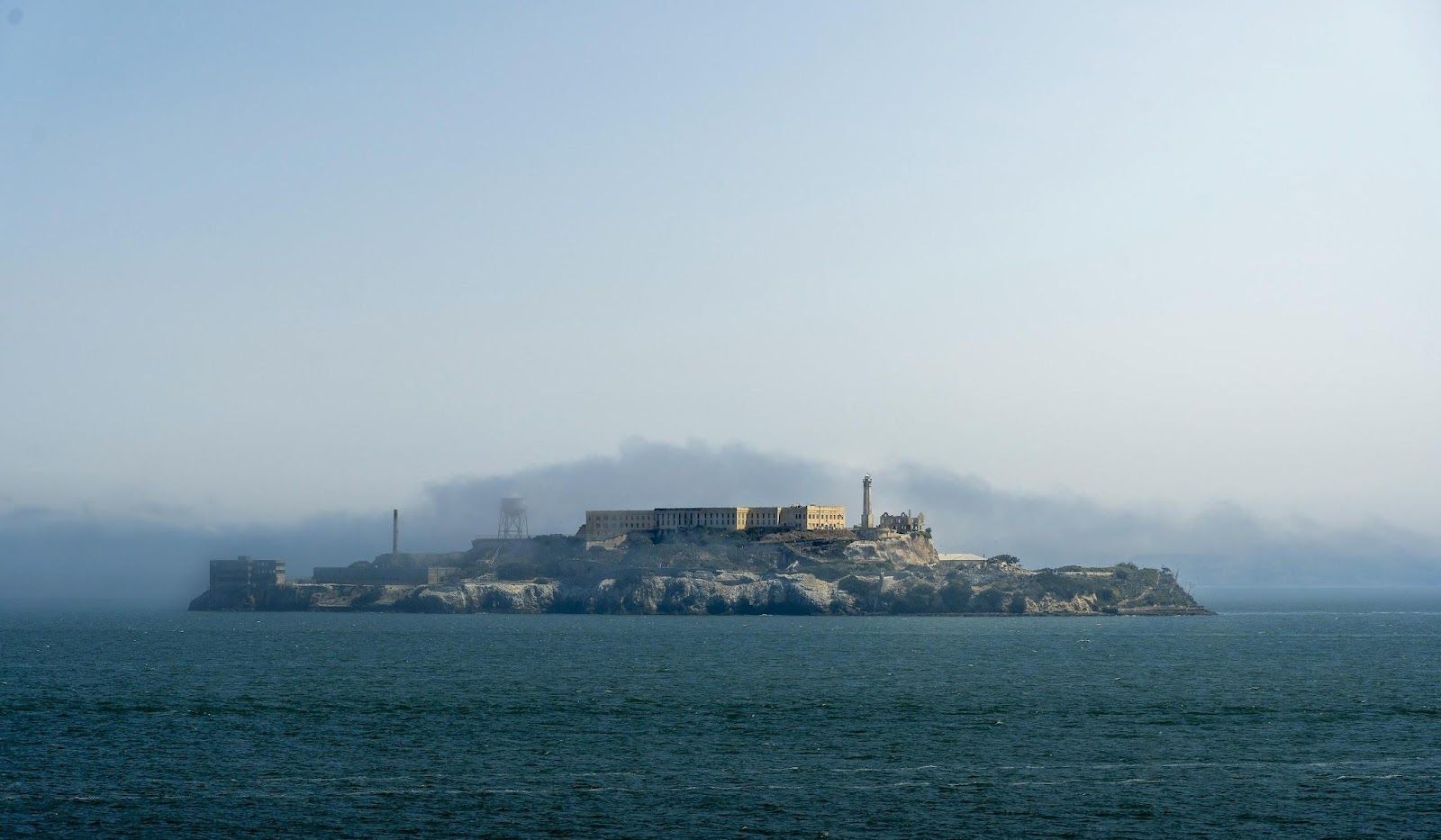
Image: Sindre Fjerdingby

Al Capone might have arrived at Alcatraz expecting influence, but he found none there. Stripped of his power, he became inmate number 85, assigned to cleaning duty.

He received no special treatment and no protection from other inmates. His mob connections meant nothing behind those walls. All of this proves that Alcatraz was designed to erase reputations.

6
There was music
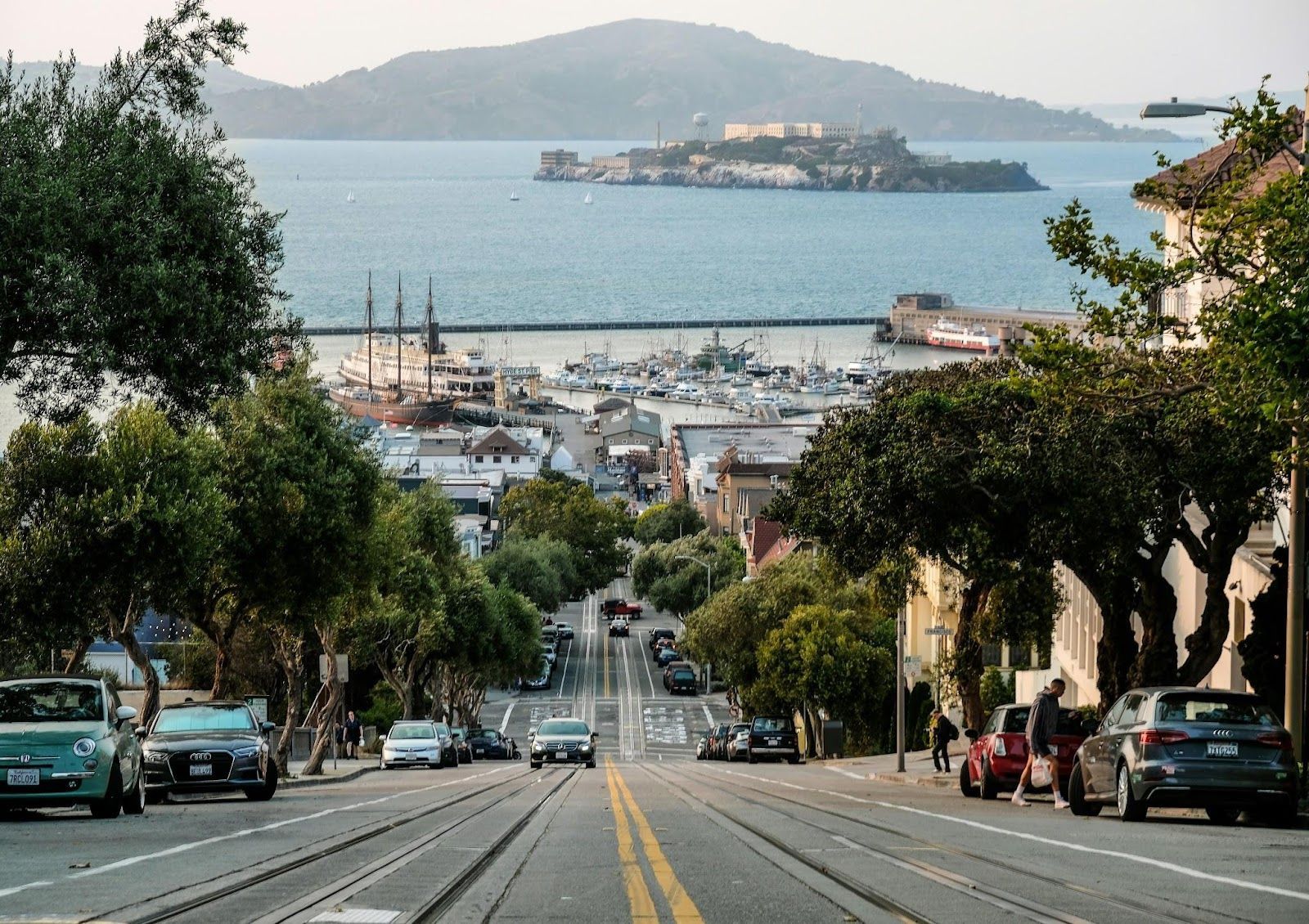
Image: Clément Falize

Did you know that Alcatraz had music? Inmates were allowed instruments , and a small prison band rehearsed regularly. There are records of even Al Capone participating in its band.

Legend has it that on quiet evenings, the sound carried across the water to San Francisco. But that may be only local lore.

7
"The Hole" was a real nightmare
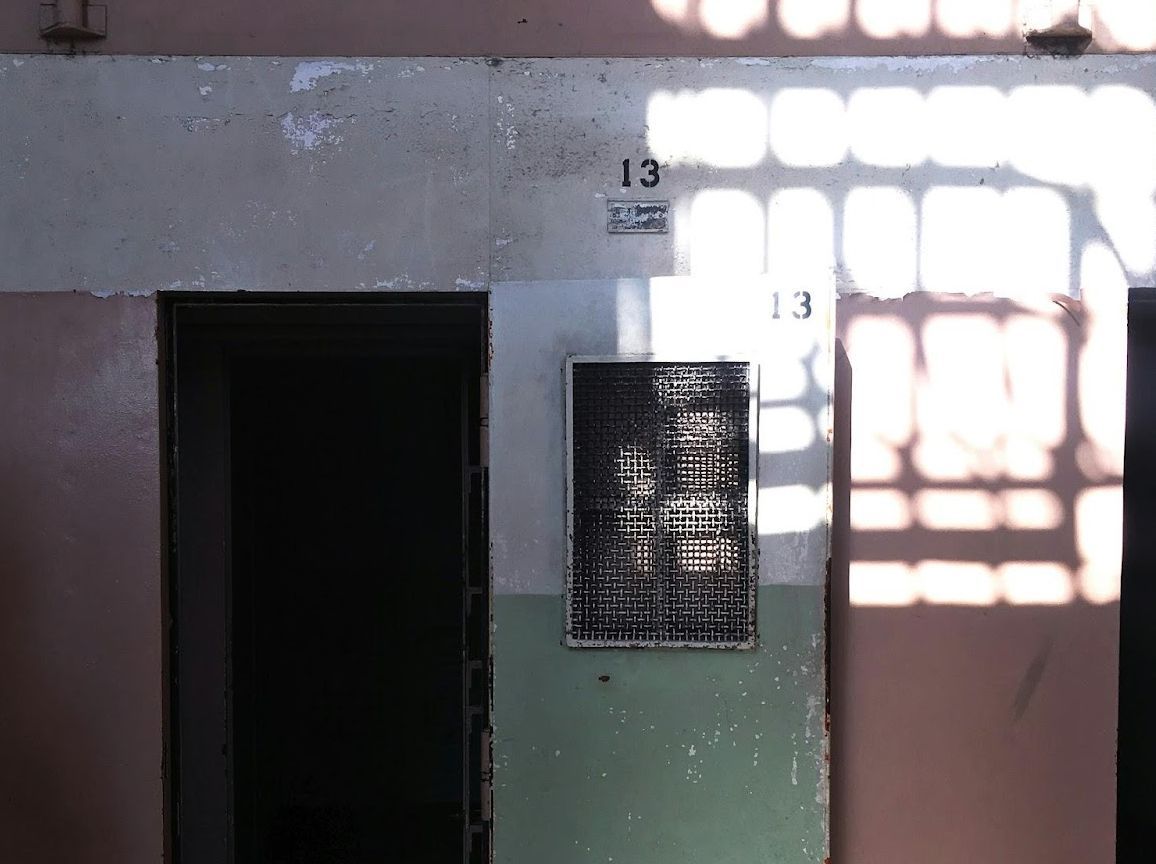
Image: Vanessa Werder

Solitary confinement at Alcatraz was called D Block, but inmates knew it as "the Hole." Prisoners were kept in near darkness and silence for days or weeks.

There, meals were restricted, sometimes to bread and water. Inmates came to fear the Hole, as it meant no talking, no reading, no escape from your thoughts, and no sense of time.

8
Nearby sharks were not a threat
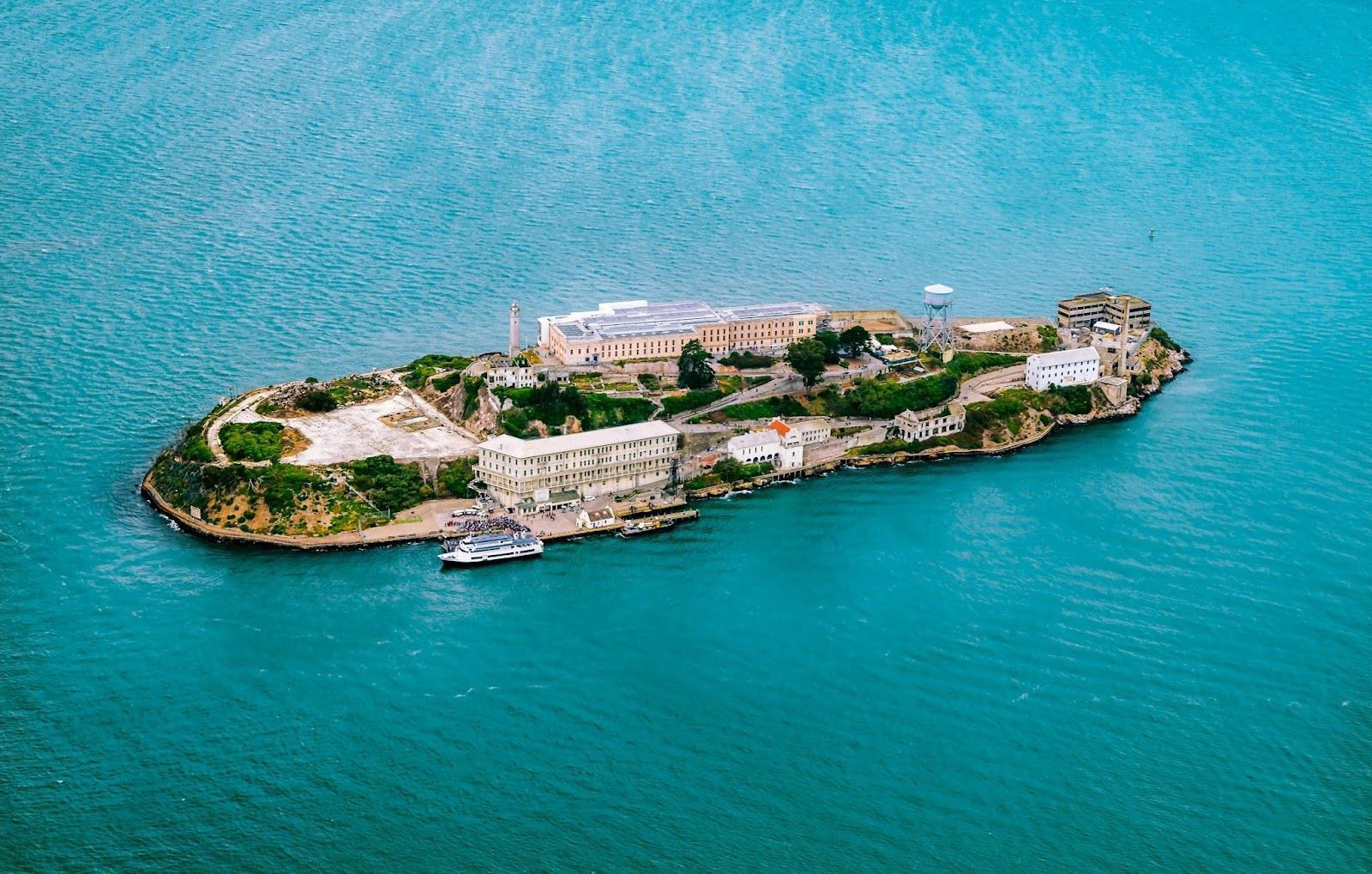
Image: Rodrigo Soares

Hollywood seems to love the idea of man-eating sharks circling Alcatraz. But, in reality, the bay’s sharks are small and harmless to humans.

What truly made escape deadly was the near-freezing water and violent tidal currents . Temperatures could drop below 55°F, which would cause rapid muscle failure.

9
Not all inmates were America’s worst criminals
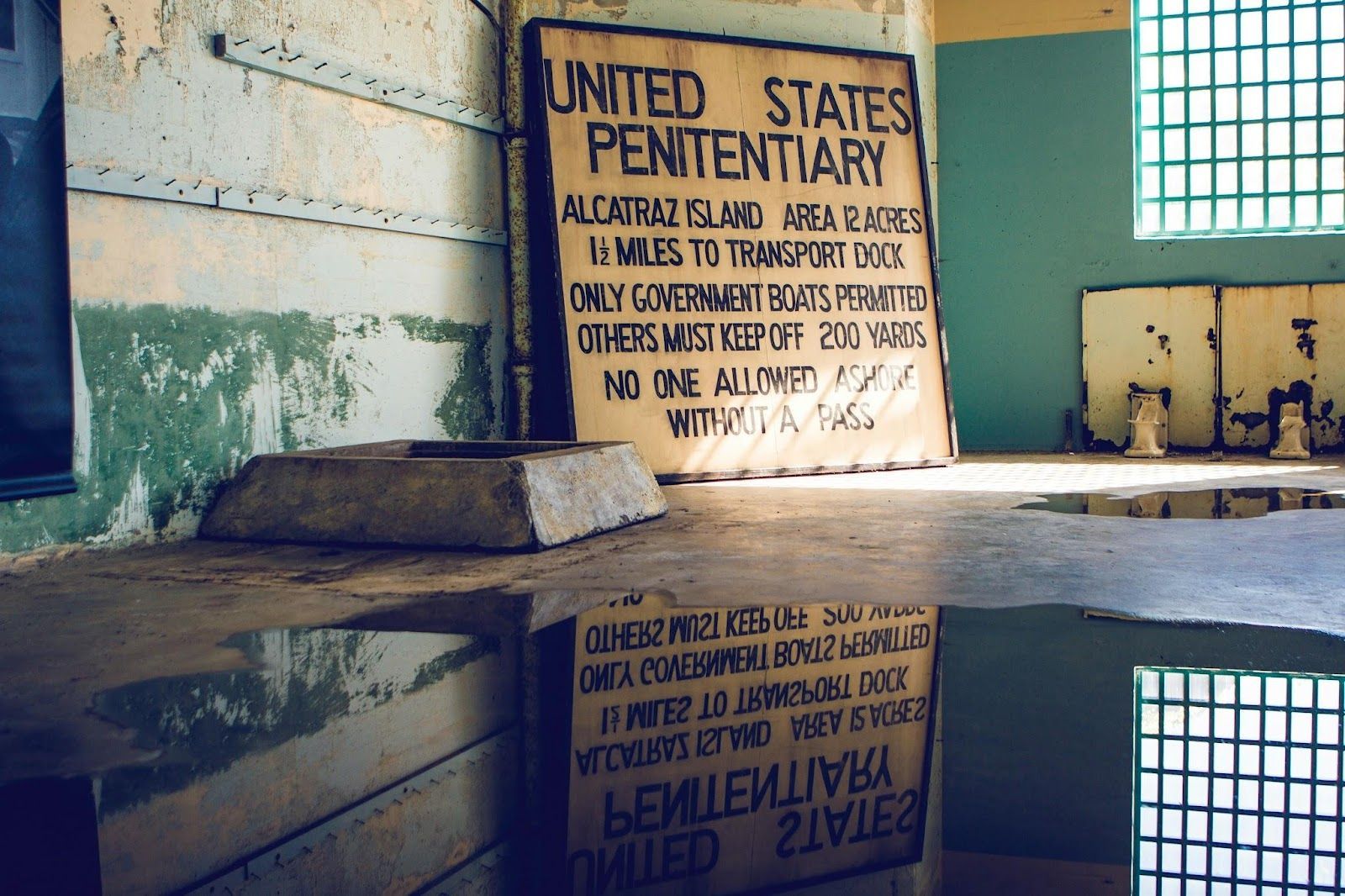
Image: Rita Morais

Alcatraz housed famous gangsters, but many inmates were sent there for different reasons. Some were transferred simply for disciplinary issues, breaking rules, or attempting escape elsewhere.

The figure of the island was a control tool, not just a punishment for violent crime. The threat of being sent to the island seemed to keep other prisons in line.

10
Families lived next to the cells
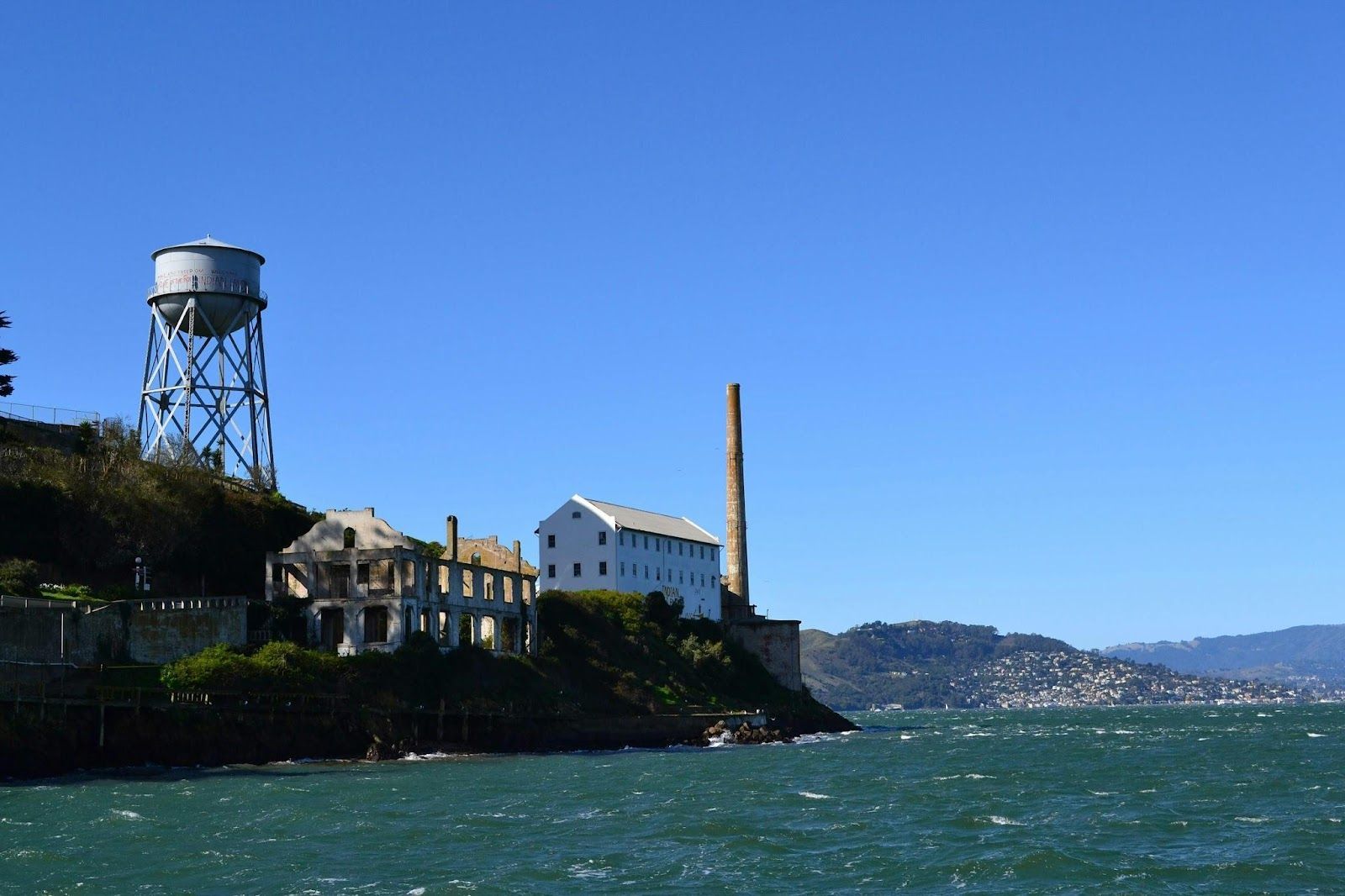
Image: Liberty Jay

Guards lived on the island with their wives and children . So, you could say that Alcatraz was a whole neighborhood. Kids played baseball, rode bikes, and attended school by ferry.

There were birthday parties and movie nights, because normal life unfolded just steps away from locked cells.

11
Alcatraz closed because it was too expensive
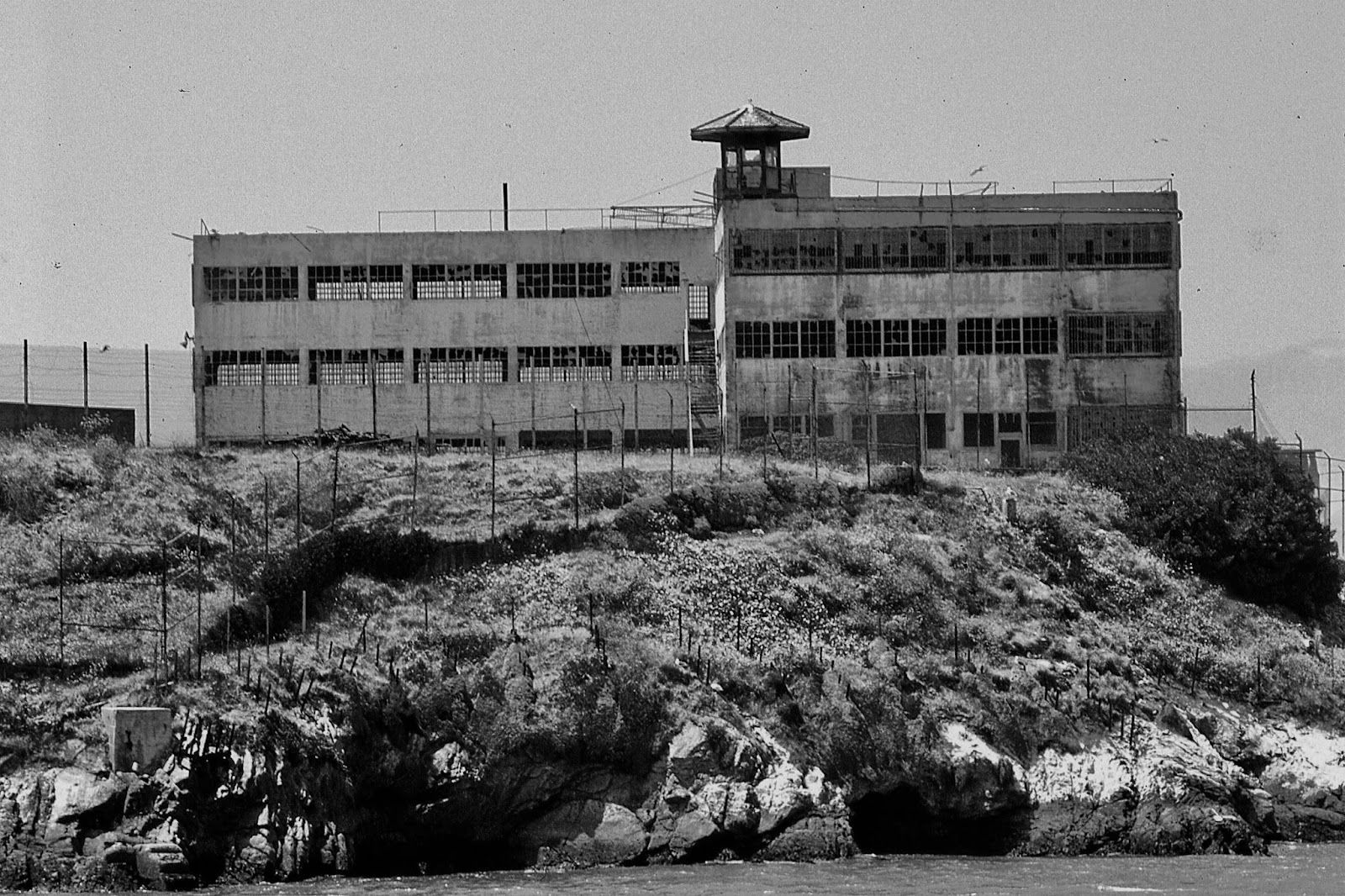
Image: Malcolm Hill

The prison shut down in 1963 because it was financially unsustainable . Everything from fresh water to fuel had to be shipped by boat. Plus, salt air corroded buildings constantly, driving maintenance costs sky-high.
Geography Geography 4 min read

Prehistoric life

10 top U.S. spots to find fossils and see prehistoric life

Image: Marcio Skull

Did you ever dream of being a Paleontologist? Maybe it's not too late! In the United States, there are many places you can visit to go fossil hunting. In fact, according to the National Park Service, more than 320 species of dinosaurs have been named in our country, and most states have produced at least one fossil. But the prehistoric world was inhabited by many other species. In addition to dinosaurs, there were other animals —and plants!— that are also worth knowing about. Without further ado, here are 10 incredible destinations for fossil sightings in America.

1
Dinosaur State Park

Image: Steppinstars

The Northeast is not particularly known for its fossil sites, as most dinosaur bones are found in the West. However, Dinosaur State Park in Connecticut Valley is a singular exception.

Dinosaur State Park is a 200-million-year-old fossil trackway containing more than 2,600 dinosaur footprints. Although most have been reburied for preservation, this park is worth a visit to see the tracks that have been left on display. In addition to experiencing the Mesozoic era, you can also enjoy nature trails, an interactive museum, an arboretum, and picnic areas.

2
Badlands National Park

Image: kkorvin

South Dakota is home to some of the most remarkable fossils ever discovered, and Badlands National Park, in particular, has been a fossil-rich reservoir for centuries. In fact, the Oglala Lakota people had been finding prehistoric remains long before paleontology was a formal discipline.

The park protects an exposed area of thousands of ancient fossil specimens. From large mammalian brontotheres to reptilian mosasaurs that swam in the ancient seas that gave way to the Badlands, there is a lot to explore here.

3
Cleveland Lloyd Dinosaur Quarry

Image: Danny Grizzle

A site with more than 12,000 bones from at least 70 different ancient animals, including lots of carnivorous dinosaurs? Sign me up!

But that's not all the Cleveland Lloyd Dinosaur Quarry in Utah has to offer. For freshwater animal enthusiasts, there are also fossilized clam beds to discover. If you want to visit, just keep in mind this park is open seasonally, April through October.

4
La Brea Tar Pits

Image: Brian Wangenheim

Los Angeles is much more than just Hollywood. La Brea Tar Pits is located right in the heart of the most populous city in California, yet it remains one of the most important fossil sites in the country.

Hours of scientific work and hundreds of excavations have yielded millions of Pleistocene fossils that are now open to the public. From mammoths, saber-toothed cats, and giant mastodons to the tiny feet of Ice Age woodpeckers, you can learn a lot about prehistoric life at La Brea Tar Pits. Not bad, don't you think?

5
Petrified Forest National Park

Image: Joseph Corl

If you ever visit Arizona, Petrified Forest National Park is worth a detour. Known for its Triassic fossils, this park seems to be frozen in time, as the world was more than 200 million years ago.

In addition to petrified trees and ancient fossilized plants and animals spread in an area of about 346 square miles, Petrified Forest National Park is also home to some interesting living inhabitants that today must survive in the harsh desert climate.

6
Dinosaur National Monument

Image: Zachary

Dinosaur National Monument on the border between Colorado and Utah houses about 1,500 dinosaur bones from some of the most iconic species. Remains of Allosaurus, Apatosaurus, Diplodocus, and Stegosaurus are included among the residents of the 150-million-year-old site.

Originally preserved in 1915, in this famous dinosaur quarry, you can also see several petroglyphs and pictograph panels made by the Fremont people who lived in the area from approximately 300-1300 Common Era (CE).

7
Florissant Fossil Beds National Monument

Image: Michael Dziedzic

The prehistoric world is much more than just mammoths and dinosaurs. 14-foot-wide petrified sequoias and thousands of insect and plant fossils await you at Florissant Fossil Beds National Monument near Colorado Springs.

These tiny organisms, approximately 34 million years old, are just as important as the enormous Tyrannosaurus rex. Although this is a lesser-known park, it is totally worth visiting. Pro tip: In the summer, you can explore the site that serves as a fossil laboratory.

8
Dinosaur Valley State Park

Image: adolfo-atm

Did you know that the area near Dallas and Fort Worth in Texas was once an ancient ocean? Around 113 million years ago, dinosaurs, such as theropods and sauropods, walked their shores.

Set astride the Paluxy River, today this area is protected by the Dinosaur Valley State Park. The fossil traces here are sometimes submerged, but on dry days they can be clearly seen and are an impressive testimony of what the Earth was like in prehistoric times.

9
The Mammoth Site

Image: Jonathan Cooper

The Mammoth Site was established in the mid-1970s after a construction worker had unearthed rare bones in Hot Springs, South Dakota. The remains found turned out to be a mammoth tooth, which was soon followed by other fossils.

Today, the site serves as a museum and active paleontological excavation site. So far, a total of 61 North American Columbian and woolly mammoths have been found here.

10
Fossil Butte National Monument

Image: Jacqueline Martinez

In the ridges of southwest Wyoming is Fossil Butte National Monument, a park that preserves the best paleontological record of Cenozoic aquatic communities. This sort of aquarium, carved in stone, has more than 2000 fossils of thousands of species of plants and animals, such as fish, insects, reptiles, birds, bats, and even tiny horses that lived around a freshwater lake millions of years ago.

With plenty of hiking trails, wildlife, and scenery, this unique park is definitely worth visiting.

General General 3 min read

Do you have a landline?

Can you tell what this was for? 12 items we no longer use!

Image: Luca Onniboni

Little by little, many of the things we used just a few decades ago have been phased out by newer technologies and changing habits. Your relatives no longer invite you over for a family viewing of holiday photos on a slide projector—they share them in the family WhatsApp group. Hardly anyone calls you on a landline anymore—they call your smartphone instead. Take a look at the following 12 things we no longer use. Do you miss any of them?

1
Paper road maps

Image: Sylwia Bartyzel

Paper maps—atlases, or topographic maps—are beautiful and there is always room for those as home decorations or teaching geography in schools. But as far as bulky roadmaps on your back pocket go, smartphones with GPS capabilities have made them obsolete.

2
Bathing machine

Image: Uta Scholl

Back in the day, modesty was far more strictly enforced than it is today. Forget about simply wearing your beach clothes to the shore—the bathing machine was a device, popular from the 18th century to the early 20th century, that allowed beachgoers to change out of their regular clothes , put on swimwear, and wade into the ocean.

3
Public telephones

Image: Pedram Farjam

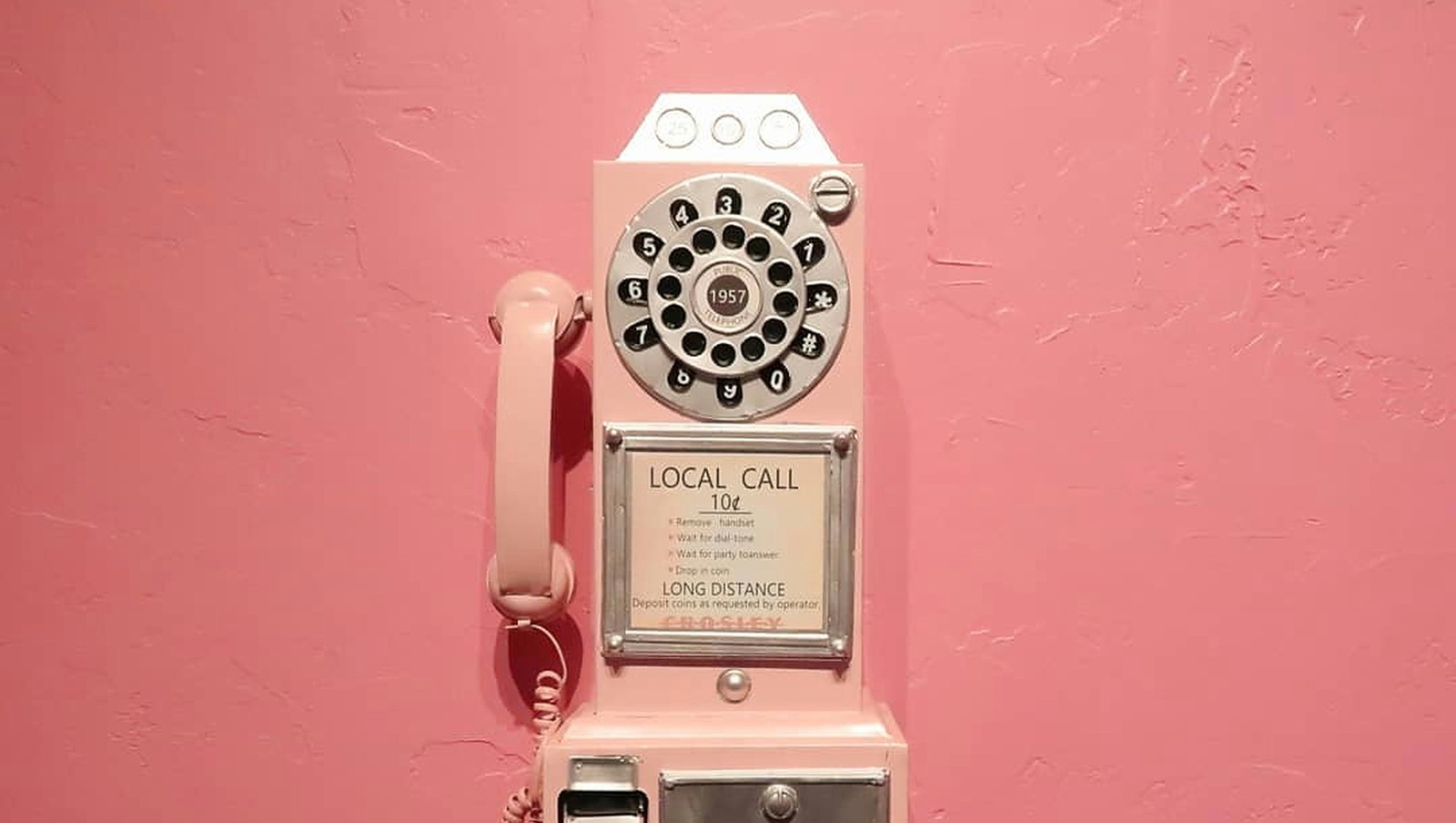
Before cell phones existed, coin-operated pay phones were the go-to option for contacting someone or leaving a message. Pay phones were everywhere—on street corners, in malls, restaurants, airports, train stations, and hotels, allowing people to make calls in public places.

4
Teleseme

Image: Zoshua Colah

In the late 19th and early 20th centuries, luxury hotels featured an electric signaling device in each room , allowing guests to request goods or services from over 100 options. An attendant in the hotel office would receive the request via a corresponding teleseme and ensure the order was fulfilled.

These devices were eventually replaced by private branch exchange (PBX) telephone systems.

5
Slide projectors

Image: Nathan Anderson

As mentioned earlier, slide projectors were once a common household appliance in many homes and a popular form of entertainment . However, they became obsolete as video projectors became more affordable and accessible.

6
Phonebooks

Image: Brittany Colette

Imagine a book containing the home phone numbers of everyone in your city . It once existed and was delivered annually to every household with a landline by the telephone company. These hefty directories became obsolete with the rise of online listings and the death of landlines in favor of cell phones.

7
Typewriters

Image: Bernard Hermant

Imagine not being able to revise what you’re writing without scrapping the whole page . While that situation was a great exercise for your focusing abilities, it was phased out by home computers and word processors, which allowed for infinite rewrites in no time.

8
Photo Album

Image: Laura Fuhrman

Smartphones have made photography more accessible than ever, yet we print fewer photos than before. When photography wasn’t digital, people took their film rolls to be developed , returning with 36 crisp pictures—some of which, if deemed worthy, were carefully placed in photo albums .

9
Cassette tape players

Image: Dave Weatherall

If you're over 40, you’ve probably owned a cassette player—whether a Walkman, a boombox, or any other model. Cassettes were sturdy, reliable, and easy to use . However, with the arrival of CDs, which offered superior sound quality and the ability to skip tracks at the press of a button, cassettes and their players quickly faded into obscurity.

10
Encyclopedias

Image: James

Before the internet, encyclopedias were the primary source of knowledge. These extensive book collections adorned bookshelves in homes and public libraries, offering detailed descriptions of almost any subject imaginable , all listed in alphabetical order .

11
Fax machines

Image: alecale35

By today’s standards, sending and receiving faxes wasn’t particularly fast, but at the time, it was a game-changer. The fax machine digitized documents with a scanner and transmitted printed pages over telephone lines . However, it became obsolete with the rise of email, scanners, and smartphones.

12
VHS tapes and VCRs

Image: Leonard Reese

Being able to see any movie you want at home feels ordinary today, but, in the early 80s, it was a dream come true. And this dream was made possible by VCRs and VHS tapes. These bulky devices were eventually replaced by DVD players, which offered superior image quality and eliminated the need to rewind the tape.

Explore more American facts

Choose your favorite category!

General
General

As American as apple pie—the very best America has to offer!

Culture
Culture

Delve into the astounding richness of American lore.

Geography
Geography

Hop in and explore vast and diverse American landscapes.

History
History

Discover the key moments that shaped the United States.