General General 3 min read

Presidential possibilities

Can the US President drive? Play a true or false game with us!
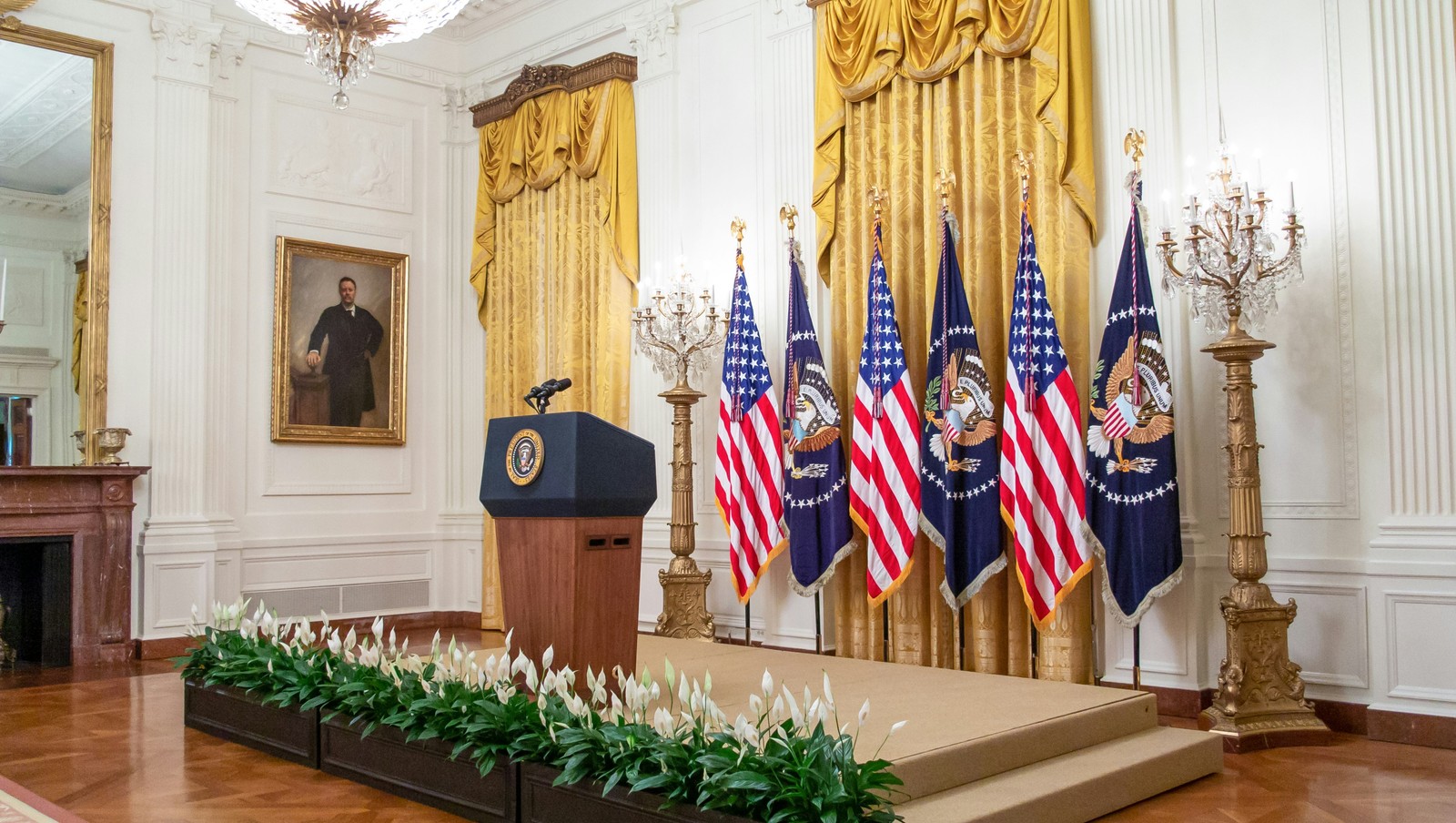
Image: Donghun Shin

The president of the United States might hold the most powerful job in the world, but that doesn’t mean they can do whatever they please . From driving cars to opening windows, some of their daily limits are downright surprising. Let’s play a quick "True or False" game and see which presidential privileges are real and which ones belong in the rumor bin.

1
Fact: Presidents can drive
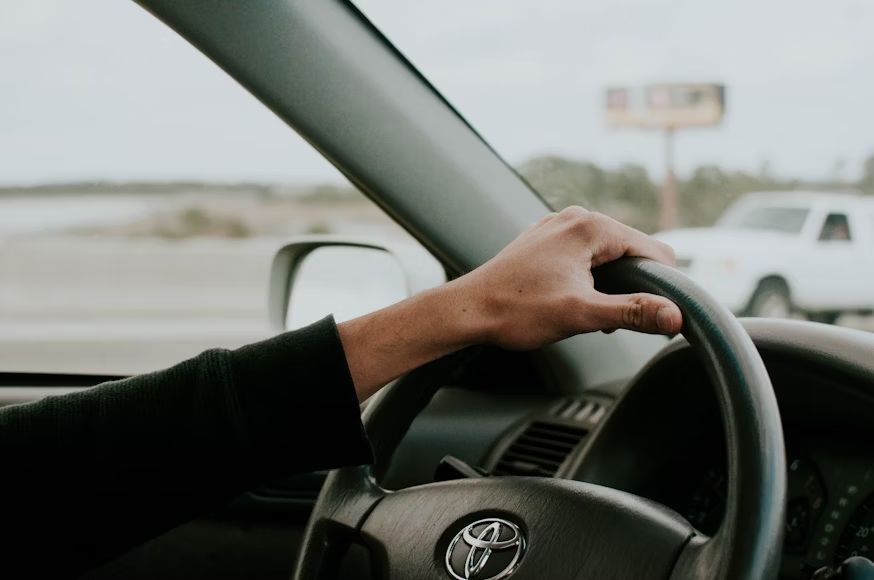
Image: Jessica Furtney

It sounds fun to imagine the president taking the wheel for a spin around town, right? Maybe a quiet drive to clear their head or grab a meal in secret behind the tinted glass. But can they really do that?

2
Answer: False
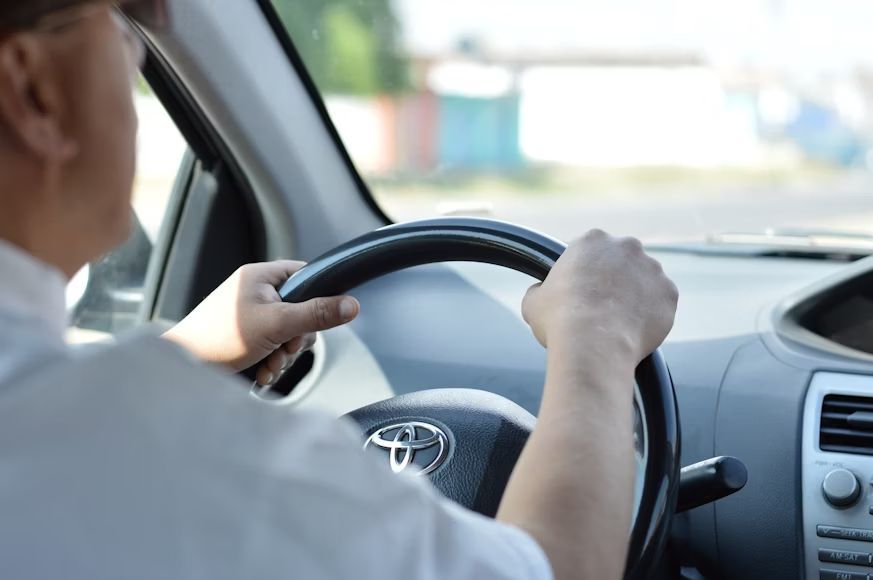
Image: Rolando Garrido

Presidents haven’t been allowed to drive on public roads since Lyndon B. Johnson, but they can still enjoy a little time behind the wheel inside fenced areas like Camp David or their own ranch. George W. Bush often drove around his property in Texas, with the Secret Service keeping a close watch, of course!

3
Fact: Presidents can’t attend their kids’ plays or games
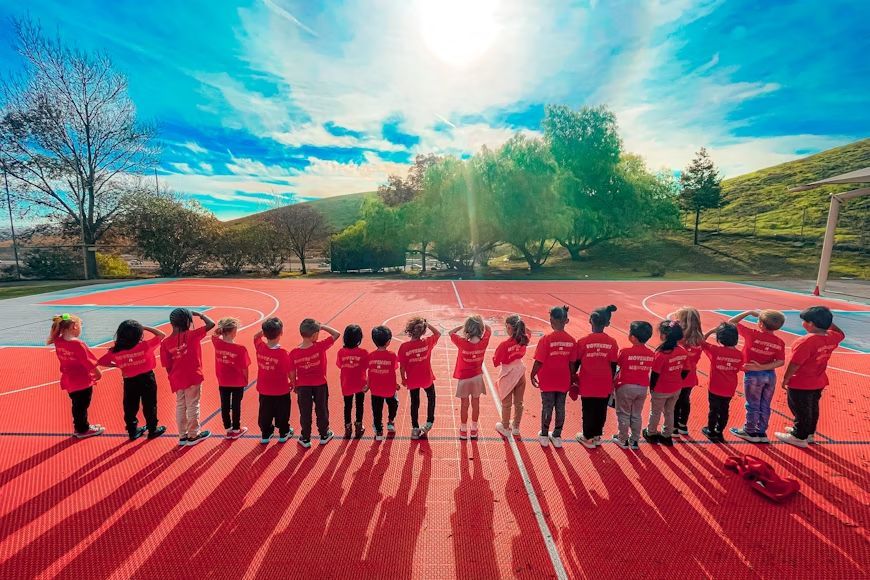
Image: Philip White

Yes, we know presidential tasks are of utmost importance, but we can all agree family moments matter just as much, even in the White House. So, do you think the president can really attend a school play or a kid’s soccer game?

4
Answer: True

Image: Ludo Poiré

It’s true, they can’t unless it’s under very controlled conditions . Public outings cause too much security chaos, so these events usually happen privately. Some presidential kids even had classrooms right inside the White House so their parents could drop in for a visit without turning it into a national operation.

5
Fact: Presidents can open the windows whenever they want
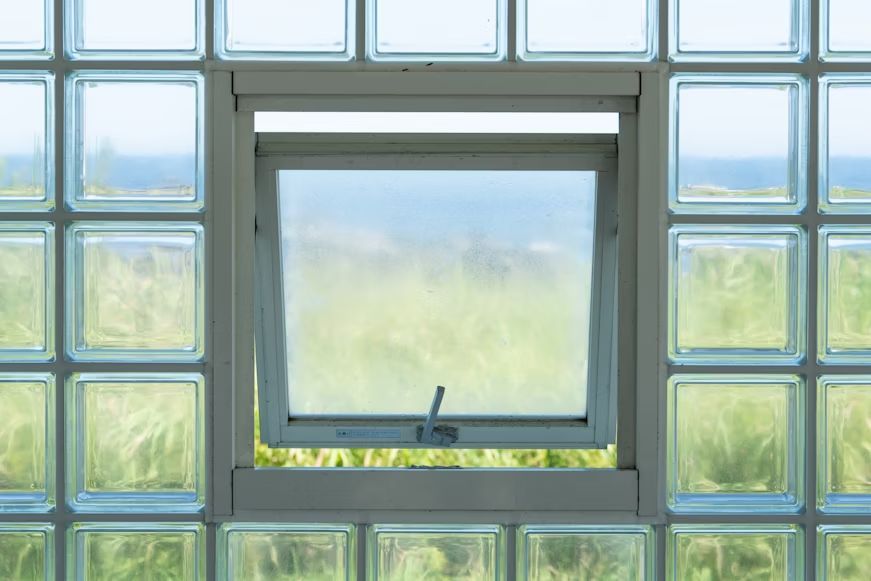
Image: Da-shika

Opening a window is one of the most innocent acts one can carry out, and surely, after long meetings and speeches, a little fresh air would be nice. Can the president roll down a window in the White House or a car?

6
Answer: False
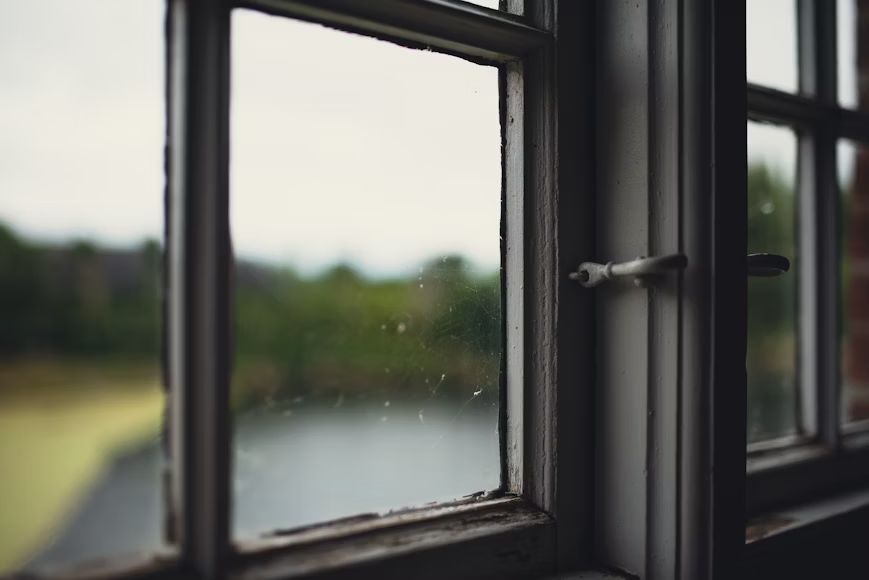
Image: Gabriele Proietti Mattia

That simple act is off-limits for security reasons , of course. Michelle Obama once said her security team gave her a five-minute "window treat" on a drive to Camp David, and it felt like freedom. The rest of the time, those windows stay shut tight.

7
Fact: Presidents can’t use commercial airlines
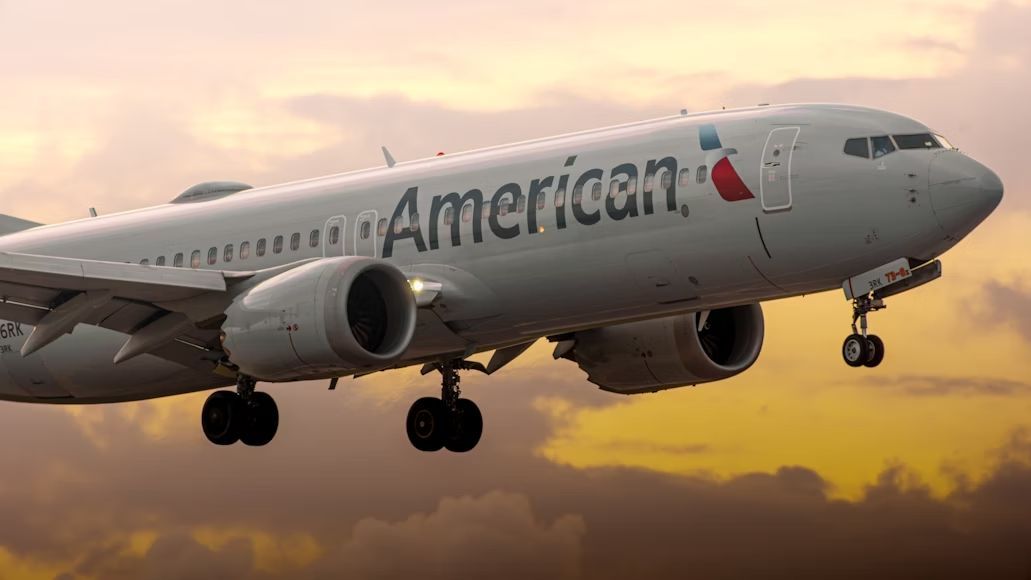
Image: Shutr

You know Air Force One is specifically designed for the President, and you also know that every president travels constantly , but can they ever hop on a regular American Airlines flight like the rest of us?

8
Answer: True
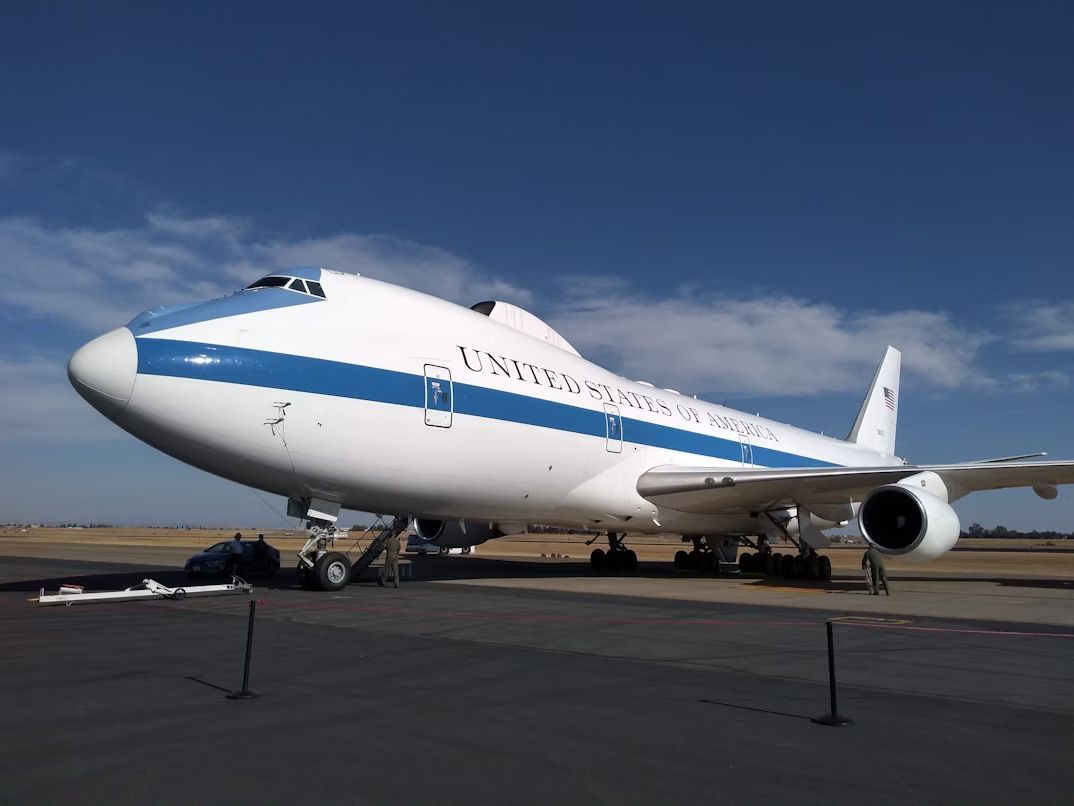
Image: avid Lusvardi

They absolutely can’t fly commercial, but they do take plenty of flights on Air Force One and Marine One. These aircraft are packed with communication systems , security measures, and comfort most travelers can only dream about. It’s safe to say they don’t miss boarding lines.

9
Fact: Presidents can use regular gadgets from the store
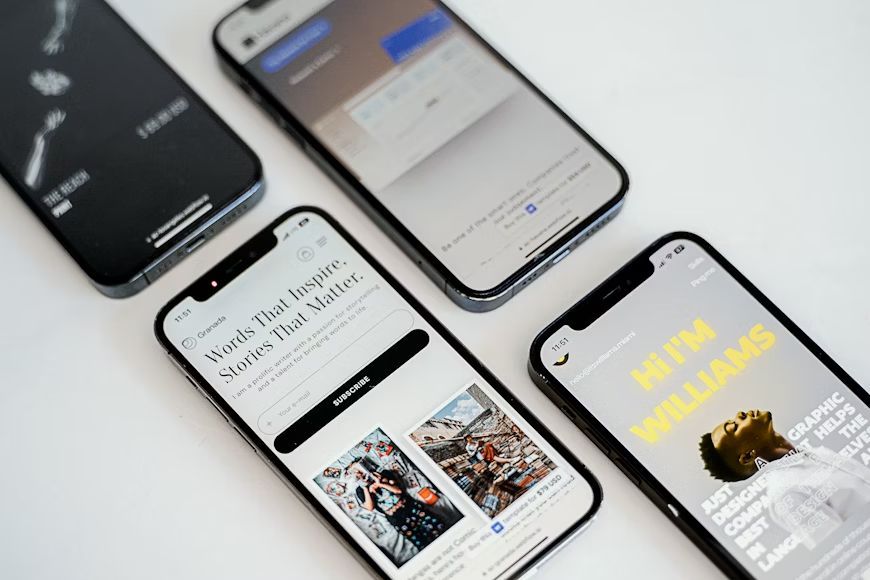
Image: Azwedo L.LC

Whoever the president is, when they get to the White House, they already have a phone. So, they must be able to use regular phones . Or, for example, a brand-new iPhone or tablet seems harmless enough. Surely the president can pick one up and start scrolling. Do you think this is true or false?

10
Answer: False
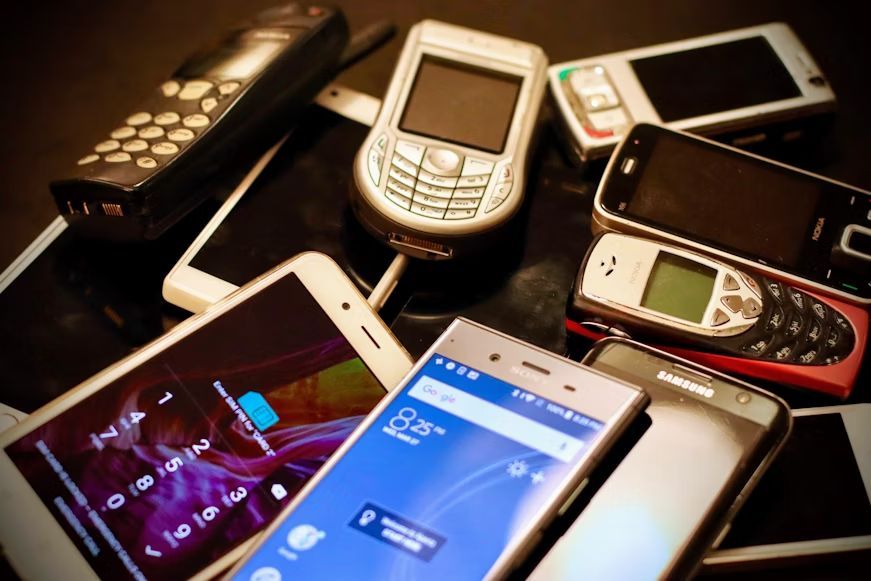
Image: Eirik Solheim

Standard devices aren’t secure enough. Presidents use specially modified versions that can’t be hacked. Barack Obama had a limited-access BlackBerry, and Joe Biden’s smartwatch and the Peloton were both customized for safety. Even the leader of the free world has tech limits.

11
Fact: Presidents can block people on social media
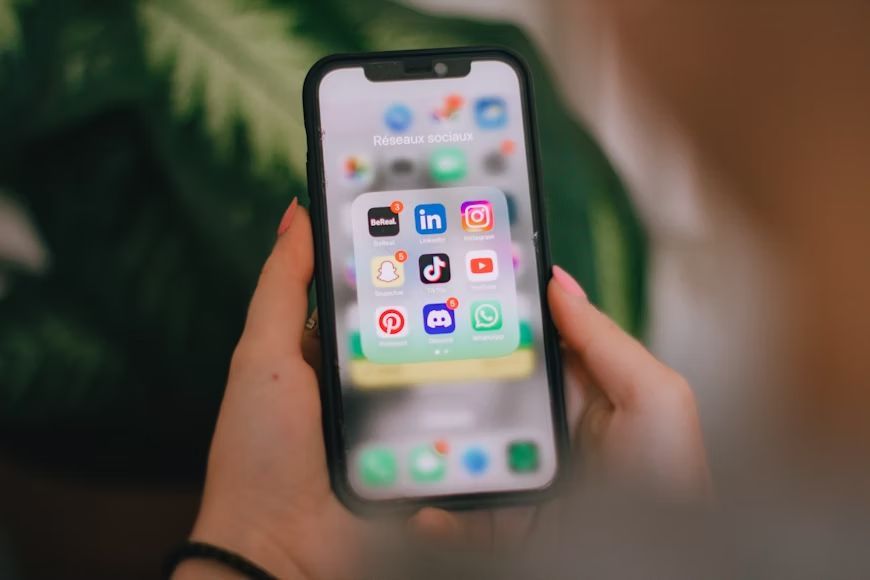
Image: Swello

Alright, so a new president is in office, and they get a brand new secure phone. But with millions of online followers, it must be tempting to block a few loud voices . Surely the president has that right.

12
Answer: False

Image: Daniel Romero

Nope. A federal court decided that official social media accounts are public forums , which means blocking users violates the First Amendment. Presidents have to let everyone speak their mind, even if the comments section gets a little rowdy.

Culture Culture 4 min read

Funny papers

Colorful pages: Here are 10 of the most iconic American comic strips!

Image: somecomputer

Comic strips might seem like a colorful little detail on the last page of a stuffy, boring newspaper, but they are so much more. They not only add humor and levity to our day, but many people can attest that they learned to read as children through their favorite comic strips. In that sense, America has produced its fair share of amazing comic strips over the years, so we thought it appropriate to honor 10 of the most iconic "funny papers" with this article. Enjoy!

1
Peanuts

Image: ZENG YILI

We’ll start with what some describe as "arguably the longest story ever told by one human being." When Charles Schulz started Peanuts in 1950, he wasn’t aware that he would single-handedly produce a plethora of amazing stories until his death in 2000. The original Peanuts run, which introduced iconic characters like Charlie Brown, Snoopy, and Linus, appeared in over 2,600 newspapers and has been translated into 21 languages.

2
Marmaduke

Image: Oliver Bichard

As any Great Dane owner can tell you, these massive dogs can sometimes be a handful. However, if the comic strip Marmaduke has taught us anything, it’s that no matter how messy their lovable dog is, the Winslow family will always care for their Great Dane, the titular Marmaduke. This comic strip was created in 1954 by cartoonist Brad Anderson, who continued to make Marmaduke comics for 61 years until his death in 2015.

3
Krazy Kat

Image: Shelby Murphy Figueroa

While perhaps not as well-known as other comic strips in this article, George Herriman’s Krazy Kat (also known as Krazy and Ignatz ) is considered by many critics to be one of the most influential comic strips in history. At first glance, Krazy Kat , which ran from 1913 to 1944, appears to be a simple gag-a-day comic depicting an anthropomorphic cat and his mouse rival. However, Herriman’s impressive artwork and groundbreaking creativity have led critics to regard Krazy Kat as one of the most significant pieces of American art .

4
Garfield

Image: Jason Yuen

Garfield is a strong contender for the title of "world’s most famous cartoon cat." True, he is competing with heavy hitters like Tom from Tom and Jerry or Felix the Cat, but this Monday-hating, lasagna-loving orange cat is truly a force to be reckoned with. Created by Jim Davis in 1976, Garfield was first introduced in a comic strip named Jon after the cat’s owner. However, Garfield quickly took the spotlight, and the comic strip was renamed Garfield in 1977. From that point onward, Garfield became an international icon, earning the Guinness World Record for being the world's most widely syndicated comic strip.

5
Calvin and Hobbes

Image: cogdogblog, CC BY 2.0

Can you remember the stuffed animal you would carry everywhere as a child, going on imaginary adventures all across your backyard? Well, for many of us, Calvin and Hobbes perfectly encapsulates those beloved memories. Created by Bill Watterson in 1985, this comic strip depicts the adventures of a young boy named Calvin and his best friend Hobbes, a whimsical and friendly tiger. What’s most moving about this comic strip is that both Calvin and the readers see Hobbes not as a stuffed animal, but as the best friend a young boy could have.

6
The Far Side

Image: Luis Cortés

Up until this point, we’ve been focusing on multi-paneled comic strips, which have several panels at their disposal to tell a compelling story. However, The Far Side has the remarkable distinction of making us laugh heartily with just a single panel. Written and drawn by Gary Larson, this comic strip combines surreal humor with unexpected punchlines , often depicting social situations or the author’s unique view of the world.

7
Dilbert

Image: The Conmunity - Pop Culture Geek from Los Angeles, CA, USA, CC BY 2.0

The break rooms of offices across America are filled with newspapers, which tired employees read during their breaks before returning to work. In that sense, artist Scott Adams perfectly chose office humor as the ideal backdrop for his comic strip, Dilbert . First published in 1989, the strip tells the story of the titular Dilbert, a white-collar engineer trying to navigate the hilarious madness of working in an office.

8
The Family Circus

Image: William Fitzgibbon

At times, the chaos of living with a big family might seem not too dissimilar to the frenzy and excitement of a circus. This seems to be the premise behind the beloved comic strip The Family Circus , created by cartoonist Bil Keane and continued by his son Jeff after Bil’s death. This comic strip revolves around an unnamed family and the many adventures that their three small children and modern life bring to them.

9
Popeye

Image: Jonathan MONCK-MASON

Years before becoming the world’s most famous sailor, Popeye debuted in 1929 as a character in a comic strip called Thimble Theatre . Interestingly, he first appeared when the series was already in its tenth year, but he quickly became its most famous character, eventually overshadowing the original cast and becoming the protagonist. In due time, the strip was renamed Thimble Theatre Starring Popeye before being simply shortened to Popeye in the 1930s.

10
Little Nemo in Slumberland

Image: Hayffield L

We’ll end with the oldest comic strip in this article, which many believe to be the father of all American comic strips. In 1905, American cartoonist Winsor McCay first published Little Nemo in Slumberland . The comic revolved around the titular Nemo, a young boy who often found himself embarking on wonderful adventures in the dream world. McCay’s remarkable artistry and surreal imagery influenced generations of cartoonists and visual artists throughout history.

History History 4 min read

Stories of Hollywoodland

12 things you didn't know about the Hollywood Sign

Image: Clément Proust

The Hollywood Sign is full of history, sponsorships, drama, and reinventions. Did you know that it was originally not only a longer word but also physically larger? And like the Eiffel Tower, it was originally intended to be a temporary structure. Read on to learn more interesting facts about LA’s most famous backdrop !

1
It was originally an advertisement

Image: Emma Timmers

Have you ever wondered why the sign exists at all? After all, not many cities display neighborhood names on a nearby hill . When the sign was first erected in 1923, it was simply a billboard promoting a real estate development, and it was supposed to stand for only about 18 months.

2
It used to be longer

Image: Sarah Sheedy

The sign originally read "Hollywoodland" , the name of a new housing development that promised wealthy buyers unique views of the sunny hills of Los Angeles. So, they stuck a gigantic sign on Mount Lee. Just temporary , they said. Just for marketing .

Over 20 years later, the district had become more culturally relevant than the housing development, but people had grown used to the sight by then. So, they decided to let go of four letters. Each cost a fortune to maintain anyway.

3
It used to be bigger

Image: Eliot

The original "Hollywoodland" sign was massive. Each letter stood 43 feet tall and stretched 30 feet across. They were made from thin metal panels slapped onto wooden frames and held up by telephone poles.

It dazzled from afar, but up close, it was a wobbly mess . The construction was so flimsy that by the 1930s, some of the letters were already tilting, cracking, or sliding out of place.

4
It’s appeared in more movies than most actors

Image: Ramaz Bluashvili

Doesn’t that fact make you giggle? It’s not Bette Davis, and it’s not Anthony Hopkins—it’s the Hollywood Sign that has more movie credits .

Aliens have blown it up. Earthquakes have toppled it. Sharks have flown right through it. But it’s also been the backdrop for kisses, chases, and friendship montages. Directors love it because it screams "L.A." in three seconds flat.

5
Technically, it’s not in Hollywood

Image: RDNE Stock project

The Hollywood Sign doesn’t actually sit within the neighborhood of Hollywood—it stands atop Mount Lee, inside Griffith Park, which is managed by the City of Los Angeles . So while it may say Hollywood , it’s not technically in Hollywood.

6
It’s been rebuilt twice

Image: Gerald Schömbs

By the 1940s, the city stepped in and gave the sign a minor facelift. After the crumbling "LAND" was scrapped, the remaining letters were patched up.

But by 1978, the sign was in serious trouble again—rusted, leaning, and on the verge of collapse, it was deemed beyond repair. This time, Hollywood did what it does best: rebooted it entirely . A new sign was built from scratch, using steel beams and concrete foundations.

7
Celebrities "sponsored" letters

Image: Joseph Menjivar

When Hollywood cried for help in the late ’70s, it was Playboy founder Hugh Hefner who stepped in. The city didn’t have the funds to rebuild the sign, so Hefner threw a glitzy fundraiser to find sponsors for each of the nine letters, at $27,777 apiece.

And it worked. Alice Cooper funded the "O" in memory of Groucho Marx. Gene Autry sponsored the second "L." Even Warner Bros. chipped in.

8
No public trail leads directly to it

Image: Venti Views

Perhaps you’ve heard a disappointed tourist complain about this before: You can hike near it. You can pose below it. But actually walking up to the letters is a no-go. The trails in Griffith Park will get you close, with plenty of Instagram-worthy views. But conservation efforts mean you’ll never legally stand between the "L"s.

One reason is that decades ago, it was easier to reach the sign—and some fans even climbed the letters.

9
The land surrounding it was once nearly sold for development

Image: izayah ramos

In the early 2000s, developers had their eyes on the land behind the sign. The plan was to construct luxury homes in the hills with killer views. But the public response was pure outrage.

Enter Hugh Hefner (again), along with celebrities and conservation groups , who raised over $12 million to save the land. Today, those hills are permanently protected.

10
It has its own security team

Image: Lukas Geck

As mentioned earlier, you can’t get a selfie next to the "H" because the sign is off-limits to the public. It’s monitored 24/7 with infrared cameras, motion sensors, microphones, and regular patrols. Some hikers still try their luck, but trespassing can lead to citations, fines, and in some cases, arrest.

11
It’s copyrighted; you can’t just slap it on a T-shirt

Image: Simon Ray

Call a lawyer before you print the Hollywood Sign on your merch. Some trademark rights to the sign are owned by the Hollywood Chamber of Commerce. That means any commercial use—like shirts, mugs, or movie scenes— requires a license . Even photographers have to tread carefully.

12
Helicopters were used to move the letters

Image: Somchai Kongkamsri

The letters have been helicoptered off before. In 1978, when the new sign was being installed, the old, rusted letters had to go. But since you can’t exactly wheel 50-foot steel slabs down a hiking trail, helicopters came to the rescue.

One by one, the original letters were airlifted off the mountain in a strange, sky-high farewell. It was quite an event, and crowds gathered to watch.

Explore more American facts

Choose your favorite category!

General
General

As American as apple pie—the very best America has to offer!

Culture
Culture

Delve into the astounding richness of American lore.

Geography
Geography

Hop in and explore vast and diverse American landscapes.

History
History

Discover the key moments that shaped the United States.