AMERICAN WEST LEGENDS
California Gold Rush: 10 Fascinating Facts You May Not Know

Image: Alexander Grey
More than 150 years ago, news of a gold nugget found in a faraway land triggered a frantic rush for the precious metal around the world , bringing large waves of thousands of people to the West Coast of the United States willing to do anything to get rich. This period is considered one of the most significant of the 19th century and is full of secrets and compelling stories. Both fascinating and constitutional, it is a testament to the foundation of American society . Here are 10 surprising facts about the California Gold Rush that will leave you speechless.
1
Migratory frenzy
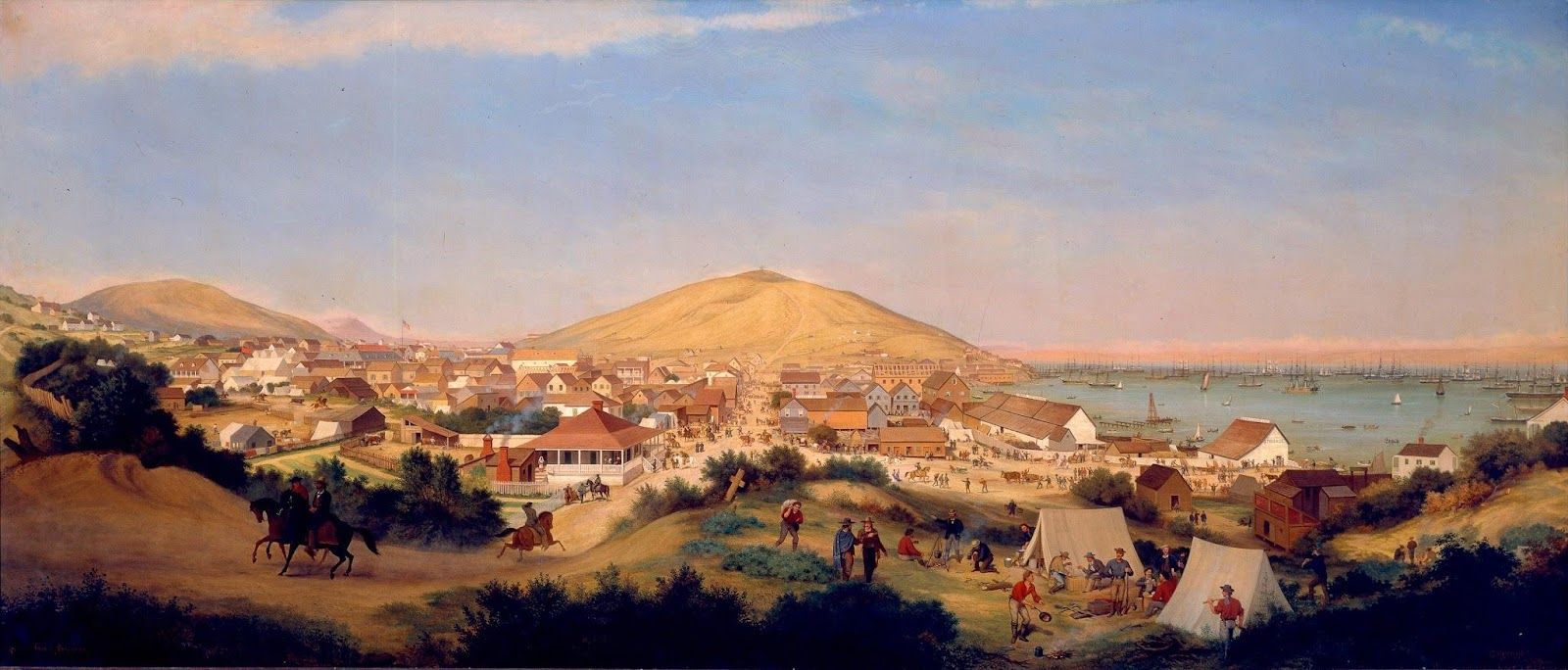
Image: George Henry Burgess, Public domain, via Wikimedia Commons
The California gold rush triggered one of the largest mass migration waves in US history, with an estimated 300,000 people moving to the West Coast in just a few years . On January 24, 1848, a carpenter called James W. Marshall found gold at a sawmill in Coloma. The news reached the East Coast in August and, in December, President James Knox Polk officially confirmed it to Congress.
As a result, by early 1849, thousands of would-be prospectors —known as the ‘49ers’— started flooding the state every day. In January 1848, San Francisco had 800 residents; by the end of 1850 it had some 25,000 , many of them living in shacks and tents. Although most of the newly arrived were Americans, the gold rush attracted people from other parts of the world like Latin America, Europe, Australia, and Asia. Thanks to this boom, California started to grow fast, building new roads, towns, churches, schools, and hospitals.
2
No place for a lady?
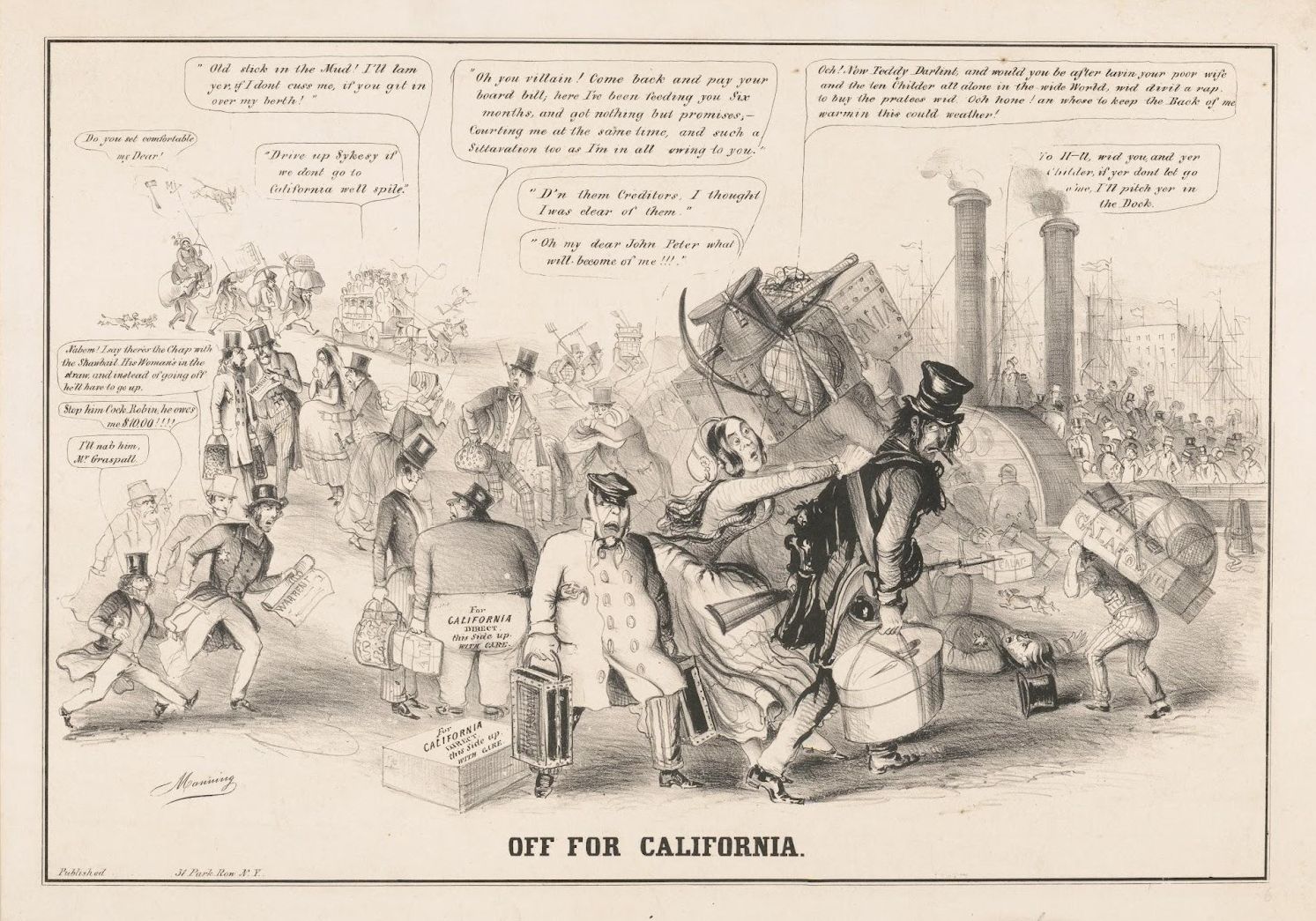
Image: Popular Graphic Arts, Public domain, via Wikimedia Commons
People in the 19th century considered the California goldfields lifestyle a bit too harsh for women, so there is not much testimony of them being involved in gold-digging . Only 700 of the 40,000 people who arrived by ship to the San Francisco Bay in 1849 were women. Some came with their husbands and families, but others were just seeking adventure.
Many of the few women living in California around this time were widows. Men frequently died in mining accidents, disputes, and diseases and the women would be left alone and in need of a job. During the gold rush, women ran profitable businesses like sewing, laundry, food preparation, and boarding houses. Others would be in high demand to work in brothels and saloons, serving drinks to the hundreds of lonely gold diggers.
3
Millionaires overnight
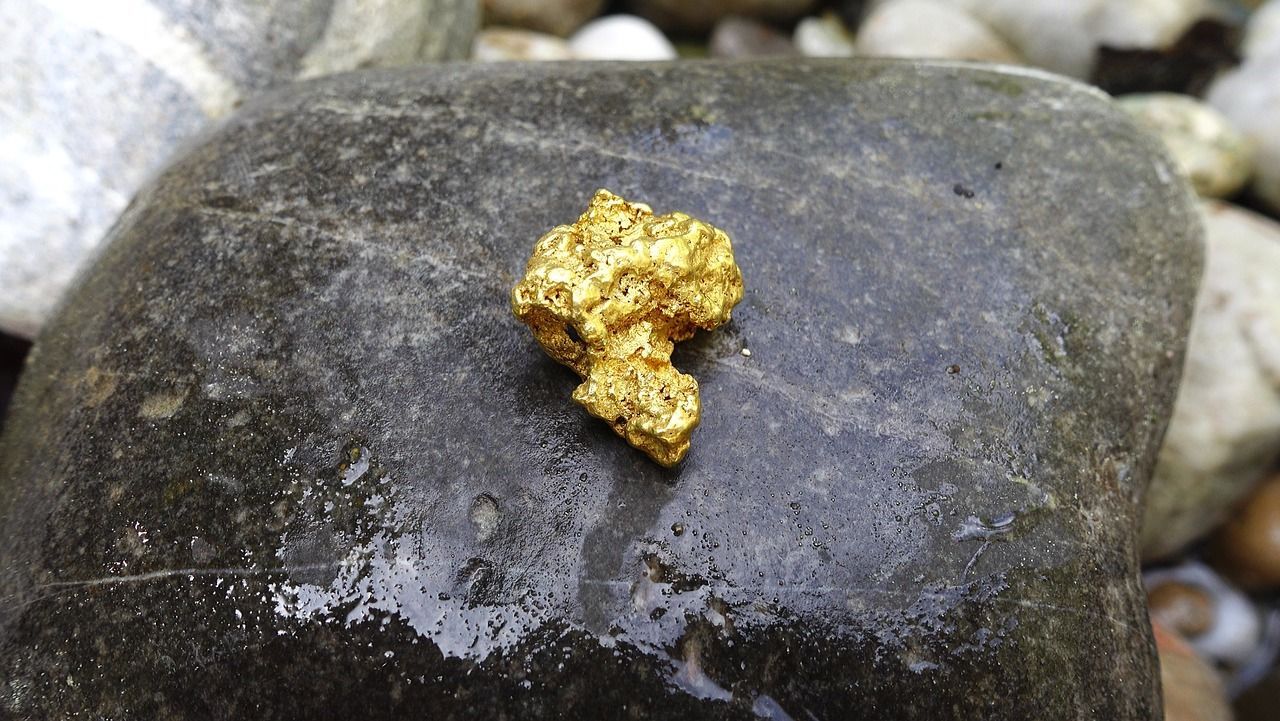
Image: Hans
Well, not exactly overnight, but pretty quickly. Brothers John and Daniel Murphy were two adventurous early California pioneers who got into the history books for having mined about $1.5 million —around $56 million today— worth of gold in a year. Within a very short period of time, they became prosperous men and influential figures in the area.
The town of Murphys —about 140 miles East of San Francisco— is named after them and is considered one of the oldest and most important of all the Gold Rush camps in the Golden State . Nowadays, this charming little town is a must-stop for tourists on their way to the mountains looking to travel back in time.
4
Blue Jeans become popular
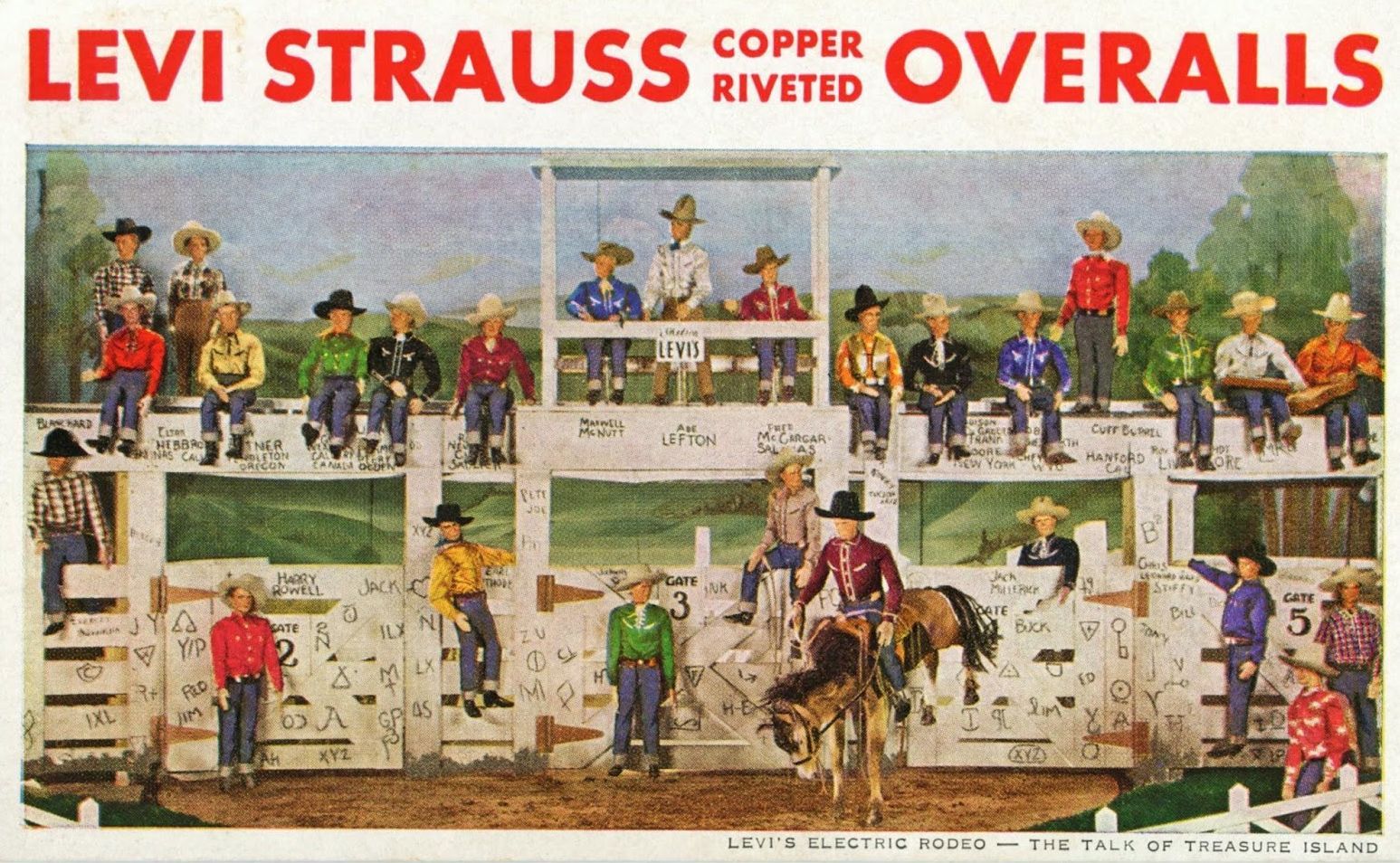
Image: SwellMap, Public domain, via Wikimedia Commons
In 1853 a Jewish peddler called Levi Strauss arrived in California looking for sale opportunities derived from the Gold Rush. Does the name ring a bell? A couple of years later, with the help of a tailor called Jacob Davis, he invented the garment of choice for Forty-Niners and cowboys: the blue jeans . By the end of 1873, thousands of San Franciscans were wearing these iconic durable pants, and the name "Levi's" was registered as a trademark.
Although Levi Strauss didn't exactly get rich by mining gold, he found a way to earn a fortune from it. Blue jeans —originally called "waist-high overalls"— came to represent the untamed American West. Over the years, not only workers would adopt them: kids, women, and even Hollywood stars owned at least a pair. And now, over a century and a half later, blue jeans are still an international symbol of youth, freedom, and independence .
5
The first international financial crisis
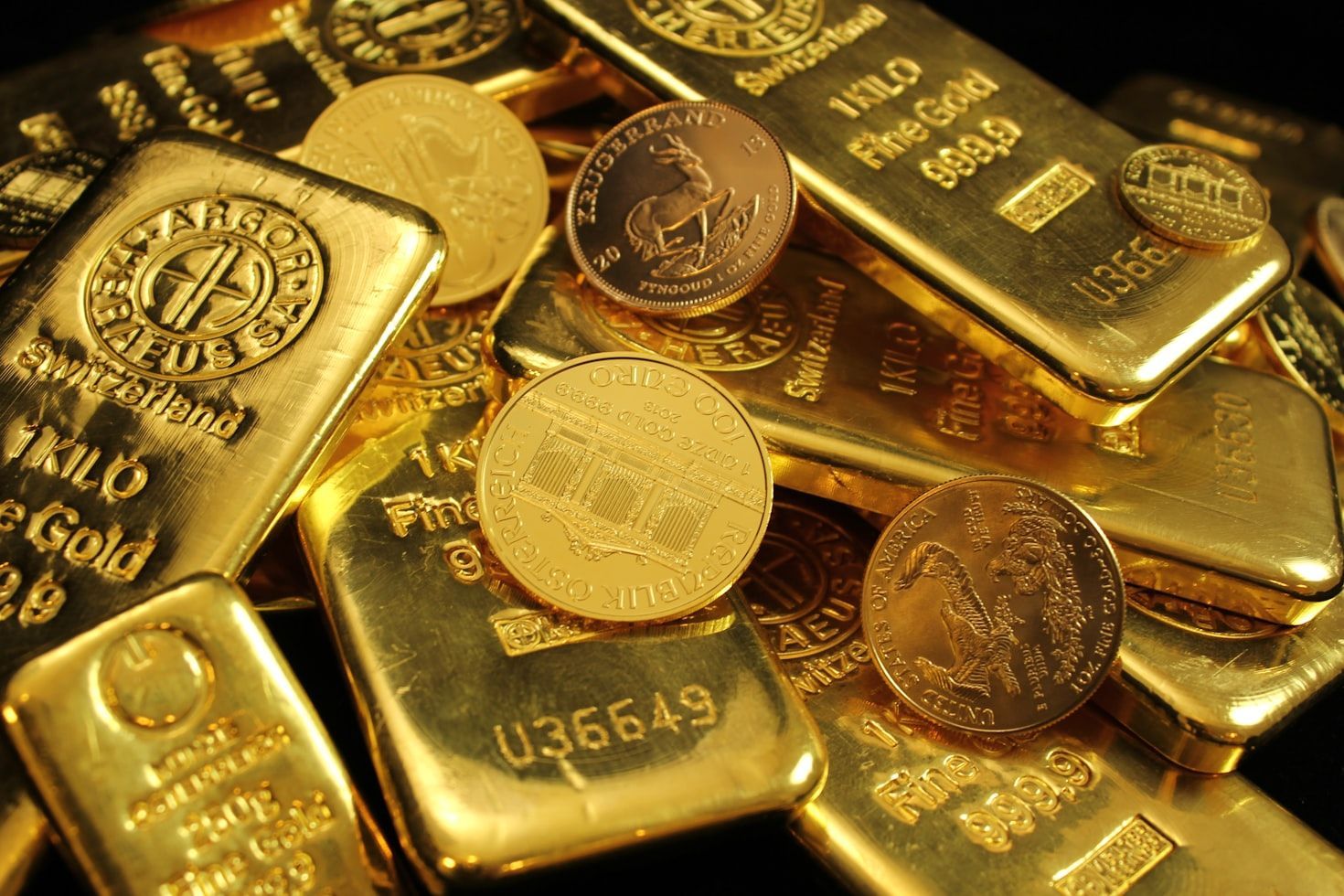
Image: Zlaťáky.cz
In just a few years, the 1849-1855 Gold Rush radically transformed California, the United States, and the world. The influx of gold served as an accelerant for U.S. economic development and enabled massive investment in public buildings, schools, and the construction of a railroad across the country. However, by the mid-1850s the world economy was so interconnected that any event could cause an international crisis.
In 1857, a crash in British banks, the speculation on railroad stock, and the sinking of SS Central America —a ship transporting a huge amount of gold—, among other incidents, triggered the first international financial crisis, known as the "Panic of 1857" . As a result, the northern domestic economy took a significant hit. However, by 1859, the Panic began to level off, and the economy began to stabilize.
6
Mark Twain struck literary gold

Image: unattributed, Public domain, via Wikimedia Commons
Did you know that one of the greatest American authors became a writer after failing as a gold miner? Samuel Clemens —a.k.a. Mark Twain—, was only one of the thousands of men who moved West during the Gold Rush in hopes of making a fortune . In 1861 he followed his brother Orion all the way to Virginia City, Nevada where he became a miner. Things didn’t go very well so he ended up working for the local newspaper, and started using the pen name by which he is remembered to this day.
Twain moved to San Francisco in 1864 and came in contact with other writers like Bret Harte and Artemus Ward. His experience in the American West inspired several of his works , such as The Celebrated Jumping Frog of Calaveras County (1865) —which brought him national attention— and Roughing It (1872). Although he didn’t become rich finding gold, Twain made a substantial amount of money through his writing.
7
Who really got rich?
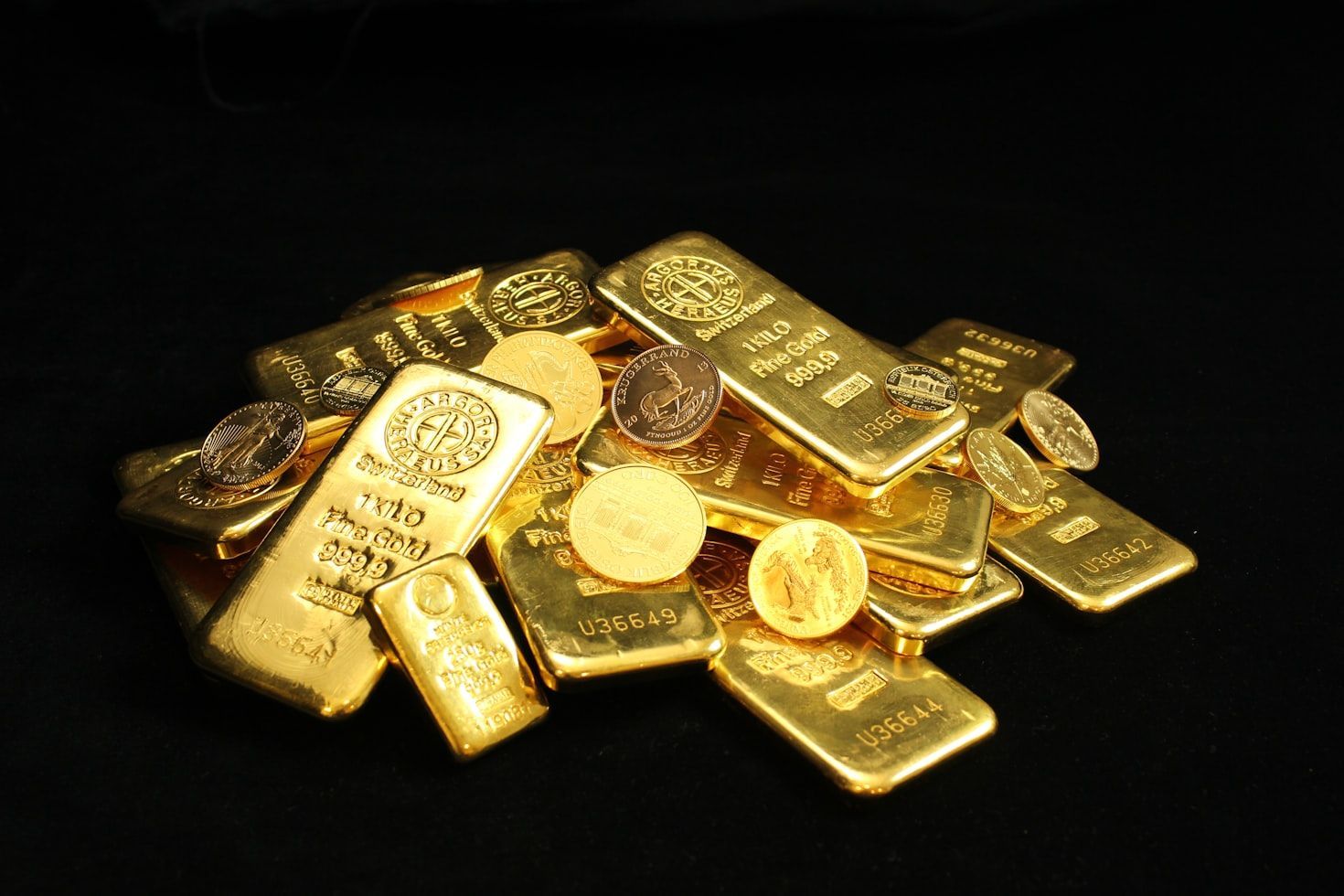
Image: Unsplash
As romantic as it may sound, migrating to a new land to find gold and get rich does not necessarily mean instant success. In fact, only a few made their fortune mining gold . For most of the Forty-Niners, arriving in California during the rush was synonymous with disappointment. The lucky minority that found some gold went on expensive trips or wasted their money on poor-quality alcohol and food at the saloons of the American West, becoming broke pretty quickly.
The people who actually managed to amass some wealth during the California Gold Rush were the ones who took advantage of the opportunities surrounding the growth of cities and the financial bubble . For example, entrepreneurial merchants would open businesses to satisfy the demands of the newly arrived prospectors. America’s greatest industrialists, on the other hand, became millionaires by investing in real estate or the new railroads. Besides, in the years following the rush, mining was no longer done by adventurous individuals, but by big companies with new technology.
8
A city built out of ships
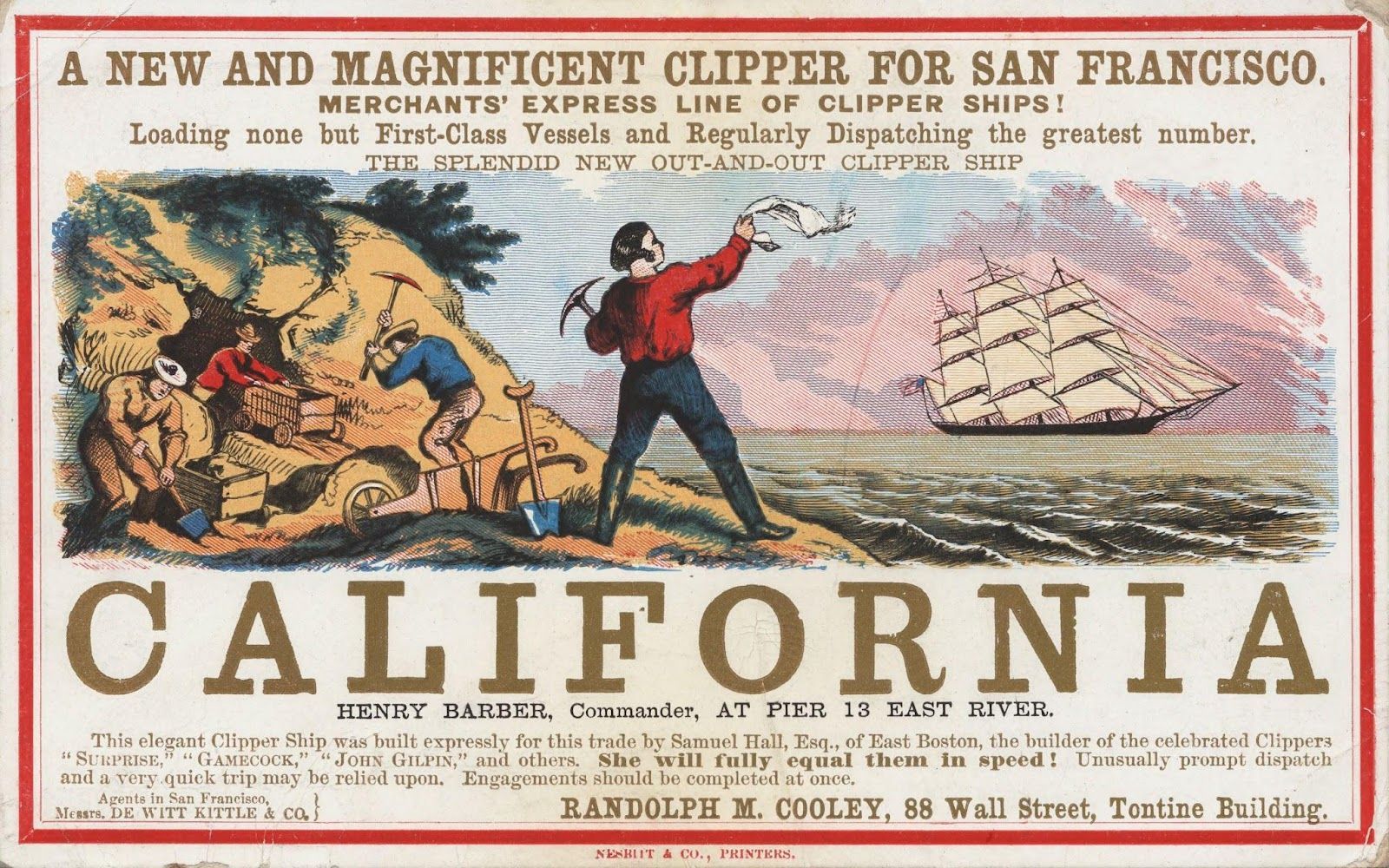
Image: G.F. Nesbitt & Co., printer, Public domain, via Wikimedia Commons
In the mid-19th century, a great number of ships arrived in California from all over the world packed with people in search of fortune. At the same time, the gold rush brought rapid growth and San Francisco soon became one of the world's great seaports, dominating shipping in the American West. These gold-seekers didn’t exactly have a return ticket, so lots of boats started to pile up on the Bay .
A few of these approximately 500 abandoned ships were sunk or buried and now can be found beneath the Embarcadero and Financial District . Others were repurposed to serve as storeships, saloons, and hotels, or their debris was used to build houses, jails, and banks. Even today, archeologists continue to discover fragments and entire ships underneath the streets of San Francisco.
9
Death Valley, a winter tragedy
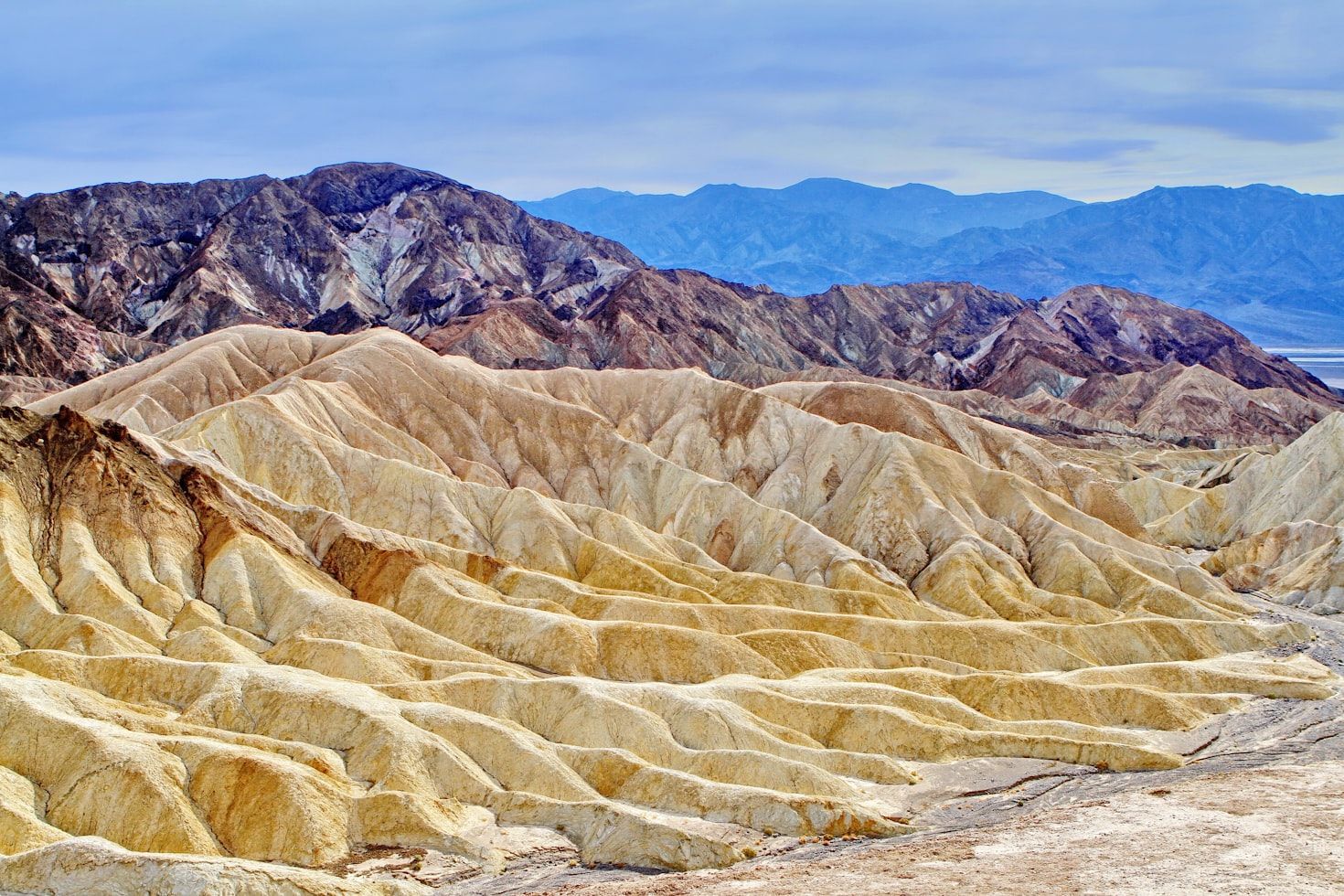
Image: Marina Šurniene
Do you know where the "Death Valley" name comes from? This desert valley in the northern Mojave Desert, in Eastern California, is thought to be the hottest place on Earth. However, it was not named after its summer temps but for a winter disaster. It was a group of prospectors who got lost looking for a shortcut to the goldfields of California in the winter of 1849-1850, that gave Death Valley its grim name.
Even before the Gold Rush, California attracted settlers searching for a new life. In 1846, a group of pioneers known as the Donner Party became snowbound and nearly half of them eventually died of starvation and exposure. A few years later, although scared and forewarned by this experience, a new group ventured across the desert. While this time around the journey was not so deadly, they suffered a few mishaps that led them to nickname the area Death Valley.
10
Found gold? Have yourself a Hangtown Fry!

Image: Ivan Shemereko
According to the legend, this famous omelet cooked with bacon and topped with fried oysters was created in El Dorado Hotel in Hangtown —today’s Placerville— after a prospector claimed to have found gold. To celebrate, he demanded to be served expensive food, so the cook put together a dish with the fanciest ingredients he had at hand: eggs were delicate and therefore very valuable; bacon was shipped from the East Coast; and oysters were brought fresh from San Francisco, over 100 miles away.
Since then, the Hangtown Fry has continued to be served at many of the local restaurants . Although now you can find versions with onions, bell peppers, and spices, this iconic dish has remained practically the same as it was during the Gold Rush more than a century and a half ago. Have you tried it?


