Culture Culture 6 min read

From real life to music

Bob Dylan wrote it to save his marriage: the real people behind 10 hits
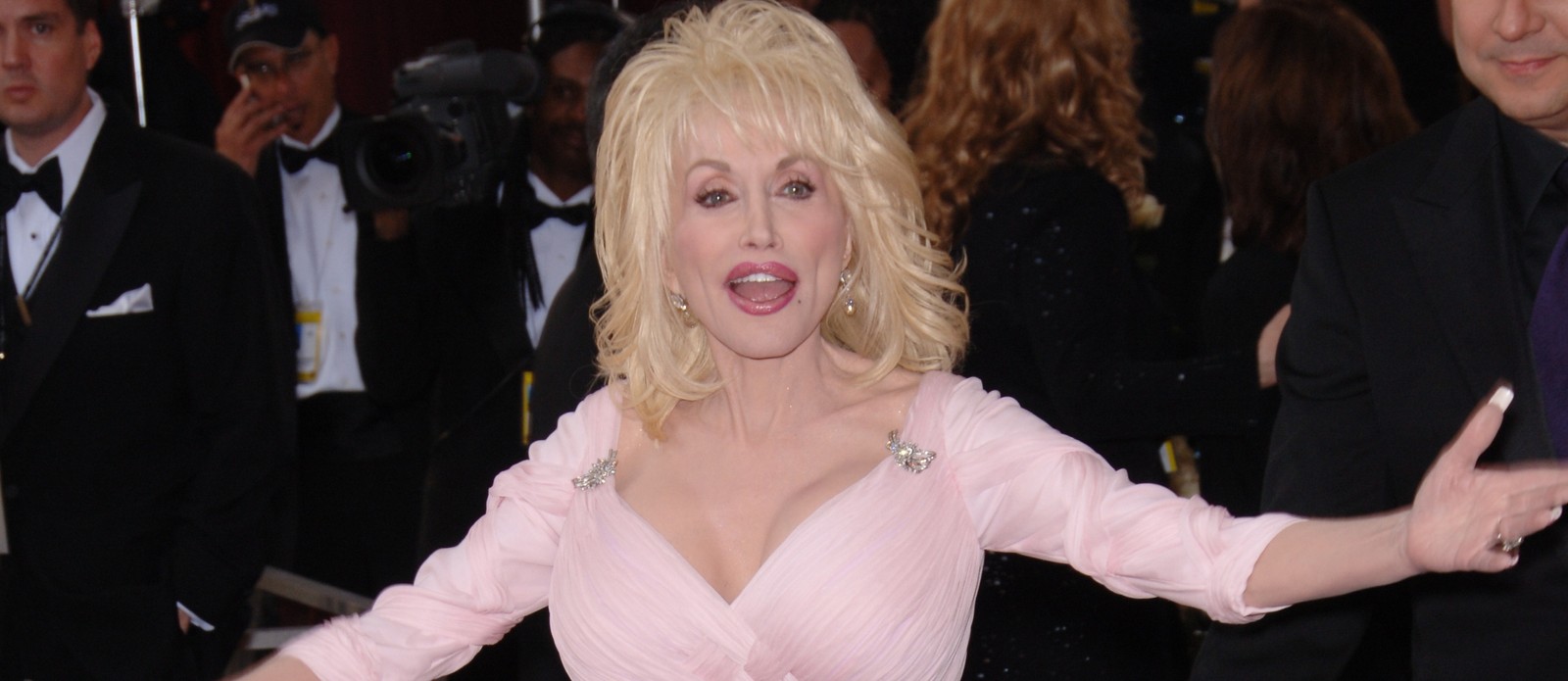
Image: Featureflash Photo Agency

You’ve sung along to these songs, danced to them, and probably heard them hundreds of times. But do you know the real stories behind them? Some of the biggest hits ever were inspired by real people, real relationships, and real moments. There were secret romances, jealousy, heartbreak, and a few surprises that sound too strange to be true. Here are the real stories behind 10 famous songs.

1
"Jolene" by Dolly Parton
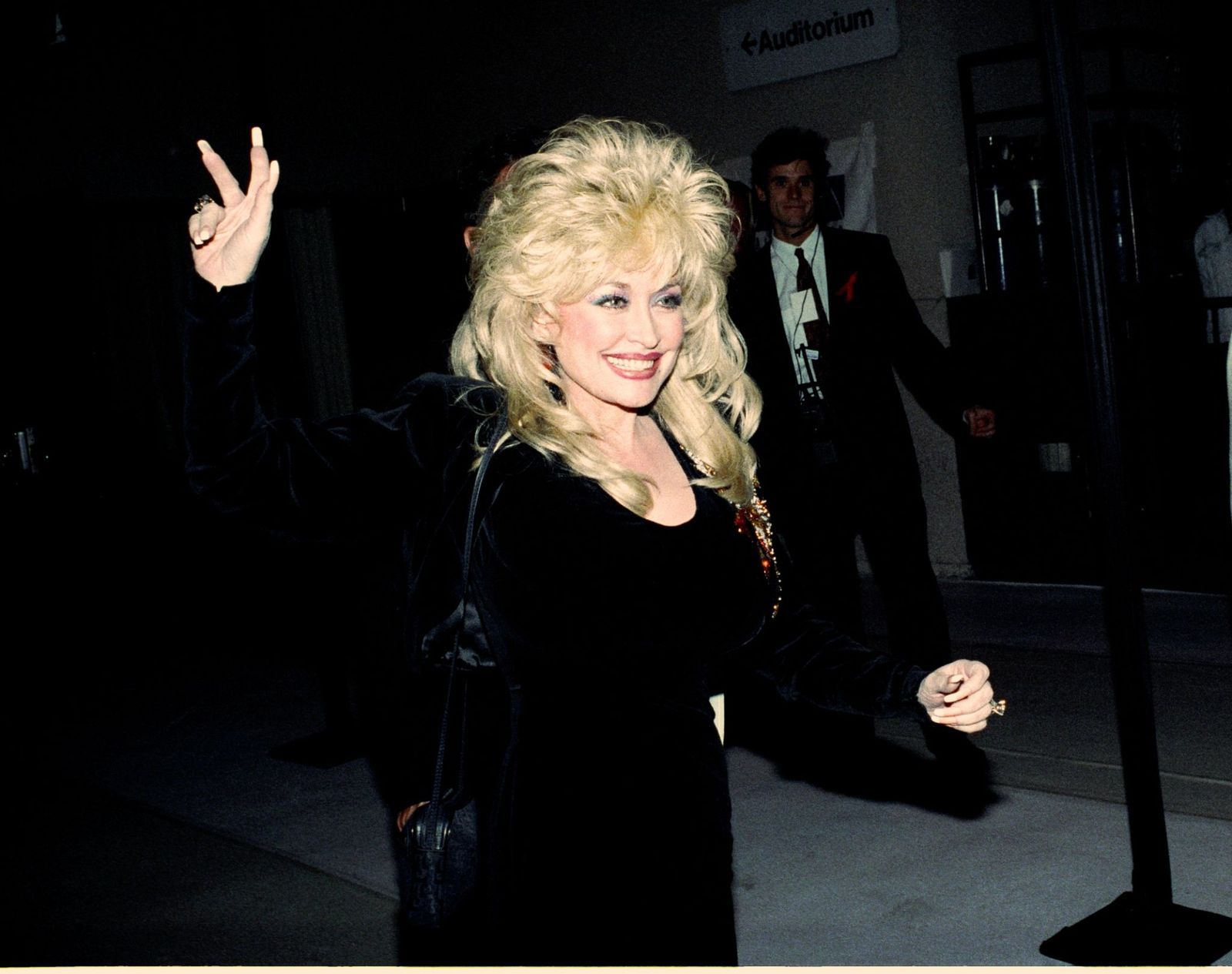
Image: Bart Sherkow

One of Dolly Parton’s most famous songs, 1973’s "Jolene," has resonated across generations because its story of jealousy feels so relatable. And it was inspired by a real experience in Dolly’s life.

As she recounted in interviews, the song was inspired by an attractive female bank teller who paid a little too much attention to her husband, Carl Dean. But while the jealousy was real, the woman wasn’t named Jolene. Dolly got that name from a young fan with beautiful red hair and green eyes who introduced herself to the singer after a concert.

2
"Sweet Caroline" by Neil Diamond
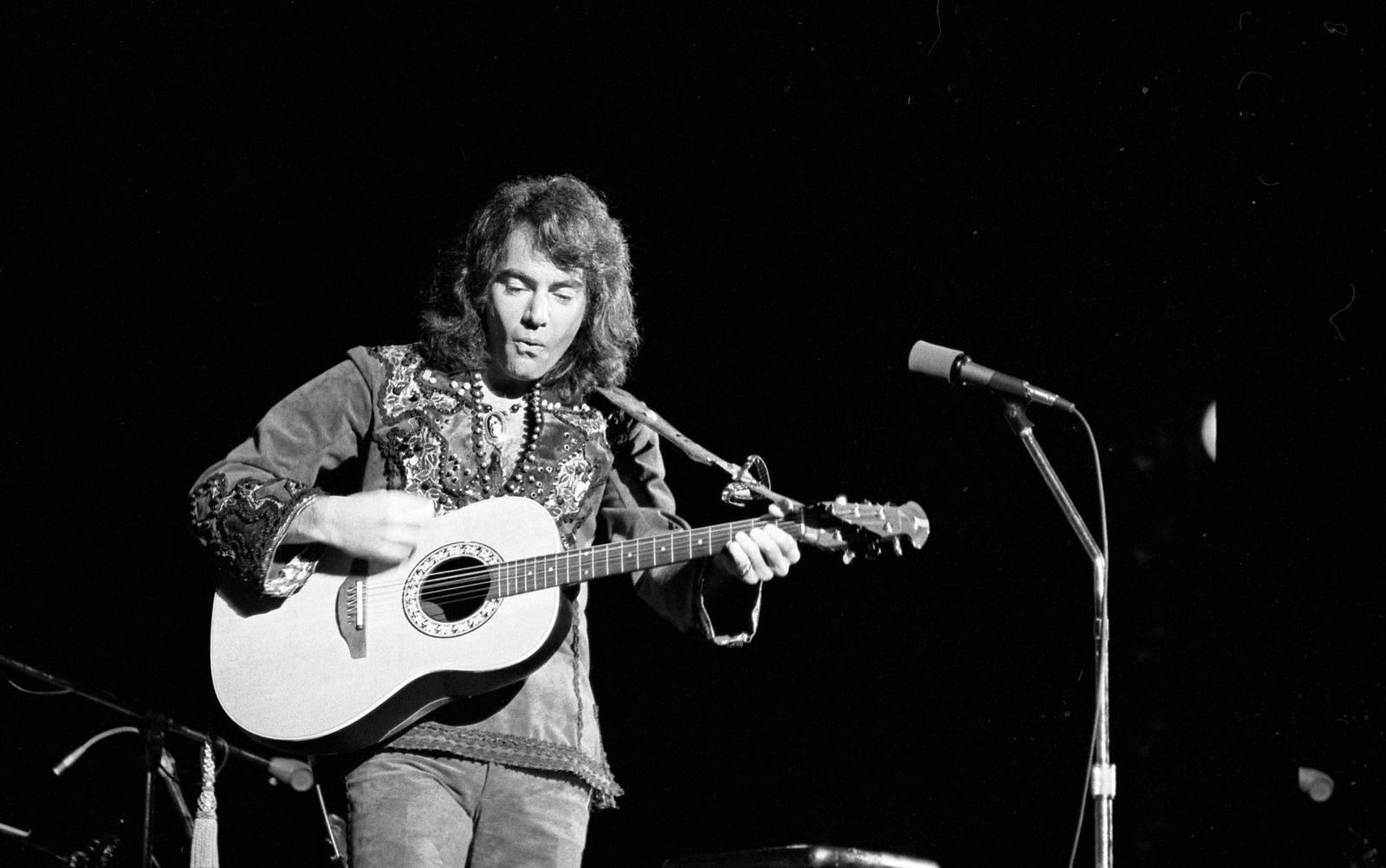
Image: Larry Bessel, Los Angeles Times, CC BY 4.0, via Wikimedia Commons

Neil Diamond wrote "Sweet Caroline" in 1969, drawing on his feelings for his wife at the time, Marcia Murphey. But if it was about her, why "Caroline"?

Diamond needed a three-syllable name for the lyrics, and he remembered a photo of First Daughter Caroline Kennedy with her horse that he had seen in LIFE magazine in 1962. Diamond kept the connection to JFK’s eldest secret for nearly 40 years until 2007, when he sang the hit for Caroline at her 50th birthday and finally told her the story. She was "struck by it and really, really happy," Diamond revealed.

3
"You're So Vain" by Carly Simon
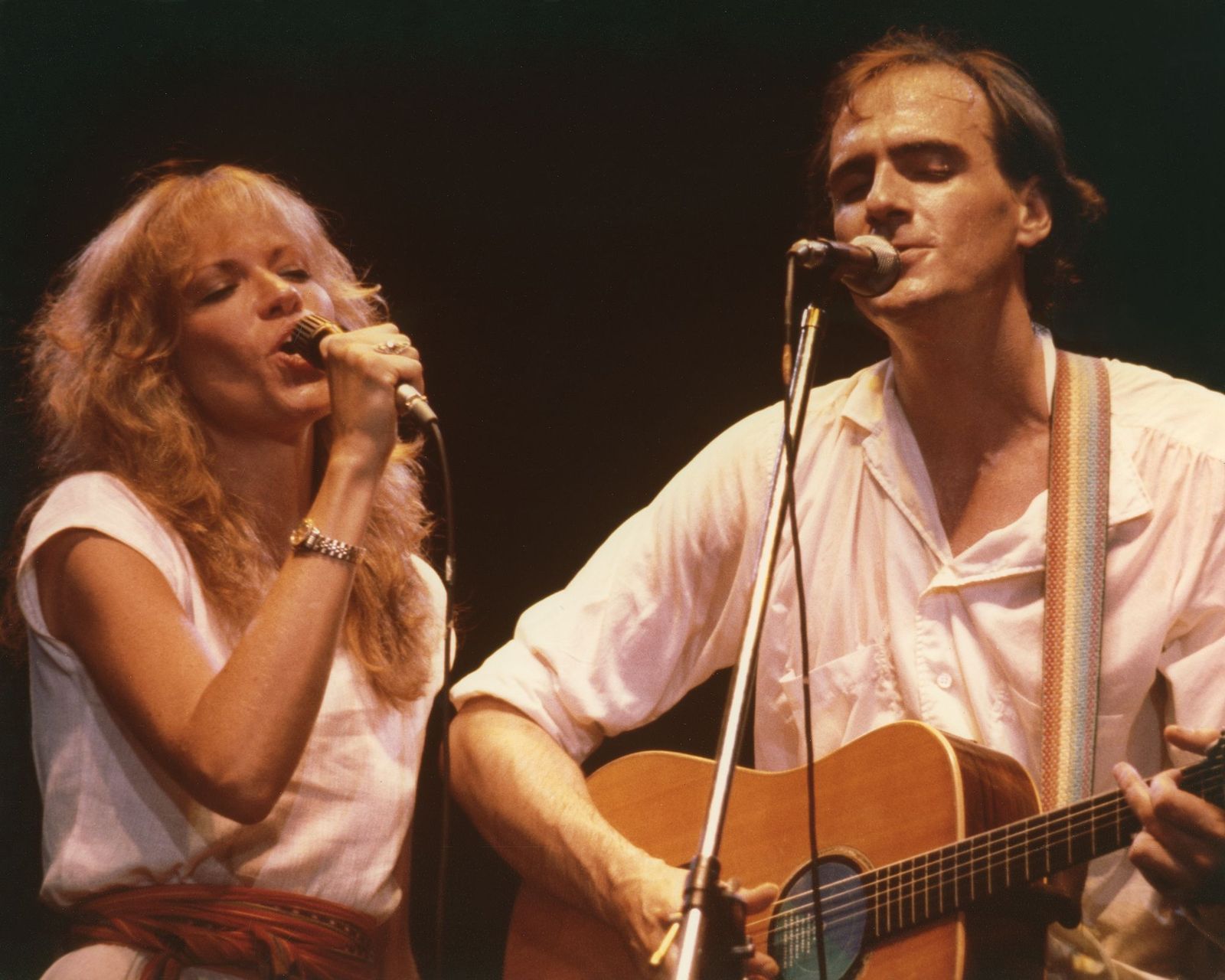
Image: Arthur D'Amario III

When a relationship ends, the inspiration can show up in unexpected ways. For Carly Simon, it became one of her biggest hits: "You’re So Vain."

As Simon herself confirmed, most of the lyrics were inspired by actor Warren Beatty, with whom she had a brief but intense relationship in the early 1970s that ended after he cheated on her. But Beatty wasn’t the only "vain" one. Although she didn’t confirm it, there’s speculation that other famous men from her past, including Mick Jagger and Jack Nicholson, also inspired parts of the song.

4
"I Will Always Love You" by Dolly Parton
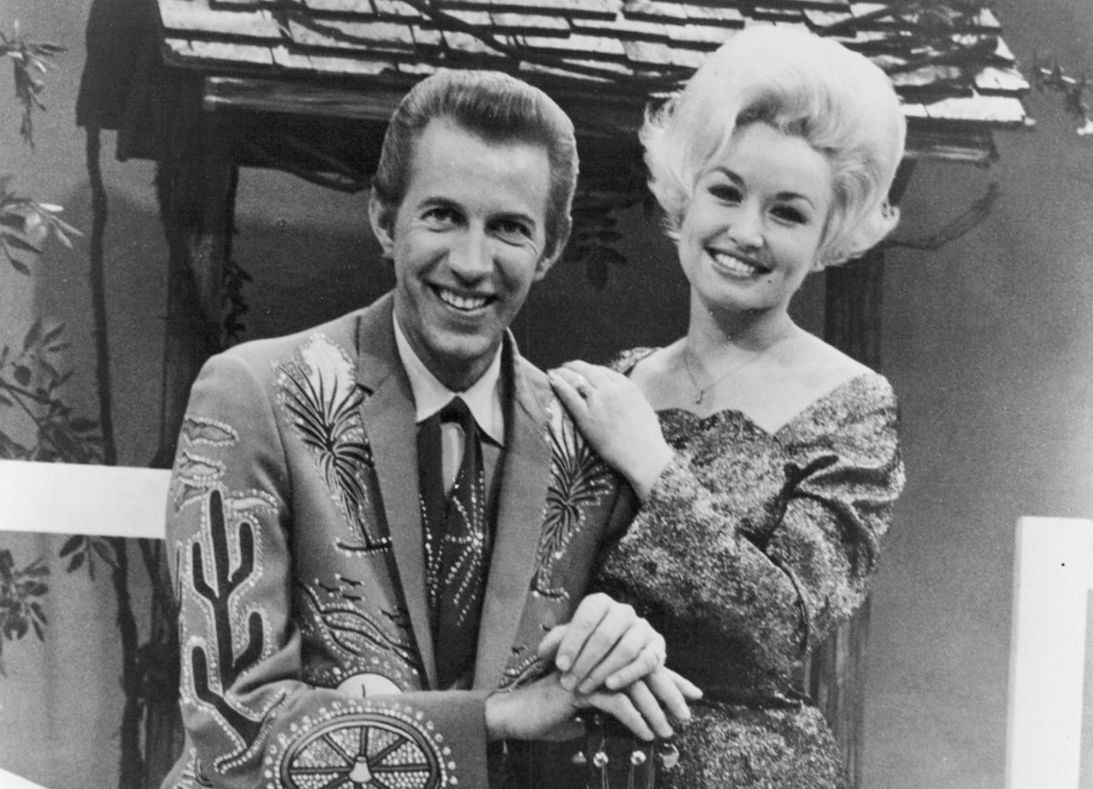
Image: Moeller Talent, Inc. Nashville (management), Public domain, via Wikimedia Commons

Despite what many assume, "I Will Always Love You" wasn’t written about a romantic breakup. Dolly wrote it as a professional farewell .

After more than seven years working with her mentor and longtime duet partner, Porter Wagoner, on The Porter Wagoner Show , Dolly felt it was time to pursue a solo career. But the decision wasn’t easy, and Wagoner was reluctant to let her go. When ordinary conversations weren’t working between them, Dolly did what she knew best: she put her feelings into a song. She brought her guitar to his office, sat him down, and played it for him. Wagoner was moved to tears, called it the prettiest song he had ever heard, and finally agreed to let her leave the show.

5
"American Pie" by Don McLean
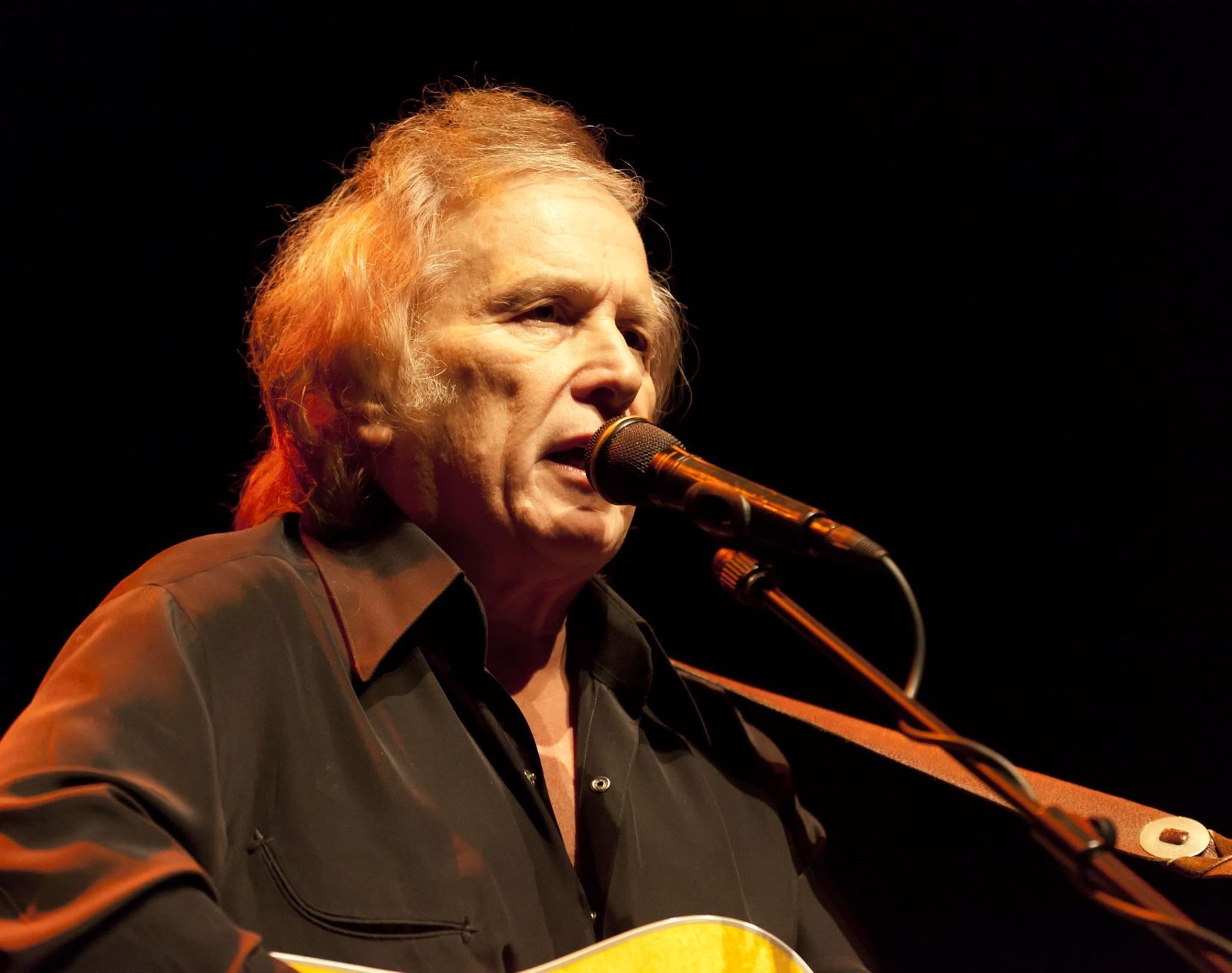
Image: Aija Lehtonen

A song can be a farewell, a declaration of love, or a tribute born of admiration. That was the case when Don McLean wrote the beautiful yet haunting "American Pie" in 1971.

This epic folk-rock song became a memorial to "the day the music died," the tragic plane crash on February 3, 1959, that took the lives of rockers Buddy Holly, Ritchie Valens, and J.P. Richardson . McLean was just 13 at the time, but he later said the tragedy had a profound impact on him. The song didn’t come together all at once, either; he wrote it in stages over several years.

6
"Billie Jean" by Michael Jackson
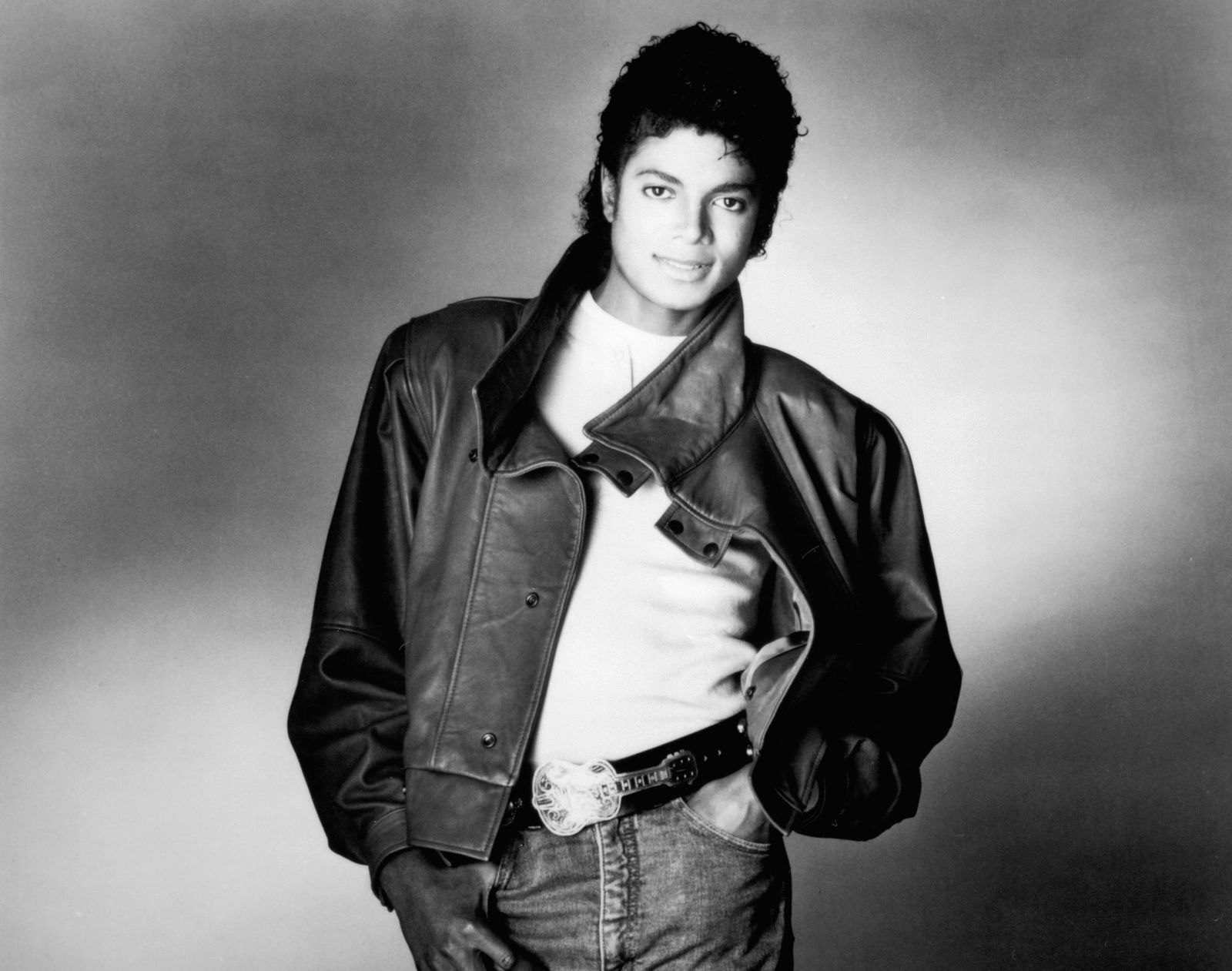
Image: Matthew Rolston; Distributed by Epic Records, Public domain, via Wikimedia Commons

In his 1988 autobiography Moonwalk , Jackson explained that his classic "Billie Jean" was inspired partly by experiences involving women who approached his older brothers while the Jackson 5 were touring.

However, the event that really shaped the song happened in 1981, when Jackson received thousands of messages from a woman who claimed he was the father of her children. The unsettling situation stayed with him and eventually became part of the inspiration for one of his biggest hits.

7
"My Sharona" by The Knack
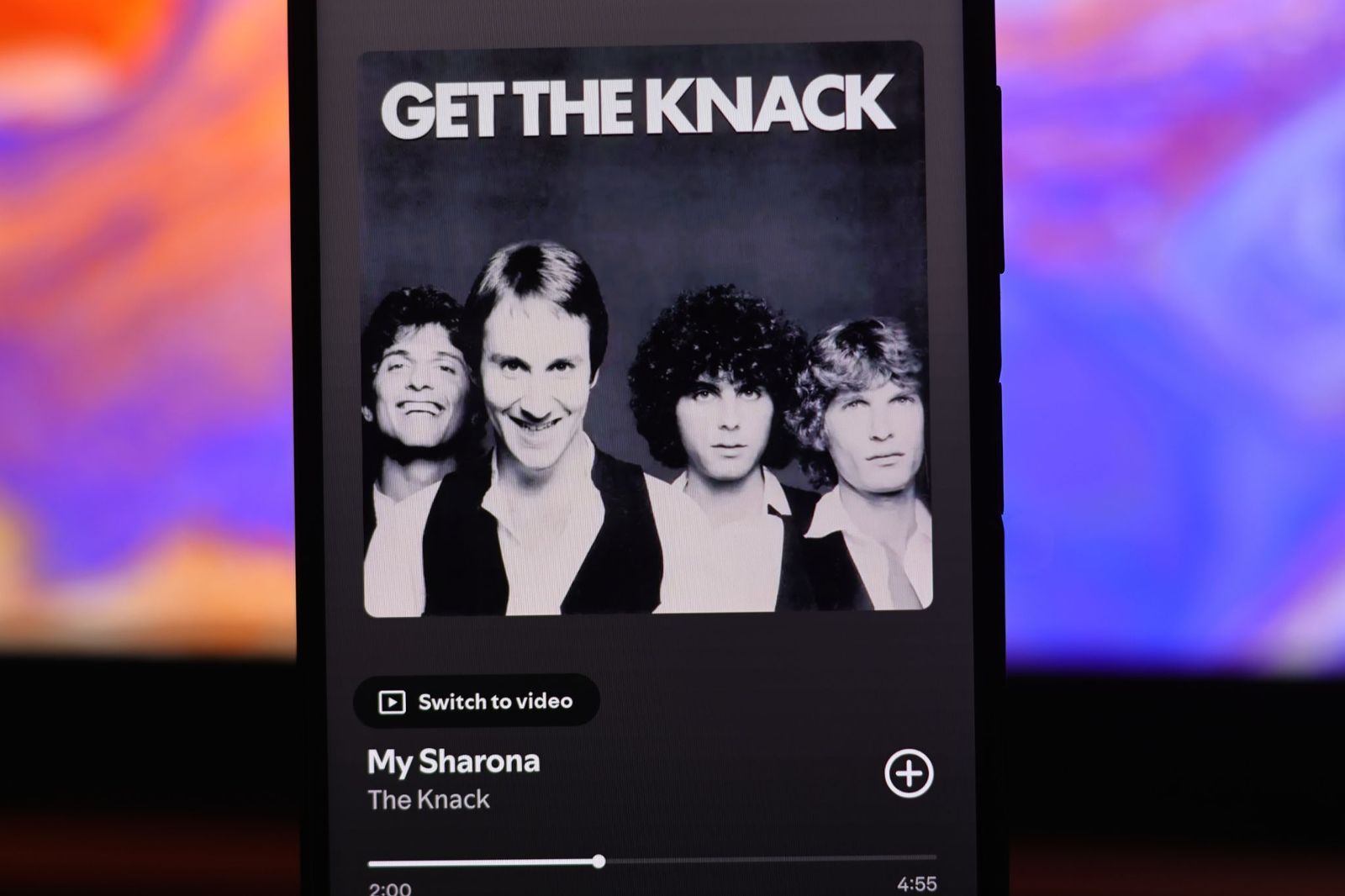
Image: McSleepy

Have you ever wondered who "Sharona" was in The Knack’s famous hit? The answer comes from a real story involving the band’s lead singer, Doug Fieger.

In 1978, Fieger met Sharona Alperin, a clothing store clerk in Los Angeles. He was instantly attracted to her, and after breaking up with his then-girlfriend, he spent several months trying to win Sharona over before she finally agreed to a date. Their romance lasted from 1979 to 1982, and inspired one of the most danceable hits of the 20th century. Even after they broke up, Sharona and Doug remained close friends until he passed in 2010.

8
"Sweet Child O' Mine" by Guns N' Roses
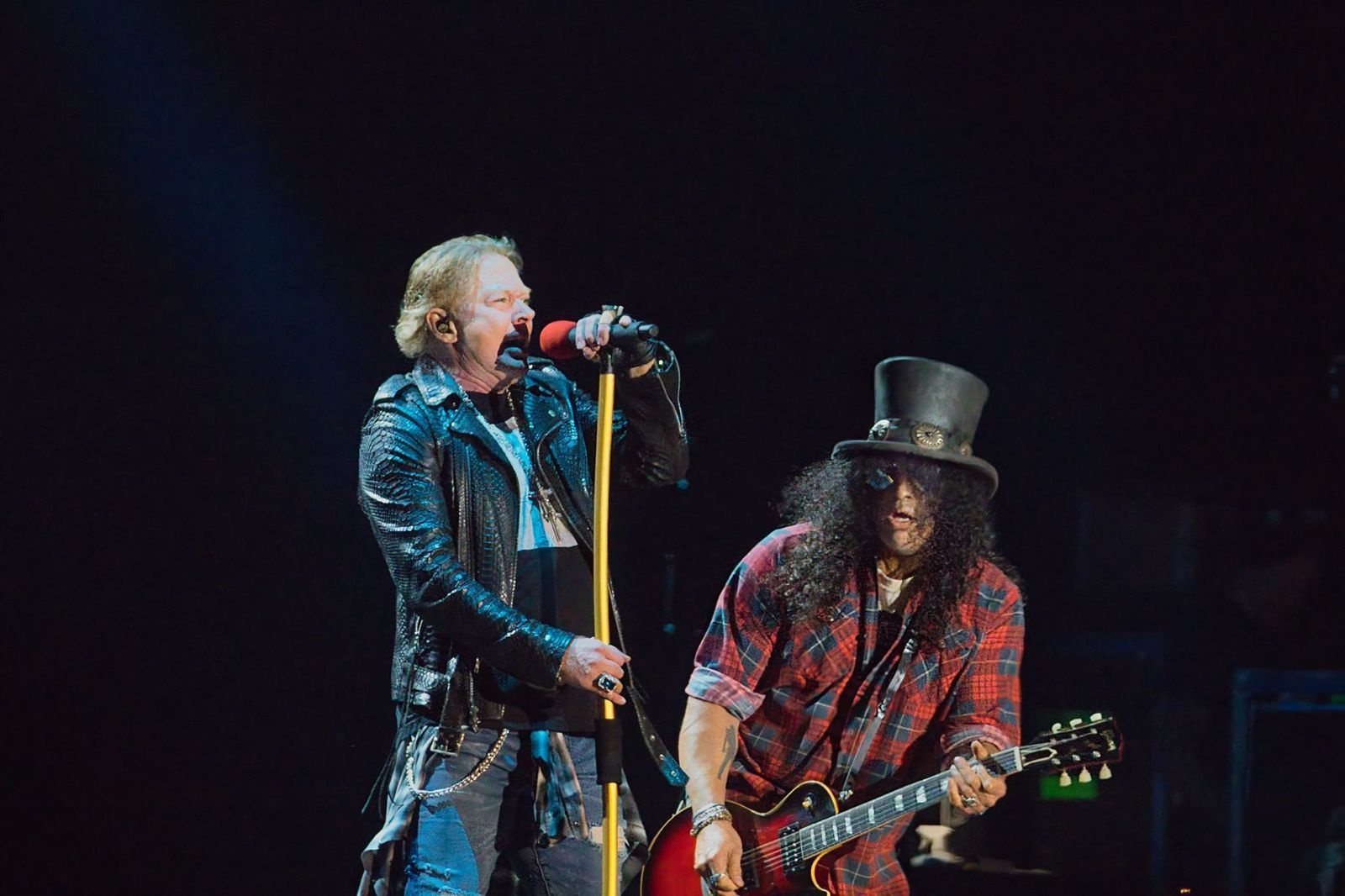
Image: L Paul Mann

In 1986, Axl Rose was dating model Erin Everly, daughter of Don Everly of The Everly Brothers. He was so in love that he wrote her a love poem in just a few hours, without knowing it would eventually become one of his most famous songs.

That same year, at the band’s shared house, guitarist Slash was playing around with some chords when he came up with an interesting riff. Izzy Stradlin joined in, and when Rose heard the melody from upstairs, he brought down the poem he had written for Everly and adapted the lyrics to fit the music, resulting in the iconic "Sweet Child o’ Mine." Rose and Everly eventually married in 1990, but the marriage ended soon afterward.

9
"Walk On the Wild Side" by Lou Reed
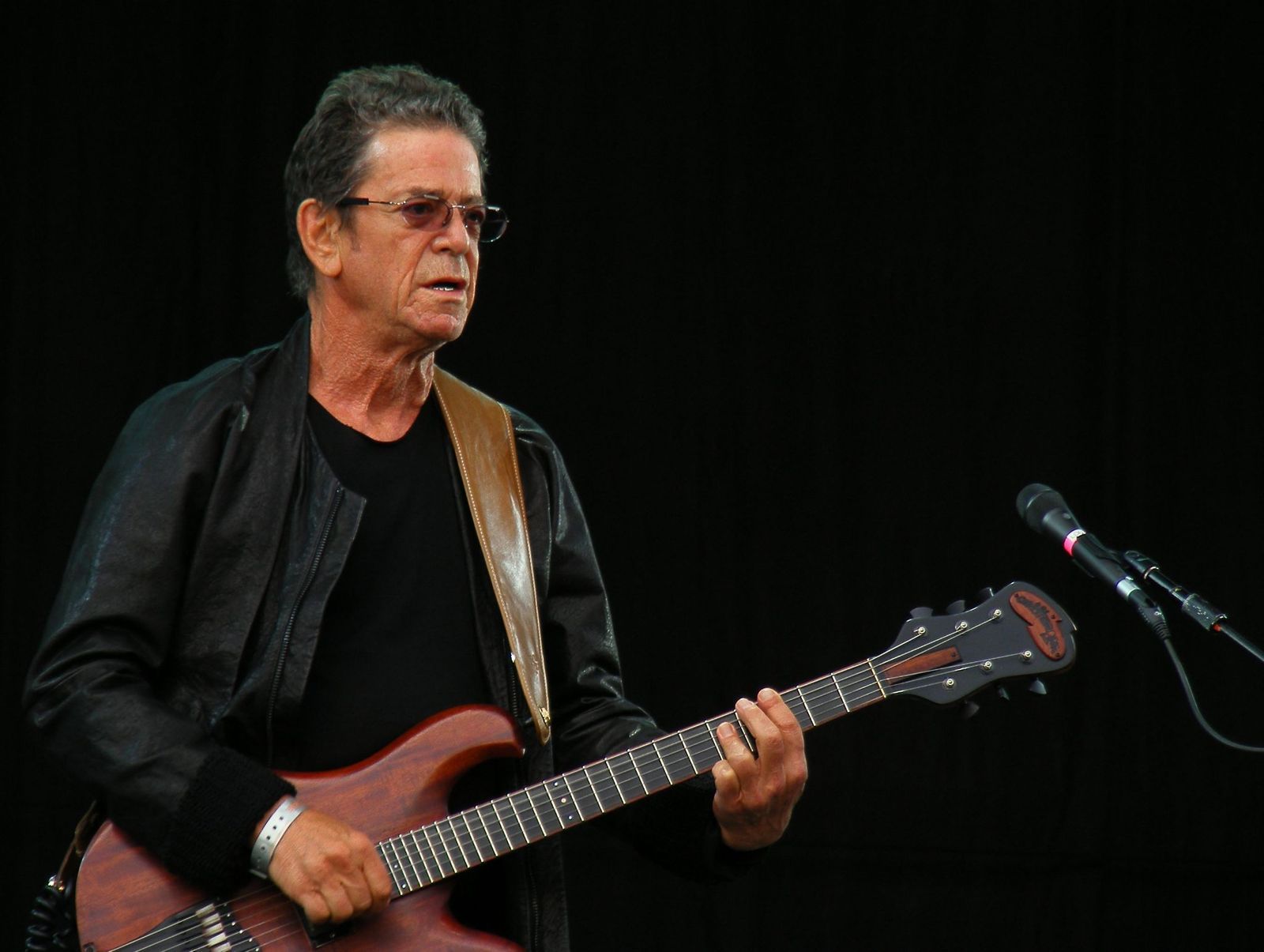
Image: Man Alive!, CC BY 2.0, via Wikimedia Commons

Music crossed paths with other forms of art when Lou Reed wrote his 1972 classic "Walk on the Wild Side".

The song is essentially a series of portraits of real people from Andy Warhol’s circle at The Factory, his famous New York City studio and collective. In the song, "Holly" is a reference to Holly Woodlawn, a transgender actress who appeared in Warhol’s underground films such as Trash (1970). "Candy" was Candy Darling, another prominent actress who starred in Flesh (1968) and Women in Revolt (1971). "Little Joe" referred to Joe Dallesandro, the actor and model who became one of Warhol’s male muses. Other figures from the era’s counterculture are also in the song, bringing a very specific art scene of 1970s New York to a much wider audience.

10
"Sara" by Bob Dylan
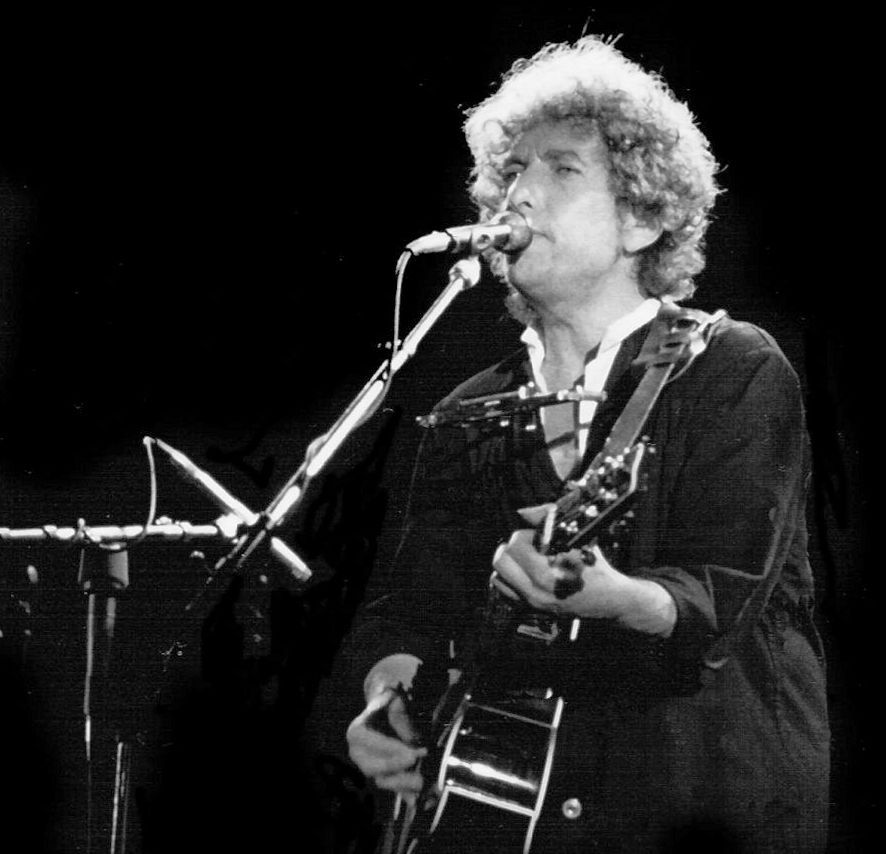
Image: Stoned59, CC BY 2.0, via Wikimedia Commons

In 1975, Bob Dylan was in the middle of a creative rush, writing and recording his album Desire . But while his career was going well, his marriage to Sara Lownds was falling apart. So he decided to write a love song for his wife.

"Sara," a heartfelt and personal song, was recorded in 1975 with Sara in the studio, and it became the raw, emotional closing track on the album. It helped spark a brief reconciliation, and Sara even joined Dylan on his subsequent Rolling Thunder Revue tour. However, the marriage ultimately ended in divorce in 1977.

Geography Geography 5 min read

American landmarks

The sky is the limit: Do you know these 10 breathtaking skyscrapers?

Image: Frederik Sørensen

The noun "skyscraper" has a fantastical side to it, doesn’t it? It directly speaks to mankind’s eternal dream to touch the sky, to be able to reach previously insurmountable heights. Ever since the first skyscraper was built in Chicago, America has been synonymous with these breathtaking and humongous buildings. With that in mind, we have selected 10 of the most iconic buildings in American history. Celebrate these architectural wonders and how they represent everything that makes us so proud to be American. Enjoy!

1
Empire State Building

Image: Afif Ramdhasuma

We’ll begin with what’s perhaps the most famous skyscraper in "The City That Never Sleeps". The Empire State Building speaks to the magnificence and grandeur of New York City: After all, it is named after the State of New York’s official nickname, "The Empire State".

At the time of its construction, the Empire State Building was the tallest building in the world, a title held for almost 40 years. Its exquisite Art Deco design and innovative architecture have turned it into an instantly recognizable icon. Perhaps more famously, it has been featured in unforgettable pictures like "Sleepless in Seattle" and "King Kong". Be honest: Whenever you see a picture of this building, can’t you almost see a humongous ape perched atop its antenna?

2
Flatiron Building

Image: Vidar Nordli-Mathisen

For many, the most remarkable feature of this iconic building is its unusual name, which comes from its also rather unusual shape. The Flatiron is considered a New York City institution, and its history is almost as inspiring as its groundbreaking design.

In its early years, the Flatiron was known by the derisive nickname "Burnham's Folly", since detractors believed that architect Daniel Burnham’s design was a laughable idea. History would prove Burnham right though, since the Flatiron is still one of the most instantly recognizable skyscrapers in the world.

3
Willis Tower

Image: Gardhy Granados

For any Chicagoan who might be reading this, we know that you probably still call this building the "Sears Tower", but we thought it would be appropriate to include the official new name of this iconic skyscraper. Located in the heart of the "Loop", the Willis Tower is a 110-story, 1,451-foot building that has truly earned its place in Chicago’s skyline.

Since its opening in 1973, Willis Tower has proudly held the title of the world’s tallest building for close to 25 years. Regardless, this juggernaut is still an American landmark and one of Chicago’s most visited tourist attractions.

4
Transamerica Pyramid

Image: Chris Leipelt

While most pictures of San Francisco’s skyline are usually dominated by the Golden Gate Bridge, visitors of "The City by the Bay" are frequently dazzled by this unusual yet breathtaking building. Completed in 1972, the Transamerica Pyramid was San Francisco’s tallest building until 2018, when it was surpassed by the Salesforce Tower.

Without a doubt, the most striking aspect of this building is its groundbreaking design: Just like San Francisco’s carefree spirit of independence, this building seems effortlessly innovative. It has been compared to other revolutionary designs, most notably to "the Shard" building in London.

5
Columbia Center

Image: Anthony Alexander

Formerly known as "the Bank of America Tower" (or BOAT for short), the Columbia Center was constructed in downtown Seattle in the early ‘80s: At the time, this imposing black skyscraper was the highest building on the West Coast. While most of this skyscraper is leased for private usage, it does house the highest public viewing area west of the Mississippi River.

The Columbia Center’s design produces a rather interesting effect: Since the building is composed of 3 separate segments joined by 2 setbacks, viewers from the street might believe the Columbia Center is made from 3 different towers set side to side.

6
The Chrysler Building

Image: Anthony Fomin

As you probably expected, many iconic skyscrapers from "The City That Never Sleeps" will be featured in this article. The Chrysler Building is an art-deco masterpiece located at the intersection of 42nd Street and Lexington Avenue, which holds the distinction of being the world’s very first supertall skyscraper.

This building was commissioned by (and named after) Walter Chrysler, head of the Chrysler Corporation, and its construction was marked by a friendly competition with the Empire State Building for the title of the world’s tallest building. In that sense, the Chrysler Building’s remarkable 1,046 feet height gave it this impressive title, albeit only for 11 months.

7
Wells Fargo Plaza

Image: Franky Magana

If you ever find yourself taking a stroll through Downtown Houston, you’ll definitely come across a gorgeous all-glass skyscraper. You can’t miss it: After all, the Wells Fargo Plaza is the tallest all-glass building in the entire Western Hemisphere, standing at an impressive 992 feet.

This skyscraper was formerly known as the Allied Bank Plaza and in, 1988, it was renamed to the First Interstate Bank Plaza. However, when in 1996 First Interstate Bancorp was bought by Wells Fargo, this skyscraper changed its name once again to the Wells Fargo Plaza we all know.

8
John Hancock Center

Image: Jonathan J. Castellon

Founding Father John Hancock truly deserves all the praise it can receive from the American people, so it stands to reason that he should have his name honored by a 1,128-foot supertall skyscraper. Located in the iconic "Magnificent Mile", the John Hancock Center was for a while the tallest building in Chicago, surpassed by the previously mentioned Willis Tower.

This skyscraper was completed in 1969 and it has remained a Chicago staple ever since. It houses several restaurants and offices, as well as approximately 700 condominiums. Interestingly, the John Hancock Center is the background on which the 1988 horror film "Poltergeist III" takes place: Posters for this film featured this skyscraper, with a menacing lighting bolt crossing the night sky behind it.

9
Bank of America Plaza

Image: Luis Negron

Just like the Empire State and the Chrysler buildings, the Bank of America Plaza is another wonderful example of Art Deco architecture located between Midtown and Downtown Atlanta. This gorgeous skyscraper is instantly recognizable thanks to its unusual color palette, and it holds the distinction of being the tallest building of any U.S. state capital.

If you are lucky enough to visit "the City in a Forest", try to visit the Bank of America Plaza at night. You’ll quickly notice that the stunning golden spire at the top of the building (which is actually shaped like the Plaza itself) glows alongside a gorgeous pyramid of girders, in a lovely orange hue that tries to resemble old street lights.

10
Home Insurance Building

Image: Александр Македонский

We’ll end this article by honoring an iconic skyscraper that, while it is not still standing, lives on in the proud history of our country. Standing at 138 feet, the Home Insurance Building might not seem remarkably tall by today's standards but, at the time of its construction in 1885, this Chicago historical landmark became the world’s very first skyscraper.

Due to a decrease in its occupancy, the Home Insurance Building was demolished in 1931, alongside 5 other buildings, to make way for the site on which the Field Building now stands. However, this landmark’s legacy still stands, earning its well-deserved place in history as the father of the skyscraper.

General General 5 min read

What bird species can recognize human faces and remember them for years?

Image: Joshua J. Cotten

Backyard birding doesn’t require binoculars, special gear, or even much planning. Just a window, a cup of coffee, and a bit of curiosity. Across the United States, from the Rockies to the coastal plains, a colorful cast of familiar birds visits neighborhoods every day. Whether you catch the bright flash of a cardinal, the quick zip of a hummingbird, or the clever antics of a crow, these 12 backyard birds offer stories worth noticing. Keep reading to learn their traits and what you can do to lure them in for a closer look.

1
American Goldfinch

Image: Paul Crook

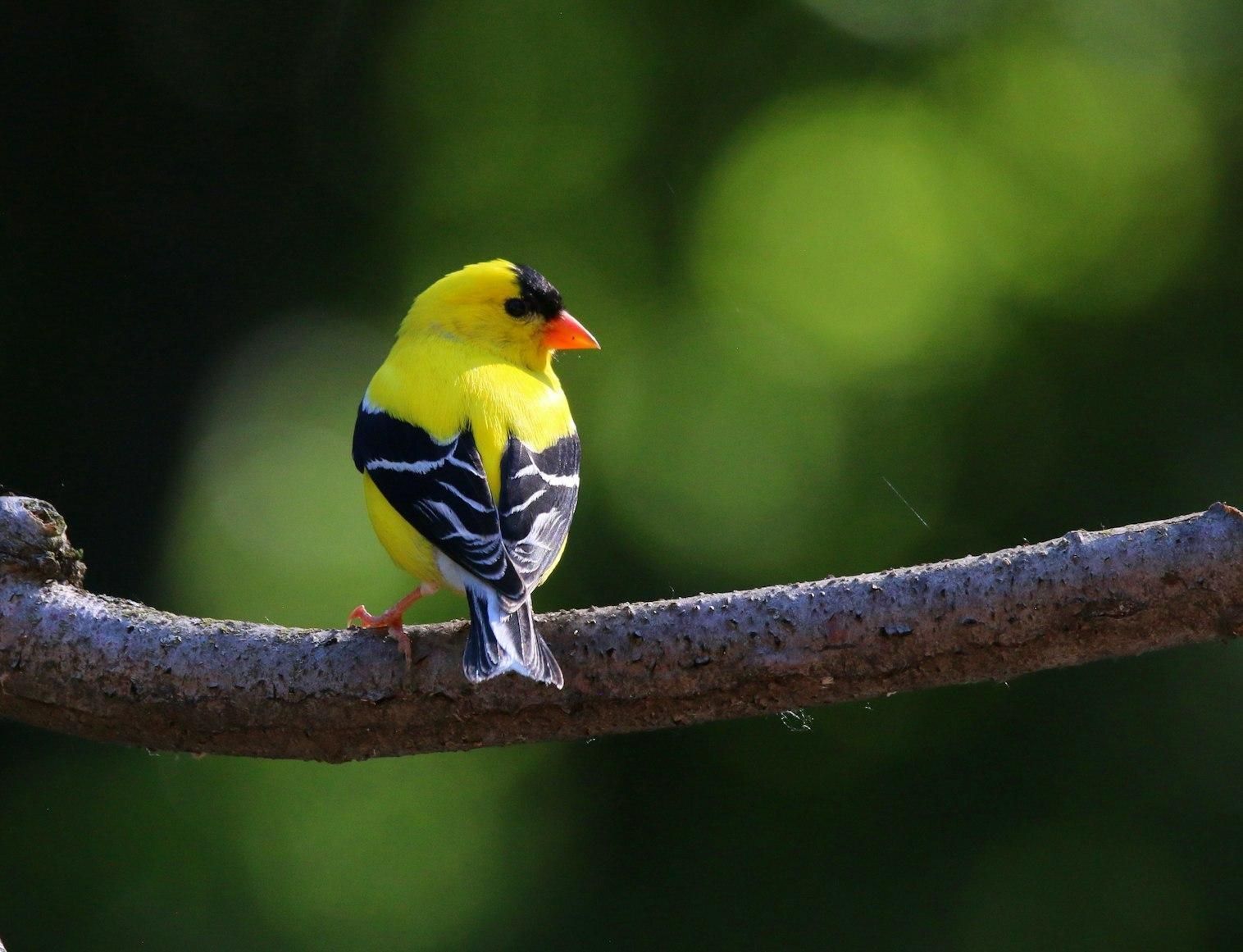
If you’ve spotted a drop of sunshine landing on your feeder sometime in the summer, that’s the American Goldfinch. Males turn a vivid yellow each year thanks to a complete molt, usually finished by late May.

They’re found coast-to-coast but are especially common in the northern and central U.S., where they favor open meadows and backyard thistle feeders. Unlike most songbirds, they nest late, often waiting until July when thistle seeds peak. If you see a tiny bird—barely 5 inches long—bouncing through the air in a roller-coaster flight pattern, you’ve found the American Goldfinch.

2
Blue Jay

Image: Ruben Ortega

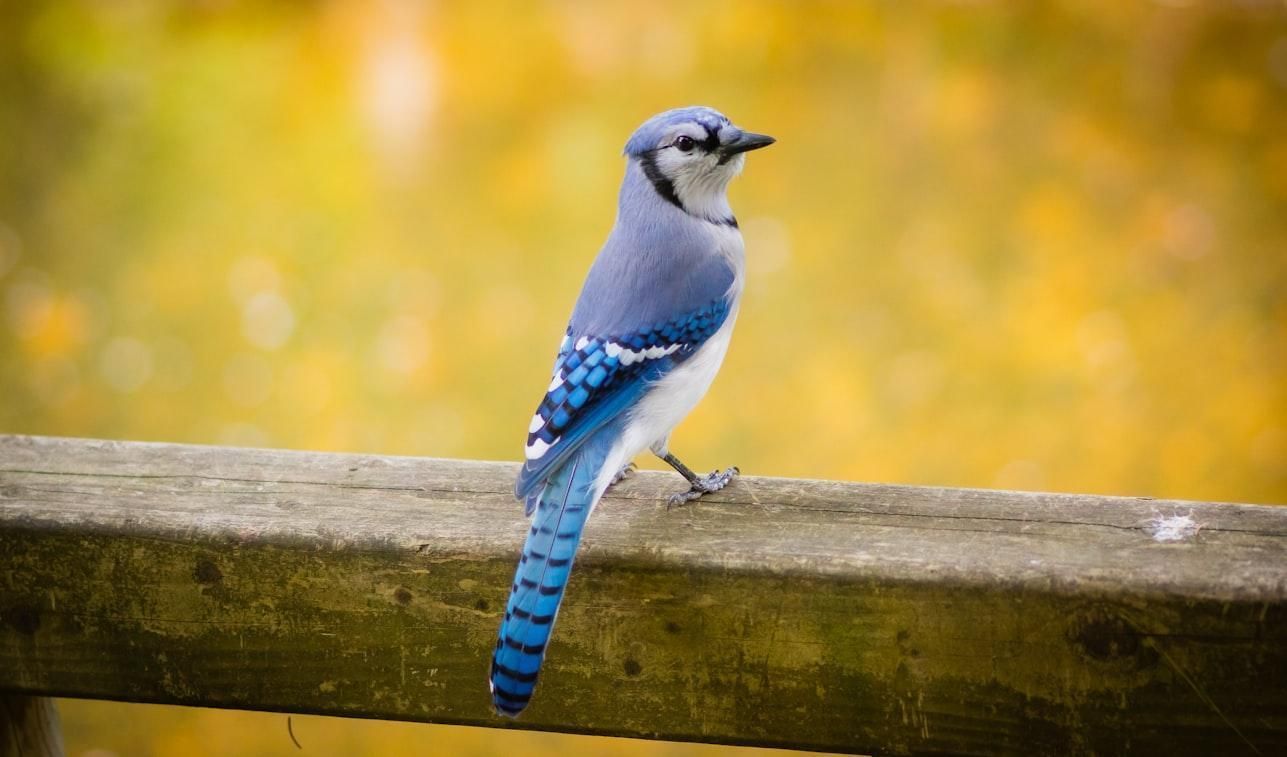
Blue Jays are known for being loud, confident, and colorful. Throughout the eastern half of the U.S., from Florida to Maine, they flash electric-blue wings marked with black "bar codes." Their blue color is actually a light trick: microscopic feather structures scatter wavelengths to create the hue. Another fun fact: back in the 1970s, researchers discovered they can mimic hawks, a clever way to scare other birds away from food.

3
American Robin

Image: Vijayalakshmi Nidugondi

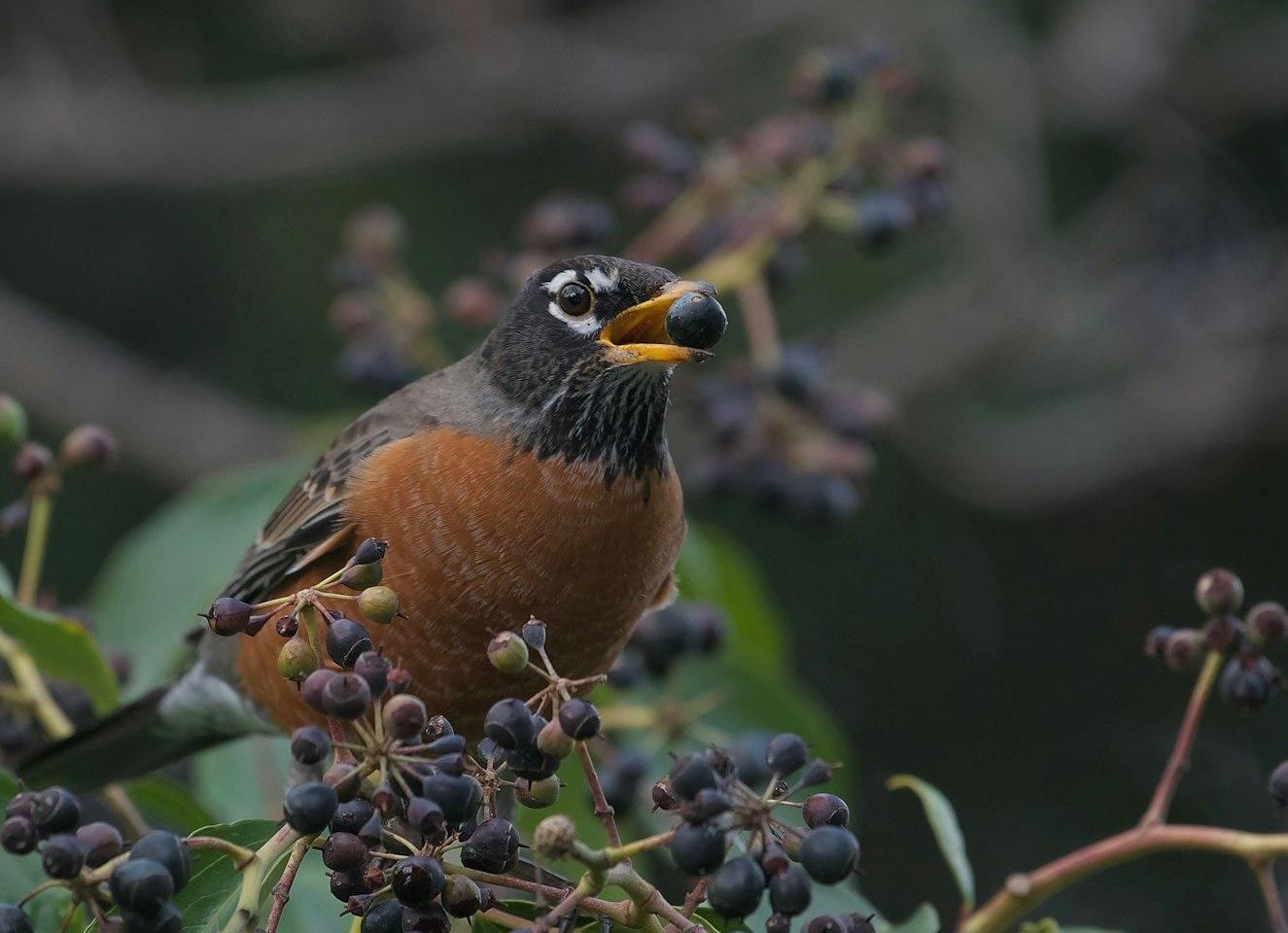
Long before digital calendars, people guessed the seasons thanks to this bird. The American Robin’s spring chorus has been recorded in journals as early as the 1800s, marking the end of winter across most of the U.S. They’re widespread, found in all lower 48 states and even in Alaska during summer. Robins stand upright, tugging worms from lawns with that unmistakable rusty-orange chest. Adults measure about 10 inches long, roughly the size of a small paperback book.

4
Ruby-Throated Hummingbird

Image: PublicDomainImages

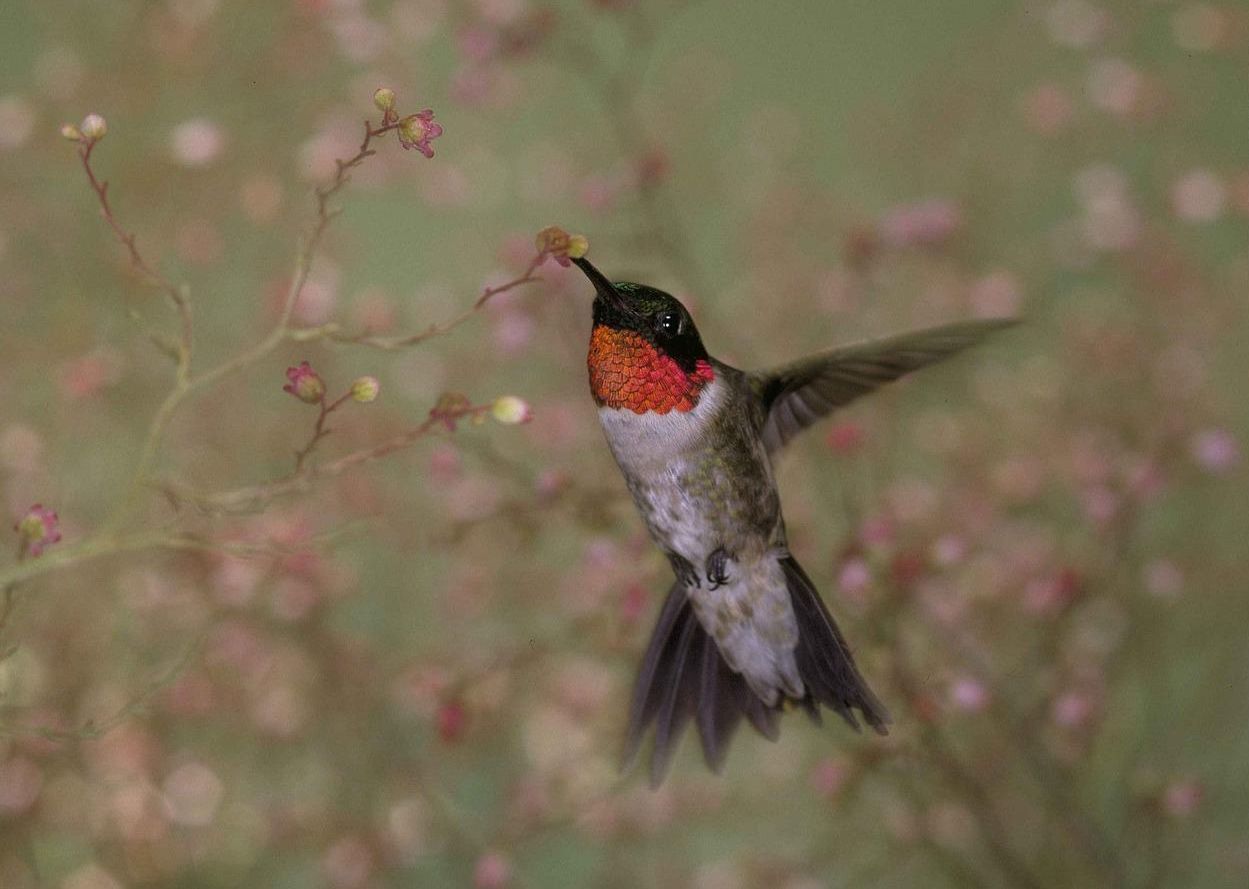
If you’ve ever seen a green flash zip past your porch faster than a camera shutter, it may have been a Ruby-throated Hummingbird. It is the only hummingbird species that breeds east of the Mississippi. It weighs 0.2 ounces—as little as a nickel!—yet crosses the Gulf of Mexico during migration. Males display an iridescent red throat that lights up when sunlight hits at the perfect angle. A single feeder with a simple sugar solution can lure them in from May through September.

5
Northern Cardinal

Image: Joshua J. Cotten

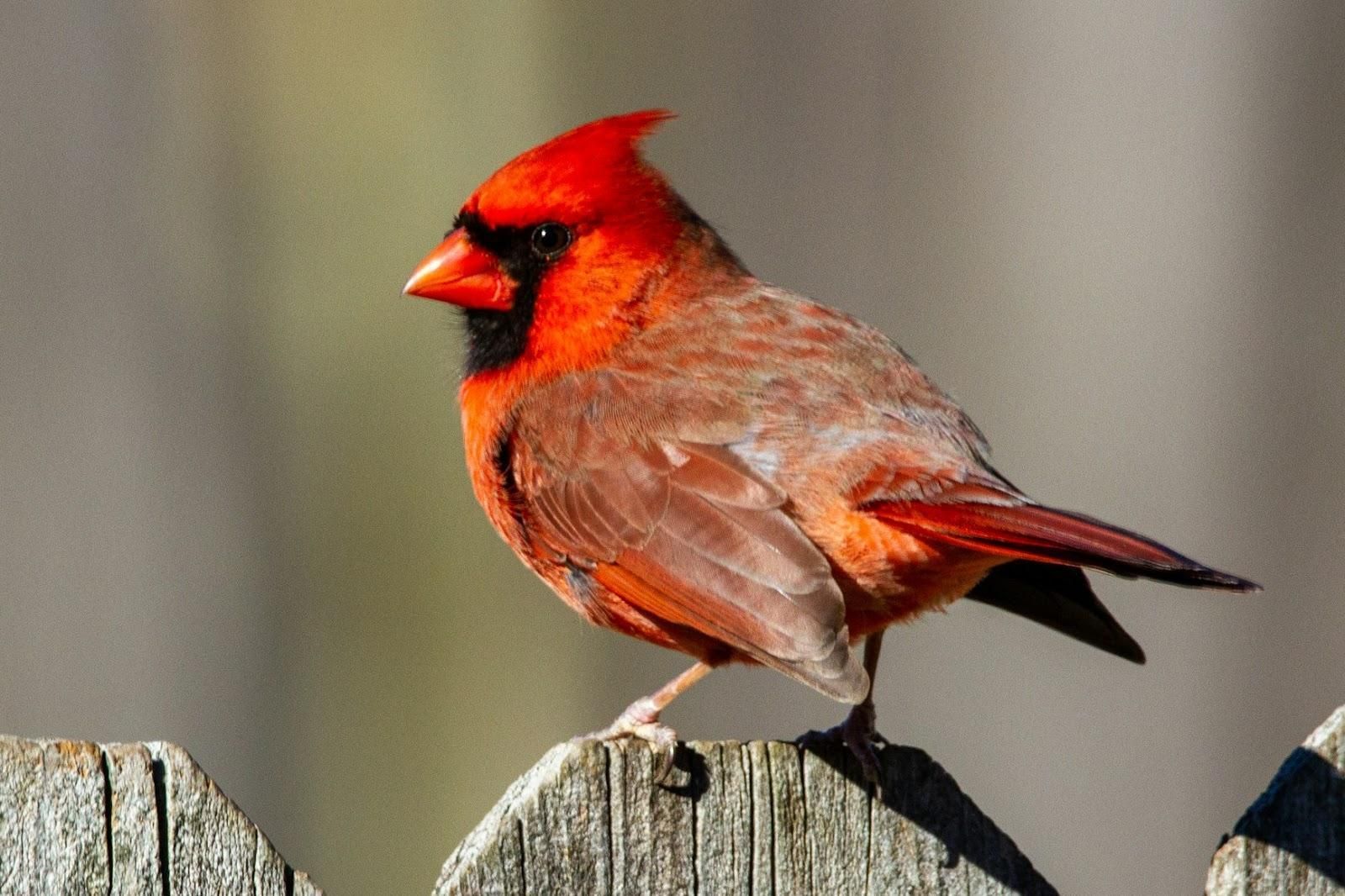
Northern Cardinals look like Christmas on wings, and it’s easy to see why. Males glow bright red, while females wear warm browns brushed with hints of red. They live year-round in the eastern and central U.S., especially in woodlots and suburban yards. Cardinals measure about 9 inches long and crack seeds with thick, powerful bills. Their "what-cheer!" call is one of the most recognized bird sounds in North America.

6
Song Sparrow

Image: Patrice Bouchard

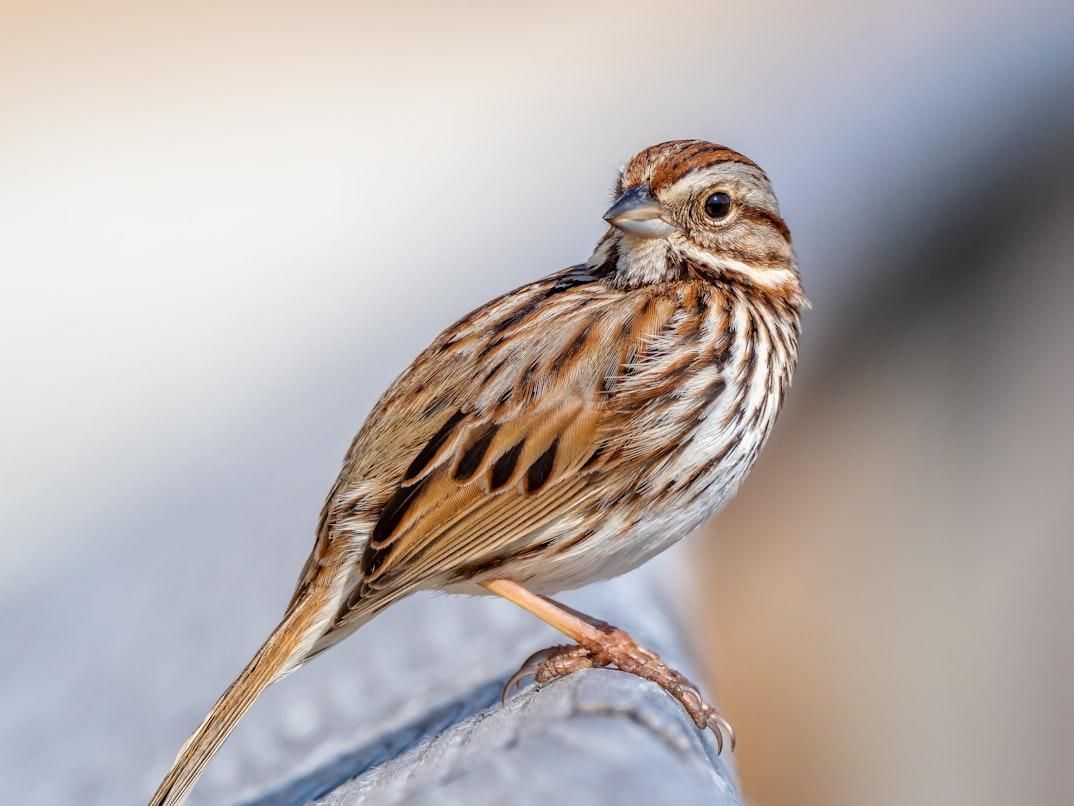
At first glance, this little brown bird might look like one of many, but listen closely. Song Sparrows have been studied for their remarkable vocal variety; a single male may sing more than 10 distinct song types. They’re common nationwide, from the Atlantic to the Pacific, but differ subtly by region. They’re small—around 6 inches—but their voice carries surprisingly far.

7
Black-Capped Chickadee

Image: Derek Otway

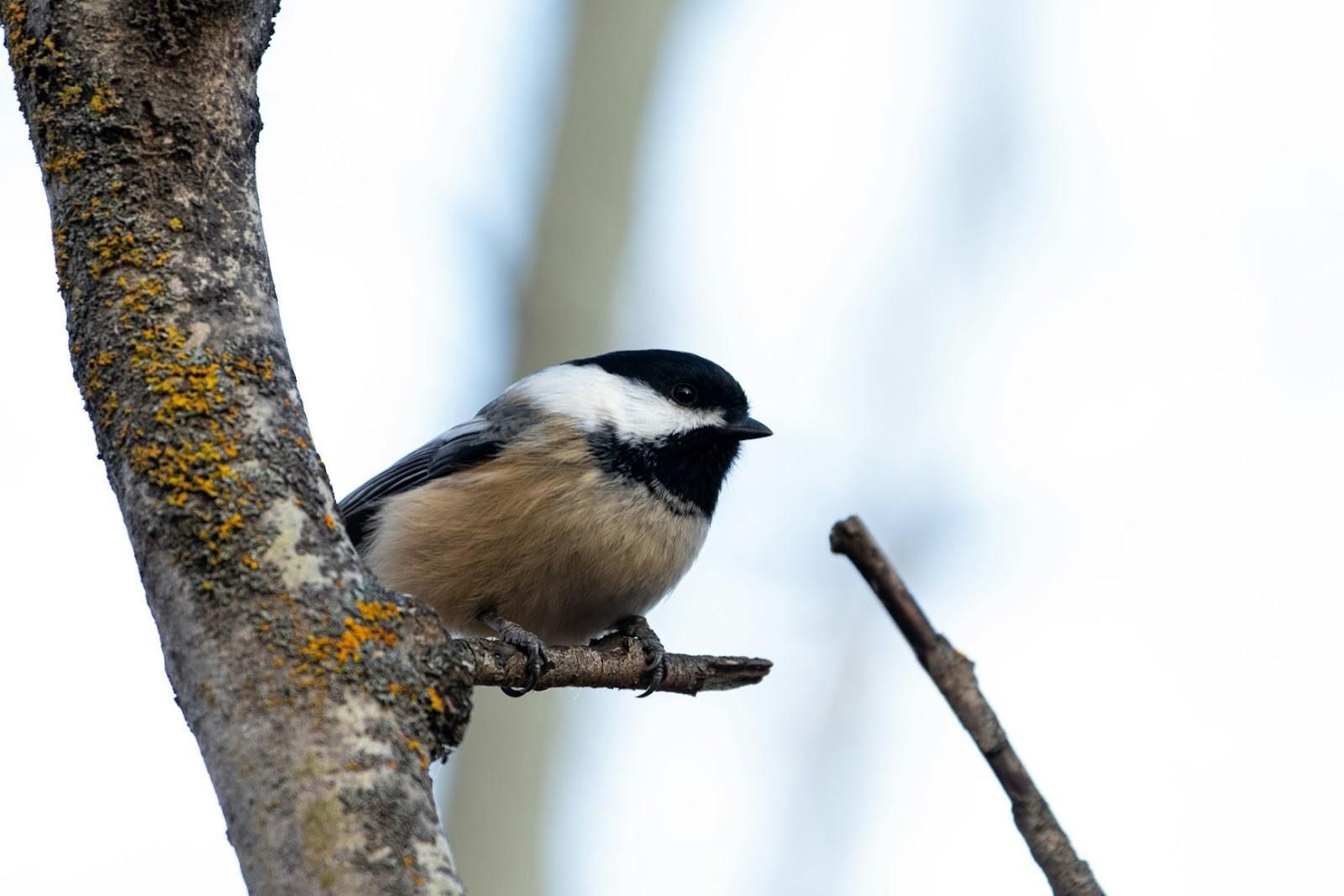
A bird the size of a tennis ball—about 0.3 ounces—with the confidence of a much larger creature: that’s the Black-capped Chickadee. They have a surprisingly sophisticated communication system. In fact, biologists discovered that the number of "dee" notes in their call changes depending on the threat level of predators.

Found across the northern U.S. and in the Rockies and Appalachians, they sport crisp black caps and snow-white cheeks. Offer sunflower seeds, and they’ll visit you all winter.

8
Northern Mockingbird

Image: Jacob McGowin

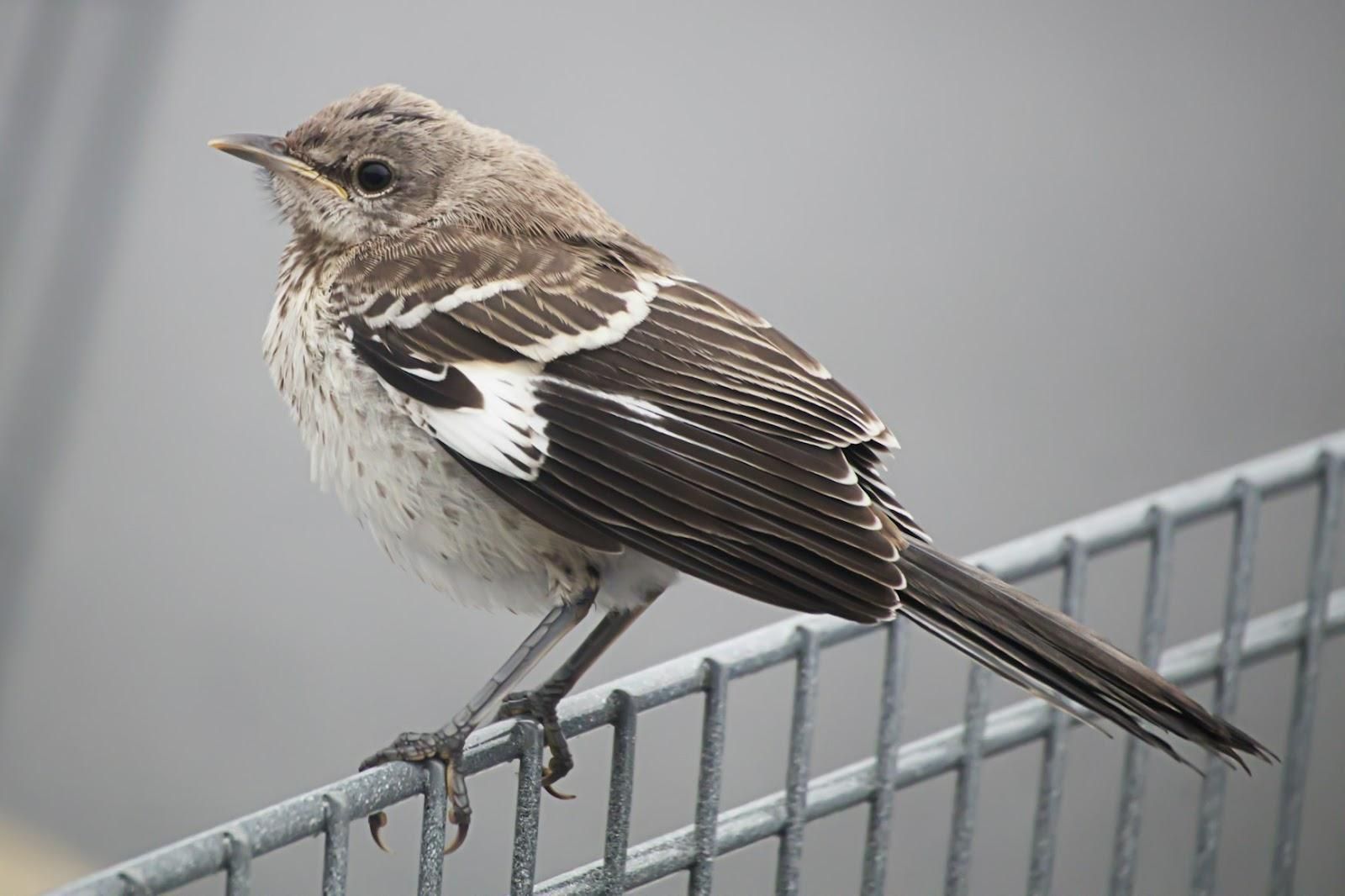
What if one bird could perform an entire playlist? Northern Mockingbirds—common throughout the South, Midwest, and many western suburbs— can mimic over 100 sounds, from other birds to squeaky gates. In the 1960s, scientists confirmed their habit of singing at night, especially males guarding territory.

They’re roughly 10 inches long, the size of a stretched-out flashlight. Their slender gray bodies and white wings make them easy to spot when they swoop from fence posts.

9
Baltimore Oriole

Image: Ray Hennessy

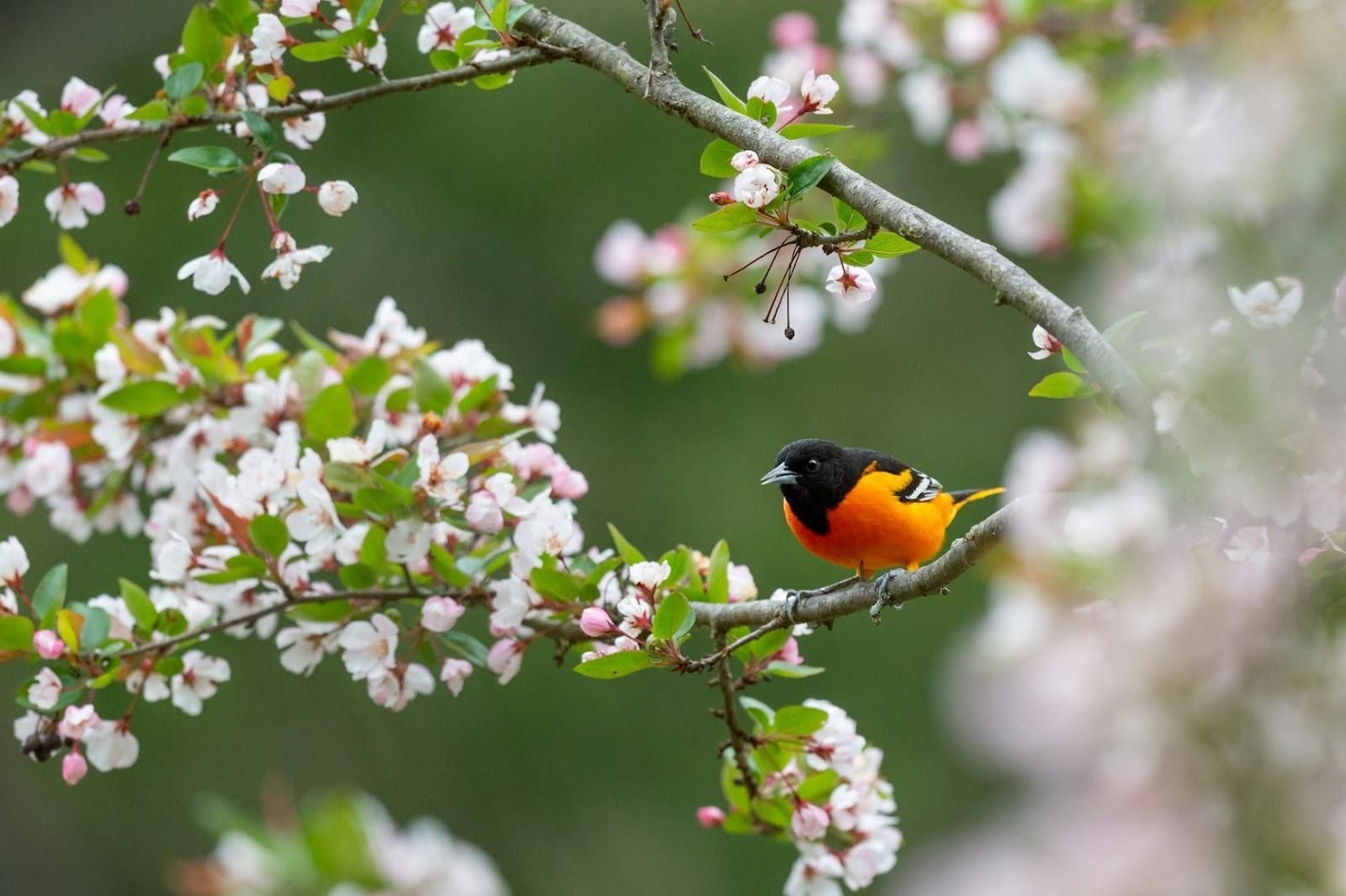
The Baltimore Oriole can be described as "a flame carried by wings", since males sport brilliant orange while females show softer yellows.

These bright orange migrants breed across the Northeast and Midwest before wintering in Central America. Their hanging pouch nests—up to 8 inches deep—are woven with fibers like tiny hammocks swaying in the breeze. Orioles love tall shade trees and can hang upside down to sip nectar or jelly.

10
American Crow

Image: Genevieve Curry

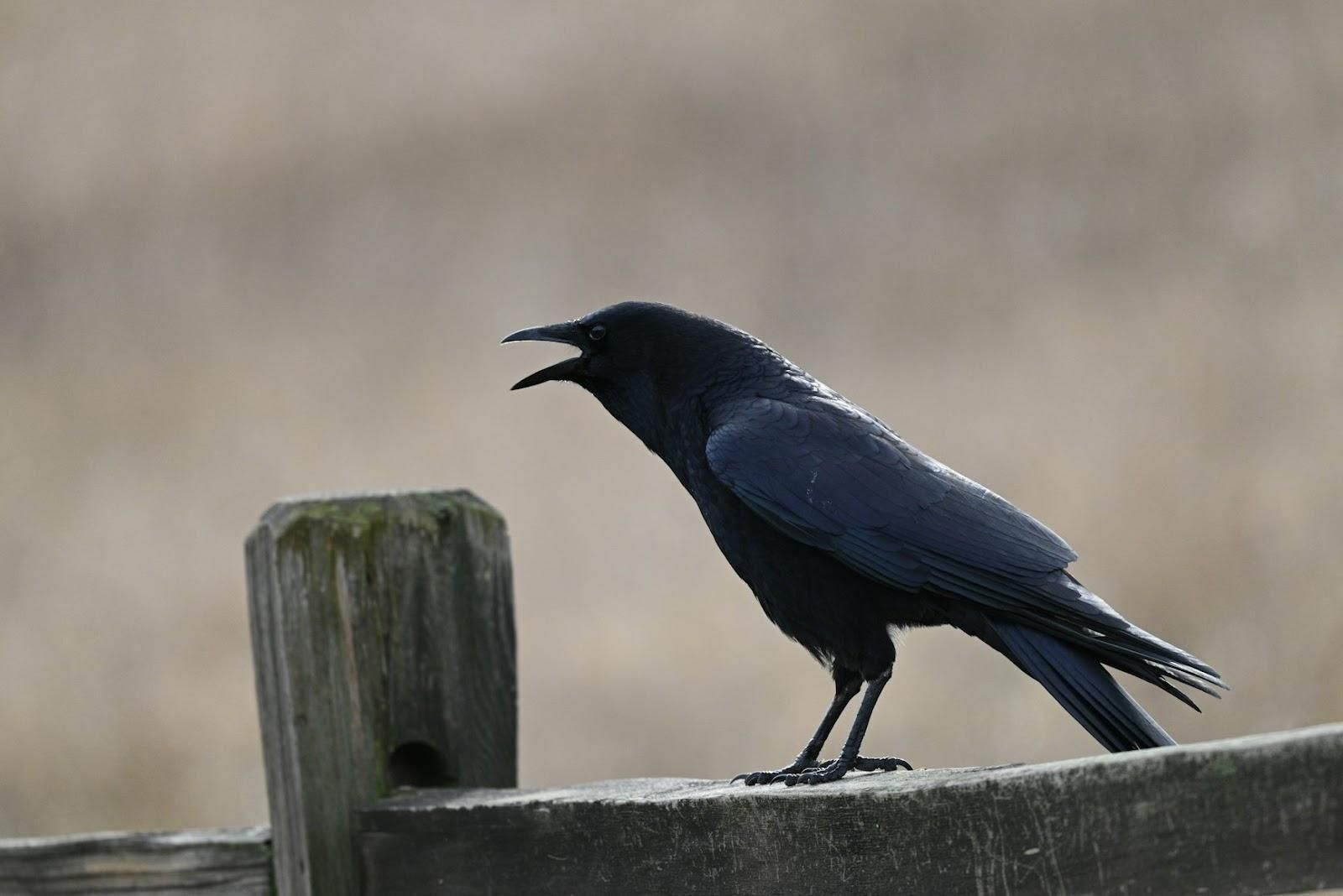
Think of crows as neighborhood detectives. Studies show they can recognize human faces and remember them for years. Found in every U.S. state except Hawaii, American Crows are large—about 17 inches long—and solid black from bill to tail. Their aerial circling and communal roosts, sometimes numbering thousands, are especially common in the Midwest. They travel in family groups and announce their presence with a clear "caw!"

11
Black-billed Magpie

Image: anish lakkapragada

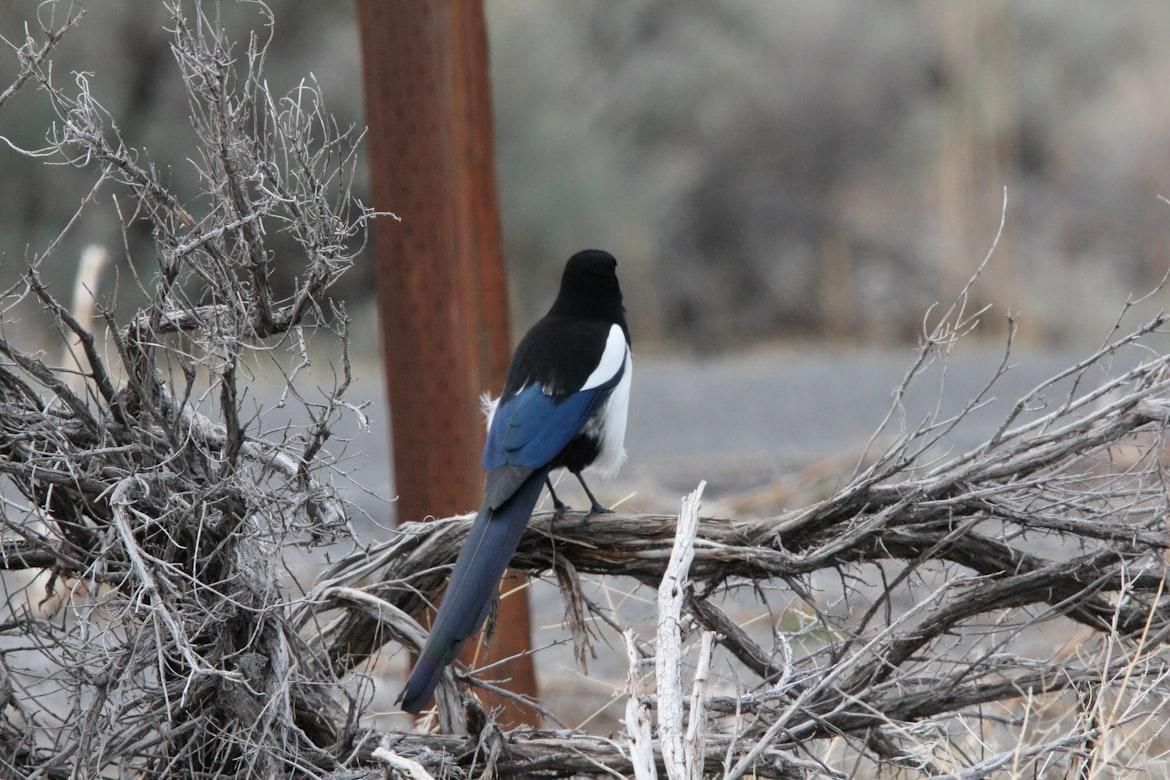
If you’ve ever driven through the Rockies or the Great Plains, you’ve likely seen this striking bird swooping low over fields. Black-billed Magpies, common from Nevada to the Dakotas, wear glossy black feathers with a blue-green sheen and long tails that can reach 12 inches—nearly half their total length. Their dome-shaped stick nests can be 3 feet across, and they thrive in open country and ranchlands.

12
Tufted Titmouse

Image: Mark Olsen

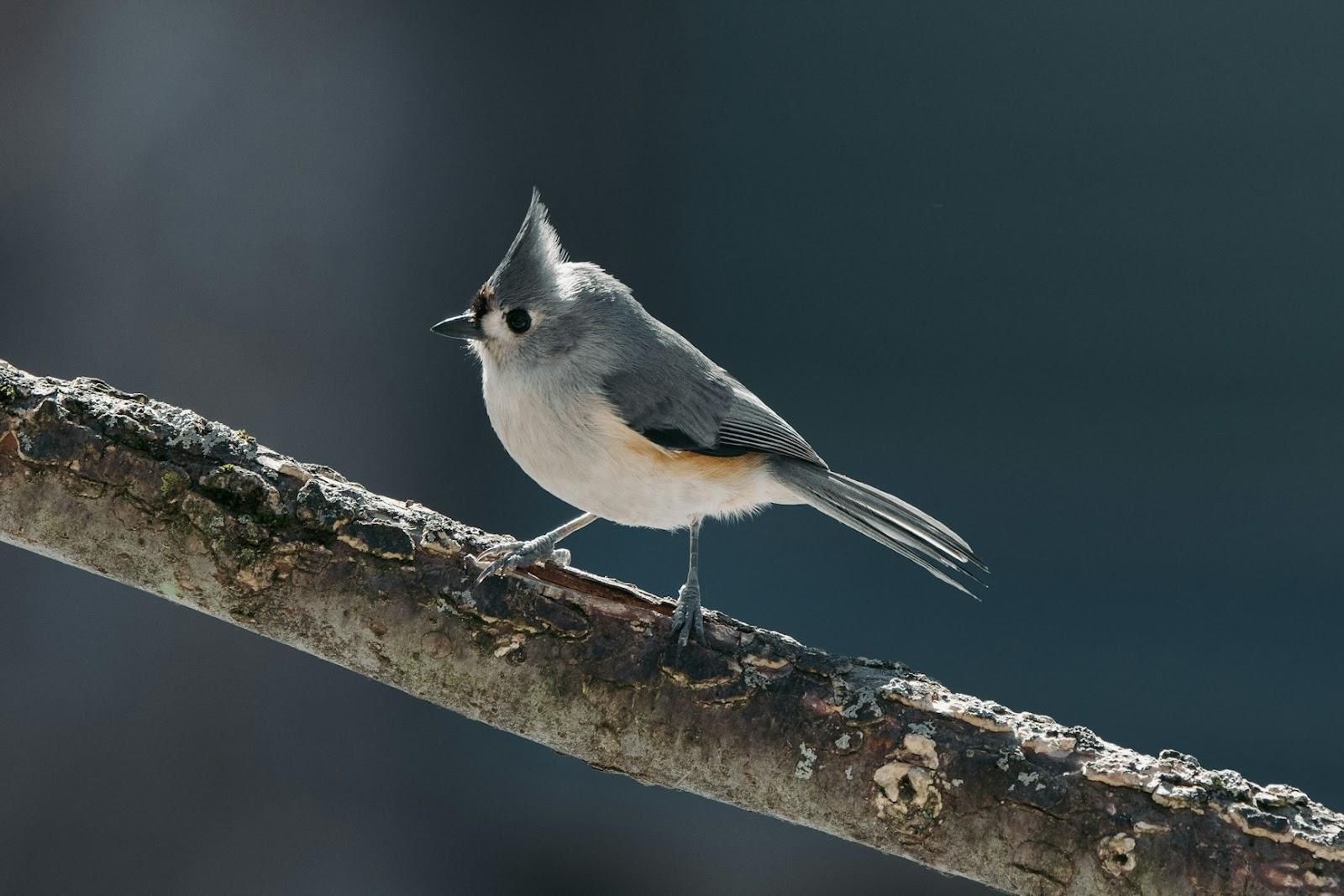
One of the most charming feeder visitors in the eastern U.S., the Tufted Titmouse has a soft gray coat, a tiny crest, and warm orange patches under the wings. Though small—around 6.5 inches—they have a bold, ringing call: peter-peter-peter . Their range has expanded steadily northward, partly thanks to backyard feeders. Another fun fact: titmice store seeds one by one in tree bark, creating "pantries" they revisit all winter.

Explore more American facts

Choose your favorite category!

General
General

As American as apple pie—the very best America has to offer!

Culture
Culture

Delve into the astounding richness of American lore.

Geography
Geography

Hop in and explore vast and diverse American landscapes.

History
History

Discover the key moments that shaped the United States.