Geography Geography 4 min read

Before GPS: Clever tricks Americans used to navigate the open road
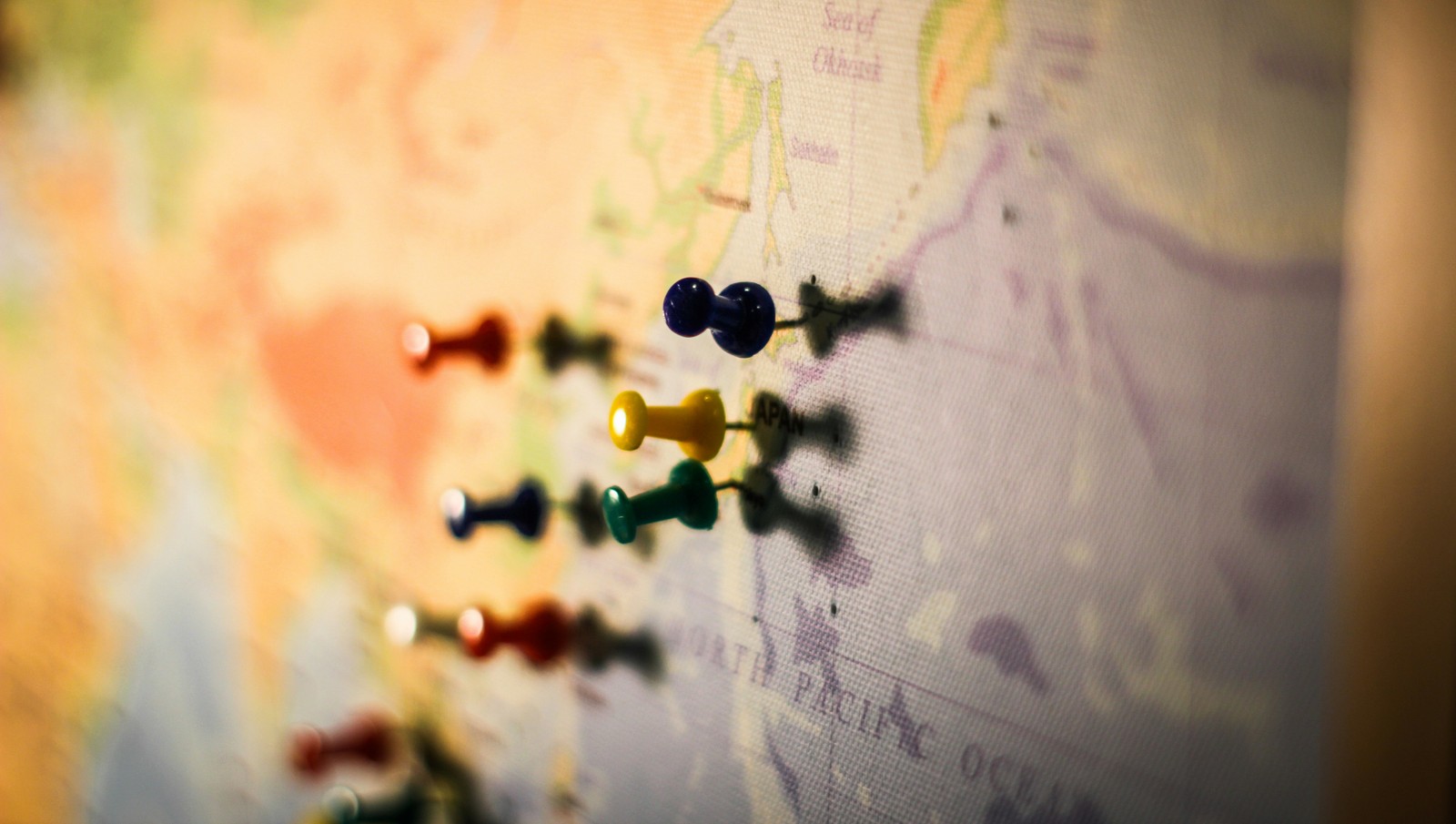
Image: T.H. Chia
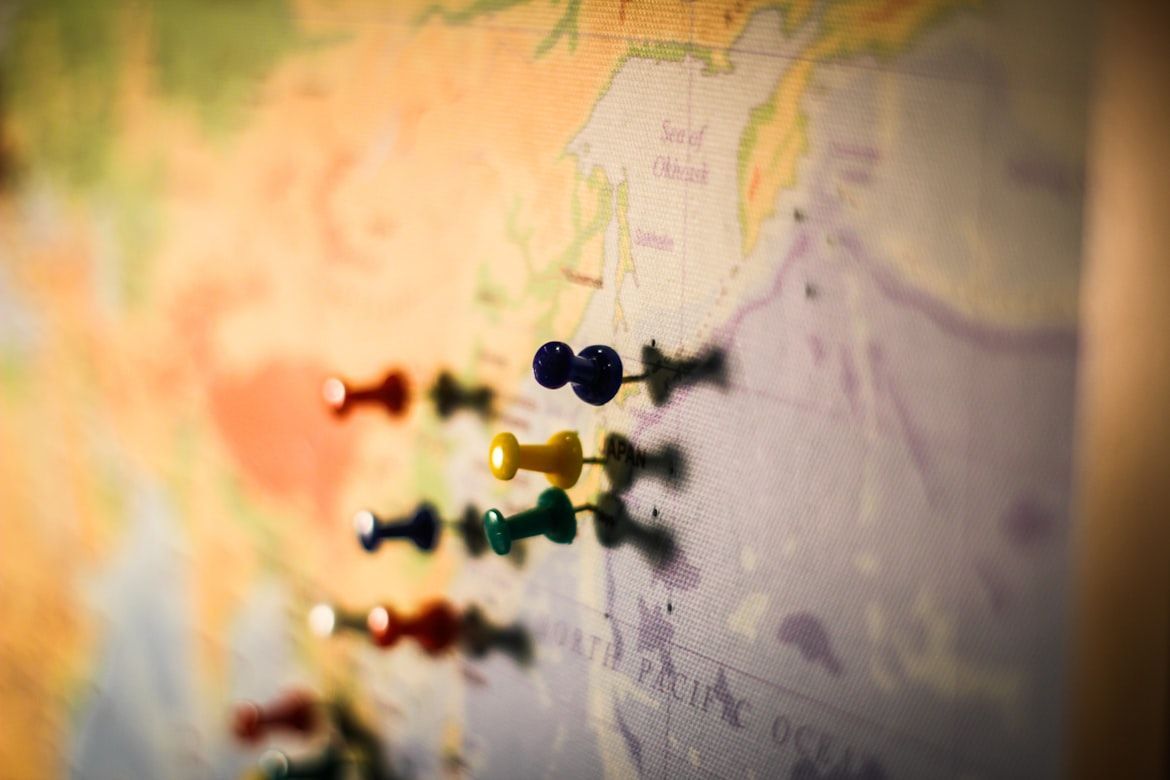
Image: T.H. Chia

Before smartphones and GPS started telling us where to turn, getting across the country required a little planning and a few clever tricks to remember the route. Travelers relied on paper maps, strangers on the road, and even public phone booths to stay on course. If your destination ever depended on the directions of a stranger, you’ll probably enjoy remembering a few of these clever tricks!

1
The MapQuest printout ritual
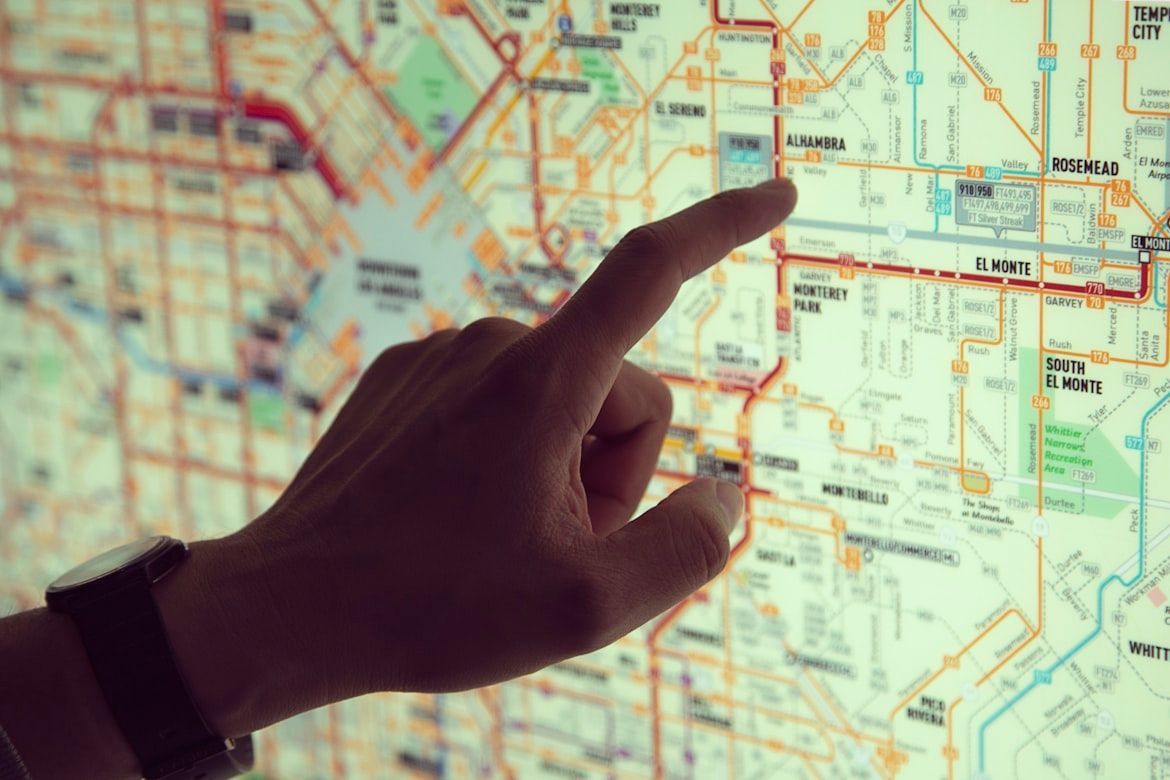
Image: José Martín Ramírez Carrasco

For many travelers, the trip really began here: sitting at the computer just minutes before leaving and printing turn-by-turn directions from MapQuest. The printed pages listed every step of the route, including the distance between each turn. This method was probably the one that marked the transition from traditional paper navigation to modern GPS systems.

2
Free maps at gas stations
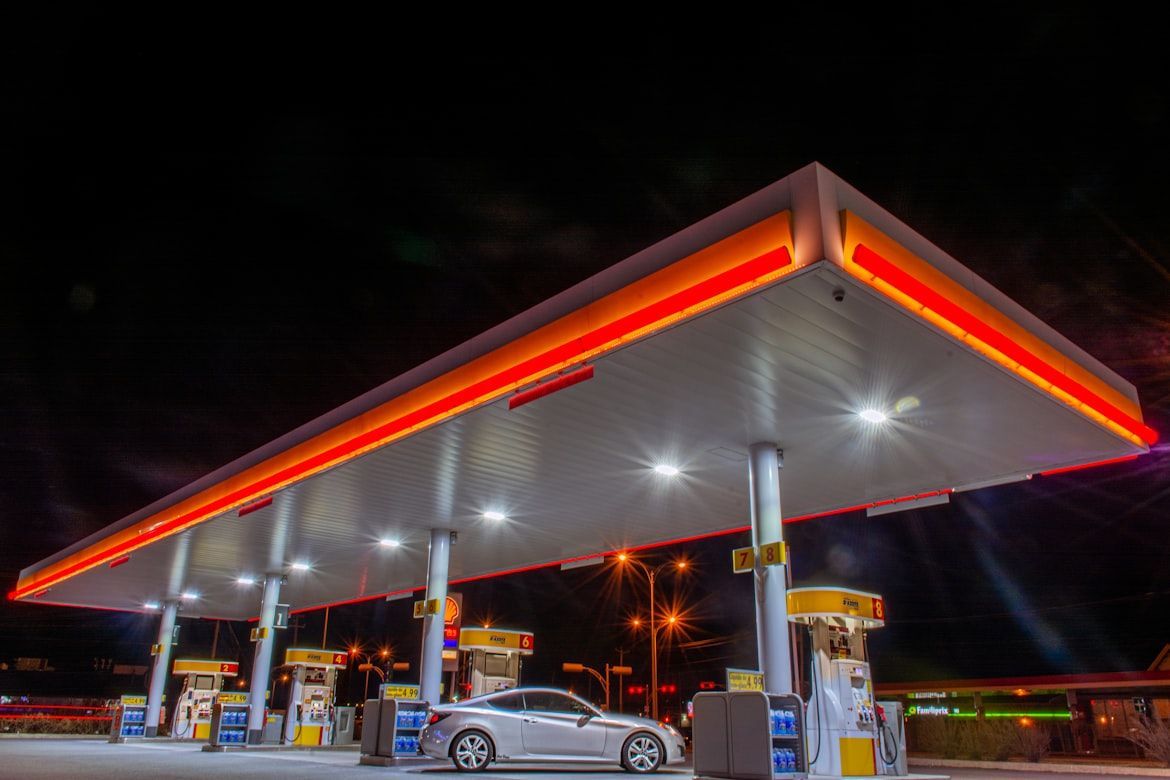
Image: Jean-christophe Gougeon

Back in the 1920s, advertising executive William Akin came up with an idea to promote the new Gulf Refining Company gas stations. At the time, drivers still had to buy gasoline in five-gallon containers because service stations were uncommon. Akin proposed distributing free local maps in each area where these Gulf stations were located.

The idea spread quickly, and other gas companies soon adopted the same strategy. Over time, gas stations became natural stops for travelers, and many stations eventually began selling maps instead of giving them away.

3
The American Automobile Association Trip Triks
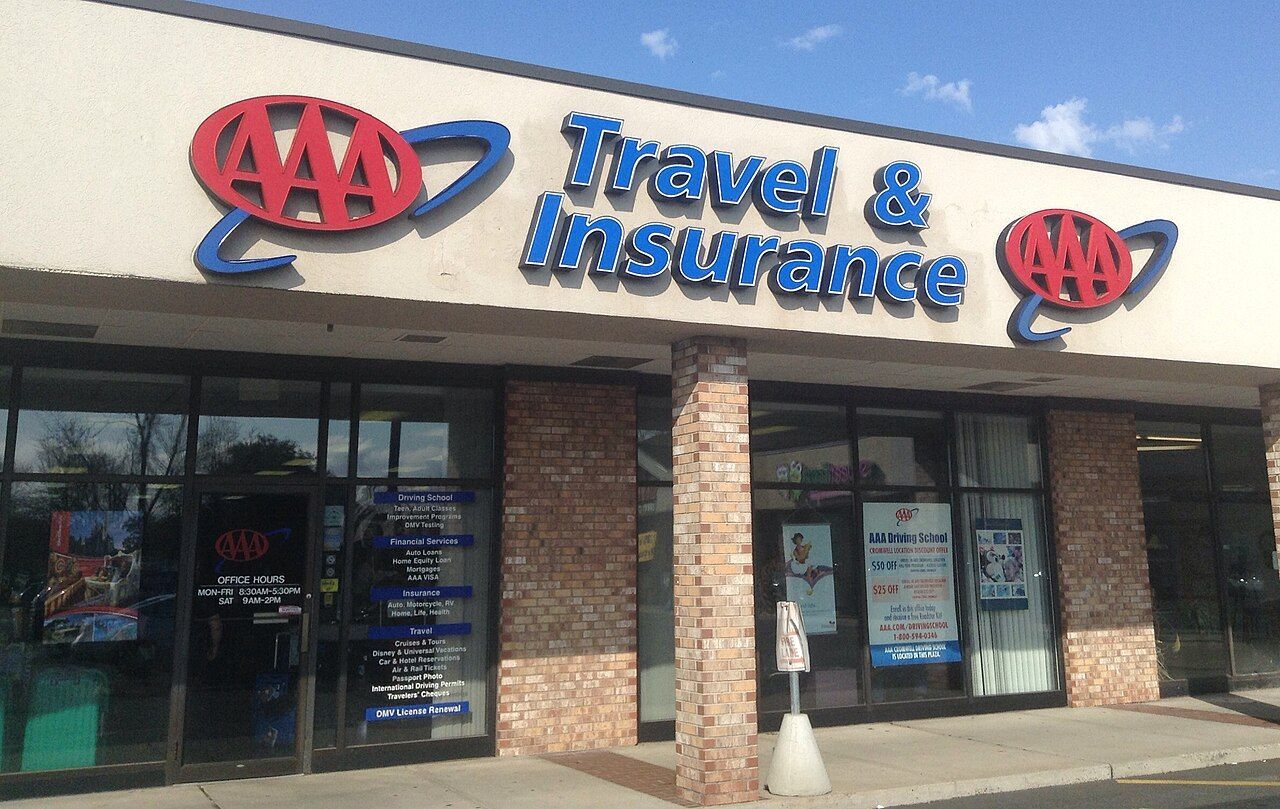
Image: Mike Mozart

No way you forgot this one! If you were a member of the American Automobile Association, you had access to Trip Triks: spiral-bound booklets customized for each traveler’s route. AAA staff highlighted the exact path on the map, marking gas stations, hotels, and attractions along the way.

4
Lost? Find a phone booth
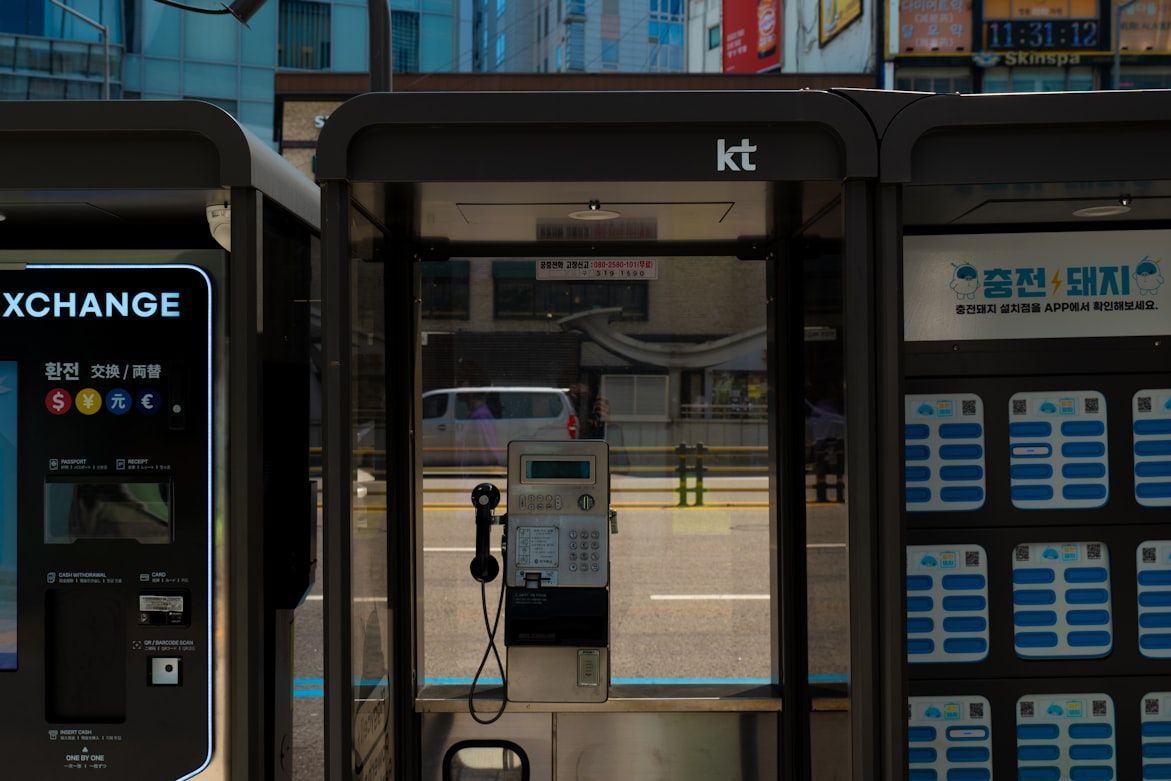
Image: jerry chen

Lost in the big city? Step into a phone booth. Back then, many phone booths had maps inside showing nearby streets and landmarks. If you were lost, all you had to do was step inside, and within a few minutes, the problem was solved. The good news was that big cities had a phone booth on almost every major corner and intersection, so if the one you stopped by was already taken, you only had to walk a few steps to find another.

5
The thick book that lived in every car
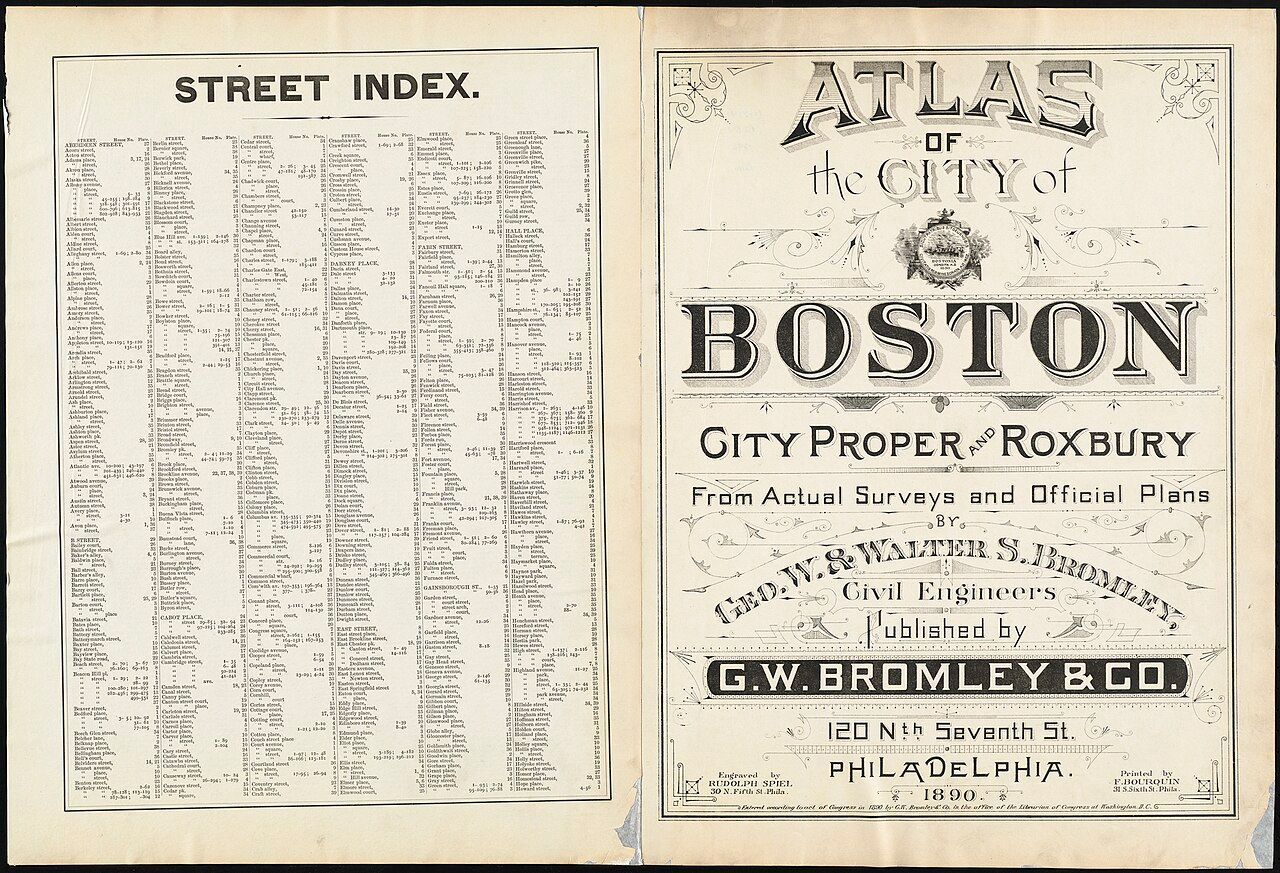
Image: Bromley Atlases

The city street atlas. One of the best companions for drivers, if not the very best. These thick books showed detailed maps of entire cities, page by page. If you spotted a street sign but had no idea where you were, you could look up that street in the atlas index. It would point you to the exact page and grid where the street appeared, helping you figure out your next move. Do you remember flipping through a street atlas to find your way across a city?

6
Asking locals for directions
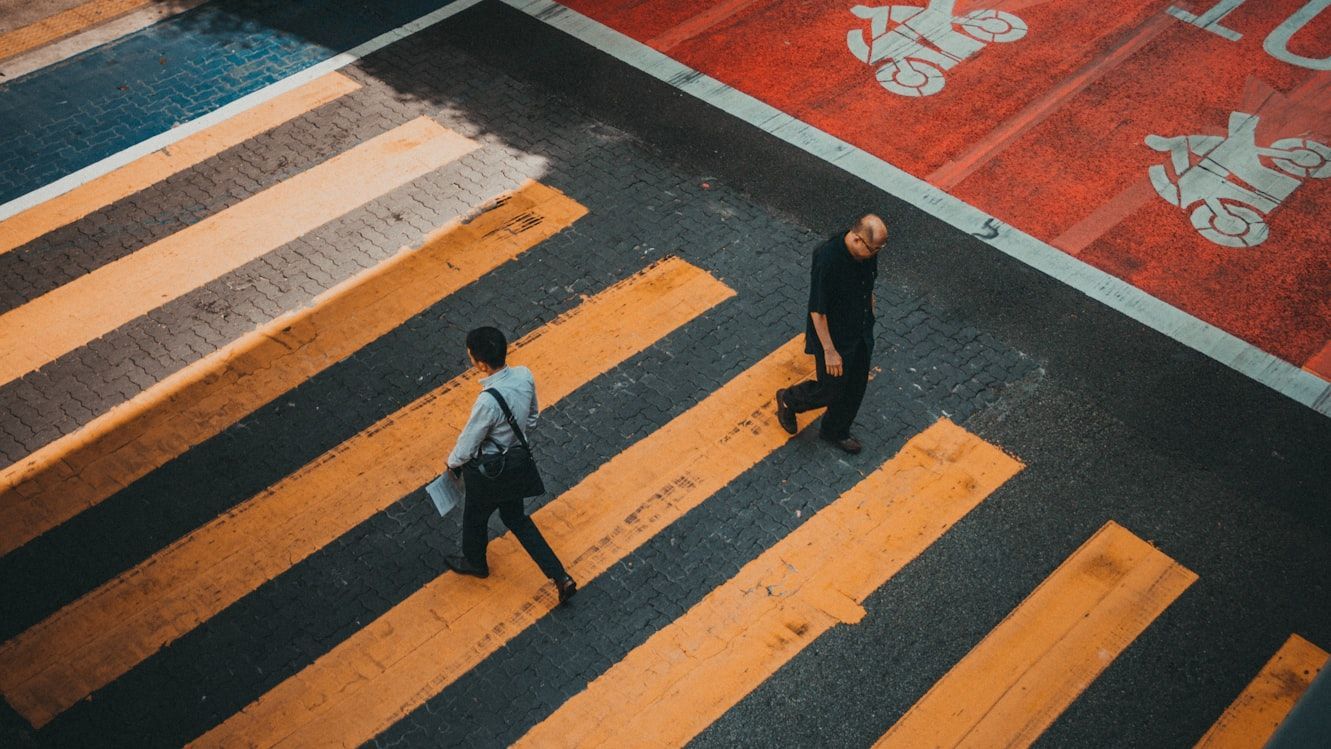
Image: Deva Darshan

Following directions back then required a bit of blind faith. You might hear something like, "Drive a few miles and turn left when you see the church," or "After the green restaurant, take the second road on the right." In rural areas, where road signs were scarce, a local’s guidance was often the best map you could get. Sometimes those directions were the only way to find a place that didn’t appear on any map. Have you ever followed directions like these and hoped for the best?

7
The co-pilot seat
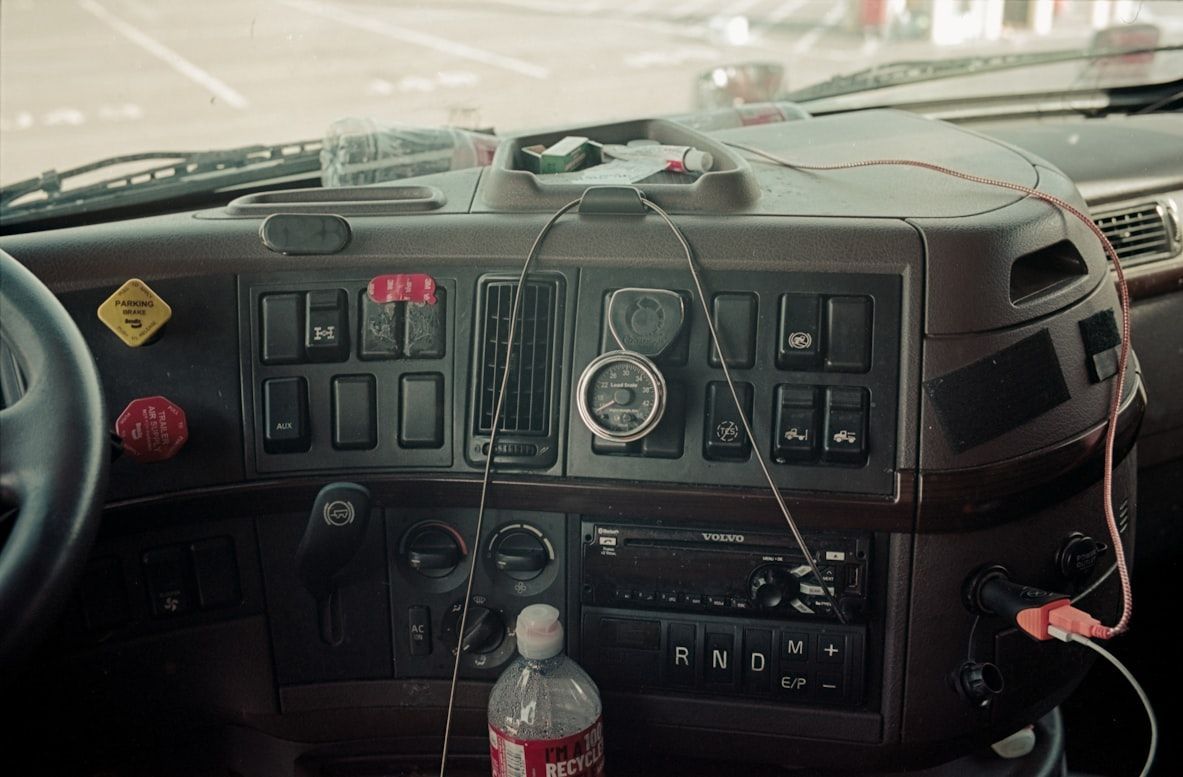
Image: Xia Hua

This trick required teamwork. If you weren’t traveling alone, one passenger was usually designated as the "navigator." Their role? Reading the map, watching for road signs, and warning the driver about upcoming turns. A good navigator also had to learn the driver’s rhythm: when to speak up, when to stay quiet, and how quickly directions needed to be given. The best driver–navigator pairs worked together almost like Batman and Robin.

8
The Rand McNally Road Atlas
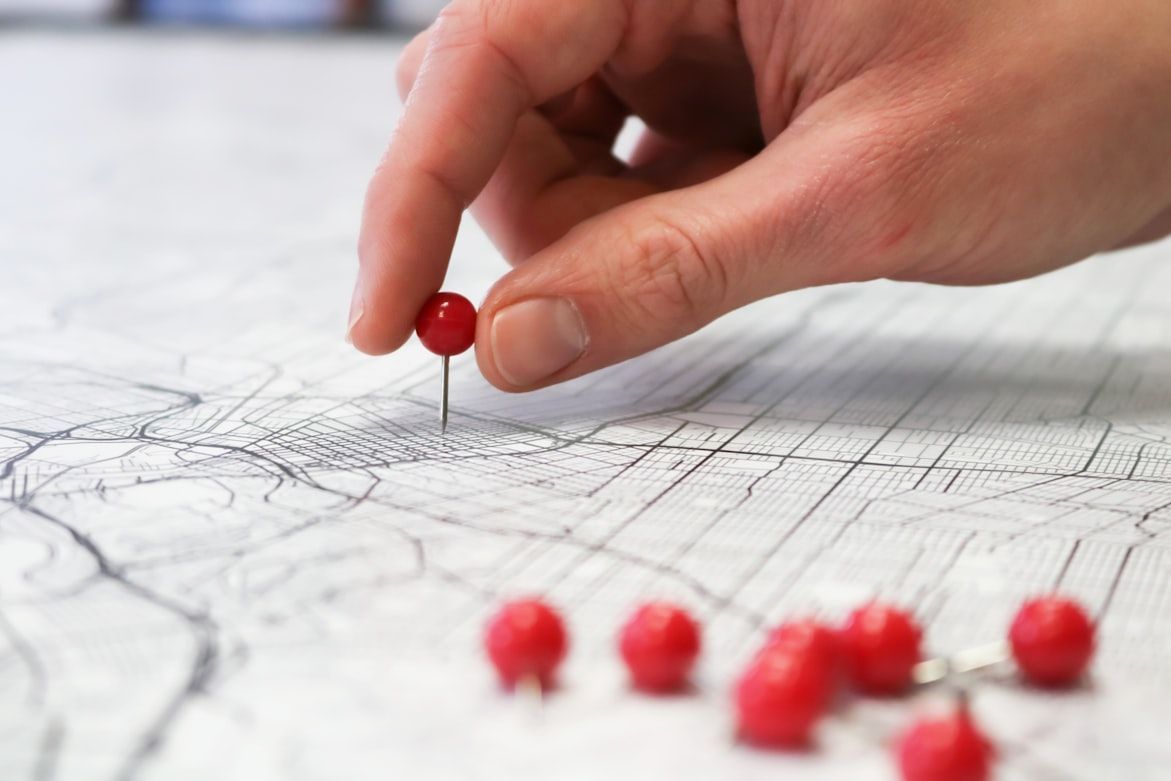
Image: GeoJango Maps

The Rand McNally Road Atlas is one of the most iconic travel tools in American road trip history. The atlas includes detailed maps of every state, showing highways, towns, and points of interest across the United States. For decades, it was a common sight in glove compartments and truck cabins, guiding travelers from city to city. Unlike digital navigation, the atlas allowed drivers to see the entire route and explore alternative roads along the way. Even today, many travelers still keep one as a backup option when cell service or GPS fails.

9
Following highway numbers
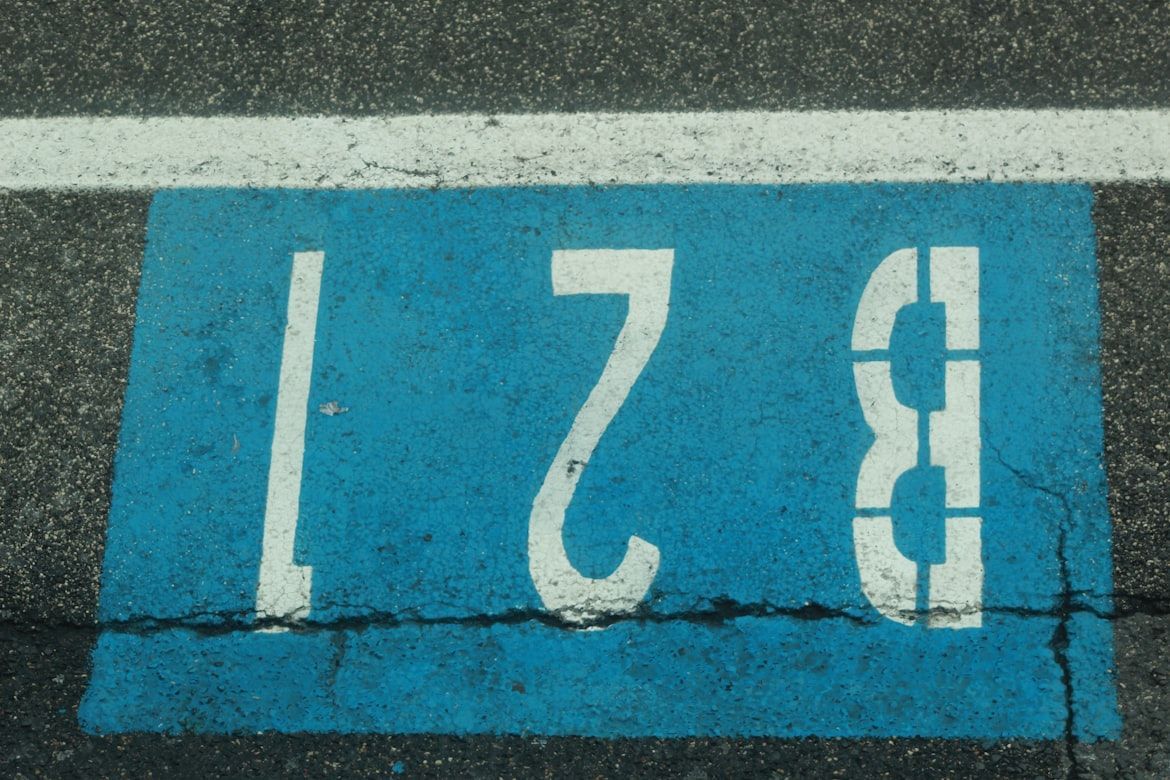
Image: Anne Nygård

During the era of long road trips, drivers didn’t worry much about street names. Instead, they followed highway numbers. If you got on the right road, like Route 66 or U.S. Route 1, you could relax and stay on it for miles and miles, sometimes across several states. As long as the number on the signs stayed the same, you knew you were still on the right path. This approach later helped inspire the Interstate Highway System, which made traveling across the country even easier.

10
The church, the bridge, the water tower
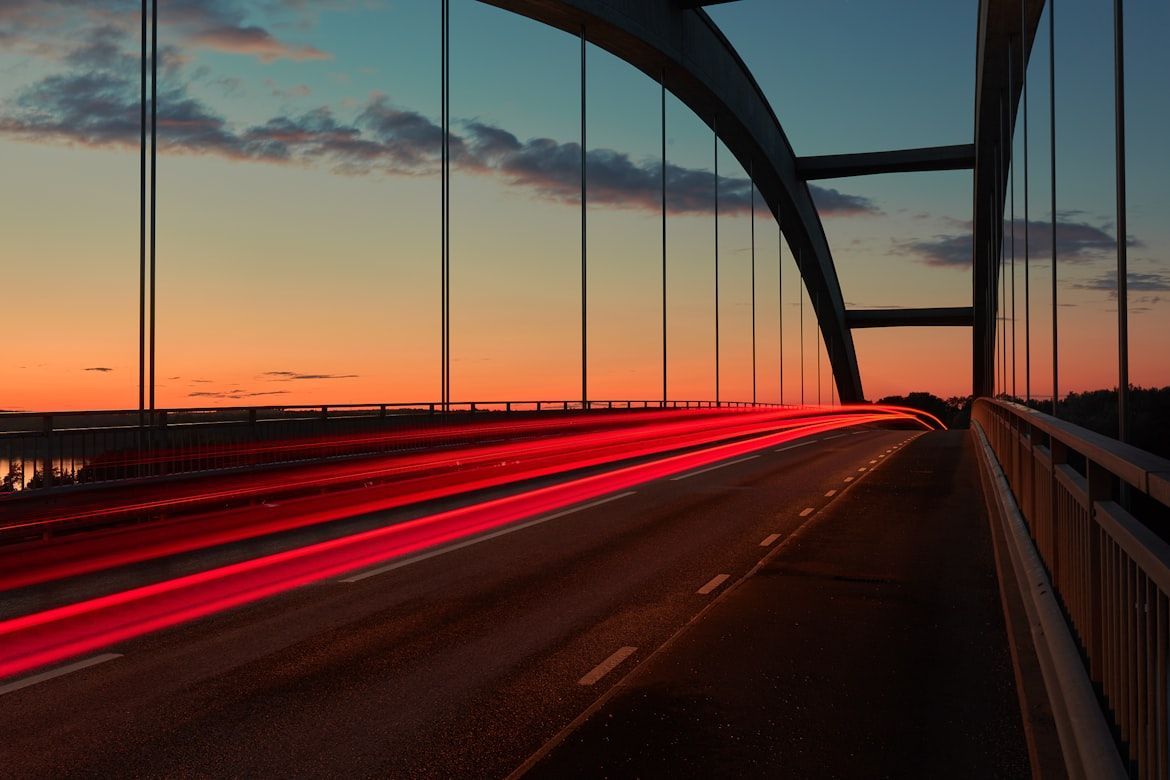
Image: Anders Jildén

Here's one of the classic road trip tricks: remembering landmarks along the road. This method required both memory and self-trust. Instead of coordinates or exact addresses, travelers remembered particular spots. They learned to look for things that stood out, like churches, bridges, water towers, or unusual buildings. When you reached the right one, you knew when it was time to turn. What landmarks did you rely on the most?

General General 5 min read

Which would you attend first?

Would you try Garlic Ice Cream? 10 unusual festivals held in the U.S.

Image: Matt Benson

Would you rather attend a subaquatic music concert or sail in a hollowed-out pumpkin? Or maybe you’d prefer to watch a jousting tournament or try garlic ice cream? These are just a few of the quirky activities that were or are still offered in some of the strangest and dearest festivals held annually around the country. Read on to find out if you’ve heard of them—or if one of them happens to be a festival you've attended!

1
Bay to Breakers

Image: Cecep Rahmat

Back in 1986, Bay to Breakers set the Guinness World Record for the largest footrace, with 110,000 registered participants. If you want to understand what type of sports event would summon so many athletes, you need to picture a unique blend of a race and an all-out costume parade.

This 7.5-mile course stretches from the San Francisco Bay (at Howard Street) to the Pacific Ocean. Held every third Sunday of May, the event is a local party where people wear elaborate costumes —think cartoon characters, colorful animals, and even synchronized group outfits. Bay to Breakers began in 1912 as a way to boost morale in San Francisco after the devastation of the 1906 earthquake.

2
Running of the Bulls

Image: San Fermin Pamplona - Navarra

You’d be wrong to think that the San Fermin Festival is only held in Pamplona, Spain. In 2007, New Orleans created its own version of the "Running of the Bulls." Here in the U.S., participants dress in all-white clothing with red accessories, as per tradition. But they don’t run from bulls: they run from roller derby skaters wearing horned helmets , wielding plastic bats, and chasing them around the streets.

Held in the summer to coincide with Pamplona's festival dates, this event is accompanied by food, drinks, live music, and a lively atmosphere that blends Spanish and New Orleans styles.

3
Goffstown Pumpkinboat Regatta

Image: Kris Møklebust

Did you know that you can sail inside a pumpkin ? This is standard procedure at Goffstown Pumpkin Regatta, held every autumn in New Hampshire. In the year 2000, local growers envisioned an event that would turn oversized pumpkins—some weighing as much as 1,000 pounds—into something fun and unusual.

Their challenge? Hollowing out massive pumpkins to turn them into boats, to then paddle them in a regatta down the Piscataquog River. Over the years, more and more contestants signed up to participate with flamboyant pumpkin designs and matching costumes. Of course, the event also features a pumpkin weigh-off , craft and food vendors, as well as live music and games.

4
Twins Days

Image: Keisha Montfleury

Twinsburg, Ohio, decided many decades ago that it was the perfect location to hold a yearly celebration of twin siblings. After all, the town was named after identical twin brothers who owned most of the land in the 1800s. Over the years, the festival has grown to become the world’s largest annual gathering of twins, triplets, and other multiples.

Traditionally, all participating twins show up dressed either identically or mismatchedly. Some of them even showcase their talents, ranging from music to comedy. Among food stalls, carnival rides, and live music, there is also a "Research" spot. There, scientists and researchers attend to study willing twins for insights into genetics, biometric data, and their health conditions.

5
Houston Art Car Parade

Image: Christopher Osten

Houston’s Art Car Parade began in the 1980s as a way to promote unconventional creativity and art . Back then, only 40 vehicles participated, but today the festival has become one of the most colorful art car parades in the world.

Participants transform their cars, bikes, and other vehicles into mobile artworks for this yearly parade held every April. Cars with the most outrageous designs—styled to look like dragons, unicorns, fruits, or even structured to appear to be stacked on top of one another—have been featured in past celebrations. Nowadays, the parade attracts over 250 art cars from across the U.S., as well as an audience of 250,000 lined up to watch.

6
Corgi Beach Day

Image: huoadg5888

A beach invaded by corgis sounds like a heavenly sight for dog lovers . Every year at Huntington Beach, California, this event gathers corgi enthusiasts and their furry friends to celebrate their love for the breed.

Sometimes the dogs wear costumes, and contests are run with categories like "Best Themed Outfit" and "Cutest Corgi." Short races are also organized, though owners know their corgi's legs aren't built for speed, so the event is held in good humor to watch the corgis happily walk around. Mr. Pickles the Corgi, the mascot of the event, has become an internet sensation. Of course, the beach day features merchandise stands with corgi-themed products for dogs and their humans to take home.

7
Fremont Solstice Parade

Image: Jordan Crawford

Organized on the Saturday closest to the summer solstice in Seattle’s Fremont neighborhood, this celebration has become a symbol of creativity, self-expression, and community . It was conceived in the late ‘80s to counter corporate-sponsored parades, which locals found cold and generalistic. They decided to combat it by organizing a parade that would showcase warmth and individuality.

The parade prohibits motorized vehicles, written words, and commercial logos. Only handmade arts and crafts are allowed. Puppets, dance troupes, musicians, and giant kinetic sculptures are often seen parading the streets of Freemont under the sun. The event usually wraps up at sunset with picnics and music at Gas Works Park.

8
Underwater Music Festival

Image: Victoria Ballesteros

You read that correctly. There’s an underwater music festival held every summer at Looe Key Reef , off the coast of the Florida Keys. The event was designed to combine two things the region is known for: the preservation of marine life and laid-back music.

Don’t worry, the music is not played directly underwater. Musicians pre-record the performances and these are transmitted through waterproof speakers placed along the reef. The playlist also often includes water-themed hits like "Yellow Submarine" by The Beatles and "Fins" by Jimmy Buffett. Many participants show up to dive in wearing fanciful costumes, like mermaids or sea creatures.

9
Texas Renaissance Festival

Image: Matt Benson

Some of the most famous festivals across the country are Renaissance fairs that draw visitors into an immersive celebration of medieval and fantasy culture . The largest of these is the Texas Renaissance Fair, which takes place on a former strip-mining site near Houston.

Hundreds of thousands of fans flock to this festival. It features a 55-acre village with cobblestone streets, themed buildings, and costumed performers. In it, fans can wander through medieval taverns , blacksmith shops, and artisan booths. Different shows add to the atmosphere, including jousting tournaments and falconry demonstrations. The event is held over several weekends, each with a different theme, such as Oktoberfest, Pirate Adventure, or Celtic Christmas.

10
Garlic Festival

Image: Min An

We conclude with the only festival in the country where you could ask for garlic ice cream . Until 2019, every July in Gilroy, California, garlic growers and lovers would gather for the Gilroy Garlic Festival, which had become a world-renowned event. Sadly, after 2020, the event was discontinued.

Of course, you could approach the food stands and ask for your typical garlic fries or garlic bread. But there was much more to do. You could attend cooking demonstrations, and garlic-themed contests (like the garlic-braiding competition), and enjoy live music across several stages. There was also a Miss Gilroy Garlic Queen pageant, where contestants were judged not only on traditional pageant criteria but also on their knowledge of garlic.

Culture Culture 4 min read

Unique pieces of history

10 incredible items that are kept in the Library of Congress

Image: Stephen Walker

Founded in 1800, the Library of Congress is the oldest federal cultural institution in the U.S. , and works as a de facto national library. Its main purpose is to serve as a research library for the U.S. Congress, but in addition to this, it houses one of the world’s most extensive collections of books, manuscripts, and artifacts in the world, many of them rare and unique. Here are some one-of-a-kind items from its collection!

1
Gutenberg Bible

Image: Danika Perkinson

The Gutenberg Bible was the first book to be printed after the invention of movable type printing, around the year 1455. Nowadays, only 49 copies have survived from the 180 believed to have been printed by Gutenberg himself , and only 21 are considered complete copies. The copy kept in the Library of Congress is one of three complete copies printed in vellum —a parchment made from animal skin.

2
Draft of the Declaration of Independence

Image: The New York Public Library

The Declaration of Independence kept at the National Archives in Washington, D.C, is the final document presented to the Second Continental Congress. Before that, six drafts were made. The copy kept in the Library of Congress is the first ‘rough draft’ written by Thomas Jefferson , with notes from Benjamin Franklin, John Adams, and the other committee delegates. It was part of Jefferson’s personal library and papers, which were acquired by the Library of Congress in 1815.

3
Waldseemüller Map

Image: Jakob Braun

The only surviving copy, this 1507 map by Martin Waldseemüller was an ambitious project that aimed to depict the geographical discoveries of the past few decades , including those made by Amerigo Vespucci after his voyages in 1501 and 1502, which confirmed that the ‘new world’ was not part of the Indies, but a separate continent altogether. To honor this, Waldseemüller named the continent America, and this map was the first to utilize the name.

4
The Stradivarius

Image: Umutcan Günüç

Created by the luthier Antonio Stradivari and his family in the 17th and 18th centuries, Stradivarius instruments are renowned for their exquisite craftsmanship and sound, and are valued in the millions. It is estimated that 650 instruments have survived out of the around 1100 made . Six of them —two violas, three violins, and a cello— are kept in the Library of Congress.

5
Bay Psalm Book

Image: Alex Shute

This book of psalms was the first book to be printed in British North America , and it dates to the year 1640, just 20 years after the arrival of the Pilgrims. This copy lacks a title page, and 12 of its pages have been removed. One of 11 surviving copies, it is a valuable testimony to America’s printing history.

6
Leaves of Grass

Image: Patrick Tomasso

Whalt Whitman’s Leaves of Grass is considered to be one of the most important poetry collections in American Literature and a celebration of the American spirit. The Library of Congress houses several editions of this book, the most important being a copy of its first edition, self-published in 1855, as well as a page of the original manuscript.

7
Wilbur and Orville Wright Papers

Image: History in HD

The Wright brothers are credited with the invention, building, and flying the world’s first successful airplane in North Carolina in 1903. This collection in the Library of Congress comprises 10,121 items related to them , including notebooks, photographs, papers, drawings, prints, correspondence, and more.

8
Giant Bible of Mainz

Image: Boudewijn Huysmans

Before the invention of movable type printing, most Bibles were handwritten, a laborious task that could take years to complete. The Great Bible of Mainz is one of the last Bibles made in this way , and it is dated around the year 1452. Made from 459 vellum skin leaves and embellished with illuminated initial letters and borders, this Bible was gifted to the Library of Congress in 1952.

9
Huexotzinco Codex

Image: Max Letek

Composed of 8 sheets of amatl —a pre-Hispanic Nahuatl type of paper—, this 1521 codex registers a legal complaint against a colonial administrator. The Nahua people of Huexotzinco were part of Hernán Cortés’s estate after aiding him in his campaign against the Aztec Empire. During one of Cortés’s trips, the administrators of the estate implemented abusive taxes. After his return, Cortés and the Nahua presented a joint formal complaint, and they were successful. The case was retried in Spain, where the courts and King Charles both agreed with the initial verdict and ruled that excess taxes were returned to the Nahua.

10
Gettysburg Address

Image: Timothy Pierce

One of the most significant speeches of the American Civil War and of American History, the Gettysburg Address was delivered by President Lincoln on the occasion of the inauguration of the Soldiers' National Cemetery , now Gettysburg National Cemetery. Of the five surviving manuscript copies of the short speech —it lasted roughly two minutes— only two were written before the occasion, which were gifted by Lincoln to his personal secretaries, and were later donated to the Library of Congress.

Explore more American facts

Choose your favorite category!

General
General

As American as apple pie—the very best America has to offer!

Culture
Culture

Delve into the astounding richness of American lore.

Geography
Geography

Hop in and explore vast and diverse American landscapes.

History
History

Discover the key moments that shaped the United States.