General General 3 min read

Do you want to believe?

Not every American mystery has been solved. Did you know about these 12?
Image: Sonya Romanovska

America has its share of baffling mysteries. From strange sounds and lights to puzzling artifacts and cryptic codes, many oddities keep historians, scientists, and everyday folks wondering. Have you heard of these 12 fascinating unsolved mysteries in and around the U.S.?

1
The Beale Ciphers - Virginia
Image: Bjorn Pierre

In the early 1800s, three coded papers surfaced, said to reveal the location of a hidden treasure in Virginia . Only one cipher (the second) has been partially decoded using the Declaration of Independence, pointing to a stash of gold, silver, and jewels.

Treasure hunters and cryptographers have tried for decades to crack the remaining ciphers. Yet, so far, no one has succeeded.

2
The Georgia Guidestones - Georgia

Image: Andrey Nuraliev

Erected in 1980, the granite monument carried inscriptions in multiple languages , laying out guidelines for humanity’s future. The massive slabs earned the nickname "America’s Stonehenge."

The mystery lies in who commissioned it. The sponsor used a pseudonym and never revealed their identity. Too bad they were destroyed in 2022 after being damaged by an explosion.

3
The "Wow!" Signal - Ohio, 1977
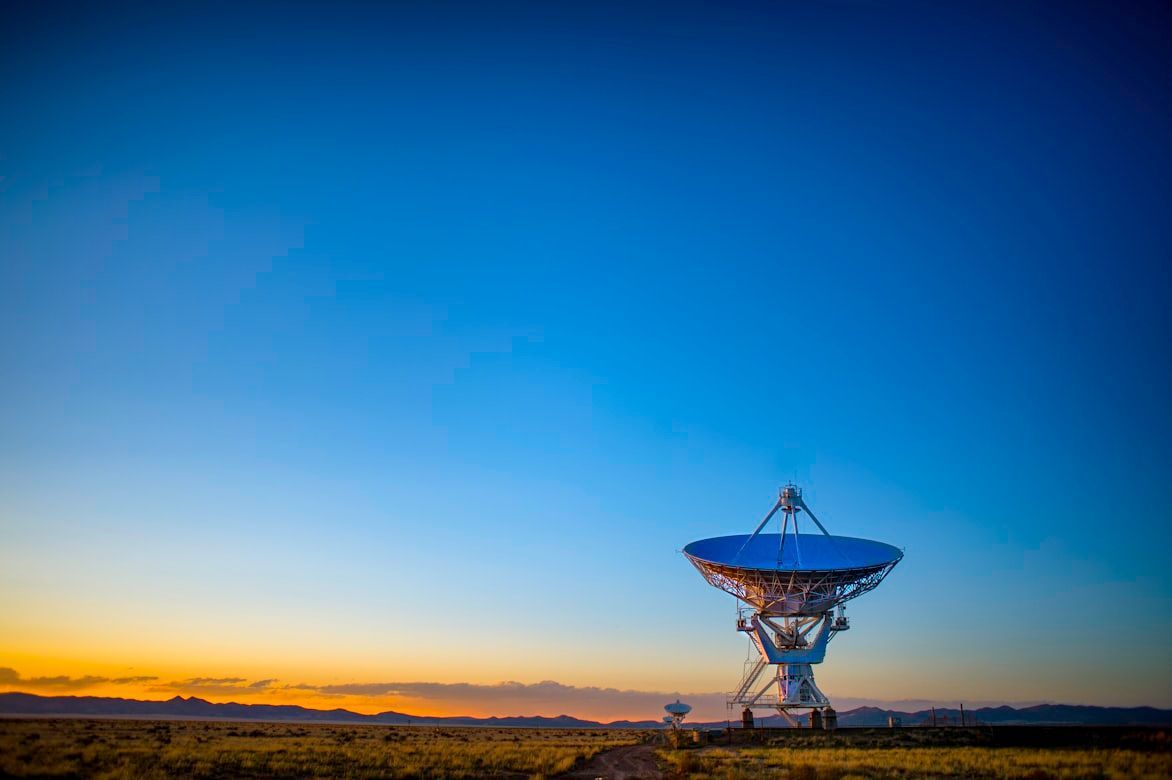
Image: Donald Giannatti

One night in 1977, Ohio State University’s Big Ear telescope picked up a deep-space radio burst lasting 72 seconds . Astronomer Jerry Ehman circled it and wrote "Wow!" beside the data.

The signal has never been definitively explained. Whether it was a passing comet, a reflection, or something else, no one knows.

4
Roanoke Colony’s "CROATOAN" - North Carolina

Image: Rogean James Caleffi

In the late 1500s, settlers on Roanoke Island disappeared, leaving only the word "CROATOAN" carved on wood . Their fate remains one of the earliest American mysteries.

Some think they merged with local tribes, while others suggest they relocated. Without proof, the vanished colony remains a puzzle historians love to revisit.

5
The Taos Hum - New Mexico

Image: Pawel Czerwinski

Since the 1990s, some residents of Taos report hearing a low, steady humming sound . It’s described like a distant diesel engine idling in the desert.

Some studies suggest it may be related to low-frequency industrial noise or tinnitus in some individuals. The reality is, scientists have studied the phenomenon but haven’t pinned down a cause.

6
Marfa Lights - Texas

Image: Dwiinshito

Out in West Texas, glowing orbs have appeared on the horizon for generations . They shimmer, split, and move in ways that seem inexplicable.

Tourists flock to Marfa hoping to catch a glimpse. Some suggest car headlights or atmospheric tricks, but the mystery remains.

7
Bloop-Like Ocean Sounds - Pacific Ocean

Image: berenice melis

In the 1990s, NOAA hydrophones picked up a booming, low-frequency sound in the Pacific Ocean . Nicknamed "the Bloop," it was louder than known whale calls.

Theories ranged from icequakes to giant sea life. NOAA later concluded the sound was likely caused by large icequakes from Antarctic ice breaking apart.

8
The Upton Chamber - Massachusetts
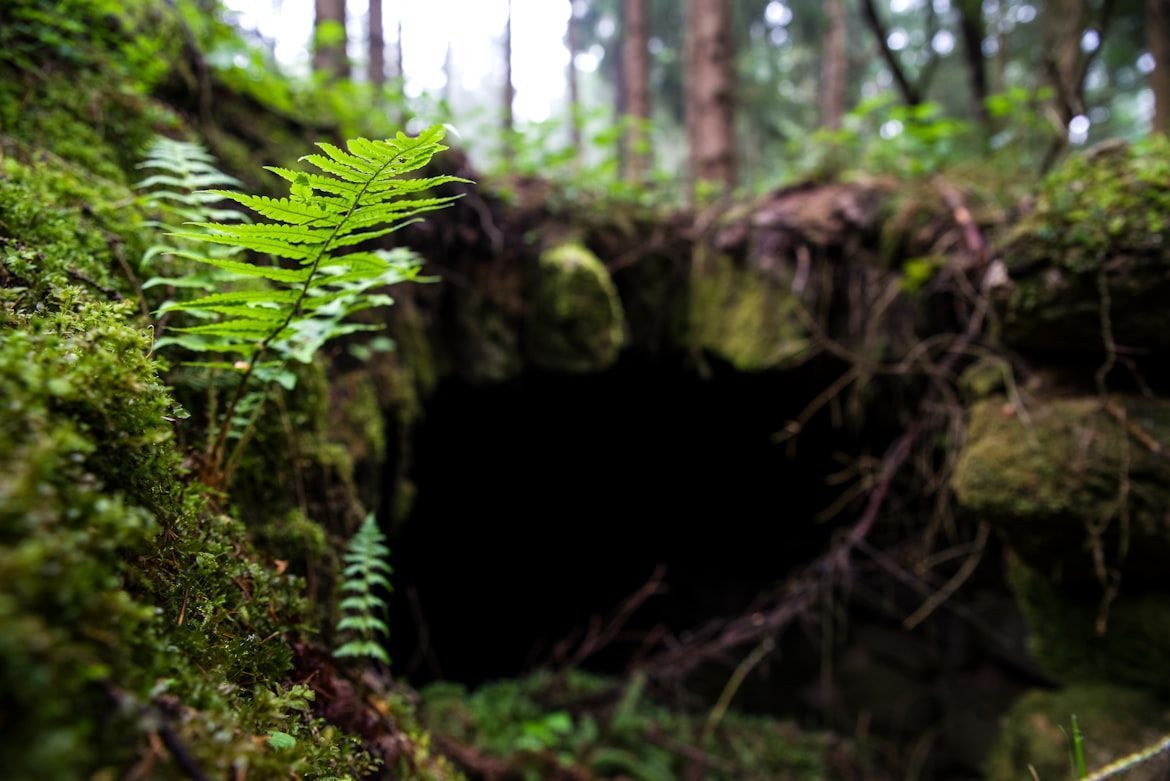
Image: cubicroot XYZ

Hidden in Massachusetts is a stone tunnel leading to a small underground chamber . Its age and purpose are still debated.

Some believe it was a colonial root cellar, while others argue it predates settlers entirely. Without records, the chamber remains an enigmatic piece of New England history.

9
America’s Stonehenge - New Hampshire
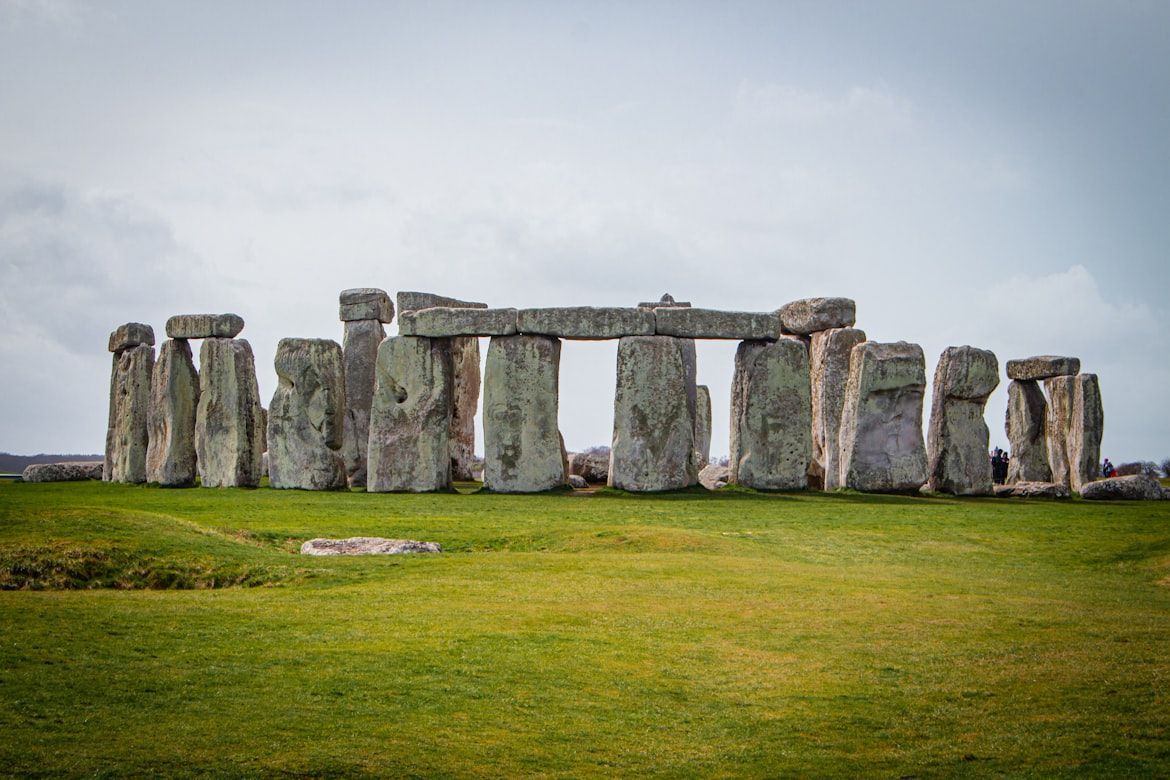
Image: Priyank V

This site features stone walls, chambers, and standing slabs . Some argue it was built by Native Americans, while others see evidence of pre-Columbian visitors.

While some alternative theories suggest ancient origins, most archaeologists believe the structures are from the colonial-era. Whatever its origin, it’s a fascinating stop for curious travelers.

10
The Great Serpent Mound - Ohio
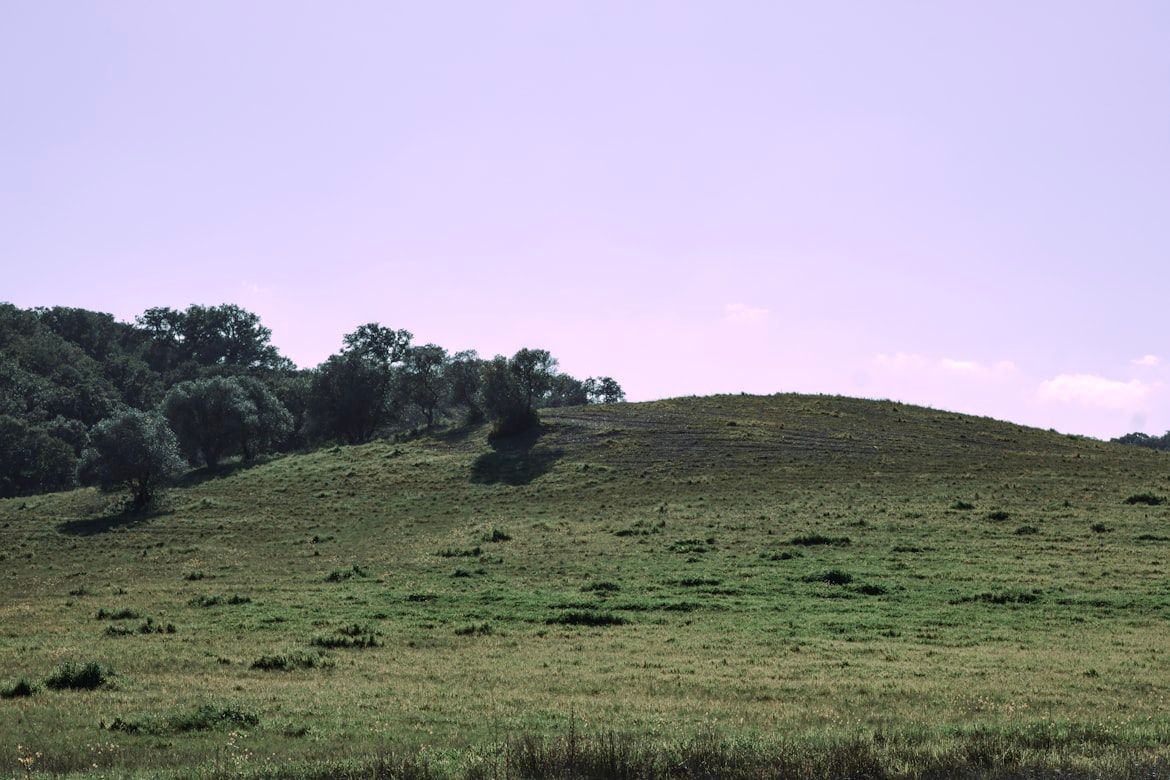
Image: Bodega

In southern Ohio lies a massive prehistoric earthwork shaped like a winding serpent . Stretching over 1,300 feet, it curves and coils across the landscape in striking detail.

Scholars agree it was built by Indigenous peoples, but its purpose is unclear. Some suggest it was a ceremonial site or calendar, while others see cosmic symbolism.

11
The Blythe Intaglios - California
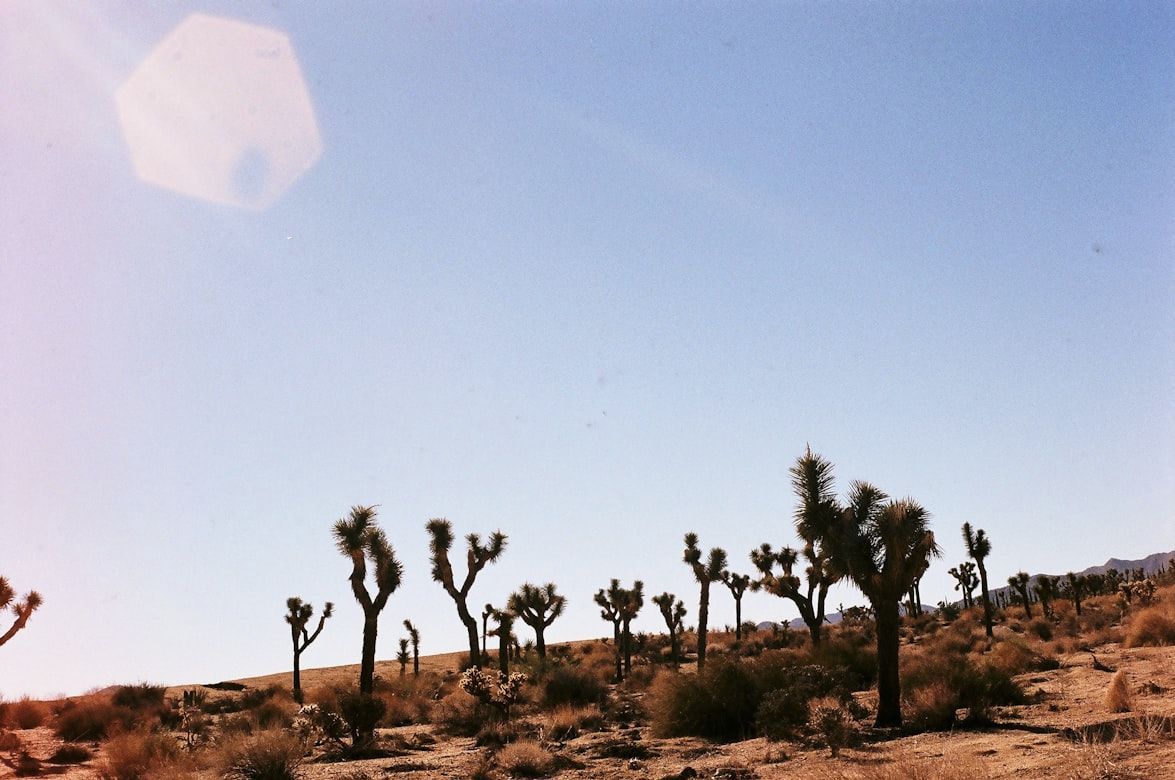
Image: Brandon Hoogenboom

Etched into the Colorado Desert, these giant figures depict humans and animals , some over 170 feet long. They’re best seen from the air, raising questions about how and why they were made.

Created centuries ago by Native Americans, their exact age and purpose remain uncertain.

12
Judaculla Rock - North Carolina
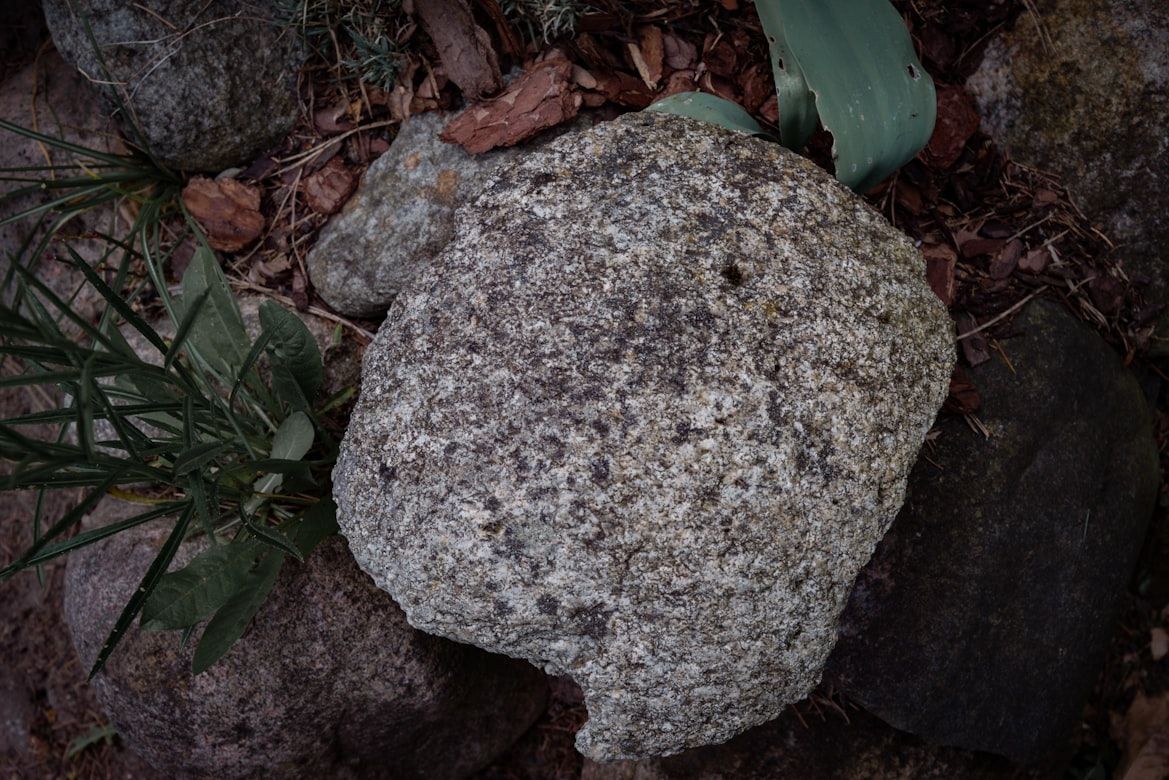
Image: malwina nogaj

This large boulder is carved with hundreds of mysterious petroglyphs . Shapes, lines, and symbols cover its surface, their meanings long lost to time.

The Cherokee connect the markings to Judaculla, a legendary giant. Whether the rock was a sacred site, a map, or something else, the exact meanings of many carvings remain unknown.

General General 4 min read

Beloved products that vanished from stores

Ten discontinued American products we still miss today

Image: Natasha Connell

Remember when you could walk into any store and find your favorite snack, only to have it vanish without a trace years later? Some discontinued products become legends, living on in our memories and late-night conversations about "the good old days." Here are ten discontinued products that still make us nostalgic, and honestly, a little hungry for the past.

1
Hydrox Cookies

Image: Conor Brown

Introduced in 1908, these chocolate sandwich cookies with cream filling were the original, while Oreos followed four years later in 1912 . Hydrox had a crunchier cookie and a less sweet filling, which devoted fans absolutely loved.

Hydrox disappeared from shelves in 2003, leaving longtime fans heartbroken and insisting that they were superior to their more famous competitor. The cookie made a brief comeback in 2015 under new ownership, but it never quite recaptured its former glory or widespread availability.

2
Squeezit

Image: Haley Owens

Squeezit arrived on the scene in 1985 with its unique bottle design that you literally had to squeeze to drink from—no straw needed! The bottles came in wild colors and flavors like Chucklin' Cherry and Grumpy Grape, each with its own cartoon character printed on the label.

General Mills discontinued Squeezit in 2001, crushing the dreams of millennials everywhere who had fond memories of squeezing these bottles a little too hard and squirting juice everywhere.

3
Jell-O Pudding Pops

Image: sheri silver

Bill Cosby might have made these famous in commercials, but it was the frozen treat itself that made Pudding Pops legendary in the 1980s. Introduced in 1979, these weren't your typical popsicles— they had a creamy, mousse-like texture that was somewhere between pudding and ice cream.

Jell-O discontinued the original Pudding Pops in the early 1990s, and despite several attempted comebacks with different formulations, they've never tasted quite the same as the originals. People who remember the real deal insist that the modern versions just don't have that same creamy texture or rich flavor.

4
Crystal Pepsi

Image: Giorgio Trovato

Launched in 1992, this clear cola was supposed to represent "purity" and tap into the clear product craze of the era . It tasted almost exactly like regular Pepsi, which created a weird cognitive dissonance: your brain expected lemon-lime, but your taste buds got cola. Crystal Pepsi flopped hard and disappeared by 1994, but it achieved cult status among nostalgic millennials and Gen Xers.

5
Bonkers! Candy

Image: Edgar Chaparro

"Bonkers bonks you out!" went the commercial jingle, and this chewy fruit candy certainly made an impact when it hit stores in the early 1980s. Each piece was wrapped individually and packed an intensely fruity flavor that was almost overwhelming—in a good way . Bonkers came in flavors like grape, strawberry, and watermelon, and they had a unique texture that was chewier than Starburst but softer than taffy.

Nabisco stopped making Bonkers in the 1990s, and fruit candy lovers have been mourning ever since. There were brief periods when the candy reappeared under different ownership, but it never achieved the same widespread distribution.

6
Dunkaroos

Image: RUMEYSA AYDIN

Introduced by Betty Crocker in 1990, these snack packs came with small kangaroo-shaped cookies and a container of frosting for dipping. The concept was simple but brilliant—make cookies even more fun by turning them into an interactive snack. Flavors included chocolate chip cookies with vanilla frosting, vanilla cookies with chocolate frosting, and the ultimate combo of chocolate cookies with chocolate frosting.

General Mills discontinued Dunkaroos in the United States in 2012, sparking outrage among millennials who considered them a sacred part of their childhood. The good news? After years of petitions and social media campaigns, Dunkaroos made a triumphant return in 2020.

7
Clearly Canadian

Image: 소녀

Before sparkling water became trendy, there was Clearly Canadian— a flavored sparkling water that came in distinctive teardrop-shaped glass bottles . Launched in 1987, this Canadian import became hugely popular in the U.S. throughout the late 80s and 90s. The flavors had fancy names like Wild Cherry, Country Raspberry, and Orchard Peach, and the carbonation was more aggressive than today's LaCroix.

Clearly Canadian largely disappeared from American stores in the 2000s as other beverages dominated the market, though the company never completely shut down. Thanks to a Kickstarter campaign in 2015, it made a comeback, but it's still not as widely available as it once was.

8
P.B. Crisps

Image: Olga Nayda

Planters gave us the ultimate peanut butter snack in 1992 with P.B. Crisps— crispy shell-shaped cookies filled with peanut butter . These weren't ordinary peanut butter cookies; they had a unique, crispy texture on the outside and creamy peanut butter on the inside, creating a perfect contrast.

Sadly, P.B. Crisps were discontinued in 1995 after just three years on the market, leaving peanut butter lovers devastated. No snack has quite filled that void—Nutter Butters are too cookie-like, and peanut butter crackers are too cracker-like.

9
Altoids Sours

Image: Customerbox

These tiny, tangy candies came in flavors like Tangerine, Citrus, and Raspberry, and they packed a seriously sour punch that made your whole face scrunch up . They came in the same iconic tin as regular Altoids, which made them feel substantial and collectible.

Altoids discontinued the Sours in 2010, and fans have been petitioning for their return ever since. There have been multiple online petitions, Facebook groups, and even people hoarding old tins as collectors' items.

10
Snapple Elements

Image: Snappr

Launched in 1999, these drinks came in wide-mouthed glass bottles and had more exotic flavors than typical Snapple offerings . Rain was agave cactus, Sun was starfruit, and Fire was dragonfruit. The bottles themselves were beautiful, with distinctive designs and colors that made them stand out on store shelves.

The Elements line was discontinued in the early 2000s, though Snapple brought back a reformulated version in 2008 that wasn't quite the same. The original Elements had a devoted following who appreciated the more complex flavors and the beautiful bottle design.

General General 3 min read

American giants

10 massive U.S. industries that secretly run America

Image: White Field Photo

Behind the scenes, the U.S. economy is driven by massive industries with global reach— shaping markets, driving innovation, and employing millions. From tech giants and energy producers to farms that feed the world, each sector plays a distinct role in keeping the country moving. This list breaks down 10 of the biggest American industries today.

1
Technology

Image: Shoeib Abolhassani

The U.S. tech sector exceeds $2 trillion in market value and leads the world in software, cloud computing, and semiconductor innovation.

While major hubs like Silicon Valley concentrate much of the activity, the industry has a nationwide footprint—from research centers and investor networks to hardware design and advanced manufacturing. Also, AI investment now represents a substantial share of the sector, which remains overwhelmingly U.S.-driven.

2
Healthcare

Image: Piron Guillaume

Healthcare spending in the U.S. surpassed $4.5 trillion recently, accounting for nearly 20% of GDP. Hospitals, insurers, biotech firms, and pharmaceutical companies together form the largest employment ecosystem in the country.

Moreover, the pharmaceutical segment alone exceeds $600 billion, placing the U.S. at the forefront of global drug development and clinical research.

3
Finance

Image: Nick Chong

Banking, investment, and insurance services generate over $2.5 trillion annually, and Wall Street remains the world’s largest capital market by trading volume.

Believe it or not, U.S. asset managers oversee more than $30 trillion in global funds, a scale unmatched anywhere else. American payment networks and credit systems also form a major part of the infrastructure that supports international commerce.

4
Energy

Image: Documerica

The U.S. is one of the world’s top producers of oil and natural gas, with the energy sector generating hundreds of billions of dollars each year. Texas is the largest state contributor, while New Mexico and North Dakota also rank among the leading producers.

Although renewables now surpass several fossil fuels in total electricity generation—driven largely by wind and solar—the energy sector as a whole remains robust and highly diversified.

5
Manufacturing

Image: Simon Kadula

Manufacturing underpins the growth of countless other industries, and American heavy industry contributes more than $2.3 trillion to GDP, spanning automobiles, machinery, electronics, and advanced materials.

The sector employs over 12 million people and remains a global leader in areas like industrial automation, chemical production, medical devices, and food processing. U.S. factories also rank among the world’s most productive thanks to high-tech equipment, robotics, and supply chains that integrate everything from raw materials to final assembly.

6
Retail

Image: Viktor Bystrov

Feel like going shopping? You’re certainly not alone—the U.S. retail sector generates over $7 trillion annually. Big-box chains, e-commerce giants, and grocery networks together make up one of the nation’s largest employment sectors.

E-commerce alone now exceeds $1 trillion, fueled by major progress in logistics, fulfillment technology, and nationwide delivery networks.

7
Agriculture

Image: Hannah Shedrow

The fertile Midwest and Great Plains are often called the "breadbasket of the world," and it’s no exaggeration—U.S. farms produce more than $500 billion in goods each year.

While corn, soybeans, beef, and dairy dominate overall output, the sector supports a wide array of other crops and livestock. It also drives innovation in precision machinery, fertilizer development, and agricultural technology that shapes global food production.

8
Transportation

Image: Documerica

Transportation is a massive sector—covering airlines, shipping, trucking, and rail—and generates more than $1.4 trillion annually. Trucking alone moves over 70% of domestic freight, while rail remains essential for transporting bulk commodities like grain, coal, and industrial materials.

Air travel supports millions of jobs, with major hubs such as Atlanta and Dallas ranking among the world’s busiest by passenger traffic. Ports like Los Angeles, Long Beach, and Houston handle some of the highest cargo volumes in the Western Hemisphere, while the U.S. highway system remains one of the largest and most heavily used in the world.

9
Construction

Image: C Dustin

In a country where iconic skylines are considered part of the landscape, construction is naturally a major economic force. The sector now exceeds $2 trillion in annual output, driven by persistent housing demand and large-scale commercial development.

Infrastructure also accounts for a significant share of spending, covering everything from bridges and tunnels to highways and transit systems. Residential building cycles strongly influence employment, making construction one of the most sensitive indicators of broader economic health.

10
Aerospace & defense

Image: Hermeus

As one of the world’s leading centers of innovation, the U.S. aerospace sector—often intertwined with the defense industry— contributes more than $400 billion annually, driven by aircraft manufacturing, satellite technology, and advanced defense systems.

Government defense spending, which exceeds $800 billion per year, supports major contractors, sustains global military partnerships, and helps maintain a technological edge over international competitors.

Explore more American facts

Choose your favorite category!

General
General

As American as apple pie—the very best America has to offer!

Culture
Culture

Delve into the astounding richness of American lore.

Geography
Geography

Hop in and explore vast and diverse American landscapes.

History
History

Discover the key moments that shaped the United States.