General General 3 min read

From pits to plates

BBQ through the States! A finger-licking article on regional styles!
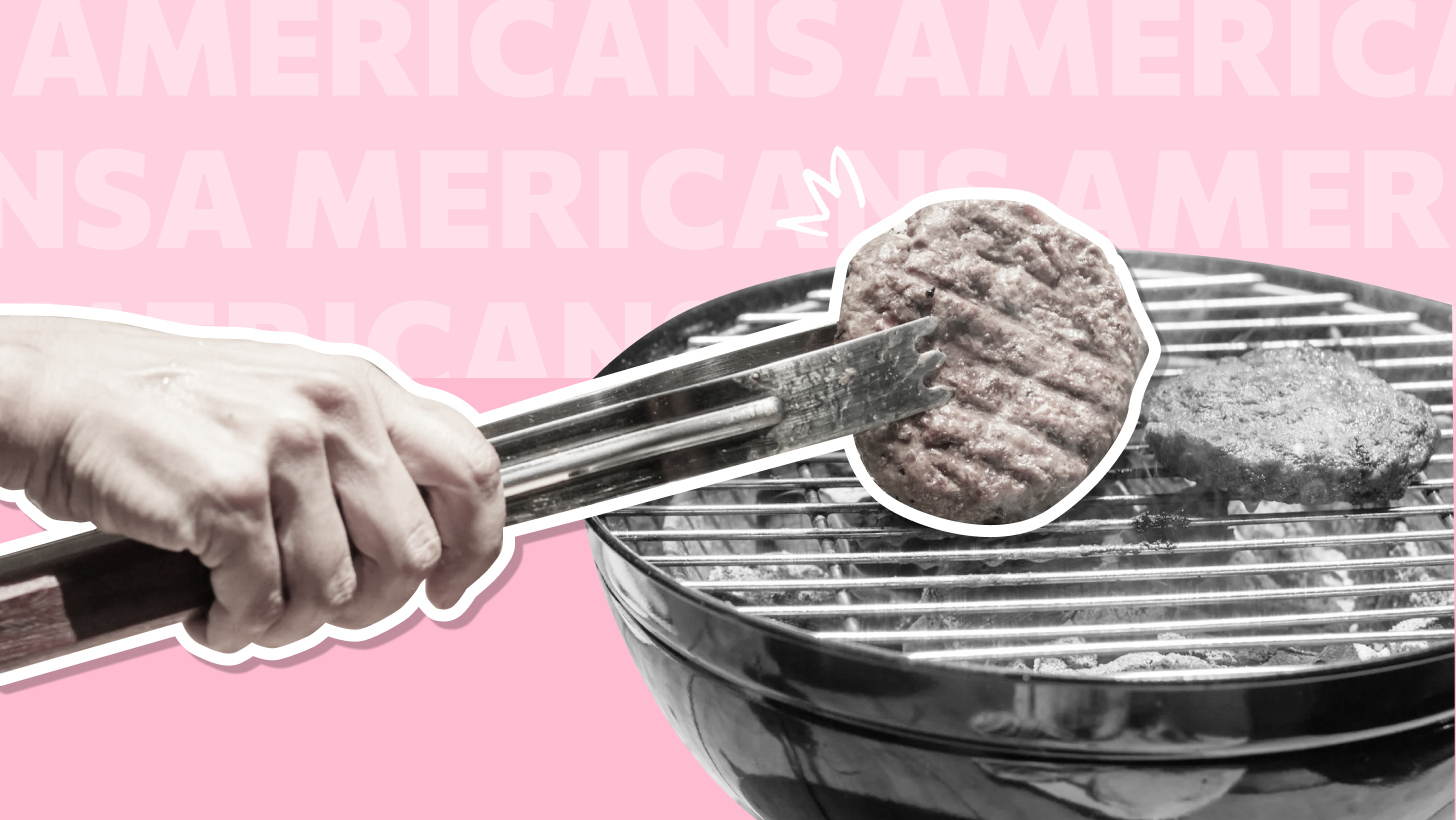
Image: Jaco Pretorius

When it comes to barbecue, the United States is a patchwork quilt of flavors, cooking techniques, and cherished traditions. Each region has its unique approach to barbecuing , which is a reflection of the history, culture, and tastes of the people who call it home. Let’s take a mouthwatering journey across America to explore the most iconic regional BBQ styles and what makes each one special.

1
Memphis

Image: Brian Wegman 🎃

We say Memphis, you probably think of Graceland and Elvis, right? But in Memphis, barbecue is big too. Famous for its pork dishes, Memphis-style BBQ revolves around slow-cooked shoulders, butts, and ribs, often served with a smoky tomato-based sauce or simply seasoned with a dry rub. Pulled pork sandwiches are a staple here, typically paired with tangy coleslaw.

Be warned, if you visit, don’t expect to pry the secret recipes for their rubs or sauces—those are guarded more tightly than gold.

2
Kansas City

Image: Ahmad

Kansas City barbecue is synonymous with variety. This region smokes everything from ribs and brisket to sausages and burnt ends. The hallmark of Kansas City-style BBQ is its sweet, thick sauce made with tomatoes, molasses, and brown sugar.

This style owes much of its legacy to Henry Perry, the "Father of Kansas City Barbecue" whose techniques were passed down to pitmasters like Arthur Bryant and Ollie Gates. Today, Kansas City’s barbecue joints remain legendary destinations.

3
North Carolina

Image: Leo_Visions

In North Carolina, barbecue loyalty is divided . The Eastern Style involves whole-pig barbecue smoked over wood coals and basted with a peppery vinegar sauce. Purists argue this method lets the meat’s natural flavors shine.

The Western Style (a.k.a. Lexington) is focused on pork shoulder, this style features a ketchup-based sauce that’s sweeter than its eastern counterpart. The addition of tomatoes reflects influences from Bavarian settlers in the area.

4
Texas

Image: Israel Albornoz

Texas takes it a step further and we can find multiple styles . At least, three!

On the one hand, Central Texas goes for a simple and straightforward beef brisket seasoned with salt and pepper, then smoked low and slow.

East Texas style features tender beef and pork, cooked until falling off the bone and often served in sandwiches with a thick, sweet sauce.

Now, as for South Texas, meats like cow’s head or goat are slowly smoked in underground pits and served with salsa and guacamole.

5
Alabama

Image: Ruthra Malai

Alabama’s claim to barbecue fame is its unique white sauce, made from mayonnaise, vinegar, and pepper. This creamy, tangy sauce is typically slathered on smoked chicken or ribs, offering a refreshing departure from traditional tomato-based options.

Cities like Birmingham have emerged as culinary destinations, they blend barbecue with Southern hospitality. Who wouldn’t want to try that out?

6
Georgia

Image: Ajeet Panesar

In Georgia, a barbecue is a social event as much as a culinary delight. Pork is the star, often accompanied by smoky brisket, sausages, and chicken. Georgia’s barbecue leans heavily on bold, smoky flavors and can be found in roadside shacks and upscale eateries alike. Each bite reflects the state’s rich culinary heritage.

7
Hawaii

Image: Z Grills Australia

Hawaii has stunning views, dreamy beaches, and delicious dishes too! Hawaiian barbecue is a celebration of its diverse cultural influences. And a result of its diverse climate too.

Kalua pork, cooked in underground ovens , is a staple at traditional luaus, while local BBQ plates often feature Korean-style ribs, Huli Huli chicken, or barbecued seafood. These dishes are served with rice and macaroni salad, a unique island twist to American barbecue.

8
Kentucky

Image: Sergio Arteaga

Kentucky’s barbecue scene is defined by its love of mutton , which is smoked over hickory wood and served with a peppery vinegar dip.

This lesser-known style also includes pork and turkey, which ultimately reflects the state’s agricultural diversity. The city of Owensboro is the epicenter of mutton barbecue. They host annual festivals dedicated to the dish. Even if you’re not big on BBQ, this annual event is worth visiting!

9
Virginia

Image: Carlitos Grill

Some argue that barbecue’s American roots trace back to Virginia, where Native American techniques and African influences merged.

Whether that’s the case or not, Virginia’s regional variations are great. They include sweet tomato-based sauces , tangy vinegar blends, and even sauces with hints of peanut butter. Each micro-region brings its spin, but they all uphold the state’s rich barbecue heritage.

10
South Carolina

Image: Davide Cantelli

South Carolina’s barbecue stands out with its signature mustard-base sauce, known as "Carolina Gold." Influenced by the state’s German settlers, this tangy sauce pairs perfectly with the region’s whole hog cooking.

South Carolina also offers other sauces, including vinegar-based and tomato-based varieties. In this state, you can’t really say there’s not a thing for every taste bud!
History History 3 min read

Who would you write it for?

Mark Twain said what? Remarkable book dedications and their stories

Image: Hưng Lê

These might be memorable titles written by renowned authors, but sometimes the dedications are just as remarkable as the rest of the volume. Have you ever read the lines tucked into the opening pages of famous books? Some are chilling, some funny, some thought-provoking—and we’ve gathered a list of particularly interesting ones!

1
Don’t question the author

Image: Amaan Ali

In his usual sarcastic style, Mark Twain wrote in the opening "Notice" of The Adventures of Huckleberry Finn : "Persons attempting to find a motive in this narrative will be prosecuted; persons attempting to find a moral in it will be banished; persons attempting to find a plot in it will be shot." It’s an unforgettable way to open a classic.

2
What you don’t know…

Image: Markus Spiske

In the book This Boy’s Life, Tobias Wolff wrote: "My first stepfather used to say that what I didn’t know would fill a book. Well, here it is."

It’s a dark but funny recounting of his turbulent youth in this memoir, so the line is a perfect setup for what’s to come.

3
About loyalty

Image: Niranjan V S

In her book Dark Places , thriller writer Gillian Flynn wrote: "What can I say about a man who knows how I think and still sleeps next to me with the lights off?"

The author of Gone Girl tipped her hat to her husband, Brett Nolan, here. Who doesn’t want a partner who accepts us fully—even if we spend our days writing about murky crimes?

4
Cosmic love

Image: Jayshree Sharma

If you’re a romantic, try not to swoon over Carl Sagan’s dedication in Cosmos : "In the vastness of space and the immensity of time, it is my joy to share a planet and an epoch with Annie."

This beautiful line of cosmic love was dedicated to his wife and collaborator, Ann Druyan. And the book that follows is a science classic.

5
A touch of fantasy

Image: Ali Müftüoğulları

Ken Kesey’s famous book One Flew Over the Cuckoo’s Nest , set in a psychiatric ward, wouldn’t be cataloged as fantasy at all. And yet, its memorable dedication reads: "To Vik Lovell, who told me dragons did not exist, then led me to their lairs."

6
The inclusive take

Image: Andrew Neel

John Cheever had a good idea in his dedication of The Wapshot Chronicle : "To M with love, and with best wishes to practically everybody else I know." A playful and inclusive way to make sure you leave out no one who matters! It was his debut novel, and it won the National Book Award.

7
The vengeful one

Image: Gaspar Uhas

This one is dark but packs a memorable punch. The dedication of No Thanks , by E. E. Cummings, is simply a list of names—the 14 publishers who turned his work down. But here’s the unforgettable bit: the words are arranged on the page in the shape of an urn.

8
Thanking the parents

Image: Lucas George Wendt

Comedian Judd Apatow dedicated his book Sick in the Head to his loving parents: "For Mom and Dad. Your support—and the mental health issues you gave me—made all of this possible." Tongue in cheek, just as fans would expect from him.

9
Chilling and sobering

Image: Isaac N.

Powerful: Toni Morrison’s dedication in Beloved is simply the phrase "Sixty million and more," referring to the victims of the transatlantic slave trade. No verbs, no explanations—just five heavy, sobering words to leave readers thinking.

10
About undying love

Image: Girl with red hat

F. Scott Fitzgerald’s The Great Gatsby is, after all, a story steeped in undying love. His dedication was fitting: "Once again, to Zelda." It’s a brief but heartfelt nod to his wife and muse.

11
An offering

Image: Jouwen Wang

John Steinbeck’s East of Eden opens with a sort of letter. It’s longer than this, but it begins with an anecdote in which "Pat" asked him to give him a box to fill with things. The dedication reads:

"Dear Pat… Well, here’s your box… Nearly everything I have is in it… all the gratitude and love I have for you. And still the box is not full. JOHN."

History History 4 min read

Western stories

Debunking myths and truths about the California Gold Rush

Image: Scottsdale Mint

Were the 49ers pioneering winners? Who made the most money over there, in the West? Who wrote the best accounts of lifestyle and stories about the gold fever? If the answers to these questions are a mystery to you, you might enjoy these lesser-known stories about the California Gold Rush!

1
Gold Rush myths bubbled up immediately

Image: Tomáš Malík

It didn’t take long for the truth to get buried. As soon as gold was discovered, the stories started to shimmer. Tales of instant wealth, golden boulders, and rivers gleaming with nuggets.

Letters home were often exaggerated, and newspapers sensationalized every find. These myths fueled the frenzy and caused proverbial FOMO all over the world. People wanted to see it for themselves.

2
The best Western business wasn’t in fact gold

Image: Stefan Münz

If you wanted to get rich during the gold rush, you had better chances opening a store than mining. That was the golden rule for smart entrepreneurs like Levi Strauss, who didn’t strike it rich in a streambed, but in a sewing room. Another legend, Samuel Brannan, made a fortune selling picks, pans, and shovels —not gold.

3
The "49ers" were actually latecomers

Image: Emilie

The famed "49ers," the nickname for those swept up in the gold frenzy in 1849, weren’t the first on the scene. There’s a plot twist. Gold was discovered in January 1848 at Sutter’s Mill.

But the news spread slowly . By the time the world caught on, most of the easily accessible gold had already been plucked from riverbeds by locals, soldiers, and early arrivals.

4
Thousands came from China and South America

Image: rc.xyz NFT gallery

The Gold Rush was a global stampede . Tens of thousands of Chinese immigrants crossed the Pacific, some bringing generations of mining knowledge with them. Others came from Chile, Peru, and Mexico, arriving in San Francisco to find opportunity.

5
Women were there not just as camp followers

Image: Michael & Diane Weidner

Women were there too, not just as wives, but as businesswomen, cooks, hoteliers, and even miners. Take Luzena Wilson, a widow who hauled her children west and set up a boarding house for miners. Her clean beds and hot meals turned into a booming business.

Others ran laundries, tended bar, or staked their own claims. In a lawless land where survival meant creativity, many women found fortune in hard work.

6
Some came from Hawaii, Russia, and Europe

Image: Trey Hollins

They called them " Argonauts ," a romantic nod to the Greek myth of Jason and his quest for the Golden Fleece. And like the legend, the real Gold Rush was international. Adventurers came not just from the American East, but from as far as Russia’s Pacific coast, the Hawaiian Islands, and every corner of Europe.

7
Gold Rush towns became ghost towns

Image: Stefan Münz

Take Bodie, for example. A lawless hotspot where saloons outnumbered schools. At its peak, it had over 10,000 residents. A few decades later, it was all tumbleweeds and creaky wood .

Once the gold ran out, so did the people. Tools were abandoned and whole towns vanished almost overnight, leaving behind eerie remnants.

8
The "Gold Fever" spread worldwide

Image: suradeach saetang

Once word of gold reached distant shores, "gold fever" spread around the world . Australia had its own rush by 1851. The Klondike in Canada followed in the 1890s, and South Africa’s rich deposits turned Johannesburg into a boomtown in the 1880s.

Prospectors chased hope, not just gold. Each new report of found gold sparked a fresh migration, with fortune-seekers packing up and heading to the hot spots.

9
Gold mining required team effort

Image: Elena Mozhvilo

Forget the image of the lone prospector whistling by the river . That only worked for a short time.

As surface gold dried up, miners turned to hard labor, which involved blasting rock, diverting rivers, and eventually using powerful water cannons in a process called hydraulic mining. It was expensive. Teams of men pooled resources, hired help, and invested in equipment.

10
Many "Gold Seekers" never even made it to California

Image: James Lee

Getting to California in the 1840s was no stroll through the prairie. Hundreds of the hopefuls who set out never arrived. Some perished on the overland trails due to disease, accidents, or exhaustion.

The sea route around Cape Horn was no solution; it was just longer and colder. Some turned back. Others settled in Oregon or Utah. A few found fortune far from the gold fields.

11
The "Gold Rush" fueled California's statehood

Image: Emre Ayata

In 1848, California was a sleepy outpost with little U.S. oversight. By 1850, it had boomed into a booming, brawling land with more than enough people.

The rush had brought merchants, farmers, lawyers, and politicians. With them came the push for schools, railroads, and laws. California skipped the usual phase of being a U.S. territory and leapfrogged straight into statehood.

12
Women and children wrote some of the best eyewitness accounts

Image: The Cleveland Museum of Art

Some of the most vivid details of this era came from women and children who chronicled the chaos . Their letters and diaries tell of lonely cabins, muddy streets, makeshift schools, and the daily drama of camp life.

Women like Louise Clappe (aka "Dame Shirley") wrote witty, unfiltered dispatches from the Sierra Nevada. Young girls described the thrill of arriving in San Francisco and the terror of crossing the plains.

13
The Gold Rush didn't end in 1850

Image: Michael & Diane Weidner

By the time most folks arrived, the easy pickings were gone, and the story was just getting started.

The gold fever didn’t vanish in a year. Prospecting surged well into the 1850s and beyond. Some of the biggest strikes, like Nevada’s Comstock Lode in 1859, came after the main rush was supposedly over. By then, mining had evolved into an industrial enterprise, with machinery, corporations, and deeper digs.

Explore more American facts

Choose your favorite category!

General
General

As American as apple pie—the very best America has to offer!

Culture
Culture

Delve into the astounding richness of American lore.

Geography
Geography

Hop in and explore vast and diverse American landscapes.

History
History

Discover the key moments that shaped the United States.