Culture Culture 5 min read

Can you trust your memory?

Are these 10 memories true or false? Some may surprise you
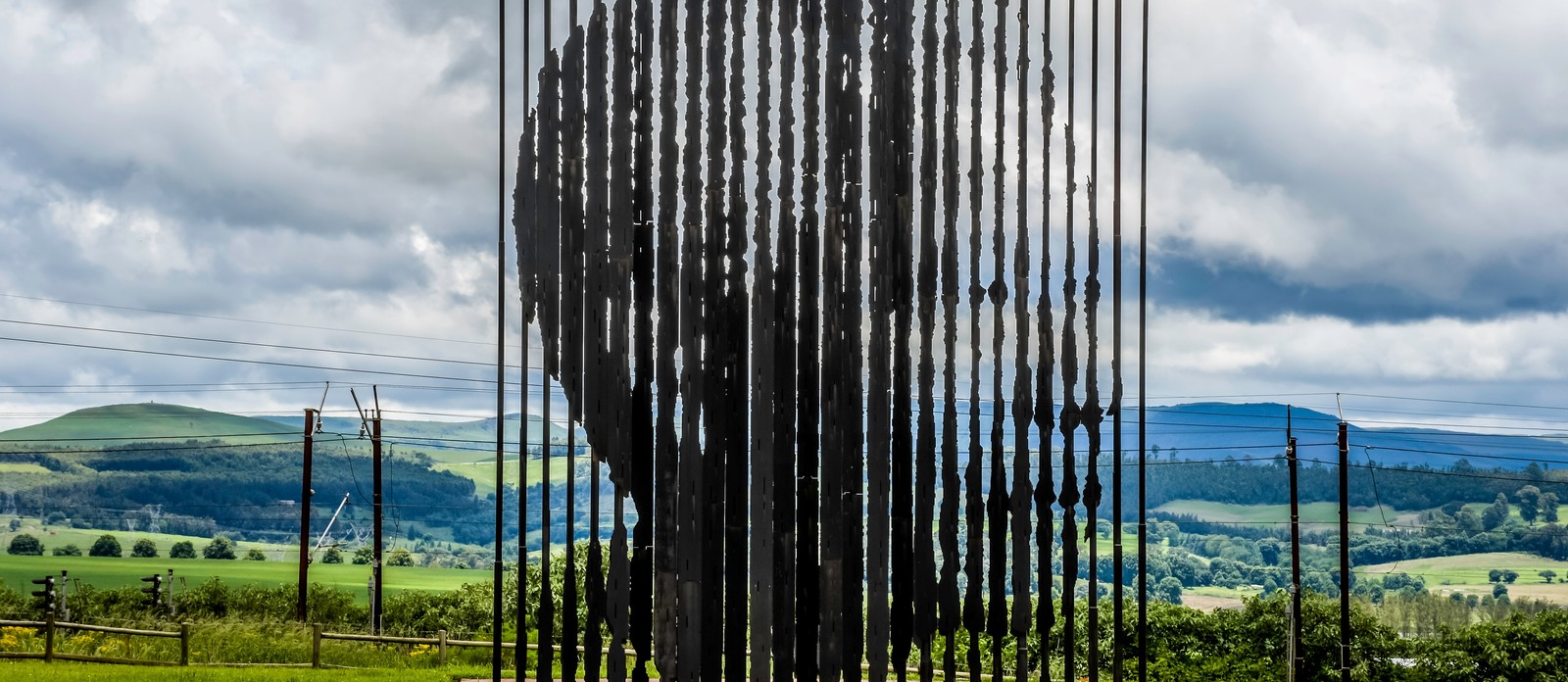
Image: Shams F Amir

Have you ever been absolutely certain that you remembered something correctly, only to discover that the details were different all along? Maybe you can picture a familiar logo, recall a famous movie line, or remember a story from your childhood. Yet some of those memories don't quite match the facts. From pop-culture references that fans swear they remember to historical inaccuracies that have been repeated for generations, these examples reveal how easily our memories can mislead us . One even inspired the term and phenomenon known as the Mandela Effect. Let's see how many you remember correctly!

1
Did Nelson Mandela die in prison?
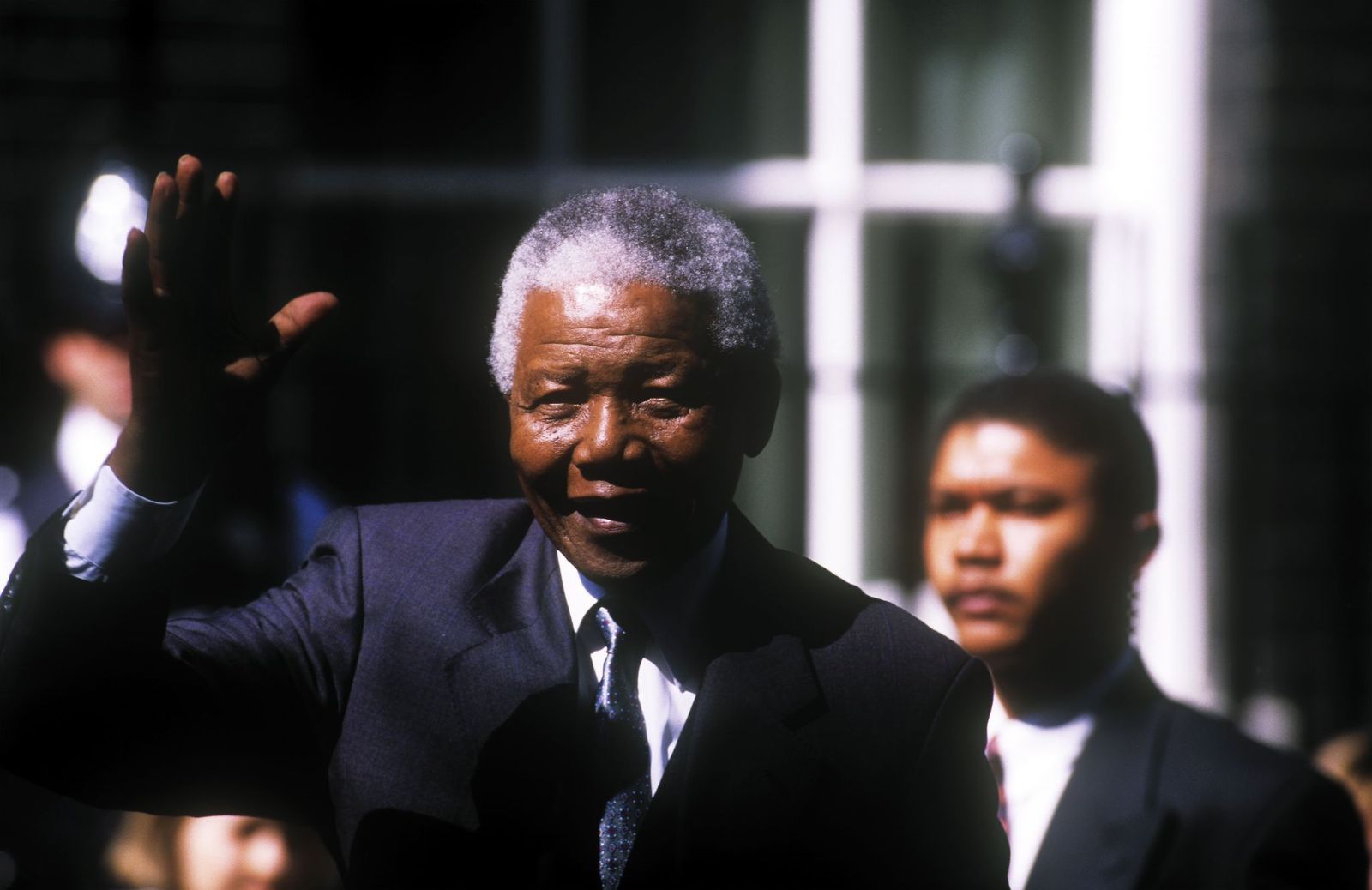
Image: Sean Aidan Calderbank

Some people vividly remember hearing that Nelson Mandela died in prison during the 1980s. In truth, he was released in 1990 and became the president of South Africa in 1994 . He died in 2013, at the age of 95.

Reports of this false memory were widespread enough that it inspired the term for an entire phenomenon : when large groups of people collectively share the same specific false recollection of an event, we call it the Mandela Effect.

2
What's in Fruit of the Loom's logo?

Image: Peyker

Picture the Fruit of the Loom logo, with its familiar bunch of colorful fruit. Can you remember a brown, horn-shaped basket behind the fruit? That's called a cornucopia, and many people insist that it was there, even though the company says its logo has never included it.

The confusion may come from how naturally the basket seems to fit with the whole image: the cornucopia has traditionally been associated with abundance and harvest, which would make perfect sense alongside a pile of fruit.

3
Did Washington chop down his father's cherry tree?

Image: Damian Lugowski

The familiar story goes that a young George Washington tested a new hatchet on his father's prized cherry tree, and later confessed with the famous words, "I cannot tell a lie." It's a story that reflects positively on Washington's moral character and teaches young Americans the value of honesty.

However, there is little historical evidence to treat the cherry tree episode as factually true. The story first appeared in print in the fifth edition of Mason Locke Weems's biography The Life of Washington, published in 1806, seven years after Washington died in 1799.

4
Is C-3PO's body fully golden?
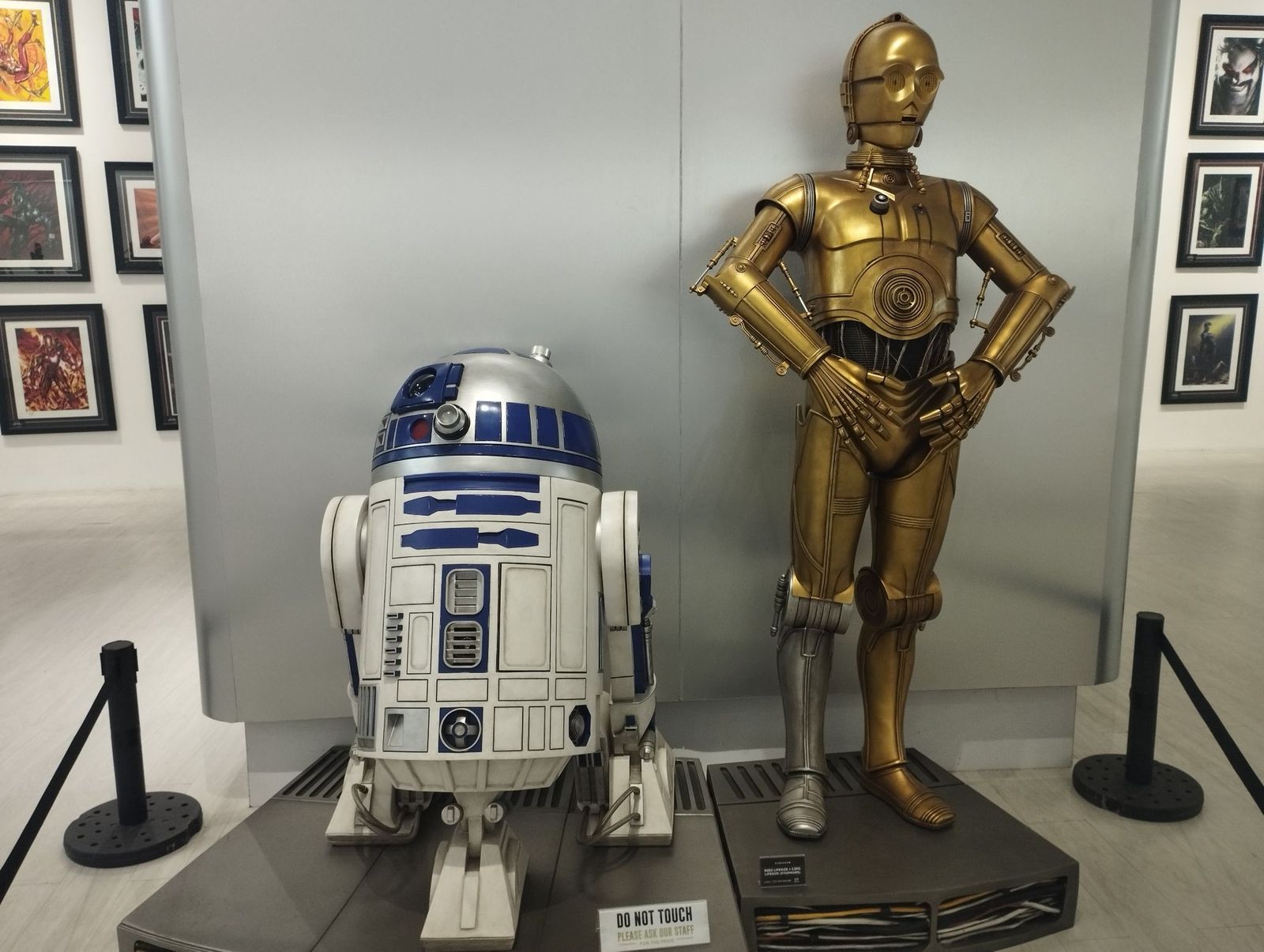
Image: Adietza

When Star Wars (later retitled Star Wars: Episode IV – A New Hope ) hit theaters in 1977, it quickly became a cultural phenomenon . It's one of the most influential films of all time, and launched one of the world's best-known entertainment franchises.

However, there's a detail that even hardcore fans struggle to remember. Many fans picture the polite, anxious protocol droid C-3PO as golden from head to toe when, in fact, his right shin is silver in the original trilogy.

Many contemporary toys omitted this detail, and later installments of the franchise updated C-3PO's look with a brand-new set of gold plating, helping explain why many viewers remember him as entirely golden.

5
Did George Washington have wooden teeth?
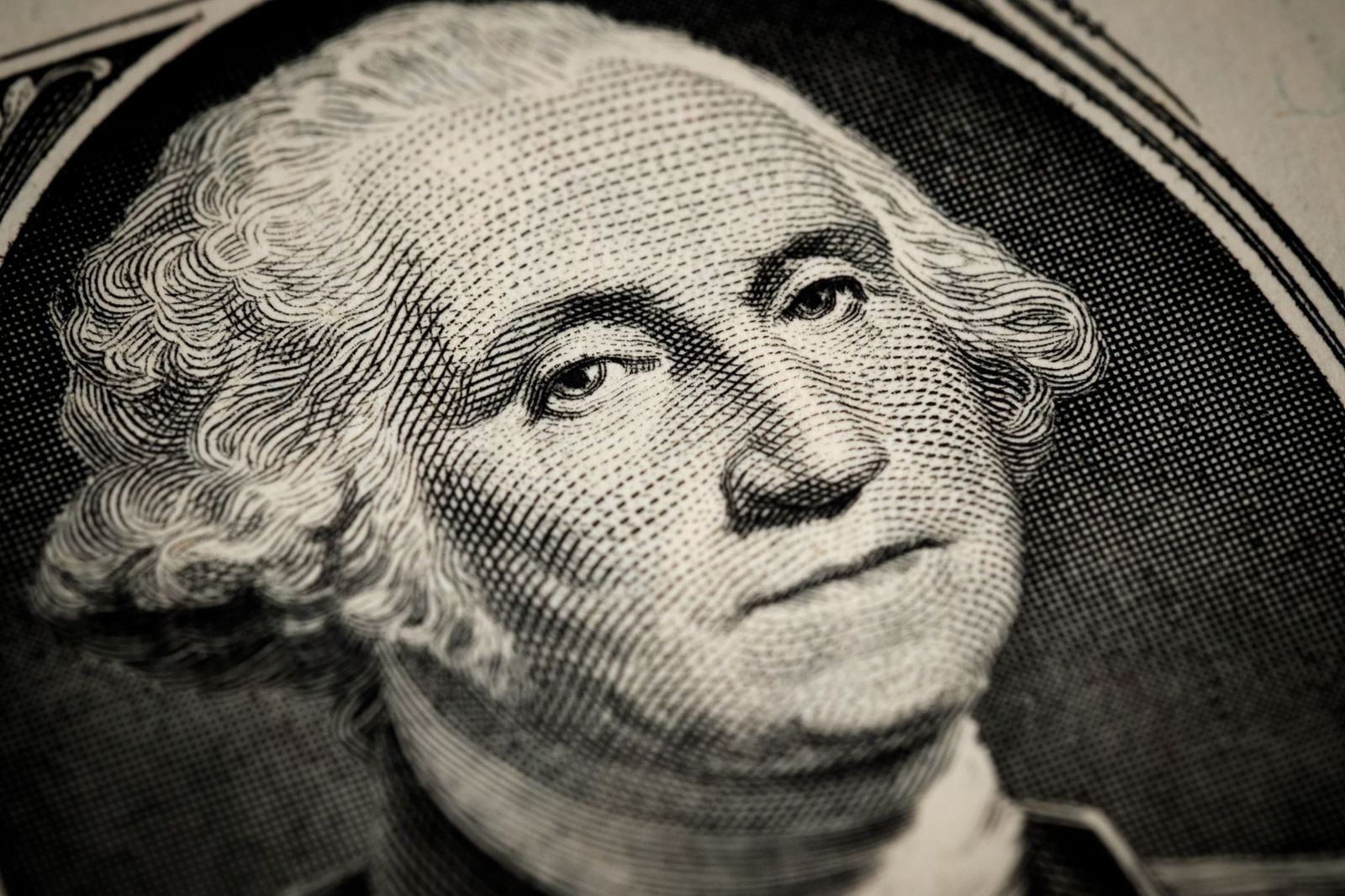
Image: SSV.Photo

One of the most enduring myths about George Washington (besides the cherry tree story) is that he had wooden teeth. It's possible that, after long use, some of his dentures took on a stained, wood-grained appearance, which would serve as a basis for this myth .

In fact, according to historical records, Washington's dentures were made of a variety of materials, including ivory, animal teeth, human teeth, lead, tin, copper, silver alloys, and gold.

6
Does Monopoly's mascot wear a monocle?
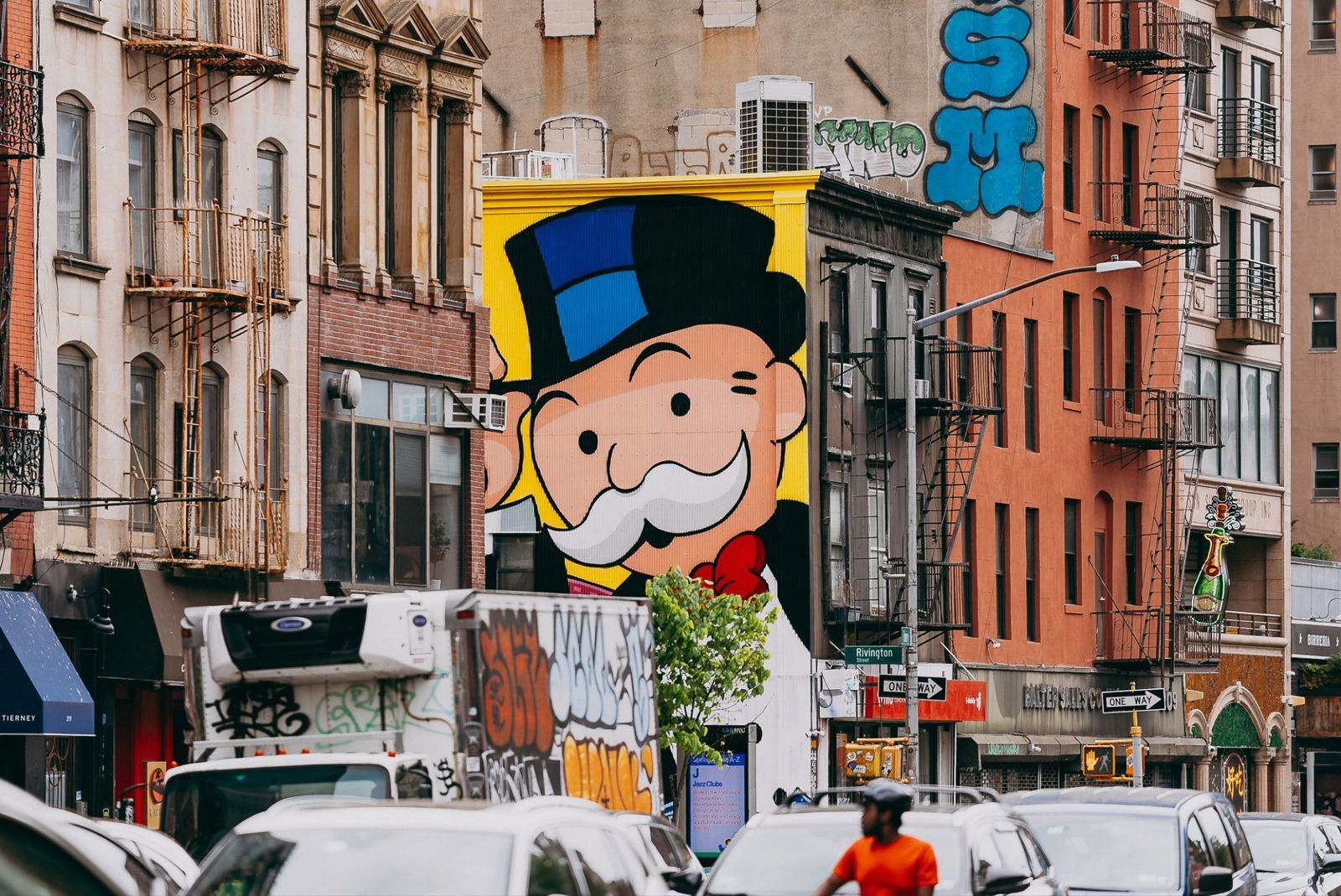
Image: MattariStudio

Monopoly is one of the world's most-played board games, and its mascot is just as iconic: a wealthy older gentleman with a top hat, a smart suit, and a white mustache. In some game materials, he's referred to as "Rich Uncle" Pennybags. But does he wear a monocle?

The truth is that Mr. Pennybags doesn't wear a monocle in any official artwork. The confusion may come from associating him with other fictional wealthy gentlemen, who often accompany their formal wear with a fancy single-lens eyepiece.

7
What was Paul Revere's ride like?
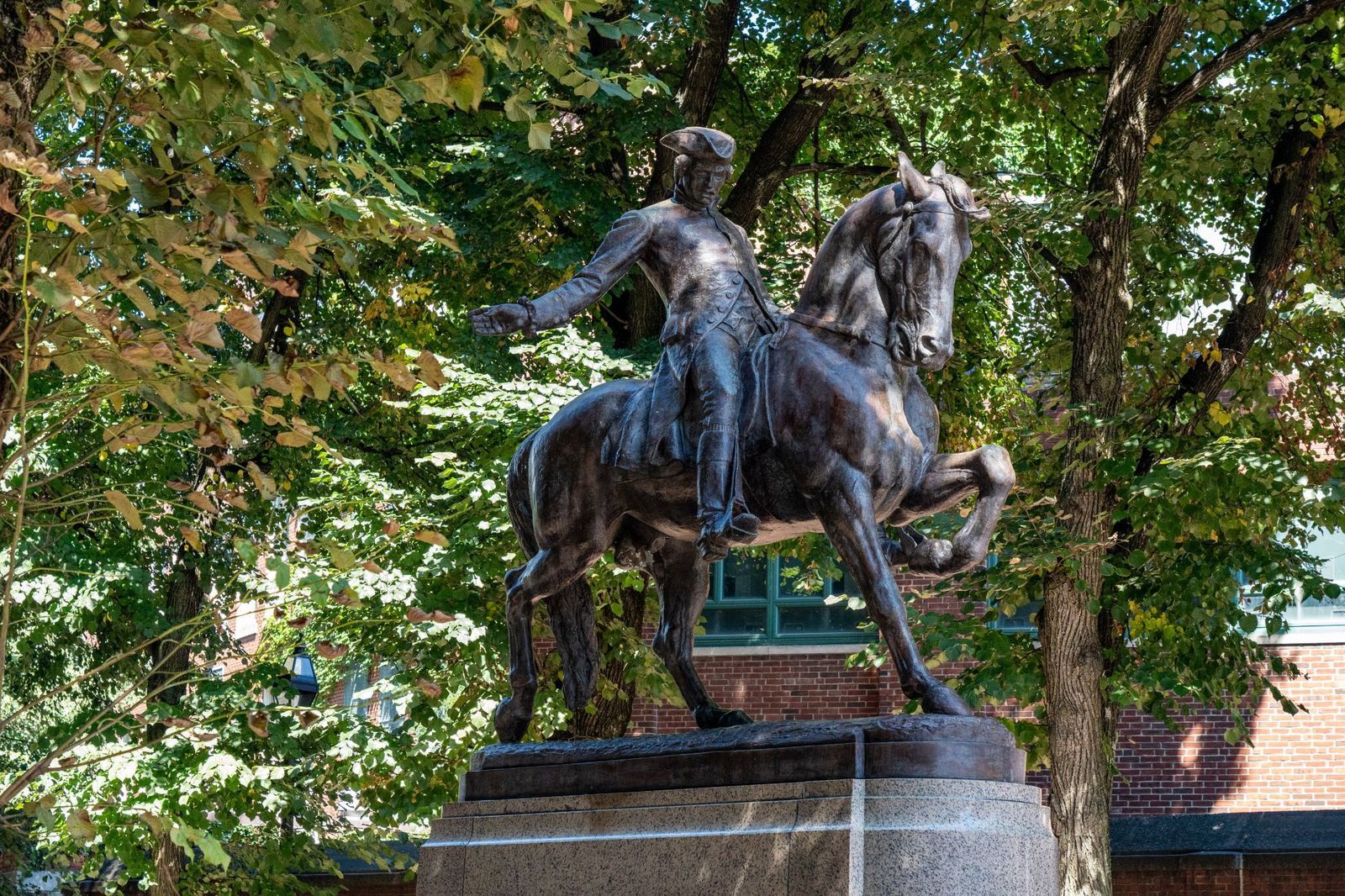
Image: Chalermpon Poungpeth

The traditional picture of Paul Revere's midnight ride is iconic: a patriot galloping through the Massachusetts countryside in 1775, shouting, "The British are coming!" to warn the colonists about enemy troops. The scene was immortalized in Henry Wadsworth Longfellow's 1860 poem, "Paul Revere's Ride."

While Paul Revere did ride from Charlestown to Lexington, alerting patriots along the way, the actual mission was more discreet: shouting in the streets would've alerted loyalists as well, so he quietly knocked on known allies' doors. On top of that, most of the colonists were of English descent and still considered themselves British. According to eyewitnesses and Paul Revere's own account, the actual phrase he used was "The Regulars are coming out." By giving the minutemen warning of the British Army's actions, the ride played a key role in the Patriots' victory at Lexington and Concord.

8
Does Mickey Mouse wear suspenders?
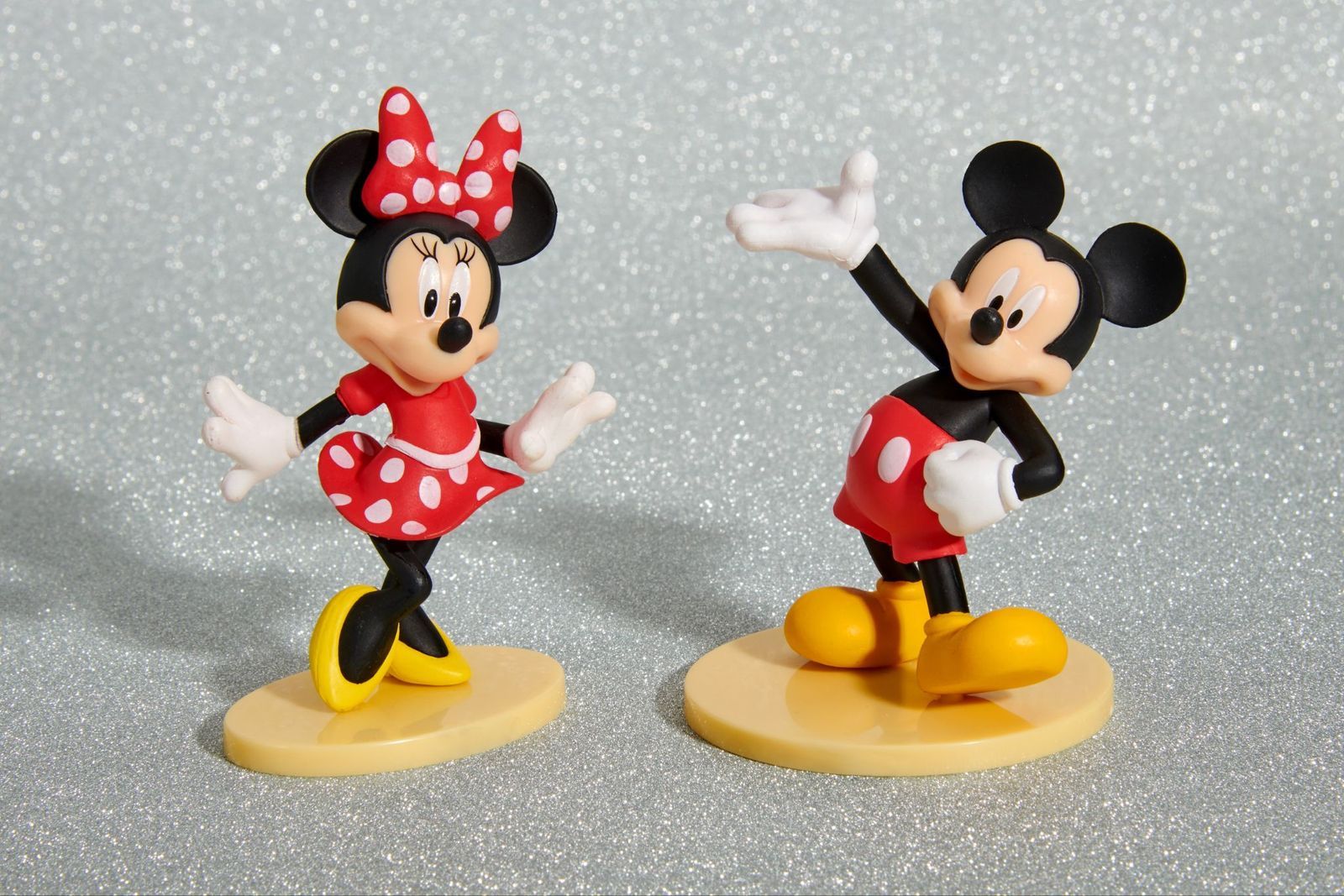
Image: Photology1971

In his official public debut in 1928's Steamboat Willie, Mickey Mouse wore large shoes, shorts, and a sailor's hat. As the character evolved, his outfit solidified into the iconic version we know today: large yellow shoes, red shorts with white buttons, and large (often white) gloves. In addition to these elements, many people remember Mickey wearing suspenders with his shorts. However, this has seldom been the case. Mickey's outfit has varied over the decades , though. For example, in the 1937 short film Clock Cleaners , starring Mickey, Donald, and Goofy, he wears long red overalls with yellow buttons. So, while suspenders aren't part of his classic design , Mickey has worn countless outfits since his first appearance, and the memory may be influenced by other versions of the character.

9
Did Betsy Ross sew the first American flag?
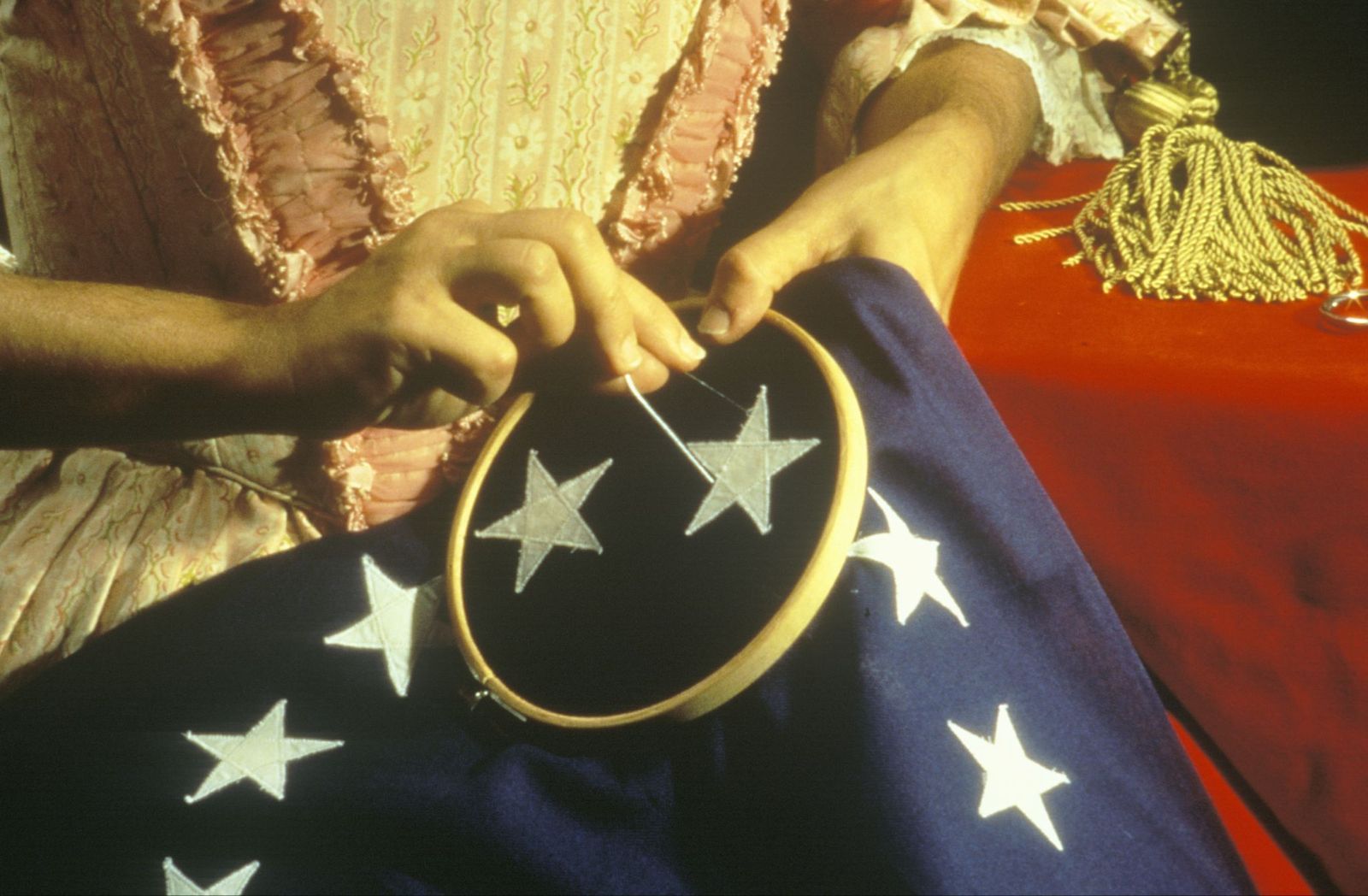
Image: Joseph Sohm

The story is a cherished bit of American history : George Washington visits Philadelphia seamstress Betsy Ross in 1776, shows her a sketch for a new flag, and she convinces him to change the shape of the stars before sewing the first American flag.

As memorable as the scene is, there's a lack of convincing historical documentation to support it. The story was first brought to public attention in 1870 by Ross's grandson, more than 30 years after her death. While we know that Ross was a real seamstress who made flags in support of the American cause, the legend, however appealing, remains unproven.

10
Is it Looney Toons or Looney Tunes ?
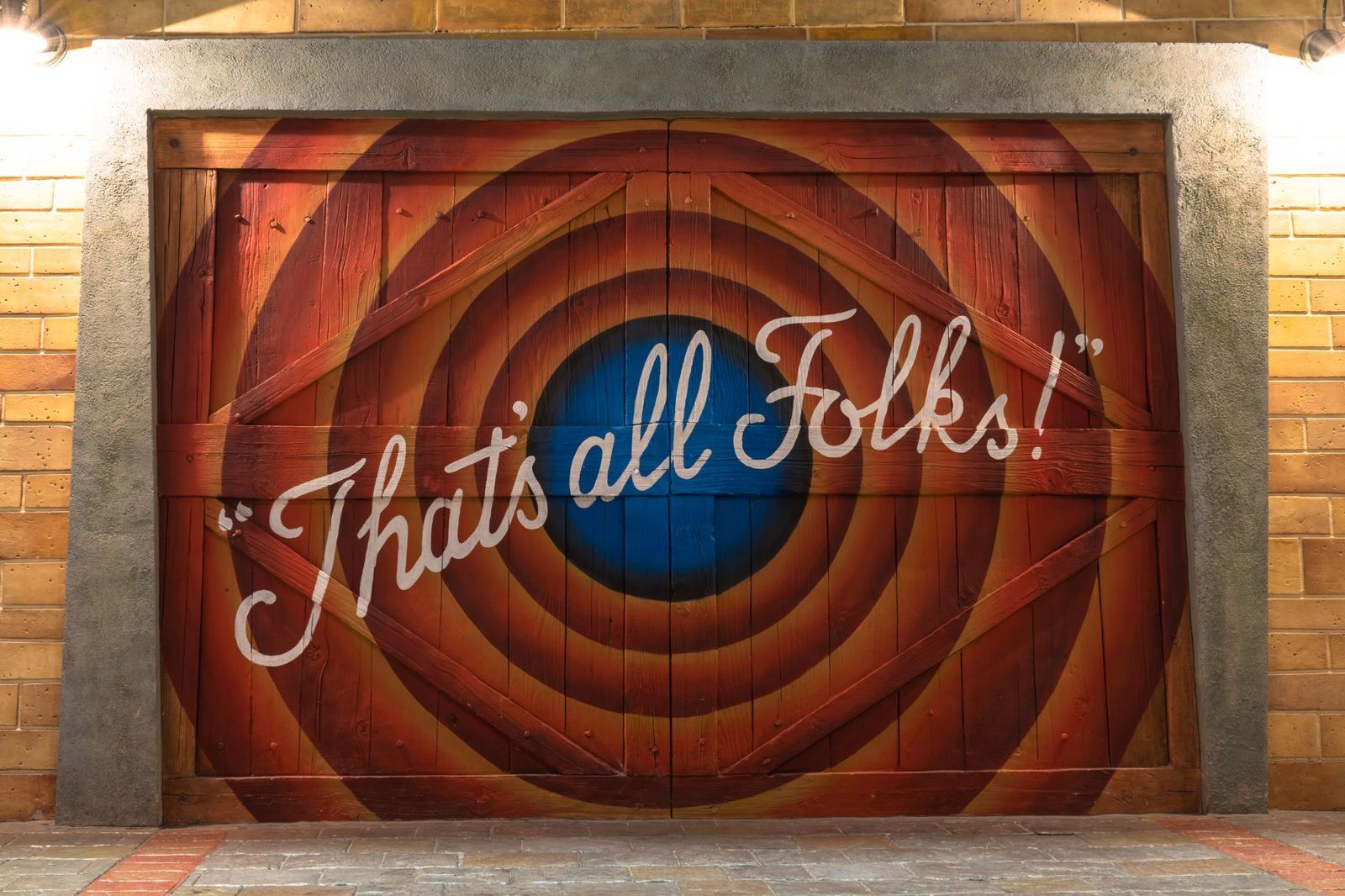
Image: rzulev

Many people who grew up watching Bugs Bunny, Daffy Duck, and the rest of the Warner Bros. roster of zany characters remember the series' title as Looney Toons . The source of the confusion is quite obvious: after all, the characters are cartoons , making this spelling a quite natural assumption.

The actual title is Looney Tunes , and from 1930 to 1969 it was produced alongside its sister series, Merrie Melodies . Both titles focused more on the musical shorts that Warner Bros. showcased alongside its animations than on the cartoons themselves.
History History 5 min read

What First Lady was accused of bigamy? 10 political crises

Image: EQRoy

From the founding era to the turn of the 21st century, political scandals have shaped public trust and dismantled entire careers. Looking back at ten of the most notorious political crises in American history reveals how the intersection of media and culture forces the nation to look in the mirror.

1
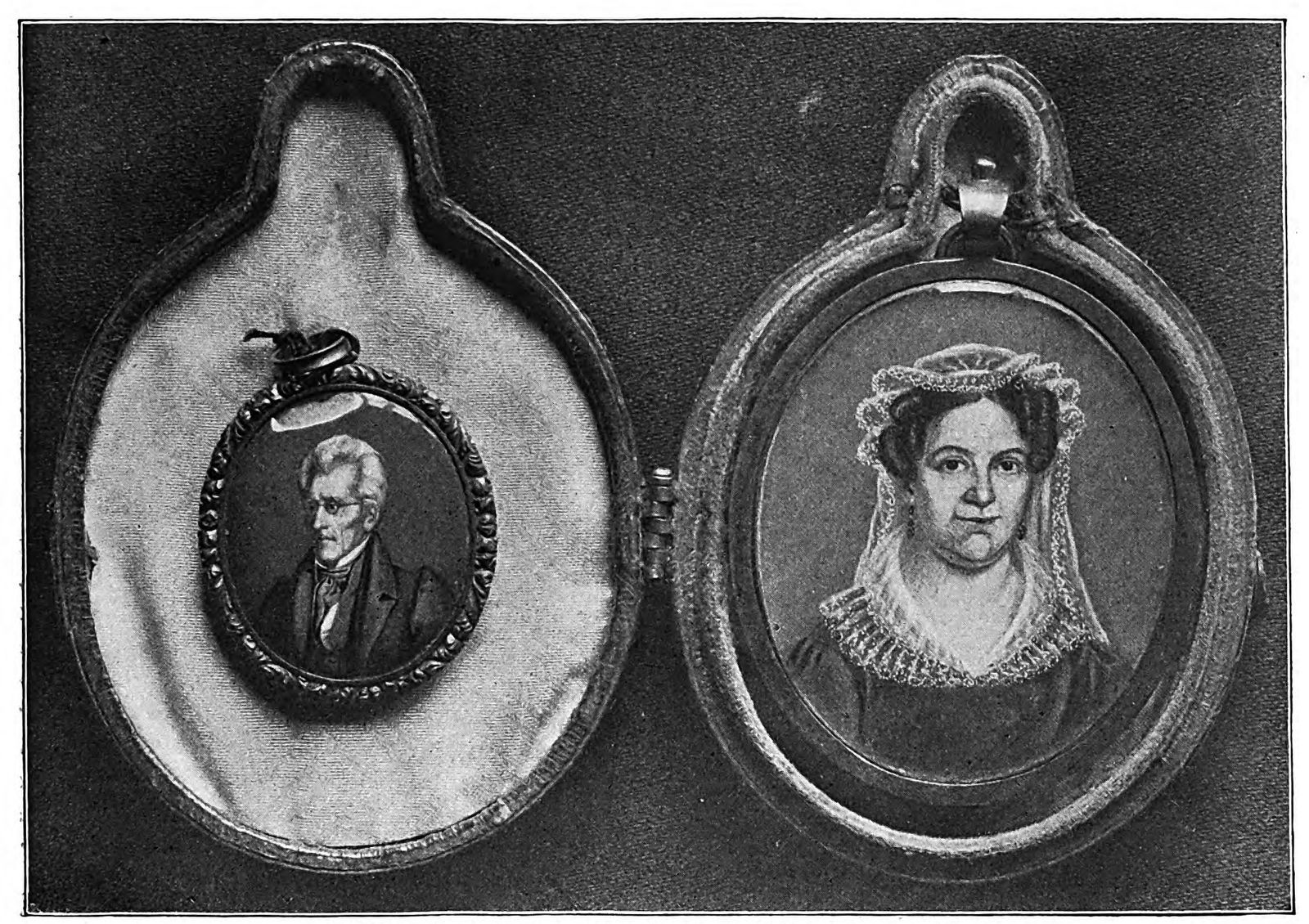
Rachel Jackson: A "Bigamy" scandal (1820s)

Image: L. Bernie Gallaher, Public domain, via Wikimedia Commons

In 1791, a young Andrew Jackson married Rachel Donelson. Both believed her first husband, Captain Lewis Robards, had successfully finalized their divorce. Apparently, Robards didn’t file the petition, making her marriage to Jackson technically bigamous. Once the divorce went through in 1794, they officially remarried.

During the 1828 presidential campaign, Jackson’s political opponents used this legal mistake against him. They branded Rachel a loose woman and a bigamist in pamphlets scattered across the country. The intense public shaming broke her spirit and deteriorated her health. She suffered a fatal heart attack just days before Jackson’s inauguration, leaving the newly elected president heartbroken and extremely bitter toward his political rivals for the rest of his life.

2
Grover Cleveland’s illegitimate child (1884)

Image: Frank Beard, Public domain, via Wikimedia Commons

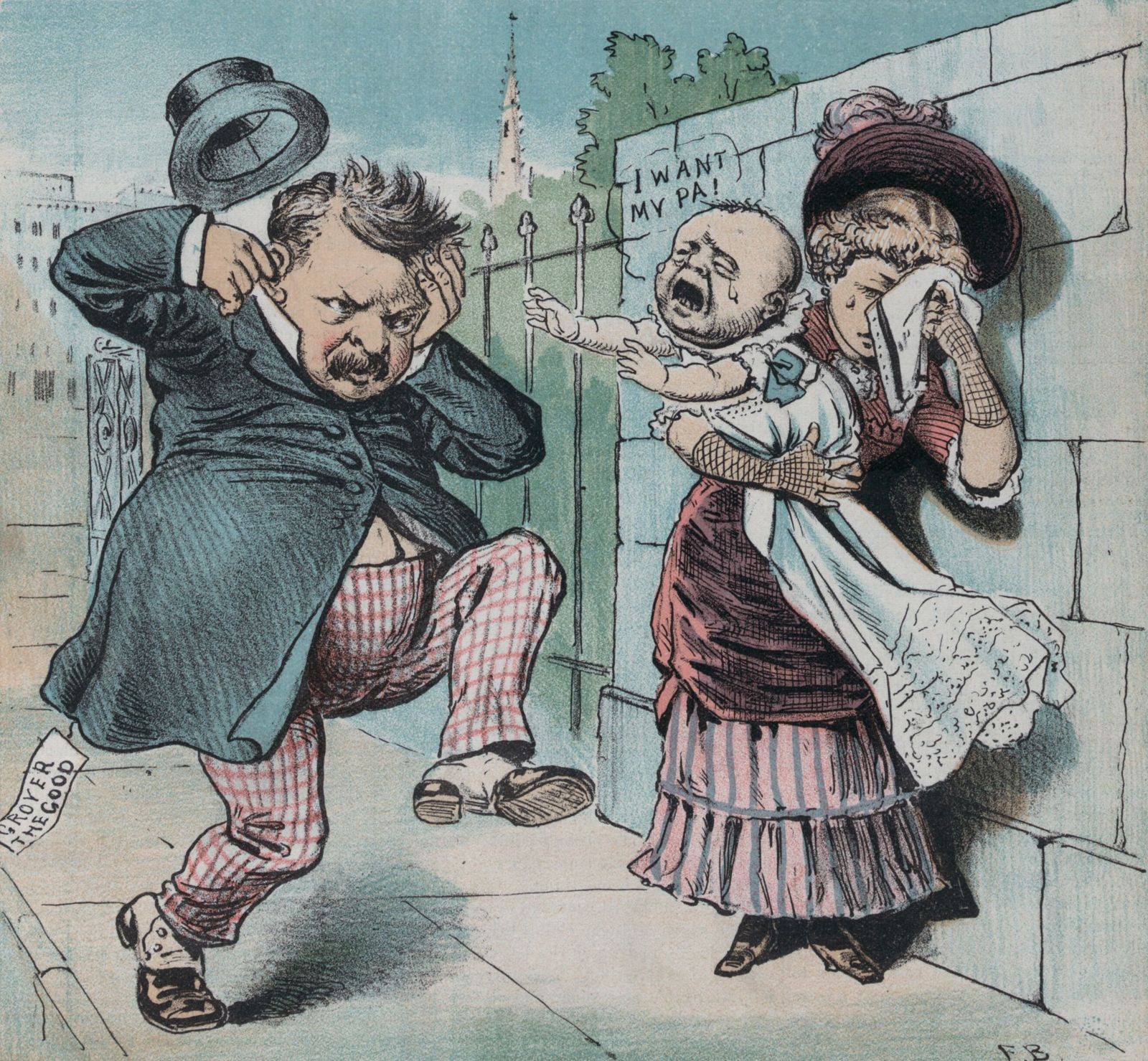
Decades later, another personal bombshell rocked another presidential race. Republican opponents revealed that Democratic nominee Grover Cleveland, a bachelor praised for his integrity, had fathered a child out of wedlock with a widow called Maria Halpin ten years before.

Republicans paraded through the streets chanting, "Ma, Ma, where’s my Pa?" Instead of denying the affair or trying to bury it, Cleveland instructed his campaign managers to do something radical: "Tell the truth." He admitted to supporting the child financially. His honesty caught his opponents off guard and won over voters who were tired of such dirty political tactics.

3
The Crédit Mobilier scandal (1872)

Image: Joseph Keppler, Public domain, via Wikimedia Commons

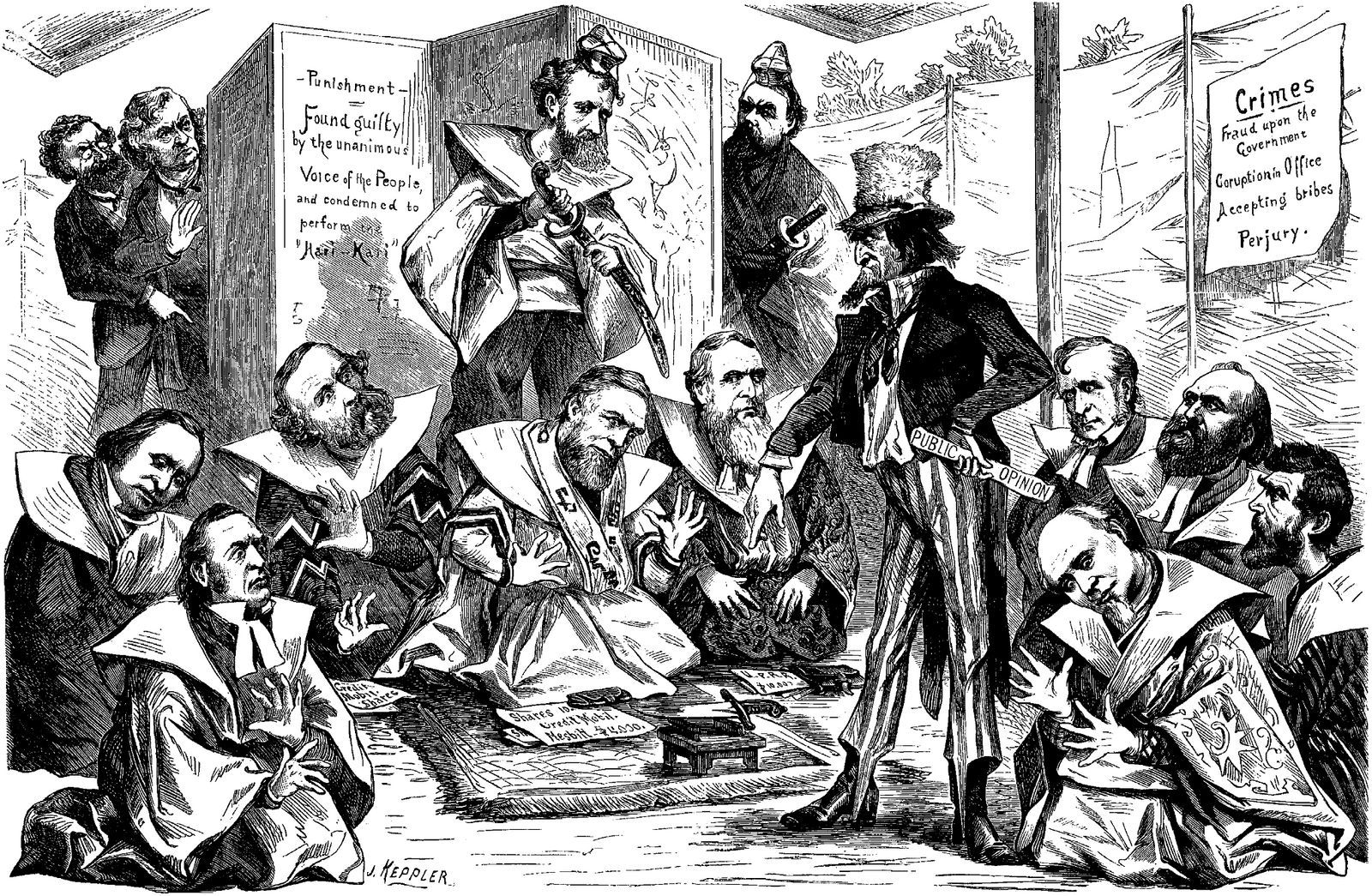
This particular scandal stands as one of the most shameless corporate schemes of the Gilded Age. Stockholders of the Union Pacific Railroad formed a fraudulent construction company called Crédit Mobilier of America . Then, they hired themselves to build the transcontinental railroad at inflated prices, pocketing tens of millions of dollars in federal subsidies.

To prevent Congress from investigating their profit margins, Congressman Oakes Ames distributed discounted shares of the company’s stock to influential politicians, including Vice President Schuyler Colfax. When the press exposed the story in 1872, the revelation that lawmakers were bribing themselves tarnished the legacy of the Ulysses S. Grant administration.

4
The Whiskey Ring scandal (1875)

Image: Cornell University Library, No restrictions, via Wikimedia Commons

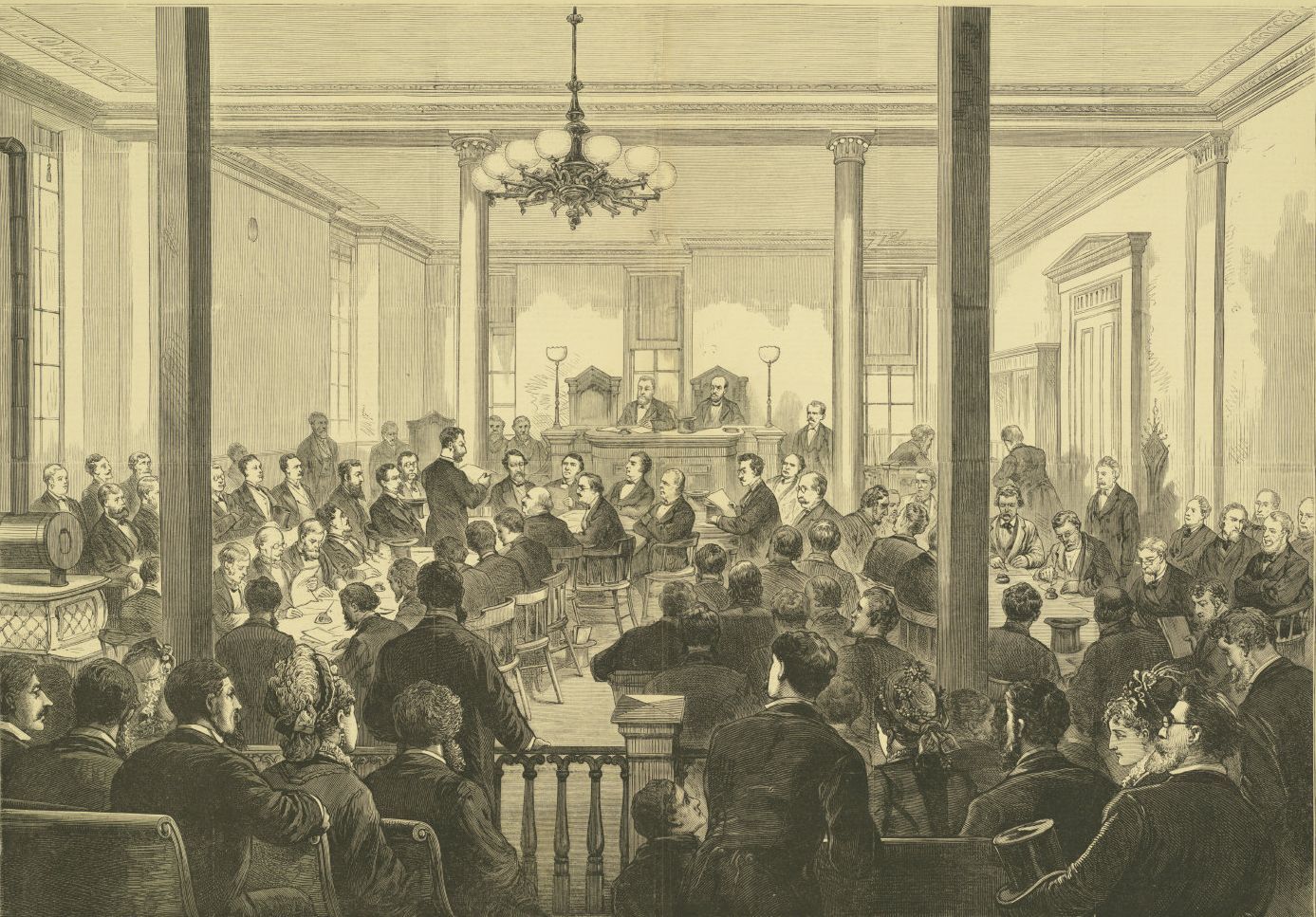
A few years later, another financial disaster hit the Grant administration. The Whiskey Ring was a widespread conspiracy involving distillers, distributors, and internal federal tax officials who stole millions of dollars in liquor taxes.

Using a complex web of bribes and falsified records, the ring defrauded the U.S. Treasury. The scandal reached the inner circle of power when President Grant’s own private secretary, Orville Babcock, was indicted as a ringleader. Grant provided a deposition in his secretary’s defense. While this saved Babcock from prison, it permanently damaged the president’s reputation.

5
The Teapot Dome scandal (1920s)

Image: Boyd Norton, Public domain, via Wikimedia Commons

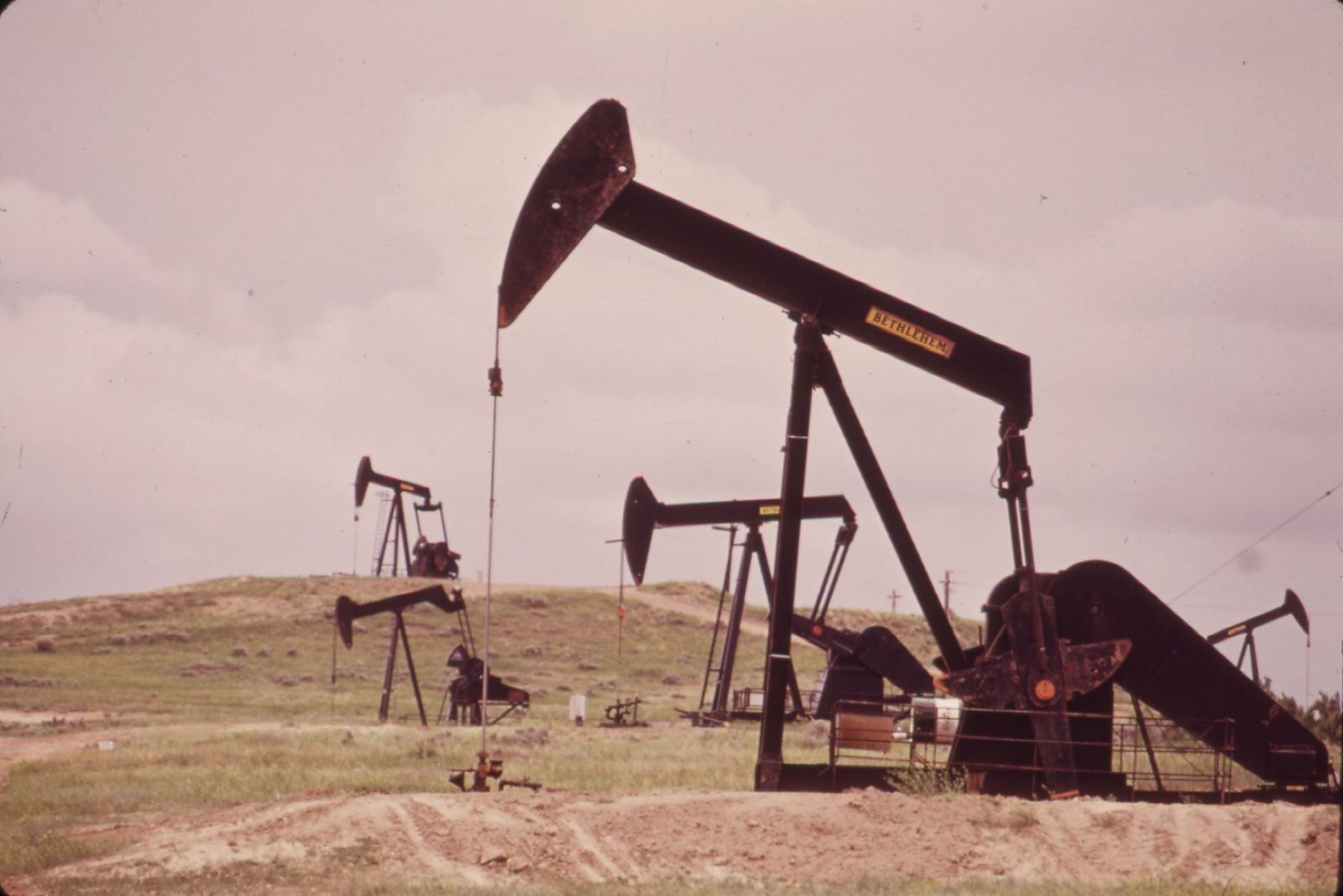
Until Watergate occurred, Teapot Dome was synonymous with political corruption. During the administration of Warren G. Harding, Secretary of the Interior Albert Fall took control of valuable federal oil reserves located at Teapot Dome, Wyoming, and Elk Hills, California.

Instead of opening these fields up for competitive bidding among energy companies, Fall secretly leased the drilling rights to private oil tycoons in exchange for more than $400,000 in bribes.

6
The Chappaquiddick incident (1969)

Image: United Press International, Public domain, via Wikimedia Commons

By the mid-20th century, the nature of political scandals shifted. Secrets began to involve personal crisis and tragic losses.

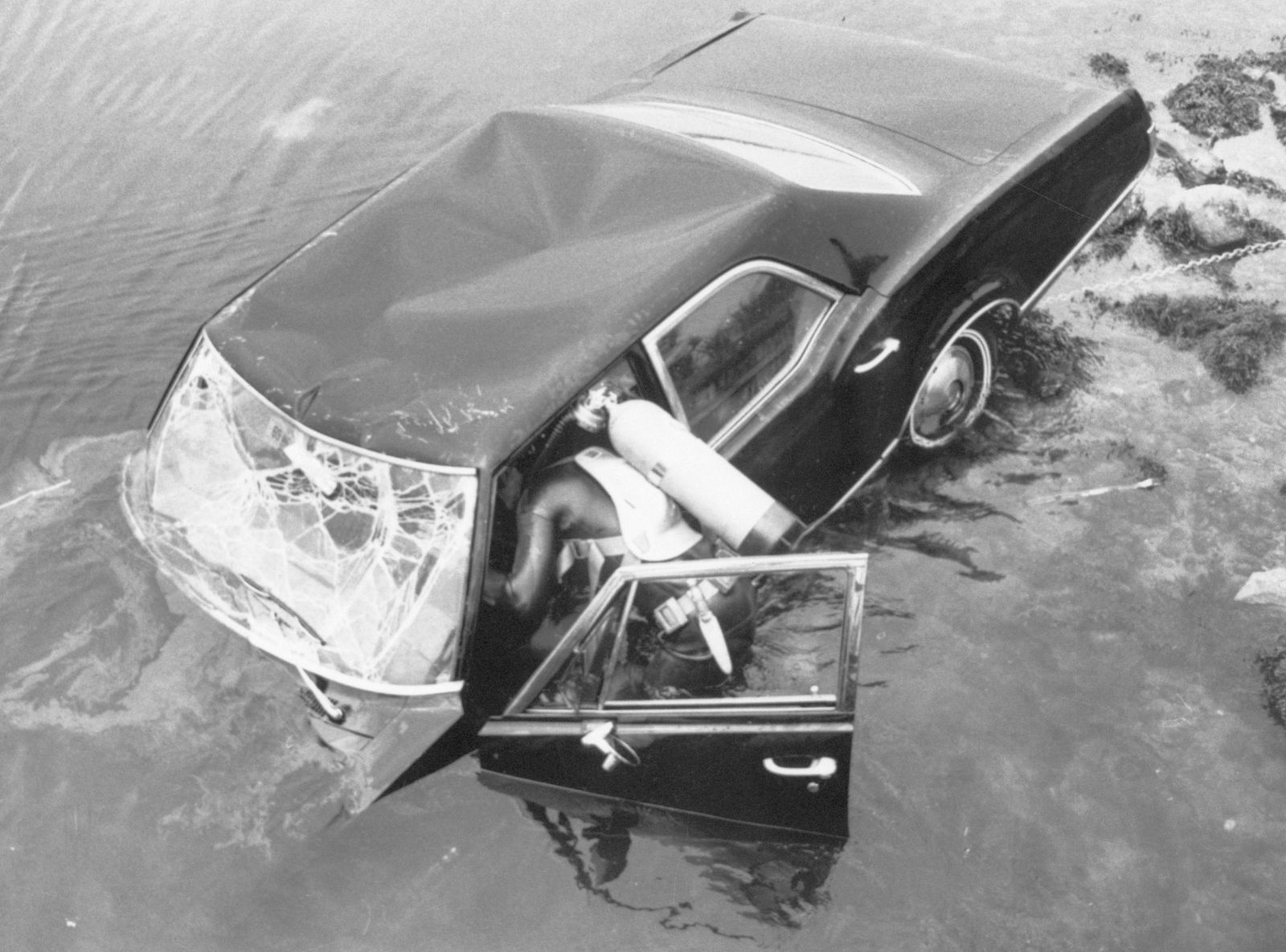
In July 1969, Senator Edward "Ted" Kennedy drove his car off a narrow wooden bridge on Chappaquiddick Island, Massachusetts. The vehicle overturned into a tidal pond, trapping and drowning his passenger, 28-year-old campaign worker Mary Jo Kopechne. Kennedy managed to escape but failed to report the fatal accident to the police for ten hours. Although he eventually pleaded guilty to leaving the scene of an accident, his delayed reaction ended his lifelong presidential ambitions.

7
The Pentagon Papers (1971)

Image: See page for author, Public domain, via Wikimedia Commons

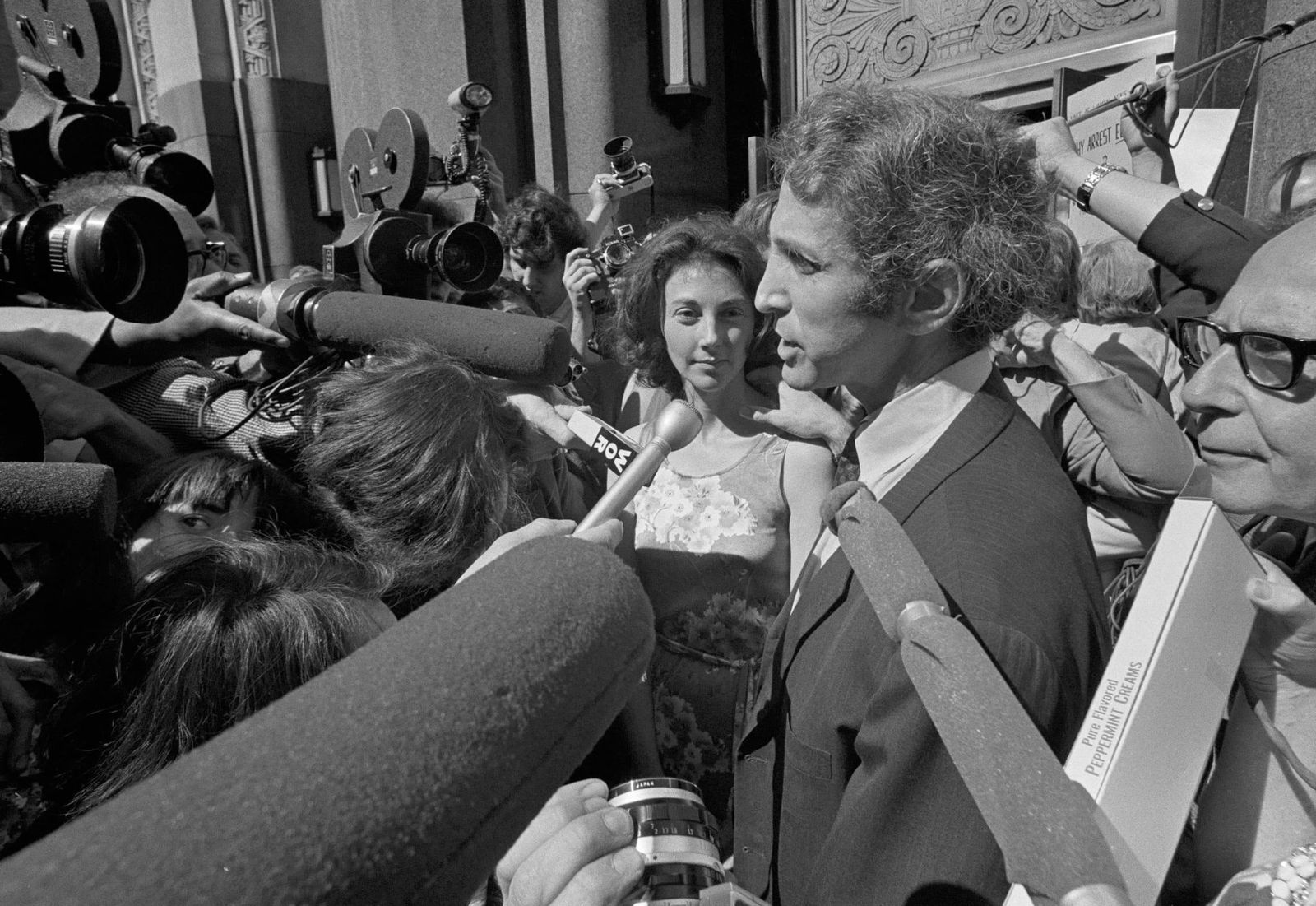
In 1971, military analyst Daniel Ellsberg felt the moral obligation to leak a top-secret 7,000-page Department of Defense study detailing U.S. political and military involvement in Vietnam from 1945 to 1967.

Published by The New York Times , the papers exposed a disturbing truth: successive administrations had systematically lied to both Congress and the American public. The documents proved that the government had expanded the war and increased troop counts while knowing that the conflict was unwinnable. The Supreme Court eventually rejected the government’s attempts to block the leaks, making a victory for freedom of the press.

8
The Watergate scandal (1972–1974)

Image: National Archives & Records Administration, Public domain, via Wikimedia Commons

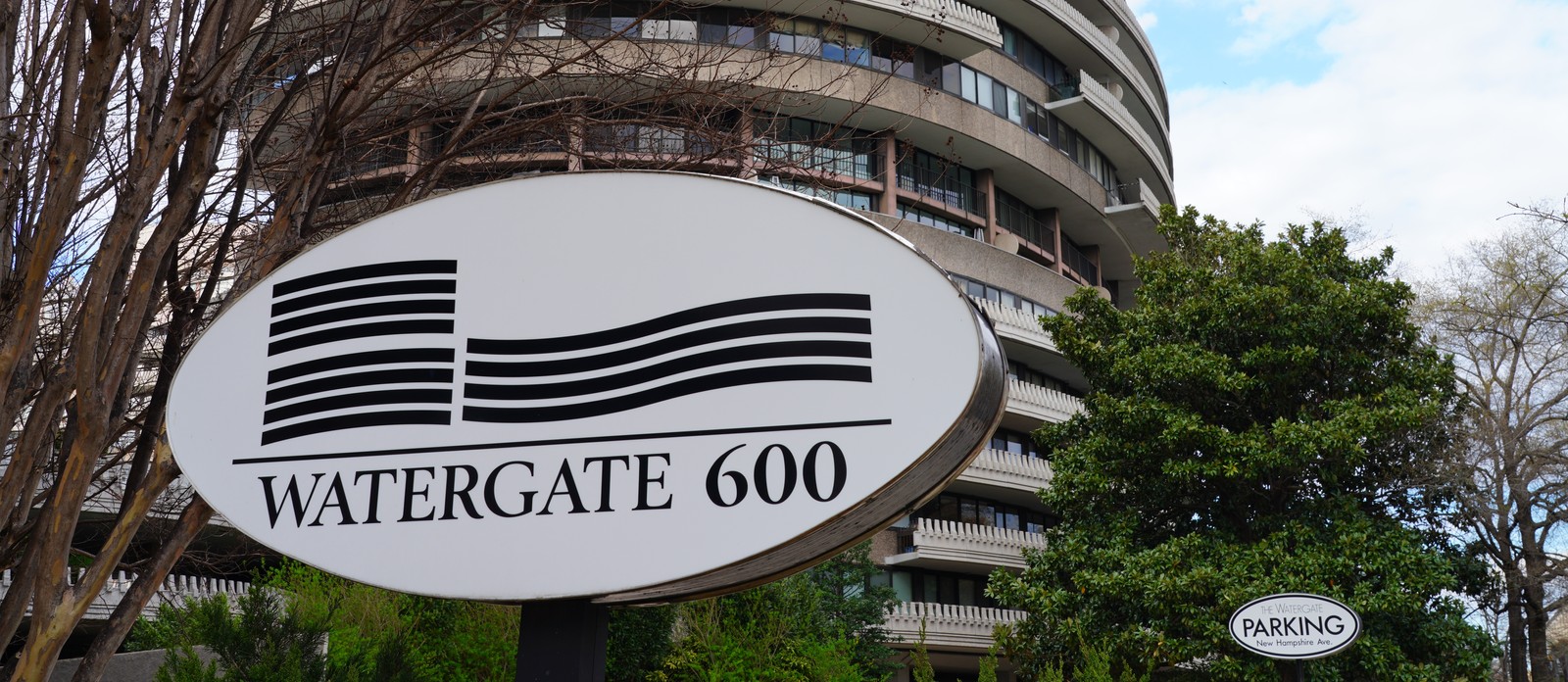
This is, probably, the ultimate American political scandal. In June 1972, five men were arrested breaking into the Democratic National Committee headquarters at the Watergate complex in Washington, D.C.

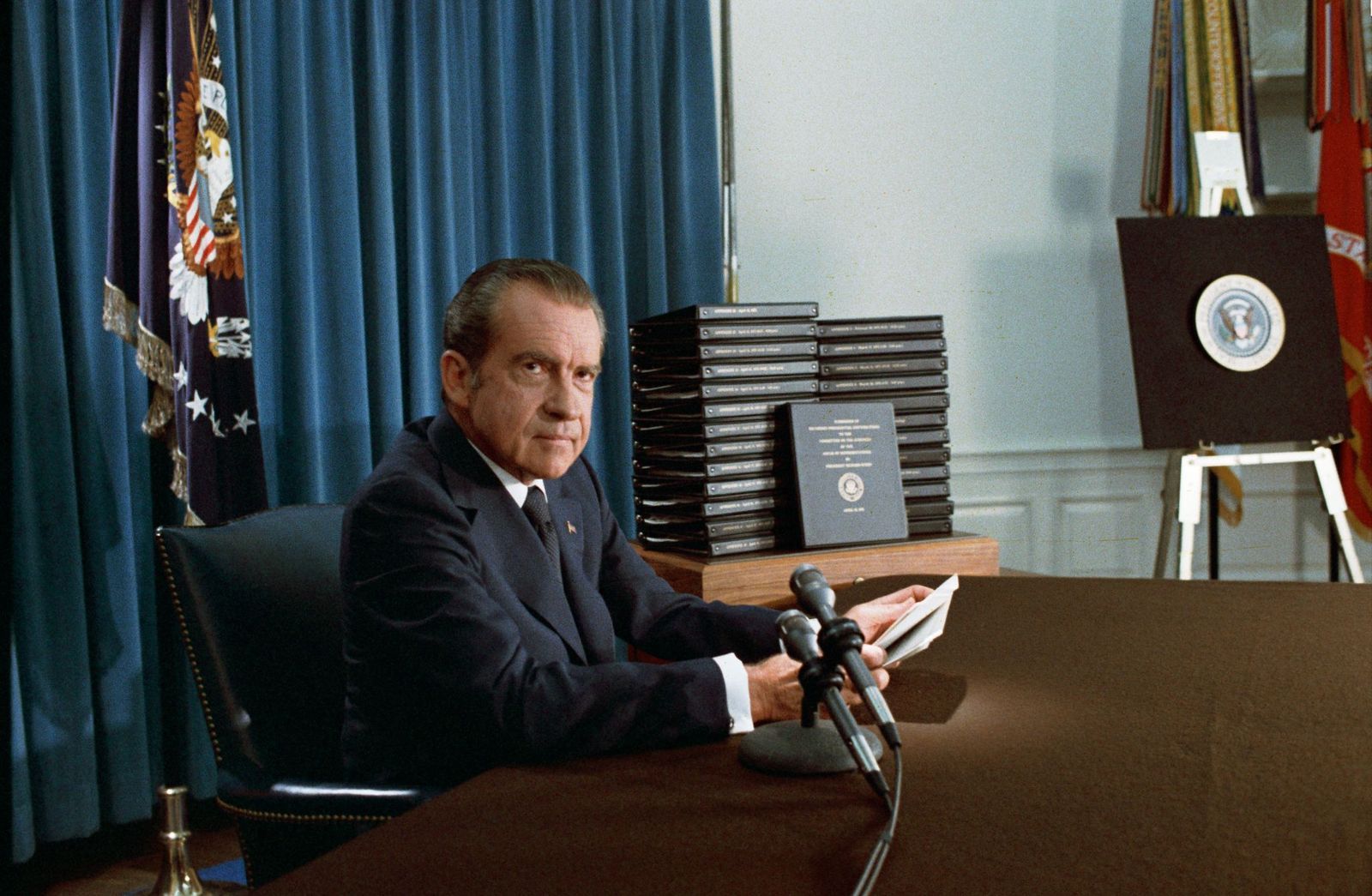
The break in itself was minor compared to the illegal cover-up orchestrated by President Richard Nixon and his collaborators. From paying hush money to instructing the CIA to block the FBI’s investigation, Nixon’s complicity was exposed via his own secret White House taping system. Facing impeachment and conviction by the Senate, Nixon became the first and only U.S. president to resign from office.

9
The "Keating Five" (Late 1980s)

Image: KonstantinChristian

During the Savings and Loan crisis of the late 1980s, five U.S. Senators—John McCain, Alan Cranston, Dennis DeConcini, John Glenn, and Donald Riegle—came under intense scrutiny.

The group was accused of intervening with federal banking regulators on behalf of Charles Keating, the chairman of Lincoln Savings and Loan, who had contributed to their political campaigns. Lincoln eventually collapsed, costing American taxpayers over $3 billion. Although the Senate Ethics Committee ultimately cleared the senators of corruption, they were publicly condemned.

10
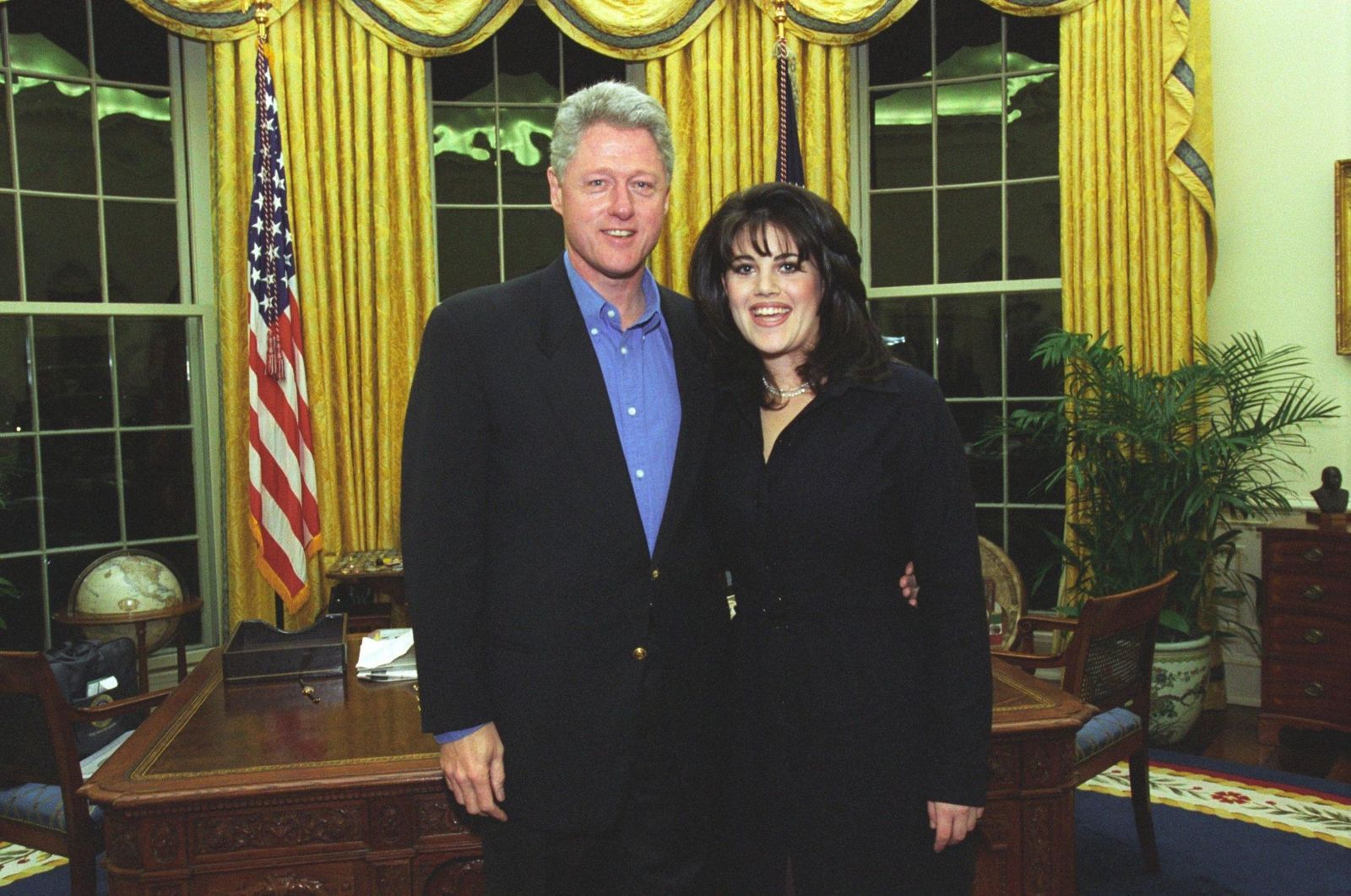
The Bill Clinton–Monica Lewinsky affair (1998)

Image: Clinton White House, Public domain, via Wikimedia Commons

The 20th century ended with a scandal that blended personal infidelity with a constitutional crisis. In 1998, news broke that President Bill Clinton had an intimate relationship with a 21-year-old White House intern called Monica Lewinsky.

The affair turned into a legal battle when Clinton denied the relationship under oath during an unrelated sexual harassment lawsuit. The investigation led to Clinton’s impeachment by the House of Representatives on charges of perjury and obstruction of justice. The Senate ultimately acquitted him, yet he couldn’t bypass the media circus.

Culture Culture 3 min read

Which one did you fall for?

Do you remember these 12 toys that sparked national crazes in America?

Image: Eugenia Pan'kiv

For a myriad of different reasons, some toys have whipped the entire nation into a frenzy. These weren’t just mere objects, they were cultural icons that, at least for an instant, inspired stampedes and late-night shopping hunts. Did you play with any of these 12?

1
Cabbage Patch Kids

Image: Intricate Explorer

In 1983, every kid wanted to "adopt" one of these soft-faced dolls with their own names and birth certificates . Parents camped outside toy stores and even fought over the last boxes as Christmas approached.

Each doll’s "adoption" story made them feel personal, almost like family members. Their handmade look and unique identities turned them into the ultimate childhood companions.

2
Tamagotchi

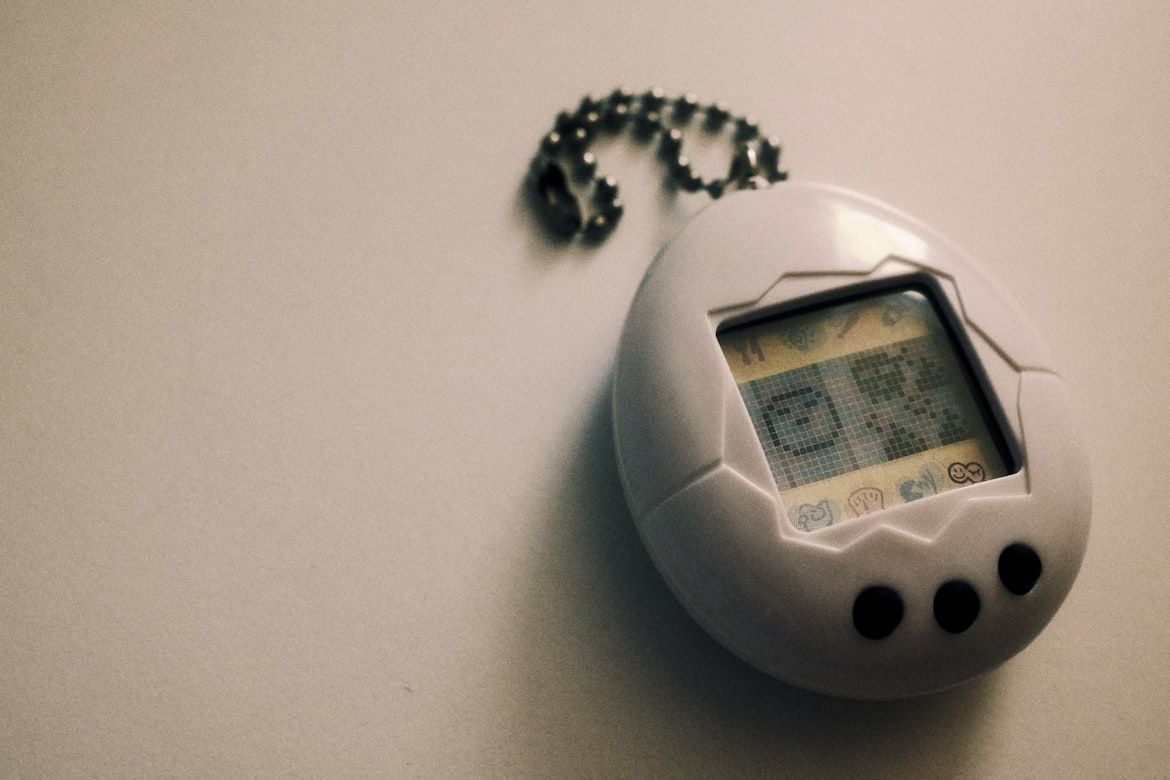
Image: COSMOH

The digital pet craze of the late ’90s had kids caring for tiny creatures on pocket-sized screens . Tamagotchis needed constant feeding, cleaning, and attention, or they’d "die". Teachers soon banned them in schools.

For many children, it was their first real experience of digital responsibility and, let’s face it, anxiety.

3
Beanie Babies

Image: Julker Naeem

In the 1990s, Beanie Babies became a mix of plush toy and stock market fantasy. Each animal had a name, birthday, and poem . Stores sold out within hours, and "rare" models traded for hundreds.

When the bubble burst, most lost their resale value overnight. But the emotional value remained: millions still hold dusty bins full of them.

4
Rubik’s Cube

Image: Olav Ahrens Røtne

The colorful cube puzzle was a massive hit in the 1980s. Kids and grown-ups twisted and turned it for hours, desperate to align all six sides . It wasn’t just a game, it was a badge of intelligence and patience.

Competitions sprang up across the country, and solving the cube became a sport. Its mix of color, logic, and timeless frustration kept it alive through generations.

5
Tickle Me Elmo

Image: Meg von Haartman

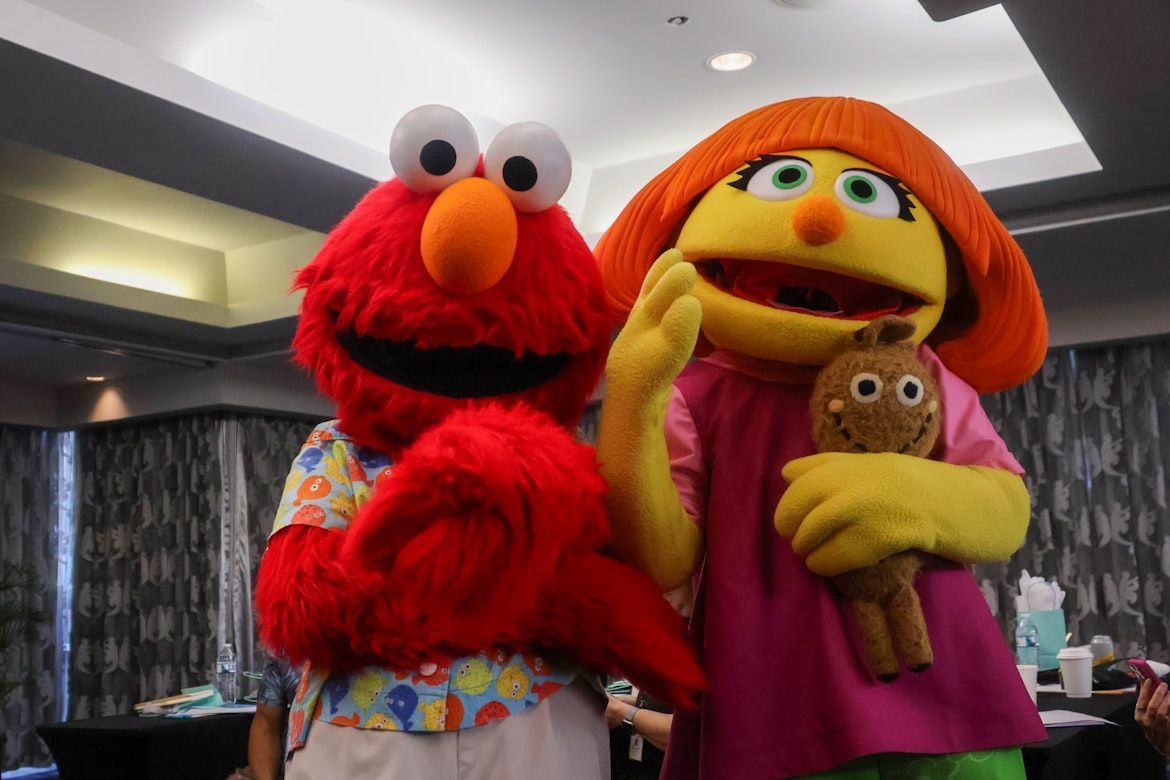
The Sesame Street doll that laughed when tickled became a holiday legend. It was marketing genius, and the consumers couldn’t get enough of it.

Parents lined up for hours, stores ran out in minutes, and desperate shoppers paid outrageous prices online.

6
Furby

Image: David Brooke Martin

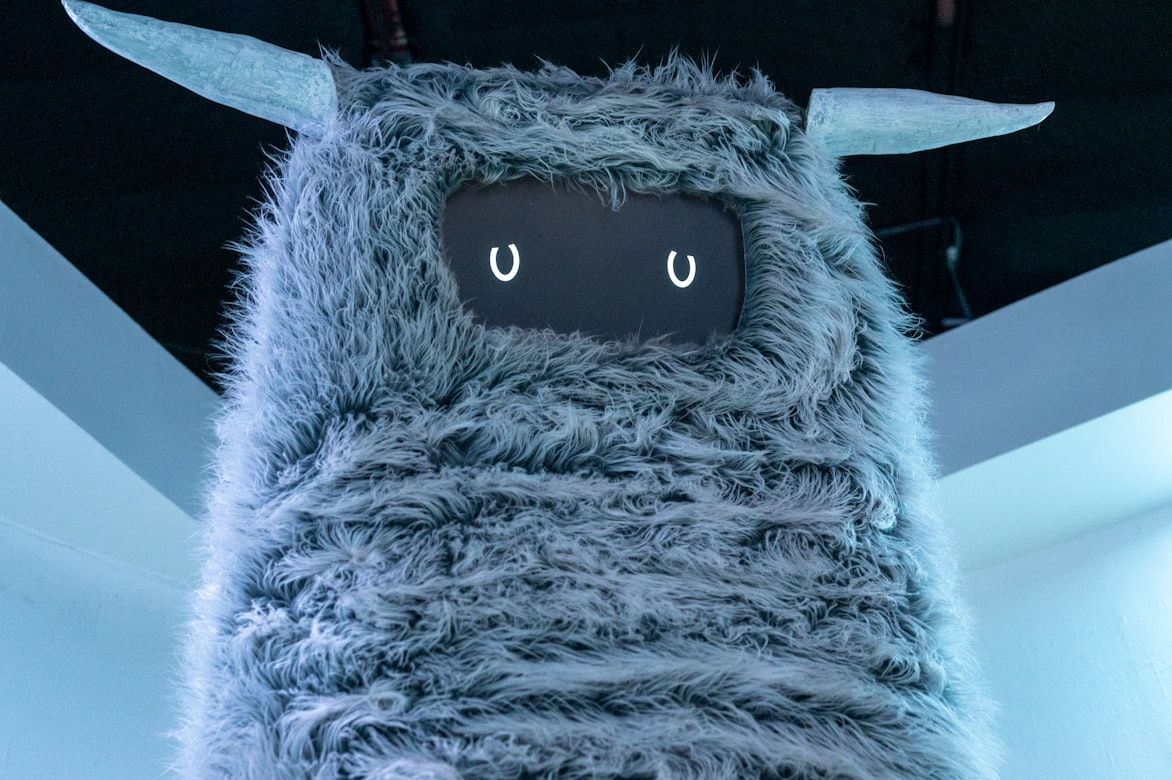
Furbies arrived in 1998, blinking, cooing, and babbling in their own language. They were part pet, part robot, and fully alive to millions of kids .

Children loved that Furbies seemed to "learn" English over time, adding to the illusion of life. With big eyes and unpredictable chatter, they embodied the spirit of late-’90s technology.

7
Slinky

Image: Adam Valstar

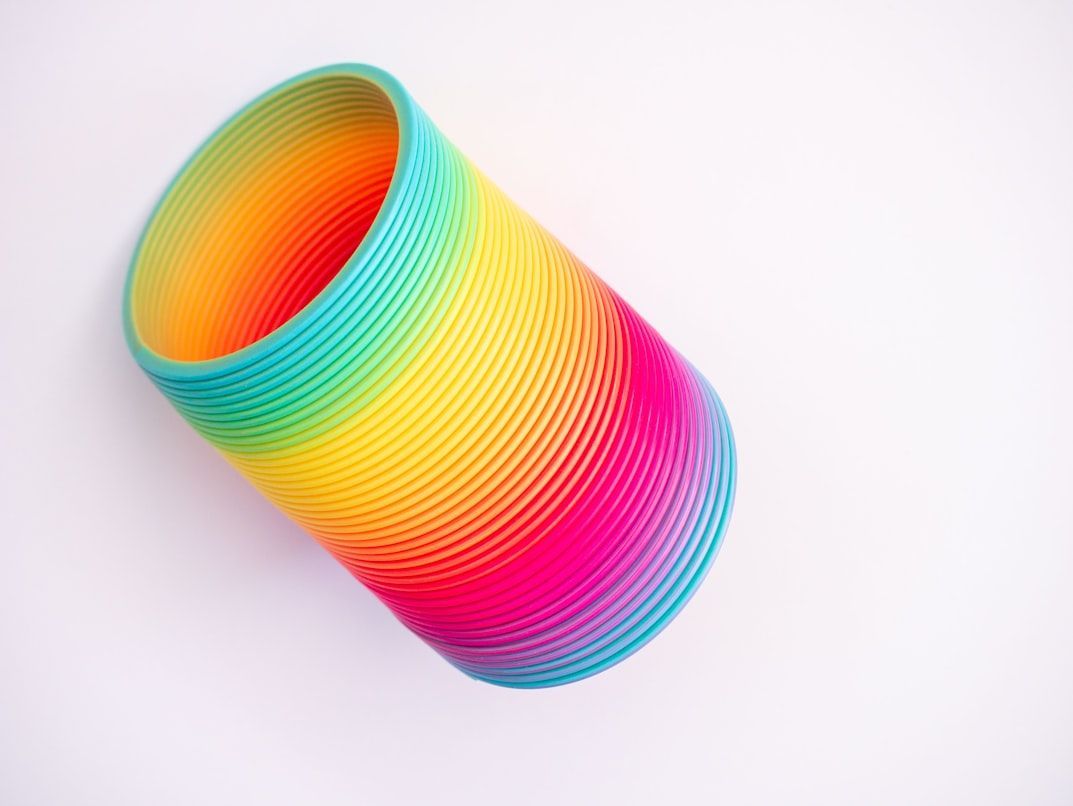
Invented by accident in the 1940s, the Slinky became one of America’s simplest pleasures. Watching it "walk" down a flight of stairs never got old. Every kid wanted that graceful metallic tumble.

Cheap, clever, and endlessly fun, the Slinky inspired songs and commercials, keeping it springing through generations of playrooms.

8
Hula Hoop

Image: Patricia Prudente

When Wham-O released the plastic Hula Hoop in 1958, it instantly became a playground hit. Children spun, twisted, and competed to keep the hoop in motion . Stores couldn’t stock them fast enough.

The fad spread to adults, too, turning parks and beaches into hoop-filled arenas. Simple, affordable, and wildly physical, it managed to capture the interest of a nation for a while.

9
Pet Rock

Image: Carl Tronders

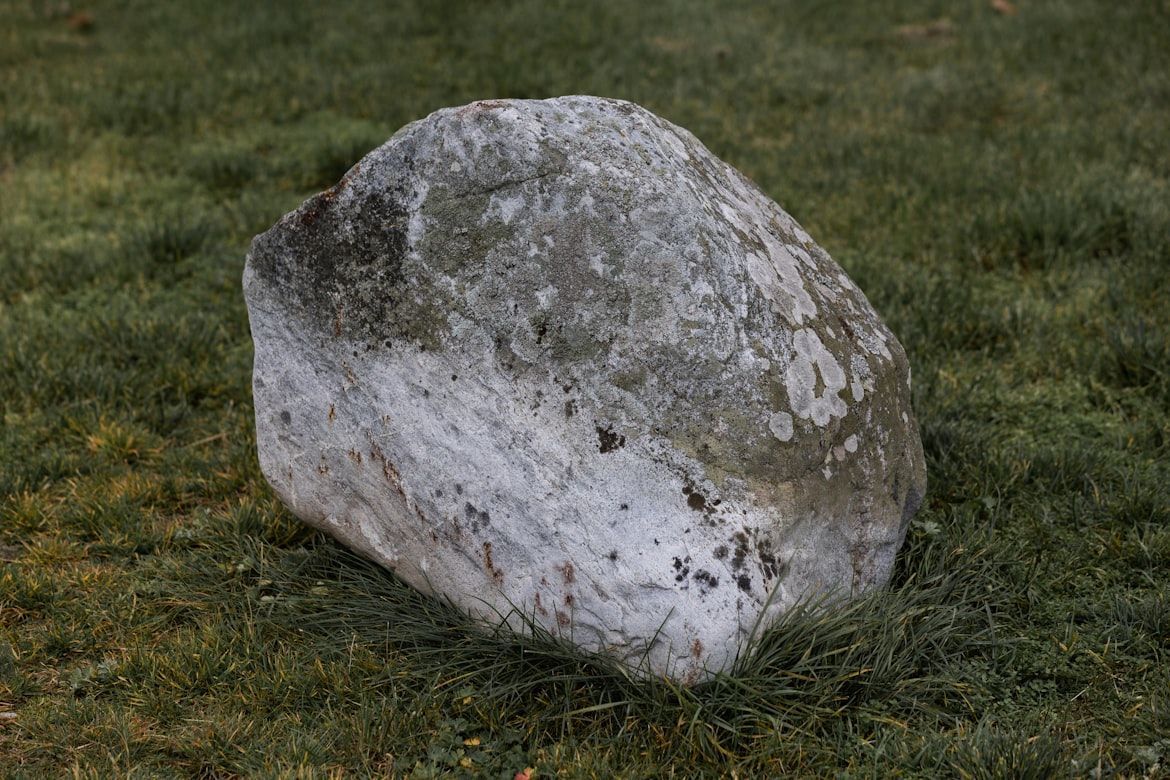
In 1975, a portion of America fell in love with the world’s easiest pet: a rock. Sold in a box with air holes and a care manual , it was a tongue-in-cheek gag that somehow became a cultural phenomenon.

The creator, Gary Dahl, made millions from the joke, and several similar attempts have been tried since without the same success.

10
Pokémon Cards

Image: Thimo Pedersen

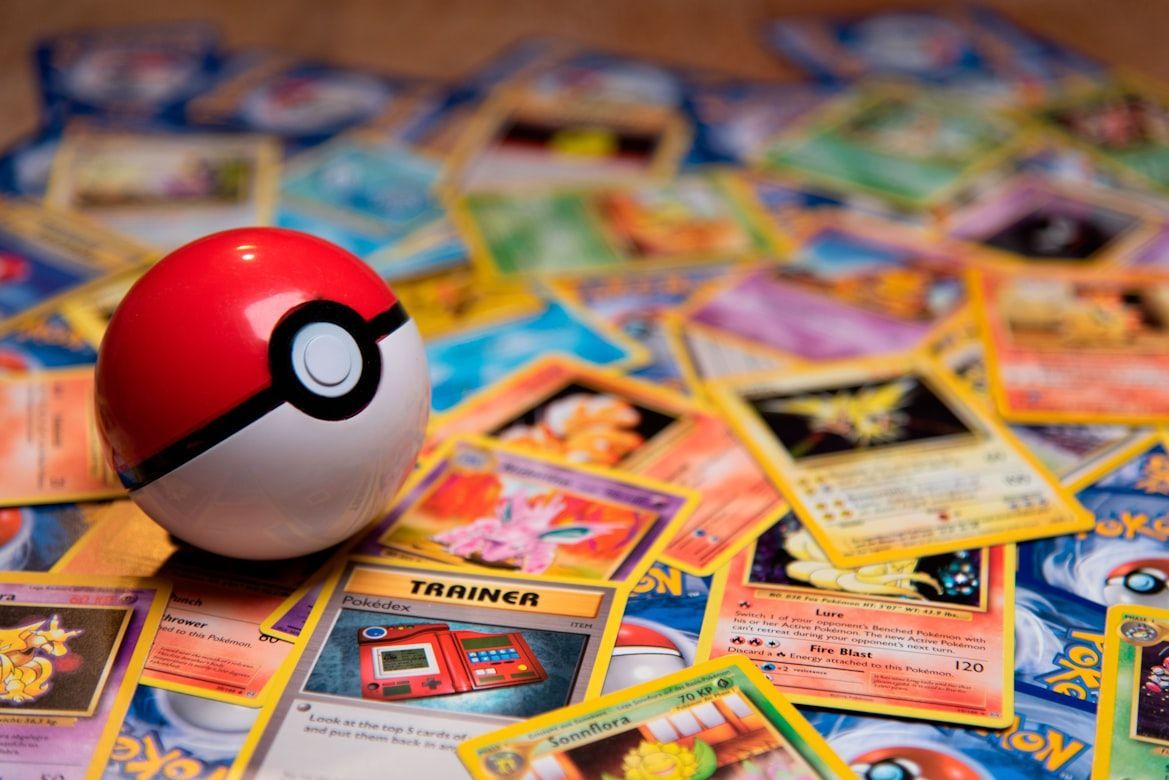
In the late ’90s, Pokémon cards turned schoolyards into trading floors. Kids swapped, battled, and bragged over shiny holographic finds , with some cards reaching legendary status.

The thrill of opening a new pack and finding a rare card was intoxicating, and decades later, many collectors still chase that same spark.

11
Hoverboards

Image: Gustavo Torres

In 2015, these self-balancing scooters were all the rage. Celebrities and influencers made them viral overnight, and kids begged for one under every Christmas tree.

They didn’t actually hover, and some even caught fire, but that didn’t stop the craze, which lasted for about a year more.

12
Fidget Spinners

Image: charlesdeluvio

Our last entry is also the most recent one. Fidget spinners first appeared in 2017 as simple gadgets meant to ease stress , but they became an unstoppable playground obsession. Kids spun them on desks, noses, and even fingertips.

Their hypnotic motion made kids and grown-ups alike become enthralled with these little objects that seemed to be just about everywhere and faded into obscurity as quickly as they appeared.

Explore more American facts

Choose your favorite category!

General
General

As American as apple pie—the very best America has to offer!

Culture
Culture

Delve into the astounding richness of American lore.

Geography
Geography

Hop in and explore vast and diverse American landscapes.

History
History

Discover the key moments that shaped the United States.