General General 7 min read

What time has left behind

What happened to these 10 abandoned amusement parks? The true story
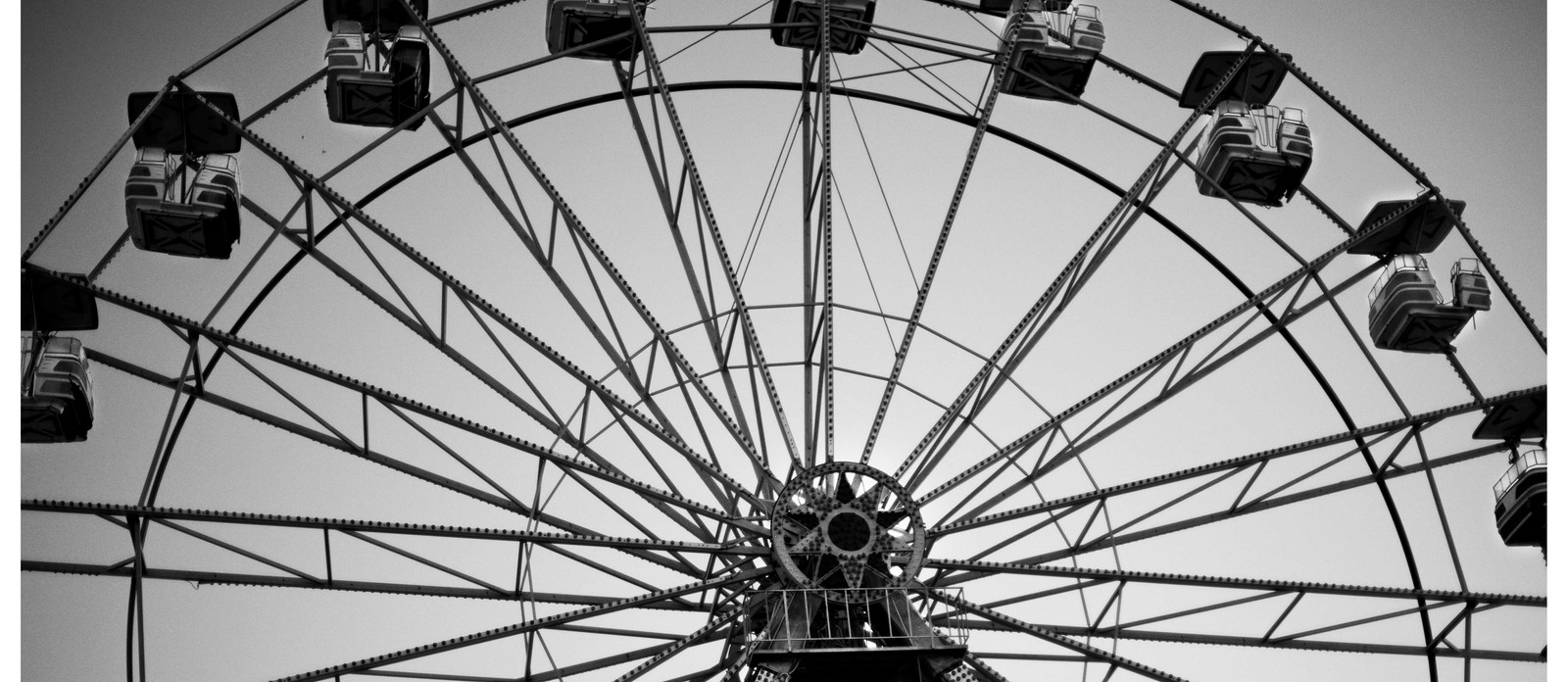
Image: Erik Jorgensen from Morrison, USA, CC BY 2.0, via Wikimedia Commons

You may remember visiting some of these places as a little kid, or seeing some of them in postcards, magazines, or old news clips. But have you ever wondered what became of them? Once-popular stops on family road trips, they now look very different. And while they may no longer be open for business, many still stand and can still be seen today. From Cypress Gardens in Winter Haven, Florida, to Six Flags in New Orleans, here are 10 abandoned US attractions and the surprising reasons they closed their doors.

1
Cypress Gardens (Winter Haven, Florida)
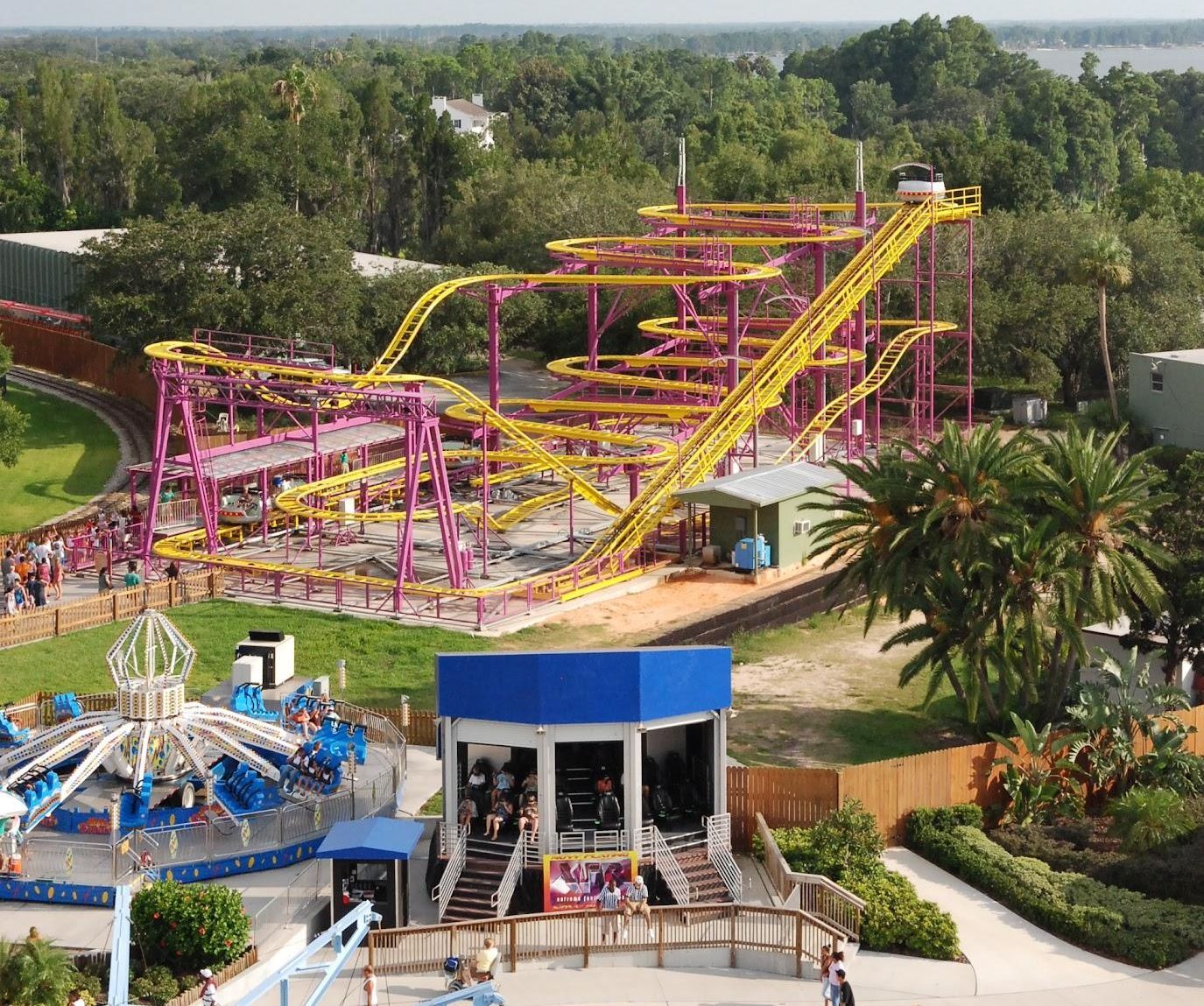
Long before the Disney parks arrived in Florida, another attraction was the most popular, drawing visitors from across the country.

It was Cypress Gardens in Winter Haven, Florida, which opened in 1936 as a botanical garden showcasing the state’s natural beauty. Over time, it became even better known for its water ski shows, something many Americans still remember from family trips in the 60s and 70s. But by the late 70s, things began to shift. The rise of the Disney parks changed tourism expectations, and Cypress Gardens slowly lost its spotlight, ultimately closing in September 2009. But it's not all bad news; parts of the original gardens still survive today, preserved inside LEGOLAND Florida.

2
New York State Pavilion (New York)
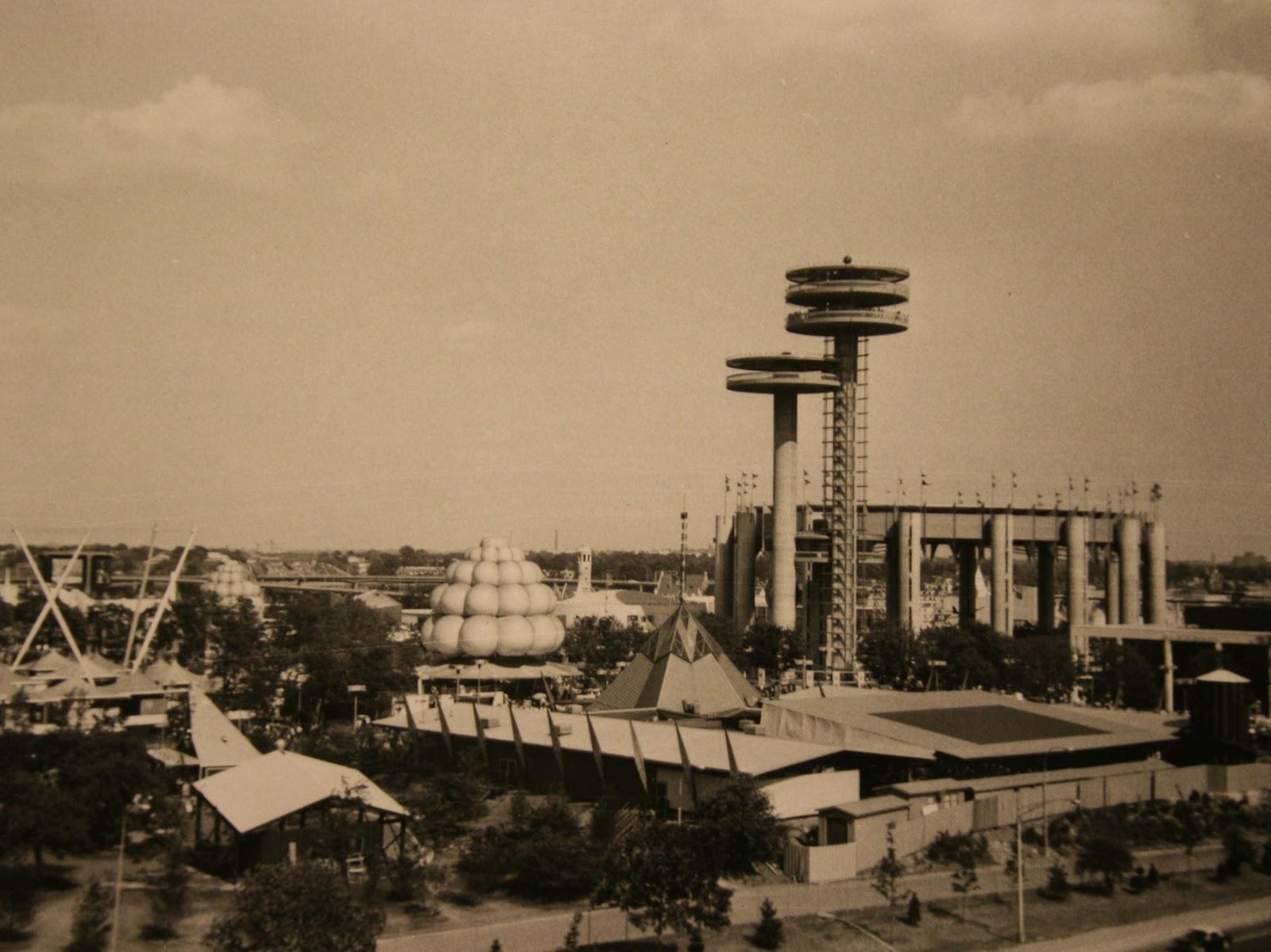
Image: Gary Lee Todd, Ph.D., CC0, via Wikimedia Commons

At the 1964 New York World’s Fair in Queens, the United States unveiled a brave vision of the future: the New York State Pavilion.

With its "Tent of Tomorrow," three towering observation structures, and a giant map of New York on the ground, it drew crowds throughout 1964 with exhibitions, shows, and concerts. But when the fair closed in 1965, the future it represented started to fade. Without a long-term plan or funding, the pavilion declined, and by 1974**,** it was permanently closed due to structural issues. Today, its rusted towers still stand over Queens, NYC, alongside the empty concrete frame. However, restoration efforts have recently begun, hinting at a possible second life for this future that never was.

3
Six Flags New Orleans (New Orleans, Louisiana)
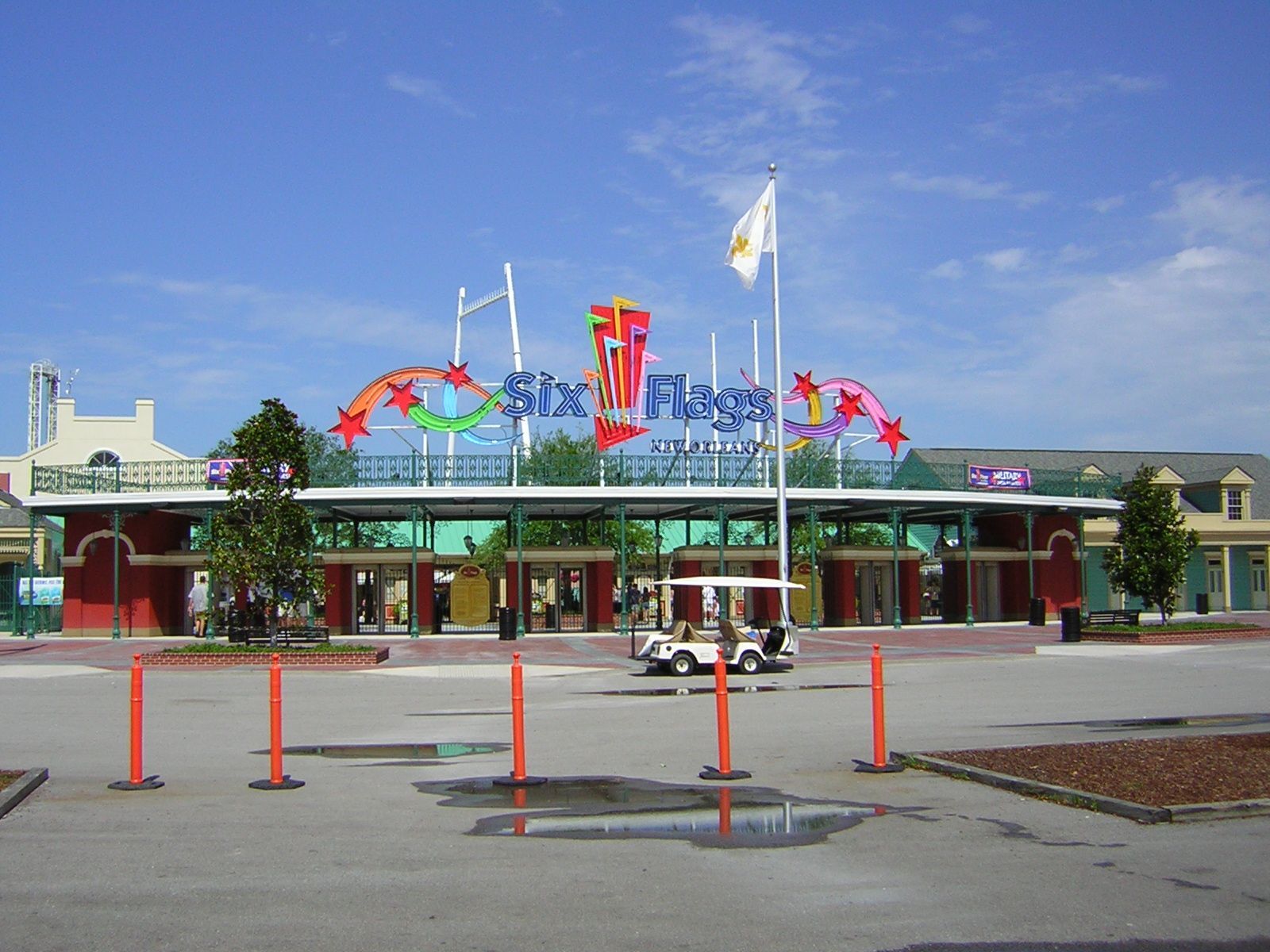
In the early 2000s, it was one of the most popular amusement parks in the region, but soon after, it was left underwater and abandoned.

We’re talking about Six Flags New Orleans, which opened in May 2000 as Jazzland Theme Park. In 2002, Six Flags took over, rebranding it and improving its roller coasters, rides, and water attractions. Its downfall wasn’t due to lack of visitors or investment; it was something far more powerful: in 2005, Hurricane Katrina flooded the park , causing irreversible damage, so it never reopened. Today, it still stands abandoned, with rusting rides and empty streets that are now a reminder of the storm. But it still gets some use: today, the now-haunting site has been transformed into a frequent filming location for movies, including Jurassic World (2015) and Dawn of the Planet of the Apes (2014).

4
Palisades Amusement Park (Bergen County, New Jersey)
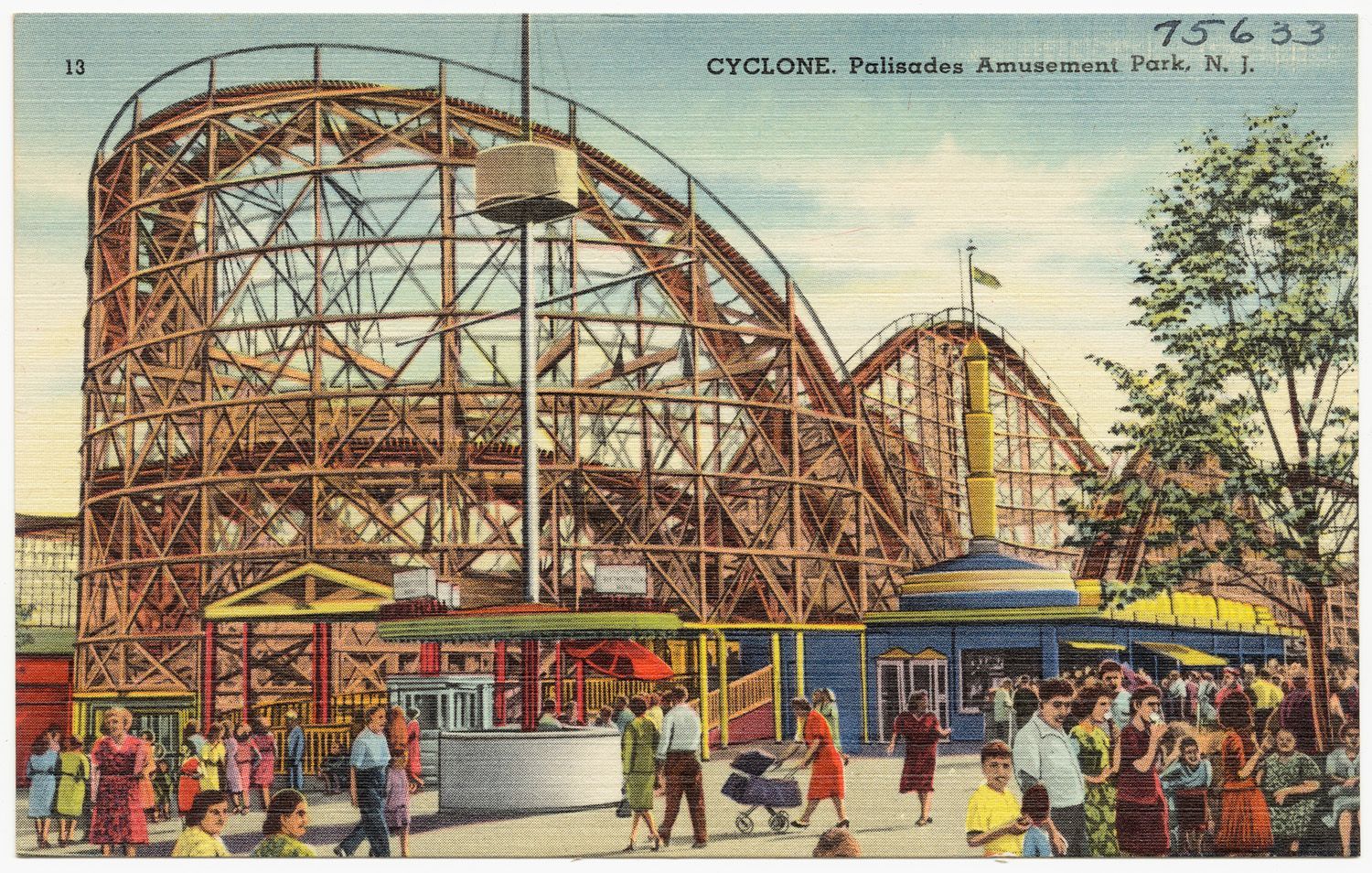
Image: Boston Public Library, CC BY 2.0, via Wikimedia Commons

For decades, especially between 1950 and 1970, it was a classic summer destination for families, but today, it’s completely gone.

Palisades Amusement Park opened in 1898 on the cliffs of the Hudson River in New Jersey. And what began as a trolley stop became one of America’s most famous amusement parks, known for its roller coasters, neon lights, and a massive saltwater pool once called "the largest in the world." However, by the 1960s, overcrowding, rising costs, and local pressure pushed it into decline, and it closed permanently on September 12, 1971. Today, high-rise apartments stand where the rides once were.

5
Disney's River Country (Lake Buena Vista, Florida)
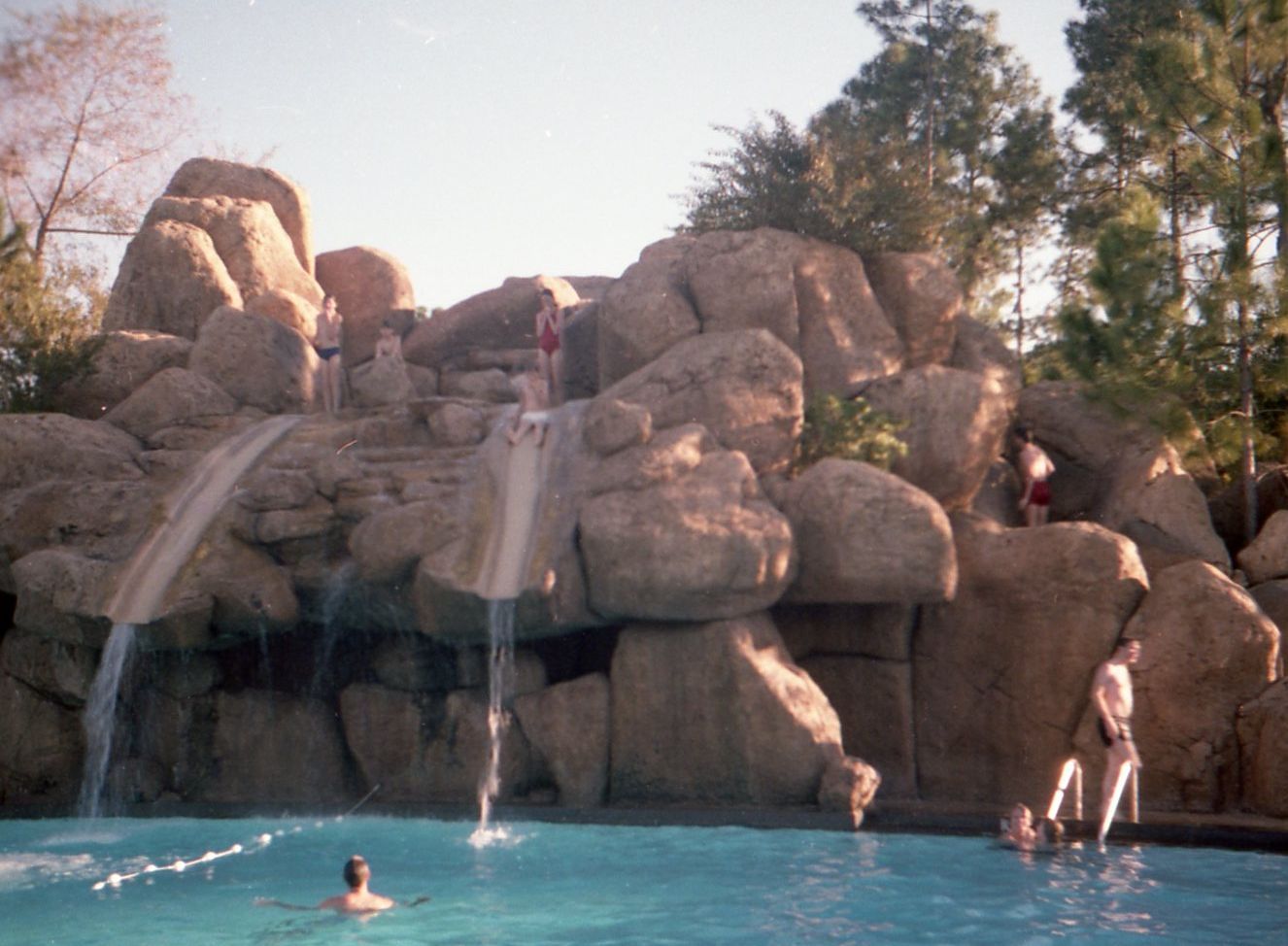
Have you heard about Disney’s abandoned park? Disney's River Country opened in 1976 in Lake Buena Vista, Florida, inspired by the vibes of classic American summer vacations. It had a rustic atmosphere, with wooden slides, rope swings, and water drawn directly from the nearby lake. It was a total success in the 1980s, but by the late 1990s, things began to change.

Newer water parks with advanced systems and stricter safety standards made River Country feel outdated, and Disney gradually shifted its attention elsewhere. The park closed "temporarily" in 2001, but it never reopened. Today, it still sits in the same place, partially reclaimed by nature, quietly overshadowed by the modern resorts around it.

6
Grossinger’s Catskill Resort Hotel (Liberty, New York)
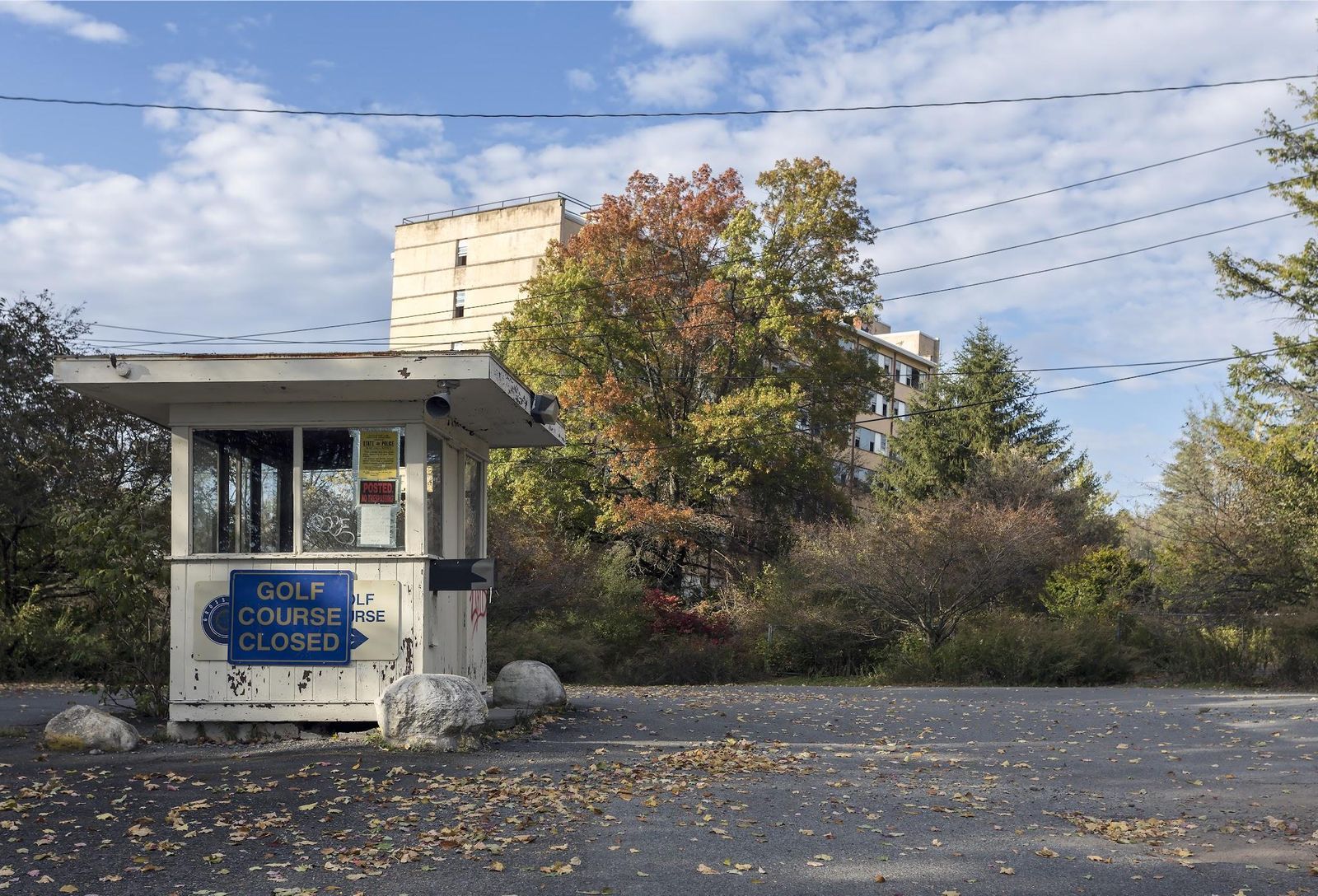
Image: Acroterion, CC BY-SA 4.0, via Wikimedia Commons

What was once one of the most popular family resorts in the country is now an extensive, decaying space with peeling wallpaper and collapsing floors.

Grossinger’s Resort Hotel began in the 1910s as a small guesthouse in the Catskill Mountains of Liberty, New York. What started modestly soon grew into one of the region’s most famous destinations, reaching its peak in the 1950s and 1960s with a golf course and both indoor and outdoor pools. It was incredibly popular with urban and suburban families in the tri-state area, and it even inspired the fictional "Kellerman's Mountain Resort" from Dirty Dancing (1987).

But in the late 1960s, American vacation habits began to change. Air travel and cruise vacations attracted families, and younger generations no longer returned to the places their parents had once loved. The resort gradually declined, leading to its permanent closure in 1986.

7
Dogpatch USA (Marble Falls, Arkansas)
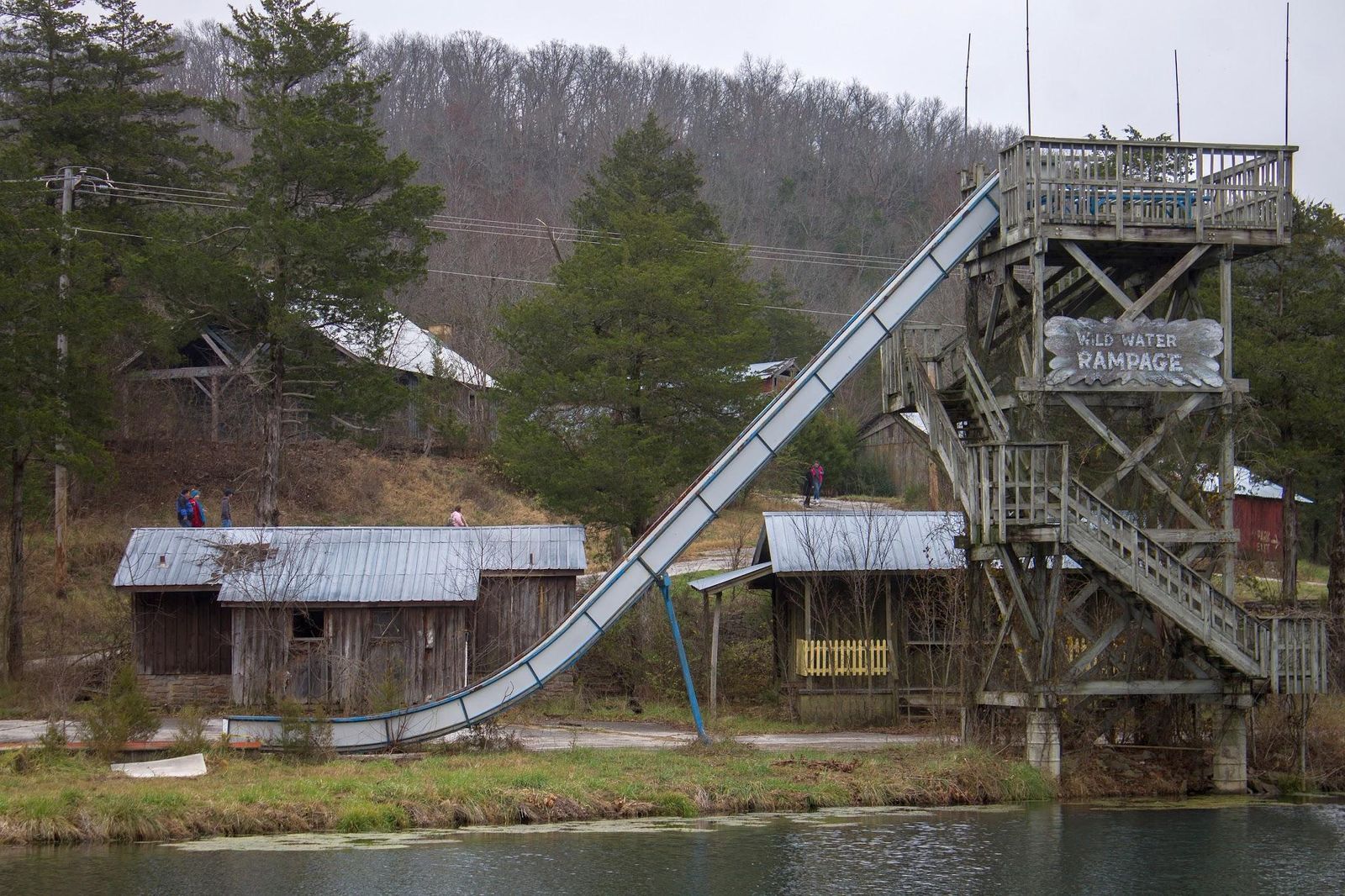
Image: kenzie campbell from springfield, mo, CC BY 2.0, via Wikimedia Commons

Dogpatch USA opened in the Ozarks of Marble Falls, Arkansas, in 1968, taking its name from the fictional town in the popular comic strip Li’l Abner by Al Capp.

Rustic buildings, rides, fishing ponds, and a small amusement area brought the comic world to life. It first attracted curiosity from local visitors, but never reached the popularity its creators had hoped for. Almost from the start, it struggled, in part due to its remote Ozarks location, which made it difficult for most tourists to reach, and its operating costs that surpassed attendance. Over time, the park gradually declined, changing ownership and shrinking in activity, before finally disappearing in the mid-1980s.

8
Ghost Town in the Sky (Maggie Valley, North Carolina)
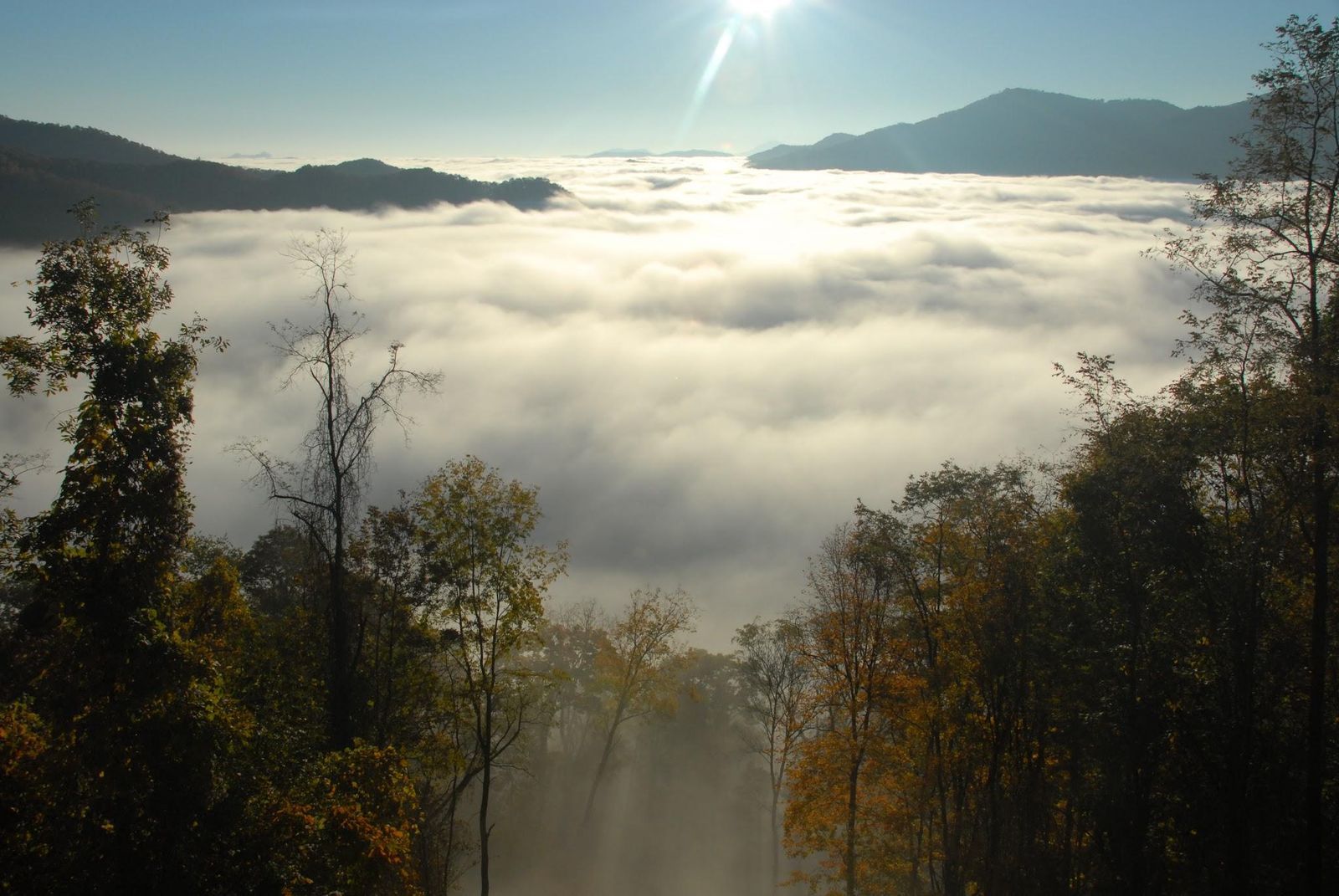
Image: Dsorrells, CC BY-SA 4.0, via Wikimedia Commons

A Wild West–themed amusement park sitting above the clouds in the Smoky Mountains sounds too good to be true, right? But it was real.

Ghost Town in the Sky opened on May 1, 1961, in Maggie Valley, North Carolina, at the top of Buck Mountain. Visitors rode a chairlift up to a full Old West town with saloons, staged gunfights, and mountain views. For its first two decades, it attracted steady crowds, but by the 1990s, it began to shrink. Rising maintenance costs, difficult access, and unstable ownership pushed it into decline. By the 2000s, the aging infrastructure became unreliable, leading to its first closure in 2002 and final closure in 2009. Today, the park still sits abandoned on the mountain.

9
Geauga Lake (Aurora, Ohio)
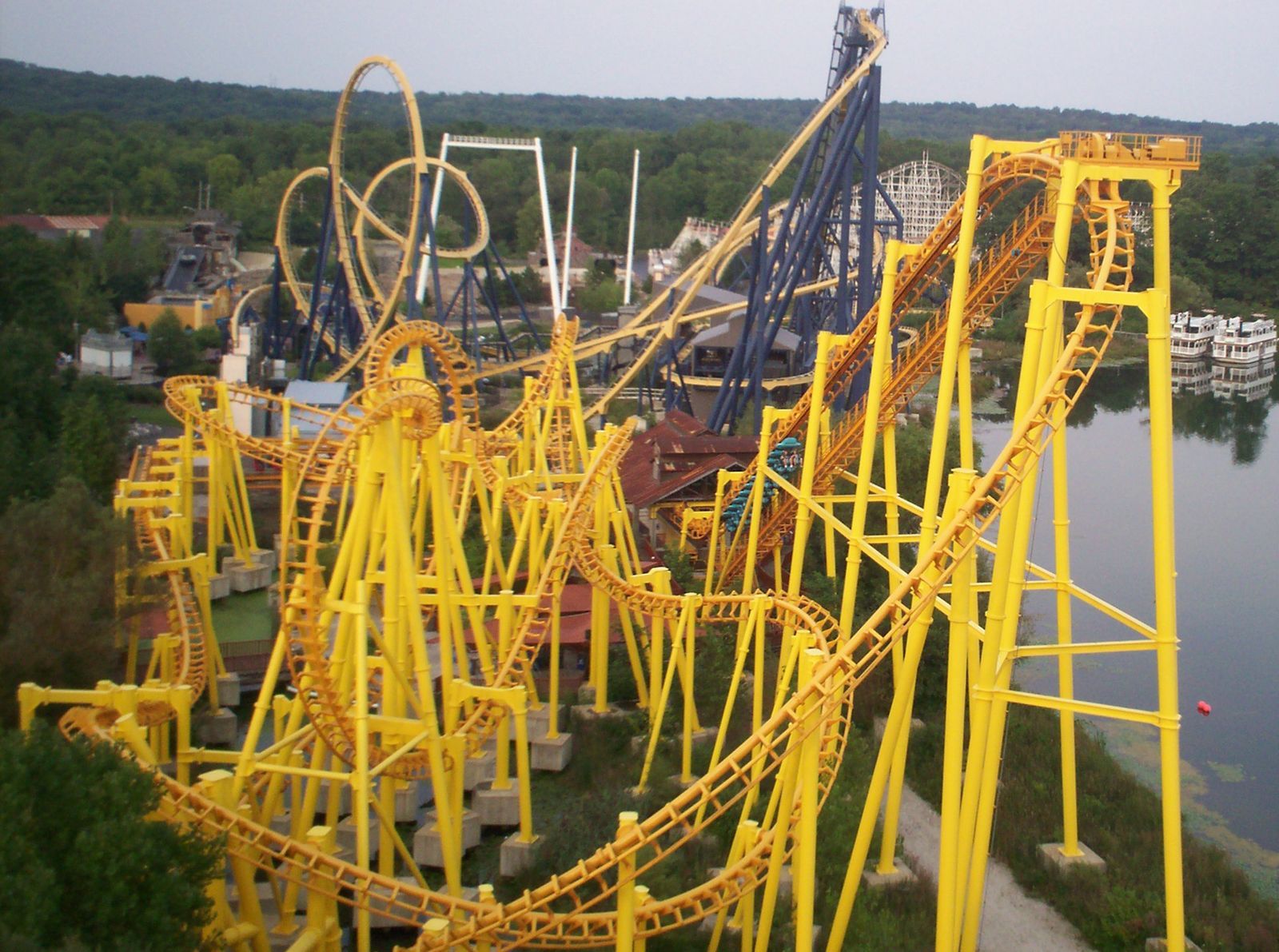
Image: JonRidinger, CC BY 3.0, via Wikimedia Commons

In the early 20th century, many Midwestern families had a go-to summer destination: Geauga Lake Park.

Geauga Lake opened in 1887 in Aurora, Ohio, as a simple lakeside resort. By the 1920s, it had grown into a full amusement park with rides, games, and roller coasters –like its classic wooden coaster, the Big Dipper– attracting thousands of visitors each year. Throughout much of the 20th century, it was a must-stop on family road trips. It reached its peak in the 1990s, after major expansions turned it into a large regional attraction, but those same upgrades also drove up costs and complexity. In the end, the expansion that improved it also sealed its fate, leading to its final closure in 2007.

10
Heritage USA (Fort Mill, South Carolina)
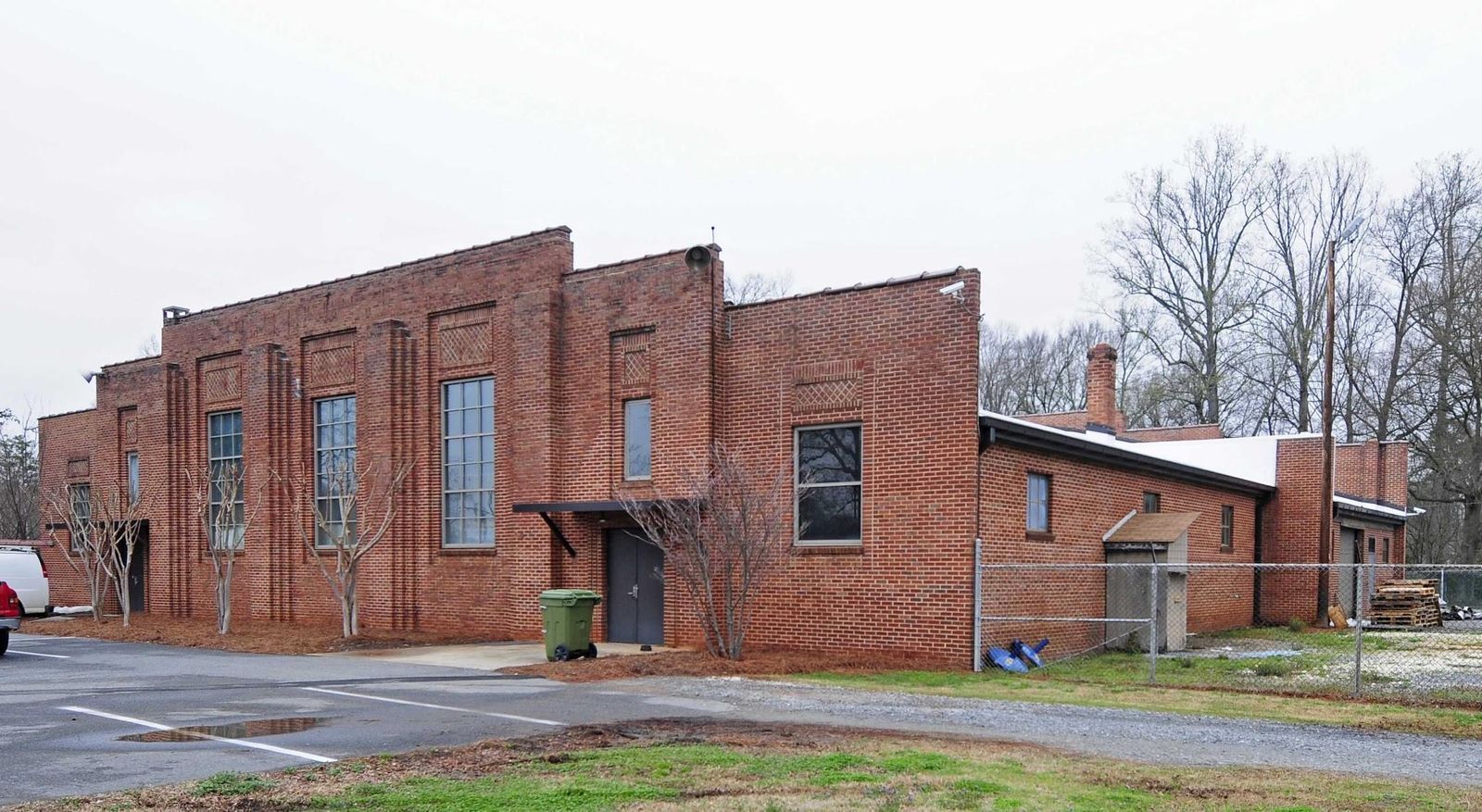
Image: Bill Fitzpatrick, CC BY-SA 3.0, via Wikimedia Commons

Sometimes called "Christian Disneyland," Heritage USA opened in 1978 in Fort Mill, South Carolina, founded by famous televangelists Jim and Tammy Bakker with the idea of building a major Christian-themed resort to rival the big amusement parks.

For a time, it was hugely popular, at one point even ranking as the third most-visited theme park in the U.S., with rides, a water park, hotels, and a large church auditorium. But in 1987, a financial scandal involving Jim Bakker shook public trust, and in 1989, Hurricane Hugo caused further damage. By the end of 1989, the park had effectively shut down, leaving its once-famous 21-story hotel as a hollow reminder of what it had been.

General General 4 min read

WHAT GOES INTO A NAME?

10 States with unusual names explained

Image: Nico Smit

A lot of consideration goes into naming a state. Or, at least, it should. After all, that enormous piece of public land will be an important part of the country, and its citizens will be defined by its name as well. Some states’ names are obvious: New York was named after the English town of York, New Mexico was named after Mexico, and so on. But many other states have strange-sounding names, like Wyoming or Connecticut. Stick around until the end of this list and learn why ten of these states are named that way!

1
Massachusetts

Image: Kaya Arro

A curious word in itself, Massachusetts originated from an Algonquian word meaning "large hill place." The term "Massachusett" was first recorded in 1616 as the name of a village near present-day Boston, and the English added an -s to signify the plural.

The name was applied to the bay, from which the Massachusetts Bay Company, founded in 1629, took its name. With the Massachusetts Constitution of 1780, legislators officially adopted the name Commonwealth of Massachusetts.

2
Michigan

Image: Aaron Burden

Another name with an Algonquian origin, like Massachusetts, Michigan comes from the word mishigama which means "big lake." The state was named after its chief geological feature: that large body of water to its west. After all, Michigan is in direct contact with four of the five Great Lakes.

When the area became a U.S. territory, the name Michigan was adopted as the name of the state. Michigan achieved statehood in 1837.

3
Montana

Image: Tim Stief

A name most likely derived from the either Spanish ( Montaña ) or Latin ( Montanus ) word for mountain, Montana was suggested by Rep. James M. Ashley of Ohio, who was a member of the House Committee on Territories. He recommended it in 1863 for the territory that would become Idaho. He liked the name so much that he recommended it again for a territory being organized in 1864.

The name Montana itself was first given in 1858 to a town in the Pike’s Peak gold region, which was at the time part of Kansas and is today part of Colorado. The town eventually died, though, when the gold ran out, but the name lived on.

4
Oklahoma

Image: Skyler Smith

The name Oklahoma was coined in 1866 by Allen Wright, a Choctaw chief and Presbyterian minister who served in the Confederate Army during the Civil War. He combined two Choctaw words that, together, mean "Land of the Red People." Eventually, the name was adopted into the Choctaw-Chickasaw Treaty.

5
Pennsylvania

Image: Lera Kogan

In 1681, the English king Charles II gave a land grant to William Penn. The charter designated that the colony was to be called Pennsylvania, which was a combination of Penn’s name and the Latin " silva " (spelled " sylva " in the 17th century), meaning "forest." Therefore, Pennsylvania means " Penn’s forest ."

William Penn had originally suggested that the land be called New Wales, but since the charter was signed with Pennsylvania permanently inscribed, he declared that the name was in honor of his father.

6
Tennessee

Image: Brice Cooper

While the names of many states originate from descriptions, the name of Tennessee didn’t have any particular meaning when it was bestowed upon the Volunteer State. This name originally came from a Cherokee town called Tanasqui by the Spanish, and Tinnase by the English. But the Cherokees themselves didn’t associate any literal meaning with the word.

The name was also given to a stream near the town, and as English settlers moved downstream, they carried the name with them. Tennessee first appeared in that spelling as the name of a newly organized county in North Carolina in 1788, and it was eventually proposed and accepted by Congress as a state name in 1796.

7
Wyoming

Image: Kellie Klumb

The name of Wyoming originated from the Algonquian word meche-weami-ing , which meant " at the big flats. " It was originally applied to a valley in Pennsylvania and became well-known through Thomas Campbell’s epic 1809 poem "Gertrude of Wyoming," which was about a girl from Pennsylvania.

James Ashley, a member of the House Committee on Territories representing Ohio, suggested the name for a new territory in 1868.

8
Alaska

Image: Rod Long

The name Alaska is thought to come from the Aleut word aláxsxaq or aleyska , which translates to " an object to which the sea is directed ."

When Alaska was purchased from Russia in 1867, the name Alaska was suggested by Senator Charles Sumner under the belief that it meant "great land," when in fact the word was simply what Aleuts used to refer to the mainland.

9
Connecticut

Image: Christopher Luther

Whoever thinks Connecticut sounds like a complicated word, should take a look at the Algonquian word from which it originated: Quinnehtukqut , which means " place beside the long tidal river. "

An English scribe probably inserted the second, silent "c" in the name into the word to form the more common "connect" section, as we know it today.

10
Idaho

Image: Clay Elliot

The name of the state of Idaho has at least two probable origins. On the one hand, it may be derived from the word Idahi , the Kiowa-Apache name for the Comanche, both of whom were known to have been in that area. On the other hand, it might have been fabricated by a mining lobbyist at a time when native-sounding names were popular.

When Colorado was being organized as a territory in 1860, the name Idaho was considered, but Congress chose Colorado instead. The name came up again in 1863 when territories farther north were being organized. Montana was first proposed for the new area, but the U.S. Senate decided to call it Idaho.

General General 3 min read

Presidential bill

10 surprising things U.S. presidents actually pay for themselves!

Image: Allef Vinicius

You might think that once someone becomes president, the wallet goes into permanent retirement and everything becomes magically gratis. Think again. U.S. presidents pay for quite a few things out of pocket , and some will definitely surprise you. Here are 10 expenses that even the most powerful person in the country cannot avoid. Which one shocks you the most?

1
Groceries

Image: Maria Lin Kim

Sure, the kitchen is massive, and the chef is part of the deal. But when a new First Family moves into the White House, the fridge is not stocked. The President and their family pay for their own food, just like the rest of us. Former First Lady Michelle Obama confirmed it herself. No rent, sure, but groceries are their responsibility. Fair is fair, right?

2
Interior decorations

Image: Lucas de Moura

The White House has its official historic look, but every family wants to make it feel like home. Artwork, new drapes, or a different couch are all allowed, but none of it goes on the government’s tab. If the First Family wants it, they buy it.

3
Personal homes

Image: Patrick Perkins

Even though 1600 Pennsylvania Avenue is home base for four or eight years, the president still owns their personal home . All the upkeep, bills, and maintenance back home stay their responsibility.

4
Designer clothing

Image: Highlight ID

You might assume designers line up to dress presidents and first ladies for free. Not so. Any clothing they wear, whether off the rack or high fashion, comes out of their own funds . Sometimes designers lend outfits, but any fashion bills are never part of the White House budget.

5
Dry cleaning

Image: Anton Savinov

And speaking of clothing, special garments don’t clean themselves. While the White House has its own laundry, t he president and family pay for dry cleaning of personal items . Those designer suits and gowns come with a personal laundry tab.

6
Hairstylists

Image: Gabriela

Just like designer clothes, everything related to the First Family’s personal grooming is billed to them . When you’re photographed daily, hair matters. But those stylists? They’re not government employees. Every trim, blowout, and touch-up is paid for privately by the First Family.

7
Vacations and accommodations

Image: Rod Long

Yes, even presidents need a break. When the First Family travels on personal vacations, they foot the bill for their own lodging, food, and fun. Transport and security are covered, but hotels, dinners, and souvenirs? That’s on them.

8
Private events outside the White House

Image: Zoshua Colah

Presidents don’t exactly get to do whatever they please, but if they plan a private dinner or event away from official grounds , they’re responsible for the costs. No taxpayer-funded parties here.

9
Private staff

Image: DuoNguyen

On a similar note, whenever extra waiters, musicians, or planners for a private gathering in the White House are needed, those staff members are hired and paid by the First Family directly. Throwing a soiree at the Executive Mansion might sound glamorous, but the bill lands squarely in their own inbox.

10
Gifts for other dignitaries

Image: Nina Mercado

Diplomatic gifts are a tradition, and there’s even a special office that helps choose the perfect item for each foreign leader. Depending on the gift and especially if it’s a personal one, the President may have to pay for it themselves. As long as it is diplomatic, the Government pays for it, but if the gift is based on a personal relationship, that comes out of the Chief’s pocket.

Explore more American facts

Choose your favorite category!

General
General

As American as apple pie—the very best America has to offer!

Culture
Culture

Delve into the astounding richness of American lore.

Geography
Geography

Hop in and explore vast and diverse American landscapes.

History
History

Discover the key moments that shaped the United States.