General General 5 min read

National wildlife

Animals made in the USA: Did you know these 10 incredible creatures?
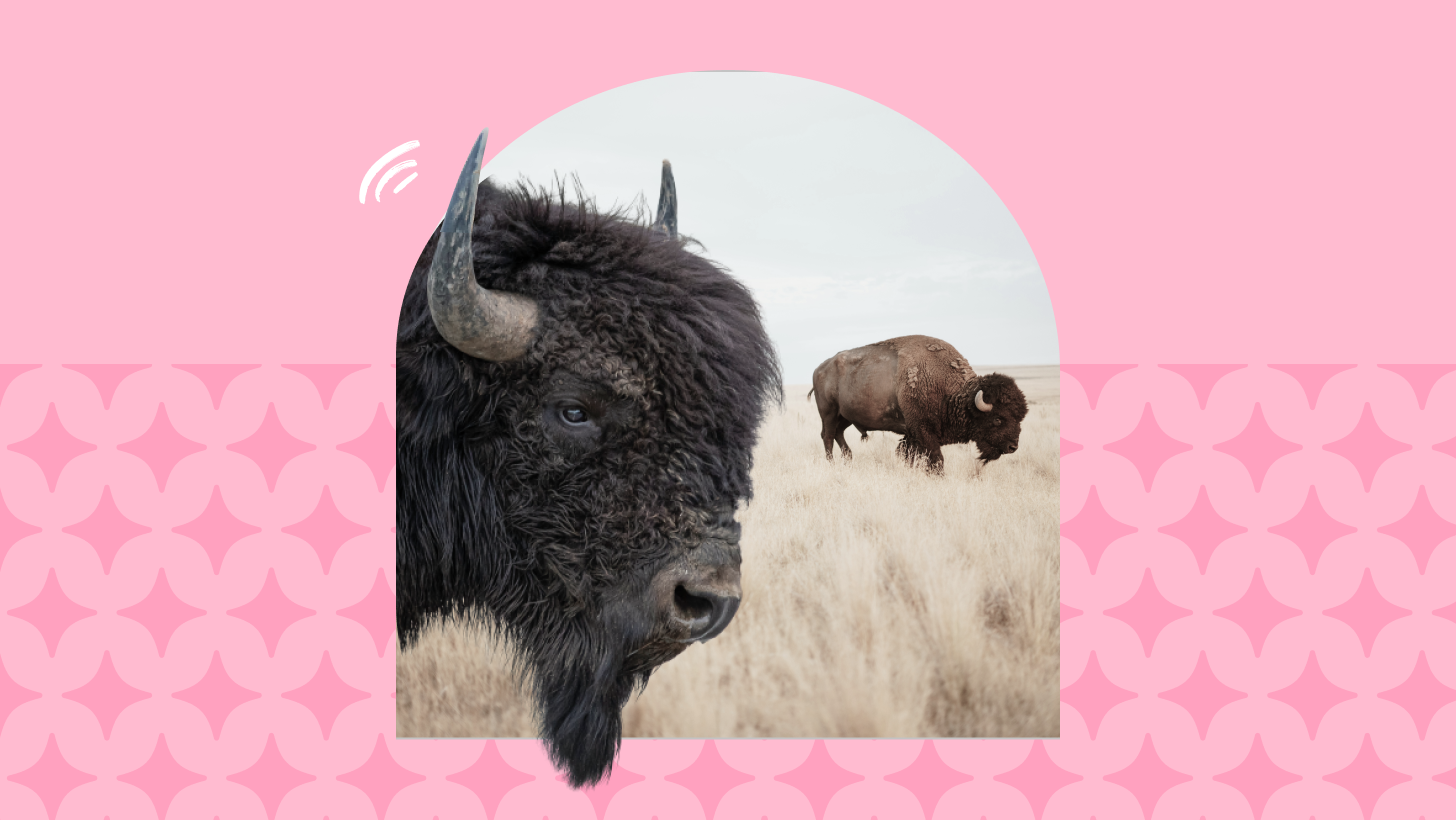
Image: Mathew Schwartz

It should go without saying that we are not the only inhabitants of this wonderful country of ours. "America the Beautiful" is also home to an amazing variety of wildlife. Our fauna is as fascinating as it is beautiful, ranging from the majestic bird chosen as our national symbol to the large ground squirrels believed to have the ability to predict the weather. In that regard, we have selected 10 of the most iconic animals that can be found across all corners of our country. Enjoy!

1
Bison
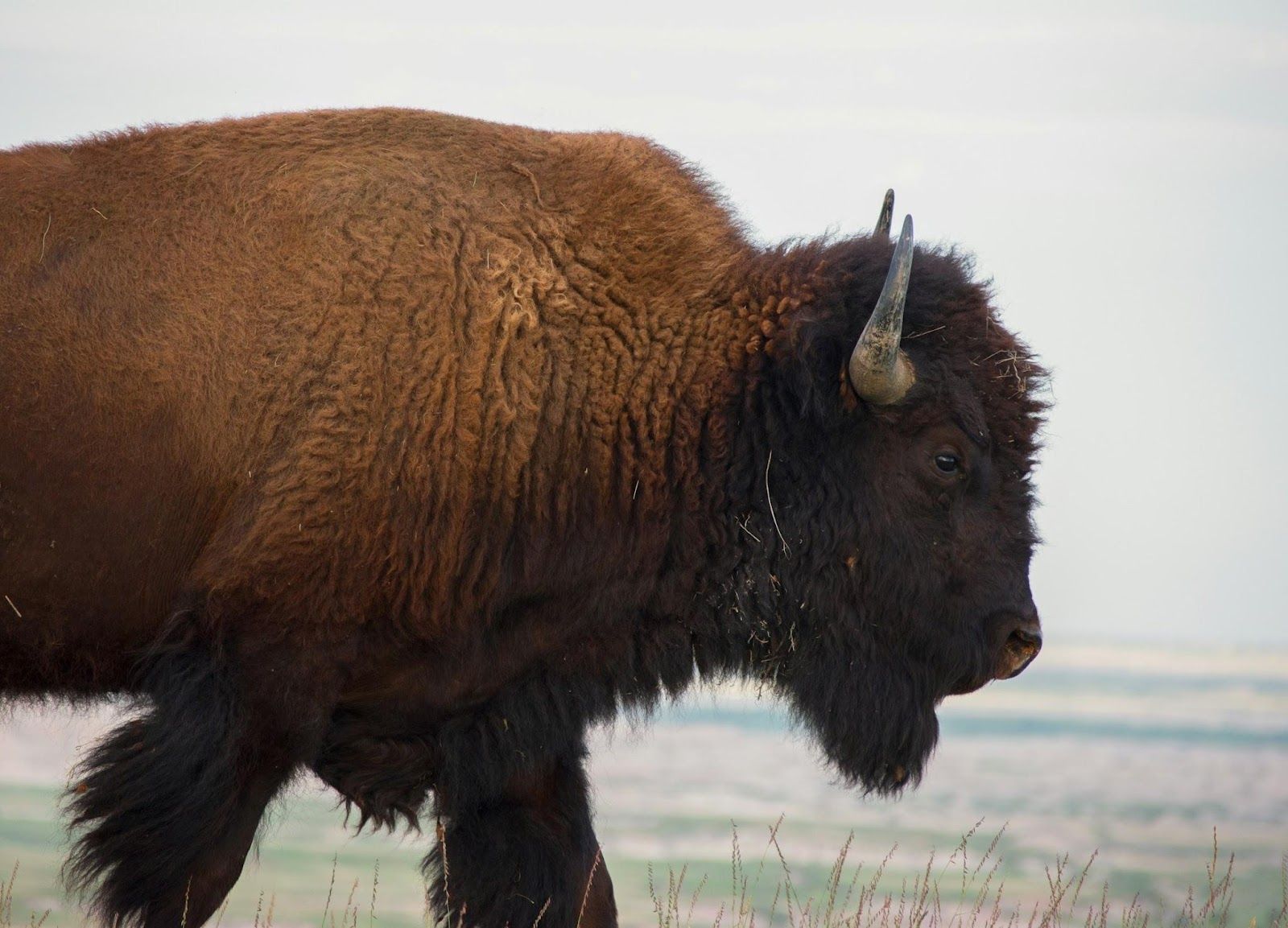
Image: Alex Moliski

We’ll begin with the national mammal of the United States. Actually, that might be a bit reductive: the bison is not just a national symbol, but it has also been chosen as representative by a plethora of institutions, including the U.S. Department of the Interior, the University of Colorado, and several Great Plains states.

Since the end of the 19th century, indiscriminate hunting made the bison an extremely endangered species: By 1884, only 325 bison remained in the country. Luckily, thanks to the hard work of several conservation agencies, that number has gradually increased over the years, reaching a population of 500,000 bison by 2017.

2
Prairie dog
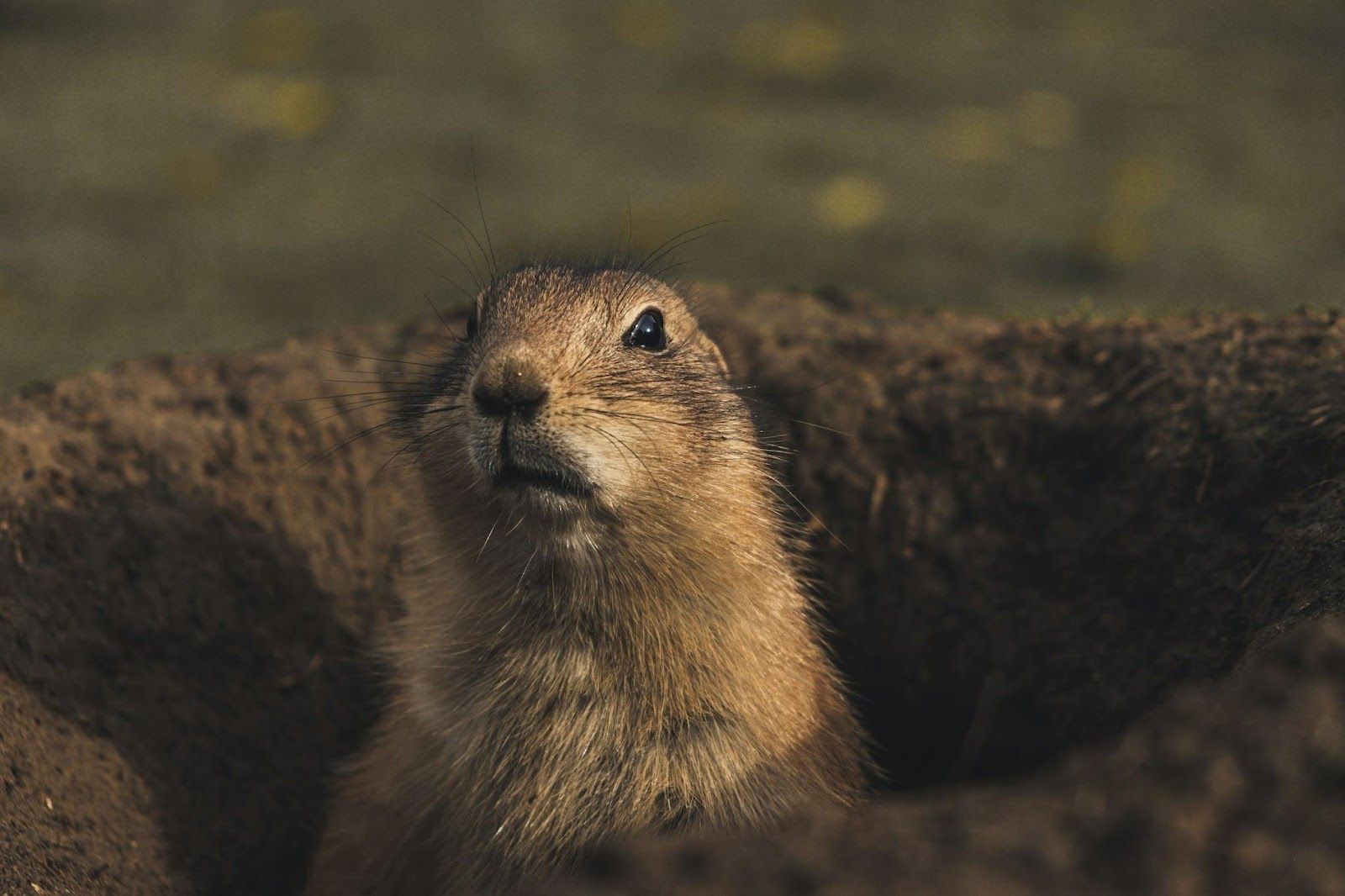
Image: Moritz Kindler

Here’s a question for any biologist reading this article: Why, pray tell, are prairie dogs not called "prairie squirrels"? While these mammals possess little to no dog-like features, they are definitely a close relative of squirrels. In fact, they belong to the same family. Food for thought, right?

In any case, prairie dogs are proof that an animal doesn’t have to be big to be important. All five species are considered keystone species to their environments, as their burrowing and mound-building help renew and revitalize the soil of their habitats. Not only that, they are extremely important components of the food chain, since they provide sustenance to many predators.

3
Alligator
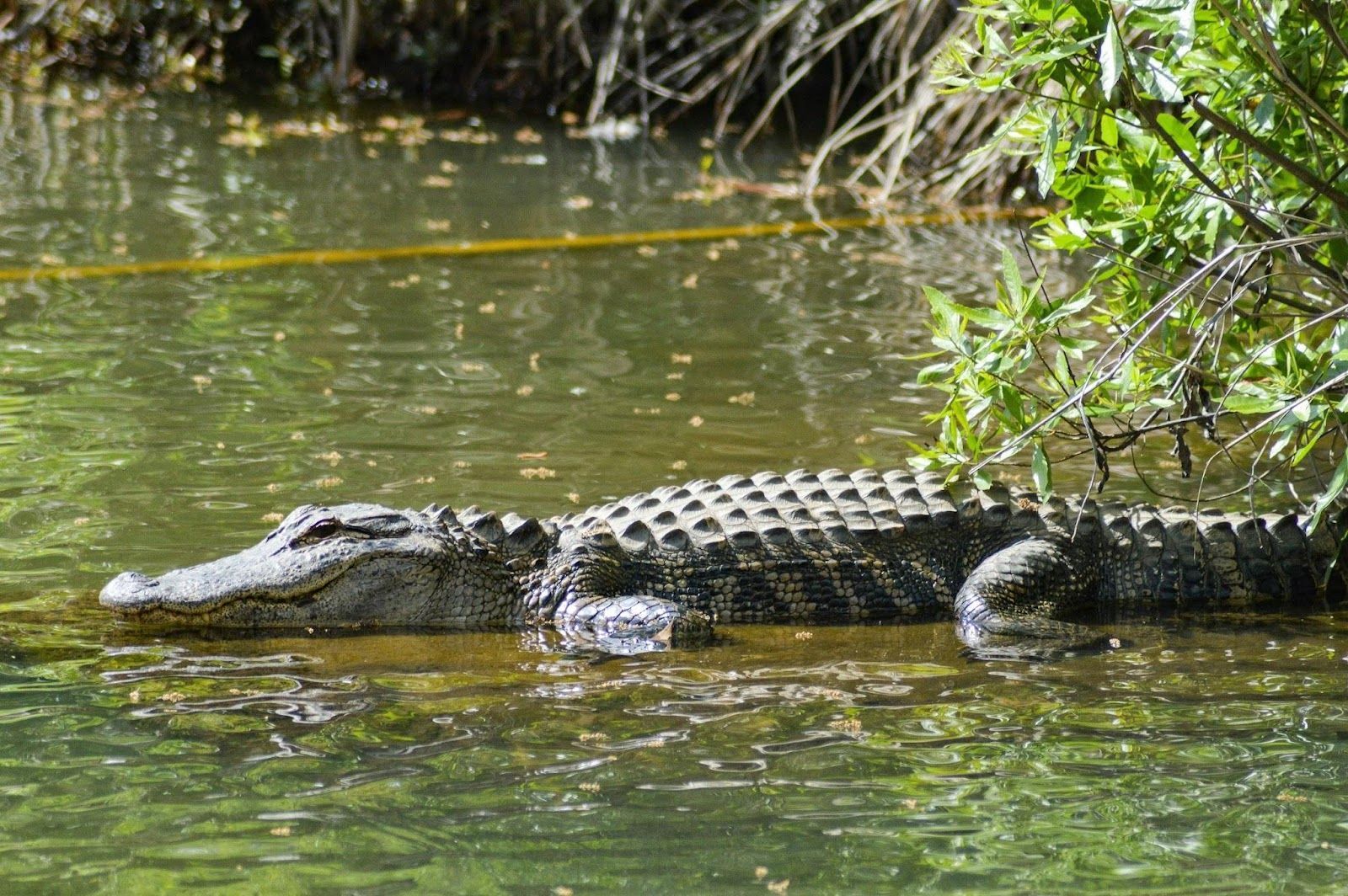
Image: Matthew Essman

From the warm weather of the American South comes the only reptile on this list. Alligators are truly fascinating creatures: not only do they date back to the age of dinosaurs, but they can also only be found in 2 countries in the entire world—China and, of course, the United States.

While they are certainly deadly predators, don’t let their ferocity fool you: they rarely attack humans, and only when disturbed. Moreover, alligators are key species in maintaining their habitats, not just through population control, but also by encouraging plant diversity through the construction of alligator holes.

4
Grizzly bear
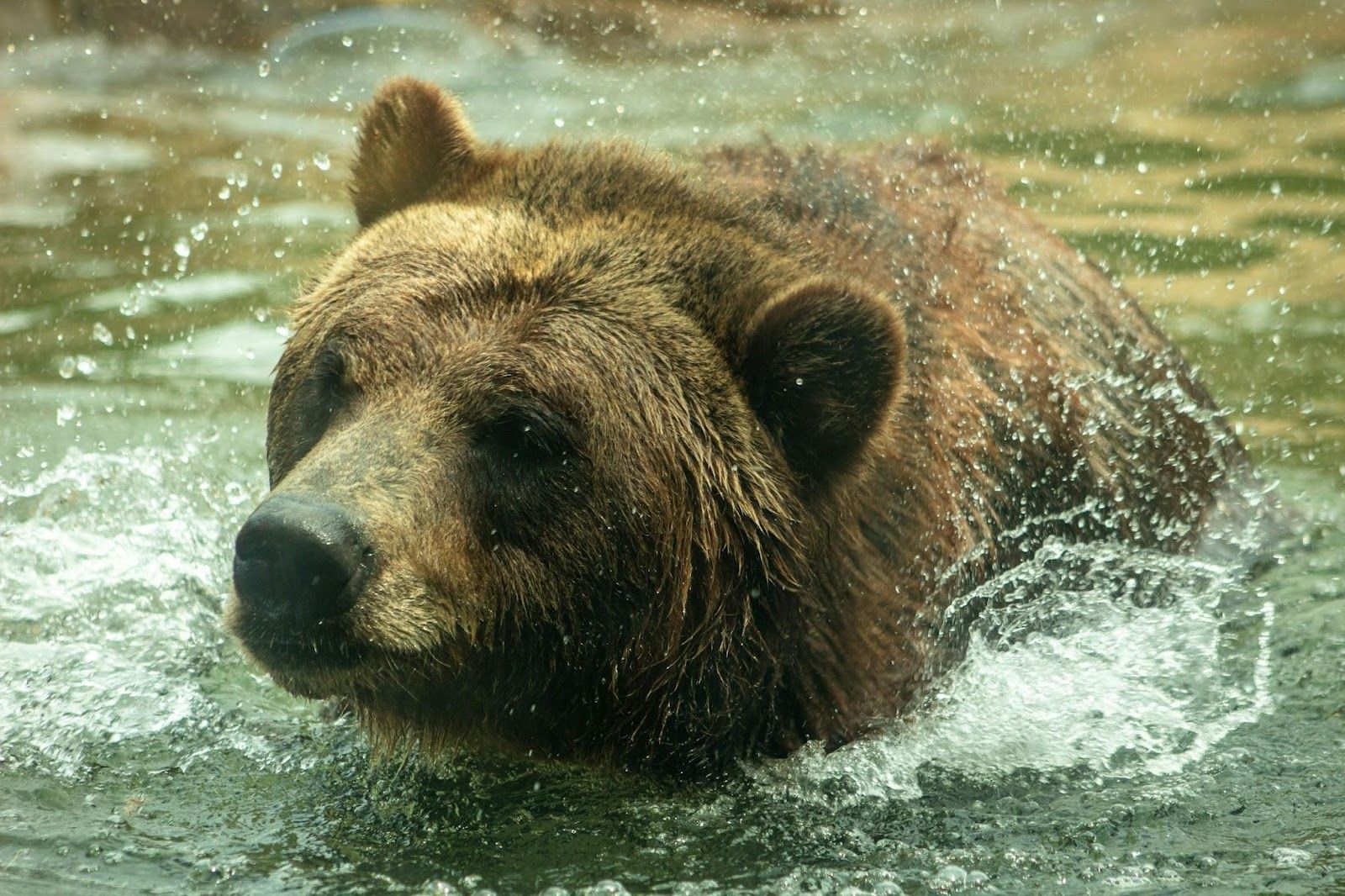
Image: Joshua J. Cotten

Anyone who has looked at a picture of a bear has probably thought in disbelief, "How can something that looks this adorable be so dangerous?" While this philosophical conundrum might be the reason that Teddy bears are so popular, the truth is that the grizzly bear is a perfect representative of the duality found in most of these large mammals: a combination of extreme cuteness with dangerous ferocity.

In that sense, we only need to take a look at the etymology of the grizzly bear to find the feral nature of this seemingly adorable creature. When Lewis and Clark first encountered these bears, they recorded their name as "grisley," which many believe comes from a Middle English word for "gruesome."

5
Gray wolf
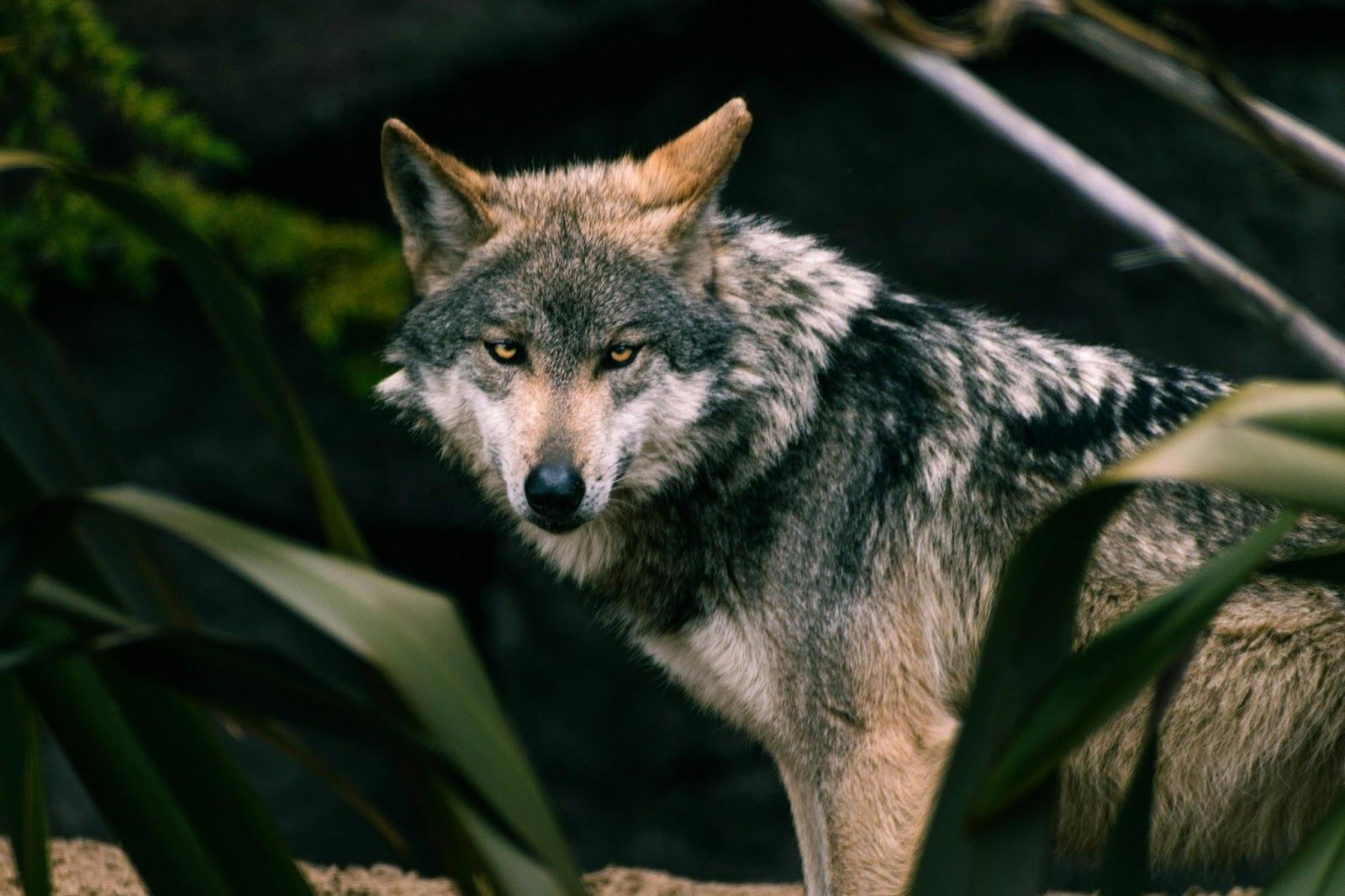
Image: Anthony Sebbo

Many biologists consider the gray wolf the unsung hero of American wildlife. This majestic hunter is a keystone species in Yellowstone National Park, helping to maintain the elk and deer populations. And while it has notably appeared in many blankets and t-shirts, the gray wolf, sadly, has not been recognized as any state’s official mammal.

Originally, grey wolves’ range covered approximately two-thirds of America, but they can currently be found in the northern part of the country. Most notably, Alaska houses the largest wolf population in the country, with a number between 7,000 and 11,000 wolves roaming the state.

6
Turkey
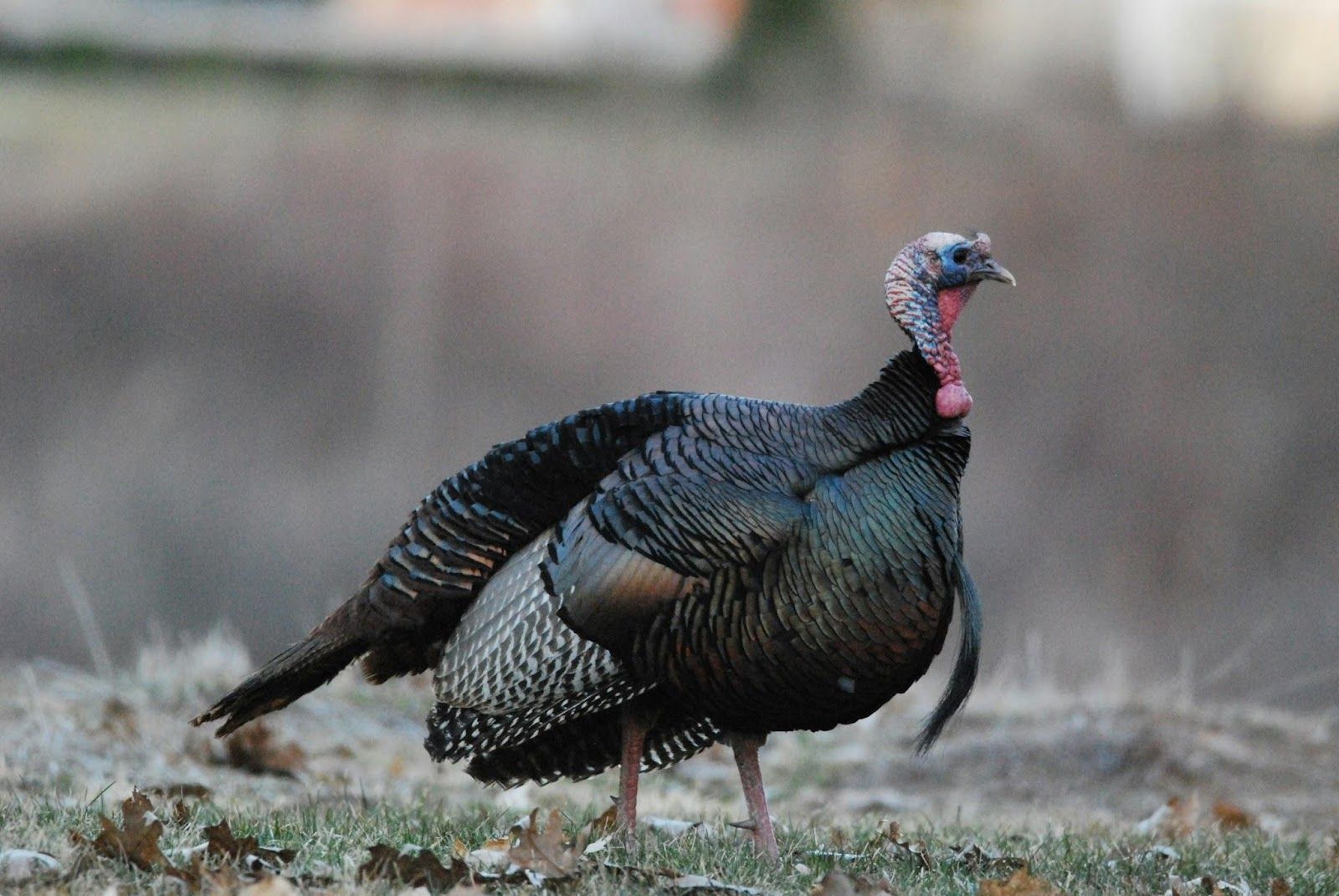
Image: Tyler Jamieson Moulton

There’s an urban legend that states that Benjamin Franklin proposed the turkey to be our national symbol. If the stories are true, there might very well be a universe in which this odd-looking bird represents Americans everywhere. And although we’ll take the bald eagle as a symbol any day of the week, there’s something to be said about the nobility of this game bird.

Unlike their domesticated counterparts, wild turkeys are more adept at flying. Although we may never see a majestic turkey soar through the skies, they are able to fly short distances of up to a quarter mile. What’s perhaps most impressive about these birds is their wide range of vocalizations, which may sound like a simple "gobble, gobble" to us, but convey numerous meanings to other turkeys.

7
Groundhog
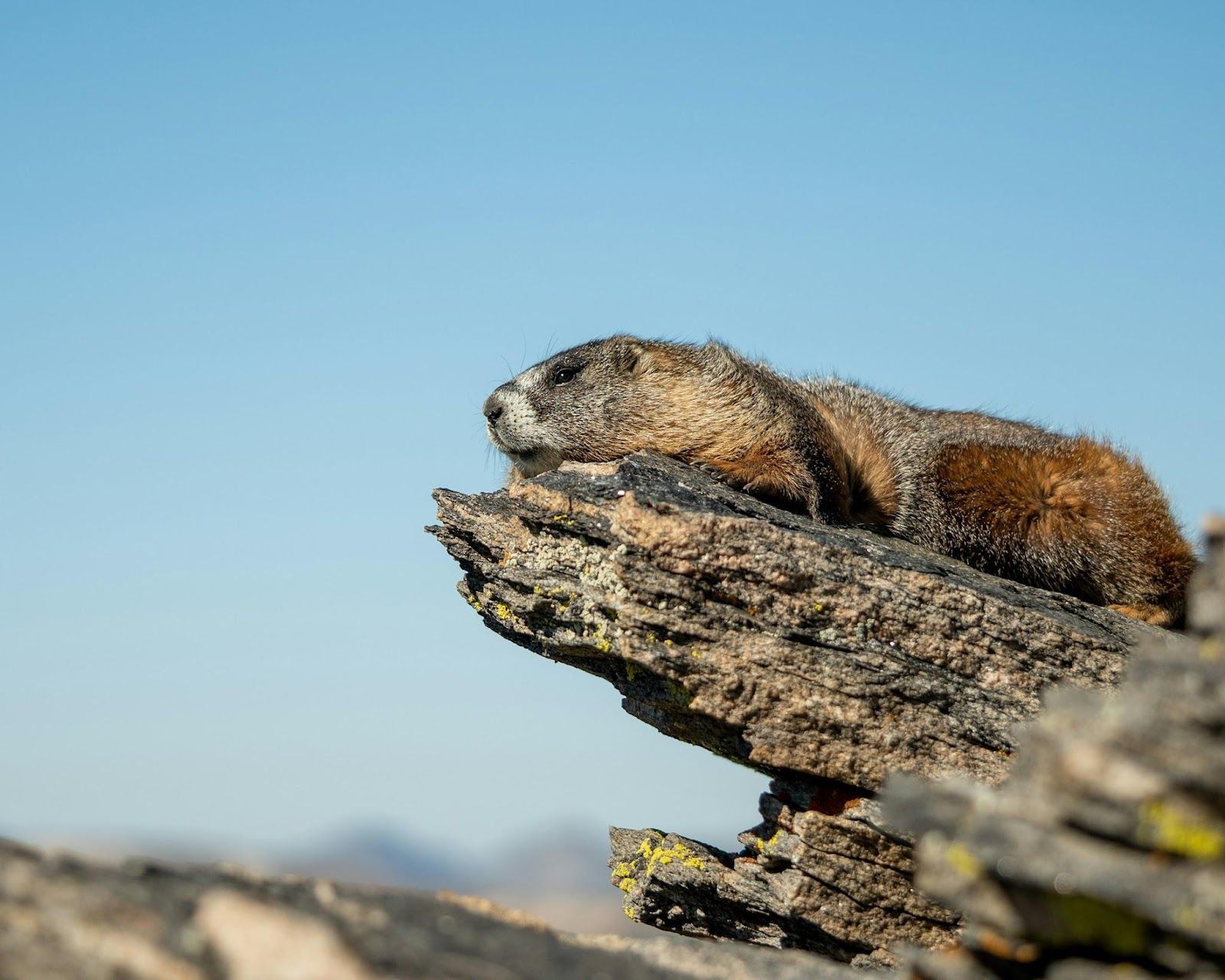
Image: Andy Sanchez

Sure, Beverly Hills might be the home of Hollywood’s royalty, but the borough of Punxsutawney, Pennsylvania, is home to one of America’s most famous stars. Since 1887, a groundhog by the name of Phil (Punxsutawney Phil, to be exact) has been the key figure in the town’s most famous tradition: "Groundhog Day," a celebration in which Phil predicts when will winter end.

While Punxsutawney Phil is perhaps America’s most famous groundhog, the truth is that these quirky rodents are one of America’s most recognizable animals. Interestingly, groundhogs are also known as "woodchucks," which is a rather baffling name, since these creatures are not known for chucking wood of any kind.

8
Florida panther
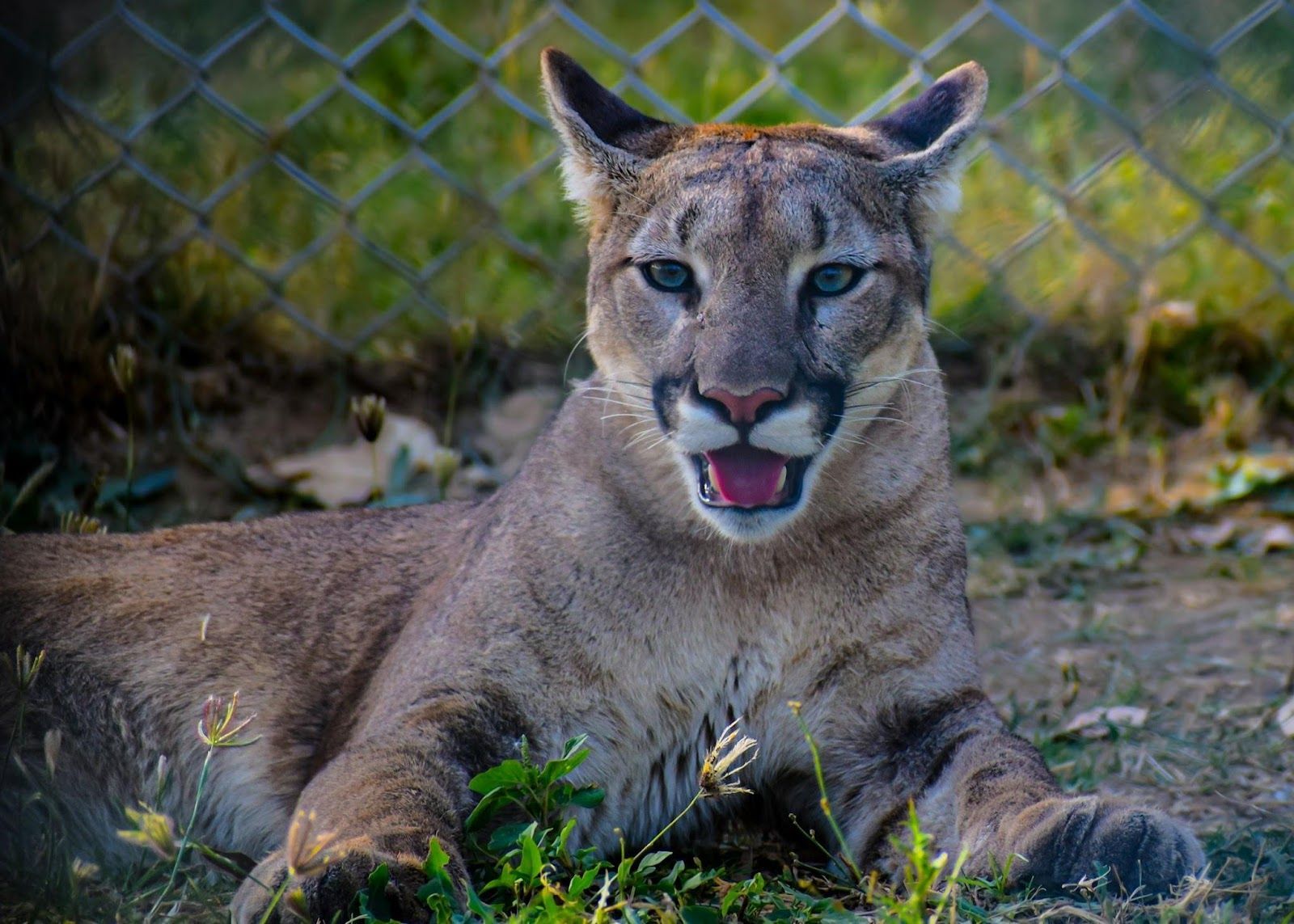
Image: Maheera Kulsoom

The alligator might be Florida’s most famous animal, but this large cat shouldn’t be overlooked. The Florida panther is the only cougar species living in the Eastern United States, with a worrying 200 individuals currently living in the Sunshine State.

This majestic cougar is a source of pride for many Floridians, and numerous conservation campaigns have been launched over the years to help protect its habitat. The Florida panther was named the state’s official animal in 1982, as well as being the namesake of the South Florida ice hockey team.

9
Roadrunner
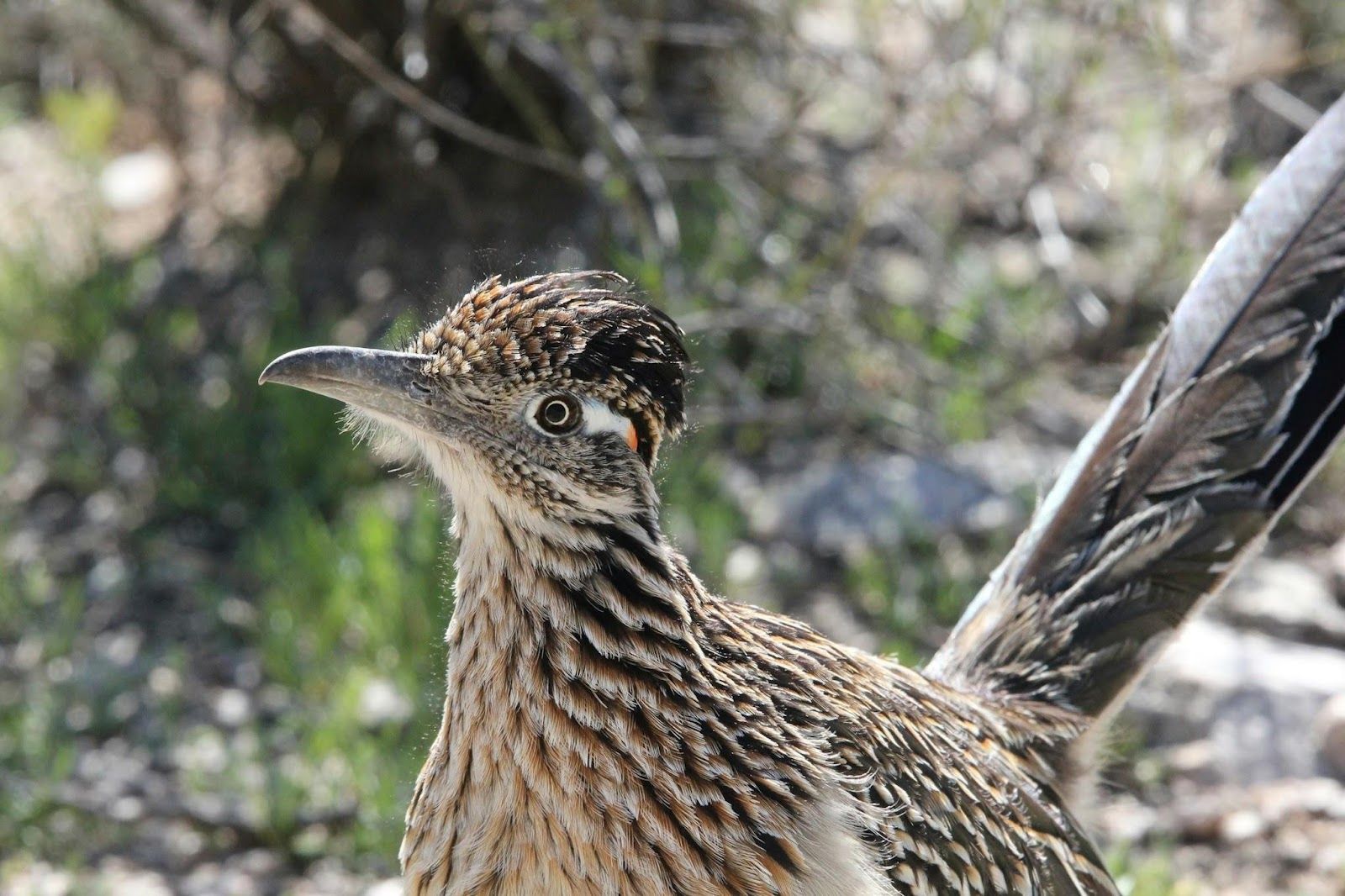
Image: Anish Lakkapragada

Isn’t it strange not to see a coyote included in the title of this entry? We feel bad about separating this iconic pair, but we are sure you’ll agree that the roadrunner is an amazing bird in its own right, even becoming New Mexico’s official state bird in 1949.

Warner Bros. cartoons quickly capitalized on this bird’s most remarkable feature: its running speed. Roadrunners can reach speeds of up to 20 mph, which comes in great help for hunting and running away from predators (like a certain coyote).

10
Bald eagle
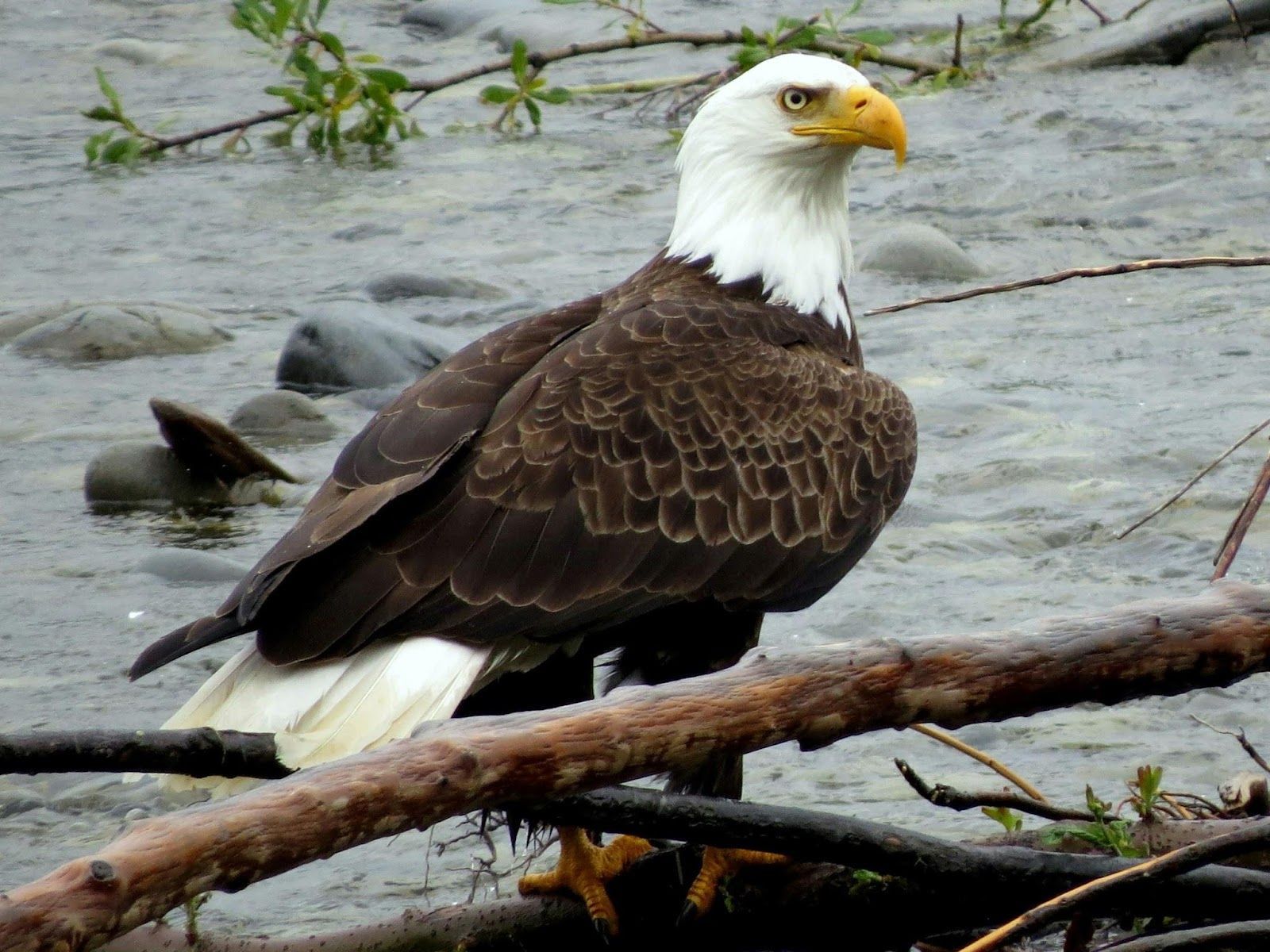
Image: Michael Jerrard

The bald eagle shares the title of "most instantly recognizable American symbol" with the American flag and Mount Rushmore. Its status sometimes makes us forget about the spectacular specimen hiding behind the American icon, so we thought it would be a good idea to close this article with a small tribute to our favorite bird of prey.

Let’s start with the obvious: the name "bald eagle" doesn’t come from any distinct lack of plumage, but rather from the old meaning of the word "bald," which used to stand for "white-headed." This distinction seems necessary because one of the most breathtaking aspects of this bird is the contrast of its feathers, which produces a stunning image when paired with its yellow beak. For a while, the status of the bald eagle was endangered until its population recovered thanks to conservation efforts.

General General 5 min read

WHEN WAS YOUR LAST VISIT TO THE MALL?

Did You Know These 10 Huge Malls Are Closed Or Closing Its Doors?

Image: Christian Wiediger

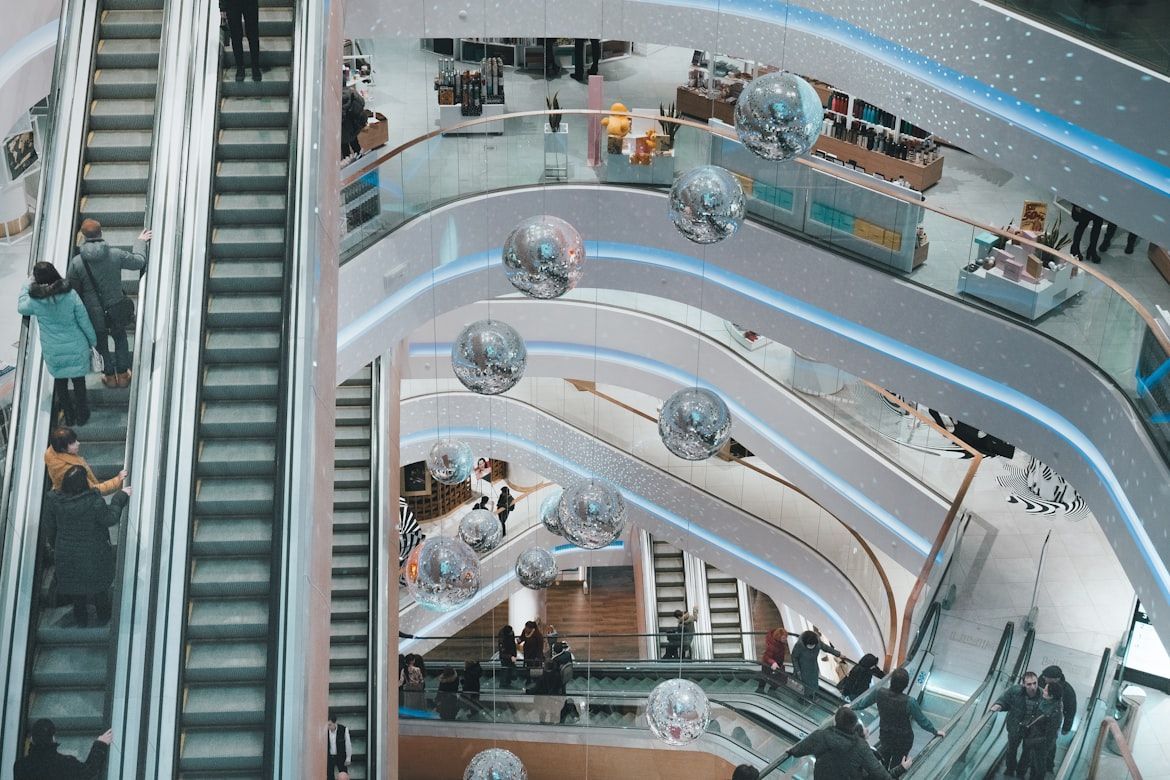
There is no "Too big to fail" in the world of retail. Even big businesses, with access to deep pockets, market research, and countless advisors, can bite the dust just like your local corner store. Or, perhaps, not in exactly the same way, but with very similar results.

The huge malls built in the 70s, 80s, and 90s have been enduring traffic decline for a couple of decades now, due to the rise of online shopping which, along with the rising price of property taxes, costs, rent, and vacancy, the COVID-19 pandemic and a few other factors, these commercial behemoths have been forced to close their doors. Take a look at ten of these once-bustling buildings and see if you ever frequented one of them.

1
Randall Park Mall, Ohio

Image: Carl Raw

Randall Park Mall opened in 1976 when huge retail complexes were designed to be at the heart of their communities. It was one of the largest indoor malls in the country, with more than 200 shops. However by 2009, following years of declining business and the more immediate impact of the Great Recession, Randall Park Mall closed its doors.

Encompassing nearly 2.2 million square feet of space and reportedly costing $175 million to build, Randall Park Mall was deemed such a colossal miscalculation that it closed after only 33 years in operation and was demolished before reaching forty years.

2
Circle Centre Mall, Indiana

Image: Michael Weidemann

Circle Centre opened to the public on September 8, 1995, incorporating existing downtown structures such as the former L. S. Ayres flagship store. Real efforts were made in its design to incorporate historic elements, such as the retention of the facades of buildings that had previously existed on the site.

Most malls rely on their department and anchor stores to survive, but, with the closure of Nordstrom in 2011 and of Carson's on April 29, 2018, the mall has been left without any department stores. In response to the changing retail conditions, the mall has explored non-traditional uses; for example, in 2014 The Indianapolis Star moved its offices into part of the space vacated by Nordstrom.

3
East Hills Shopping Center, Missouri

Image: Alexander Kovacs

East Hills Shopping Center is an enclosed shopping mall that opened in 1965, as one of the first malls in the Midwestern U.S. After enjoying several decades of success during the early days of malls, East Hills lost many tenants throughout the 1990s.

The COVID-19 pandemic brought many businesses to a close. On August 27, 2022, Dillard's permanently closed its doors followed by Party City in April 2023. The mall currently features JCPenney as its only anchor tenant.

4
Exton Square Mall, Pennsylvania

Image: mostafa meraji

The Exton Square Mall opened its doors in March 1973. Among its earlier memories, it holds the distinction of hosting the first Chick-fil-A restaurant on its premises.

In recent years, the mall has experienced an increase in vacancy rates, due to declining mall traffic and ongoing competition from the larger King of Prussia mall located 14 miles away. Many of the remaining stores are non-traditional tenants such as medical offices, a chess club, an art studio and gallery, and a chamber of commerce office.

5
Pittsburgh Mills Galleria, Pennsylvania

Image: Alexander Kovacs

Pittsburgh Mills Galleria is a dead mall that opened to much fanfare on July 14, 2005, but it never achieved the success its owners had hoped for. Only a year after opening, Lucky Strike Lanes closed and was eventually replaced with two restaurants and a banquet hall.

As of February 2023, there are only about 20 stores left, including 6 major chain stores. The food court, which once housed two full-service restaurants, a Starbucks, 10 counter restaurants, and several push-cart vendors, is now completely vacant.

6
Midway Mall, Ohio

Image: Pascal Bernardon

Midway Mall originally opened on September 22, 1966. Its anchor stores were Higbees, JCPenney, and Sears but over the years, brands changed and eventually left. As of 2023, with former anchor Dunham's Sports closing its branch there, it is considered a dead mall.

In 2023, the Lorain County Port Authority voted to buy and develop the mall site but, on May 1, 2024, the port authority sold the property to Industrial Commercial Properties, which intends to turn the mall into an industrial park.

7
Signal Hill Mall, North Carolina

Image: Ervan Sugiana

Signal Hill Mall was a regional enclosed shopping mall that opened in 1973 with more than 40 stores. The mall experienced a great deal of decline since the 2010s, losing most of its major stores throughout the decade and receiving significant media attention as an example of what is popularly known as a dead mall.

As of 2022, the mall has continued to decline, and despite discussions about the possibility of the mall being repurposed for non-retail use, nothing has been done. The mall is occasionally used as a space for community and recreational events by Statesville residents but that is all the activity on its premises.

8
Century III Mall, Pennsylvania

Image: Raymond Kotewicz

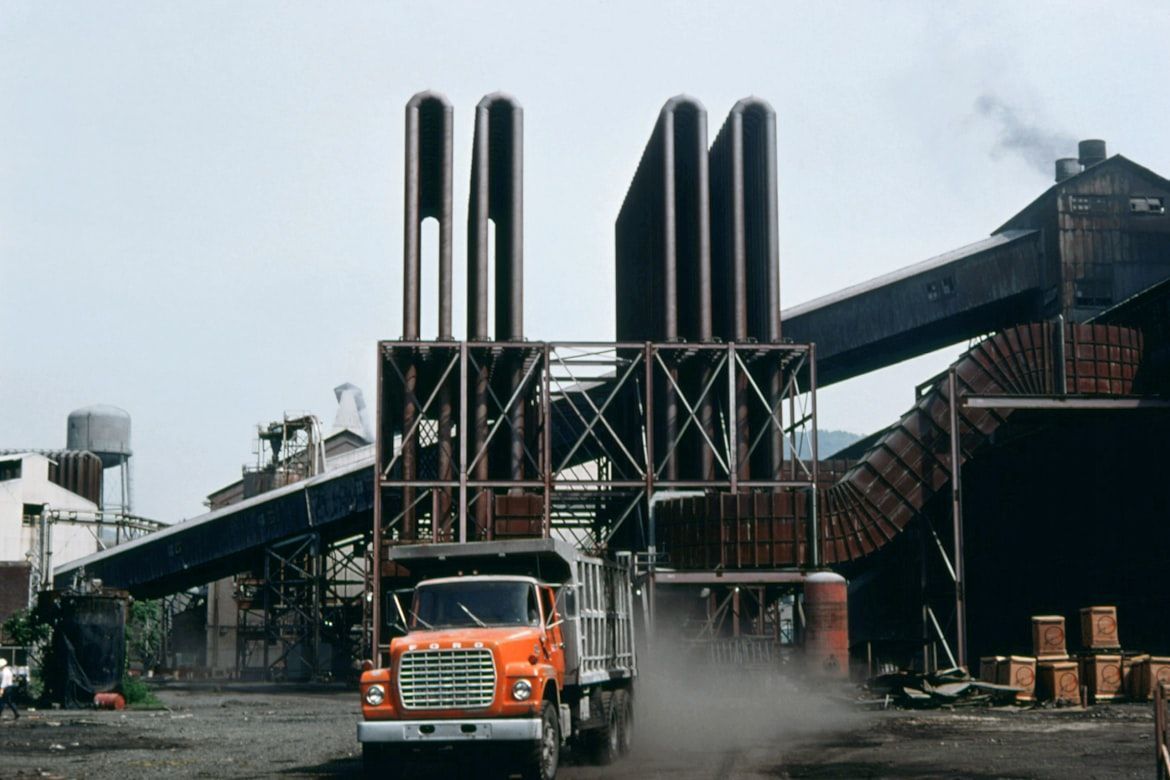
The eighth entry on this list hailing from Pennsylvania is an already abandoned mall. Century III Mall was built on a former slag dump and it operated from 1979 to 2019 - almost 40 years, which is not a bad number for a mall. It was the third-largest shopping mall in the world when it opened, but it has since been surpassed by much larger malls.

Following a similar route to the ones we have seen before, its occupancy rate fell from 40 percent in January 2016 to 10 percent by December 2017. Demolition of the mall began on March 26, 2024, starting with the attached external parking garage structure, but it will take a year until the entire structure is gone.

9
Gwinnett Place Mall, Georgia

Image: Casey Lovegrove

Stranger Things fans might recognize this building as the "Starcourt Mall" featured in the third season of the series. Once the leading mall in the region, Gwinnett Place Mall is now largely vacant.

It was challenged by the openings of the Mall of Georgia in 1999 and Sugarloaf Mills in 2001 and lost a large part of its customer base. It also failed to attract any new anchor stores for several years. In 2008, Gwinnett Technical College opened an International Education Center in the mall, where students take foreign language classes. Not much of a mall anymore.

10
Hawthorne Plaza Shopping Center, California

Image: David Valentine

Let us close the list with Hawthorne Plaza , an abandoned enclosed shopping mall with 134 stores that opened in February 1977. It included an indoor mall with three anchor stores and freestanding stores. Despite its initial popularity, the mall went into decline in the 1980s and 1990s.

The number of occupied stores declined from 130 in the late 1980s to around 70 in 1998. The mall's final anchor, JCPenney, closed in 1998 and the mall itself closed in 1999. The southern section of the mall across from the parking structure was demolished in 1998 and rebuilt as a strip mall. It currently includes a supermarket, a pharmacy, and some small restaurants.

Culture Culture 4 min read

American icons by choice

Wait... they're not originally American? 10 famous figures born abroad!

Image: Spencer Davis

They came once and decided to stay to make a difference. From scientists and artists to politicians and businesspeople, many famous figures in American history were actually born in another country before moving here. Take Levi Strauss, the man behind blue jeans; he was actually born in Germany! Join us as we look at 10 iconic faces who weren't born in the US but went on to become American icons.

1
Levi Strauss

Image: Eric Prouzet

Although his name will forever be associated with American business pioneers, Levi Strauss was not born in the United States. That's right! The inventor of the iconic blue jeans was born in Bavaria, Germany, in 1829. In 1847, he came to America along with his siblings in search of new opportunities, settling in New York. Eventually, he moved to San Francisco, where his famous company would be founded.

2
Irving Berlin

Image: Sandra Grünewald

While he can be considered one of the most American of Americans, Irving Berlin was actually born in Russia. That's right; the legendary composer and lyricist was born in 1888 in what was then the Russian Empire, and his family immigrated to the US when he was just a child. How lucky for us! Can you imagine life without classics like "White Christmas," "God Bless America," and "There's No Business Like Show Business"? Neither can we!

3
Alexander Graham Bell

Image: Carlos Eduardo

Although he became a naturalized US citizen in 1882, Alexander Graham Bell was born in 1847 in Edinburgh, Scotland. He arrived in the United States in 1871, where he worked as a teacher and researcher. It was in America, in 1876, that he made his most famous invention: the telephone.

4
Elizabeth Taylor

Image: Color Crescent

Elizabeth Taylor, our Cleopatra, wasn't born in the United States. As you probably know, she saw the world for the first time in England in 1932 and moved to America in 1939, just before World War II started. But here's an important detail: Her parents were American! So, she was a US citizen from birth; she just happened to be born overseas.

5
Alfred Hitchcock

Image: Usha Kiran

Yes, Alfred Hitchcock was born in England, but we probably wouldn't have had the pleasure of enjoying cinema classics like Rear Window (1954), Vertigo (1958), Psycho (1960), and The Birds (1963) if he hadn't come to live and work in America. Although he was already a successful director in his home country, Hitchcock decided to come to the United States in 1939, drawn by the promise of Hollywood's growing film industry.

6
Audrey Hepburn

Image: Paige Johnson

Although she became an American citizen in the 1950s and won our hearts on the big screen, the legendary Audrey Hepburn was actually born in 1929 in Brussels, Belgium. In 1945, she settled in England, where she began taking ballet classes and started landing modeling and acting roles. Finally, in 1951, she came to America to star in the Broadway production of Gigi .

7
Isaac Asimov

Image: Phillip Glickman

Science fiction as we know it wouldn't be the same without the incredible work of Isaac Asimov. However, we may never have had the opportunity to enjoy his brilliant writing if his family hadn't immigrated to America. Asimov was born in 1920 in Petrovichi, Russia. His parents decided to move in 1923, just a year after the Soviet Union was established. At only 3 years old, he arrived in the US, and by the age of 8, he was a full American citizen.

8
Charles Chaplin

Image: Mimi Di Cianni

The unforgettable Charlie Chaplin was born in London in 1889. Before he turned 20, he arrived in the US as a young performer with a vaudeville company. Here, he found fame and became a global icon of silent film. Surprisingly, even after living and working here for over 40 years, he never officially became an American citizen, but Americans embraced him wholeheartedly all the same.

9
Albert Einstein

Image: WikiImages

Albert Einstein, one of the most famous scientists in the world, was born in Germany. And he chose to be American! He was born in Ulm, Germany, on March 14, 1879, and later became a US citizen in 1940.

His first trip to America was in 1921, when he came to New York as a renowned scientist. Then, in 1933, he returned for good and accepted a position at the Institute for Advanced Study in Princeton, New Jersey, where his former house still stands.

10
Joseph Pulitzer

Image: Jorien Loman

Joseph Pulitzer revolutionized the press in America and around the world, but before becoming a renowned US citizen, he lived in Hungary, the place where he was born in 1847. At the age of 17, he left Europe in search of greater opportunities and arrived in the US in 1864. Here, he went on to become a pioneering journalist and newspaper publisher, even giving his name to the prestigious awards honoring excellence in journalism and the arts.

Explore more American facts

Choose your favorite category!

General
General

As American as apple pie—the very best America has to offer!

Culture
Culture

Delve into the astounding richness of American lore.

Geography
Geography

Hop in and explore vast and diverse American landscapes.

History
History

Discover the key moments that shaped the United States.