Go Cowboys!
America's emptiest state is full of surprises: 12 amazing Wyoming facts
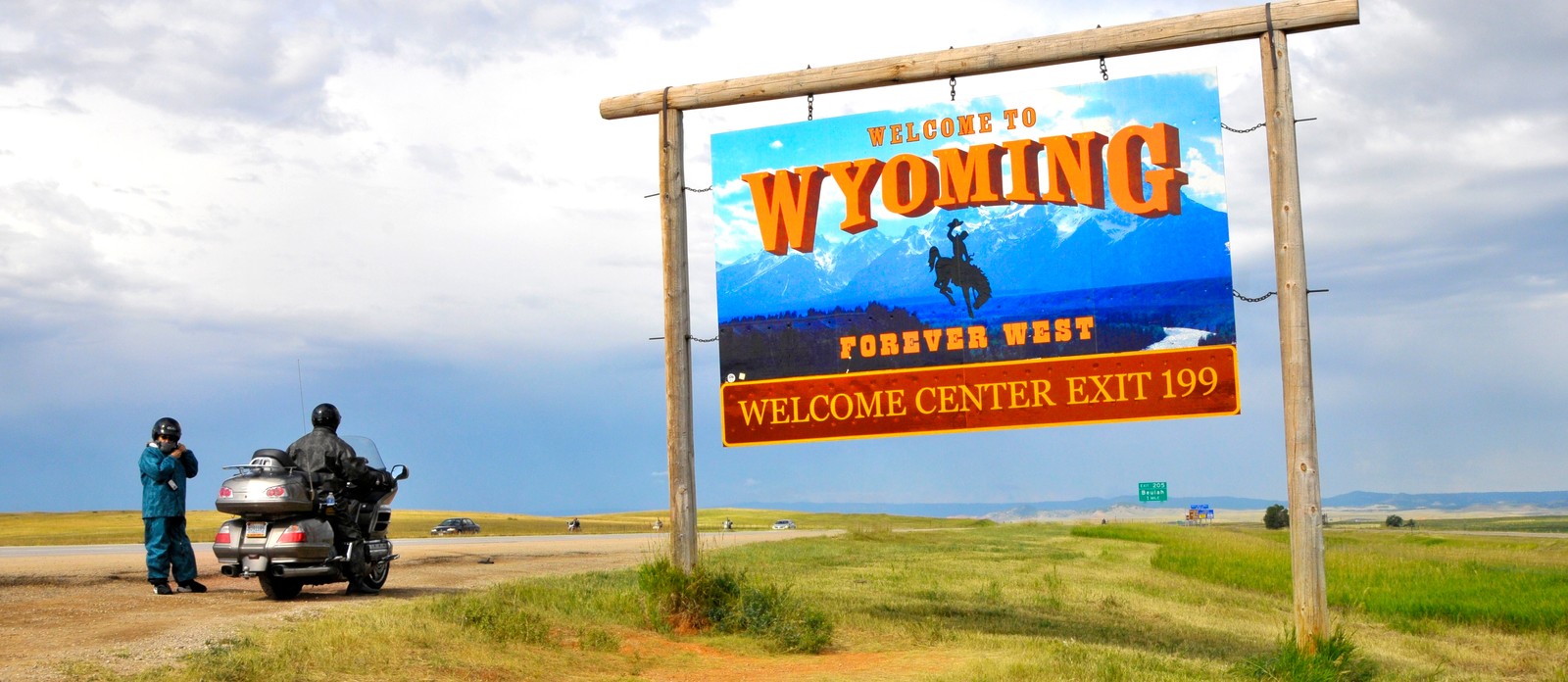
Image: Dennis MacDonald
On a map, Wyoming appears as a big rectangle filled with mountains, ranches, and wide-open country. Look closer, though, and it´s much more. In fact, it´s a place of remarkable firsts. Women voted there decades before the 19th Amendment, America's first female governor took office there, and the country's first national monument rises from its plains. Take a look at 12 facts that make Wyoming far more surprising than its tidy outline suggests.
1
Not quite rectangular
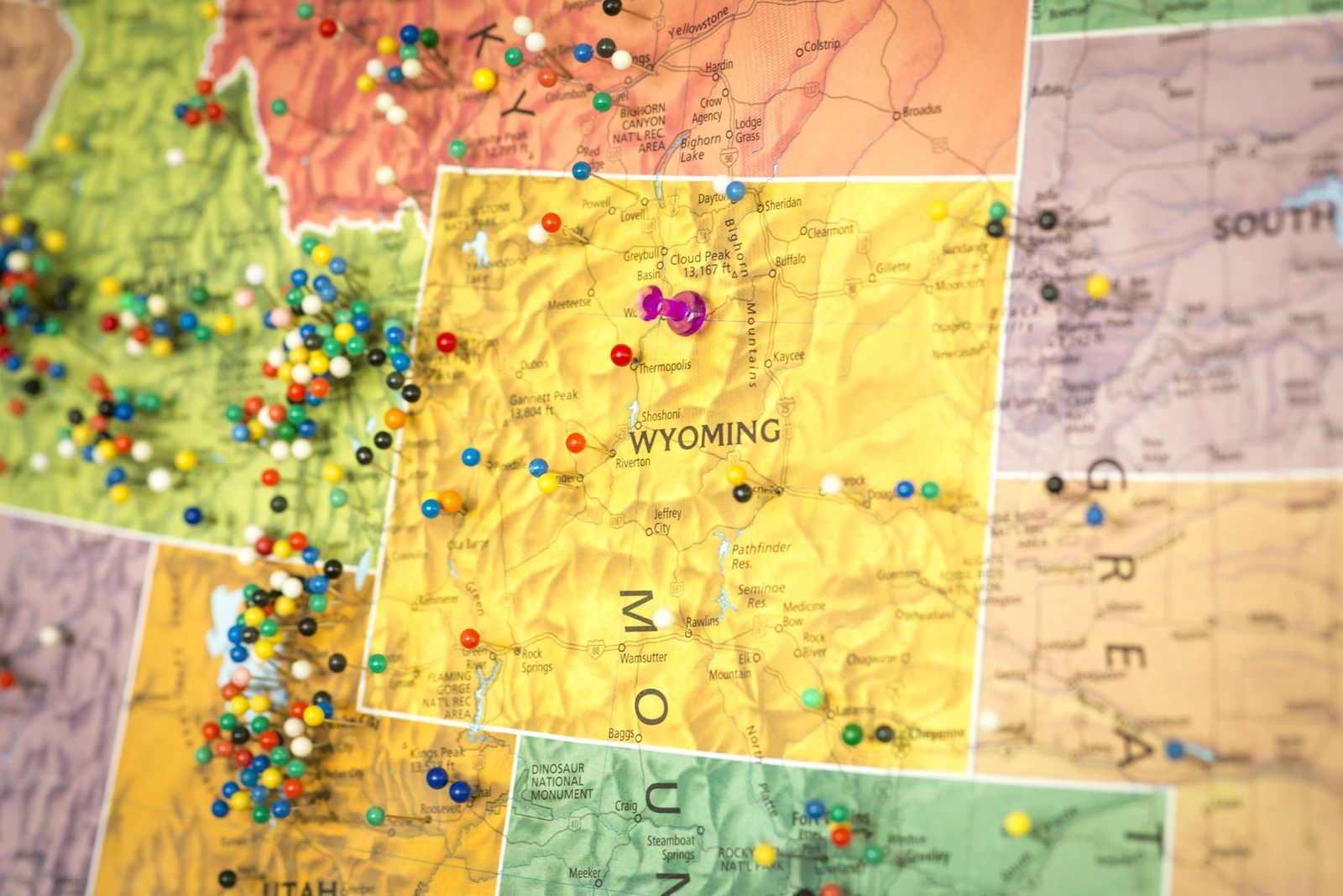
Wyoming looks almost perfectly rectangular because its boundaries were defined largely by lines of latitude and longitude. But 19th-century surveyors had to locate those invisible lines across enormous stretches of land using the instruments and astronomical observations available then. The results weren't flawless.
One particularly visible imperfection appears near Wyoming's northeastern corner, where surveys approaching a boundary from different directions didn't quite agree. The result is a deviation of roughly seven-tenths of a mile along the Montana border . Wyoming may be America's poster child for straight state lines, but even its famous rectangle has a wrinkle.
2
Women voted long before the 19th Amendment
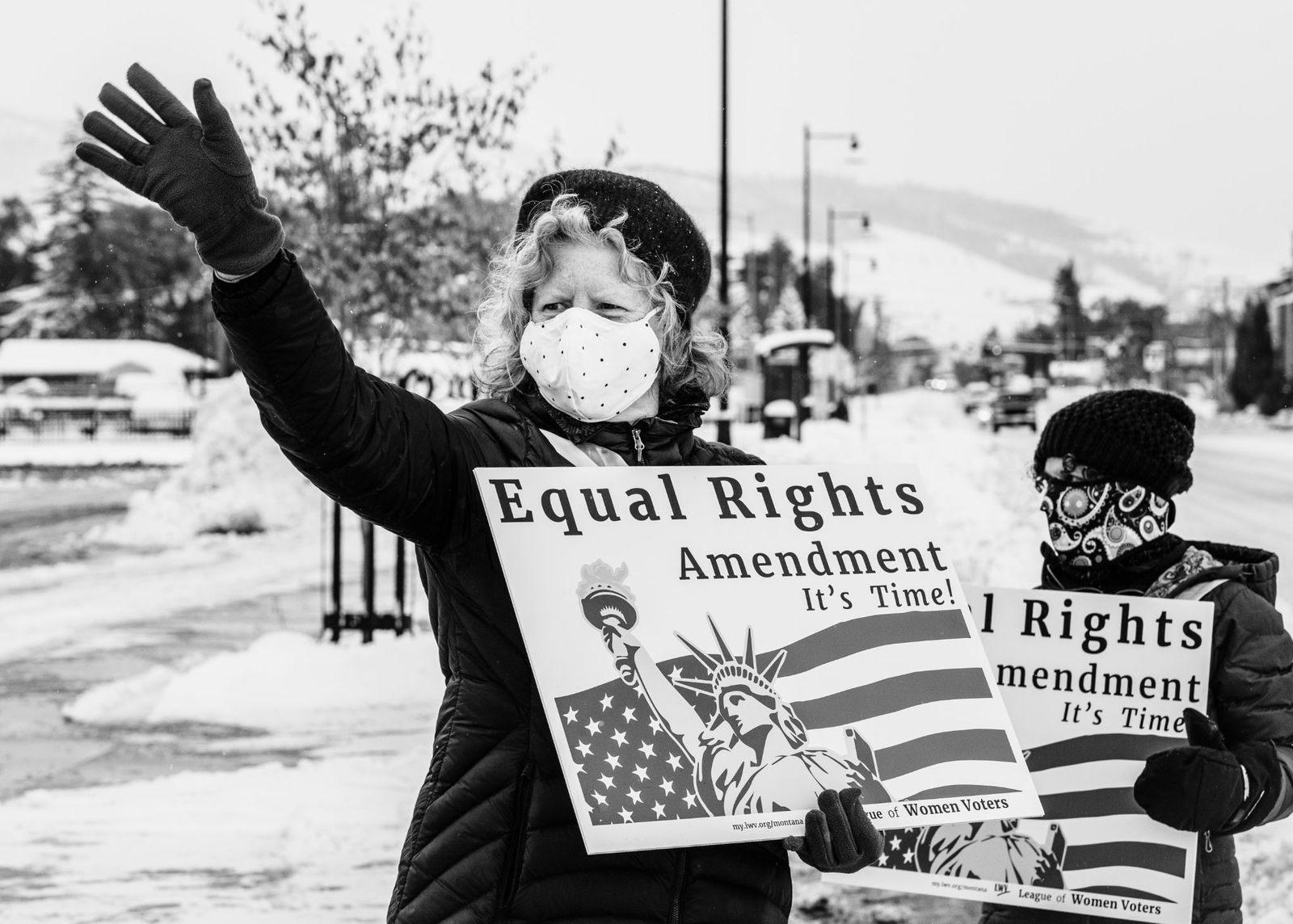
On December 10, 1869, territorial governor John A. Campbell signed a law granting Wyoming women the right to vote — making the state the very first in the nation to do so. Remarkably, this was more than 50 years before the 19th Amendment extended voting rights nationwide, and 24 years before the next state to grant such rights, which was Colorado, in 1893 . The following year, women began serving on juries, and Louisa Swain famously cast a general-election ballot in Laramie.
The motives weren't entirely straightforward. Historians have pointed to genuine support for equality, partisan maneuvering, publicity, and hopes that suffrage might attract more women to the sparsely populated territory.
3
First female governor
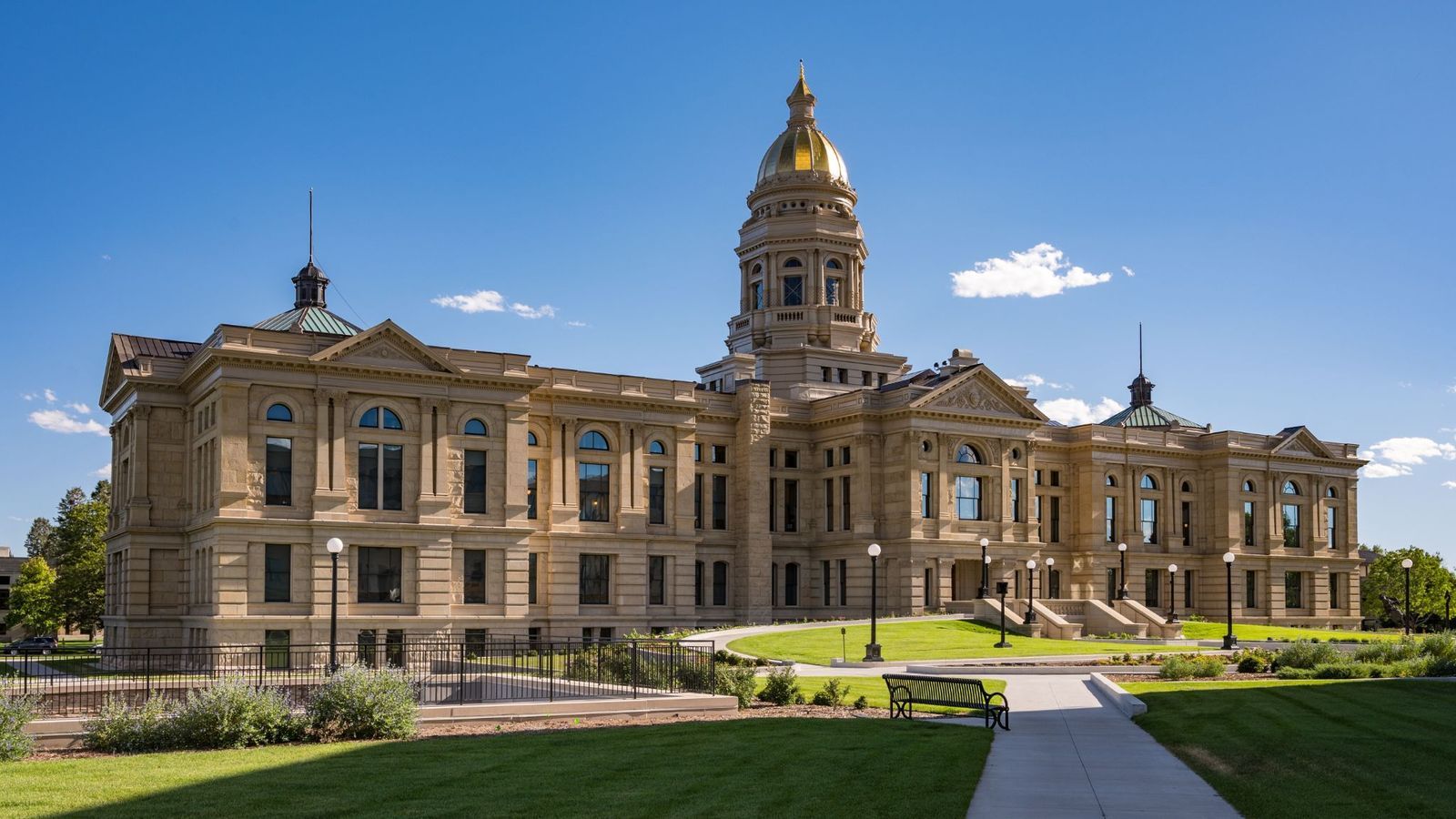
Wyoming added another milestone in 1925. Nellie Tayloe Ross entered politics after her husband, Governor William B. Ross, died while in office in 1924. Democrats persuaded his widow to run in the special election to finish his term, and Wyoming voters put her in the governor's office.
Ross took the oath on January 5, 1925, becoming the first woman to serve as governor of an American state . Texas elected Miriam "Ma" Ferguson in the same election, but she took office 15 days later. Ross later made more history when President Franklin D. Roosevelt appointed her director of the U.S. Mint in 1933.
4
Yellowstone
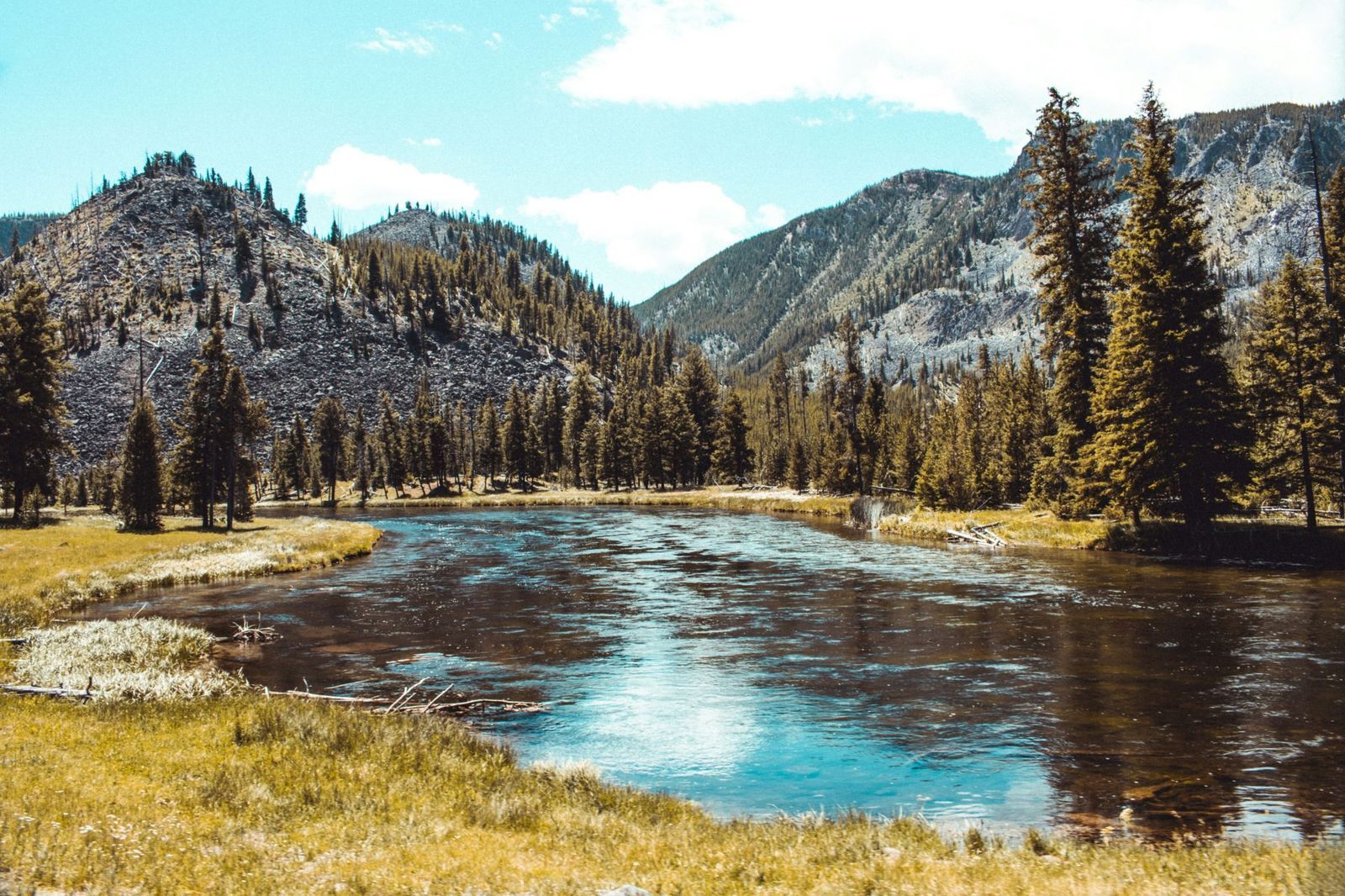
Yellowstone became America's first national park in 1872 , but it isn't entirely inside Wyoming. The park crosses three state lines: roughly 96% lies in Wyoming, with about 3% in Montana and 1% in Idaho. At around 3,472 square miles, Yellowstone is larger than Rhode Island and Delaware combined.
The Wyoming portion contains many of the places that made Yellowstone famous, including enormous Yellowstone Lake and much of its extraordinary geothermal landscape. The park's highest point is also in Wyoming: Eagle Peak rises 11,358 feet along the southeastern boundary, overlooking a national park that is almost a state-sized world of its own.
5
Steamboat Geyser
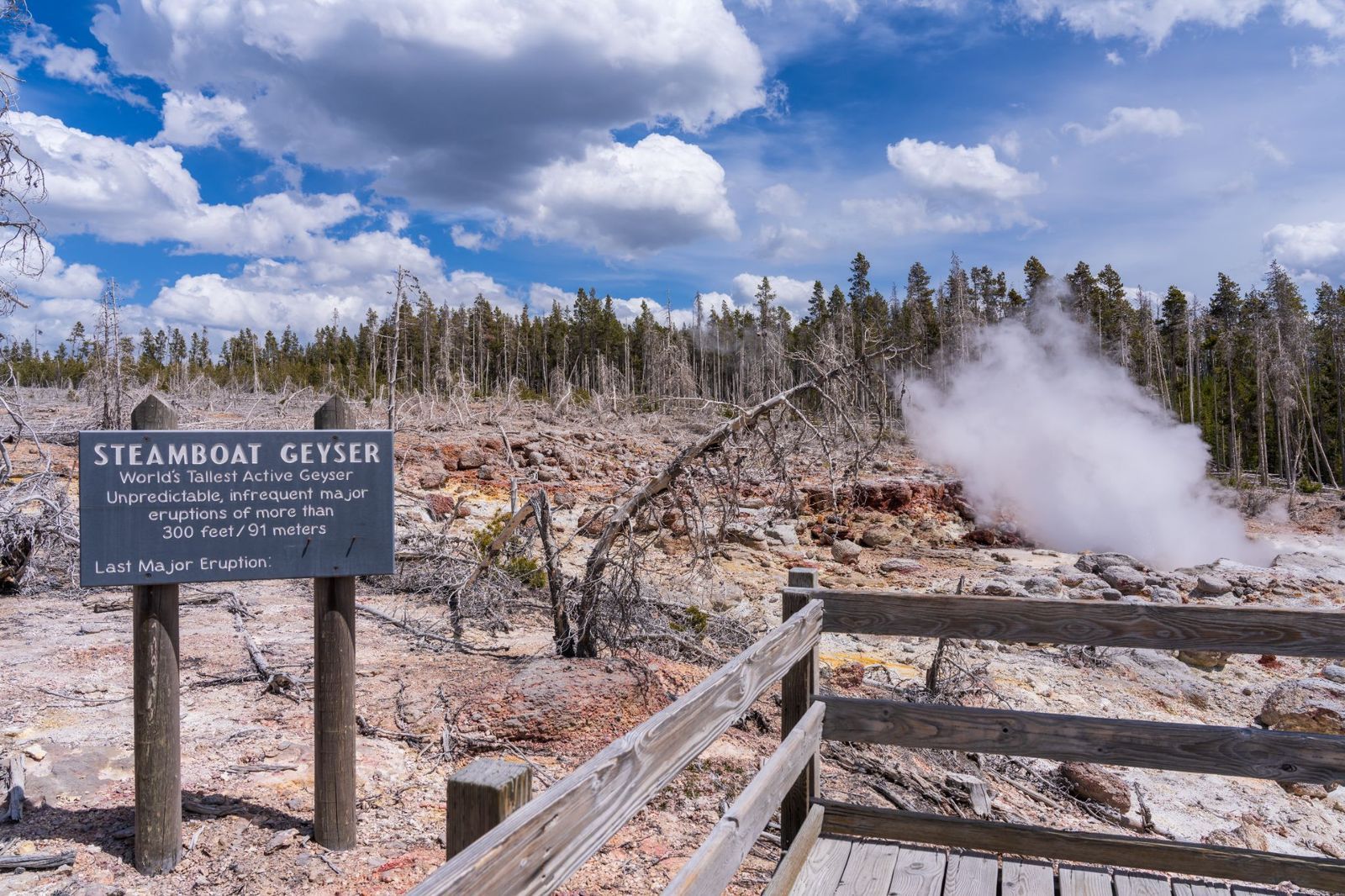
Old Faithful may have Yellowstone's most famous name, but another Wyoming geyser holds the bigger record. Steamboat Geyser, in Norris Geyser Basin, is the world's tallest active geyser . During a major eruption, i ts columns of water can soar more than 300 feet into the air .
There's a catch: unlike relatively predictable Old Faithful, Steamboat refuses to follow a convenient schedule. Days, months, or even years can separate major eruptions. Visitors lucky enough to witness one should also mind where they park: the National Park Service warns that Steamboat's mineral-rich spray can damage automobile paint and glass.
6
Fewest residents
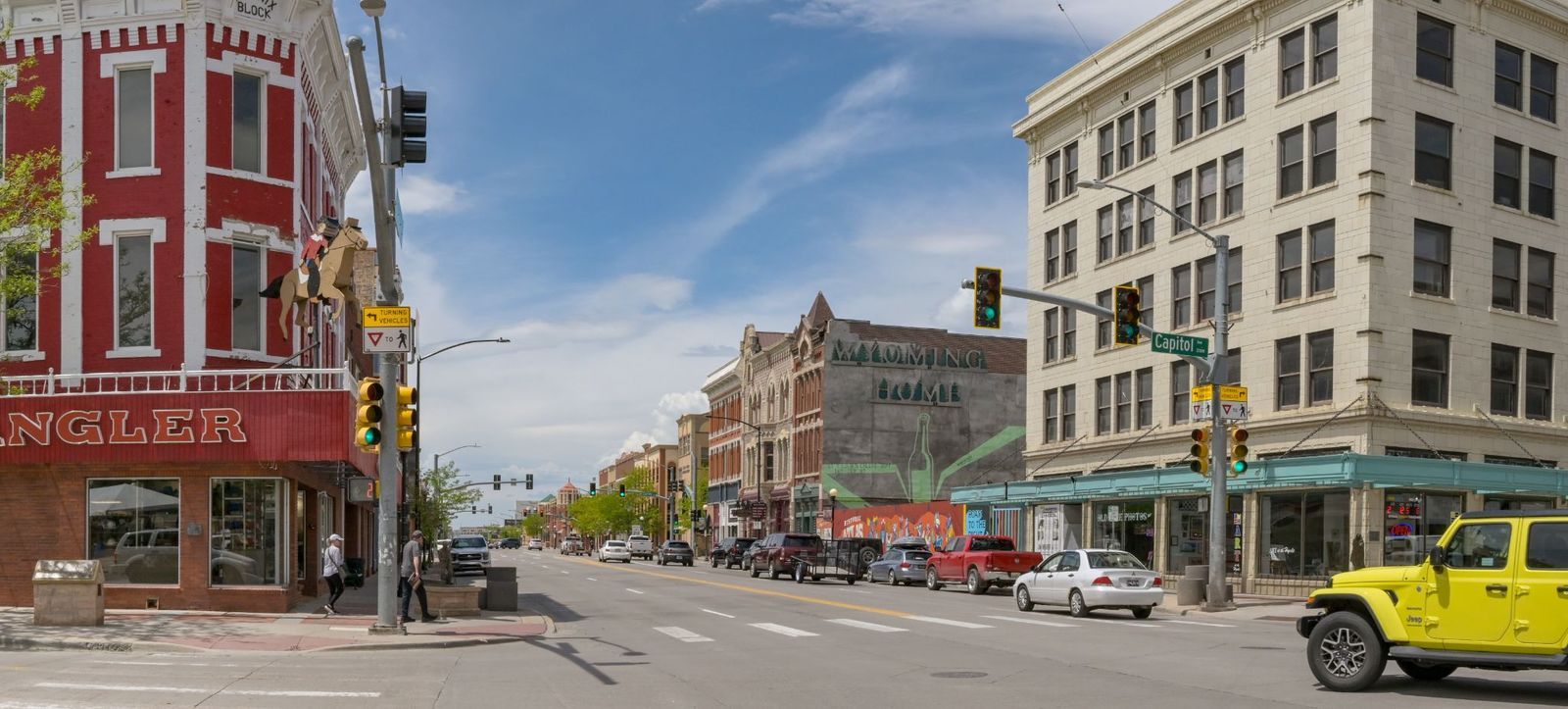
Wyoming has a lot of land and remarkably few people to fill it. The state covers nearly 98,000 square miles, making it America's 10th largest by area. Yet the Census Bureau estimated its 2025 population at only about 589,000, making it the smallest total population of any U.S. state .
That means many individual American cities — at least two dozen — have more residents than all of Wyoming. It also helps explain the state's reputation for enormous skies, distant towns, and open country. Alaska is even more sparsely populated when measured by people per square mile, but when it comes to total residents, Wyoming still comes in 50th.
7
Devil’s Tower
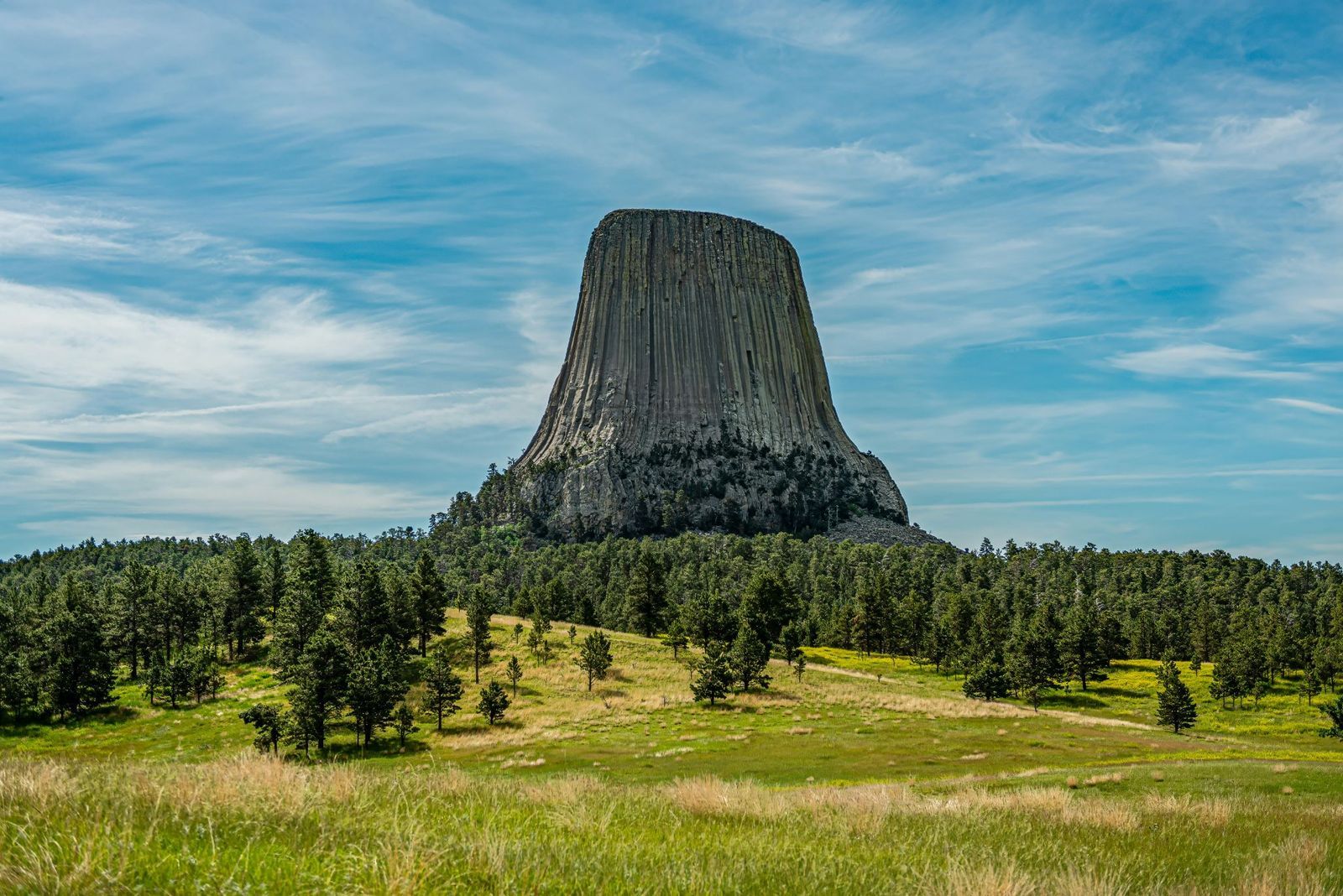
Rising dramatically from northeastern Wyoming, the igneous intrusion known as Devil’s Tower became the first national monument in the United States on September 24, 1906 . President Theodore Roosevelt protected it only months after signing the Antiquities Act, beginning a national-monument system that would eventually encompass remarkable places across the country.
The tower was attracting daredevils even earlier. In 1893, William Rogers and Willard Ripley constructed a wooden ladder up its side, and around 1,000 spectators reportedly gathered for a July 4 climb. Remnants of that ladder remain visible today. Moviegoers may also recognize the landmark from 1977's Close Encounters of the Third Kind .
8
Jackalope country
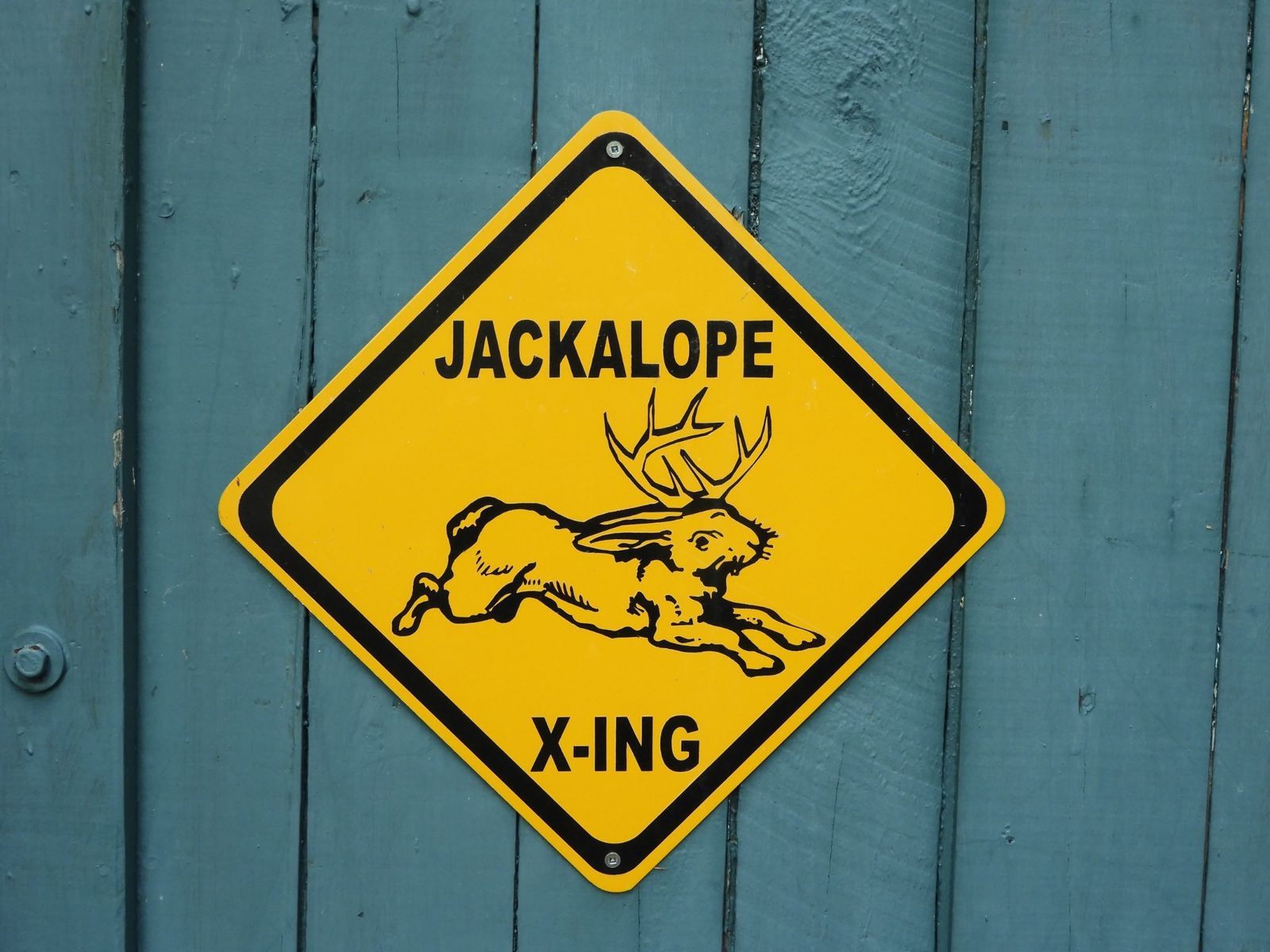
Douglas, Wyoming, became famous for an animal never actually found in the wild. In the 1930s, taxidermist brothers Douglas and Ralph Herrick helped popularize the jackalope by giving a dead jackrabbit deer antlers . One version of the story says inspiration struck when a rabbit carcass happened to lie beside antlers in their shop.
What began as taxidermy humor grew into civic identity. Douglas embraced the mythical creature with statues, souvenirs, Jackalope Days, and even novelty hunting licenses. The town has become so closely associated with antlered rabbits that in 2024 it formally designated the second Saturday in June as Jackalope Day, to capitalize on its pedigree as the origin of a now nationwide taxidermy joke.
9
Independence Rock
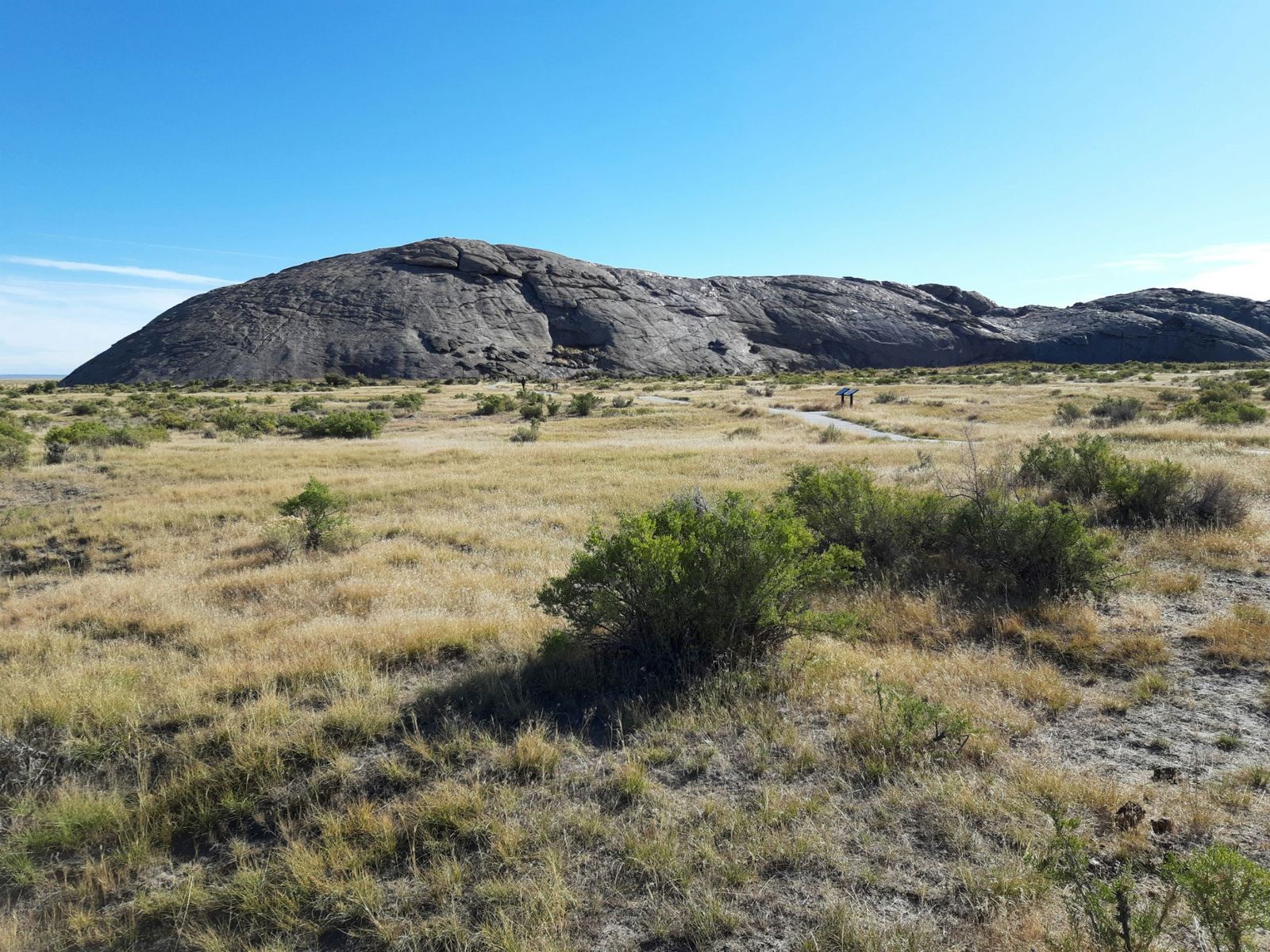
For thousands of emigrants traveling west on the Oregon, California, and Mormon Pioneer trails, Independence Rock was a welcome landmark. The enormous granite formation became a popular campsite, and something resembling a 19th-century message board as travelers painted or carved their names, dates, and messages onto its surface .
By 1849, traveler J. Goldsborough Bruff complained that so many names were already there that finding space for his own was difficult. Trail tradition held that emigrants reaching the rock by July 4 were making good enough time to cross the mountains before winter. Many of those travelers' inscriptions can still be seen today.
10
Coal country
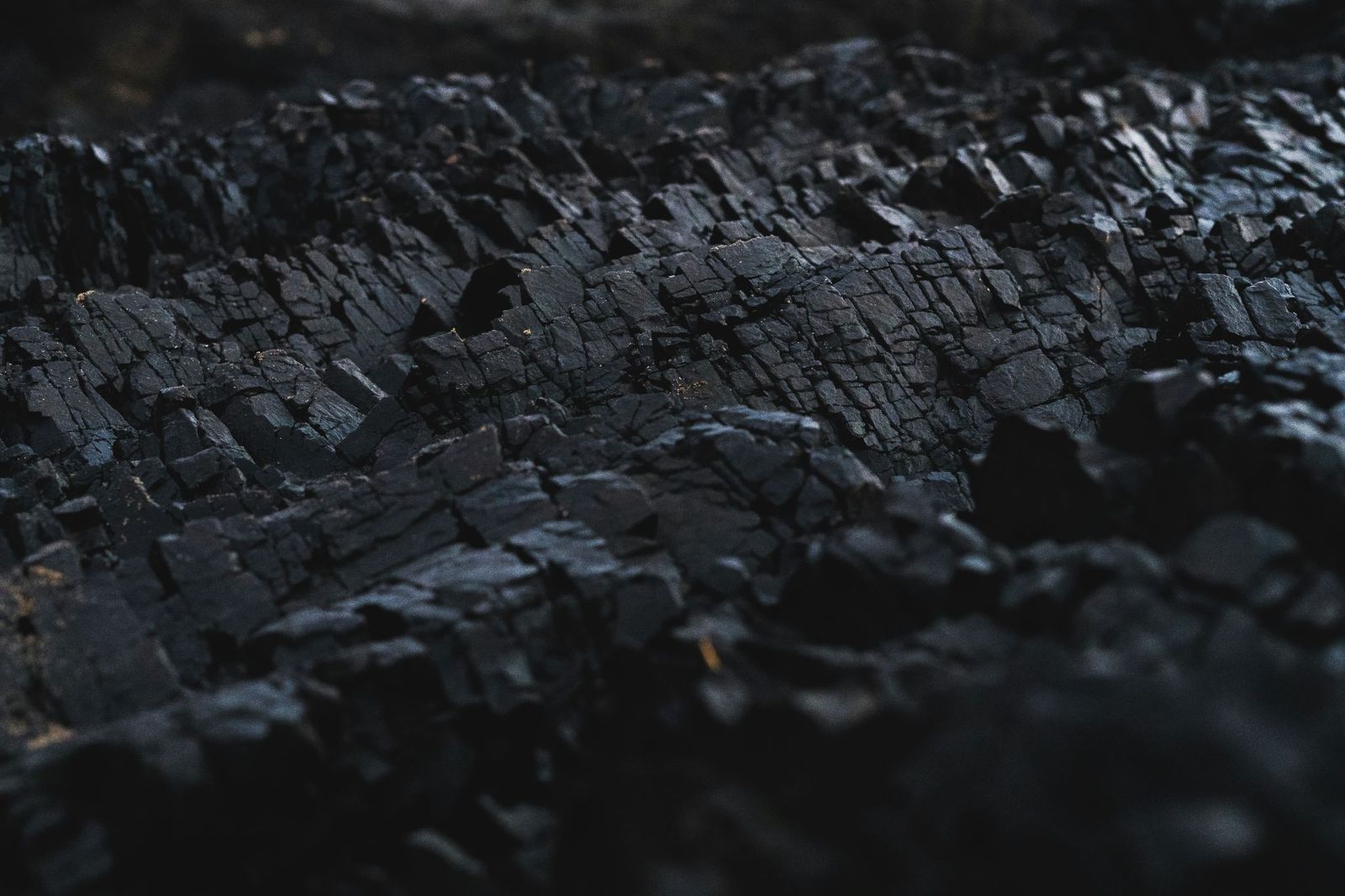
America's least populous state became its biggest coal producer. Wyoming has ranked No. 1 in U.S. coal production continuously since 1988 , thanks largely to the immense deposits of the Powder River Basin. Even as America's overall coal use has declined, the state's mines remain extraordinarily productive.
In 2025, Wyoming supplied roughly two-fifths of all coal mined in the country and held about one-third of the nation's coal reserves at producing mines. Some of America's largest coal operations are located there.
11
A borrowed name
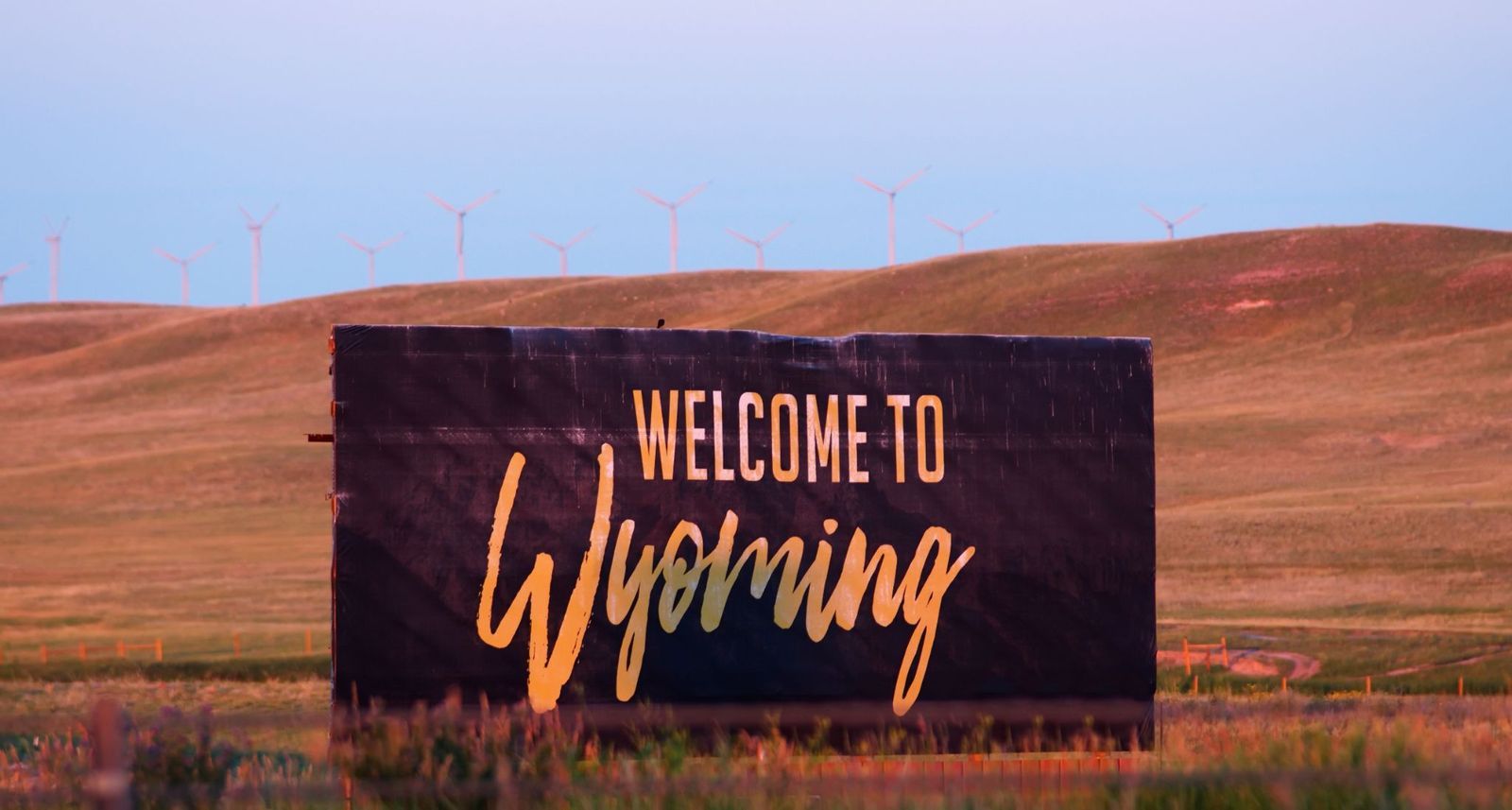
"Wyoming" may sound as Western as it gets, but the name traveled west before the state existed. It traces back to the Wyoming Valley of northeastern Pennsylvania and a Delaware or Lenape word generally interpreted along the lines of "at the big plains" or "large plains."
When Congress considered creating the western territory, other possibilities included Cheyenne, Shoshoni, Arapaho, Platte, Big Horn, Yellowstone, Sweetwater, and even Lincoln. Wyoming won. The name had already become familiar to Americans partly through Thomas Campbell's 1809 poem Gertrude of Wyoming , which was about Pennsylvania, not the future Western state.
12
Statehood ultimatum
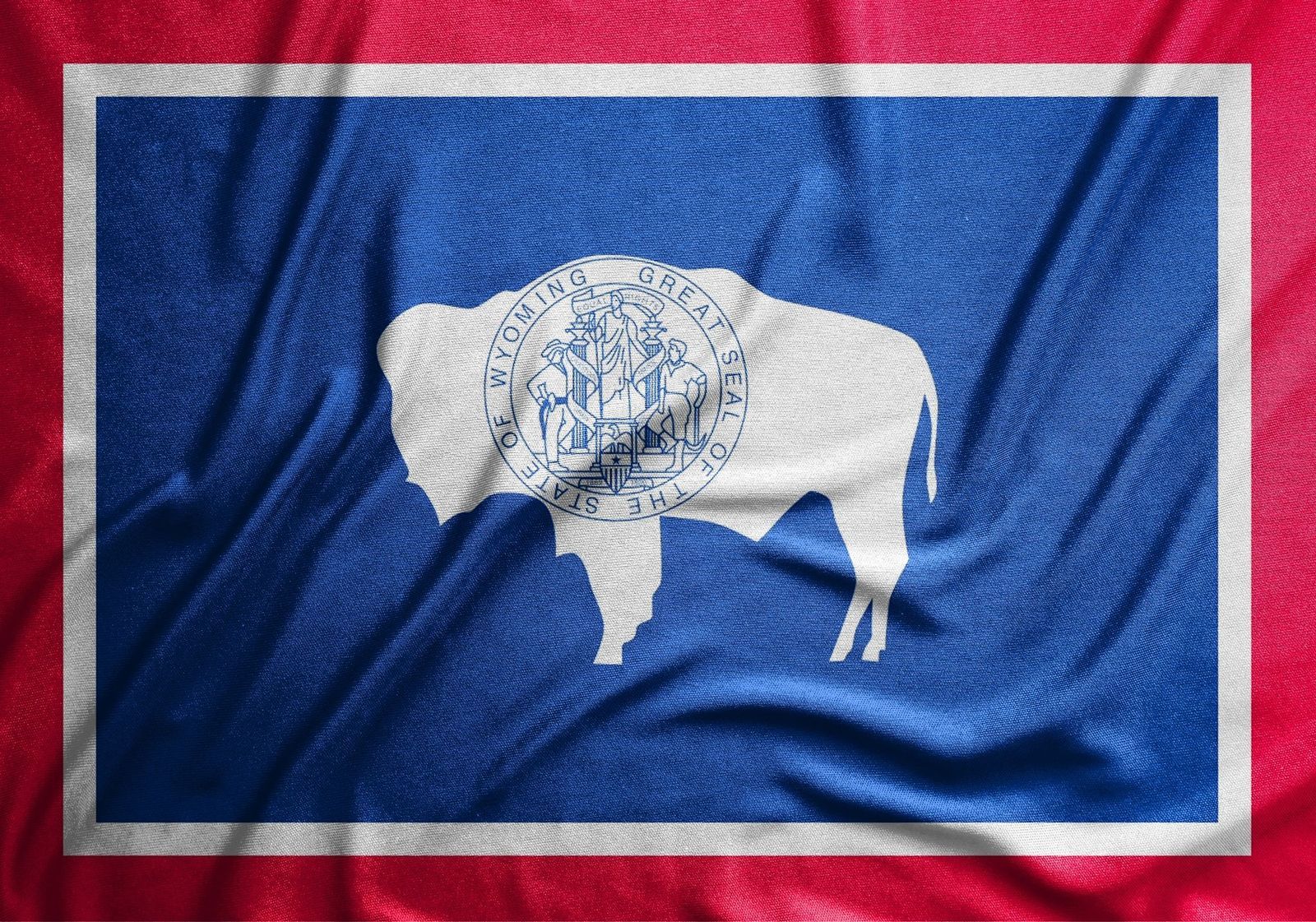
When Wyoming sought statehood in 1889–90, its pioneering support for women's suffrage became an obstacle. Some members of Congress opposed admitting a state where women could vote . Wyoming could have retreated from the principle it had established in 1869. Instead, its proposed constitution preserved women's voting rights .
A famous story claims Wyoming responded that it would remain outside the Union for 100 years rather than enter without its women, although the supposed telegram containing those exact words has never been found. What is certain is that Wyoming held firm. On July 10, 1890, it became the 44th state, with women's suffrage intact.