Where history shines
Why does this lighthouse attract 100,000 visitors a year?
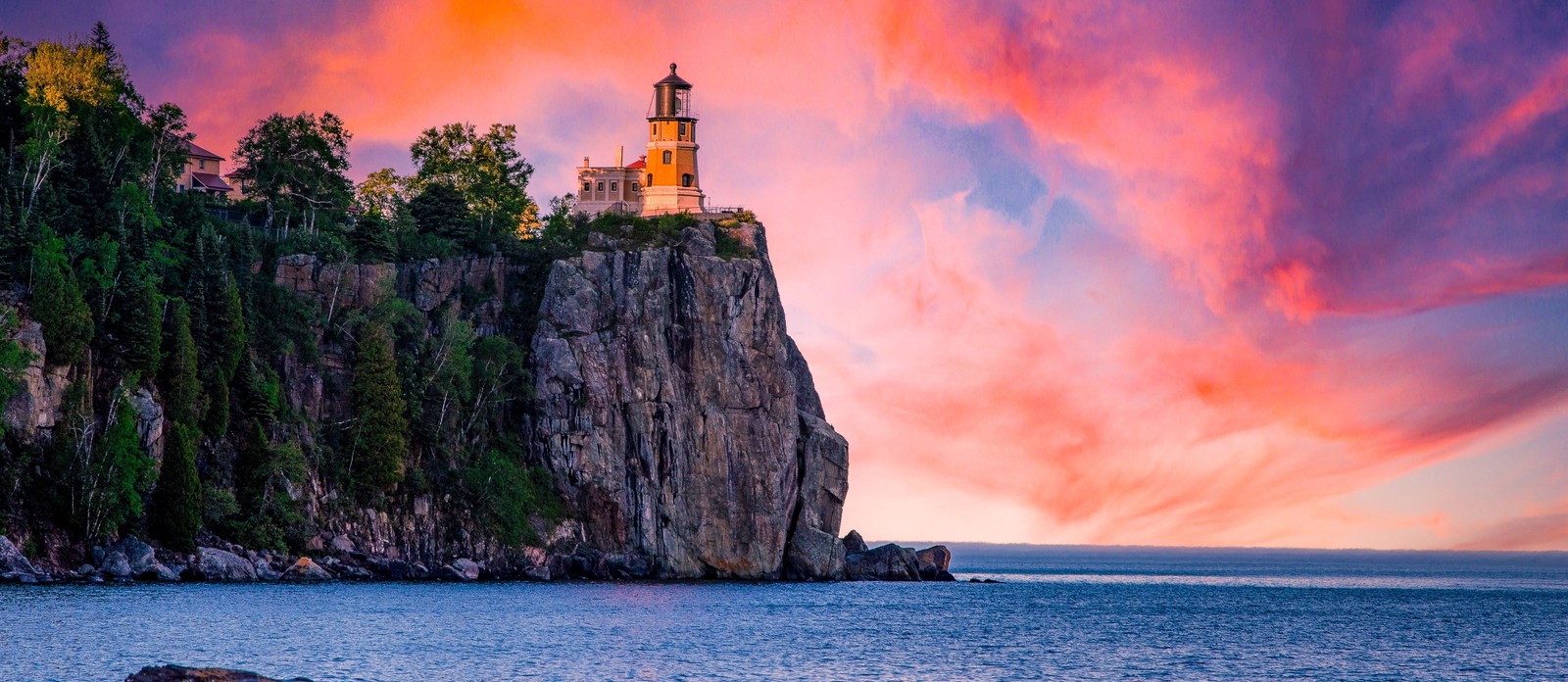
Image: Wirestock Creators
For centuries, lighthouses have stood watching over our coastlines, guiding ships through dangerous waters and witnessing endless stories along the way. From pirate treasure and legendary shipwrecks to ghostly encounters and Hollywood appearances, these beacons hold more history than meets the eye. Let’s take a look at 10 majestic lighthouses and the incredible stories behind their beams.
1
St. Augustine Lighthouse — St. Augustine, Florida
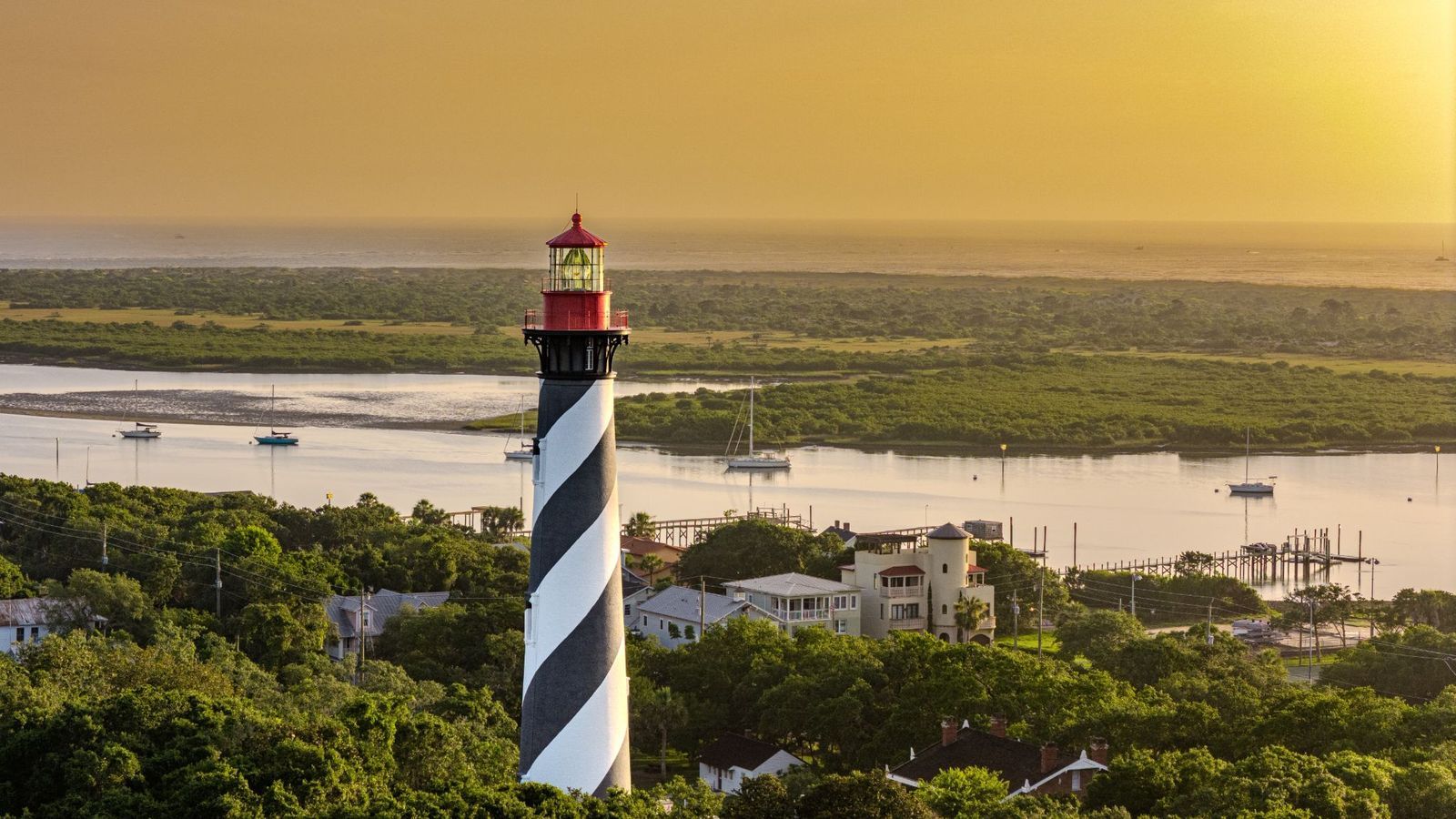
Located on Anastasia Island in Florida, overlooking Matanzas Bay and the Atlantic Ocean, this historic 165-foot beacon, completed in 1874, has a long history of reported paranormal activity .
Visitors and staff often report hearing children giggling and footsteps on the stairs, as well as seeing unexplained shadows and other apparitions. The lighthouse museum even offers ghost tours centered on these stories.
2
Montauk Point Lighthouse — Montauk, New York
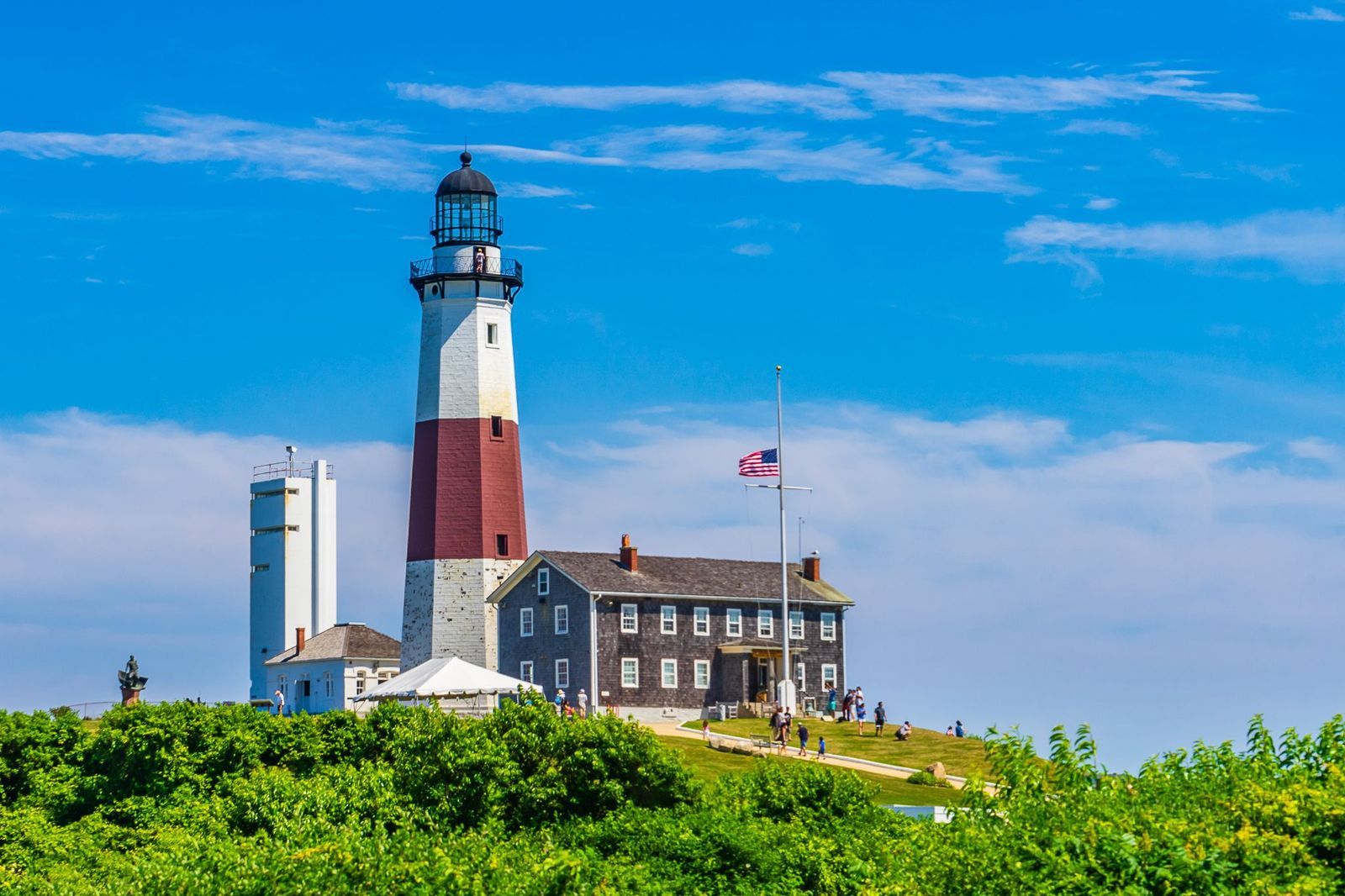
The Montauk Point Lighthouse was commissioned and authorized by President George Washington in 1792 , making it one of the oldest lighthouses in the nation.
Long before it was built, the waters and cliffs of Montauk were a haven for pirates. Local lore says that the infamous privateer Captain William Kidd buried a massive chest of treasure in the nearby dunes of Money Pond in 1699, just before his capture. The legend has helped keep the idea of buried pirate treasure alive for generations, including interactive pirate treasure shows that invite families and visitors to help solve storylines like "The Curse of Abigail the Ghost of the Lighthouse" while hunting for hidden pirate loot.
3
Eastern Point Lighthouse — Gloucester, Massachusetts
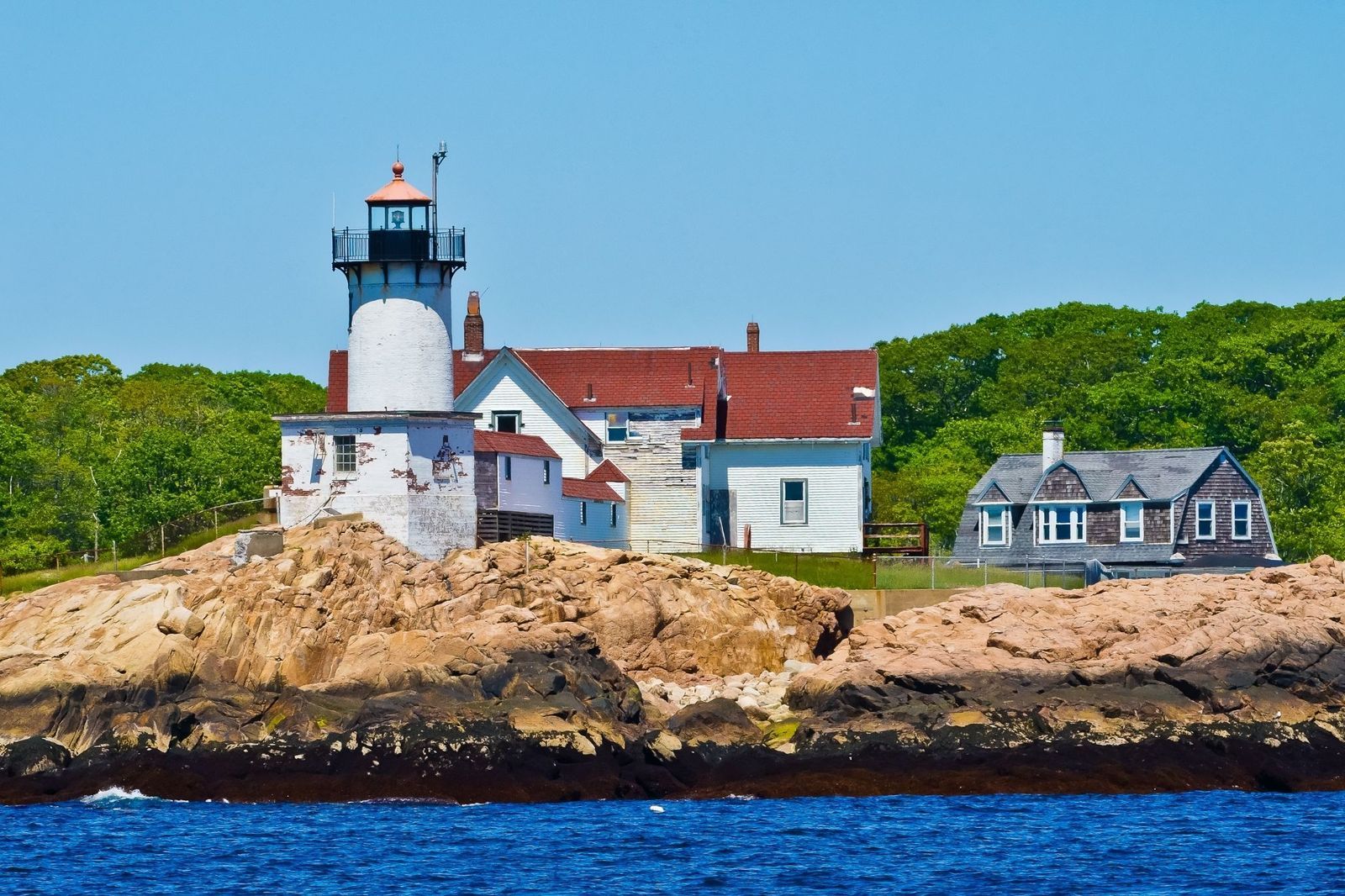
If you want to visit the haunting coastal beacon featured in the film The Perfect Storm , look no further. Strolling down the rocky eastern tip of Gloucester Harbor in Massachusetts, you’ll come across Eastern Point Lighthouse, which has been guiding mariners since its original construction in 1832.
Renowned American landscape painter Winslow Homer spent time at Eastern Point and painted the surrounding coastline, highlighting its strong connections to American art and maritime history.
4
Heceta Head Lighthouse — Florence, Oregon
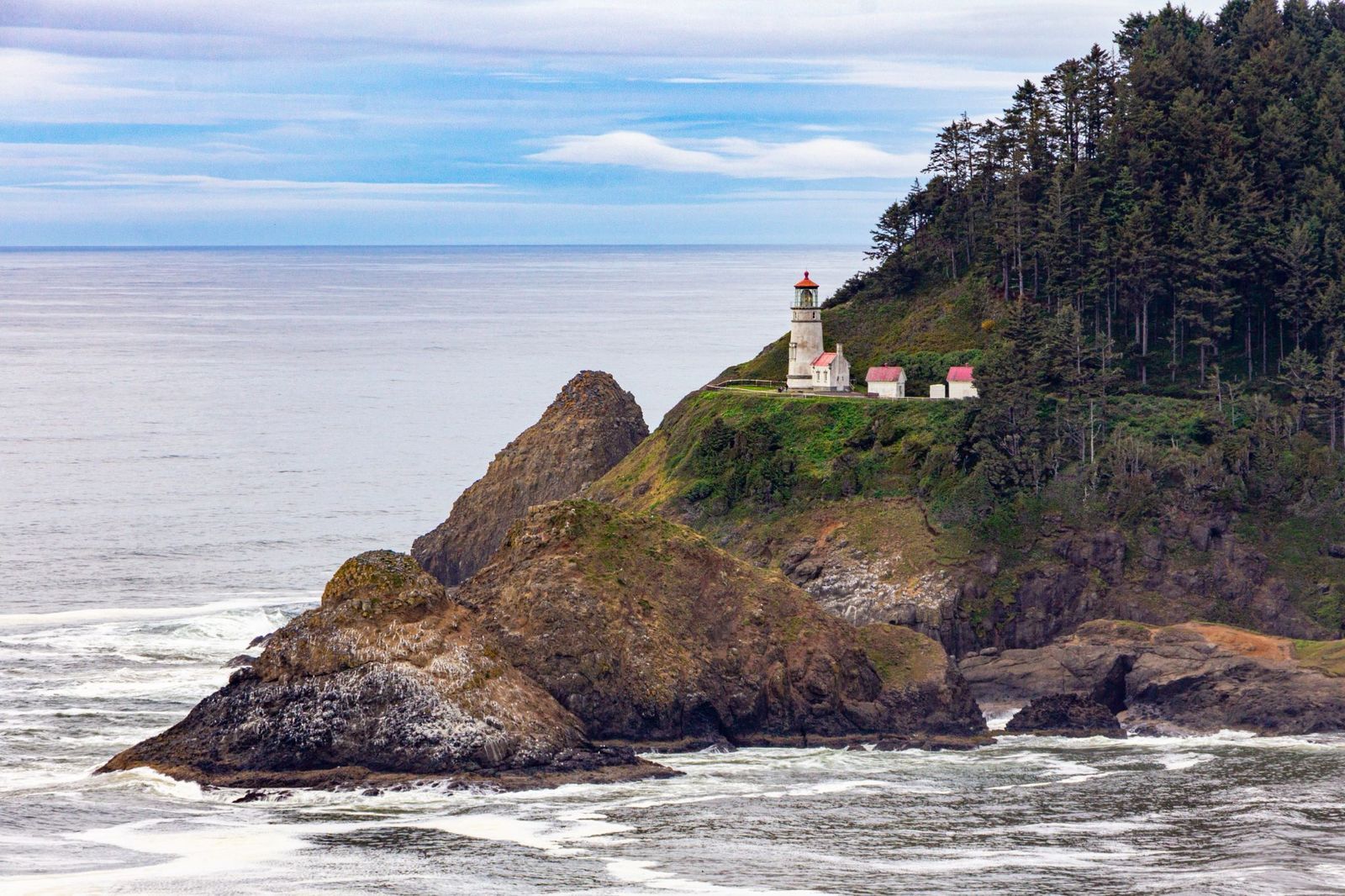
Do you believe in ghosts? The Heceta Head Lighthouse, which stands on a dramatic headland above the Pacific Ocean near Florence, Oregon, is in famous for its "friendly" ghost resident, "Rue," tied to a tragic loss that happened close by.
Named after Spanish Basque explorer Don Bruno de Heceta, who charted the Pacific Northwest waters in 1775, it features a rare first-order rotating Fresnel lens, made by Chance Brothers in Birmingham, England, which once produced one of the most powerful lighthouse beams on the Oregon Coast.
5
Pigeon Point Lighthouse — Pescadero, California
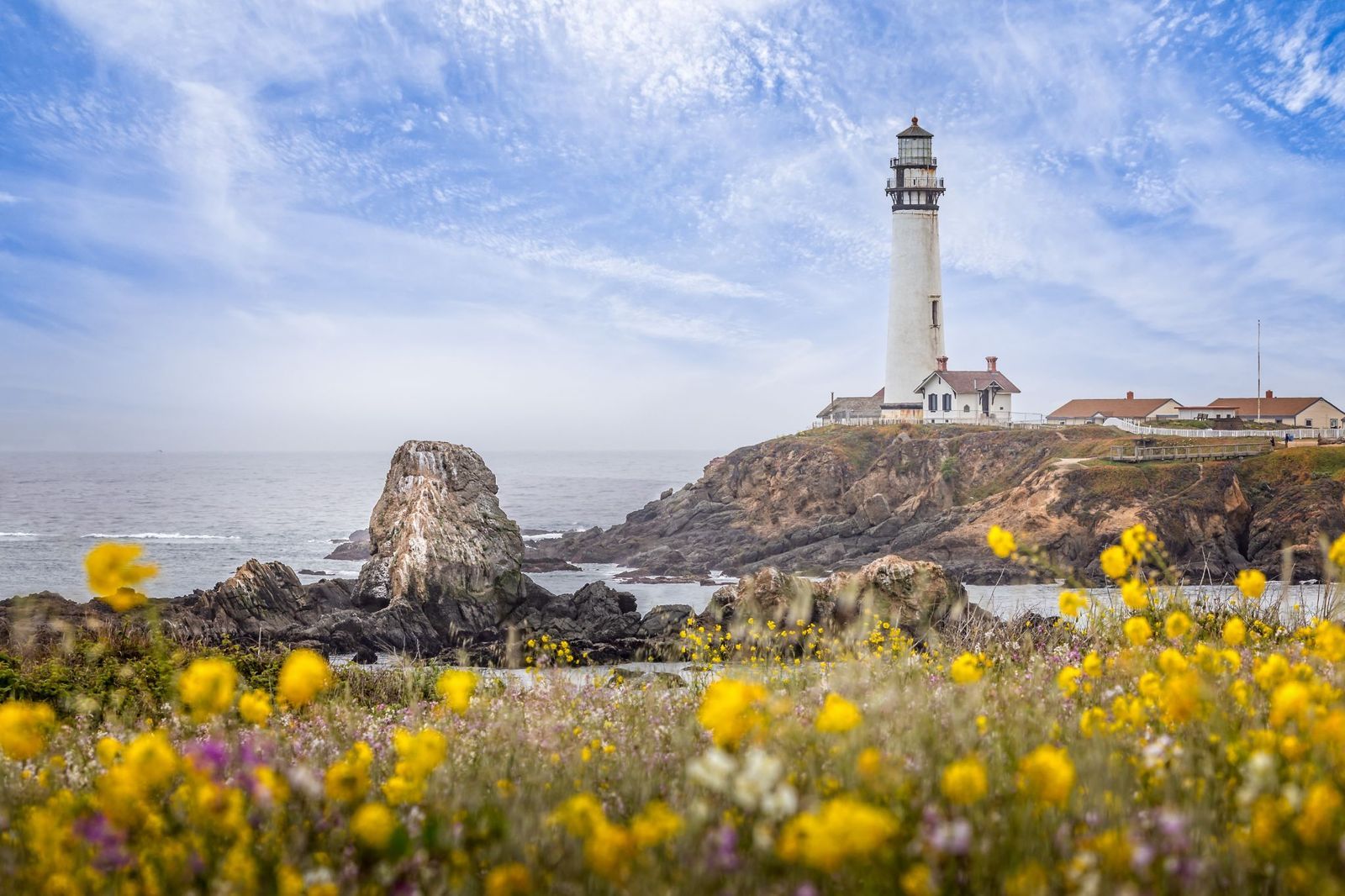
The dramatic coastal setting and towering white structure of the Pigeon Point Lighthouse in Pescadero, California, served as a filming location for several Hollywood productions, including the 1992 thriller Final Analysis starring Richard Gere and Kim Basinger .
Alongside its dramatic Pacific cliffs, one of the tallest lighthouses on the West Coast is connected to many historic shipwrecks. In fact, the point earned its name from the clipper ship Carrier Pigeon , which tragically ran aground 500 feet offshore in 1853, after being caught in heavy fog during the Gold Rush era.
6
Point Bonita Lighthouse — Sausalito, California
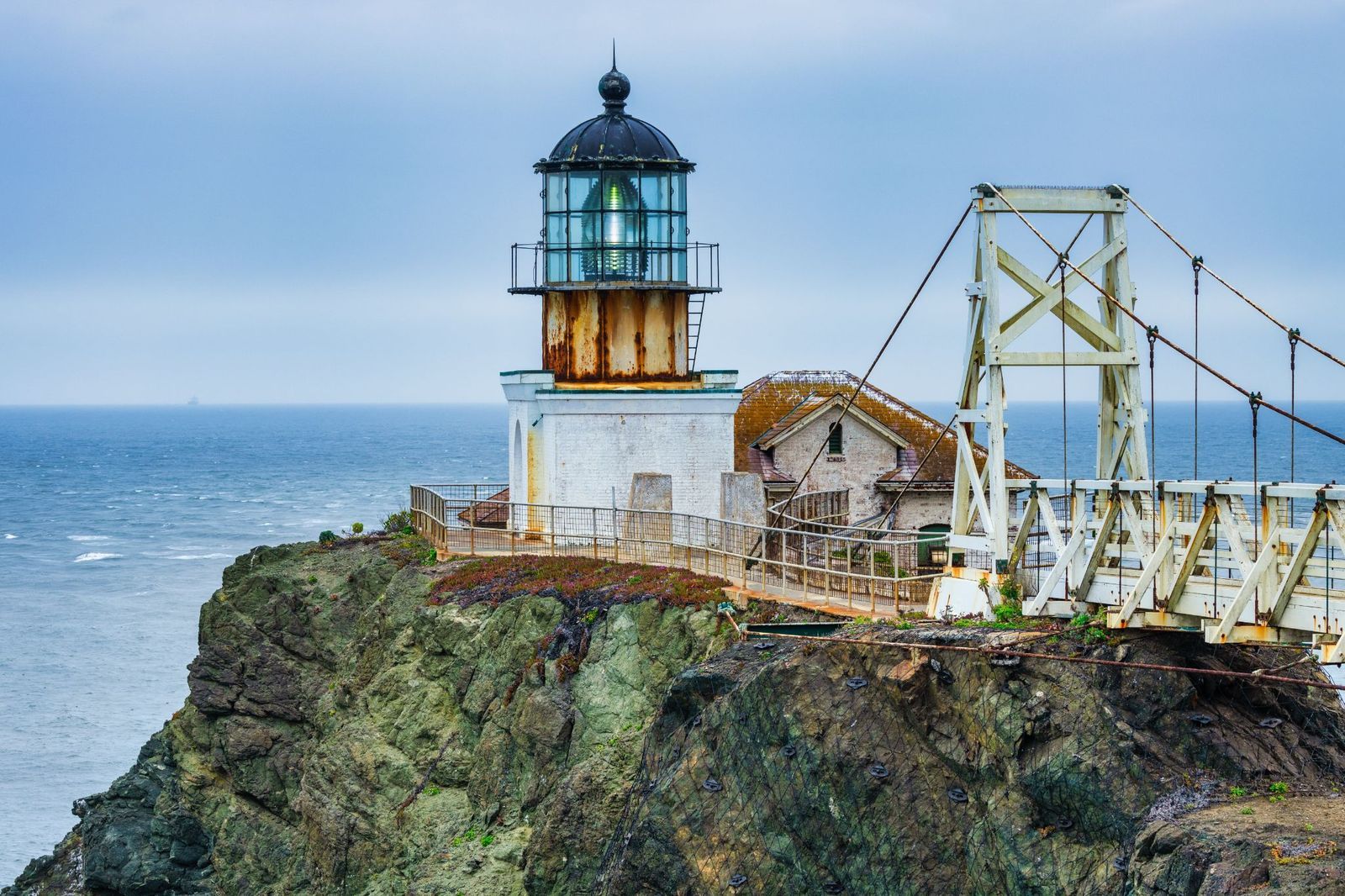
Point Bonita Lighthouse is a wild, cliff-clinging sentinel located at the northern entrance of the San Francisco Bay in the Marin Headlands. This is the only lighthouse in the United States approached by a suspension bridge , giving it an almost fairy-tale-like quality. Visitors reach the bridge through a short tunnel.
Originally, keepers walked across a natural rock land bridge to reach the islet. However, a massive landslide in the 1940s destroyed the natural connection. A wooden walkway followed, and the suspension bridge we know today was later built in 1954.
7
Whitefish Point Lighthouse — Paradise, Michigan
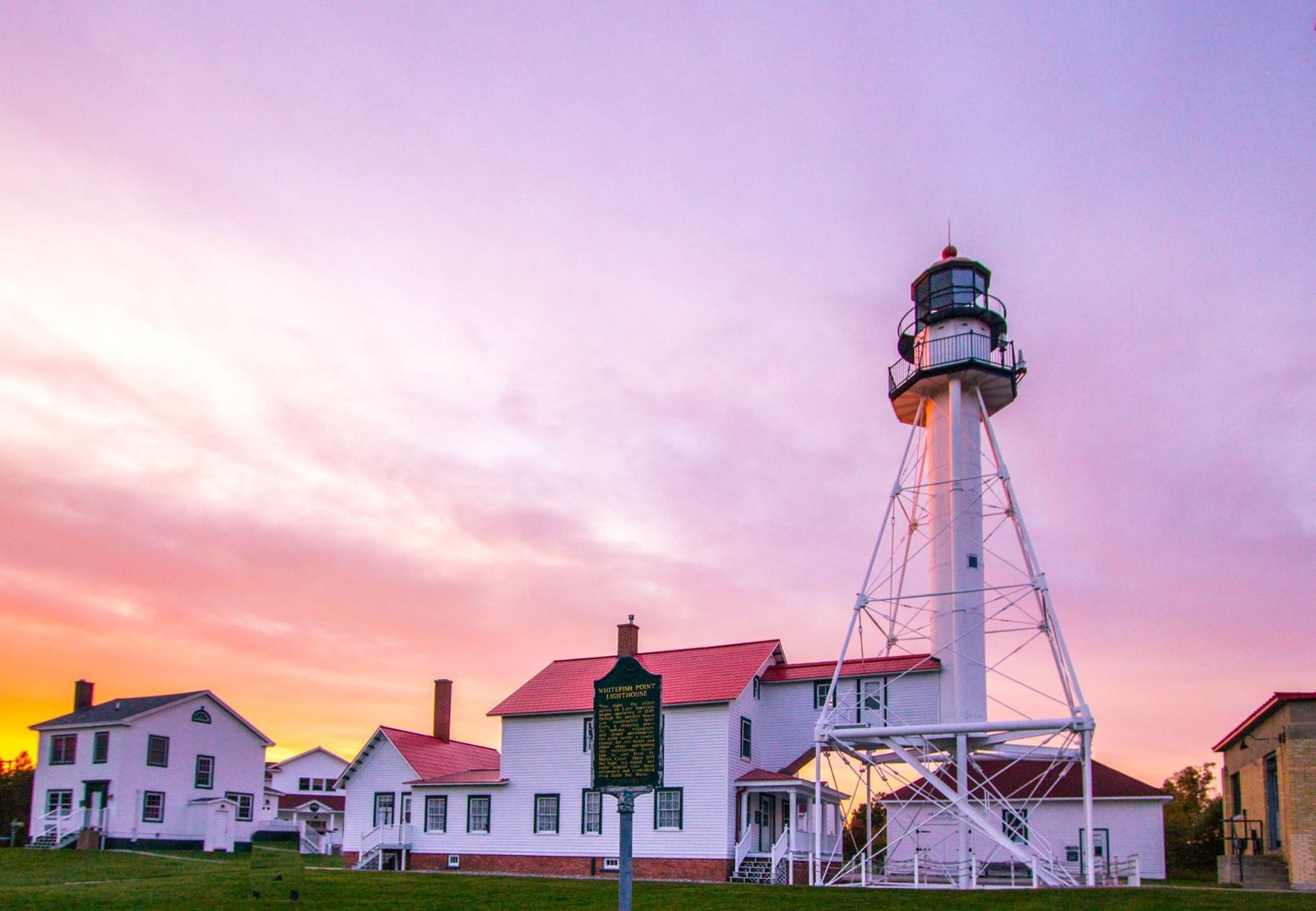
Over 200 major shipwrecks lie in the waters surrounding Whitefish Point Lighthouse, the oldest operating lighthouse on Lake Superior, standing as a vital guardian along Michigan's notorious "Shipwreck Coast", where severe weather and hazardous waters have claimed hundreds of vessels.
The lighthouse has illuminated these dangerous waters since 1861. Nearby, the wreck of the Edmund Fitzgerald lies about 17 miles north-northwest of Whitefish Point, where the ship sank with all 29 crew members aboard in 1975.
8
Cape Hatteras Lighthouse — Buxton, North Carolina
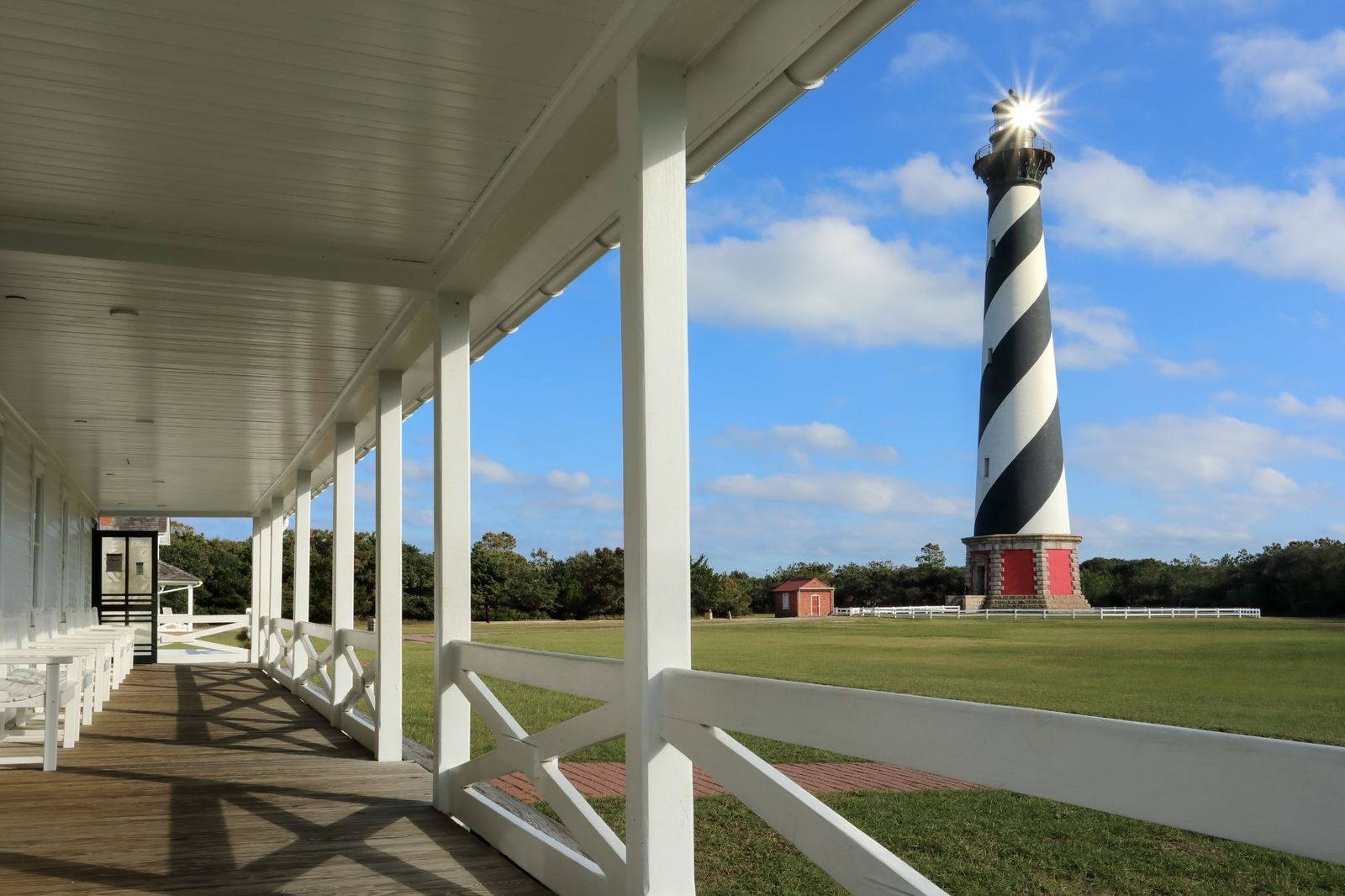
Picture riding your bicycle around the tallest brick lighthouse in the United States. That would be the Cape Hatteras Lighthouse in Buxton, North Carolina, rising nearly 200 feet above the ground with its distinctive black-and-white spiral daymark.
Built to warn mariners of the shifting underwater sandbars known as the Diamond Shoals, the beacon protects a treacherous stretch of the Outer Banks where the warm Gulf Stream collides with the Virginia Drift, a branch of the Labrador Current. This volatile maritime intersection, known as the "Graveyard of the Atlantic," has been the site of hundreds of shipwrecks.
9
Split Rock Lighthouse — Two Harbors, Minnesota
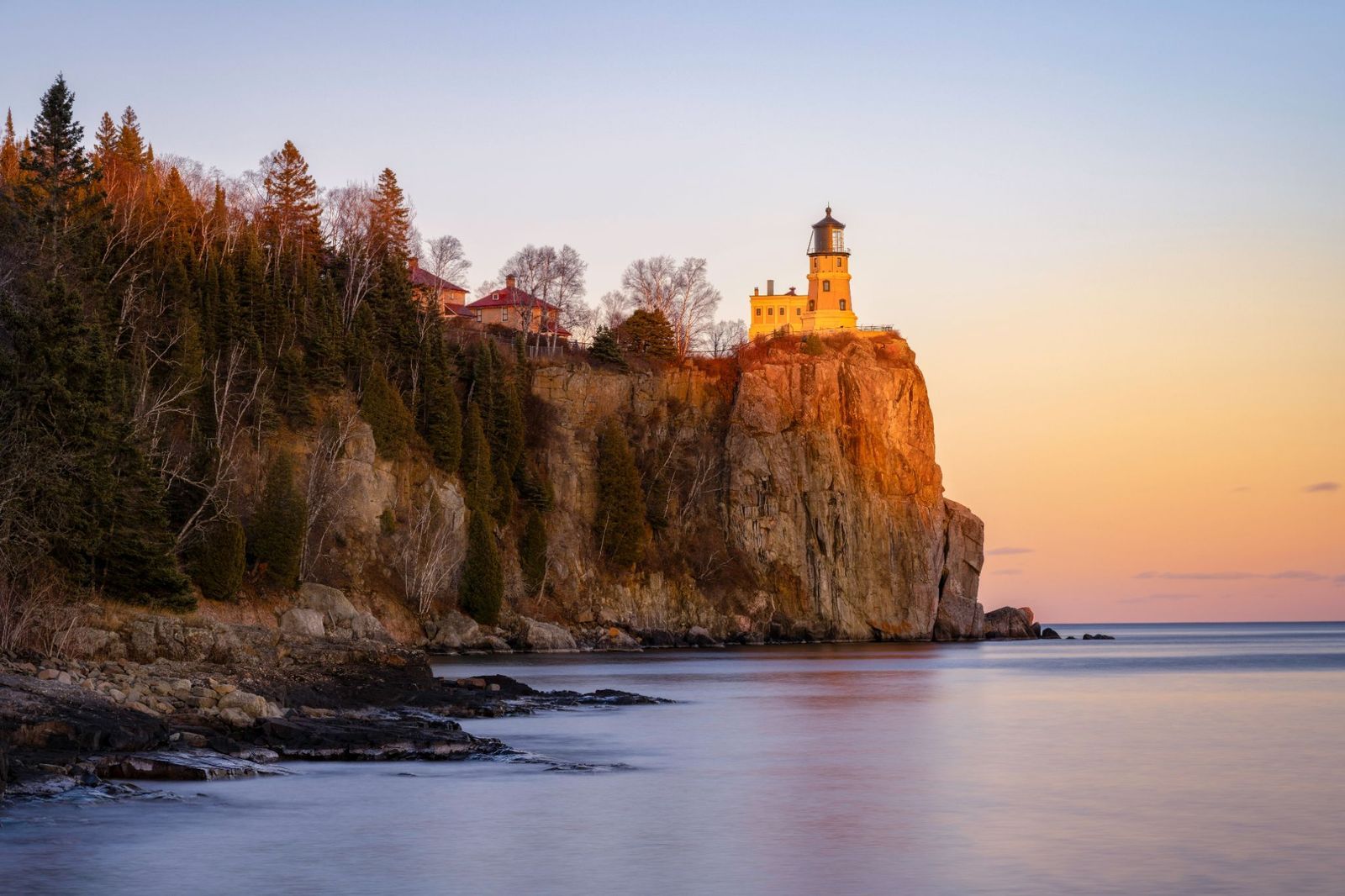
For its first 15 years, until the local highway arrived in 1924, the Split Rock Lighthouse was entirely cut off from land traffic and could only be reached by water —leaving the structure perched on a 130-foot sheer cliff overlooking the vast, rugged waters of Lake Superior in Two Harbors, Minnesota.
By 1938, thanks to improved roadways, it had become so popular that the U.S. Lighthouse Service described it as "probably the most visited lighthouse in the United States." Nearly 100,000 visitors came that year.
10
Bodie Island Lighthouse — Nags Head, North Carolina
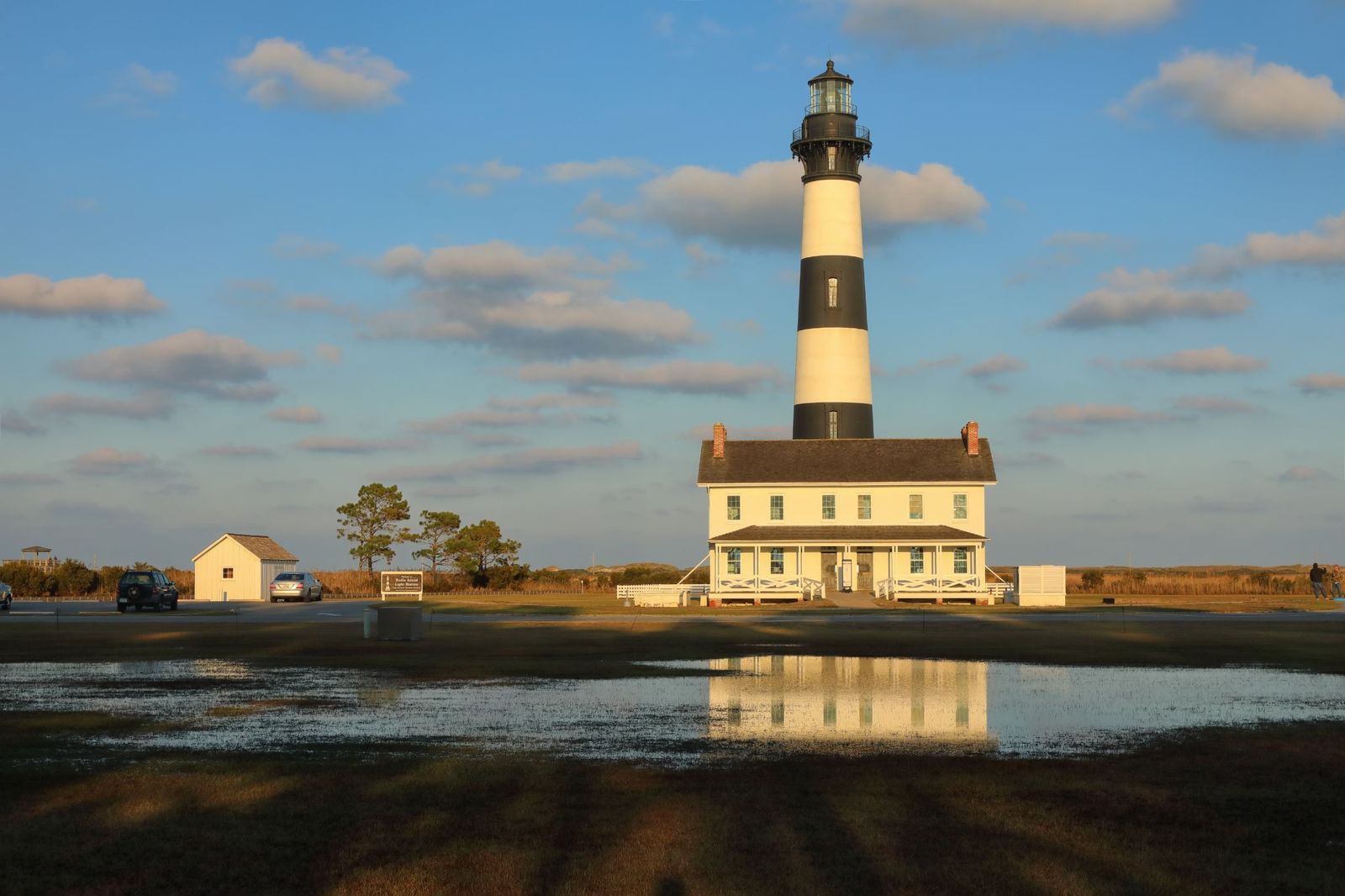
The true magic of the Bodie Island Lighthouse in Nags Head, North Carolina, lies at its crown. It features a rare first-order Fresnel lens, a remarkable glass-and-brass masterpiece designed to focus light into a powerful beam. Today, the light’s distinctive pattern can be seen for roughly 19 miles out to sea.
For nearly a century, keepers and their families lived in isolation on the grounds, tending to the oil lamps and winding the clockwork mechanisms by hand. Legend has it that the spirits of these dedicated keepers still linger , watching over the grounds to ensure the light never goes out.