Culture Culture 8 min read

History live

A 16-minute speech, 90 million people watching, and history going live

Image: Daenin

From Neil Armstrong stepping onto the moon to the Beatles’ first performance on national TV, some moments stopped the whole country in its tracks, and a few stopped the entire planet. From a boxing rematch watched by two billion people to a concert that reunited legends across two continents, these broadcasts became the backdrop of American life. Here are 10 of the most watched events and the stories behind them.

1
The moon landing - 650 million
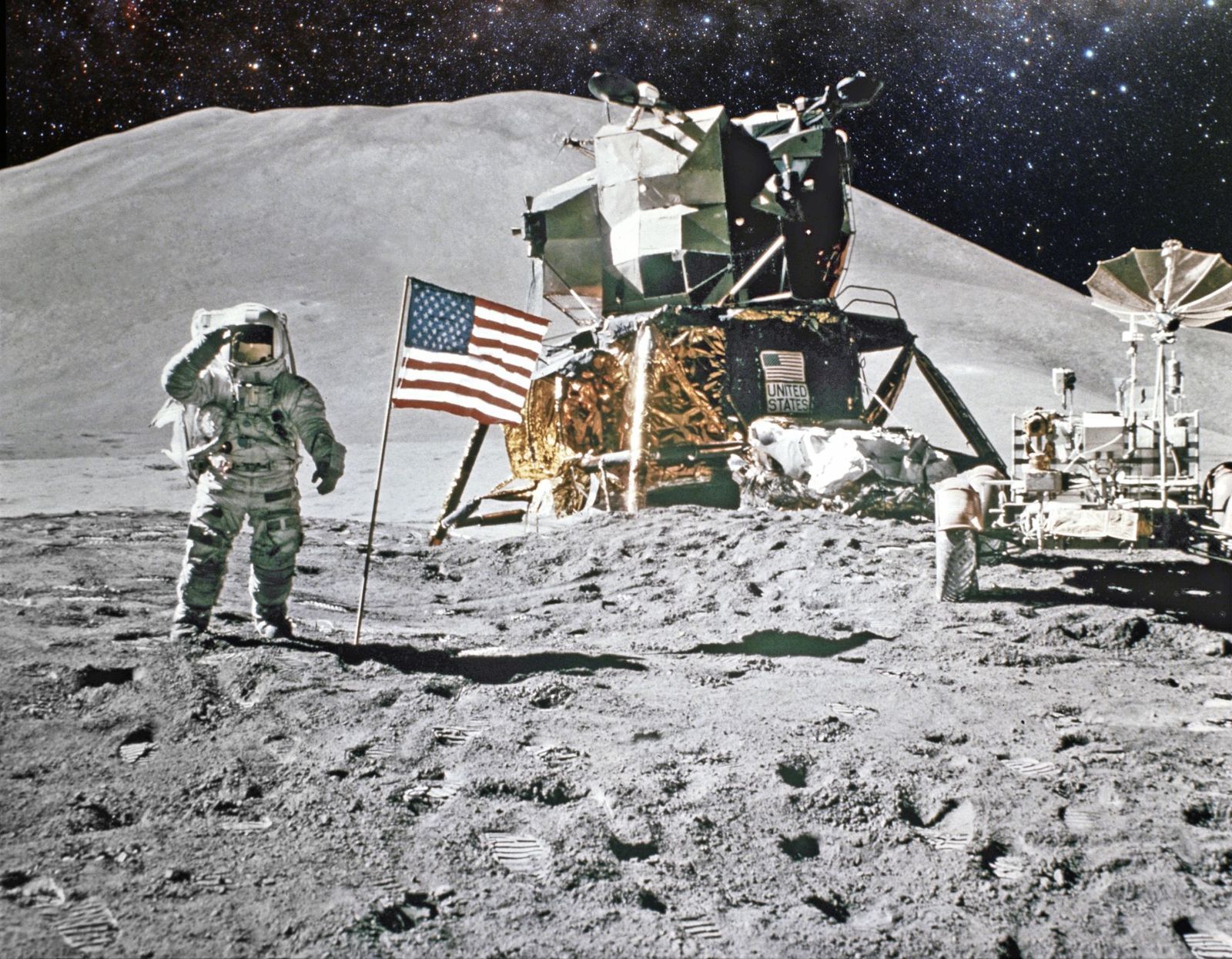
Image: Castleski

The late 1960s had been a turbulent time, but on July 20, 1969, nearly everyone paused to look up at the same sky.

President Nixon watched from the White House as Apollo 11 prepared for its final descent, fulfilling a promise President Kennedy had made eight years earlier to land an American on the moon before the decade ended. When Neil Armstrong stepped onto the lunar surface and spoke his now-famous words , "That's one small step for man, one giant leap for mankind," an estimated 650 million people across the globe were watching, including nearly 94 percent of American households with a television set. Streets emptied, businesses closed early, and strangers gathered around store windows just to catch a glimpse.

2
"Aloha from Hawaii via Satellite" - 1.5 billion
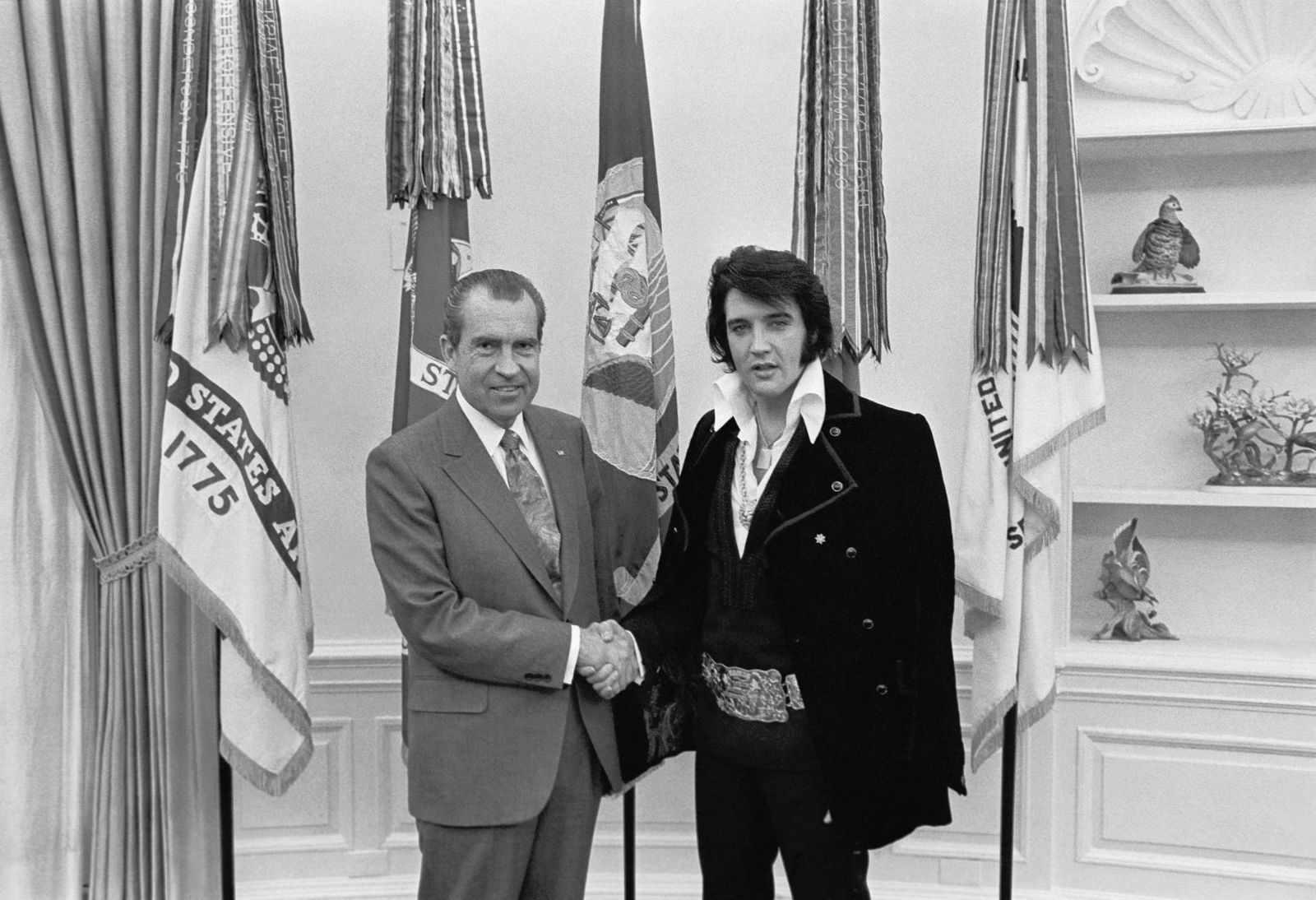
The early 1970s were a time of enormous change in America, with the country adjusting to a new decade and Elvis Presley reinventing himself as a global performer rather than just a multi-hyphenate star.

On January 14, 1973, he took the stage at the Honolulu International Center for a show unlike anything attempted before. Broadcast live by satellite to audiences across Asia and Oceania, and later shown across Europe, the concert was the first full-length performance by a solo artist ever beamed around the planet this way. Estimates at the time put the audience at over a billion viewers worldwide. NBC later trimmed the concert into a 90-minute special that aired stateside on April 4, and it went on to become the network's highest-rated program of that entire year.

3
The state funeral of John F. Kennedy - At least 180 million
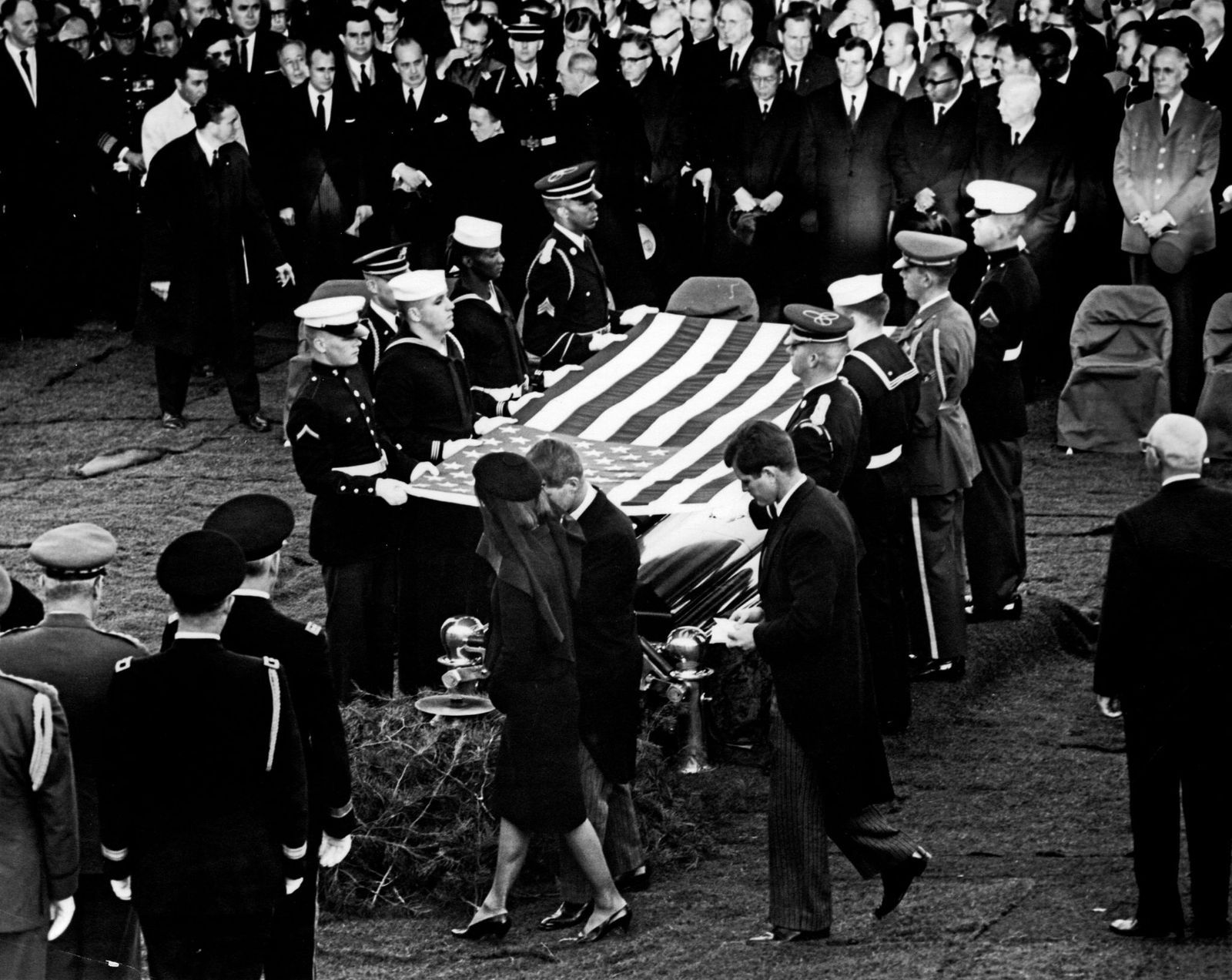
Image: Abbie Rowe, Public domain, via Wikimedia Commons

The nation was still in shock in late November 1963, reeling from the tragic death of President Kennedy in Dallas just days earlier.

As the country tried to process the loss, all three television networks, ABC, CBS, and NBC, made the extraordinary decision to stay on the air nonstop, some for as long as 70 consecutive hours , to cover the tragedy and the funeral that followed. On November 25, Kennedy’s flag-draped casket was carried by horse-drawn caisson from the Capitol to St. Matthew’s Cathedral and finally to Arlington National Cemetery in Virginia. Nielsen estimated that 93 percent of American households with televisions were tuned in during the most watched moments, with at least 180 million viewers following the coverage around the world as a young John Jr. saluted his father’s casket, closing one of the darkest chapters of the nation’s history.

4
The Beatles on "Ed Sullivan"- 73 million
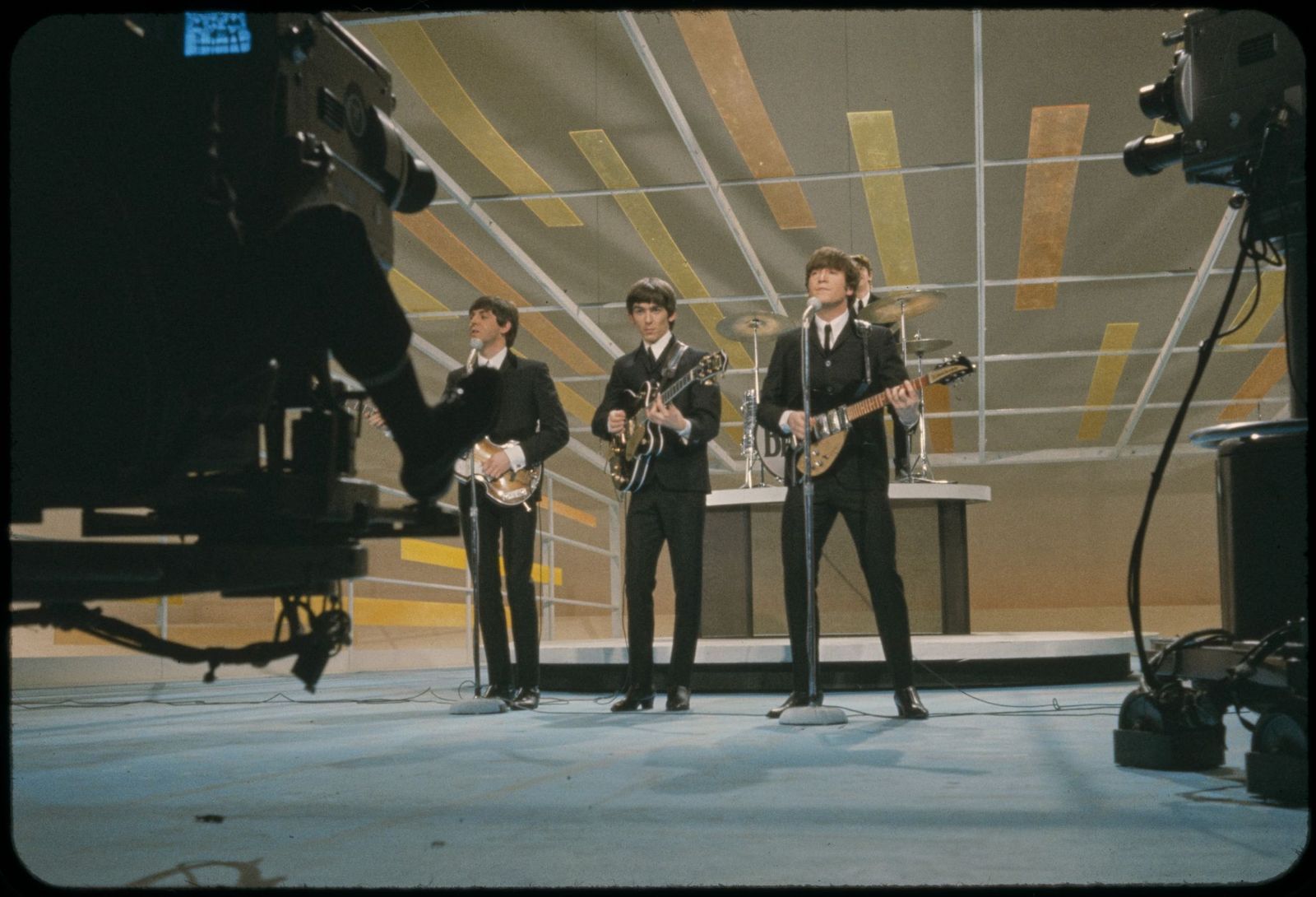
Image: Library of Congress, Public domain, via Wikimedia Commons

Just weeks after the country had said goodbye to President Kennedy, Americans were in need of something to lift their spirits again, and four young musicians from Liverpool arrived at exactly the right moment.

On February 9, 1964, John, Paul, George and Ringo took the stage on The Ed Sullivan Show for their first live performance on American soil. CBS had been flooded with requests for tickets, with even Walter Cronkite reportedly trying to snag one for his daughter. At 8 o’clock that Sunday night, roughly 73 million viewers, about 60 percent of all televisions in use that night, tuned in to watch. It remains one of the defining broadcasts in television history, and the night Beatlemania truly began in America.

5
Richard Nixon’s resignation speech - 90-110 million
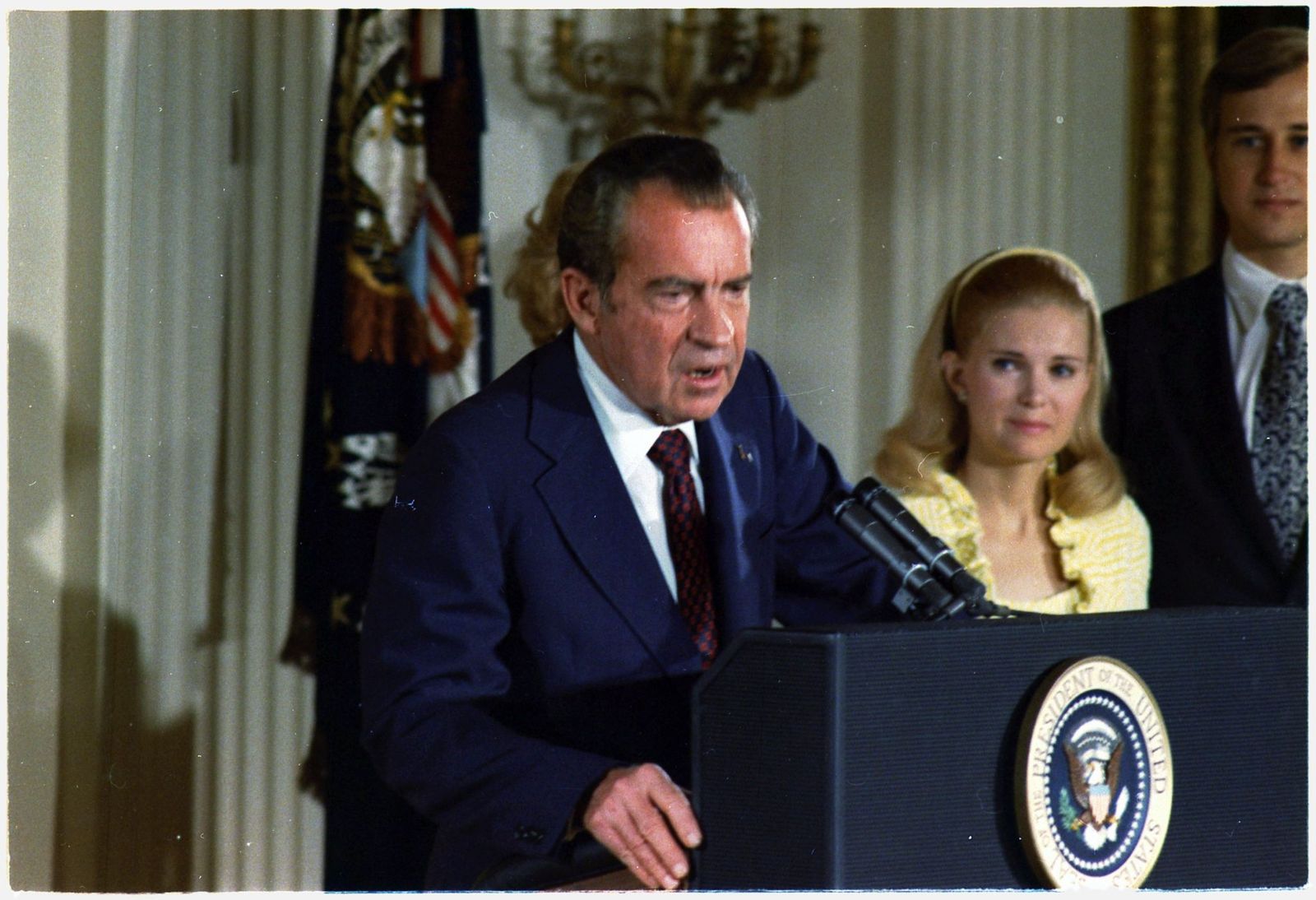
The summer of 1974 had worn the country down, as the Watergate scandal dragged federal politics through months of hearings, leaked tapes, and mounting distrust.

Finally, on August 8, President Richard Nixon sat down at his Oval Office desk to address the nation one more time. In just 16 minutes, he announced he would resign the presidency effective the next day at noon, becoming the first American president in history to do so. Between 90 and 110 million viewers tuned in that night to hear him explain his decision, a staggering share of the population at the time. The following morning, Vice President Gerald Ford was sworn in, closing one of the most turbulent chapters in modern American politics.

6
The M A S H finale - 106 million
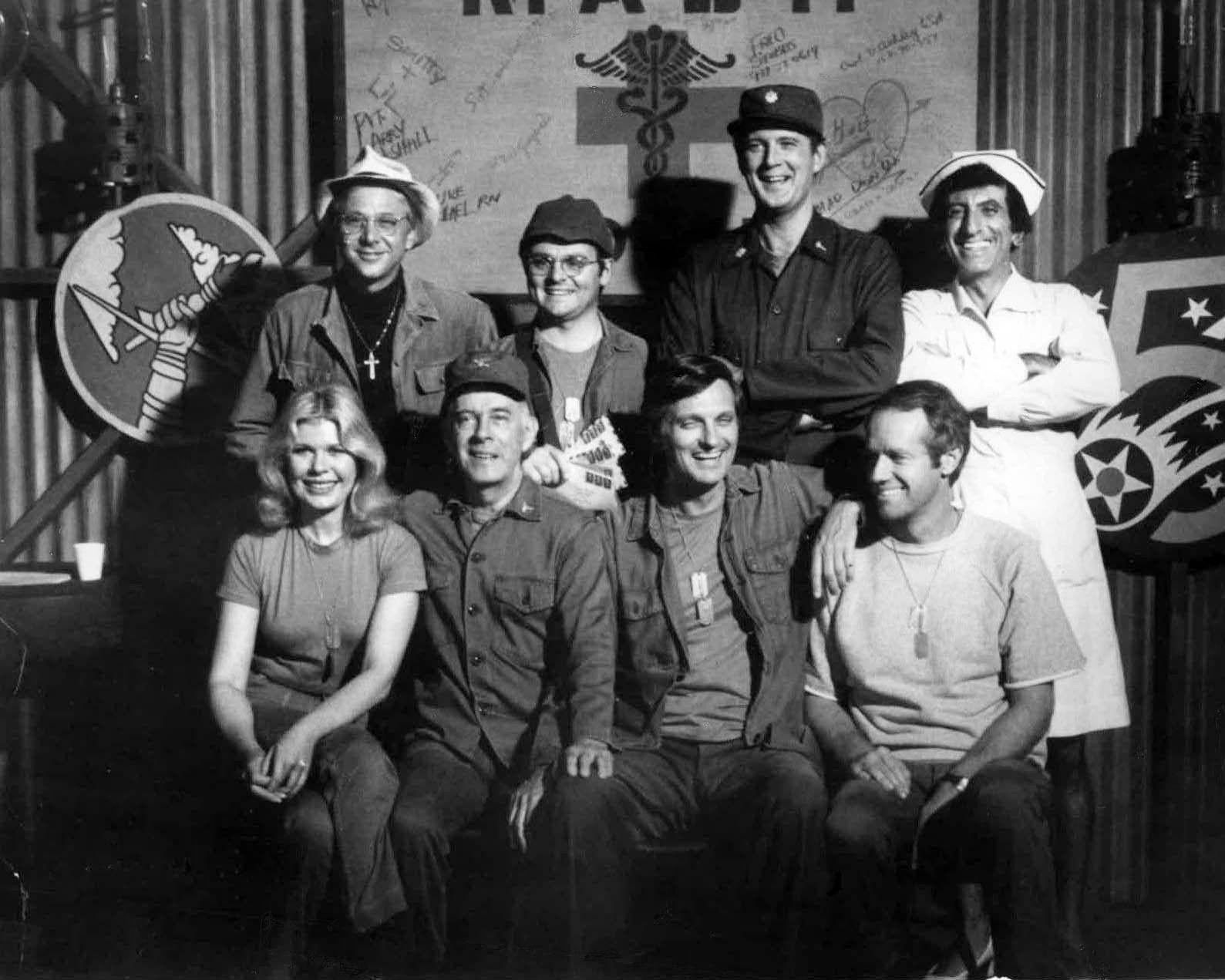
Image: CBS Television, Public domain, via Wikimedia Commons

The early 1980s brought a wave of nostalgia, as the country slowly climbed out of a tough recession and Ronald Reagan settled into his first term. Amidst it all, one weekly visit to a fictional Korean War hospital had become a Monday night ritual for millions of American families.

After 11 seasons, M A S H said goodbye on February 28, 1983, with a two and a half hour finale titled "Goodbye, Farewell, and Amen." Streets across the country emptied, and bars held watch parties, and the New York City water department later noticed a spike in usage the moment the credits rolled, as everyone waited to use the bathroom at once. An estimated 106 million viewers tuned in on CBS, a Nielsen record that still stands as the most-watched episode of a scripted series in American television history.

7
Live Aid - 1.9 billion
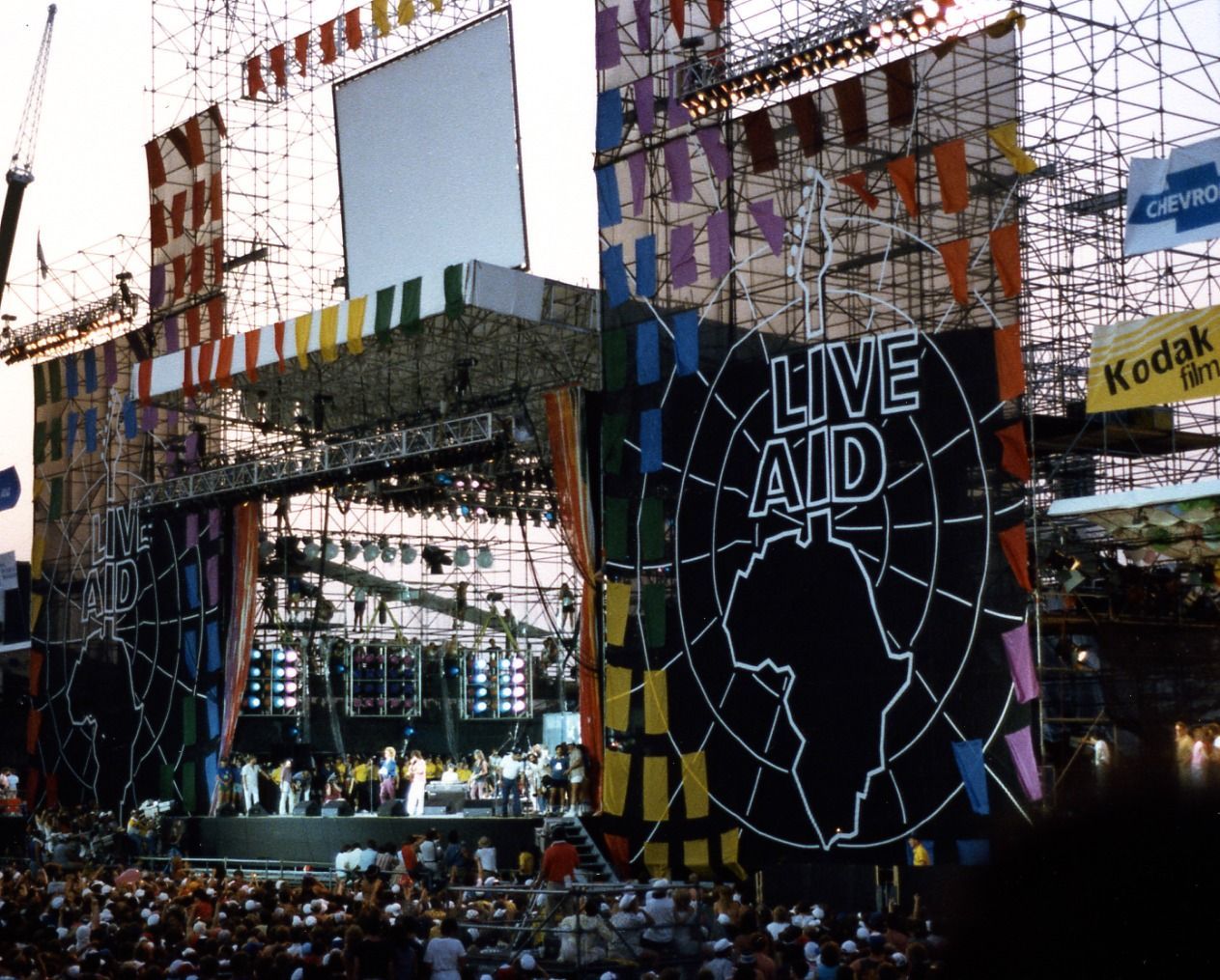
Image: Squelle, CC BY-SA 3.0, via Wikimedia Commons

By 1985, images of famine in Ethiopia had been reaching American households through the nightly news for months, stirring a wave of concern across the country.

Months after the successful "Feed the World" and "We Are the World" charity singles for the same cause, musicians Bob Geldof and Midge Ure, from Ireland and Scotland respectively, decided just one concert alone wouldn’t be enough, so they organized something the world had never seen. On July 13, two stadiums an ocean apart, Wembley in London and JFK Stadium in Philadelphia , hosted dozens of the biggest names in music on the same day. Queen, U2, Madonna, Tina Turner, The Rolling Stones, Led Zeppelin, and Phil Collins, who famously played both shows thanks to a supersonic flight on the Concorde, took the stage before a combined crowd of well over 150,000. Nearly 1.9 billion viewers around the world watched the marathon broadcast, which helped raise more than 100 million dollars for famine relief.

8
The 1996 Summer Olympics opening ceremony - 3.5 billion
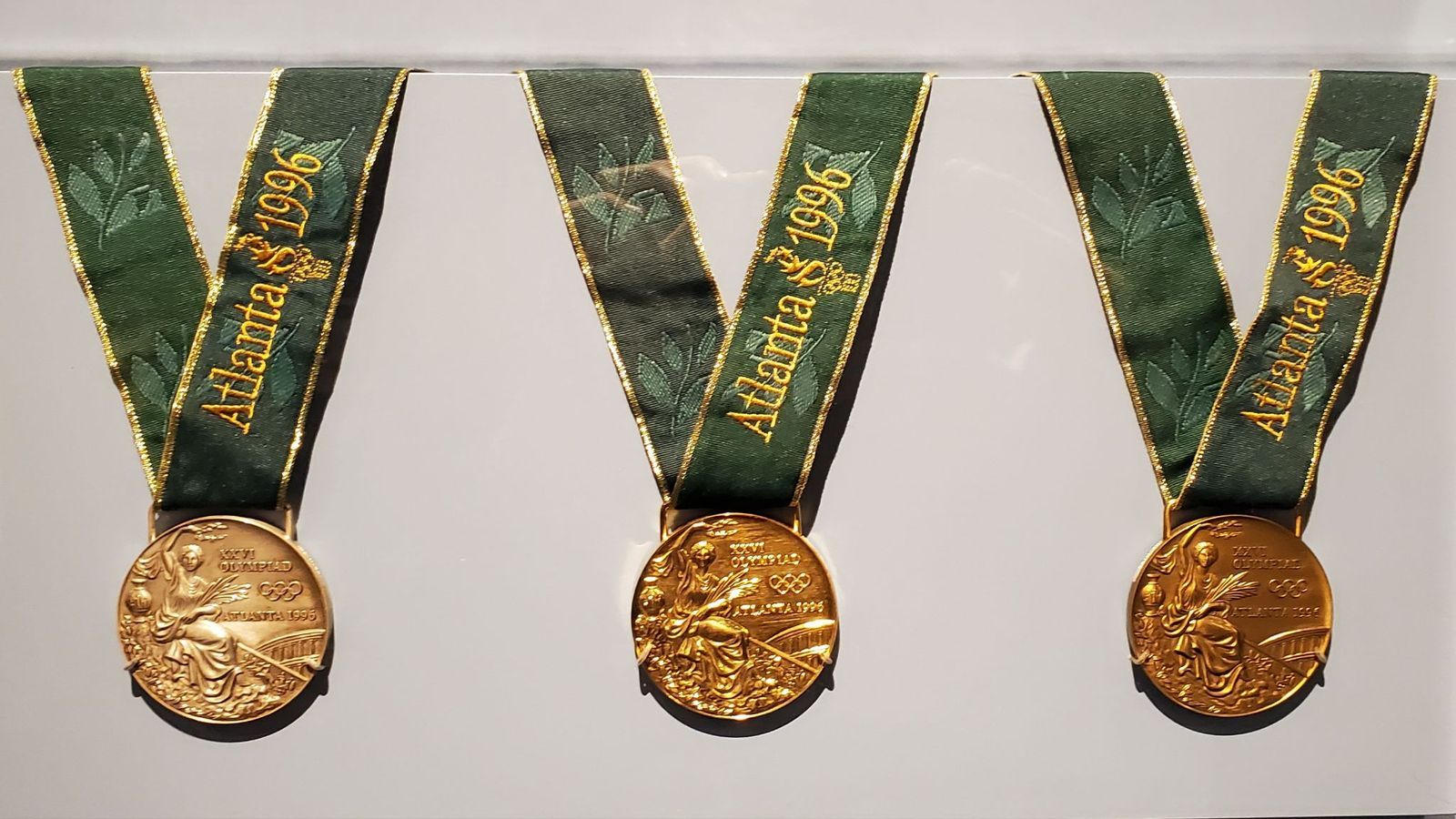
Image: JJonahJackalope, CC BY-SA 4.0, via Wikimedia Commons

By the summer of 1996, Atlanta had spent years getting ready to host the world. Bill Clinton was in the White House, the economy was humming, and the country was in a celebratory mood as the Centennial Games kicked off in July 1996.

Inside Centennial Olympic Stadium, boxing legend Muhammad Ali, battling Parkinson’s, lit the torch with trembling hands, while Celine Dion and composer John Williams filled the night with music in front of 85,600 spectators. An estimated 3.5 billion people worldwide tuned in from home, making it one of the most watched broadcasts ever recorded.

9
The O.J. Simpson verdict - 150 million
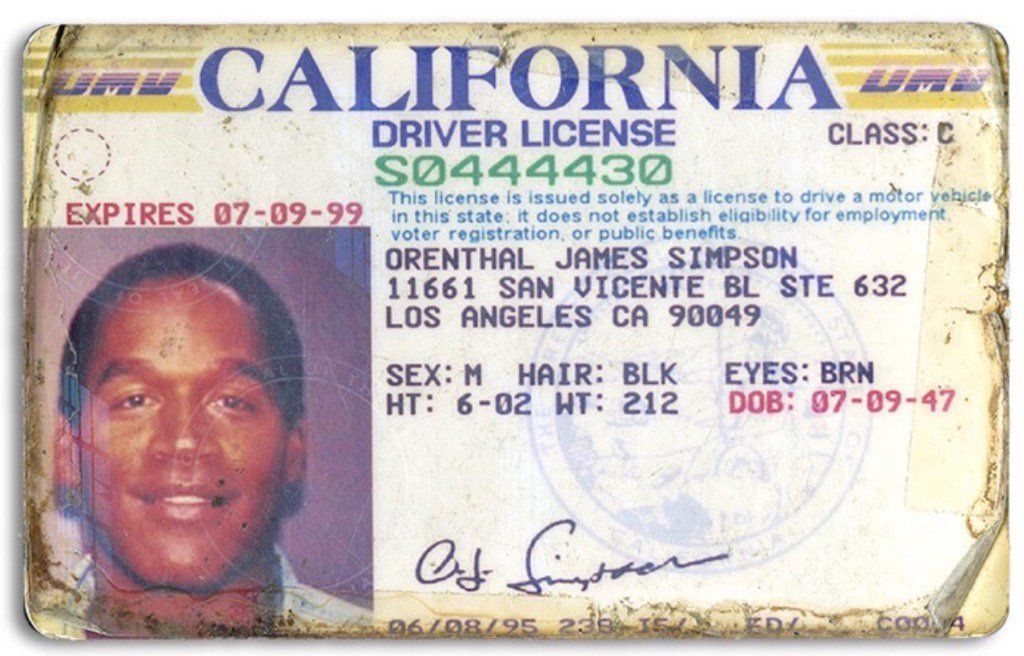
Image: CA DMV, Public domain, via Wikimedia Commons

By the fall of 1995, the country had spent more than a year gripped by a single courtroom drama playing out on cable news day after day. Few trials before or since have captured national attention quite like the murder case against O.J. Simpson, accused of killing his ex-wife Nicole Brown Simpson and her companion Ron Goldman.

On the morning of October 3, after less than four hours of jury deliberation, the verdict was finally set to be read. Schools paused classes, offices set up televisions in break rooms, and phone lines went quiet across the country as everybody waited. When Simpson was found not guilty on both counts, an estimated 150 million Americans, more than half the nation, were watching or listening live, making it one of the largest single audiences in American television history for a legal proceeding.

10
The funeral of Michael Jackson - 2.5 billion
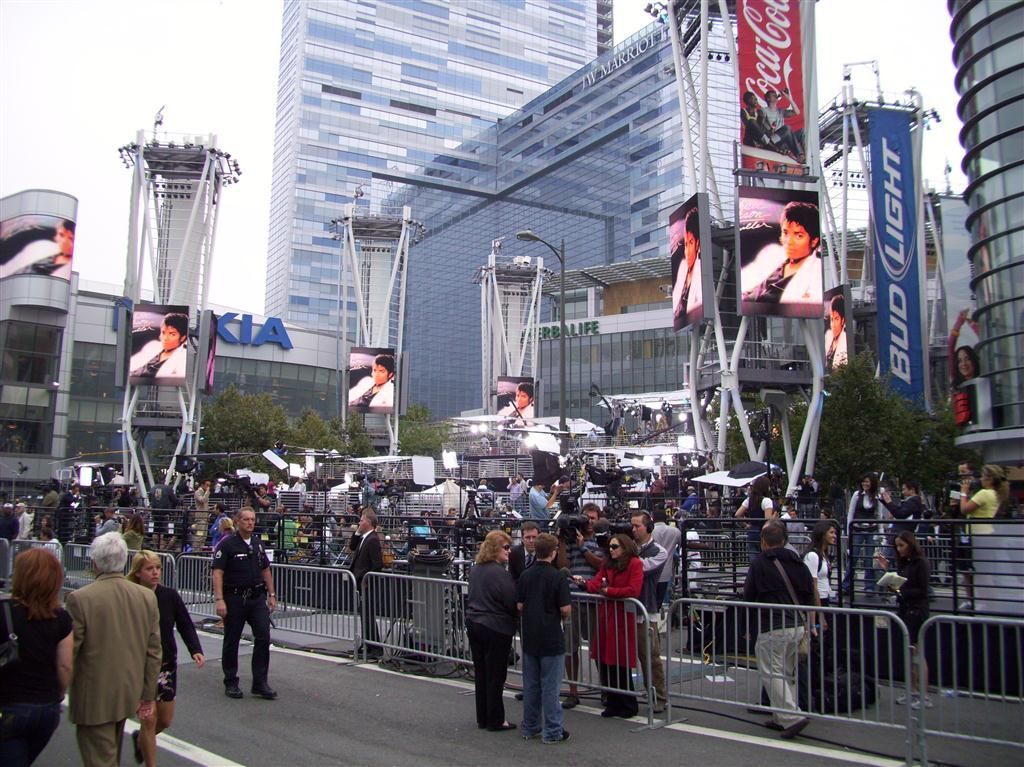
Image: Alejandro Marino, CC BY-SA 2.0, via Wikimedia Commons

The summer of 2009 found the country still shaking off a rough recession, and pop culture needed something to hold onto. That something arrived, tragically, on June 25, when Michael Jackson passed away at age 50 after an overdose of medication prescribed by his personal physician.

Twelve days later, on July 7, his memorial filled the Staples Center in Los Angeles. A total of 17,500 tickets were given away through a lottery that drew over a million requests in a single day. Inside, Stevie Wonder, Mariah Carey, and Jennifer Hudson performed, while his young daughter Paris gave an emotional tribute. Estimates suggest well over a billion people watched from around the globe, with the King of Pop’s farewell becoming one of the most talked-about broadcasts of the decade.

11
Leon Spinks vs. Muhammad Ali II - 2 billion
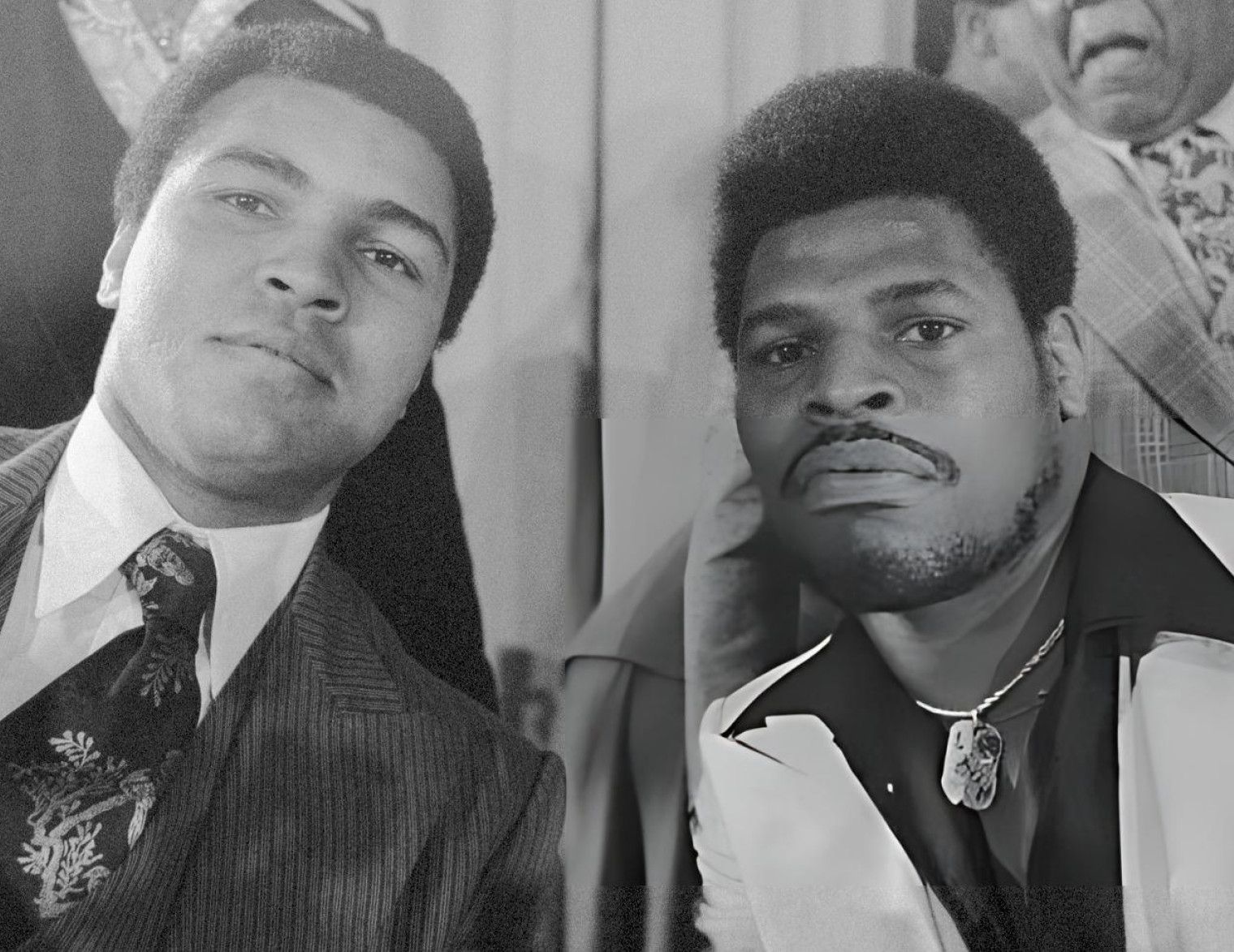
Image: United Press International, Public domain, via Wikimedia Commons

In 1978, the country was going through a rough patch, with President Carter navigating a shaky economy and gas prices creeping upward. Boxing fans, though, had their eyes fixed on New Orleans.

Seven months earlier, a young Leon Spinks had stunned the world by taking Muhammad Ali’s heavyweight crown in a split decision. On September 15, the two met again inside the Louisiana Superdome, where 63,350 fans packed in to watch a rematch live, the largest indoor crowd ever for a boxing match at the time. Ali fought a smarter, more controlled fight and reclaimed his title by unanimous decision, becoming the first three-time heavyweight champion in history. Around 90 million Americans watched on ABC, and roughly two billion people across some 80 countries followed the Battle of New Orleans as it happened.

Culture Culture 5 min read

Spooky icons

Are you brave enough to read about these terrifying horror characters?

Image: Jamaal Hutchinson

October is definitely the spookiest month of the year. With the advent of the 10th month, a myriad of scary characters appear everywhere to celebrate Halloween! This ghostly yet fun holiday is at the center of many of our warmest memories. Who didn’t have a lovely time trick-or-treating with friends, looking sharp and dashing in an amazing costume? However, Halloween is also the time for scary movies—a time to huddle together in front of the sofa and tune into a bloodcurdling film that will keep us up all night. With that in mind, we have decided to pay tribute to 10 of the most terrifying horror characters of all time. While definitely scary, these monsters have truly earned a place in our hearts, so let’s show them a little love with this small homage. Without further ado, here’s our pick!

1
Michael Myers from Halloween

Image: norbert velescu

Who better to start this Halloween list than the main villain from Halloween ? John Carpenter’s iconic horror film not only marks the debut role of beloved actress Jamie Lee Curtis, but it also introduced the world to the terrifying Michael Myers , a murderous mental patient with a thirst for blood.

One of Michael’s most terrifying traits is his blank and unfeeling expression, provided by his chilling rubber mask. Interestingly enough, the mask itself probably wouldn’t be as scary on its own; it is a mask of Star Trek actor William Shatner , only painted white and with some traits changed in order to make it scarier.

2
Freddy Krueger from A Nightmare on Elm Street

Image: Enrique Guzmán Egas

The 1984 film A Nightmare on Elm Street is considered by many to be the quintessential slasher horror film of the ’80s, and with good reason: Wes Craven had the genius idea to turn our slumber into one of the scariest environments ever. If, for whatever reason, you feel inclined to thank the character responsible for turning our dreams into nightmares, then you can send your regards to Freddy Krueger.

Freddy’s look is definitely unforgettable: Who can overlook that stripped sweater, black fedora, and, perhaps more menacing, that sinister-looking bladed glove? This killer’s menacing image certainly sent shivers down our spines and made most of us dread going to bed.

3
Jason Vorhees from Friday the 13th

Image: Justin Campbell

Michael Myers is not the only masked menace to make it onto this list! Jason Vorhees made his first appearance in the 1980 slasher Friday the 13th , which depicted a group of campers meeting their end at Jason’s hands in the fictional Camp Crystal Lake. This towering, murderous revenant hunts teenagers at night, armed with his trusted machete and his now-iconic hockey mask.

Jason has appeared in many different films, including an entire franchise reboot in 2009. Not only that, a 2003 film pitted him against another king of the slasher genre, Freddy Krueger. Without spoiling the ending, we can honestly say that both of these horror giants prove their mettle.

4
The Thing from The Thing

Image: Robert Haverly

Don’t let this slightly vague name fool you: The Thing is one of the scariest horror characters in history. John Carpenter’s 1982 masterpiece introduced the world to this mysterious alien creature, able to shapeshift into any object imaginable.

What’s probably most terrifying about this shadowy being is that we never truly see its true form; therefore, this alien can be as terrifying as our imaginations allow it to be. However, don’t let this statement imply that we are discrediting Carpenter’s groundbreaking visual effects, as anyone who has seen any of his amazing creations can testify.

5
The Fly from The Fly

Image: Pedro Miguel Aires

Who knew that a little housefly could be so terrifying? While the original 1958 film is incredibly advanced for its time, David Cronenberg’s 1986 rendition of The Fly left an indelible mark on an entire generation with its uncanny special effects and chilling story.

In this film, Jeff Goldblum plays Seth Brundle, an eccentric scientist whose DNA gets fused with that of a fly after an experiment goes wrong. The resulting hybrid monster’s appearance is truly a remarkable tribute to the talent of this film’s makeup department, which earned them a well-deserved Academy Award.

6
Rachel McNeil from The Exorcist

Image: Kelly Sikkema

Many consider The Exorcist to be the best horror film ever made, and with good reason: not only is it bone-chilling, but it is also a wonderfully crafted film that has led it to be selected by the U.S. National Film Registry for preservation.

A big part of what made this film so incredibly terrifying was the contrast between the sweet and innocent 12-year-old Regan McNeil (wonderfully portrayed by Linda Blair) and the dark demon that possesses her. Legendary Swedish actor Max von Sydow also shines in this film, playing the titular exorcist, Father Lankester Merrin.

7
Chucky from Child’s Play

Image: Erik Mclean

This is a toy you don’t want to see lying around your house! Directed by Tom Holland, the 1988 slasher film Child’s Play features Chucky , a seemingly harmless doll possessed by the soul of a serial killer. While this might not seem particularly menacing, Academy-nominated actor Brad Dourif’s portrayal of this plastic killer truly terrified an entire generation.

The first movie was such a success that it spawned an entire franchise that’s still relevant today, with a TV series premiering in 2021. However, most fans agree that no film will ever surpass the original Child’s Play , an undisputed gem of the slasher genre.

8
The Ghostface Killer from Scream

Image: Nik

Speaking of the slasher genre, we would be remiss if we didn’t include Wes Craven’s iconic 1996 film Scream . This movie is not only terrifying, but it is also a true love letter to the entire genre: In fact, one of the first deaths in the film occurs after a character gets a question about horror trivia wrong.

A huge part of what made Scream so frightening is its antagonist. The Ghostface Killer’s main strength is that he is not a supernatural creature by any definition of the word. Not only that, this mysterious character’s presence adds a layer of intrigue to the film, as the reveal of his true identity becomes a definitive turning point in this masterpiece.

9
Pennywise from It

Image: Nong

Much like the monster from The Thing , the audience never witnesses the true form of this chilling Eldritch monster. However, the main antagonist of Stephen King’s classic novel It often dons the disguise of Pennywise, a scary clown hell-bent on terrifying the town of Derry, Maine.

To date, Pennywise has been portrayed on the big screen on two separate occasions: first by Tim Curry in the 1990 miniseries and later by Swedish actor Bill Skarsgård in the 2017 film adaptation and its 2019 sequel. In both cases, these actors were able to bring a fascinating layer of horror to a colorful figure usually associated with making people smile.

10
The Shark from Jaws

Image: Marcelo Cidrack

Granted, calling Steven Spielberg’s Jaws a horror film is probably not entirely accurate. However, we can comfortably state that the shark antagonist of this 1975 thriller truly terrified moviegoers around the world.

It is pretty hard to state the impact that this shark had, suffice to say, people at the time were incredibly scared to go back into the water due to this movie. Fun fact: Did you know that the shark has a name? Well, a nickname at least: it was called "Bruce" by the film crew, after the name of Spielberg’s lawyer.

Culture Culture 6 min read

The Five-Sided Puzzle Palace

A man lived there secretly? Stunning facts about the Pentagon

Image: Touch Of Light, CC BY-SA 4.0, via Wikimedia Commons

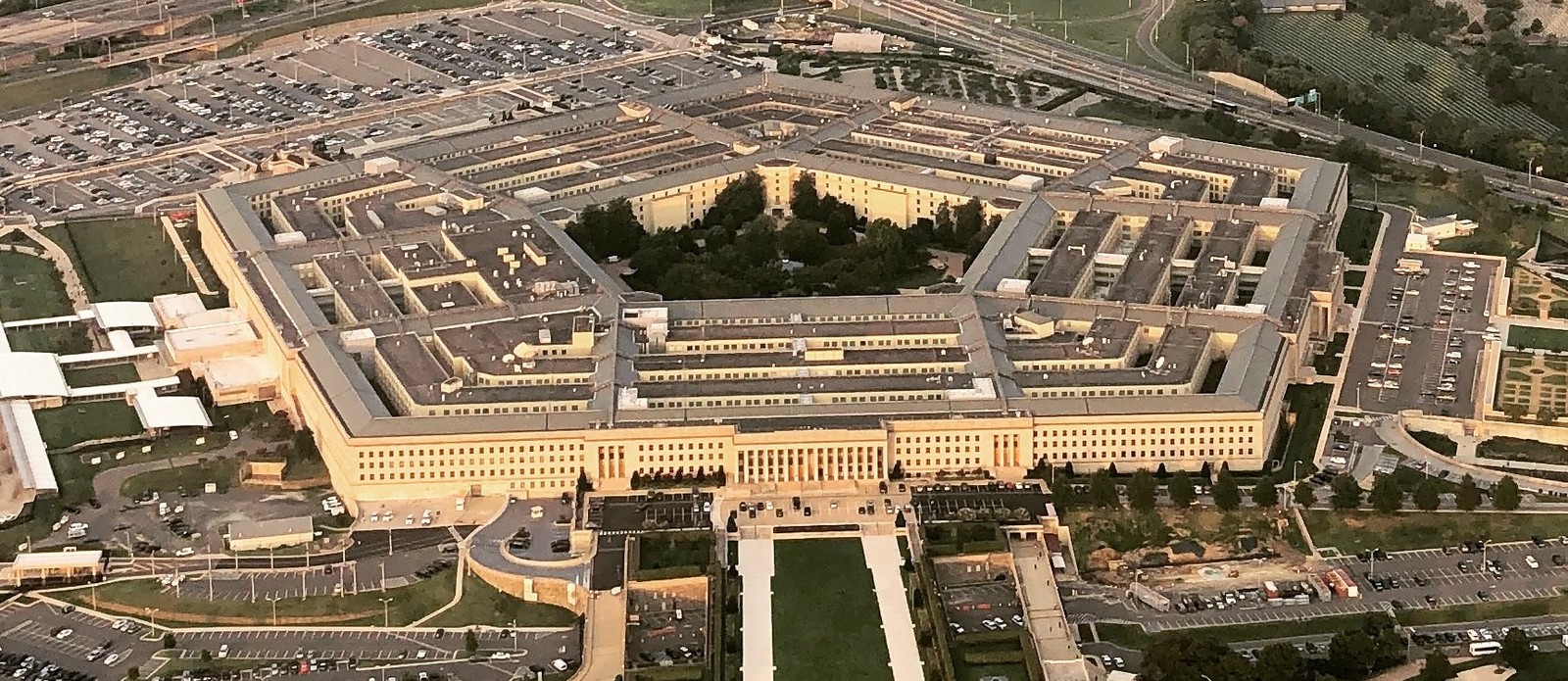
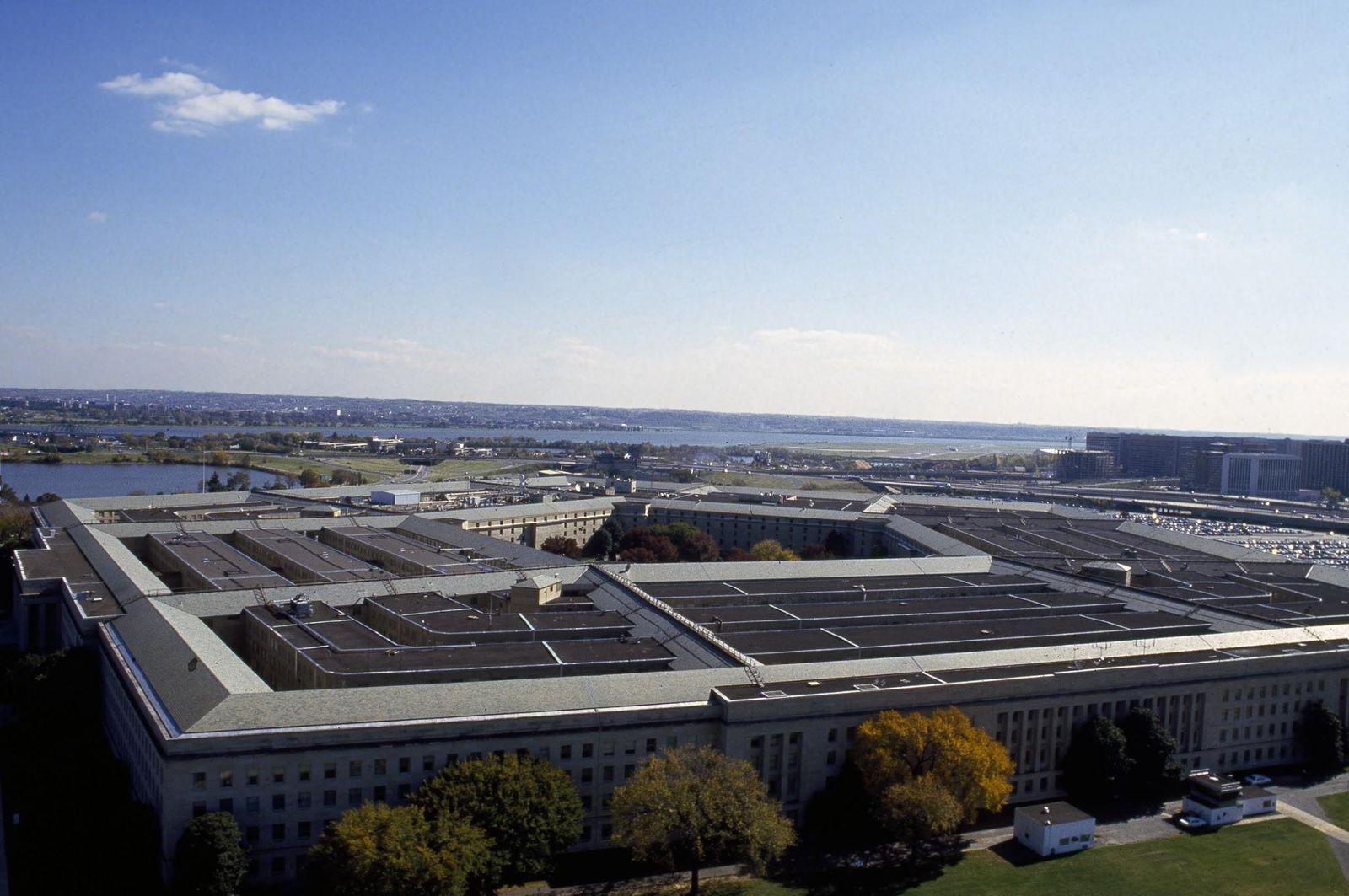
Did you know that construction on the Pentagon building began on September 11, 1941, exactly 60 years before it was attacked? The home of the US Department of Defense has stood for more than 80 years. Although its iconic shape is intriguing in itself, it hides deeper secrets that many Americans have never heard of. Did you know it feeds 26,000 people a day—at a McDonald's, a Five Guys, a Taco Bell, and over 30 other restaurants? Or that a man secretly lived inside its walls for years? Let’s dive into the Pentagon building’s secrets.

1
A renovation project saved thousands of lives on 9/11

Image: Office of the Secretary of Defense - Public Affair, Public domain, via Wikimedia Commons

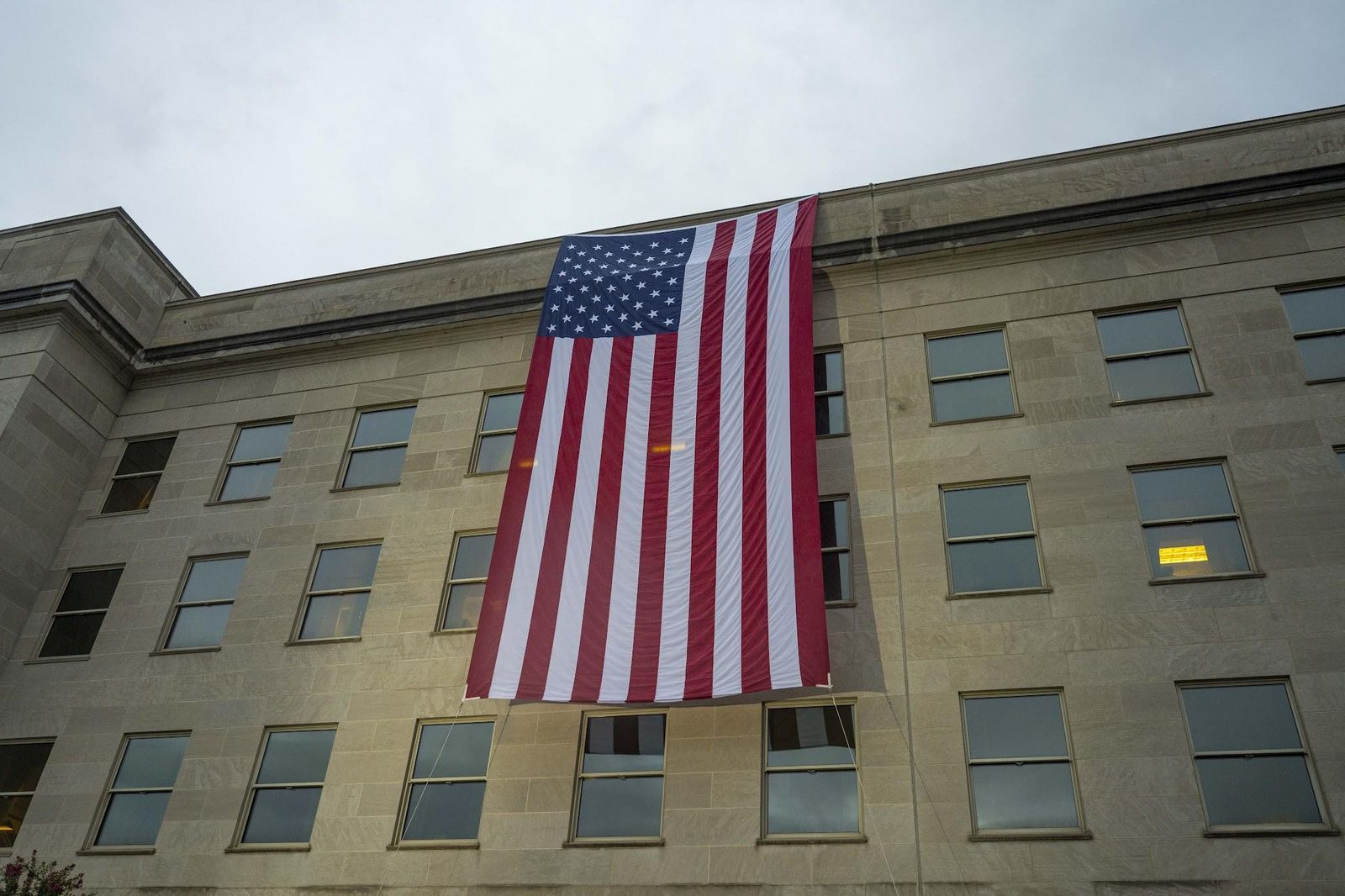
On September 11, 2001, American Airlines Flight 77 struck the Pentagon at 9:37 a.m., killing 189 people. Few people know this part: the death toll could have been much higher. But there was a renovation project underway at the time of the attacks.

The Pentagon’s five-sided structure is divided into five "wedges," and workers had been renovating them one at a time. Flight 77 struck the wedge that had just been completed. Of the 4,500 people who normally worked in that section, only about 800 had moved back in. Without the reinforced construction and the incomplete occupancy, experts believe the casualties would have been catastrophically higher.

2
The Cold War and the hot dog stand

Image: Anete Lusina

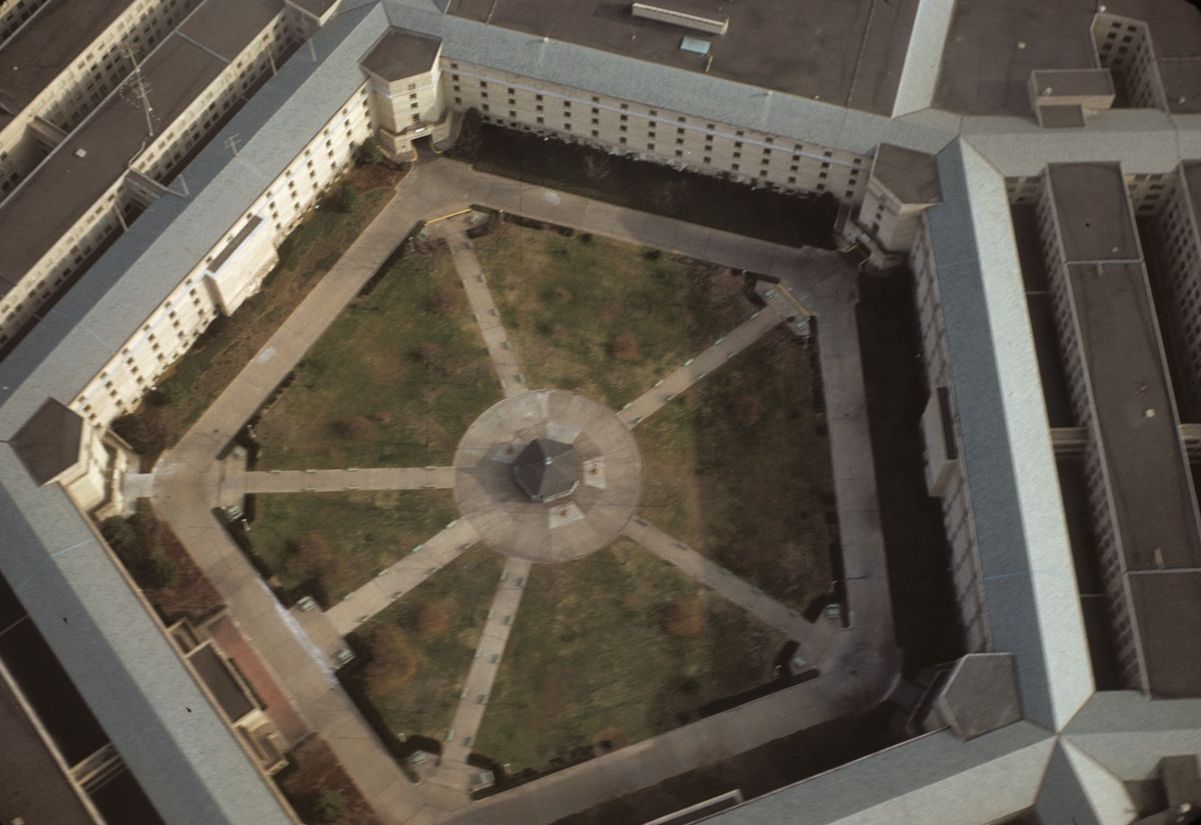
In the middle of the Pentagon’s five-acre center courtyard once stood a modest hot dog stand. According to a Cold War legend (one still retold by official Pentagon tour guides on every public tour), between the 60s and the 80s, Soviet satellite images tracked large groups of high-ranking military officials converging on that small building at the same time every day.

Soviet intelligence reportedly concluded the structure must be the entrance to some underground bunker in America. In reality, all it did was sell lunch. In 2006, the original stand was torn down, and a sandwich shop was built in its place.

3
Its construction began on September 11th, exactly 60 years before the attack

Image: Aber, Marilyn K., Public domain, via Wikimedia Commons

Builders broke ground on the Pentagon on September 11, 1941. That was exactly 60 years to the day before the September 11, 2001, terrorist attacks that would strike the same building.

Construction had been ordered by Army Brigadier General Brehon Somervell, who wanted a permanent headquarters for the Defense Department to replace its then-17 scattered offices across Washington, D.C.

The project was extraordinarily ambitious: plans called for the world’s largest office building to be completed in just 16 months. In the end, the conception, design, and construction of the entire Pentagon building took a total of 15 months.

4
The same person oversaw its construction and the Manhattan Project

Image: U.S. Army, Public domain, via Wikimedia Commons

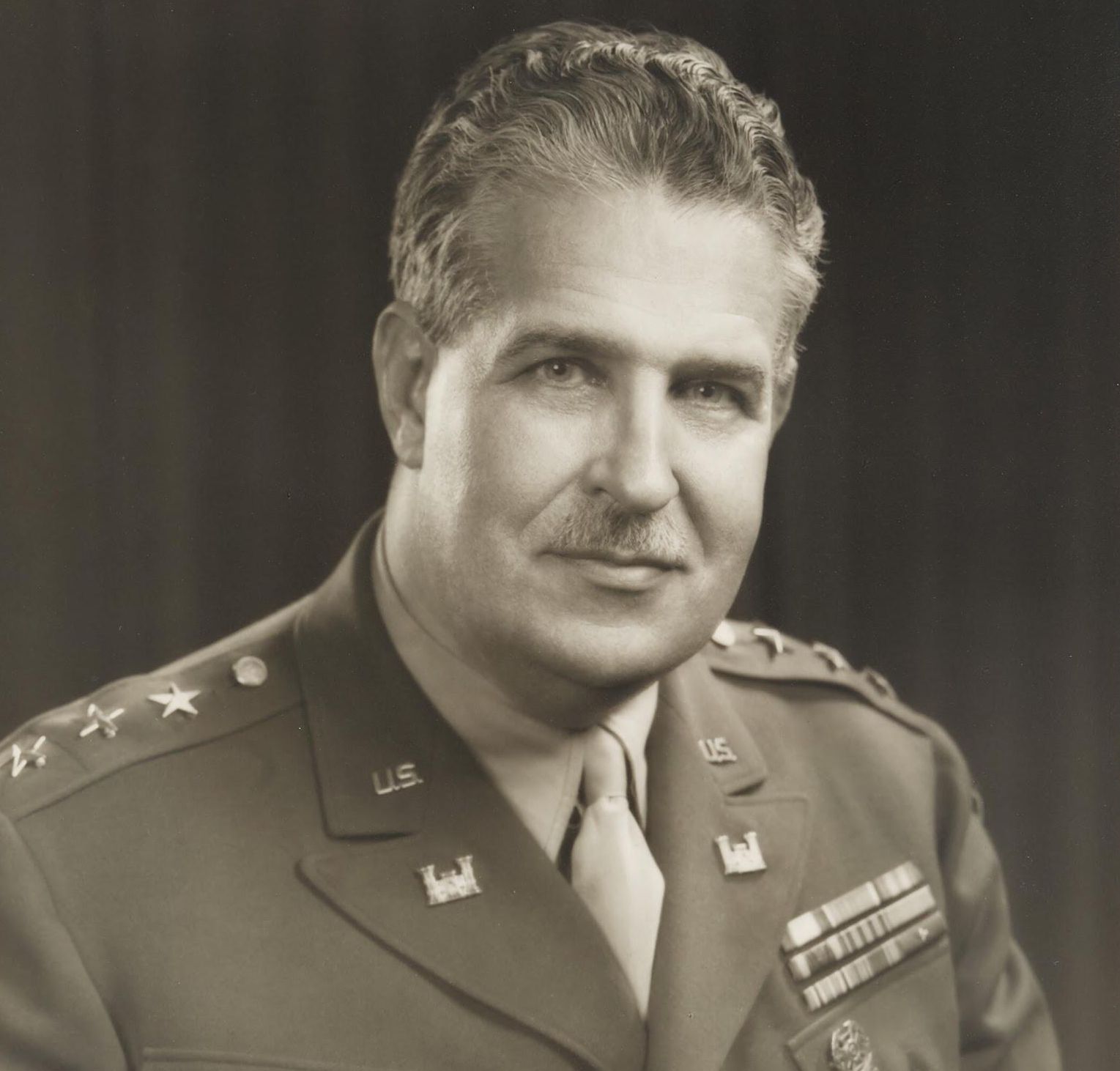
Colonel Leslie Groves of the Army Corps of Engineers took charge of Pentagon construction in August 1941. He worked six days a week and drove his team relentlessly, at one point employing more than 15,000 workers around the clock.

When the Pentagon was finished in January 1943, Groves was assigned to lead the Manhattan Project, America’s secret program to build the atomic bomb . His deputy, Captain Robert Furman, followed him into the Manhattan Project as chief of foreign intelligence. Together, the men who built the world’s largest office building went on to produce the weapon that ended World War II.

5
Why is it shaped like that?

Image: Boston Public Library, CC BY 2.0, via Wikimedia Commons

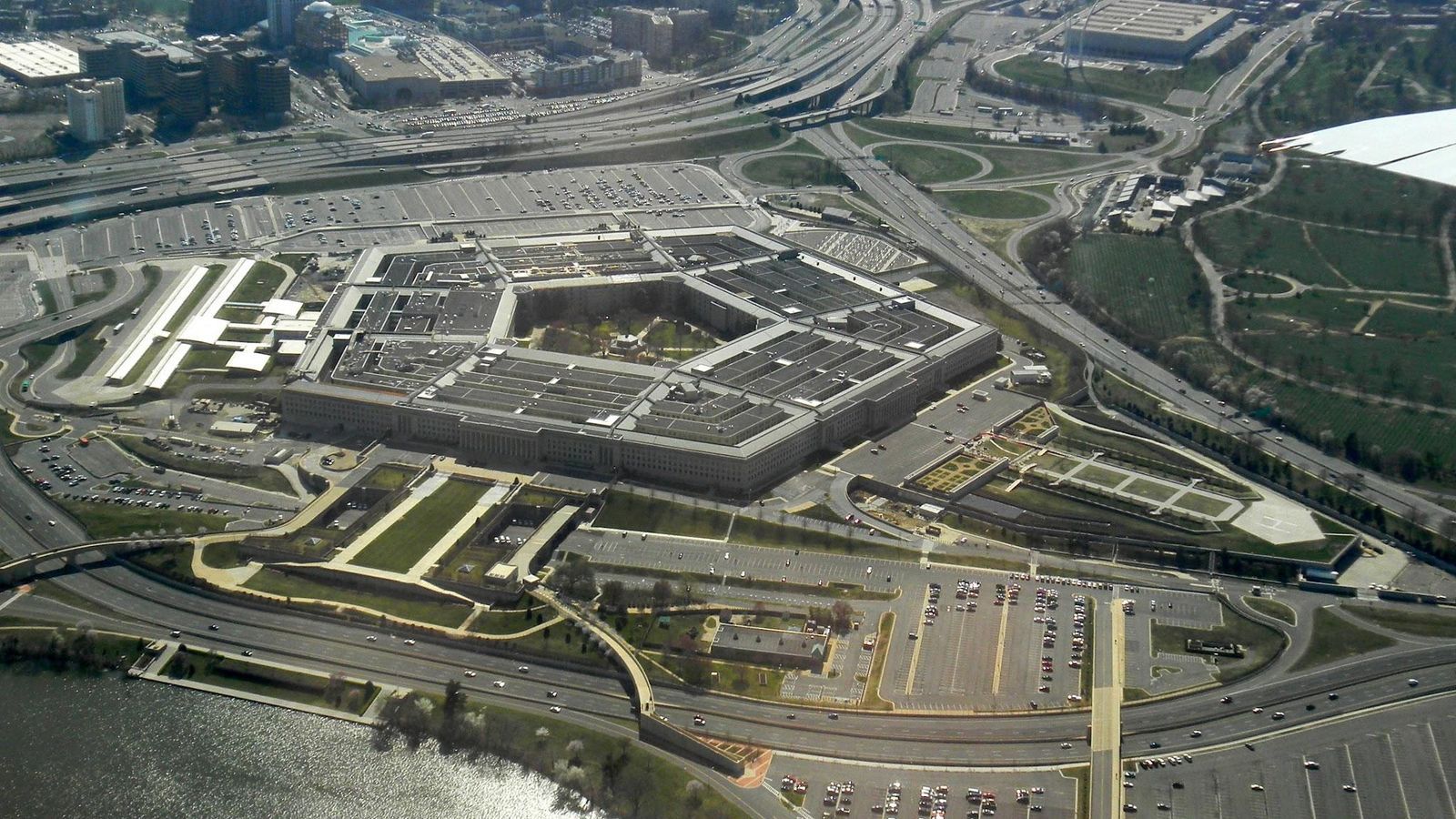
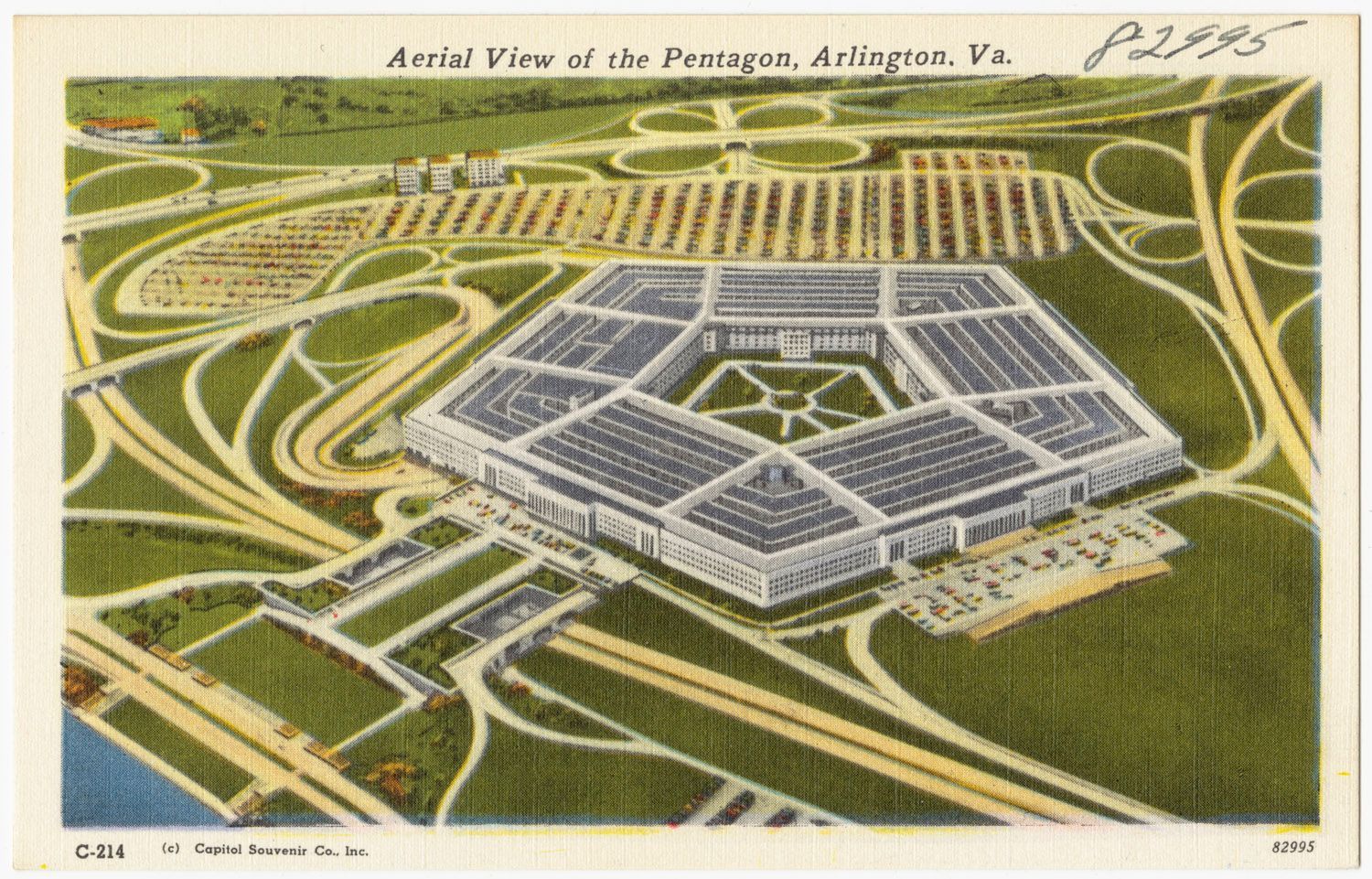
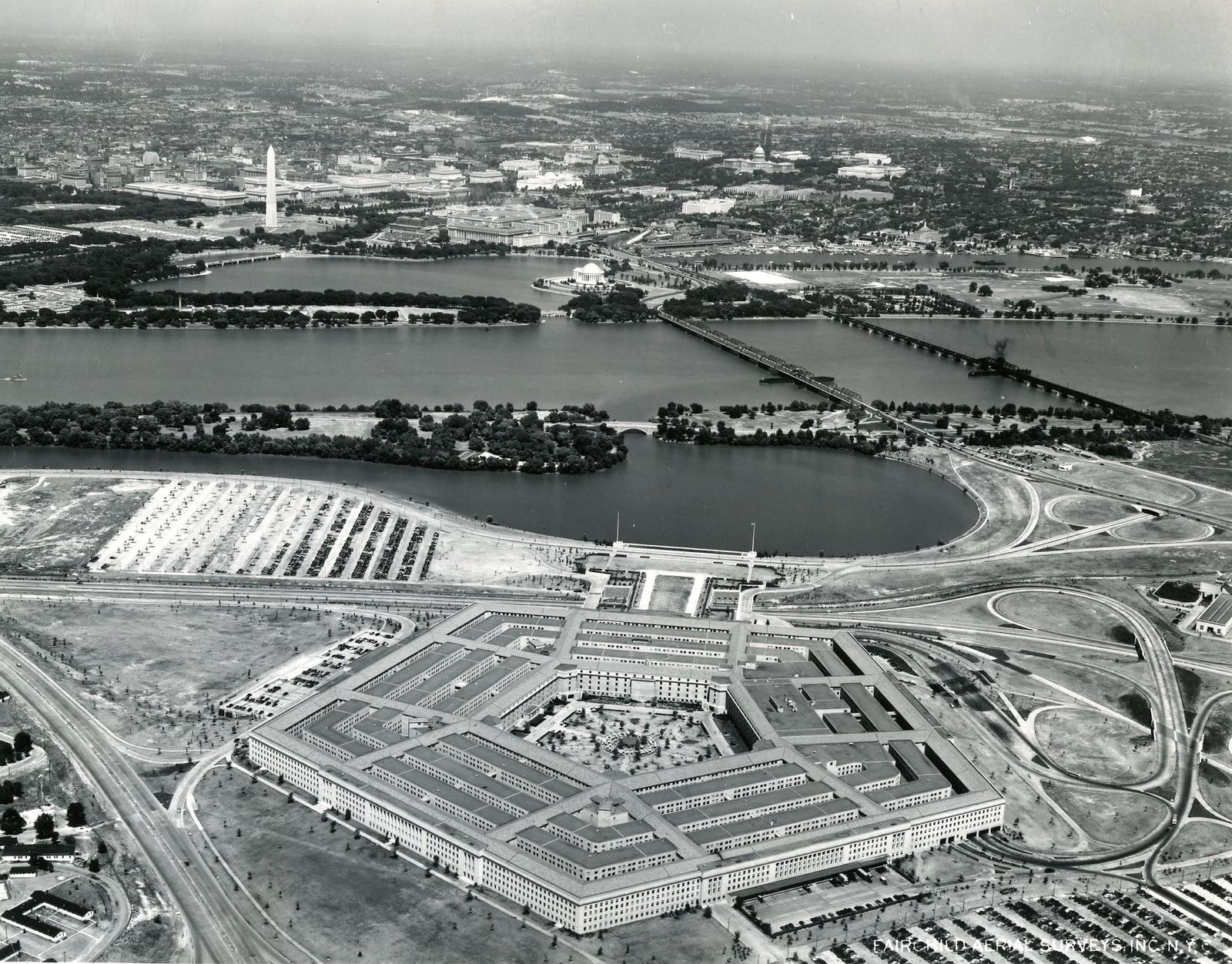
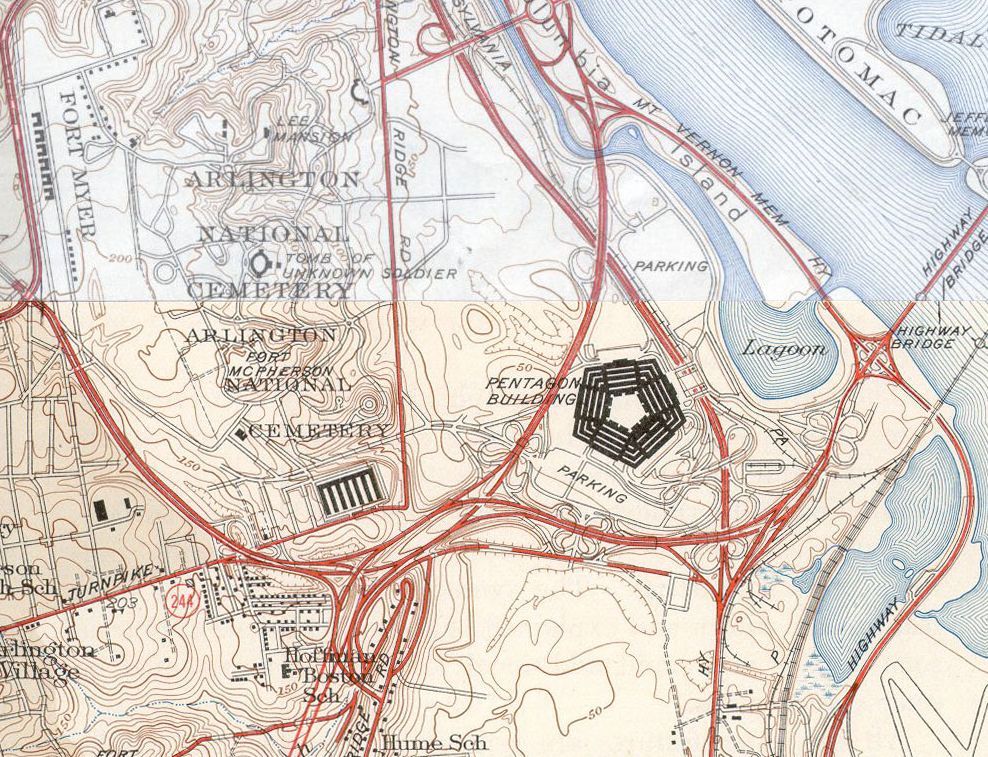
The Pentagon’s iconic five-sided shape was the consequence of a geographic accident. The original site selected for the building, near Arlington Cemetery, **happened to be bordered on five sides by roads. **Architects designed the structure to fit those boundaries, producing a pentagonal floor plan. Then President Franklin D. Roosevelt intervened: worried the massive building would obstruct the view of Washington, D.C. from Arlington, he ordered the site moved to its current location along the Potomac River. But the five-sided design had already been drawn up, and nobody changed it.

6
It was the first desegregated building in Virginia

Image: https://ddotlibrary.omeka.net/items/show/100, Public domain, via Wikimedia Commons

When the Pentagon was designed in 1941, segregation was the law in Virginia. Original plans called for doubled bathroom facilities: separate ones for Black and white employees, as required by Virginia statute. But President Roosevelt had signed Executive Order 8802 in June 1941, prohibiting racial discrimination in federal employment and government contracting.

As a federal building, the Pentagon was exempt from Virginia law. It became the only building in the state where segregation was not enforced. A fully desegregated federal workplace that opened in 1943. The doubled bathrooms were built anyway, as the plans were too far along to revise, but were never used as separately designated spaces.

7
Its construction was surprisingly frugal and incredibly fast

Image: See page for author, Public domain, via Wikimedia Commons

Ground broke on September 11, 1941, and construction finished on January 15, 1943, just 16 months later. More than 15,000 workers were on site around the clock. Wartime office shortages were so severe that employees moved into completed wings before the rest of the building was finished. Steel was too scarce to use extensively, so builders relied almost entirely on reinforced concrete. The 689,000 tons of sand and gravel required came directly from the nearby Potomac River, cutting transportation costs. The project was budgeted at $35 million, but the final bill was $63 million, which would translate to over $900 million in today’s dollars.

8
You can walk between its farthest points in only 7 minutes

Image: Bea A Carson, CC0, via Wikimedia Commons

The Pentagon is the world’s largest low-rise office building: 6.5 million square feet of space, which is three times the total floor area of the Empire State Building. Each of its five outer walls is 921 feet long. It has 7,754 windows and 17.5 miles of corridors. Approximately 26,000 military and civilian employees report for work there every day.

Despite that scale, the building’s concentric ring design is so efficient that it takes only about seven minutes to walk between its two farthest points.

9
The man who secretly lived inside its walls

Image: Carol M. Highsmith, Public domain, via Wikimedia Commons

During construction, Colonel Groves drove his deputy, Captain Robert Furman, so relentlessly that Furman rarely left the building. To cope, Furman had contractors build him a small, windowless apartment hidden inside the walls of the Army’s Ordnance Division. In this private room, he could sleep and shower without leaving the premises.

When construction ended and personnel dispersed, knowledge of the hidden room was never passed on to building management. Months later, when Furman returned to Washington on Manhattan Project intelligence business, he found the apartment undiscovered and exactly as he’d left it.

For over a year, he would slip back to the Pentagon, pop open a wall panel, spend the night, and emerge in the morning with his suitcase. He was finally caught in 1943 and forced to surrender the keys. It was never disclosed whether the secret apartment was maintained or eventually absorbed back into the official floor plans.

10
It houses over 30 restaurants, including everyone's favorite chains

Image: Harrison Keely, CC BY 4.0, via Wikimedia Commons

The Pentagon feeds roughly 26,000 people a day, and its dining options read less like a military headquarters and more like a mall food court. The main Concourse Food Court, which opened in September 2009 and seats 875 people, is the largest of several dining areas.

Confirmed chains currently inside the building include McDonald’s, Five Guys, Subway, Popeyes, Starbucks (multiple locations), Dunkin’ (two locations), Panera Bread, Taco Bell, Panda Express, Baskin-Robbins, Potbelly, Jamba Juice, and Moe’s Southwest Grill, among others. The building also houses a CVS pharmacy, a florist, a jeweler, and a dry cleaner. In the summer of 2024, Potbelly became the first restaurant to open in the center courtyard. Yes, the very spot where the legendary Cold War hot dog stand once stood.

Explore more American facts

Choose your favorite category!

General
General

As American as apple pie—the very best America has to offer!

Culture
Culture

Delve into the astounding richness of American lore.

Geography
Geography

Hop in and explore vast and diverse American landscapes.

History
History

Discover the key moments that shaped the United States.