Culture Culture 4 min read

When Hollywood breaks the bank

$400 million spent on what!? Discover Hollywood's most expensive movies
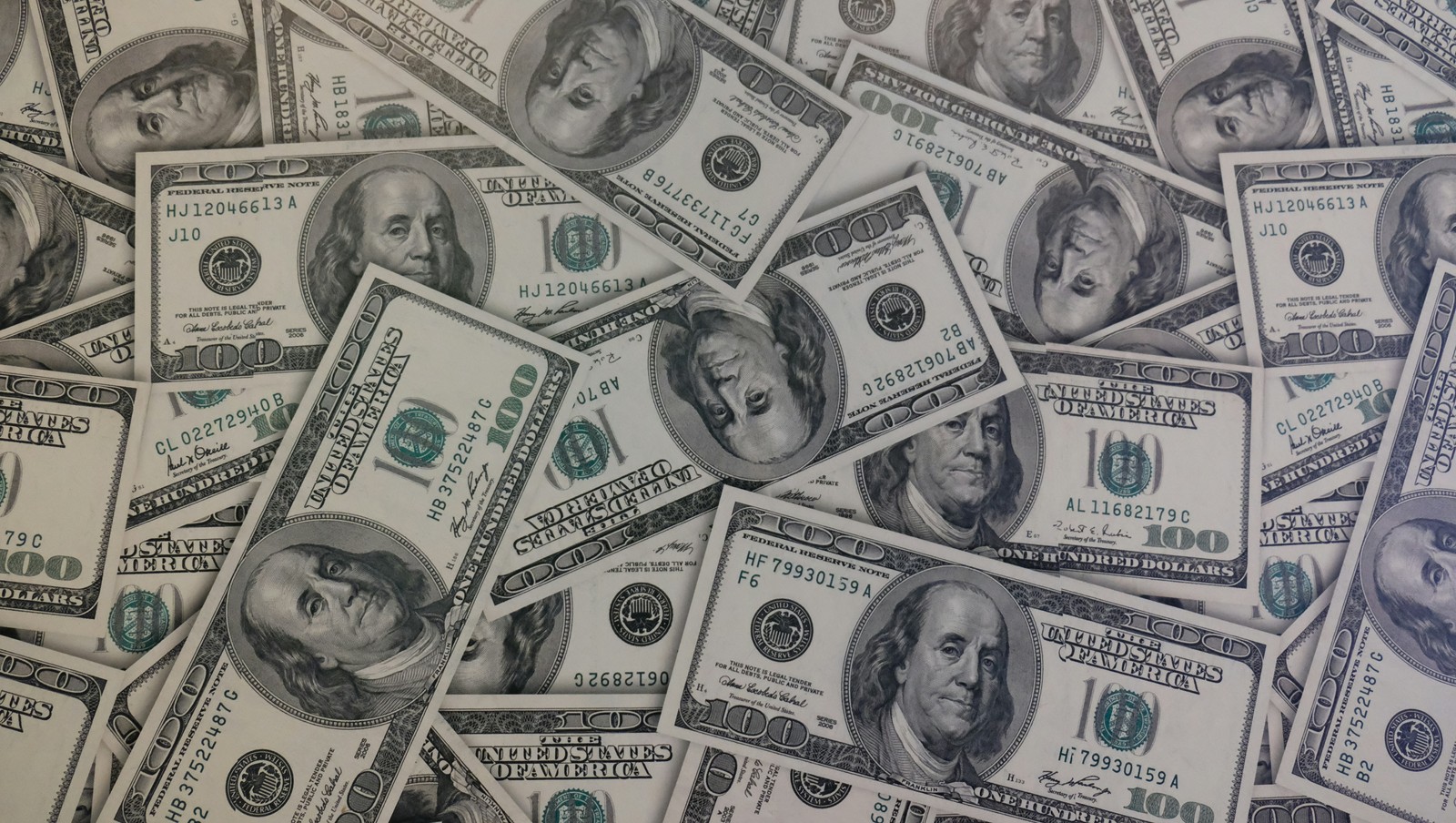
Image: Mackenzie Marco

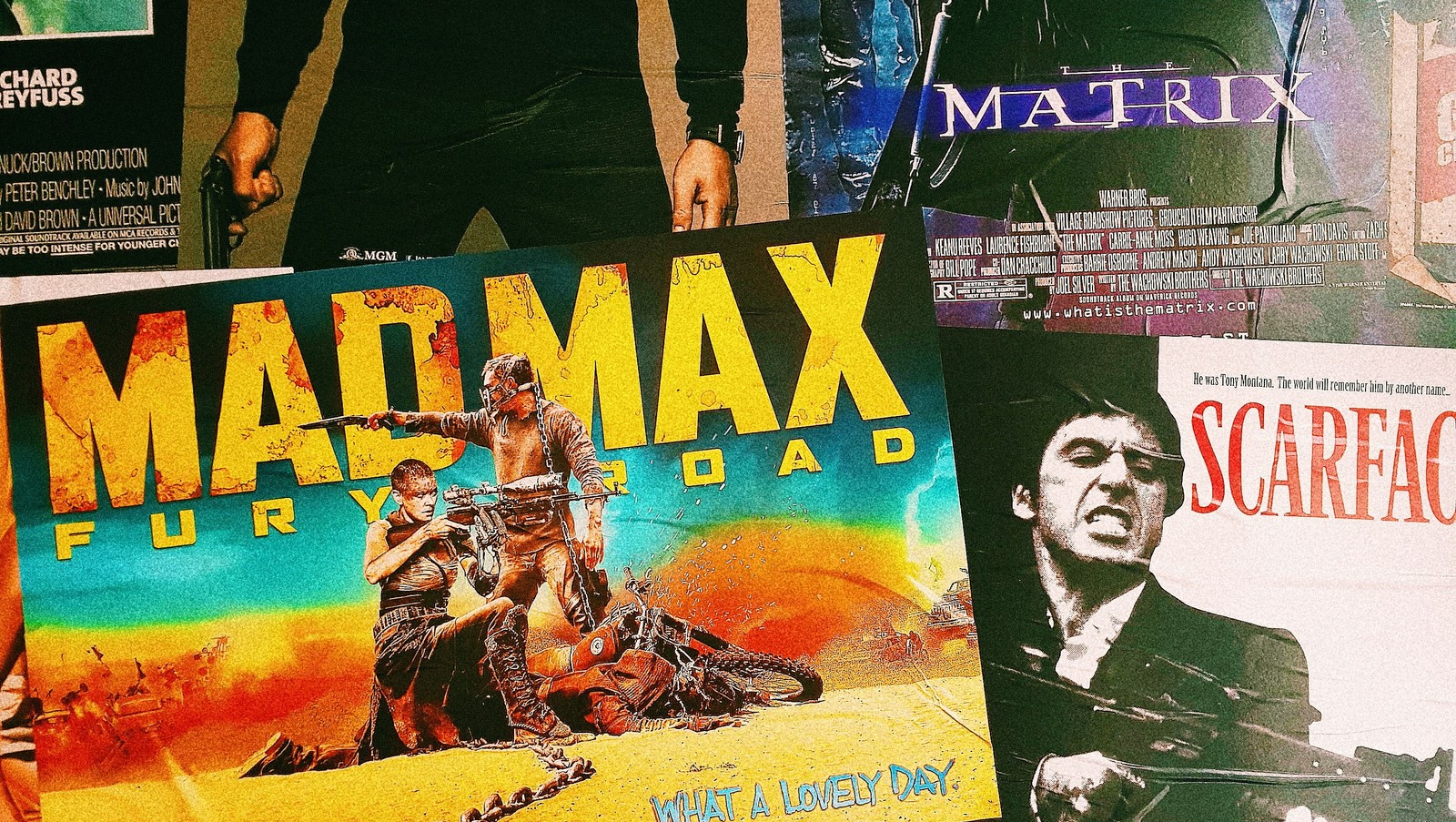
What would you do with $465 million? Buy a private island? Maybe 5 of them! If that sounds over the top, Hollywood might disagree. Big studios spend unimaginable amounts of money, with numbers that can be mind-blowing. Keep reading if you want to learn more about the most expensive movies ever made and where all that money went; there’s one title you definitely won’t see coming!

1
Jurassic World Dominion
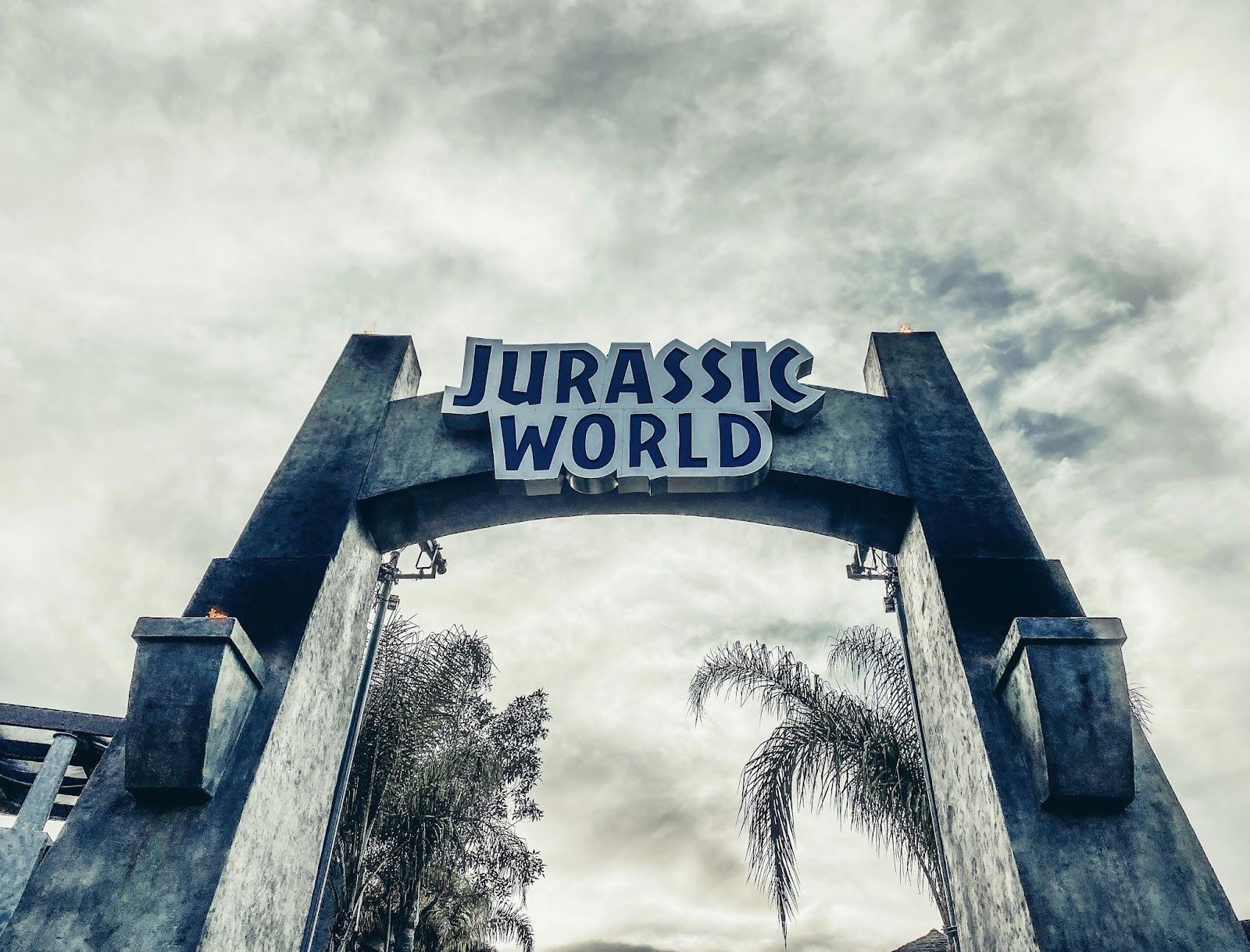
Image: Christopher Stark

We understand; bringing giant reptiles from millions of years ago to life isn’t easy… or cheap. Maybe that’s why Jurassic World: Dominion (2022) cost an incredible $465 million! But not all of that went to special effects. Filmed during the pandemic, the costs of safety measures and protocols for the large cast and crew were anything but low. The actors even spent months quarantining in the luxurious Langley Hotel near Pinewood Studios, which also inflated the film’s budget.

2
Star Wars: The Force Awakens

Image: Lyman Hansel Gerona

There are Star Wars fans everywhere, and for good reason, as it’s considered one of the greatest movie franchises of all time. But creating something this good comes at a high price: $447 million, to be precise. In addition to the visual effects and incredibly detailed costumes, the movie was shot across multiple countries: England, Iceland, Ireland, and even the United Arab Emirates. On top of that, the production counted with a top-tier cast, including Harrison Ford and Carrie Fisher.

3
Fast X
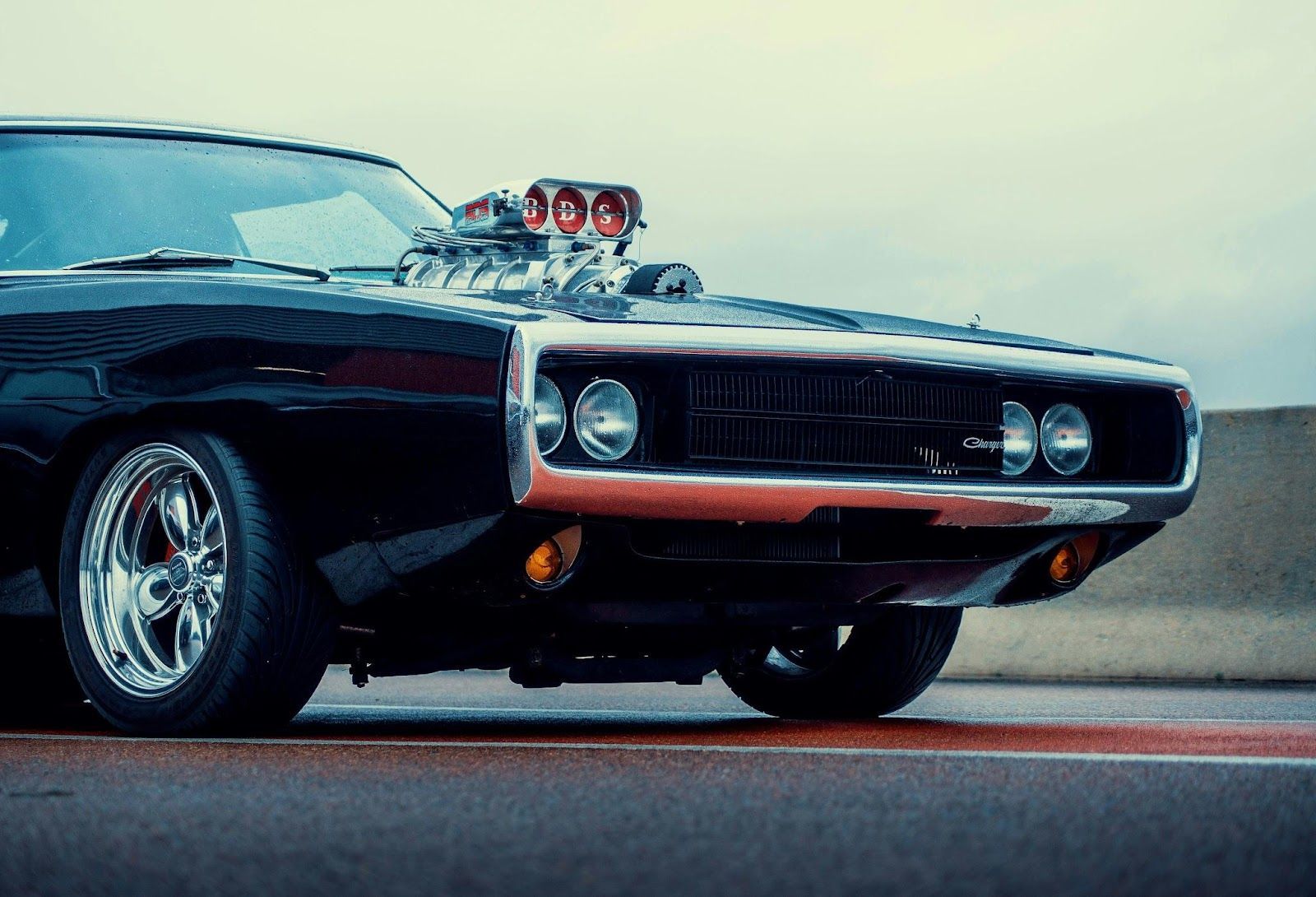
Image: Cook aynne

Fast X (2023) ranks among the most expensive movies ever made, with an incredible budget of $379 million. But it wasn’t just the explosions, wild rollovers, and high-speed chases that elevated the costs; a big part went into reuniting much of the original cast. On top of that, the production didn’t stick to Los Angeles alone; it also filmed in beautiful international locations such as Rome, Turin, and Lisbon.

4
Pirates of the Caribbean: On Stranger Tides

Image: Intricate Explorer

This film cost about the same as Fast X , but it came out 12 years earlier, when that budget was even more impressive. Pirates of the Caribbean: On Stranger Tides (2011) accumulated around $378.5 million in production costs, much of it going to star salaries, especially Johnny Depp, who reportedly earned $55 million for his role. And that’s not all; the film’s visual effects and far shooting locations (Hawaii, the UK, Puerto Rico) drove the budget even higher.

5
Avengers: Age of Ultron
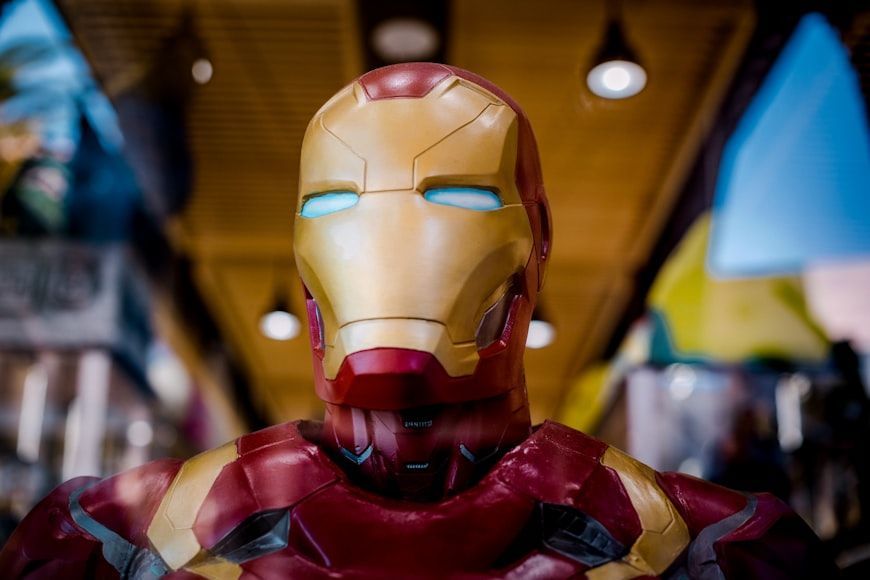
Image: Jason Leung

The superheroes’ suits, the incredible effects that brought their powers to life, the amazing battle scenes, and all the destruction they caused pushed the budget of Avengers: Age of Ultron (2015) to $365 million. But here’s the most interesting part: another film from the same saga, Avengers: Endgame , was released four years later and actually cost less (about $356 million).

6
Avatar: The Way of Water

Image: Luke Tanis

One thing’s for sure: making a movie is never easy, especially when it features a giant blue alien species living in an underwater world. That’s the case with Avatar: The Way of Water , released in 2022 with an astounding budget of $350 million. Costs climbed even higher thanks to its long filming schedule, which stretched from 2017 all the way through 2020!

7
Indiana Jones and the Dial of Destiny

Image: Intricate Explorer

Indiana Jones always gives his all, and his latest adventure, Indiana Jones and the Dial of Destiny (2023), was proof of that. The film cost around $327 million to produce, and the action didn’t stay confined to a studio, as the cast, crew, and equipment traveled to locations across the UK, Morocco, and Italy. In addition, the innovative visual effects and de-aging technology used to bring Harrison Ford’s character to life weren’t exactly cheap.

8
Mission: Impossible – The Final Reckoning
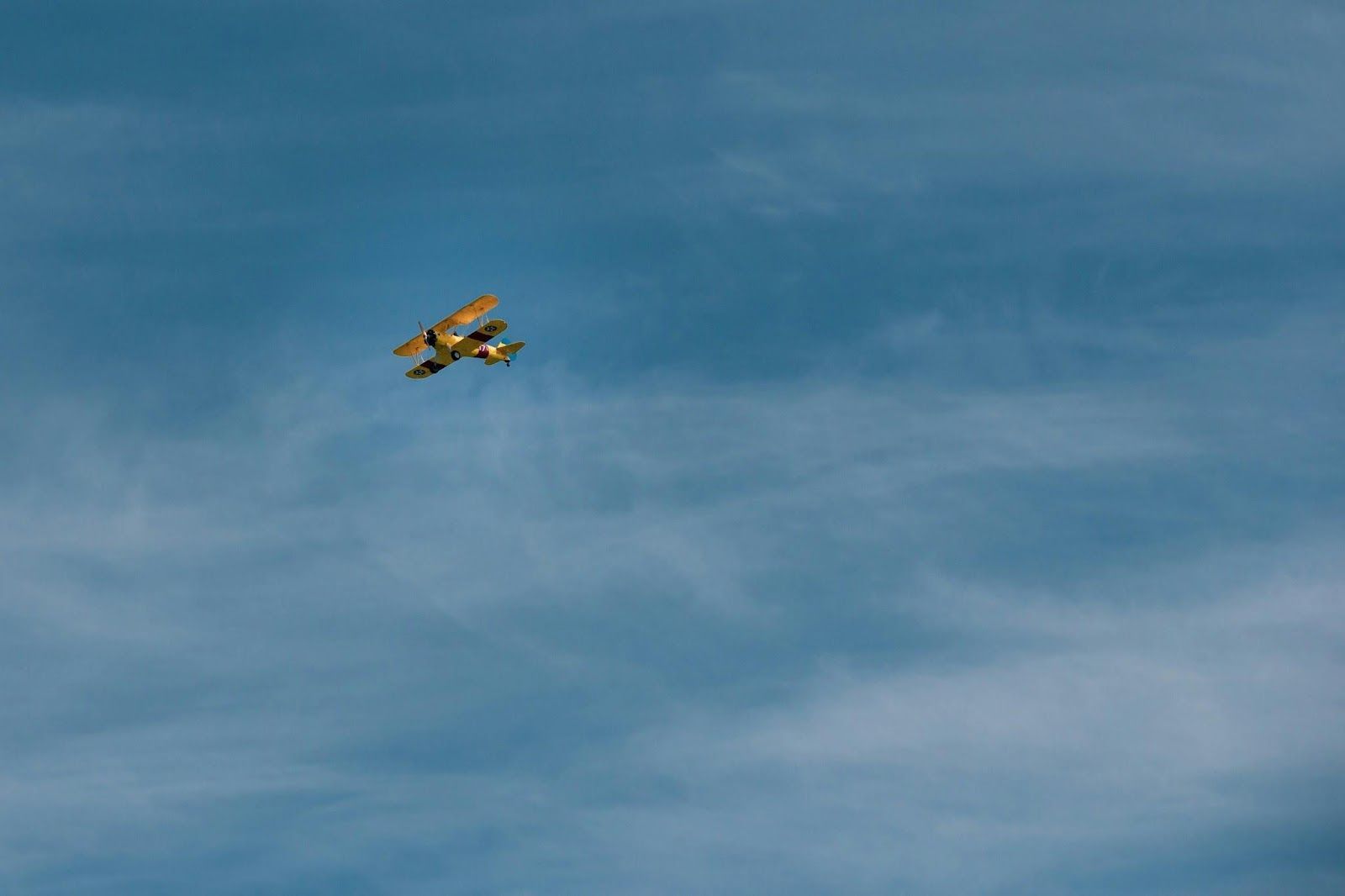
Image: Nao Takabayashi

Powerful action scenes and chases, biplanes performing aerial stunts, fierce battles, and underwater sequences: you’ll find all this and more in Mission: Impossible – The Final Reckoning (2025). But all this didn't come out of nowhere; it cost $300 million! Beyond the vehicles and specialized equipment, security measures had to be a serious matter. On the other hand, bringing Tom Cruise back to the saga and having him perform his own stunts added more dollars to the equation, with the actor reportedly earning between $70 million and $120 million for the movie.

9
No Time to Die

Image: Marcel Eberle

We were all excited to see Daniel Craig back in James Bond’s shoes, and we were lucky enough to watch him do it! But, of course, it didn’t come cheap. Beyond Craig’s generous salary and advanced visual effects, the film’s $250 million budget also covered the costs of filming across multiple, distant locations, including Italy, Jamaica, Norway, the Faroe Islands, and the UK!

10
Snow White

Image: Priscilla Du Preez 🇨🇦

After so many scenes of action, aliens, weapons, and explosions, you probably didn’t expect Snow White (2025) to make this list, right? But it did! While the film’s budget wasn’t officially confirmed, estimates put it at around $270 million. So, where did all that money go? First of all, the film relied on high-quality visual effects to bring the magic and fantasy of the fairy tale to life. But that wasn’t all; lead actresses Rachel Zegler and Gal Gadot reportedly requested substantial salaries.

Culture Culture 4 min read

Float like a butterfly, sting like a bee

An American legend: 10 moments in the life of Muhammad Ali

Image: Nelson Ndongala

The world has seen its fair share of outstanding athletes, but only one can rightfully call themselves "The Greatest." Many boxing enthusiasts believe that we will probably never see someone with the same level of talent as Muhammad Ali , but the truth is that his legacy extends well over the ring's confines. With that in mind, we would like to pay tribute not only to Muhammad Ali’s outstanding athletic career but also to the determination, grit, and courage that made him an American icon. We could endlessly sing our praises for this remarkable boxer in this introduction, but, as Ali once said, "Don’t count the days; make the days count." So, without further ado, enjoy!

1
Early life

Image: Mikhail Nilov

Born in 1942 in Louisville, Kentucky , Muhammad Ali was originally named Cassius Marcellus Clay Jr., after his father, who was himself named after the 19th-century abolitionist Cassius Marcellus Clay. Throughout his childhood, Ali struggled with dyslexia, which caused him to struggle with reading and writing during his school year.

2
The start of his boxing career

Image: Johann Walter Bantz

When Ali was 12 years old, a thief stole his bicycle. According to historians, police officer Joe E. Martin, who was also an amateur boxing coach, found Ali fuming over the theft. Martin suggested that Ali take up boxing in order to better channel his anger. At the time, no one could have imagined that this suggestion would jumpstart the start of the most prolific boxing career in history.

Ali made his amateur debut in 1954. Shortly afterward, he went on to win six Kentucky Golden Gloves titles, two national Golden Gloves titles, and the light heavyweight gold medal at the 1960 Summer Olympics in Rome.

3
Sonny Liston

Image: Attentie Attentie

Many consider the 1964 fight between Sonny Liston and Muhammad Ali to be the first major stepping stone on Ali’s journey to greatness. At the time, 22-year-old Ali was the favorite contender for Sonny Liston’s world heavyweight championship title. The fight was highly publicized and controversial, with the brash and confident Ali openly mocking Liston during press conferences and interviews. Despite the odds being 8:1 in Liston’s favor, Ali won the fight in the seventh round, becoming the new world heavyweight champion.

4
Refusing military service

Image: Aleksandar Popovski

Ali’s fights were not just limited to the ring . In 1967, he stood his ground and refused to be drafted into the military, citing his religious beliefs and objection to the Vietnam War. Although he was highly criticized for this decision and stripped of his boxing titles, Ali remained steadfast and appealed his conviction to the Supreme Court. In 1971, the Court overturned his conviction.

5
From Clay to Ali

Image: Art Rogers, Los Angeles Times, CC BY 4.0

In 1964, the same year he became the world’s heavyweight champion, Ali’s religious beliefs caused him to change his name from Cassius Clay to Muhammad Ali. The name comes from the words meaning "one who is worthy of praise" (Muhammad) and "most high" (Ali). At the time, heavily criticized by the press who refused to call him by his new name, Ali simply stated, "I am Muhammad Ali, a free name."

6
The Rumble in the Jungle

Image: Прикли, CC BY 4.0

Boxing fans remember 1974 as the year of what is arguably the greatest boxing match in history. Advertised as " The Rumble in the Jungle ," a 32-year-old Ali faced the undefeated and undisputed heavyweight champion, George Foreman. Though Foreman was expected to easily win, with 4-1 odds in his favor, Ali triumphed by knockout in the eighth round. This fight introduced the world to Ali’s iconic "rope-a-dope" tactic, which earned him the victory of what at the time was the world's most-watched live television broadcast.

7
Thrilla in Manila

Image: charlesdeluvio

All three fights between Muhammad Ali and Joe Frazier are undeniable highlights in boxing history, with their first bout famously known as "The Fight of the Century." However, Ali and Frazier’s third and final fight , advertised as "The Thrilla in Manila," is perhaps the most memorable, ending with Frazier conceding after the 14th round. Interestingly, the fight’s name originated from Ali’s remarkable talent for rhyming, as he declared, "It will be a killa and a thrilla and a chilla, when I get that gorilla in Manila."

8
Quotes and Poetry

Image: Fitzgerald Whitney, Los Angeles Times, CC BY 4.0

Let’s take a moment to step away from Ali’s outstanding boxing career and focus on one of his often-overlooked talents: his use of words . Ali’s struggles with dyslexia didn’t affect his poetry skills, which he often used to intimidate and attack his opponents. Not only that but his numerous interviews and press conferences gifted us with some truly remarkable quotes. We’ll leave you with one of our personal favorites: "If my mind can conceive it, and my heart can believe it—then I can achieve it."

9
Later years and death

Image: Nelson Ndongala

In 1984, at just 42 years old, Ali announced to the world that he suffered from Parkinson’s Syndrome. Despite his declining health, his spirit remained unshaken. He became a spokesperson for people afflicted with this disease, appearing before Congress in 2002 alongside actor Michael J. Fox to raise awareness for Parkinson’s . In 2016, Ali passed away at the age of 74, surrounded by family and loved ones.

10
1996 Summer Olympics

Image: Peter Robbins

We’ll end this article with an image that perfectly captures Ali’s unparalleled tenacity and fighting spirit. During the 1996 Summer Olympics, which were held in Atlanta, Georgia, Ali took on the challenge of carrying the Olympic torch and lighting the Olympic cauldron. At the time, the former boxer was bravely battling Parkinson’s Disease. However, in a showcase of moving resilience, Ali represented his country and proudly carried the Olympic Torch to its destination.

History History 4 min read

More than small steps

Fascinating facts you probably didn't know about the Apollo missions

Image: Brian McGowan

There are dozens of movies about the Apollo missions –and with good reason! Sure, we all know the legendary anecdotes about Apollo 11, like how many people were watching or the by-now-legendary words that Armstrong uttered. But what happened in the rest of the missions? Here are some of the most interesting stories from the twelve men who walked on the Moon and the teams who got them there!

1
"One small step" vs. "Man, that may have been a small one…"

Image: NASA

Neil Armstrong stepped onto the lunar surface with his carefully planned line: "That is one small step for a man , one giant leap for mankind." Pete Conrad from Apollo 12 decided to have some fun with that.

Conrad was short, and he had bet a reporter five hundred dollars that he could say whatever he wanted when he stepped down. This is the line he went for, as documented in NASA transcripts: "Whoopie! Man, that may have been a small one for Neil, but that is a long one for me ."

2
Apollo 12 and the lightning strike that tried to end everything

Image: USGS

Apollo 12 was struck by lightning not once but twice, only 36 seconds after launch. The electrical surge wiped out telemetry in Mission Control.

The flight looked doomed until flight controller John Aaron said the now legendary instruction: "Try SCE to Aux." Conrad responded with, "What the hell is that?" because almost no one remembered what SCE meant.

Luckily, Alan Bean understood what to do. He flipped the switch, the instruments rebooted, and Apollo 12 kept flying.

3
Apollo 13 was just as dramatic as the movie showed

Image: David Trinks

The explosion of an oxygen tank in Apollo 13’s service module really did turn the mission into a race against time. The line "Houston, we have a problem" is Hollywood’s adaptation, however. The real line, spoken by Jack Swigert and repeated by Jim Lovell, was "Houston, we have had a problem."

Other real drama: the crew used the Lunar Module as a lifeboat, battled rising CO₂ levels, manually aligned the spacecraft using Earth’s horizon, and returned home with only a sliver of battery life left.

4
Apollo 16 astronauts drove a moon rover like teenagers with a new car

Image: NASA

The lunar rover was a marvel: lightweight, foldable, and capable of reaching 13 to 18 km/h depending on conditions.

John Young and Charlie Duke from Apollo 16 were so thrilled with it that Mission Control had to repeatedly remind them not to drive too fast on uneven terrain.

Duke even recorded one of the wildest moments of the program when Young yelled, "Look at that… look at that!" as dust flew up behind them.

5
The dust that drove astronauts nuts

Image: NASA Hubble Space Telescope

Moon dust is sharp, sticky, and electrostatically clingy. Astronauts from Apollo 11 onward complained that it smelled like burnt gunpowder and got everywhere. Harrison Schmitt from Apollo 17 suffered "lunar hay fever" after breathing dust tracked into the cabin.

NASA later became mildly obsessed with studying how dangerous that dust might be… and it turns out it is genuinely abrasive to suits and could be risky to lungs.

6
Apollo 11 and the computer that said "nope"

Image: History in HD

Just minutes before landing on July 20, 1969, the Apollo Guidance Computer flashed a "1202" program alarm. In non-NASA terms, the computer was overloaded and essentially panicking .

But guidance officer Steve Bales had trained for this exact situation and cleared the crew to proceed. Armstrong later said this call was one of the mission’s most decisive moments. So yes, the first Moon landing almost got canceled by a stressed-out computer.

7
The golf shot that echoed through history

Image: Stockholm Paris Studio

On Apollo 14, Alan Shepard smuggled a makeshift golf club head along with two golf balls.

On the moon, he attached it to a sample collection tool and made the most famous swing in the Solar System. The ball truly did travel far, although probably not the "miles and miles" Shepard joked about. Still, it remains the only round of lunar golf ever played.

8
Apollo 15’s postal controversy

Image: Tolga deniz Aran

The Apollo 15 astronauts carried unauthorized stamped envelopes to sell to collectors later.

This became a scandal when the deal came to light. NASA was furious, the crew was reprimanded, and the agency tightened rules on what astronauts could take to space.

The event is fully documented and remains one of the strangest side stories of the program.

9
Twelve people walked on the moon

Image: NASA

Between 1969 and 1972, exactly twelve astronauts walked on the lunar surface.

The list, in chronological order, is: Armstrong, Aldrin (Apollo 11), Conrad, Bean (Apollo 12), Shepard, Mitchell (Apollo 14), Scott, Irwin (Apollo 15), Young, Duke (Apollo 16), and Cernan and Schmitt (Apollo 17). Cernan remains the last human to have walked on the Moon.

10
The last moonwalk included a love letter

Image: NASA

During Apollo 17, Gene Cernan traced his daughter’s initials TDC on the lunar dust.

As he said his farewell words on the Moon, he hoped the world would continue exploring. His last line: "We leave as we came and, God willing, as we shall return, with peace and hope for all mankind."

Explore more American facts

Choose your favorite category!

General
General

As American as apple pie—the very best America has to offer!

Culture
Culture

Delve into the astounding richness of American lore.

Geography
Geography

Hop in and explore vast and diverse American landscapes.

History
History

Discover the key moments that shaped the United States.