Obsolete occupations
12 forgotten jobs that once existed and became obsolete
Image: Igor Saikin
At various points in history, people earned a living performing jobs that sound downright strange today. Folks once knocked on windows to wake strangers for work. Others spent their days resetting bowling pins by hand, lighting streetlamps at dusk, or harvesting ice from frozen rivers. Machines have certainly made life easier in many ways, but they have replaced the livelihood of many. Here’s a small handful of some forgotten jobs that were once fundamental to everyday life in America and elsewhere in the world.
1
Town crier
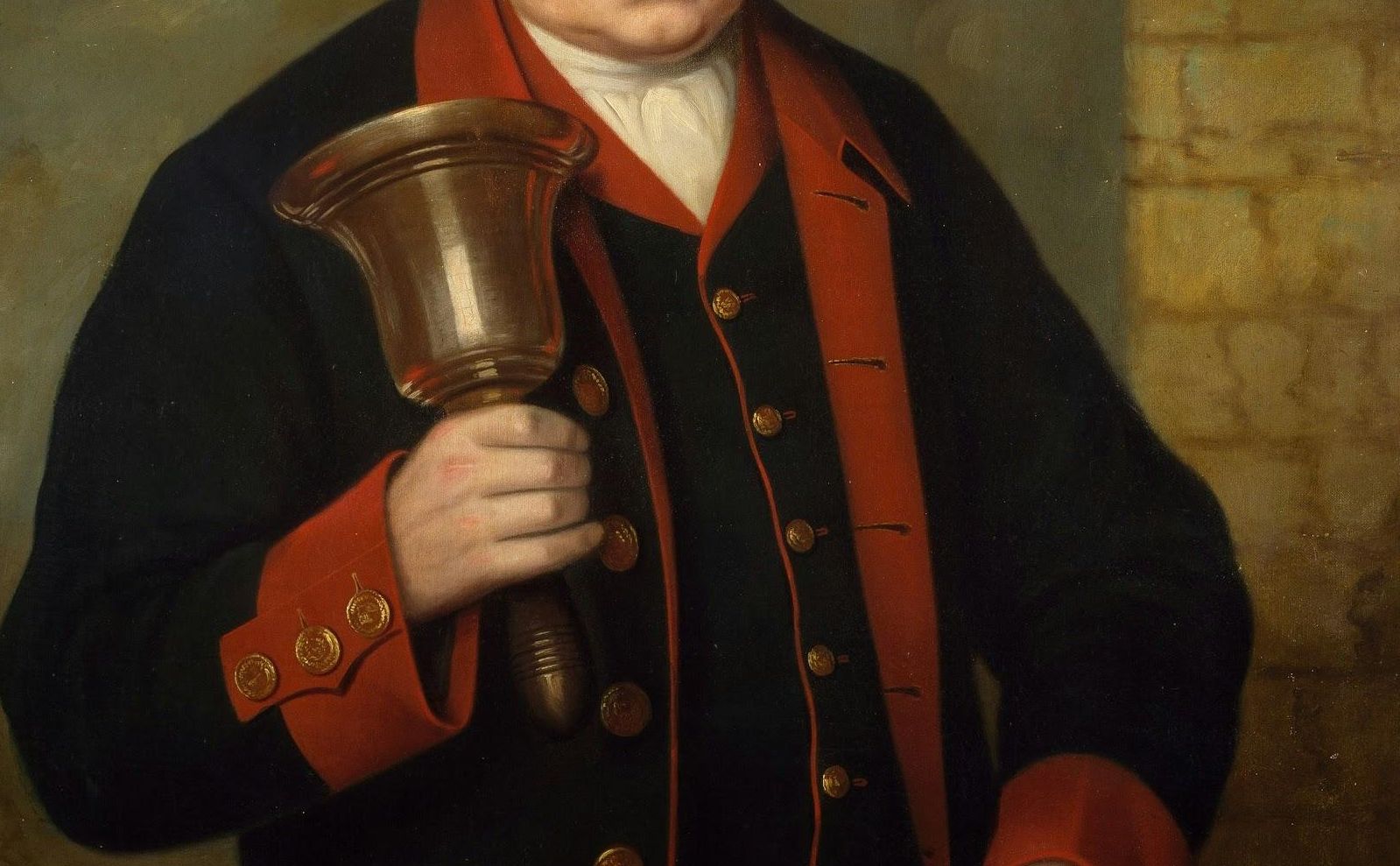
In early American towns (and elsewhere in the world), before printed media and mass communication were the norm, news didn’t arrive through newspapers or broadcasts: it arrived by voice. Town criers walked streets ringing bells and loudly announcing public notices, laws, and important events . They were essential in communities where literacy was limited, and information traveled slowly.
2
Factory lectors
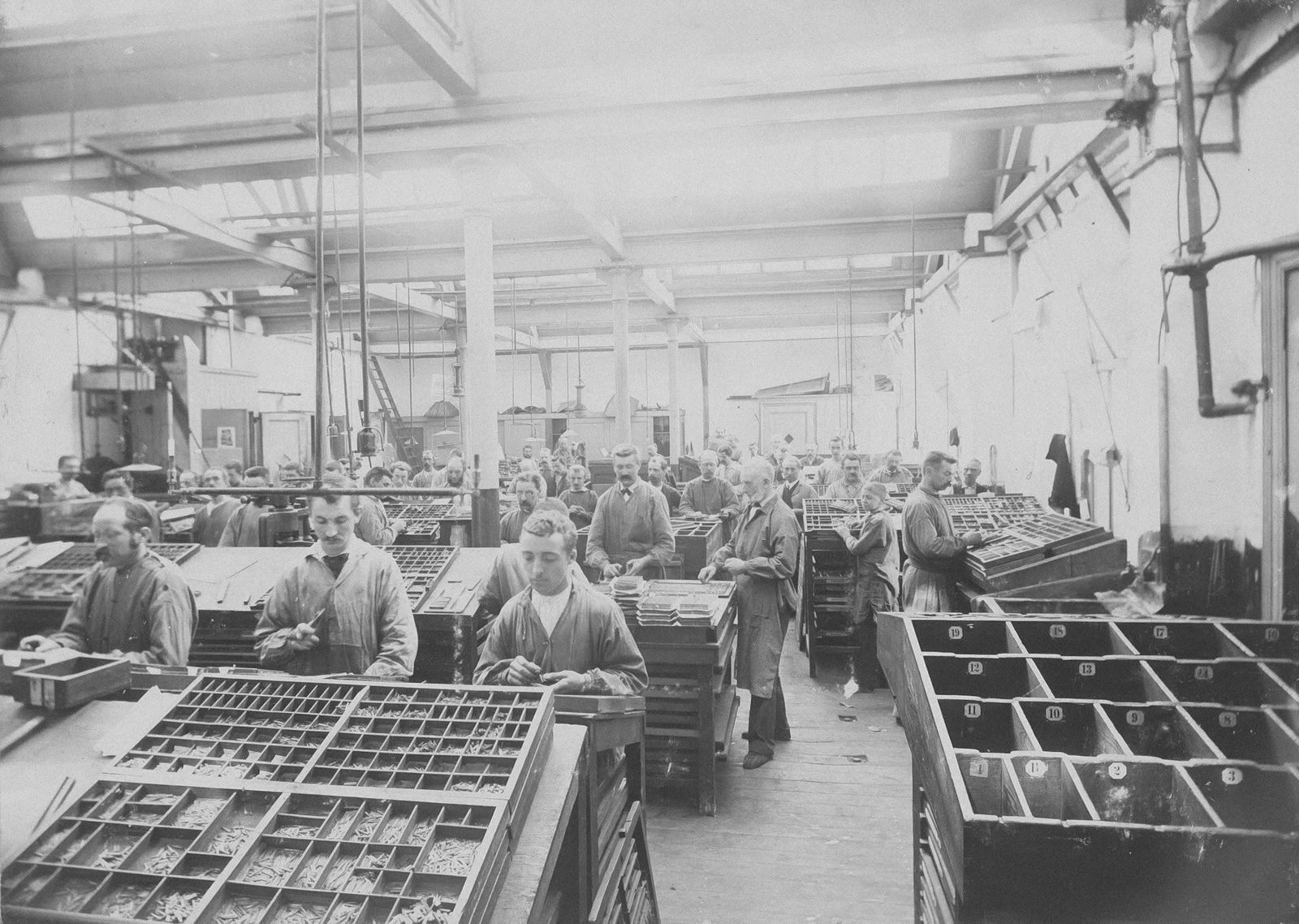
Nowadays, when you have some manual, boring labor to do, you can turn on the radio, listen to some music, or a podcast. Of course, that wasn’t an option once upon a time. In some factories, workers hired a lector to read aloud while they worked .
Starting in the mid 1800s and into the beginning of the 1900s, lectors in factories shared newspapers, novels, and political texts, keeping workers informed and entertained during long hours.
3
Elevator operator

Using an elevator seems easy enough today, but for decades, elevators didn’t run themselves. Operators manually controlled speed, direction, and stopping points using levers and switches , while also greeting passengers and announcing floors.
In luxury hotels and department stores, a skilled, often uniformed operator was part of the experience, expected to be polite, precise, and calm under pressure. The job peaked in the early 20th century, especially in big cities like New York and Chicago.
4
Switchboard operator
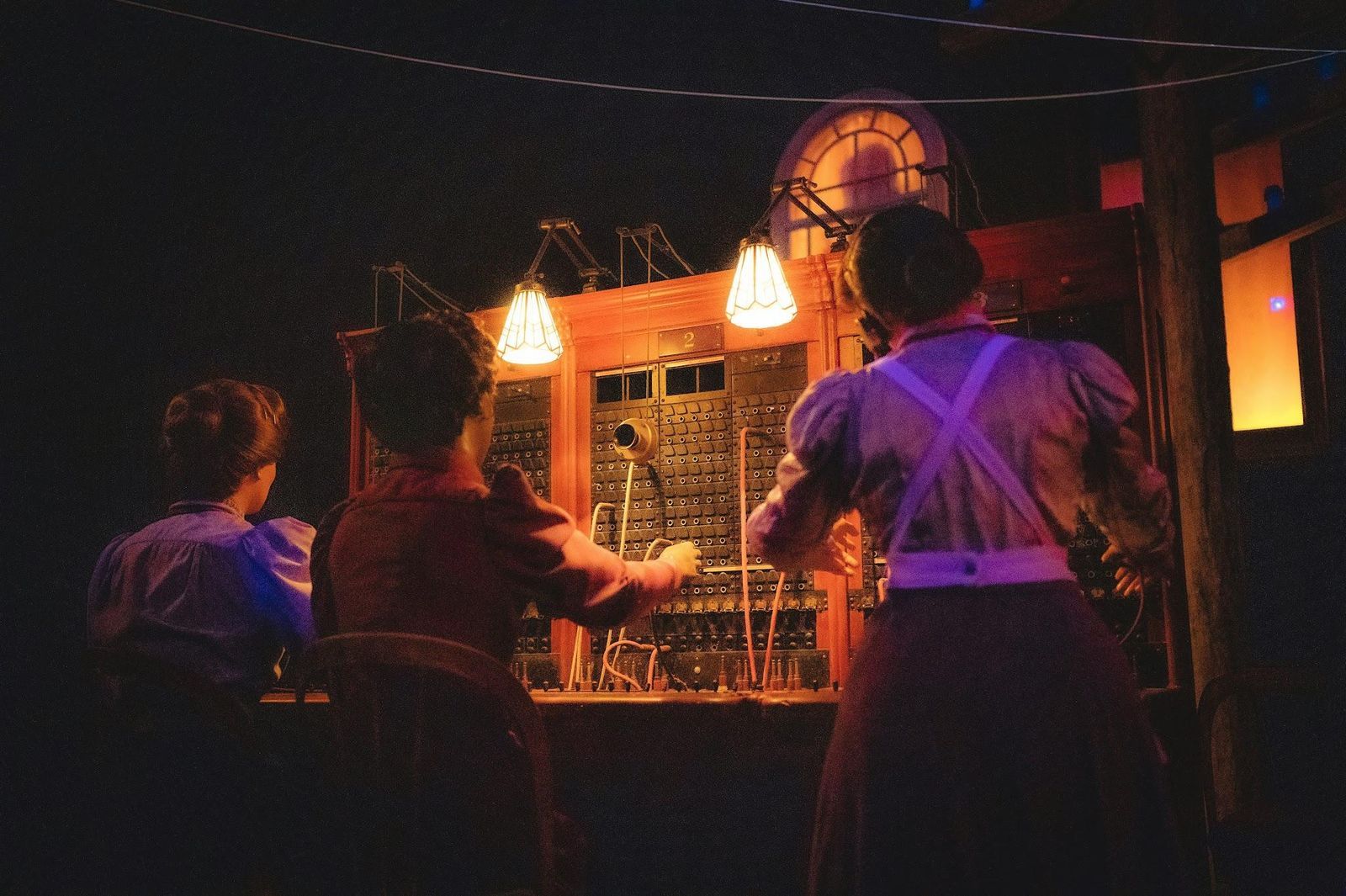
For early telephone calls, switchboard operators had to manually plug cords into panels to link callers together . The occupation rose shortly after Alexander Graham Bell patented the telephone in the 1870s, and became a fundamental job until the middle of the following century, when direct dialing was introduced.
Most operators were women, chosen for their calm voices, speed, and courtesy. They often memorized local names, numbers, and even callers’ personal habits and routines.
5
Bowling pinsetter
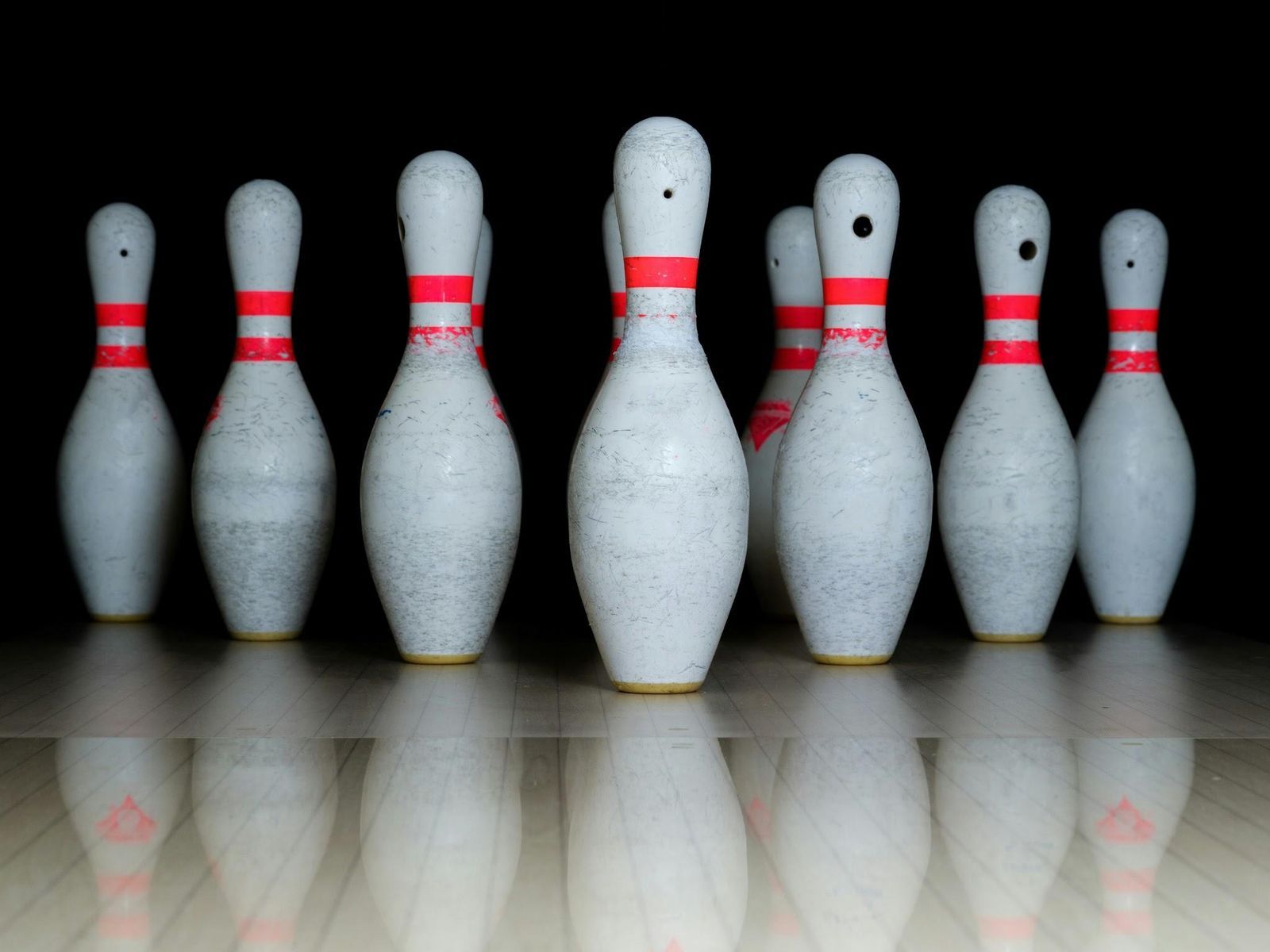
In early bowling alleys, pins did not magically reset themselves via machines. Pinsetters stood behind the lanes, manually rearranging pins after every roll.
It was noisy, repetitive, and sometimes dangerous work, often done by teenagers . It was only in the 1950s that automatic pinsetting machines were introduced.
6
Lamplighter
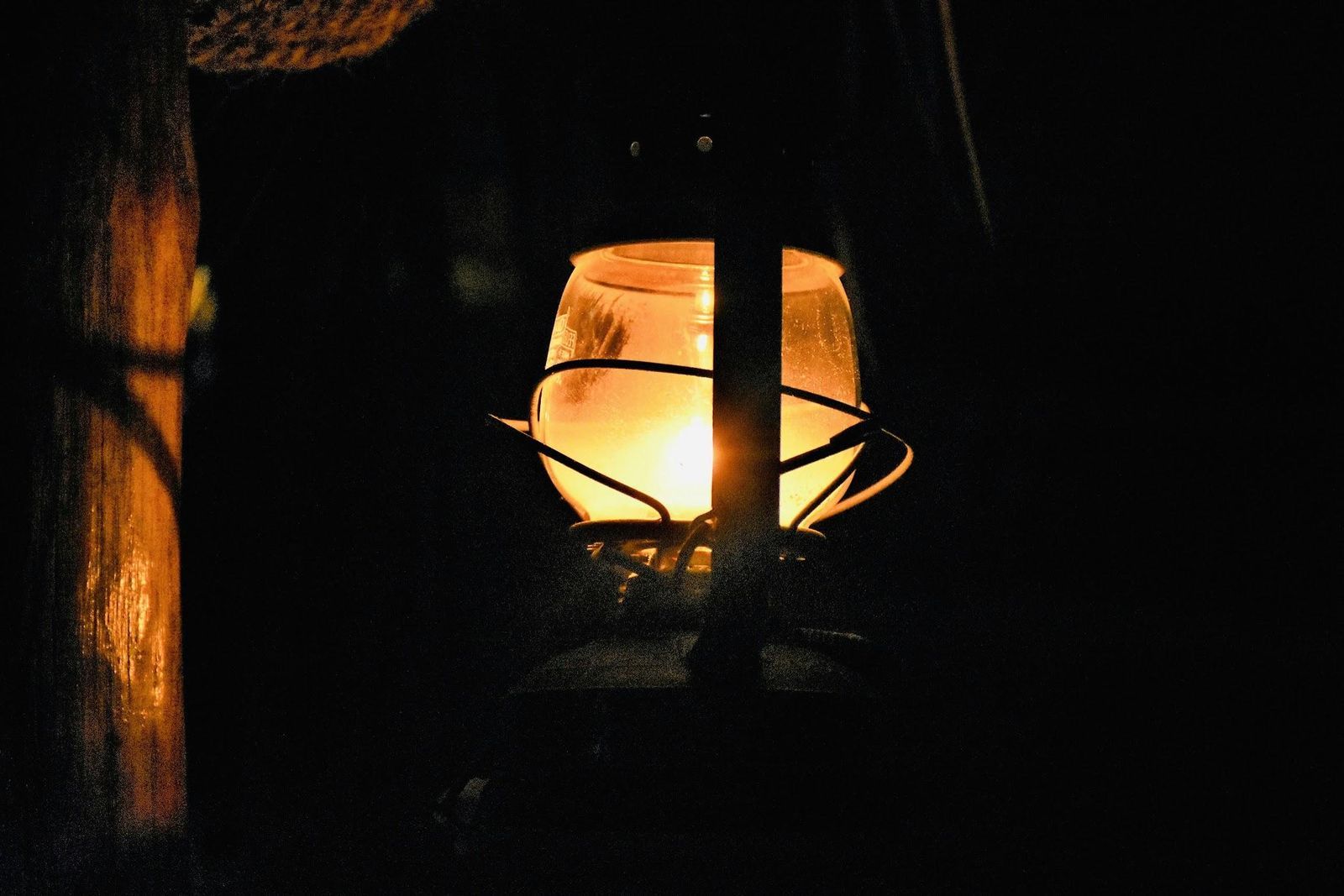
Since the beginning of the 19th century, every evening, lamplighters walked city blocks, lighting gas lamps one by one . At dawn, they returned to extinguish them. This job was vital for public safety because the lights helped prevent crime and accidents in dark streets.
It wasn’t until the 1880s that the first electric streetlights were introduced in some cities, but they weren’t the norm until the 1950s. At that point, the cost of maintaining gas pipes had become too high compared to electricity, so the last gas lamps were removed.
7
Milkman
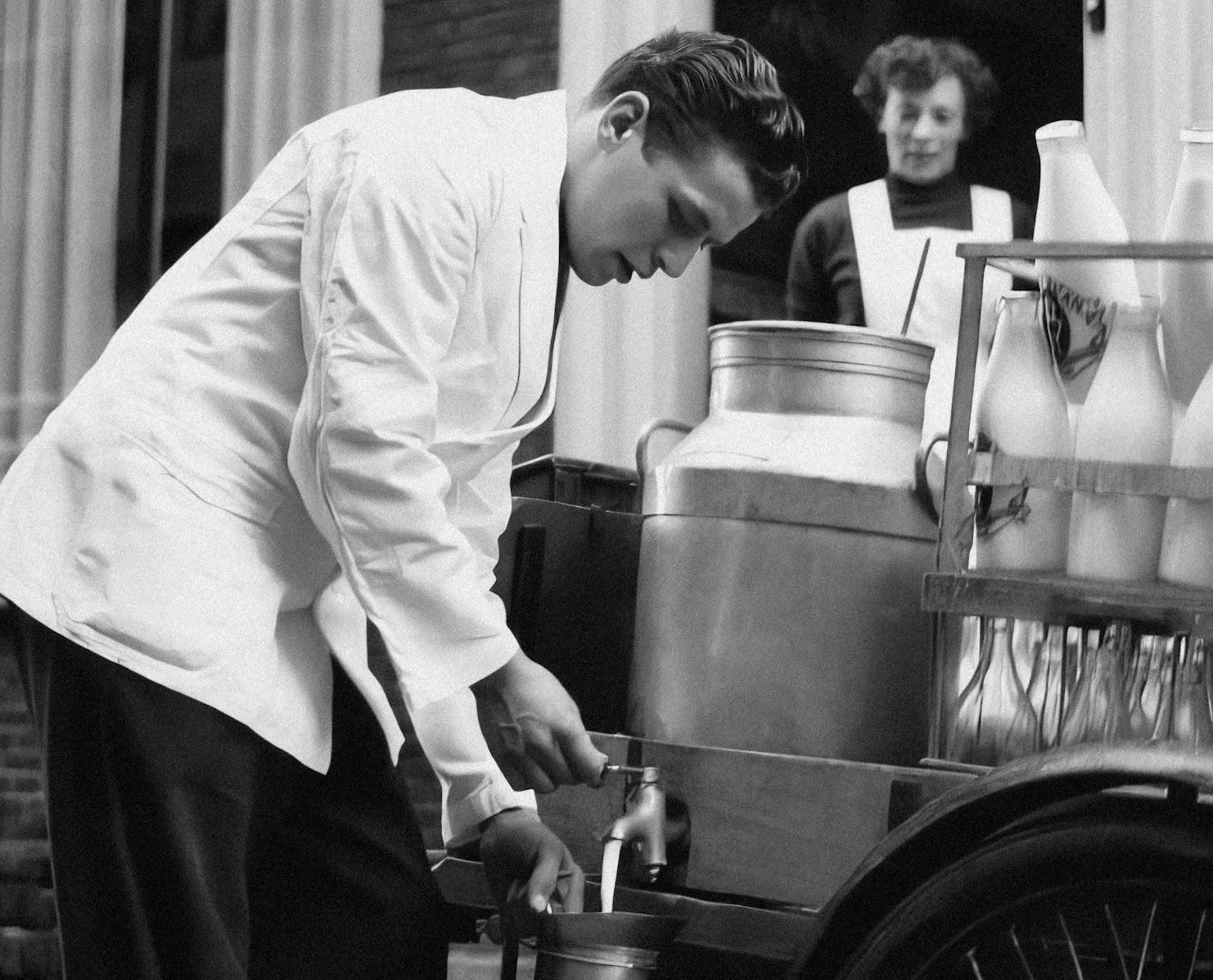
For the first half of the 20th century, the milkman was a familiar sight on American streets. He delivered fresh milk in glass bottles, leaving them in insulated boxes by the door. Many families depended on daily or near-daily deliveries, since refrigeration was limited or unreliable. By the 1940s, however, most American homes owned a refrigerator and the role of milkmen slowly faded.
8
Typist
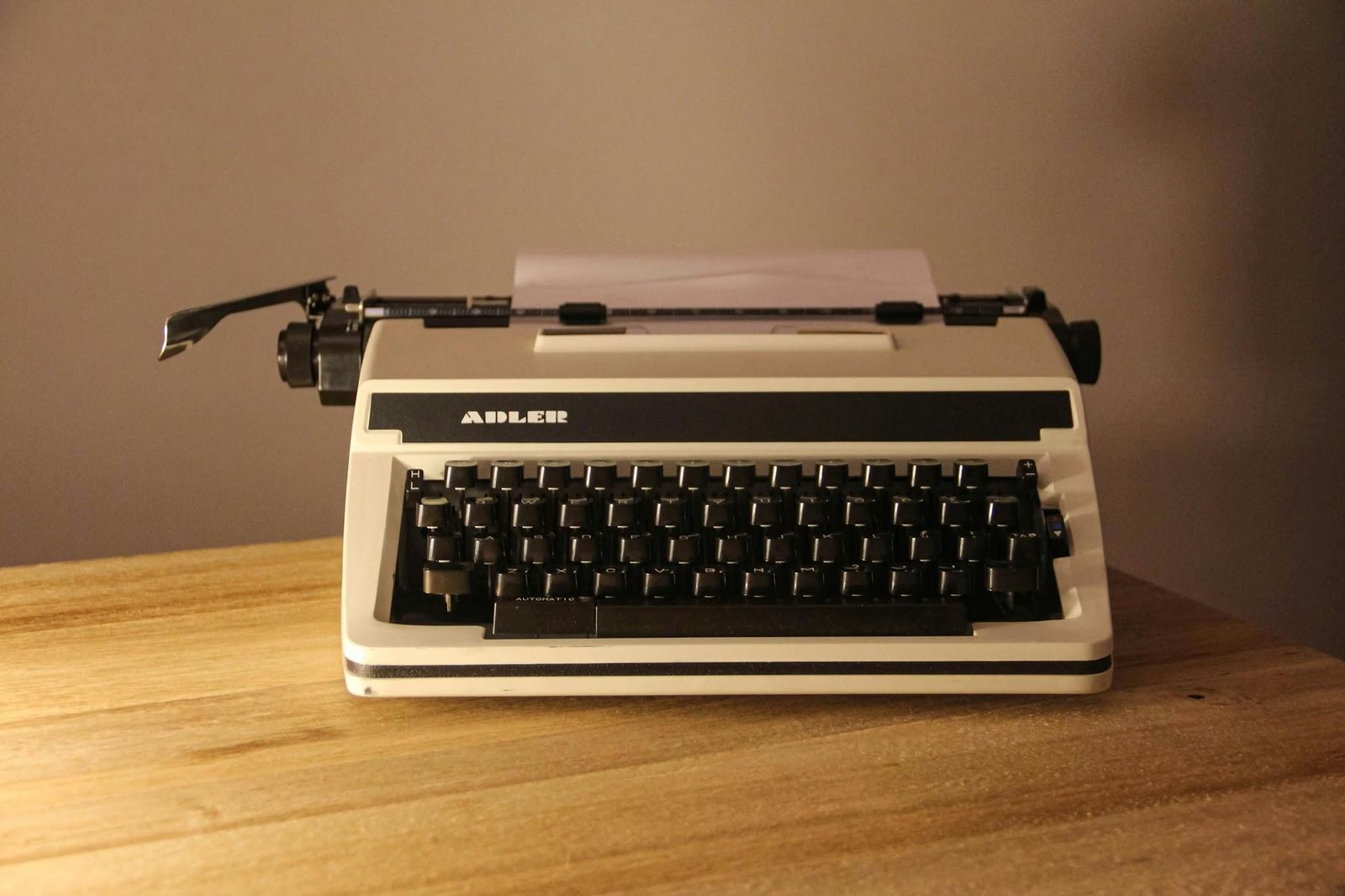
There was a time, before computers, autocorrect, and AI, when offices relied on professional typists to produce everything from letters to legal documents. Many large companies employed entire "typing pools," rooms filled with workers trained to type quickly and accurately on typewriters. Precision mattered more than you may think; unlike today, mistakes on paper (rather than the screen) sometimes meant starting the document over.
9
Human computer
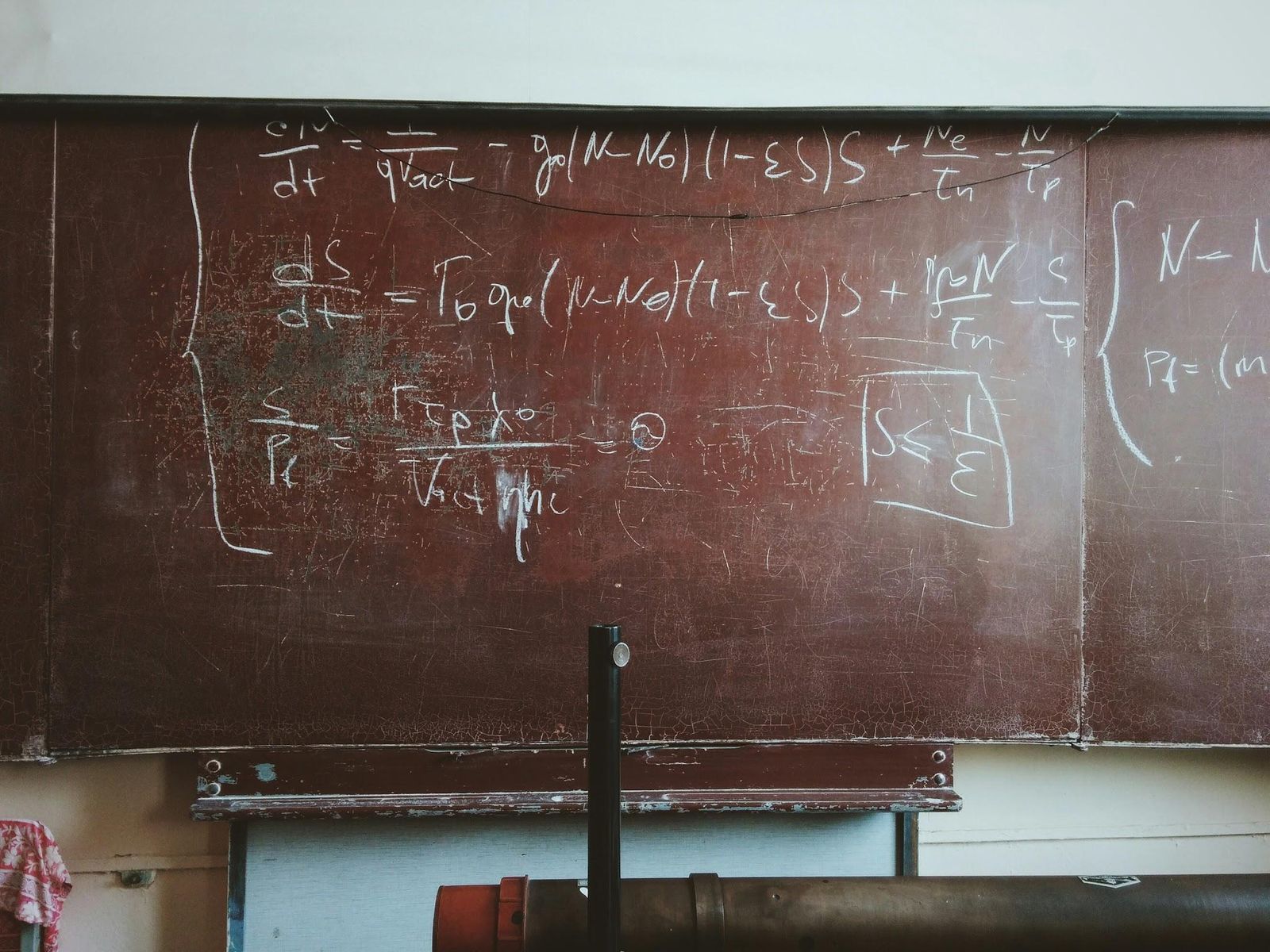
There was also a time when "computers" were people; their occupation was first mentioned in texts from 1613. Their role was to develop complex mathematical calculations by hand for scientific research, engineering projects, and more. Astronomers during the Renaissance, navigators during the Age of Exploration, and NASA space missions all relied on human computing for their operations.
Imagine that: teams worked through equations for hours or days, checking each other’s math for accuracy. During World War II and the early Cold War, this work was vital to national defense.
10
Knocker-upper

Before the Industrial Revolution, most people woke up with the sun. However, by the early 1800s, when factory systems took hold of big cities, being even five minutes late ceased to be an option for workers. To avoid oversleeping, which could mean lost wages, they paid a person to wake them up.
Knocker-uppers walked neighborhoods early in the morning, tapping on windows with long poles or shooting dried peas through blowpipes . Eventually, alarm clocks were introduced in the late 1800s, and the need for this occupation started declining.
11
Telegraph operator
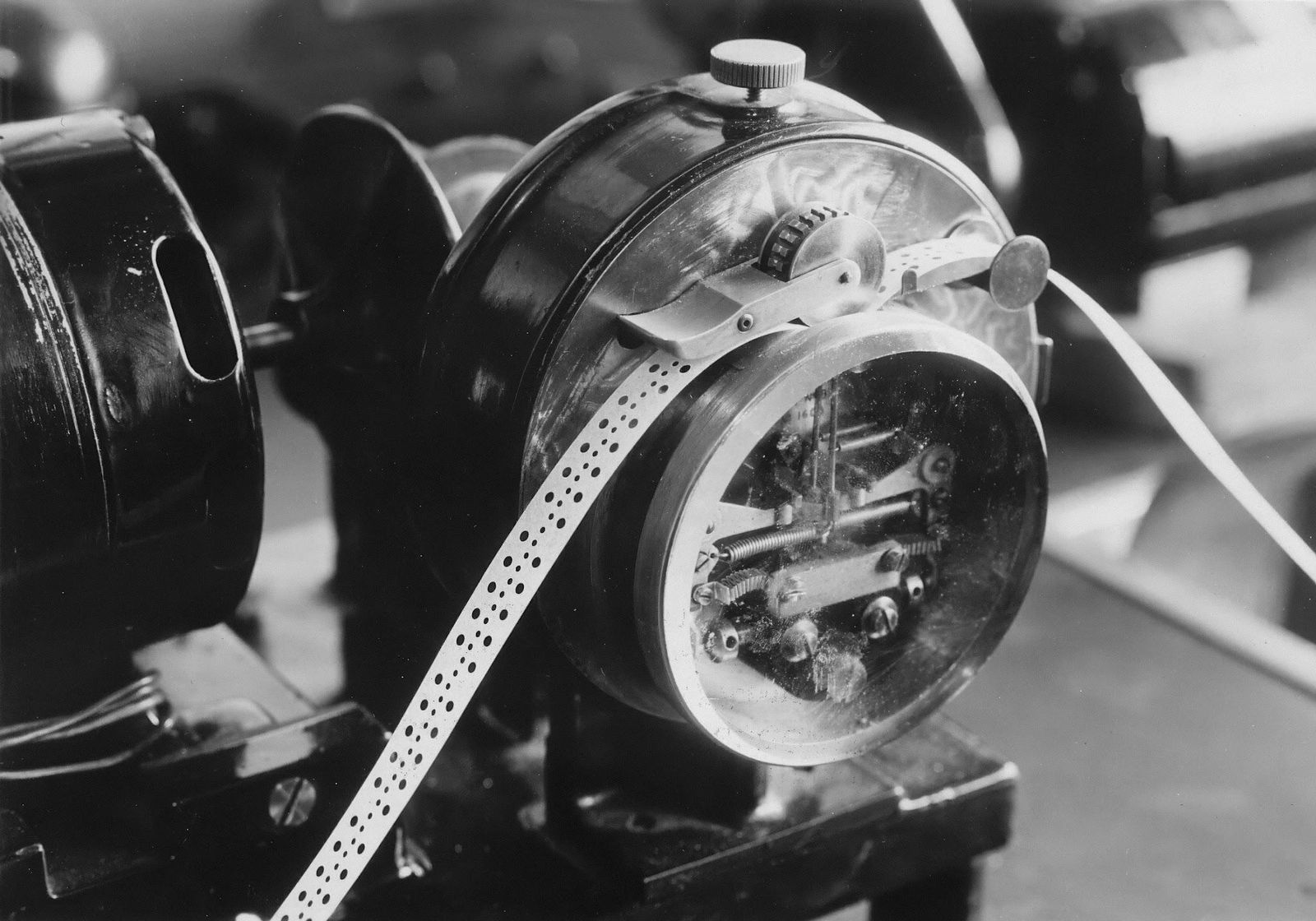
A case in which the occupation disappeared along with the technology. Before phones and instant messaging, the telegraph, which was invented in 1837, was the fastest way to send information across long distances.
Telegraph operators translated messages into Morse code , sending dots and dashes through wires that spanned the country. Speed and accuracy were critical, especially for news, business, and wartime communication. With the introduction of radio transmissions and telephones in the late 1800s, the service became more and more obsolete, although Western Union, the major telegraph service in the US, continued to operate until 2006.
12
Iceman

Finally, there were the icemen. Before refrigerators became household staples, the iceman was an essential figure in American daily life. He delivered massive blocks of ice straight to people’s homes .
These blocks kept food fresh and milk cold in an era before electric cooling. Ice was harvested from frozen lakes in winter, stored in insulated warehouses, and rationed carefully during warmer months.