White House Secrets Revealed
11 secret rooms inside the White House you'll never get to tour
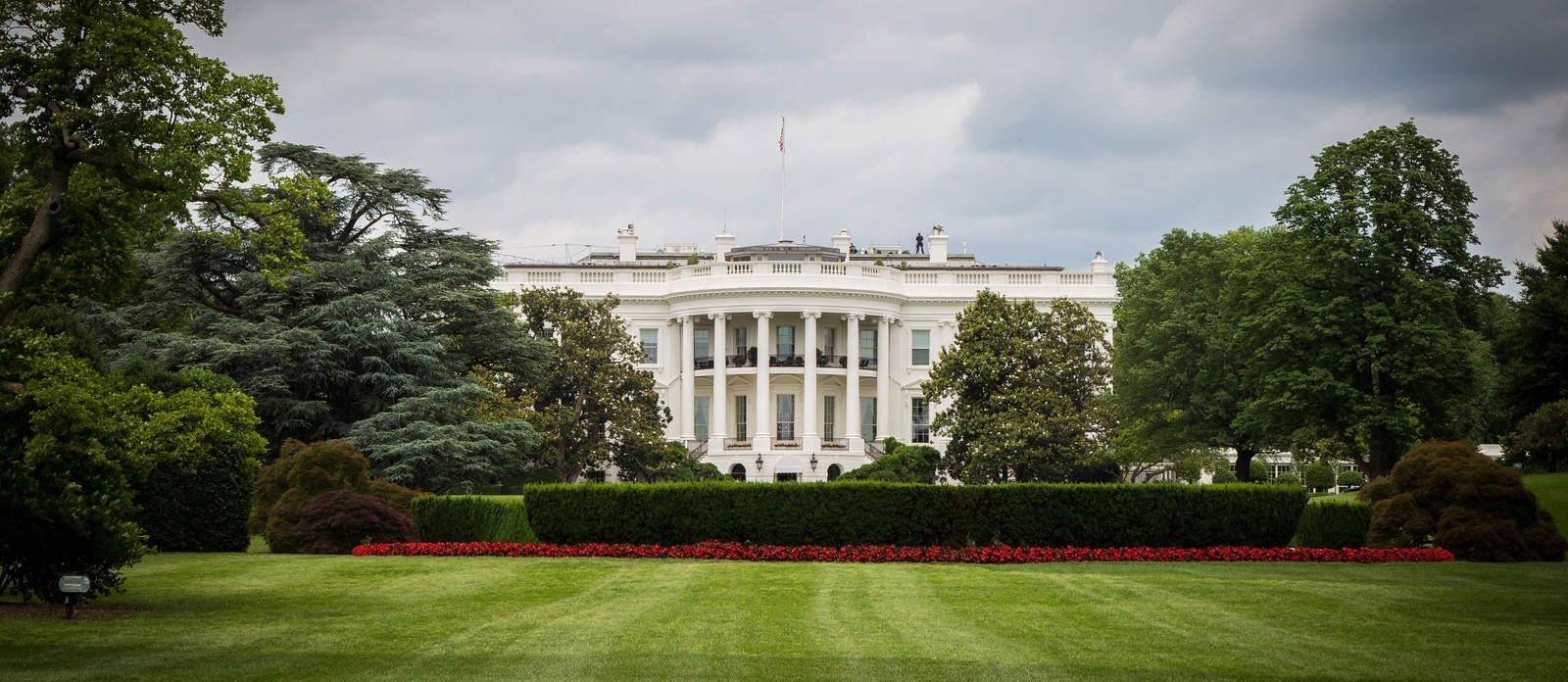
Image: Yevgeniy Melnik
The White House is on the news, in countless movies, and even open for tours. Yet there are rooms no visitor ever sees, because the building does triple duty: it's a home, an office, and a museum . Take the Situation Room, where presidents handle crises, or the PEOC, an emergency bunker built for the worst day imaginable. Those are only two of the secrets. Let's open some doors.
1
The Situation Room
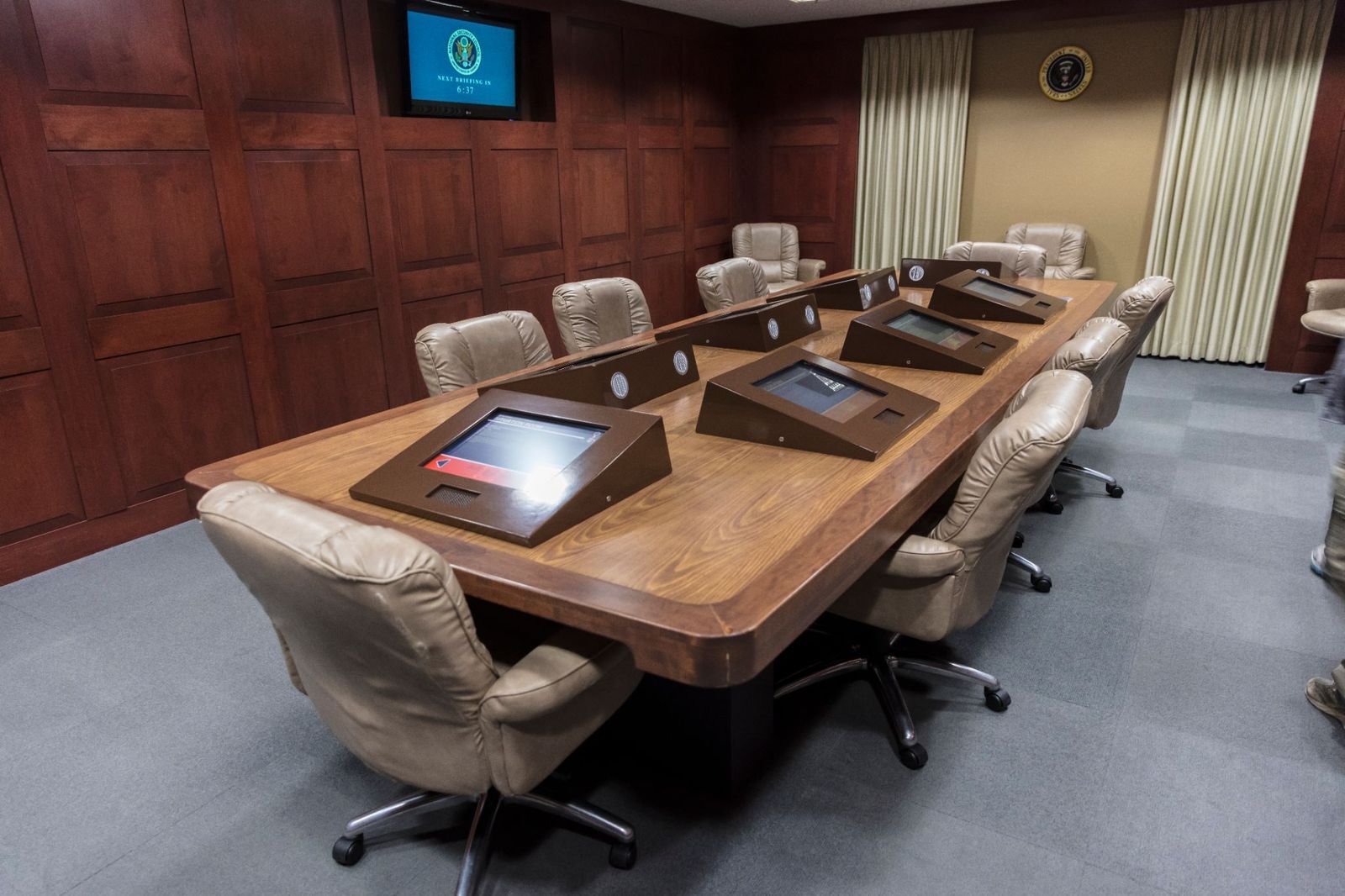
Tucked into the West Wing basement, the Situation Room is the White House crisis headquarters . President Kennedy ordered it built in 1961, after the Bay of Pigs fiasco left him frustrated by slow, jumbled intelligence. It's a complex of rooms, staffed around the clock. The famous 2011 photo of Obama's team watching the bin Laden raid was taken there. A $50 million, year-long gut renovation finished in 2023; the previous one was in 2007.
2
The PEOC
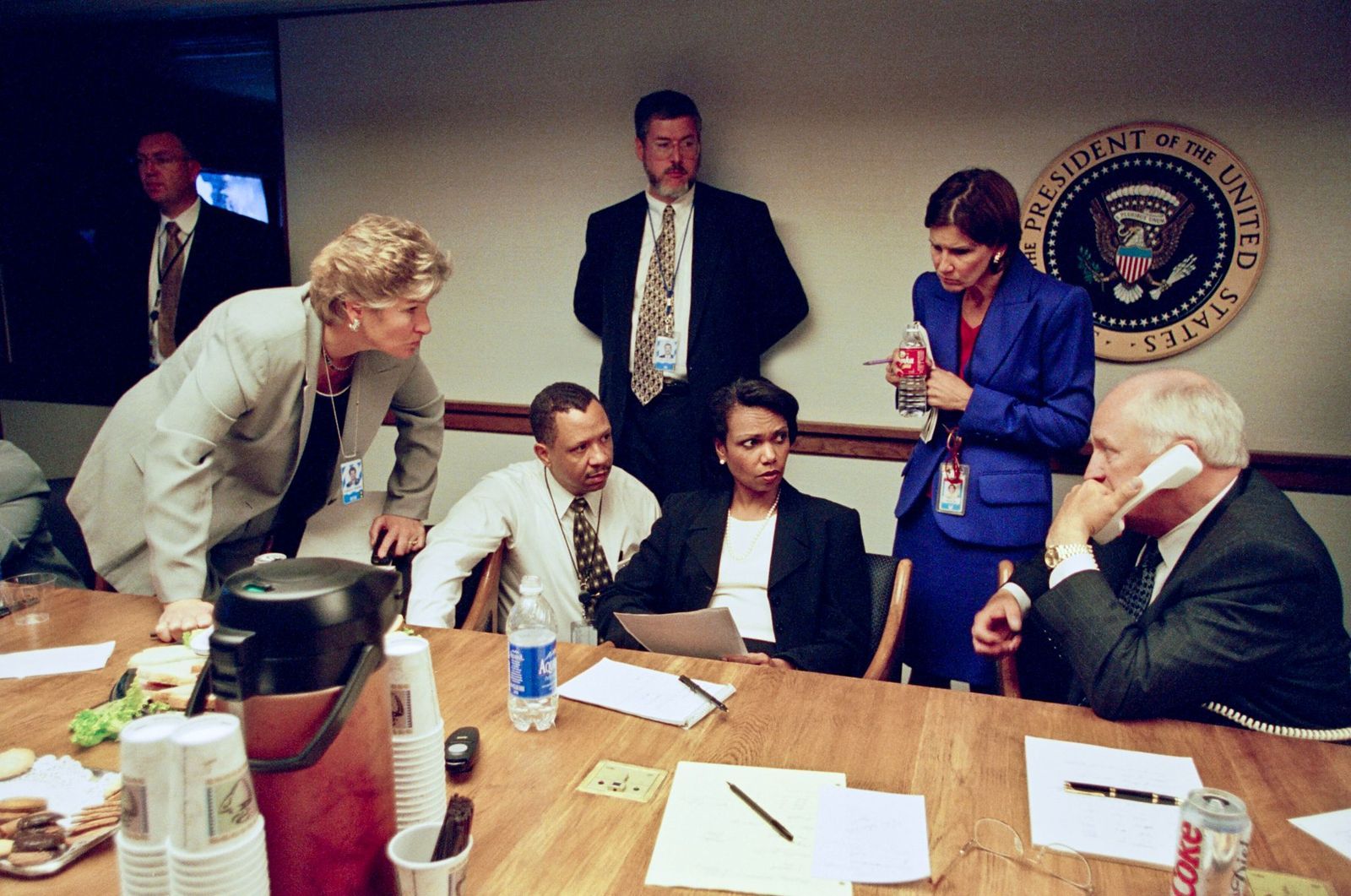
Deep beneath the East Wing sat the PEOC, short for Presidential Emergency Operations Center . FDR had the bomb shelter built in 1942, disguised as an office wing, and Truman's early-1950s rebuild expanded it. Military staff ran it around the clock.
Vice President Cheney was rushed inside on 9/11, and Trump sheltered there in May 2020. The East Wing was demolished in 2025, and they are digging a bigger, secret replacement.
3
The Map Room
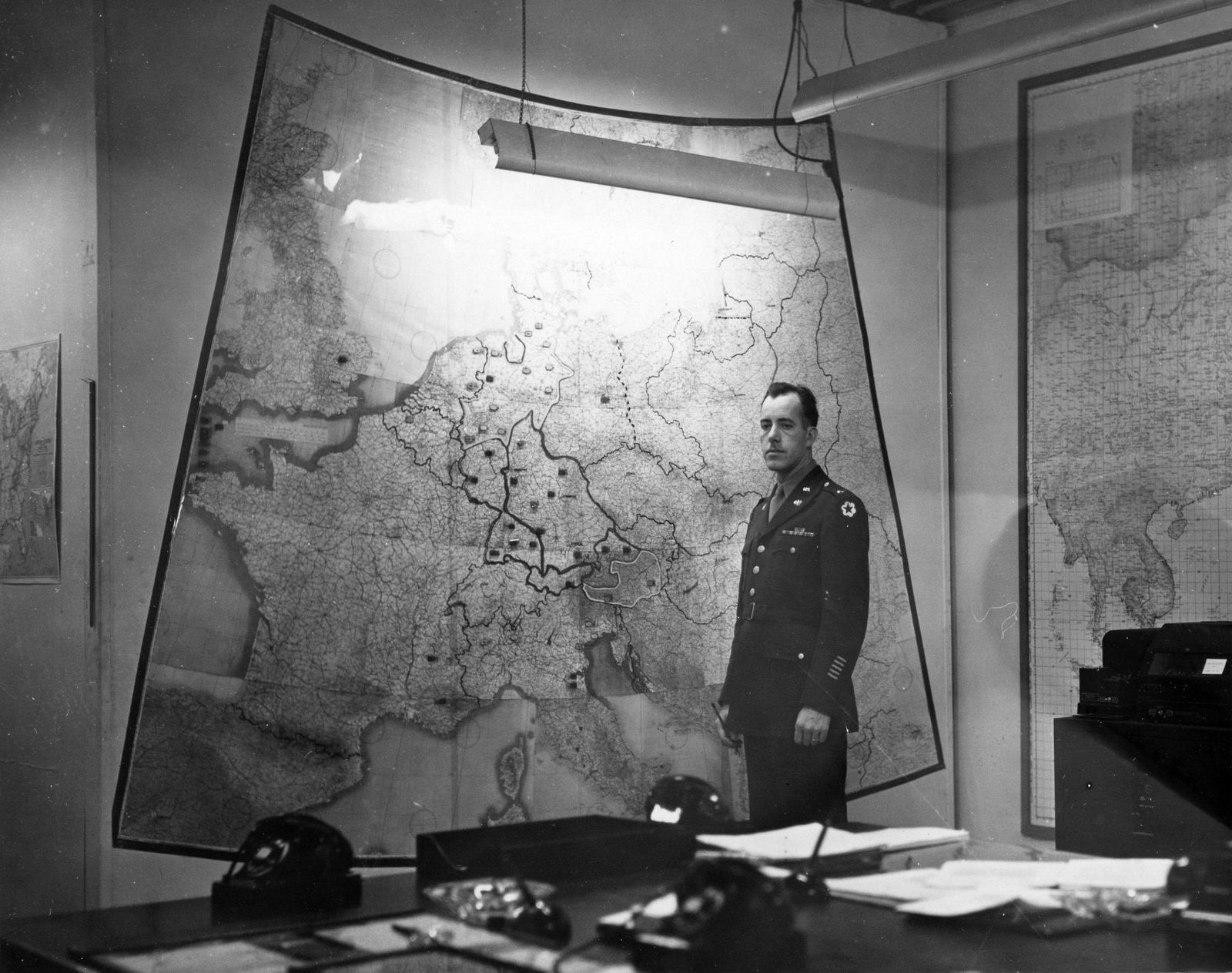
Before the Situation Room, there was the Map Room, on the residence's ground floor. During World War II, FDR used it to follow the fighting, with maps, pins, and secret messages handled by Army and Navy officers. It was off-limits to nearly everyone.
The Truman rebuild of 1949–52 paneled it, and it was last redecorated in 1994. Today it's a sitting room that still shows off a few maps.
4
The Family Theater
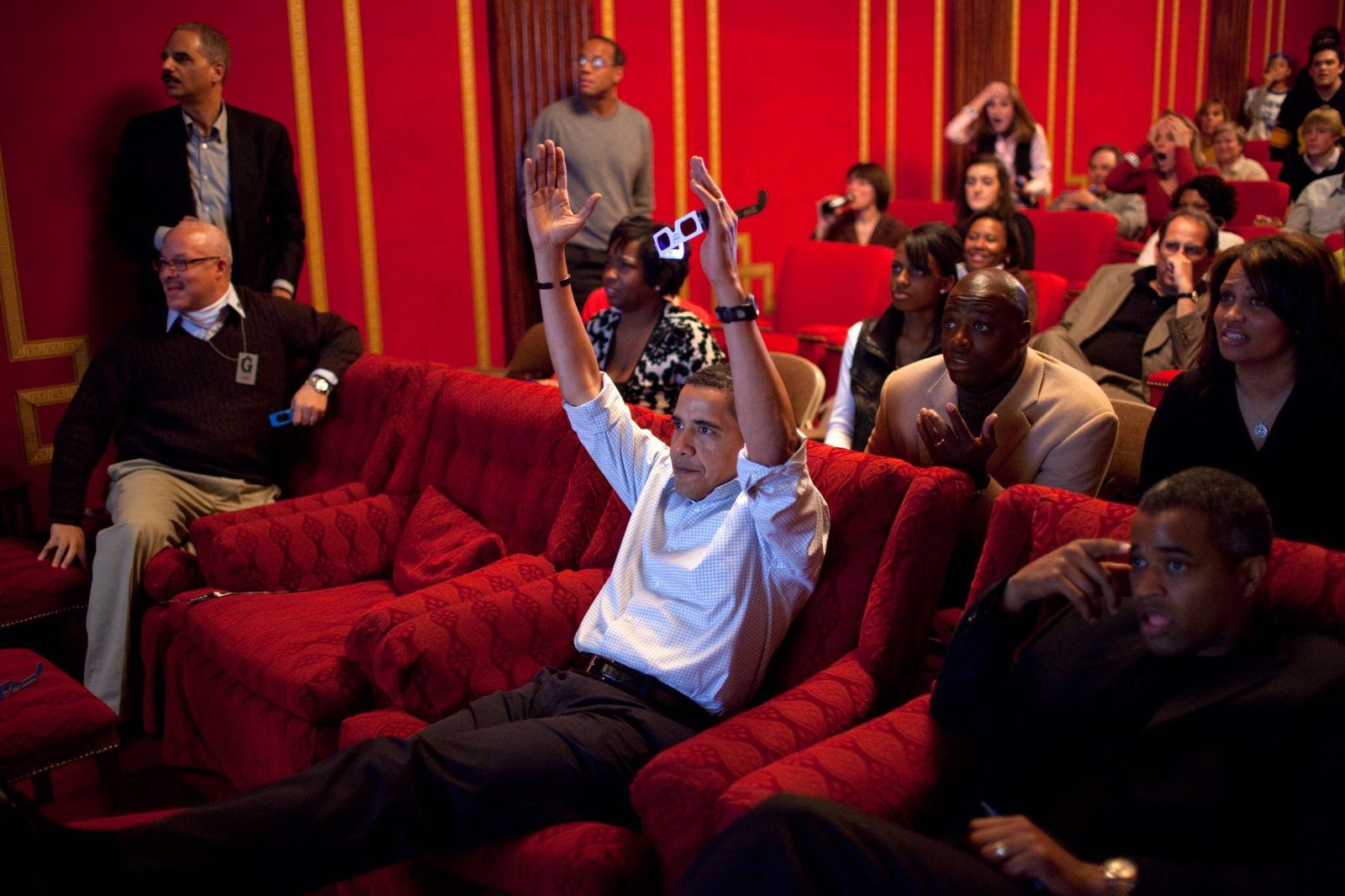
This 42-seat movie theater began in 1942 as a cloakroom nicknamed the "Hat Box," when the White House needed a screening room. Eisenhower added the plush front-row armchairs, Reagan's team redid it in 1982–83, and Laura Bush gave it "movie-palace red" in 2005.
Carter reportedly watched about 480 films there in four years, and Kennedy's last movie there was reportedly the James Bond flick From Russia With Love , in the fall of 1963. The theater was demolished in October 2025 for the new ballroom.
5
The Press Briefing Room
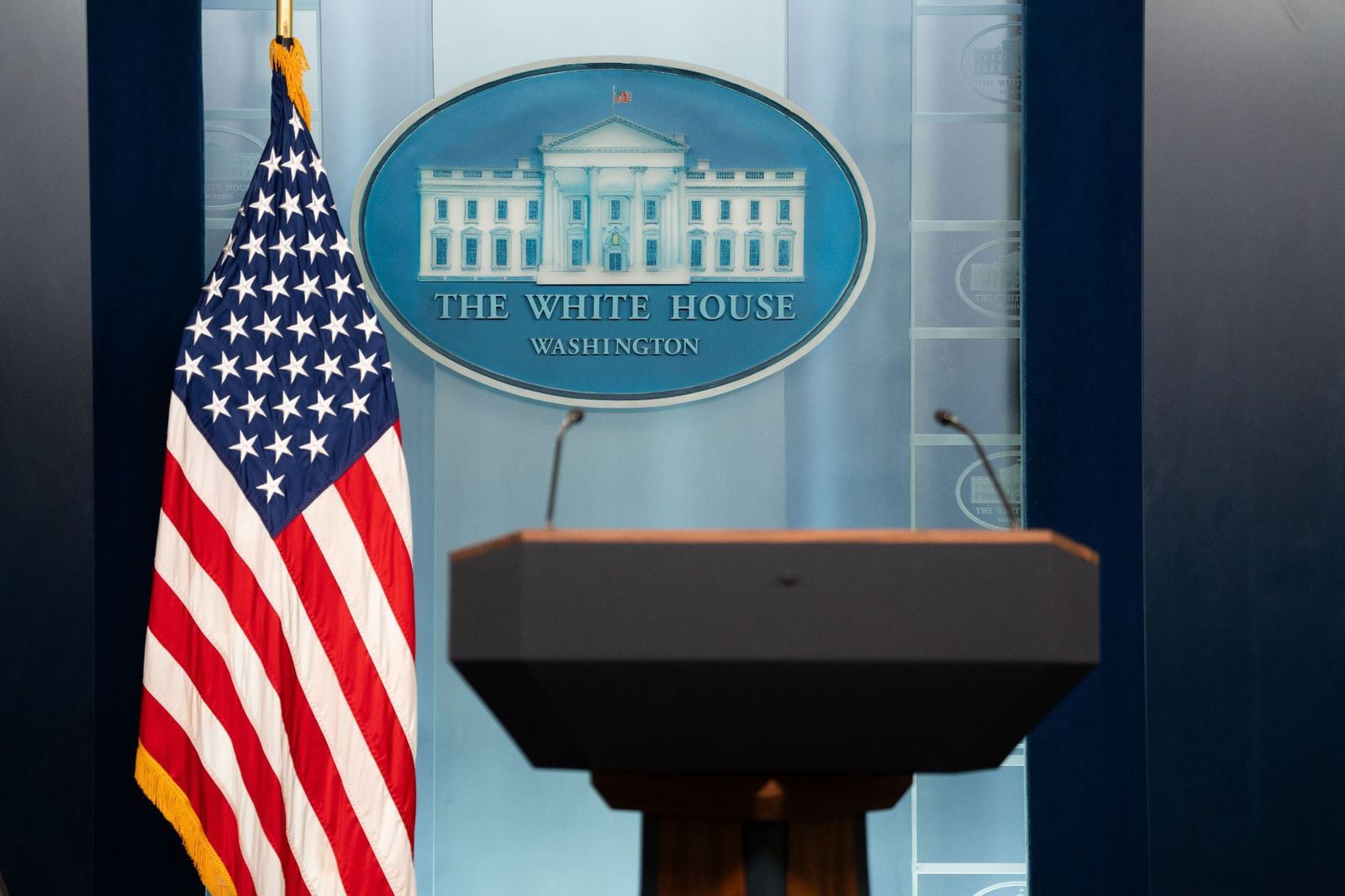
You've seen it on TV, but the secret is underneath. In 1933, FDR got an indoor pool here to ease his polio pain. Nixon, who preferred bowling, covered it in 1970 and built the press room on top , reportedly insisting it could be restored. The pool still sits under the floor.
Renamed for James Brady in 2000, the room was renovated and reopened in 2007; the press secretary holds court there.
6
The Bowling Alley
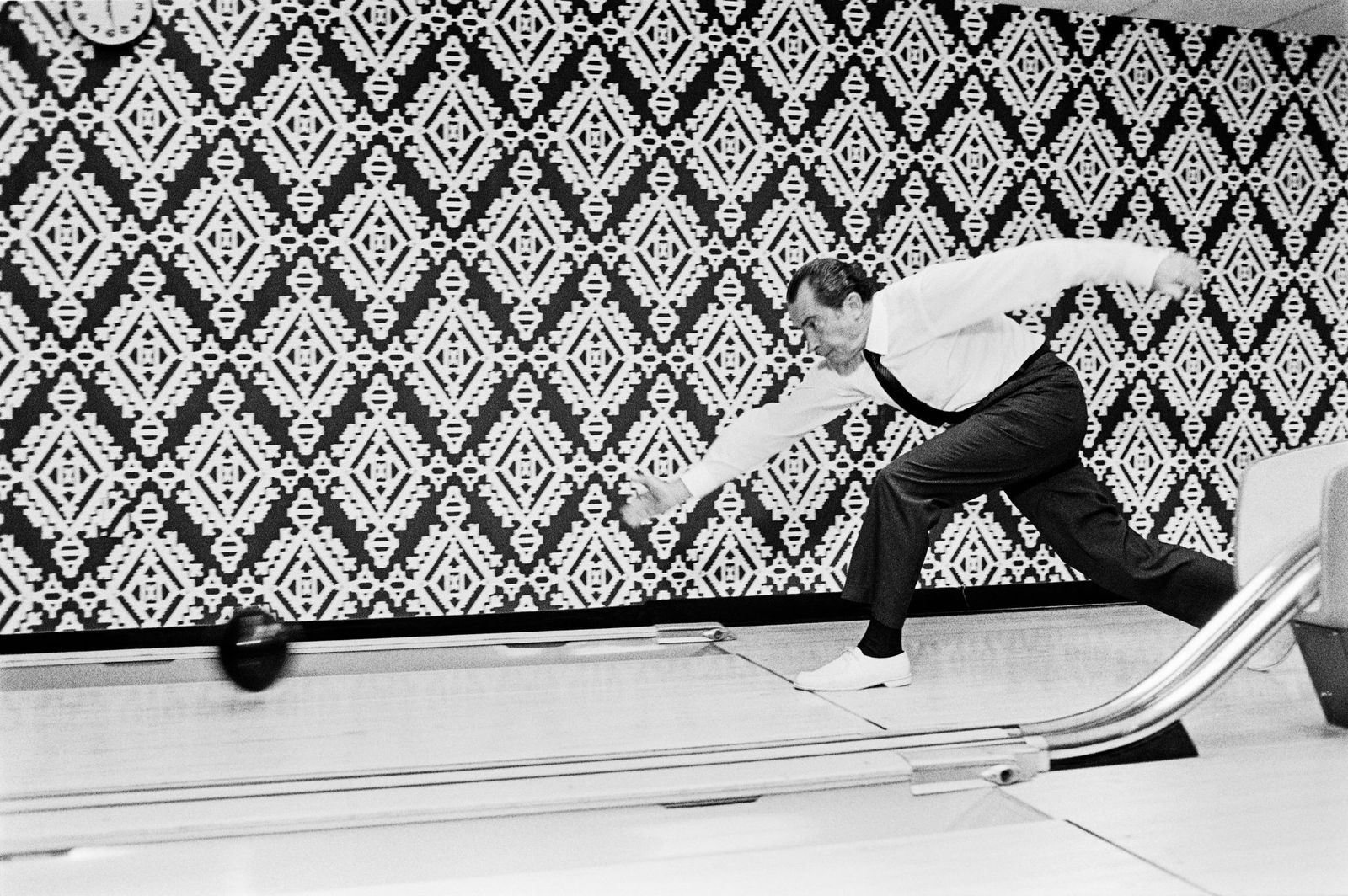
The first White House bowling alley arrived in 1947, a two-lane birthday gift for Truman from Missouri friends. Staffers formed a league in 1950, but the lanes were moved out in 1955. Then, in 1969, friends funded a one-lane alley for Nixon , hidden beneath the North Portico driveway. He and Pat bowled there often, and his best reported score was 232. It's still down there, closed to the public.
7
The Solarium
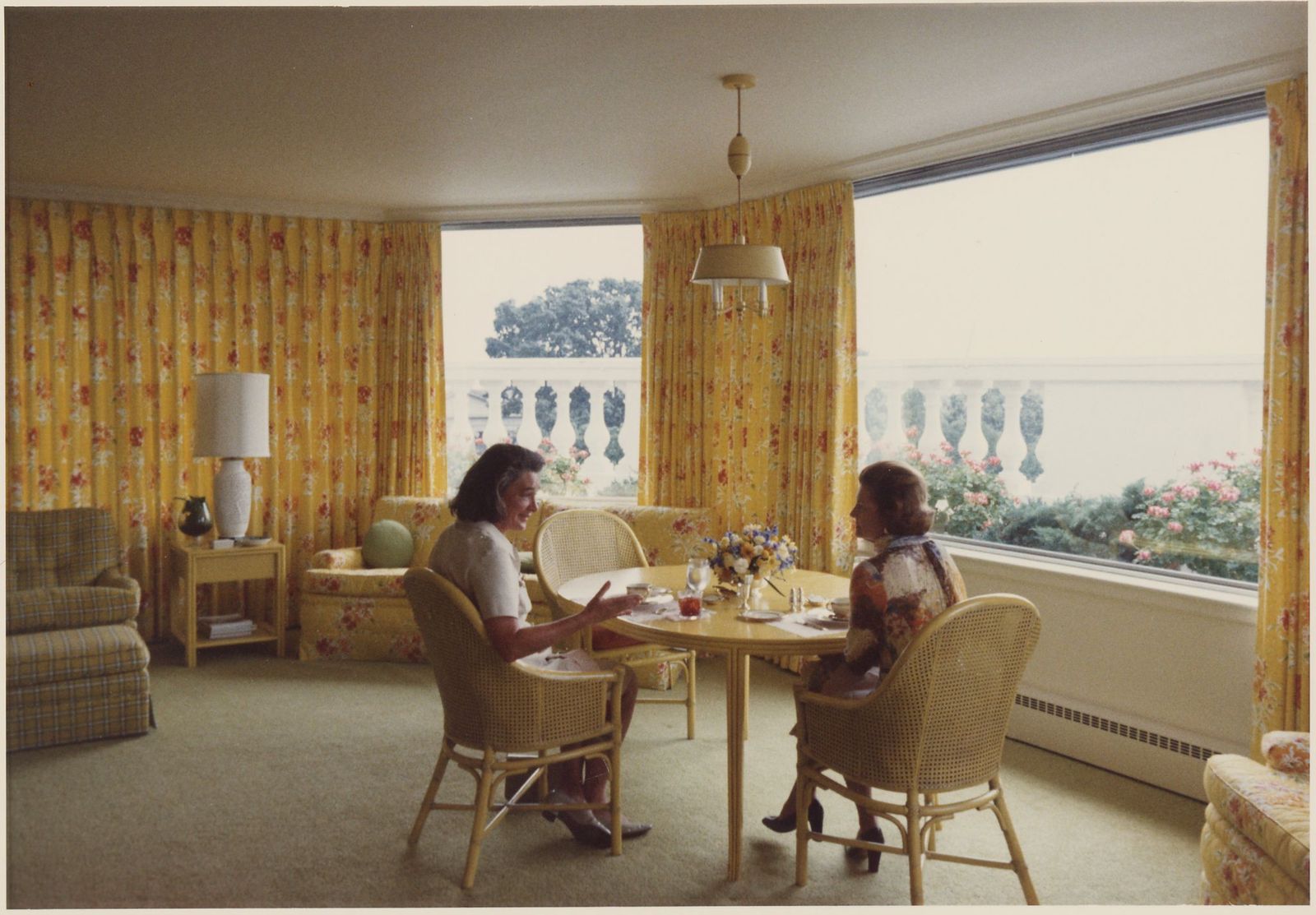
Perched on the third floor over the South Portico, the Solarium is a sunny family hangout . Pre-AC, President Taft had a rough sleeping porch up there for hot summer nights, and the real room came in 1927, when Coolidge added the third floor. Grace Coolidge called it her "Sky Parlor."
After World War II, it became more of a family rec room. Mamie Eisenhower hosted card games there, while Ike grilled steaks outside.
8
The Lincoln Bedroom
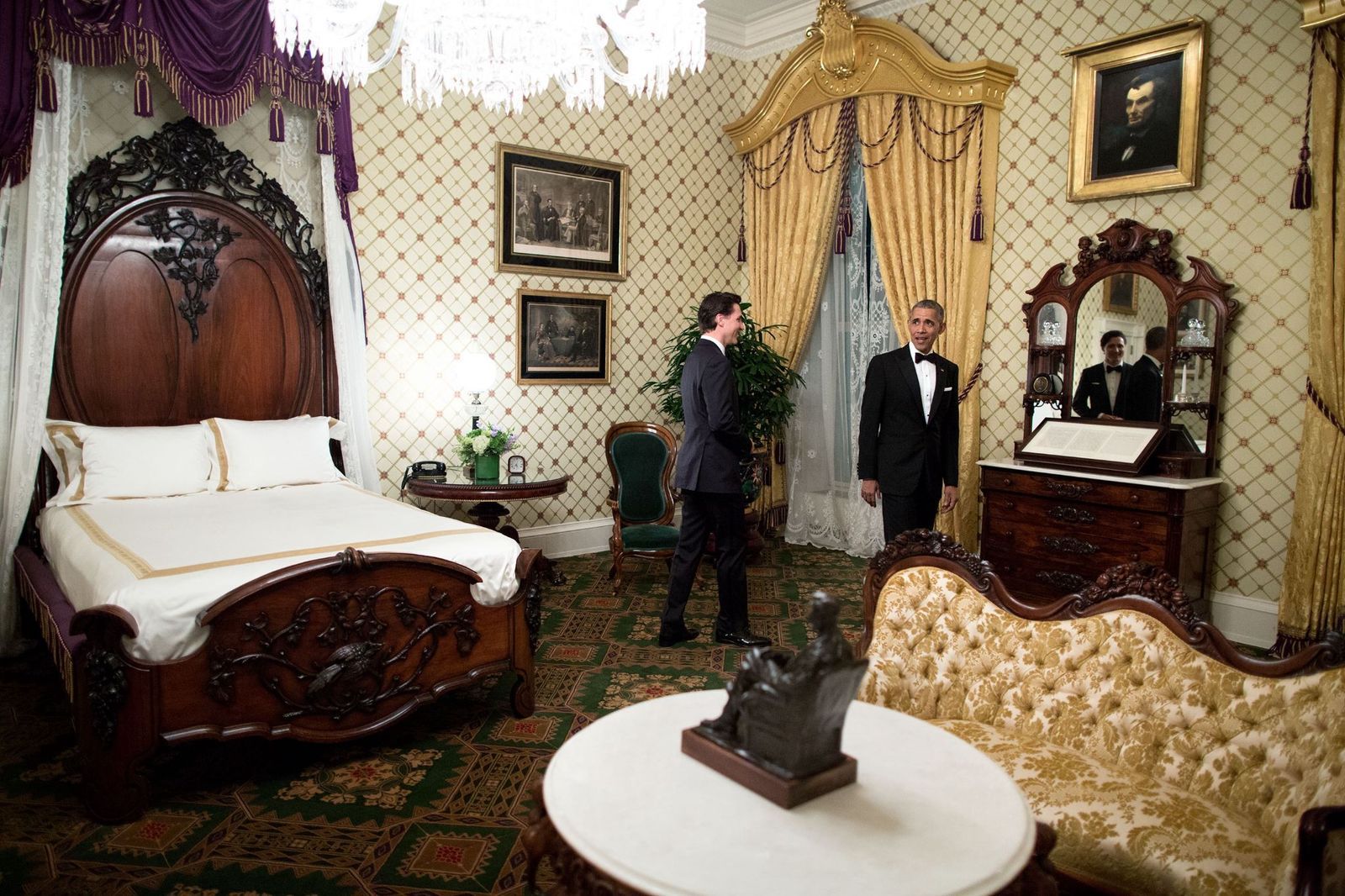
Despite the name, Lincoln never slept in that bed. In the southeast corner of the second floor, the room was his office and Cabinet room, and he signed the Emancipation Proclamation there on January 1, 1863. Mary Todd Lincoln bought the famous rosewood bed in 1861, but the space became a bedroom only in the Truman years.
Today it's a guest room, famously used for overnight guests during the Clinton years.
9
The Medical Clinic
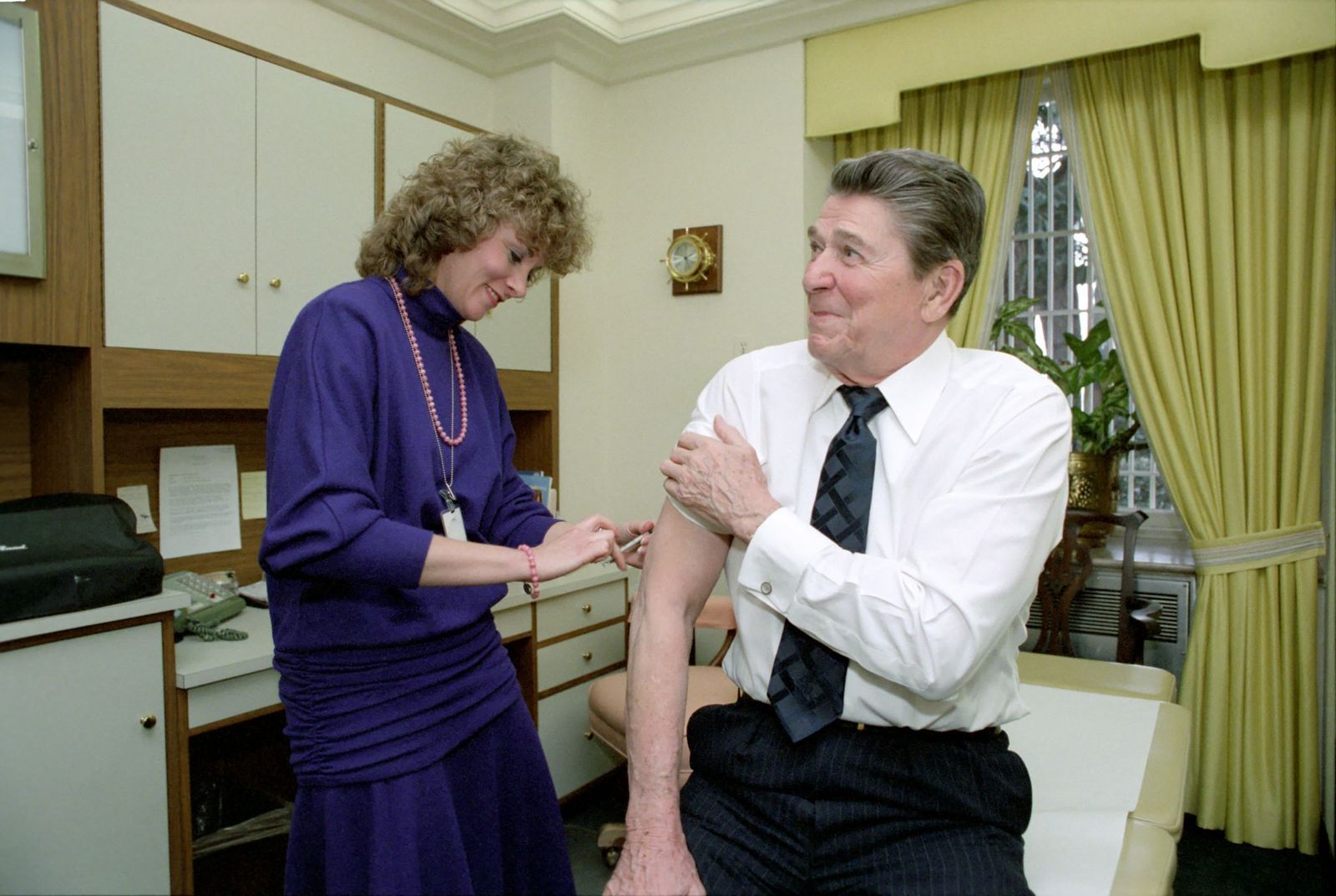
It's less "hospital" and more "doctor's office." A small exam room sits on the ground floor, near the Map Room, backed by the White House Medical Unit: about two dozen military doctors, nurses and aides, with offices in the next-door Eisenhower building. They're on call around the clock for the president, the VP, staff, and even tourists . Full-time presidential doctors date to McKinley, and a formal 24-hour rule came in the 1990s.
10
The Treaty Room
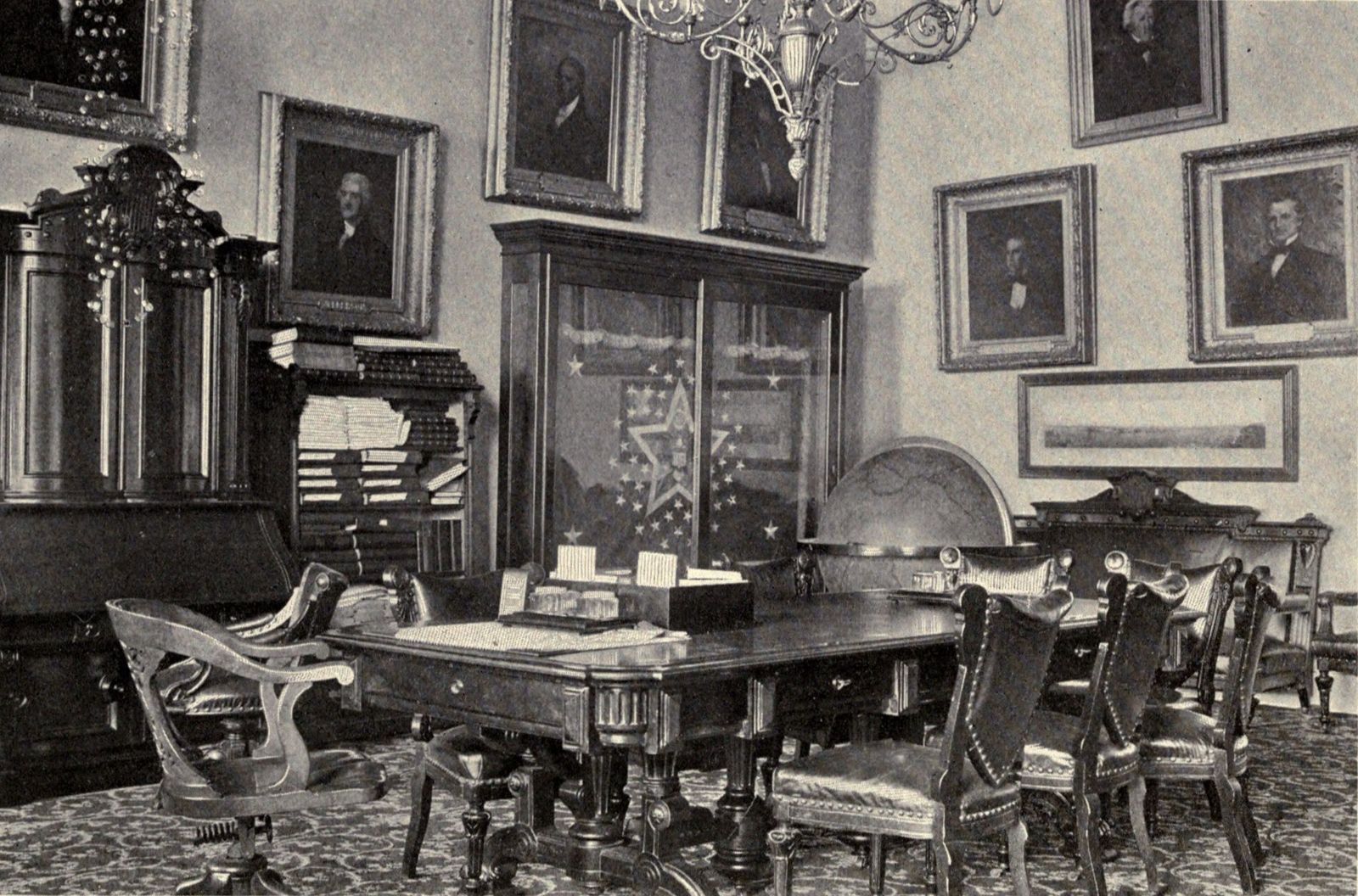
On the second floor, the Treaty Room was the Cabinet Room from 1865 to 1902. On August 12, 1898, President McKinley witnessed the peace protocol ending the Spanish-American War being signed there. Jackie Kennedy's restoration gave it its name in the early 1960s , and JFK signed the 1963 nuclear test ban treaty there. Obama used it as a main office. Today it's a presidential study, with drapes modeled on Lincoln-era designs.
11
The Flower Shop
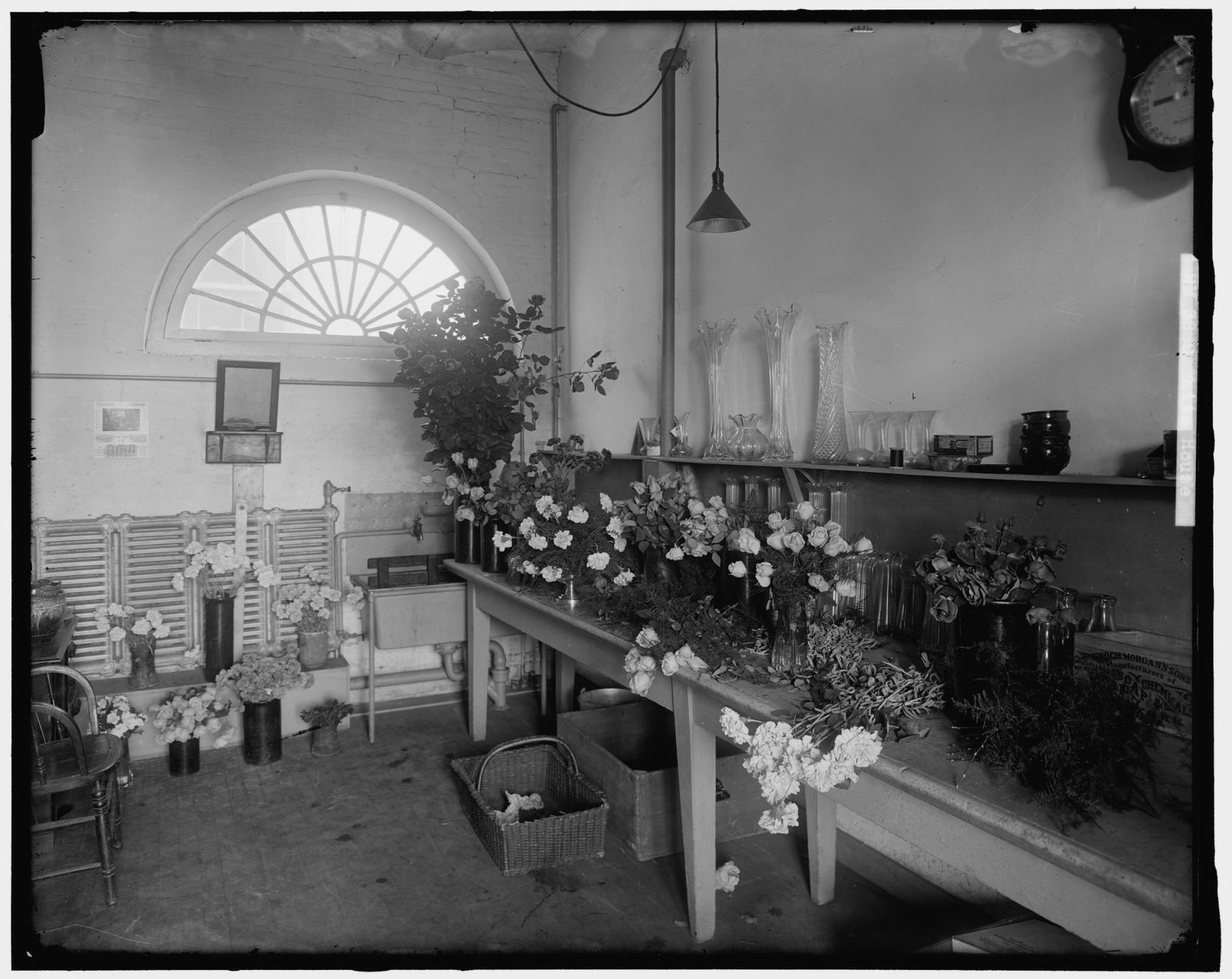
Yes, the White House has its own flower shop, tucked beneath the North Portico. A Chief Floral Designer and a staff of florists create arrangements for the public and private rooms, matched to each room's color scheme . First Lady Jacqueline Kennedy established the Office of the White House Florist in the early 1960s.
Flowers have been a White House habit far longer, though: a conservatory supplied blooms through the 1800s.