History History 3 min read

Have you experienced any coincidences?

11 incredible coincidences in American history
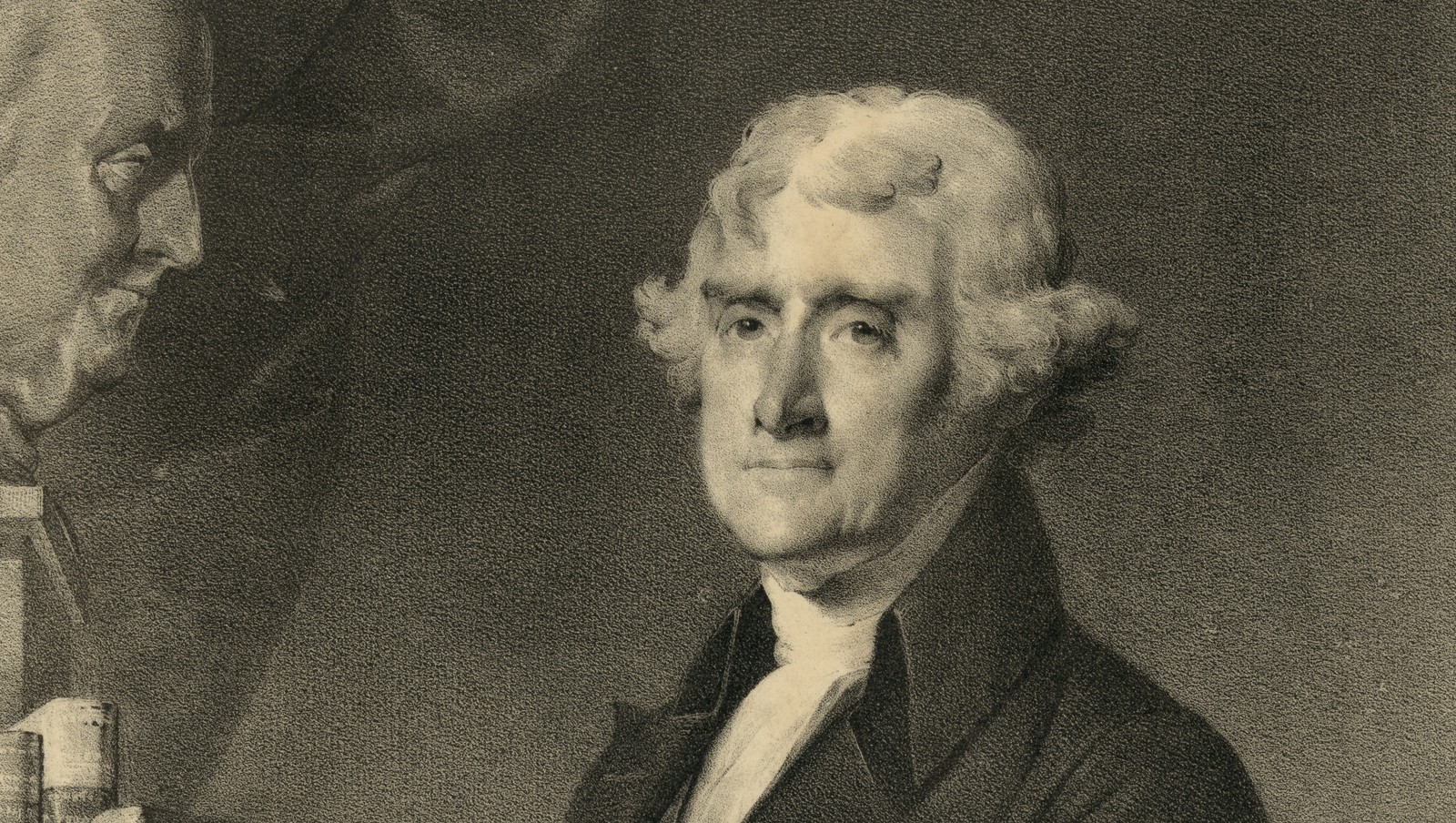
Image: Library of Congress

A coincidence is a remarkable concurrence of events or circumstances without an apparent causal connection. Most of us experience coincidences regularly, but they tend to be more ordinary—like discovering you’re wearing the same sweater as someone else in the room. The following 12 examples are much more extreme, and some even seem unbelievable, even though they are true. Read on and prepare to be amazed!

1
A Presidential curse

Image: David Everett Strickler

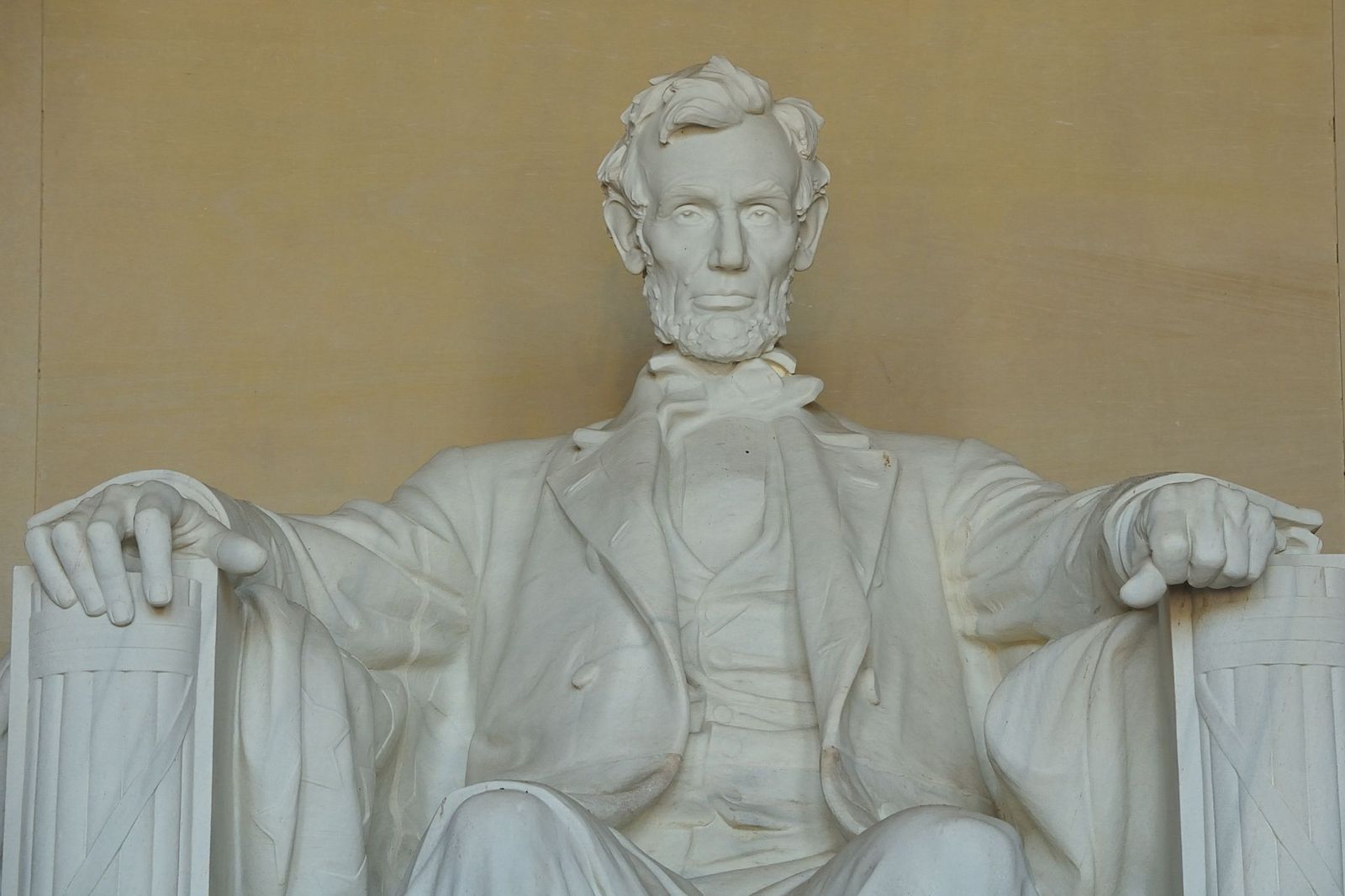
For almost 140 years, U.S. presidents elected in years ending in zero died while in office. It happened to William Henry Harrison (elected in 1840, died in 1841), Abraham Lincoln (elected in 1860, died in 1865), James A. Garfield (elected in 1880, died in 1881), William McKinley (re-elected in 1900, died in 1901), Warren G. Harding (elected in 1920, died in 1923), Franklin D. Roosevelt (elected to a third term in 1940 and a fourth in 1944, died in 1945), and John F. Kennedy (elected in 1960, died in 1963). Ronald Reagan, elected in 1980, broke the curse by surviving an assassination attempt.

2
Mark Twain and Halley’s Comet
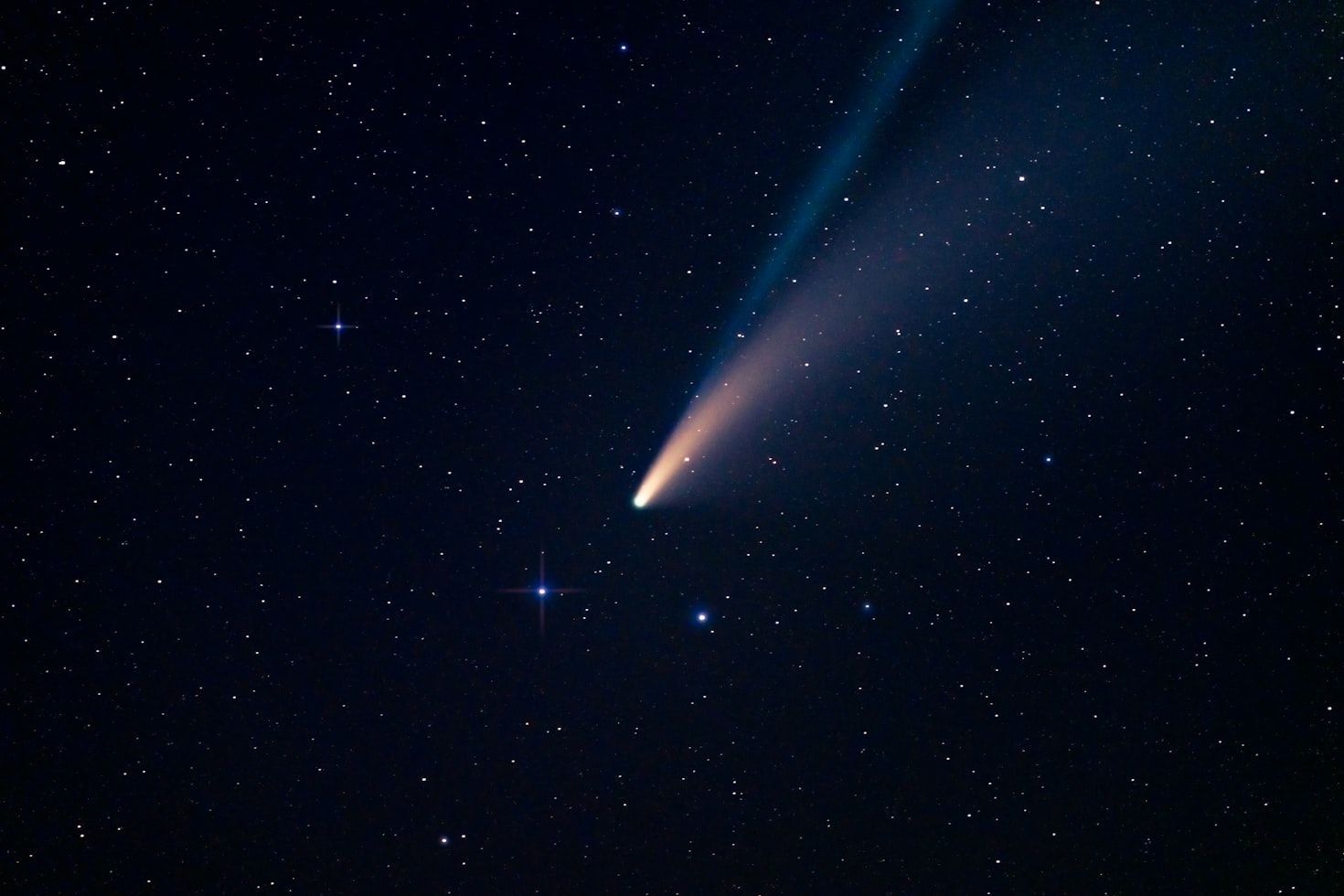
Image: Justin Wolff

In the year Mark Twain was born, 1835, Halley’s Comet passed by Earth. The great writer famously predicted he’d "go out with it" as well . Indeed, he passed away in 1910, the next time the comet appeared.

3
Jefferson and Adams
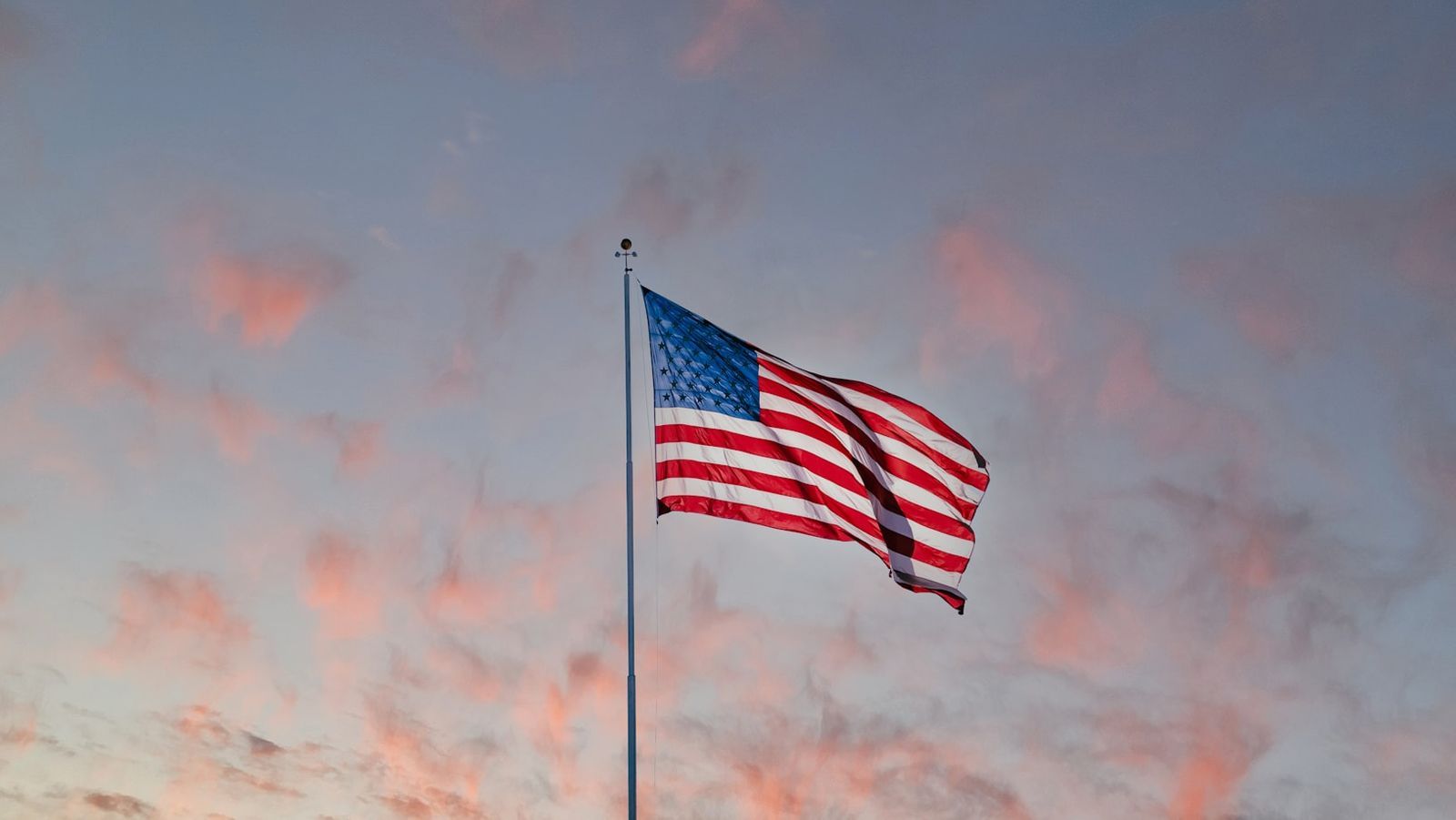
Image: iStrfry , Marcus

A patriotic yet somber coincidence, indeed. John Adams and Thomas Jefferson, the second and third U.S. presidents, both died on July 4, 1826 —exactly 50 years after the signing of the Declaration of Independence.

4
Hoover Dam’s first and last casualties
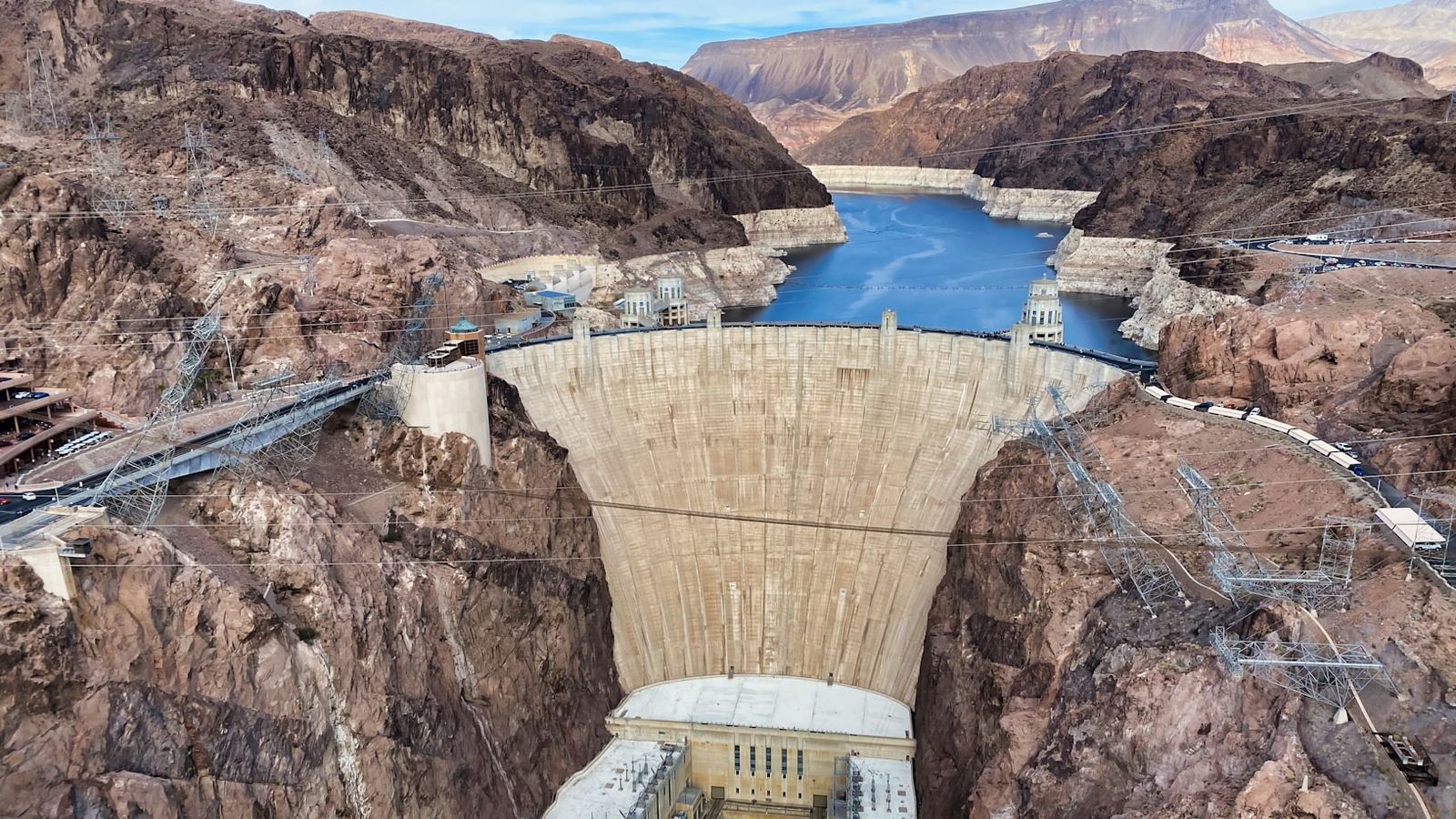
Image: Ryan Thorpe

The construction of the Hoover Dam was a long and difficult process, claiming over 100 lives. The first person to die was J.G. Tierney , and the last recorded death was his son , Patrick Tierney.

5
Lincoln and Kennedy
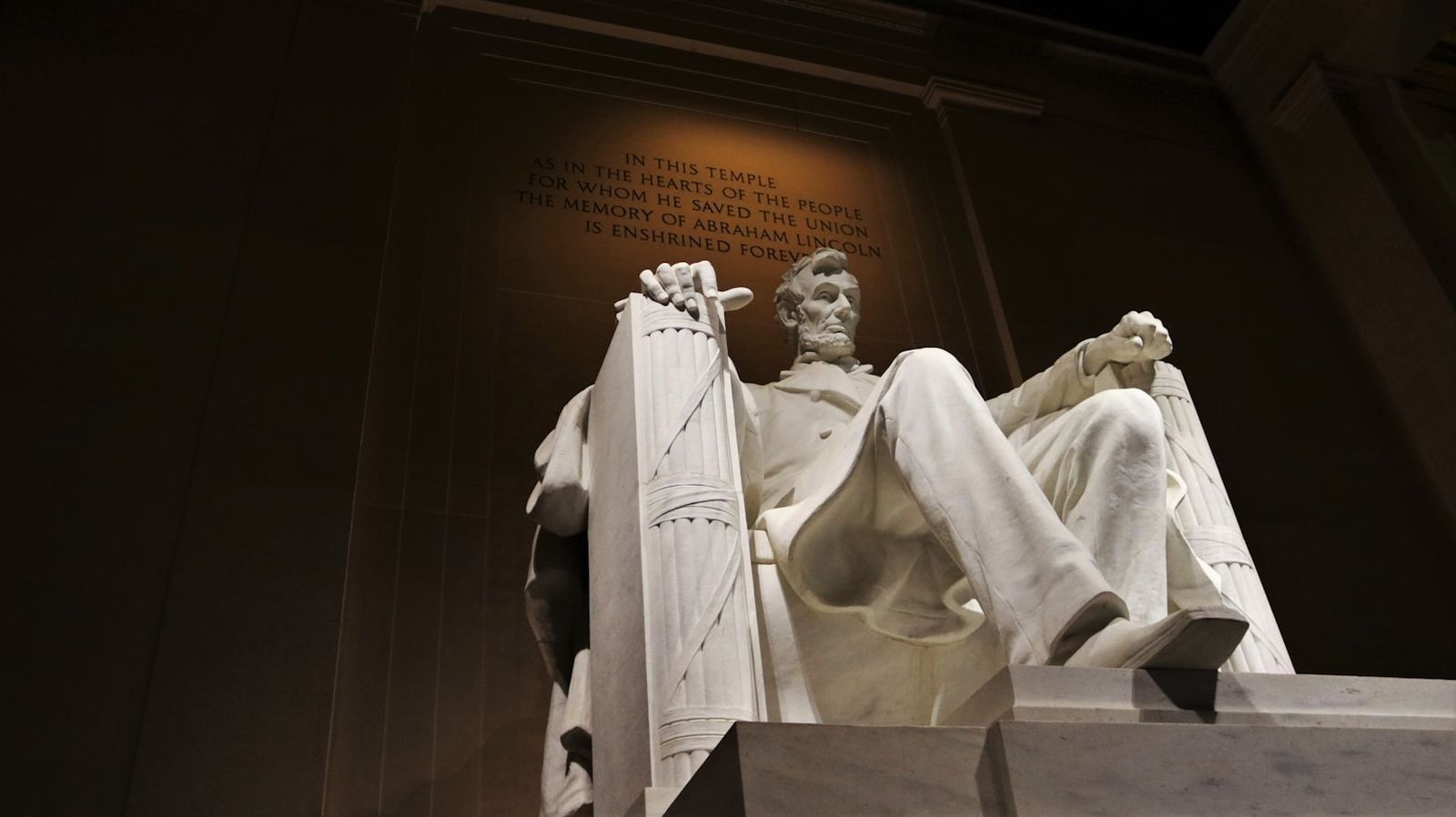
Image: Kelli Dougal

Abraham Lincoln and John F. Kennedy were elected 100 years apart (1860 and 1960). Both suffered fatal head wounds and were succeeded by presidents named Johnson. Their assassins each had three names: John Wilkes Booth and Lee Harvey Oswald. Both were assassinated on a Friday while sitting next to their wives at the time that it happened.

6
The Titanic coincidence
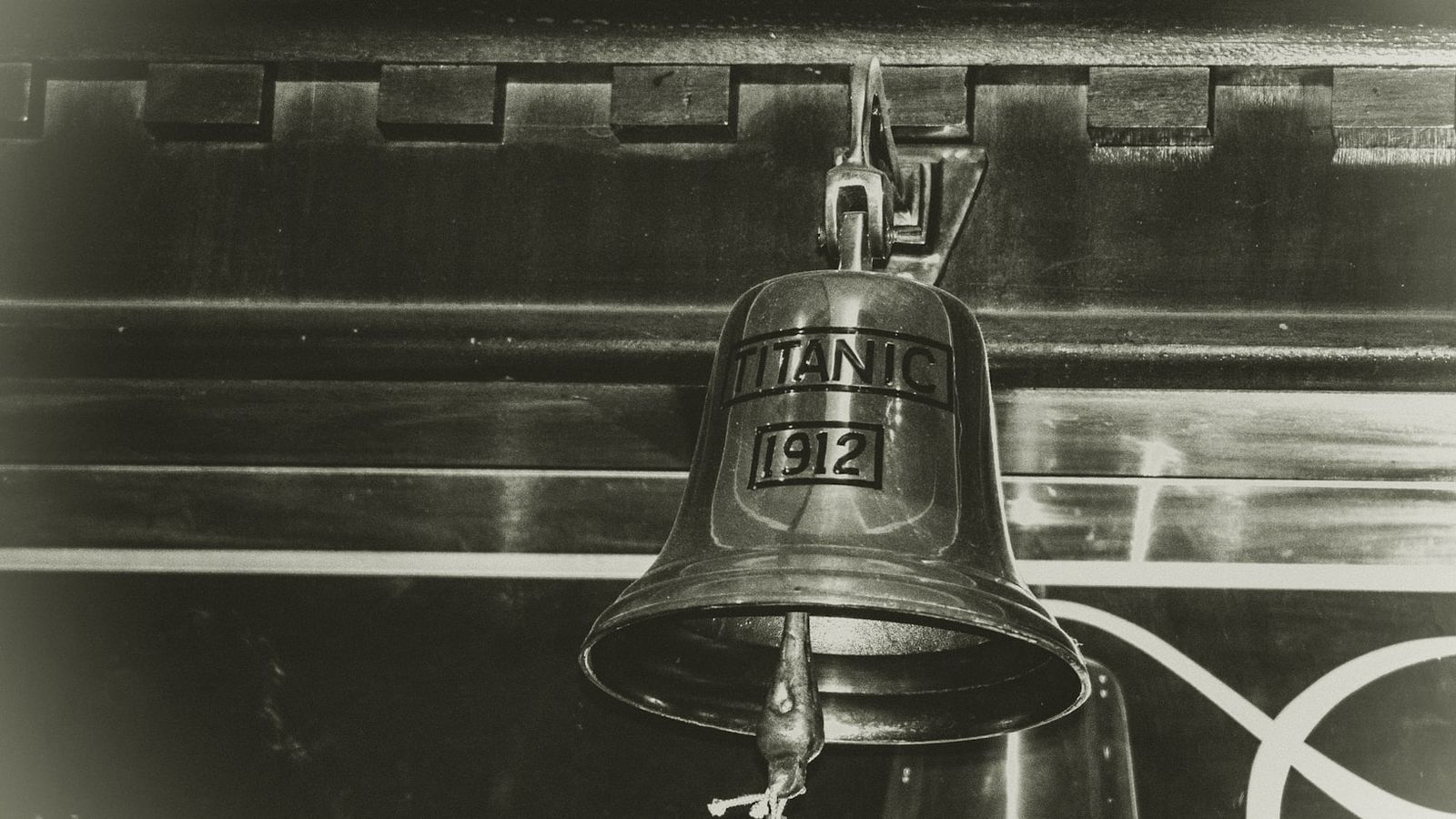
Image: K. Mitch Hodge

A few years before the Titanic sank, Morgan Robertson wrote a short book called Futility , about a massive "unsinkable" ship called the Titan that hit an iceberg and sank. The tale describes a ship with a similar size and a similar lack of lifeboats to the famous vessel.

7
Dennis the Menace

Image: Mitch Rosen

Two comic strips featuring a character named Dennis the Menace debuted in British and American outlets, respectively, on March 12, 1961—only a few hours apart. However, the two creators did not know each other and had no idea of the other’s work.

8
Jim Lewis and Jim Springer

Image: Vidar Nordli-Mathisen

Identical twin brothers separated at birth , Jim Lewis and Jim Springer, were reunited at age 39 and discovered many coincidences: both married women named Linda , divorced, and then remarried women named Betty. Both had dogs named Toy and drove the same model of car. Both grew up with an adopted brother named Larry and had sons whom they named James Allan.

9
Disney magic

Image: PAN XIAOZHEN

A soon-to-be-married couple, Alex and Donna , were looking through old photos to include in their wedding video. They found one photo of Donna posing on a childhood trip to Disney World in 1980. And in the background, they spotted Alex being pushed in a stroller by his father.

10
Moped meets taxi, twice

Image: Ruslan Bardash

In 1975, 17-year-old Erskine Lawrence Ebbin was struck by a taxi in Bermuda while riding his moped. A year later, his brother Neville , also 17 at the time, was riding the same moped when he was struck by the same taxi —with the same passenger—on the same street.

11
Lightning strike survivor
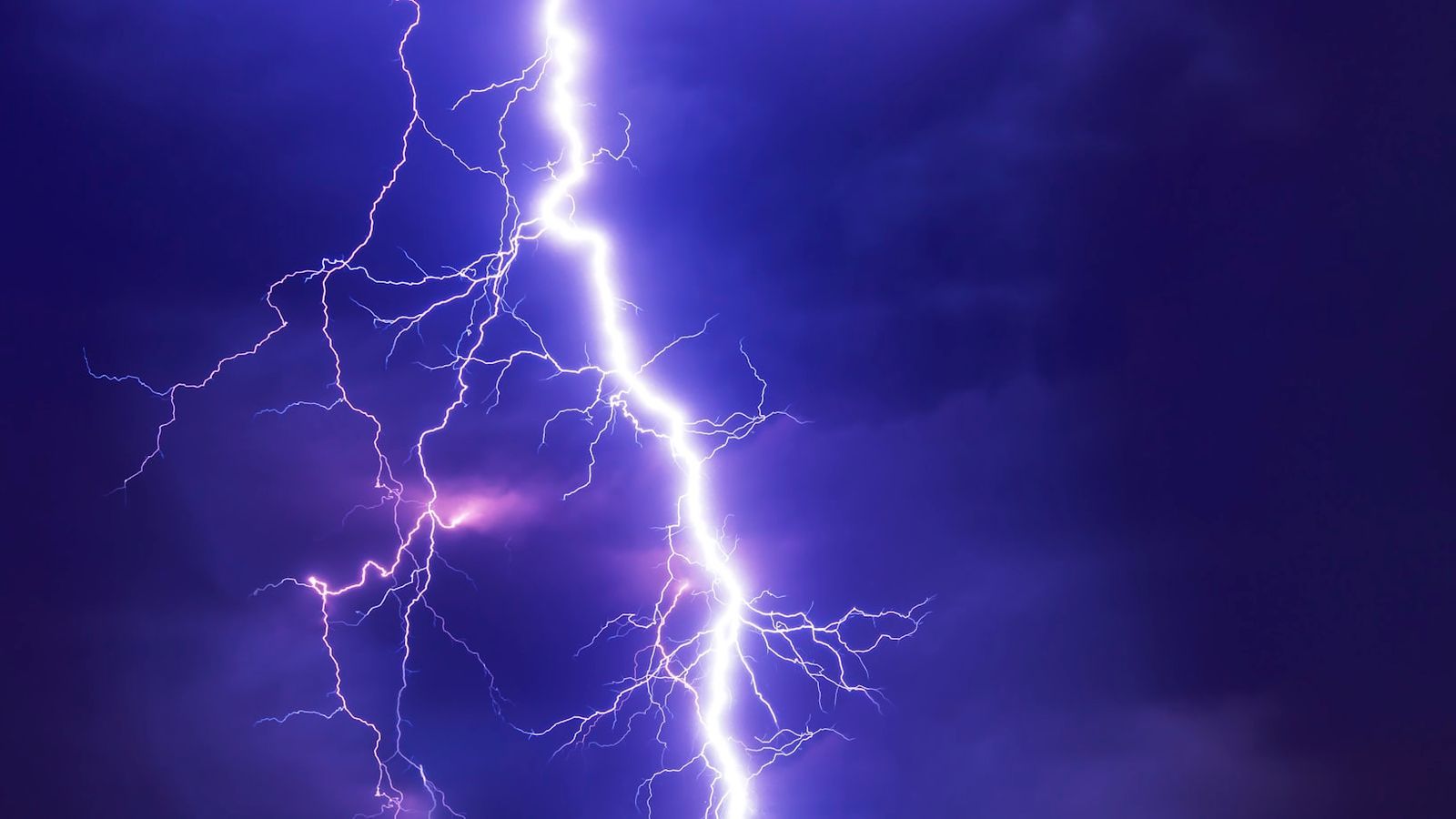
Image: Felix Mittermeier

Being hit by lightning is an extremely rare occurrence. Park ranger Roy Sullivan was struck not once, but seven times between 1942 and 1977 —and survived them all. The strikes hit him in a fire tower, in his truck, in his yard, while patrolling, and more. His unusual record earned him the nickname "Human Lightning Rod."
History History 5 min read

The Supreme Law of the Land

The U.S. state that was misspelled in the Constitution

Image: Evgenia Parajanian

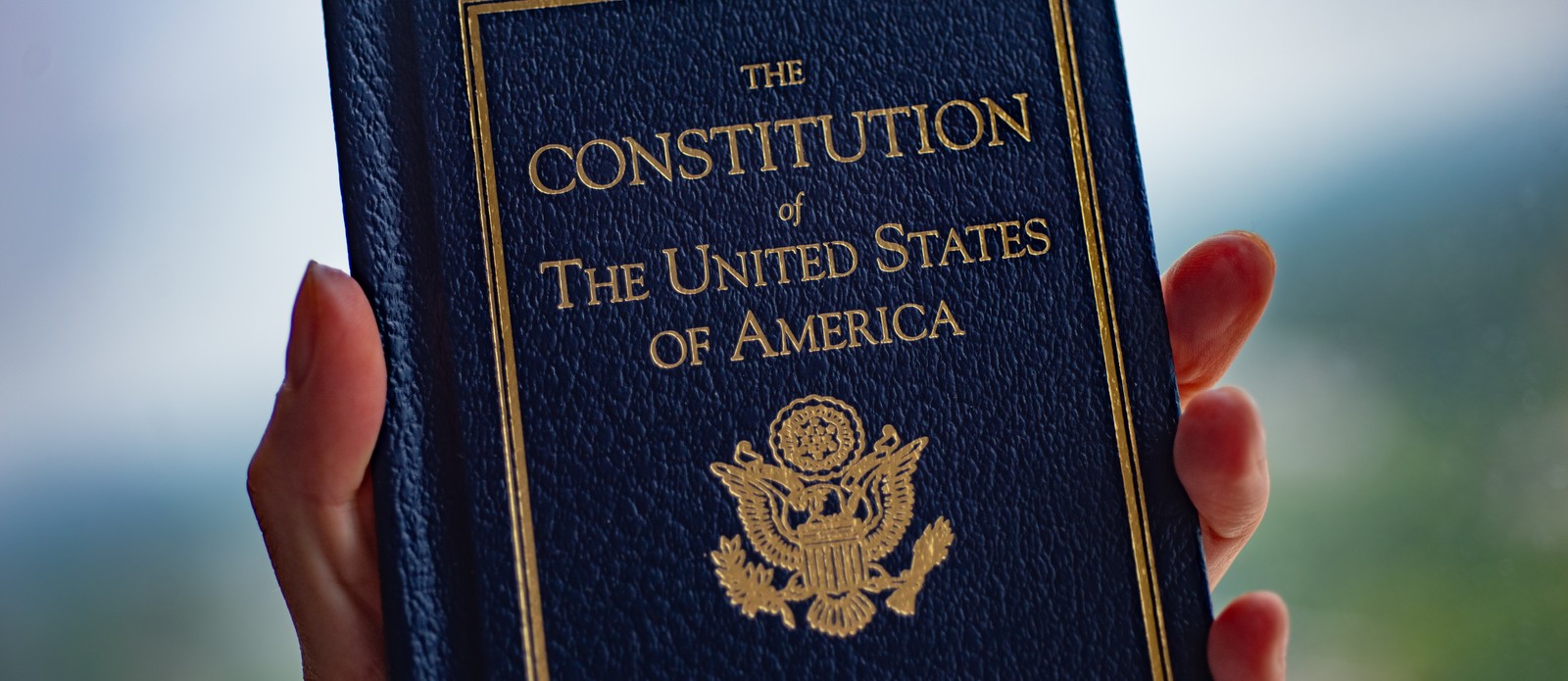
On March 4, 1789, the Constitution of the United States replaced the Articles of Confederation as the foundational document of the country. Drafted over several months and the subject of heated debates among the drafters, the final text outlined the basis of the federal government of the United States. But who were the minds behind it? Which points were considered controversial? Let’s have a look at some facts about our national Constitution.

1
A secret convention

Image: xiquinhosilva, CC BY 2.0, via Wikimedia Commons

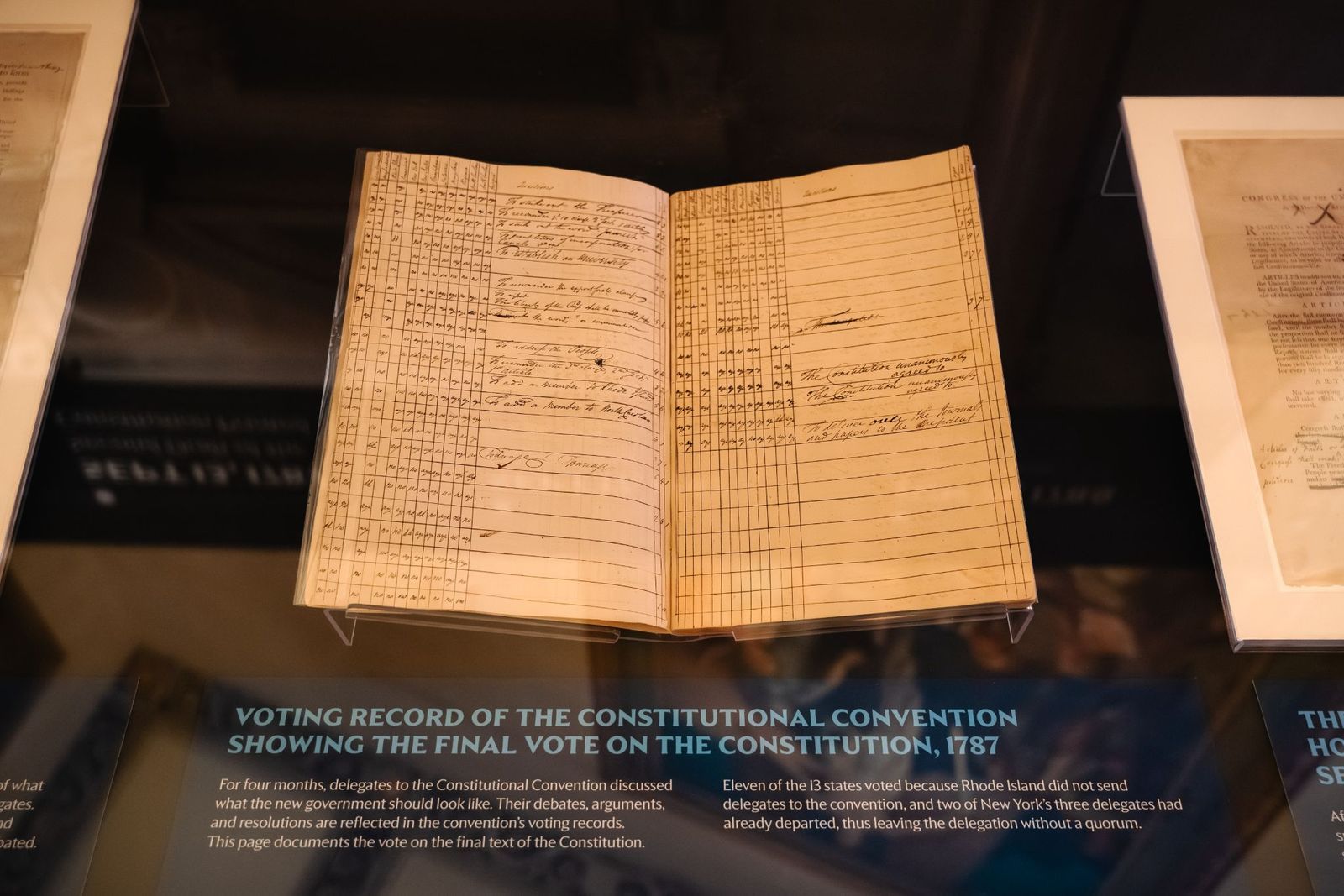
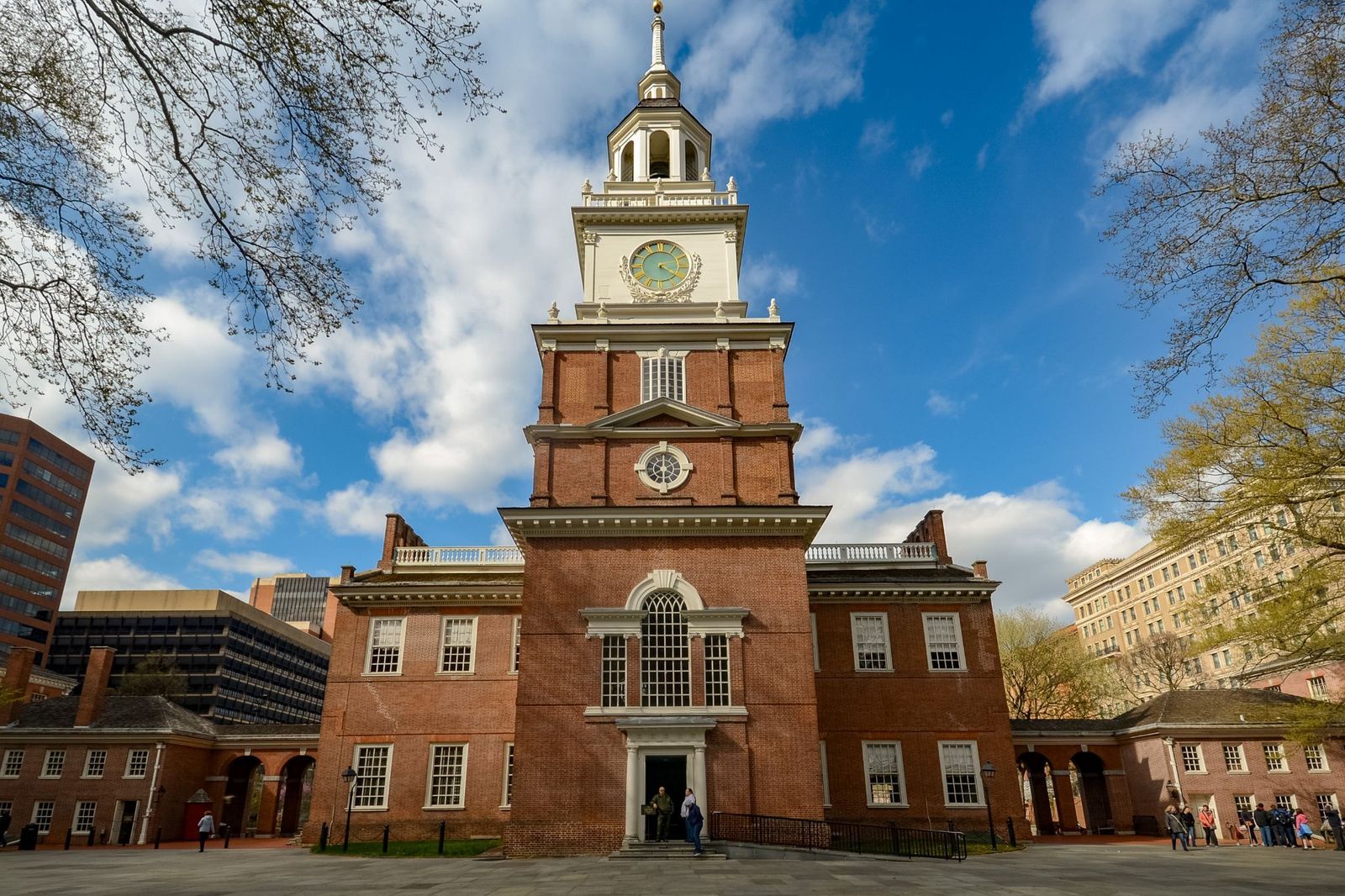
The Constitutional Convention gathered between May 25 and September 17, 1787, in Independence Hall, Philadelphia, at that moment the seat of the U.S. government. Although the initial intention had been to "fix" the government delineated in the Articles of the Confederation, the constituents, also known as the "Framers", decided to write a new document altogether. For nearly five months, delegates from 12 states (Rhode Island had refused to participate) deliberated in secret , wanting to avoid external pressure but also any leak or rumor that could lead to mass panic.

2
A controversial document

Image: Joe Belanger

While James Madison is hailed as the "Father of the Constitution" for his role in shaping our government, the document as we know it was mainly drafted by Pennsylvania delegate Gouverneur Morris. Although the convention had reluctantly agreed on 23 points, the final draft only contained seven, plus a preamble and a closing endorsement . This result, caused by several necessary compromises, disappointed many delegates, including Benjamin Franklin, who still voted in favor because they believed that they couldn’t reach a better agreement.

3
Spelling errors

Image: Constitutional Convention of 1787, Public domain, via Wikimedia Commons

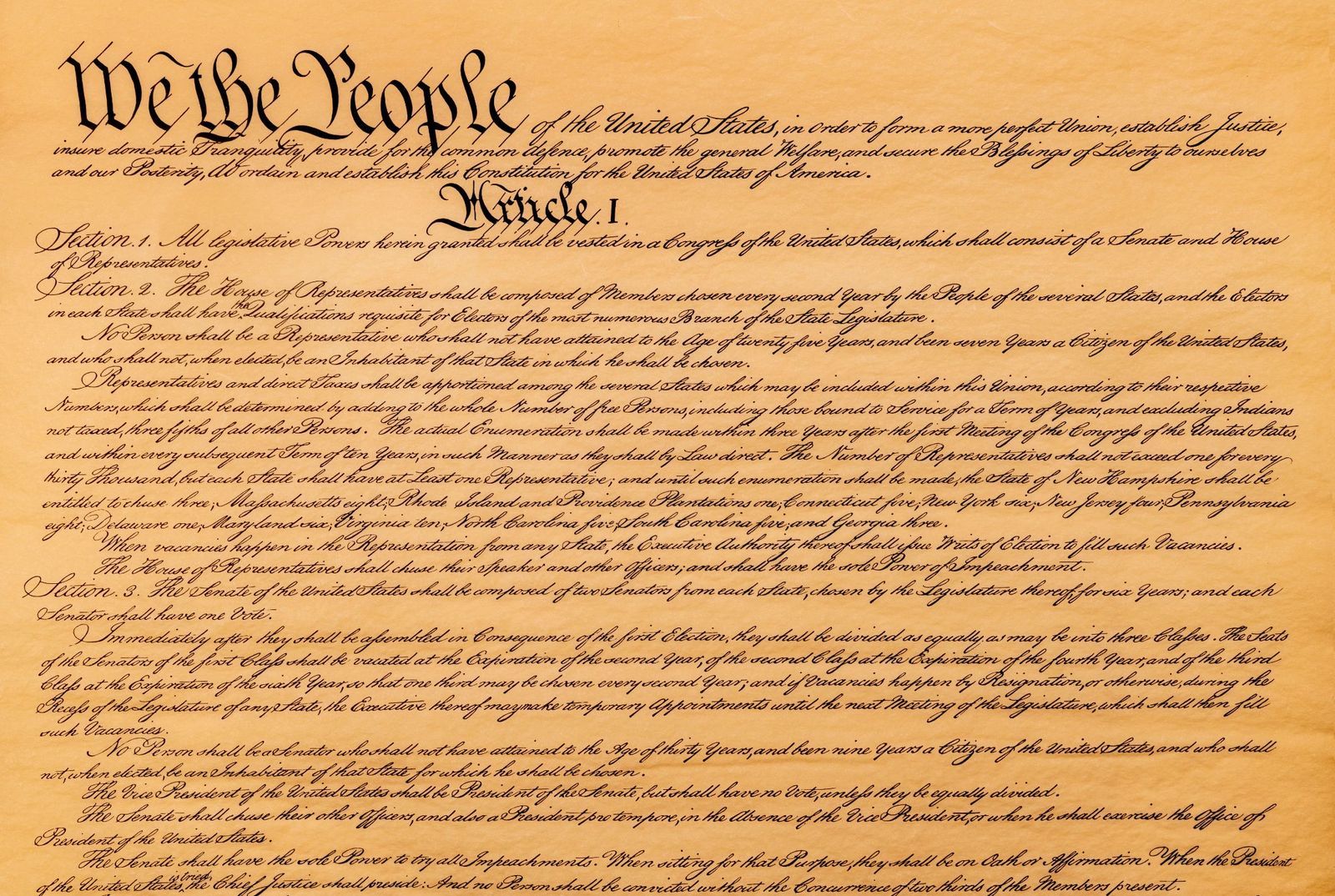
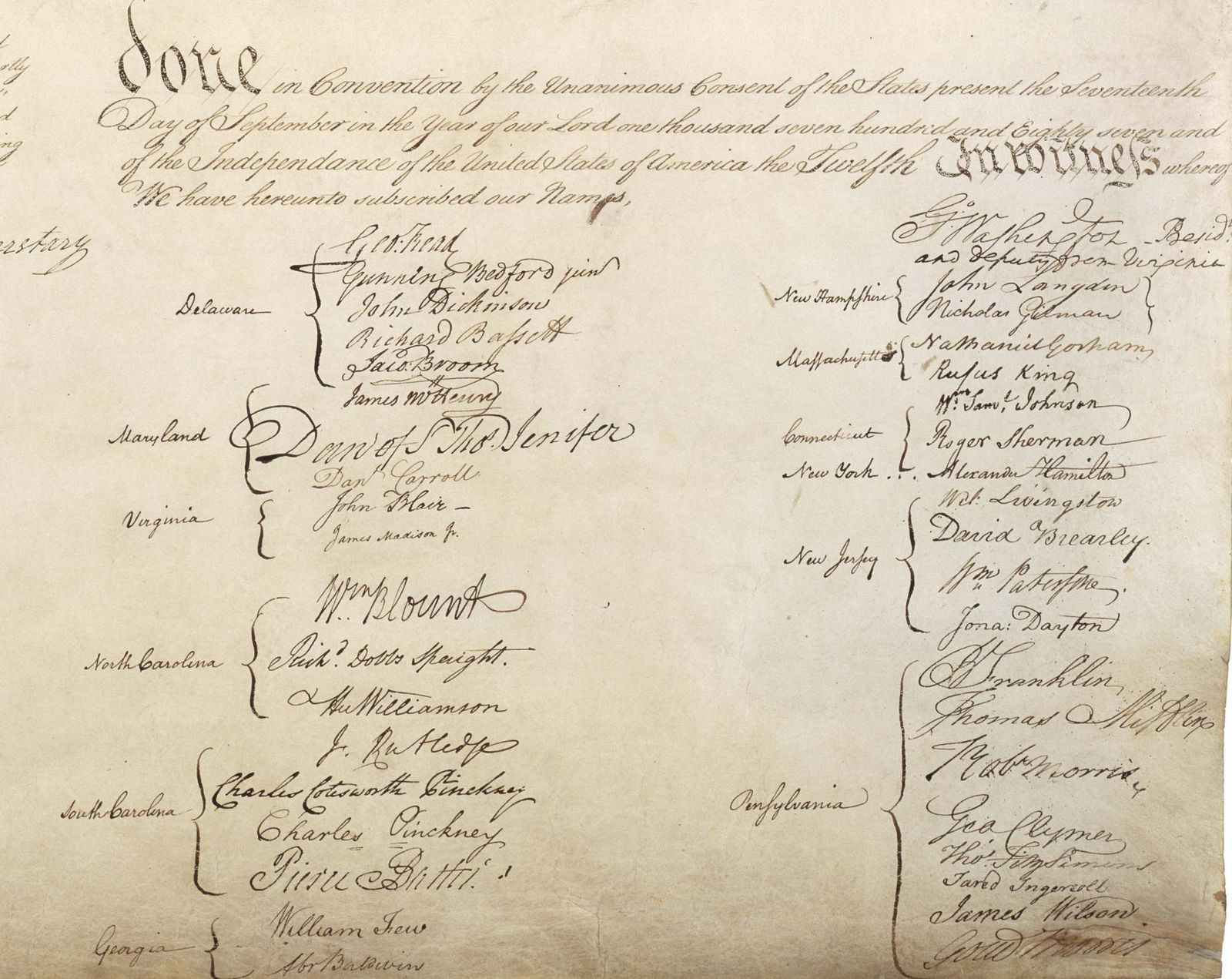
The text for the Constitution had been drafted by Gouverneur Morris, but the document to be signed was penned on five parchment pages by Jacob Shallus, an assistant clerk to the Pennsylvania General Assembly. Shallus received $30 for his work (equivalent to about $750 today). The document was written quite hastily, which led to misspellings in the text , although some of them might have been common alternative spellings at that time, such as "chuse" instead of "choose". The most famous error is "Pensylvania" in the list of signatory states, a list written by Alexander Hamilton, not by Shallus.

4
The compromises

Image: Ian Hutchinson

The heated debates about the new government forced the delegates to reach a series of compromises. The most significant concerned state representation (larger states wanted proportional votes, smaller states demanded equal representation), whether enslaved people counted towards state population, and the executive government’s election method. As a result, the Convention decided on a Bicameral legislature (the House of Representatives with proportional representation and the Senate with equal representation), counted three-fifths of the enslaved population towards representation and taxation, and decided on an electoral college to balance popular votes and state electors.

5
The constituents

Image: Howard Chandler Christy, Public domain, via Wikimedia Commons

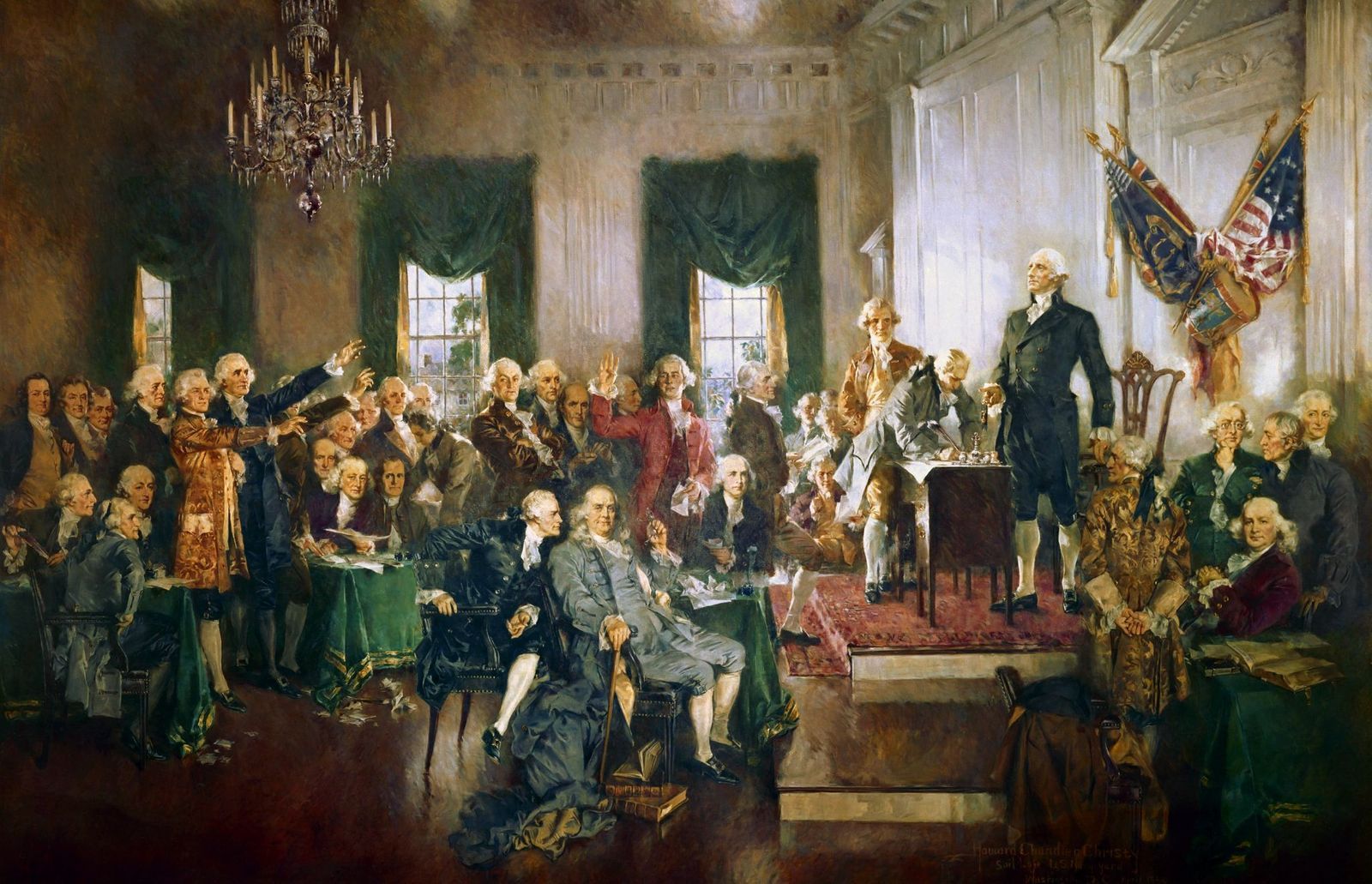
The convention, presided over by George Washington, was comprised of delegates from 12 states, a mix of lawyers, merchants, landowners, physicians, and public officials. All of them had political experience, having served in the Continental Congress, the Confederation Congress, or as signers of the Declaration of Independence , although their ages varied. New Jersey delegate Jonathan Dayton was the youngest constituent, at 26 years old, while Pennsylvania delegate Benjamin Franklin was the oldest, at 81 years old.

6
The men who refused

Image: Logan Bush

The Constitutional Convention had 55 delegates in total, but not all of them signed the Constitution or were even present at the signing. Thirteen of them had returned to their states due to professional or personal reasons, or as a form of protest. George Mason, Elbridge Gerry, and Edmund Randolph remained at the convention, but refused to sign the Constitution without a Bill of Rights. In the end, only 39 out of 55 delegates signed the final document.

7
Delaware, the First State

Image: Mehaniq

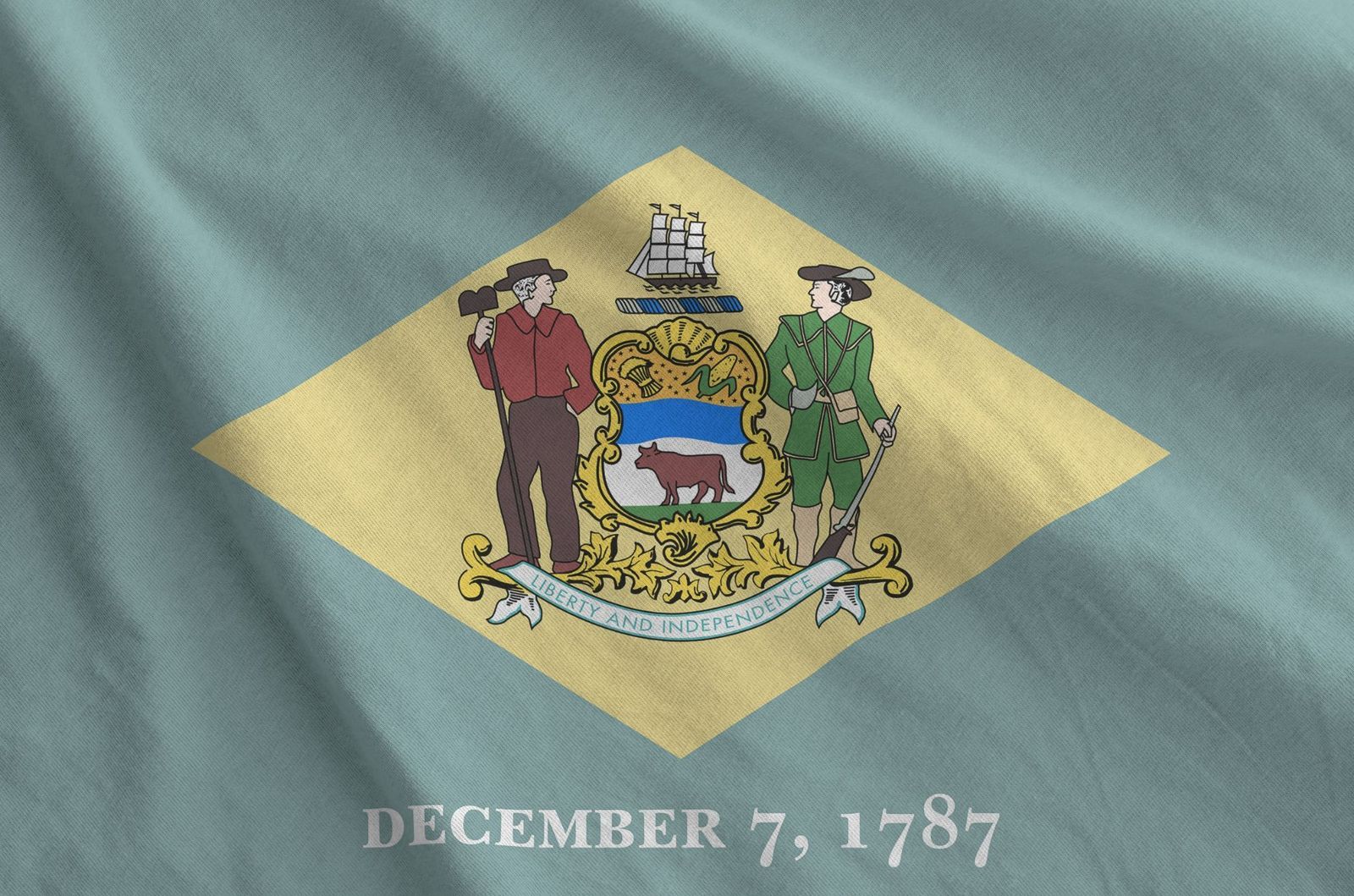
Although Delaware is traditionally regarded as the 13th colony, and it functioned as such with its own assembly, it had always been part of Pennsylvania, only becoming an independent state with the start of the Revolutionary War. The second-smallest state beside Rhode Island, Delaware was the first to unanimously ratify the new U.S. Constitution , less than three months after it was signed, making it the first state to join the Union and earning it the nickname of "The First State".

8
The Bill of Rights

Image: ungvar

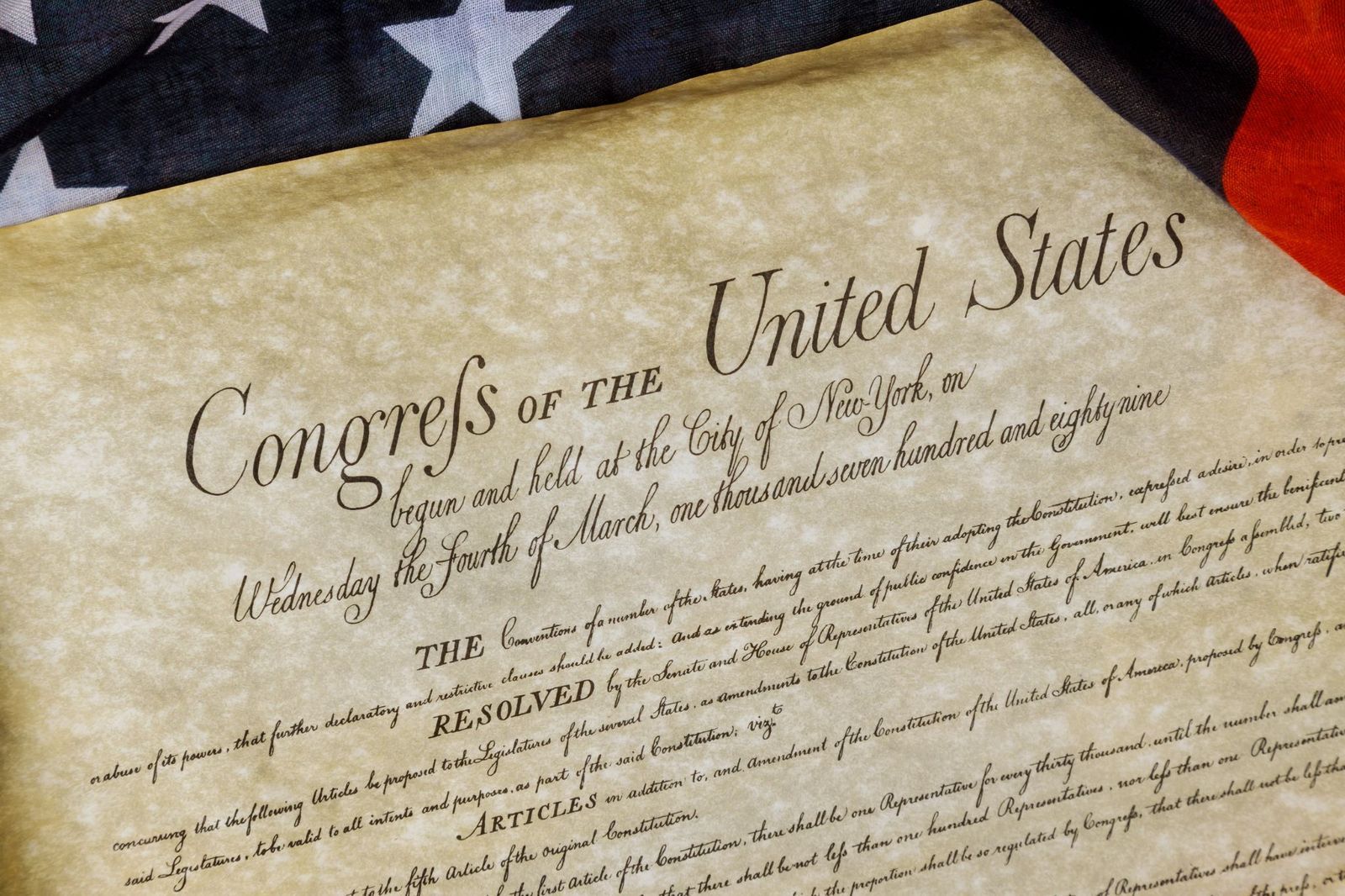
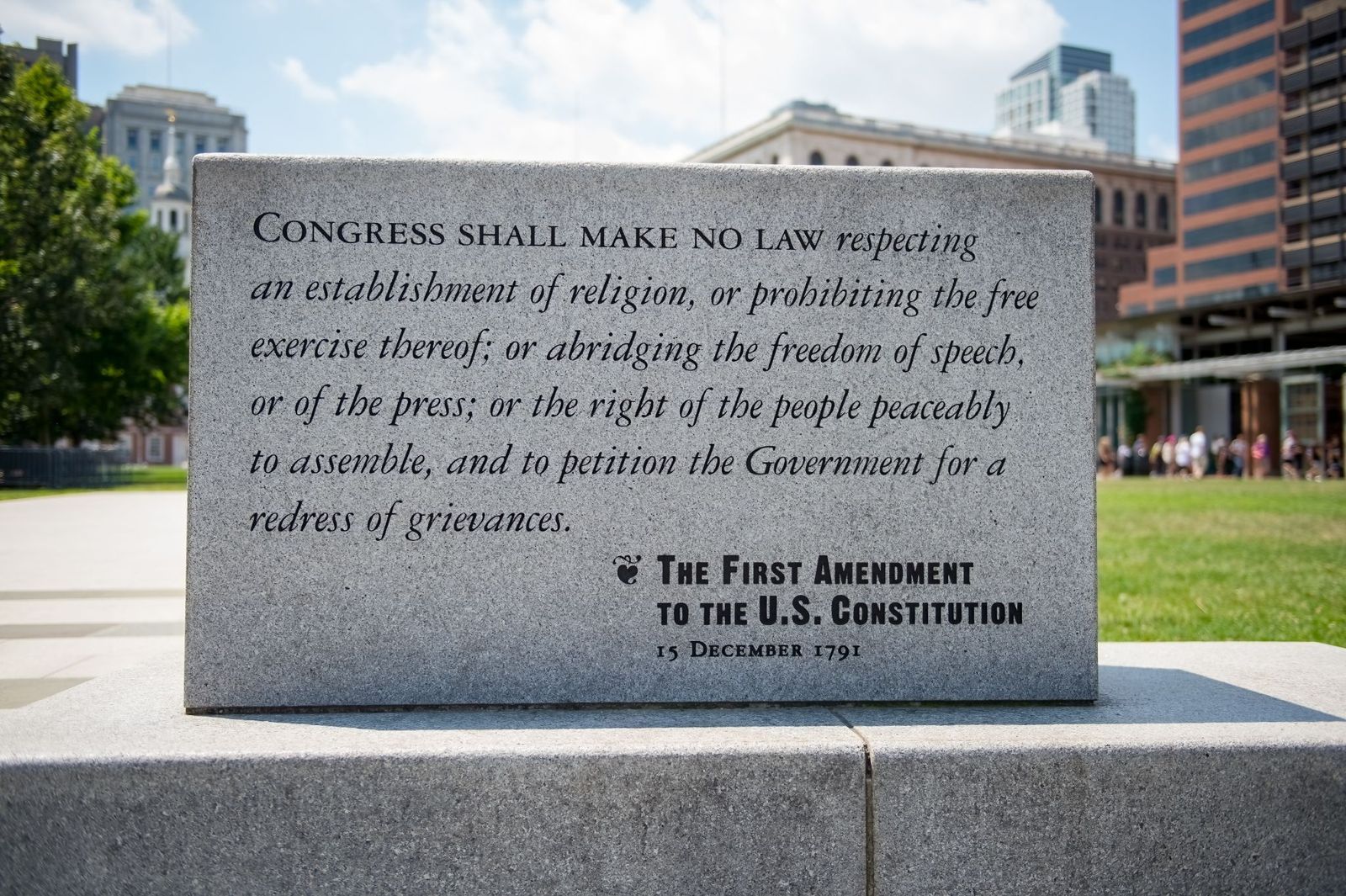
The inclusion of a Bill of Rights had been debated during the Constitutional Convention, but it had been rejected under the argument that it could imply that any right not mentioned did not exist. However, this posed a later issue, as some states flat-out refused to ratify a Constitution that lacked protection of individual rights. To ensure ratification, these states were promised that a bill of rights would be added. The Constitution was fully ratified on May 29, 1790, and the Bill of Rights, composed of ten amendments, was added on December 15, 1791.

9
What about slavery?

Image: Jerric Ramos

The terms "slave" or "slavery" do not appear in the original text of the Constitution, but this doesn’t mean the institution was not contemplated or protected in the document. The text spoke of people "bound to service", counted three-fifths of them towards a state’s population, prevented Congress from banning the import of enslaved people until 1808, and included a clause to return fugitives to their enslavers. It was not until 1865, with the ratification of the Thirteenth Amendment, that the text of the Constitution formally addressed slavery, abolishing it across the U.S.

10
Amendments

Image: Mohannad Khatib

Article V of the original text delineated the mechanism to amend the Constitution, contemplating that the government should be able to change as the nation changed. Any amendment requires a majority vote (two-thirds) of both chambers of Congress, plus the ratification of three-fourths of the states. Since the inception of the Constitution, more than 11,000 amendments have been proposed to Congress, but only 33 have been approved and sent to be ratified by the states. Of those, only 27 have been effectively ratified, the last one, concerning changes in congressional pay, fully ratified in 1992.

History History 6 min read

Would you dare go in?

From Lincoln to Lizzie Borden: The 14 most haunted spots in America

Image: Sandy Flowers

We know—it’s one thing to watch a scary movie hidden behind a giant bag of popcorn, and a very different thing to step into a dark, allegedly haunted house while an eerie, chilly breeze brushes your neck. Here, we’ve made a list of houses, hotels, and mansions in America with the spookiest claims of paranormal activity . Which one would you be brave enough to visit?

1
The Whaley House in San Diego, California

Image: Ivan Borinschi

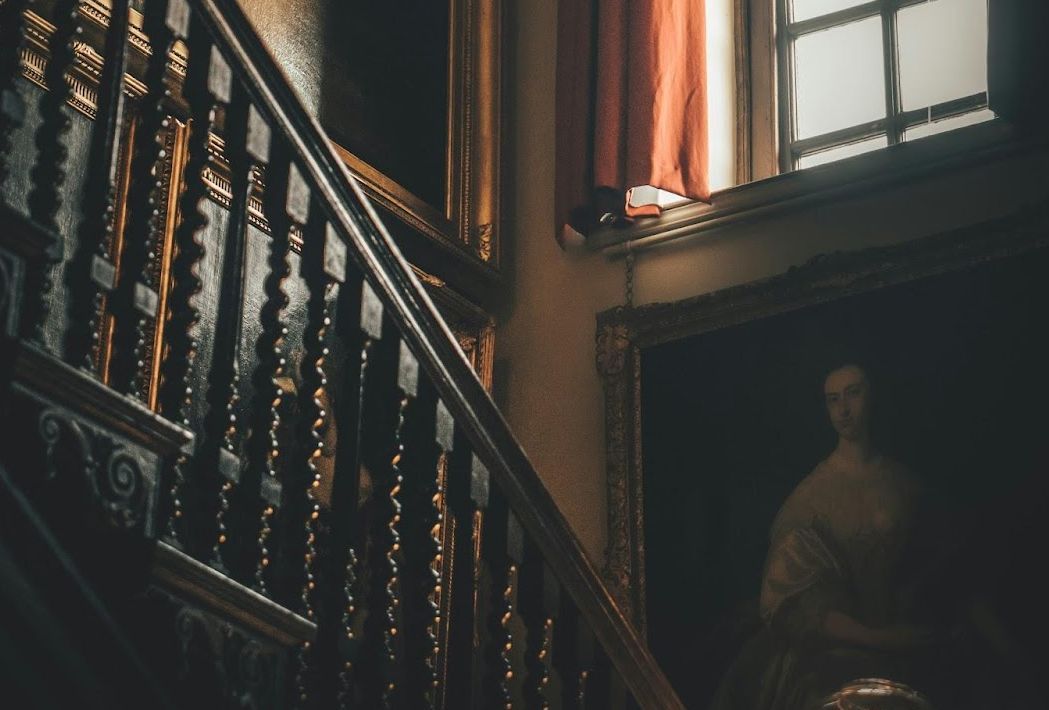
The Whaley House is one of the few homes officially deemed "haunted" by the US government. Visitors report footsteps echoing in empty hallways, cold spots that won’t go away, and spectral figures on the stairs. How did it come to this? Built in 1857 by Thomas Whaley, the house stands on the site of former gallows. Whaley installed San Diego’s first brick house, which included a courtroom, general store, and theater space.

Unfortunately, Whaley’s daughter died by suicide in the house, and other family members passed away under the same roof. Accumulated tragedies and a spooky old house were enough to turn this eerie spot into a museum.

2
The Roosevelt Hotel in Los Angeles, California

Image: pure julia

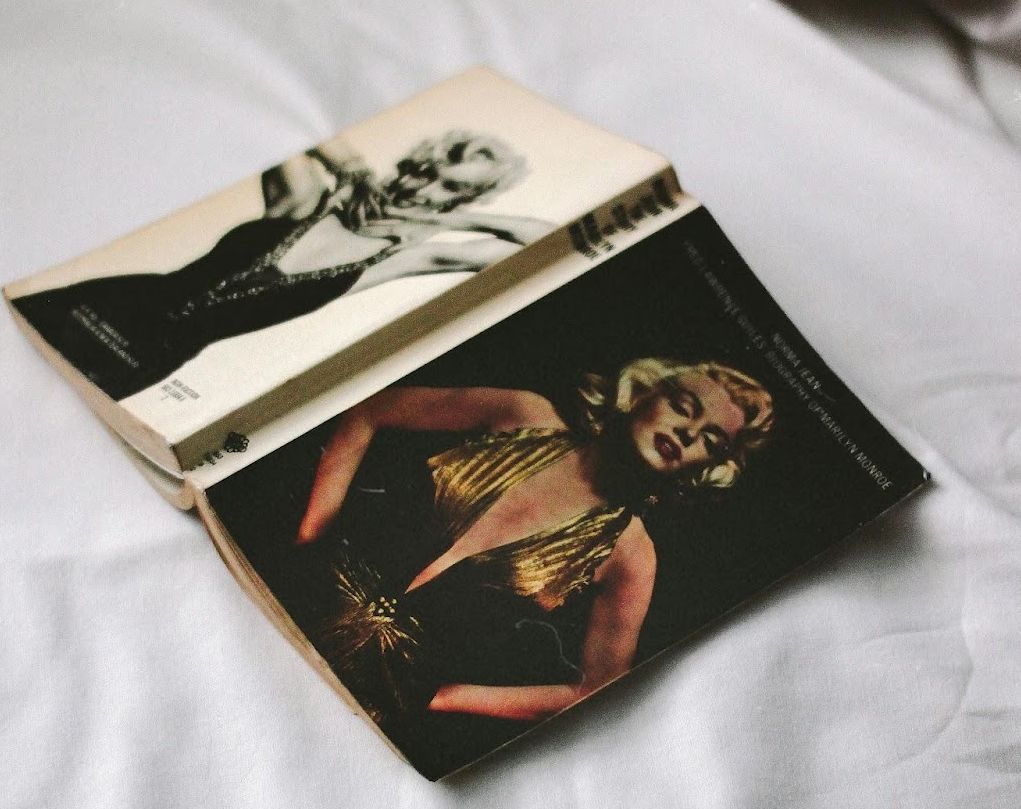
Built in 1927, this glamorous hotel hosted the very first Academy Awards. Stars like Clark Gable, Charlie Chaplin, and Marilyn Monroe were among its esteemed guests. But, according to recent visitors, Monroe never really checked out.

She is said to appear in a mirror that once hung in her poolside suite. Guests have reported seeing the reflection of a blonde woman behind them, only to turn around and find no one there. How would you react?

3
The White House in Washington, D.C.

Image: Suzy Brooks

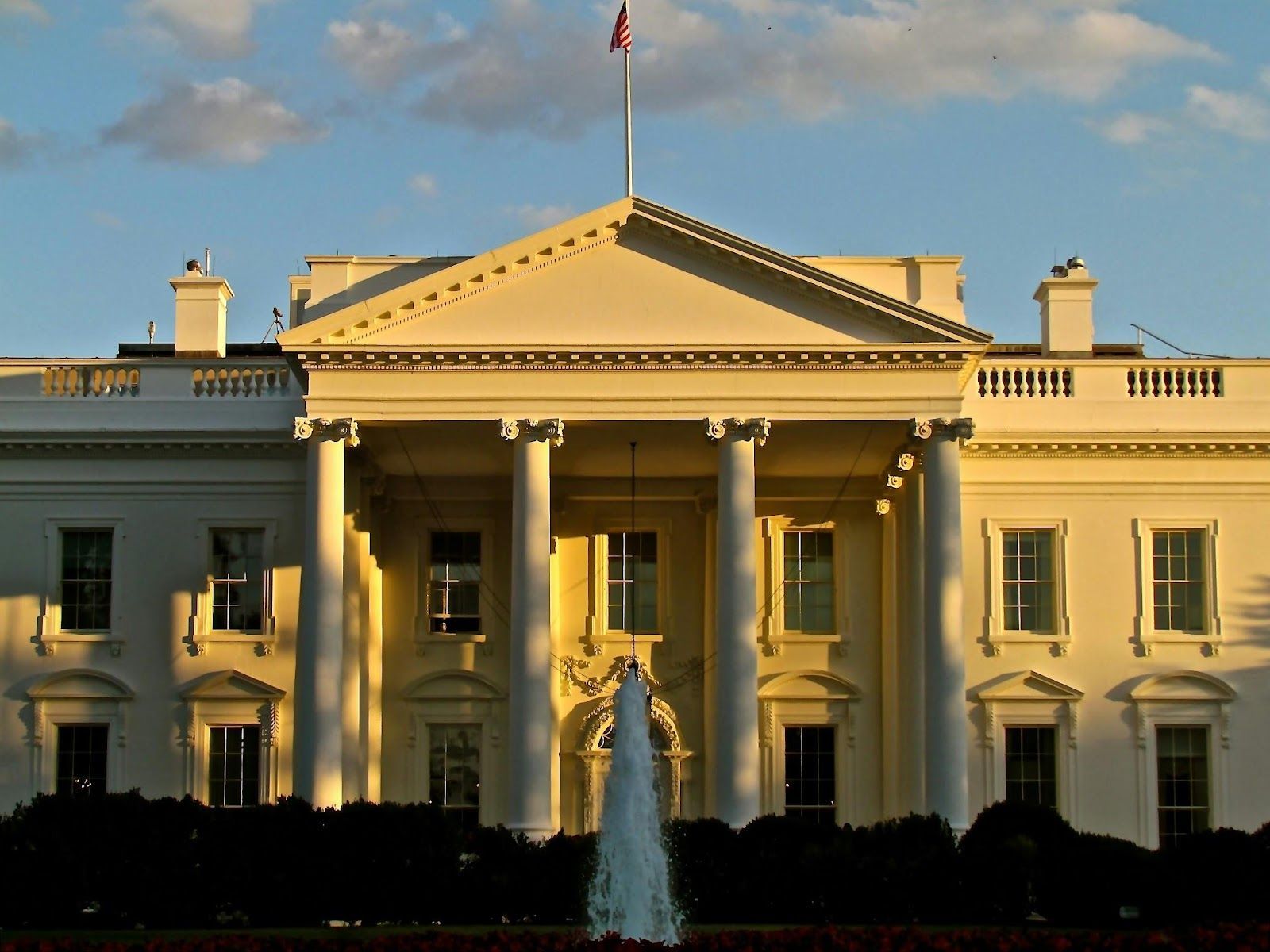
Did you expect to find America’s most powerful address on this list? As it turns out, presidents, first ladies, and staff have all reported eerie encounters over the years, with Abraham Lincoln’s presence as a recurring theme.

Queen Wilhelmina of the Netherlands allegedly fainted after seeing his ghost, and Eleanor Roosevelt claimed to feel his presence. Even Winston Churchill and Ronald Reagan contributed to the stories of a mysterious presence in the Lincoln Bedroom. Reagan famously reported that his dog, Rex, refused to enter the room.

4
The Winchester Mystery House in San Jose, California

Image: Brett Wharton

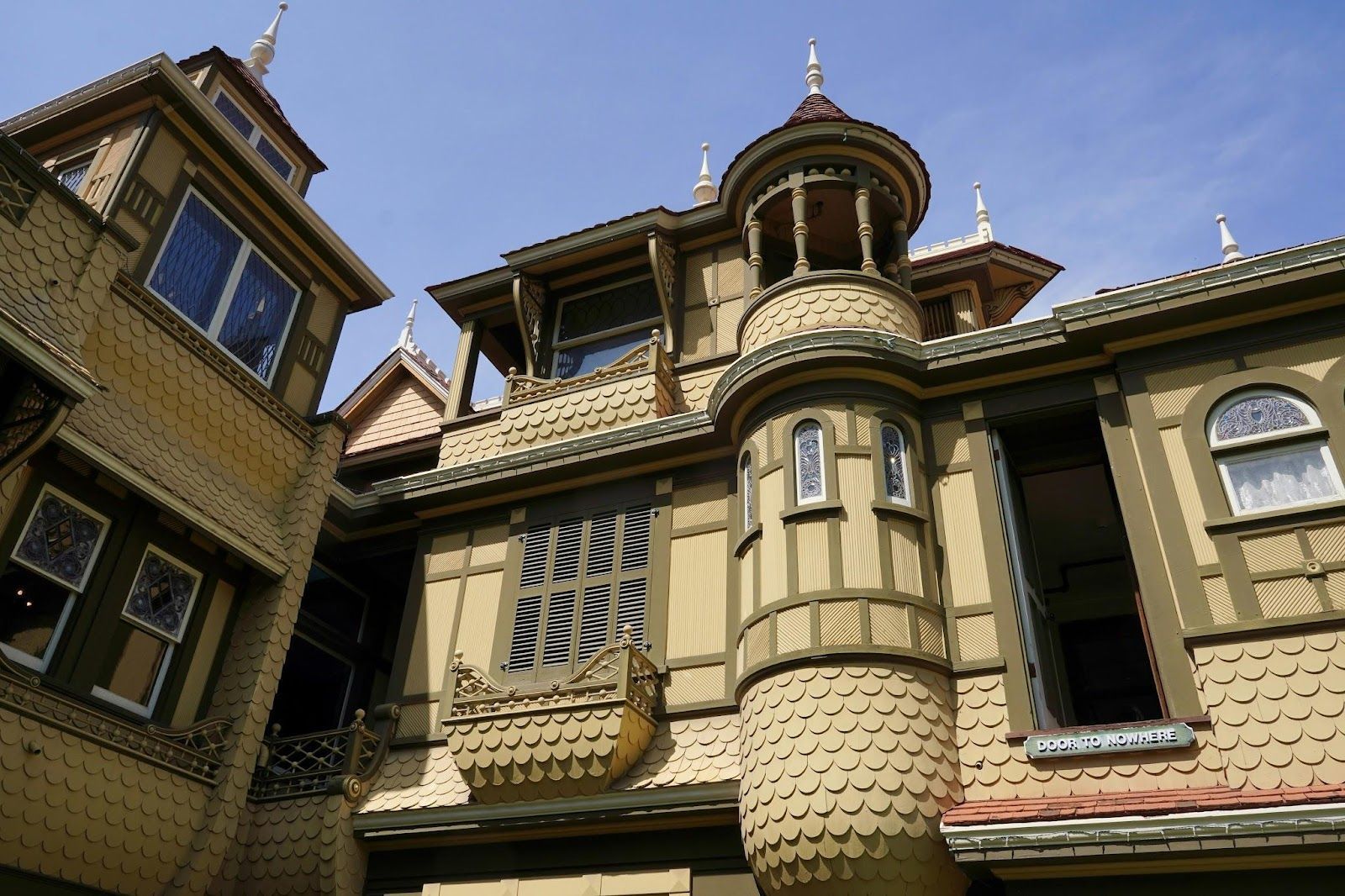
When it comes to haunted mansions, Sara Winchester’s old Victorian-Gothic house will always sit in the podium.

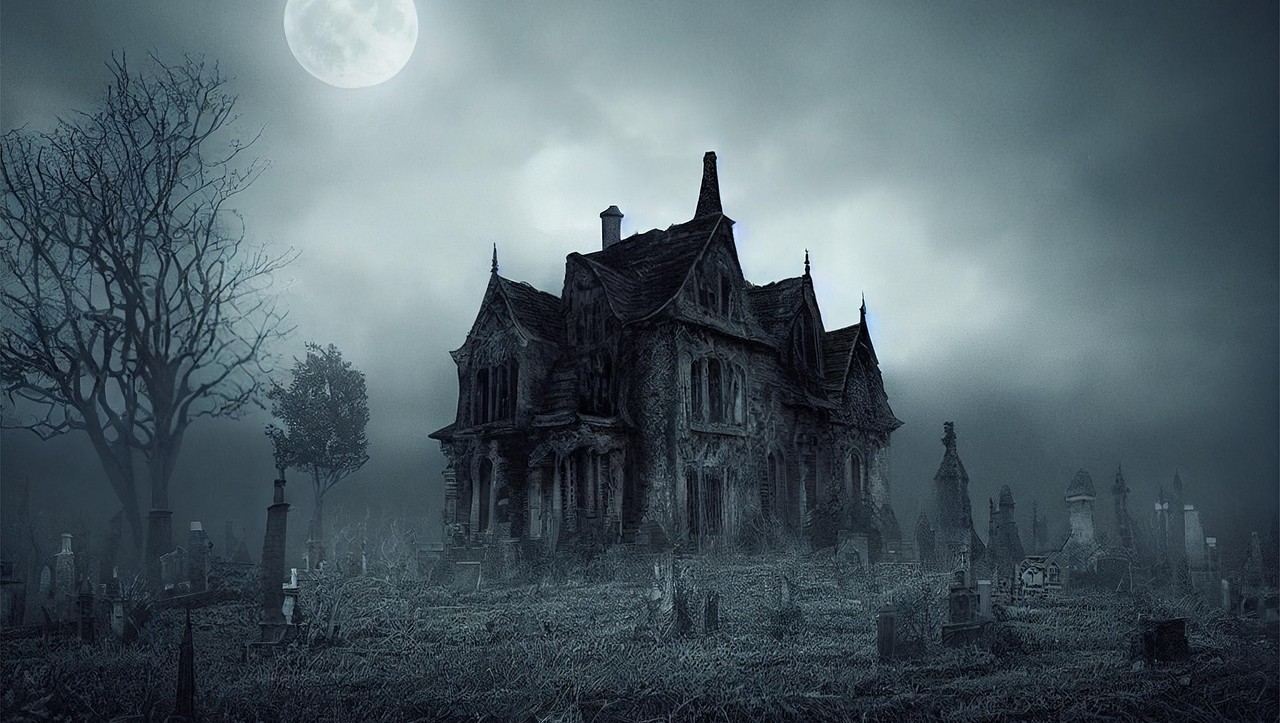
After her wealthy husband and several family members died within months of each other , Sara began commissioning the construction of this puzzling house, which remained under continuous construction for 38 years. Naturally, it’s a bit of a labyrinth.

With staircases that lead nowhere, séance rooms, and flickers of shadowy figures here and there, the house stands as a monument to grief—and to ghosts.

5
The Villisca Axe Murder House in Villisca, Iowa

Image: Kevin Schmid

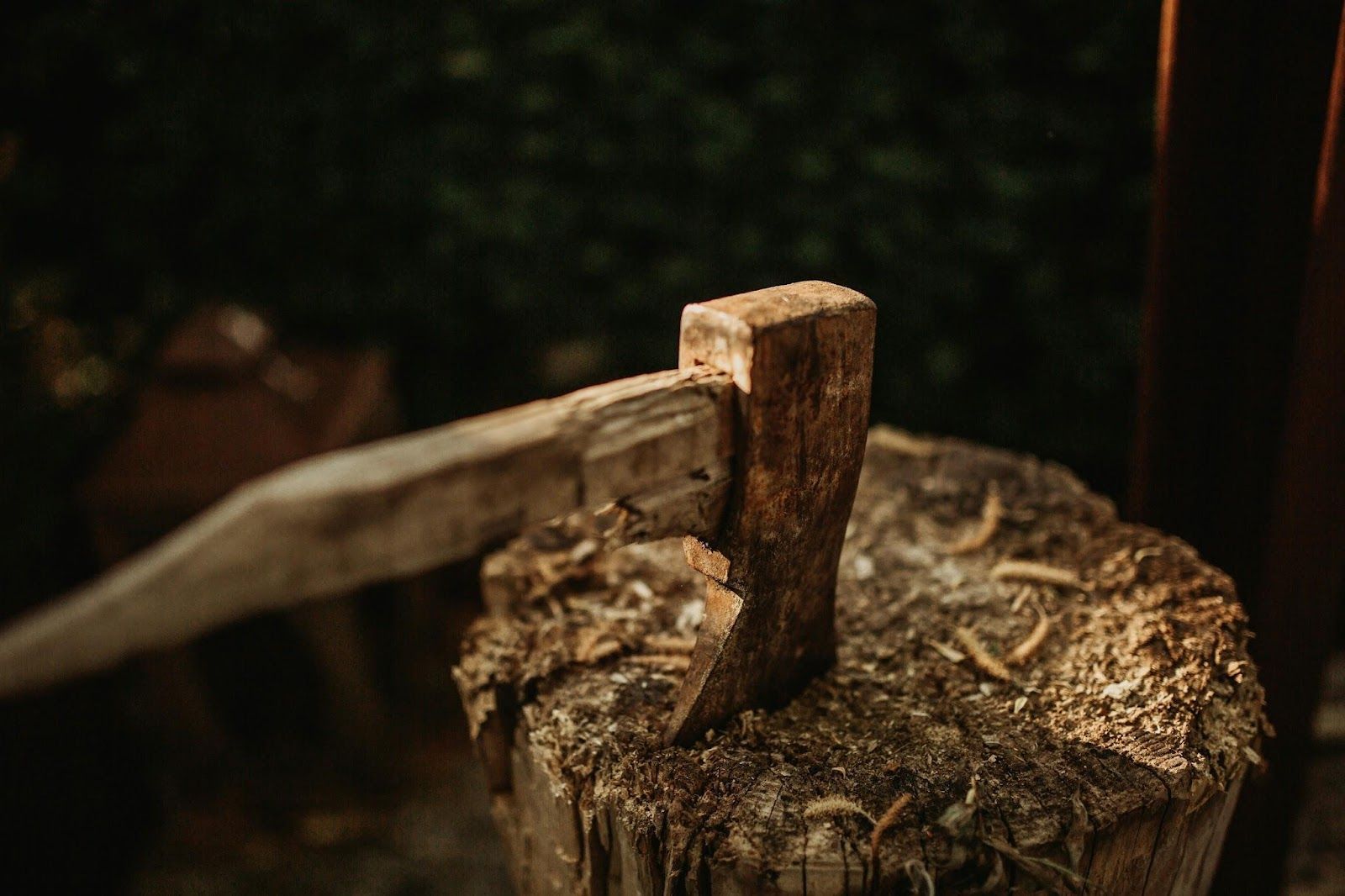
It might look like a quaint white farmhouse, but in 1912, it was the site of one of America’s most brutal unsolved murders. The Moore family and two guests were killed with an axe while they slept. There were no witnesses, and no real explanation was ever found.

Today, the house remains frozen in time, restored to its 1912 condition. Creaking floors, oil lamps, and a whole lot of uneasy silence.

6
Lizzie Borden House in Fall River, Massachusetts

Image: Bee Felten-Leidel

You know the rhyme: "Lizzie Borden took an axe…" This New England house was the scene of one of America’s most infamous double murders in 1892. Lizzie was acquitted, but many believe she was responsible for the deaths of her father and stepmother, who were found dead under violent and suspicious circumstances.

Today, the house operates as a B&B for the brave and the curious. Guests have reported hearing footsteps, whispers, and even muffled cries coming from empty rooms. Some even choose to sleep in the very bedroom where Abby Borden met her tragic end.

7
The Lemp Mansion in St. Louis, Missouri

Image: Dhruv vishwakarma

Once home to the wealthy Lemp brewing dynasty, the mansion witnessed four family suicides between 1904 and 1949. That’s enough to make anyone who steps inside feel a bit… uncomfortable.

The family was cursed by misfortune: mental illness, failed fortunes, and mysterious deaths. Guests now report heavy footsteps in empty halls, strange knocking, and even ghostly apparitions—especially in the downstairs bathroom, where one Lemp took his own life. Today, it operates as a restaurant and inn.

8
Franklin Castle in Cleveland, Ohio

Image: Rob Potter

This Victorian mansion looks like it was designed to be haunted. Built in 1881 by Hannes Tiedemann, the home witnessed the deaths of several of his children and his wife within a short period.

Since then, tales of secret passageways, Nazi spies, and ghostly weeping have become forever attached to the castle. Owners have come and gone , but as the locals expected, none have chosen to stay.

9
The Sallie House in Atchison, Kansas

Image: Caroline Rogers

What began as a doctor’s residence in the 1800s took a dark turn when a young girl named Sallie allegedly died on the operating table . Her ghost, people say, began tormenting a later male resident, scratching, shoving, and even burning him.

Paranormal teams have confirmed that lights flicker, toys move on their own, and male visitors, especially, report sudden feelings of hostility.

10
The House of Death in New York, New York

Image: With Paul

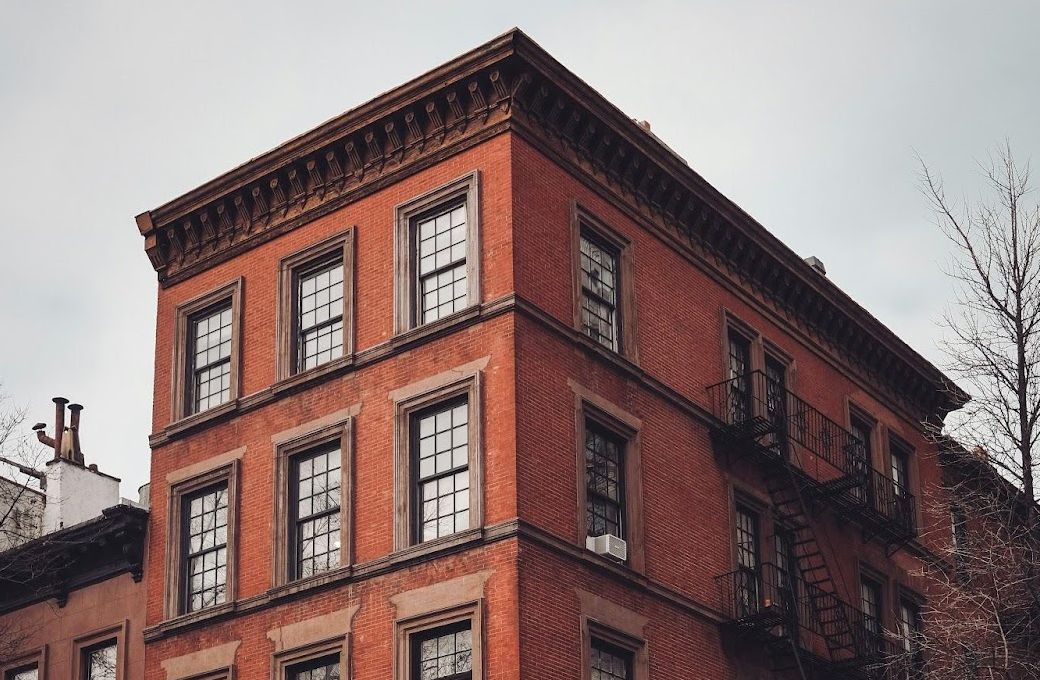
Behind the brownstone elegance of 14 West 10th Street in Greenwich Village lies one of NYC’s darkest secrets: over 20 reported deaths have occurred there.

Mark Twain was its most famous tenant , living there briefly in 1900. He once recounted a story about a floating log inside the house, but insisted that a rodent must have been responsible. Paranormal enthusiasts, however, refuse to believe his explanation and now claim that Twain’s ghost also haunts the house.

11
The Joshua Ward House in Salem, Massachusetts

Image: Blake Cheek

This Georgian brick home sits under a dark curse in Salem. Its original land once held the jail of Sheriff George Corwin, infamous for torturing accused witches during the 1692 Salem Witch Trials. Known as the "Strangler," Corwin died of a heart attack at age 30 and was secretly buried in the basement.

Today’s residents and visitors report strangled sensations, cold drafts, and photographic anomalies—including a famous 1980s photo that appears to show a ghostly woman dressed in black with no eyes.

12
LaLaurie Mansion in New Orleans, Louisiana

Image: Alain Pierre-Lys

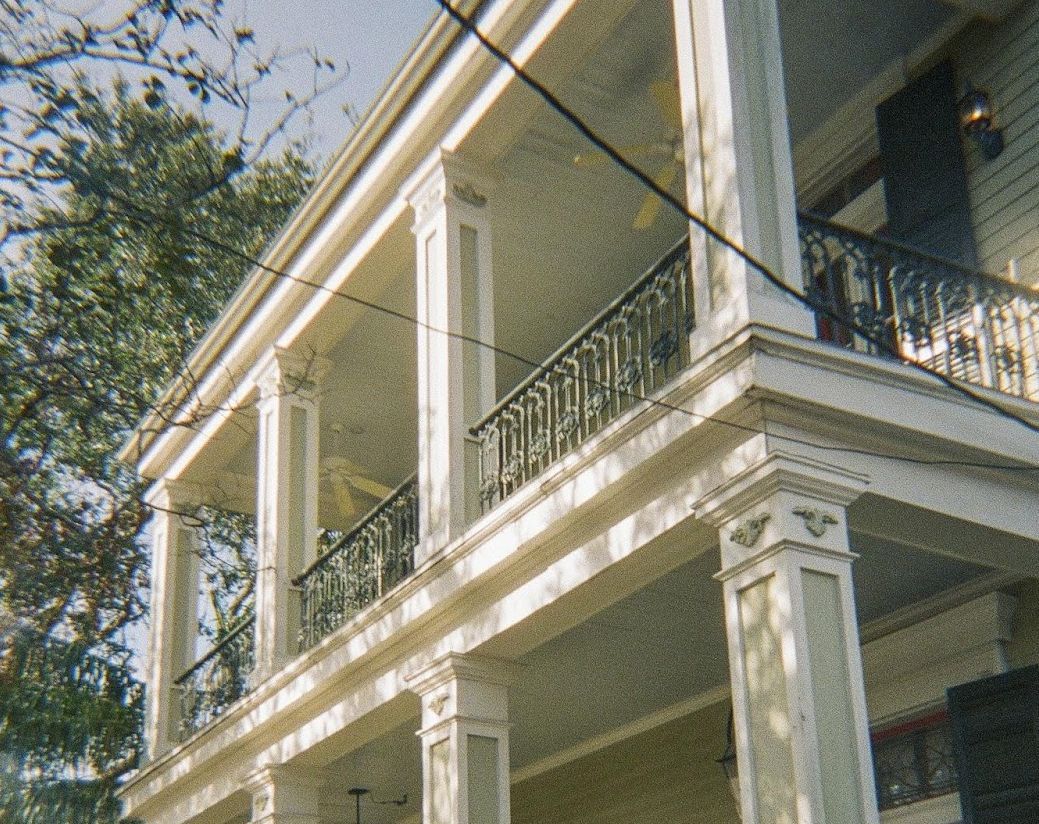
Few stories are darker than that of Madame Delphine LaLaurie, a socialite whose elegant French Quarter mansion concealed an appalling secret. In 1834, a fire revealed a hidden attic where enslaved individuals had been cruelly confined under horrific conditions.

LaLaurie fled to Paris, but the ghost stories remained. Visitors claim to hear moans and phantom footsteps and to see shadowy figures. Actor Nicolas Cage once purchased the property but quickly sold it, claiming bad luck followed him.

13
The Bell Witch Cabin in Adams, Tennessee

Image: Alex Vinogradov

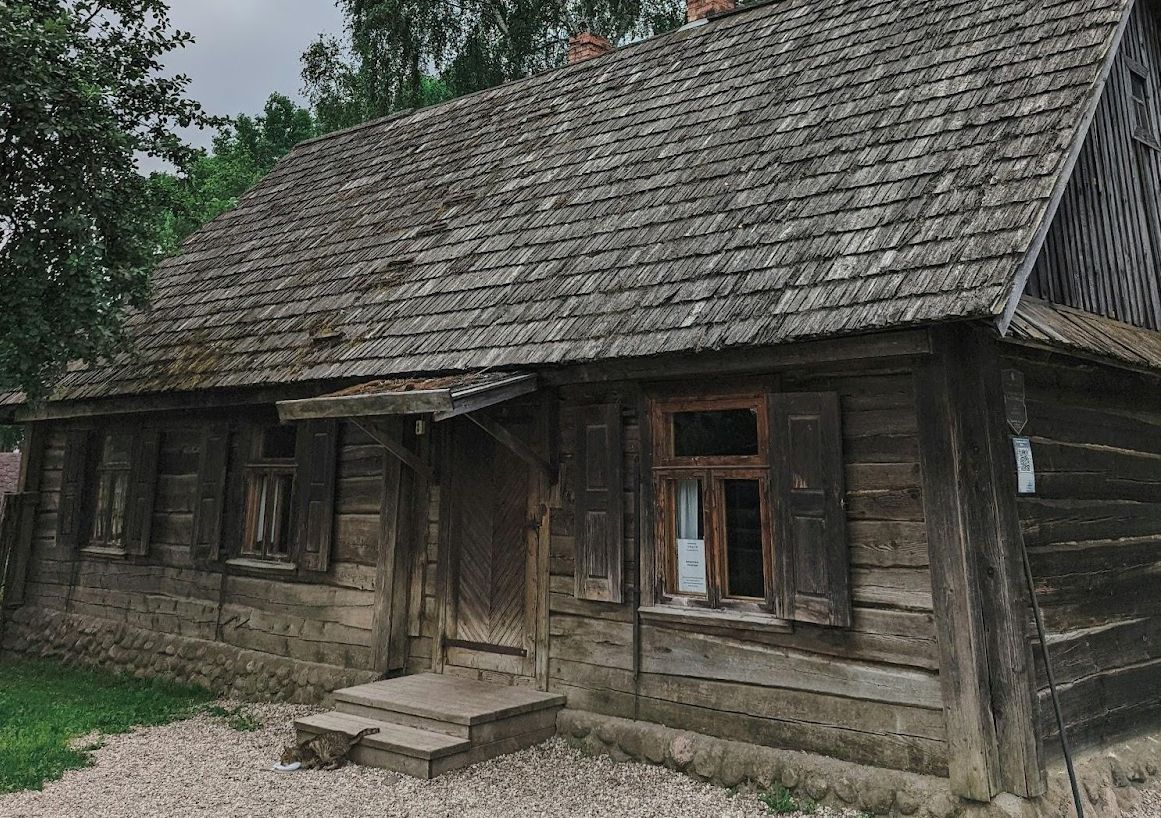
This cabin marks the site of one of America’s oldest and most documented hauntings: that of the Bell Witch . This ghost received the nickname for haunting the Bell family in the 1800s. For years, the family endured a spirit that scratched walls, pulled hair, and even spoke in full sentences.

Legend has it that the entity killed patriarch John Bell. To this day, the rebuilt cabin and nearby cave remain popular destinations for ghost hunters.

14
The Riddle House in West Palm Beach, Florida

Image: Braden Wagner

Originally a funeral home (already a chilling start, right?), the Riddle House was later converted into a private residence. The story goes that it became haunted after an employee named Joseph hanged himself in the attic.

The house was eventually moved to Yesteryear Village to be preserved as a historical site, but it seems the ghosts made the trip too.

Explore more American facts

Choose your favorite category!

General
General

As American as apple pie—the very best America has to offer!

Culture
Culture

Delve into the astounding richness of American lore.

Geography
Geography

Hop in and explore vast and diverse American landscapes.

History
History

Discover the key moments that shaped the United States.