General General 4 min read

10 things you won’t believe are banned in the U.S.
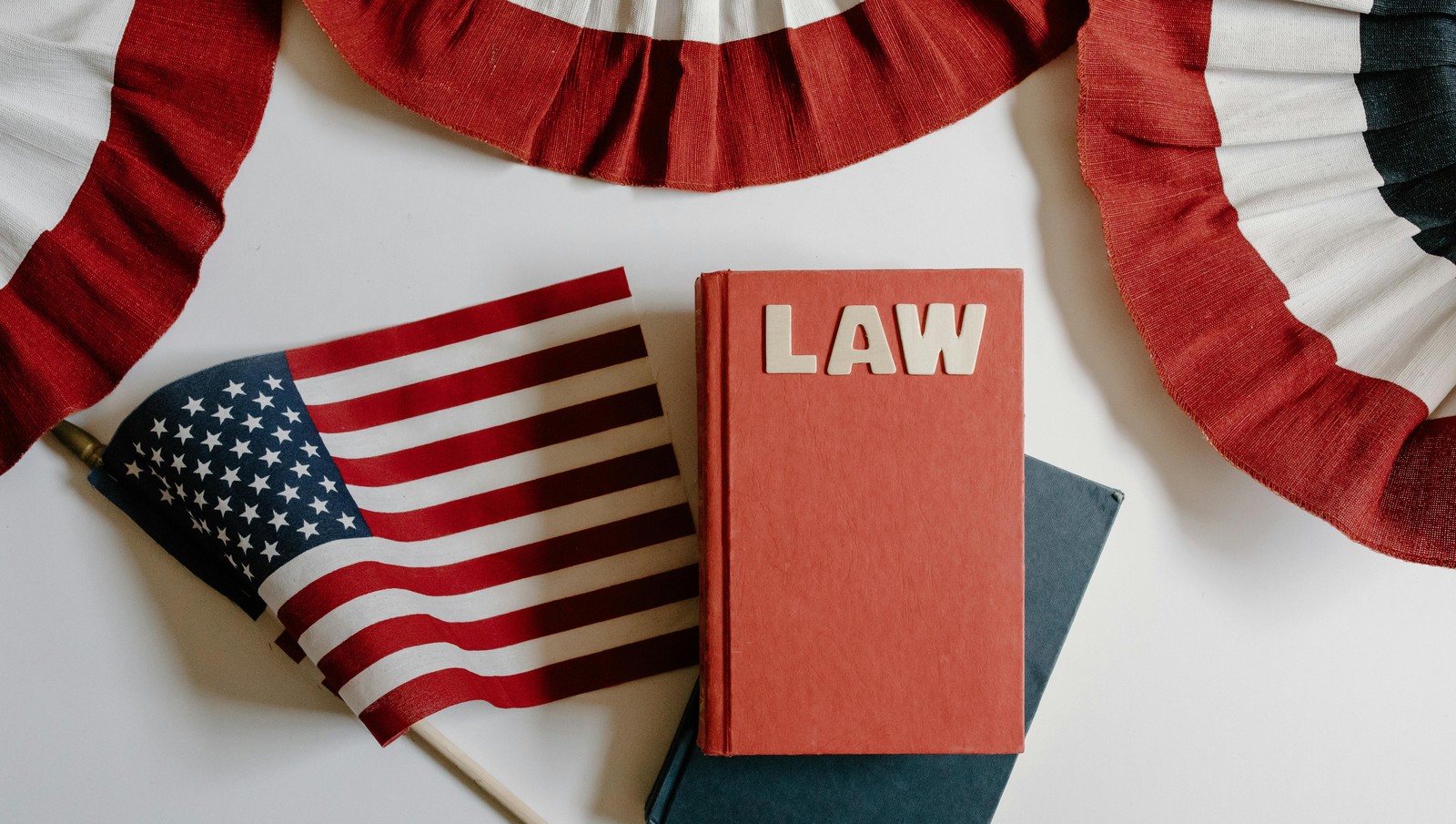
Image: Tara Winstead

America is famous for its love of freedom, yet a few peculiar and oddly specific rules survived in dusty town codes and old state books. Some were written to solve long-forgotten problems; others simply remained by accident. What they all have in common is that they are a reflection of our quirks and contradictions. From outlawed snowballs to forbidden confetti, these 10 real bans prove that, in the land of the free, common sense sometimes just goes and take a coffee break.

1
Snowball fights

Image: Arina Krasnikova

It may sound like the premise for a coming-of-age comedy film, but it’s absolutely true: in Wausau, Wisconsin, throwing a snowball is technically against the law. The city once grouped snowballs in the same category as "stones and missiles," as if every kid with a pair of mittens were a potential threat to public safety. Of course, local police don’t patrol sledding hills looking for offenders anymore. The rule mostly lives on as a charming reminder that even winter fun can end up in the law books.

2
Camel hunting
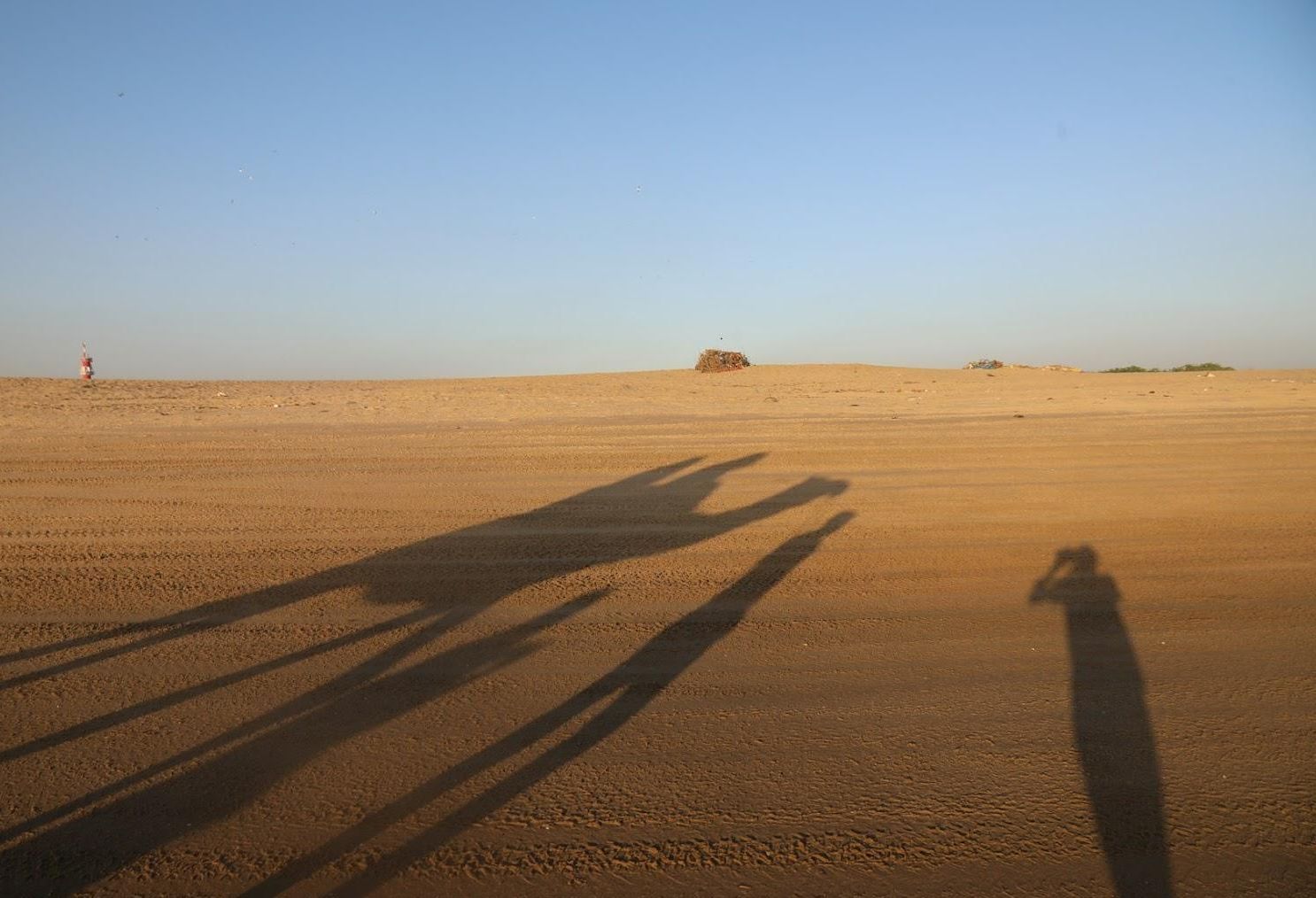
Image: Shaun Danny

Camels in Arizona? Well, technically. Back in the mid-1800s, t he U.S. Army brought camels to the Southwest, hoping their strength and stamina would make them the perfect means for desert transport. The experiment didn’t last—soldiers preferred their mules—but the camels did, wandering off into the wild. To protect the survivors, the State of Arizona outlawed camel hunting, a law that still stands today. So if you ever spot one, grab your camera, not your hunting license!

3
Texting while walking
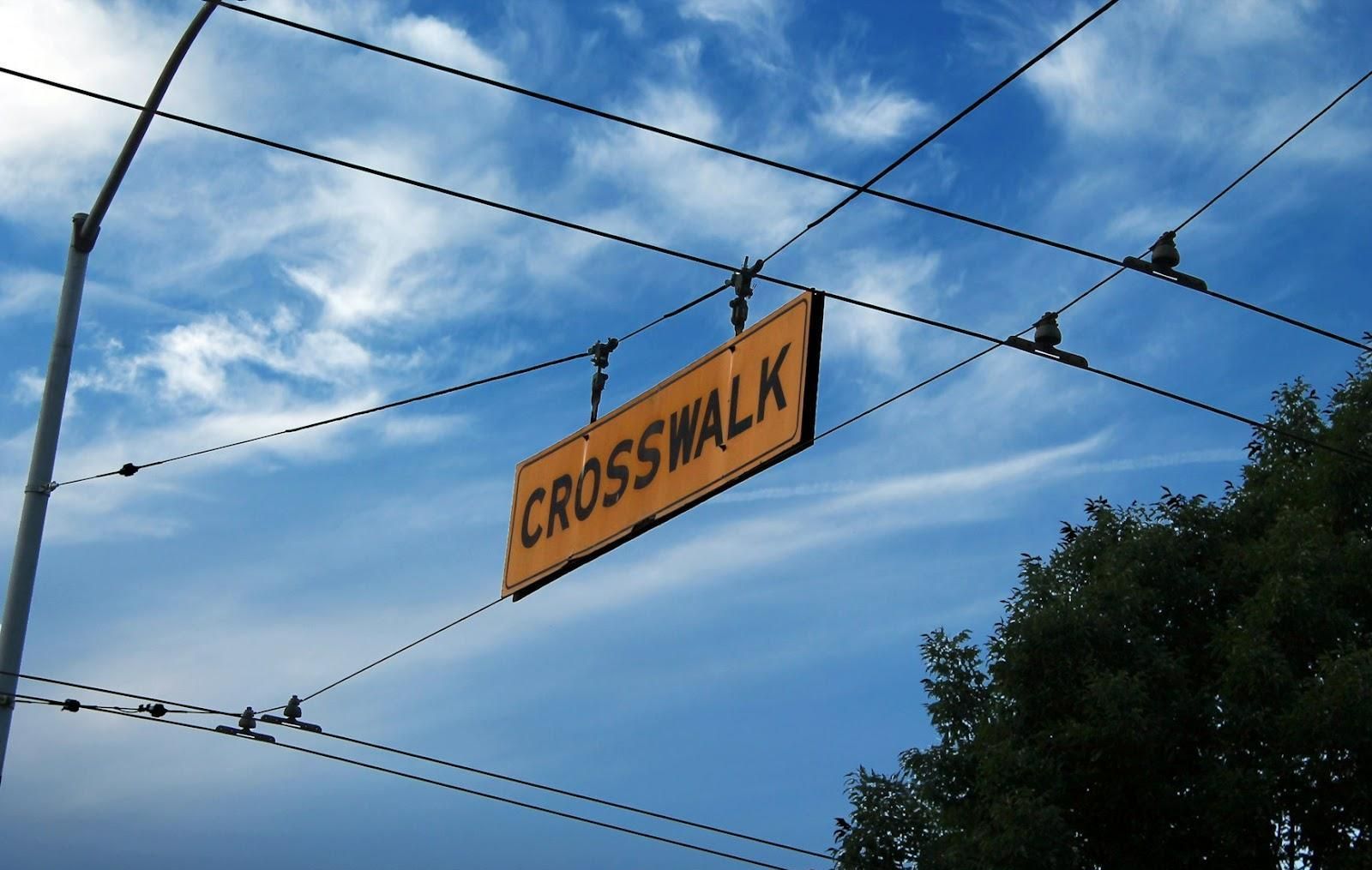
Image: Elizabeth Woolner

Crossing the street with your eyes glued to your phone is the 21st century’s twist on jaywalking. In Honolulu, Hawaii, that nasty habit can cost you up to $99, thanks to a local ordinance meant to curb "distracted walking." Officials say it’s about protecting pedestrians from accidents; residents jokingly call it "the eyes-up law." Whether you see it as common sense or overreach, the rule makes one thing clear: the text, meme, or emoji can wait until you’re safely on the other side.

4
Apple pie must come with ice cream
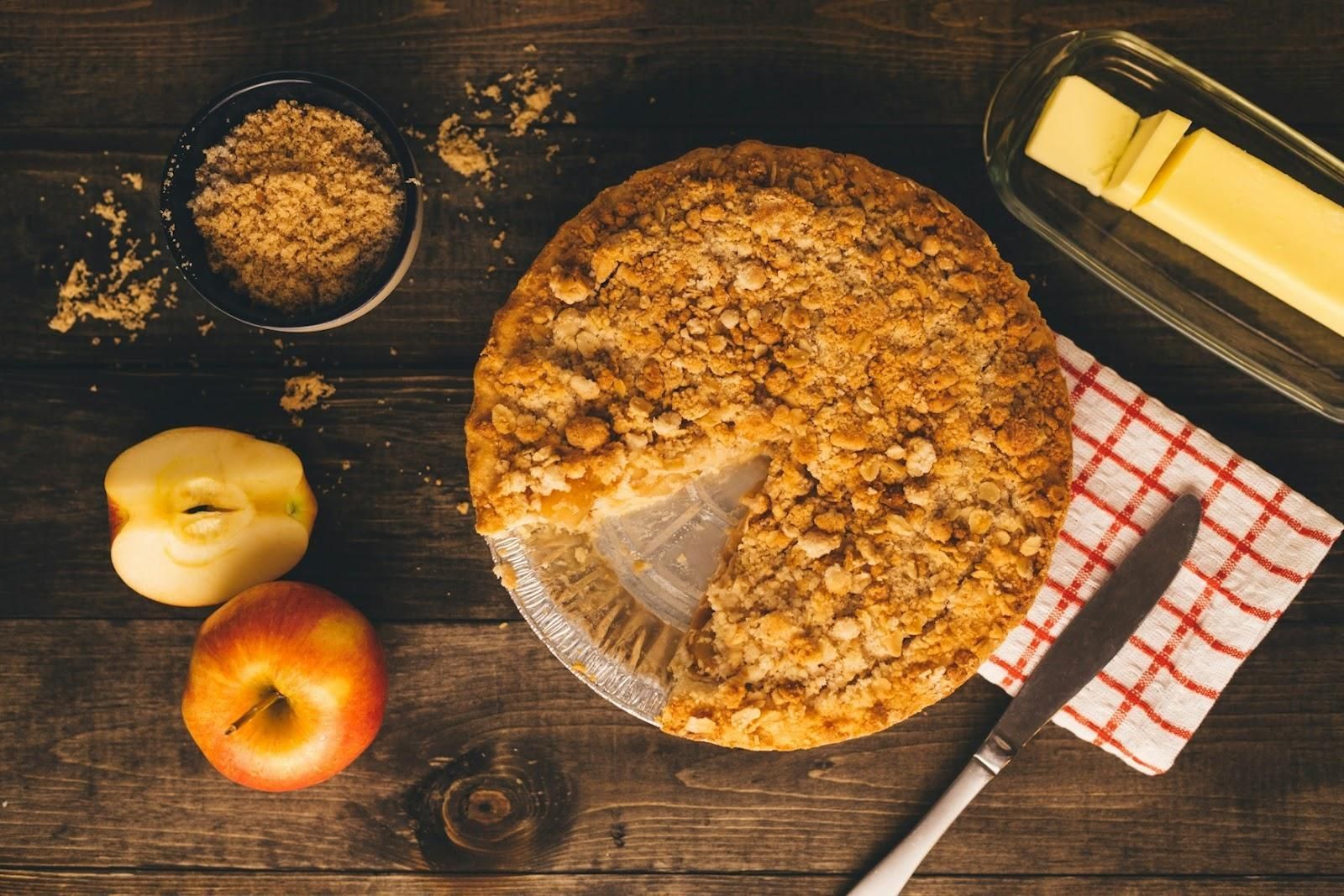
Image: Patrick Fore

Here’s a rule everyone can get behind. Vermont, proud home of rolling orchards and autumn harvests, officially crowned apple pie as its state dessert. But lawmakers didn’t stop there; they added a charming twist, recommending that each slice be served "in good faith" with a scoop of vanilla ice cream, a piece of sharp cheddar, or a glass of cold milk. It’s less a regulation and more a warm invitation to enjoy a simple American treat. Yes, the law can sometimes be fun and downright delicious!

5
Bear wrestling
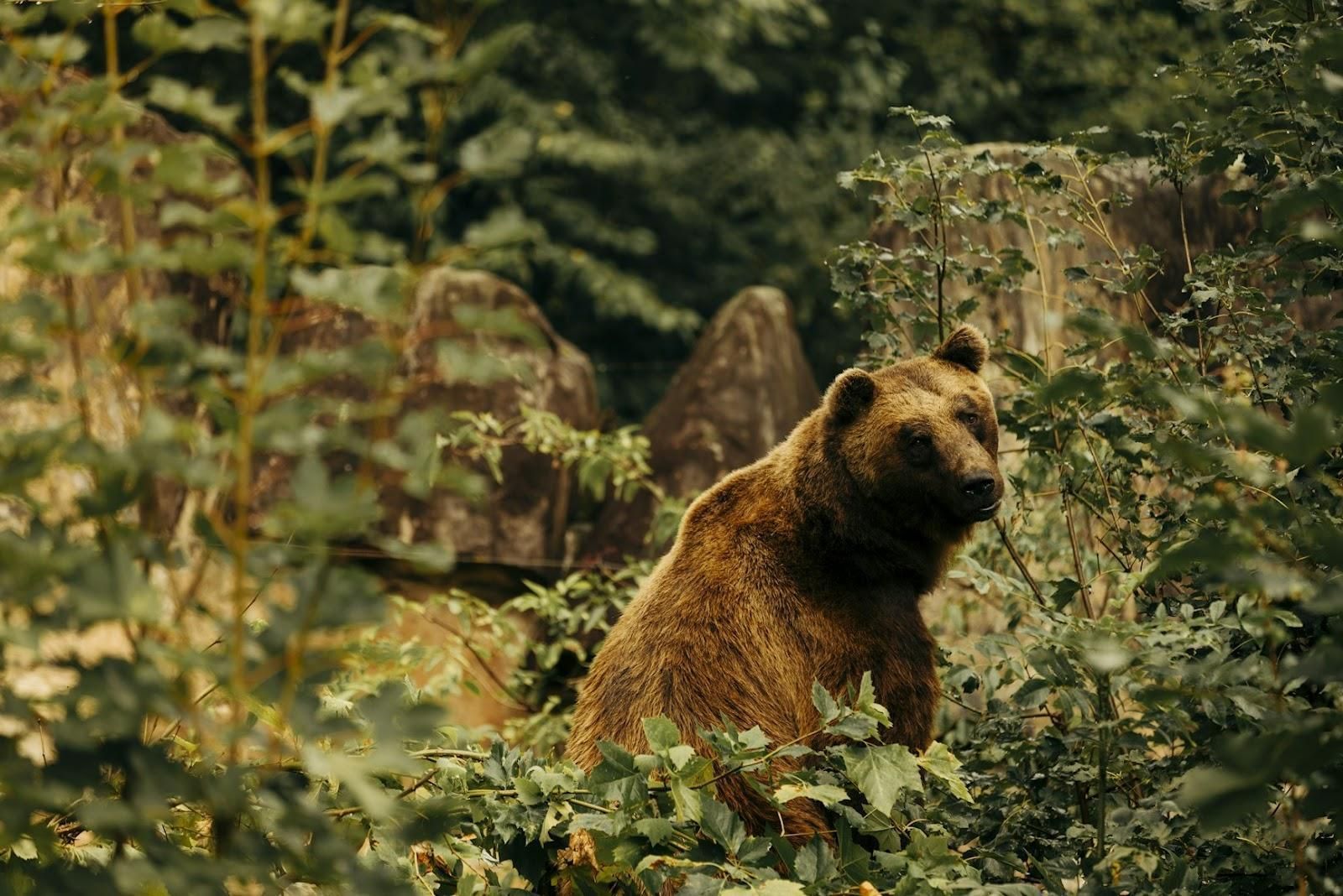
Image: Florian Schindler

Believe it or not, there was a time when people thought wrestling a bear was a good idea. Traveling shows and roadside attractions once featured men squaring off against hulking bruins for cheers and pocket change. Eventually, Alabama decided it was a spectacle best to leave it in the past. In 1996, the state officially banned bear wrestling, making it illegal to train, promote, or even sell tickets to such events. Today, the law stands as a small but noble victory for animal welfare. As for the bears? They walked away undefeated, every single one of them.

6
Password sharing
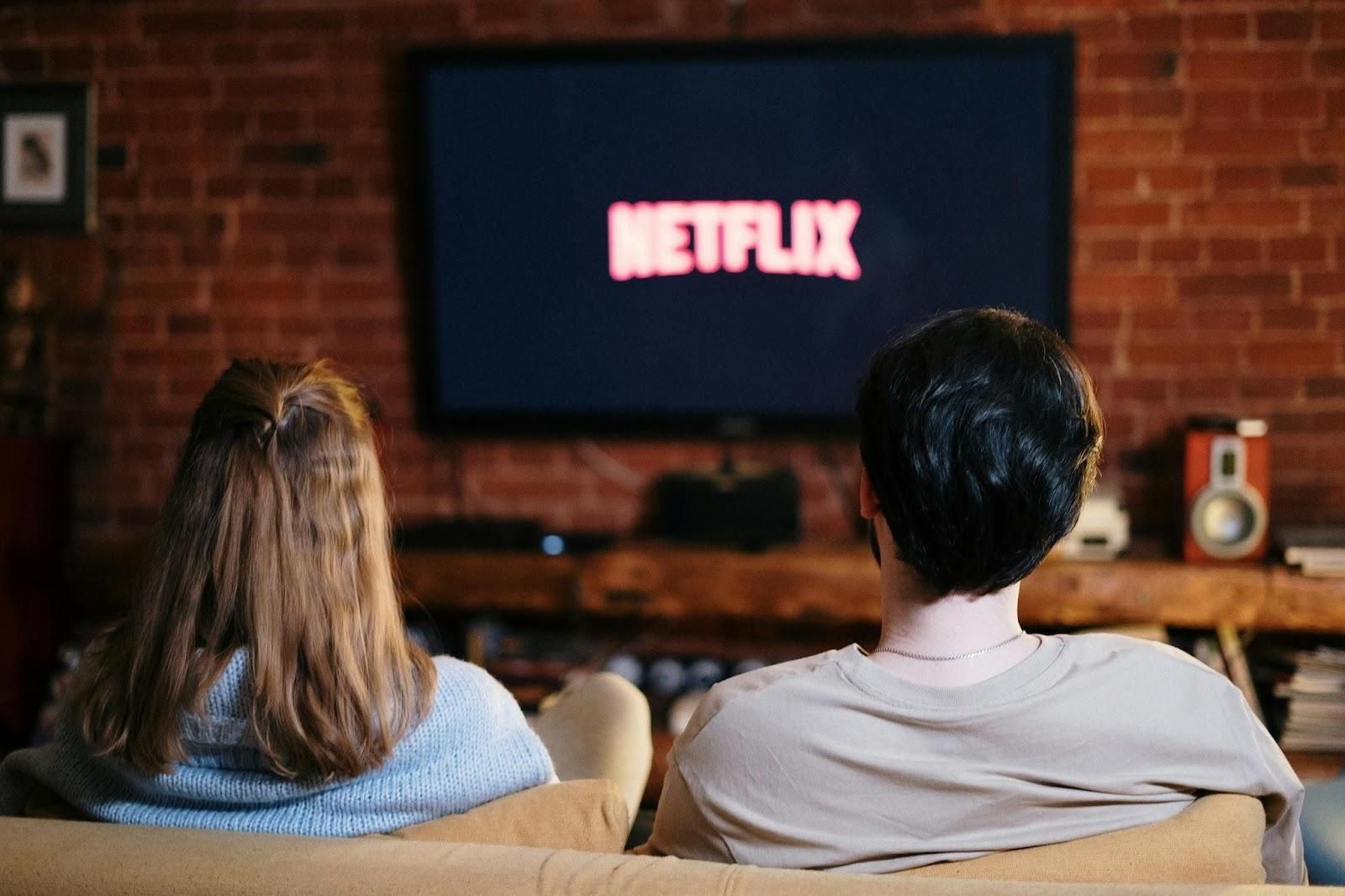
Image: cottonbro studio

Before Netflix made it official, Tennessee was already ahead of the curve. Back in 2011, the state passed a law making it illegal to share passwords for paid streaming services. The rule was originally meant to stop hackers from selling stolen logins, but it ended up being a cautionary tale for the streaming wars to come. Technically, lending your password to a friend could cost you $2,500 and even land you a year in jail. What once seemed overcautious now feels oddly prophetic, almost like Tennessee read the fine print of the future.

7
Dueling
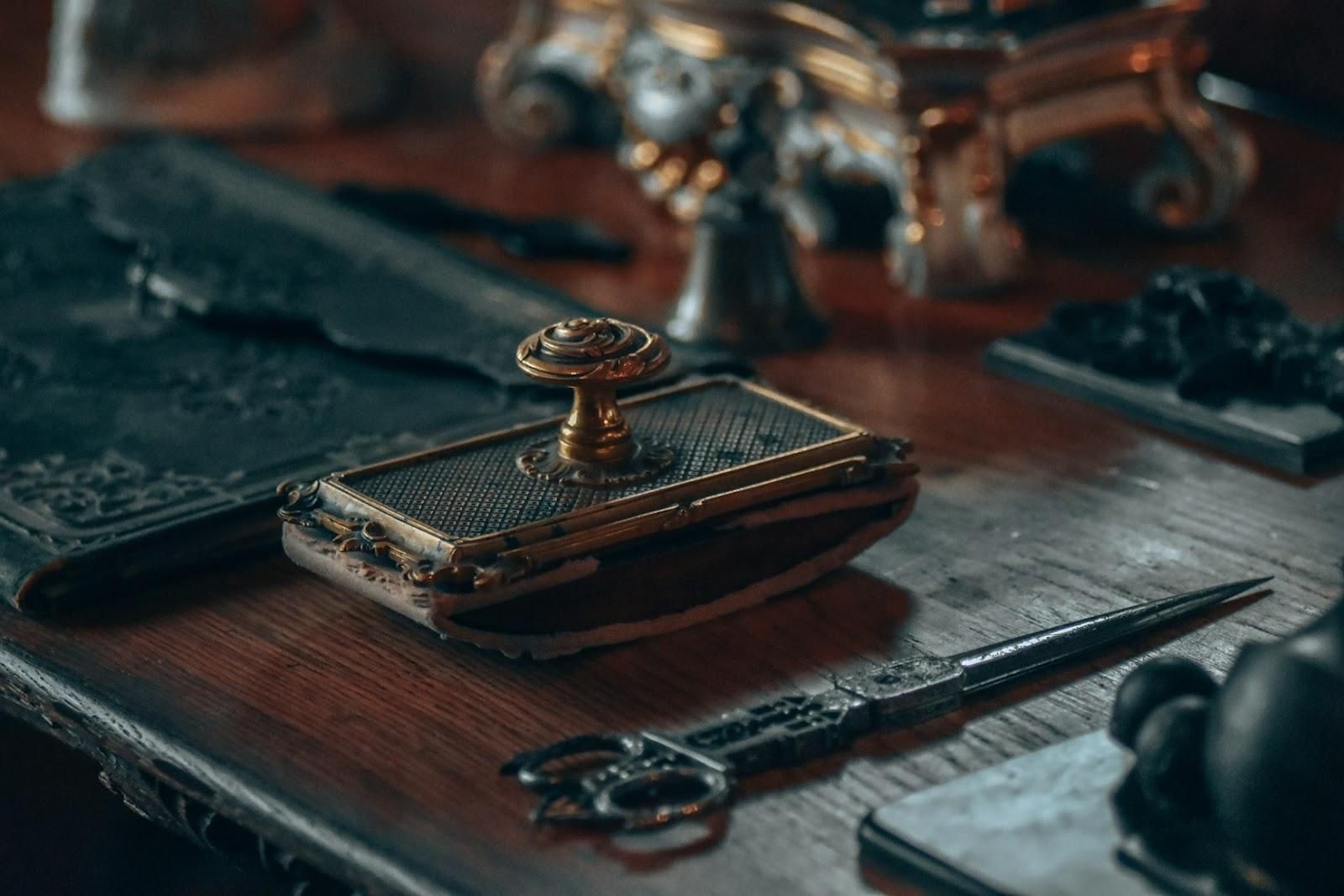
Image: Leon Kohle

If you’ve ever challenged someone to a duel—yes, the kind with pistols and a handshake at dawn—you can forget about running for office in West Virginia. The state’s constitution, written in the 1800s, includes a clause that permanently bars any duelist from holding public office. The idea was to keep gentlemen of "honor" from turning government into a shooting gallery. More than a century later, the law remains untouched, a relic of a time when reputations were defended at ten paces.

8
Roller-skating
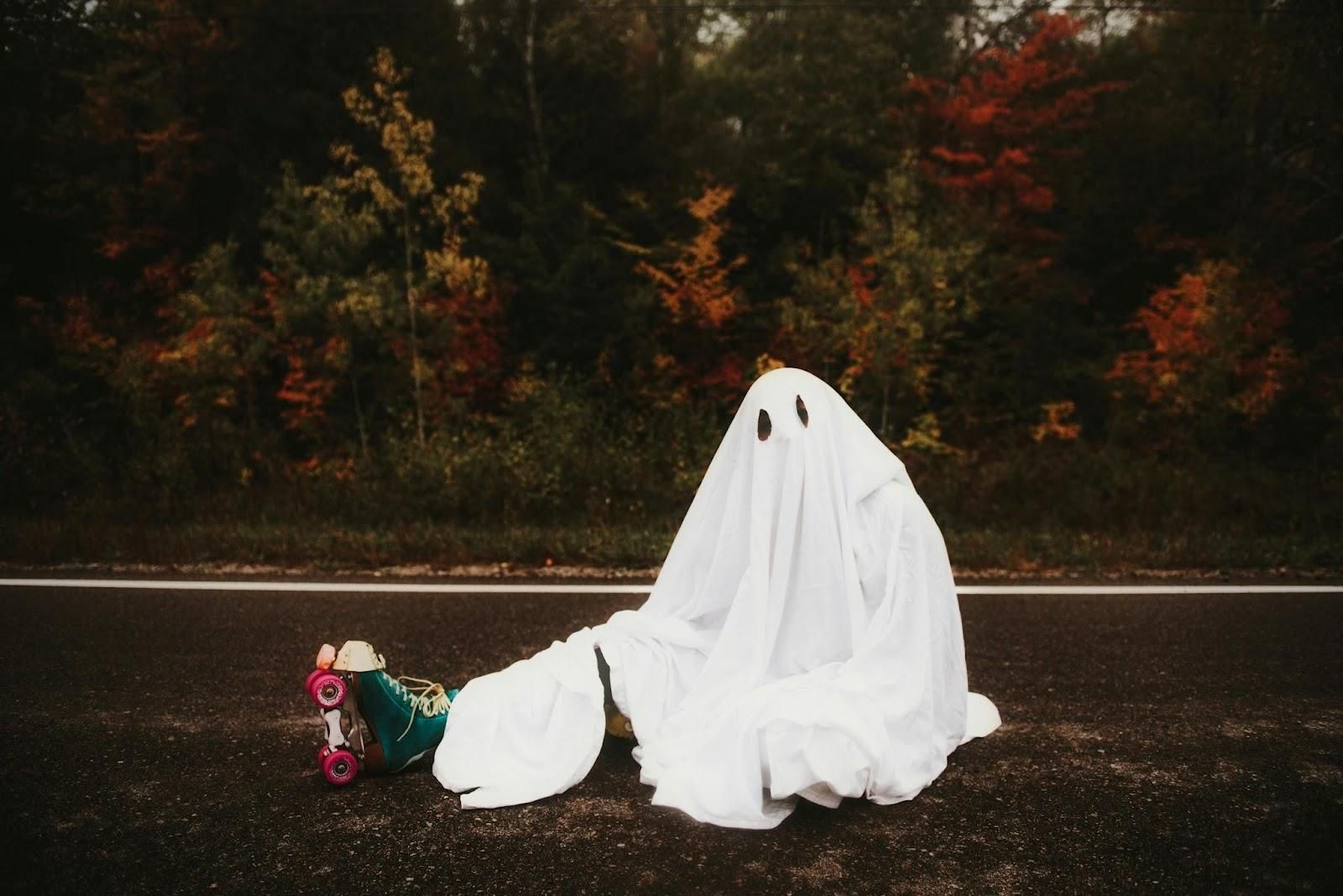
Image: Harrison Haines

Can you imagine roller-skating being banned in your town? Back in the 1930s in Biddeford, Maine, sidewalks were sacred ground for Sunday strolls, not racetracks for daredevils on wheels. So, the city downright prohibited skating and biking on sidewalks. Believe it or not, the rule, established in a slower era when the biggest traffic hazard downtown wasn’t a speeding car, but a kid on skates, still lingers in the city code today.

9
Fishing with your hands
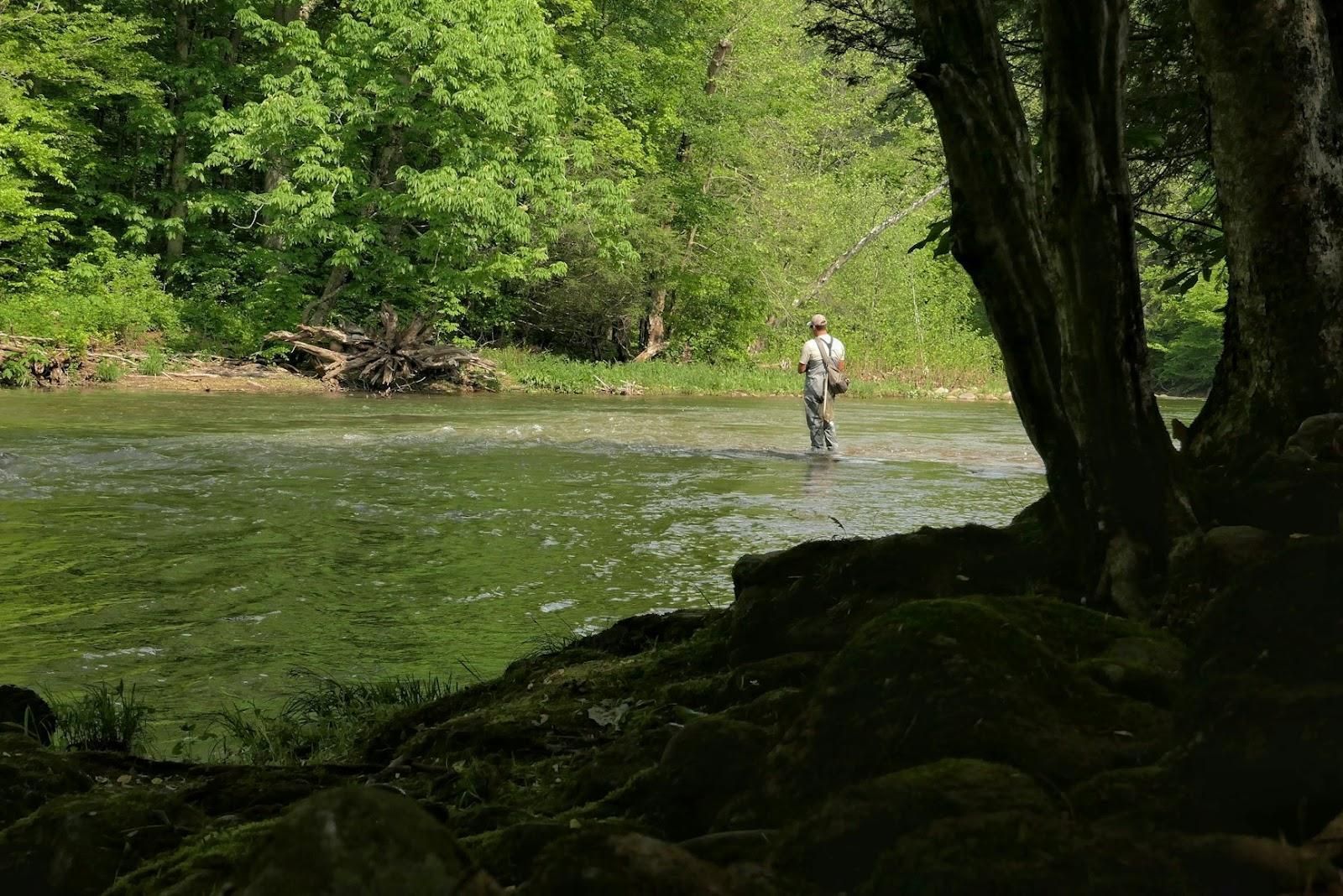
Image: Patti Black

Think you’re tough enough to catch a catfish with your bare hands? In Indiana, that risky stunt—known as "noodling"—will earn you more than bragging rights; it could get you fined. The practice involves reaching into murky holes and hoping the fish bites, but lawmakers decided it was safer for everyone if they didn’t. The ban protects catfish during breeding season and probably saves a few bold fishermen’s lives. So, if you’re visiting Indiana and are feeling adventurous, bring a rod instead!

10
Confetti
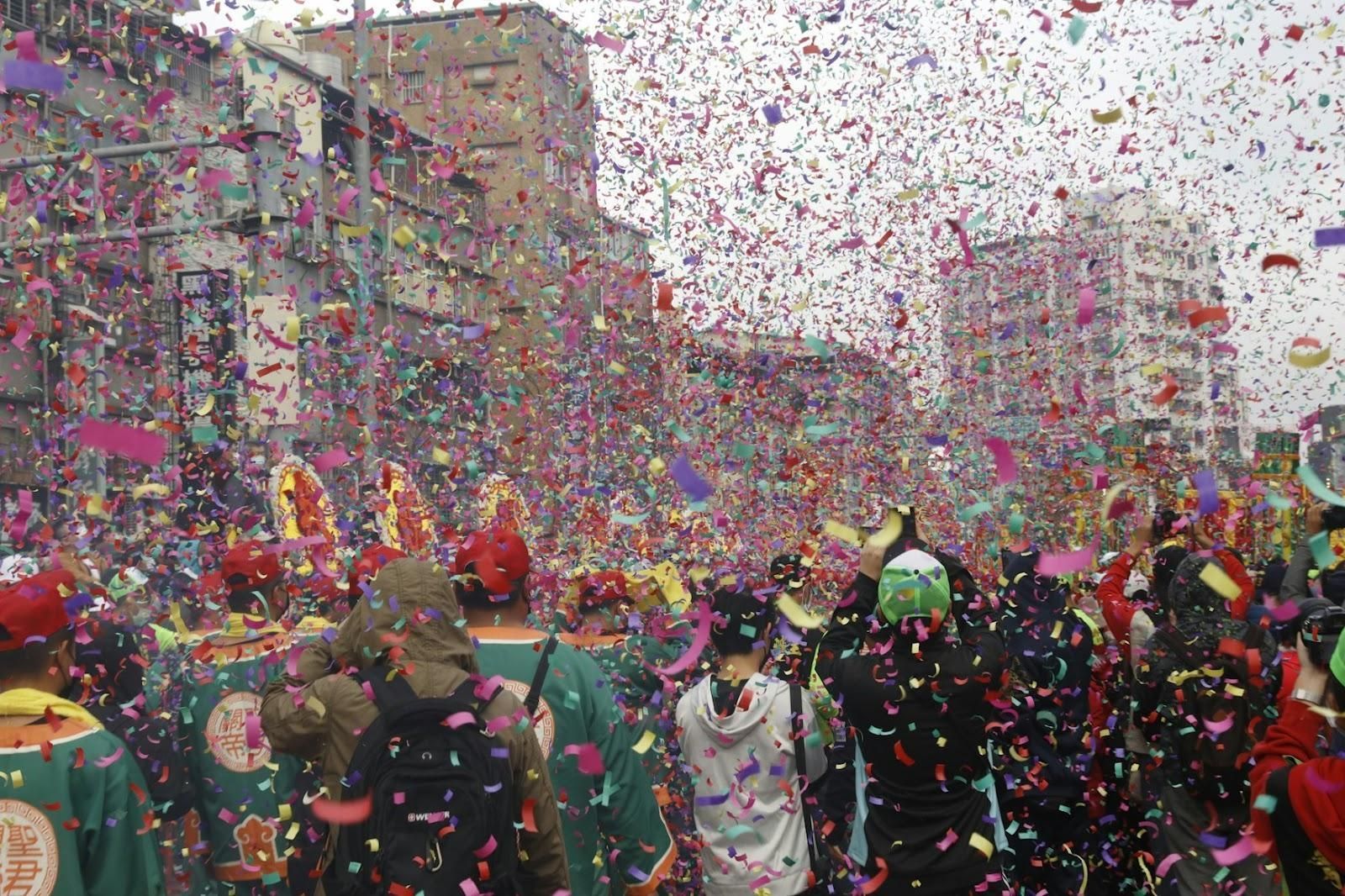
Image: jameson wu

Mardi Gras in Mobile, Alabama, bursts with color, music, and flying beads, but there’s one thing you won’t see floating in the air: confetti or silly string. The city banned both to keep its historic streets clean after the celebrations. The rule might sound like a party pooper, but locals don’t mind. They’ve turned cleanup into an art form, celebrating with floats, jazz bands, and smiles instead of streamers. After all, the joy of Mardi Gras isn’t in what you toss but in the rhythm, the laughter, and the sparkle that doesn’t need sweeping up.
General General 4 min read

Strangest movie title translations

You'll never believe what they called "Jaws" in France!

Image: Markus Spiske

Hollywood movies travel far and wide, but sometimes, their titles don’t make the journey intact. When films are released in other countries, they often get wildly different names: Some are literal, some are hilarious, and some even spoil the plot! Did you know Grease became Vaseline in Argentina? Or that The Sixth Sense revealed its big twist in China? Let’s take a look at some of the most entertaining, bizarre, and downright confusing movie title translations from around the world!

1
The Teeth of the Sea

Image: Kelsey K

Steven Spielberg’s Jaws terrified audiences with its simple but chilling title. But in France, the name was softened to The Teeth of the Sea . Are we watching a horror movie or a National Geographic documentary?

Don’t get us wrong, the title still conveys the idea of a deadly shark, but it lacks the punch of the original. Can you imagine the famous Jaws poster with this title instead? Not the same impact!

2
Mom, I Missed the Plane

Image: Alsu Vershinina

Can you guess which movie we’re talking about? Of course, it’s Home Alone ! We all know this movie as the classic Christmas comedy about little Kevin McCallister, whose family accidentally leaves behind.

But in France, the title suggests that Kevin missed the flight himself, as if this was his own fault! Mom, I Missed the Plane shifts the blame away from his forgetful parents, making it sound like he had one job and messed it up. That’s a different movie!

3
The War of the Stars

Image: Emmanuel Denier

It’s hard to imagine Star Wars being called anything else, but in France, it became The War of the Stars , and in Spain, it was The War of the Galaxies . That’s not too far off, but some translations went a bit crazy.

For example, in Germany, Han Solo’s ship, the Millennium Falcon, became the Speeding Falcon. In France, Han himself was renamed Yan Solo, and Chewbacca was Chico. And their ship? The Millennium Condor! We feel confident in saying that the Force was not with those translators.

4
Super Power Dare Die Team

Image: Lance Grandahl

The 2016 Ghostbusters reboot wasn’t a huge hit, but it would have had an even stranger fate in China. The translated title was Super Power Dare Die Team , which sounds more like an extreme sports competition than a paranormal comedy, don’t you think?

In reality, the movie was never officially released in China due to censorship laws against supernatural themes. But if it had made it, fans would have been left wondering just what kind of movie they were about to watch!

5
A Very Powerful Whale Runs to Heaven

Image: Gabriel Dizzi

The heartwarming story of a boy helping a whale escape captivity became something far more dramatic in some countries.

Free Willy was translated to A Very Powerful Whale Runs to Heaven in China. This movie sounds like a spiritual journey rather than an animal rescue mission. While the whale does leap to freedom, it doesn’t quite run anywhere, and it definitely doesn’t go to heaven, at least not in the movie! That’s an odd twist!

6
A Twin Seldom Comes Alone

Image: Alexander Grey

The Parent Trap was a fun family film about separated twin sisters and their adventurous reunion . But it became something oddly deep in Germany.

The title was translated to A Twin Seldom Comes Alone , which sounds more like an ancient proverb than a Disney remake, right? Maybe they were making a poetic statement about how twins always come in pairs. We don’t know, but we think it’s a pretty dramatic title for a lighthearted comedy!

7
He’s a Ghost!

Image: Tandem X Visuals

The Sixth Sense , by M. Nigh Shatamalan, is famous for its shocking twist ending , unless you were in China, where the title literally gave it away.

Instead of the mysterious The Sixth Sense , the movie was released as He’s a Ghost! , ruining the entire plot before the opening credits even rolled. Spoiler is the understatement of the century here!

8
The Boy Drowned in the Chocolate Sauce

Image: Pete Wright

Denmark took a grim approach to Willy Wonka & the Chocolate Factory : They renamed it The Boy Drowned in the Chocolate Sauce . While it’s true that Augustus Gloop’s chocolate river mishap is one of the film’s most memorable moments, it makes the movie sound more like a crime drama than a whimsical adventure.

Meanwhile, Portugal softened the title to Charlie’s Wonderful Story , and Spain went with A Fantasy World . Denmark gets the prize for morbid and hilarious, anyway!

9
Vaseline

Image: JUNHYUNG PARK

John Travolta and Olivia Newton-John’s beloved musical Grease got a slick new name in Argentina: Vaseline . Can you guess the logic behind this choice?

Grease refers to the oily hair product used by 1950s greasers, so Vaseline was the closest match. While it technically makes sense, it definitely changes the feel of the movie. The Musical doesn’t quite have the same ring to it!

10
Fantastic Emotional Turmoil

Image: Dean Gibbons

Pixar’s Inside Out was a clever way to teach kids about emotions, but in Thailand, the title got extra dramatic . The movie was released as Fantastic Emotional Turmoil , which makes it sound like a high-stakes psychological thriller. We know the human experience can be difficult, but this is too much!

Other countries struggled with the translation too: in China, for example, it was The Great Team Inside the Head . Clearly, Pixar’s abstract concept wasn’t the easiest to put into words!

General General 4 min read

THE MASCOT HALL OF FAME

Remember These 10 Beloved American Brand Mascots?

We may forget many things, but certain jingles and mascots of American brands stick with us forever. We are talking about those animals, characters, and even animated objects that have become cultural icons and have dominated the marketing world for years. Do any of them come to mind? Today, we're revisiting 10 U.S. brand mascots that have touched our hearts. If you are American, you'll recognize them instantly!

1
Mr. Peanut

Image: Tom Hermans

As familiar as snacking on a handful of peanuts, Mr. Peanut is a beloved symbol for us all. Incredibly, despite being a successful and recognizable character, Mr. Peanut's design only cost $5!

That's right, Planters Company created a contest in 1916 to find the ideal mascot. And guess who won? A 14-year-old boy! Antonio Gentile received $5 in exchange for his cute peanut-bodied mascot, to which the top hat and monocle were later added. Not only is his appearance sophisticated, but his name is, too. Mr. Peanut's full name is Bartholomew Richard Fitzgerald-Smythe. Fancy, right?

2
Tony the Tiger

Image: Sten Ritterfeld

One of the most famous felines, Tony the Tiger , the mascot of Kellogg's Frosted Flakes cereal , first appeared in a TV commercial in 1952, more than 70 years ago!

Despite his age, Tony still embodies the ideas of strength and energy that the brand wants to associate with its delicious cereals.

His distinctive muscular body and unique red scarf around his neck make him one of the most recognizable characters for people of all ages. He is just gr-r-reat!

3
Energizer Bunny

Image: danilo.alvesd

We've all wished we had the incredible energy of the Energizer Bunny , right?

This cute, drum-beating mascot first appeared in a TV commercial in the late 1980s. Its characteristic endless energy symbolizes the power of the brand's batteries, summed up in its classic catchphrase, "It keeps going and going and going..."

Over time, this little pink bunny with sunglasses has gained worldwide fame and has become one of the most recognizable brand mascots.

4
Mr. Clean

Image: JESHOOTS.COM

We've already seen tigers, rabbits, and even peanuts with eyes; now it's the turn of a human-shaped mascot.

Mr. Clean is the legendary mascot of the Procter & Gamble cleaning product line, famous for his look and accessories. With his white eyebrows, classic earring, bald head, and white T-shirt, the beloved Mr. Clean is impossible to miss.

Created in 1958, this mascot has changed very little since his first appearance, making him even more iconic. If you're looking for a Halloween costume, you know who to imitate this year!

5
Ronald McDonald

Image: Brett Jordan

Ronald McDonald , the clown of the most famous fast food chain, has become a global star.

Over the decades, children around the world have excitedly lined up to see him, greet him, and take pictures with Ronald in McDonald's stores.

Created in 1963, Ronald looked a bit different than he does today. Ronald's appearance has evolved, with changes to his costume and makeup, making him more vibrant and approachable. But the magic of this character is still intact.

6
Pillsbury Doughboy

Image: Pablo Lancaster Jones

If we discuss cute mascots, we can't forget the Pillsbury Doughboy . This little man made of dough has been wearing a chef's hat and a scarf since his birth in 1965 when he first appeared in a TV commercial.

While his appearance has remained the same, his name has changed a few times. Originally called "Jonathan Pillsbury," his name was changed to "Poppin' Fresh" in the 1970s, though today we all know him as Pillsbury Doughboy.

His playful personality is captured in his classic catchphrase, "Hoo-hoo!"

7
The M&M’s Spokescandies

Image: Sebastian Gómez

Who can say "no" to a handful of delicious M&M's ? Definitely not us! And as if their great taste weren’t enough, M&M's also has a series of mascots with varied personalities that know how to win us over.

The original characters emerged in the 1950s, and there were only two mascots: the Plain (milk chocolate) and the Peanut characters. This evolved over time, and more characters were added, each with different colors and qualities.

Today, some of the most recognized are Red, Yellow, and Green .

8
Martin the GEICO Gecko

Image: Tate Lohmiller

The GEICO insurance company's Gecko is definitely one of the most famous brand mascots in the country.

Born in 1999, this little Gecko first appeared in a commercial in which he talked to the viewers, trying to convince them to choose GEICO. This appearance was so successful that the friendly and witty Gecko has remained the company's mascot to this day.

One of the peculiarities of this character is his distinctive British accent, which sets him apart from other talking mascots.

9
Kool-Aid Man

Image: Roksolana Zasiadko

If you were one of the many Kool-Aid fans as a child, you probably remember the charming and unique Kool-Aid Man fondly.

With his pitcher-shaped body filled with Kool-Aid, the character first appeared on the product's packaging in 1954. It wasn't until over 20 years later that he made his first TV commercial, always smiling and uttering his traditional catchphrase, "Oh yeah!"

The now classic character became very popular and even had cameos in famous animated TV series!

10
Chester Cheetah

Image: Ryan Quintal

If you love snacks, you've probably smeared your fingers with Cheetos crumbs at some point, right? We get it; these cheesy snacks are simply irresistible.

And if you've ever tasted Cheetos, you're likely familiar with the famous Chester Cheetah . With its cool look and relaxed attitude, Chester Cheetah was created in 1986. This feline appeared in TV commercials and on Cheetos packages, always enjoying the snack and never without his trademark sunglasses.

His fame grew to the point that in the '90s, Chester starred in a couple of video games!

Explore more American facts

Choose your favorite category!

General
General

As American as apple pie—the very best America has to offer!

Culture
Culture

Delve into the astounding richness of American lore.

Geography
Geography

Hop in and explore vast and diverse American landscapes.

History
History

Discover the key moments that shaped the United States.