General General 3 min read

Presidential bill

10 surprising things U.S. presidents actually pay for themselves!
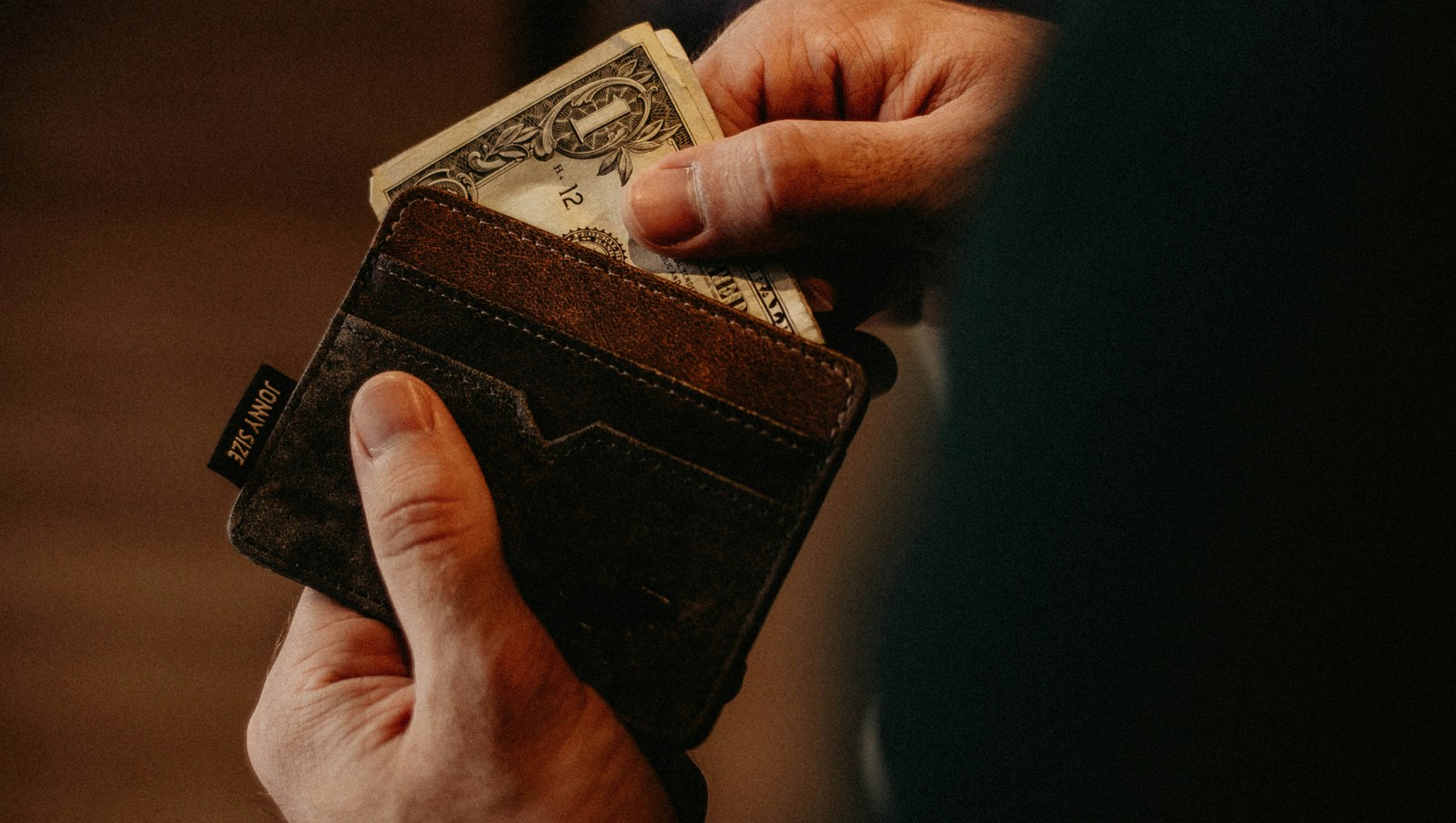
Image: Allef Vinicius

You might think that once someone becomes president, the wallet goes into permanent retirement and everything becomes magically gratis. Think again. U.S. presidents pay for quite a few things out of pocket , and some will definitely surprise you. Here are 10 expenses that even the most powerful person in the country cannot avoid. Which one shocks you the most?

1
Groceries

Image: Maria Lin Kim

Sure, the kitchen is massive, and the chef is part of the deal. But when a new First Family moves into the White House, the fridge is not stocked. The President and their family pay for their own food, just like the rest of us. Former First Lady Michelle Obama confirmed it herself. No rent, sure, but groceries are their responsibility. Fair is fair, right?

2
Interior decorations

Image: Lucas de Moura

The White House has its official historic look, but every family wants to make it feel like home. Artwork, new drapes, or a different couch are all allowed, but none of it goes on the government’s tab. If the First Family wants it, they buy it.

3
Personal homes

Image: Patrick Perkins

Even though 1600 Pennsylvania Avenue is home base for four or eight years, the president still owns their personal home . All the upkeep, bills, and maintenance back home stay their responsibility.

4
Designer clothing

Image: Highlight ID

You might assume designers line up to dress presidents and first ladies for free. Not so. Any clothing they wear, whether off the rack or high fashion, comes out of their own funds . Sometimes designers lend outfits, but any fashion bills are never part of the White House budget.

5
Dry cleaning

Image: Anton Savinov

And speaking of clothing, special garments don’t clean themselves. While the White House has its own laundry, t he president and family pay for dry cleaning of personal items . Those designer suits and gowns come with a personal laundry tab.

6
Hairstylists
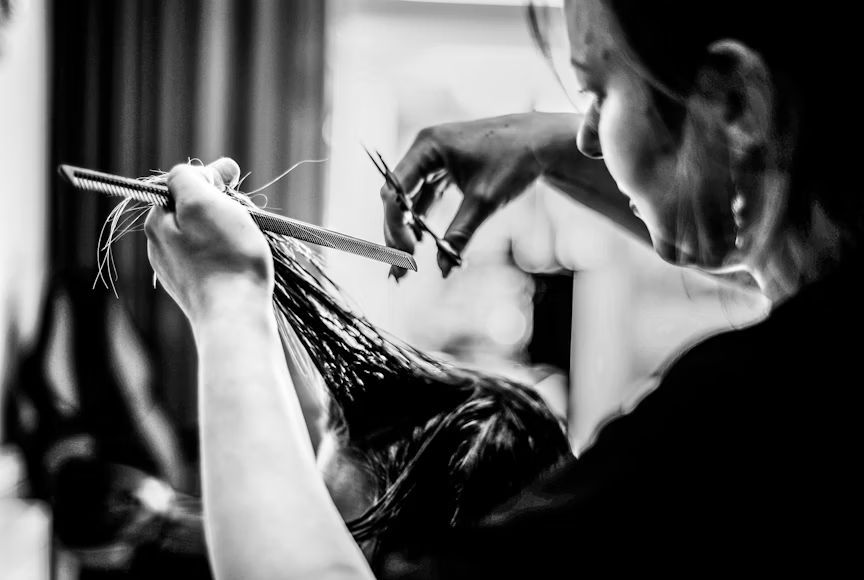
Image: Gabriela

Just like designer clothes, everything related to the First Family’s personal grooming is billed to them . When you’re photographed daily, hair matters. But those stylists? They’re not government employees. Every trim, blowout, and touch-up is paid for privately by the First Family.

7
Vacations and accommodations
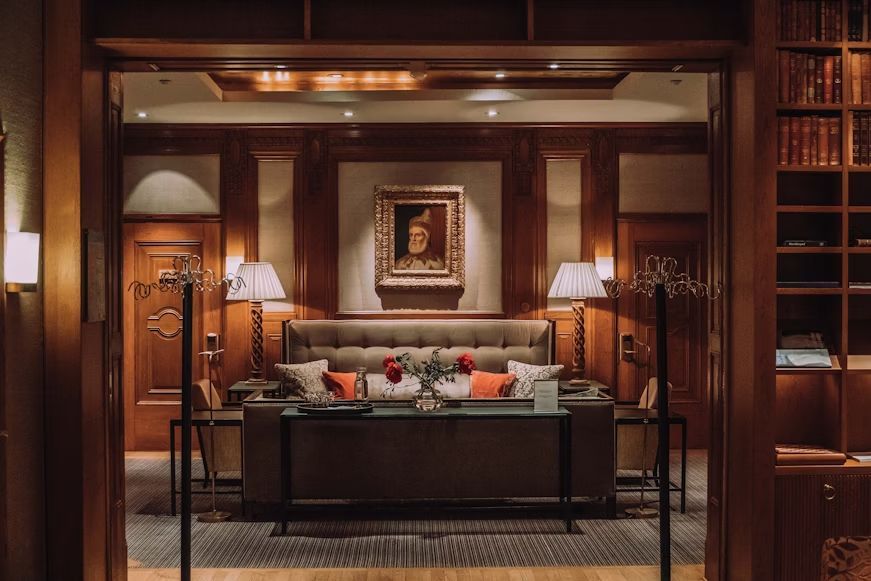
Image: Rod Long

Yes, even presidents need a break. When the First Family travels on personal vacations, they foot the bill for their own lodging, food, and fun. Transport and security are covered, but hotels, dinners, and souvenirs? That’s on them.

8
Private events outside the White House
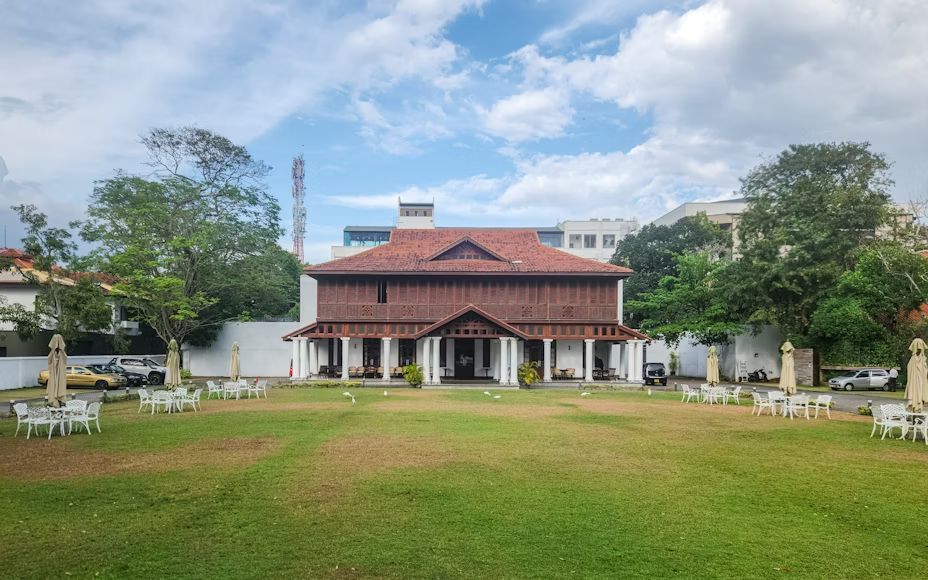
Image: Zoshua Colah

Presidents don’t exactly get to do whatever they please, but if they plan a private dinner or event away from official grounds , they’re responsible for the costs. No taxpayer-funded parties here.

9
Private staff
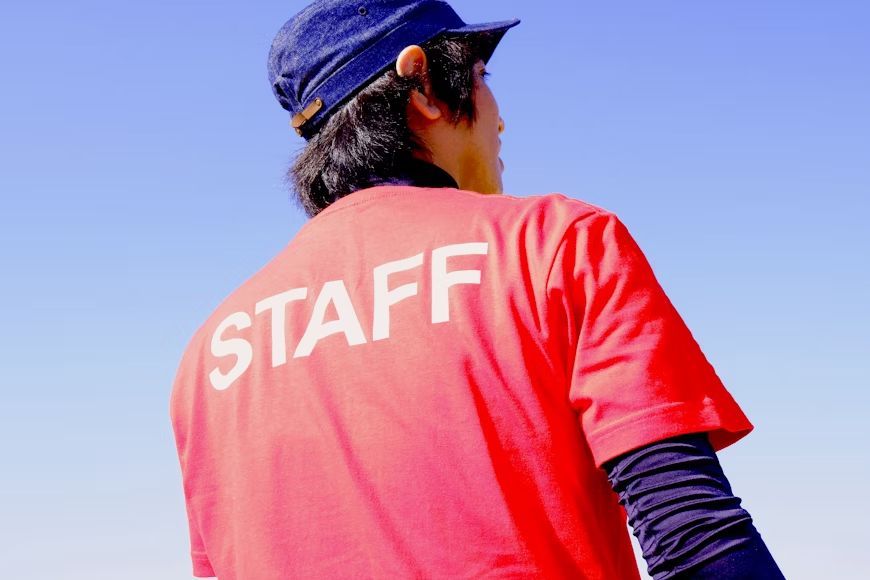
Image: DuoNguyen

On a similar note, whenever extra waiters, musicians, or planners for a private gathering in the White House are needed, those staff members are hired and paid by the First Family directly. Throwing a soiree at the Executive Mansion might sound glamorous, but the bill lands squarely in their own inbox.

10
Gifts for other dignitaries

Image: Nina Mercado

Diplomatic gifts are a tradition, and there’s even a special office that helps choose the perfect item for each foreign leader. Depending on the gift and especially if it’s a personal one, the President may have to pay for it themselves. As long as it is diplomatic, the Government pays for it, but if the gift is based on a personal relationship, that comes out of the Chief’s pocket.


Culture Culture 5 min read

Yes, that was normal

These old childhood rules and traditions would shock parents today

Image: Rohan Mathur

There was a time when childhood looked very different. Often unsupervised, kids would roam, explore, improvise, and occasionally scare their parents half to death. Cultural norms have changed, and many of the routines and traditions that once defined the all-American childhood now seem reckless . Let’s look at some of them and see how drastically things have changed.

1
Leaving with your bike in the morning and coming back for suppertime

Image: Carl Tronders

For a few generations of American kids, a bicycle meant freedom. From the 1940s through the 1980s, children often left home after breakfast with little more than a vague instruction: "Be back before dinner."

Neighborhoods were informal safety nets, and kids were free to navigate them without phones or GPS trackers.

2
Foraging fruit from neighbors’ yards

Image: Libby Penner

It was a risky gamble: Picking and eating fruit from unknown plants in your neighborhood could result in a yummy treat…or abdominal trouble.

There was a time when kids freely grabbed berries, apples, or other fruit growing along sidewalks or in neighbors’ gardens. Today, property boundaries have grown, and kids are reminded not to forage without permission.

3
Riding public transportation alone

Image: Vitolda Klein

For much of the 20th century, it wasn’t unusual for children as young as 7 to ride buses, subways, or streetcars alone, especially in large cities like New York, Chicago, and Boston.

Kids commuting to school independently was considered a practical life skill. Parents expect children to learn responsibility through real-world experience , handling routes, change, and unexpected delays.

4
Roller coasters had no belts and no headrests

Image: Tore Odiin

Do you have memories of rickety rollercoasters? You might correctly remember that earlier rides were thrilling in ways that might give modern safety inspectors pause.

Many of the rides made popular in the 50s relied primarily on simple lap bars and operated with minimal restraints. Designers assumed riders would hold on tightly. Safety rules have evolved drastically since then, and now we have over-the-shoulder harnesses and improved lap restraints.

5
Walking miles to a friend’s house alone

Image: Ansis Kančs

Kids routinely walked long distances across neighborhoods or even between towns without adult accompaniment, guided by landmarks and memory. While this independence helped build confidence, it also reflected a different perception of risk.

6
Not ringing the bell: just yelling your friend’s name from outside

Image: the blowup

Before texting "I’m here" or coordinating playdates through apps, kids often announced their arrival the old-fashioned way: by standing outside and shouting a friend’s name.

Front yards, sidewalks, and porches acted as social hubs where everyone recognized familiar voices. As concerns about privacy, safety, and structured schedules grew with the years, the casual shout-from-the-street culture slowly disappeared.

7
Spending long days at the beach without adults

Image: Gaëtan De Cuyper

Surf culture in places like California and Hawaii, as well as East Coast boardwalk towns, normalized groups of kids swimming, riding the waves, and returning home only at sunset.

Public beaches were seen as community environments where lifeguards and familiar locals provided informal oversight . Today, increased safety standards, liability concerns, and changing parenting norms mean most children visit beaches with close adult supervision.

8
Exploring woods alone

Image: Joshua Earle

Few children who lived near a forest or rural area could resist the pull to explore it, either alone or with friends. Building forts, climbing trees, and learning their way around nature were influenced by scouting movements and postwar ideas about resilience and independence.

Psychologists today even describe this kind of unstructured outdoor play as beneficial for creativity and risk assessment skills. However, modern concerns about safety, traffic, and environmental hazards have reduced opportunities for unsupervised exploration.

9
Staying home alone or being babysat by older siblings

Image: Kelly Sikkema

The rise of the "latchkey kid" became especially visible in the United States during the 1970s and 1980s, when increasing numbers of dual-income households, or single-parent homes, meant children returned home from school to empty houses.

Many kids carried house keys, prepared snacks, and entertained themselves until their parents finished work. Today, research on changing childhood independence shows that unsupervised play and autonomy have significantly declined compared to previous generations.

10
Collecting glass bottles for some cents back

Image: Lacey Williams

Long before recycling bins appeared on every curb, kids learned about value through bottle returns. Soda and milk bottles carried deposits, and children would collect empties from their own homes or even from neighbors to trade for a few coins at local stores.

It was a first taste of earning money independently, although it often funded candy purchases or comic books.

11
Climbing trees or rooftops, unsupervised

Image: Victória Kubiaki

When you are a kid, climbing a tree is decidedly an adventure. There was a time when this was considered a universal childhood activity in America, even encouraged as a playful challenge, since mid-century parenting often embraced manageable risk.

But current safety standards and greater awareness of injury risks have dramatically reduced these kinds of unsupervised play environments.

12
Casually hanging out in abandoned buildings

Image: Ljubica

Another tempting area for children happened to be empty lots, half-built structures, and abandoned buildings . It was difficult to keep out curious and brave kids. This pastime is not entirely eradicated today, although it seems to be teenagers or young adults who engage in it.

13
Riding in cars without seatbelts

Image: Anton Luzhkovsky

For decades, families piled into cars without buckling up, simply because seatbelts weren’t standard equipment. Although basic seatbelt designs existed earlier, widespread adoption didn’t begin until the late 1950s and 1960s.

Even then, many Americans resisted using them, seeing belts as unnecessary or uncomfortable . Laws requiring seatbelt use didn’t become common until the 1980s and beyond, meaning generations of kids grew up riding freely in the back seat.

14
Playing in flooded streets after a storm

Image: Ayla Meinberg

Children once treated flooded streets like temporary playgrounds. Heavy rain expanded the available activities for a suburban child. They could splash barefoot through puddles or float makeshift boats down rushing gutters.

Over time, public health campaigns highlighted dangers such as contaminated runoff, hidden debris, electrical hazards, and traffic risks. Enough to scare modern parents!

Culture Culture 5 min read

Which is your favorite music genre?

American music would not be the same without these 10 sonic pioneers

Image: Eugene Bolshem

Very rarely have musical genres been entirely created by a single individual. More often than not, when you trace the origins and environment of a musical pioneer, you will get a sense of where this person drew his or her influence from. America is rich soil for music, and the following ten artists have spearheaded genres that continue to grow and inspire to this day. Did you know any of them?

1
Ragtime - Scott Joplin

Image: Darius

The first entry on the list showcases the inventor of probably the most popular waiting-call tunes in history, Scott Joplin, the "King of Ragtime" himself. He composed over 40 ragtime pieces, one ragtime ballet, and two operas. One of his first and most popular pieces, the "Maple Leaf Rag," became the genre's first and most influential hit, later recognized as the quintessential rag.

Joplin considered ragtime to be a form of classical music meant to be played in concert halls and largely disdained the performance of ragtime as honky-tonk music, most common in saloons.

2
Blues - W.C. Handy

Image: Kelly Sikkema

Blues music can’t be traced to a single individual, but William Christopher Handy can definitely be identified as a founding figure in the genre. He was an American composer and musician who referred to himself as the "Father of the Blues."

One of many musicians who played the blues, Handy did not create the blues genre but was one of the first to publish music in the blues form , thereby taking the blues from a regional music style (Delta blues) with a limited audience to a new level of popularity.

3
Jazz - Buddy Bolden

Image: Laura Rivera

Charles Joseph "Buddy" Bolden was an American cornetist who was regarded by contemporaries as a key figure in the development of a New Orleans style of "jass," which later came to be known as jazz. Bolden was known as "King" Bolden, and he was known for his loud sound and improvisational skills, and his style had an impact on younger musicians.

Many early jazz musicians credited Bolden and his bandmates with having originated what came to be known as jazz , although the term was not in common musical use until after Bolden was musically active. At least one writer has labeled Bolden as the father of jazz.

4
Country - Jimmie Rodgers

Image: Katherine Hanlon

Widely regarded as the "Father of Country Music," James Charles Rodgers was an American singer-songwriter and musician who rose to popularity in the late 1920s. He is best known for his distinctive yodeling , which is a singing style imported from the Alps.

He has been cited as an inspiration by many artists and he has been inducted into multiple halls of fame. By 1927, he stopped working for the railroad due to health issues and decided to focus on his music career.

5
Soul - Sam Cooke

Image: Mick Haupt

Considered one of the most influential soul artists of all time, Sam Cooke is commonly referred to as the "King of Soul" for his distinctive vocals, pioneering contributions to the genre, and significance in popular music.

During his brief eight-year career, Cooke released 29 singles that charted in the Top 40 of the Billboard Pop Singles chart, along with 20 singles in the Top Ten of Billboard's Black Singles chart.

6
Rhythm & Blues - Louis Jordan

Image: Austin Neill

Known as "the King of the Jukebox," Louis Thomas Jordan was an American saxophonist, multi-instrumentalist, songwriter, and bandleader who was popular from the late 1930s to the early 1950s.

Jordan blueprinted the map of classic R&B, urban blues , and early rock-and-roll genres with a series of highly influential 78-rpm discs released by Decca Records. These recordings presaged many styles of Black popular music in the late 1940s, 1950s, and 1960s and exerted a strong influence on numerous leading performers in these genres.

7
Rock n Roll - Chuck Berry

Image: Provincial Archives of Alberta

Best known as "Chuck," Charles Edward Anderson Berry was an American singer, guitarist, and songwriter who pioneered rock and roll music. Nicknamed the "Father of Rock and Roll," he refined and developed rhythm and blues into the major elements that made rock and roll distinctive , writing lyrics that focused on teen life and consumerism and developing a musical style that included guitar solos and showmanship.

He recorded "Maybellene"—Berry's adaptation of the country song "Ida Red"—which sold over a million copies and reached number one on Billboard magazine's rhythm and blues chart.

8
Funk - James Brown

Image: iggii

"The Hardest-Working Man in Show Business," "Minister of New Super Heavy Funk," "Godfather of Soul," "Mr. Dynamite," and "Soul Brother No. 1," Mr. James Brown himself, was an American singer, dancer, and musician and the founder of funk music , as well as a major figure in 20th-century music.

In a career that lasted more than 50 years, he influenced the development of several music genres. Brown was one of the first ten inductees into the Rock and Roll Hall of Fame on January 23, 1986. His music has been heavily sampled by hip-hop musicians and other artists.

9
Disco - Donna Summer

Image: Bas Peperzak

Disco music was becoming increasingly popular in the early 1970s, but according to many historians, it was Donna Summer’s "Love to Love You Baby" that became the first "official" disco release .

The song did not have an immediate American release; it started its life with moderate success in Europe before finally gaining traction and being launched in the U.S., where it became her first number-one hit on the Hot Dance Club Play Chart.

10
Rap - DJ Kool Herc

Image: Matthew Moloney

While this name might not be as instantly recognizable as those from the previous entries, it certainly deserves to appear and close the list, as it is often cited as responsible for the birth of an extremely popular music genre. Clive Campbell, better known by his stage name DJ Kool Herc , is a Jamaican American DJ credited with being one of the f ounders of rap music in New York City in 1973.

Nicknamed the "Father of Hip-Hop," Campbell began playing hard funk records typified by James Brown. He isolated the instrumental portions of the records, emphasizing the drum beat—the "break"—and transitioned from one break to another. Campbell's announcements helped lead to the syncopated, rhythmically spoken accompaniment now known as rapping.

Explore more American facts

Choose your favorite category!

General
General

As American as apple pie—the very best America has to offer!

Culture
Culture

Delve into the astounding richness of American lore.

Geography
Geography

Hop in and explore vast and diverse American landscapes.

History
History

Discover the key moments that shaped the United States.