General General 6 min read

10 outdated household items that were once everywhere

Image: New Africa

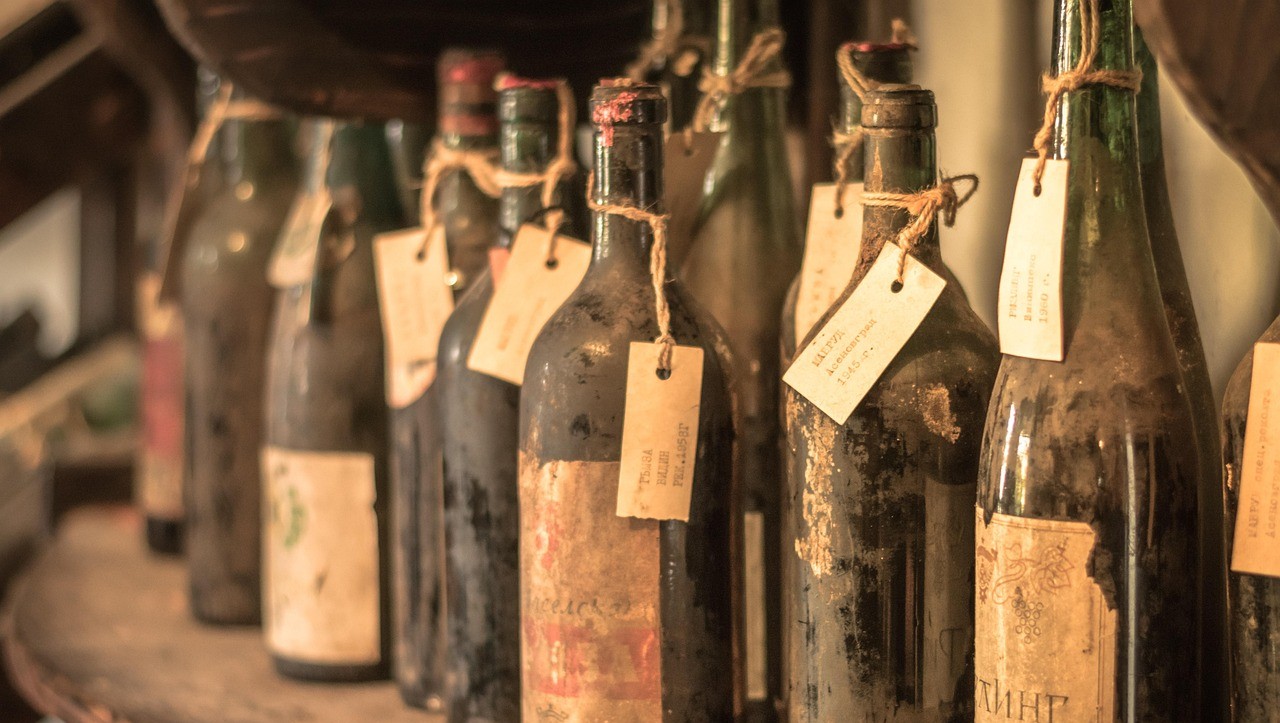
Looking back at what the world looked like 20 to 50 years ago is fascinating. So many household items we take for granted today didn’t exist, while others we once couldn’t live without have completely fallen out of use. Think of rotary telephones, VCRs, cassette players, and more. Let’s take a trip down memory lane and revisit some household relics.

1
Rotary telephones
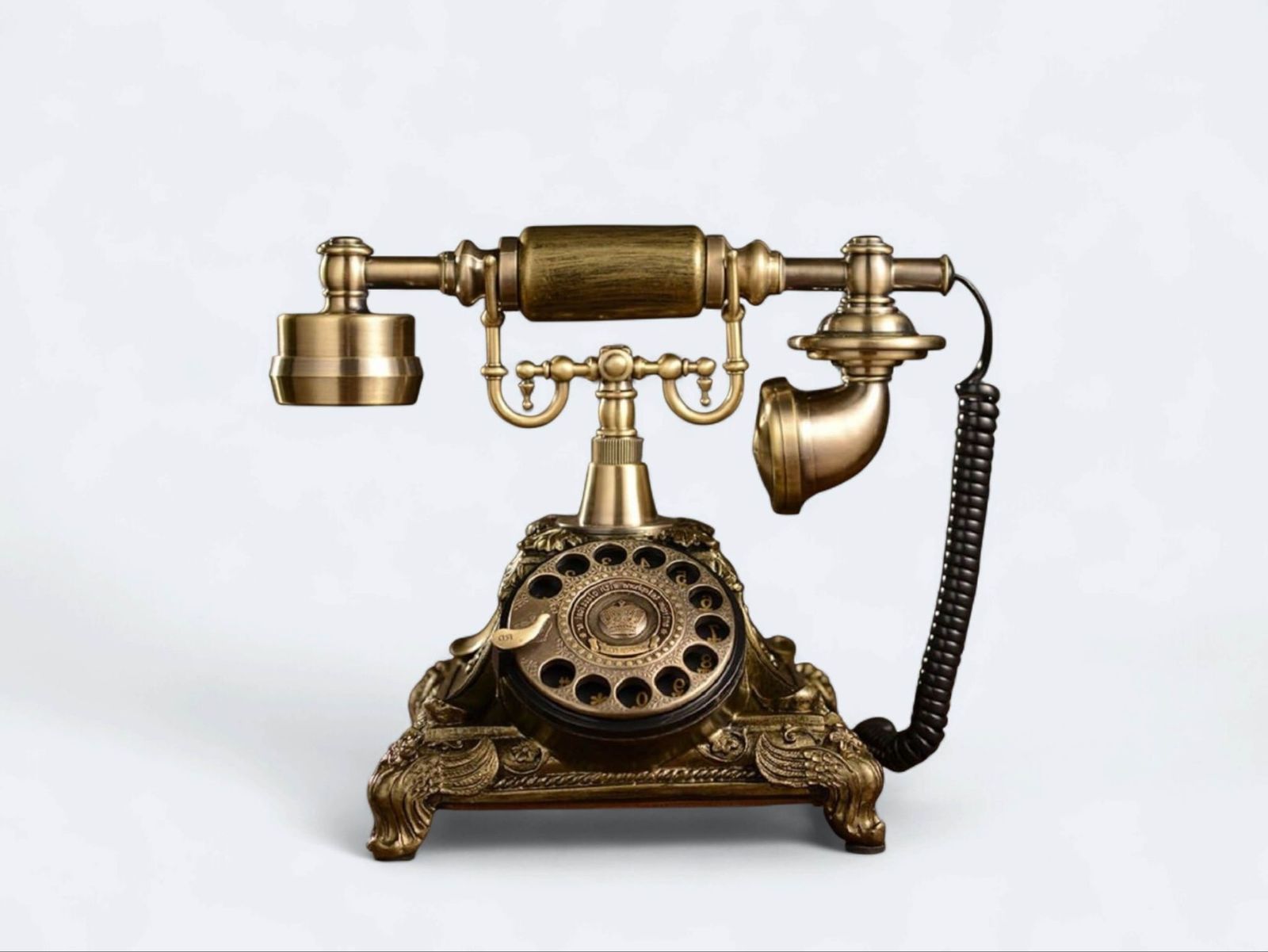
Image: maya8900

Rotary telephones became common in America around the 1920s. In contrast to the push-button models that would come about in the 1970s, rotary telephones required a bit more work to dial a number. As the name suggests, users would have to place a finger in a numbered hole on the dial and then rotate it to a metal stop and release it — repeating this process with each number.

Dialing a long number could take quite some time , especially if you had many 9s and 0s, because these required the dial to travel the longest distance. It was normal to see these phones connected to the wall by a cord with a sturdy handset that rested on top of the base. Making a phone call was a completely different experience.

2
Tube television (CRT TVs)
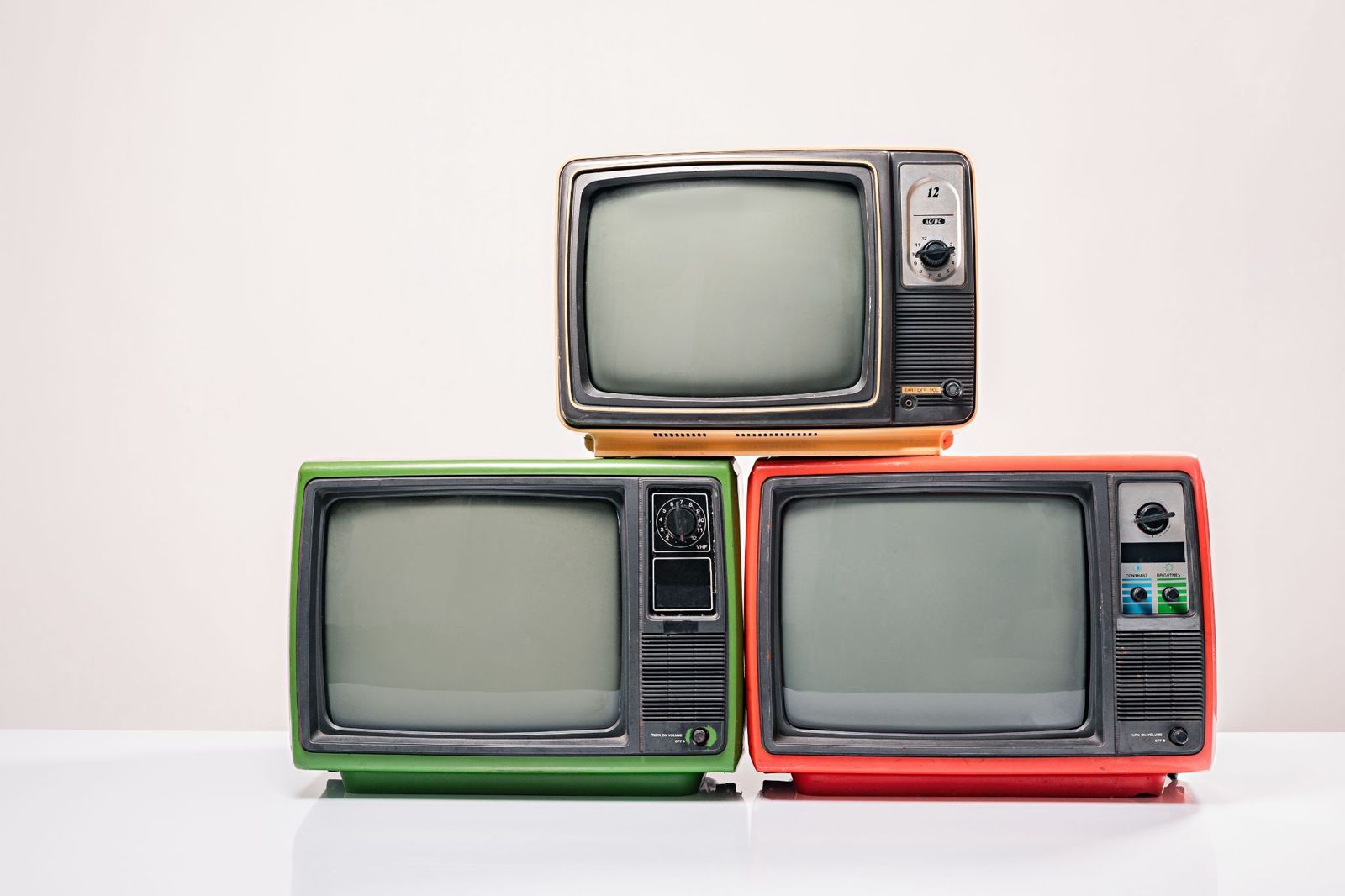
Image: PitukTV

When you see how thin and sleek TVs are nowadays, it’s almost impossible to imagine them as massive and heavy objects. CRT TVs became common after World War II , and the ownership boom happened throughout the 1950s.

These bulky cubes became the centerpiece of the typical family’s living room , where they gathered to watch TV. At first, images were black and white until the 1960s and 1970s, when color television would transform the viewing experience. Early televisions also didn’t have remote controls (something we now take for granted), so viewers would have to walk across the room to change channels or adjust the volume.

3
VCRs
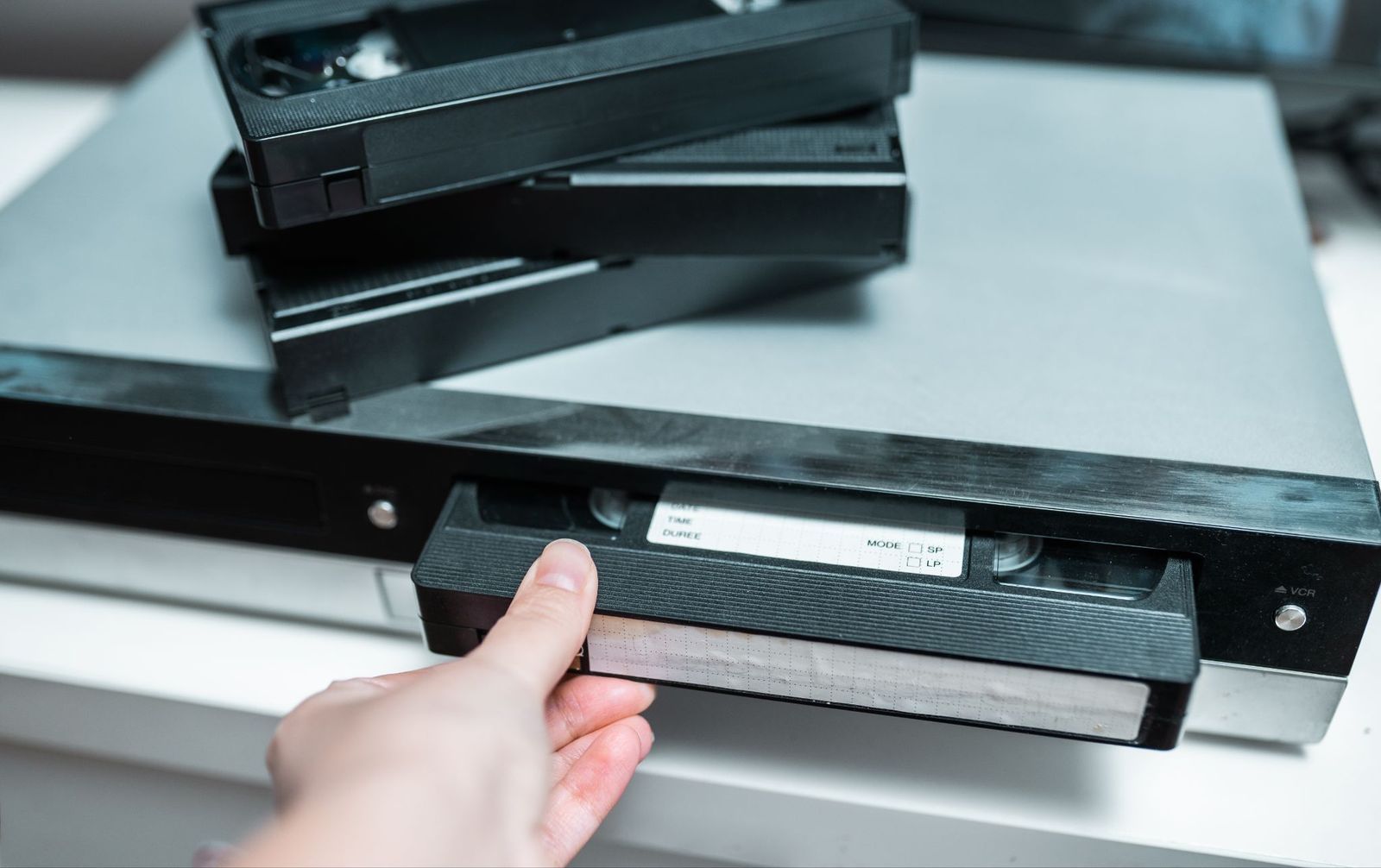
Image: ArtCreationsDesignPhoto

It’s almost strange to remember that there was a time when people couldn’t watch movies at will, and their main choices were to wait until they aired on television or to buy theatre tickets. But this changed with the 1977 introduction of the VHS (Video Home System) players, aka VCRs, which revolutionized the way folks watched movies. The rise of VHS led to the explosion of video rental stores (such as the once-ubiquitous Blockbuster chain), which became a staple during the 1980s and 1990s.

Before returning a rented movie or in order to rewatch it, users had to rewind the tape , and many rental stores charged an extra fee if the tapes weren’t rewound. VCRs were later phased out after the rise of the DVD player.

4
Cassette Tapes and Cassette Players
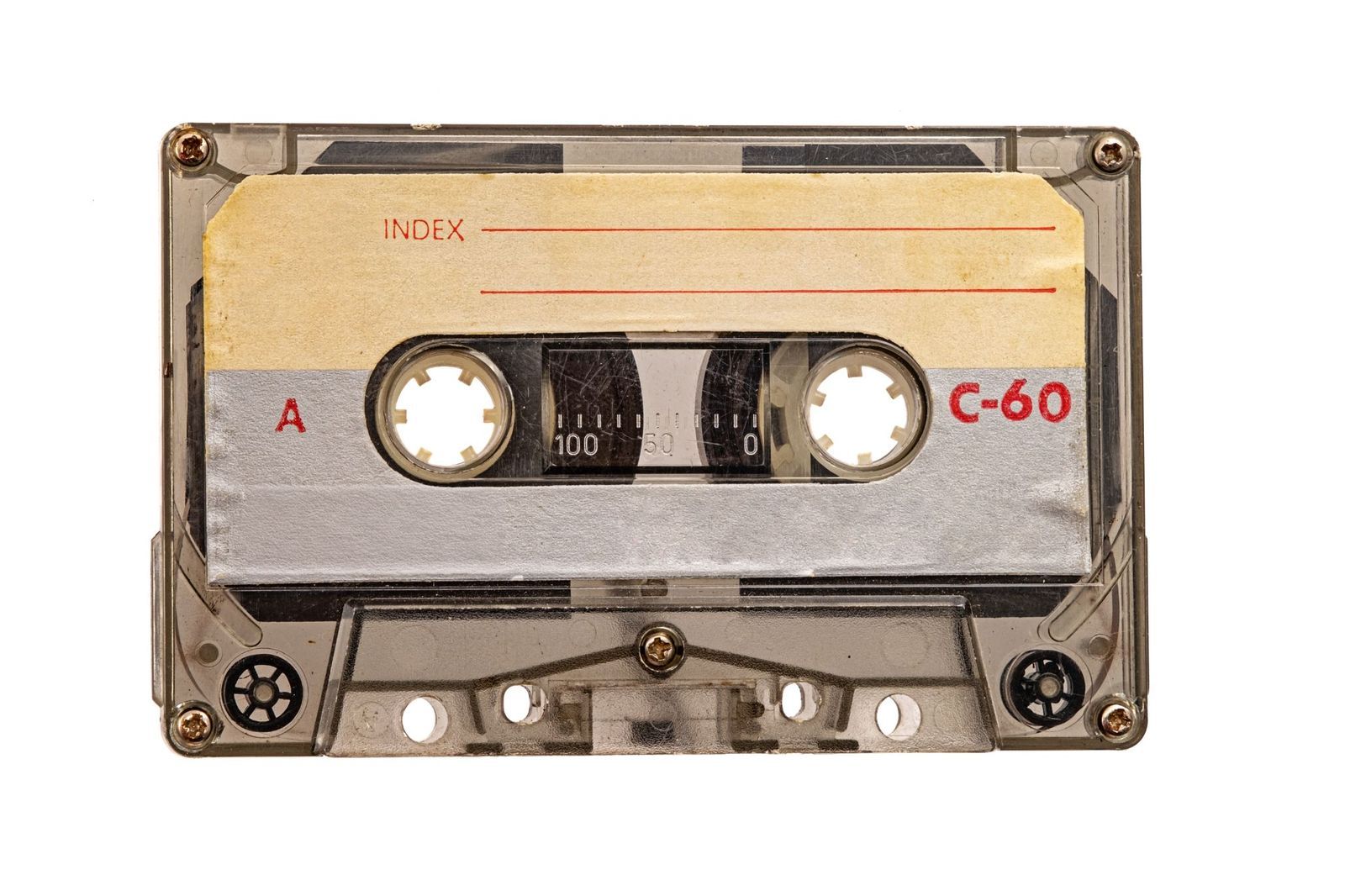
Image: Roberto Sorin

Philips changed the world in 1963 when it released the compact cassette player, which became one of the most popular ways to listen to music from the 1970s through the 1990s . Cassette tapes made music portable, and suddenly people could listen to their favorite albums in the car or on a walk once Walkmans were introduced in 1979.

There are so many memories attached to cassette tapes, but homemade mixtapes are worth highlighting. This made it possible for listeners to create their own custom playlists on a cassette to share with friends and family, and making someone a mixtape was considered a very thoughtful and personal gift.

5
Telephone Directories
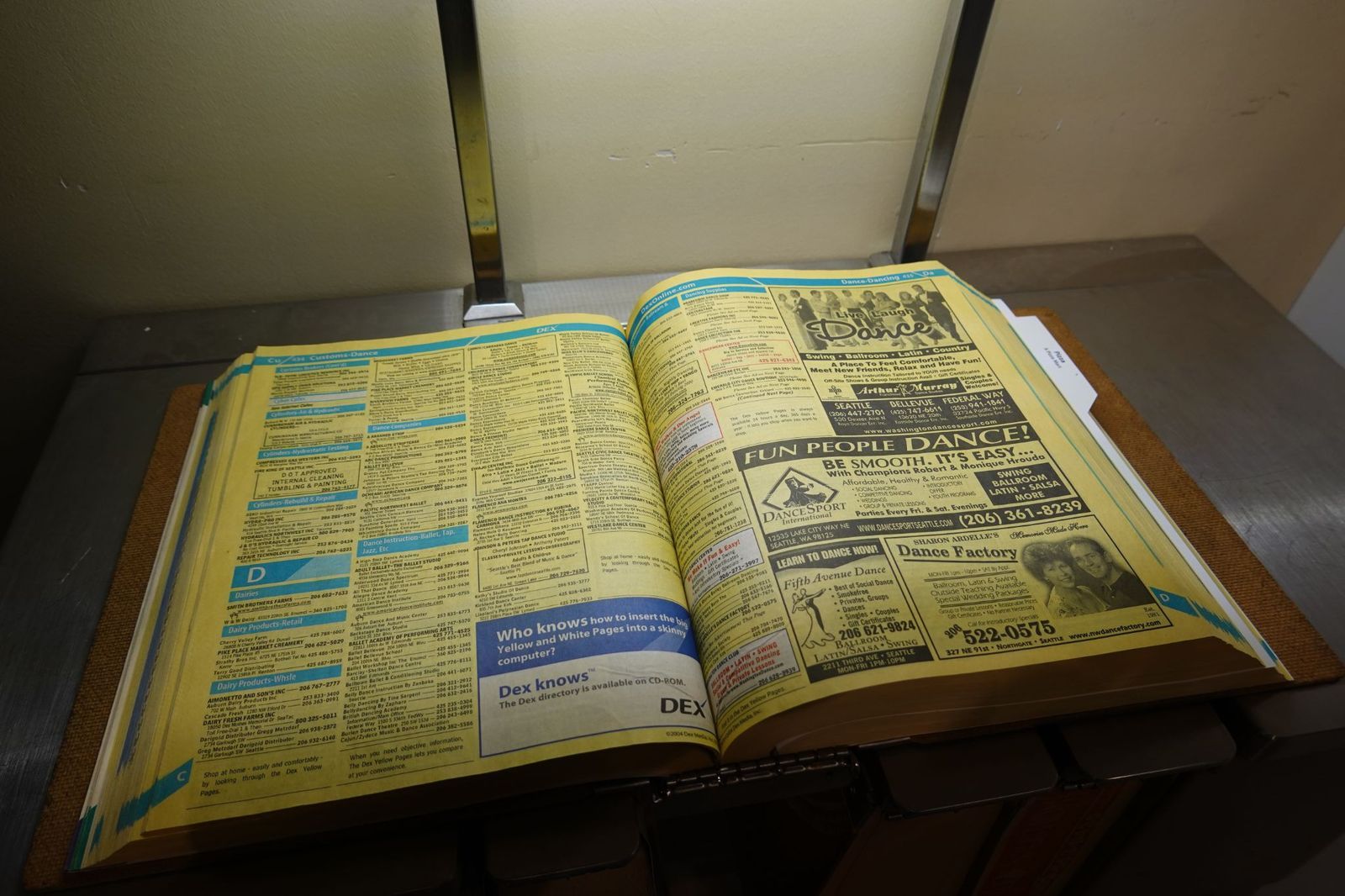
Image: LifeisticAC

What would you do today if you wanted to find phone numbers, addresses, and local businesses? Probably Google. But not so long ago, you had to resort to The Yellow Pages. We all remember the large, thousand-page phone book; every family needed one if they wanted to be connected to the world. In some ways, phone books were the internet before the internet.

They included everything from residential phone numbers listed alphabetically to business directories organized by category. Whether you needed to reach a doctor or a plumber or even a school classmate, the phone book was the way to go.

6
Typewriters
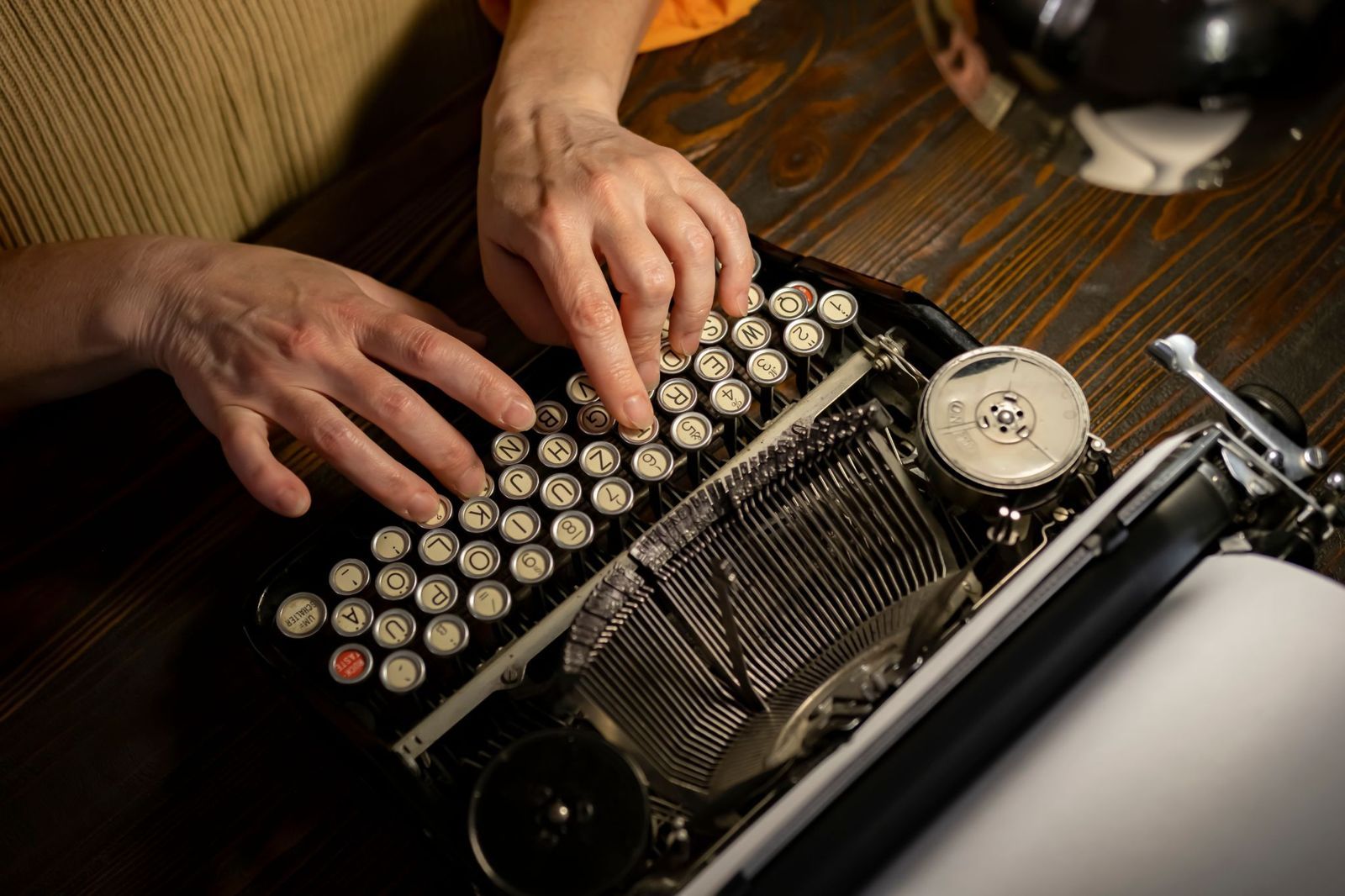
Image: Denis Klimov 3000

The "click-clack" of the keys, followed by the familiar "ding" at the end of each line is likely one of the most recognizable sounds of the 20th century. Before personal computers, the only way to craft professional-looking documents was with typewriters — you could find them in schools, businesses, and homes.

Commercial typewriters came about in 1874, unlocking a new era of written communication. So many famous novels, newspaper articles, letters, and school assignments were written on typewriters before the digital era kicked in. Typewriters became a symbol of the art of writing , and we still use the QWERTY keyboard layout, introduced with them, on our modern computers and iPhones, too.

7
Encyclopedias
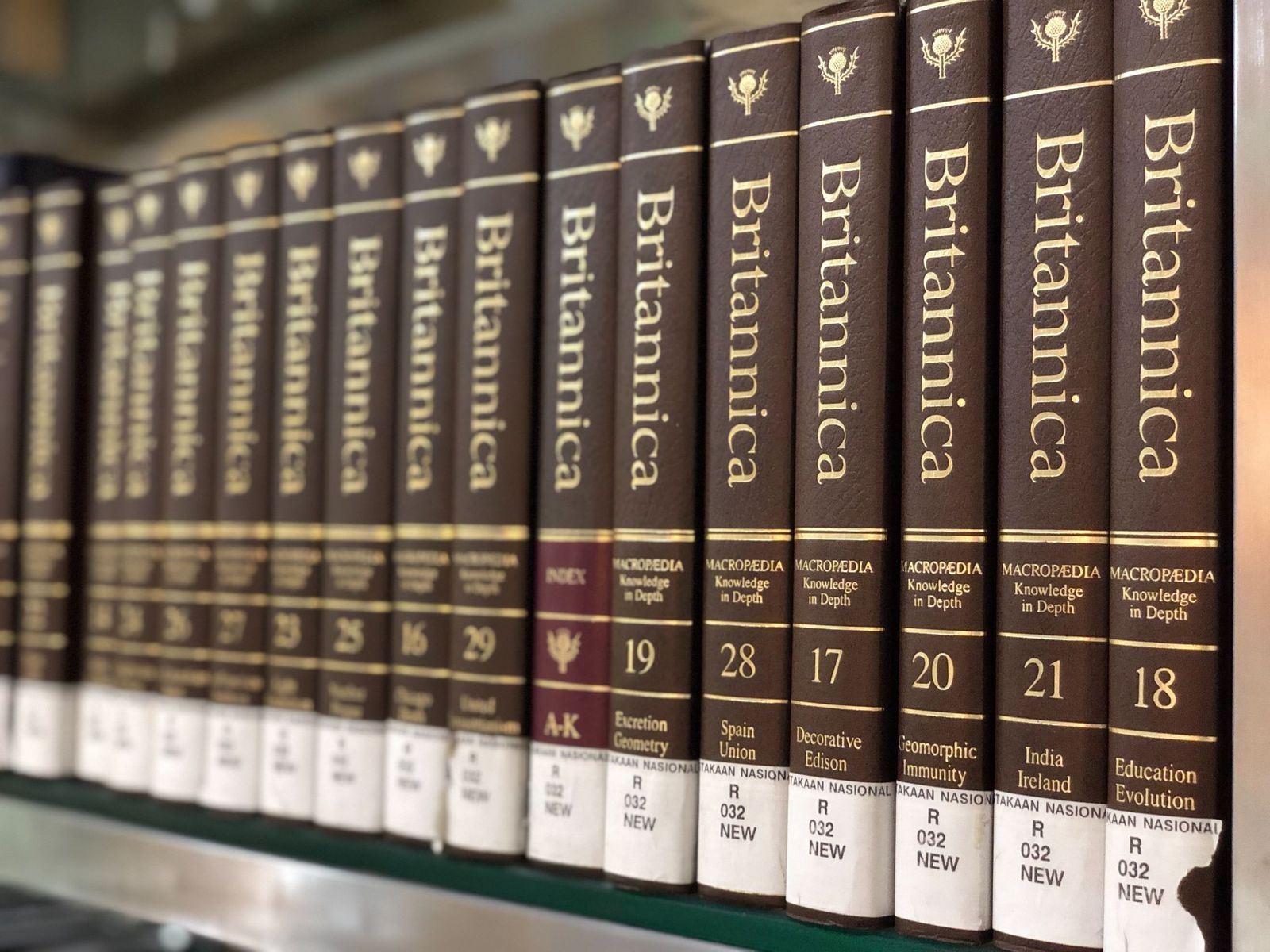
Image: IrHan Digital Artwork

Instead of asking Google for the answer, a few decades ago, one of our only trusted sources of information was encyclopedia sets . Whether you were trying to find information on any topic for research, a school project, or simply out of curiosity, you had to go through the 20 to 30 hardcover volumes and find the one that contained the portion of the alphabet you needed to look into.

One of the most famous sets was the Encyclopedia Britannica, and having any set was considered a sign that a family valued education. But unlike digital encyclopedias, which can be modified in a matter of minutes, these had to be updated and printed again every year; therefore, companies offered door-to-door service.

8
Ashtrays in nearly every room

Image: Benzstock

It’s almost impossible to explain to younger generations that people were once allowed to smoke in theatres, hotels, planes — even hospitals! Smoking was the most natural thing to do ; around 40% of American adults smoked cigarettes , which created a necessity for ashtrays everywhere.

From the 1940s through the 1970s, most homes had ashtrays in living rooms, bedrooms, kitchens, and even bathrooms; it was considered basic courtesy to have them around the house when guests visited. They came in all shapes and colors, made of glass, ceramic, crystal, or metal — different designs to match the home’s decor. This trend began fading after the 1980s with the growing awareness of the dangers of smoking.

9
Rolodex card files
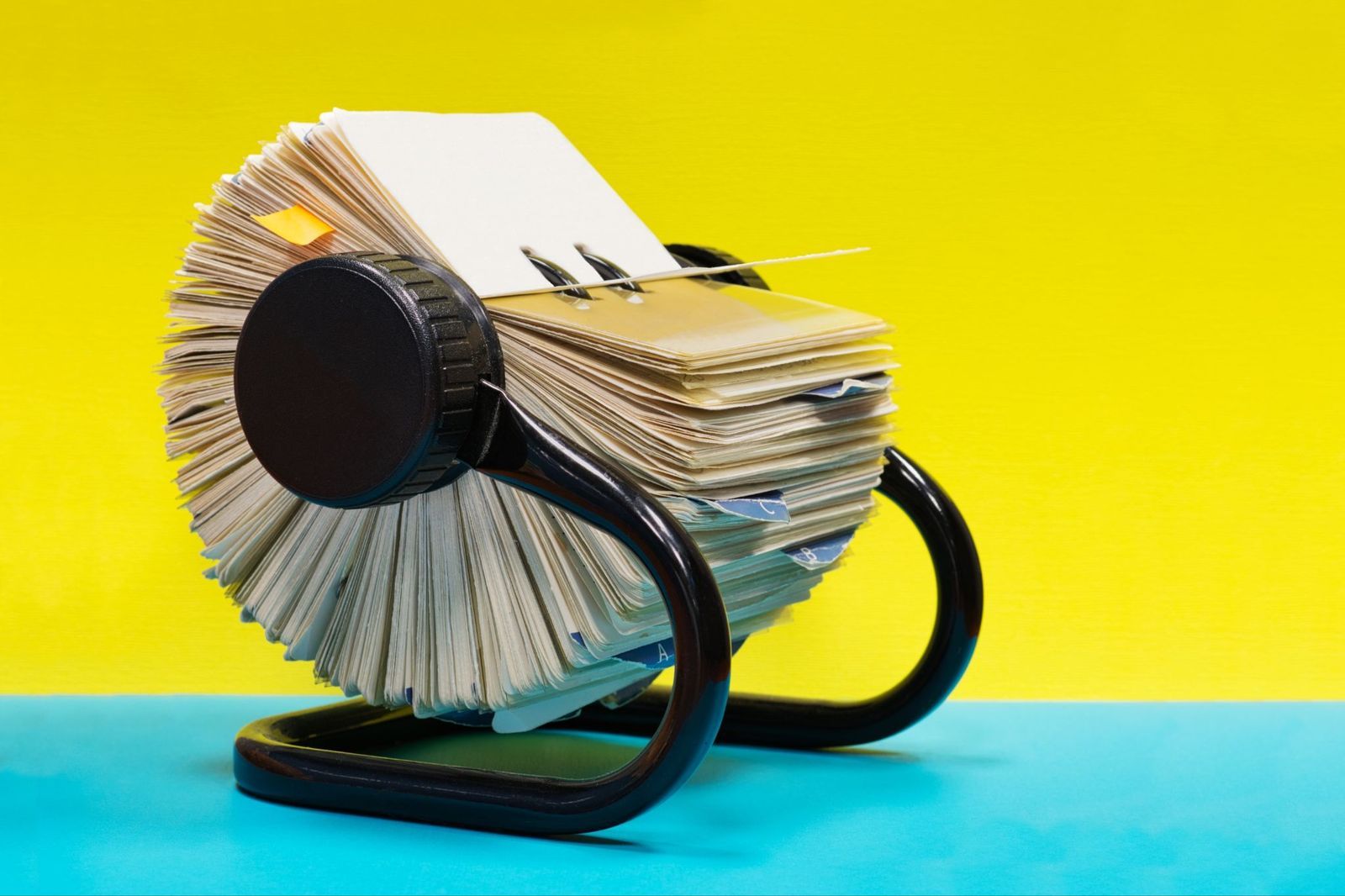
Image: Brett Hondow

Before the 2000s, if you were a salesperson, executive, secretary, journalist, or anyone who managed a large network of contacts, chances are you had a Rolodex. This compact and useful tool was perfect for managing information from different contacts when there were no cellphones . Professionals relied on them to keep track of clients and colleagues — actually, the phrase "having a good Rolodex" meant having an impressive network of connections.

It consisted of hundreds of small index cards arranged alphabetically on a rotating wheel, and users could quickly flip through the cards to find the information they kept there. In contrast with a normal address book, with a Rolodex, if someone moved or got a new phone number, you could simply replace the old card with a new one rather than having to rewrite it.

10
Manual Can Openers Mounted Under Kitchen Cabinets
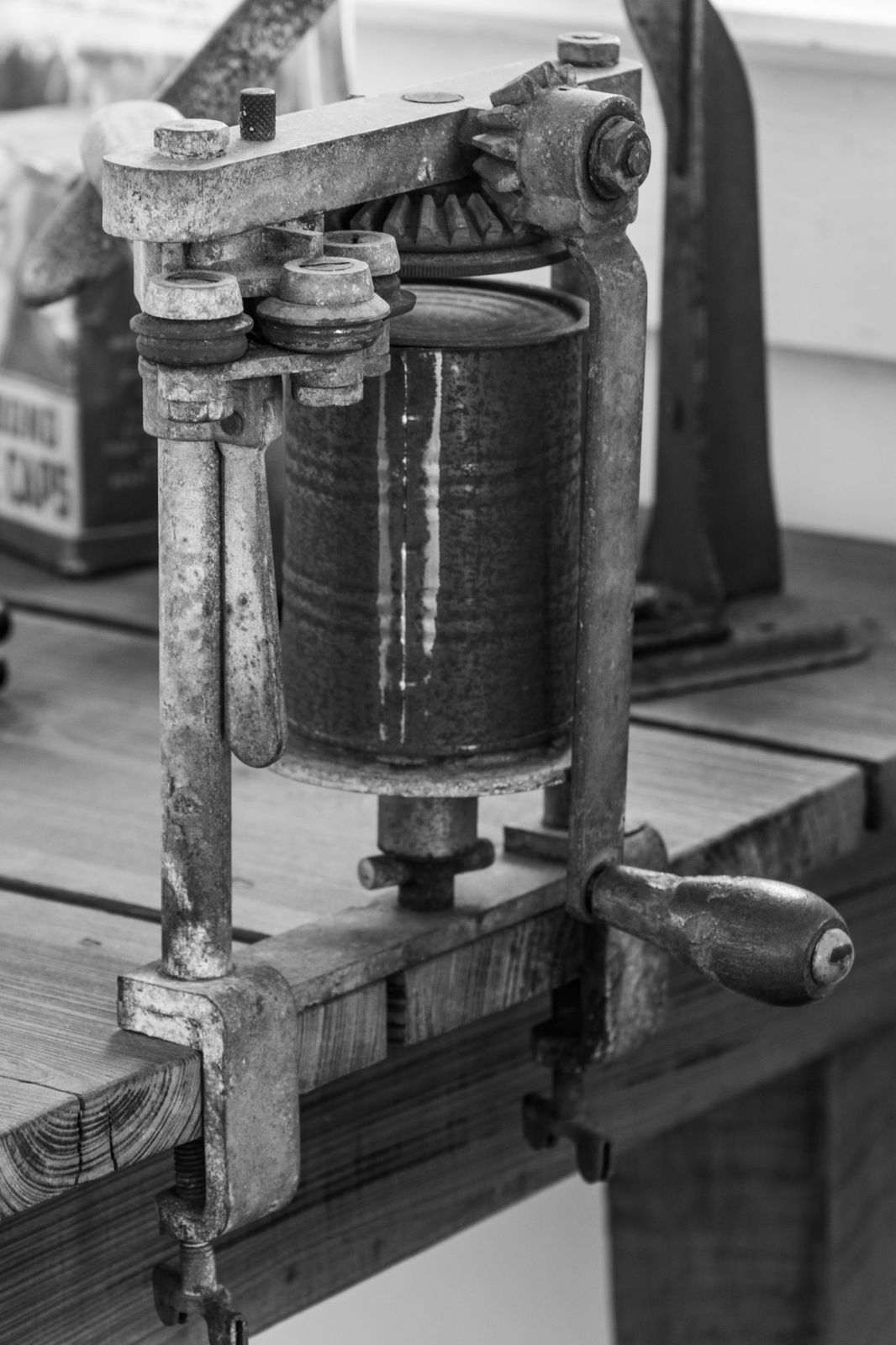
Image: Gordon Magee

If you grew up sometime between the 1950s and 1980s, you probably remember manual can openers permanently mounted beneath an upper cabinet in the kitchen. These can openers were very convenient when cooking, and they were built to last — made of durable steel and sturdy enough to keep being used for decades .

Once handheld and more ergonomic can openers (and later electric models) became more affordable, mounted versions gradually disappeared from households, though some are still found in professional kitchens.

General General 4 min read

Strangest movie title translations

You'll never believe what they called "Jaws" in France!

Image: Markus Spiske

Hollywood movies travel far and wide, but sometimes, their titles don’t make the journey intact. When films are released in other countries, they often get wildly different names: Some are literal, some are hilarious, and some even spoil the plot! Did you know Grease became Vaseline in Argentina? Or that The Sixth Sense revealed its big twist in China? Let’s take a look at some of the most entertaining, bizarre, and downright confusing movie title translations from around the world!

1
The Teeth of the Sea

Image: Kelsey K

Steven Spielberg’s Jaws terrified audiences with its simple but chilling title. But in France, the name was softened to The Teeth of the Sea . Are we watching a horror movie or a National Geographic documentary?

Don’t get us wrong, the title still conveys the idea of a deadly shark, but it lacks the punch of the original. Can you imagine the famous Jaws poster with this title instead? Not the same impact!

2
Mom, I Missed the Plane

Image: Alsu Vershinina

Can you guess which movie we’re talking about? Of course, it’s Home Alone ! We all know this movie as the classic Christmas comedy about little Kevin McCallister, whose family accidentally leaves behind.

But in France, the title suggests that Kevin missed the flight himself, as if this was his own fault! Mom, I Missed the Plane shifts the blame away from his forgetful parents, making it sound like he had one job and messed it up. That’s a different movie!

3
The War of the Stars

Image: Emmanuel Denier

It’s hard to imagine Star Wars being called anything else, but in France, it became The War of the Stars , and in Spain, it was The War of the Galaxies . That’s not too far off, but some translations went a bit crazy.

For example, in Germany, Han Solo’s ship, the Millennium Falcon, became the Speeding Falcon. In France, Han himself was renamed Yan Solo, and Chewbacca was Chico. And their ship? The Millennium Condor! We feel confident in saying that the Force was not with those translators.

4
Super Power Dare Die Team

Image: Lance Grandahl

The 2016 Ghostbusters reboot wasn’t a huge hit, but it would have had an even stranger fate in China. The translated title was Super Power Dare Die Team , which sounds more like an extreme sports competition than a paranormal comedy, don’t you think?

In reality, the movie was never officially released in China due to censorship laws against supernatural themes. But if it had made it, fans would have been left wondering just what kind of movie they were about to watch!

5
A Very Powerful Whale Runs to Heaven

Image: Gabriel Dizzi

The heartwarming story of a boy helping a whale escape captivity became something far more dramatic in some countries.

Free Willy was translated to A Very Powerful Whale Runs to Heaven in China. This movie sounds like a spiritual journey rather than an animal rescue mission. While the whale does leap to freedom, it doesn’t quite run anywhere, and it definitely doesn’t go to heaven, at least not in the movie! That’s an odd twist!

6
A Twin Seldom Comes Alone

Image: Alexander Grey

The Parent Trap was a fun family film about separated twin sisters and their adventurous reunion . But it became something oddly deep in Germany.

The title was translated to A Twin Seldom Comes Alone , which sounds more like an ancient proverb than a Disney remake, right? Maybe they were making a poetic statement about how twins always come in pairs. We don’t know, but we think it’s a pretty dramatic title for a lighthearted comedy!

7
He’s a Ghost!

Image: Tandem X Visuals

The Sixth Sense , by M. Nigh Shatamalan, is famous for its shocking twist ending , unless you were in China, where the title literally gave it away.

Instead of the mysterious The Sixth Sense , the movie was released as He’s a Ghost! , ruining the entire plot before the opening credits even rolled. Spoiler is the understatement of the century here!

8
The Boy Drowned in the Chocolate Sauce

Image: Pete Wright

Denmark took a grim approach to Willy Wonka & the Chocolate Factory : They renamed it The Boy Drowned in the Chocolate Sauce . While it’s true that Augustus Gloop’s chocolate river mishap is one of the film’s most memorable moments, it makes the movie sound more like a crime drama than a whimsical adventure.

Meanwhile, Portugal softened the title to Charlie’s Wonderful Story , and Spain went with A Fantasy World . Denmark gets the prize for morbid and hilarious, anyway!

9
Vaseline

Image: JUNHYUNG PARK

John Travolta and Olivia Newton-John’s beloved musical Grease got a slick new name in Argentina: Vaseline . Can you guess the logic behind this choice?

Grease refers to the oily hair product used by 1950s greasers, so Vaseline was the closest match. While it technically makes sense, it definitely changes the feel of the movie. The Musical doesn’t quite have the same ring to it!

10
Fantastic Emotional Turmoil

Image: Dean Gibbons

Pixar’s Inside Out was a clever way to teach kids about emotions, but in Thailand, the title got extra dramatic . The movie was released as Fantastic Emotional Turmoil , which makes it sound like a high-stakes psychological thriller. We know the human experience can be difficult, but this is too much!

Other countries struggled with the translation too: in China, for example, it was The Great Team Inside the Head . Clearly, Pixar’s abstract concept wasn’t the easiest to put into words!

Geography Geography 4 min read

Paying homage to fauna

Why is Buffalo, NY, named like that?

Image: Magda Ehlers

The American landscape is dotted with places named after creatures, great and small. Sometimes these names were a nod to nature, and other times a big misunderstanding. Today, such names remain in slogans and memorabilia around the city, even in places where residents have never seen, say, a White Salmon. So let’s take a cross-country trip through the places where the beasts live on, even if only in bronze statues and welcome signs.

1
Antelope Canyon, Arizona

Image: Paul IJsendoorn

Technically, pronghorns are not true antelopes , but try telling that to early settlers. This stunning slot canyon was named in their honor.

Winding through the Navajo Nation in northern Arizona, its entrance was once grazed by herds of pronghorns gracefully navigating the red rock terrain. Although the original inhabitants have mostly been scared away, the beautiful landscape remains.

2
Buffalo, New York

Image: Pixabay

Despite the name, no actual buffalo roam here—only football fans in snow boots. There are several theories about the origin of the name: some say it comes from the French beau fleuve ("beautiful river"), while others insist early settlers mistook bison sightings for true buffalo .

Either way, the city still honors the animal’s spirit through bronze statues, sports teams, and, of course, Buffalo wings.

3
White Salmon, Washington

Image: Drew Farwell

White Salmon, Washington. This charming town above the Columbia River Gorge got its name from an unusual fish tale. In 1805, Lewis and Clark spotted pale-colored Chinook salmon swimming upstream and named the White Salmon River, which later lent its name to the town.

The white salmon themselves are rare spring sightings, but the name stuck, like a good fishing story.

4
Mammoth Cave, Kentucky

Image: Jonathan Cooper

No, they didn’t find woolly mammoth bones here. The name "Mammoth" refers to the size , not the species, of this mind-bending cave system. With over 400 miles explored, this south-central Kentucky cave is the largest known cave system on Earth.

5
Eagle River, Alaska & Wisconsin

Image: Greg Johnson

Two towns, one majestic bird , and a very straightforward name. In Alaska, Eagle River sits just outside Anchorage, where bald eagles actually soar overhead—and sometimes steal a salmon right out of your hands.

In Wisconsin, Eagle River offers a quieter charm: a hub for lake lovers and snowmobilers who know how often the eagle motif appears on murals, signs, and T-shirts.

6
Wolf Creek Pass, Colorado

Image: Deepak Adhikari

The name alone sounds like it belongs in a Western, and the real place doesn’t disappoint. This high mountain pass in southern Colorado winds its way through the San Juan Mountains, where wolves once prowled the slopes .

Though they’ve long been gone from the area, the name remains, also immortalized in a song by C.W. McCall.

7
Pelican Bay, Florida

Image: J Dean

This coastal enclave near Naples is all palm trees, golf carts, and private beaches, but yes, there are still pelicans.

Big, slightly clumsy, and oddly charming , they’re often seen gliding above the Gulf waters or crash-landing into the surf. The bay itself is a protected estuary, and the birds serve as unofficial greeters.

8
Moose, Wyoming

Image: Danika Perkinson

If you were to walk around the area, you’d understand why this town got its name: actual moose wander here. Just outside Grand Teton National Park, the scenic town of Moose offers ranger stations, cozy lodges, and the occasional 1,200-pound mammal chewing shrubs near the parking lot.

9
Fox River, Illinois & Wisconsin

Image: David Gomez

This river wasn’t named directly after the clever creature, but after the Fox (Meskwaki) Native American tribe . The winding river flows more than 200 miles, passing through Midwest towns, bike trails, and history-rich spots

Today, statues, murals, and local school mascots keep the fox theme alive, although you’re unlikely to spot a red fox along the riverbanks these days.

10
Bear Lake, Utah & Idaho

Image: Megan Nixon

This turquoise lake marks the Utah–Idaho border and was named after, you guessed it, actual bears.

Grizzly and black bears once roamed the surrounding area, though nowadays you’re more likely to spot jet skis than paw prints. Locals call it the "Caribbean of the Rockies," thanks to its unique limestone-rich, electric-blue waters.

11
Cougar, Washington

Image: Leah Huyghe

Cougar, a tiny town in southwestern Washington, gets its name from the sleek mountain lions that once roamed the thick forests nearby. The area is best known for its proximity to Mount St. Helens. A post office called "Cougar" was established there in the early 1900s, and the unincorporated community followed soon after.

12
Coyote, California

Image: Kaylin Pacheco

In what is now Silicon Valley, Coyote was once a standalone ranch town named for the clever canines that run across the hills.

While coyotes still prowl the region—occasionally crashing backyard barbecues—the town itself has been mostly absorbed into San Jose. Still, the name lingers in road signs, local parks, and historic maps.

13
Hawk Mountain, Pennsylvania

Image: Frank Cone

High above the Appalachian ridges of eastern Pennsylvania, Hawk Mountain is a sanctuary. It was transformed into the world’s first refuge for birds of prey in the 1930s.

Today, birdwatchers flock here every fall to witness thousands of hawks, eagles, and falcons gliding overhead. There’s no town—just trails and sky.

Explore more American facts

Choose your favorite category!

General
General

As American as apple pie—the very best America has to offer!

Culture
Culture

Delve into the astounding richness of American lore.

Geography
Geography

Hop in and explore vast and diverse American landscapes.

History
History

Discover the key moments that shaped the United States.