History History 6 min read

Success stories

10 ordinary things that made their creators a fortune
Image: Photo by Leo Bayard on Unsplash

Sometimes, the best ideas come from recognizing an everyday problem—a frustrating morning shave, an annoying typo, a kitchen full of chipped dishes—and finding an interesting solution. In fact, some of America's greatest fortunes began with deceptively simple ideas : an improved razor, a way to correct typing mistakes, a better way to do the dishes. Read on to find out how some of the most ubiquitous business empires grew from surprisingly humble beginnings.

1
King C. Gillette: Safety razor
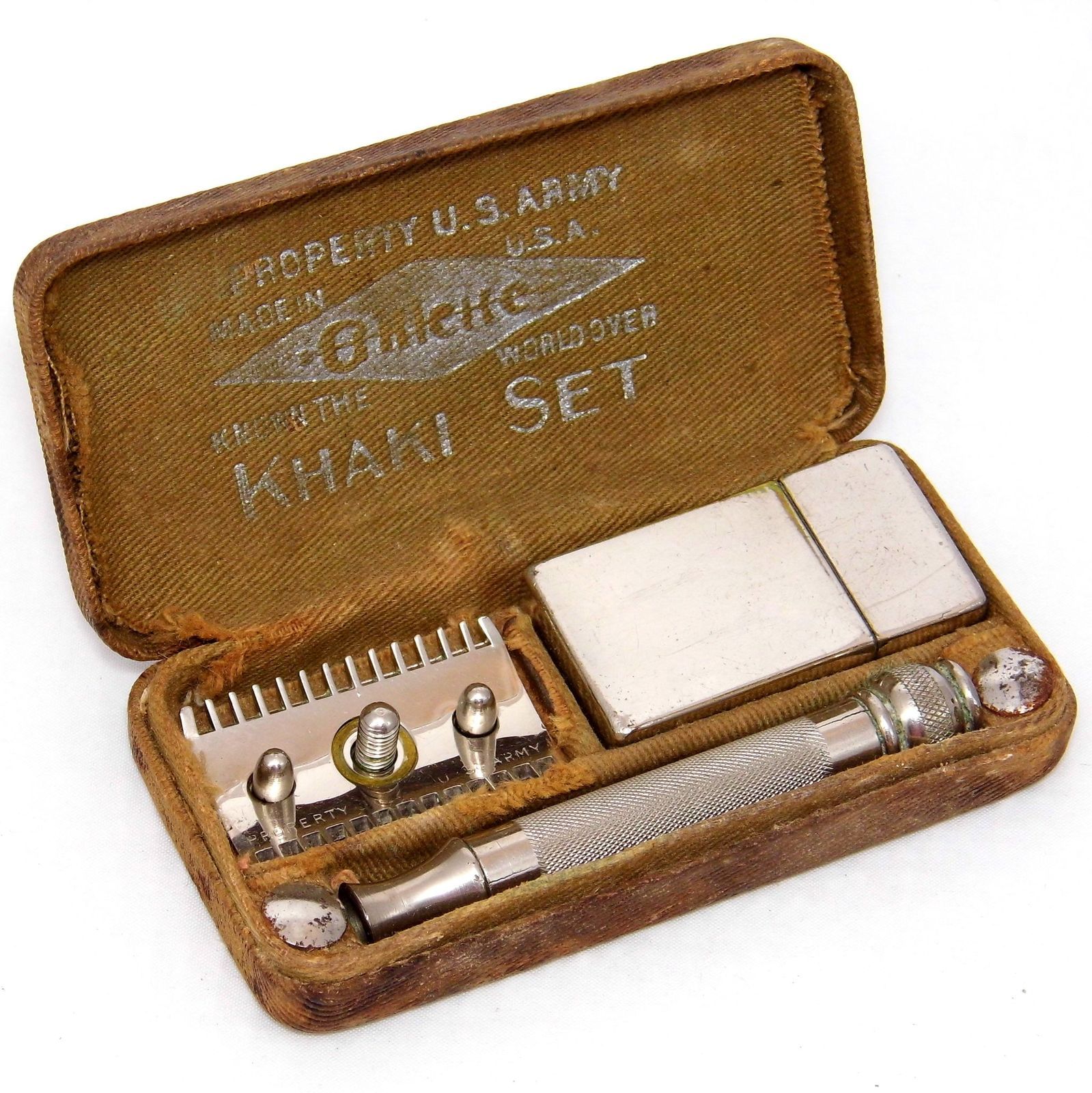
Image: Joe Haupt, CC BY-SA 2.0, via Wikimedia Commons

In 1895, traveling salesman King C. Gillette was struggling to shave with a dull blade when he came up with an idea for a safer, more convenient shave. He envisioned a razor with thin, disposable blades, but it took him years to turn the concept into a working product . Finally, with the help of engineer William Emery Nickerson, he launched the Gillette Safety Razor company in 1901.

The real breakthrough was the business model: customers could keep the handle and buy inexpensive replacement blades, which proved to be more convenient than sharpening or replacing an entire razor. The idea helped build a lasting fortune, and Gillette remains a household name to this day.

2
Bette Nesmith Graham: Liquid Paper
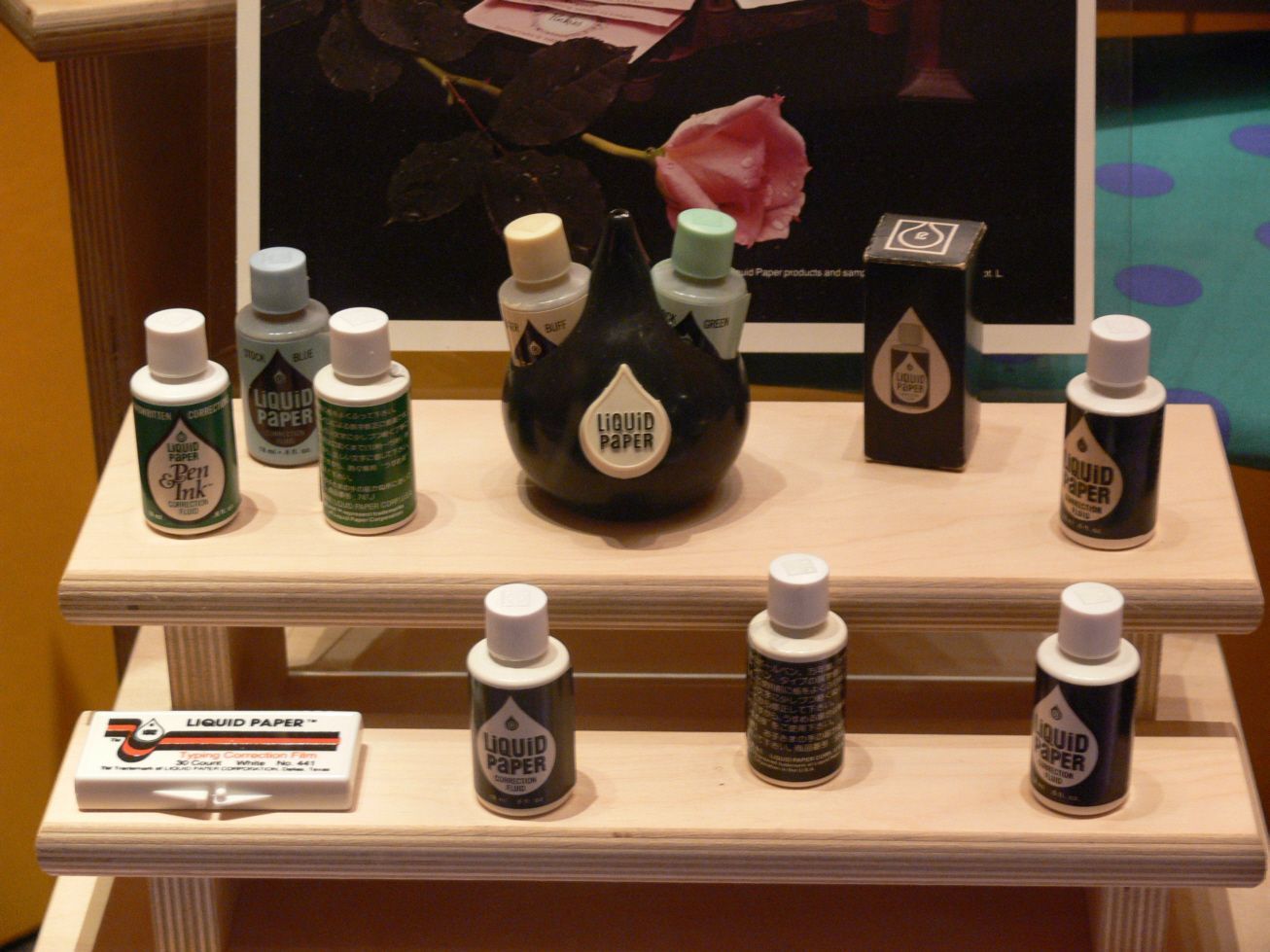
Image: Public domain, via Wikimedia Commons

In the 1950s, Bette Nesmith Graham worked as an executive secretary using an IBM electric typewriter. She was frustrated that even a small mistake often made it necessary to retype entire pages . Inspired by painters who covered errors with an extra coat of paint, she developed a white liquid to hide typos. She began selling it to co-workers as Mistake Out, later rebranded as Liquid Paper .

The product caught on despite early setbacks, including accusations that it was a way to "cut corners." In 1979, Graham sold Liquid Paper to Gillette for a reported $47.5 million. Her office trick for covering up mistakes became a million-dollar business, even as computers eventually reduced the need for correction fluid.

3
Josephine Cochrane: Dishwasher
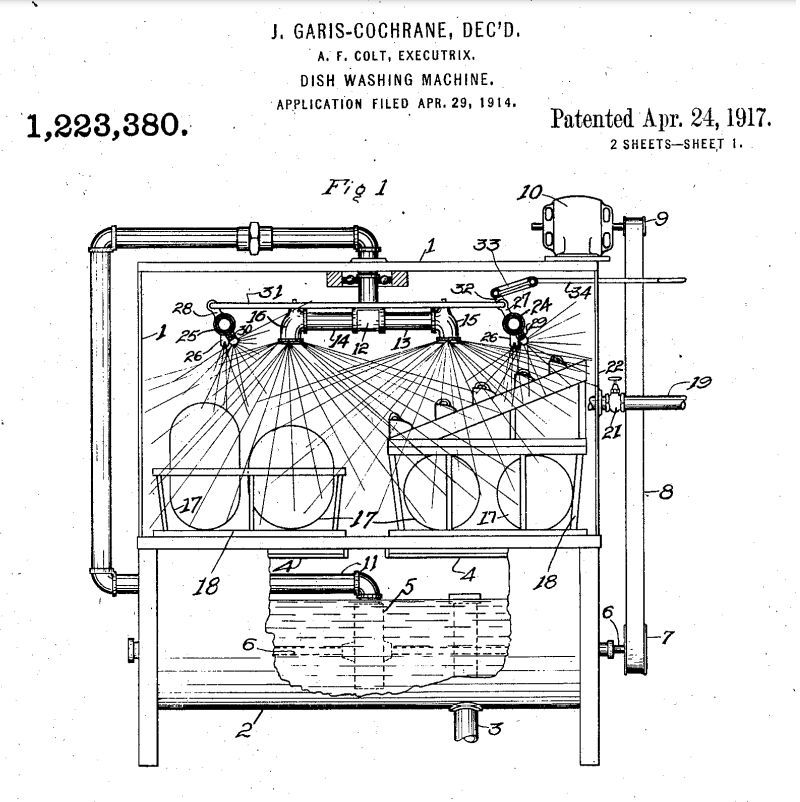
Image: Josephine Garis Cochrane, Public domain, via Wikimedia Commons

Josephine Cochrane, a Chicago socialite married to a successful merchant and politician, was frustrated to find some of her heirloom dishes chipped after being handwashed. She wasn't the first to imagine a dishwashing machine, but her design was the first that used water pressure instead of scrubbers.

After the death of her spouse in 1883, Cochrane was left with little money and significant debt. However, she kept working on her machine and received a patent in 1886. Her main customers were hotels and restaurants; it wasn't until the 1950s that dishwashers became popular for home use.

Cochrane built a successful business around her invention and, after her death in 1913, her company was sold to KitchenAid in 1926.

4
George Eastman: Kodak film roll
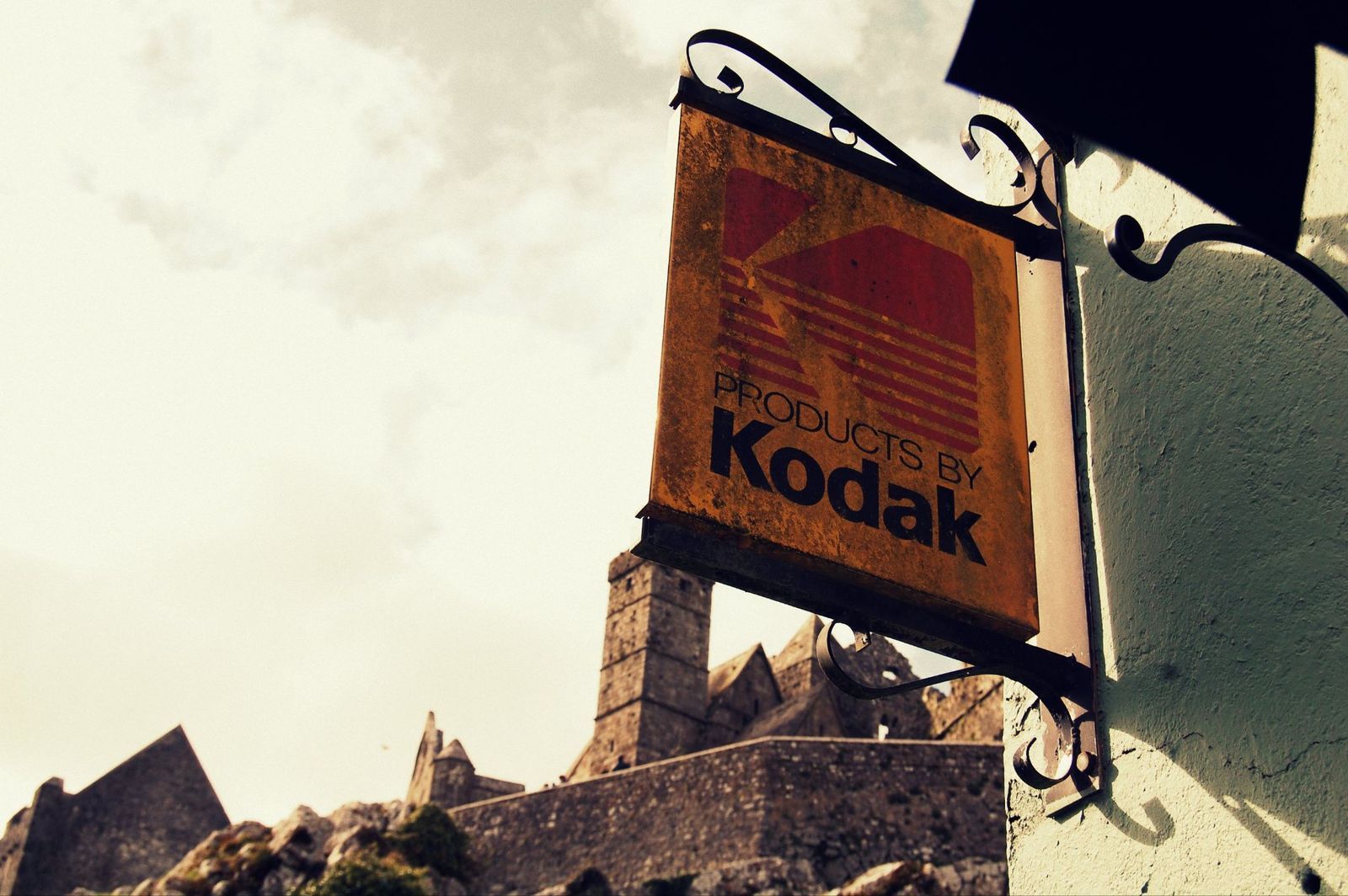
Image: lesanimaux_, CC BY 2.0 , via Wikimedia Commons

In the 1870s, George Eastman was a bank clerk, but he developed an interest in photography. Back then, most cameras used plates that were cumbersome and difficult to work with and develop. He began experiments to create flexible film rolls to replace plates and make photography more convenient.

In 1885, Eastman received a patent for a film roll, and in 1888 he patented and released the first Kodak camera . The camera came loaded with a 100-exposure film roll and could be mailed back to the Eastman Company for development.

Eastman's invention made amateur photography accessible to the general public, and he used the considerable fortune he amassed to pursue various philanthropic endeavors.

5
Chester Carlson: Xerox machine
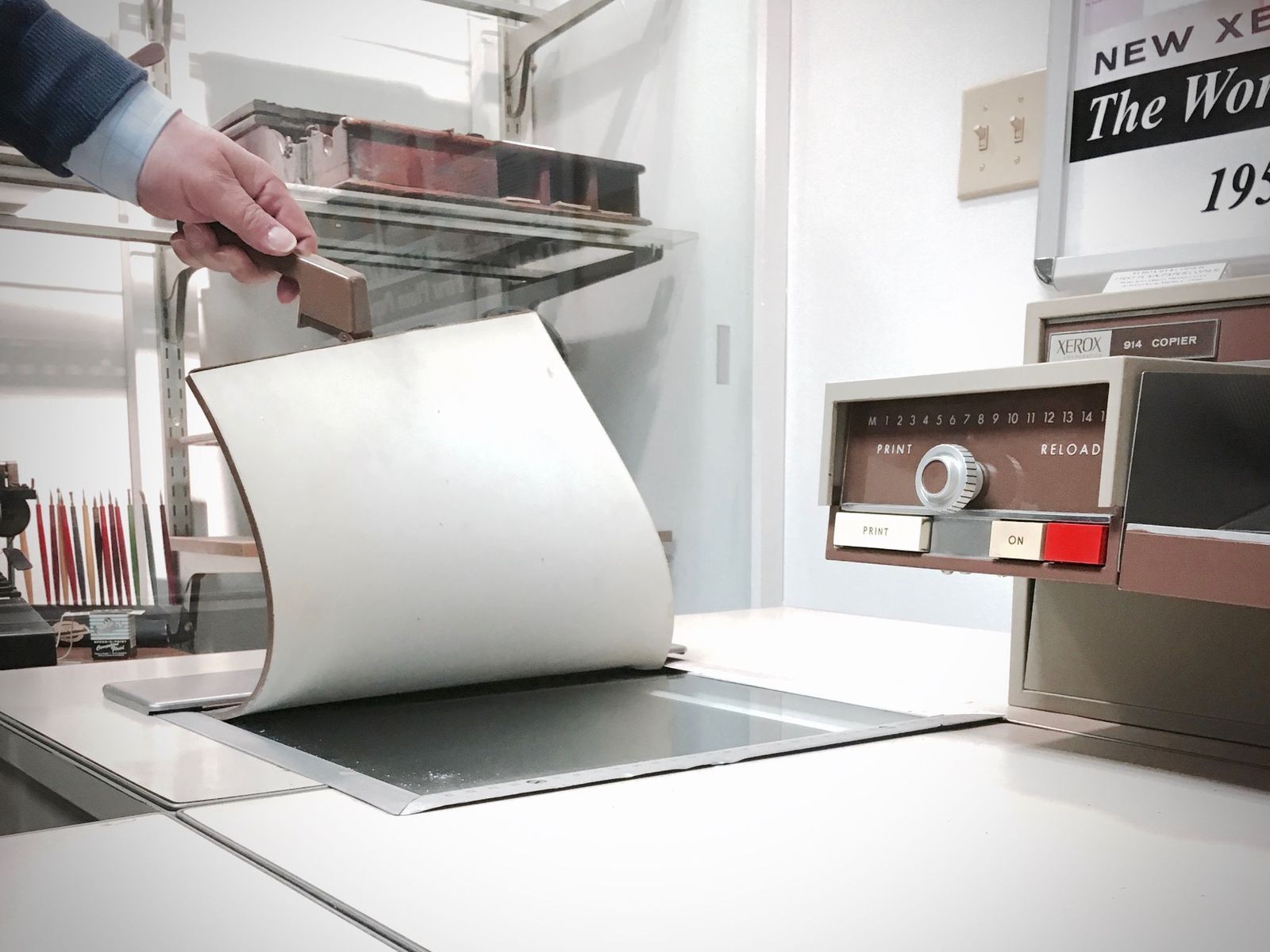
Image: Marcin Wichary from San Francisco, U.S.A., CC BY 2.0 , via Wikimedia Commons

Chester Carlson, a patent attorney, grew frustrated with the tedious process of copying documents in the 1930s, which involved multiple steps, photographic equipment, and special chemicals and papers.

Carlson developed xerography , a method of electrostatic printing that requires no liquid chemicals. He received a patent for it in 1942, and by 1946 he had signed an agreement with the Haloid Photographic Company to develop xerography into a commercial product.

It took almost 18 years before a fully automated xerography process was developed. This work resulted in the Xerox 914 machine, sold by Haloid (later renamed Xerox Corporation ) to huge commercial success. Carlson continued to earn royalties on his patents, and he became one of the wealthiest people in America.

6
Edwin Land: Polaroid instant camera
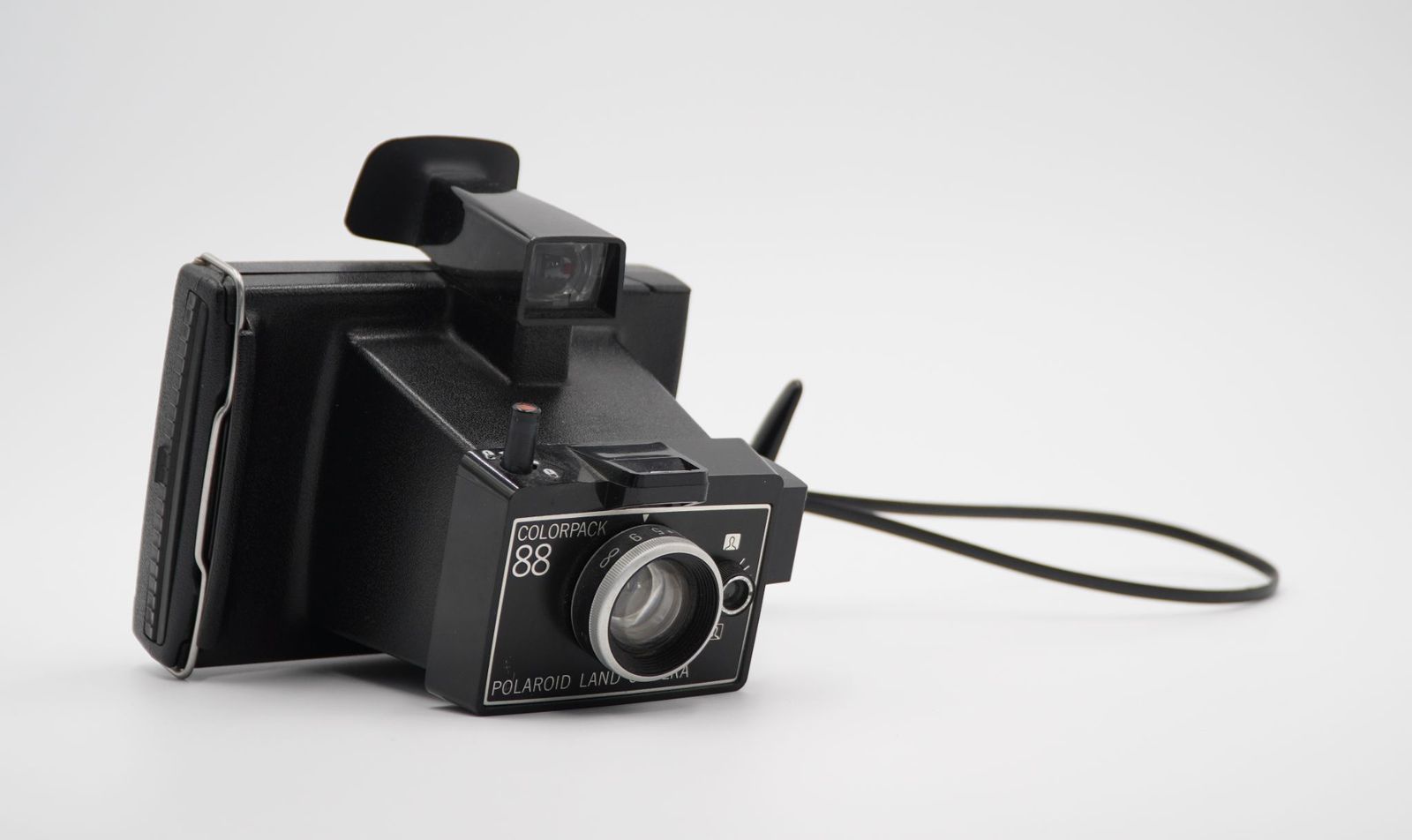
Image: Sammlung der Medien und Wissenschaft, CC BY 4.0 , via Wikimedia Commons

Despite leaving Harvard after his freshman year and holding no formal degree, Edwin Land was fascinated by optics and light, and dedicated his life to studying them. He invented inexpensive filters for polarizing light, which allowed him to develop a practical system for instant photography.

Land co-founded the Polaroid Corporation , and the first Polaroid instant camera reached the market in 1948. He ran the company until 1981, but considered himself a scientist first and foremost, and made multiple contributions in the fields of military photo intelligence and color theory.

7
Lonnie Johnson: Super Soaker
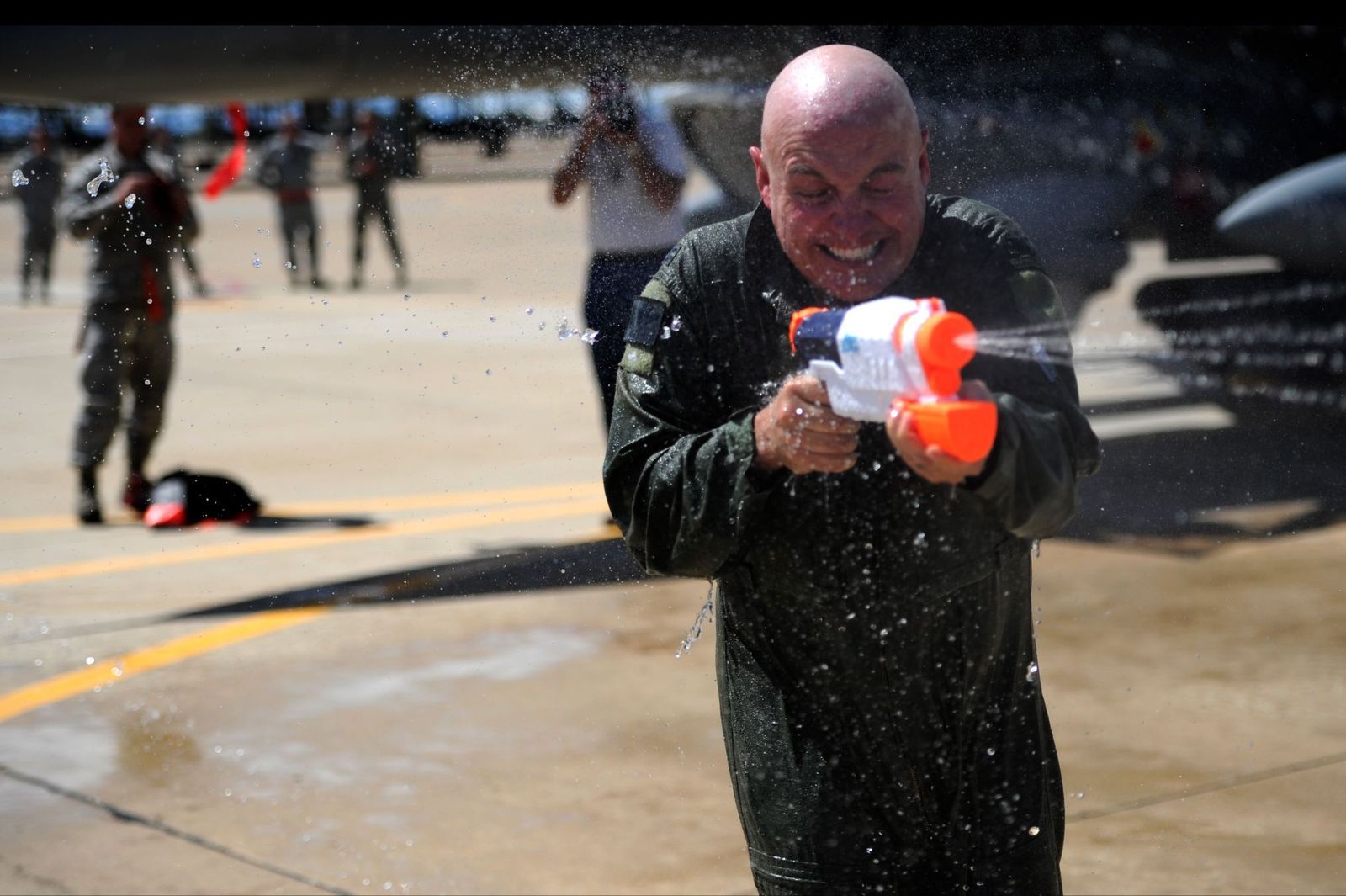
Image: Airman 1st Class Allen Stokes, Public domain, via Wikimedia Commons

In 1985, Lonnie George Johnson, who had previously served in the Air Force, worked at NASA's Jet Propulsion Laboratory. He conceived the idea of a pressurized water gun while performing experiments for a new type of heat pump. In 1989, he managed to secure funding from the toy company Larami.

The first version of Johnson's water gun hit the market in 1990 as the Power Drencher, but it achieved commercial success in 1991 after changing its name to Super Soaker . The toy generated over $1 billion in lifetime sales, making Johnson a wealthy inventor.

8
Willis Carrier: Air conditioning
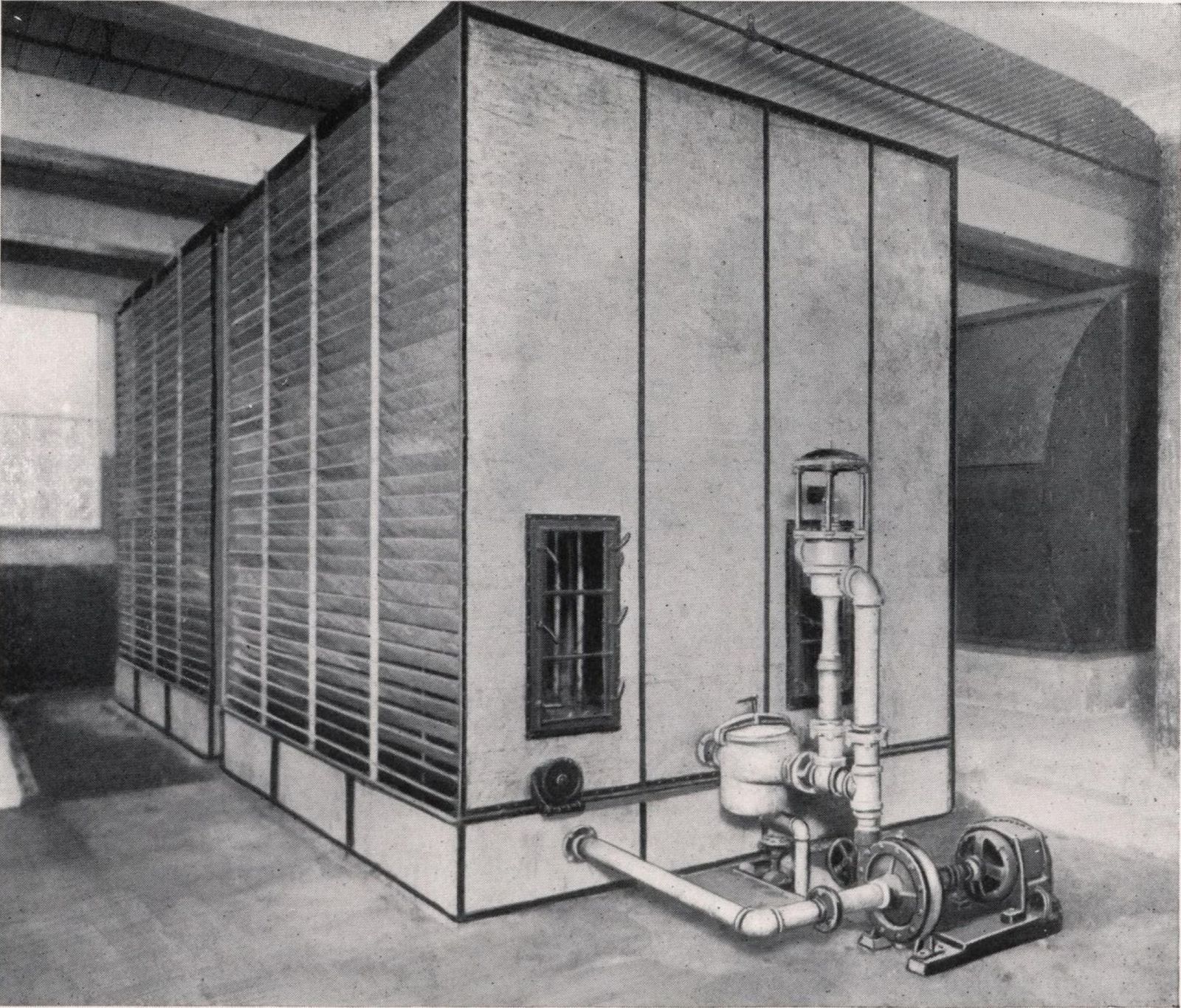
Image: Carrier Air Conditioning Company of America, No restrictions, via Wikimedia Commons

Willis Carrier was a young engineer when a printing plant in Brooklyn asked him to solve a humidity problem that was ruining paper and ink. In 1902, he developed a system that controlled both temperature and moisture, thus inventing the first electrical air conditioning unit.

Carrier founded his own company in 1915. What began as a solution for a specific problem in a specific industry eventually transformed homes and workplaces worldwide. The Carrier Corporation is still a household name not only in America, but all around the world.

9
Earl Tupper: Tupperware
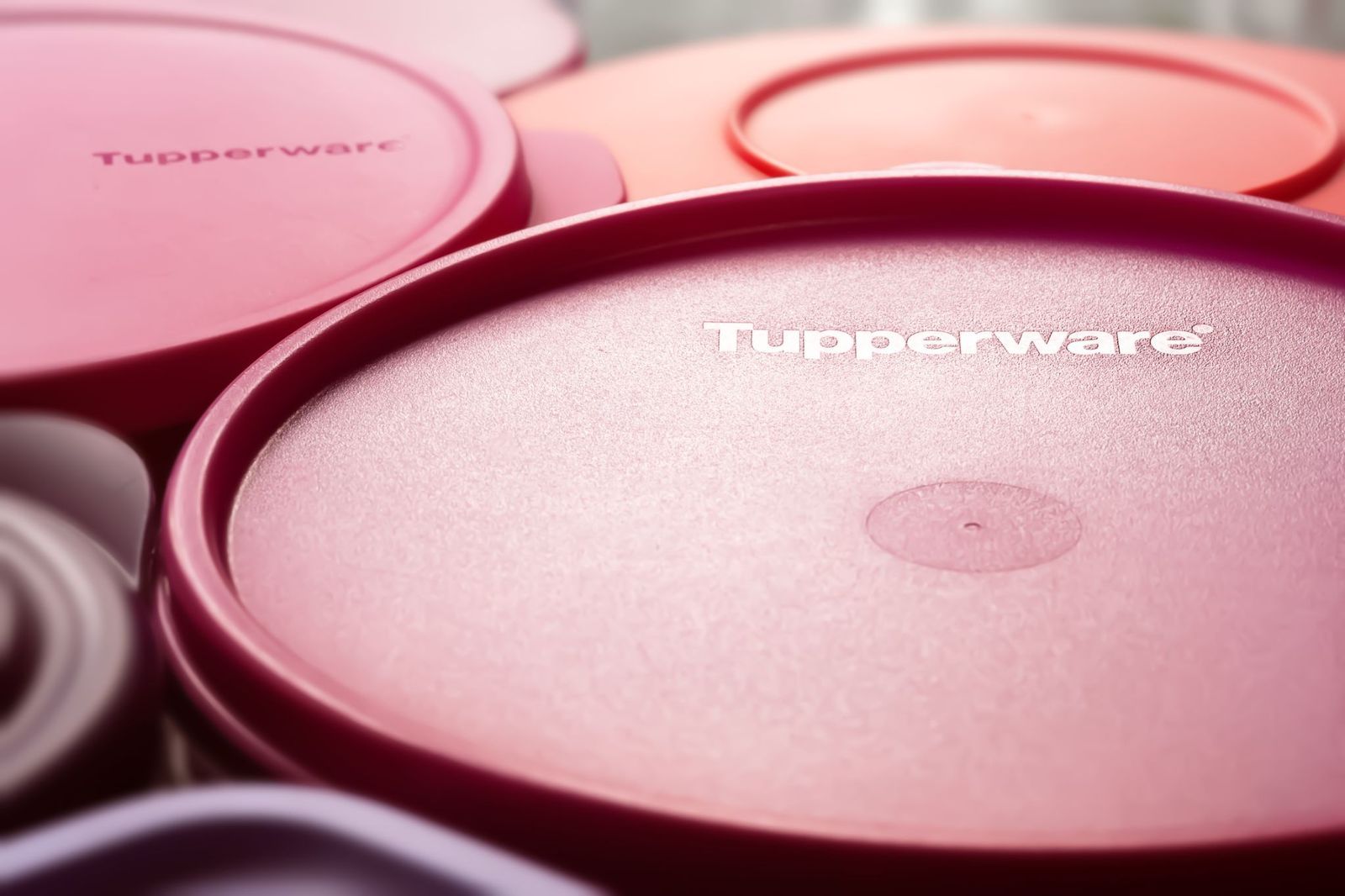
Image: Oleksiichik

Earl Tupper first developed lightweight, airtight containers while working for the chemical company DuPont, using leftover pieces of polyethylene. He founded Tupperware Plastics in 1938 and began selling his products at department stores in 1948.

Tupperware's commercial breakthrough came through Brownie Wise , a pioneering saleswoman who caught Tupper's attention by explaining the benefits of selling his products via at-home "Tupperware parties." Their partnership proved successful, and by the 1950s Tupperware had become a household staple.

Tupper and Wise had a much-publicized falling-out in 1958. Wise was forced out, and Tupper sold the company to Rexall for $16 million that same year.

10
Milton Hershey: Affordable chocolate
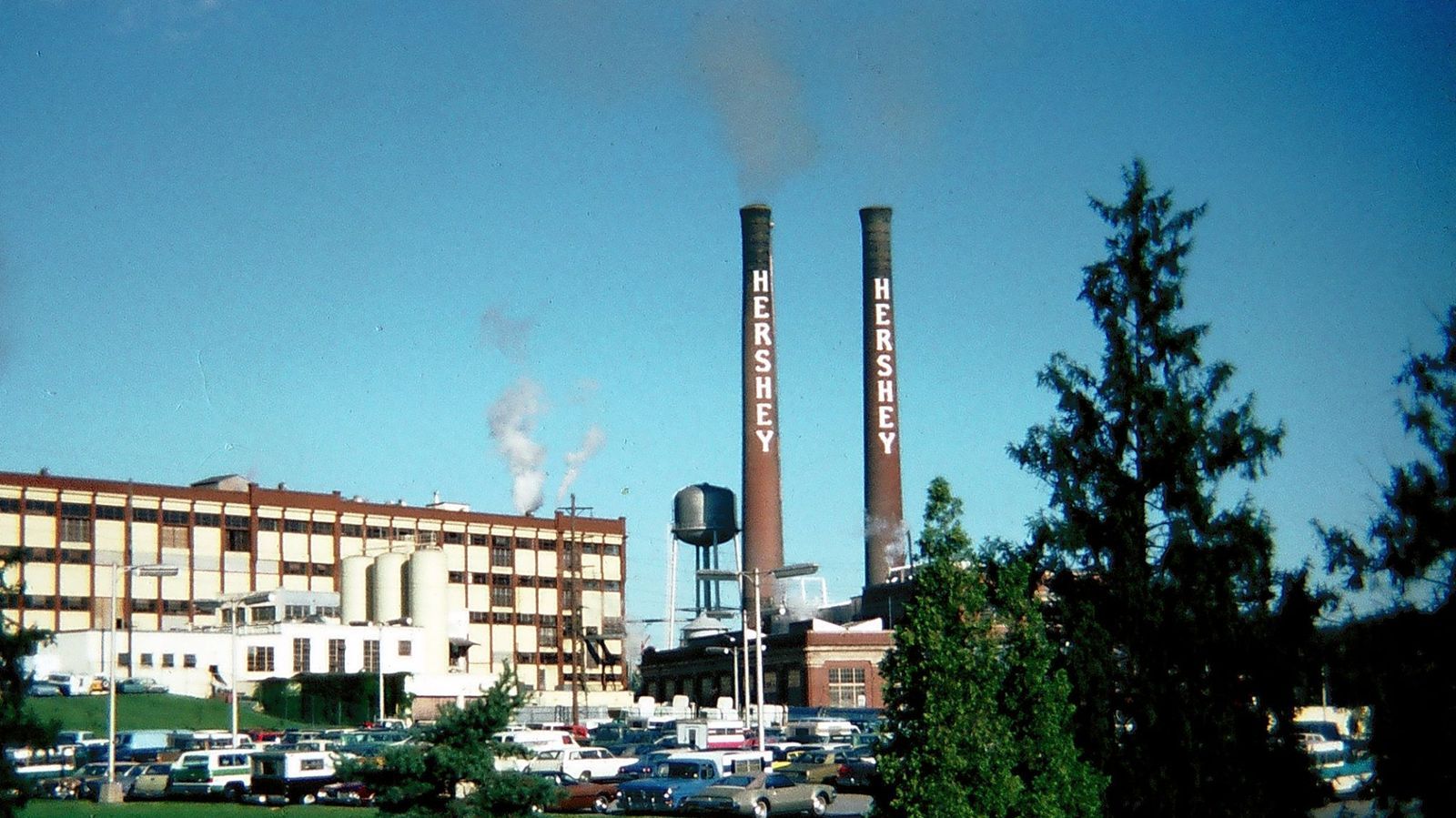
Image: Antarctic96, CC BY-SA 3.0 , via Wikimedia Commons

Milton Hershey had very little formal education, but was trained in the confectionery business. In 1883, he started the Lancaster Caramel Company, which was successful enough that he sold it in the 1890s for $1 million to start the Hershey Chocolate Company.

Hershey's company supplied mass-produced milk chocolate, which had previously been a luxury good. The first Hershey bars, known as "The Great American Chocolate Bar," were first sold in 1900 and became immensely popular. The area around the factory eventually developed into the company town of Hershey, Pennsylvania.

During World War II, the Hershey Company supplied the Armed Forces with military chocolate bars and was rewarded for exceeding expectations for both quality and quantity.


General General 3 min read

You are using one of these now.

From microwaves to bug spray: 12 items originally made for the military

Image: Everyday basics

You might be surprised to learn how many everyday items in your home started as military inventions. From your kitchen to your closet, many tools and technologies first created for soldiers have since marched their way into civilian life. Take a look at 12 of these army-born innovations you probably use every day without even realizing it.

1
Duct tape

Image: Lucas van Oort

One of the most useful things to have around is, without a doubt, duct tape. This product can help fix an endless number of everyday problems in virtually any environment.

This adhesive tape was invented during World War II by a division of Johnson & Johnson called Revolite. It was initially used to seal ammunition cases because of its water-resistant properties.

2
GPS

Image: henry perks

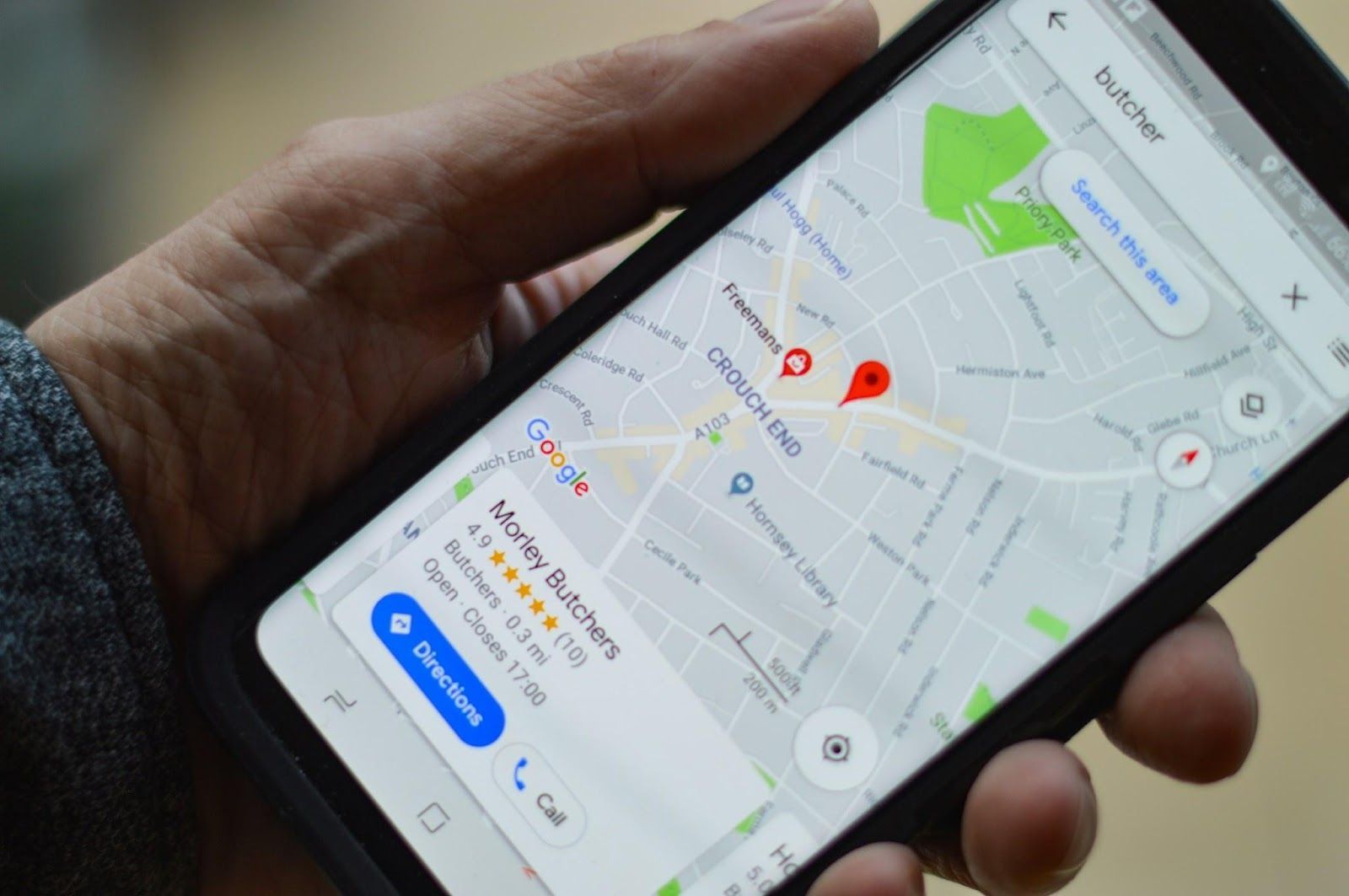
The GPS technology we all use daily on our smartphones to navigate from point A to point B was originally developed by the U.S. military. It was designed to track the position of military units and help them find their way efficiently across any terrain —much like how we use it today for civilian purposes.

3
Internet

Image: Glenn Carstens-Peters

Few technologies have become such a big part of our lives in just a couple of decades as the Internet. Its origins trace back to the 1970s, when the Defense Advanced Research Projects Agency (DARPA) created an interconnected network linking military centers to enable resource sharing.

The connection of commercial networks and enterprises by the early 1990s, along with the advent of the World Wide Web, marked the beginning of the transition to the modern Internet.

4
Walkie-talkie

Image: garrett parker

From children’s toys to invaluable communication devices used in critical situations, walkie-talkies are a common fixture in modern life. Their development during World War II has been variously credited to Donald Hings, radio engineer Alfred J. Gross, Henryk Magnuski, and engineering teams at Motorola.

Initially used by infantry, similar designs were created for field artillery and tank units. After the war, walkie-talkies spread to public safety and eventually commercial use.

5
Microwave oven

Image: Erik Mclean

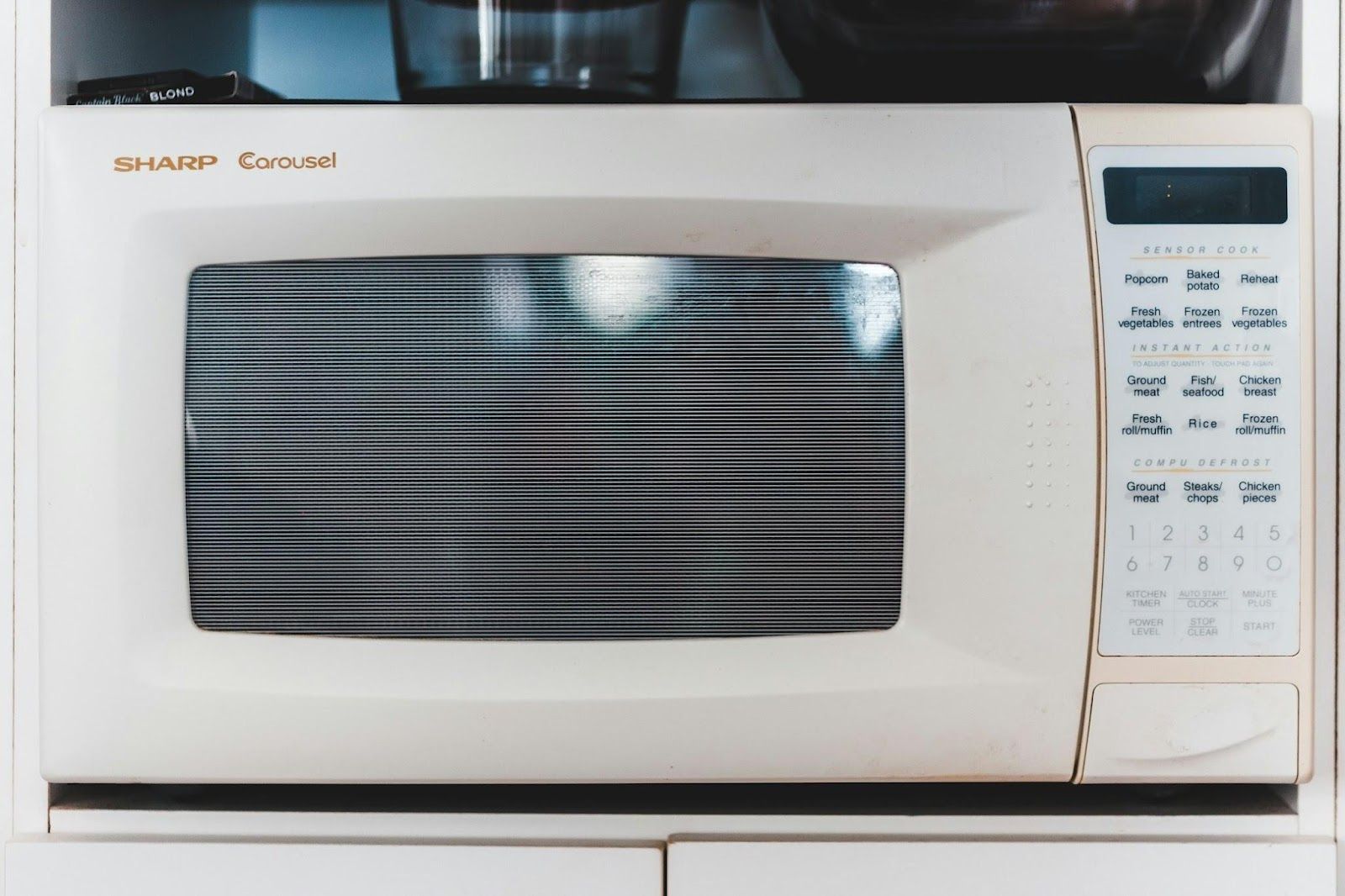
Believe it or not, microwave cooking was accidentally discovered during a military-related project just after World War II.

In 1946, Percy Spencer, a scientist working on a magnetron at Raytheon, noticed that a peanut cluster candy bar in his pocket had melted from the magnetron’s microwave radiation. Curious to experiment further, he brought in some kernels of corn and made the first-ever microwave popcorn—leading to the invention of the microwave oven.

6
Super glue

Image: Scott Sanker

In 1942, a research chemist working for a defense contractor was developing a high-precision targeting sight for weapons. Although the project didn’t produce the expected results, the resulting product was incredibly sticky , leading to the creation of the now-famous Super Glue.

7
Aviator sunglasses

Image: Griffin Wooldridge

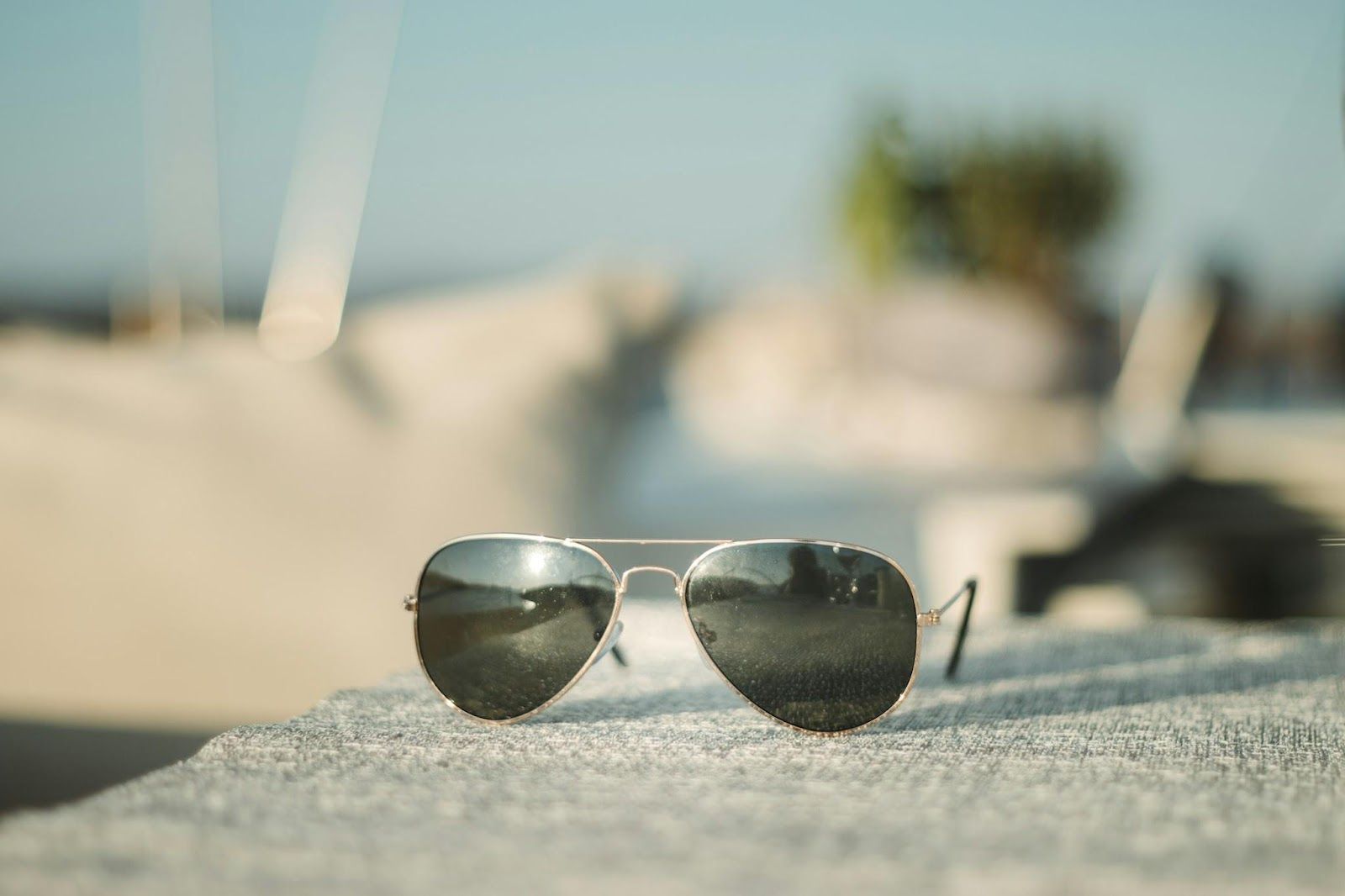
Aviator sunglasses were developed in the 1930s as a lighter alternative to the bulky goggles worn by pilots during the early years of aviation. Those goggles were heavy, uncomfortable to wear, and prone to fogging up mid-flight.

Colonel John Macready of the U.S. Army Air Corps helped develop the first set of aviator sunglasses, which became known as Ray-Bans—named for their purpose: banning the sun’s rays from a pilot’s eyes.

8
Packaged salad mixes

Image: Nathenia Landers

The bags of packaged salad mixes found at any local supermarket use "modified atmosphere packaging" to delay ripening and spoilage.

This technology was developed in the 1960s through a collaboration between Whirlpool Corp. and the U.S. Navy to send fresh lettuce and celery to troops in Vietnam .

9
Bug spray

Image: Wolfgang Hasselmann

The active ingredient in most insect repellents, known as DEET, was developed by the U.S. Army in 1946 for use by military personnel operating in insect-infested areas . The product’s success led to its commercial release.

10
Disposable sanitary pads

Image: Annika Gordon

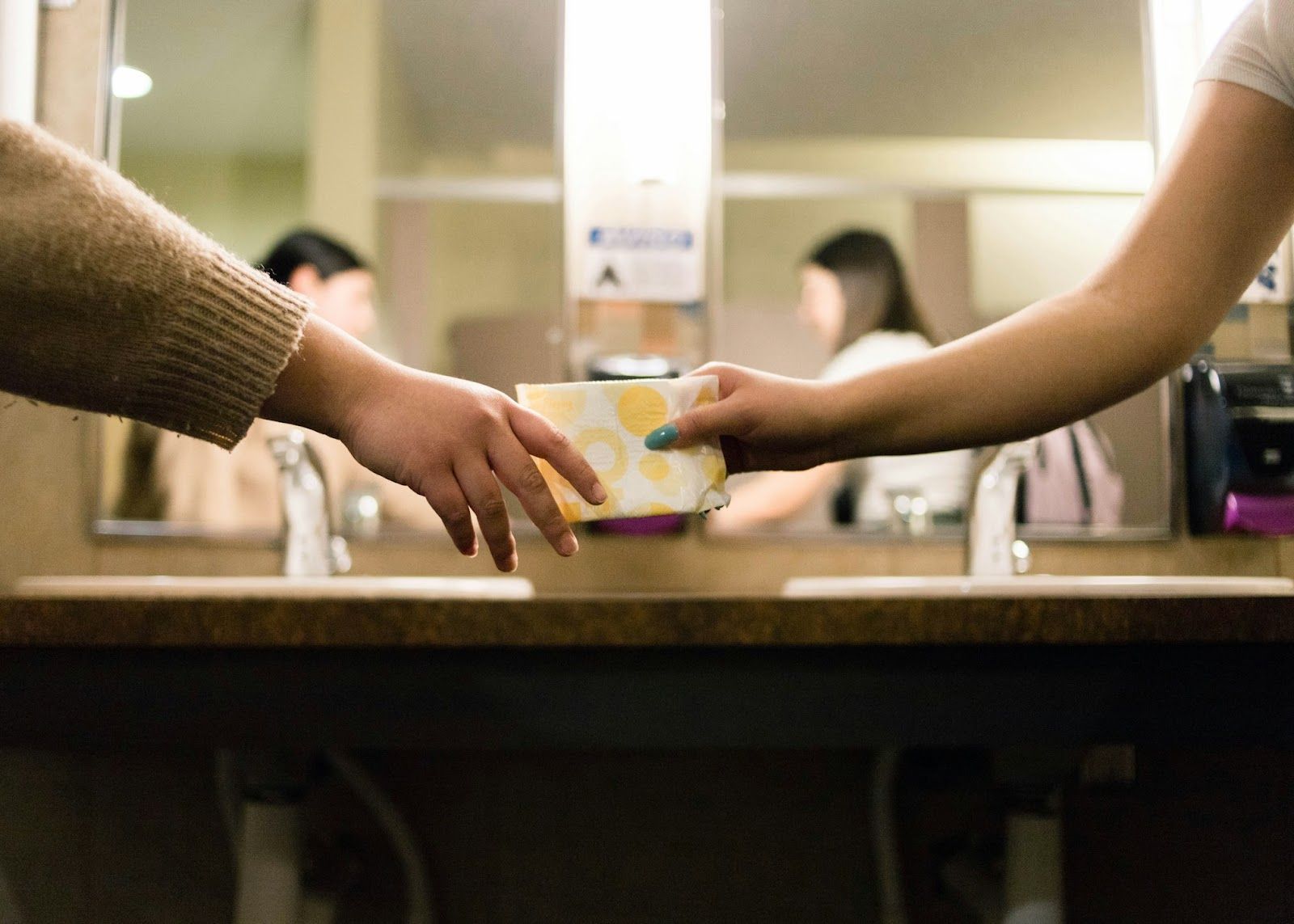
During World War I, Kimberly-Clark invented Cellucotton, a wood pulp–based material designed to be more absorbent and cost-effective for use in bandages.

After the war, the company discovered that Army nurses had repurposed Cellucotton as sanitary napkins , which inspired the creation of Kotex—the first disposable sanitary pads.

11
Frozen juice concentrate

Image: Fotografía de Alimentos

In 1942, USDA scientists developed frozen concentrated orange juice during World War II to help provide soldiers with sufficient Vitamin C . Although it was never distributed to the military, the product was later introduced to consumers by Minute Maid.

12
WD-40

Image: Daniel Campbell

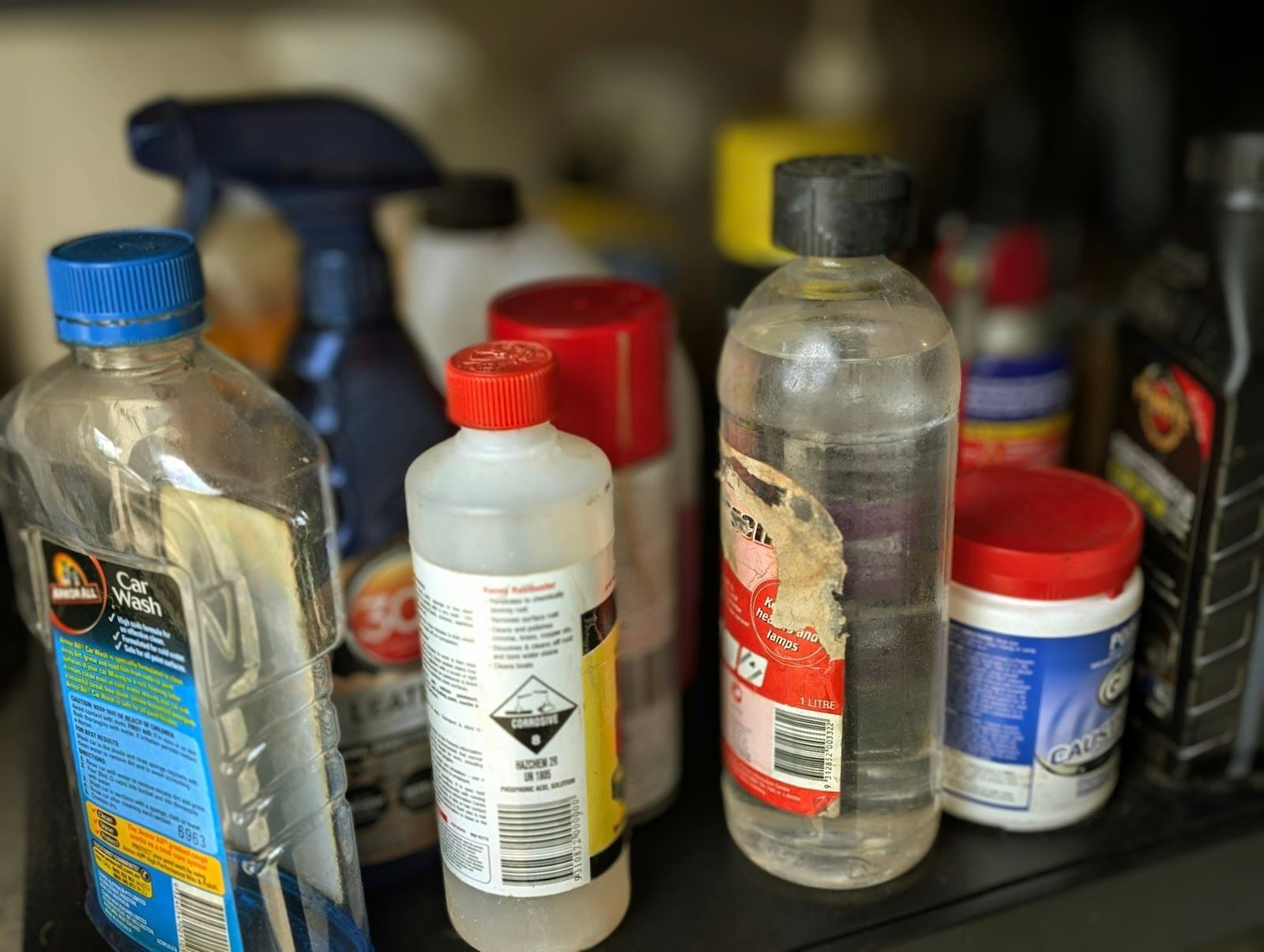
WD-40, now a common household product, was originally developed in 1953 to prevent rust and corrosion on the outer shell of the Atlas missile . Created by the Rocket Chemical Company, the name WD-40 stands for "water displacement," with the "40" representing the number of attempts it took to perfect the formula.

Geography Geography 6 min read

A BREATH OF FRESH AIR

Urban retreats: America’s most beloved city parks

Image: Emily Kessler

City parks are extremely important for communities: they encourage exercise, promote contact with nature, revitalize local economies, and, above all, they are a way to bring people together. In most U.S. cities, there are incredible parks and green spaces worth discovering. Whether you are traveling for business or pleasure, we recommend you take a little break and visit one of these 10 urban parks that make cities a better place.

1
Griffith Park, Los Angeles

Image: Venti Views

Covering over 4,000 acres, Griffith Park is one of the largest urban parks in the U.S. Located in the hillside neighborhood of Los Feliz, this park is full of natural spaces , with hiking and biking trails, picnic areas, baseball fields, tennis courts, and golf courses.

Probably the two most famous attractions in Griffith Park are the Griffith Observatory at the top of the hillside and the Hollywood Sign on the southeastern slope of Mount Lee. Griffith Park also features a number of museums and themed gardens, including the Los Angeles Live Steamers Railroad Museum, the Autry Museum of the American West, and the Los Angeles Zoo.

2
City Park, New Orleans

Image: Farah Almazouni

Imagine a spring afternoon sitting on a bench by the lagoon, in the shade of an 800-year-old oak tree, reading your favorite book. Is there a more delightful plan? This pleasant dream can come true if you visit City Park in New Orleans!

In addition to its 1,300 acres of woodlands, waterways, and wildlife, this park is full of cool attractions. From amusement and theme parks (Carousel Gardens and Storyland) to a 1930s Art Deco-influenced Botanical Garden, an art museum with 40,000 objects in exhibition, and a sculpture garden. Trust us, it's worth leaving the French Quarter for a little while to take a stroll around this majestic city park!

3
Sculpture Garden, Minneapolis

Image: Paul Esch-Laurent

Built in 1988 and spanning 11 acres, Sculpture Garden in Minneapolis is one of the top urban sculpture gardens in the country. The garden is an ongoing collaboration between the city's parks department and the Walker Art Center.

In 2017, Sculpture Garden underwent an extensive renovation. A few pieces by contemporary artists such as Theaster Gates and Katherina Fritsch were added, a former wetland was restored, and native flora was planted to help feed essential and endangered pollinators.

While most visitors are drawn to the garden's inaugural centerpiece, "Spoonbridge and Cherry," the park features 40 permanent art installations and many temporary pieces that rotate periodically.

4
National Mall, Washington D.C.

Image: Jacob Creswick

The National Mall is often considered the political heart of the United States. This landscaped park in downtown Washington, D.C., is surrounded by impressive monuments, iconic government buildings, and amazing museums. Nearly two miles long, it stretches from the Lincoln Memorial to the Capitol.

At the center of the National Mall is the Washington Monument. This obelisk, the highest point in the city, is surrounded by 56 flags representing the 50 states plus Washington D.C. and 5 U.S. territories.

Throughout this iconic park, you can also find 10 Smithsonian museums. For example, the National Museum of American History, which houses the first version of the American flag, and the National Museum of Natural History, with rooms full of dinosaurs and the Hope Diamond.

5
Forest Park, St. Louis

Image: Keran Yang

If you're looking for a peaceful place to relax after a busy day in the big city, Forest Park is the best option. It is visited by 13 million people a year for a reason! This 143-year-old park covers 1,326 acres of meadows and wetlands that are home to a great variety of birds and wildlife. It also features a six-mile bike ride, paddle boats, a golf and tennis center, an amphitheater, a skating rink, and a restaurant.

In addition, Forest Park is an important cultural hub . As well as housing the Saint Louis Art Museum, it hosts events such as the Great Forest Park Balloon Race, the Shakespeare Festival of St. Louis, and the LouFest Music Festival. But perhaps the most visited place in the park is the Saint Louis Zoo, which has a collection of 18,000 animals. It's impossible to get bored in Forest Park!

6
Balboa Park, San Diego

Image: Leslie Yu

Balboa Park is a must-see for anyone visiting the city of San Diego. This huge 1,200-acre cultural and urban park was built in 1868, making it one of the oldest public spaces in the United States. Moreover, in 1977, it was declared a National Historic Landmark.

Balboa Park's 15 museums play a predominant role in the city's cultural life. These include the Museum of Natural History, the Museum of Us, and the Museum of Art. Secondly, you can ' t miss the themed gardens, especially the Japanese Friendship Garden. Finally, the San Diego Zoo is one of Balboa Park's star attractions. This 99-acre zoo is considered one of the most important in the world, both for its diversity and its concern for the protection of animal species.

7
Golden Gate Park, San Francisco

Image: Jeffrey Eisen

Golden Gate Park is huge. At 1,017 acres, it is the largest park in San Francisco. Almost anything you can think of can be done in Golden Gate Park; from hiking and biking to disc golf and archery. But don’t worry if you are not a sports buff; this National Historic Landmark also has many relaxing spots to discover.

Some of the most interesting features you can visit are: the picturesque Dutch Windmill; the Garden of Fragrance, specially designed for blind visitors; the Japanese Tea Garden, decorated with bonsai and pagodas; or Shakespeare's Garden, with more than 200 flowers mentioned across the author’s works. Oh, and don't forget to head to the top of Strawberry Hill for an iconic view of the Golden Gate Bridge!

8
Patterson Park, Baltimore

Image: Aaron Burden

Patterson Park was once a key defense site for Americans fighting the British during the War of 1812. Today, this historic park, nicknamed "Best Backyard in Baltimore," is busy with bikers, joggers, and strollers who enjoy 137 acres of 50 different species of trees, smooth pathways, lakes, picnic areas, and sports fields.

In addition, during the summer, people can cool off in the swimming pool and, during the winter, have fun skating on the ski rink. But perhaps the park's main attraction is the Patterson Park Observatory, a gorgeous 1890s pagoda that serves as an observation tower and reflects Baltimoreans' fascination with the Orient.

9
Boston Common Park, Boston

Image: Josephine Baran

Boston Common was founded in 1634, making it the oldest public park in the United States. The site has great historical significance since many events related to American independence took place here. Today, the park is used primarily for recreational purposes and is the perfect spot to relax after a busy day.

Every spring, the famous swan-shaped boats sail away, as they have done for more than 140 years. In summer, the go-to place is the Frog Pond, which offers a refreshing wading pool for children. During winter, this same pond becomes a skating rink enjoyed by both kids and adults.

Fun fact: did you know that Boston Common sits on top of Boylston Station, the first subway station in the U.S.? Lots of "firsts" for this amazing site!

10
Central Park, New York City

Image: Michael Matloka

You may be thinking, what else can anyone tell me about Central Park that I don't already know? Yet, this city park is so iconic that it still has some secrets to reveal. For example, did you know Central Park is larger than the entire city-state of Monaco? Often referred to as "The Green Lung", this oasis in the heart of Manhattan is also the most filmed public park in the world, appearing in more than 500 movies.

With an extension of 843 acres, Central Park has a large number of attractions worth visiting, such as the Belvedere Castle, the "Imagine" mosaic, the Bethesda Fountain, the Alice in Wonderland Statue, the Central Park Zoo, lakes, 58 miles of pedestrian paths, many green areas to relax, two ice skating rinks and, in the warm season, outdoor theater and cinema. So, next time you visit New York City, you might want to check one of these out!

Explore more American facts

Choose your favorite category!

General
General

As American as apple pie—the very best America has to offer!

Culture
Culture

Delve into the astounding richness of American lore.

Geography
Geography

Hop in and explore vast and diverse American landscapes.

History
History

Discover the key moments that shaped the United States.