General General 4 min read

Haunted and happy to show it

Think you're brave? Explore these 13 haunted US spots… If you dare
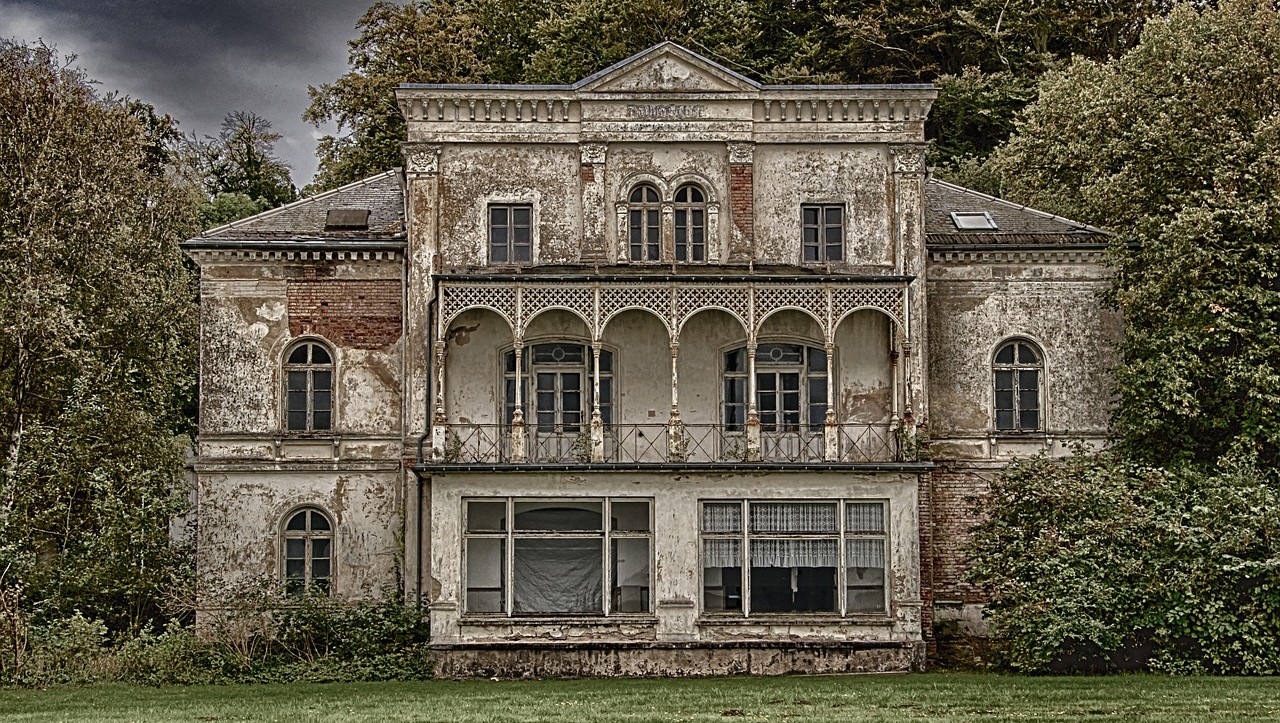
Image: Herbert Aust

If you think ghost stories are just for campfires, think again. The United States is full of places where the past still lingers, and some say the residents never really left. From historic hotels to lighthouses, these spots are brimming with charm, history, and a touch of mischief from the other side. So grab your sense of adventure, keep your camera handy, and join us for a lighthearted stroll through 13 of America’s most haunted places.

1
Bodie, California
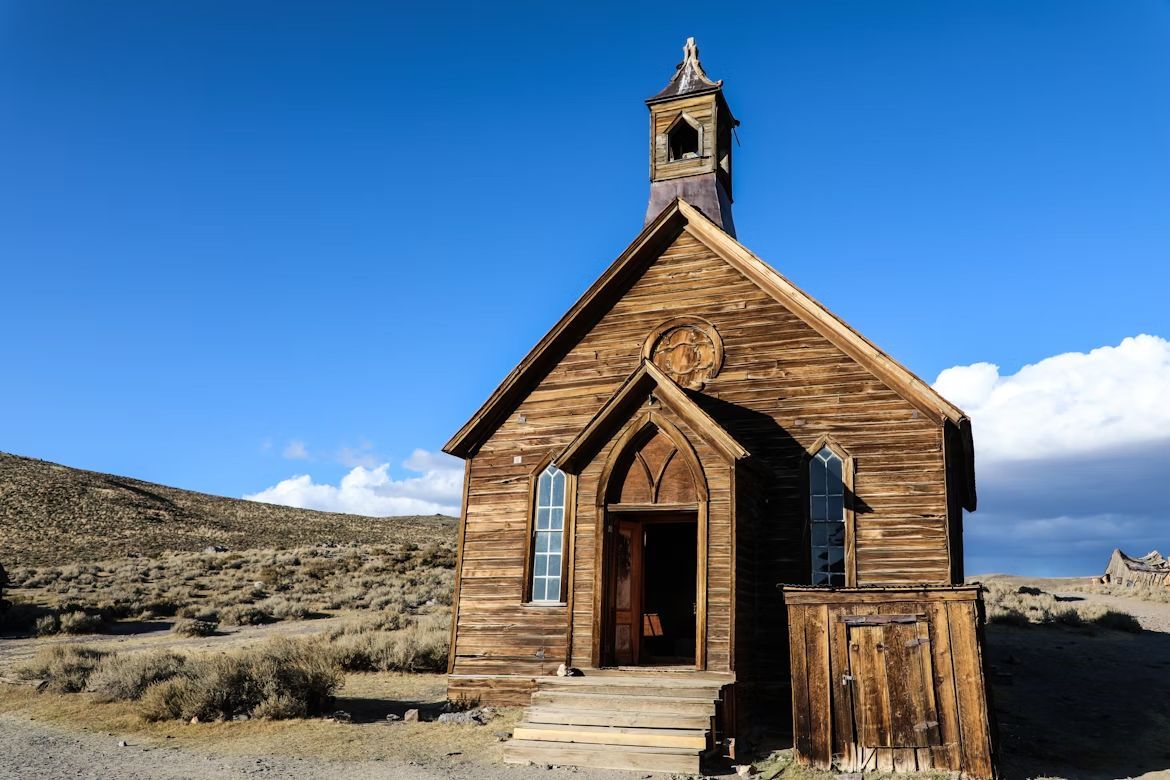
Image: Michael & Diane Weidner's profile Michael & Diane Weidner

Once a booming Gold Rush town in the late 1800s, Bodie now sits frozen in time. Visitors wander through dusty streets past old saloons and storefronts that look as if their owners just stepped out for lunch… a century ago. Locals whisper about strange sounds and ghostly piano music. And here’s a fun superstition: take anything home, even a pebble, and bad luck might just hitch a ride with you.

2
Bonaventure Cemetery, Savannah, Georgia

Image: Alla Kemelmakher

This is Southern Gothic at its finest. Towering oaks drip with Spanish moss over winding paths and Victorian monuments. Some visitors claim to have seen a little girl in a dress near a certain marble statue, while others swear they’ve heard distant laughter or the sound of dogs barking. Even if you never meet a ghost, the beauty of this historic cemetery will linger with you.

3
Crescent Hotel, Eureka Springs, Arkansas
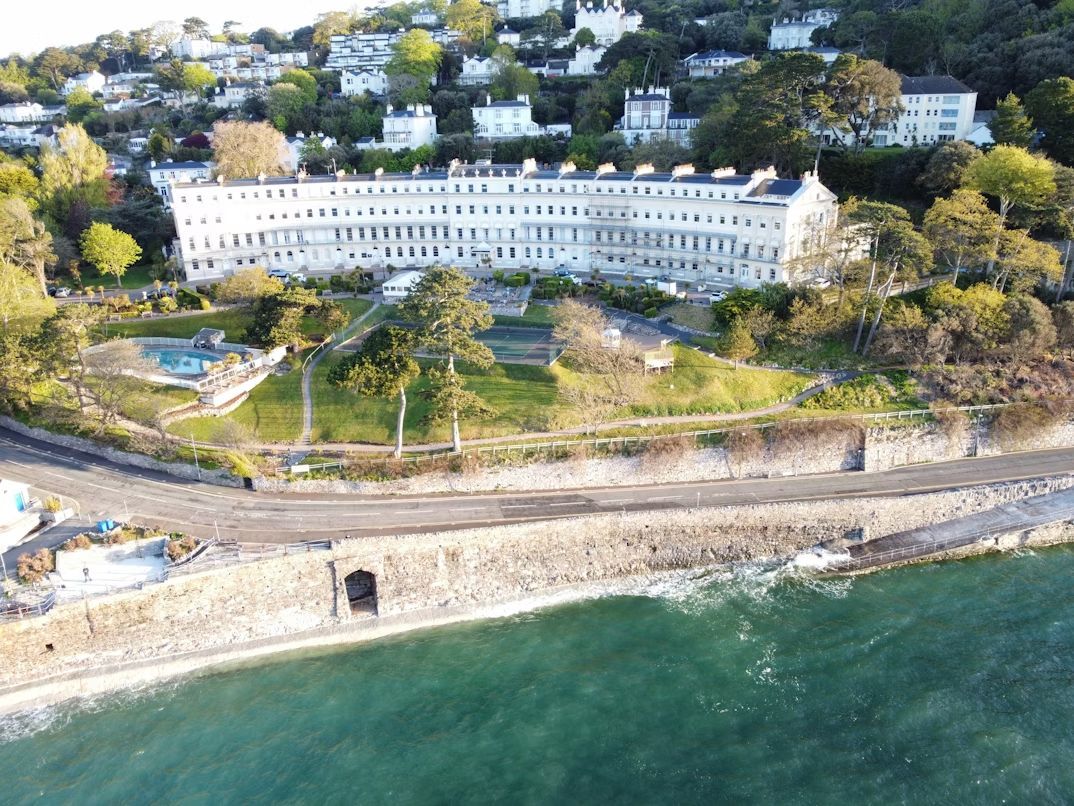
Image: Nick Elmer

Often called "America’s most haunted hotel," it’s also one of the prettiest in the Ozarks. Over its long history, it’s been a resort, a college, and even a so-called cancer hospital. Guests today report friendly phantom encounters, from a Victorian gentleman strolling the halls to a playful little girl. Whether you meet the staff or the "extra" guests, you’ll get a good story out of your stay.

4
Dock Street Theatre, Charleston, South Carolina
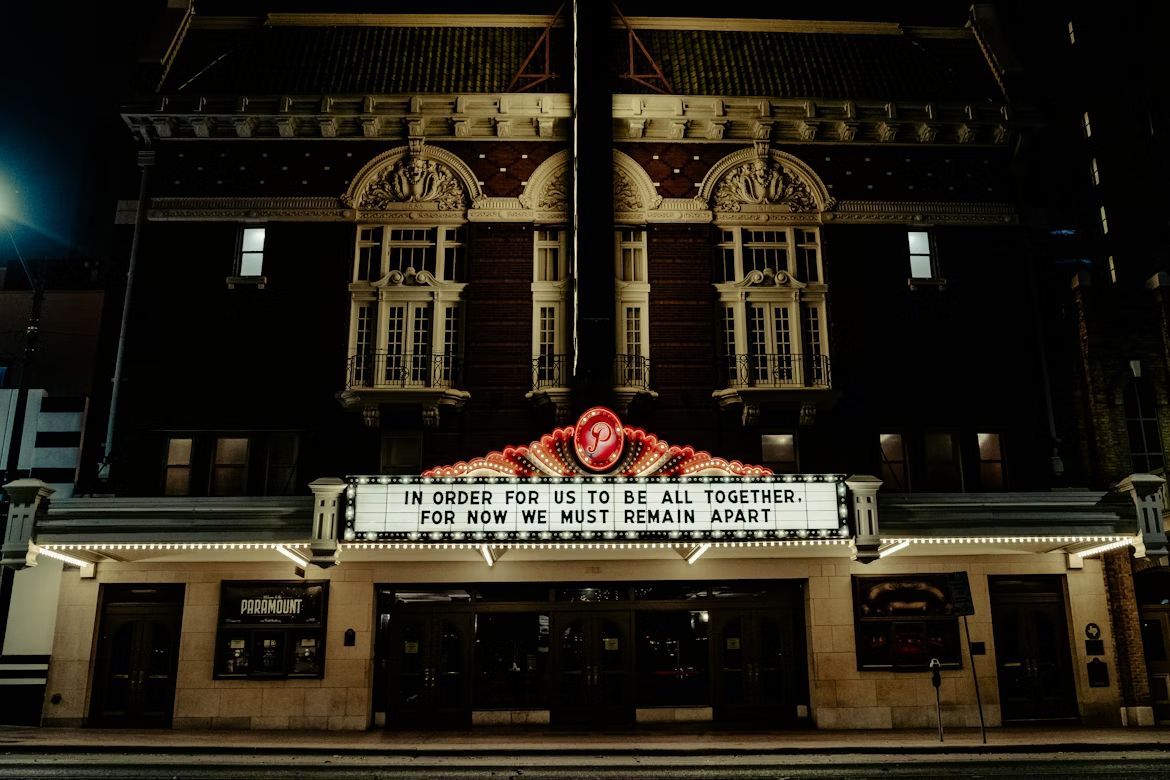
Image: Brittani Burns

Charleston is rich in history, and this theater is a key part of its story. The stage has witnessed centuries of performers, fires, and renovations. Visitors sometimes report seeing a woman in a red gown gliding across the balcony, while others hear faint footsteps backstage when no one is there. Even if you don’t believe in ghosts, the building’s charm might still sweep you off your feet.

5
The Driskill, Austin, Texas
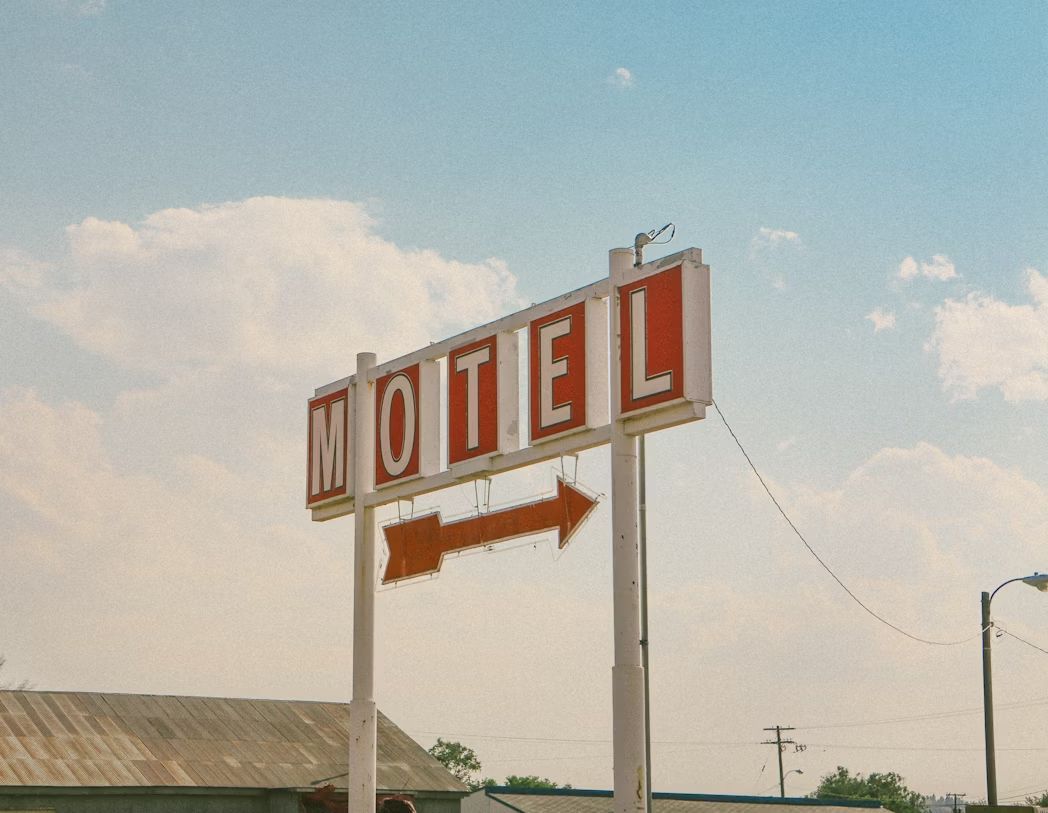
Image: Matthew Smith

This stately hotel has been greeting travelers since 1886, and some say its original owner never checked out. Guests report flickering lights, strange scents, and the occasional sighting of a figure in old-fashioned clothing. With its grand lobby and polished brass, you might just forget you came for ghost stories and stay for the atmosphere.

6
Honolulu International Airport, Hawaii
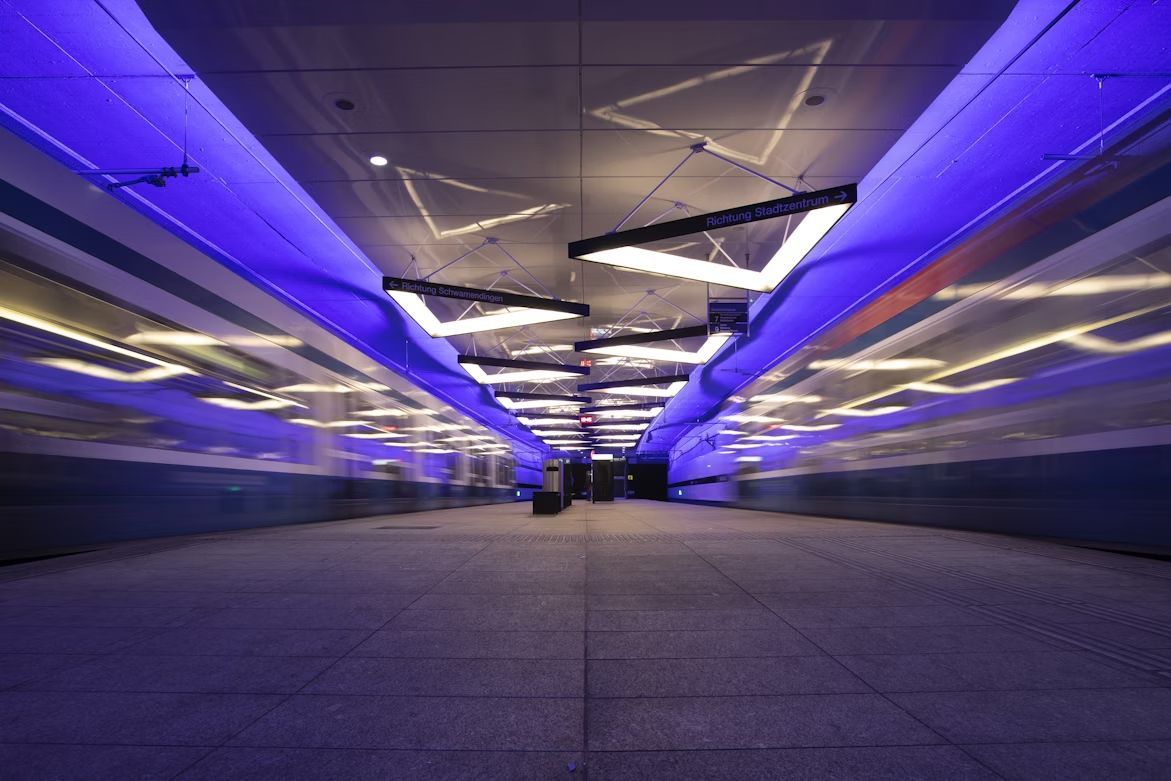
Image: Pascal Meier

Not every haunted spot is old and creaky, you know? At this busy airport, passersby tell of a "lady in waiting" seen in off-limits areas, said to be searching for a long-lost love. A few travelers have even reported toilets flushing on their own or paper rolls unraveling without help. We can say mystery flies around here!

7
Hotel Monte Vista, Flagstaff, Arizona
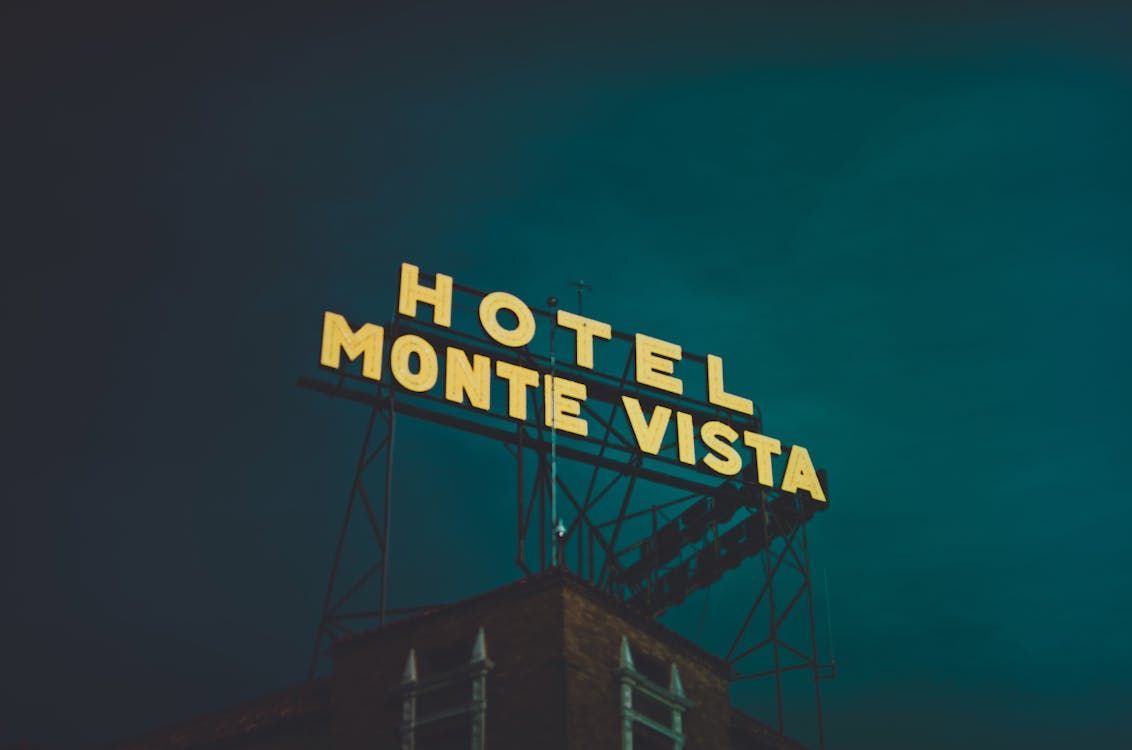
Image: Jacob

This historic hotel has welcomed movie stars and musicians, but it’s the uninvited guests that make it famous. From mysterious phone calls to the sound of a baby crying in an empty hallway, there’s never a dull moment. One legendary long-term boarder even hung raw meat from a chandelier—a story the staff still tells with a grin.

8
Lincoln Park Zoo, Chicago, Illinois
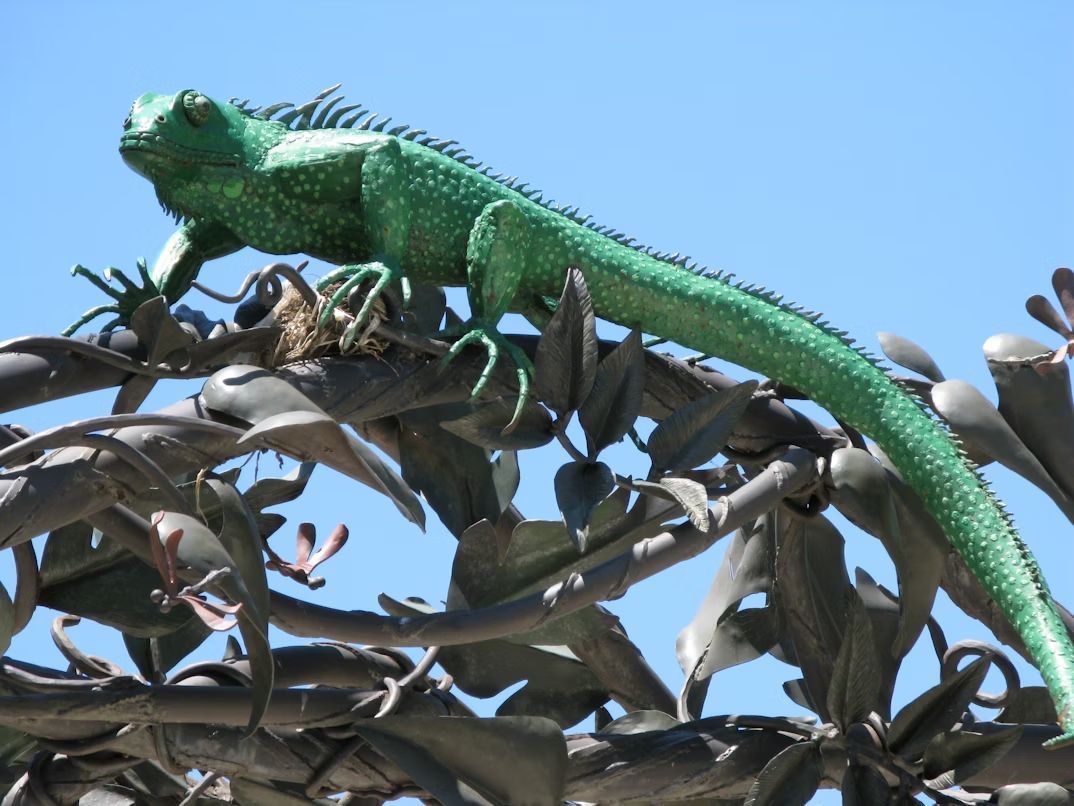
Image: Deborah L Carlson

A zoo might not seem spooky, but this one was built atop an old cemetery. Not all of the bodies were moved, and over the years, visitors have reported spotting mysterious figures or feeling sudden chills. Still, the zoo’s lush gardens and animal exhibits make it a must-see—haunted or not.

9
The Mark Twain House, Hartford, Connecticut
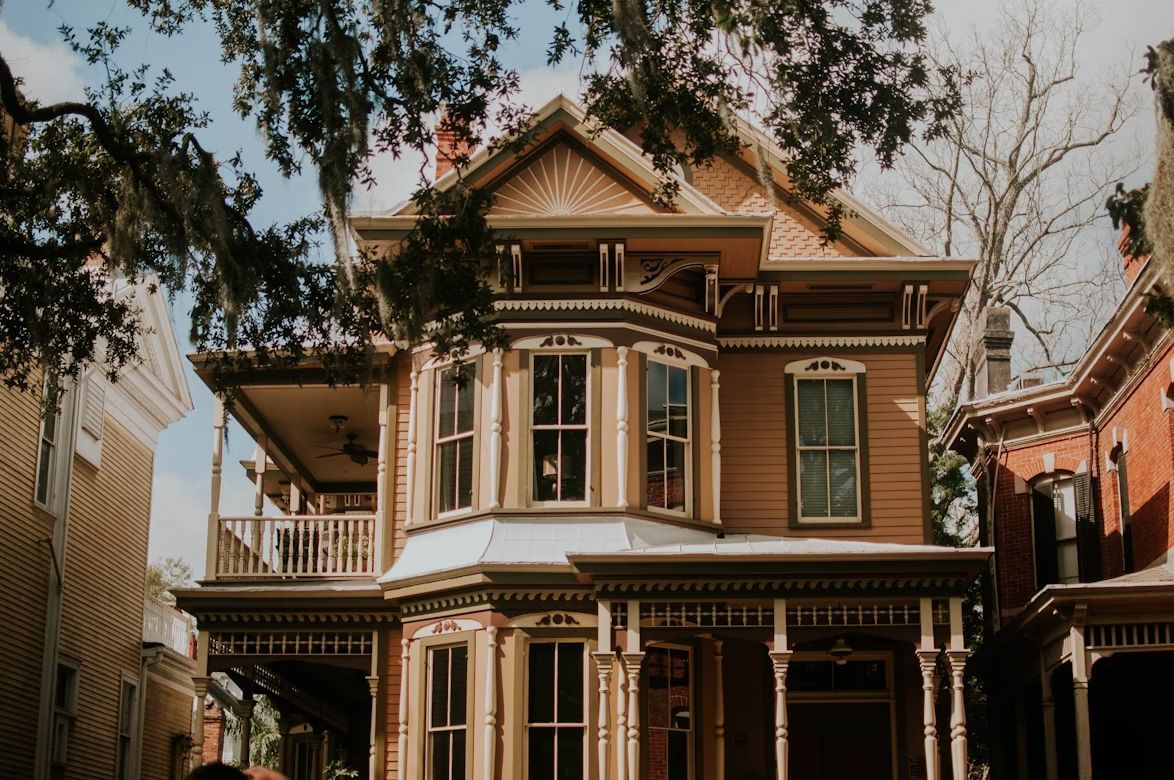
Image: Jessica Furtney

This handsome Victorian home is where Mark Twain penned some of his most beloved works. Visitors have reported faint traces of cigar smoke in the billiard room, even though smoking ended long ago. Others claim to have seen a lady in white near the stairwell. History buffs will appreciate the house’s charm, ghost or no ghost.

10
Pittock Mansion, Portland, Oregon
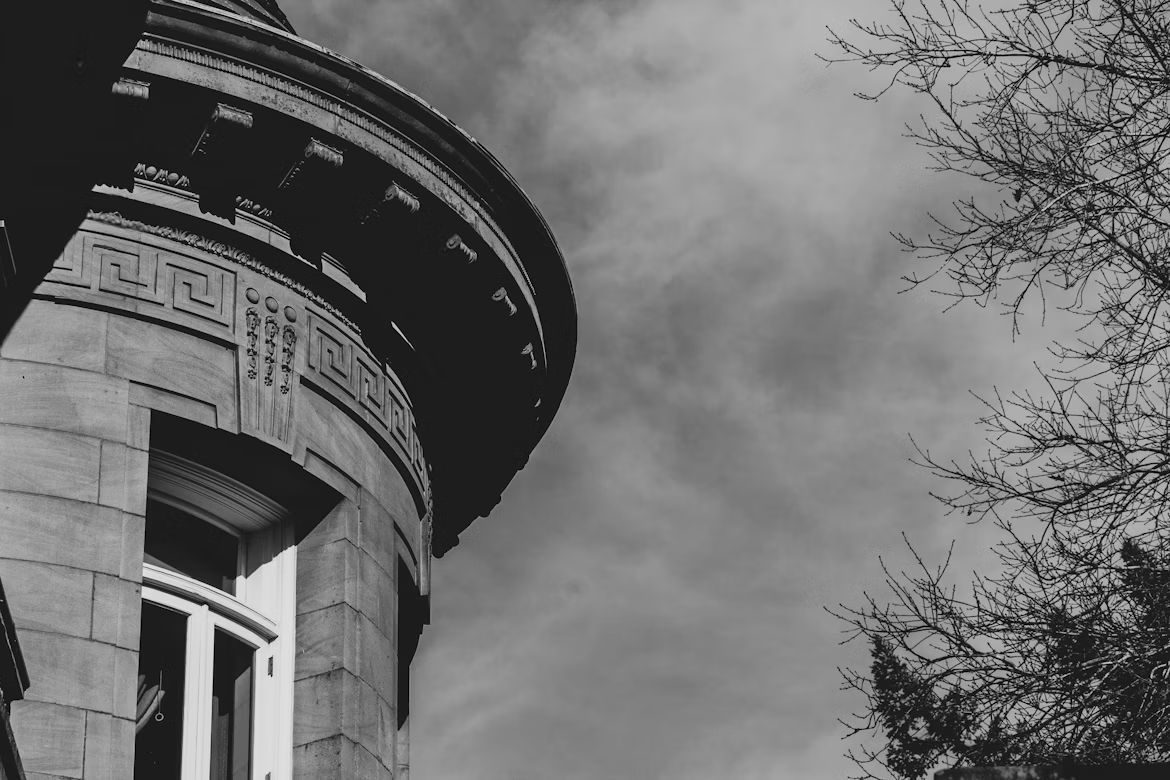
Image: Sean Benesh

Built by a wealthy couple with big dreams, this mansion boasts sweeping views and fine craftsmanship. Sadly, the owners lived there for only a few years before passing away. Tour guides say the scent of roses sometimes fills the air when no flowers are in sight, and a certain painting is said to move on its own.

11
St. Augustine Lighthouse, Florida
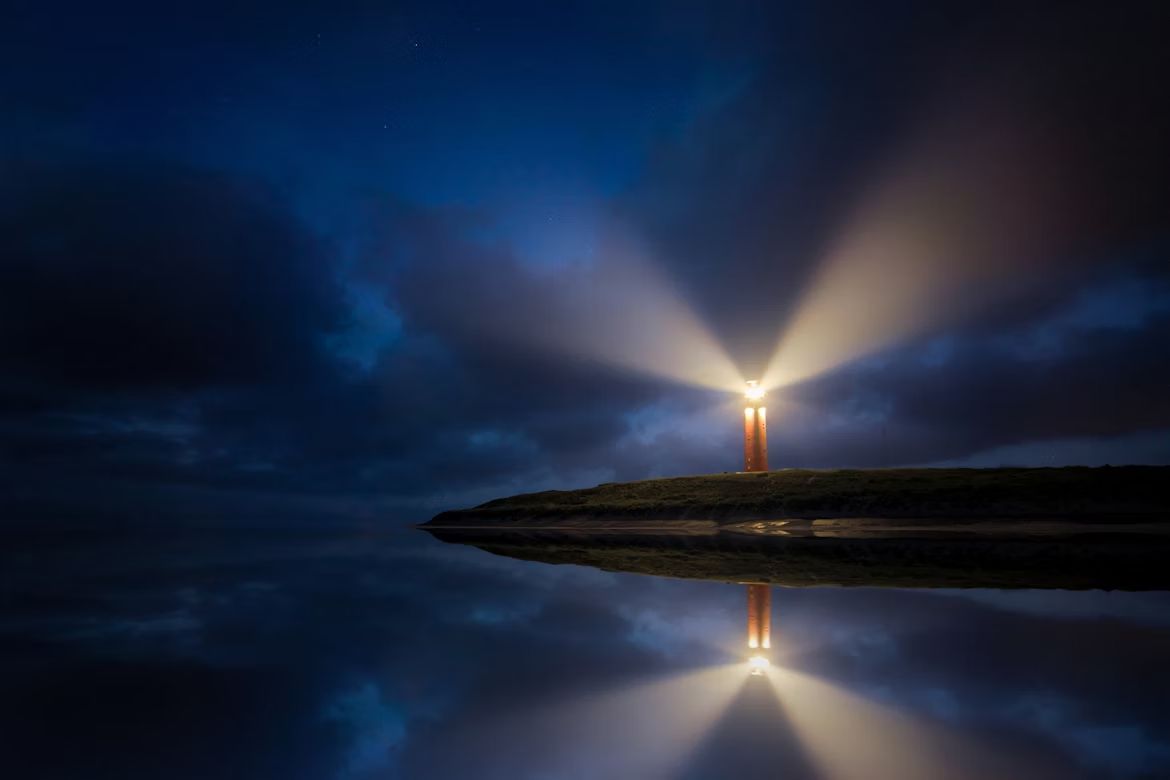
Image: Evgeni Tcherkasski

Perched on the coast, this lighthouse has been guiding ships since the 1800s. Some visitors report hearing the giggles of children playing or catching sight of a figure high in the tower. Even without the ghost tales, the view from the top is worth every step.

12
Trans-Allegheny Lunatic Asylum, Weston, West Virginia

Image: Andy Li

With its massive stone walls and sprawling grounds, this former asylum looks straight out of a movie set. Once home to thousands of patients, it’s now a historic site where tour guides share both medical history and lighthearted ghost tales. Maybe you’re in it for the architecture, or maybe it’s the stories. Whatever draws you in, it’s a fascinating place to explore.
General General 4 min read

Bizarre legal disputes that reached the United States Supreme Court

America's weirdest Supreme Court cases: When justice gets strange

Image: Tim Mossholder

The Supreme Court typically handles weighty constitutional matters, but sometimes the cases that reach our highest court are just plain bizarre . From flying chickens to psychic predictions, these ten real cases prove that truth is definitely stranger than legal fiction. Let's dive into some of the oddest disputes that actually made it all the way to the Supreme Court.

1
The case of the suicidal chickens (1932)

Image: Ben Moreland

In A.L.A. Schechter Poultry Corp. v. United States, a Brooklyn, New York poultry dealer found himself in hot water for selling "unfit chickens" and violating New Deal regulations. The case became known as "the sick chicken case" because Schechter was accused of selling diseased birds that should have been condemned .

The Supreme Court ultimately ruled in favor of the chicken seller, striking down key portions of FDR's National Industrial Recovery Act. The justices decided the federal government had overstepped its authority in regulating local businesses.

2
The tomato identity crisis (1893)

Image: Avin CP

Nix v. Hedden asked the Supreme Court to settle a burning question: Is a tomato a fruit or a vegetable? This wasn't just philosophical pondering—tariff laws taxed vegetables but not fruits, so there was serious money at stake for New York importers bringing tomatoes into the country.

The Court unanimously decided that tomatoes are vegetables for legal purposes, even though botanically they're fruits.

3
The stripper and the sales tax (1991)

Image: Eric Nopanen

In Barnes v. Glen Theatre, Inc., the Supreme Court had to decide whether nude dancing qualified as protected expression under the First Amendment . An Indiana law required dancers to wear at least pasties and a G-string, and adult entertainment establishments in South Bend challenged this as censorship.

The Court ruled 5-4 that states could require minimal clothing without violating free speech rights. Chief Justice Rehnquist argued that the law wasn't targeting expression but public nudity itself. The dissenting justices felt this was government overreach into artistic expression, making this one deeply divided decision about very little clothing.

4
The prisoner who sued over chunky peanut butter (2011)

Image: The Design Lady

Michigan inmate Robert Procup filed a lawsuit that eventually reached consideration by the Supreme Court, claiming that being served chunky peanut butter instead of smooth violated his rights . He argued this constituted cruel and unusual punishment because he had digestive issues and his religious beliefs required smooth spreads.

The Court declined to hear the case, letting lower court rulings stand that dismissed his claims. While prisoners do have constitutional rights, the justices apparently felt that peanut butter texture preferences didn't rise to that level.

5
The monkey selfie dispute (2018)

Image: Jamie Haughton

In Naruto v. Slater, a macaque monkey in Indonesia took selfies with a photographer's camera, sparking a bizarre copyright battle that reached federal courts. PETA sued on behalf of the monkey, arguing that Naruto owned the copyright to his own selfies, while California photographer David Slater claimed ownership.

The Supreme Court declined to hear the appeal, letting stand the lower court's ruling that animals cannot own copyrights under U.S. law. The case was eventually settled, but it raised fascinating questions about who owns creative works when the "creator" isn't human.

6
The psychic and the IRS (1986)

Image: Ksenia Yakovleva

In United States v. Zolin, the case involved a psychic in California who claimed the Church of Scientology had tampered with evidence. But the real weird twist was that it raised questions about attorney-client privilege when the communication involved potential criminal activity —in this case, schemes discussed during what were supposedly confidential legal meetings.

The Court established the "crime-fraud exception" to attorney-client privilege, ruling that lawyers can't help clients plan crimes and then hide behind confidentiality.

7
The case of the stubborn mule (1842)

Image: Jeff King

Swift v. Tyson didn't actually involve a mule, but it dealt with commercial disputes in New York that were about as exciting as watching one stand still. A man bought some land using a promissory note, but the land deal turned out to be fraudulent, and he didn't want to pay.

The Supreme Court created the "Swift doctrine," which allowed federal courts to ignore state court decisions in certain commercial cases. This ruling stood for almost 100 years before being overturned .

8
The singing telegram drama (1988)

Image: Vitaly Gariev

Hustler Magazine v. Falwell stemmed from a parody ad suggesting Virginia televangelist Jerry Falwell's "first time" was with his mother in an outhouse . Falwell sued for emotional distress, arguing the fake interview was defamatory and intentionally hurtful, seeking millions in damages.

The Court ruled 8-0 that parody and satire about public figures are protected speech, even when offensive and outrageous. Chief Justice Rehnquist wrote that public figures can't recover damages for emotional distress without proving actual malice.

9
The hotel that discriminated against dogs (1964)

Image: fatty corgi

In Heart of Atlanta Motel v. United States, a Georgia motel owner challenged the Civil Rights Act, claiming the government couldn't force him to rent rooms to Black customers. While the racial discrimination was a serious issue, the owner's backup argument was truly bizarre: he claimed interstate commerce laws didn't apply because his guests' dogs didn't cross state lines .

The Supreme Court unanimously upheld the Civil Rights Act, rejecting all the motel's arguments, including the dog defense. This landmark case confirmed that businesses serving interstate travelers couldn't discriminate, regardless of where anyone's pets came from.

10
The battle over raisins (2015)

Image: Karyna Panchenko

Horne v. Department of Agriculture involved California raisin farmers who refused to surrender part of their crop to a government "raisin reserve" designed to stabilize prices . The farmers argued this was an unconstitutional taking of private property without just compensation, turning dried grapes into a constitutional matter.

The Court ruled 8-1 in favor of the raisin farmers, saying the government can't just seize personal property without paying for it, even if the goal is market stabilization. This case about wrinkled grapes actually reinforced important Fifth Amendment protections. Sometimes defending your raisins means defending everyone's property rights.

Culture Culture 4 min read

Where did RadioShack go?

From Blockbuster to Pan Am: Remember these 10 giants no longer around?

Image: Sean Benesh

It can be hard to imagine a giant falling, but it happens more often than we might think. Huge companies with thousands of employees, stores across the world, and solid reputations file for bankruptcy every year—some with a loud bang, while others fade away quietly after a long decline. You will likely recognize the following ten names. These companies were once everywhere, only to one day vanish into thin air. Some are gone for good, some were absorbed by other corporate giants, and some still exist but only as a tiny fraction of what they used to be. Do you miss any of these brands?

1
Pan Am

Image: Rob Wilson

If a single name were to represent the airline industry in the 20th century, it would most likely be Pan Am. Founded as Pan American Airways in 1927, the company became an American icon , known for its many airline innovations , its distinctive blue logo, and the crisp white uniforms of its staff.

However, when the airline industry was deregulated in 1978, increased competition set the stage for Pan Am’s downfall. The company declined throughout the 1980s and ultimately declared bankruptcy in 1991.

2
Borders

Image: Araix Rand

Its huge stores were havens for book lovers, who could spend hours wandering its aisles, browsing and perusing its vast catalog of books , magazines , CDs , and more. But, alas, none of these stores had been profitable since the mid-2000s.

In 2011, after the company filed for bankruptcy, every single store was closed. Its trademarks were later purchased by its prominent rival, Barnes & Noble.

3
Circuit City

Image: Austin Distel

Starting its life as Wards Company in 1948, Circuit City became one of America’s most recognizable brands in the consumer electronics retail business . However, the turn of the century brought significant changes and financial difficulties, ultimately leading the company to file for bankruptcy in 2008.

4
Tower Records

Image: Lucía Garó

In a similar vein to Borders, Tower Records was a haven for music lovers who enjoyed the vast selection of music available in its stores. And, much like Borders, music stores have largely gone the way of the dodo.

Managerial blunders and the rise of internet piracy contributed to the company filing for bankruptcy twice—first in 2004 and again in 2006. Its assets were sold at auction to Great American Group, and the last store closed in December 2006.

5
Trans World Airlines (TWA)

Image: Ross Parmly

Pan Am was not the only major airline to disappear. The once-powerful TWA met the same fate, operating from 1930 until it was acquired by American Airlines in 2001 . It was once one of the "Big Four" domestic airlines in the United States, alongside United, Eastern, and the aforementioned American.

6
Blockbuster

Image: Bruno Guerrero

Another demise that hit hard for loyal customers was Blockbuster. While the VHS rental behemoth dominated the market throughout the ’90s and early 2000s —with over 9,000 stores and 84,000 employees—the lethal combination of the internet and piracy proved too much to withstand. As a result, the company gradually closed nearly all its stores, leaving only one remaining today in Bend, Oregon.

7
Amoco

Image: Markus Spiske

The first name on this list to disappear not due to financial difficulties but because of a merger, Amoco was a giant in the oil and gas industry. Founded in 1910, it became the largest natural gas producer in North America by the late ’90s .

In 1998, it merged with British Petroleum in a $61 billion deal. Existing service stations were rebranded under the BP name, and the Amoco brand gradually faded from view.

8
Compaq

Image: ThisisEngineering

In the ’90s, Compaq was a major player in the computer industry and, at one point, the largest supplier of PC systems in the US . However, as the century came to an end, lower-cost competitors like Dell began attracting consumers and chipping away at Compaq’s market share. In 2002, the company merged with Hewlett-Packard, and the Compaq name gradually faded away.

9
Woolworths

Image: Kay Enn

The original five-and-dime store, Woolworths, was a pioneer in the retail industry in the late 1800s . It managed to survive—and even thrive—through most of the 20th century, but by 1989, it had entered a steady decline.

Following a 1993 restructuring that led to the closure of half its 800 stores, the rest gradually shut down. While the Woolworths retail brand and name have disappeared, the company rebranded as the Venator Group in 2001 and shifted its focus to its footwear division. Today, you might know it as Foot Locker.

10
Howard Johnson’s

Image: Francesca Saraco

The last name on our list is a familiar one, especially to travelers. The iconic Howard Johnson’s began as a single ice cream stand outside Boston, Mass., before expanding to over 1,000 restaurants. In the 1950s, the chain introduced motor lodges at nearly 300 of its locations.

Howard Johnson’s was sold to Marriott in the 1980s, and most of its restaurants gradually shut down. The last remaining location, in Lake George, N.Y., closed its doors in 2017.

Explore more American facts

Choose your favorite category!

General
General

As American as apple pie—the very best America has to offer!

Culture
Culture

Delve into the astounding richness of American lore.

Geography
Geography

Hop in and explore vast and diverse American landscapes.

History
History

Discover the key moments that shaped the United States.