History History 3 min read

Homebrewed ingenuity

The weirdest things Americans once thought were great ideas

Image: Johnny Briggs

From genuine problem-solving to baffling overengineering, American inventors have produced some truly strange creations. From electric spoons to fragile glass instruments, many of these bold designs were patented, tested, or even briefly sold. Below are 10 inventions that prove innovation isn’t always a hit—even when it comes from brilliant minds.

1
The horse diaper

Image: Lucia Macedo

Designed to catch manure in crowded cities—a problem once so severe that it shaped public infrastructure as well as the entrances to houses—the horse diaper was an invention meant to be strapped beneath working horses pulling carts and carriages.

The idea was to reduce disease and street filth during the horse-powered urban era. While the device saw limited use before automobiles rapidly replaced horses, similar designs are still occasionally used in modern veterinary practice.

2
The baby cage
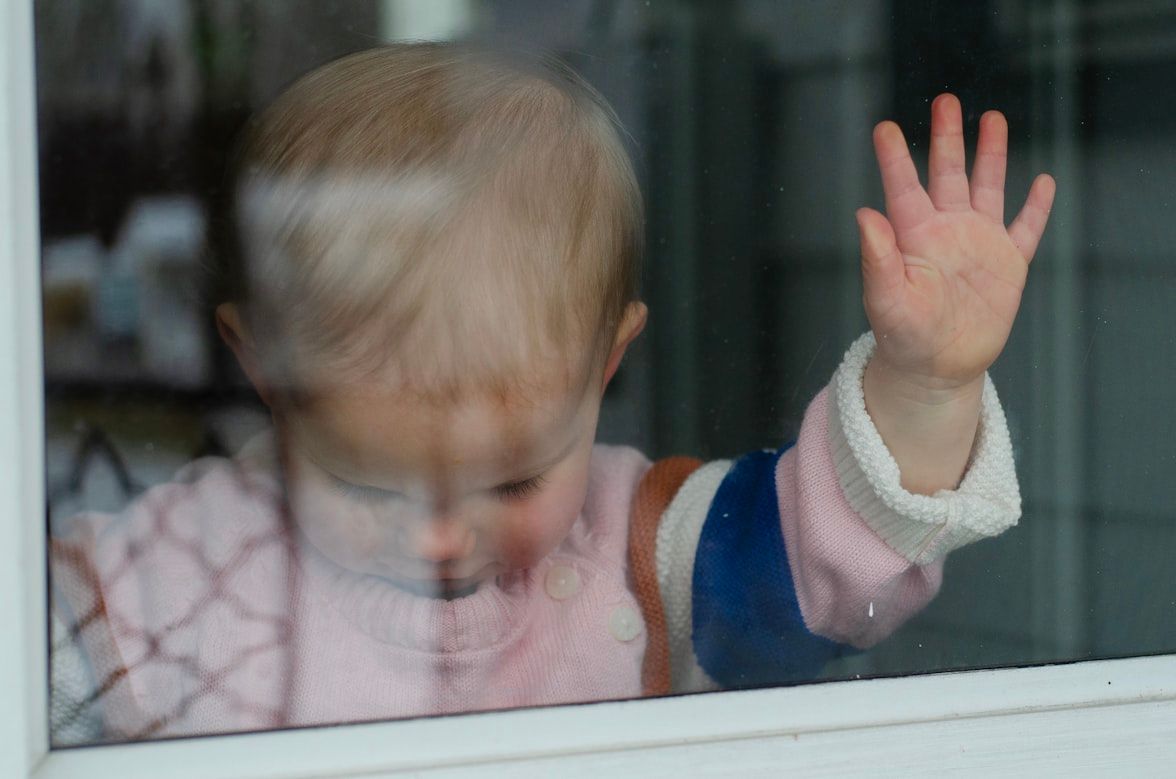
Image: Taylor Flowe

Built as wire cages attached to apartment windows, so-called "baby cages" allowed infants to get fresh air when outdoor space was unavailable. Some models were guaranteed to safely hold over 30 pounds.

While alarming today and ultimately abandoned due to obvious safety concerns, the designs likely inspired some of the baby-proofing nets used today.

3
The pneumatic subway

Image: Eddi Aguirre

In the late 1860s, American entrepreneur and inventor Alfred Ely Beach set out to prove the feasibility of a human-sized pneumatic subway system beneath New York City, capable of moving both people and cargo using nothing more than air pressure.

The prototype was set up as a public attraction and carried passengers along a tunnel just over 300 feet long, from a station to a dead end. Despite its initial success, bureaucratic obstacles and high costs halted expansion, leaving it as a functional but largely forgotten underground experiment.

4
The mechanical horse

Image: Gabriel Tovar

Created for exercise and riding practice, the mechanical horse used a system of gears, cranks, and pedals to simulate walking and trotting motions while the rider sat in a saddle-like seat. It was marketed to urban riders and cavalry trainees who lacked access to stables or live horses.

Though bulky and impractical for widespread use, the device anticipated modern fitness machines by replicating real-world movements for conditioning and skill retention, rather than simple repetitive exercise.

5
The first metal detector

Image: Fer Troulik

After a failed assassination attempt on President James Garfield, Alexander Graham Bell hastily built an early metal detector in an effort to locate the bullet lodged in his body. The device functioned as intended, but it was unable to find the bullet because metal bed springs interfered with the signal.

Despite this setback, Bell’s early design proved the concept and directly influenced the development of modern metal detectors.

6
The pet-powered butter churn
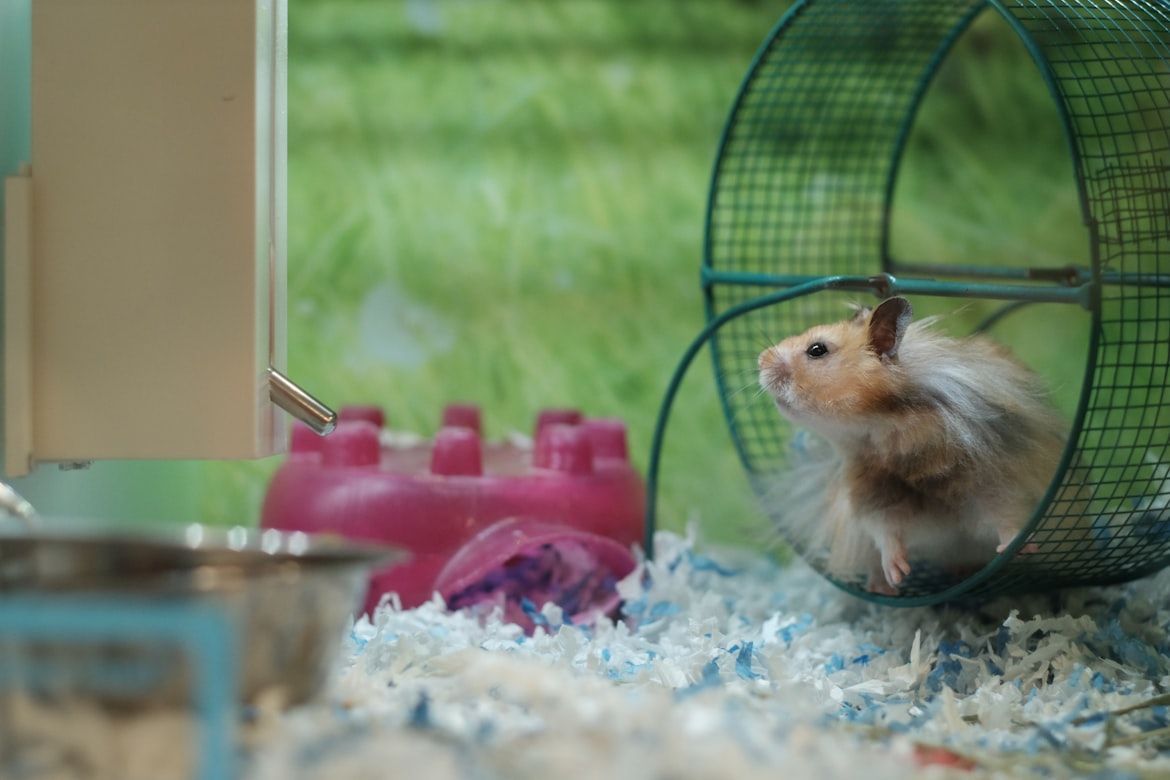
Image: Matt Bero

In an inventive twist on animal-powered machinery, some 19th-century American farmers rigged small treadwheels for dogs, cats, or even goats to generate kinetic energy for churning butter. The animal ran inside the wheel, turning a rope or pulley connected to the churn.

While technically functional, the system was limited by the animal's willingness to cooperate and the small amount of power it generated.

7
The umbrella hat

Image: Claudio Schwarz

Robert W. Patten, often called the "Umbrella Man," patented one of the first commercially successful hands-free umbrella hats. It strapped a small umbrella directly to the wearer’s head, providing both sun and rain protection while keeping the hands free for work or walking.

His original design even included a mosquito net attached to the canopy. Patten didn’t enjoy much commercial success but became somewhat of an eccentric and comical popular figure, partly due to a series of comics that were inspired by his unusual invention.

8
The one-wheel motorcycle

Image: CJ Toscano

In 1971, American inventor Kerry McLean built and refined a monowheel—a one‑wheeled motorized vehicle in which the rider and engine sit inside the wheel’s circumference.

Since then, various attempts have been made to build on his original design, but it remains a niche vehicle used primarily for entertainment rather than practicality, as riders must be highly skilled simply to turn or even stay upright.

9
The first talking doll
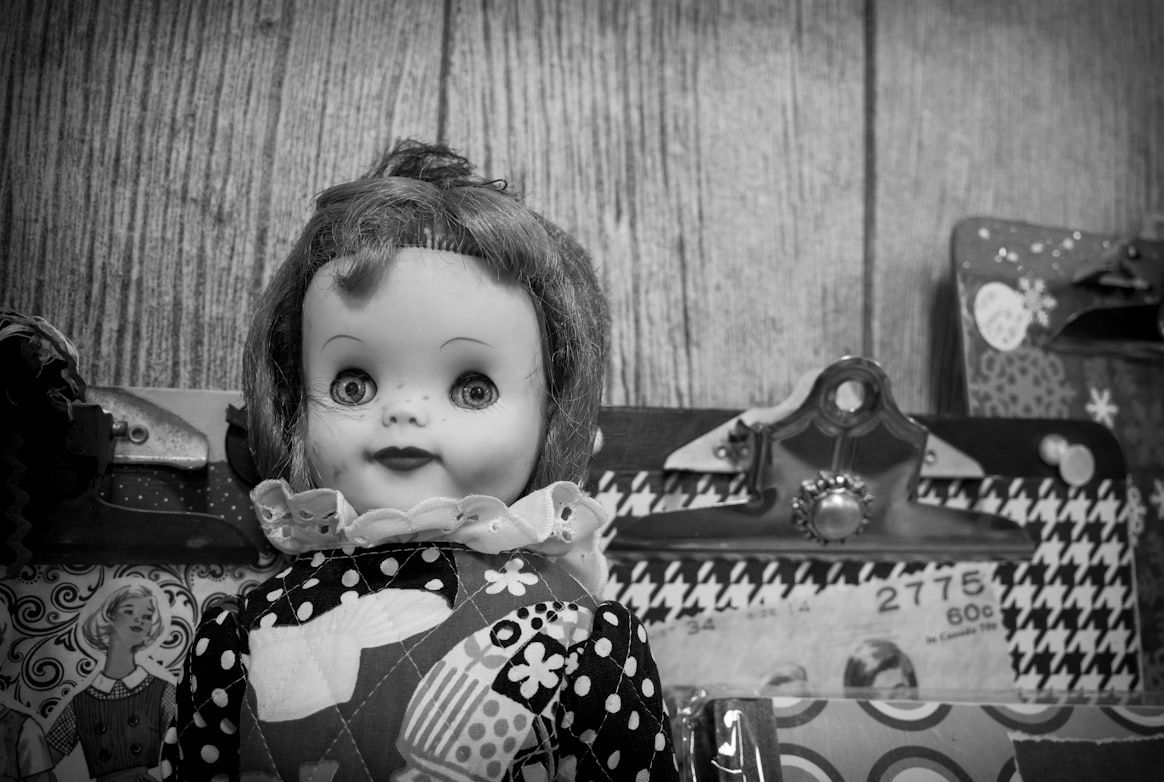
Image: Holly Ward

In 1890, Thomas Edison embedded miniature versions of one of his most popular inventions —the phonograph—inside dolls so they could recite nursery rhymes.

While the idea was innovative, the technology was not yet there. The recordings were fragile, distorted, and often failed to work properly. The dolls were pulled from the market within weeks due to customer complaints, making it one of Edison’s rare commercial failures.

10
The glass harmonica
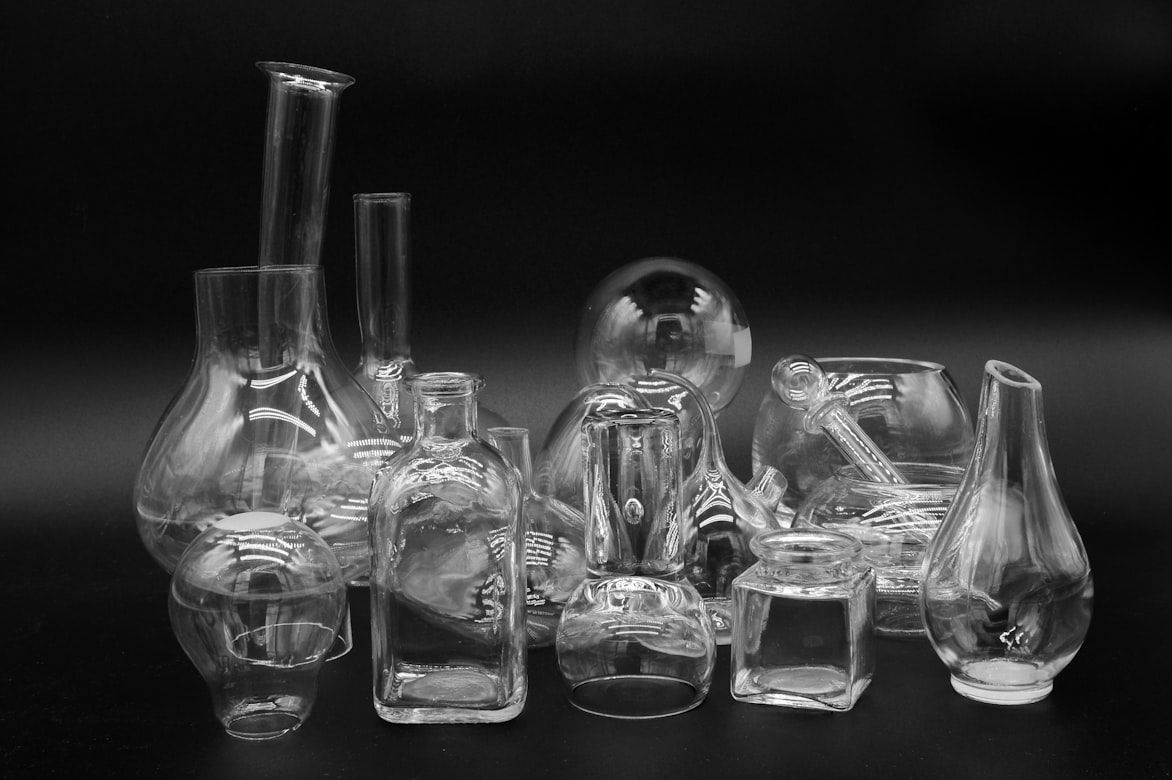
Image: Francesco Bovolin

Faithful to his eccentricity and inventive spirit, Benjamin Franklin redesigned the existing glass harp into a rotating spindle of glass bowls, played by touching the spinning rims with wet fingers, which he called the "glass harmonica."

The instrument produced eerie, sustained tones unlike anything else of its era. However, its fragile nature made it somewhat impractical, and the rotating mechanism posed a potential danger to the player if anything went wrong.
General General 4 min read

Meet your local fauna

Which animals can only be found in North America? 11 native species

Image: Tracy Jentzsch

In today’s globalized world, we sometimes forget that many animal species are native to a specific region , despite having been introduced to other habitats. Some of these species seamlessly adapt to their new environments with minimal to no negative impact, but many become invasive, disrupting ecosystems and preying on native fauna and flora. North America’s ecosystems have their fair share of native species that have become so familiar worldwide that their origins are often overlooked. Here are 11 species that originated in North America!

1
American Alligator

Image: Joshua J. Cotten

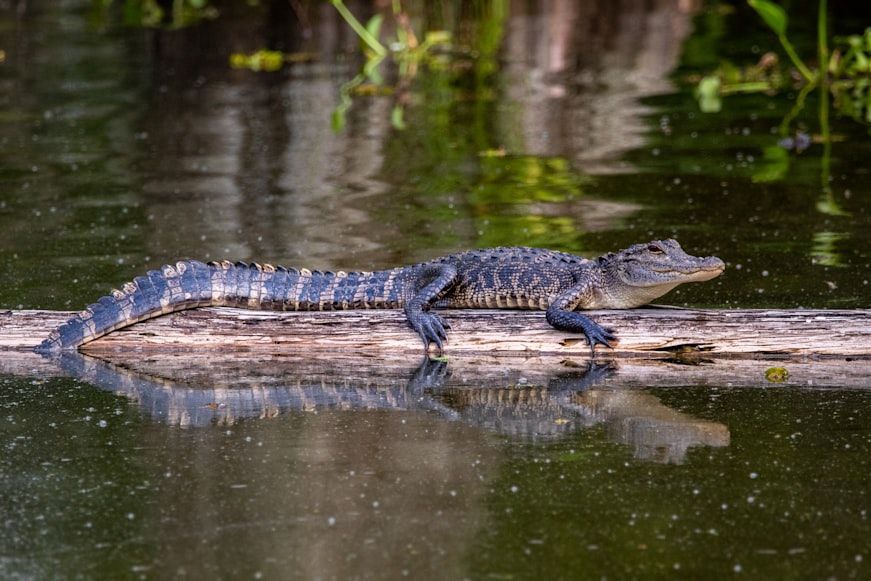
Did you know that American alligators are one of only two alligator species in the whole world ? China is the only other place with an alligator species, the Chinese alligator. Often confused with their relatives, the crocodiles and the caimans, alligators can be differentiated by the shape of their teeth, their round snouts, their darker color, and their preference for freshwater habitats. An inhabitant of tropical and subtropical wetlands, the American alligator can be found throughout the Southeastern U.S.

2
Nene

Image: Lyle Wilkinson

Also known as the Hawaiian goose, this bird can only be found in its wild state across the islands of Maui, Kauaʻi, Molokai, and Hawaiʻi . Believed to be distantly related to the Canada goose, the nēnē is considered the rarest goose species in the world and is a protected species. Thanks to successful conservation efforts, it has been reclassified from endangered to near threatened. It has also been designated as the official state bird of Hawaiʻi.

3
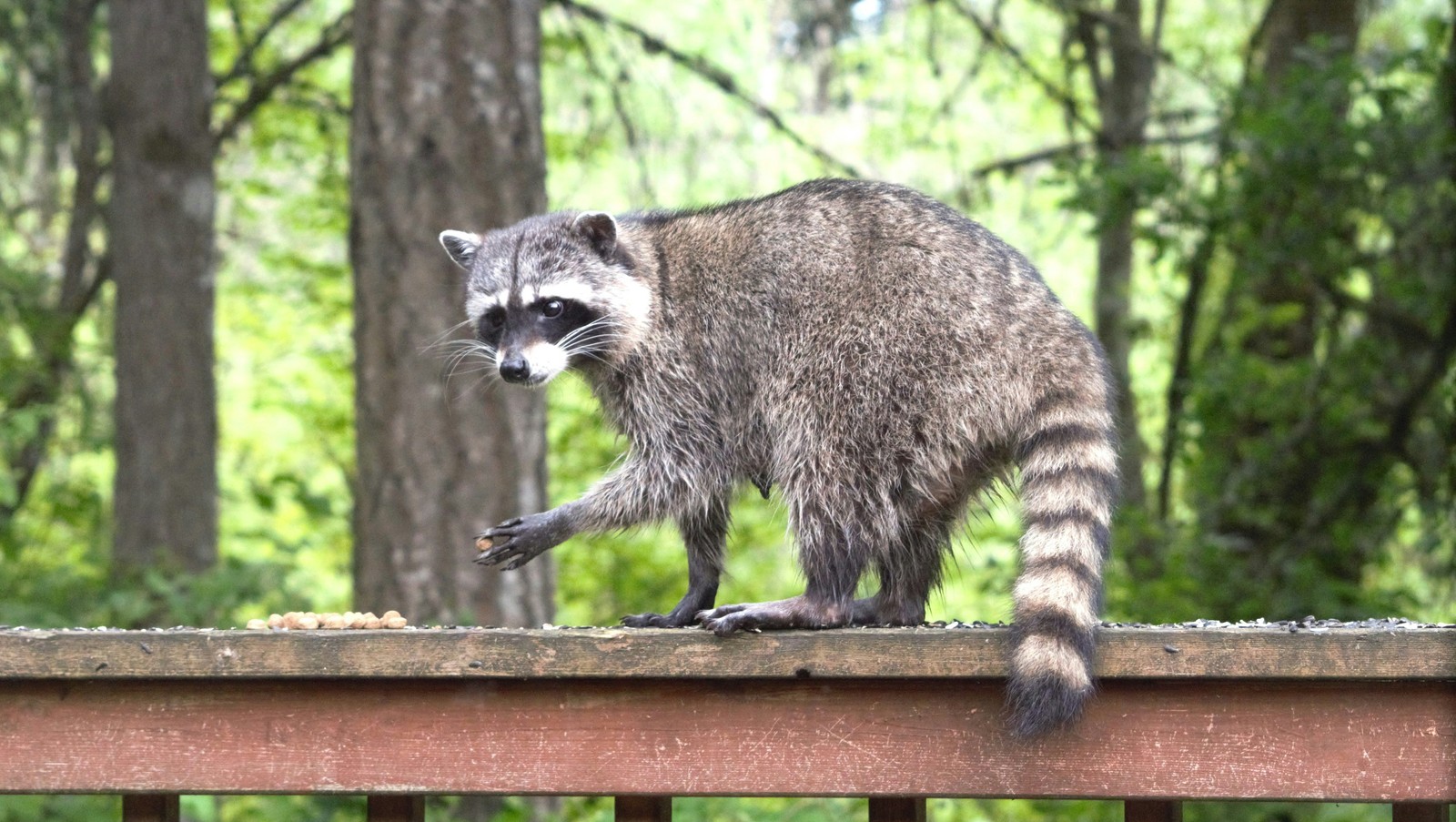
Common Raccoon

Image: Chris Ensminger

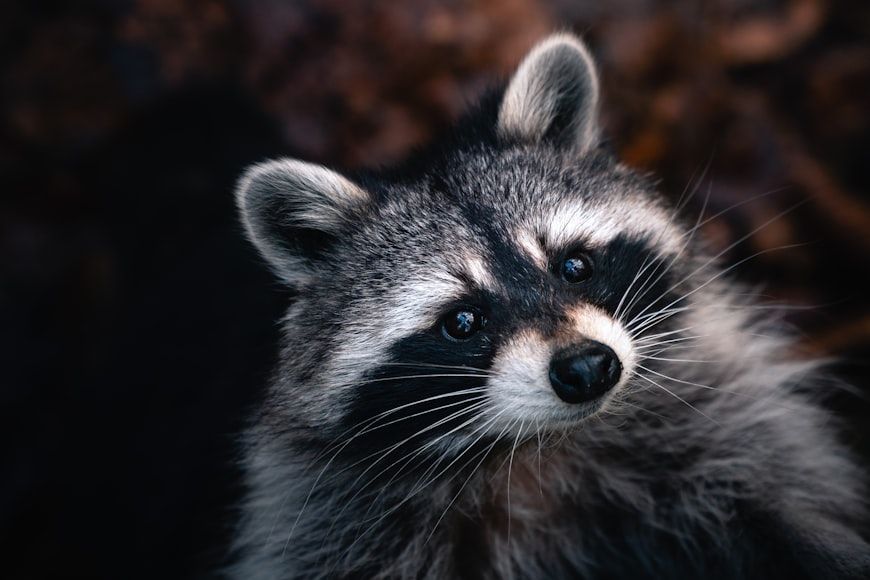
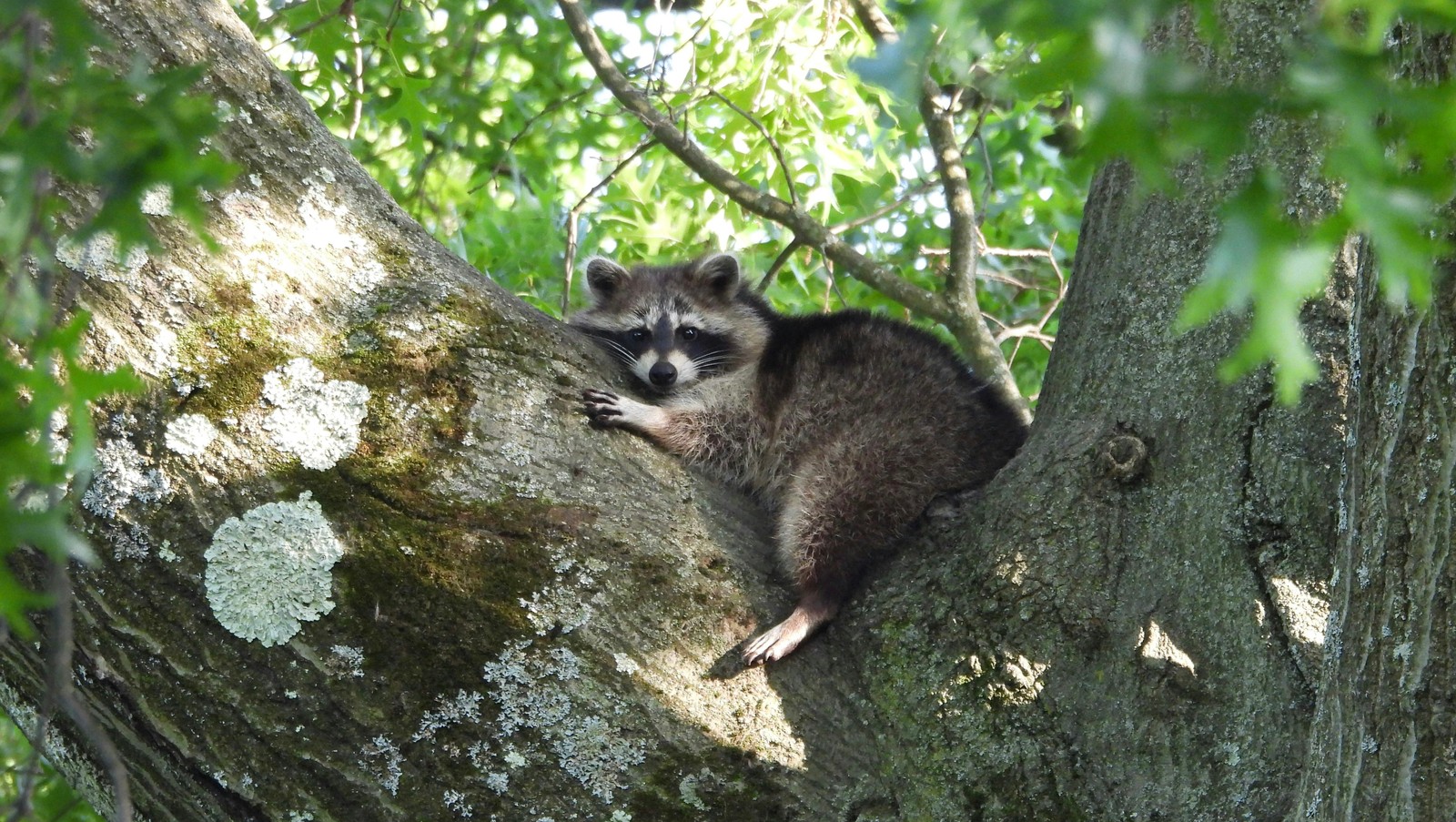
If you are asked to describe a raccoon, the common raccoon, native to North America, will most likely come to mind. The other two species of raccoon—also native to the Americas—present marked differences in color and size. Their name is derived from the Algonquian aroughcoune , meaning ‘he who scratches with his hands.’ The unusual shape of their thumbs, combined with their cleverness, allows them to open closed containers to access food and trash, which has earned them the nickname of "trash pandas." Due to human intervention, they have become a highly invasive species in European and Asian ecosystems.

4
Monarch Butterfly

Image: Alex Guillaume

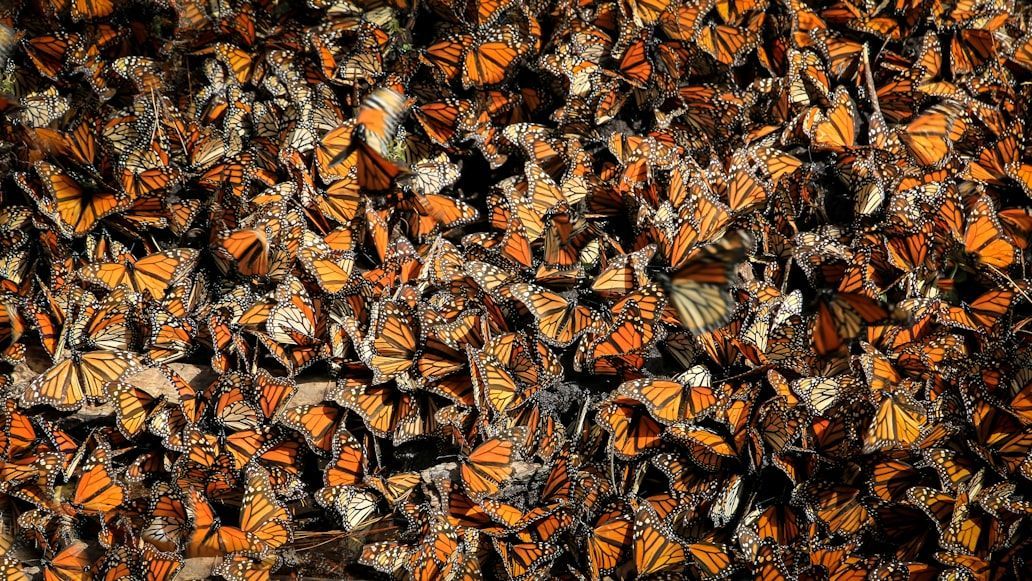
One of the most recognizable butterfly species, the Monarch can be identified by its orange and black wings with white spots . Monarch subspecies can be found across the Americas, but the North American monarch is especially known for its remarkable migratory behavior. As winter approaches, monarch butterflies in the northern United States travel thousands of miles to overwintering sites in California and central Mexico. In spring, they will return home in time for summer.

5
North American Beaver

Image: Tim Umphreys

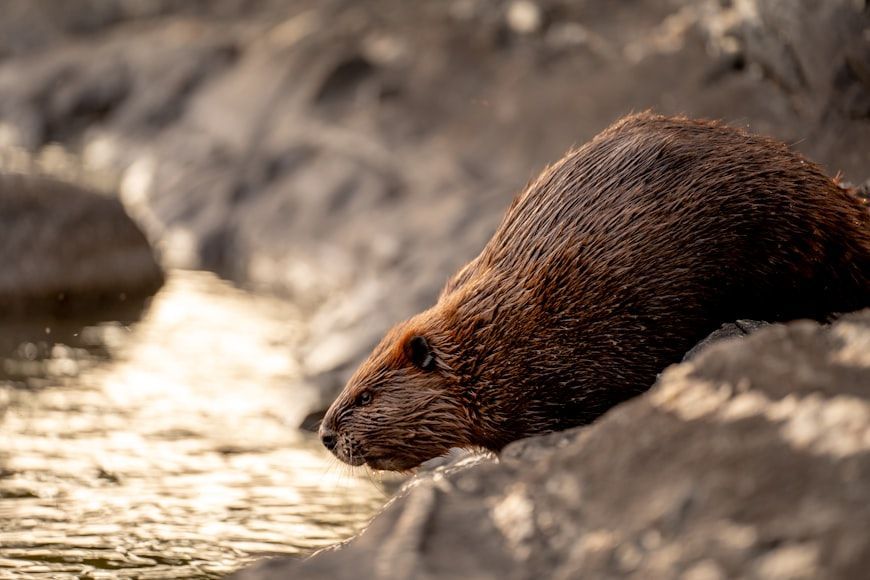
Though North American beavers are related to those found in Asia and Europe, their genetics are so different that they are unable to mix. North American beavers are generally larger and darker than their Eurasian counterparts , and they have a broader and longer tail. They are a widespread species across the Continental U.S., Canada, and northern Mexico and have been chosen as the official state mammal of Oregon and New York.

6
Bald Eagle

Image: Mathew Schwartz

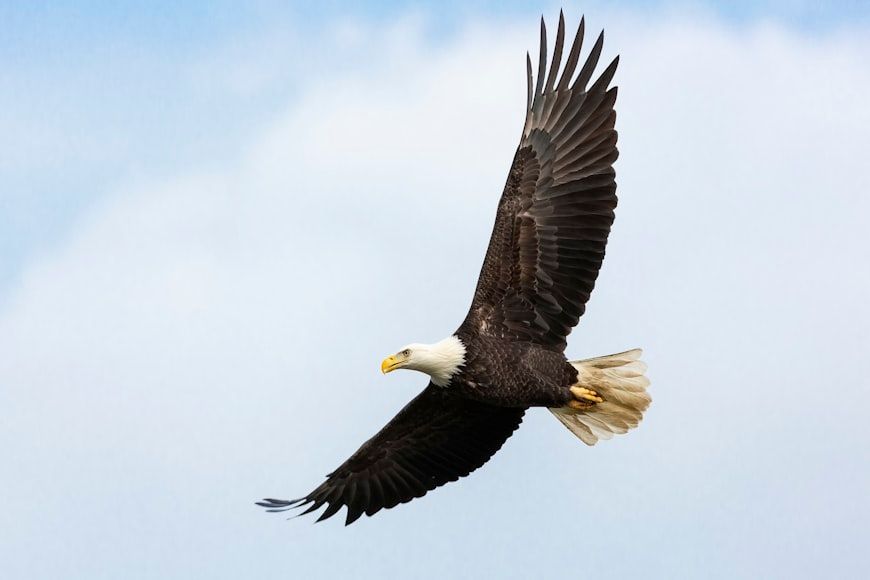
Widely recognized as a national U.S. symbol and featured in multiple official imagery , the bald eagle came close to extinction in the late 20th century. Found across most of North America, it favors habitats near large bodies of water. Fun fact: bald eagles were named after the color of their head feathers, as the word ‘bald’ was anciently used for ‘having a white head.’

7
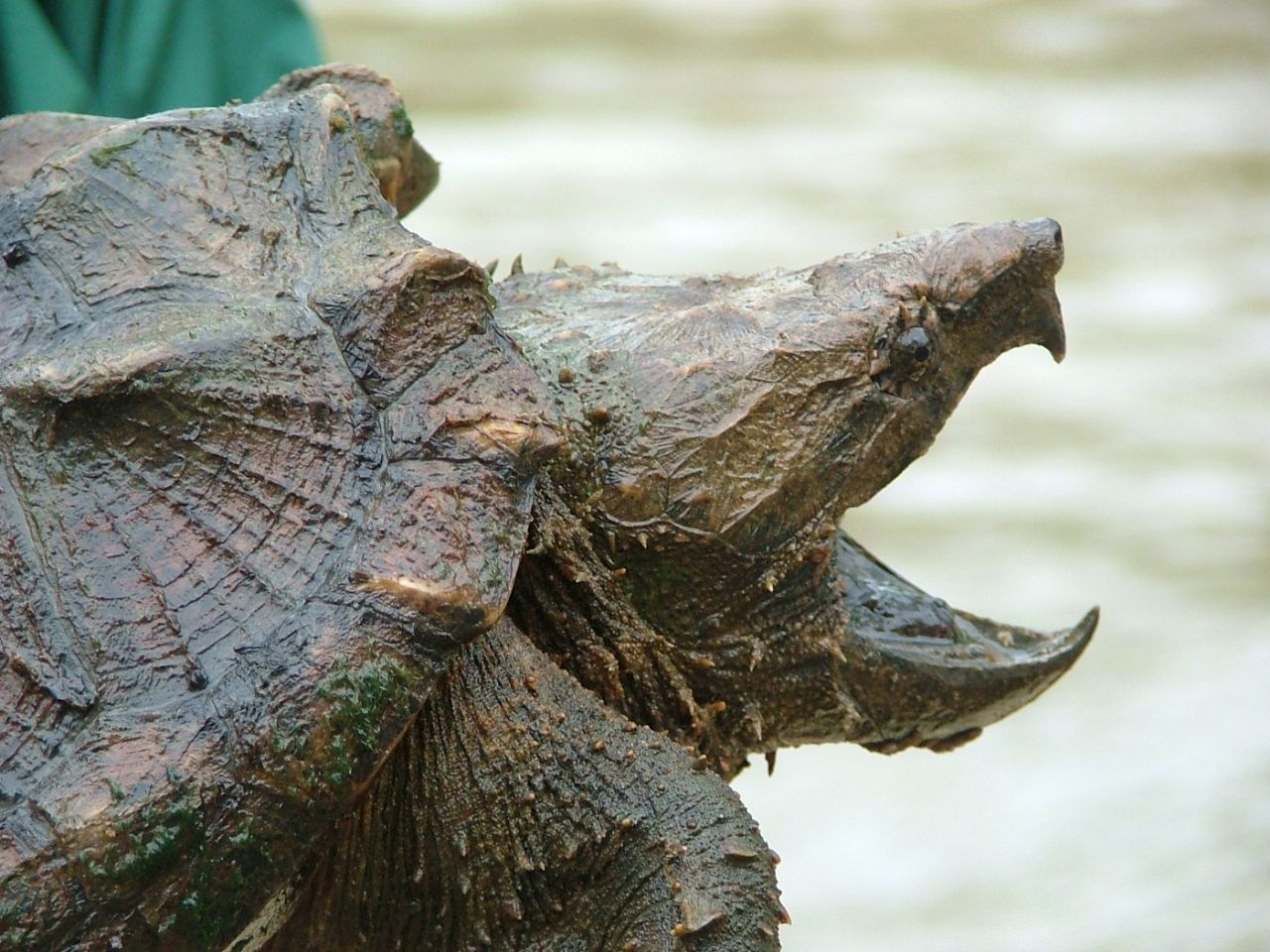
Alligator Snapping Turtle

Image: U.S. Fish and Wildlife Service Southeast Region, Public domain, via Wikimedia Commons

Like the reptile it takes its name from, this pointy reptile is only found in freshwater habitats across the U.S. The spiky ridges on its shell give it an armored tank appearance, but these will flatten as the turtle ages. They have an extremely powerful bite , and they have been known for biting human fingers off, which makes them a dangerous animal that should be approached with caution.

8
Texas Blind Salamander

Image: Ryan Hagerty/USFWS, Public domain, via Wikimedia Commons

Unlike other entries on this list, this amphibian can only be found in a very specific place: San Marcos, Texas . Considered to be a critically endangered species, the Texas blind salamander lives in underground caves and streams and is highly sensitive to water pollution and droughts.

9
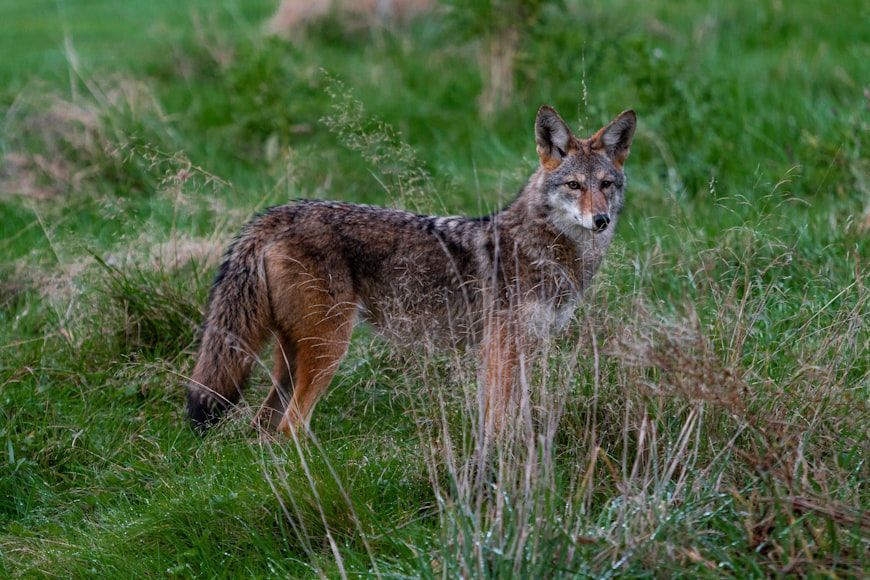
Coyote

Image: Dylan Ferreira

Also known as the American jackal or prairie wolf, the coyote fulfills a key role in North American ecosystems by helping regulate the population of smaller animals and consuming carrion that could otherwise spread disease. Somewhat friendly toward humans, coyotes play an important role in Native American folklore, and there are recorded cases of domesticated coyotes.

10
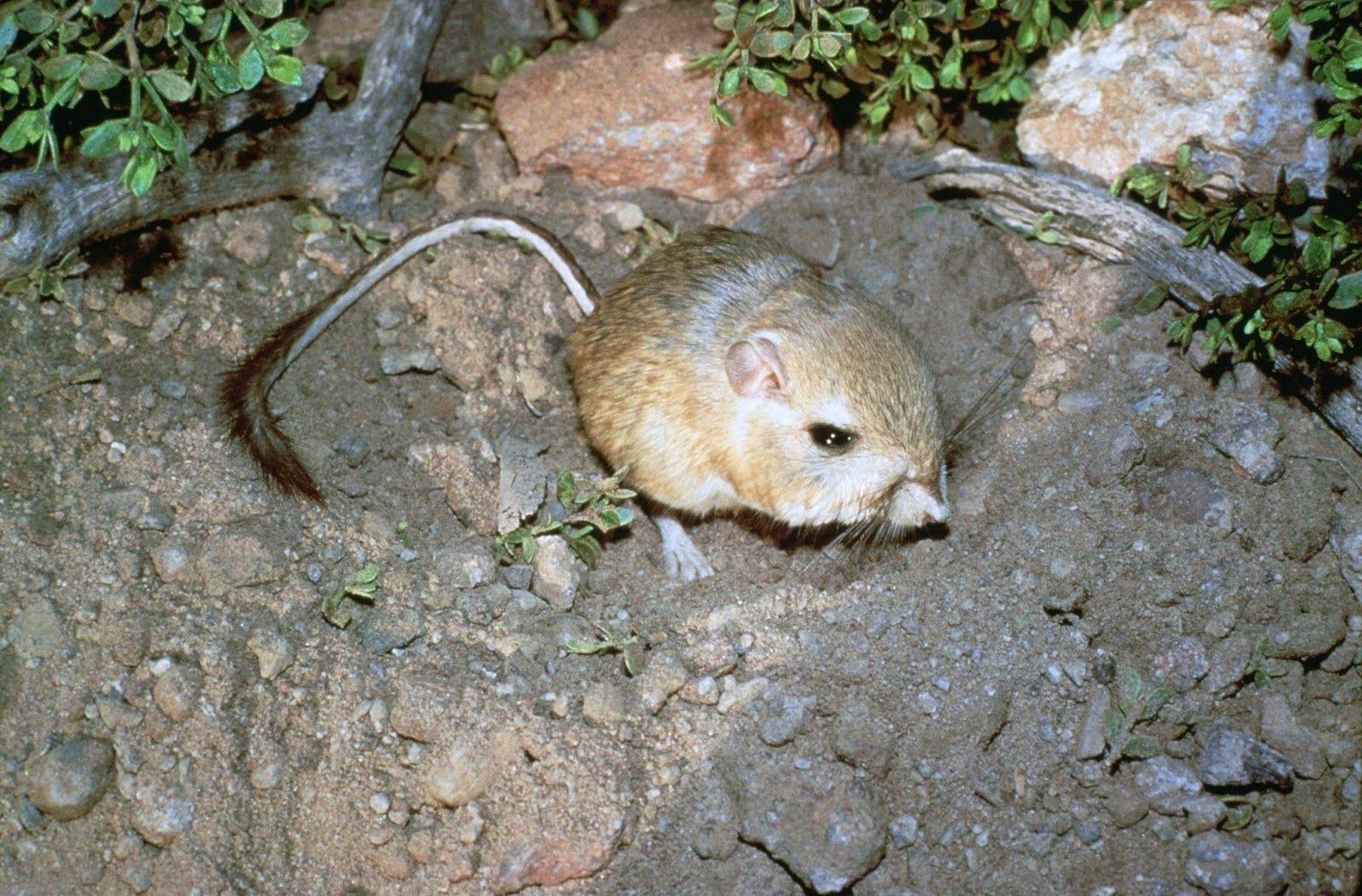
Giant Kangaroo Rat

Image: Harrison, George, Public domain, via Wikimedia Commons

Although kangaroos are native to Australia, giant kangaroo rats are found only in California . Preferring dry, sandy habitats that allow them to dig burrows, these rodents are known for using foot stomps as a way of communicating. Due to habitat loss caused by agriculture, the giant kangaroo rat has been classified as an endangered species.

11
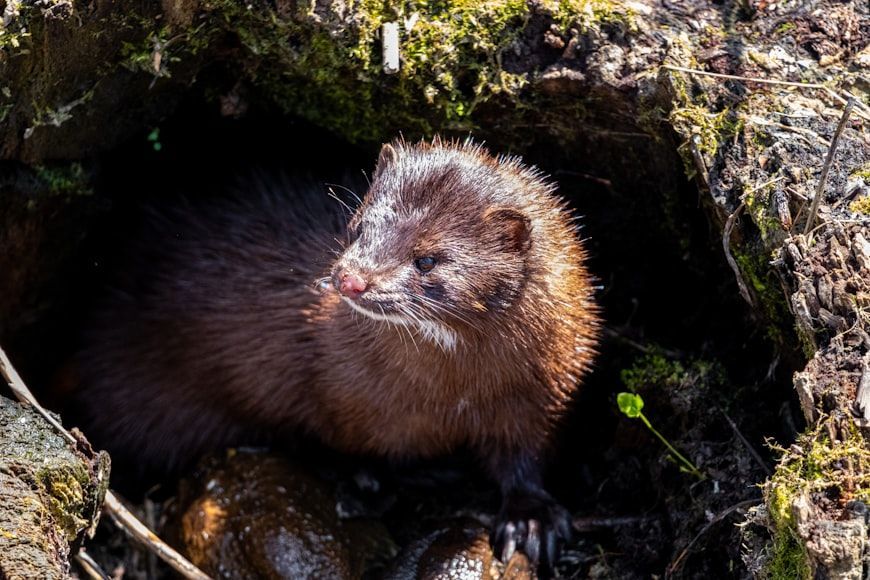
American Mink

Image: Alexandre Daoust

American minks can be found across Alaska, Canada, and the northern and central United States, both in the wild and on farms. Although they are not specifically bred to be tame, they are officially considered suitable to be pets if trained from a young age. Their introduction to many parts of Europe, Asia, and South America has harmed native species, and they have been classified as invasive in many of these regions.

General General 6 min read

Discover the story behind our favorite childhood companions

What do Theodore Roosevelt and teddy bears have in common? 10 fun facts

Image: Jonathan Nenemann

Stuffed animals have great significance for many people, especially in the United States. In fact, the teddy bear's origin story is a testament to the American dream. It is related to one of our most beloved presidents, and they have been portrayed in popular culture, involved in historical events, and present in our homes for the longest time. Would you like to know more about America’s most beloved toy? Continue reading to discover 10 curious facts about teddy bears that you probably didn't know.

1
The first stuffed animals

Image: ariesa66

In 1879, German seamstress Margarete Steiff made an elephant-shaped pincushion from a pattern she found in a fashion magazine. She soon realized that local children were playing with it, and thus the first stuffed animals of the modern era were born. Within six years, she sold more than 5,000 items, and by the 1890s, her company was producing a wide variety of stuffed animals, including dogs, cats, and pigs.

In the early 20th century, Margarete's nephew, Richard Steiff, designed the first bear with jointed limbs. In 1903, he presented his prototype at the Leipzig Toy Fair, where it was discovered by an American merchant who bought 3,000 units that were exported to the United States. Today, many of the stuffed animals created by the Steiff company over the past 140 years are on display in a museum in Giengen an der Brenz, Germany.

2
Theodore Roosevelt and the Birth of the Teddy Bear

Image: Pach Brothers (Firm), photographer, Public domain, via Wikimedia Commons

Almost at the same time as Steiff's stuffed animals, Teddy bears were born in the United States. In 1902, a Russian-born businessman and inventor named Morris Michtom was inspired by a cartoon published in The Washington Post to create what would become the most beloved toy in America. The cartoon depicted President Theodore Roosevelt showing compassion for a bear on a hunting trip in Mississippi.

Michtom made a small plush bear cub, sent it to Roosevelt, and asked for permission to use his nickname, Teddy. After the president's blessing, Michtom placed the doll in the window of his Brooklyn store with the caption "Teddy's bear." The success was so great that he began mass-producing them, and within a few years, he founded the Ideal Novelty and Toy Company, which would become the largest doll-making firm in the United States.

3
The smallest teddy bear

Image: Myshanah

Stuffed animals come in all sizes, but do you know how tiny the world's smallest teddy bear is? Here's a hint: it can only be seen using a magnifying glass ! In March 2003, a woman from Gauteng, South Africa, named Cheryl Moss entered the Guinness World Records Hall of Fame for creating the smallest handmade teddy bear.

Called Tiny Ted, this fully articulated toy with a movable head, arms, and legs measures just 0.17 inches . To give you an idea, it’s smaller than a coin and about the same size as the nail of your index finger. Can you imagine? This miracle of creativity and ingenuity can be visited at the Teddy Bear Museum on Jeju Island, South Korea.

4
The largest teddy bear

Image: SONIC

If we are talking about extremes, you might be interested to know that there is also such a thing as the world's largest teddy bear. In 2019, the municipality of Xonacatlán in Mexico broke the Guinness World Record, taking the title that had been occupied since 2008 by a 55-foot bear from Kansas City.

Xonita, nearly 64 feet in length , was displayed in a soccer stadium to promote Children's Day. The name Xonita is a portmanteau of the words Xonacatlán, the bear’s birthplace, and bonita , which means "pretty" in Spanish.

The hands of 60 artisans created the giant doll over a period of three months. About 2,030 feet of fabric and more than 2,000 pounds of stuffing were used to make it. She was dressed in a red blouse and a beautiful pink tutu. The nose and eyes were specially made with acrylic and fiberglass.

5
The most expensive teddy bear

Image: Bru-nO

Teddy bears may be an affordable toy for almost any child, but their popularity and the fanbase they have acquired over the years have also made them a coveted collector's item, even for adults. That's why the renowned fashion brand Louis Vuitton and the world's most famous stuffed animal company, Steiff, teamed up to create a luxury teddy bear.

Dressed in a raincoat and hat printed with the brand's iconic logo, this 17-inch teddy bear was auctioned at Christie's in Monaco in 2000. It was purchased for a total of €213,720, about 182,000 American dollars , by Korean Jessie Kim, breaking the record for the world's most expensive teddy bear. It is currently on display alongside Tiny Ted at the Teddy Bear Museum in South Korea.

6
To infinity and beyond

Image: Oxana Lyashenko

Teddy bears offer emotional comfort to both children and adults. These toys have a special ability to help relieve stress and cope with loneliness, not only on Earth but also in space, where astronauts must spend long periods away from their loved ones. That's why, throughout history, many teddy bears have traveled into space . Not only for sentimental reasons, but they also play crucial roles in education.

Magellan T. Bear was the first official teddy bear in space. In 1995, this stuffed animal, created by NASA and students of Elk Creek Elementary School in Pine, Colorado, boarded the Space Shuttle Discovery mission STS-63. Magellan’s journey not only served as a source of inspiration for the children but was also part of an educational project that taught students about geography, social studies, and science.

7
Teddy bears in popular culture

Image: Billy Joachim

As one of the most universal toys in history, it's no wonder that teddy bears have been portrayed in popular culture since they first appeared on the market in the early 20th century. Since then, they have been featured in children's stories, movies, books, comic strips, songs, and more.

For example, characters such as Winnie the Pooh, Paddington, and Corduroy have touched generations of children around the world. The song "Teddy Bears' Picnic" was a hit at the time and has been recorded by numerous artists, including Bing Crosby. In the 1980s, the Care Bears were introduced as characters in a series of greeting cards, and the success was so great that they soon became a franchise that included toys, movies, and television series. Finally, the movie Ted , created by comedian Seth MacFarlane in 2012, offers a more modern and edgier take on the world's most famous toy.

8
Hop on the rollercoaster

Image: Alexavier Rylee Cimafranca

Like many tourist attractions, the Giant Dipper rollercoaster at Belmont Park in San Diego was closed to the public in mid-March when the COVID-19 pandemic struck the world. However, to keep the 95-year-old historic roller coaster from rusting, it had to be operated several times a day. Instead of letting the cars slide down the tracks with empty seats, the operators decided to include some curious passengers immune to the coronavirus.

Every day, a dozen giant stuffed animals were placed in the attraction's 24 seats and secured with grab bars. From noon to 6 p.m., twice an hour, the teddy bears happily rode the rollercoaster . While the toys played no vital role in maintaining the machinery, they certainly served to cheer us up for the duration of the confinement.

9
National Teddy Bear Day

Image: Sung Jin Cho

Did you know there is a special day to celebrate our loyal stuffed companions? Every September 9th in the United States, we commemorate National Teddy Bear Day, a perfect time to dust off our first imaginary friends and pay tribute to one of our favorite childhood toys.

It is also a good opportunity to share with the children in the family, telling them about our youth and reminiscing about the past. They will surely have fascinating stories to tell, too!

10
Teddy Bears provide therapeutic benefits

Image: Oleksandr Skochko

Teddy bears are known to be loyal and comforting companions for kids. But did you know they can provide mental and physical benefits for adults too? According to several scientific studies, in childhood, teddy bears serve as transitional objects, aid in developing and maintaining sleep habits, and help children overcome stressful and traumatic situations.

As we grow older, teddy bears have similar effects, which is why many people treasure their beloved teddy bears even years after they have become responsible adults. Stuffed animals create a sense of shielding and protection and can help people who have lost a loved one or have experienced serious illness and trauma cope better. So now you know: don’t feel self-conscious if you still keep that ragged teddy bear from your childhood!

Explore more American facts

Choose your favorite category!

General
General

As American as apple pie—the very best America has to offer!

Culture
Culture

Delve into the astounding richness of American lore.

Geography
Geography

Hop in and explore vast and diverse American landscapes.

History
History

Discover the key moments that shaped the United States.